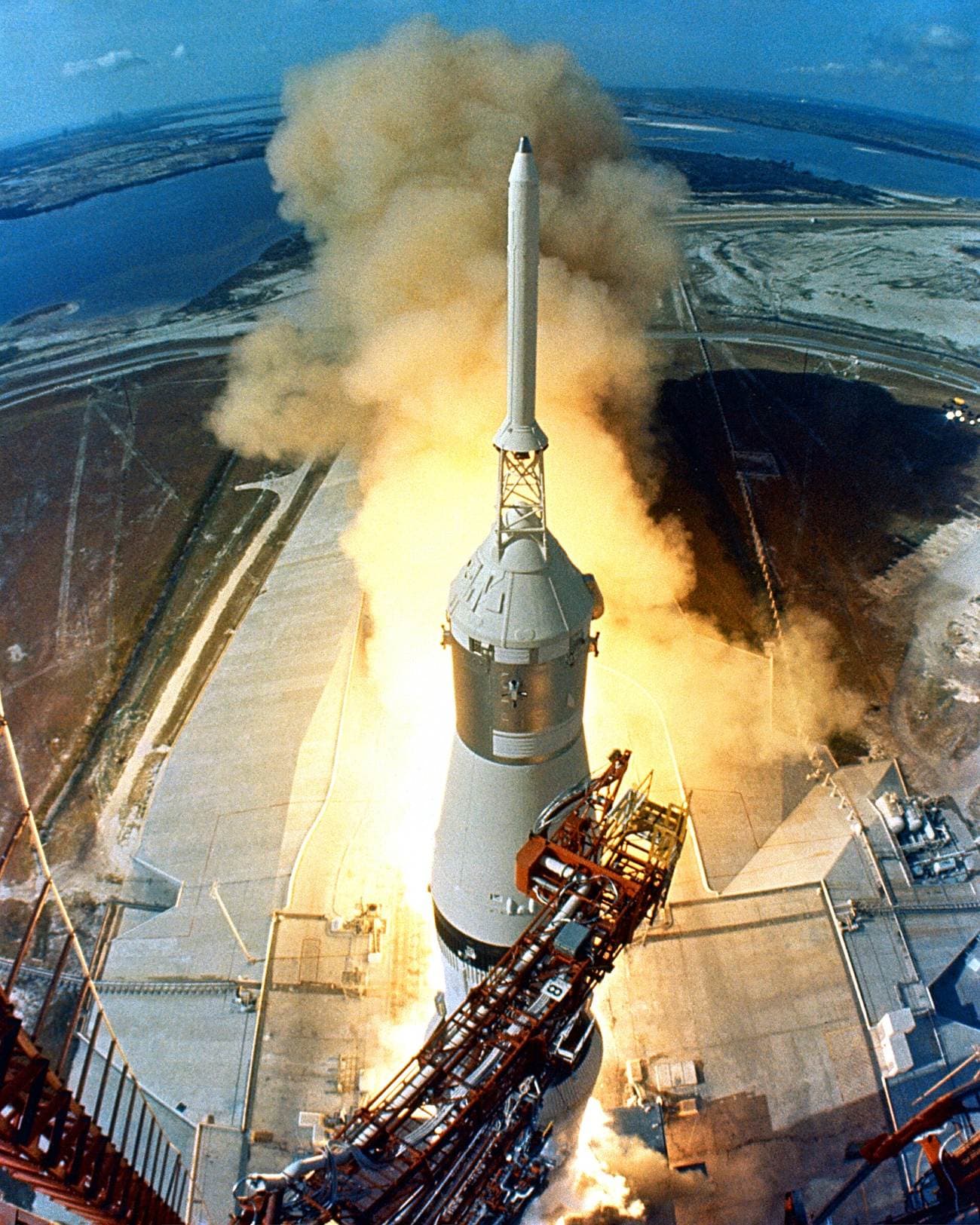
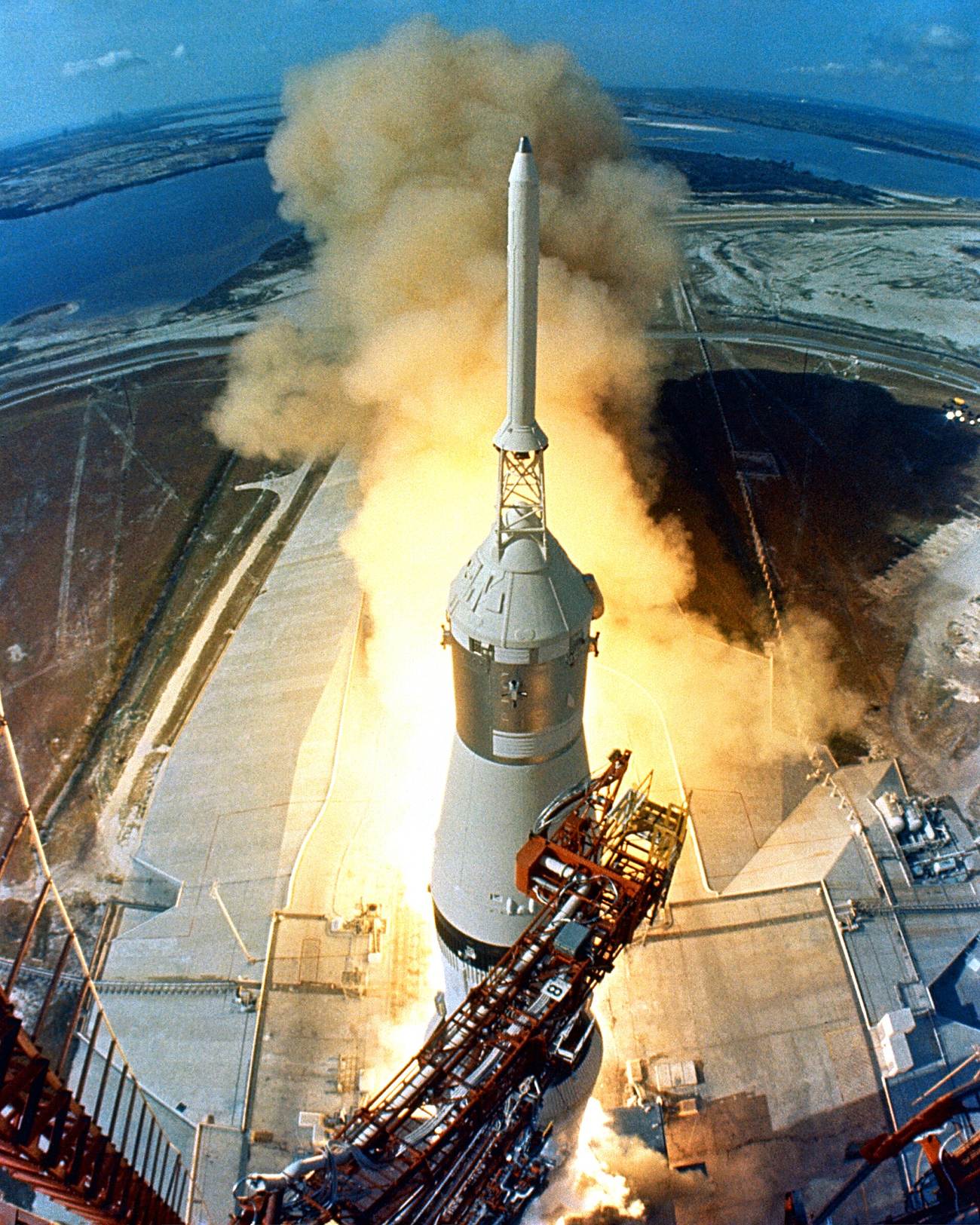
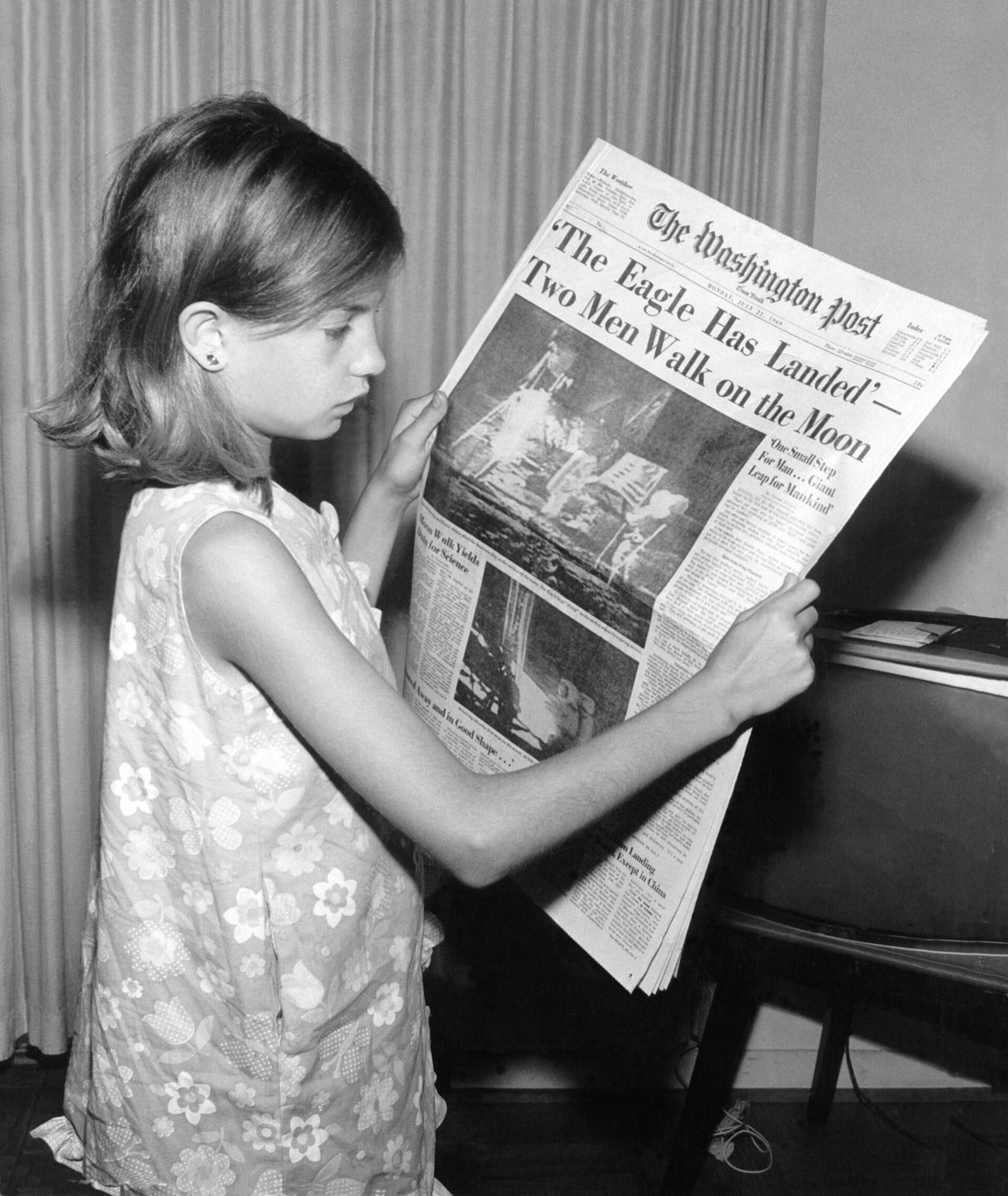
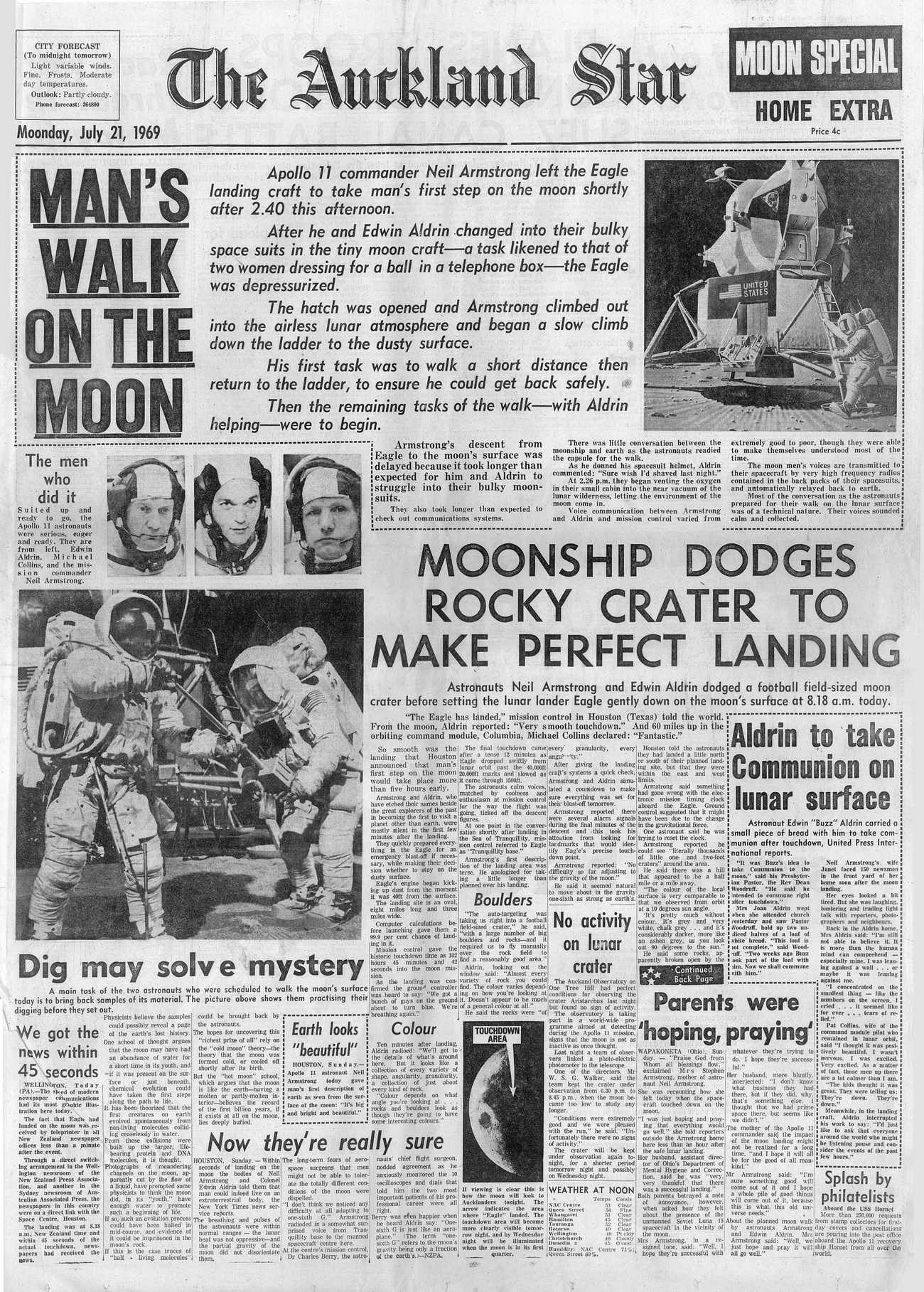
On July 20, 1969, an estimated 600 million people gathered in front of their televisions to watch a human being step onto the surface of another world. "That's one small step for man, one giant leap for mankind." And almost from that same moment, trailing humanity's greatest achievement like a shadow, one stubborn question began — and 55 years later it still hasn't gone away: was that real? This file is a kind of textbook of the Moon-landing hoax theory. We'll lay out the classic "clues" one by one, exactly as skeptics present them — and then, one by one, look at the evidence that answers them. And at the end, we'll ask the more interesting question: given how thoroughly the theory has been rebutted, why won't it die?
I did not want this one in the archive. It sat in a pile of things I had decided were too well answered to be interesting, and it stayed there for a long while. What eventually pulled it out was a number I could not stop turning over: roughly one in ten, and higher among the young than the old. Every other file I keep gets smaller as the evidence accumulates. This is the only one I have where the evidence has been complete for decades and the belief has gone the wrong direction anyway.
The Classic "Clues"
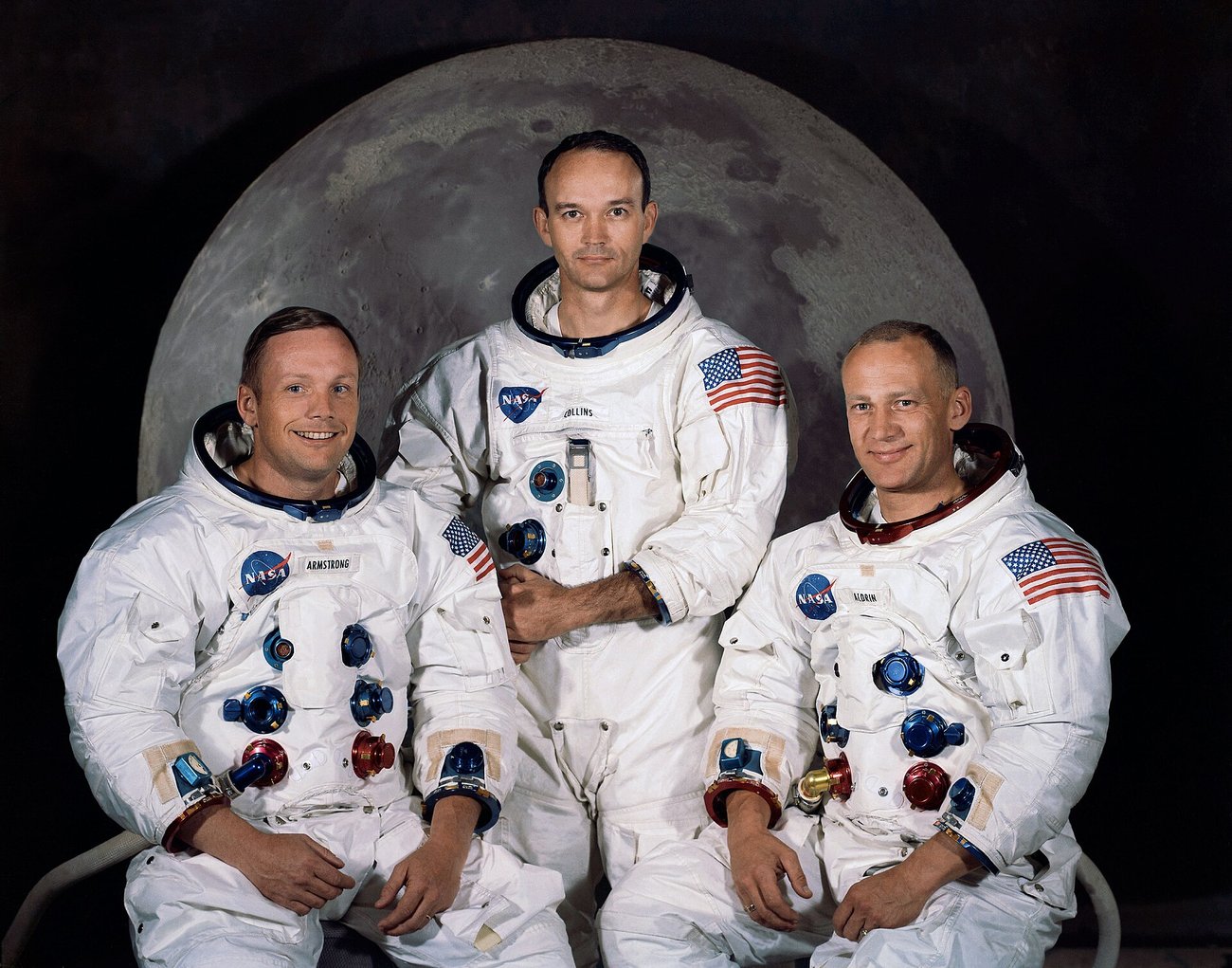
The doubt started with the photographs, and four pieces of "evidence" have anchored the theory for decades.
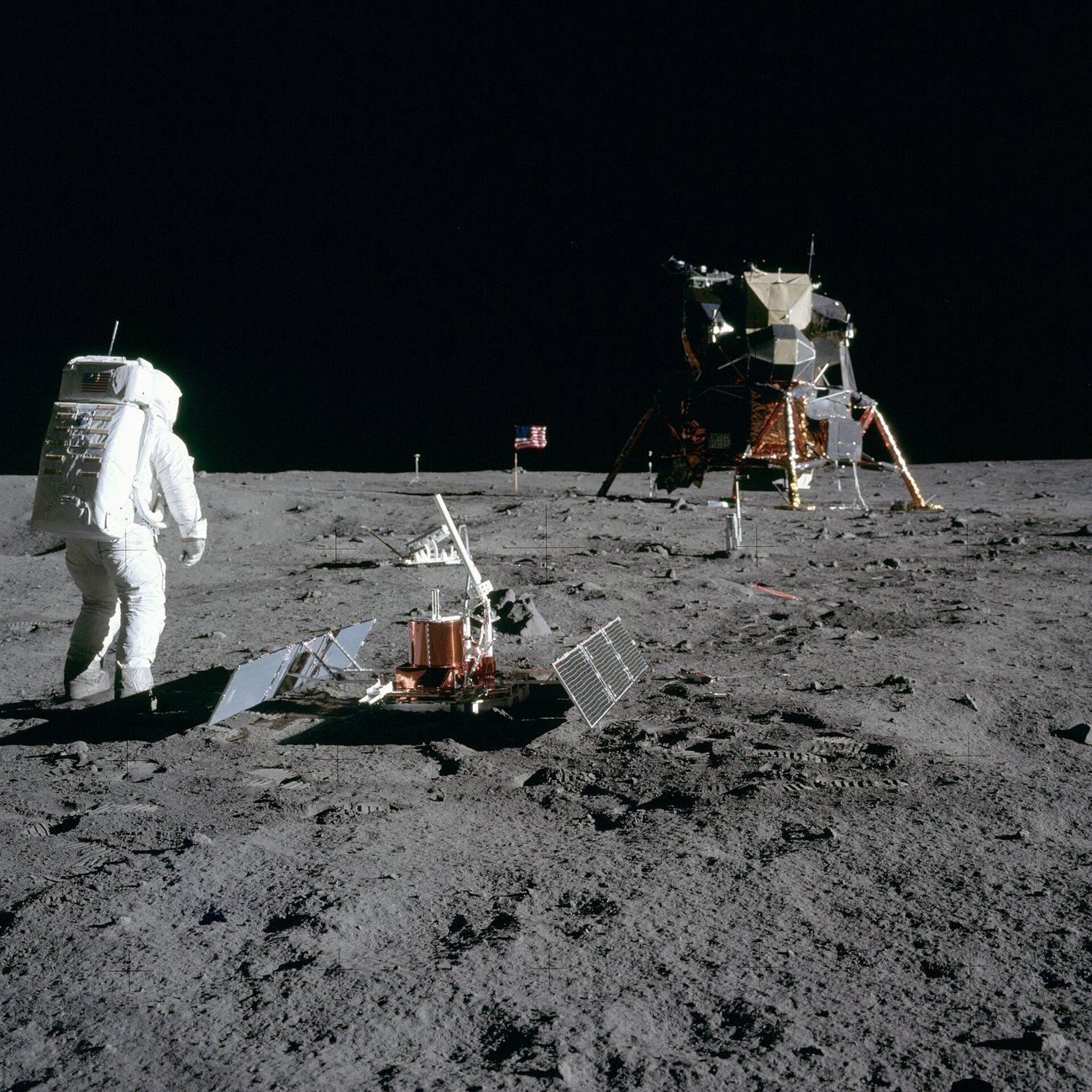
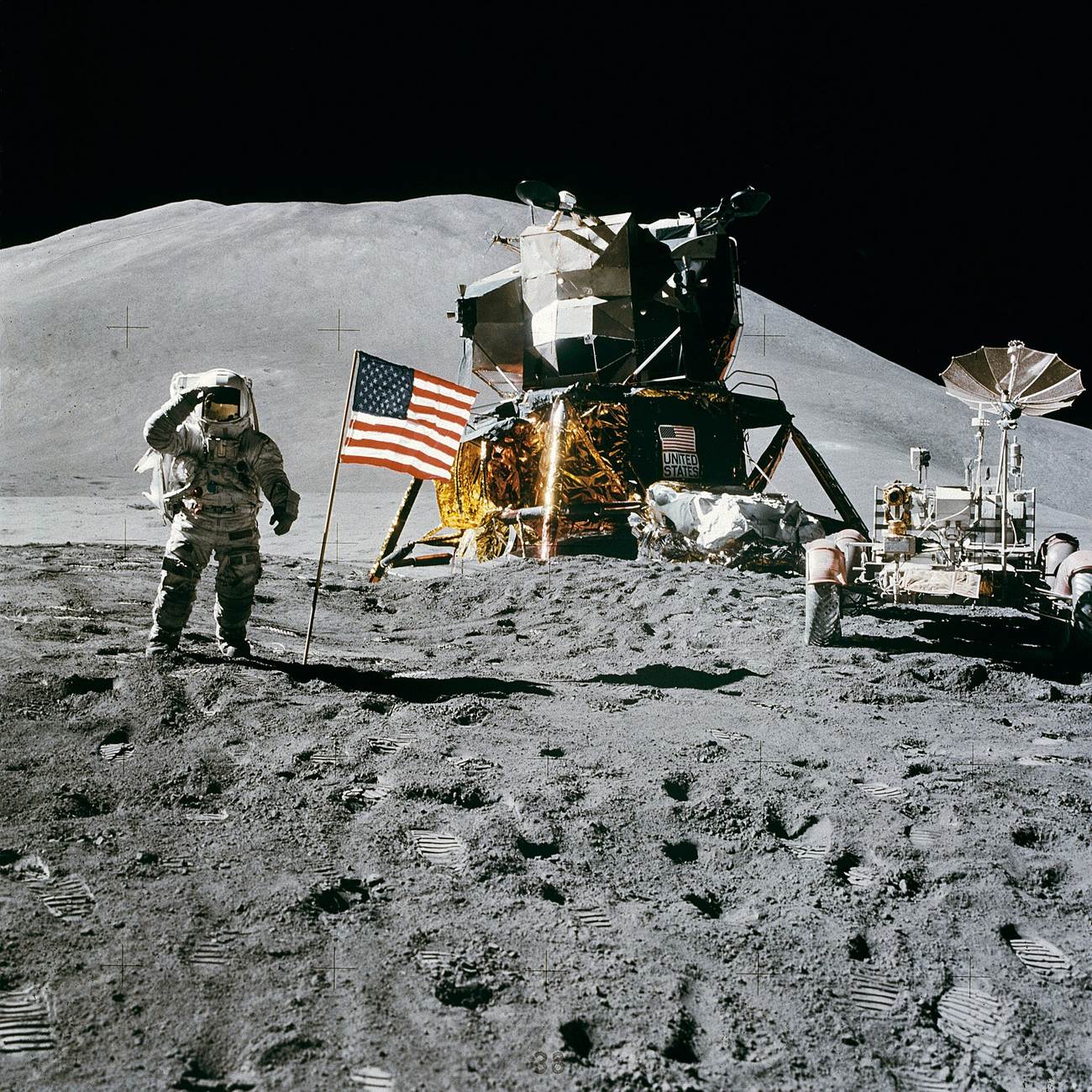
The waving flag. The Moon has no atmosphere, which means no wind. So why, in the footage and photos, does the American flag appear to ripple as if a breeze were blowing? To skeptics, a waving flag on an airless world could only mean one thing: a set, on Earth, with air moving through it.
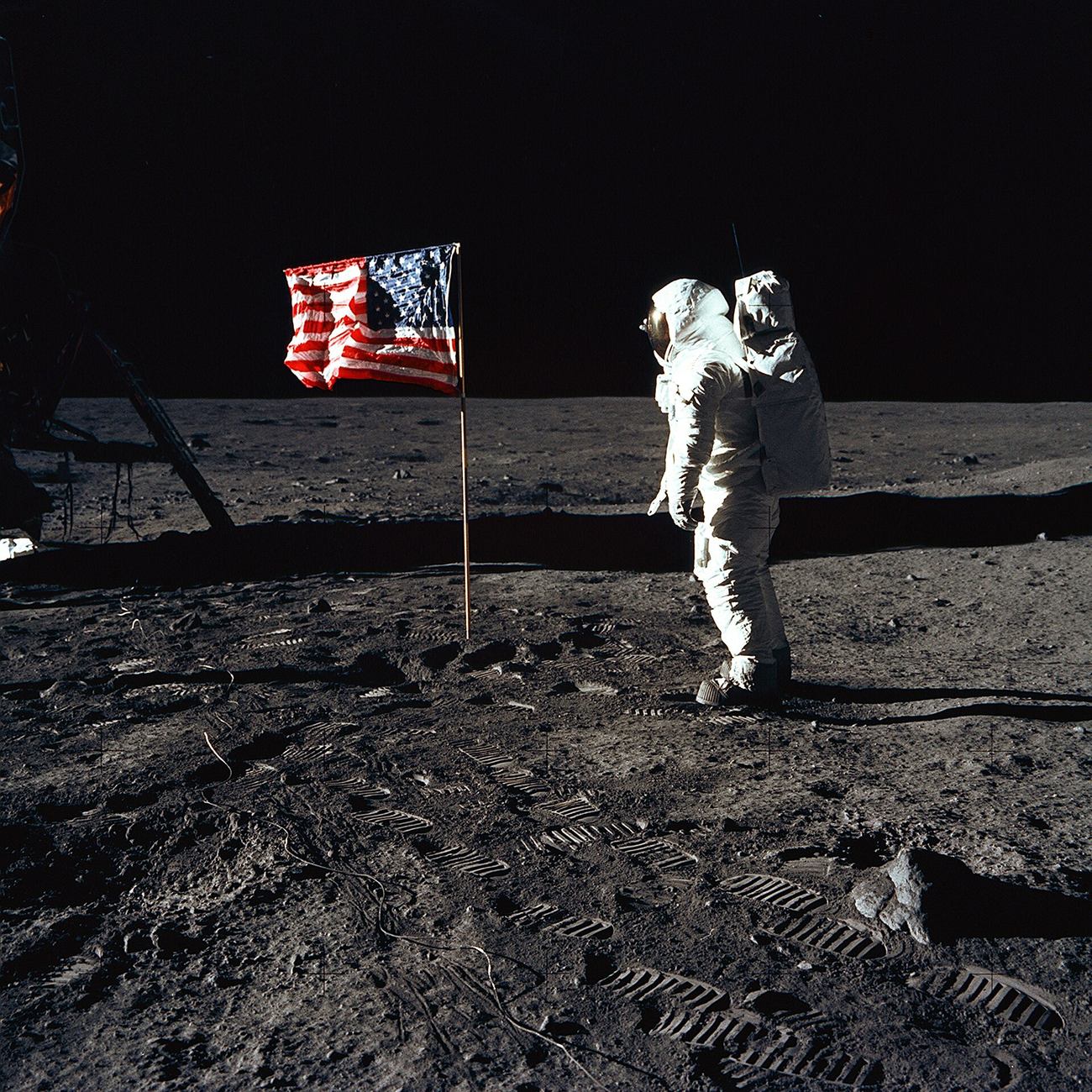
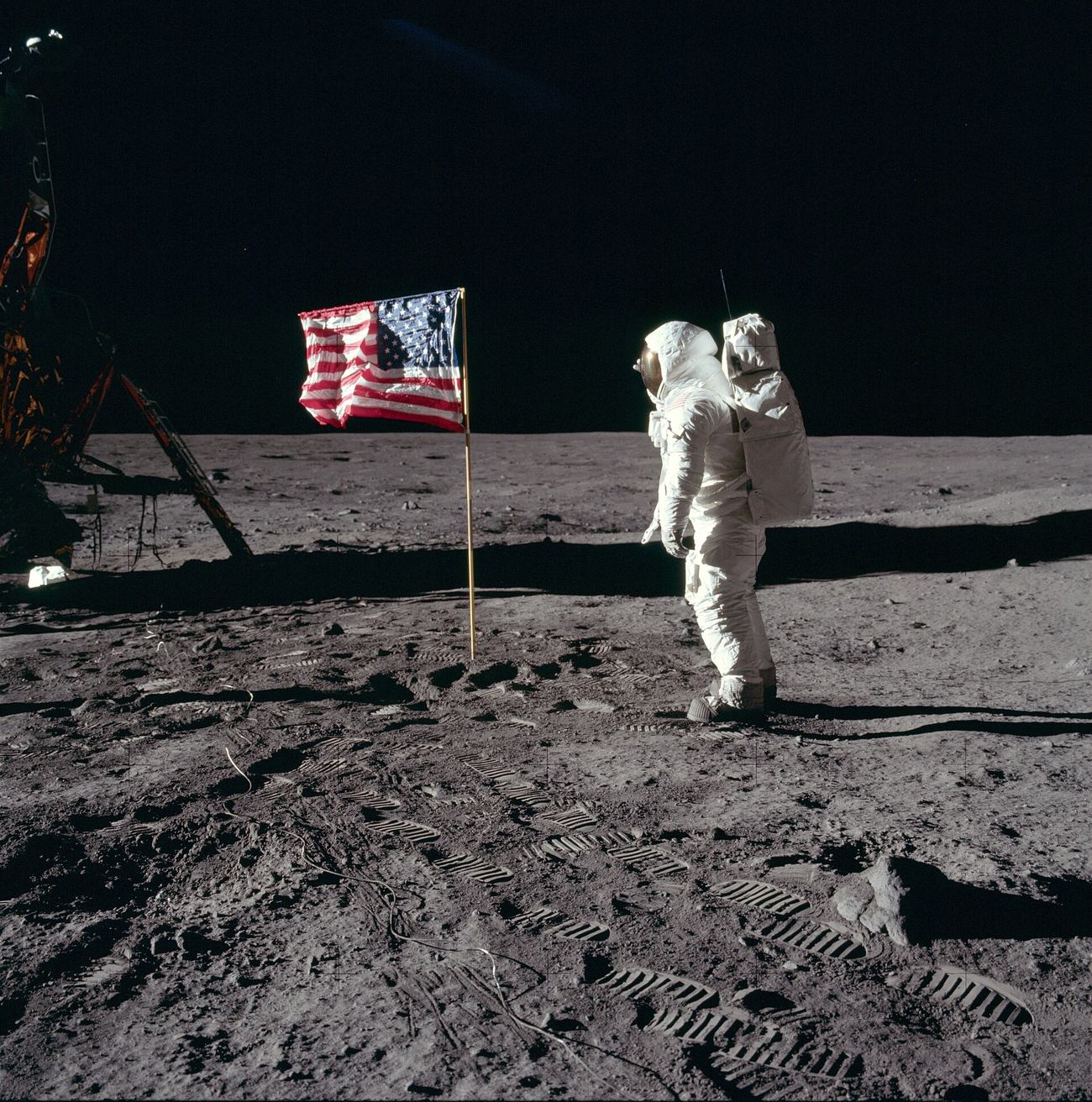
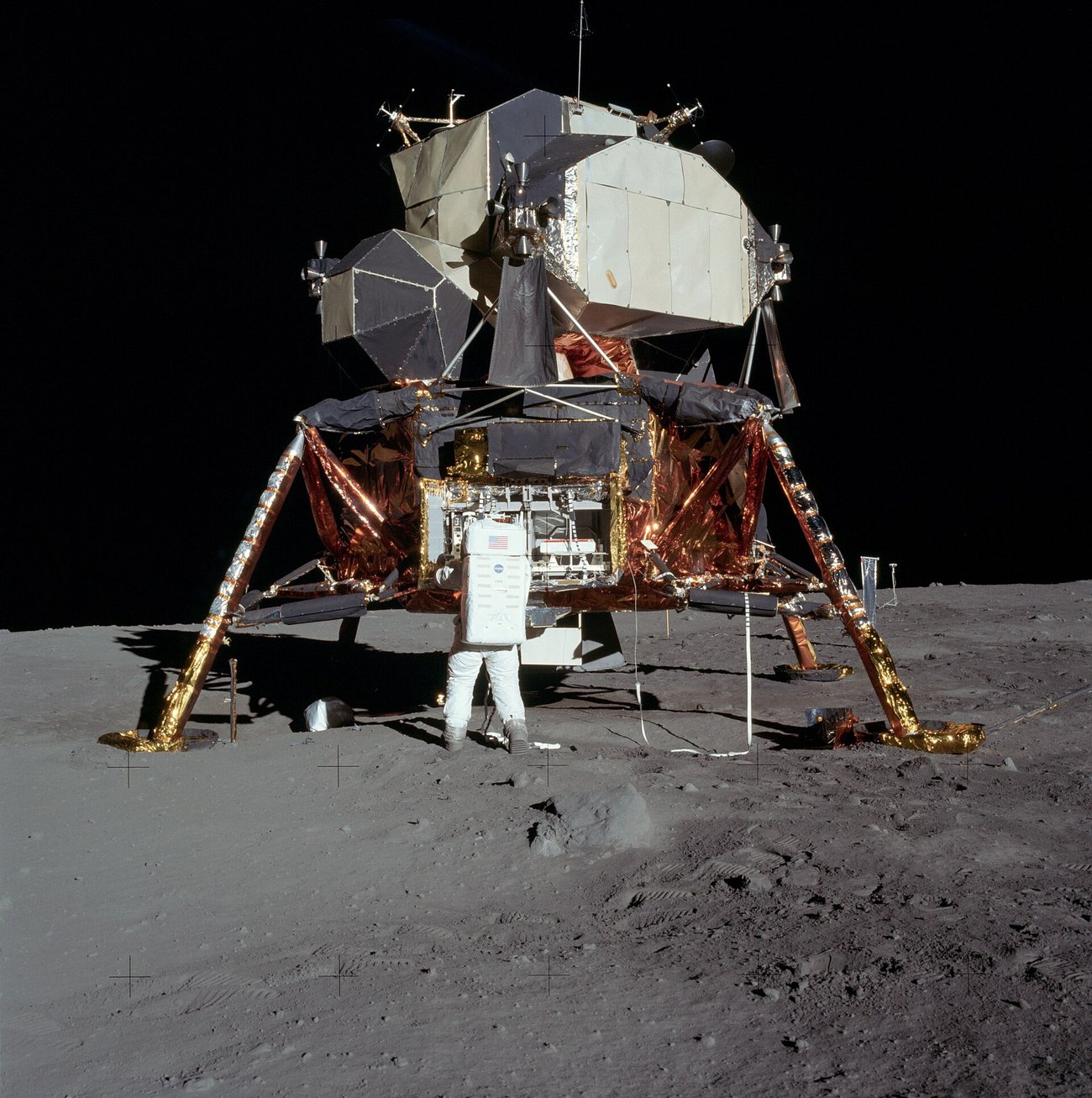
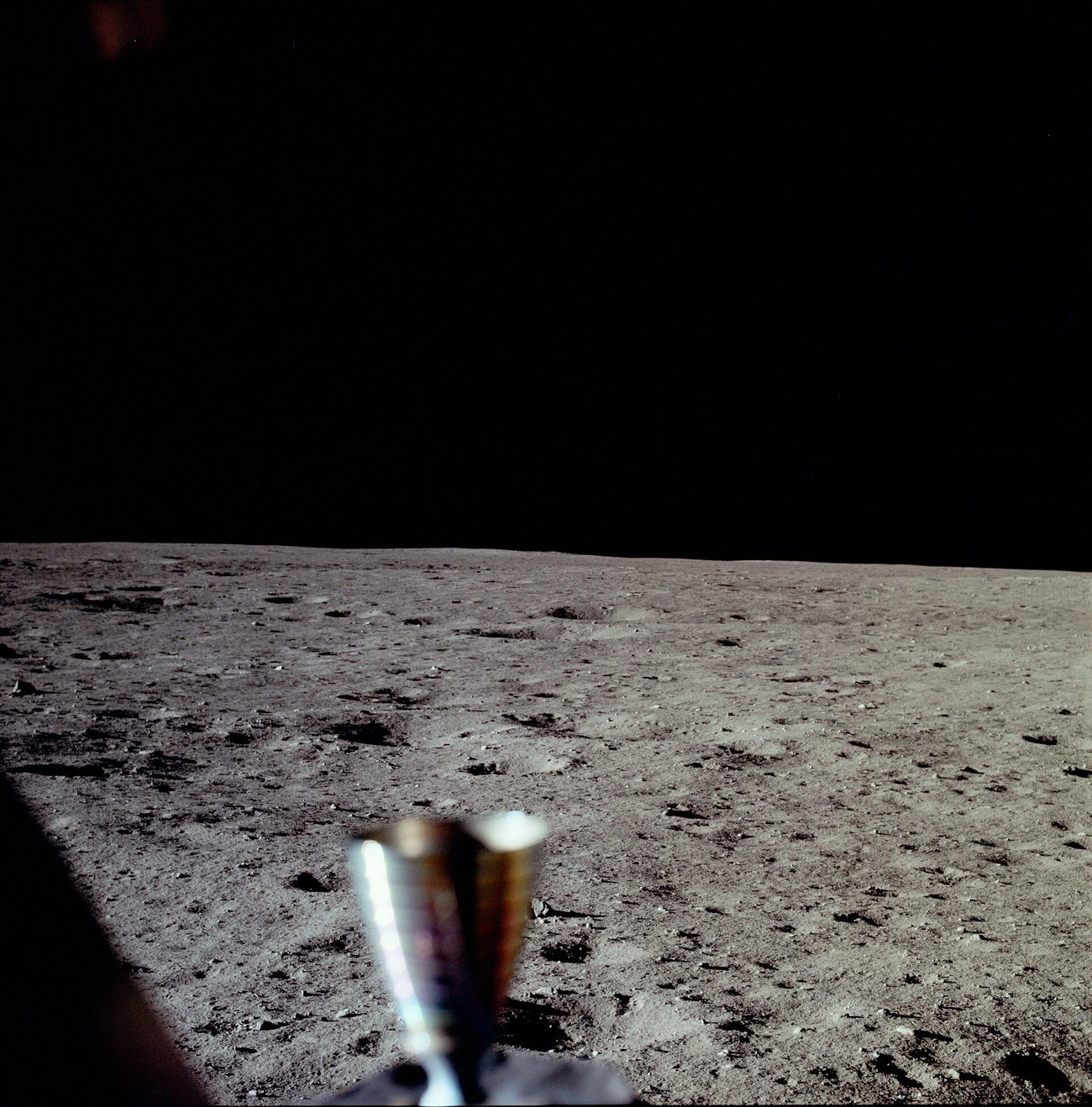
The starless sky. The Moon has no atmosphere to scatter light, so — the argument goes — a photograph of its sky should be blazing with stars. Yet the sky in every Apollo photo is pure, empty black. Where did the stars go? A planetarium ceiling, say the skeptics, would look exactly this blank.
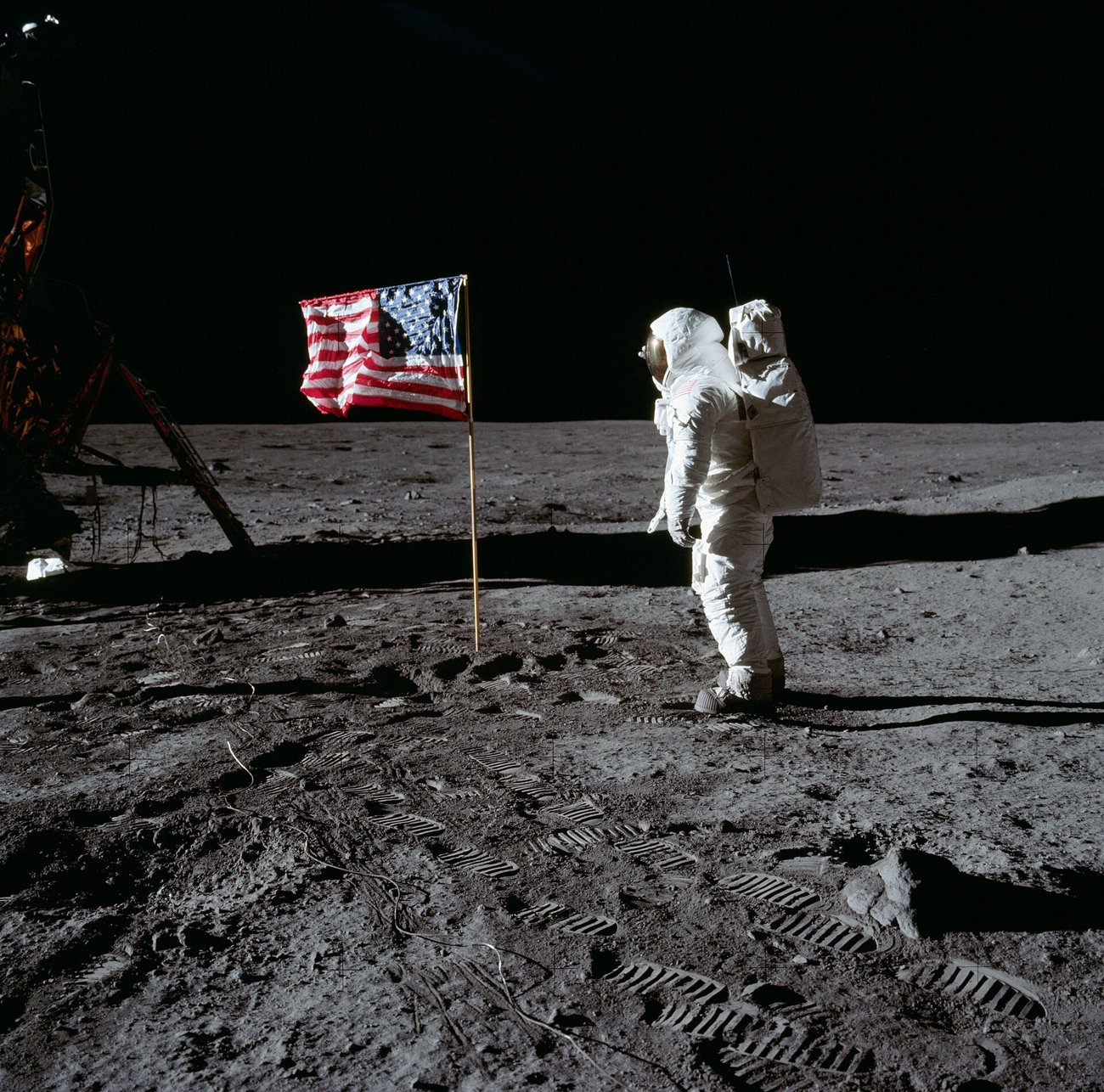
The mismatched shadows. If the only light source is the Sun, every shadow should fall parallel to every other. But in some Apollo images, shadows appear to point in different directions — as if lit by multiple studio lamps rather than one distant star.
And then the theory's favorite suspect: Stanley Kubrick. Just one year earlier, in 1968, the director had made 2001: A Space Odyssey, rendering outer space more convincingly than anyone had ever done. The enduring theory holds that NASA hired Kubrick to shoot the landings on a set in the Nevada desert. The Cold War supplies the motive: a United States losing the space race to the Soviet Union, staking its national prestige on a spectacular fraud.
Laid out like that, it can sound almost persuasive. Which is exactly why it's worth answering each point honestly.
The Answers
Here's the thing the theory rarely mentions: every one of those "clues" has a straightforward, well-established explanation.
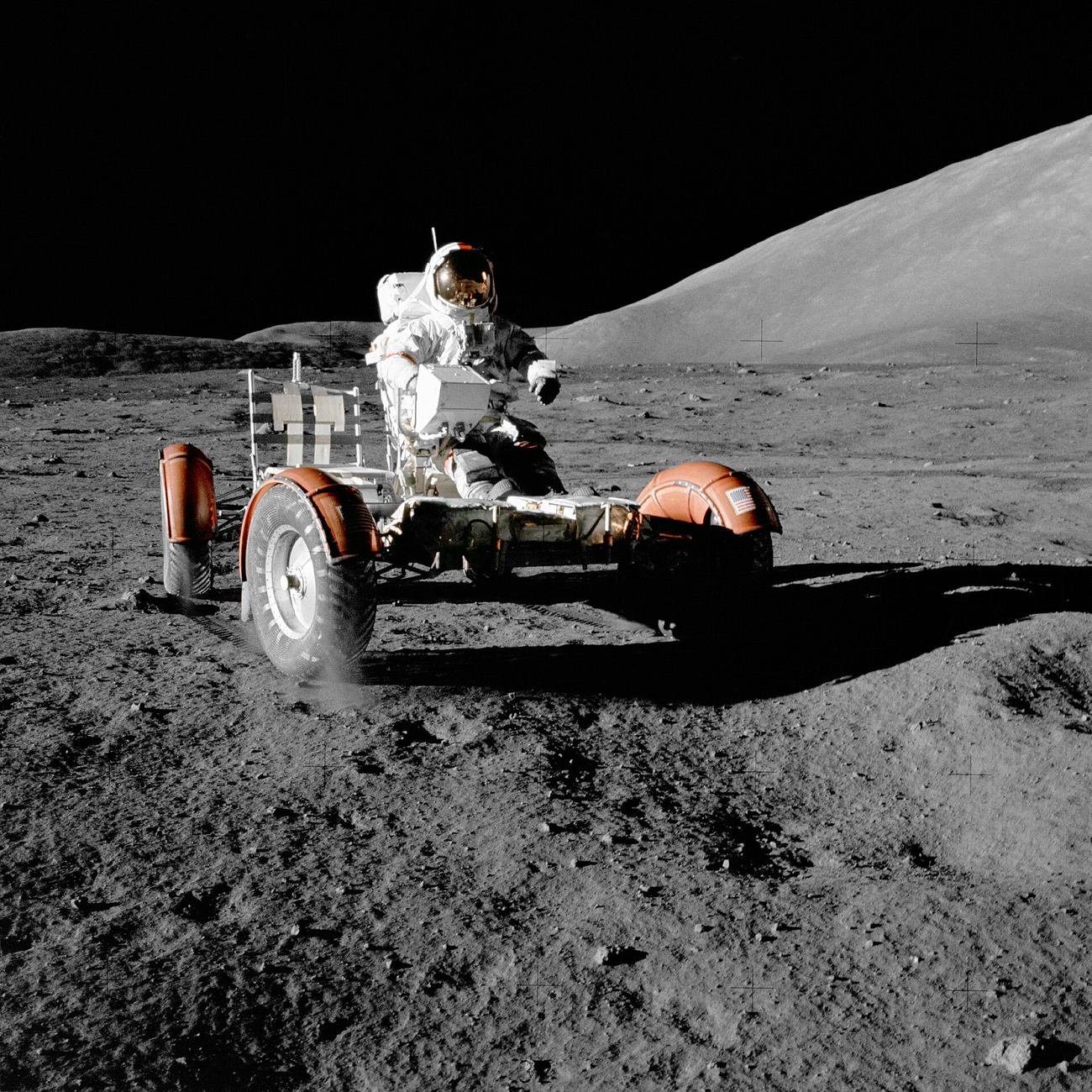
Why the flag "waves." The flag was designed to appear spread out — a horizontal rod was sewn along its top edge to hold it open in the airless environment, precisely because there was no wind to unfurl it. And the rippling motion? That's the opposite of what it seems. Because there's no air on the Moon to damp the movement, the shaking the astronauts caused while planting the pole simply kept going far longer than it would on Earth, where air resistance would stop it quickly. The flag doesn't move because of wind. It moves because of the absence of it — pure inertia in a vacuum.
Why there are no stars. The lunar surface in those photos is in harsh, direct sunlight — the equivalent of bright daytime. The cameras were set for that brilliant, sunlit ground, which means their exposure was far too short to capture the comparatively faint light of distant stars. It's the same reason your phone can't photograph the night sky while also correctly exposing a floodlit stadium. Point a camera at bright things, and the dim things vanish.
Why the shadows diverge. Uneven terrain and the perspective distortion of a wide-angle lens. Shadows cast across bumpy, sloping lunar ground, and photographed up close, will appear to run in different directions even under a single light source. You can see the identical effect on Earth — take a photo across a hilly field at sunset and the shadows will seem to splay apart, though the Sun is the only light there is.
And then the evidence that goes beyond merely answering objections — the evidence that is genuinely hard to argue with.
The reflectors. The Apollo missions left retroreflector arrays on the lunar surface. For more than 50 years, observatories around the world have fired lasers at those reflectors and timed the return, measuring the Earth–Moon distance with extraordinary precision. The equipment is physically there, and anyone with the right instrument can bounce a beam off it today.
The Moon rocks. Apollo brought back 382 kilograms of lunar material. That rock has been analyzed by laboratories around the world — including in nations that were adversaries of the United States — and the consistent verdict is that its composition could not have been manufactured or faked on Earth. Its properties are genuinely lunar.
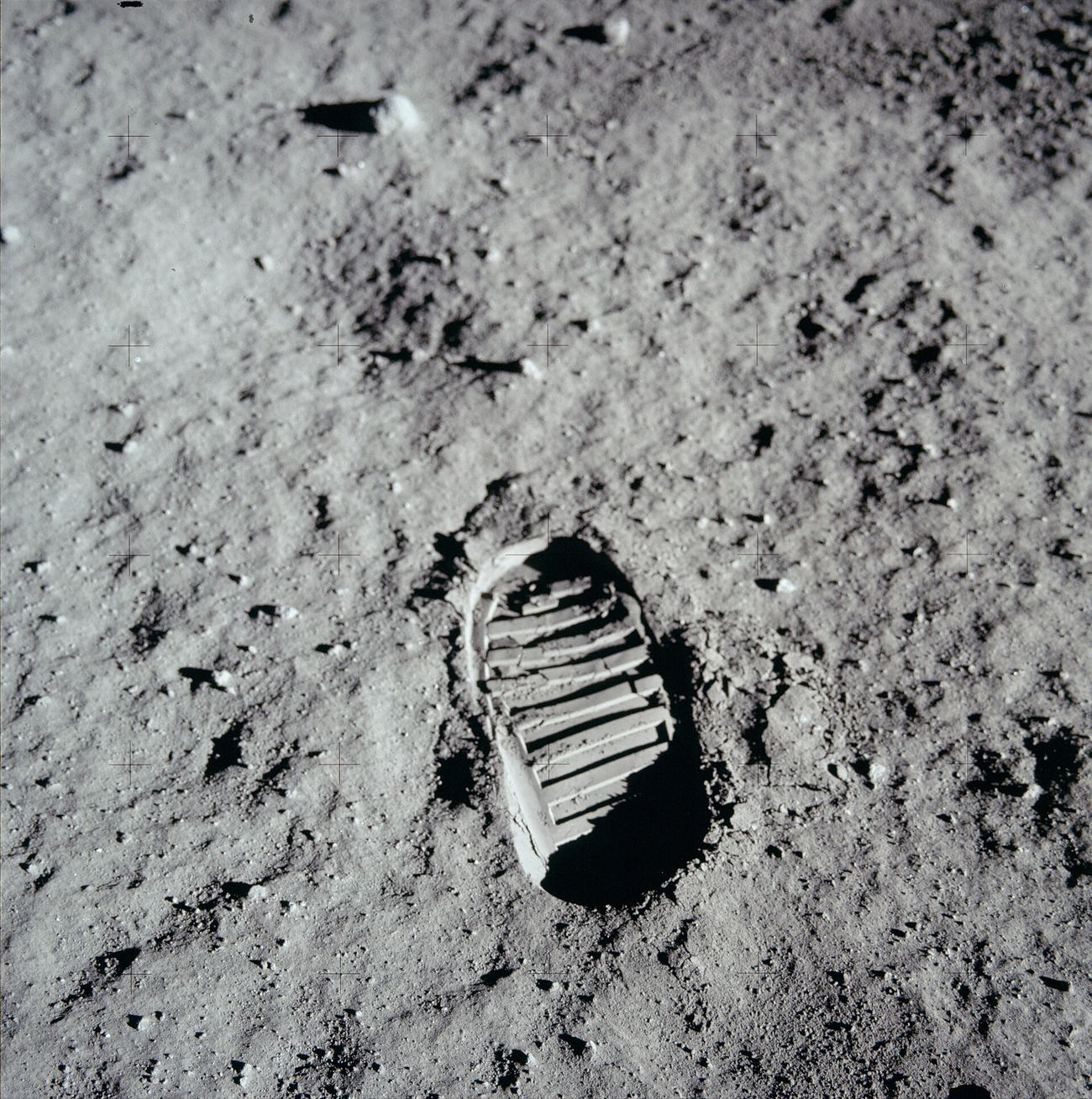
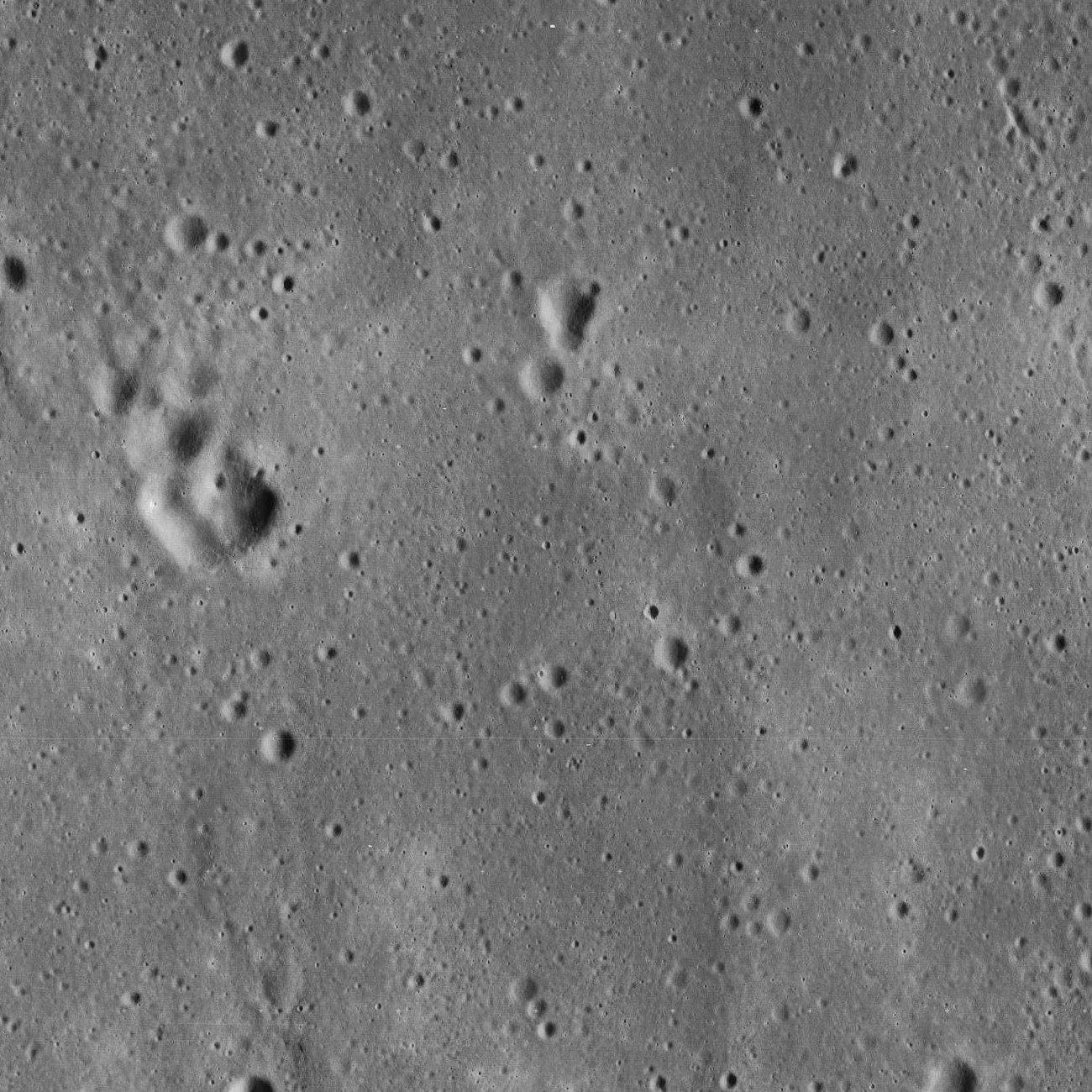
The orbital photographs. Since 2009, NASA's Lunar Reconnaissance Orbiter has photographed the Apollo landing sites from above, capturing the descent stages of the landers still sitting on the surface — and, in some images, even the tracks the astronauts left walking across the dust.
And the silence of the enemy. This may be the single strongest point of all. At the height of the Cold War, the Soviet Union was tracking the missions by radio and had every possible incentive to expose an American fraud — catching NASA in a lie would have handed Moscow the propaganda victory of the century. The Soviets never once cried "fake." On top of that, the Apollo program involved an estimated 400,000 people, and in 55 years not a single credible insider has come forward to confess a hoax of that scale.
Taken together, the evidence overwhelmingly supports the conclusion that human beings went to the Moon. The hoax theory, examined point by point, does not hold up.
Then Why Won't It Die?
Here's the genuinely interesting part. Despite every rebuttal above, roughly one in ten Americans still say they believe the landings were faked — and, strikingly, that share tends to be higher among younger people, not lower. The facts have not settled the matter in the public mind. Why?
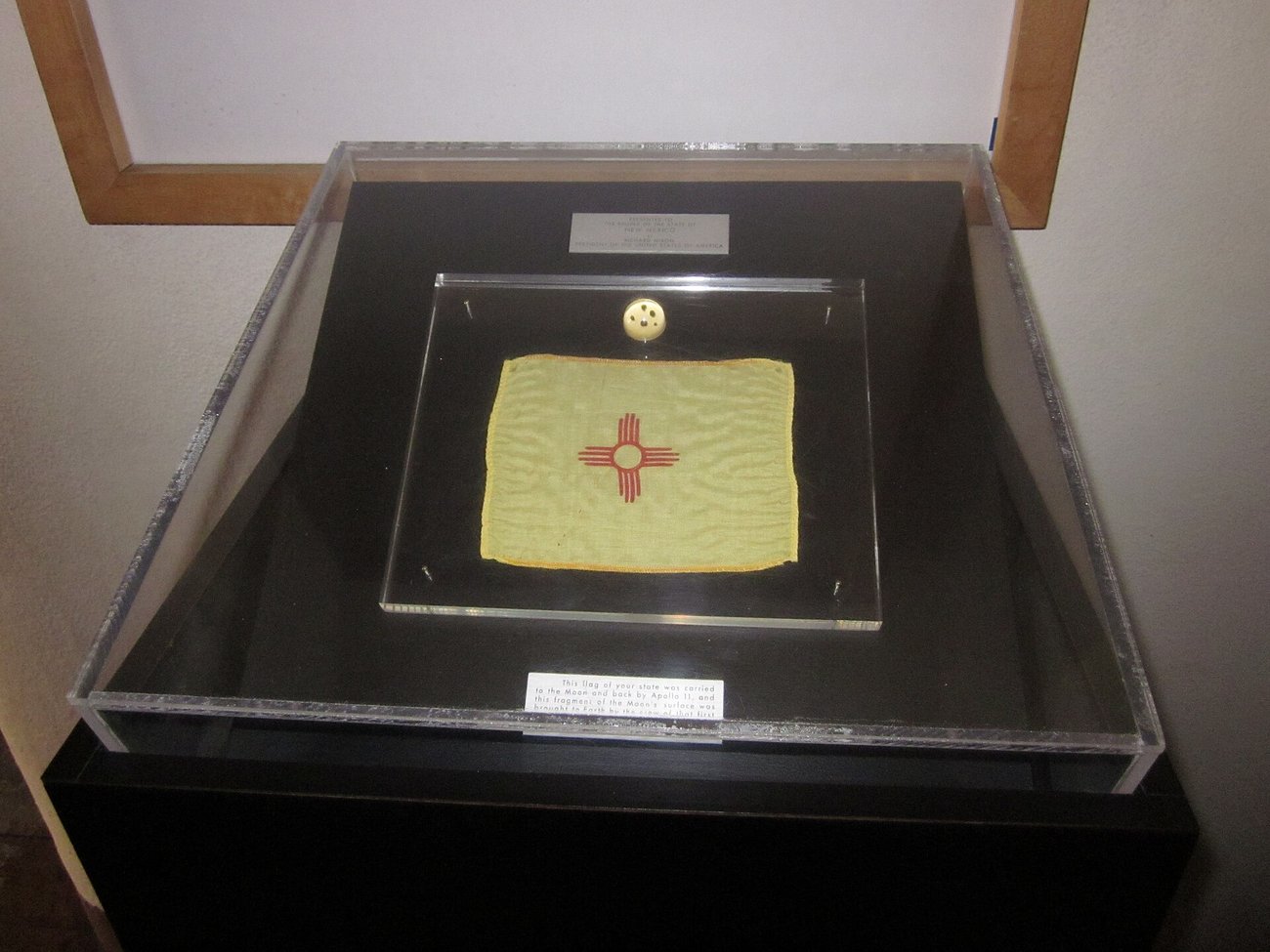
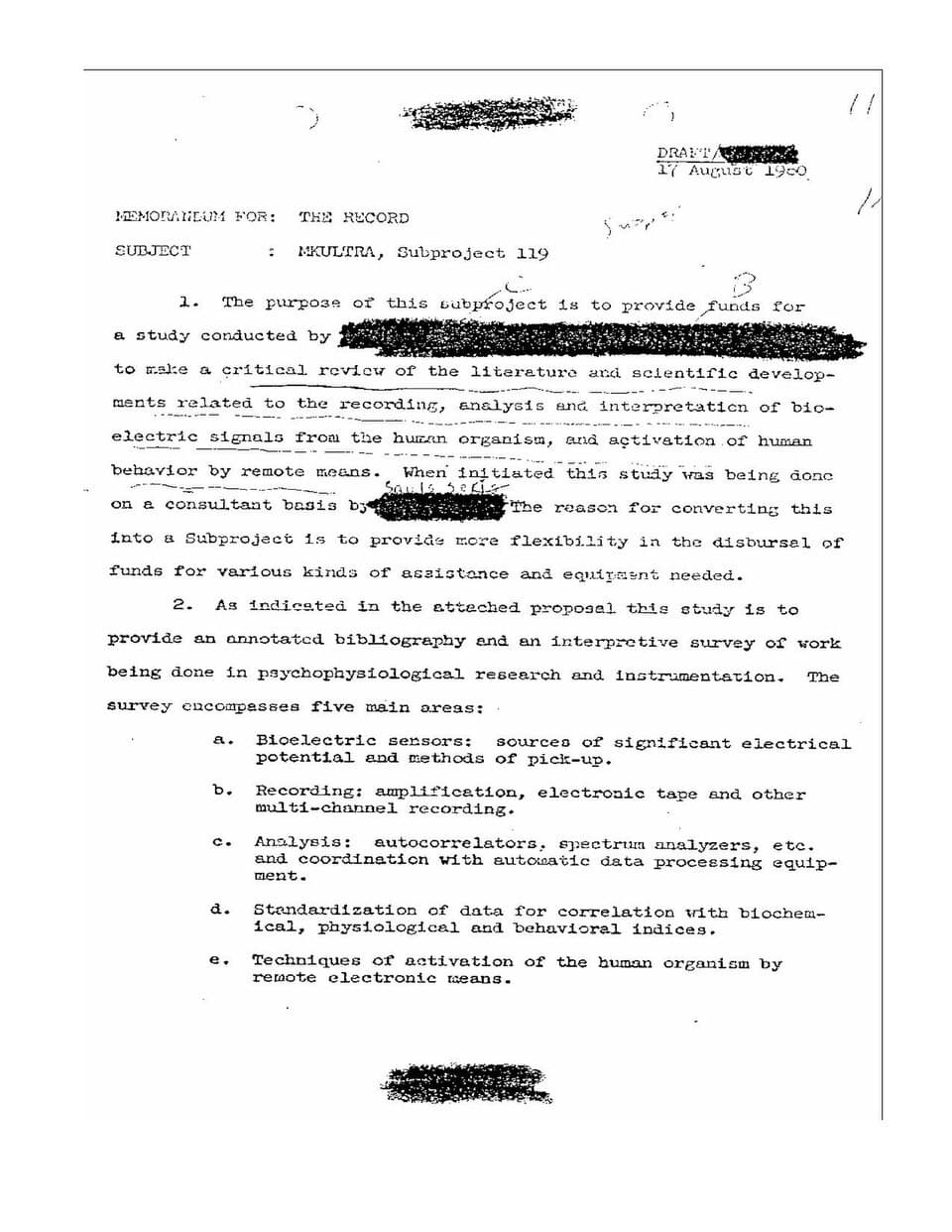
Perhaps because the belief was never really about the Moon. What the theory may actually measure is not evidence, but trust — the number of people willing to believe that a government could, and would, tell a lie that enormous. And it's worth being honest about where that suspicion comes from, because it isn't pure fantasy. It is fed by the times a government did lie on a staggering scale and get caught. Think of a program in which a state secretly experimented on its own citizens for decades, then destroyed the evidence — a thing that once sounded like paranoid nonsense and turned out, in declassified documents, to be true. When real deceptions like that are part of the historical record, a public learns to keep a corner of doubt reserved for everything else. The Moon-landing theory grows in soil that genuine cover-ups fertilized.
What We Know vs. What We Don't
What we know is clear and strongly evidenced: humans landed on the Moon. Each classic "clue" — the flag, the stars, the shadows — has a sound, well-understood explanation. The physical proof is independent and international: retroreflectors still returning lasers, 382 kilograms of rock analyzed worldwide including by U.S. adversaries, orbital photographs of the landing sites and even the footprints, the total silence of a Soviet enemy that desperately wanted to catch a fraud, and no credible whistleblower out of 400,000 participants across five and a half decades. Weighed honestly, the evidence for the landings is overwhelming, and this file states that plainly.
What we can't fully explain isn't the Moon — it's us. We can't explain why, in the face of all that, a persistent slice of the public keeps the doubt alive, and why the young keep inheriting it. The honest answer seems to have little to do with lunar geology and everything to do with how much people are willing to trust the institutions that tell them what's real. That trust was spent, in part, by other stories — the ones where the "crazy" theory turned out to be true — and it hasn't fully been rebuilt.
So the file closes not with a mystery about the Moon, but with a mirror. The landing was real; the evidence is not seriously in question. The lasting question the hoax theory actually poses is about the people who still believe it — and about a world in which enough real lies were told that a true story can no longer fully lay a false one to rest.
What unsettles me, closing this, is a cross-reference rather than a fact. The MK-Ultra folder sits three files over from this one, and everything in it is confirmed — the dosing, the destroyed records, the Senate hearings. Somebody laughed at that story too, once, and they were wrong to. I can lay out the retroreflectors and the 382 kilograms and the Soviet silence and be entirely satisfied by them, and still notice that the instinct producing the doubt is not a broken instinct. It was trained. Something trained it, and the training was earned.
---
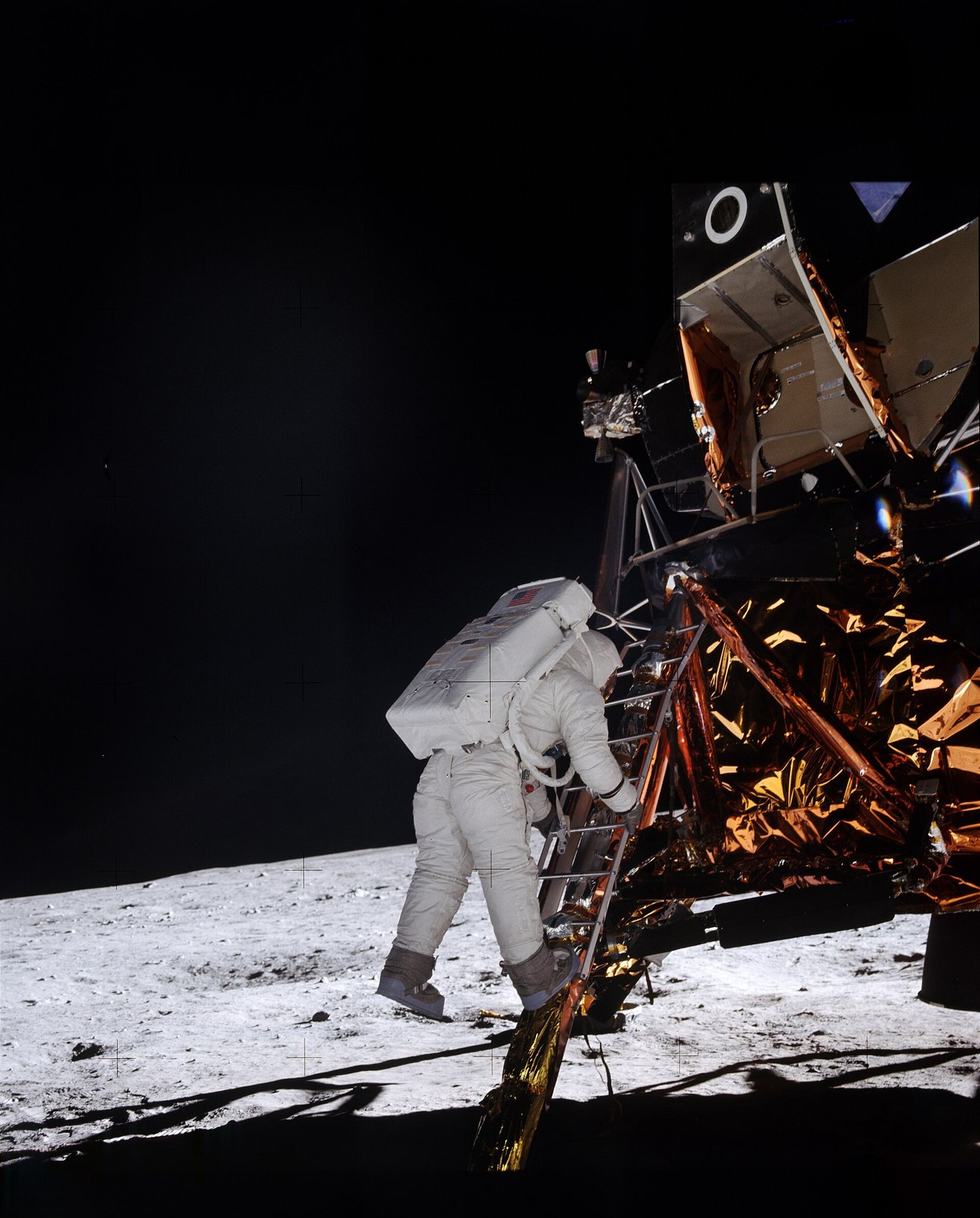
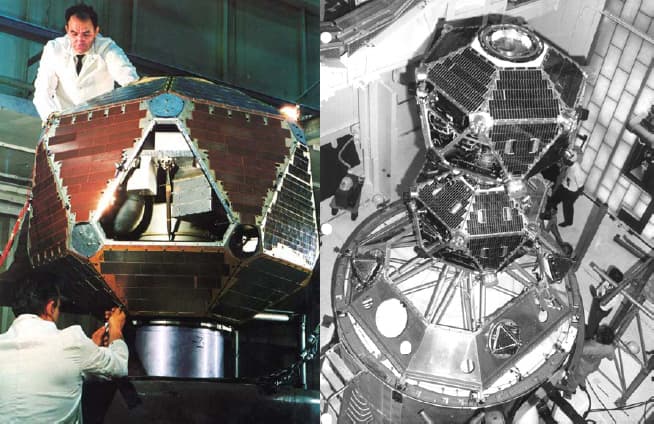
The images in this article are actual photographs taken by NASA and contemporary archival records.


Comments
No comments yet — leave the first one.