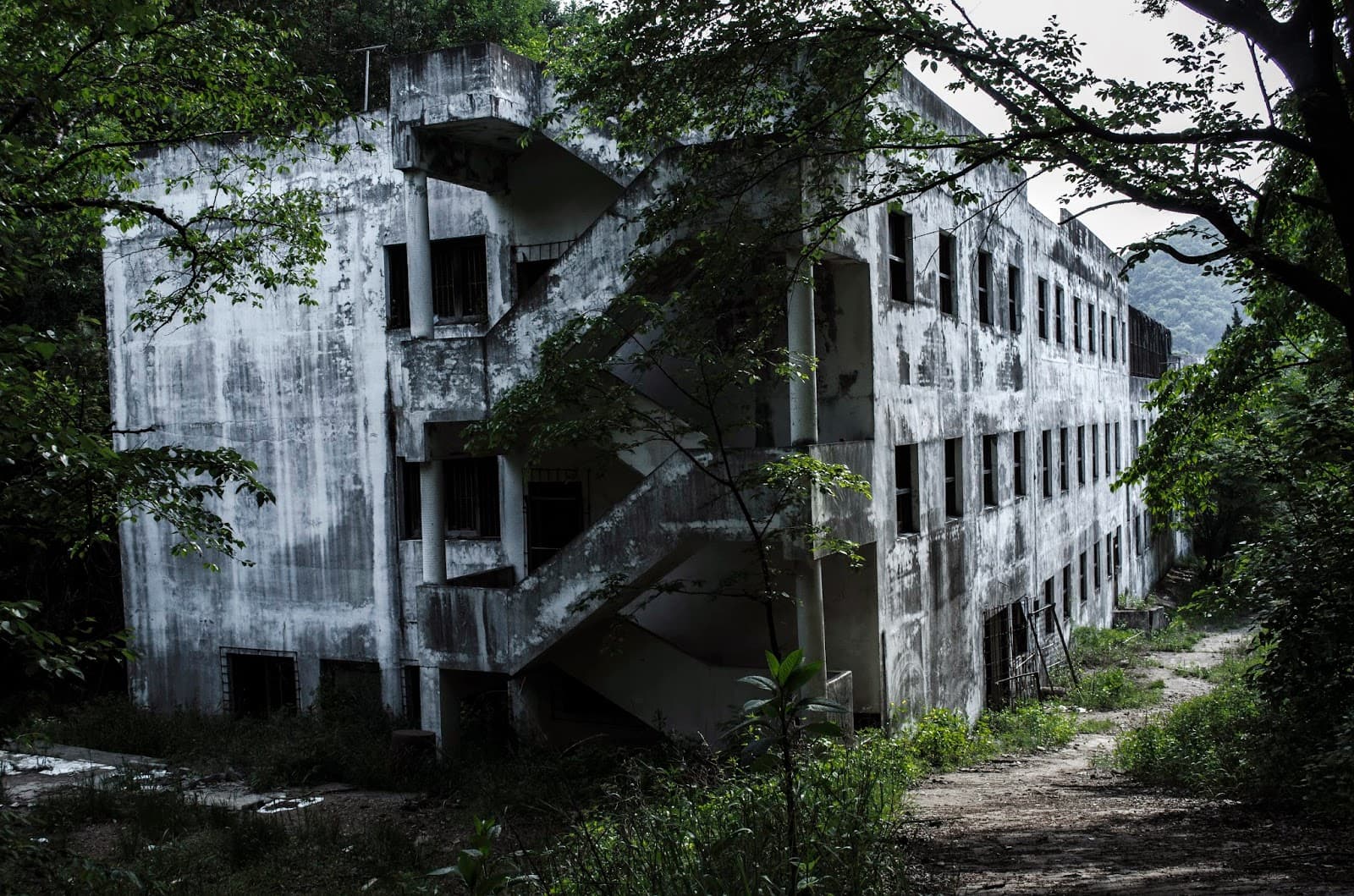
Tucked into the wooded hills of Gwangju-si, in Gyeonggi Province just southeast of Seoul, there once stood a building that Korea spent two decades trying to forget and could not. Cracked windows. Collapsing corridors. Graffiti climbing every wall. For years it was passed hand to hand across the internet as one of the most haunted places on Earth — a reputation so durable that CNN put it on a global list of the freakiest places on the planet, and a 2018 horror film built directly on its name became one of the highest-grossing found-footage movies in Korean history.
Locals called it Gonjiam Psychiatric Hospital.
And yet, when you actually pull the threads apart, the story that emerges is stranger than any of the ghost stories — because the real reason this place was abandoned has nothing to do with death, and everything to do with plumbing and inheritance. This is the true story of Gonjiam, and the legend that grew, tumor-like, in the dark around it.
This file is unusual in my collection because the subject of it no longer exists. Most of what I keep concerns places you could still walk to if you were foolish enough; Gonjiam came down in three days in 2018, and everything I have on it is therefore secondhand by necessity — photographs, a court filing, provincial records, a CNN listing that verified nothing and settled everything. The building is now purely a document problem. It occurs to me that this is the condition every haunted place eventually reaches, and that most of them take considerably longer to get there.
What the building actually was
The facility's real name was the Namyang Neuropsychiatric Hospital. It was a small psychiatric care hospital, and — contrary to the internet's image of an ancient asylum — it did not operate for very long. By most accounts it functioned only from the early 1990s until it closed in July 1996, a run of just a few years before it fell silent.
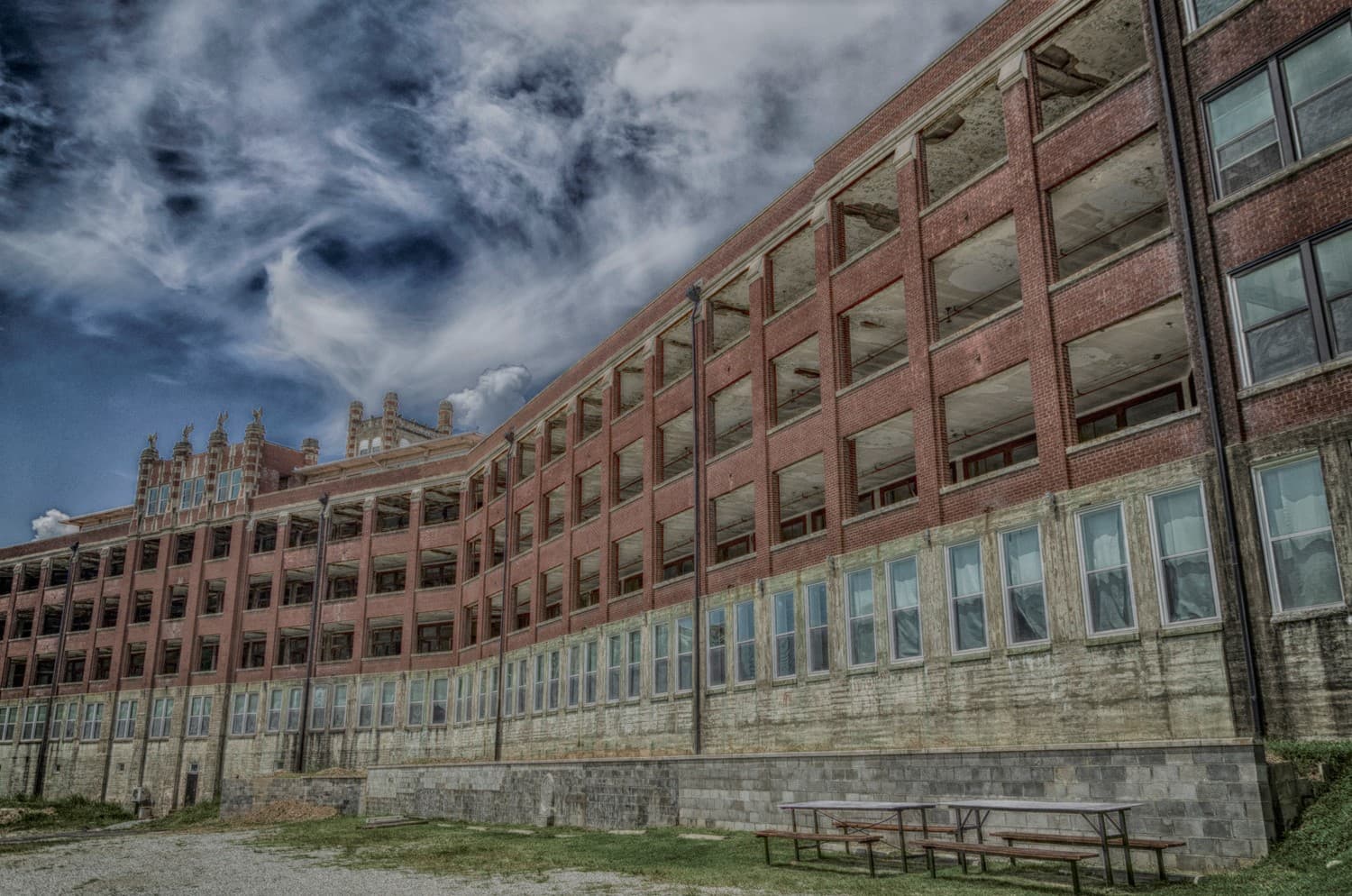
Then it simply sat there. Abandoned. Unmaintained. For more than two decades.
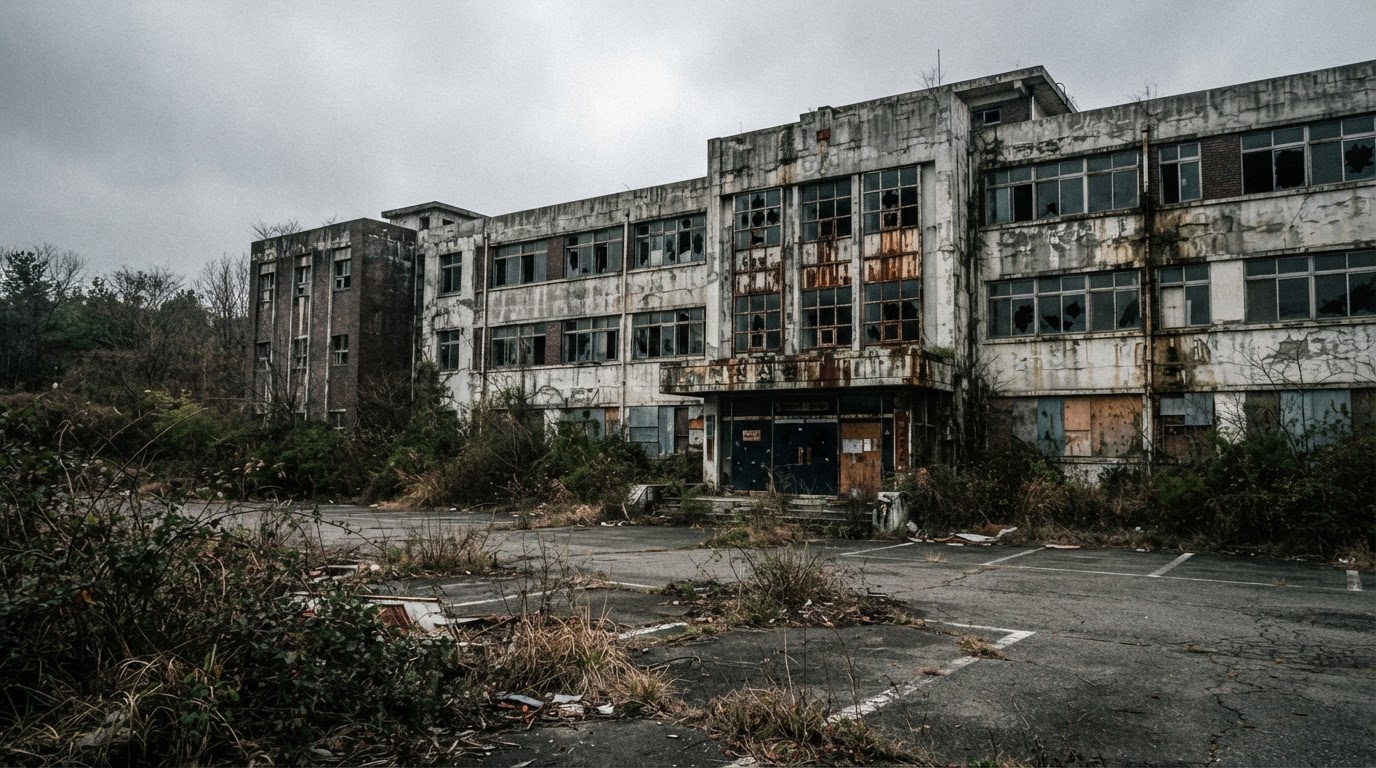
That long neglect is the source of everything that followed. Because when explorers began sneaking inside years later, what they found looked deeply wrong.
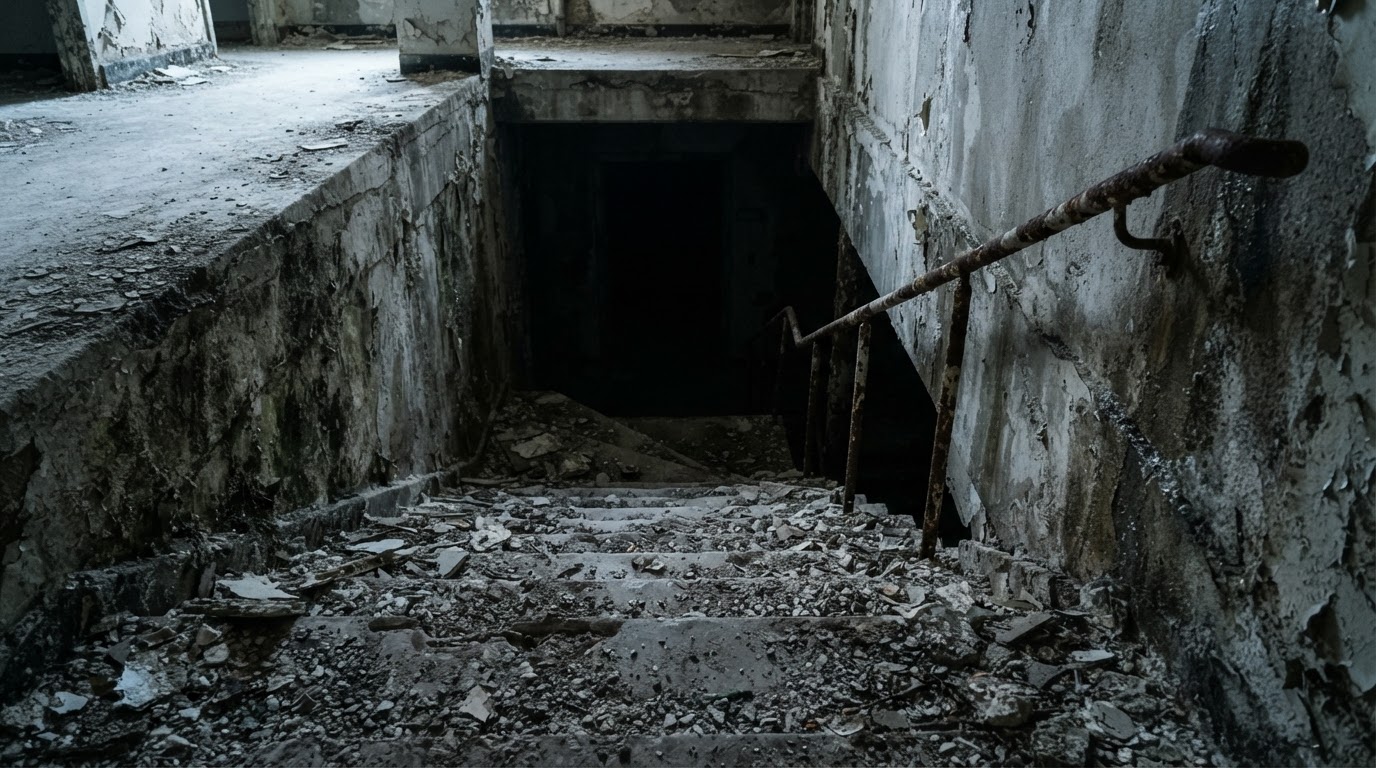
The beds were still there. Patient records lay scattered across the floors. Clothing still hung on hooks. It looked, to everyone who described it, as though the building had been full of people right up until yesterday — and then everyone had vanished all at once, leaving everything behind.
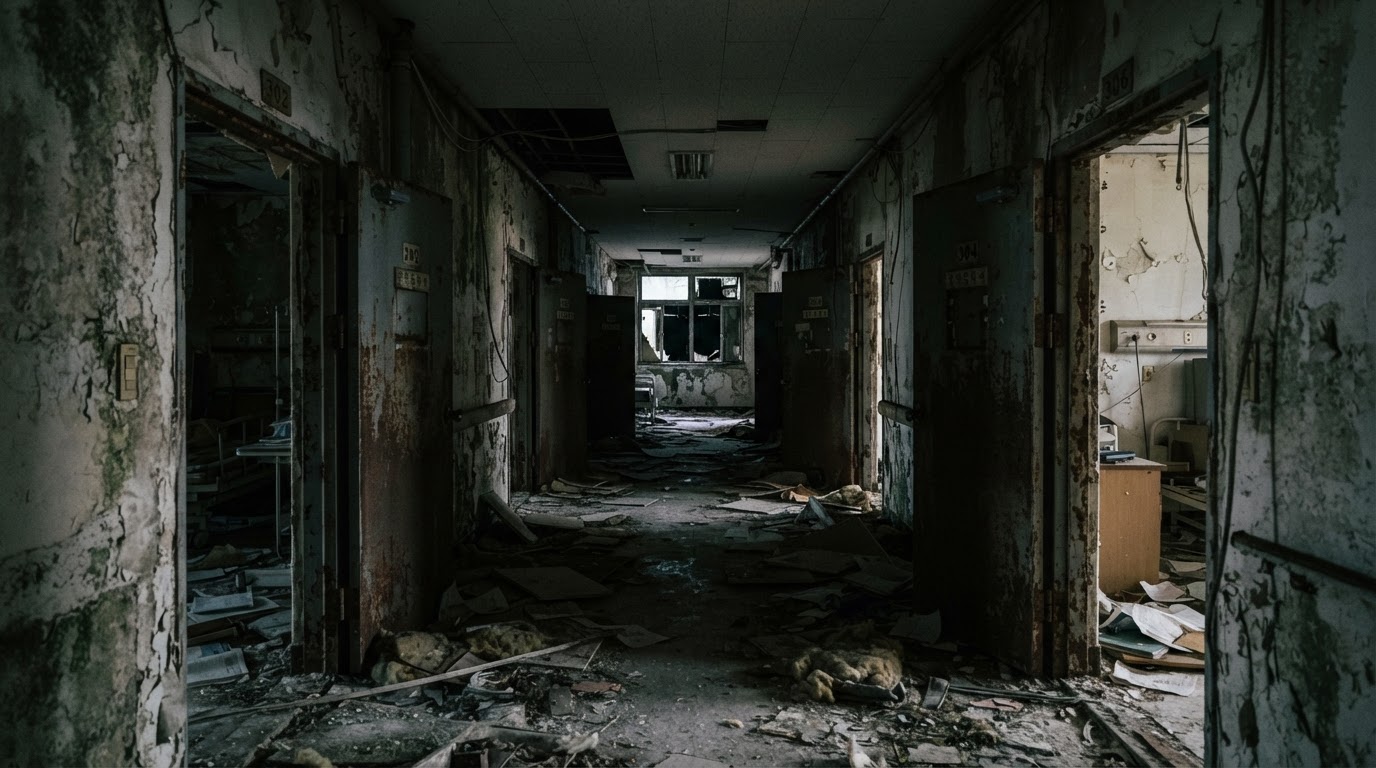
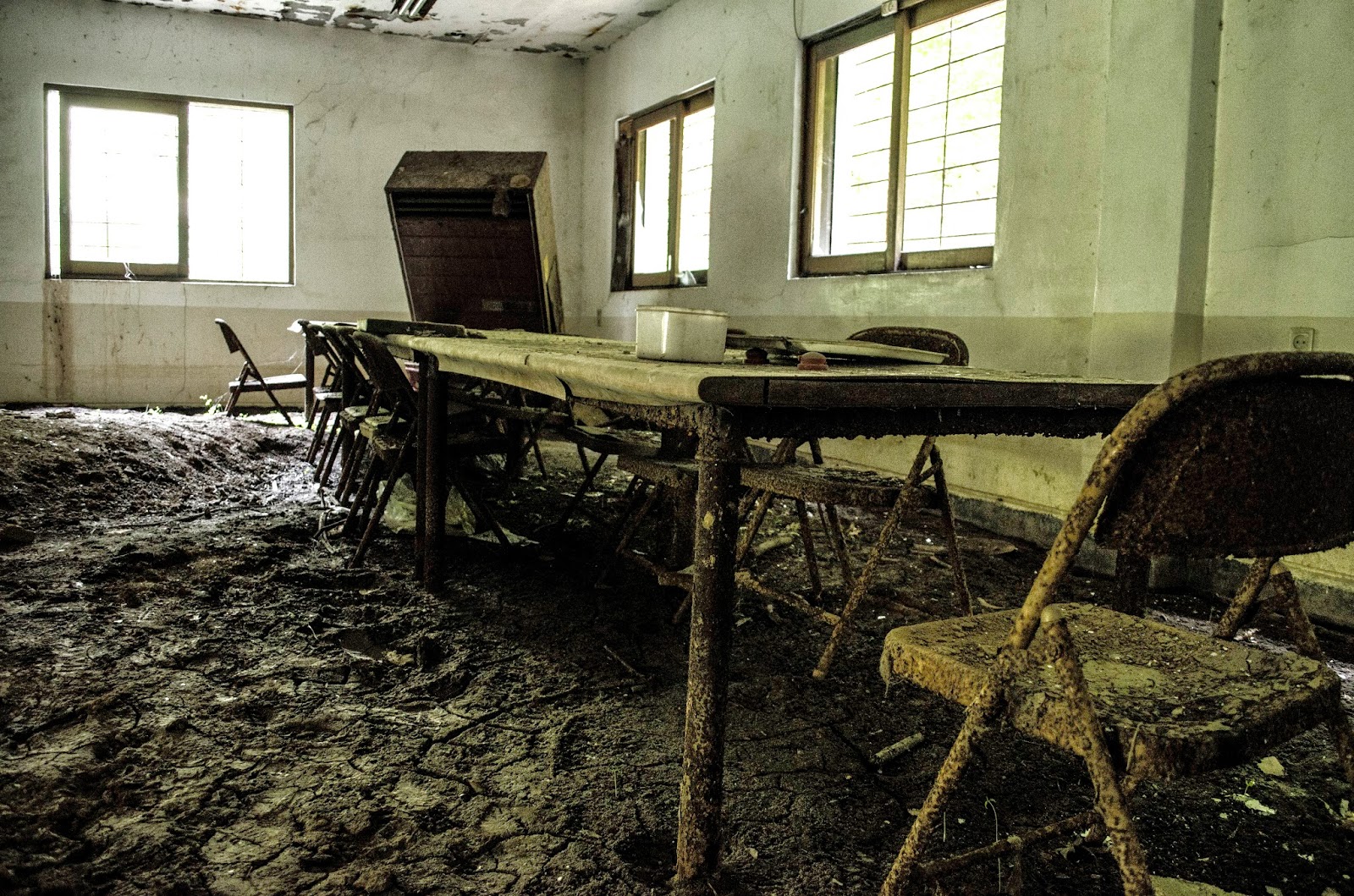
To a visitor standing in that silence, staring at an abandoned patient record on the floor, one question forms almost automatically: A working hospital doesn't just empty out overnight. What happened here?
And in the space where the answer should have been, the legend grew.
How the legend grew
The rumors, when you line them up, are lurid and specific:
- That patients had died, one after another, for no clear reason.
- That the director had gone mad, or killed himself, and the hospital had shut down overnight.
- That the staff had fled so suddenly they left everything — beds, records, clothes — behind.
Then came the eyewitness layer, the part that turns a rumor into a haunting:
- Footsteps echoing down empty corridors at night.
- Doors in empty rooms swinging shut on their own.
- A woman's crying heard again and again on the second floor, in what people believed had been a locked ward.
- "Spirit photographs" — shapes that weren't visible when the shutter clicked, but appeared in the developed image — posted online in a steady stream.
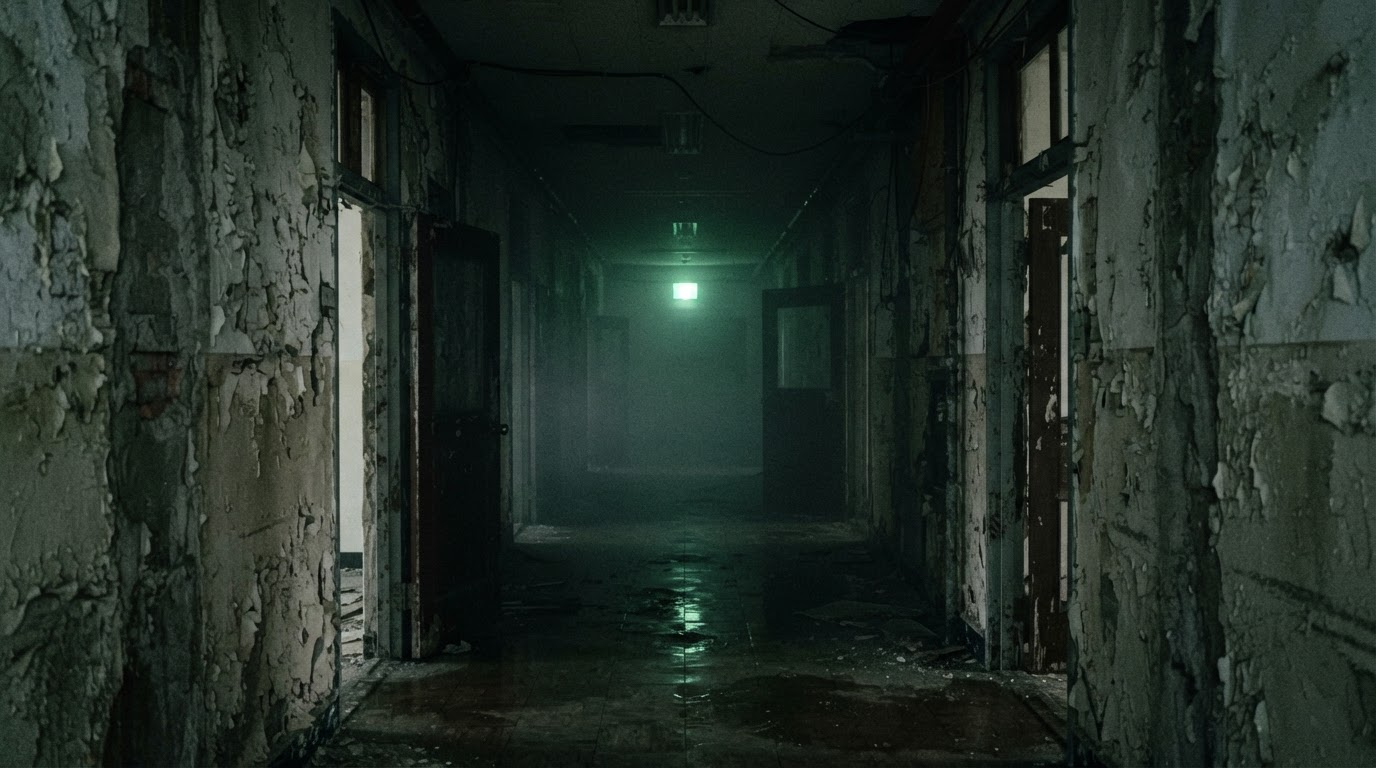
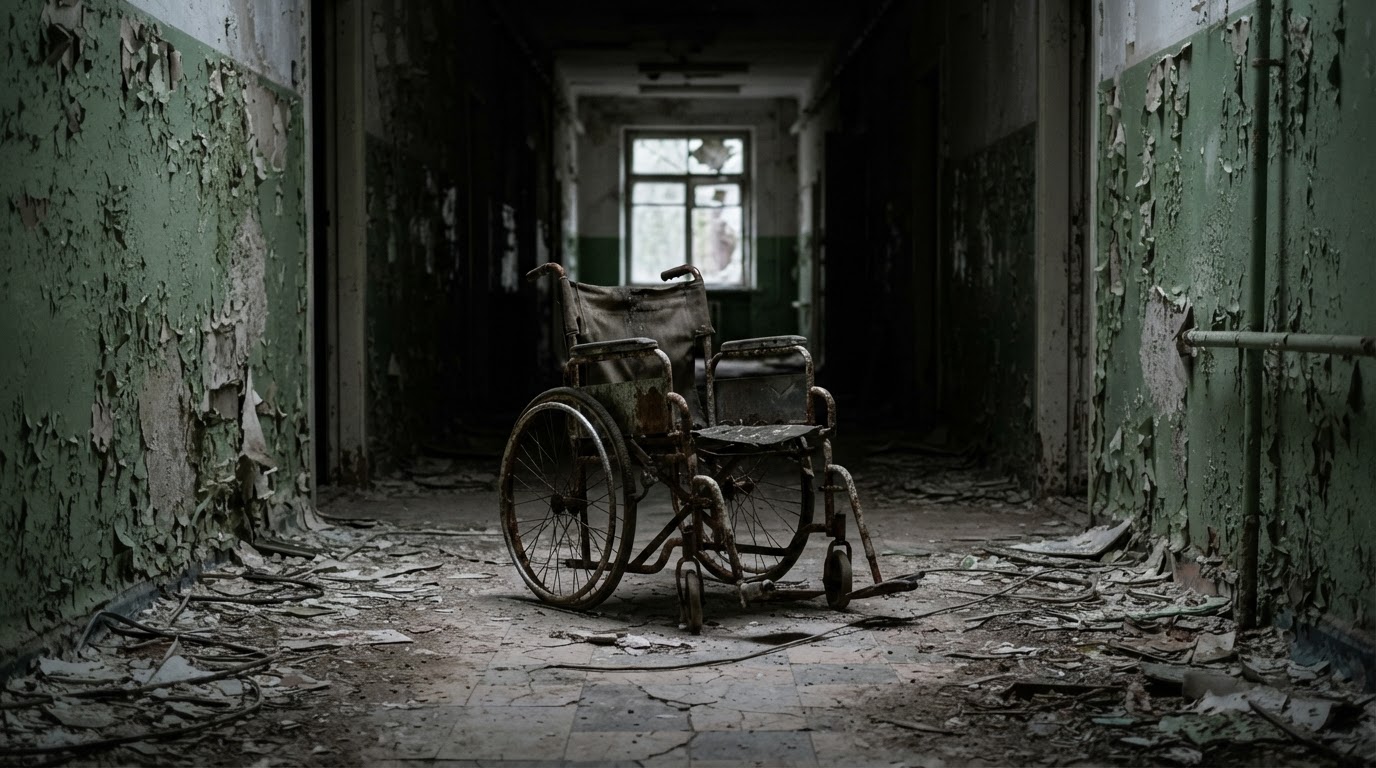
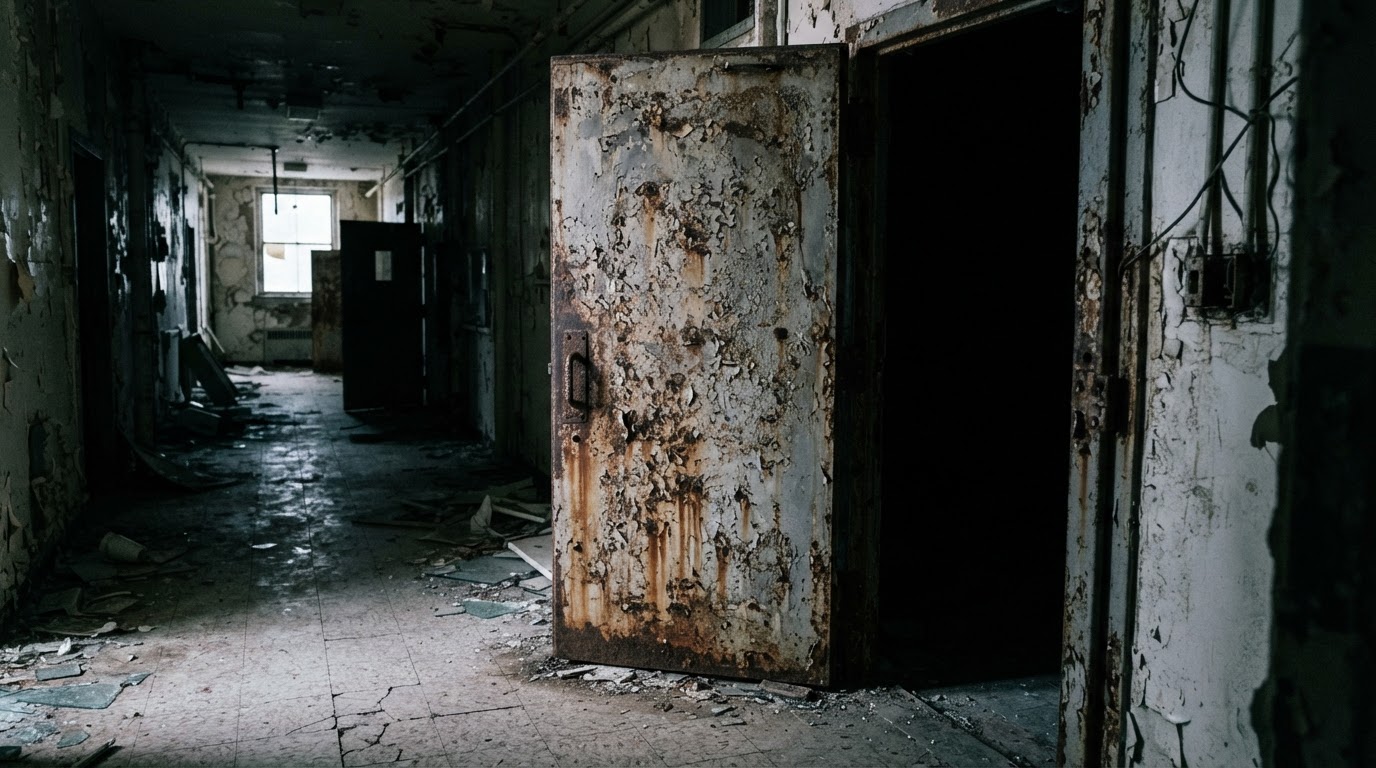
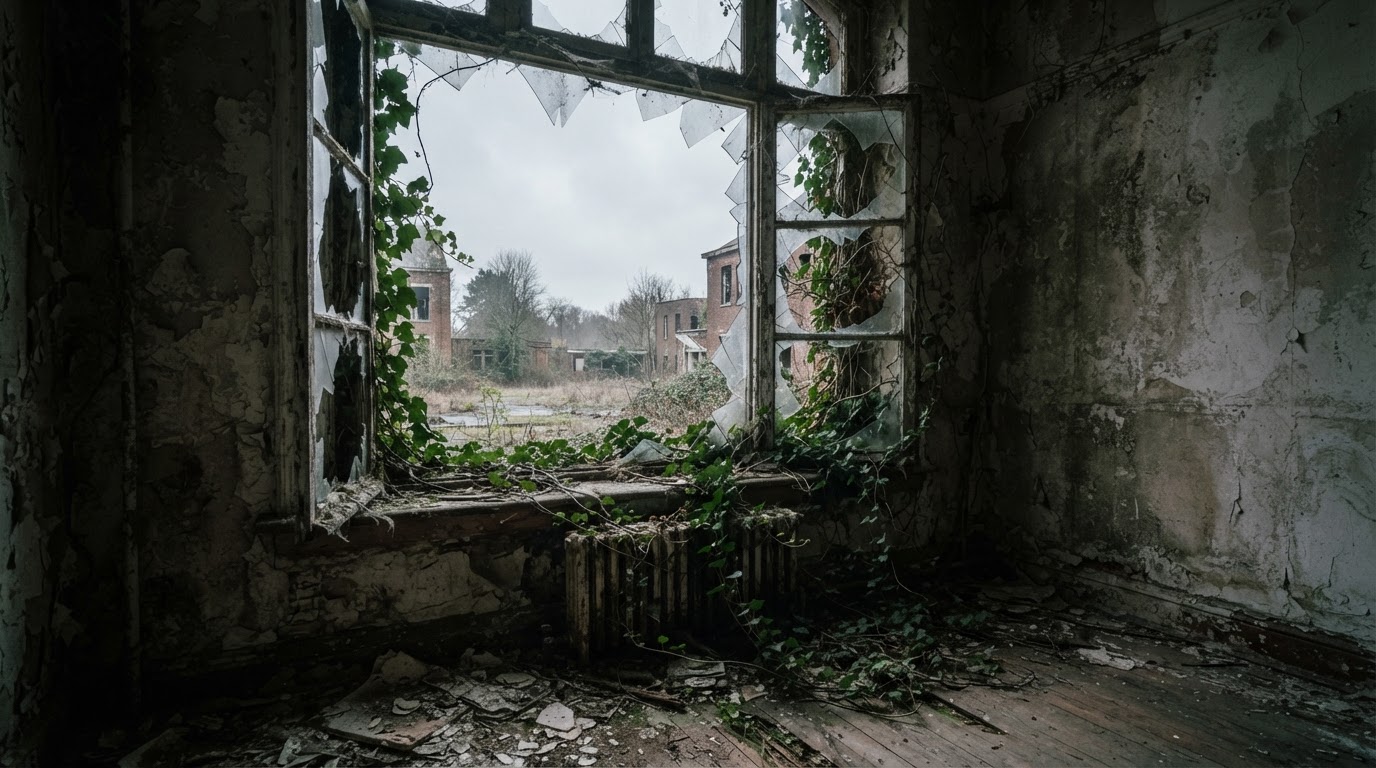
None of it was ever verified. What Gonjiam had instead of proof was atmosphere, and it had that in overwhelming abundance. Peeling walls, rusted bed frames, corridors that ended in pure blackness. Visitors who went in laughing came out silent. The building, people said, made you quiet. For a certain kind of thrill-seeker, that feeling was proof enough.
The CNN listing that went global
The turning point came in 2012, when CNN published a roundup of the world's freakiest places — and Gonjiam was on it, sitting alongside internationally notorious sites like the Island of the Dolls in Mexico and the abandoned zones of Eastern Europe.
That single listing changed everything. A local Korean rumor suddenly had an international byline attached. CNN hadn't verified a single ghost story — it was reporting the reputation, not confirming the hauntings — but online, that distinction evaporated instantly. From that point on, Gonjiam wasn't a local legend. It was a global destination.
Students came to test their nerve. YouTubers came with cameras. During one live internet broadcast from inside the building, an unidentified noise was reportedly captured on the stream itself, sending viewers into a frenzy. Foreign explorers, having read the CNN piece, booked flights. An abandoned hospital in the Korean countryside had become a pilgrimage site for the whole world.
The film that sealed it — and the lawsuit
In March 2018, Gonjiam made the leap to the cinema.
The film Gonjiam: Haunted Asylum, directed by Jung Bum-shik, followed a group of internet broadcasters live-streaming a horror challenge from inside the notorious hospital, only to have things go catastrophically wrong. Its marketing leaned directly on the building's real reputation, citing its place on CNN's list of the world's freakiest locations.
The film was a phenomenon. Made on a small budget of roughly $2.2 million, it grossed around $21 million and became one of the most-watched horror films in South Korean history.
There's a delicious irony buried in it, though: the movie was not filmed at the real Gonjiam. The actual building was too dangerous to shoot in, so the production built a set inside a closed-down school in Busan. The eerie corridors audiences shuddered at on screen were hundreds of kilometers from the real ruin.
And just before release, the story took its strangest turn yet. The real owner of the building went to court, seeking an injunction to block the film — arguing that its runaway "haunted" image was destroying any chance of selling the property. The court rejected the request. The film opened on schedule, and that spring the word Gonjiam became, for a season, the most frightening word in Korea.
The demolition: gone in three days
Here is where the legend collides with the bulldozer.
In late May 2018, only weeks after the film had left theaters, the excavators arrived. The building that CNN had called one of the world's freakiest places, that had drawn pilgrims across oceans, that had inspired a blockbuster — came down in about three days.
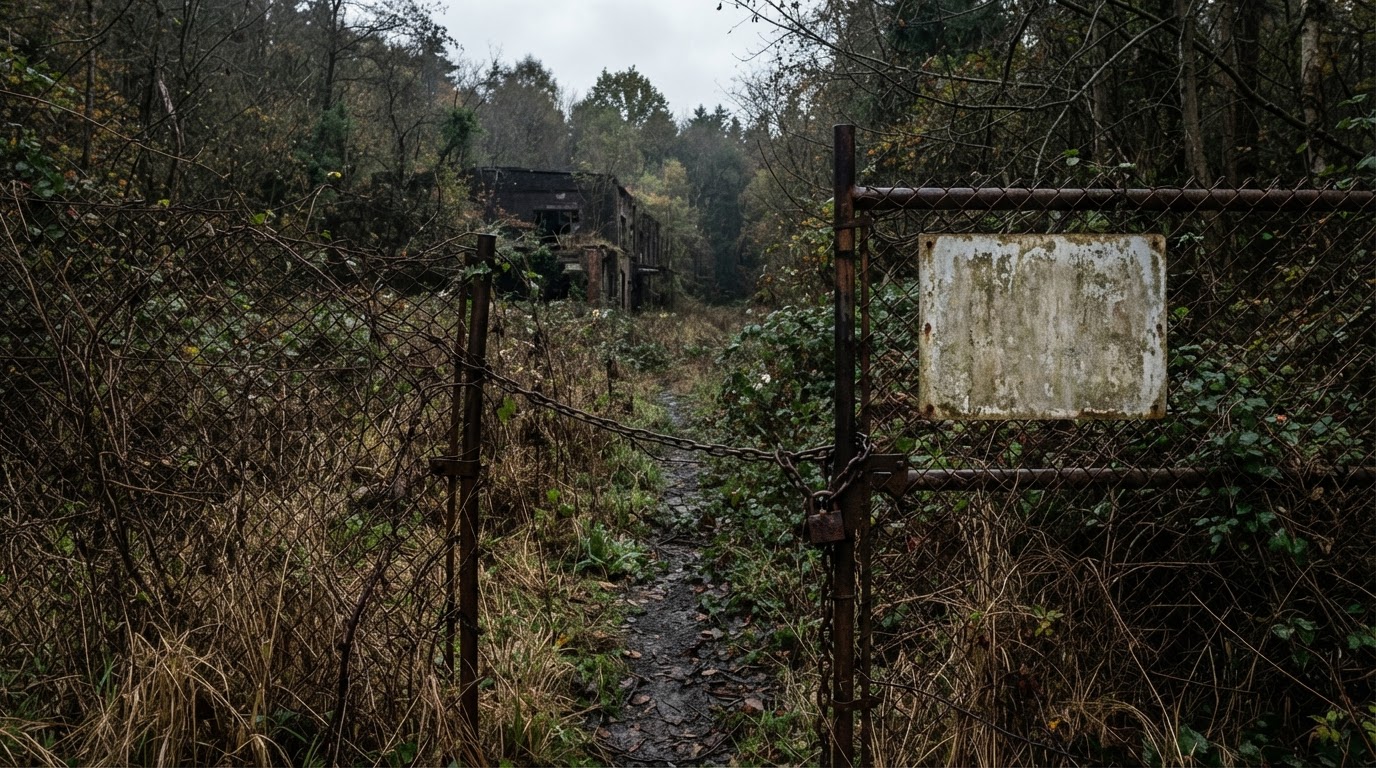
The nerve-tests, the spirit photographs, the crying on the second floor — all of it suddenly had nowhere left to happen. For the "final resting place" of a world-famous haunted site, it was an astonishingly quiet ending. No exorcism. No confrontation. Just a machine, some rubble, and a plan to redevelop the land.
What actually happened here
So peel it all back. Why was Gonjiam really abandoned?
According to provincial records and later reporting, the hospital did not close because patients were dying or because a director hanged himself. It closed for reasons almost comically ordinary:
- The core problem was water and sewage. There were disputes over the building's water supply and sewage treatment — reportedly friction between the owner and the operator dating back to construction — and those infrastructure and cost conflicts, compounded by financial strain, are what shut the hospital down.
- The patients were fine. They were transferred to other hospitals when the facility closed. There was no mass death event. There is no credible evidence one ever occurred here.
- The director didn't die. By later accounts, after the hospital closed, the director simply moved on and lived out his life elsewhere. The suicide at the heart of the legend never happened.
- The abandoned "left in a hurry" scene — the beds, the records, the clothes — has a mundane explanation too. The staff didn't flee. Those items were left behind because they weren't worth taking. Old furniture and dead paperwork get abandoned, not spirited away.
- And the reason the building rotted untouched for over twenty years? The owner died, and the heirs had emigrated abroad. There was simply no one left to deal with a decaying building in the hills. Not a curse. An estate problem.
The raw material of Korea's most famous haunting, in other words, wasn't death. It was plumbing disputes and an inheritance nobody wanted to handle.
What we know vs. what we don't
What we know:
- The building was the Namyang Neuropsychiatric Hospital, a small facility that operated briefly (closing around July 1996) and then sat abandoned for 20+ years.
- It closed for financial and infrastructure reasons — water/sewage disputes and mounting costs — not a mass death, and not a director's suicide. Patients were transferred elsewhere.
- CNN's 2012 listing of the world's freakiest places catapulted a local rumor into global fame.
- The **2018 film Gonjiam: Haunted Asylum was a massive hit (roughly $21M on a ~$2.2M budget) — and was shot on a set in Busan**, not in the real building.
- The building owner sued to stop the film and lost; the structure was demolished in about three days in late May 2018.
- There is no verified evidence of any paranormal event at Gonjiam.
What we don't know:
- The exact operating dates and paperwork. Records around the facility were incomplete even while it was open, which is part of why the internet found room to invent.
- Where every rumor came from. The individual "spirit photos" and eyewitness claims can't be traced to reliable sources or ruled definitively fake one by one — they exist in an untraceable online fog.
- What people actually heard. The footsteps, the crying, the noise captured on a live stream — old, unstable buildings genuinely produce strange sounds as wind moves through them. Whether every reported experience has a mundane cause, we can't prove case by case. We can only say the documented paranormal event does not exist.
The Asylum English-Speaking Audiences Never Saw
For viewers in the English-speaking world, Gonjiam arrived as a movie first and a place second, and by the time the order could have been reversed there was no place left. Well Go USA put Gonjiam: Haunted Asylum into limited American theaters and onto video-on-demand in April 2018. The hospital in Gwangju was demolished within weeks. Anyone in Ohio or Manchester who wanted to stand in the real corridors after watching the film had, at best, a few weeks. Most never knew there was a window.
What they got instead was a film that critics reflexively filed next to The Blair Witch Project. It held a 92 percent approval rating on Rotten Tomatoes, with a 7.6 average. But the premise, as one reviewer summed it up, runs on a different engine. Blair Witch is about people who are lost. Gonjiam is about people who are working: a horror web-show crew that wants a million live viewers and the ad revenue that comes with them. The fear is bolted to a dashboard. That is an uncomfortably exact description of how the real building became famous, through a 2012 CNN list, a stream of thrill-seekers with cameras, and a reputation that grew because it was counted.
There is a second substitution hidden in the film's history. The corridors that audiences abroad remember were not Gwangju's. Production recreated the hospital's floor plan on a set inside a maritime high school in Busan. For most of the world, the most-watched version of Gonjiam never stood in Gwangju at all.
As for the ground itself, a Korean outlet reported in September 2021 that earth was still piled where the building had stood, with development under way. A logistics park, including a Coupang distribution center, had gone up nearby, and the Gyeonggang line's Gonjiam station sits within about 1.5 kilometers. Korean accounts disagree about whether the lot itself or the hillside behind it serves the warehouse, which tells you how little anyone has bothered to pin the spot down.
When I set the English-language reviews beside the Korean property reports, what struck me was how rarely the two ever touched. In the reviews, the hospital is a premise. In the property reports, it is a parcel. In what I read, nothing treated it as both.
A place that frightened people for twenty years was replaced, in the minds of those who never went there, by a set built in a school. The film remained. Nobody has had to prove which of the two was the real one.
The verdict
Gonjiam is a near-perfect specimen of how a haunted-place legend is manufactured. Take a genuinely eerie abandoned building. Add a handful of unverifiable rumors. Attach an amplifying international headline. Let a decade of retelling quietly upgrade "someone said" into "it's a fact." Then cap it with a blockbuster film that cites the reputation it helped create.
The atmosphere was always real. The dread people felt in those corridors was real. What was never real was the horror story the internet wrote to explain it. And that gap — between what a place makes you feel and what actually happened there — is exactly where the most durable mysteries live.
There is one item in the record I have never been able to make peace with, and it is not any of the rumors. It is the owner in court, arguing that a horror film would finish off any chance of selling the property. A man who had inherited a rotting building in the hills, watching a story he had no part in making become the thing that made it unsellable — and losing. The ghost stories cost nobody anything. That did. When I sort the harms in this case, the only documented one belongs to the living.
The building is gone now. But if you're reading this alone tonight, in a dark and quiet room, notice something: the moment you started imagining that hospital corridor, your mind did the rest. Which raises the real question at the heart of Gonjiam. Maybe the frightening thing was never the building. Maybe it's the part of us that insists on filling an empty darkness with something.
---
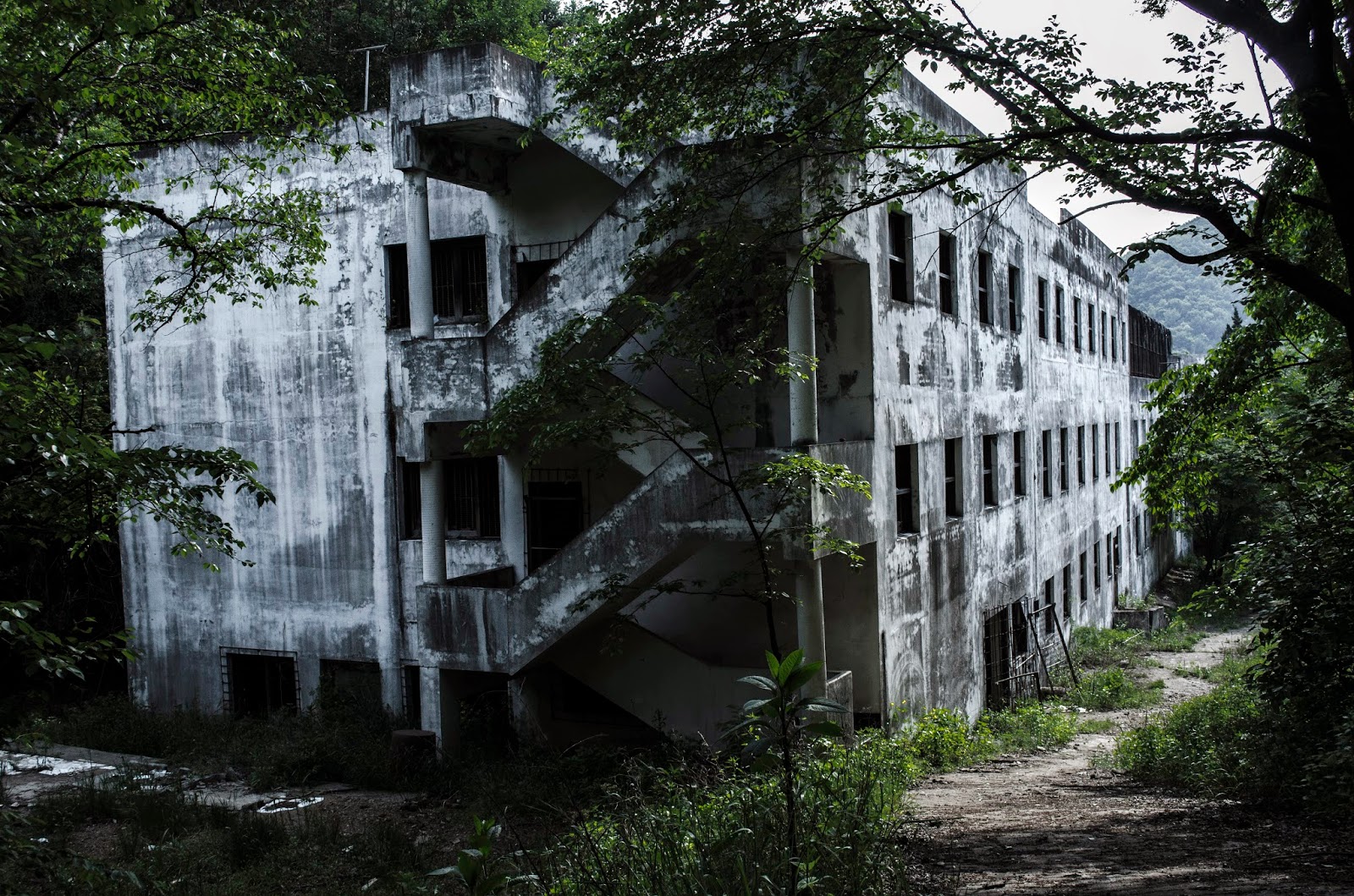
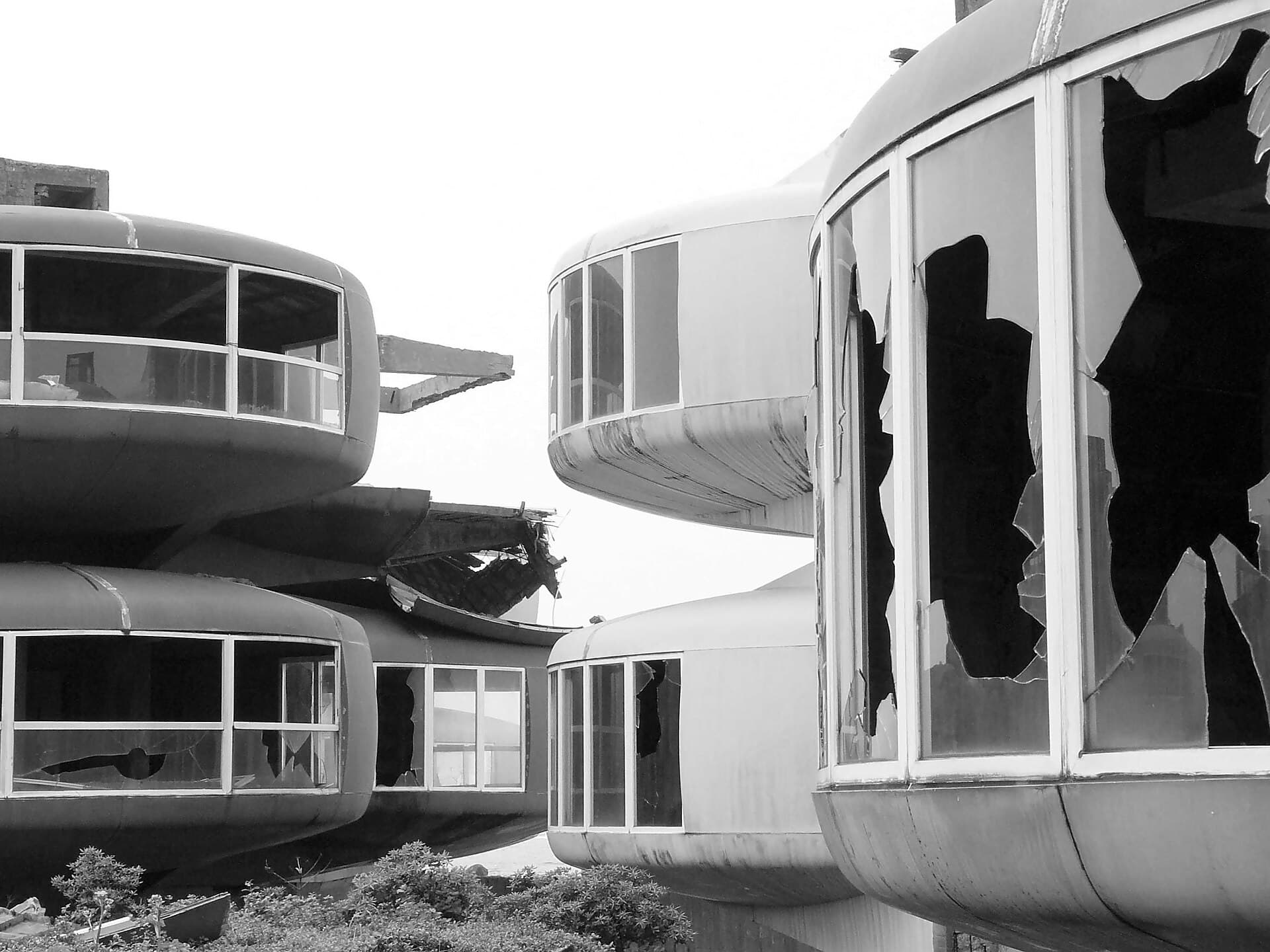
This article combines photographs of the actual building taken on site before its demolition with AI-generated images made to convey the mood of the story.

Comments
No comments yet — leave the first one.