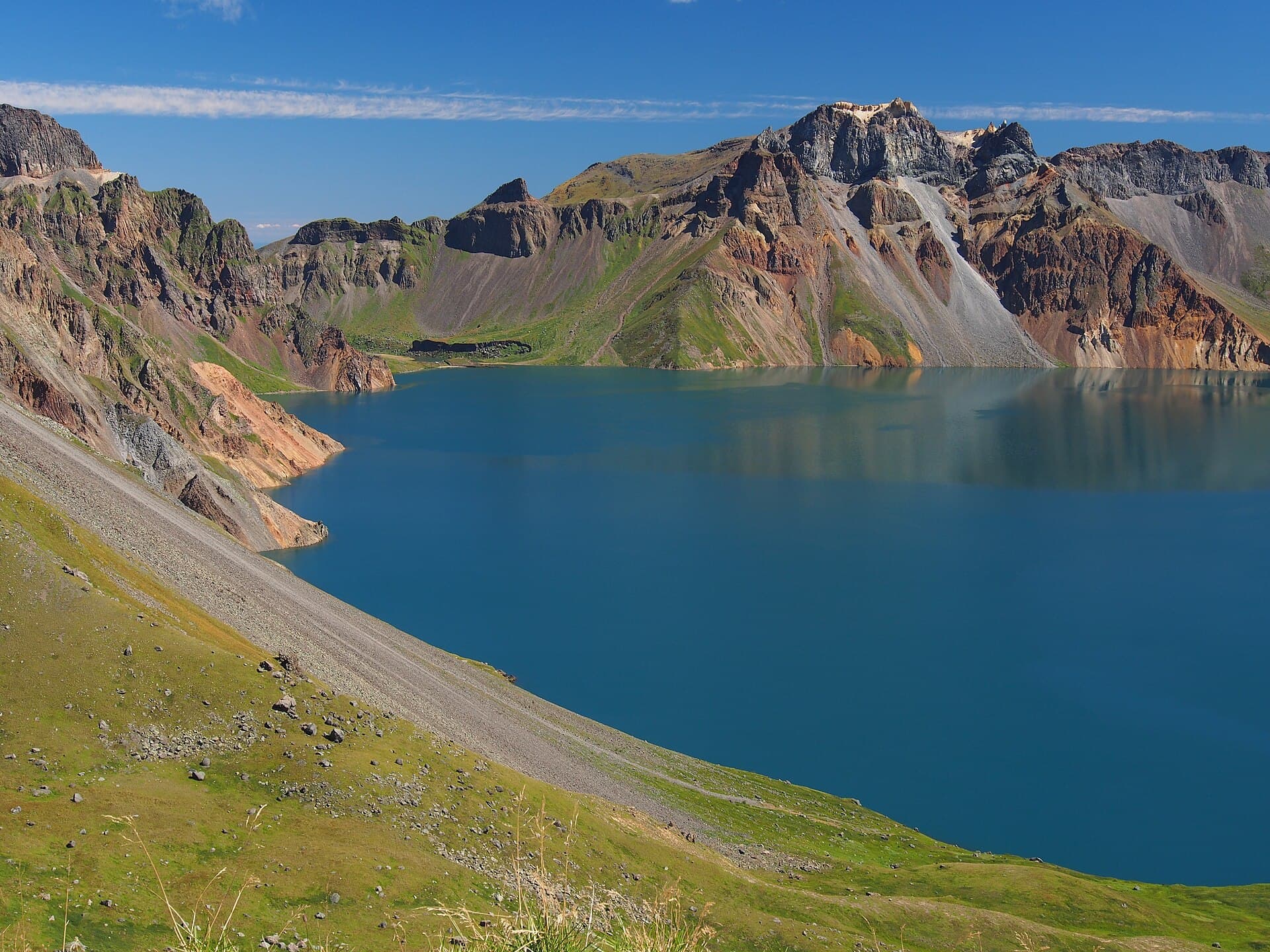
Scotland has Loch Ness. Korea has this — and for readers who have never heard of it, that comparison is the fastest way in. For roughly 120 years, people have reported a strange creature surfacing from the deep, cold water of Heaven Lake, the crater lake crowning Mount Baekdu on the border between China and North Korea. Today's file is one of the longest-running mysteries of the Korean peninsula, and it comes with a twist that Loch Ness does not have. The unsettling thing here is not that people keep seeing a monster. It is that scientists insist, with good reason, that the lake could not possibly hold one — and yet the sightings keep coming anyway.
Cryptid files usually bore me by the third account, because the descriptions drift — everyone sees whatever they were expecting. This one does not drift, and that is why it is in the archive. Qing-dynasty hunters reported horns. A witness in 2011 reported two horns. Between those two entries lie empires, languages, and the entire invention of photography, and the detail did not move. I have laid the accounts out chronologically more than once looking for the moment somebody borrowed it from somebody else, and I have not found it.
A Lake at the Top of a Volcano
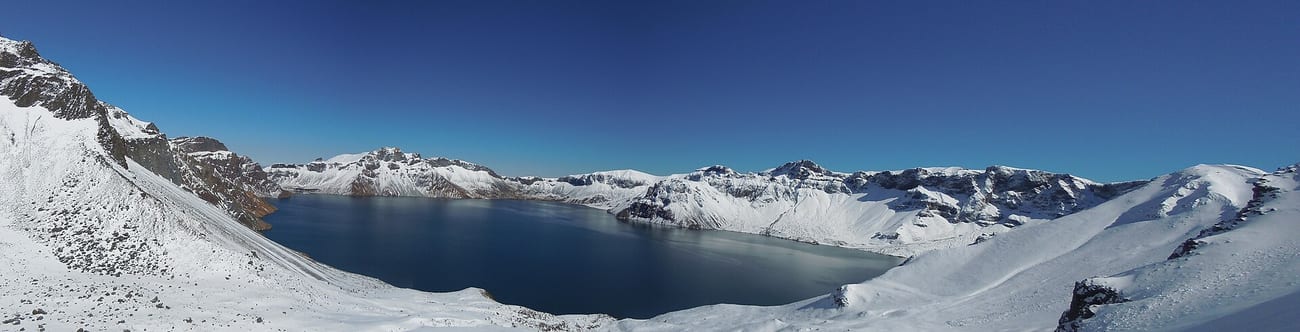
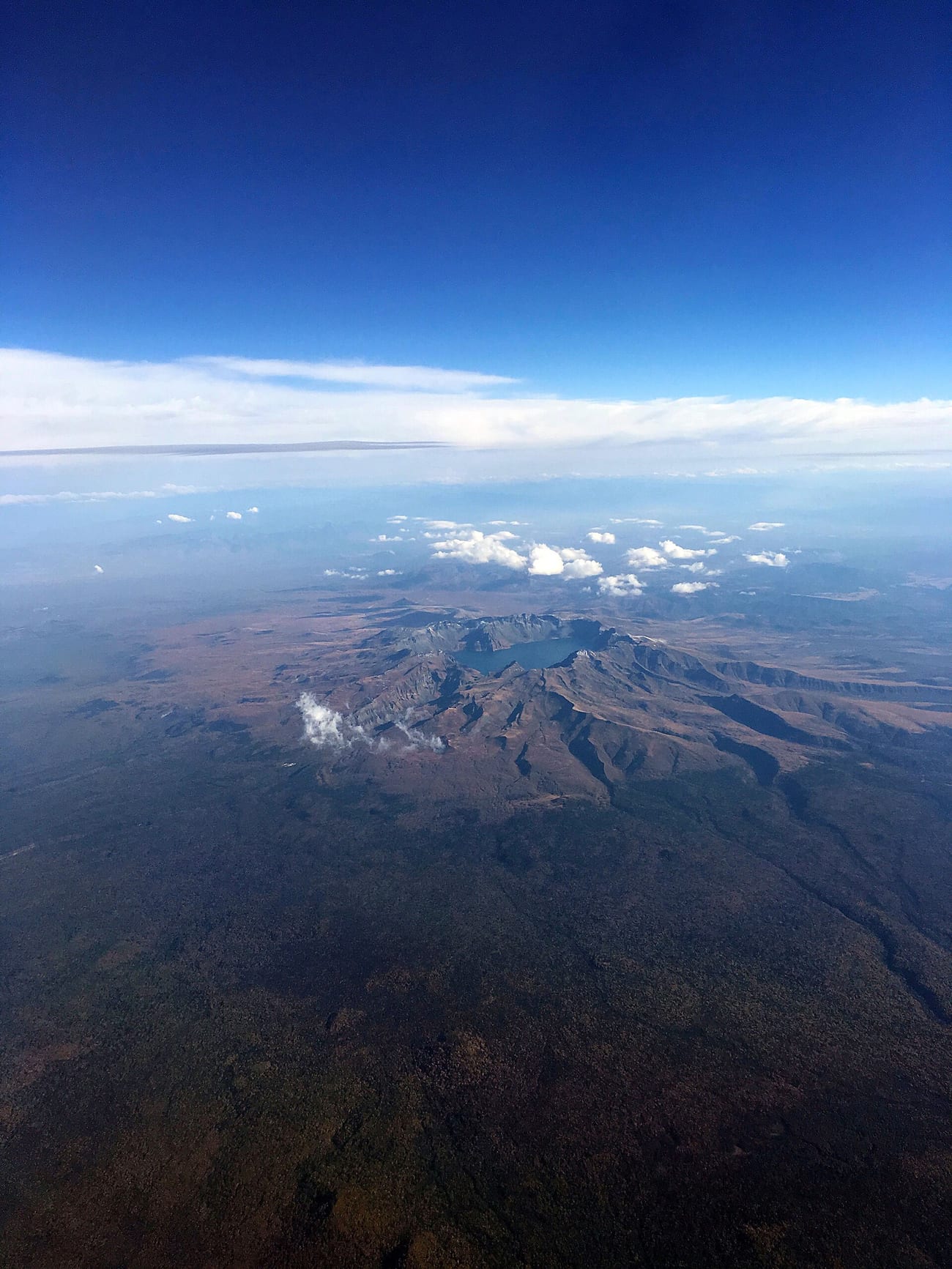
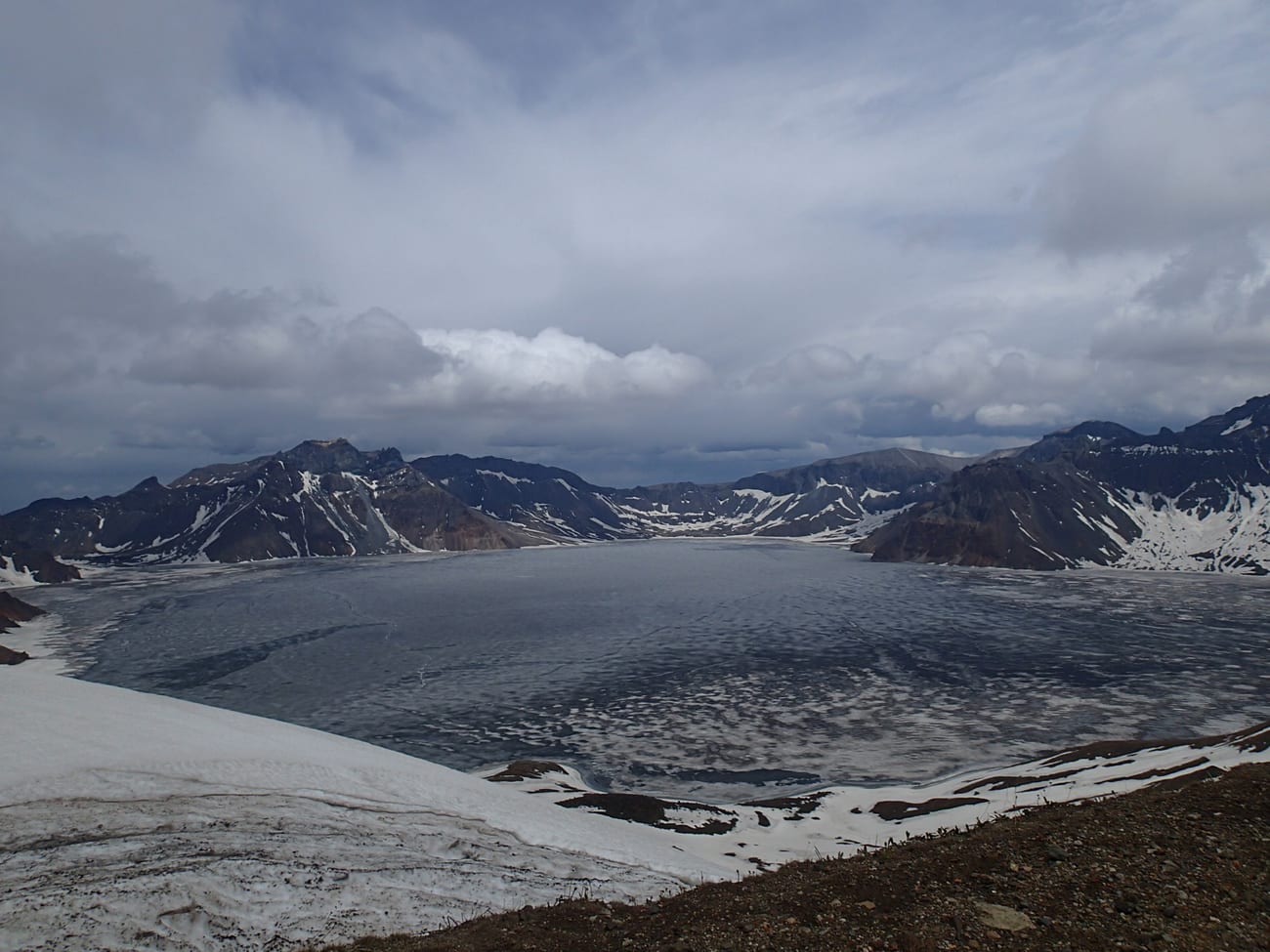
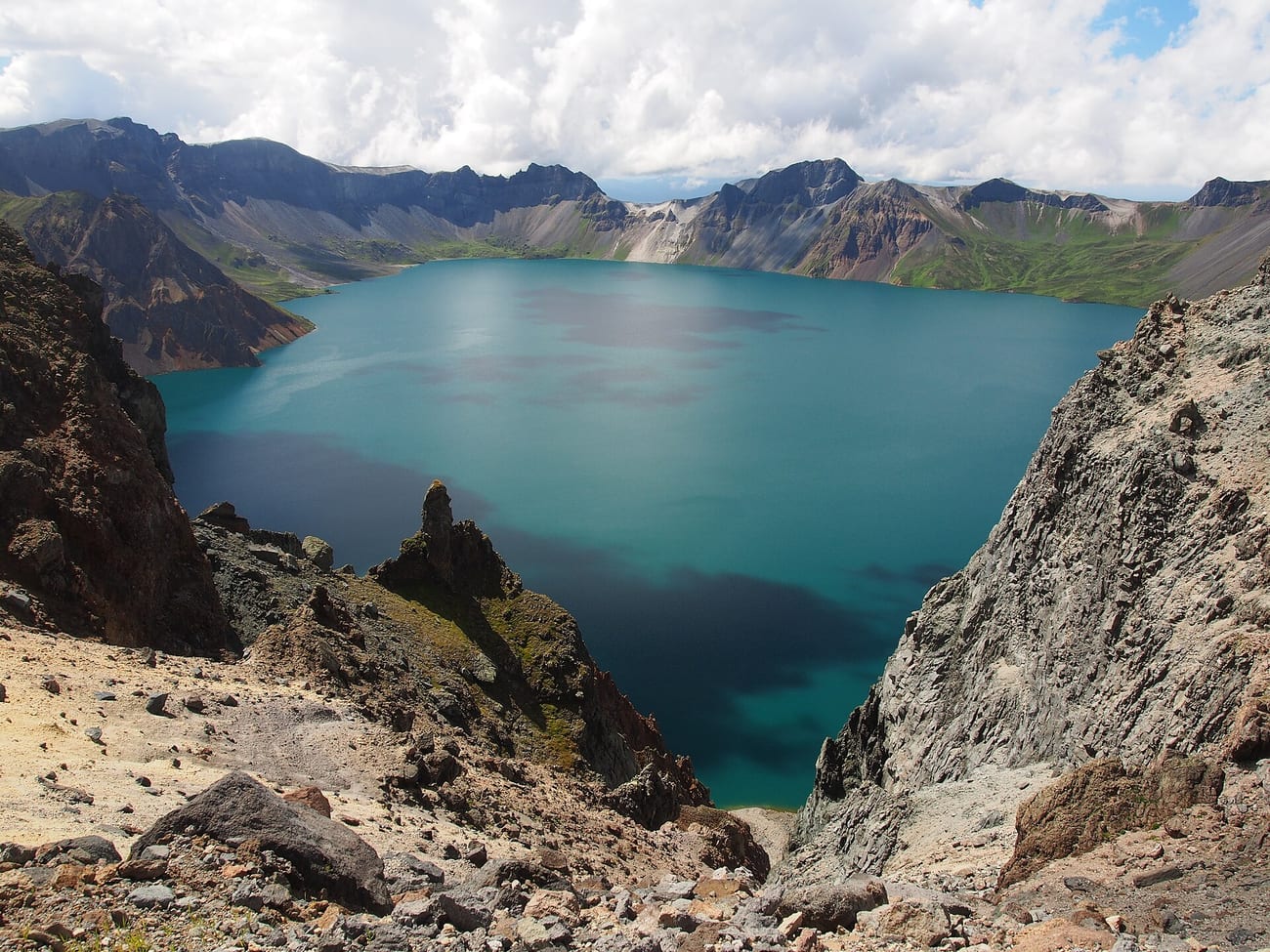
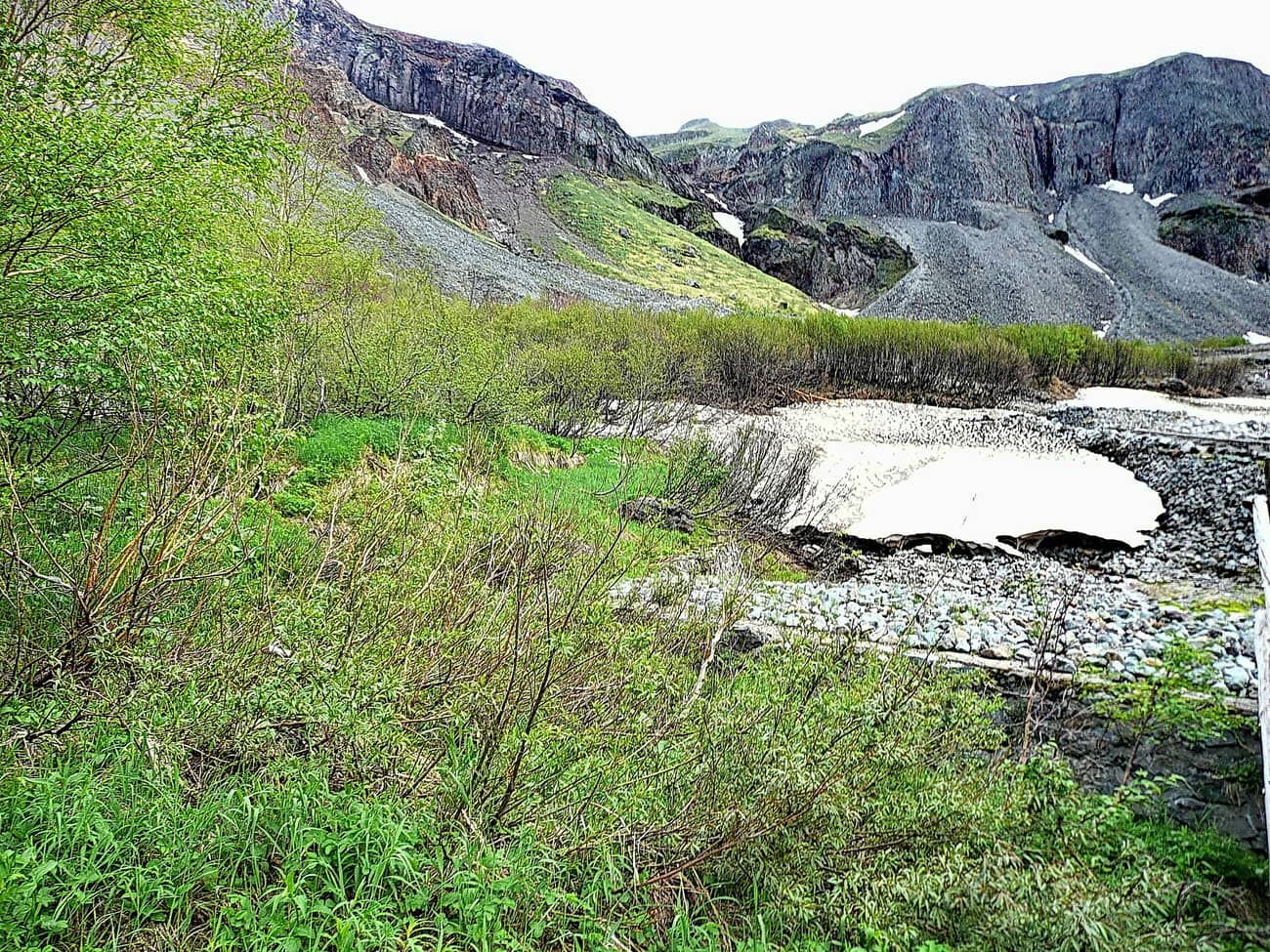
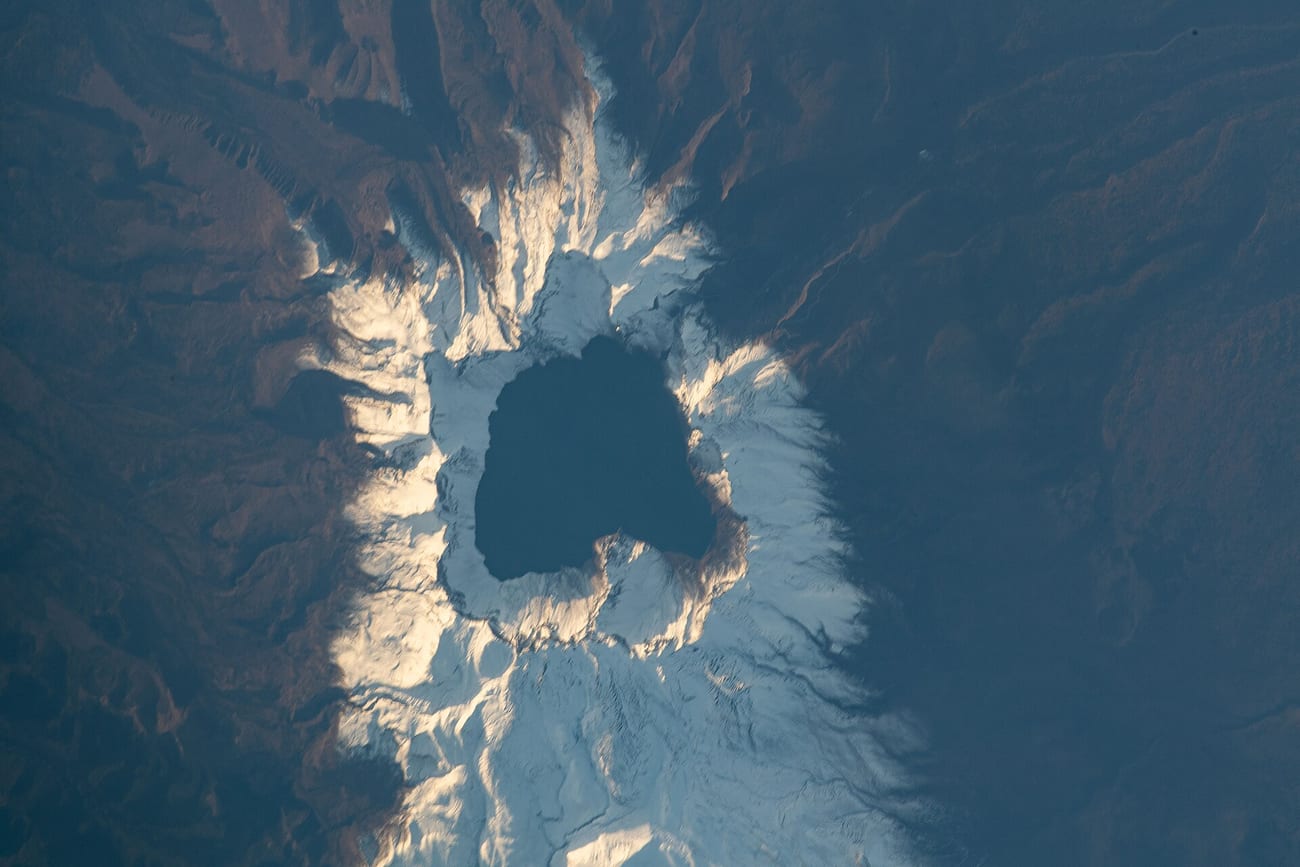
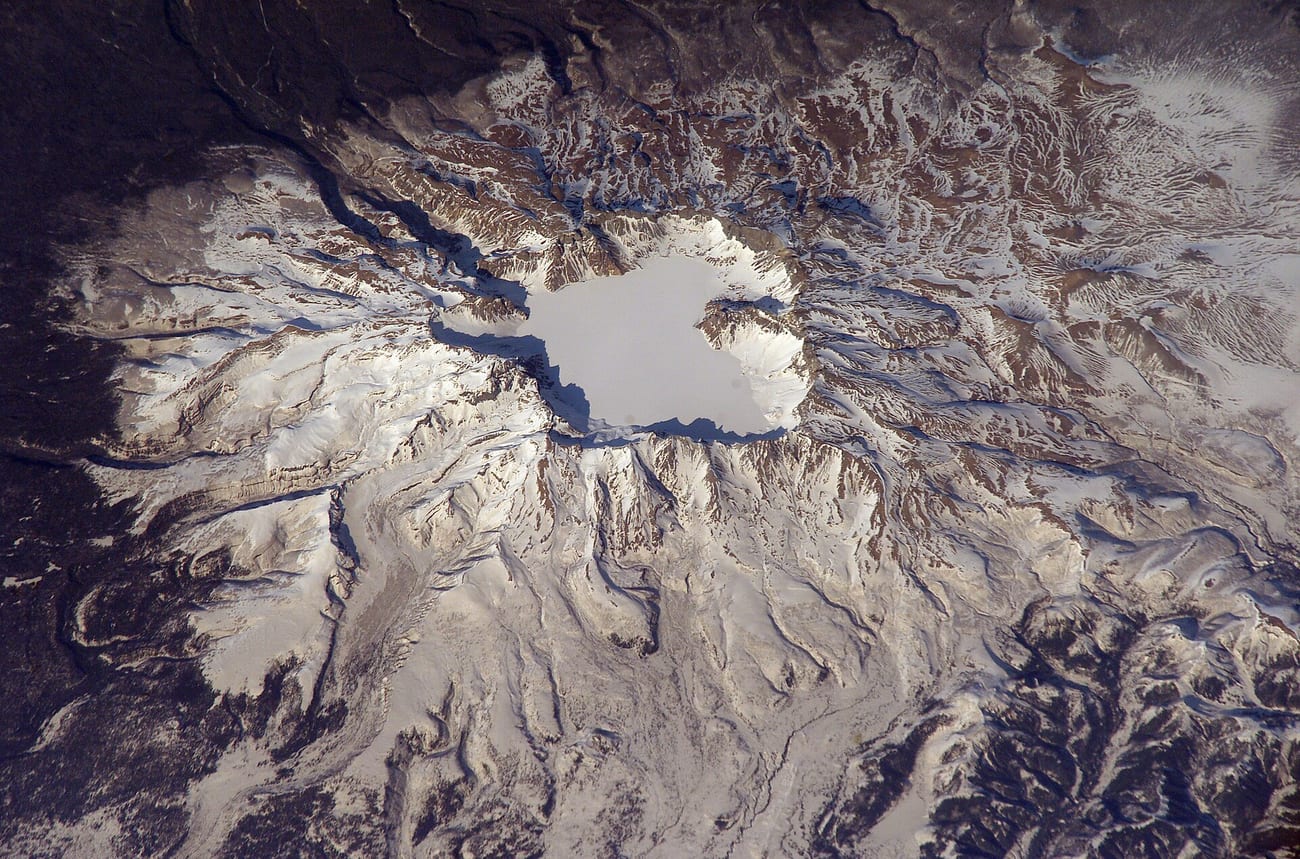
First, the place, because the place is half the story. Mount Baekdu — sacred in Korean culture as the mythic origin point of the nation — rises to 2,744 meters, and at its summit sits Heaven Lake (Cheonji in Korean, Tianchi in Chinese), a caldera lake formed by ancient volcanic eruption. It is astonishingly deep, with a maximum depth of around 384 meters, making it the deepest lake on the Korean peninsula.
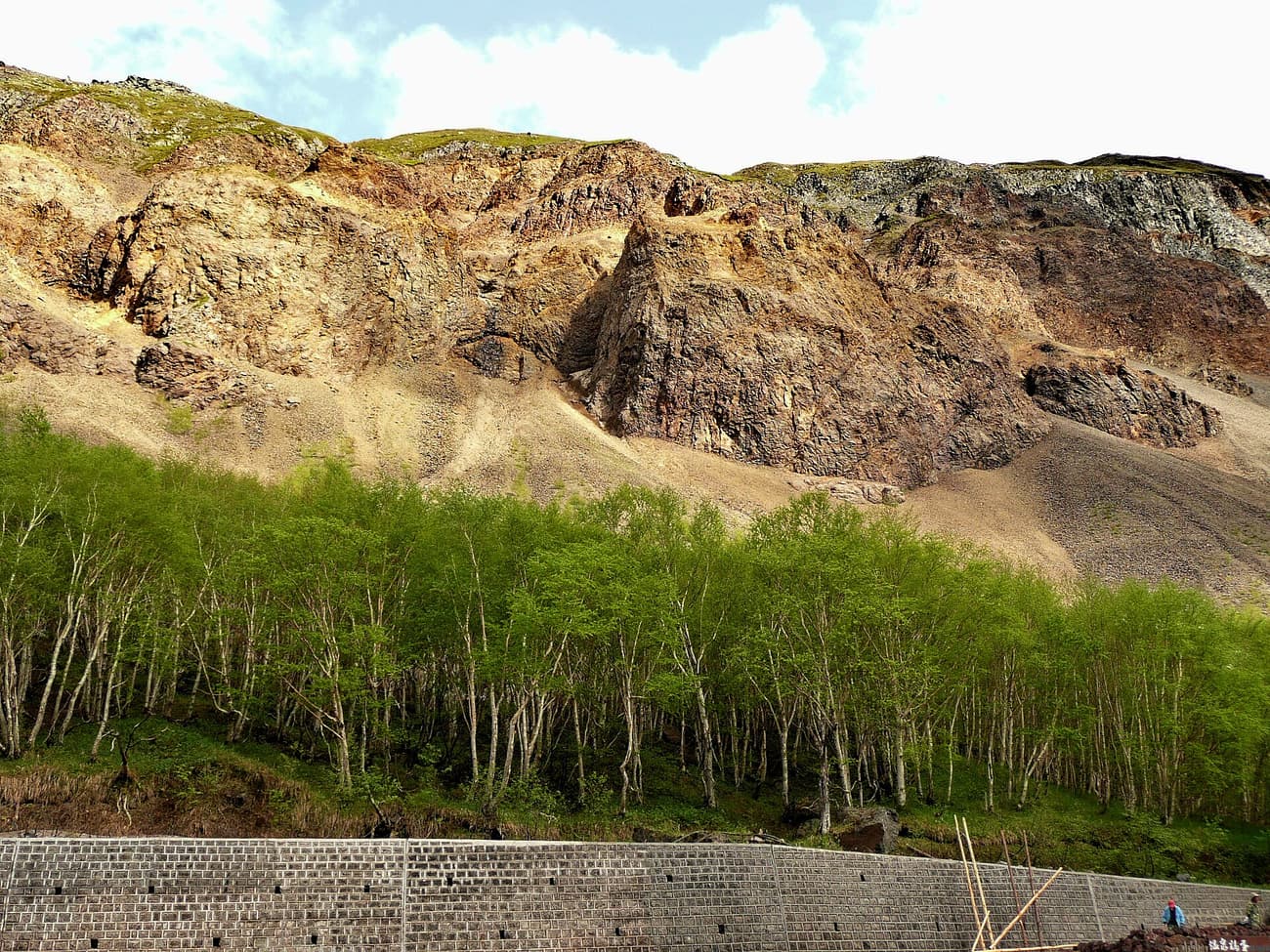
For more than half of every year, it lies frozen. No one has ever descended to its floor. And crucially for what follows, Baekdu is an active volcano — it has a documented history of eruptions, including activity recorded in the early twentieth century. This is a lake at the top of a fire mountain: freezing, terribly deep, born of volcanic violence, and never fully explored. And from that water, again and again, people say something rises.
The First Records
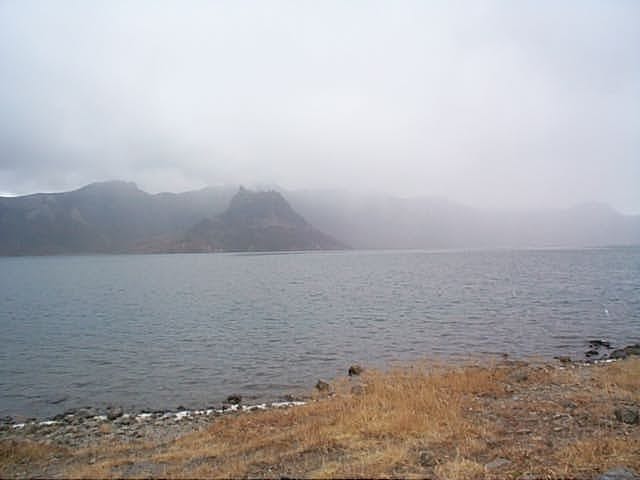
The story begins in the era of China's Qing dynasty. Four hunters, according to the earliest accounts, reported to local authorities what they had seen at the lake: a golden-hued beast with horns on its head and a long neck, rising up above the surface of the water. That they bothered to file such a report at all tells you how shaken they must have been.
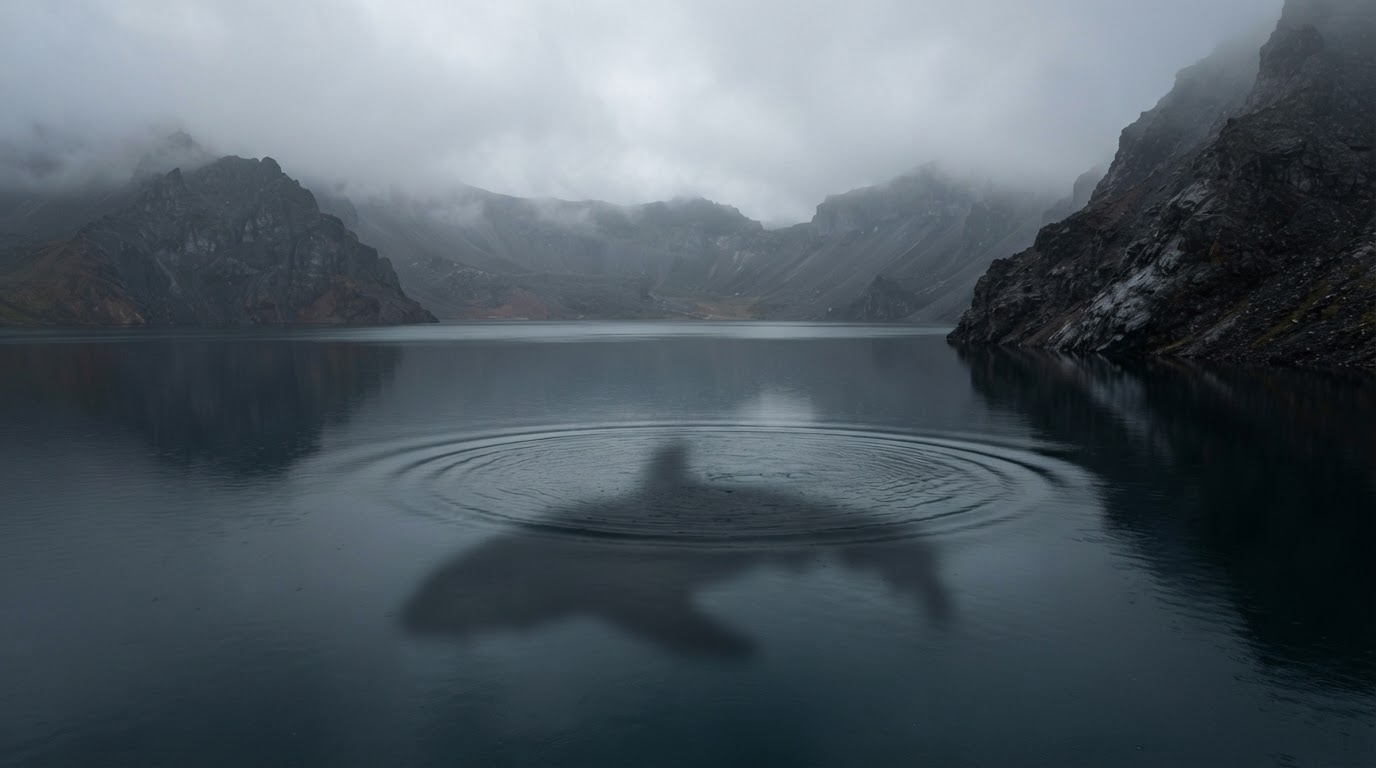
By 1903, the descriptions had grown more specific. Records from that time describe a creature with a neck around 1.5 meters long, a rounded head, and a resemblance to a water buffalo. Pause on the strangeness of that: people more than a century ago saw something in this lake vivid and consistent enough that they committed it to written record — not a vague shadow, but a described animal.
The Witnesses Pile Up
In the 1960s, a meteorological worker named Zhou Fengying — someone whose actual job was to observe the lake — reported seeing a "dog-like head" break the surface. When a professional weather observer, trained to watch that exact body of water, describes what they saw in that kind of detail, "they just imagined it" becomes a harder answer to give.
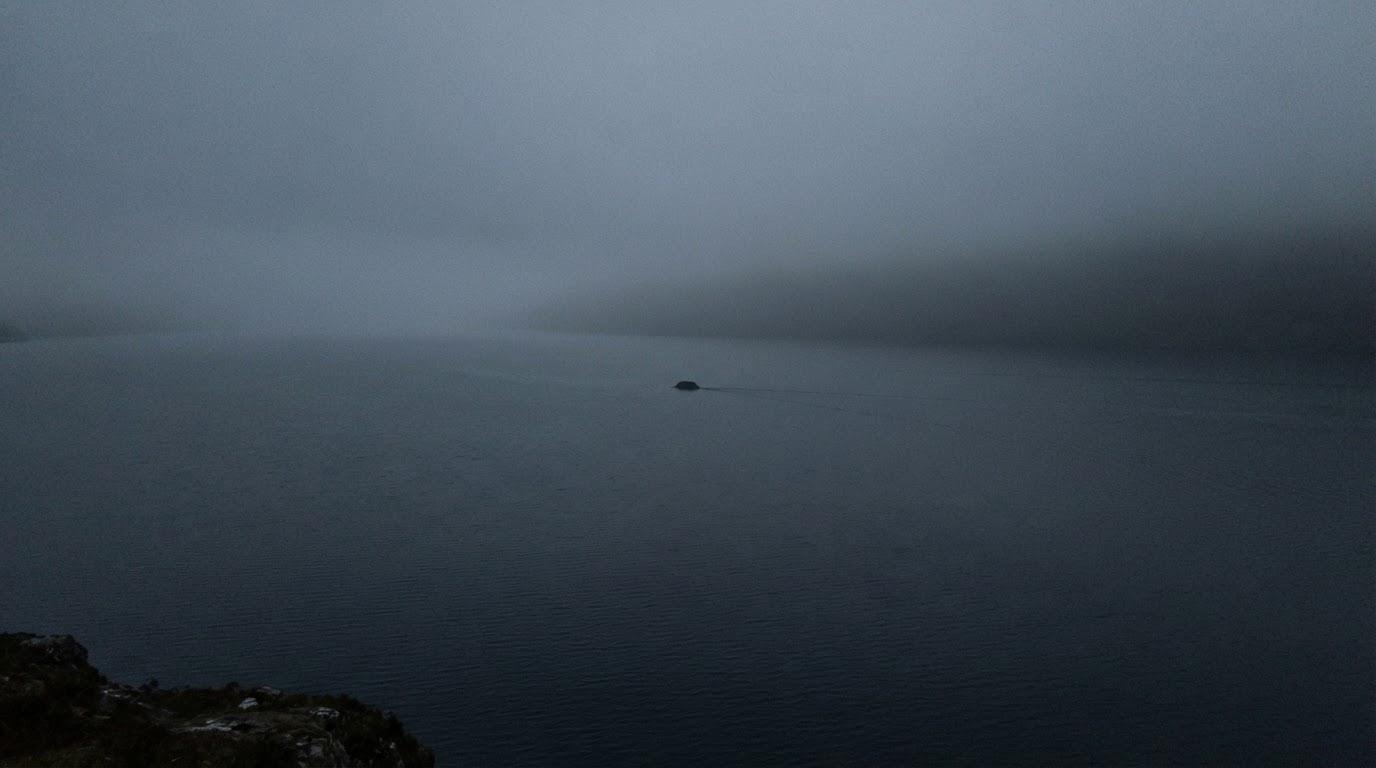
Then, in the 2000s, sightings exploded. In October 2000 and July 2002, witnesses reported something moving fast across the water, throwing up spray. In 2007, a Chinese television journalist filmed what he described as six creatures swimming together — footage that made news. In 2011, a witness gave a description that reached straight back through the centuries: the thing, they said, had two horns on its head. That is the same image the Qing-dynasty hunters reported. Across roughly two hundred years, separated by lifetimes and empires and languages, people keep returning with the same detail. In 2013, more photographs claimed to show the creature and made the news again. By now the accumulated sightings, photos, and video clips number in the dozens, and witnesses have even left behind their own sketches of what they saw.
When Korean Television Staked It Out
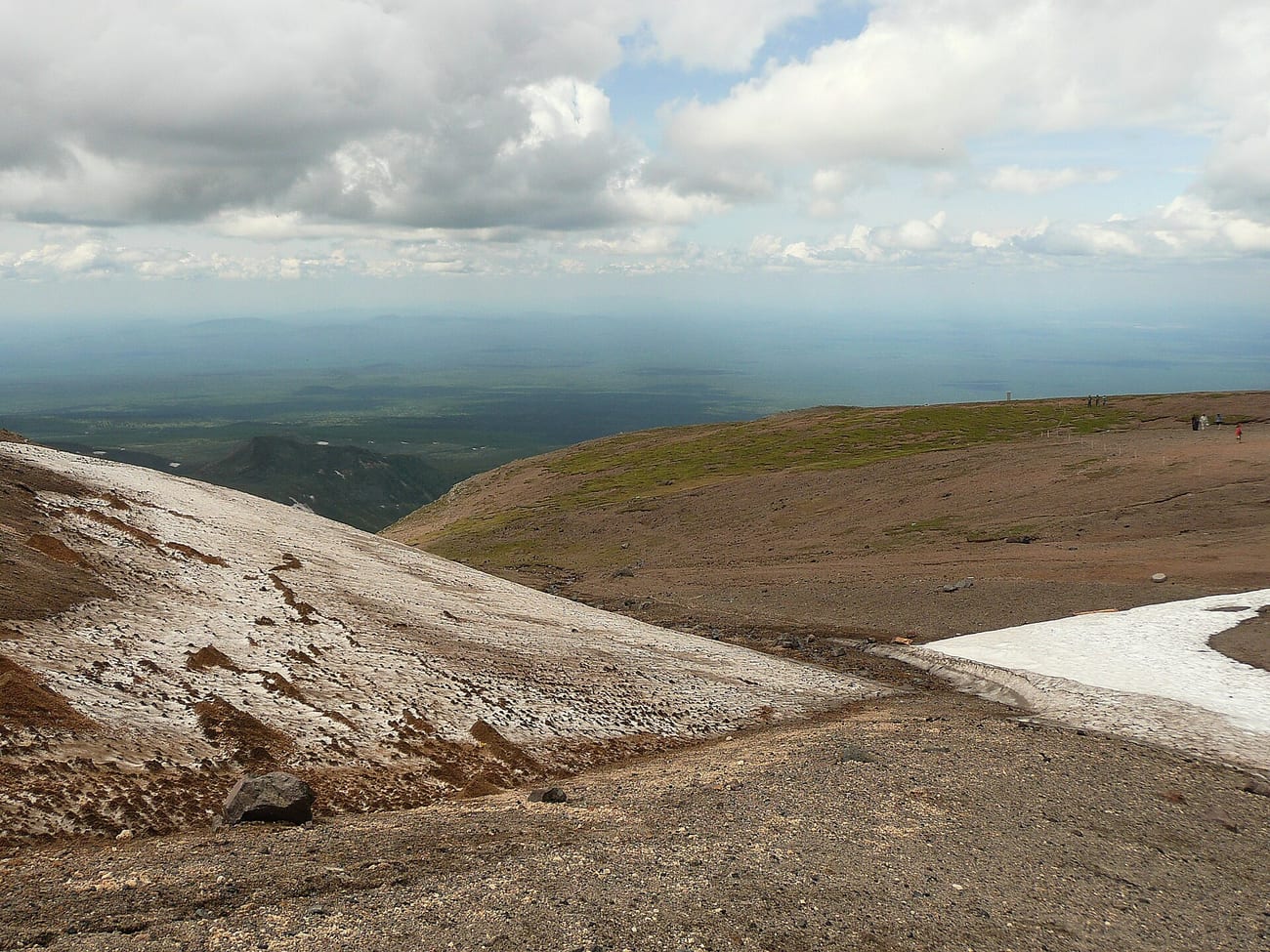
At one point, a production team from the Korean broadcaster KBS decided to stop relying on chance encounters and mount a proper stakeout. They climbed to an astronomical observation peak at around 2,670 meters, set up telephoto lenses trained on the water, and waited for days.
On the seventh day of observation, they got something: a dark object moving across the surface, cutting a V-shaped wake behind it, captured on camera. At night they brought out night-vision equipment. There was, in the end, something on the footage. The problem — the exact problem that defines this whole case — was that no one could say what it was.
The Science Says No
Here is where the mystery earns its real chill, because the scientific objection is not a hand-wave. It is specific and strong. Scientists say, flatly, that nothing like the reported creature could live in Heaven Lake — and their reasons are hard to argue with.
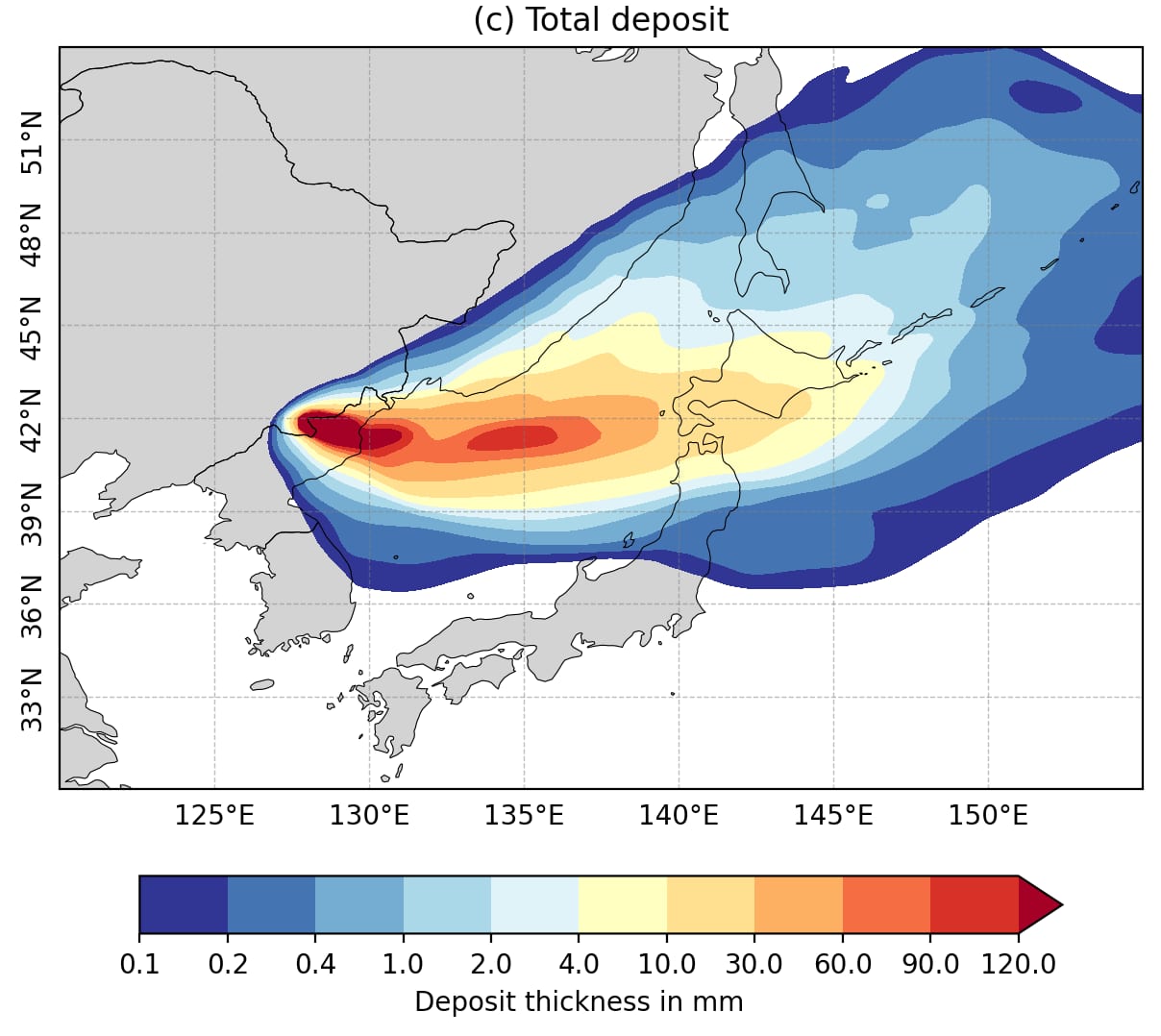
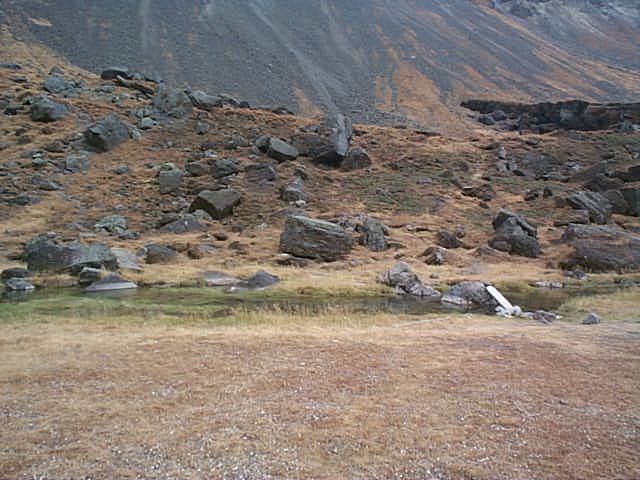
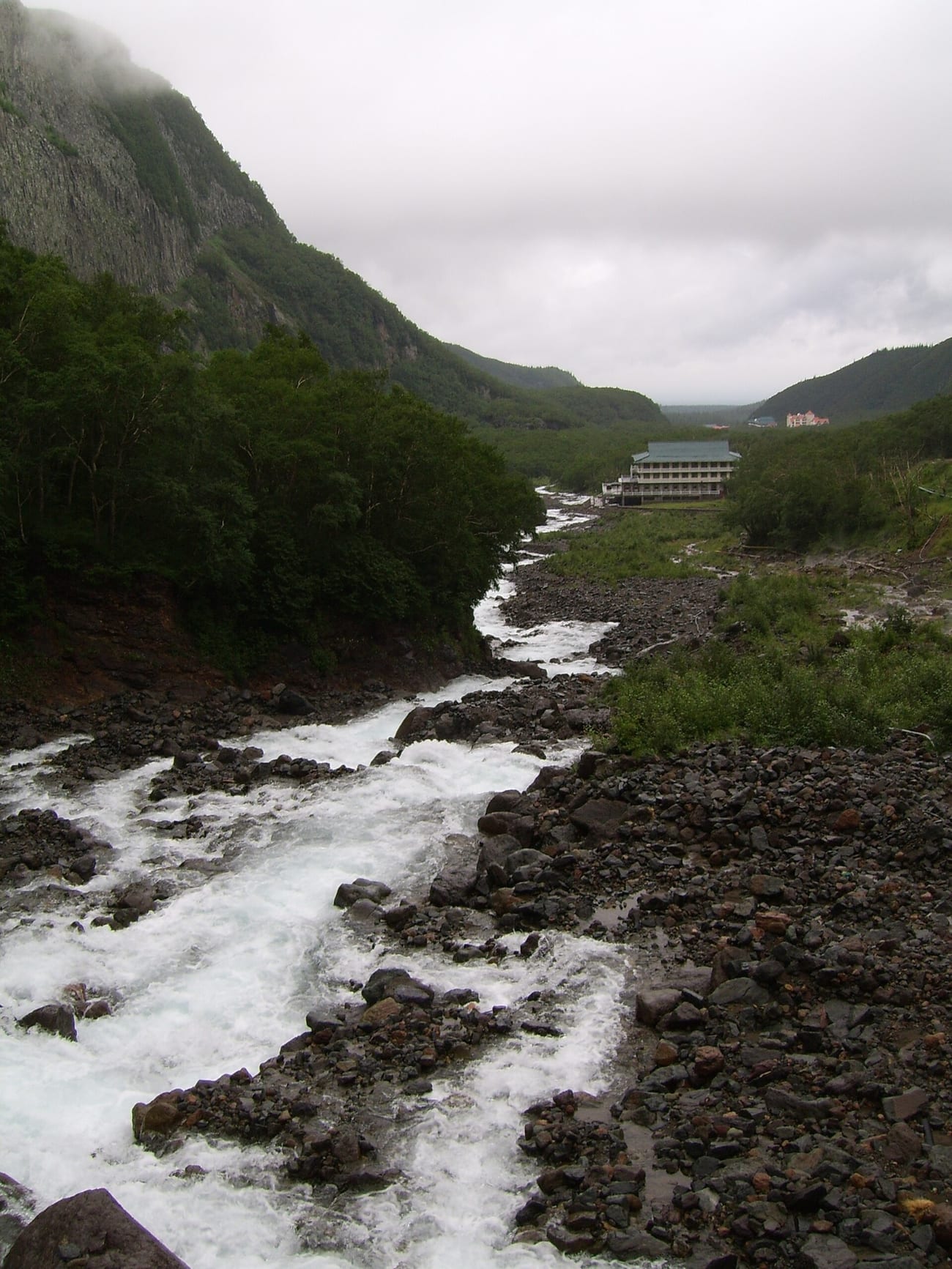
The lake sits atop an active volcano that has erupted in recent historical times. It is frozen for most of the year. Most decisively, it lacks a food chain capable of sustaining a large animal — there simply isn't enough of an ecosystem in that cold, sterile, high-altitude water to feed a creature of the size witnesses describe. On every biological measure, the water is too cold, too barren, and too geologically unstable to support a large aquatic animal. Scientifically, the correct answer is that such a creature cannot exist there.
And yet. For 120 years, in water that science says cannot hold it, people keep reporting the same thing. That is the paradox at the dead center of this file: a lake where a large creature is biologically impossible, and a large creature that is nonetheless, persistently, reported. So what are the dark shapes in those photographs and that footage? What did a weather observer, and a TV crew, and hunters two centuries apart, actually see?
What We Know vs. What We Don't
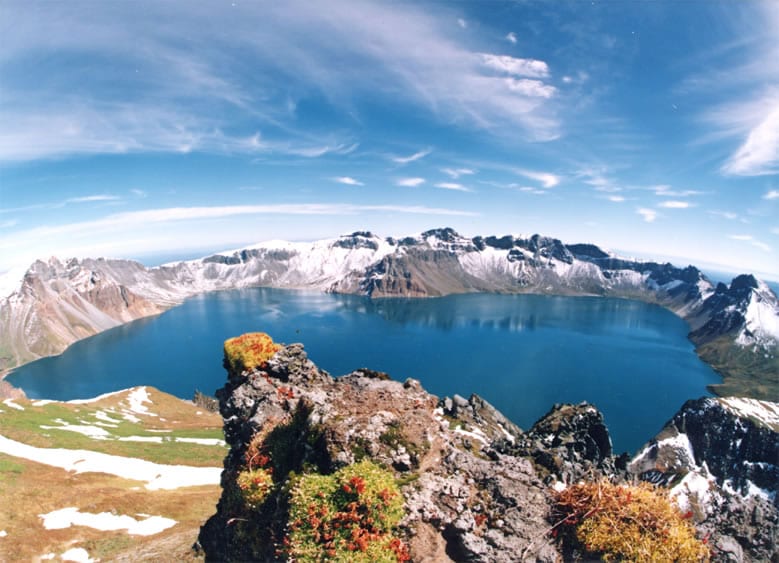
Let's be clear-eyed. What we know is that Heaven Lake is real, extraordinary, and extreme — 384 meters deep, frozen half the year, perched on an active volcano, and never surveyed to its bottom. We know that sightings of a "monster" there stretch back well over a century and continue into the present, that many witnesses have been ordinary or even professional observers, and that photographs and footage exist. And we know that the scientific consensus is firm and well-founded: the lake's cold, its ice, its volcanic instability, and above all its lack of a supporting food chain make a large resident animal effectively impossible.
What we do not know is what people are actually seeing. The honest candidate explanations are mundane: shadows and reflections on the water's surface, floating rafts of volcanic pumice stone drifting on the waves, optical distortion at altitude, and the powerful human tendency — sharpened by 120 years of expectation — to resolve an ambiguous shape into the monster we've been told to look for. Any of these could account for the dark objects on film. None of them has ever been proven to be the answer in every case.
The figure I keep returning to is 384 metres. Not the sightings, not the KBS footage on the seventh day — the depth. Every argument against the creature is an argument about the ecosystem of a lake nobody has ever reached the bottom of. The science is sound and I do not dispute it, but I notice that it is describing water it has only ever measured from above. Filing this one, I find I am less interested in what the witnesses saw than in the fact that the objection and the claim have never once occupied the same place.
What remains, when the science and the skepticism have had their say, is a single clean fact: at the bottom of that deep, black, freezing water, 384 meters down, no human being has ever been. We do not know what is in there. Almost certainly it is nothing at all — a trick of light on a lonely lake. But "almost certainly" is not "certainly," and the space between those two words is where a mystery lives. Looking down from space, Heaven Lake appears as a dark hole punched into the top of a mountain. Our own satellites have photographed it. And still, the one thing we can say for sure is the same thing the hunters could have said in the Qing dynasty: we do not know what, if anything, moves in that water.
---
This article combines genuine archival and on-site photographs with AI-generated images produced to convey the mood of the story.


Comments
No comments yet — leave the first one.