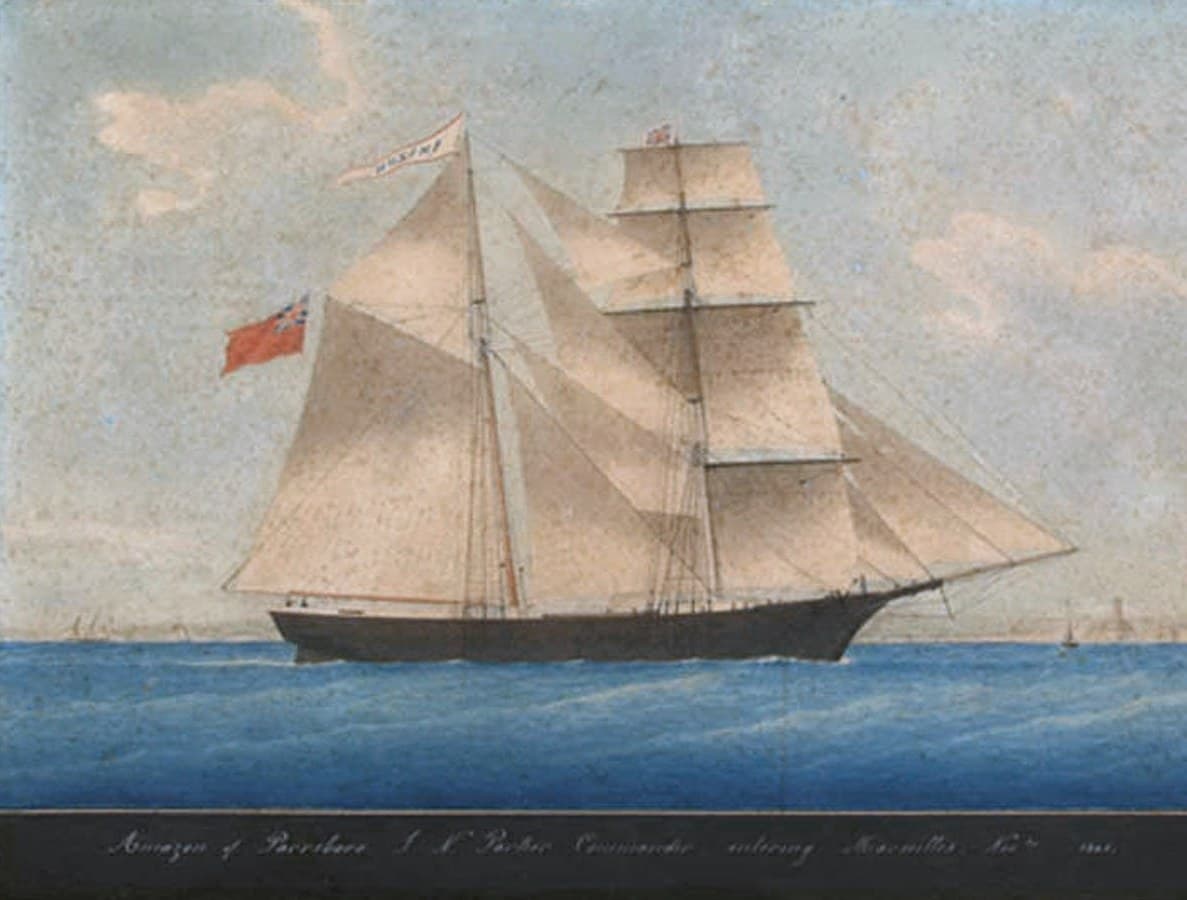
On a grey December afternoon in 1872, a British ship crossing the mid-Atlantic came upon another vessel behaving very strangely. It was yawing off course, its sails half-set and torn, riding the swell with no hand at the wheel. When a boarding party finally rowed across and climbed onto her deck, they found something that no one has ever fully explained. The ship was sound. The cargo was in place. There was food and water for six months. Personal belongings sat exactly where they had been left. And every single one of the ten people who had sailed her was gone.
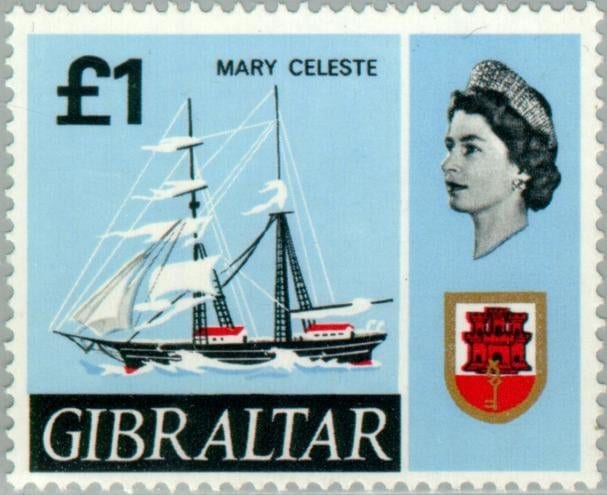
The ship was the Mary Celeste, and more than 150 years later she is still the most famous ghost ship in history — not because of what was found aboard her, but because of what wasn't.
What makes the case endure is not that it is spooky. Plenty of ships have been lost with all hands, and the sea keeps far grimmer secrets than this one. What makes the Mary Celeste different is that she was not lost. She survived the entire event completely intact. The mystery is not "what sank her" — nothing sank her. The mystery is why ten living, healthy people would voluntarily abandon a safe, well-stocked ship in the middle of the ocean and then disappear so completely that not a single trace of any of them was ever found. That is a much stranger question, and it has never had an answer.
I have been collecting cases like this one for years, and the Mary Celeste file is the thickest and the least satisfying in my cabinet. What kept me returning to it was not the empty deck but a line in the inventory: the sextant and the chronometer, taken. I spent a long evening comparing accounts of the boarding, hoping some later transcription had gotten that wrong. None of them had. Ten people took the instruments they would need to find land, and then no land ever received them.
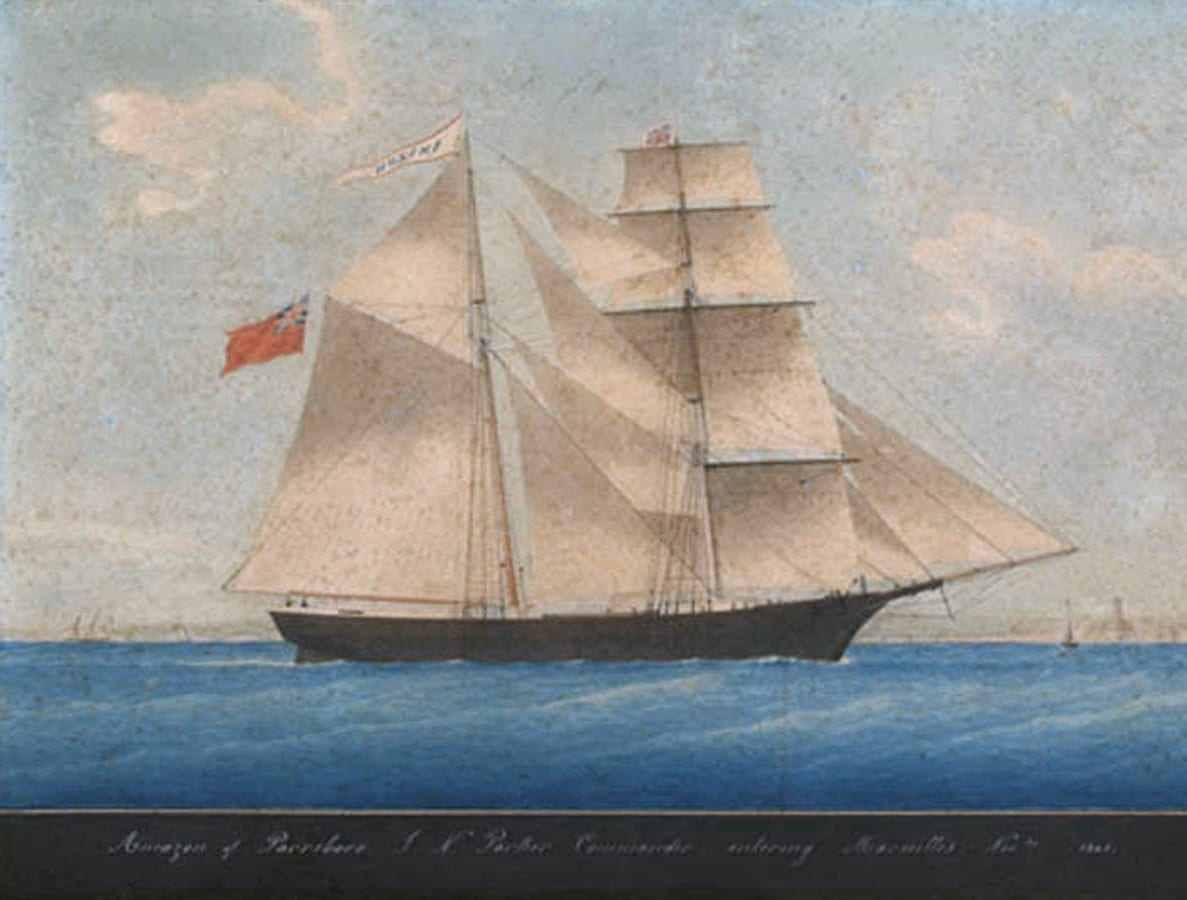
A ship in perfect order, with no one aboard
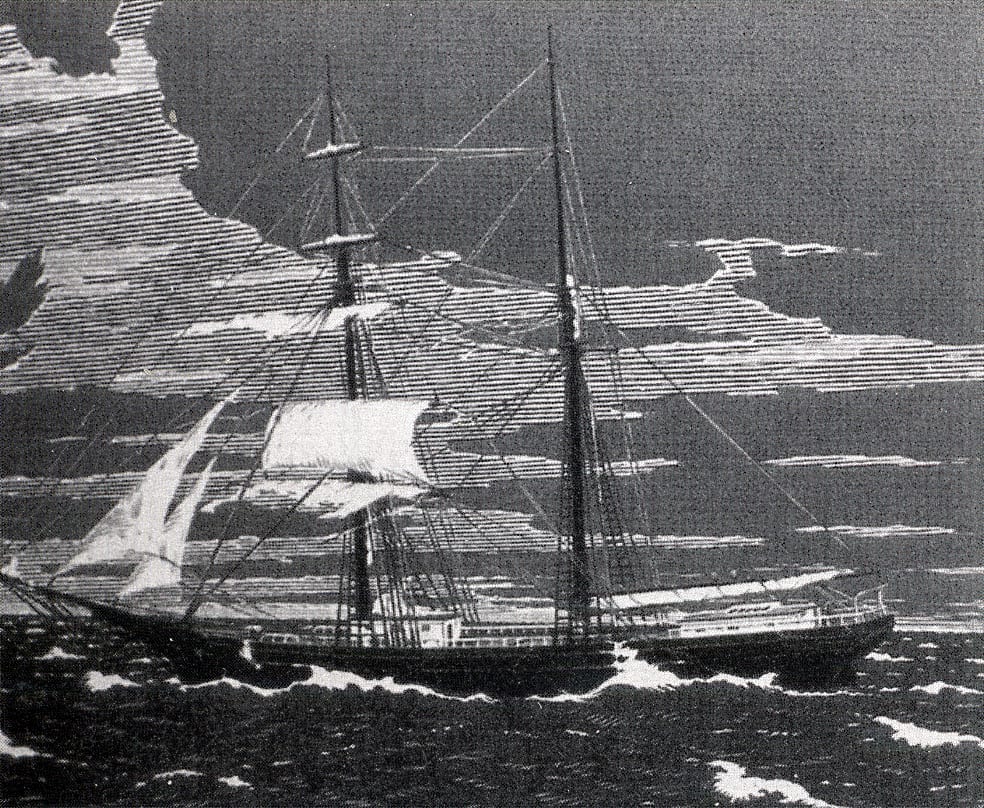
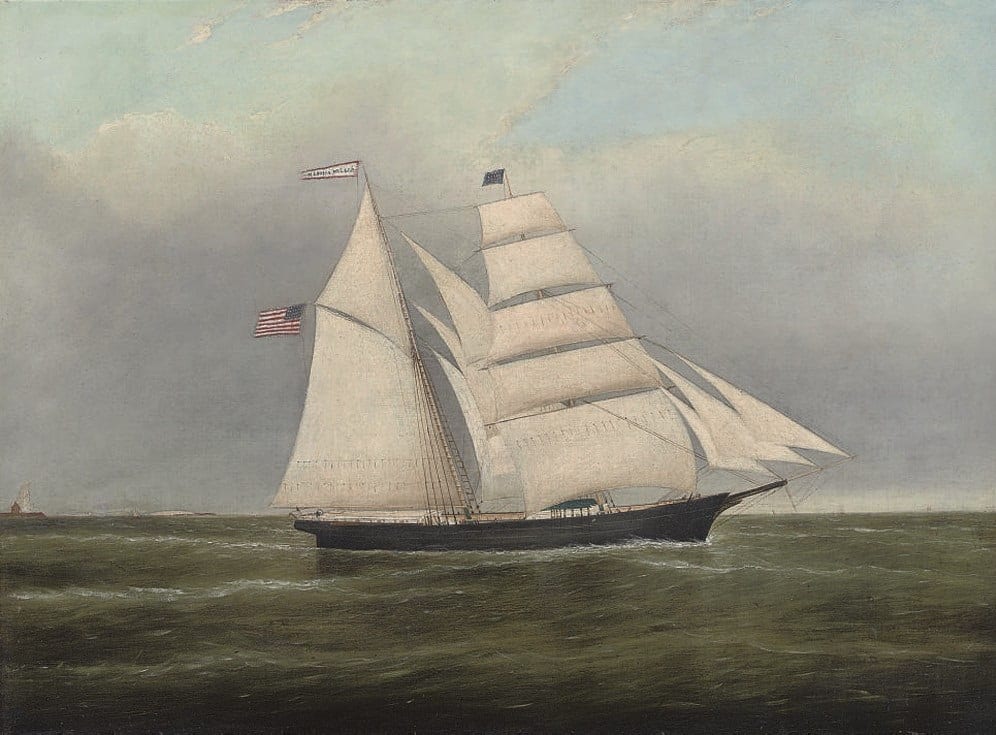
The vessel that spotted her was the Dei Gratia, a Canadian-registered brigantine sailing from New York toward Gibraltar. Her captain, David Morehouse, actually knew the Mary Celeste — the two ships had loaded in New York within days of each other. By rights she should have been far ahead, close to her destination in Italy. Instead here she was, drifting aimlessly hundreds of miles from where she ought to be.
Morehouse sent his chief mate, Oliver Deveau, across with a small party. What they reported was almost more unsettling than a wreck would have been. There was no sign of violence anywhere. No blood. No damage from a fight. Some of the hatch covers had been removed and set aside on deck, and there was water sloshing in the hold — around a metre or so — but the ship was in no danger of sinking and a working ship at sea often carries some water below. One of the two pumps had been taken apart, which was consistent with routine sounding or maintenance. The sails were partly set, some furled, one or two blown loose — untidy, but not the wreckage of a storm. The single lifeboat was gone. This was not a ship that had been attacked, or dismasted, or abandoned in blind panic. It looked, in most respects, like a ship whose crew had simply stepped away one morning and never come back.
Deveau and his men spent the next several days doing something genuinely difficult and dangerous: sailing the recovered Mary Celeste the roughly 1,300 kilometres to Gibraltar with a skeleton crew, shorthanded and exhausted, so that she could be brought in as salvage. They arrived in mid-December, a day or so after the Dei Gratia herself. That detail — that the same men who found the empty ship also profited from bringing her in — would later hang over the whole affair.
The Timeline
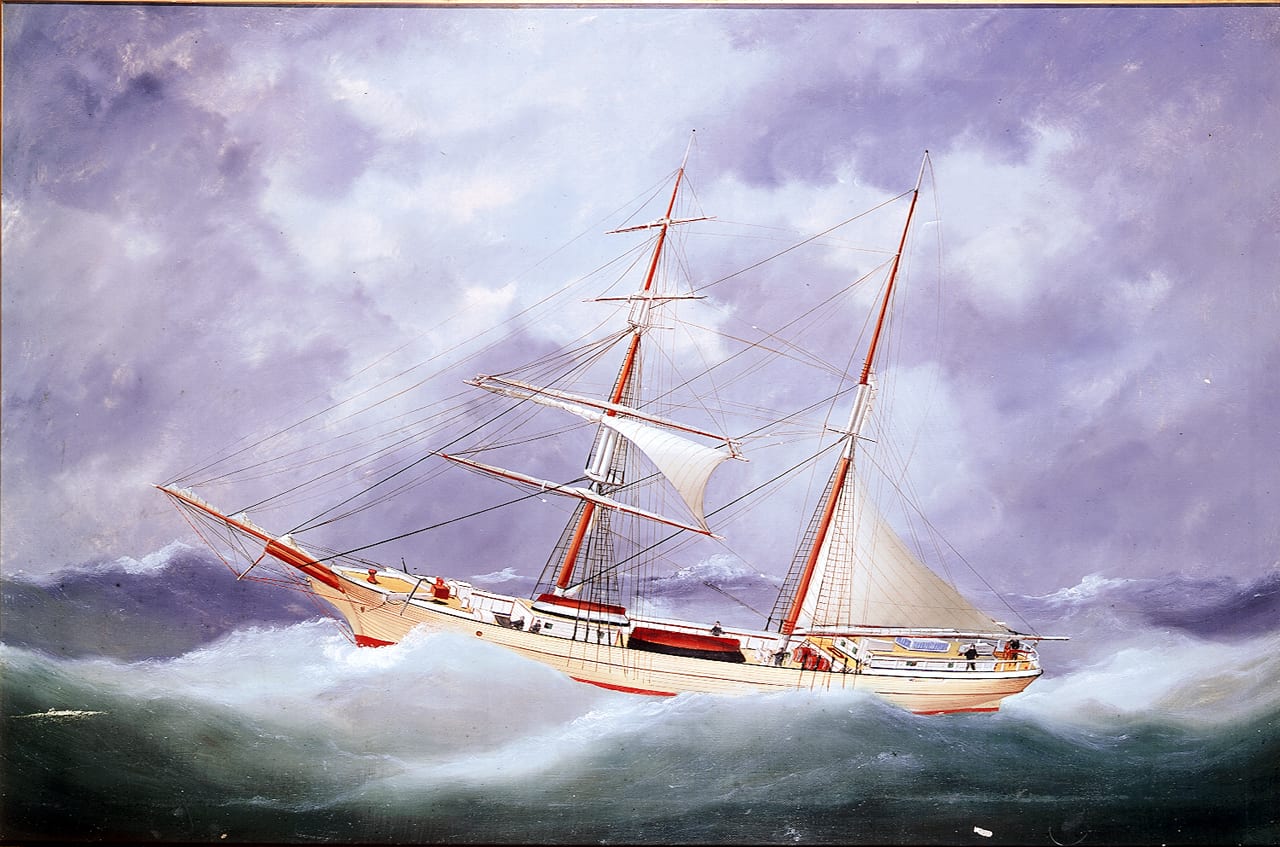
To understand why the Mary Celeste haunts people, it helps to lay the known facts out in order.
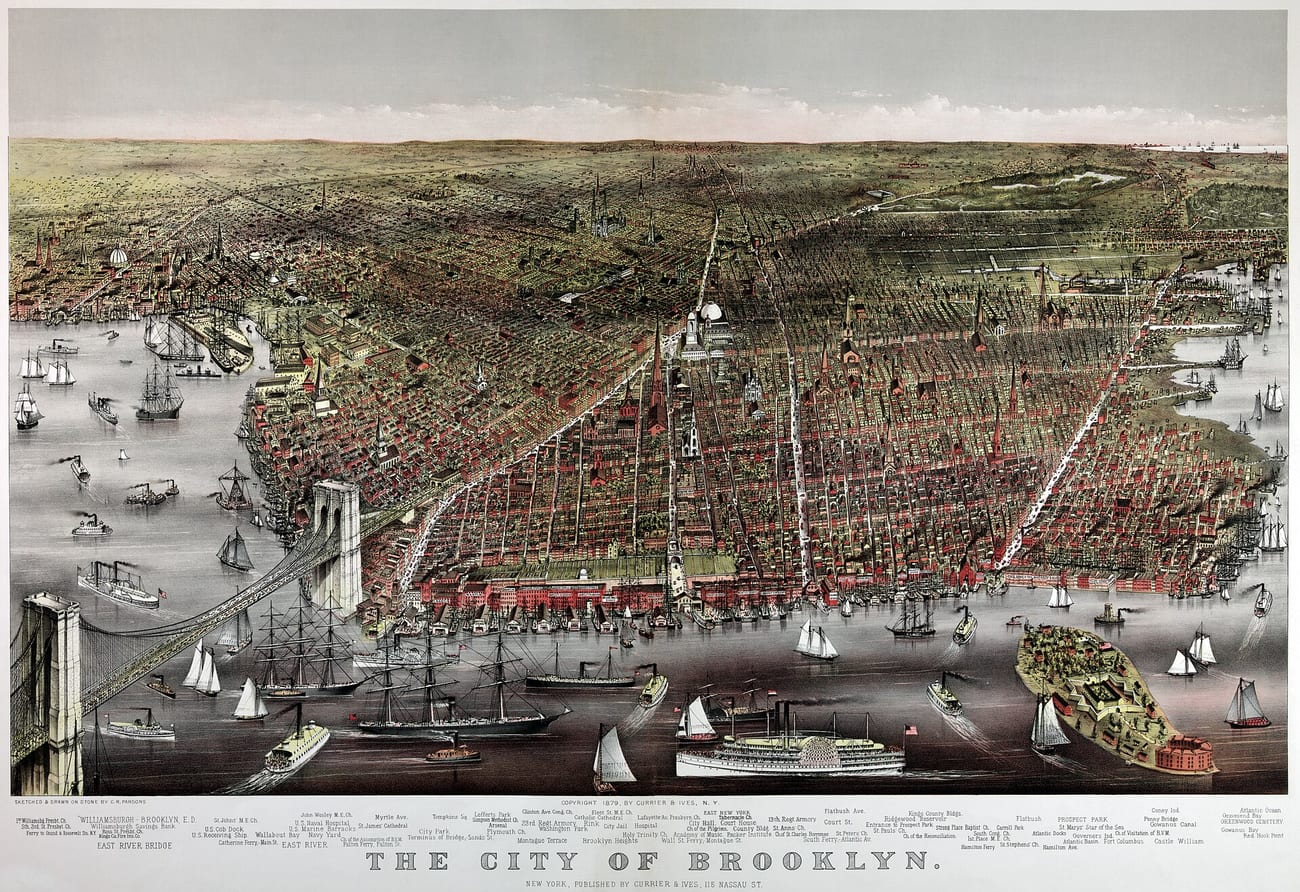
She departed New York Harbor on November 7, 1872, bound for Genoa, Italy. In her hold were 1,701 barrels of denatured alcohol — industrial spirit, poisonous to drink, meant for fortifying wine in Europe.
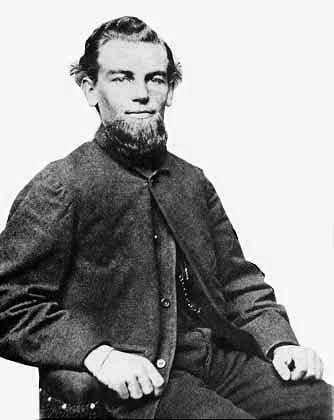
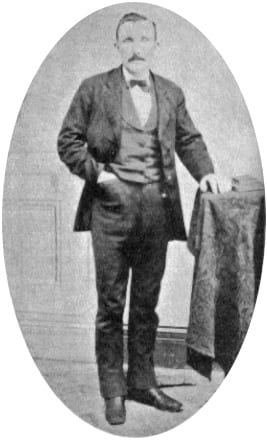
Aboard were ten people. Captain Benjamin Briggs commanded her: a devout, experienced, teetotal master in his late thirties, from a well-known New England seafaring family, with an excellent reputation and a part-ownership stake in the ship itself — a man, in other words, with every reason to bring her safely to port. He had brought his family along for the voyage, as sea captains of the era sometimes did: his wife Sarah and their two-year-old daughter Sophia. The couple had also left an older son behind on land with relatives, which tells you this was a settled family undertaking a normal working passage, not anything reckless.
The remaining seven were the crew. The first mate was Albert Richardson, an experienced sailor Briggs trusted; there was a second mate, a steward, and four seamen, several of them German. By every account that survives, they were competent, sober, respectable men, not a rough or mutinous lot. This matters, because one whole family of theories depends on the crew being the sort of men who might turn violent — and the people who actually knew them said they were nothing of the kind.
The last entry in the ship's log was made on November 25, 1872, placing her near the island of Santa Maria in the Azores, off the coast of Portugal. It recorded nothing alarming — just an ordinary position and an ordinary day. Whatever happened, happened after the last normal log entry and before the ship was found, in a stretch of ocean and time with no witnesses at all.
Ten days later, on December 5, 1872, the Dei Gratia found her drifting and deserted — roughly 700 kilometres from that last logged position. Somewhere in that gap of open ocean, every soul aboard had left the ship.
What was found — and what was missing
The details recovered from the boarding are what turn an ordinary maritime loss into an enduring mystery.
The lifeboat was gone. The Mary Celeste carried a single small boat, and it was missing. Crucially, it did not appear to have been torn away by a wave. The evidence suggested it had been deliberately launched — untied and lowered in a controlled way, as if the people aboard had chosen to get into it.
The navigation instruments were gone. The ship's sextant and its marine chronometer — the tools you would need to find your way across water — had been taken. This is the detail that convinces many historians the departure was purposeful rather than panicked. People fleeing for their lives rarely stop to collect precision instruments; people making a considered decision to leave the ship do.
Almost everything else stayed. There was a six-month supply of food and fresh water, untouched. The crew's pipes — the sort of small, personal object a sailor grabs on his way out the door — were left behind. Personal effects sat in the cabins. Sarah's belongings and little Sophia's things remained. The cargo of 1,701 barrels was, save for a handful, intact.
So the picture is this: ten people, including a mother and a toddler, climbed into a small open boat and pushed off from a perfectly seaworthy ship stocked with half a year of provisions — taking their navigation tools but leaving their food, their possessions, and their child's toys behind. And then they vanished.
The hearing at Gibraltar
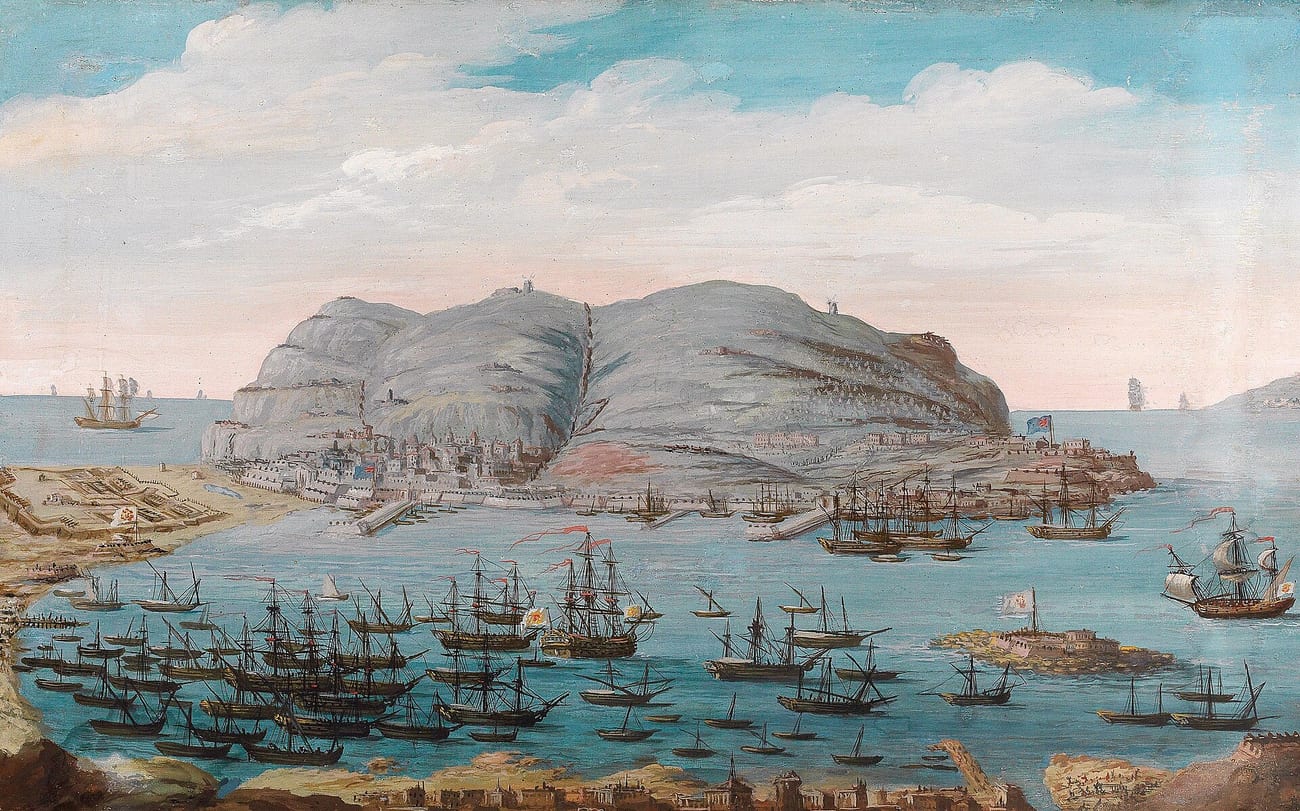
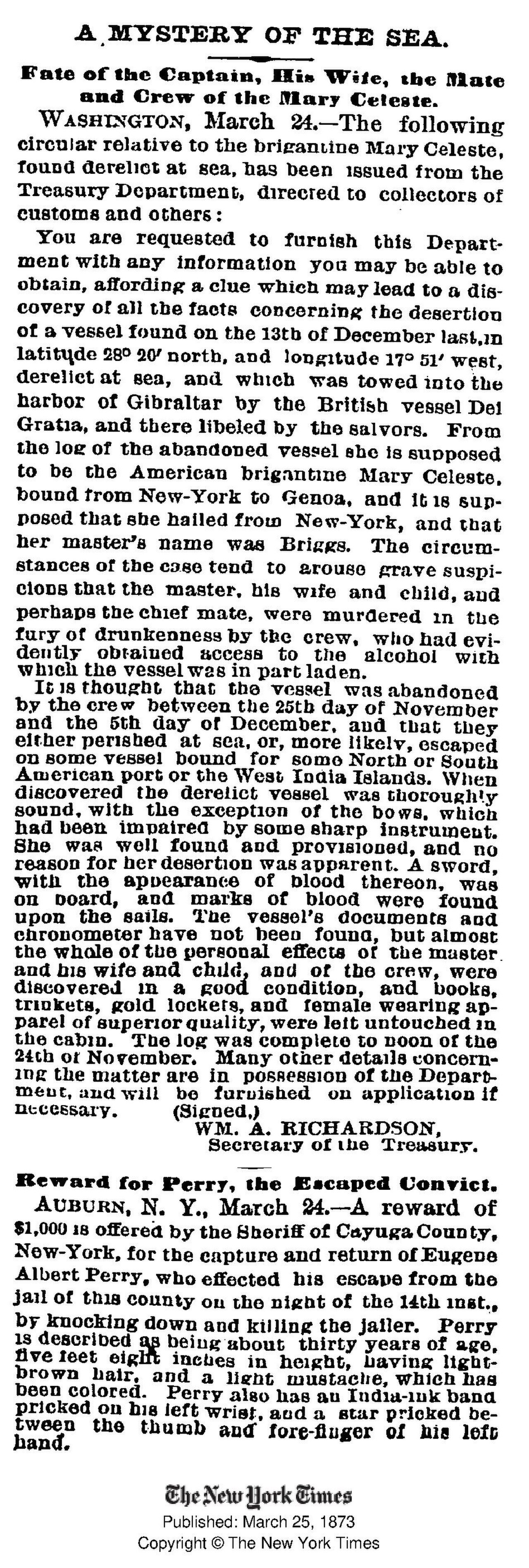
Under maritime law, the Dei Gratia crew who brought the salvaged ship into port were entitled to a reward, so the case went before a salvage court in Gibraltar. What should have been a routine hearing turned into something much darker.
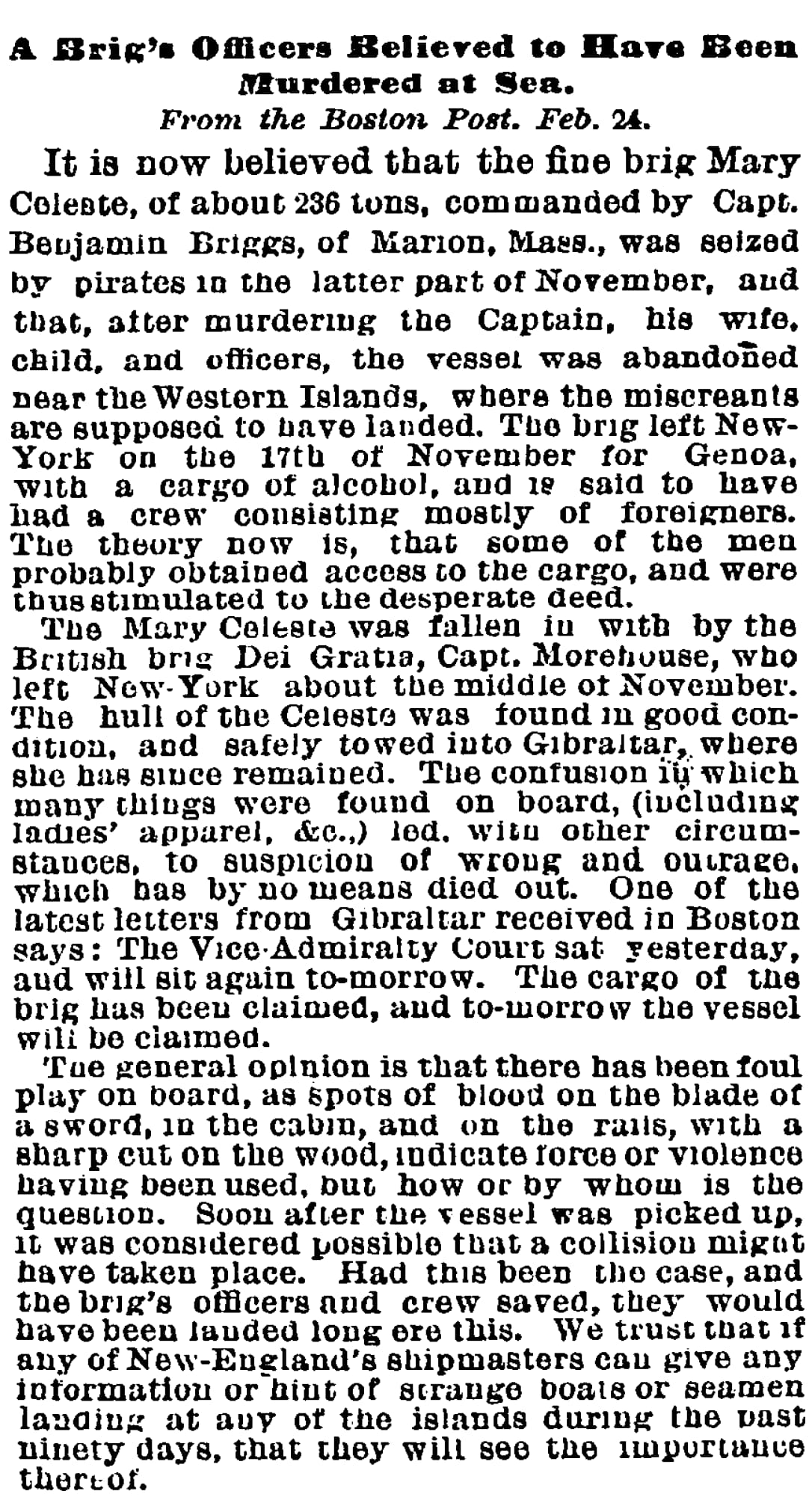
The Attorney General for Gibraltar, Frederick Solly-Flood, was deeply suspicious. To him the whole thing smelled of foul play. He wondered whether the crew had gotten into the alcohol cargo, murdered the captain and his family in a drunken mutiny, and fled — or whether the men of the Dei Gratia themselves had done away with everyone to claim the salvage money.
The problem was that the evidence refused to cooperate with any of these theories. Investigators found no bodies. No blood. No sign of a struggle anywhere aboard. Marks on the hull that were first taken for damage or bloodstains were examined and came to nothing. After months of inquiry, the court could prove no crime at all. The Dei Gratia men eventually received a salvage award — a reduced one, reflecting the lingering cloud of suspicion — and the disappearance was officially left unexplained.
The Theories
In the century and a half since, people have proposed nearly every explanation imaginable. A few come up again and again.
The alcohol vapour scare
This is the theory most historians find persuasive. When the ship was unloaded in Genoa, nine of the 1,701 barrels were found empty. Those barrels were made of red oak, which is more porous and likely to leak. The idea is that alcohol vapour built up in the hold, and either a frightening rumble, a small venting, or the fear of an imminent explosion convinced Captain Briggs that the ship was about to blow. In that moment he might have ordered everyone into the lifeboat as a precaution, intending to stay close and reboard once the danger passed. If the tow-line to the ship then snapped, or a wind caught the Mary Celeste and carried her away faster than a rowboat could follow, the ten of them would have been left stranded on the open Atlantic with no way back. It fits the evidence uncomfortably well: an orderly launch, no explosion, no bodies aboard.
The one weakness in the vapour theory is that the boarders reported no smell of alcohol and no scorching or blast damage in the hold. Defenders answer that a venting of fumes would clear quickly in open air, and that a fear of explosion — not an actual one — is all that is needed to explain a precautionary evacuation. It remains the leading explanation not because it is proven, but because it is the only one that accounts for an orderly launch, a stranded crew, and an undamaged ship all at once.
A waterspout
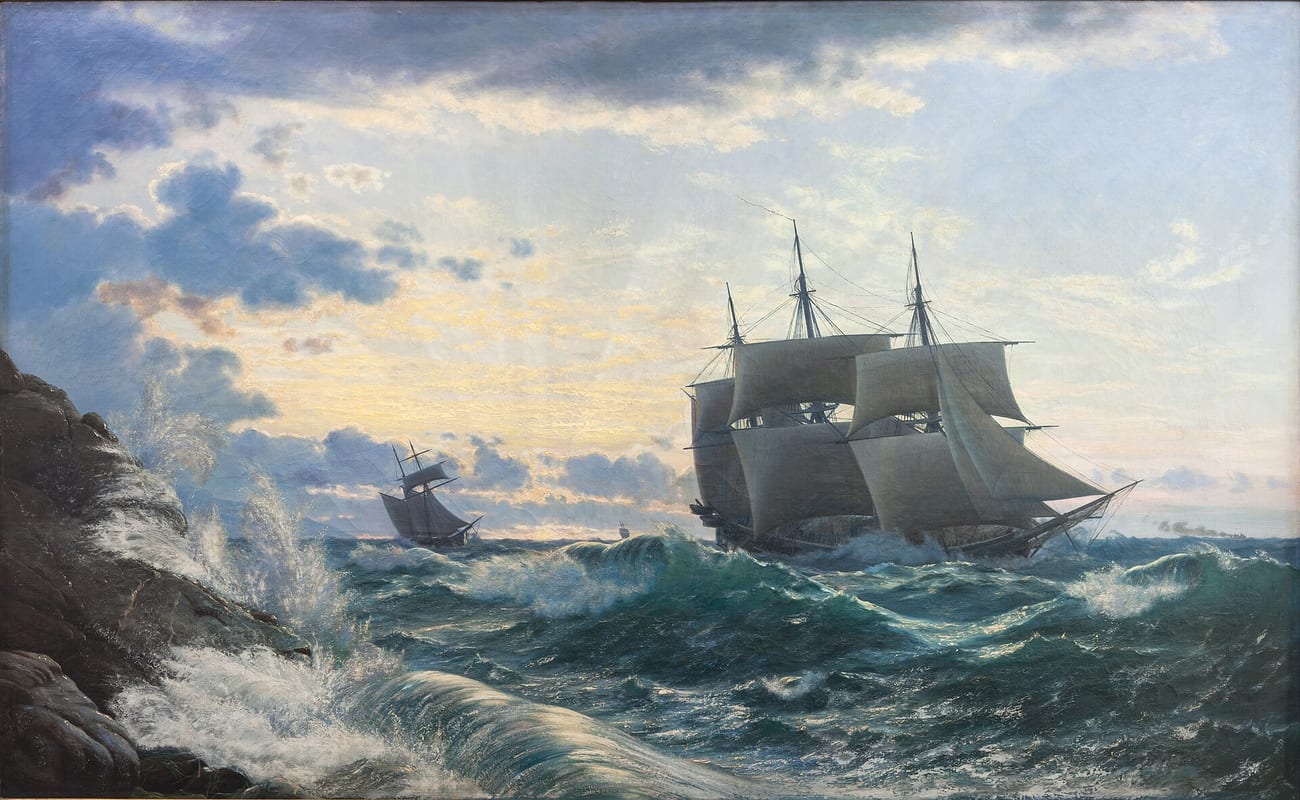
A waterspout — a tornado over water — passing over or near the ship could have created a sudden, violent drop in air pressure and a drenching spray, making it look and feel as though the vessel were flooding or being torn apart. That could explain the water in the hold and the disassembled pump (someone checking how badly she was taking on water) and panic the crew into the boat. The objection is the same one that troubles most theories: even a terrifying waterspout does not usually make an experienced captain abandon a ship that is, in fact, still floating perfectly well.
A seaquake
An undersea earthquake — a "seaquake" — can send a sharp shudder up through a hull and even shake cargo loose. Some have suggested a seaquake jolted the Mary Celeste hard enough to knock a few barrels open (explaining the leaked alcohol) and make Briggs fear the ship was breaking up beneath him, prompting an evacuation that then went fatally wrong when the boat was separated from the ship. Like the others, it is plausible and unprovable.
Mutiny and piracy
The oldest and most sensational ideas involve human violence: that the crew broke into the cargo, that drink turned to murder, and that the captain and his family were killed and thrown overboard — or that pirates took the people and left the ship. Both collapse on the same evidence. Denatured alcohol is poison, foul-tasting and unsafe to drink, so the crew were unlikely to have gotten drunk on it. The men were, as noted, reputable. And most damning of all: there was no blood, no bodies, no sign of a struggle, and nothing looted. Pirates do not leave behind a cargo, six months of food, and the crew's personal valuables. Murderers do not clean a ship so perfectly that a suspicious Attorney General, hunting hard for a crime, cannot find one drop of evidence. The absence of violence is itself the strongest argument against every violent theory.
The Dei Gratia did it
A darker variant accused the rescuers themselves — that Morehouse and Briggs knew each other, that the Dei Gratia crew murdered everyone to claim the salvage reward. This was, in effect, the Gibraltar prosecutor's own suspicion. But it founders on logic as much as evidence: salvage law pays a fraction of a ship's value, hardly worth ten murders; the timing and distances did not fit; and again, there was no physical trace of any killing. The court could not make the charge stick.
Insurance fraud
Others have wondered whether the disappearance was staged for an insurance payout. The trouble is that no one ever collected in a way that pointed to a scheme, and staging a vanishing this convincing — with a captain who part-owned the ship, and his own wife and infant daughter aboard as part of the deception — strains belief past breaking. (The irony, as we will see, is that the Mary Celeste really did end her life in an insurance fraud — just not this one, and not in 1872.)
None of these theories can be proven, and none can be fully ruled out. That is the honest state of the case: a shortlist of possibilities, each with a hole in it, and no way left to close any of them.
The Conan Doyle myth
If you think you already know the eeriest detail about the Mary Celeste — the half-eaten breakfasts still warm on the table, the tea still steaming in the cups — here is the twist: none of that is real.
In 1884, a young and then-unknown writer named Arthur Conan Doyle, later the creator of Sherlock Holmes, published a short story called "J. Habakuk Jephson's Statement." It was fiction, loosely inspired by the real case, and it invented a host of vivid, gruesome, cozy-then-sinister details — including the untouched, still-warm meals laid out as if the crew had dissolved into thin air mid-bite. The story was so gripping that readers took it for fact, and its inventions have been retold as history ever since.
So when you hear that breakfast was still steaming when the boarders arrived, you are hearing Arthur Conan Doyle, not the Dei Gratia's crew. It is a good reminder of how easily a great story can overwrite the truth.
What we know versus what we don't
It is worth being honest about the line between fact and speculation, because the Mary Celeste case is famous precisely for how sturdy the facts are.
What we know: The ship left New York on November 7, 1872 with ten people and 1,701 barrels of alcohol. Her log stopped on November 25 near the Azores. She was found drifting and deserted on December 5, sound and provisioned, with the lifeboat gone, the navigation instruments gone, and everything else in place. There were no bodies, no blood, and no sign of a fight. A court could establish no crime.
What we don't know: Why ten people got into that boat. What happened to them once they did. Whether it was vapour, weather, water, fear, or something no one has thought of. Not one of the ten was ever found — not a body, not a scrap of the lifeboat, nothing.
That is the true shape of the mystery. It is not a locked-room puzzle with a clever hidden answer waiting to be found. It is a genuine blank — a moment on the open ocean that no living person witnessed and no evidence can reconstruct.
The ship's strange final chapter
The Mary Celeste herself did not find peace after 1872. She was so tainted by her reputation that owners and crews grew reluctant to sail her, and she passed through a series of hands, never quite shaking the shadow.
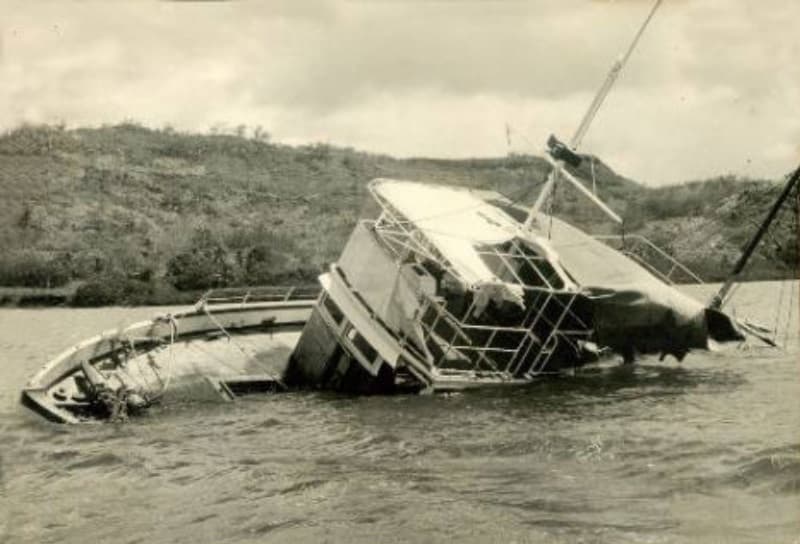
Her end came in 1885, and it was squalid rather than supernatural. Her final captain deliberately ran her onto a reef off the coast of Haiti as part of a crude insurance fraud, hoping to collect on the ship and an inflated cargo. The scheme fell apart, the fraud was exposed, and the ship that had drifted crewless across the Atlantic was destroyed on purpose by the very people meant to command her.
It is a strangely fitting close. The one time we can say with certainty why the Mary Celeste was abandoned, the answer is a grubby human con — and it only makes the original silence, out near the Azores in 1872, feel deeper. Ten people stepped off a good ship into a small boat and rowed into the Atlantic, and the sea has never given a single one of them back.
When I finally closed the folder on this one, the detail I could not put down was the smallest: the crew's pipes, still where they had been set. A man leaving a ship in a controlled, unhurried way — untying a boat, gathering his chronometer — has time to pocket his pipe. Not one of them did. Whatever they believed was about to happen in that hold, they believed it would be over in minutes, and they expected to climb back up the side and finish the day. That is the part of the record I keep re-reading, and it has never once looked less strange.
---
Every image in this article is an actual contemporary record: paintings and engravings, photographs, and newspaper pages of the period.


Comments
No comments yet — leave the first one.