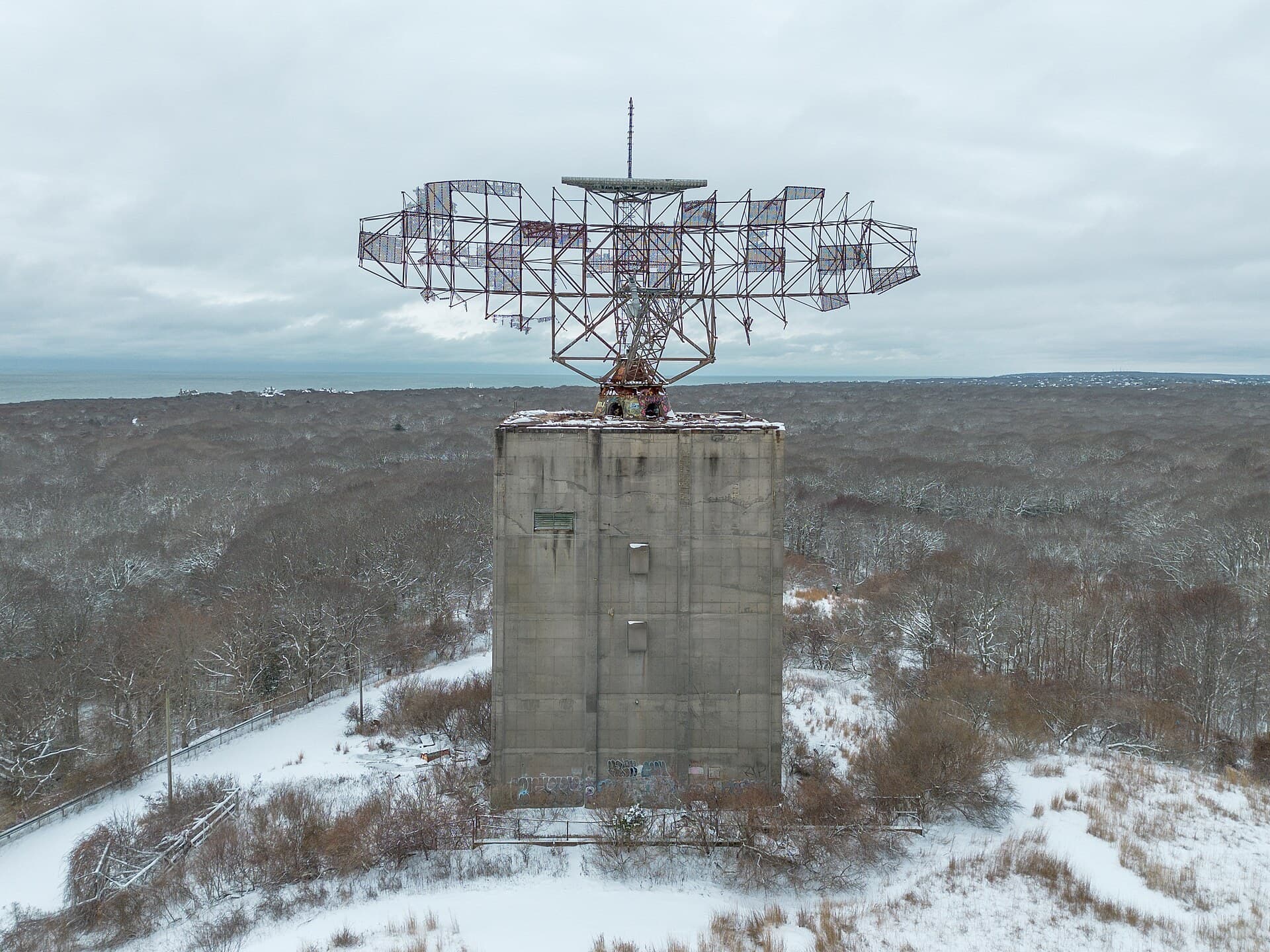
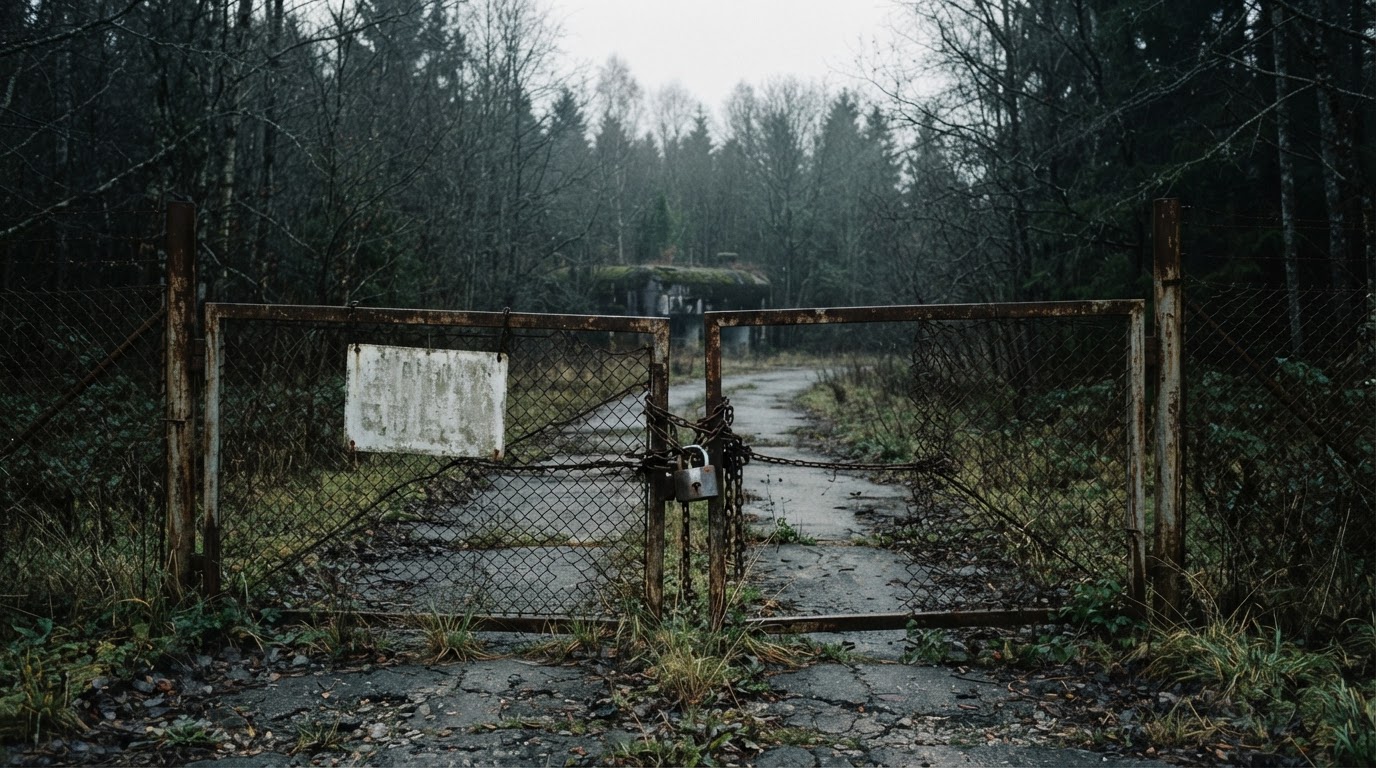
Drive to the very end of Long Island, past the last town, past the lighthouse, and you reach a place where the land simply stops. There, on a windswept bluff above the Atlantic, sits an abandoned military base slowly being eaten by salt air and scrub. Rusting bunkers. Chained gates. And rising over all of it, a colossal steel radar dish, the size of a building, still pointed at a sky it stopped watching decades ago. This is Camp Hero, the old Montauk Air Force Station. It is a real, ordinary, decommissioned Cold War installation. And it is also, according to a whole genre of American folklore, the most sinister building on the East Coast — the site of secret government experiments in mind control, teleportation, and travel through time itself.
This is a Conspiracy Files entry, so we will do here what these stories dislike most: lay out the mythology in full, then set it honestly against the paper trail, and mark exactly where the line runs. Because the Montauk Project is a near-perfect specimen of how a legend grows around a real place. The base is real. The giant dish is real. The Cold War secrecy was real. What was added — the time machines, the kidnapped boys, the man who claims he lived it twice — is another thing entirely.
I keep a shelf for the cases that have no case, and this one anchors it. The Montauk file is the only folder I own that contains a full technical specification — the AN/FPS-35, its dimensions, its service dates, its decommissioning — sitting directly on top of a chair that rewrites reality. Working through it, I found myself doing something I do not usually have to do: separating my own documents by whether they had a source or an author. Almost everything solid about Camp Hero came from procurement records. Almost everything frightening came from one book published in 1992.
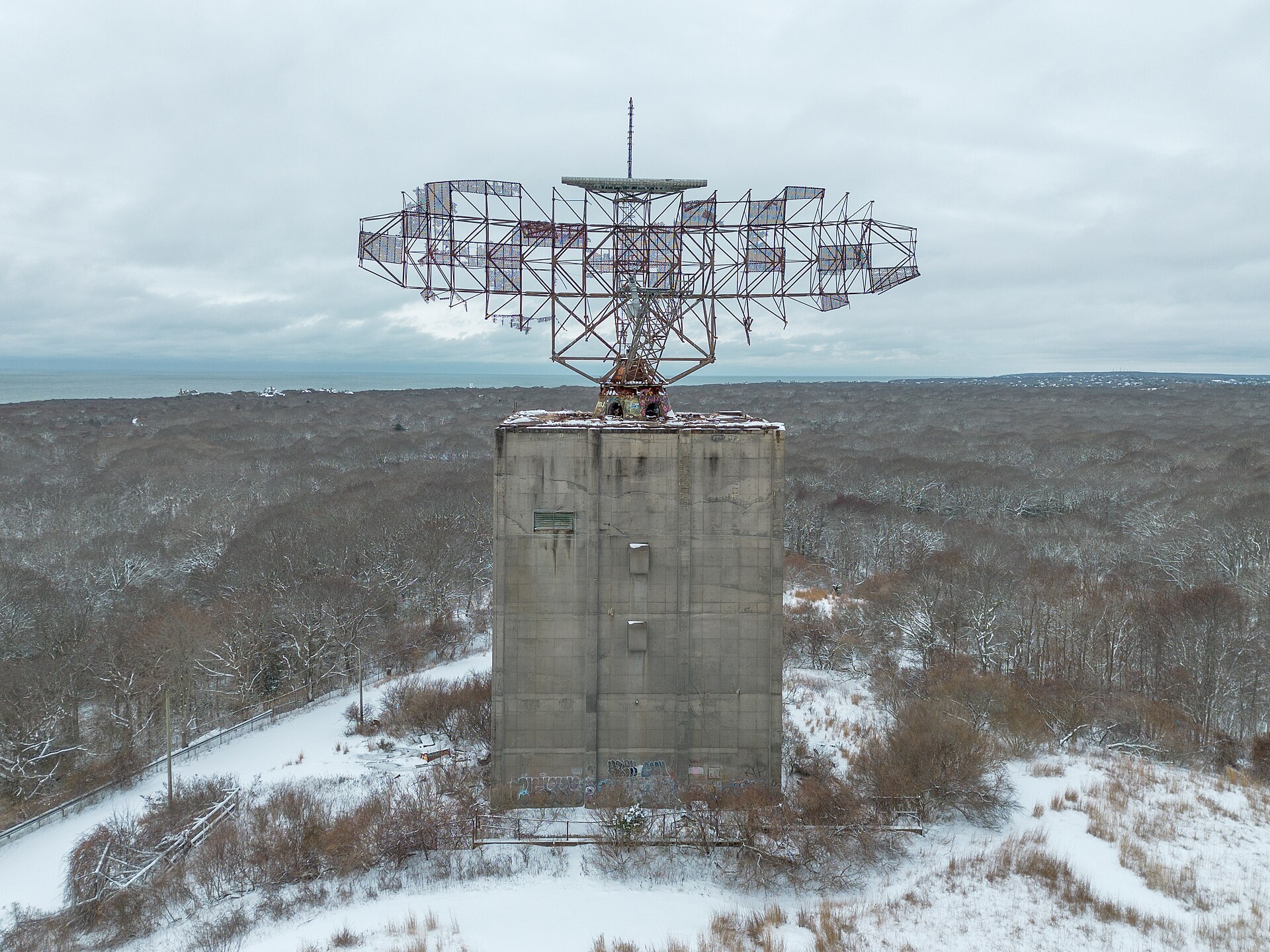
Photo: Wikimedia Commons, CC BY 4.0
The Base at the End of the Island
Start with the parts that are simply, verifiably true, because the real history is strange enough on its own.
Camp Hero sits at the eastern tip of Long Island, in Montauk, New York. It began as a coastal artillery fort in the years around the Second World War, its gun batteries disguised as a sleepy fishing village so that any passing enemy would see cottages, not cannon. After the war it was folded into the nation's air defense, and in the late 1950s it received the piece of hardware that would make it famous: an enormous SAGE radar, part of the Semi-Automatic Ground Environment network built to detect Soviet bombers streaking toward the American coast. The great dish that still stands there — an AN/FPS-35 radar, its antenna the size of a drive-in movie screen — was among the largest of its kind in the country. For years it swept the northern sky, watching for the attack that never came.
Then the Cold War moved on. Bombers gave way to missiles, the SAGE network grew obsolete, and by the mid-1980s the base was decommissioned and abandoned. The Air Force left, but the radar dish was too massive and too expensive to remove, so it simply stayed — a rusting steel monument to a war fought entirely in anticipation. The land eventually became a state park, though the fenced core of the old base, with its sealed bunkers and warning signs, remained closed. A giant secretive structure, full of underground rooms, standing empty at the literal end of the world. It is difficult to imagine a location better suited to grow a legend.
The Book That Started It All
The legend has a birthday, and it is 1992.
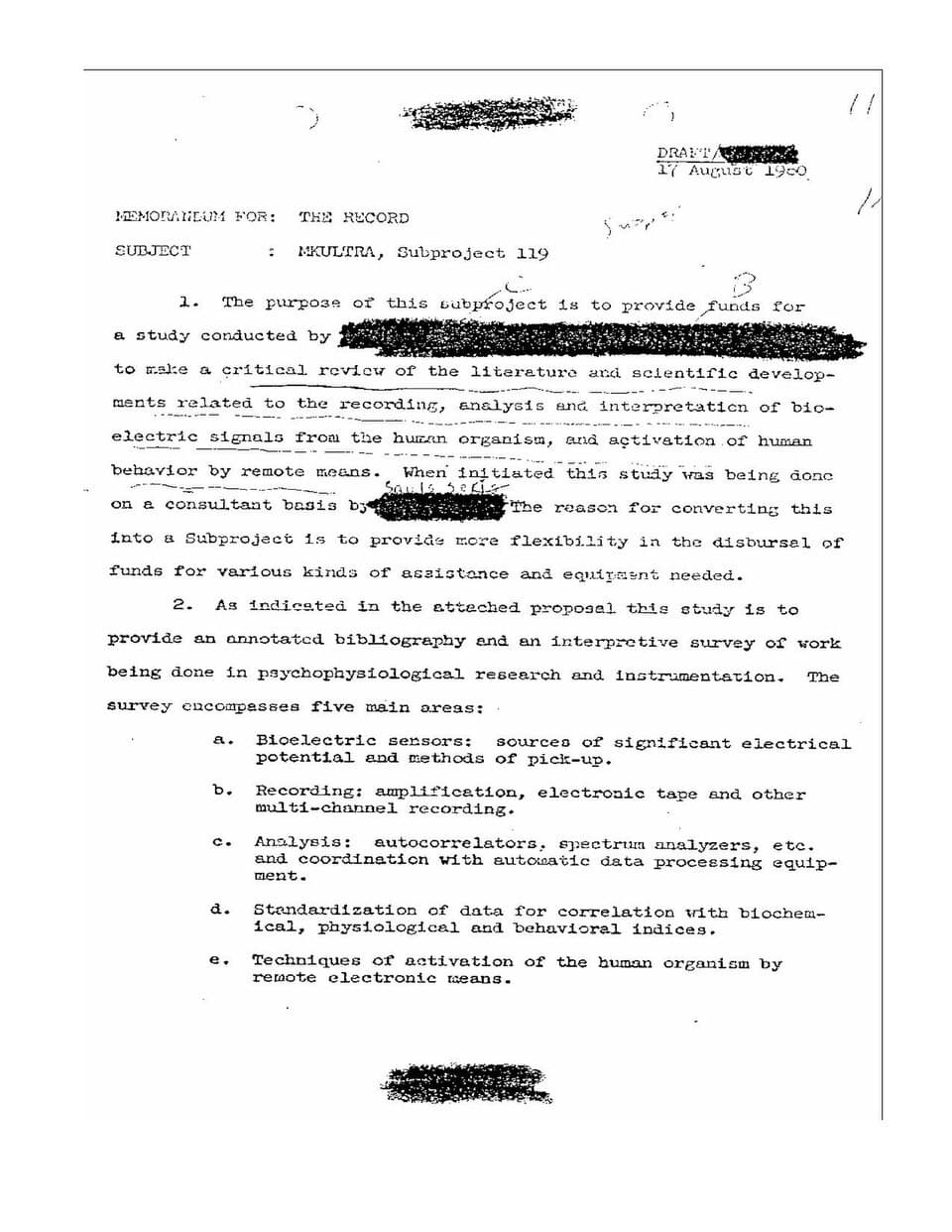
That year a man named Preston Nichols, together with co-author Peter Moon, published a book called The Montauk Project: Experiments in Time. In it, Nichols told an extraordinary story. He claimed to be an electronics engineer who had worked at Camp Hero, and that he had gradually recovered suppressed memories of what really went on beneath the base. According to him, the abandoned station was the front for a covert government program of staggering ambition — research into mind control, psychic warfare, teleportation, and the manipulation of time. The great radar dish, he said, was never really about watching for bombers. Its true purpose was to broadcast fields that could bend human minds and tear holes in reality itself.
The book was the first in what became a whole series, and it did what a single vivid account can do: it gave the shapeless unease around an abandoned base a detailed, dramatic story to attach itself to. Every eerie feature of the real Camp Hero — the sealed bunkers, the underground rooms, the looming dish, the government secrecy — was folded into the narrative as evidence. From that point on, the empty base on the bluff was no longer just an old radar station. It was, in the imagination of a growing readership, the scene of the darkest experiments the country had ever run. Mainstream sources regard the Montauk Project as fiction. But as a story, it was built to be unforgettable.
The Montauk Chair, the Time Tunnel, and the Boys
The details Nichols described are what lifted the story from "secret base" to full-blown mythology, and they are worth laying out plainly.
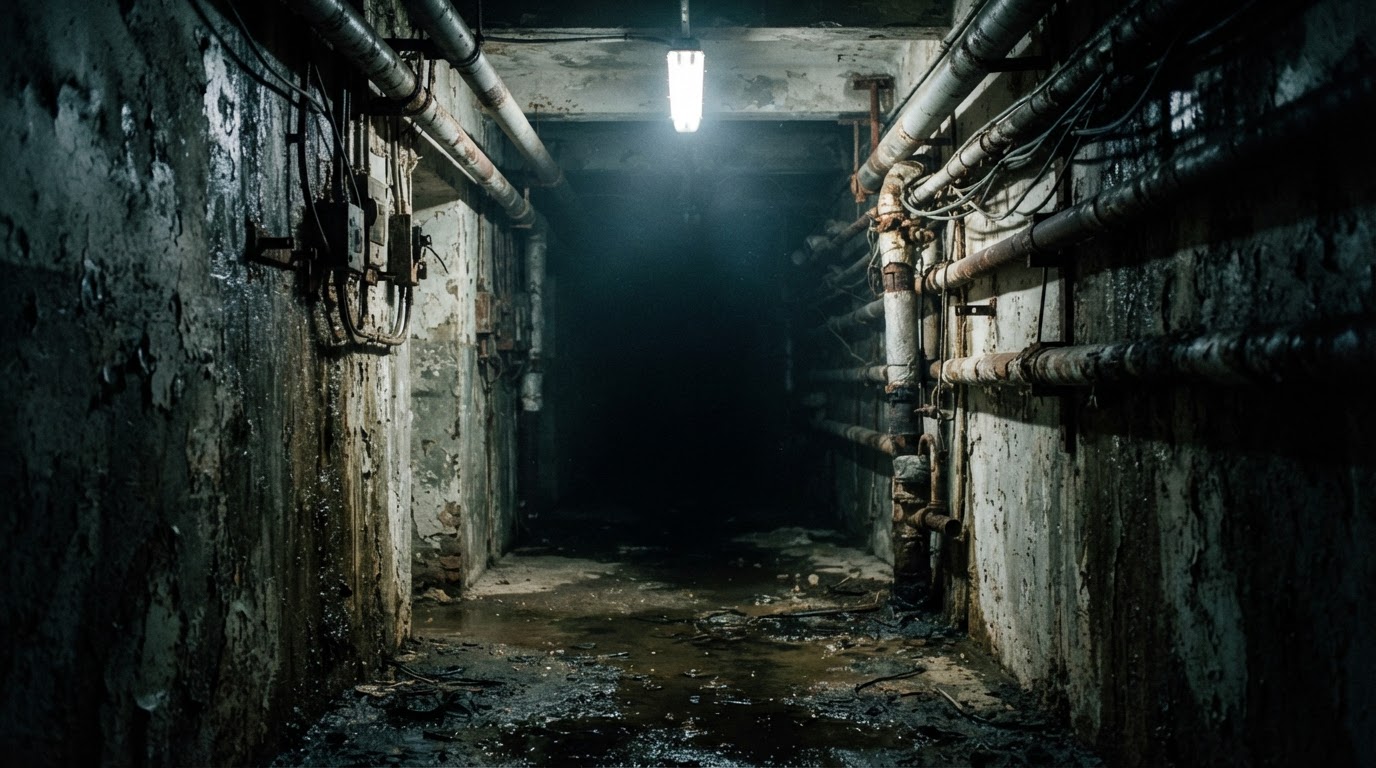
At the heart of it was a device the accounts call the Montauk Chair — a seat wired to amplify a psychic's mind, so that a gifted subject sitting in it could project thoughts powerful enough to become physically real. Using this, the story goes, the project's scientists opened a "time tunnel," a doorway through which people could be sent forward and backward through the years, and even, in the wildest tellings, to encounters with alien intelligences. There are claims of a creature summoned out of a subject's subconscious that rampaged through the base — a detail so close to Stranger Things that the resemblance is no accident, as we will see.
And then there is the darkest thread of all: the Montauk Boys. Nichols claimed the program used human test subjects, and specifically that it abducted runaway and homeless teenage boys — young men no one would miss — and subjected them to mind-control conditioning and psychic experimentation. It is the single most disturbing element of the whole legend, and also the one that most sharply illustrates the problem at its core. There are no names that check out, no bodies, no records, no recovered victims who can be verified — only the assertion, repeated and elaborated across the books. As history it collapses on contact with evidence. As horror it is devastatingly effective, precisely because it takes a real and genuine fear — that the powerless can vanish and no one will account for them — and welds it to the sinister silhouette of the base.
The Man Who Says He Lived It Twice — and the Philadelphia Connection
To understand where the Montauk story comes from, you have to follow it backward to an older American legend, because the two are deliberately bolted together.
Decades before Montauk, there was the tale of the Philadelphia Experiment — a claim that in 1943 the U.S. Navy had made a warship, the USS Eldridge, invisible and teleported it from one port to another, with horrifying consequences for the crew. Historians regard that story, too, as fiction. But the Montauk mythology reaches back and grabs it, and the link between them is a man named Al Bielek. Bielek claimed that he and his brother had been aboard the Eldridge during that 1943 experiment, that they jumped from the ship during the disaster and fell forward through time, and that they landed at Montauk in 1983 — where they were then absorbed into the Montauk Project itself. In his telling, the two experiments were secretly the same continuous program, forty years apart, and he had personally lived through both ends of it.
This is the machinery that makes conspiracy legends grow: one unprovable story reaches out and annexes another, and each is offered as corroboration of the other. The Philadelphia Experiment "proves" the government was already bending space and time; Montauk is where that research supposedly continued; and Bielek, moving between them, stitches the two into a single grand narrative spanning half a century. None of it rests on a verifiable document. It rests entirely on testimony — on men describing memories that cannot be checked and cannot be disproven. That unfalsifiability is not a weakness of the story. For a legend, it is the engine.
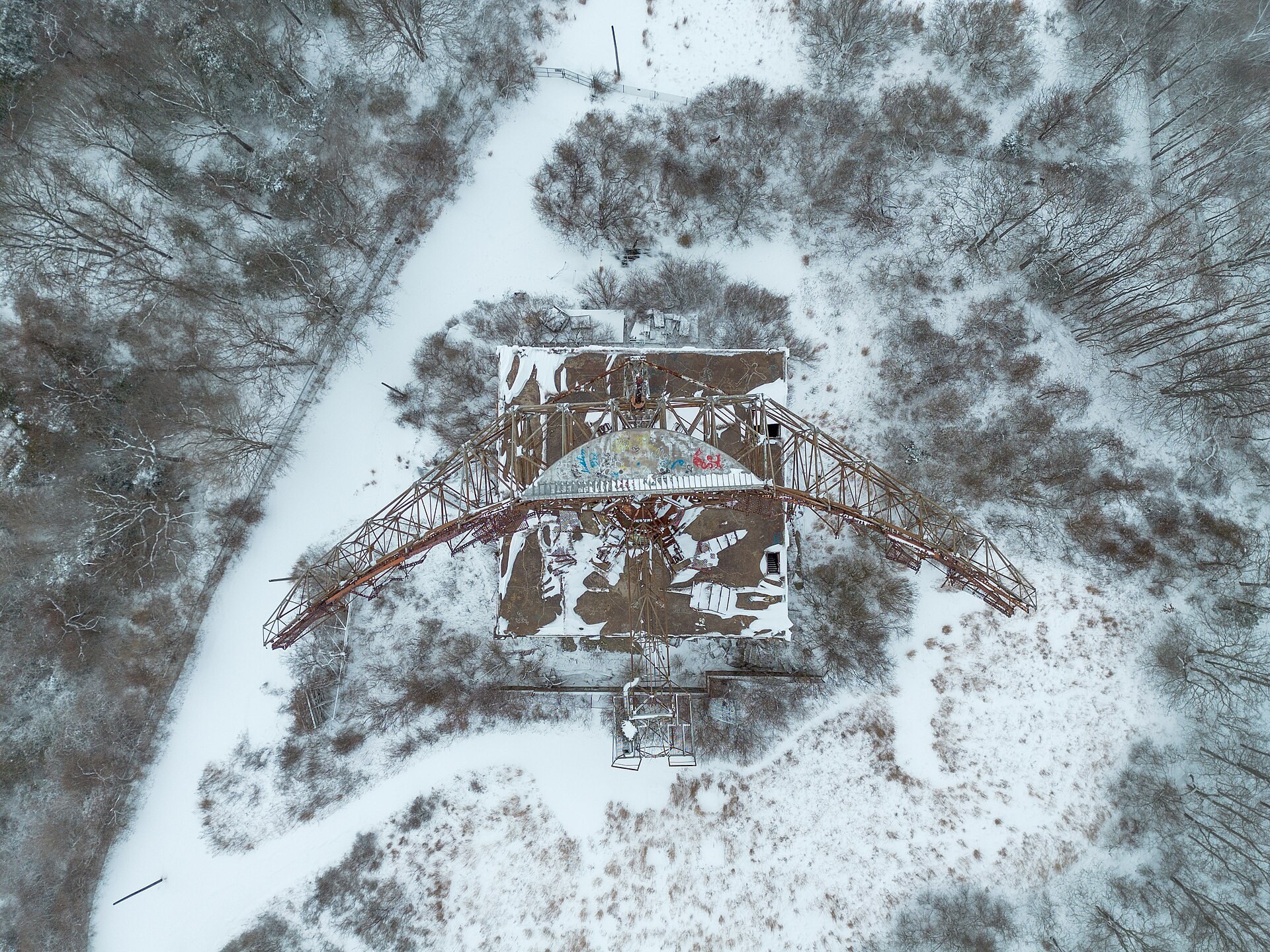
Photo: Wikimedia Commons, CC BY 4.0
What Can Actually Be Checked
Set the two columns side by side, and with Montauk the exercise is unusually clean.
What is real: Camp Hero exists, at the eastern end of Long Island. It was a genuine coastal fort and later a SAGE air-defense radar station. The enormous AN/FPS-35 radar dish is real, one of the largest ever built, and it still stands there today, rusting over a fenced and sealed base that sat abandoned for years before becoming a state park. Cold War military secrecy around such installations was real and routine. Preston Nichols and Peter Moon really did publish The Montauk Project in 1992, and the book and its sequels really did sell and spread. Al Bielek really did tour the conspiracy circuit for years telling his story. Every one of those is a fact you can confirm.
What is invented is everything that makes it a horror story rather than a real-estate footnote. There is no verifiable evidence of a mind-control program at Montauk, no teleportation research, no time tunnel, no Montauk Chair, no summoned monster, and — most importantly — no confirmable trace of the kidnapped boys. The entire supernatural architecture rests on recovered memories and unverifiable personal testimony, the two forms of evidence that can be neither proven nor cleanly refuted. When investigators and journalists have gone looking for hard corroboration, they have come back with the same thing every time: a real, empty, unremarkable decommissioned base, and a set of claims that begin exactly where the documents end.
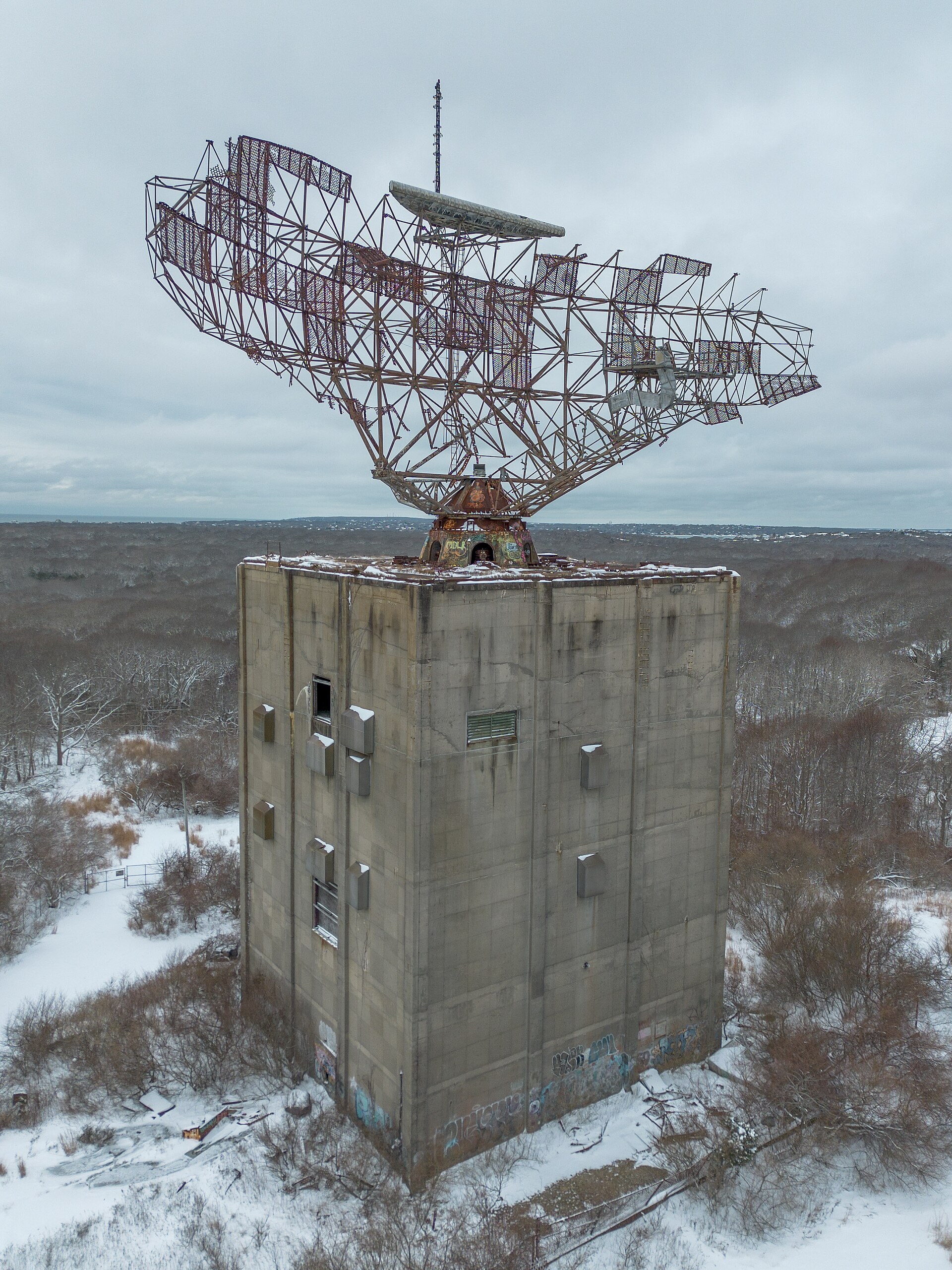
Photo: Wikimedia Commons, CC BY 4.0
Why This Base, and Why It Became Stranger Things
There is a reason this particular legend stuck, and a reason it eventually made its way into one of the most popular shows on television.
Consider what Camp Hero offers a storyteller. It is enormous and secretive. It has underground bunkers and sealed rooms no ordinary person is allowed to enter. It sits at the literal end of the land, past the last town, where the map runs out. It was built for a war of pure anticipation — waiting, year after year, for an attack that never arrived, which is its own kind of quiet dread. And crowning it all is that single unforgettable image: a giant, rusting dish still aimed at the heavens, a machine that outlived its purpose and now points at nothing. You could not design a more perfect stage. The mythology did not have to invent the atmosphere. It only had to supply a plot to match a place that already felt haunted.
That gravitational pull is exactly why the legend surfaced, thinly disguised, in Stranger Things. The show's fictional secret facility — a government lab running covert psychic experiments on children, tearing open a doorway to a nightmare dimension, hidden beneath a quiet American town — is the Montauk mythology with the serial numbers filed off. The series was even developed under the working title Montauk and originally set there before moving to the fictional town of Hawkins. The debt is open. And it points to the real reason a story with no proof behind it has outlived its own debunking: it was never truly competing with the historical record. It was competing for the same place in the imagination that ghost stories occupy, and on that ground the facts were never going to win.
What's Real, and What Isn't
Lay it out one last time, because the two halves are so cleanly separable here.
What is real: a decommissioned Cold War base at the end of Long Island, a genuine SAGE radar station, and one of the largest radar dishes ever built, still standing and still rusting over sealed bunkers on a windswept bluff. A 1992 book by Preston Nichols and Peter Moon that launched the entire mythology. A man named Al Bielek who spent years telling audiences he had traveled through time from a 1943 warship to that base. And a real, documented influence on Stranger Things, right down to the show's original title. Every one of those is verifiable, and their density is exactly why the legend feels so solid.
What is invented is the thread that ties them into a single sinister machine. There is no confirmable mind-control program, no time tunnel, no psychic chair, no monster, no kidnapped boys — only testimony that begins where the evidence stops. The base is genuinely eerie; the secrecy was genuinely real; the dish genuinely looms. And the truth, examined honestly, is its own kind of ghost story: a great steel eye built to watch for the end of the world, left to rust when the end never came, standing alone at the edge of the continent while a nation's imagination filled its empty rooms with everything it feared most. The horror at Montauk was never in the bunkers. It was in the pull of a place strange enough to make us want to believe.
The part I could not resolve, and have stopped trying to, is the boys. There are no names to check. That is what the record says, and I have gone looking more than once — missing-persons indices, period reporting, anything that would give the claim a surface to fail against. Nothing. A story about people no one would miss has produced, fittingly, exactly no one to miss, and so it cannot be disproven and cannot be believed. I filed it under unverifiable and closed the folder, and I still think about how neatly that particular lie was built to hold.
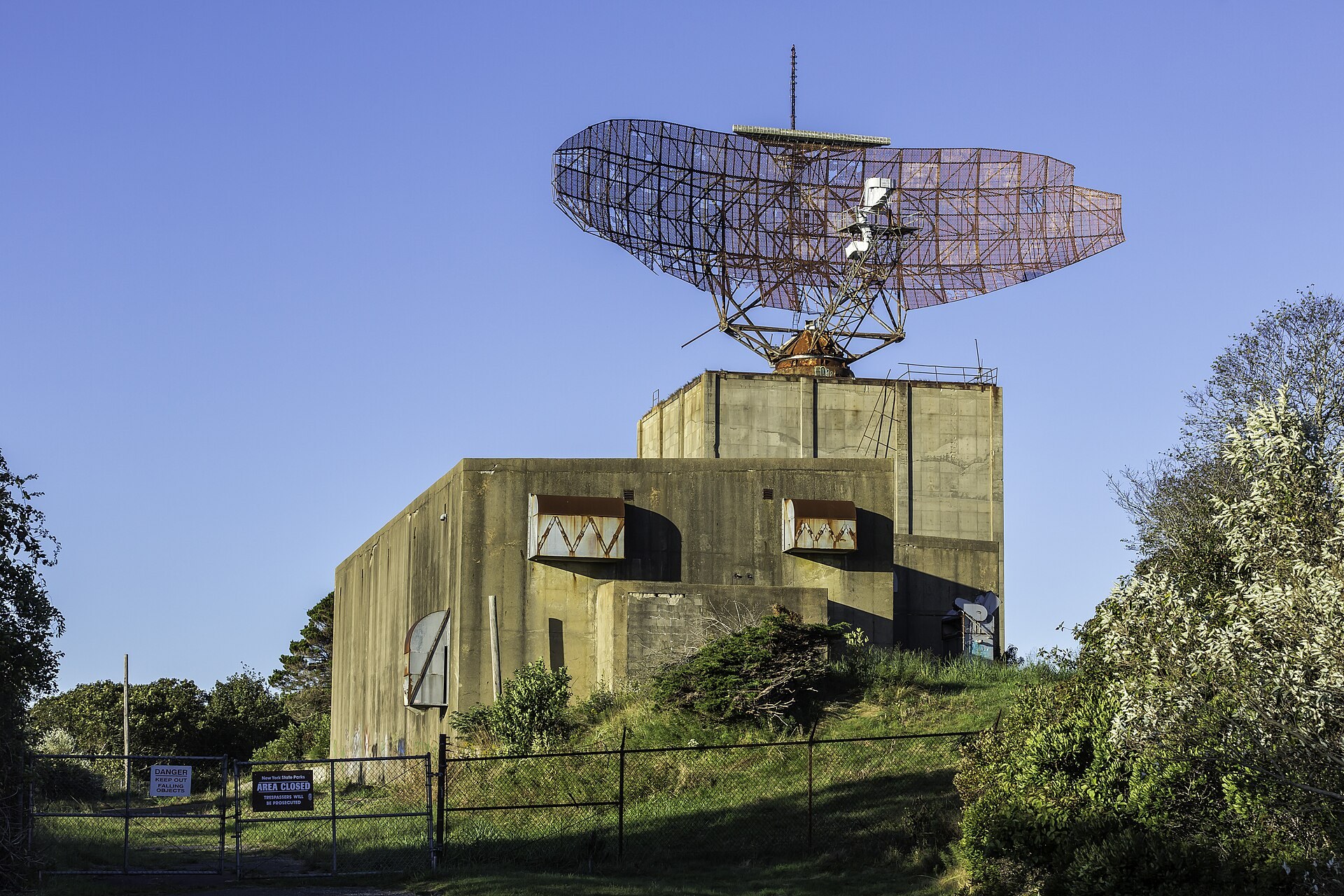
Photo: Wikimedia Commons, CC BY-SA 3.0
---
This article uses both actual photographs of the Camp Hero site and AI-generated images and video produced to convey the mood of the story.

Comments
No comments yet — leave the first one.