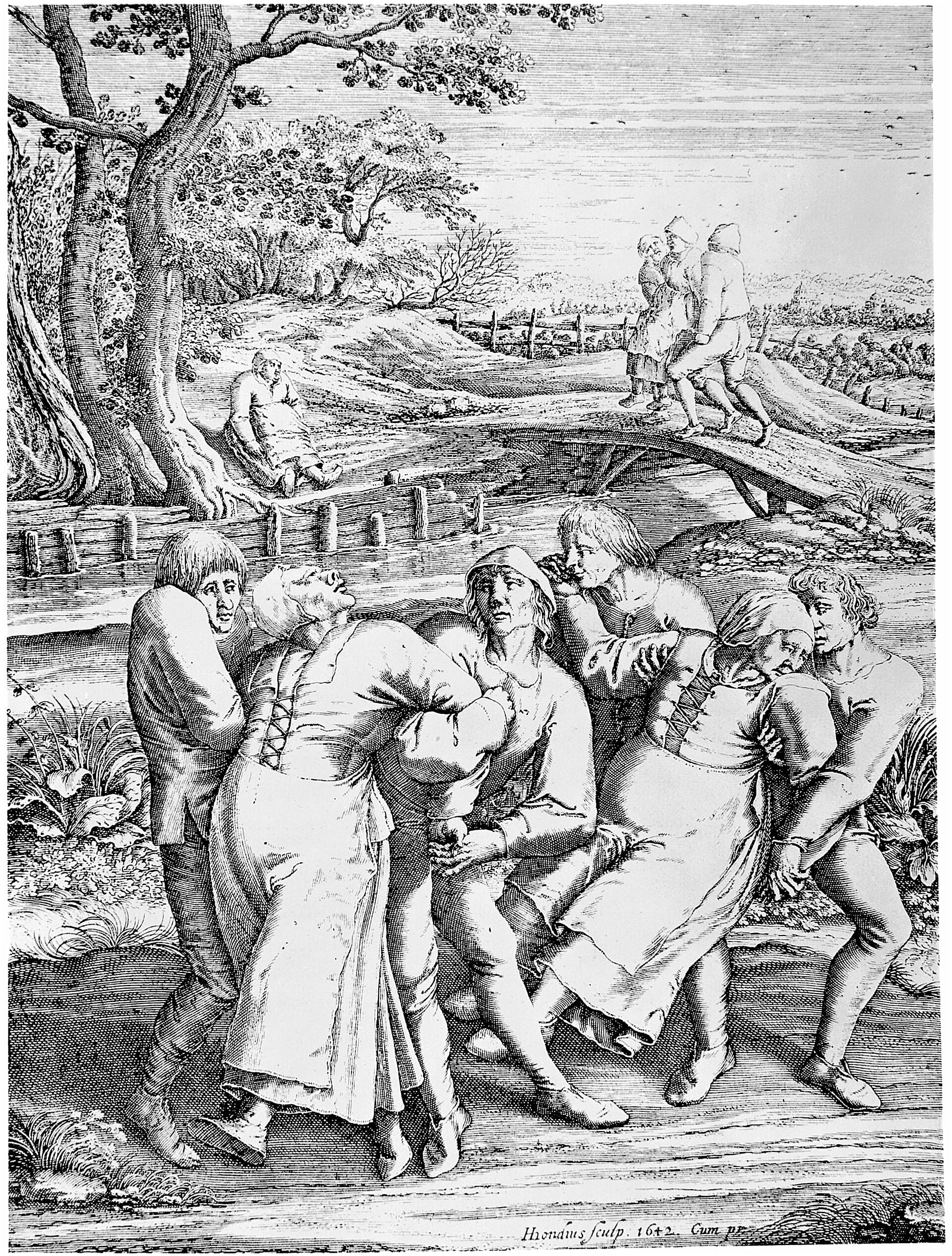
On July 14, 1518, in a narrow alley of Strasbourg — a city then part of the Holy Roman Empire, today in France's Alsace region — a woman named Frau Troffea suddenly began to dance. There was no music. There was no festival, no cause for celebration. She simply stood in the middle of the street, swaying her body and stamping her feet, dancing all day with an expressionless face. The dance did not stop even as the sun set and she collapsed from exhaustion. And the next day, she rose again and danced. And the day after that. Within a week, more than thirty people were dancing alongside her. Within a month, that number is said to have reached four hundred. These people did not dance with joy. They danced in agony, begging to be made to stop, yet unable to still their feet. And some of them danced until they died. This is not an invented legend but a real event recorded in the city documents and chronicles of the time — the story of the Dancing Plague of 1518.
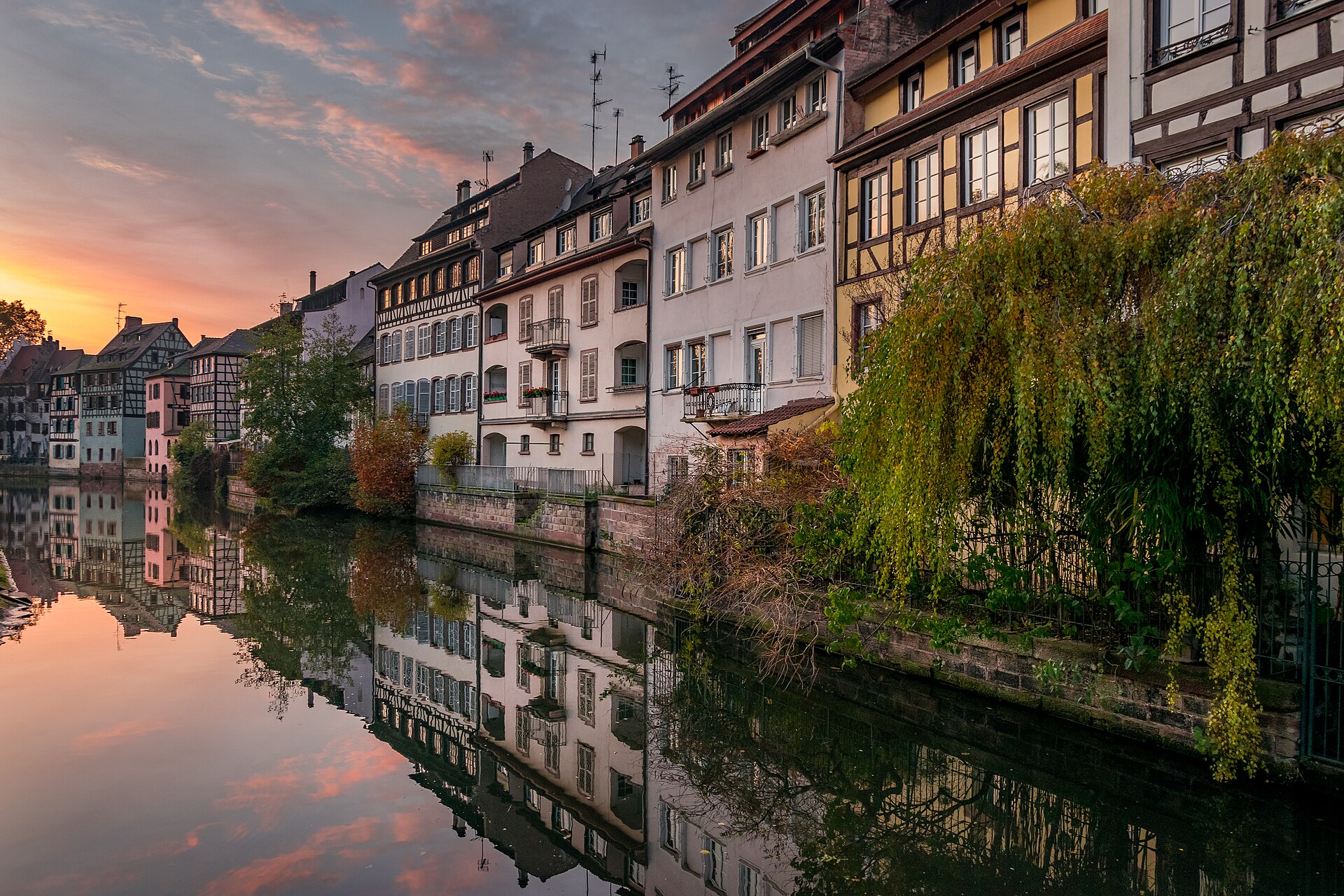
Photo: Wikimedia Commons, CC BY-SA 4.0
A Dance That Began for No Reason
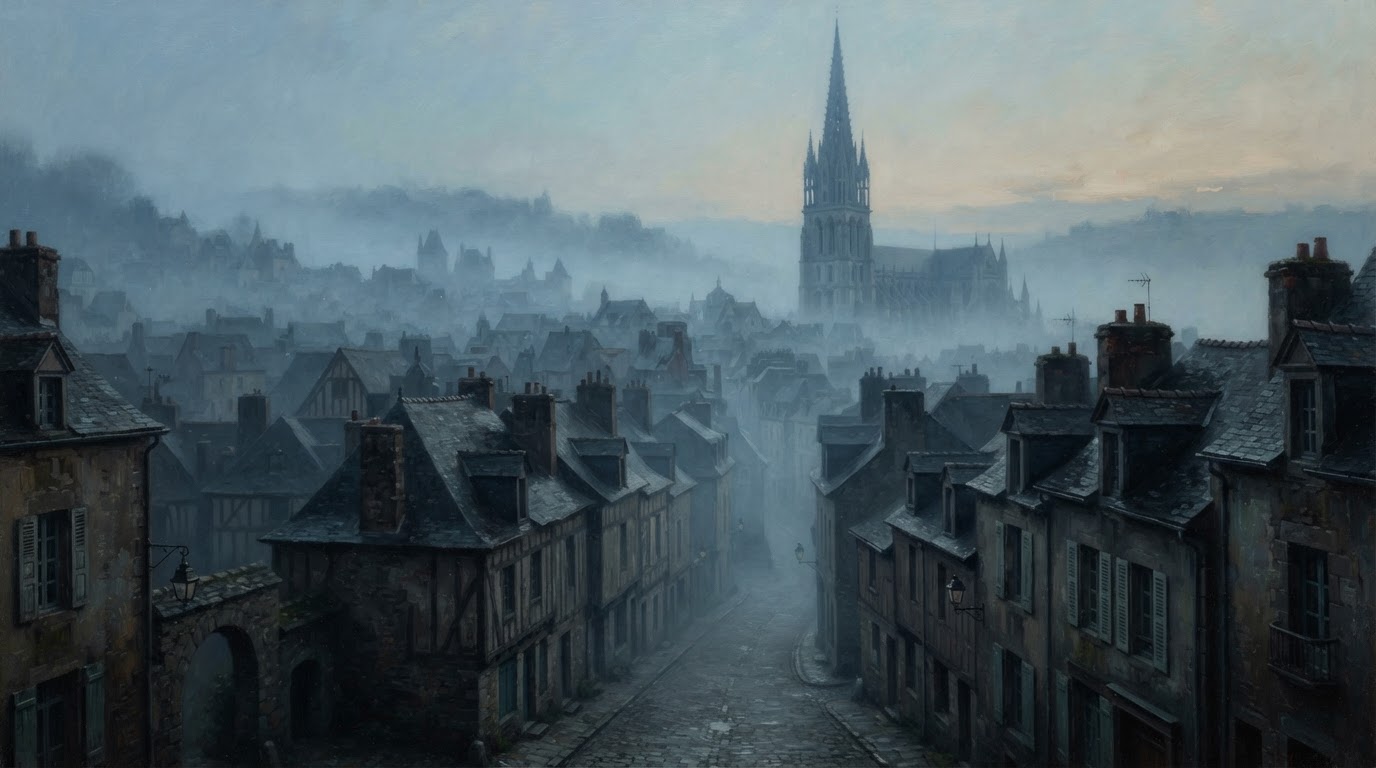
To understand this event, we must first know what Strasbourg was like in the early 16th century. At the time, Strasbourg was a free city belonging to the Holy Roman Empire, situated on the upper reaches of the Rhine. On the surface it was a bustling commercial town, but around 1518 the city was buried under a pile of disasters. Years of failed harvests had sent grain prices soaring, and countless people were starving. The Rhine flooded, the summers were unbearably hot, and epidemics including the plague swept through the city in cycles. Diseases such as syphilis and smallpox were also spreading. The poor could barely survive from one day to the next, and a heavy shroud of despair, anxiety, and apocalyptic dread — the fear that the world might soon end — hung over the entire city.
The detail that pulled this case into my files was not the four hundred. It was the single line, in the notes I keep on Strasbourg, about blood pooling inside the dancers' shoes. I had filed the 1518 outbreak for years under civic curiosities, something to cite when someone asked about medieval oddities, and I read past that line every time. The day I stopped on it, the whole thing changed shape for me. Whatever this was, the bodies were not pretending.
It was in exactly such a summer that Frau Troffea came out into the alley and began to dance. According to the records, there was no joy in her dance. It was not a dance of enjoyment but a dance as if she were possessed by something. At first people watched her with puzzlement. But when she did not stop dancing even after several days, something astonishing happened. One by one, the onlookers began to dance along with her.
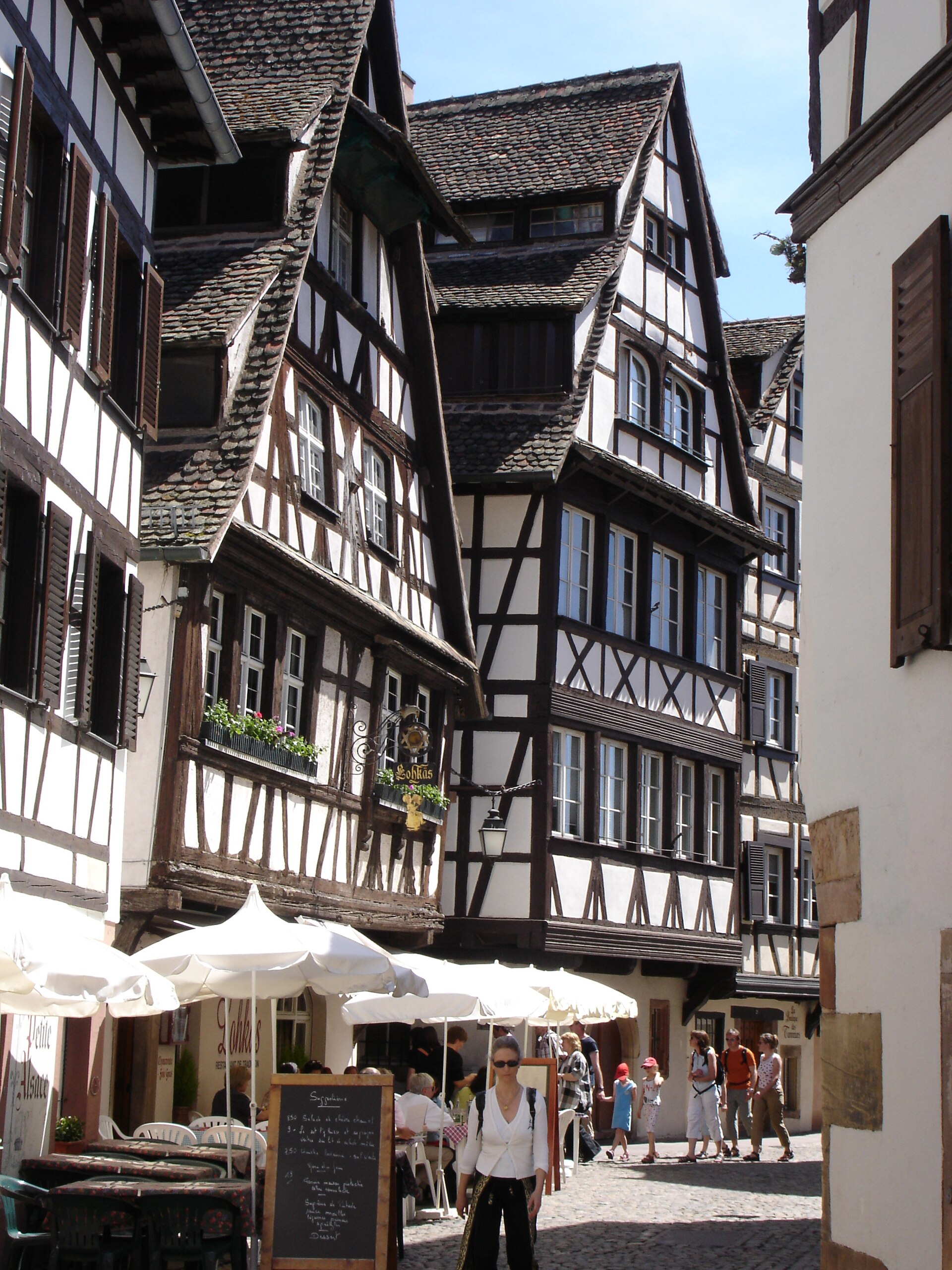
Photo: Wikimedia Commons, CC BY-SA 2.0
A Dance That Spread Like Contagion
The dancing spread as if it were a disease being passed on. Within a week of Frau Troffea's first dance, more than thirty people were swaying in the streets alongside her. And before a month had passed, records of the time report that the number of people dancing in the streets of Strasbourg had reached four hundred. There were men, women, and the elderly. They danced day and night — in the square, in the alleys, in the middle of the marketplace.
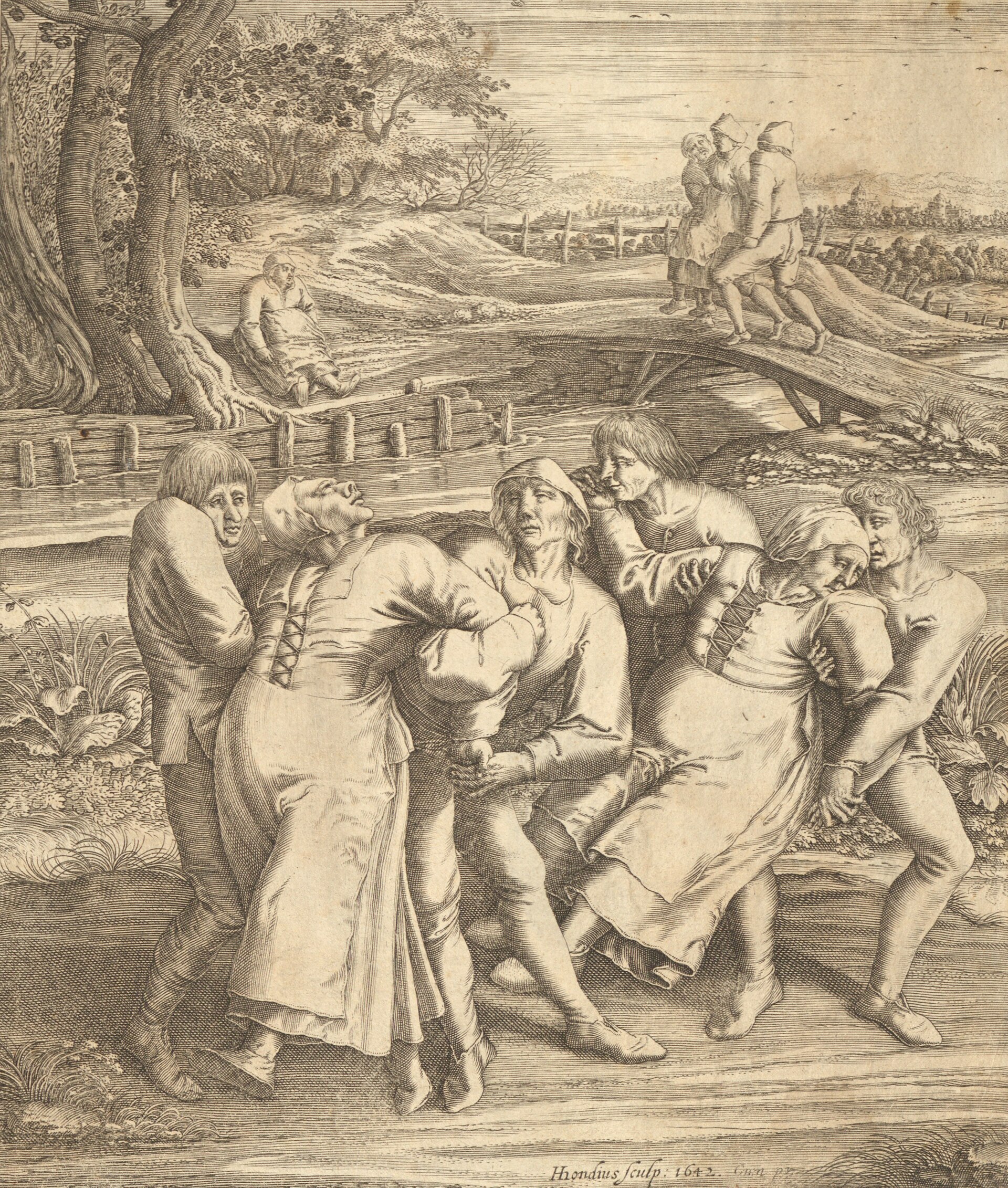
This dance was nothing like the joyful group dances we usually picture. According to eyewitness accounts, the faces of those dancing were marked not with pleasure but with terror and pain. Many screamed that they wanted to stop, pleading to be made to stop, but their bodies would not obey. Their feet kept moving, and so it continued for days, and in severe cases for weeks. Dancing without proper sleep or rest, their feet swelled and blistered and burst, and records even survive describing blood pooling inside their shoes. The city authorities were bewildered before this strange phenomenon. This was neither a rebellion, nor a festival, nor any known disease. The people were simply seized by a dance they could not stop.
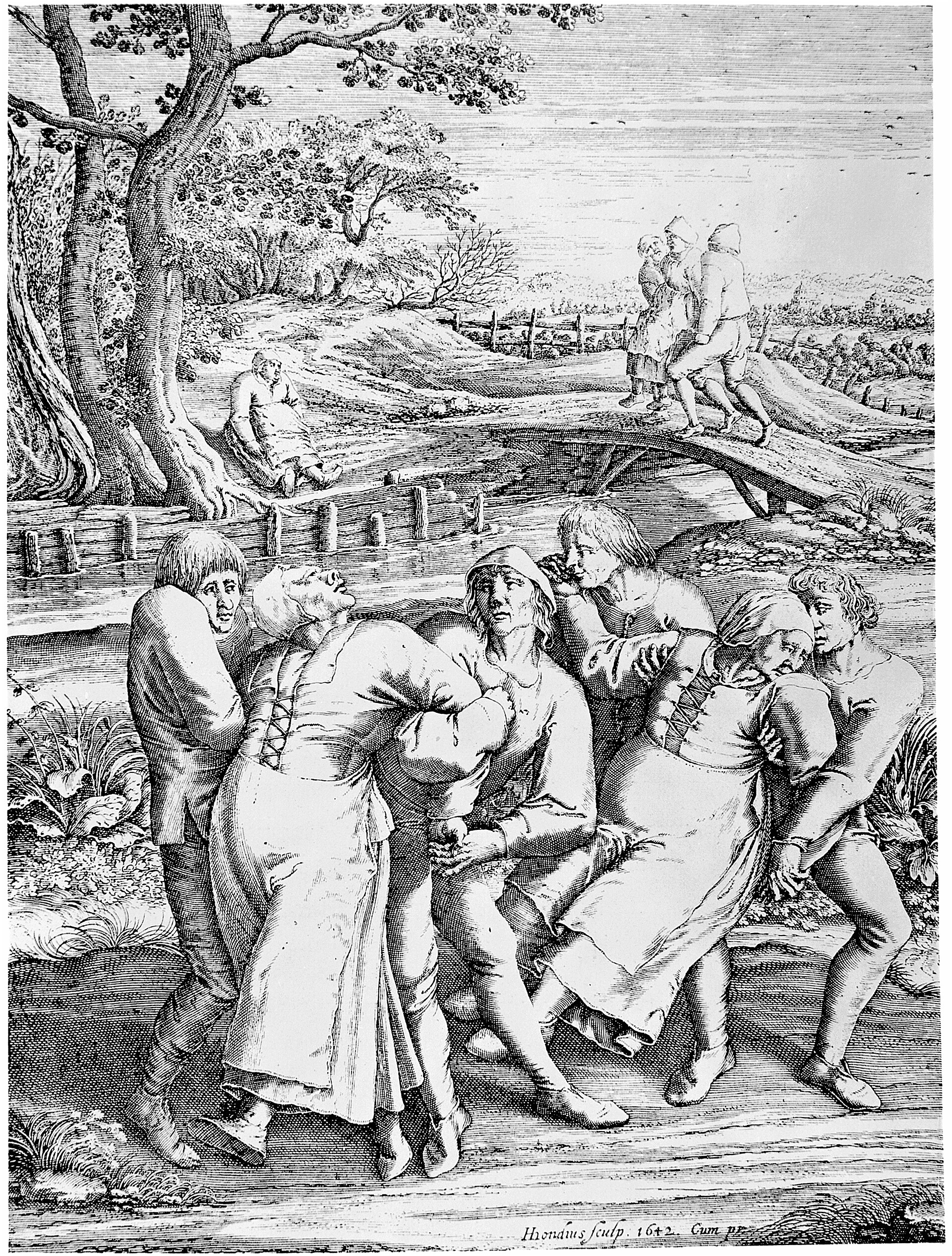
Photo: Wikimedia Commons / Wellcome Collection, CC BY 4.0
The Authorities' Worst Prescription
As the number of dancers grew, the city authorities and physicians of Strasbourg deliberated over what to do. Yet the judgment they reached was, by today's eyes, wrong to an almost unbelievable degree. Physicians of the time believed the affliction arose from "hot blood" overheating within the body, and concluded that the only cure was to burn that blood off completely. In other words, rather than forcing the dancers to stop, they should be made to dance to their heart's content so that the sickness would drain out of them.
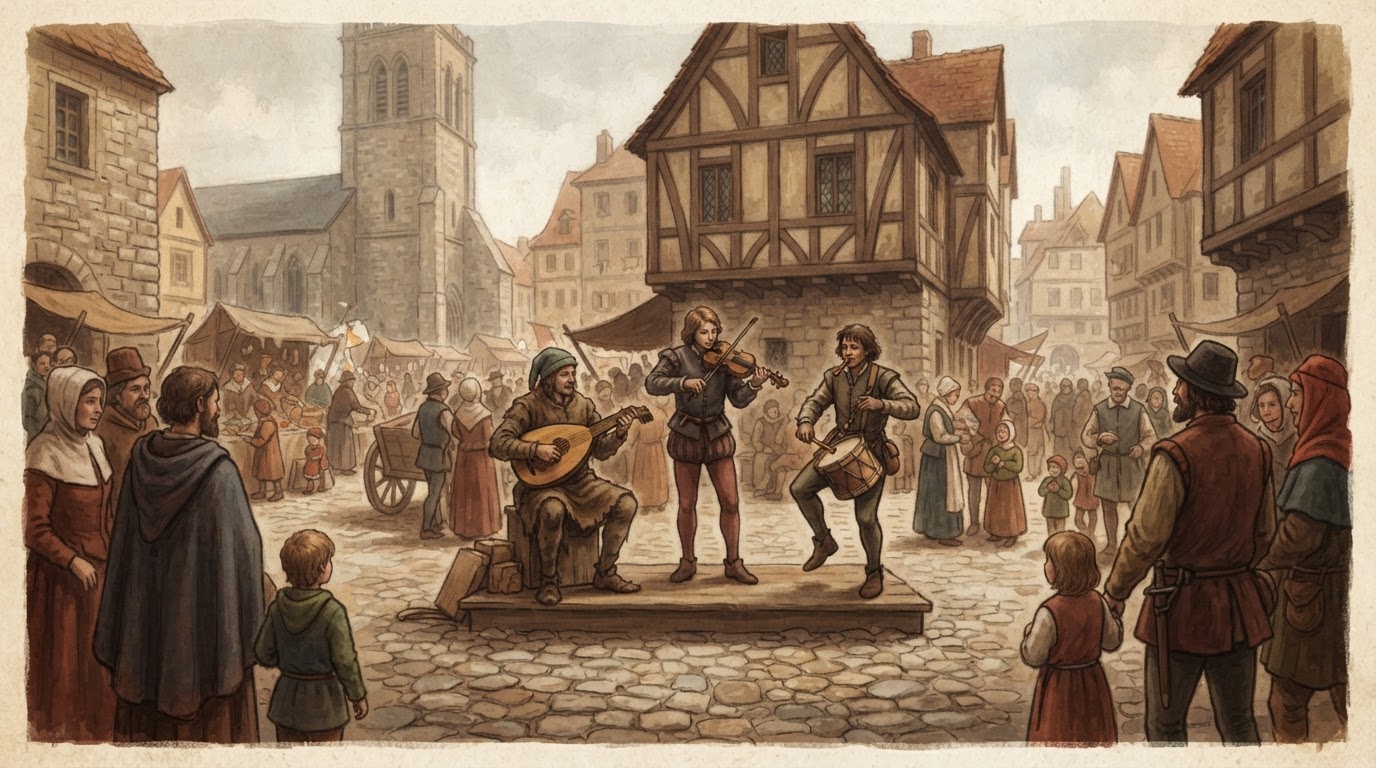
And so the authorities took an almost unimaginable measure. They set up stages and spaces within the city for the dancers, opened up the guildhalls, and even hired musicians to play music. In effect, they helped people dance better and longer. The result was catastrophic. The music and stages only drew more people into the dancing, and drove those already utterly exhausted even harder. A prescription meant to cure the sickness became the fuel that fed it. Belatedly realizing the gravity of the situation, the authorities reversed course entirely. This time they banned public dancing and music altogether, and took the dancers to the nearby shrine of St. Vitus to worship. According to records, they were given red shoes sprinkled with holy water.
A Dance That Led to Death
The most frightening thing is that this dance did not end as a mere commotion. According to various records and later research, over the course of these weeks of frenzied dancing, several people lost their lives. Bodies that had danced for days without rest eventually reached their limits. Some collapsed and died on the spot from heart attacks, some from strokes, and others from severe exhaustion and starvation.
One record of the time even reports that fifteen people were dying each day at the peak. This death toll, however, deserves to be viewed with caution. The contemporary official documents of Strasbourg contain no clear record of fatalities, so exactly how many died has still not been firmly established to this day. Some scholars believe there were no deaths, or very few; others believe that, given the circumstances, there must have been a considerable number. What is clear, however, is that people danced regardless of their own will, unable to stop even when they wished to, until their bodies broke down. It was not a dance danced for pleasure but a dance that could lead to death.
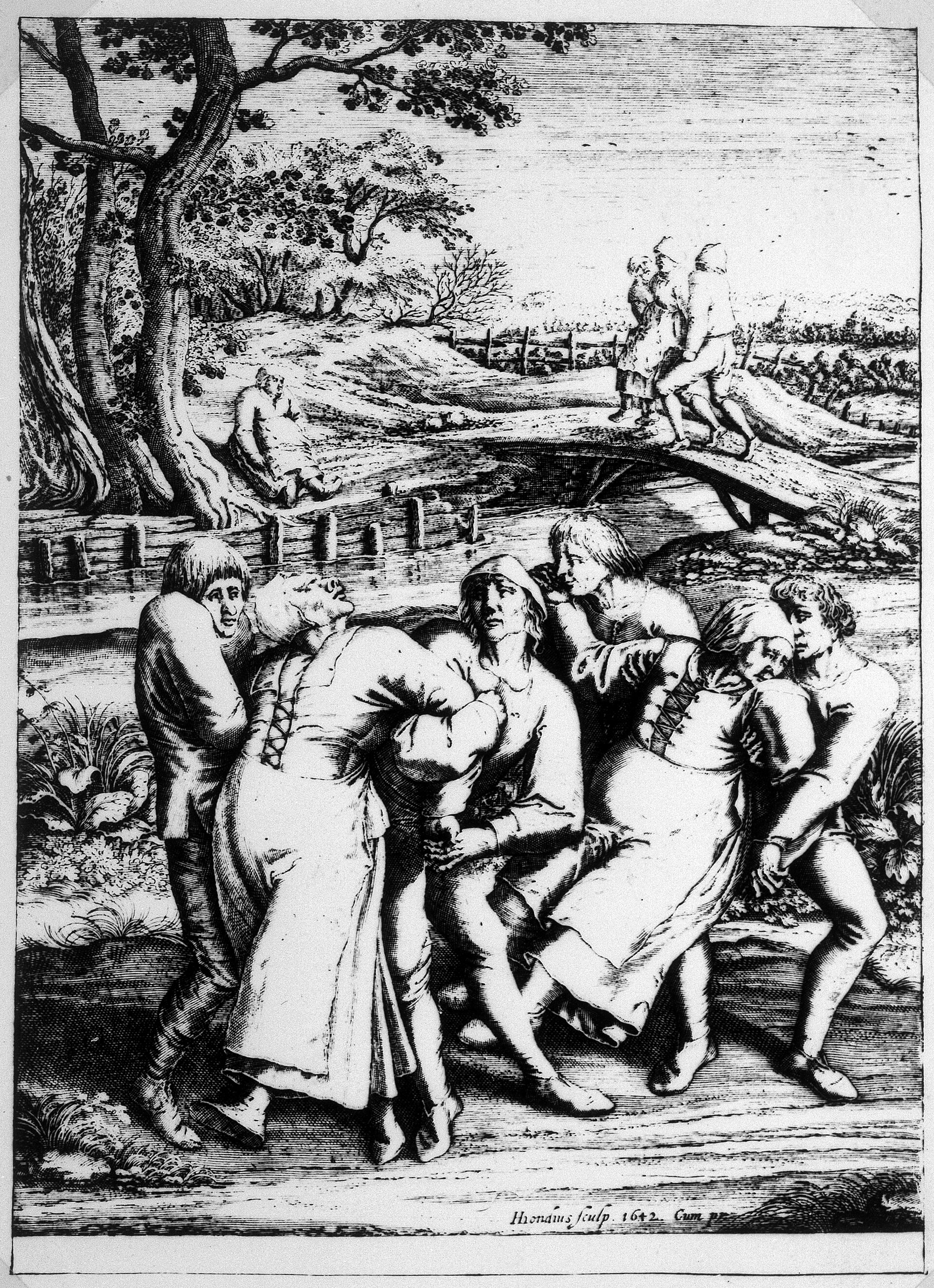
Photo: Wikimedia Commons / Wellcome Collection, CC BY 4.0
What Made People Dance?
So what on earth made hundreds of people dance like this? Over the past five hundred years, various theories have been put forward, but none has been established as a complete answer.
The most widely accepted theory is a phenomenon called mass psychogenic illness, often also known as mass hysteria. This refers to a phenomenon in which extreme psychological stress and fear manifest as physical symptoms within a group, and then spread from person to person as if by contagion. The American medical historian John Waller is the leading proponent of this theory. He argued that the famine, epidemics, and extreme poverty Strasbourg was suffering at the time had driven people to their psychological limits, and that when this combined with religious dread of St. Vitus — the contemporary belief that an angered St. Vitus would inflict a curse of dancing — people fell into a kind of "stress-induced psychosis" and danced in a trance-like altered state of consciousness. In other words, the collective terror of a city crushed by despair erupted in the form of dance.
The second most frequently cited theory is ergotism. Ergot is a type of fungus that grows on grains such as rye, and eating bread contaminated with it can cause hallucinations, convulsions, and seizures. The compounds derived from ergot are also related to the substance that later became the basis of the hallucinogen LSD, which once made the explanation — that people, amid hallucinations, trembled and moved as if dancing — seem persuasive. But this theory faces formidable counterarguments. Ergotism blocks blood flow, causing severe pain and gangrene (rotting) in the limbs, and it would have been virtually impossible to dance for days without rest in such a state. Moreover, it would be natural for whole families who ate the contaminated bread together to fall ill together, whereas in reality people fell ill in a scattered pattern — which also does not fit this theory well. For these reasons, many researchers today are skeptical of the ergotism theory, and it remains no more than one "theory."
Beyond these, there are views that see it as religious mania or the collective ritual of a particular sect, but none of these can fully explain the entire event.
Similar Cases in History
Astonishingly, the case of a people seized by a "dance they could not stop" was not unique to Strasbourg in 1518. In medieval Europe, this phenomenon was recorded on several occasions, and scholars collectively call it "choreomania" or "dancing mania."
The best-known earlier case is the large-scale dancing mania that occurred in 1374 in the cities along the Rhine valley. Records survive describing how, across what is today western Germany, Belgium, and the Netherlands, huge numbers of people rushed out into the streets and danced uncontrollably. Even earlier, around the 11th century, a similar story is told of Cölbigk in the region of Saxony. Such cases appeared sporadically across Europe roughly between the 7th and 19th centuries, and were especially concentrated between the 14th and 17th centuries. What is intriguing is that most of these episodes of dancing mania appeared during times when great disasters — famine, epidemics, floods — coincided with social upheaval. Might it be that when people were crushed by unbearable suffering and fear, some collective psychological reaction burst forth in the strange form of a "dance that could not be stopped"? It is here that many researchers look for a clue to mass psychogenic illness.
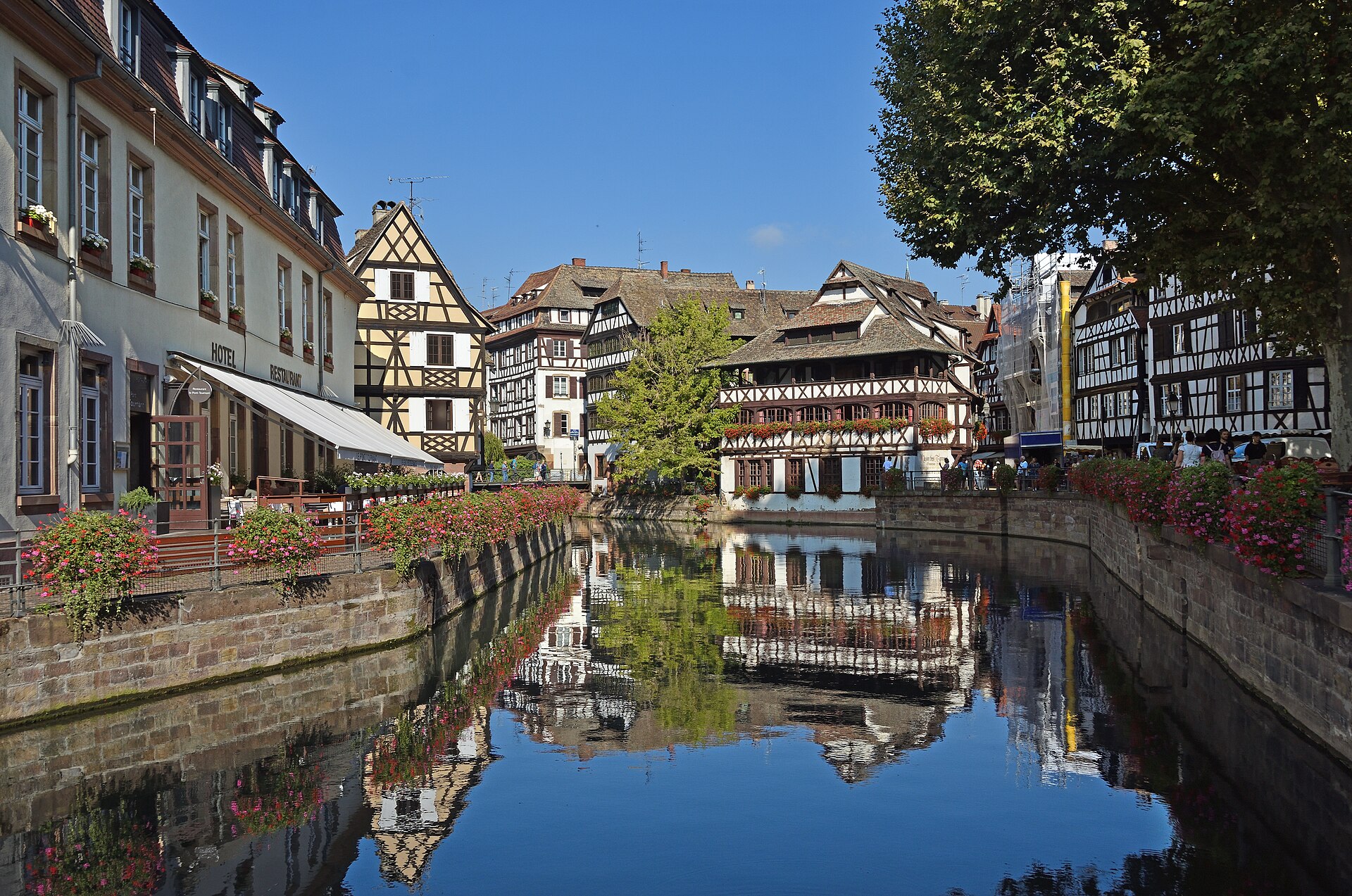
Photo: Wikimedia Commons, CC BY-SA 4.0
Why It Remains Unsolved
If we distill what we can say for certain today, it is this. In the summer of 1518, in Strasbourg, a woman named Frau Troffea began dancing in the street for no reason. That dance spread as if by contagion, passing to dozens and then to hundreds. People danced for days, unable to stop even when they wanted to, and several among them collapsed from exhaustion, heart attacks, and strokes. In trying to eliminate the sickness, the authorities instead provided stages and musicians and made the situation worse, and only after belatedly taking the people to a shrine did the situation subside. All of this is undeniable history, preserved in the city documents and chronicles of the time.
What I keep returning to, when I set the Strasbourg material aside, is the red shoes sprinkled with holy water. It is such a small administrative act — a city, having built stages and hired musicians and watched that go catastrophically wrong, resorting at last to footwear and a shrine. I have cross-checked the chronicles against each other more times than the question warrants, and the accounts still do not agree on whether it worked, or whether the dance simply ran out of people. Somewhere in the gap between those two possibilities is the part of this record I cannot make sit still.
Yet what we still do not know is far greater. Why did Frau Troffea begin dancing that day? Why did that dance pass from person to person? Can a person truly dance until death, regardless of their own will? Mass psychogenic illness is cited as the most likely explanation, but exactly how it seized so many people so violently has still not been fully clarified. The ergotism theory and the religious-mania theory each explain only their own fragment, and none can capture the whole event. Before that unstoppable dance that once filled the streets of a city five hundred years ago, we still cannot offer a definitive answer. What the human mind is capable of when driven to the extreme of fear — that chilling question is one the summer of Strasbourg still poses to us, five hundred years on.
---
This article combines historical engravings and present-day photographs of Strasbourg with AI-generated images produced to convey the mood of the story.
Comments
No comments yet — leave the first one.