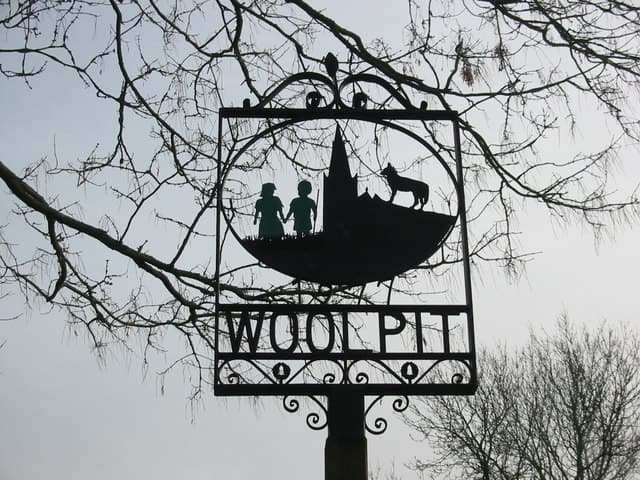
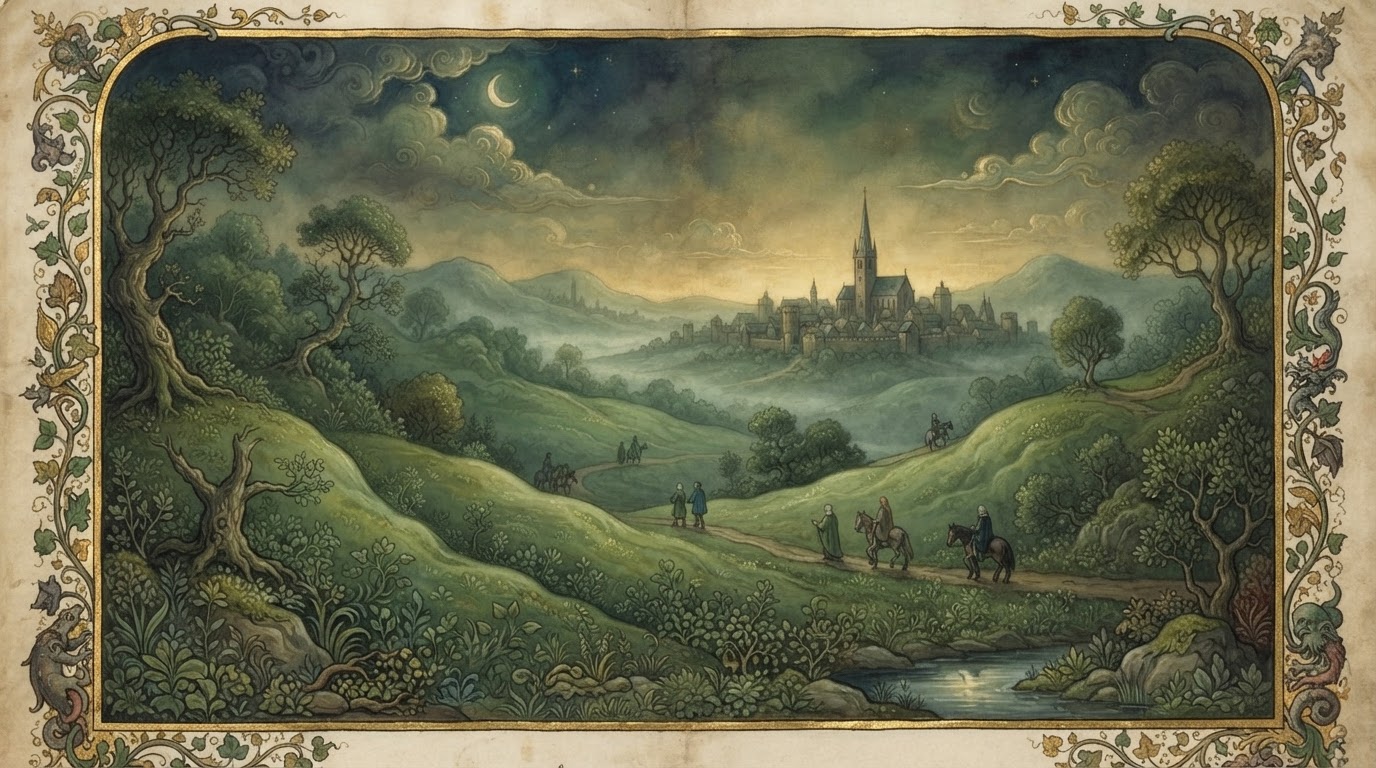
It is said to have happened in the mid-12th century, in a small farming village called Woolpit in eastern Suffolk, England. The village took its name from pits dug long ago to trap wolves — the "wolf pits." One day during the harvest, people working in the fields found two children beside those pits: a boy and a girl, young siblings. What astonished them was the children's skin. Their whole bodies were tinged green. The children wore unfamiliar clothing and spoke a language no one in the village could understand. Even after they were brought into the village, the children refused all food for days, until at last they discovered beans and began to eat them ravenously. In time the girl learned English and said that they had come from a place called "St Martin's Land." This story survives in only two medieval chronicles. It has been passed down as a historical record — yet whether it actually happened, or is an invented legend, no one has been able to determine in more than 800 years. This is the tale of the Green Children of Woolpit.
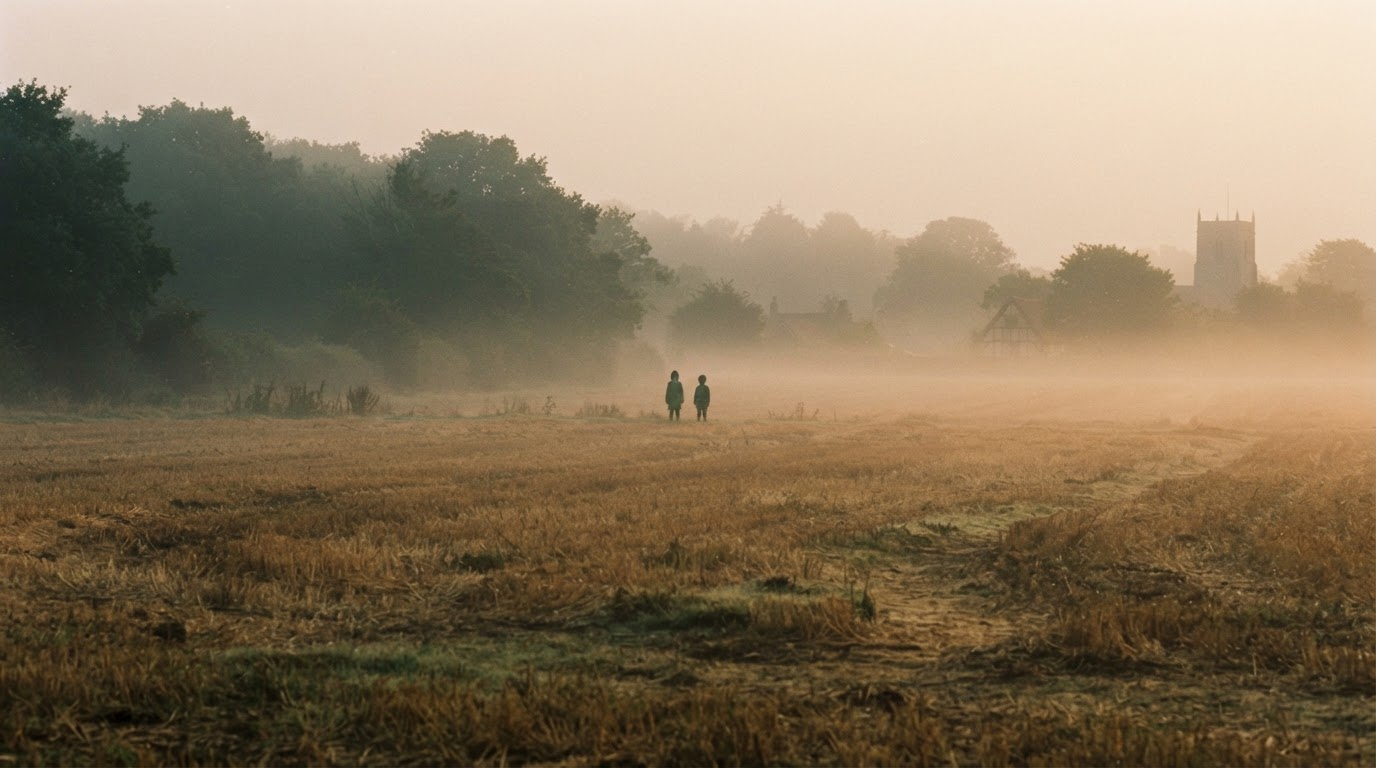
Woolpit at Harvest Time
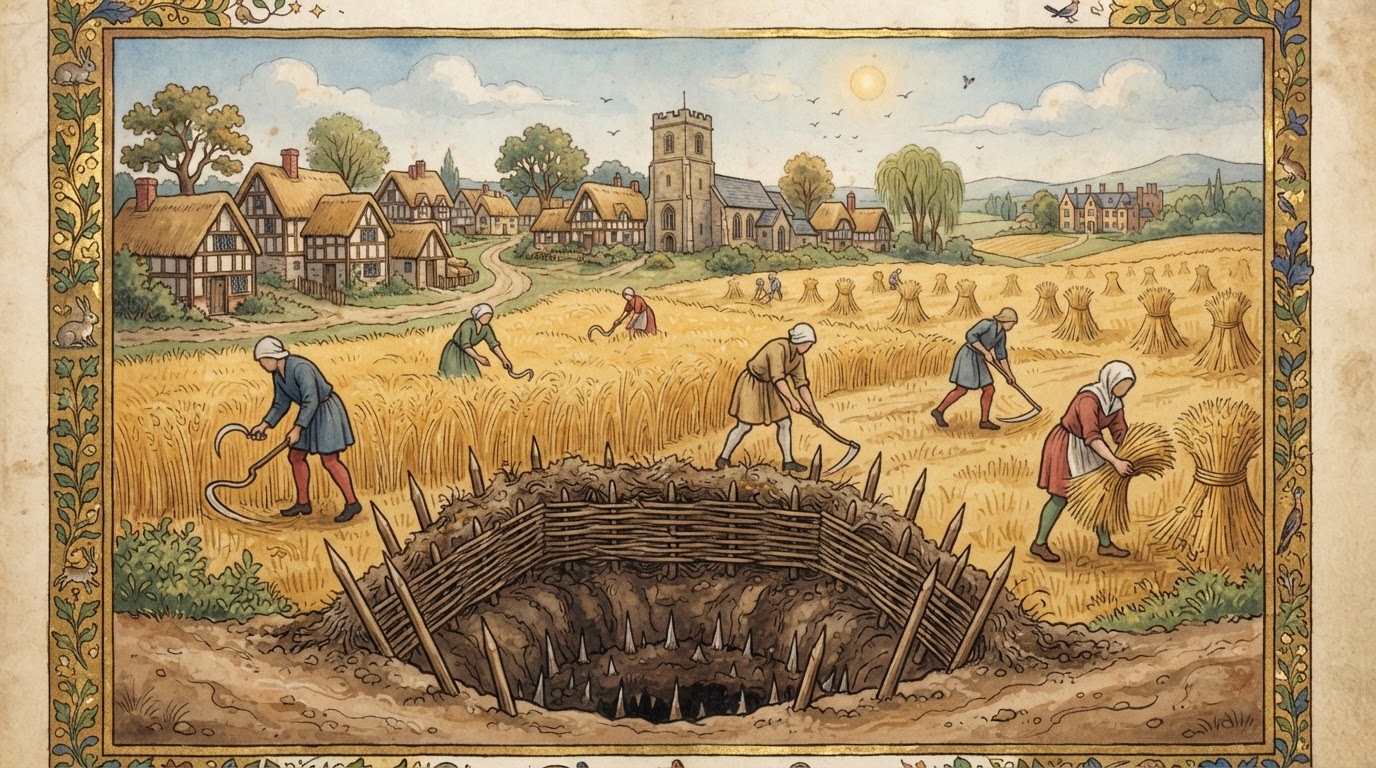
Woolpit, the setting of the story, is a real village in Suffolk, in eastern England. The England of the 12th century was a world utterly unlike our own. It was less than a century since the Norman conquest, and the country had long been thrown into turmoil by a struggle over the throne during the reign of King Stephen (r. 1135–1154). Most people lived by farming, under roofs of earth and thatch, and the forests beyond the villages were dangerous places where wolves still roamed. The very name Woolpit — derived from "wolf pit" — captures the landscape of that age. To catch the wolves that preyed on their livestock, people dug deep pit-traps and baited them.
In such a village, one day during the harvest, people gathering grain in the fields came upon two children near the wolf pits. The children were frightened and bewildered. The first thing that struck those who saw them was that their faces, hands, and whole bodies were uniformly green. Not merely pale with sickness or darkened by the sun — but a distinct green, of a shade the people of that age said they had never seen before. Unable to leave the strange pair behind, the villagers brought them home.
I came to this case sideways, chasing something else entirely through the chronicle literature, and I have never quite been able to set it down since. What snagged me was not the green skin. It was the detail about the beans — that the children did not know how to open the pods, and split the hollow stalks instead, looking for food inside them. That is a strange thing for a forger to invent. A liar building a marvel does not stop to describe someone fumbling with a bean stalk. I have gone back to that line more times than I can account for.
Who Were the Green Children — Language, Beans, and Green Skin
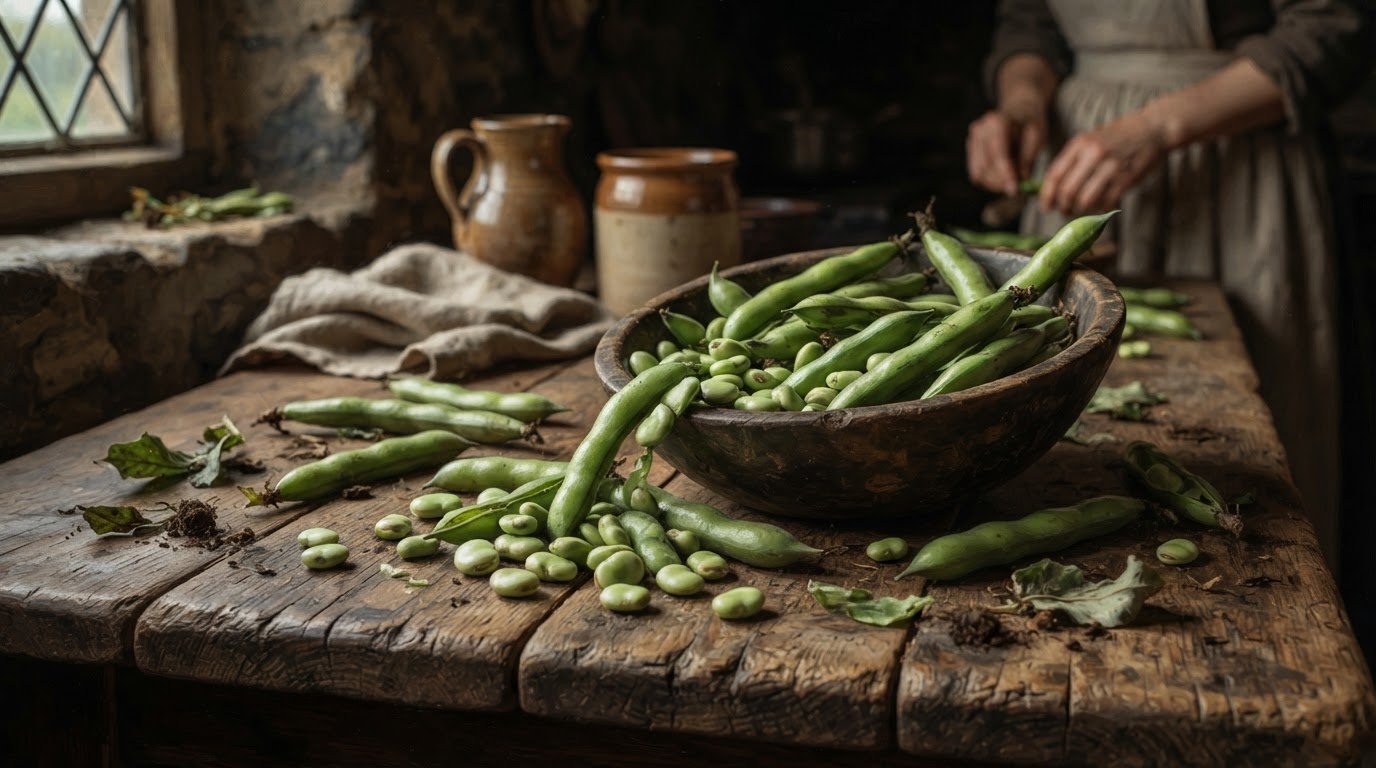
Even after they were brought into the village, the children were slow to trust anyone. When people spoke to them, they answered only in a tongue that could not be understood. It was neither Latin nor any language then spoken in the region. Stranger still was the matter of food. Though the villagers offered them all kinds of things — bread, meat, and more — the children touched nothing for days. Hungry as they must have been, they left the food before them untouched. Then, when beans freshly gathered from the fields happened to catch their eye, the children finally responded. At first, it is said, they did not know to open the pods and searched inside the stalks instead, and only once they found the pods with beans in them did they eat. For a time these siblings lived on beans alone.
As time passed, the children gradually grew accustomed to the village's food. And then, remarkably, the green of their skin began to fade. Over many months the color slowly drained away, and the children's skin returned to an ordinary hue, no different from that of the local people. This detail would later be seen as an important clue by those who tried to explain the affair. That the green faded together with the change in diet suggested the color might have been connected to the children's physical condition or to what they had eaten. But precisely what it was, no one could say for certain then, and no one can say for certain now.
The Story of 'St Martin's Land'
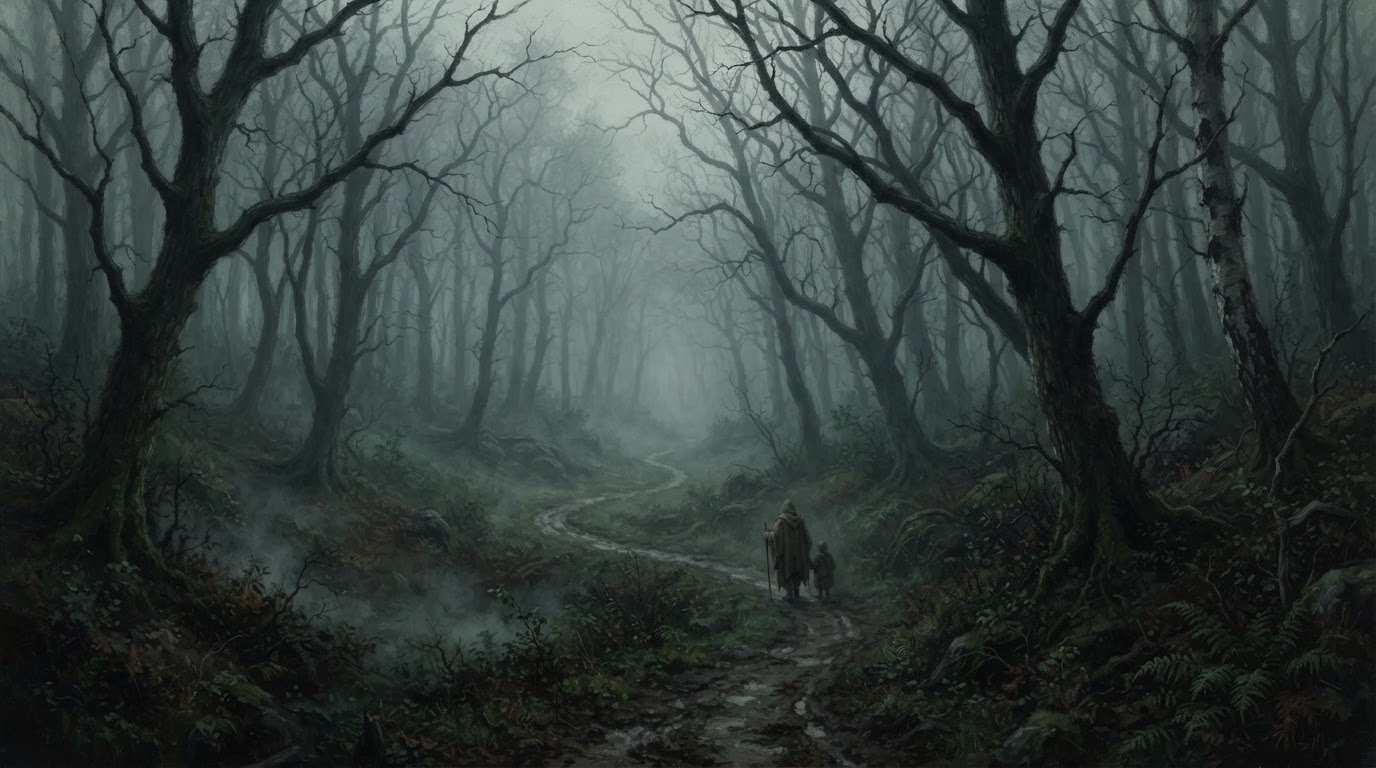
When at last the girl learned to speak English, people were finally able to ask where they had come from. Her answer was strange. She said they had come from a place called St Martin's Land. It was a land where the sun never rose, she said — always steeped in a dim, twilight glow. Even in what passed for daytime there was only the faint light of our world's dawn or dusk, and everything there, it is told, was tinged green. She said the people of that land were also Christians and had a church.
How they had crossed over into this world is told a little differently in the two chronicles. According to one account, the siblings were tending their father's cattle when they heard a great sound like the ringing of bells, and when they came to themselves they found themselves in this unfamiliar field. In the other, the children followed their cattle into a cave, passed along a long path, and were drawn by the sound of bells out into the bright world here. Either way, the children themselves could not fully explain how they had come from that dim green land into this world of light. It is precisely this story of St Martin's Land that turned the affair into something more than the tale of lost children — into a genuine mystery.
What Became of the Siblings — the Boy's Death and the Girl's Life
The fates of the two children who came to the village diverged. The boy, who seemed the younger of the two, never adapted well to life in this world. According to the chronicles he was always sickly and melancholy, and he died not long after being baptized. A young child cast into a strange land, he never took root there.
The girl, by contrast, survived. She lost her green color entirely, learned English, and gradually became part of the life of this world. One chronicle relates that she was later baptized, worked as a servant in the village, and in time even married. A later researcher went so far as to propose that this girl was given the name Agnes and may have married a royal official named Richard Barre. This identification, however, is only a later interpretation and is not confirmed by any contemporary record. What is certain is that a child who had appeared green survived in this world until she reached adulthood — and that this strange story thereby remained long in the village's memory.
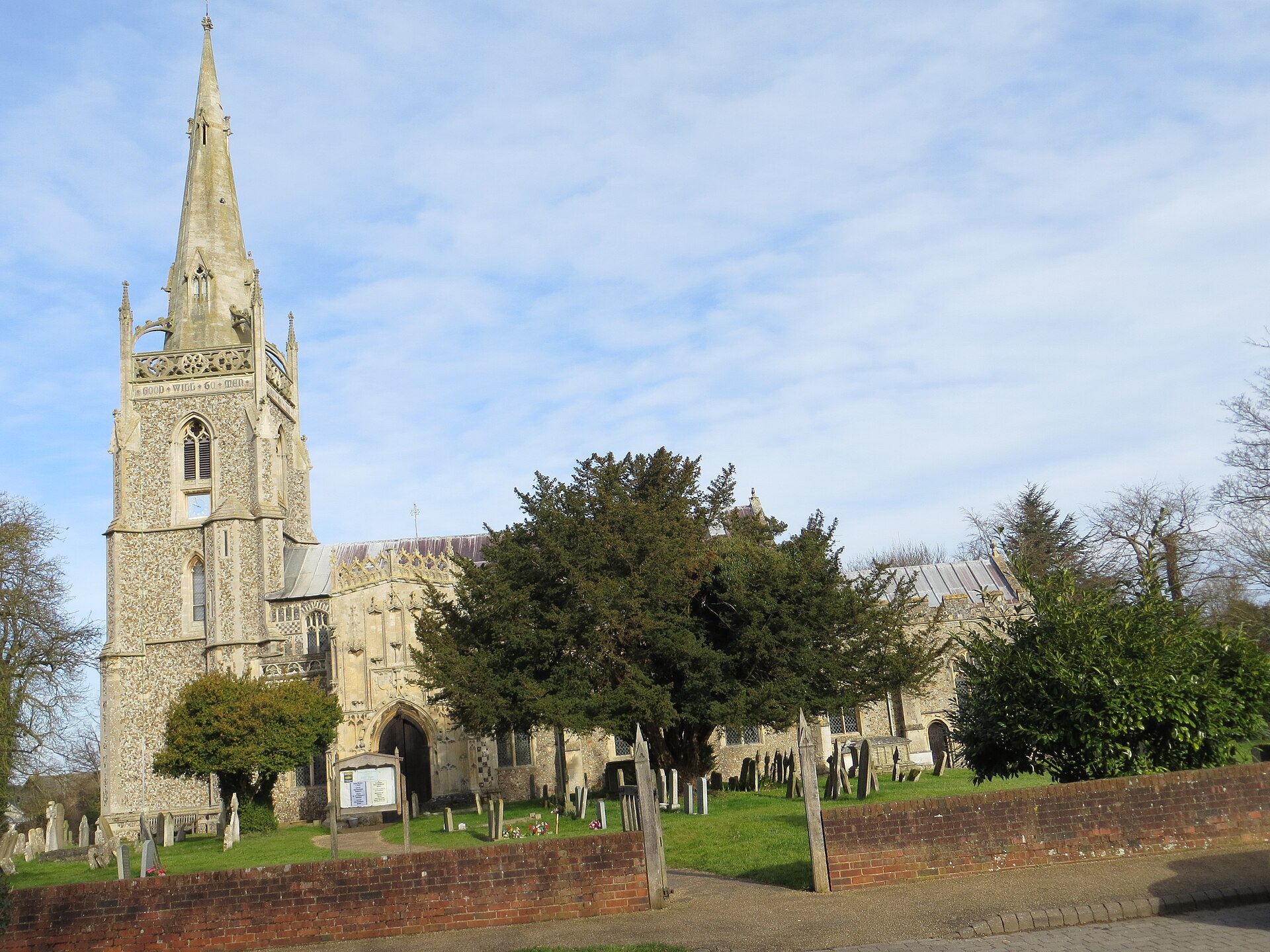
Photo: Wikimedia Commons / geograph.org.uk, CC BY-SA 2.0
A Record Preserved in Only Two Chronicles
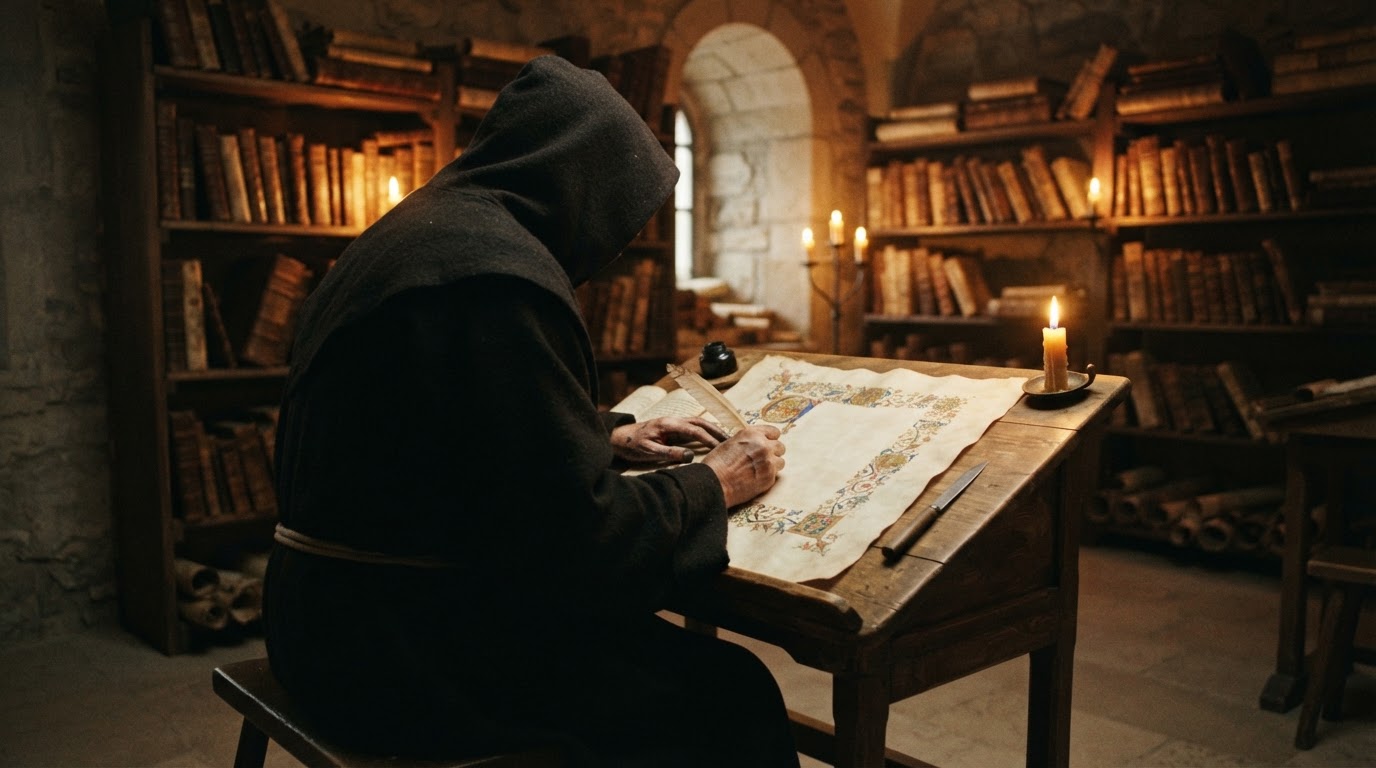
That this story has come down to us at all is owed to just two medieval clergymen who each set it down in their chronicles. The first was William of Newburgh (c. 1136–1198). A canon of Newburgh Priory in Yorkshire, in the north of England, he recorded the affair in his history Historia rerum Anglicarum, written around 1189. While stating that he set down the tale on the basis of "reports from a number of trustworthy sources," he also showed that he himself found it hard to believe and was troubled by it. Notably, William lived far to the north of Woolpit. That he had heard of this southern village's tale at all suggests the affair was already widely talked about in his day.
The second to record it was Ralph of Coggeshall (d. c. 1226). He was the abbot of Coggeshall Abbey, about 42 kilometers (26 miles) south of Woolpit. He included the story in his Chronicum Anglicanum, written in the 1220s, stating that he based it on an account he had heard directly from Sir Richard de Calne, who is said to have taken the children in and cared for them. The problem is that the two records diverge in their details. The time when the event occurred, the circumstances of the children's appearance, the description of their homeland, the girl's later life — all of these are told a little differently in the two chronicles. That two records of the same event disagree makes the question of the story's truth all the harder to settle.
The Interpretations — Famine Migrants, Arsenic, Aliens, Parallel Worlds
Attempts to solve this puzzle have continued over the centuries, yet none of them has been established as the accepted answer. Everything offered here is a theory and an interpretation only, not a confirmed fact — let that be clear.
The most widely accepted interpretation is that the children were the descendants of Flemish immigrants (from what is today northern Belgium). In 12th-century England, cloth workers who had come over from Flanders had settled and lived, and amid political turmoil they were sometimes persecuted or massacred. According to this theory, children who had lost their parents wandered through an unfamiliar forest and came by chance to Woolpit, and the Flemish they spoke sounded to the villagers like an unintelligible tongue. As for the green skin, it is often explained by "chlorosis," a severe iron-deficiency anemia once called "green sickness." When nutrition is badly lacking, the skin can take on a sickly, pale green tint — which fits the detail that the color vanished once the children began to eat properly. In a similar vein, some have suggested the children may have been poisoned by some substance such as arsenic, causing their skin to discolor. Against these theories, however, some scholars object that if malnutrition were the cause, there should have been many more green-tinted people in that age, whereas the color of these particular children was recorded as strikingly unusual.
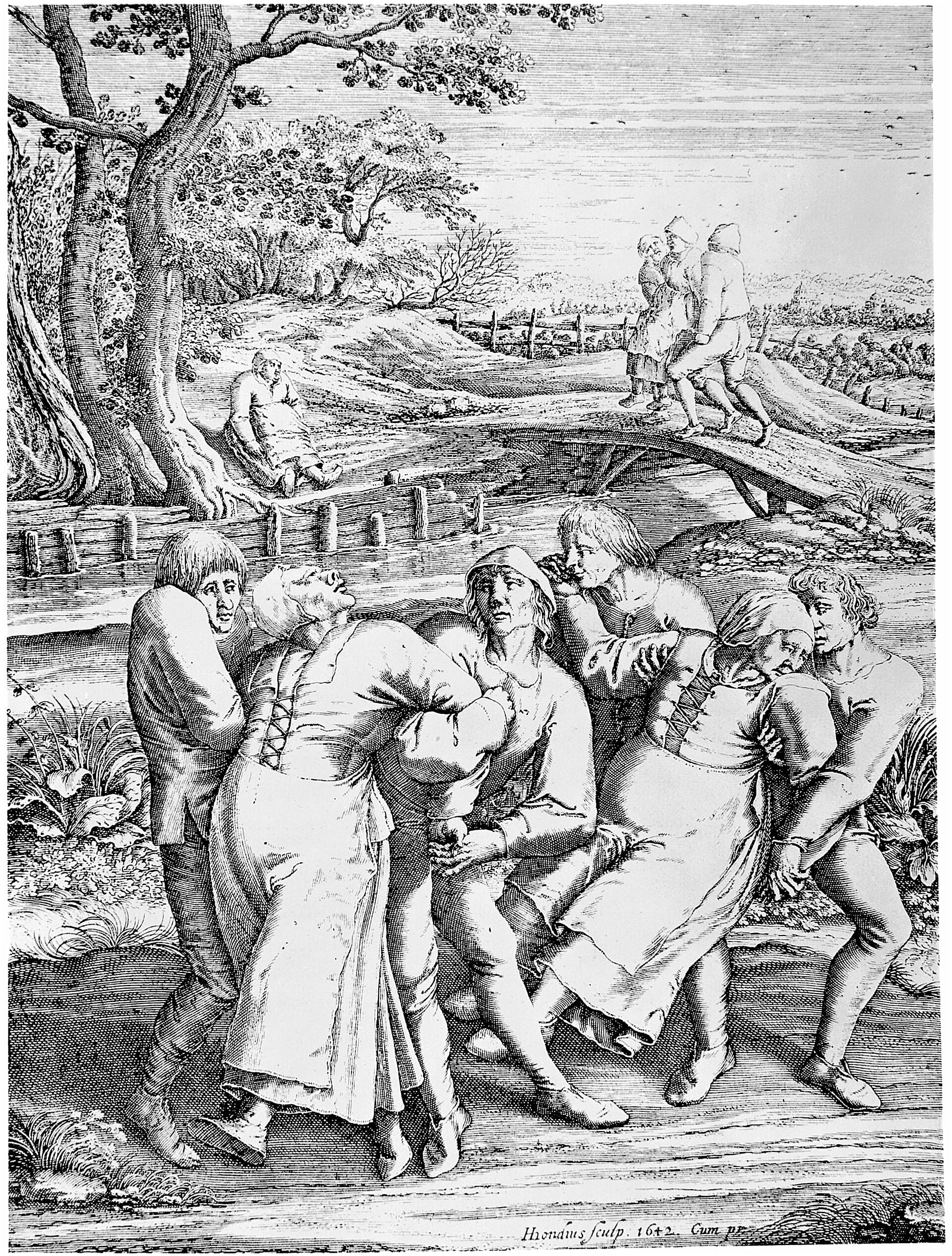
On the other side stand far more supernatural interpretations. The account of coming over from a dim green land, drawn by the ringing of bells, is read by some to mean that the children were beings from a world other than our own — a fairy realm or an underworld, an "other world," or a parallel world existing alongside our own universe. In the modern era, interpretations even arose that saw the children as beings from outer space. A scholar in the 17th century wrote that they had "fallen from Heaven," and a researcher in the 20th century regarded them as creatures from another planet. Such supernatural interpretations, of course, belong entirely to the realm of imagination and conjecture, unsupported by any physical evidence. Another current within scholarship takes seriously the possibility that the story itself is not a real event but a folk tale imagined by medieval people about an encounter with a strange "other," or a kind of parable about unity and difference.
Why the Story Still Endures
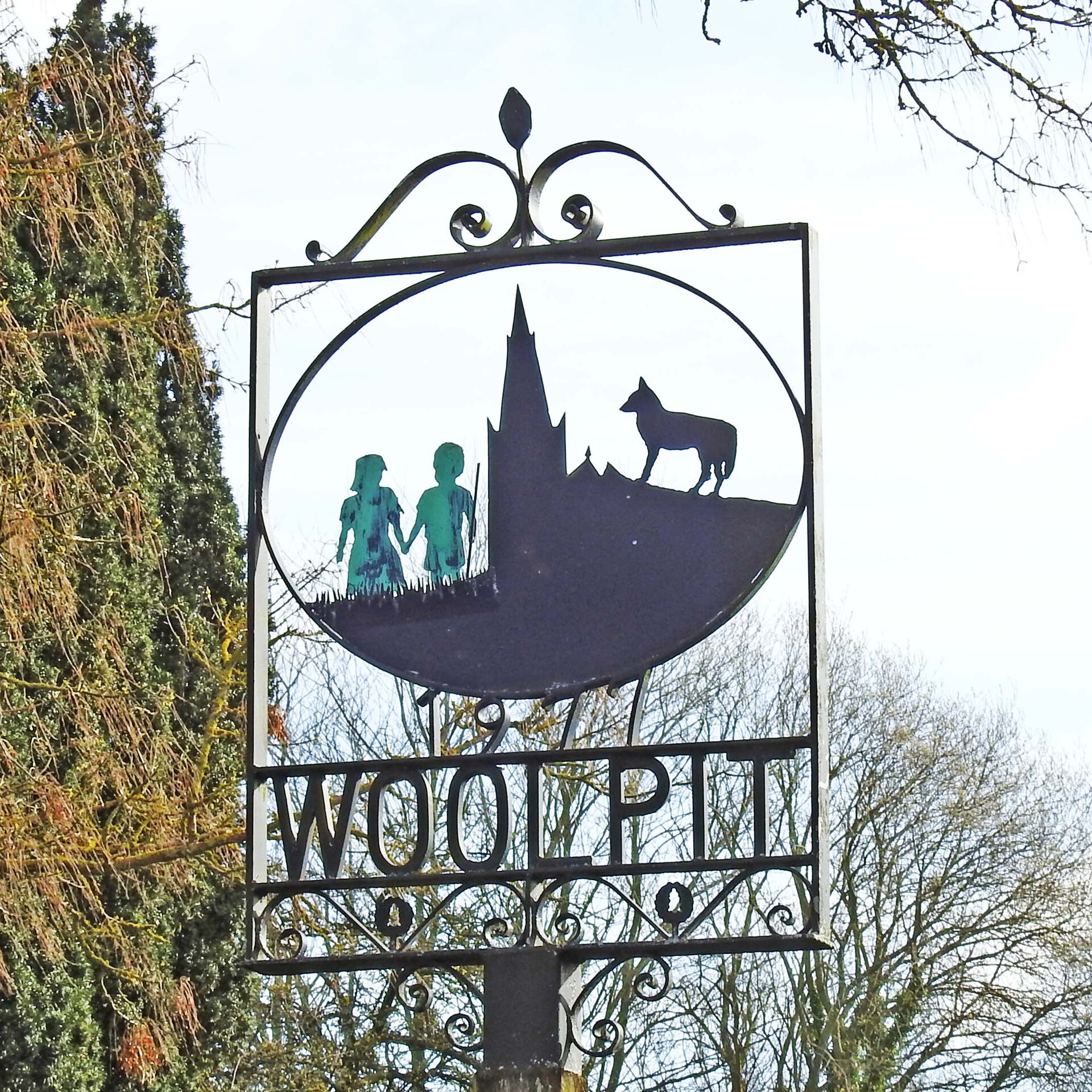
Photo: Wikimedia Commons / geograph.org.uk, CC BY-SA 2.0
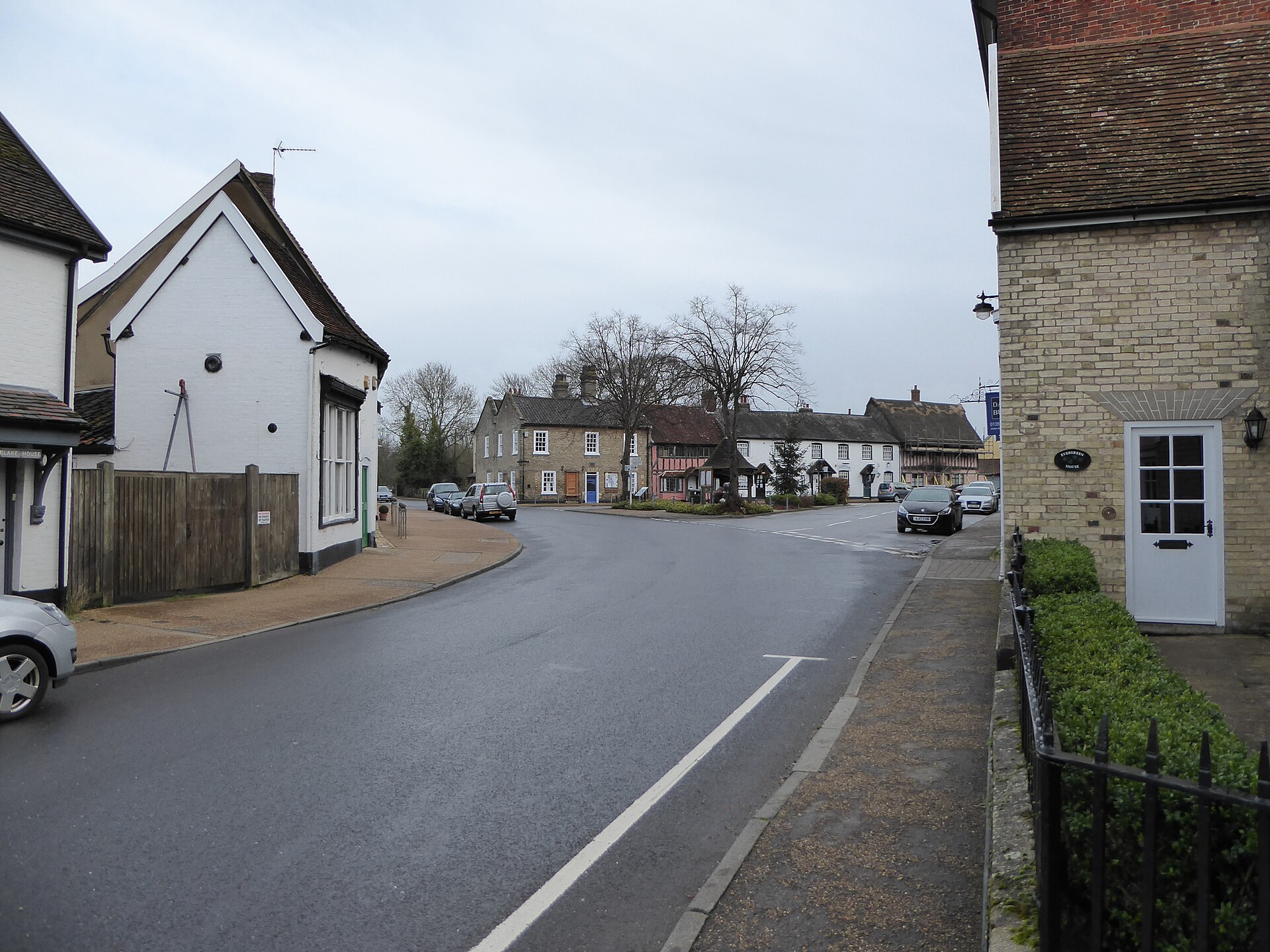
Photo: Wikimedia Commons / geograph.org.uk, CC BY-SA 2.0
There is not much we can say with certainty about this story today. That two medieval clergymen each recorded, in their chronicles, a tale that green-skinned siblings appeared in Woolpit in 12th-century Suffolk. That the children spoke an unknown tongue, lived for a time on beans alone, and said they had come from St Martin's Land. That the boy soon died, while the girl survived, lost her green color, and learned English. That is as far as we can be sure. And before the fundamental question — whether this record recounts something that truly happened, or a story shaped by the imagination of an age — there is still no answer.
Laying William of Newburgh's account beside Ralph of Coggeshall's, line against line, is an odd exercise. They disagree on nearly everything a person would expect two liars to agree on, and agree on the things a person would expect two honest men to muddle. Neither of them, I notice, ever tells us what became of the girl at the end — only that she lived here, among us, having once been green. Somewhere in Suffolk there is a churchyard holding a woman whose childhood no record can explain, and no one now knows which stone is hers.
The reason this story has been on people's lips for more than 800 years lies, perhaps, in exactly that lack of resolution. The Flemish-immigrant theory, the green-sickness theory, the alien or parallel-world theories — each explains a part of the story, but none explains the whole. The green skin may be explained away as illness, but that does not connect smoothly to why the children spoke a tongue no one could understand, or why they described so specifically a dim green world called St Martin's Land. Perhaps the true power of this story lies not in any answer but in the imagining itself — the long-held human wondering of what it would be like if beings unlike us were to appear, one day, at the threshold of our world. The green children of Woolpit have been returning that question to us for 800 years.
---
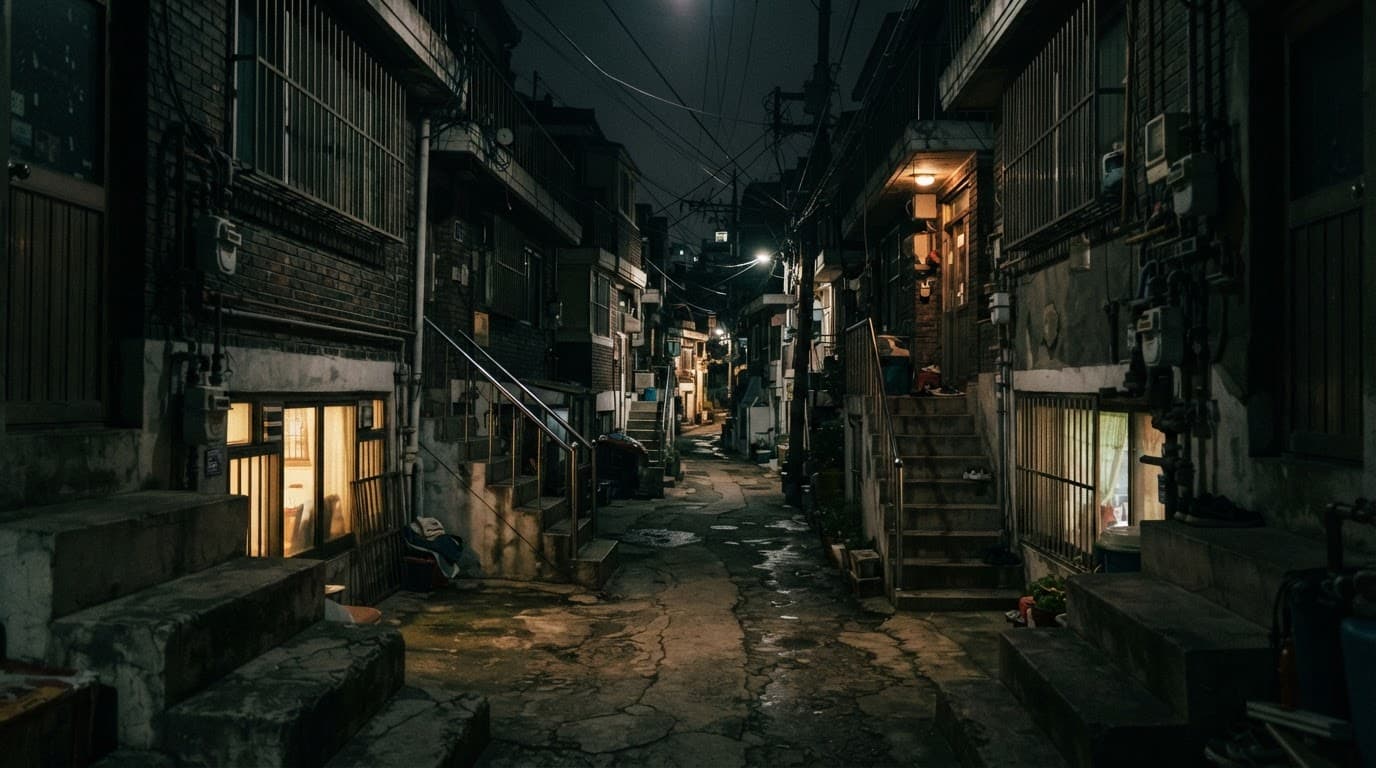
This article combines photographs taken in the village of Woolpit today with AI-generated images made to picture the twelfth-century story. All the photographs show the village as it is now.
Comments
No comments yet — leave the first one.