Before we begin, one thing needs to be said plainly. This is not a ghost story. Elisa Lam was a real 21-year-old woman who died, and her family is real and still grieving. So while this case is wrapped in one of the internet's most famous "mysteries," the responsible way to tell it is to keep the documented facts in one hand and the theories — clearly labeled as theories — in the other, and never to confuse the two. The official conclusion is a matter of record. The conspiracies are not.
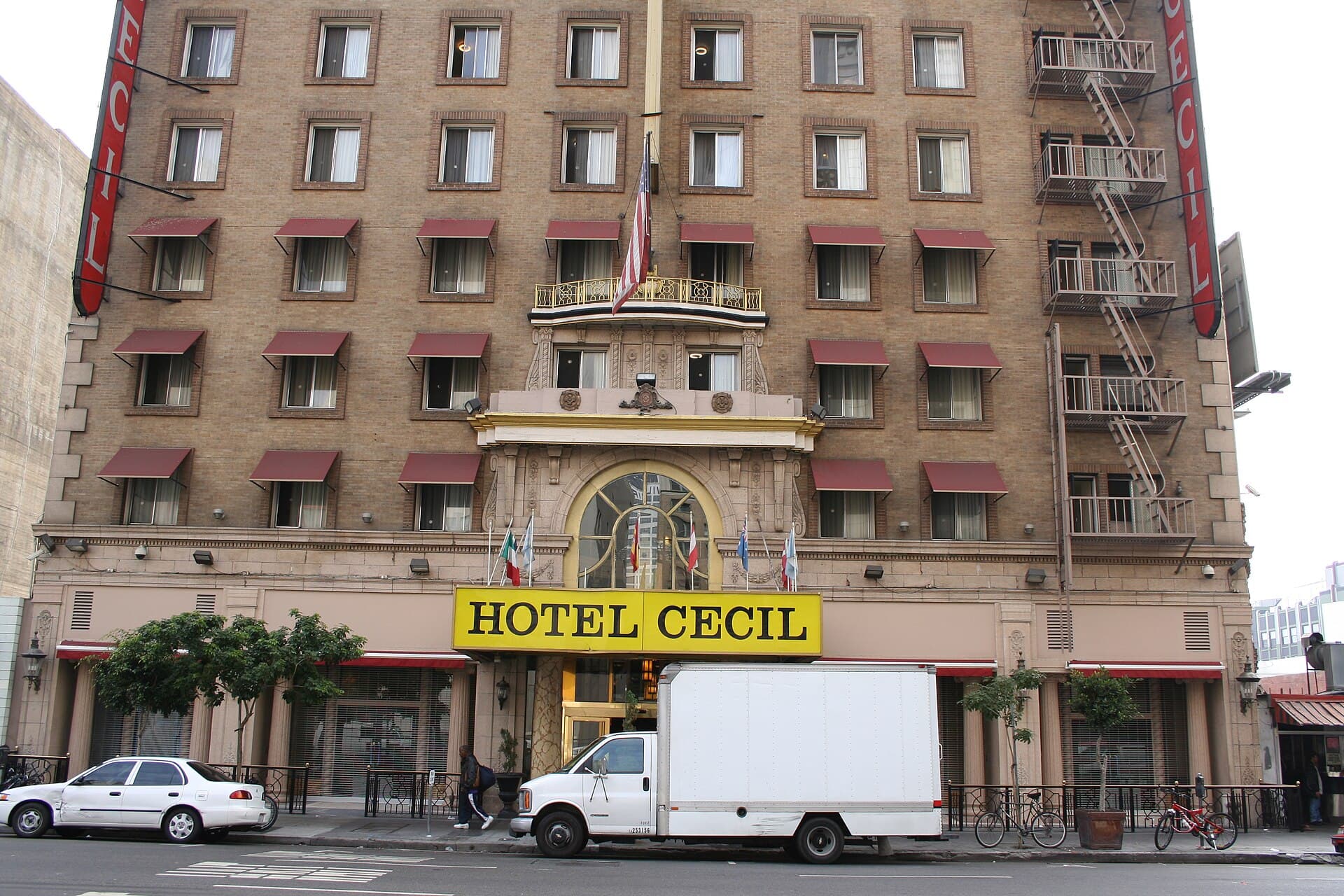
With that held firmly in mind: in January 2013, a 21-year-old Canadian university student named Elisa Lam checked into the Cecil Hotel in downtown Los Angeles and disappeared. About two and a half weeks later, guests began complaining that the water from their taps ran low, tasted strange, and had turned dark. A maintenance worker climbed to the roof, opened one of the hotel's large water tanks, and found her body inside — in the same water that guests had been drinking and showering in for days.
But before the world knew any of that, it had already seen the video.
This is the only file in my collection I have considered removing. Not because the material is thin — it is the opposite, there is more documentation here than for a hundred ghost stories combined — but because almost everything written about her was written by people watching four minutes of a stranger's worst hour and calling it a puzzle. I keep it because the coroner's report deserves to sit somewhere near the top of the search results, and because leaving the record to the theorists is its own kind of harm. I do not enjoy working on it.
The stage: the Cecil Hotel
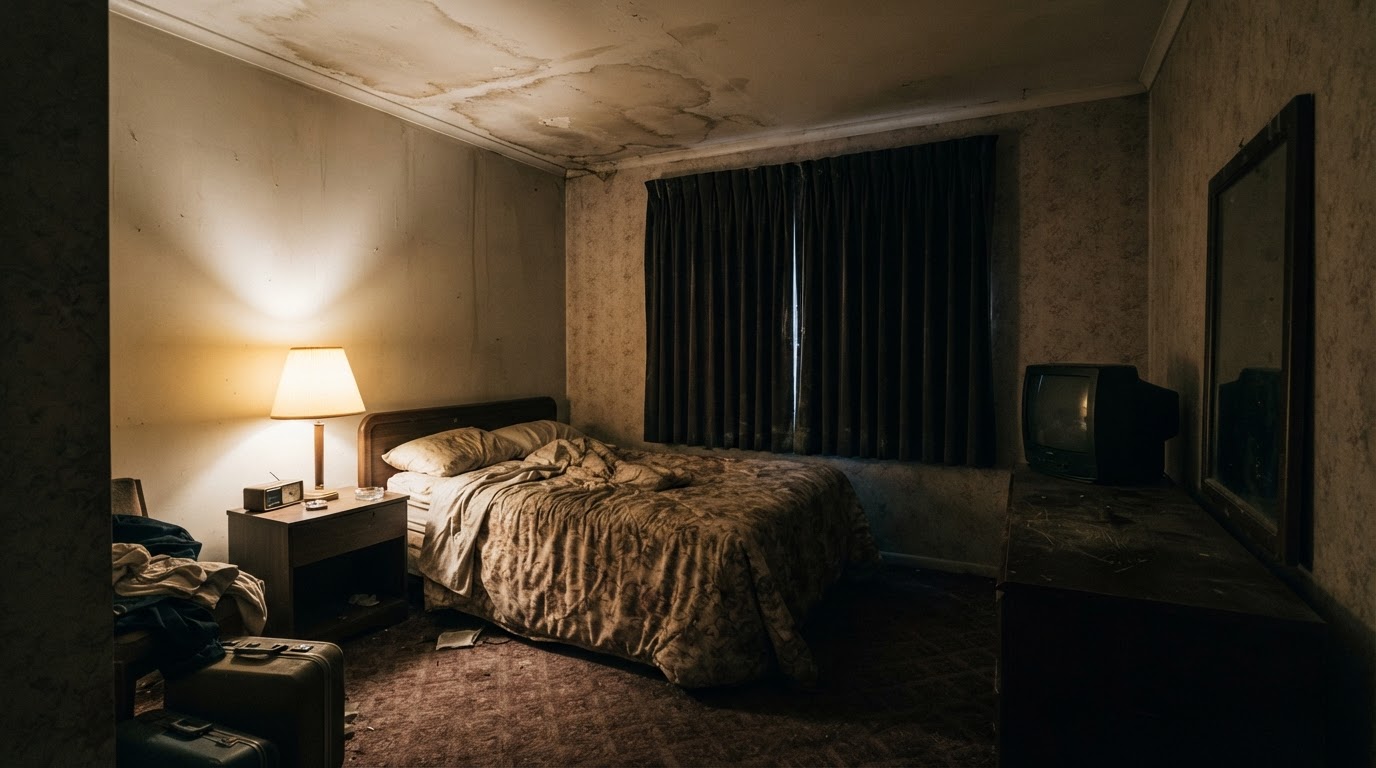
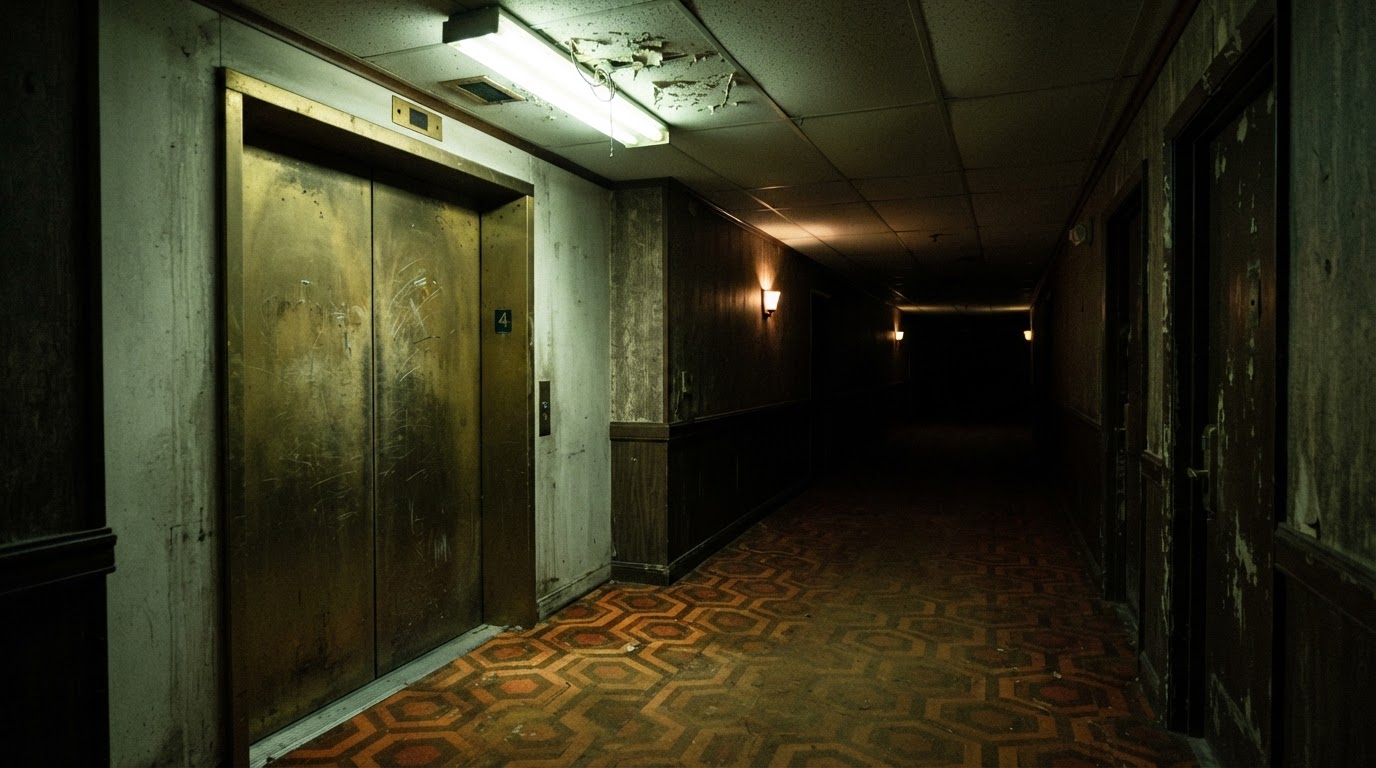
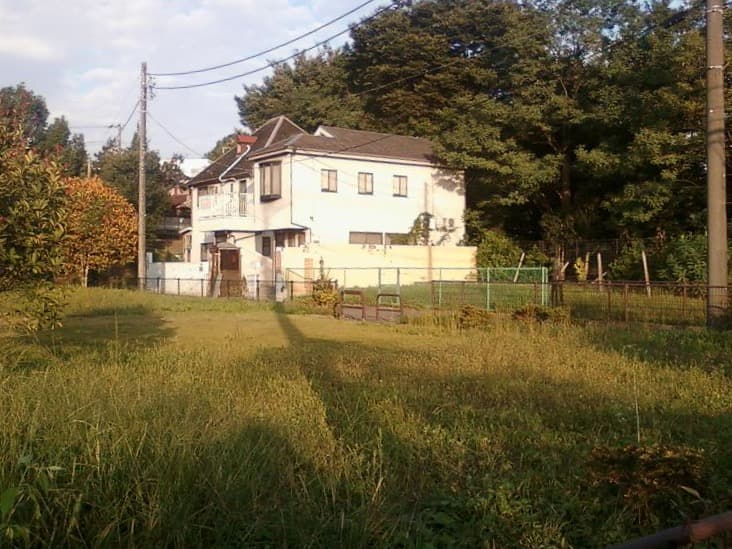
The setting was ominous before Elisa Lam ever arrived. The Cecil Hotel opened in downtown Los Angeles in 1924, and over the following decades it accumulated one of the grimmest reputations of any building in the city. During the Great Depression and after, it became associated with a long series of suicides and violent deaths.
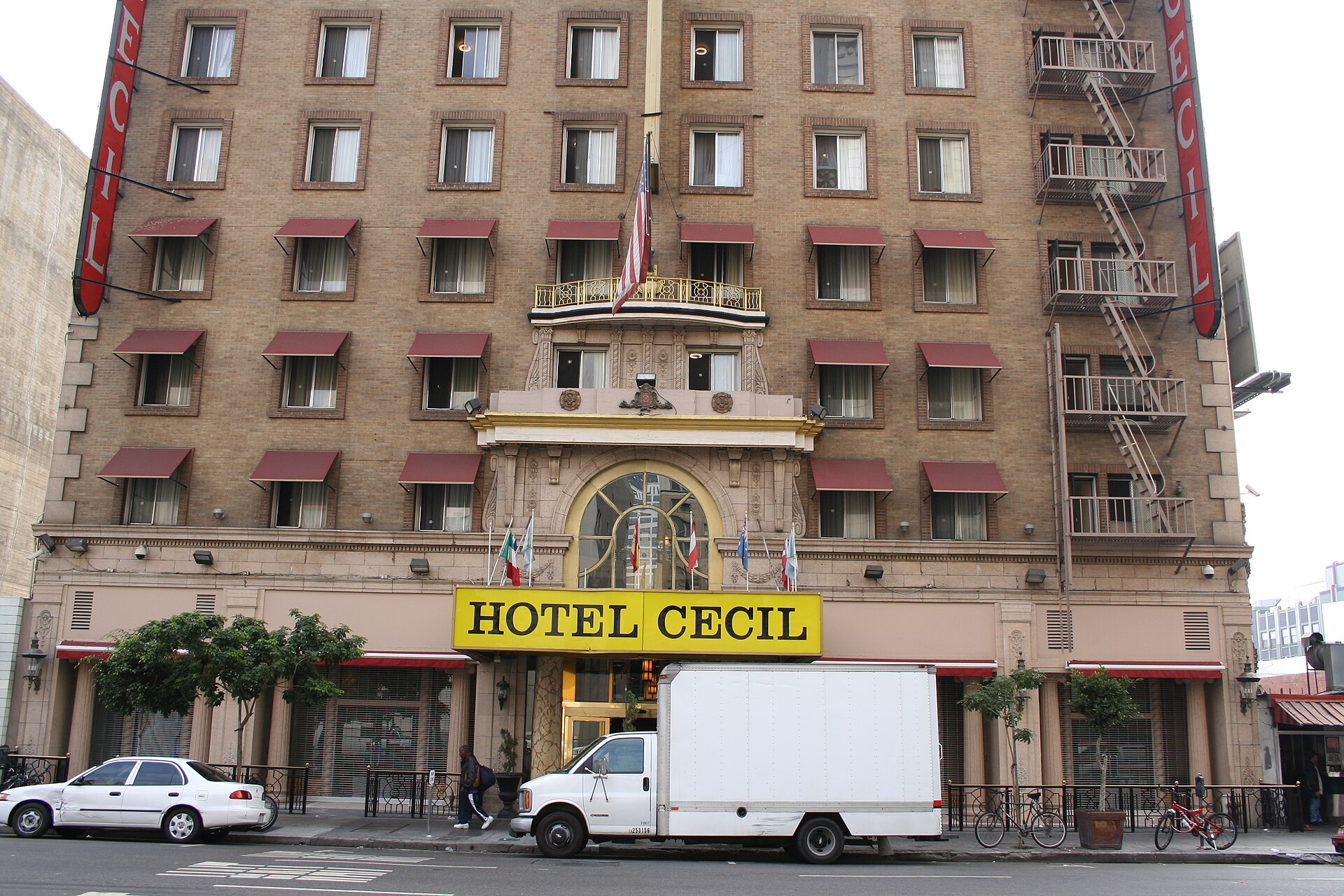
Photo: Wikimedia Commons, CC BY 2.0
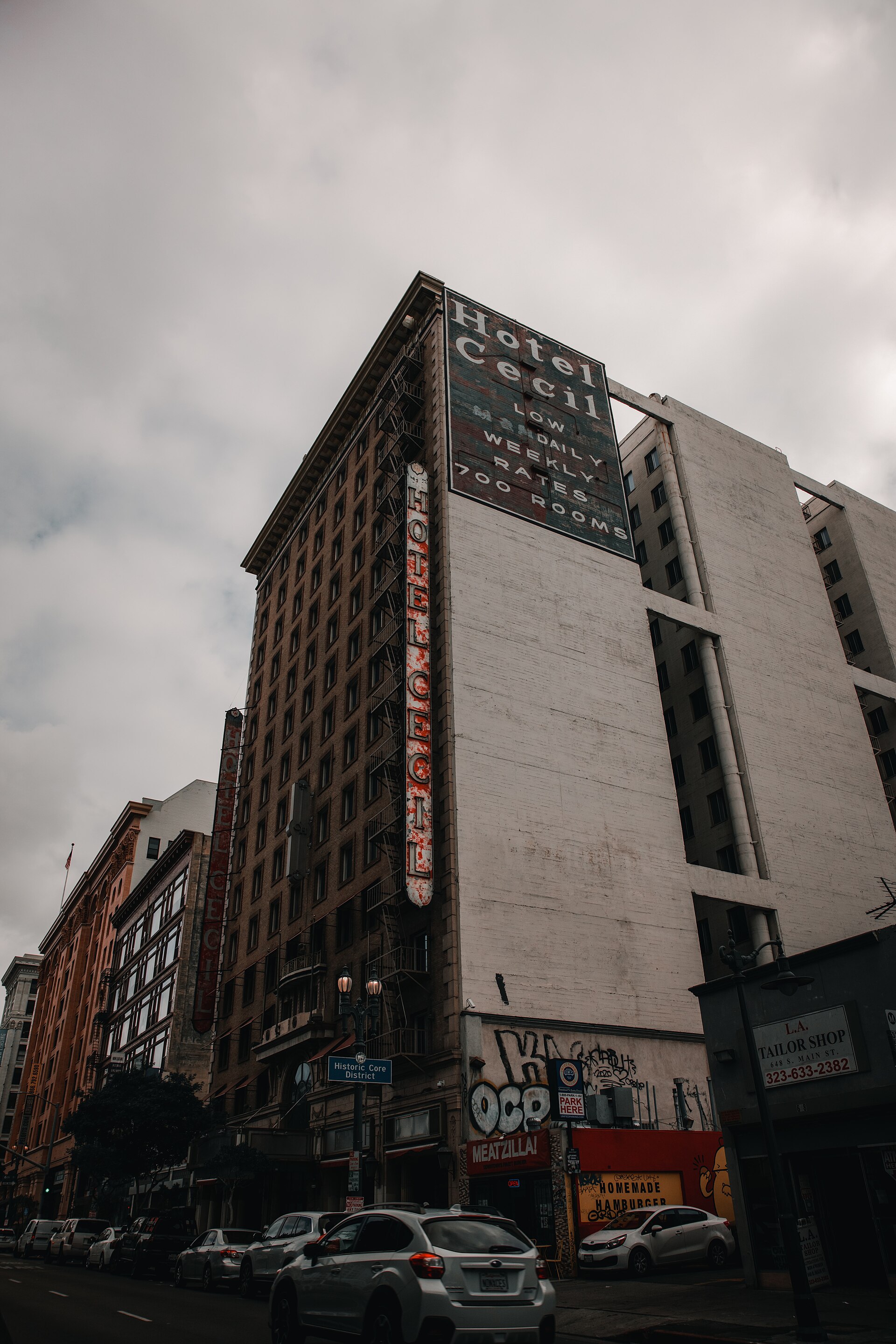
Photo: Wikimedia Commons, CC BY-SA 4.0
Its history reads like a horror anthology. In the 1980s, the serial killer Richard Ramirez — the "Night Stalker" — reportedly lived at the hotel during part of his killing spree. A few years later, the Austrian serial killer Jack Unterweger stayed there, in what some have speculated was a grim homage to Ramirez, while he was committing murders in Los Angeles. Add decades of suicides and unexplained deaths, and by 2013 the Cecil had long been whispered about as a cursed place. (By then it had partly rebranded as "Stay on Main," but the old name — and the old reputation — never left.)
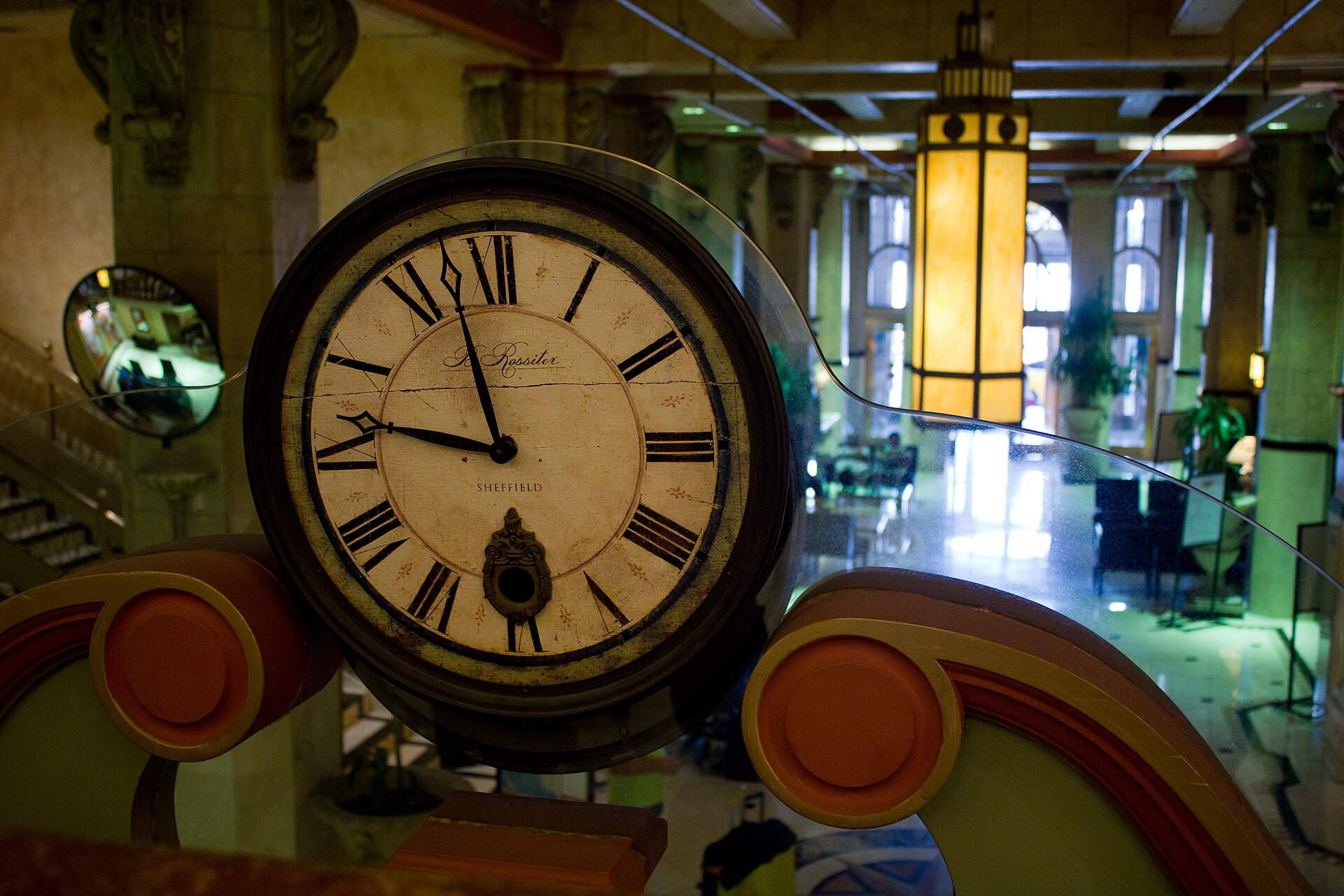
Photo: Wikimedia Commons, CC BY 2.0
Into that building, in January 2013, walked Elisa Lam, traveling alone on a trip along the U.S. West Coast. She called her parents every day. On January 31, the day she was due to check out, the calls stopped.
The four minutes that broke the internet
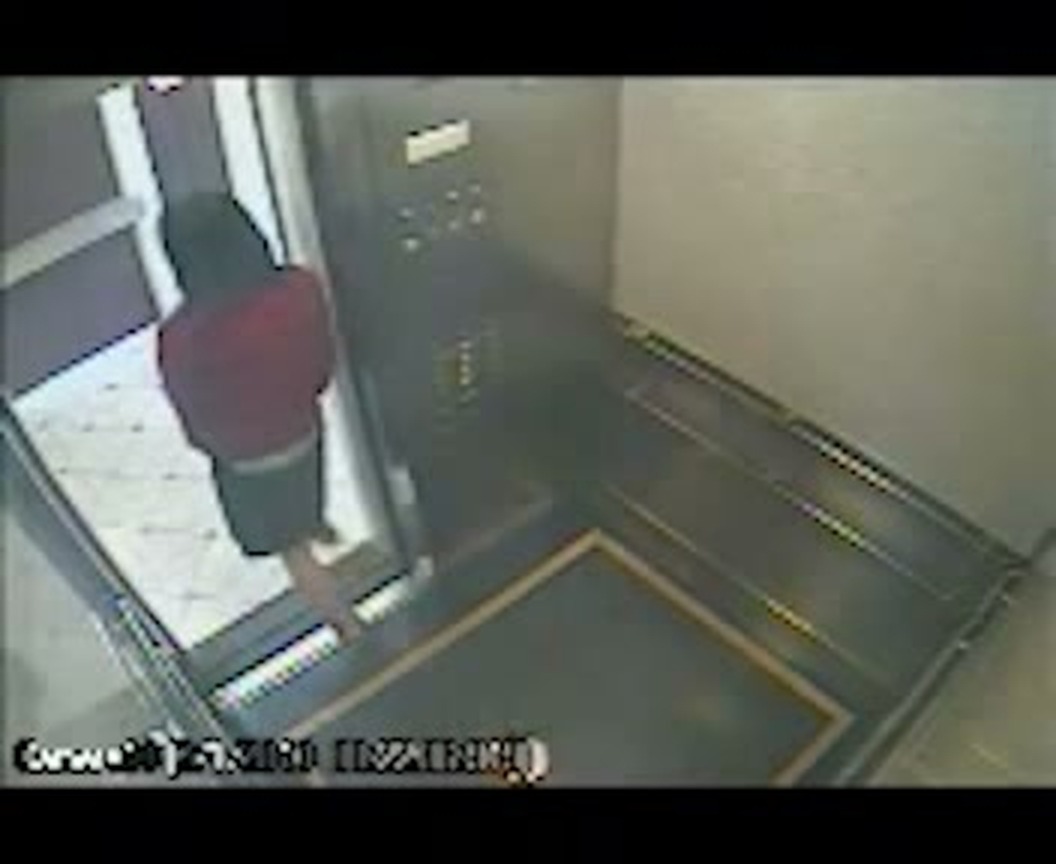
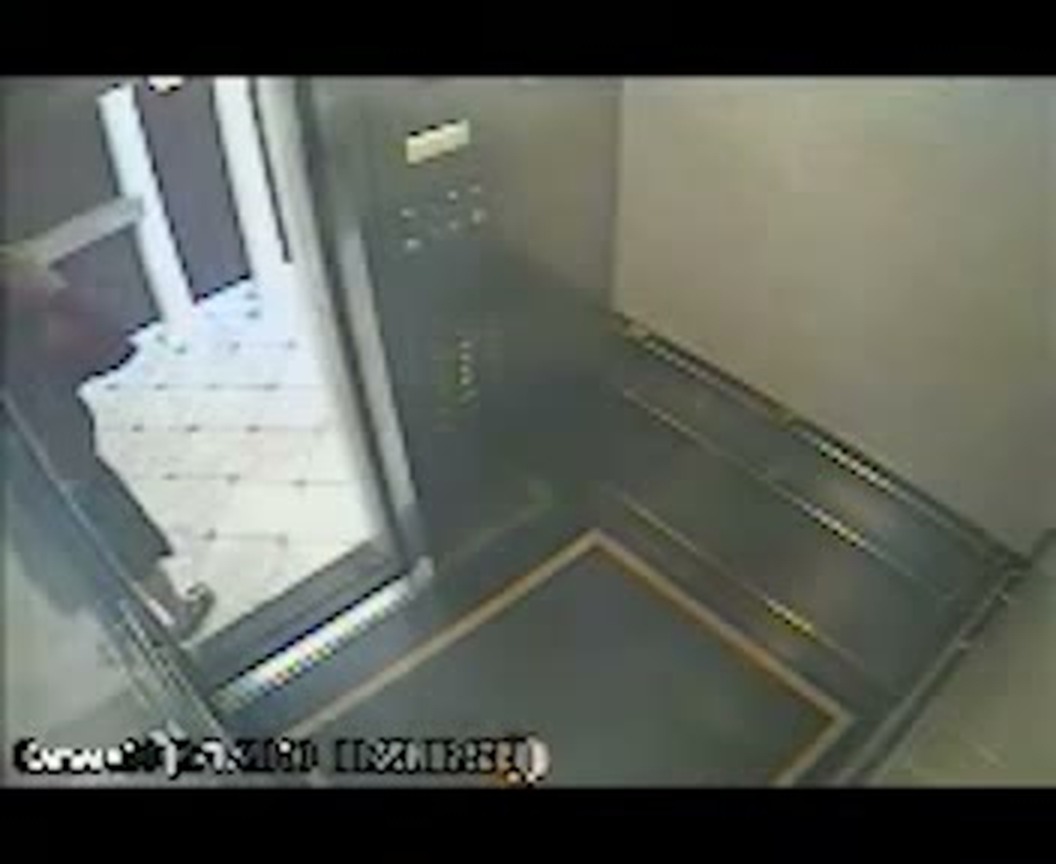
Searching for her, the Los Angeles Police Department released security-camera footage from one of the hotel's elevators, recorded on the day she was last seen. Those four minutes became one of the most-watched pieces of "real" footage in internet history.
In the video, Lam's behavior is genuinely difficult to watch, and it's easy to see why it disturbed millions of people:
- She steps into the elevator and presses several buttons at once — but the doors do not close.
- She presses herself against the side wall, as if trying to stay out of sight of someone in the hallway.
- She leans out and looks both ways down the corridor, repeatedly, as though checking whether it's safe.
- She stands outside the elevator and moves her hands in strange, deliberate gestures — as if talking to someone who isn't in frame, her fingers bending oddly.
- Only after she finally walks away does the elevator door, which had stayed open the whole time, slide shut on its own.
The clip went viral almost instantly and has never really stopped circulating. To millions of viewers it looked like a young woman hiding from something — or someone — that the camera simply couldn't see. And the theories poured in: a stalker waiting in the hallway, a paranormal presence, even a claim that the footage itself had been tampered with, because the timestamp was obscured and the motion looked oddly slow and jerky.
Nineteen days later: the water tank
On February 19, prompted by guest complaints about the water, a maintenance worker went up to the roof to check the tanks — and found Elisa Lam's body inside one of them.
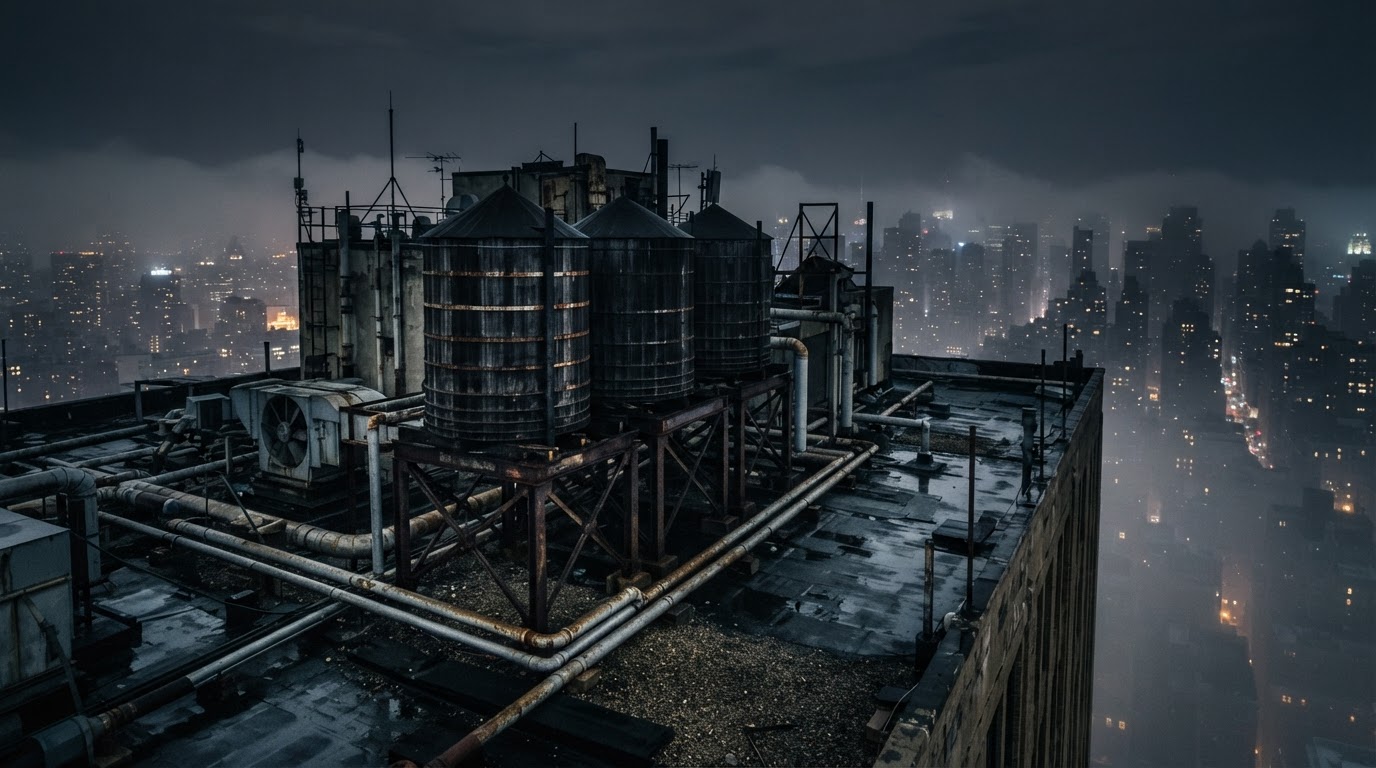
The circumstances, at first, seemed to layer mystery on mystery, and these are the details the theories would seize on:
- Access to the roof was reportedly controlled: the door was said to lock and to trigger an alarm if opened. Yet there was no record of an alarm being tripped.
- The water tanks stood well above head height, roughly 2.4 meters (about 8 feet) tall, and reaching the top would normally require a ladder — with nothing obvious nearby for her to have climbed.
- Early reports suggested the tank's heavy lid had been found closed, which would be nearly impossible for someone to manage from inside. (This detail was later disputed and reported as having been found open — a discrepancy that fueled years of argument.)
- Her belongings were found floating in the water with her.
What the investigation actually found
Here the case turns away from horror and toward something quieter and far sadder. This is the part grounded in the official record — the coroner's findings, not speculation.
The Los Angeles County coroner's office ruled Elisa Lam's death an accidental drowning, with her diagnosed bipolar disorder listed as a significant contributing factor. The final report was issued in 2013 after toxicology work was complete.
Crucially, the toxicology results found no alcohol and no illicit drugs in her system — nothing external that could have impaired or incapacitated her. What the investigation did find was telling in a different way: the level of her prescribed medication in her body was very low, and pills were left in her bottle, indicating she had been under-medicating or had stopped taking her medication for her bipolar disorder. That, medical experts noted, could precipitate a psychiatric episode.
There were no signs of trauma on her body and no evidence of foul play, assault, or anyone else's involvement. The investigators' conclusion was that, during an acute mental-health crisis, Elisa Lam had made her way to the roof and entered the water tank herself.
Seen through that lens, the elevator video stops being supernatural and becomes heartbreaking. The erratic movements, the hiding, the gesturing at an empty hallway — those behaviors are consistent with someone in severe psychological distress, not someone being pursued by an unseen attacker.
And the "edited" footage? The obscured timestamp was standard police practice, and the video had been slowed down — a routine technique to help identify details — which is exactly why the frame rate looked wrong and the motion looked strange. There was no sinister edit. There was a slowed-down clip and an internet primed to see a monster in it.
Why the case refused to die
If the official answer is that clear, why has the Elisa Lam case never faded? Several forces kept it alive long after the file was closed — and it's worth being explicit that what follows are the reasons for the fascination, not unresolved holes in the ruling.
- The Cecil Hotel's history. A building already tied to serial killers and decades of death was the perfect stage. It gave every theory a ready-made backdrop of menace.
- The unanswered mechanics. How exactly did she reach the roof, and how was the tank lid positioned? The disputed alarm and access situation, and the conflicting reports about whether the lid was open or closed, left cracks that speculation happily filled.
- The internet's hunger for a villain. An accidental death caused by mental illness is a tragedy with no culprit — no killer to catch, no monster to name. The elevator video offered the shape of a horror story, and people filled in the rest.
There was even a coincidence eerie enough to keep conspiracy forums busy for years: around the time of the case, a tuberculosis outbreak was being tracked in the Los Angeles area, and one of the test kits in use bore the name "LAM-ELISA." It is, by every measure of evidence, a meaningless coincidence — the name of a lab technique that happens to echo hers — but it was exactly the kind of thread the internet loves to pull.
None of these, it must be stressed, overturned the coroner's ruling. They are the reasons the story stuck, not evidence of a cover-up.
The claims — and why the ruling stands
To be fair to the fascination, here are the theories in their strongest form — presented, as they must be, strictly as unproven claims:
- That someone was in the hallway and the video shows her hiding from a real pursuer.
- That the roof access and unsounded alarm mean someone else must have opened the way for her.
- That the closed-lid detail points to another person sealing the tank.
- That the slowed, timestamp-blurred footage was deliberately manipulated to hide something.
And here is why investigators — and the physical evidence — did not support any of them. The behavior on camera fits a documented mental-health crisis. The toxicology showed no incapacitating substances and pointed to under-medication. There was no trauma, no sign of an assailant, and reasonable accounts exist for how she could have reached the roof and the tank on her own. The lid discrepancy resolved toward "open." The video anomalies resolved toward routine police handling. Every genuinely strange detail had a documented — if deeply unsatisfying — explanation. That is why the death was ruled an accident, and why it has remained so.
What we know vs. what we don't
What we know:
- Elisa Lam was a 21-year-old Canadian student who checked into the Cecil Hotel in January 2013 and was found dead in a rooftop water tank on February 19, 2013.
- The Los Angeles County coroner ruled her death an accidental drowning, with bipolar disorder a significant contributing factor.
- Toxicology found no alcohol or illicit drugs; evidence indicated she had been under-medicating. There were no signs of trauma and no evidence of foul play.
- The elevator video's anomalies (blurred timestamp, jerky motion) are explained by routine police obscuring and slowed playback, not tampering.
- The Cecil Hotel genuinely has a dark history, including associations with serial killers Richard Ramirez and Jack Unterweger and numerous deaths — real context that made the case feel more sinister than the evidence supports.
What we don't know:
- The precise physical sequence — exactly how she accessed the roof and entered the tank — was reconstructed as plausible but not captured on camera, leaving room for lingering questions.
- Her exact state of mind in her final hours. We know she was in crisis; we cannot know the interior experience behind the behavior on the video.
- Why the early lid report differed from later accounts. The open-vs-closed discrepancy was resolved on the record, but the initial confusion is part of why doubt persisted.
None of these unknowns amounts to evidence against the ruling. They are the ordinary gaps that any tragedy leaves behind.
The verdict
The Elisa Lam case is one of the clearest examples of how the internet can take a private tragedy and inflate it into a global horror mystery. Every genuinely unusual detail — the video, the hotel's history, the location of her body — had a documented explanation. What the case lacked was a satisfying one, and into that emptiness the theories rushed.
The detail I cannot put down is the nineteen days. Everything the internet argues over happens in those four minutes on the camera, and almost nobody spends time on the stretch afterward — the guests running the taps, the low pressure, the complaints logged and not escalated, the ordinary machinery of a building continuing over her. The LAM-ELISA coincidence gets a thousand posts. The fortnight and a half does not. When I go back through the timeline I find that the part which unsettles me most is the part with no mystery in it at all.
What lingers, in the end, isn't a supernatural puzzle. It's the reminder that a real person, in real distress, spent some of her last minutes in front of a camera that the entire world would one day pick apart frame by frame. The most honest way to sit with this case is to hold that fact first, and to let the mystery come second — if at all.
---
This article combines genuine documentary and location photographs with AI-generated images produced to convey the mood of the story.


Comments
No comments yet — leave the first one.