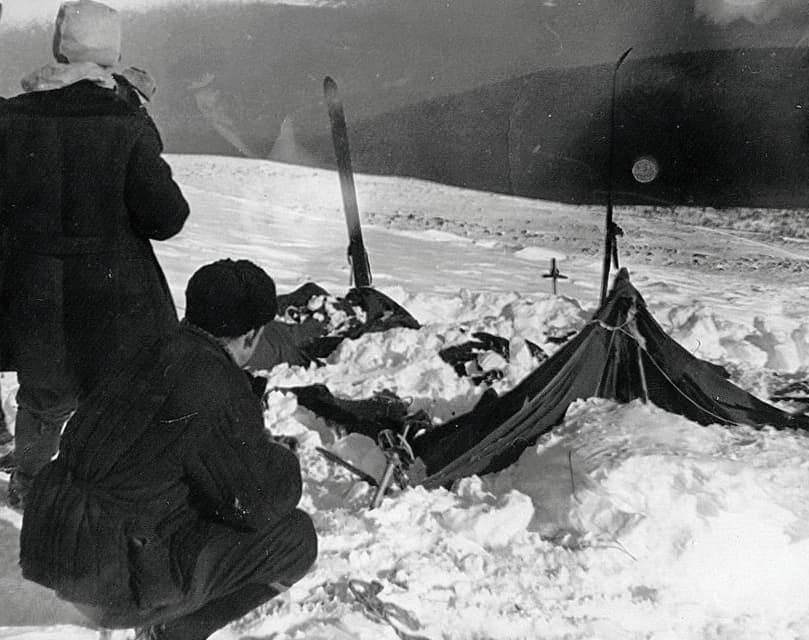
The tent was found first, and the tent made no sense.
On February 26, 1959, a search party climbed the eastern shoulder of a bare Ural mountain and found, half-buried under fresh snow, the collapsed canvas ridge of a tent. It was pitched high on an open slope where no experienced hiker would ordinarily camp — exposed to the wind, far from the shelter of the tree line below. Inside were boots, coats, axes, food, a camera, diaries: everything nine people would need to survive a night at thirty degrees below zero. What was missing was the nine people.
And the tent had been cut open. Not by an animal, not from the storm, not from the outside. The long slashes in the canvas ran down its side, and the torn edges told the searchers plainly which way the knife had gone. The tent had been opened from the inside — cut apart in a hurry by someone desperate to get out, and out onto that freezing slope, into the dark, most of them without their boots.
That single fact is the seed of everything that followed. Nine calm, trained, experienced ski-tourists, in a shelter stocked with everything they needed, chose in the space of a few minutes to tear their way out into a blizzard and run downhill into the cold that would kill them. The question the mountain has held for over sixty years is terribly simple. What made them run?
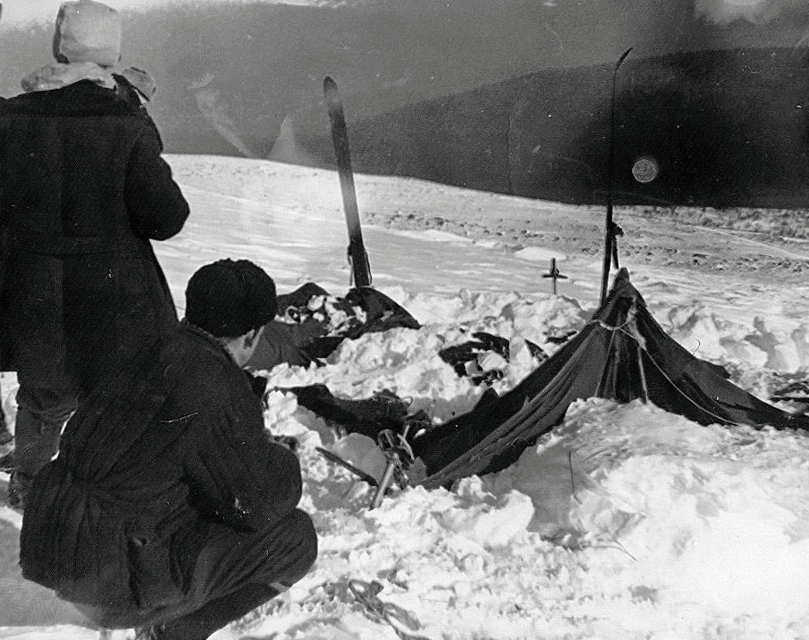
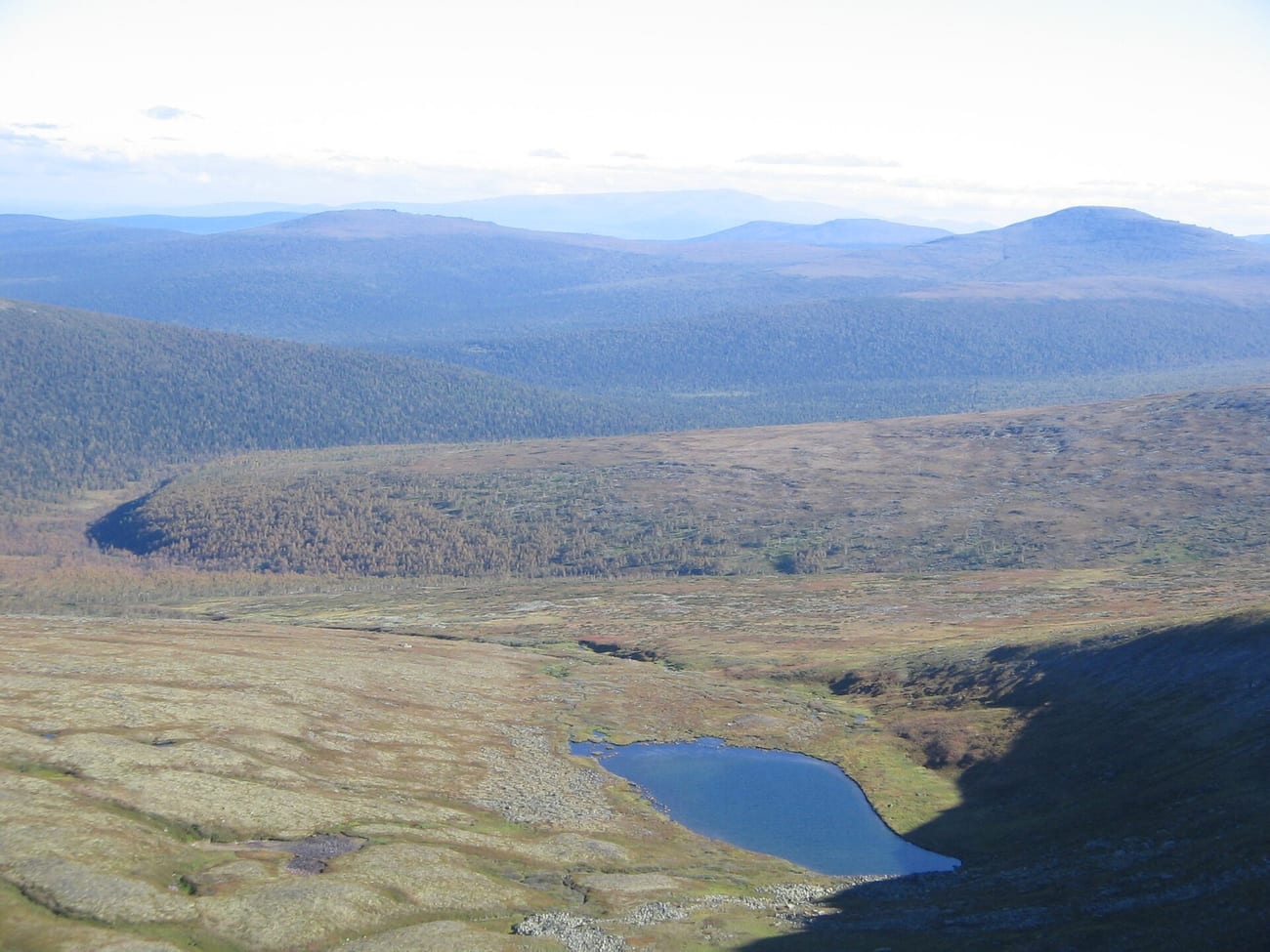
Photo: Wikimedia Commons, ents / CC BY 3.0
This is one of the few files I have rebuilt from scratch, twice, because I kept catching myself reading it backward — starting at the ravine and working up to the tent, which is how everyone tells it and which makes the whole thing look inevitable. Read forward instead and the shape changes. A homemade radio in Dyatlov's pack. A telegram promised to the sports club at Vizhai. These are the arrangements of someone certain he is coming back, and they sit in the record undisturbed by anything that followed.
The Nine
They were not thrill-seekers or amateurs. They were among the strongest young ski-hikers the Ural region produced — students and recent graduates of the Ural Polytechnical Institute in Sverdlovsk (today Yekaterinburg), members of the institute's mountaineering and skiing club, seasoned in exactly the kind of winter travel that killed them. This matters, and it is worth holding onto through everything that comes after: whatever happened on that slope, it did not happen to people who did not know the cold.
The leader was Igor Dyatlov, twenty-three, an engineering student with a reputation for competence and a homemade radio in his pack. The expedition would later be named after him. With him went eight others, most in their early twenties: Zinaida Kolmogorova, Lyudmila Dubinina, Rustem Slobodin, Yuri Krivonishchenko, Yuri Doroshenko, Nikolai Thibeaux-Brignolle, Alexander Kolevatov, and the oldest of the group, Semyon Zolotaryov, a decorated World War II veteran in his late thirties who had joined the younger party as an experienced guide. A tenth member, Yuri Yudin, started out with them but turned back early on because of illness — a joint problem that forced him home. It saved his life. He would spend the rest of it as the only one who could say he had been there and come back.
Their goal was a peak called Otorten, in the northern Urals. The trek was rated Category III, the highest difficulty in the Soviet system of the time — a serious winter expedition for serious people. They planned to be gone about two weeks, and Dyatlov had told their sports club he would send a telegram when they returned to the settlement of Vizhai. When that telegram did not come, no one panicked at first. These were experienced people; delays happened. It was only after days of silence that the searches began.
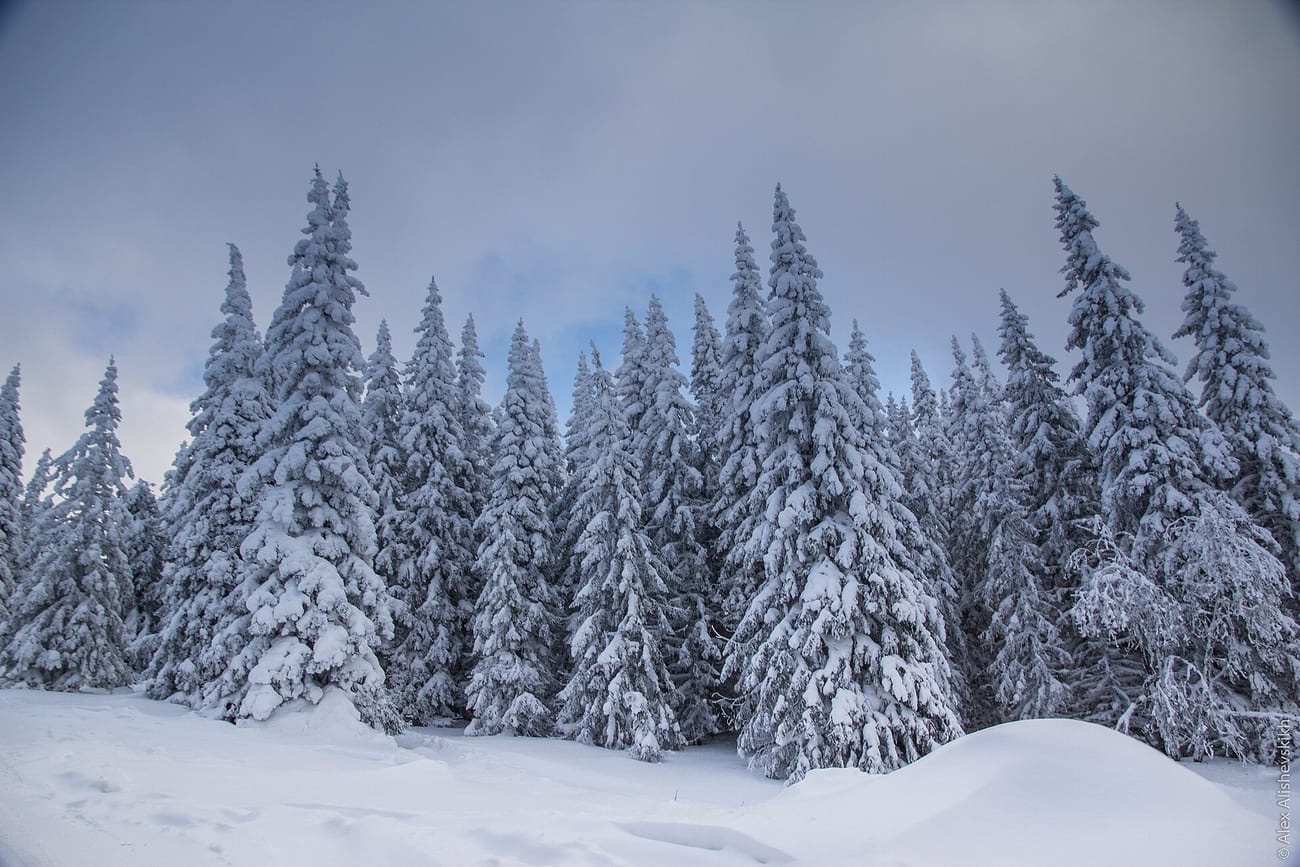
Photo: Wikimedia Commons, Alex Alishevskikh / CC BY-SA 2.0
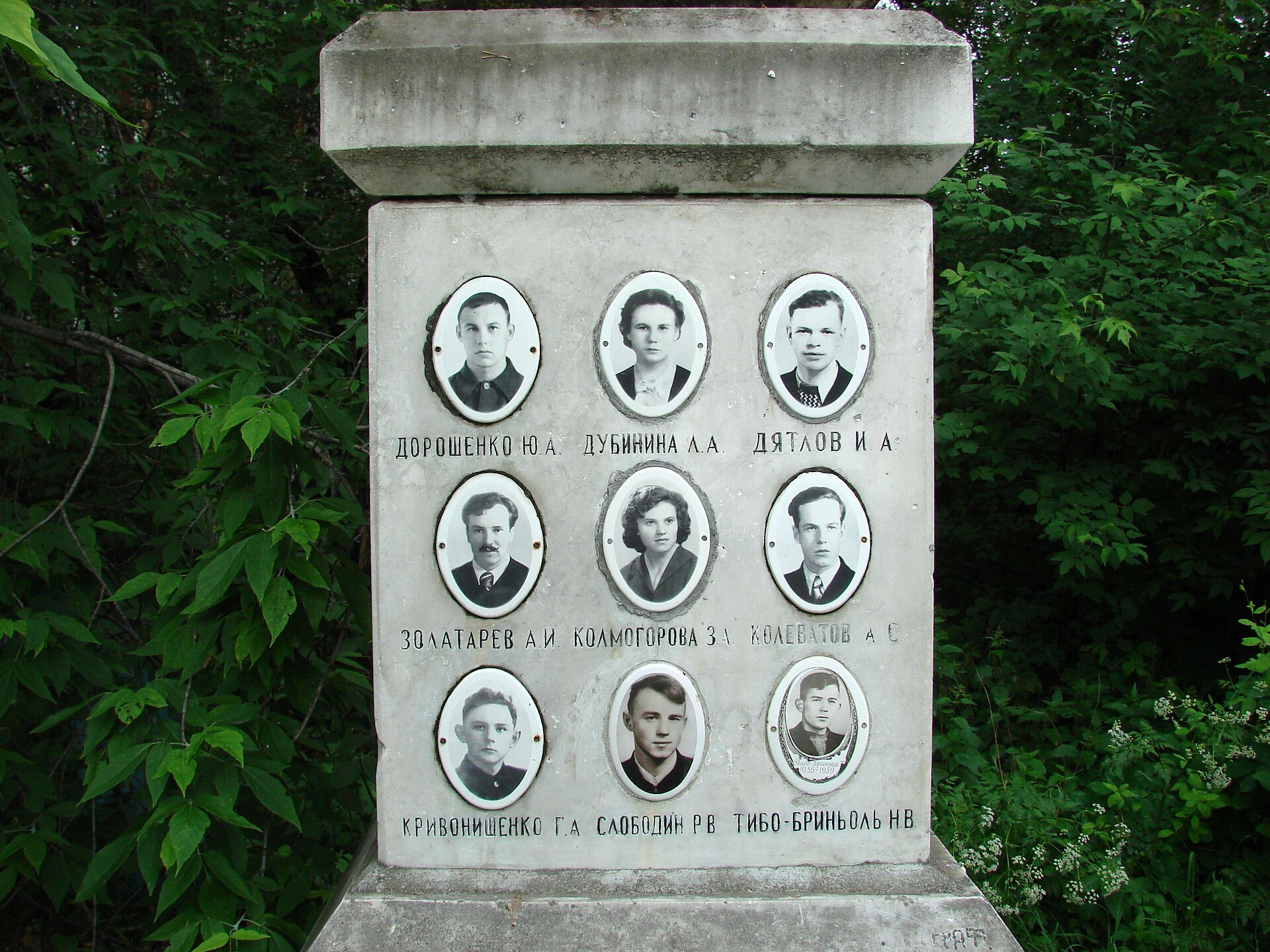
Photo: Wikimedia Commons, Dmitry Nikishin / CC BY-SA
The Route to Dead Mountain
The path took them by truck, then on foot and ski, deeper and deeper into a land that empties of people as you go. Their last inhabited stop was Vizhai. Beyond it lay the territory of the Mansi, the indigenous people of these northern forests and mountains, and beyond even the Mansi's usual hunting grounds lay the high open country where the trees thin out and the wind owns everything.
Their planned line to Otorten ran along the eastern flank of a mountain the Mansi called Kholat Syakhl. The name is usually translated as "Dead Mountain," and though the plainest reading is simply that it is a barren place where nothing grows, the coincidence has haunted the story ever since. On the last day of their diaries and photographs, February 1, 1959, the group set out to cross a high pass between Kholat Syakhl and the next ridge — and, misjudging their direction in poor visibility and worsening weather, drifted upslope and off their intended line. Rather than lose the altitude they had gained and retreat to the shelter of the forest, they made camp where they were: high on the exposed slope of the Dead Mountain, in the open, with the tree line perhaps a mile and a half below them.
We know this because they left it to us. The Dyatlov group kept diaries and carried cameras, and both survived. The photographs from that last afternoon are ordinary and heartbreaking — young people in heavy coats, laughing, digging out a platform for the tent in the snow, the light already going. In one frame the tent is up and the slope stretches away, and there is nothing in any of it to suggest that within hours all nine would be dead.
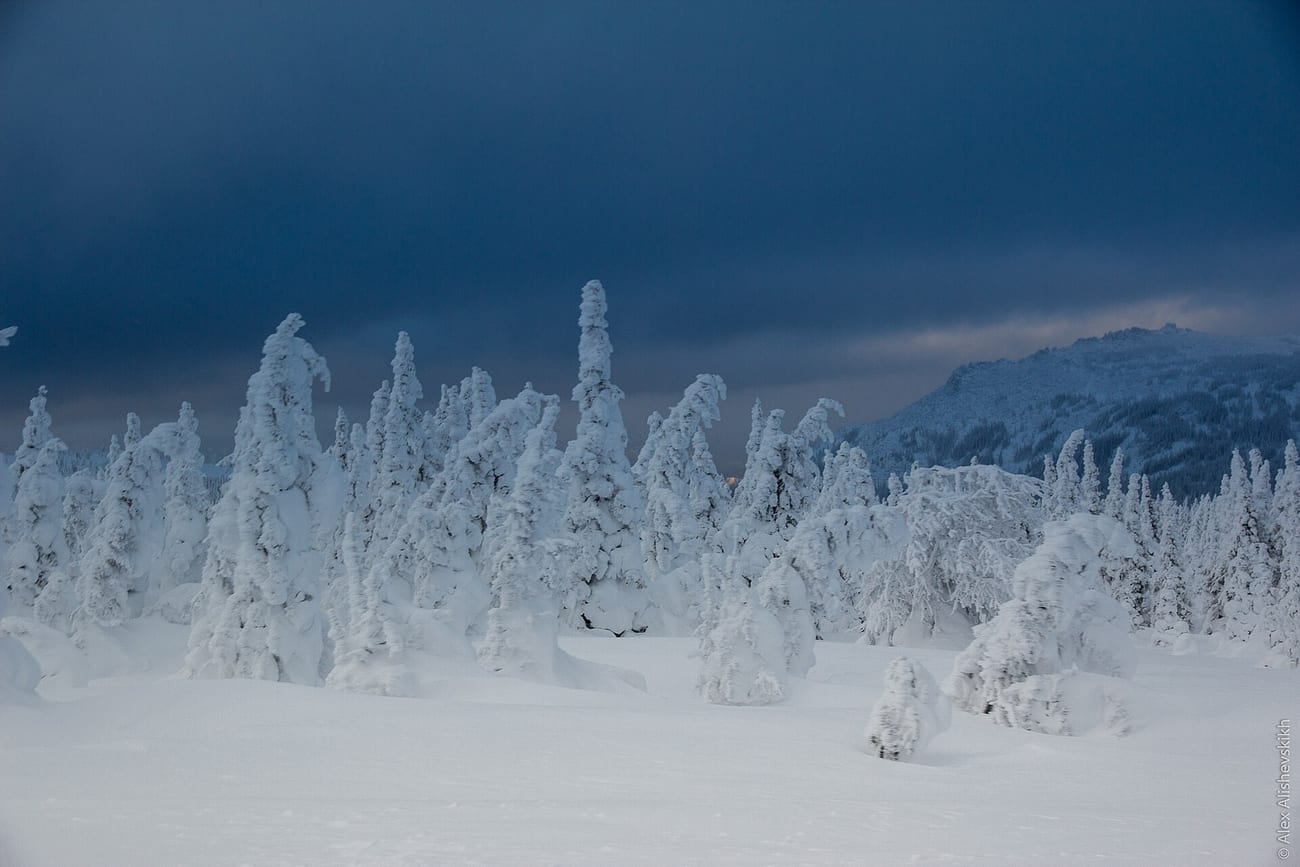
Photo: Wikimedia Commons, Alex Alishevskikh / CC BY-SA 2.0
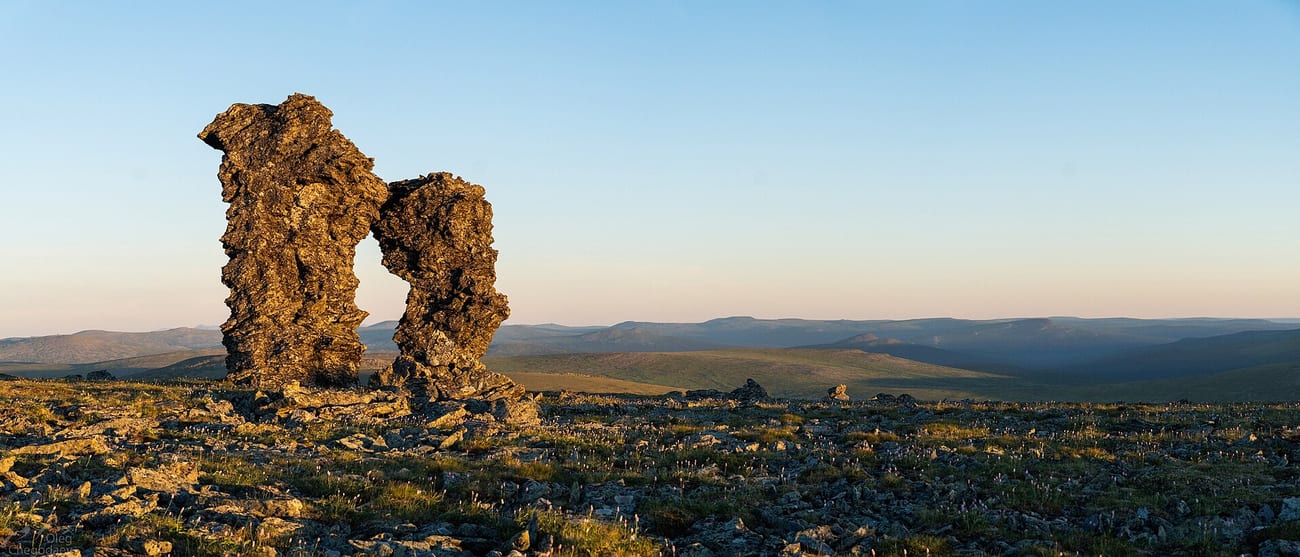
Photo: Wikimedia Commons, Oleg Chegodaev / CC BY-SA 4.0
The Search, and the Tent on the Slope
When the searchers found the tent on February 26, the first read of the scene was already strange, and it only deepened as they looked. The tent was cut from within. Leading away from it, down the slope toward the forest, were footprints in the compacted snow — the prints of people walking, not running in panic exactly, but moving steadily downhill, and several of them barefoot or in socks. The prints ran on for hundreds of meters and then, as the snow conditions changed, were lost.
The searchers followed the line the prints pointed to, down toward the tree line, and it was there, at the edge of the forest by a tall cedar, that they found the first of the group. Near the remains of a small fire under the cedar lay two of the men, Krivonishchenko and Doroshenko, dressed only in underclothes despite the ferocious cold. The tree above them had broken branches high up, as though someone had climbed it — for a better view, or for firewood, or to look back at the tent.
Between the cedar and the tent, spaced out along the line back uphill, they found three more: Dyatlov himself, Kolmogorova, and Slobodin, each apparently caught while trying to return toward the tent, each having got a little further than the last before the cold stopped them. The pattern told a coherent and awful story on its own. The group had left the tent together and descended to the trees; some had tried to make fire and shelter there; and then some had attempted the climb back up to the tent — and none of them made it.
That accounted for five. The last four were not found for months.
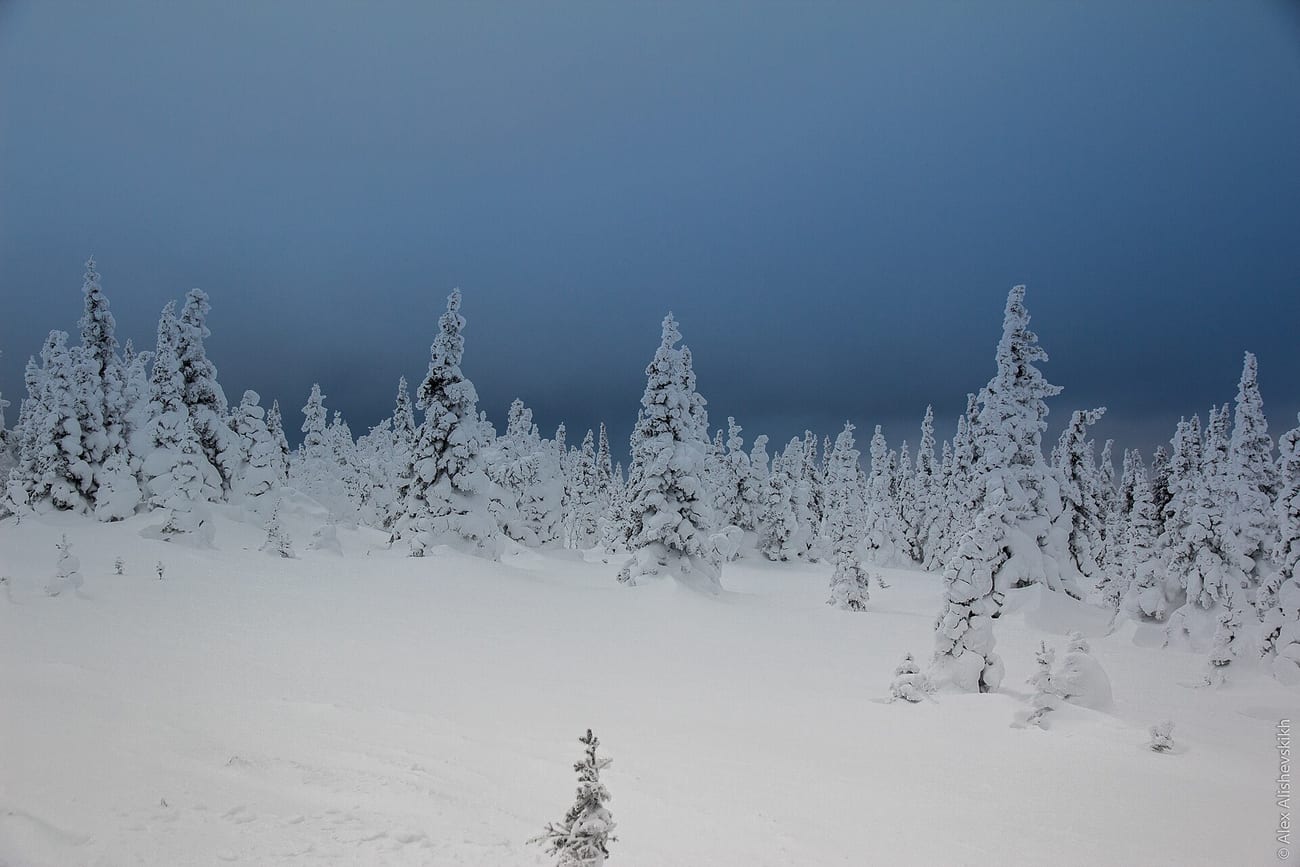
Photo: Wikimedia Commons, Alex Alishevskikh / CC BY-SA 2.0
The Ravine
It was May before the snow gave up the rest. In a ravine deeper in the forest, under several meters of snow that had to be dug and probed away, the searchers found the final four: Dubinina, Zolotaryov, Thibeaux-Brignolle, and Kolevatov. They were better dressed than the two by the cedar — in some cases wearing clothing that had belonged to those who died first, as though the living had taken what warmth they could from the dead and pressed on.
Here the medical findings turned from tragic to genuinely puzzling, and it is here that the story earns its reputation. Most of the nine had died of hypothermia — the ordinary, expected end of anyone caught underdressed in a Ural winter night. But a few of those found last had suffered severe internal injuries: fractures to the chest and skull of a force the investigators compared to a car crash, and yet with little corresponding damage to the skin above them. There were other details the case files recorded plainly and that later retellings have made lurid — soft-tissue injuries, and in one case a missing tongue, findings that forensic pathologists have generally attributed to the ordinary processes of a body lying in running meltwater in a ravine for months, rather than to violence. Out of respect to the dead, that is as far into the clinical detail as this account will go. The essential, verifiable puzzle is narrow and real: a small number of the party sustained massive blunt-force trauma without external wounds to match, in a place where there was nothing obvious to inflict it.
There was one more finding that would supply decades of speculation. When some of the recovered clothing was tested, it carried traces of radioactivity above the expected background — not a lethal amount, not a glowing mystery, but enough of an anomaly to be noted in the file and never fully explained at the time.
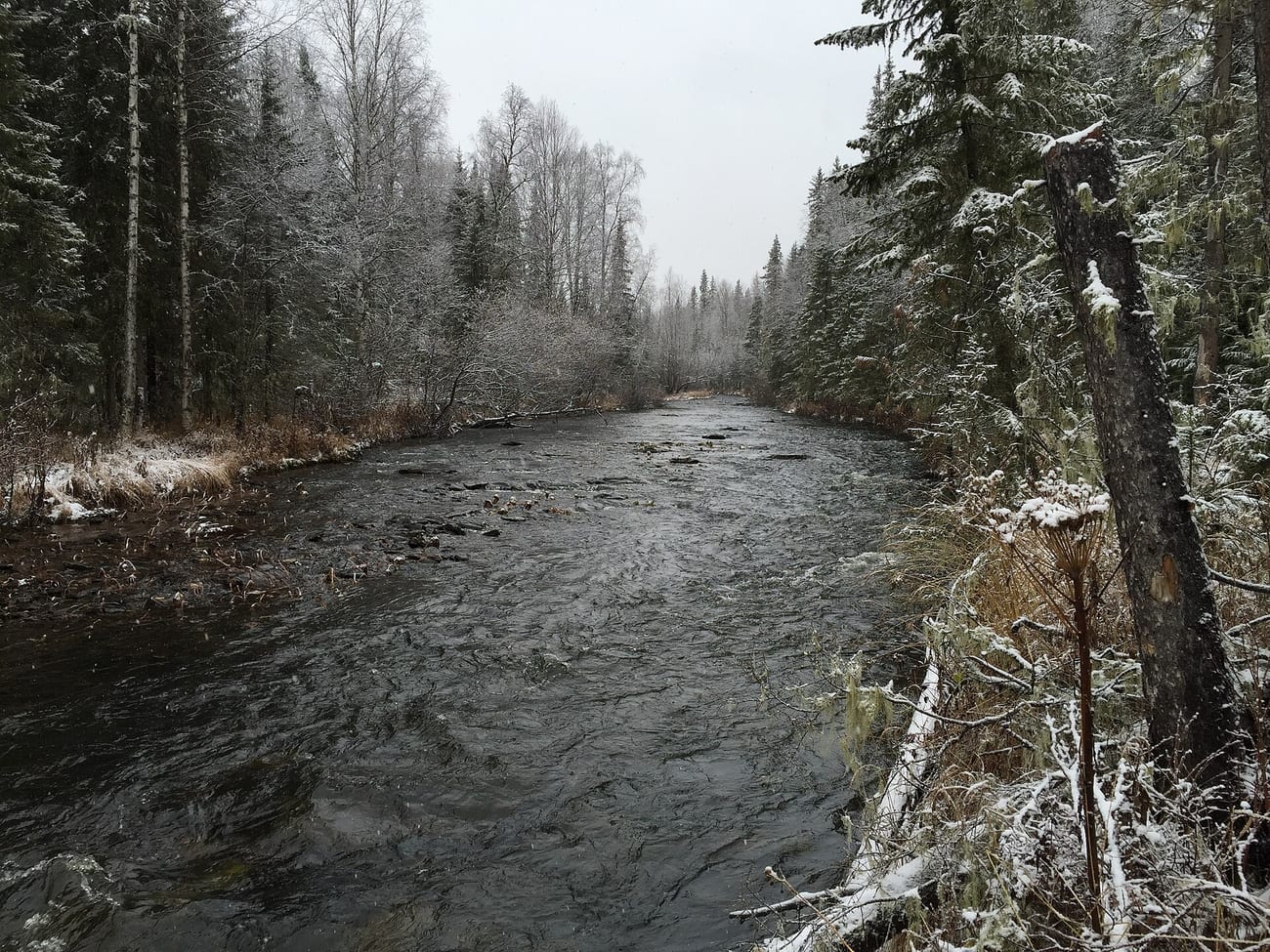
Photo: Wikimedia Commons, Futball80 / CC BY-SA 4.0
The Verdict That Explained Nothing
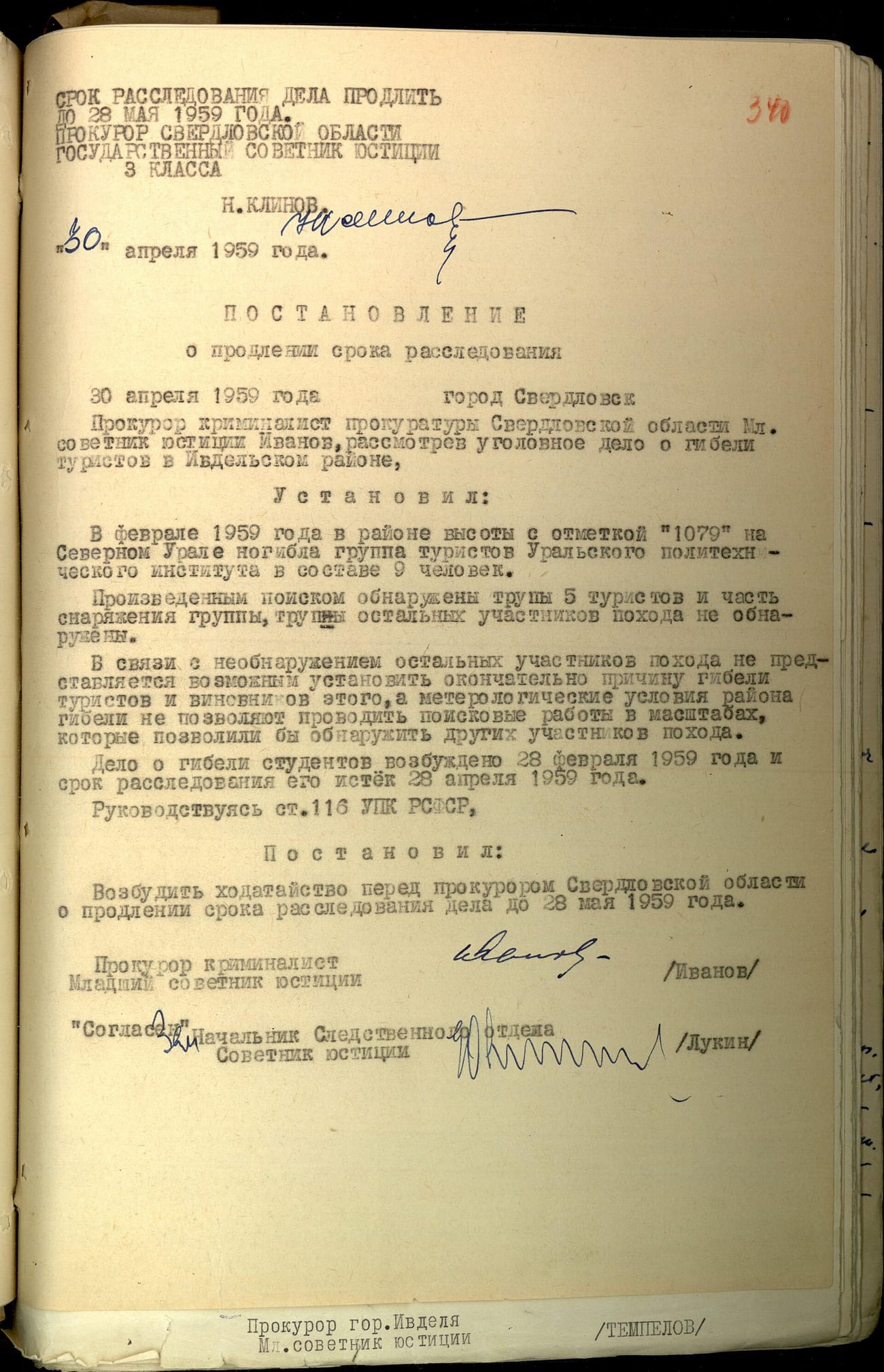
The Soviet investigation ran through the spring of 1959 and then, abruptly, closed. Its conclusion has become one of the most quoted non-answers in the history of unexplained events: the hikers had died as a result of a "compelling natural force" — an elemental force — that they had been unable to overcome. The case was sealed and, for reasons never fully clear at the time, access to the file was restricted. The area around the pass was reportedly closed to hikers for a period afterward.
To a public that could not read the file, the combination was irresistible: nine dead experts, a tent cut open from inside, unexplained injuries, radiation on the clothes, an official verdict that named a mysterious force and then locked the paperwork away. Every ingredient of a permanent mystery was present, and the secrecy did what secrecy always does. It let the theories grow.
And grow they did. Over the following decades the Dyatlov Pass incident became the great open case of Soviet, then Russian, then global amateur investigation — the subject of books, documentaries, expeditions back to the pass, a foundation dedicated to solving it, and an endless, self-renewing argument. Broadly, the explanations fall into a handful of families. It is worth walking through them honestly, because the strength of the case is that several are plausible and none, for a long time, could close the door.
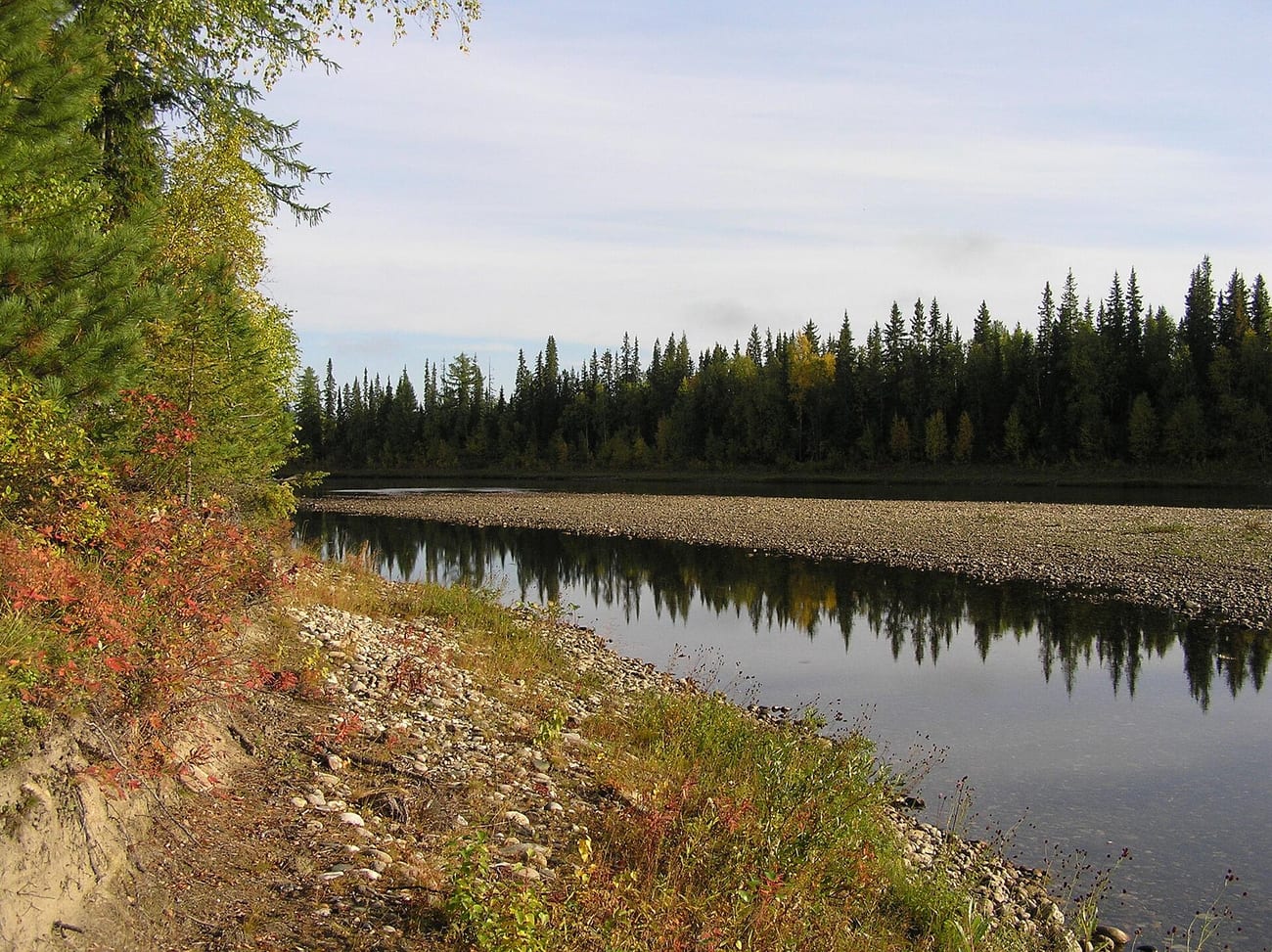
Photo: Wikimedia Commons, ugraland / CC BY 2.0
The Theories
The avalanche — and why it was doubted, then revived
The most conventional explanation was always some form of avalanche: snow released above the tent in the night, striking the sleepers, forcing a terrified evacuation. It fit the cut tent (people trapped and cutting their way free) and the descent to the trees (fleeing the danger). But for decades it was widely rejected, and the objections were serious. The slope was not steep enough to look like avalanche terrain. No classic avalanche debris was found. The rescuers arriving weeks later saw no obvious slide. The footprints leading away were intact and orderly, not the churned wreckage a big avalanche leaves. And crucially, why would a group flee an avalanche only to stop and undress at the tree line? For a long time the avalanche theory seemed to fail on the evidence, and its failure is exactly what kept the mystery alive.
Then, between 2019 and 2021, the picture changed. Russian authorities reopened the case and, in 2020, concluded that a snow slab avalanche was the most likely cause — the group had cut a platform into the slope for the tent, undermining the snow above them, and a slab had released in the night. In 2021, two scientists, Alexander Puzrin and Johan Gaume, published a physics study in a Nature journal (Communications Earth & Environment) that supplied the mechanism the old skeptics had found missing. Their model showed how a comparatively small, delayed slab avalanche could occur even on the pass's gentle-seeming incline. The key was the specific geometry of the slope combined with katabatic winds — cold, dense air draining downhill — which could load extra snow onto the slab through the night, so that the slide released hours after the tent was pitched, not immediately. A compact slab of hard snow striking people lying down could, their analysis argued, deliver exactly the kind of severe chest and skull injuries seen in the case without the matching external wounds, because the load was distributed across a body braced against a hard sleeping surface.
There is a strange grace note to how this model was built. To validate the way a human body responds to that kind of blunt loading, the researchers drew on crash-test data — and, by their own account, on animation studies of how a body deforms that had been developed in part for Disney's film Frozen. The mountain mystery of the century found part of its answer in the snow-simulation code behind a children's movie about snow.
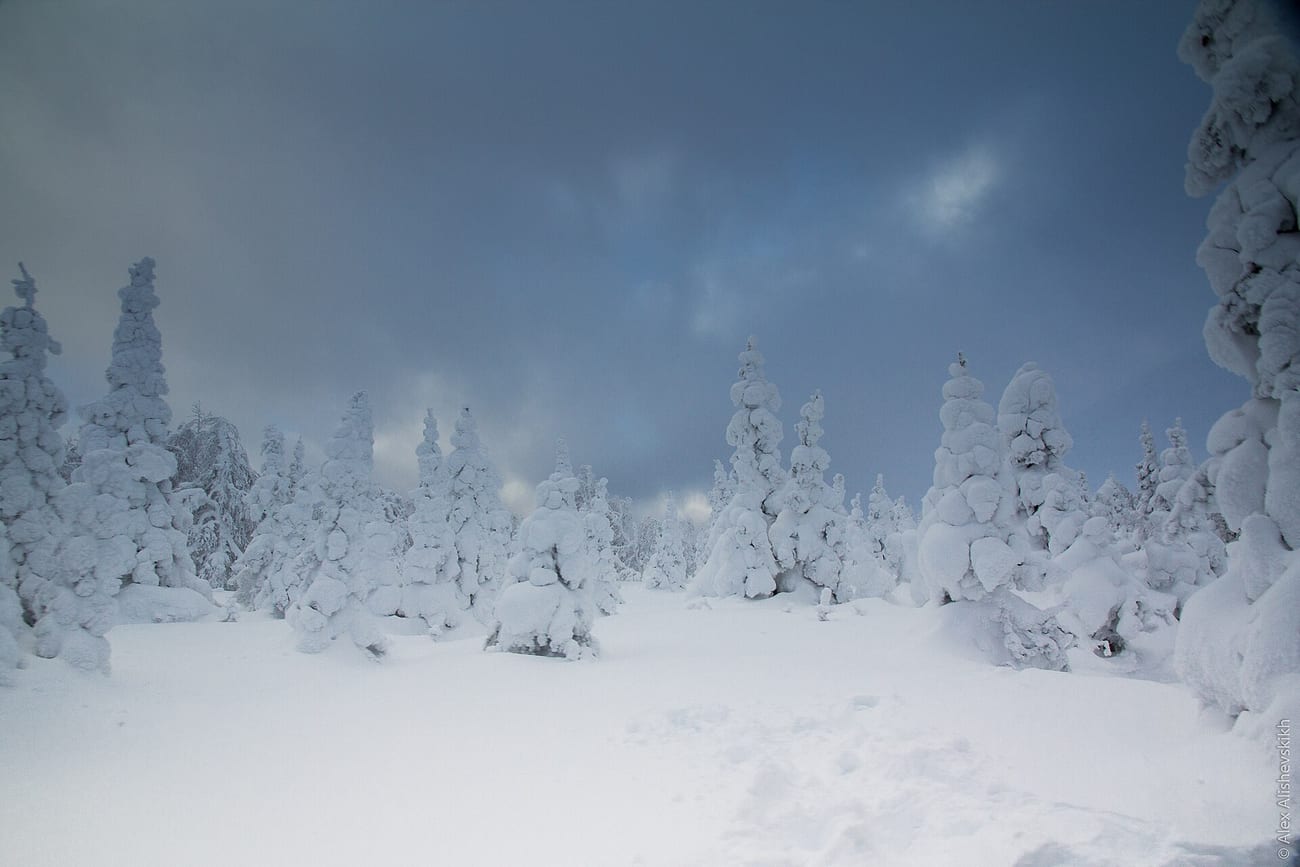
Photo: Wikimedia Commons, Alex Alishevskikh / CC BY-SA 2.0
Infrasound and the Kármán panic
A subtler theory looks not at what hit the hikers but at what might have frightened them out of the tent in the first place. When wind flows past a particular shape of mountain — the rounded dome of Kholat Syakhl has been proposed as a candidate — it can shed a regular train of swirling vortices downwind, a phenomenon called a Kármán vortex street. Under the right conditions this can generate powerful infrasound: sound too low to hear, but strong enough to produce, in some people, feelings of dread, anxiety, and physical unease. In this reading, a rising storm set the mountain itself humming at a frequency below hearing, and the group, gripped by an unaccountable panic they could neither name nor understand, cut their way out and fled. It is unprovable and much debated — but it offers something the avalanche alone does not: a reason for terror, rather than just a reason for injury.
The military tests, parachute mines, and the sky
Because the file was secret, and because this was Cold War territory, suspicion turned early to the Soviet military. Several strands cluster here. One holds that the group blundered into a weapons test — that parachute mines or similar ordnance, designed to detonate above the ground, produced blast injuries consistent with the internal trauma while leaving little external mark, and that the military then sanitized the scene, which would neatly explain both the injuries and the secrecy. Another strand seizes on the radiation traces on the clothing as evidence of contact with something the state wanted hidden. These theories are entirely unproven and rest heavily on the vacuum the sealed file created; the radiation, more prosaically, may trace to one hiker's prior work at a nuclear facility or to thorium in the era's camping-lantern mantles. But the involvement of a secretive state in a secret-classified case will always keep this family of theories alive.
The lights in the sky
Adding fuel, other groups in the region reported strange glowing orange spheres in the night sky in that period, and the Dyatlov mystery quickly absorbed a UFO explanation. The most likely mundane source is well documented: the era's rocket and missile launches, including the R-7 family, produced exactly such high-altitude fireballs and glowing plumes visible for hundreds of kilometers. Beautiful, eerie, and man-made — the lights are real, but they point to a launch pad, not a landing.
The Mansi
Very early, official suspicion briefly fell on the local Mansi people, on the theory that the hikers had trespassed on sacred ground and been attacked. This deserves to be stated and then firmly set down: it was investigated and found baseless. There were no signs of an outside attack, the footprints showed only the nine leaving the tent under their own power, and the Mansi in fact assisted the searches. The theory says more about the reflex to suspect an indigenous minority than about anything that happened on Kholat Syakhl, and the record clears them completely.
The criminal theories
A last family looks for a human hand within or near the group — an argument, an escaped-prisoner attack, an act of violence among the party. None has ever been supported by the evidence. The footprints account for all nine and no one else; the injuries and the pattern of the deaths fit exposure and a mass evacuation far better than a fight. These theories persist mainly because a story this strange invites us to imagine a villain, and the truth withholds one.
What the Science Explains — and What It Doesn't
Sit with the 2021 slab-avalanche model and much of the mystery quietly resolves. A delayed slab, loaded by katabatic wind onto a slope steepened by the very platform the hikers had cut, releases in the dark. It is not a roaring wall of snow but a heavy slab shifting onto sleeping bodies — enough to injure, enough to terrify, not enough to leave the classic debris field that searchers weeks later would have recognized. The group, some hurt, all in the dark and the cold and the fear, do the thing trained mountaineers are actually taught to do when a tent becomes a death trap: they get out, and they retreat to the shelter of the trees to regroup and make fire. They cut the tent because the exit is blocked or buried and speed is everything. At the tree line they light a fire, they climb the cedar for wood and to look back, they give their outer clothing to the worst-injured. And then, in the killing cold, the plan comes apart. Some freeze at the fire. Some try to climb back to the tent for gear and fall short. Some shelter in the ravine, where more snow eventually collapses onto them. Every stage that once looked inexplicable becomes, under this model, the rational behavior of capable people making the best of a catastrophe — losing, but losing intelligibly.
That is a great deal of explanation, and it deserves respect. The people who built it were careful, and it is the best account we have.
And yet. The model is a strong, physically plausible reconstruction — not a confession, not a photograph of the night. The specific injuries remain at the edge of what it comfortably explains. The radiation trace has plausible mundane sources but no proven one. The exact sequence of who did what, and why they camped so high in the first place, is inference layered on inference. What the science has done is move the Dyatlov Pass incident from impossible to possible — from an event that seemed to break the rules of the natural world into one that, most likely, obeyed them in an unlucky and specific way. That is an enormous shift, and for many people it is enough. For others, the gap between "most likely" and "certain" is precisely where the story still lives, and no amount of good physics will fully close it, because the only nine people who could confirm it did not come back down the mountain.
The Pass That Bears Their Name
The nine were buried in Yekaterinburg, most of them together, and they are remembered there still. The high, wind-bitten saddle where it happened no longer carries only the old Mansi name. On the maps it is now Dyatlov Pass, named for the twenty-three-year-old who led his friends up onto the shoulder of the Dead Mountain and did not lead them down. A memorial plaque and a simple stone mark the place and the names. Hikers who make the long trek in still leave things there — the small tokens people leave for the dead in cold and distant places.
Yuri Yudin, the tenth member who turned back sick and lived, carried the incident for the rest of his life. He attended the memorials, he pressed for answers, and he died in 2013 — before the 2019 reinvestigation, before the 2021 model, without the resolution he had wanted for more than half a century. At his own request, his ashes were buried near his friends.
The line in this file I have never been able to read at ordinary speed is the one about the clothing in the ravine — that some of the last four were wearing garments belonging to the two who had already died at the cedar. The physics of the slab I can follow. That detail is not physics. It means that at some point in the dark, people who were themselves dying went back to their friends, and undressed them, and carried on. Whatever the mountain did to them, it did not do that. They did.
What lingers about the Dyatlov Pass is not the ghost story it is sometimes made into, but something quieter and more human. Nine competent, ordinary, extraordinary young people went up a mountain in the ordinary confidence of people who knew what they were doing, and the mountain, through some combination of snow and wind and cold and terrible luck, gave them a night from which none returned. The best science we have now can tell us, with real force, that this was probably nature and not the supernatural — a slab of snow, a draining wind, a slope, a chain of sound decisions overtaken by cold. But it tells us this across a gap of sixty-odd years and the silence of everyone who was there. And so the pass keeps its double name and its double character: a solved problem to the physicist, and, to everyone standing in that wind reading nine names off a stone, a question the mountain has still not entirely answered.
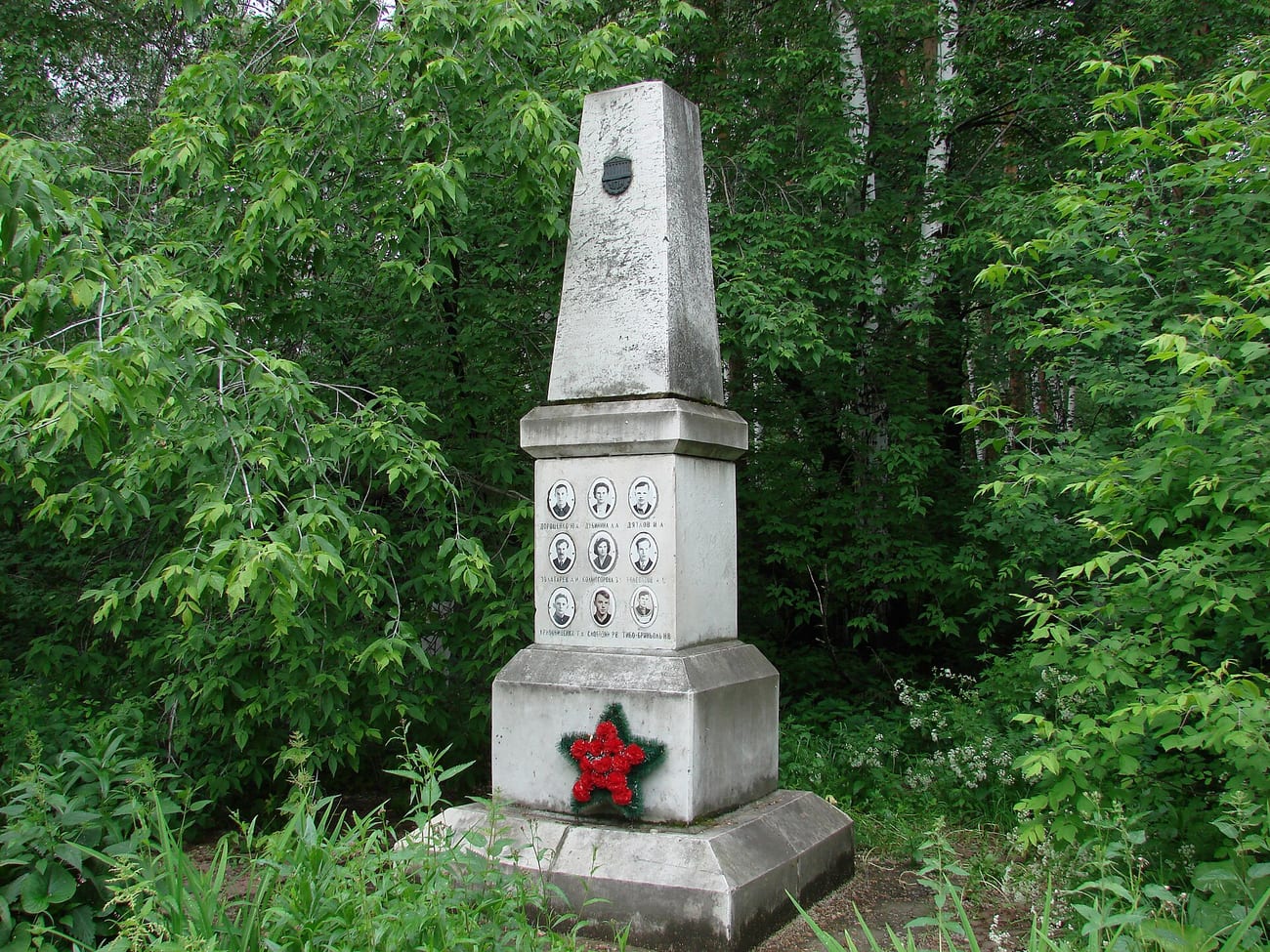
Photo: Wikimedia Commons, Dmitry Nikishin / CC BY-SA
---
This article combines 1959 investigation photographs and present-day photographs of the region with AI-generated images produced to convey the mood of the story.
Comments
No comments yet — leave the first one.