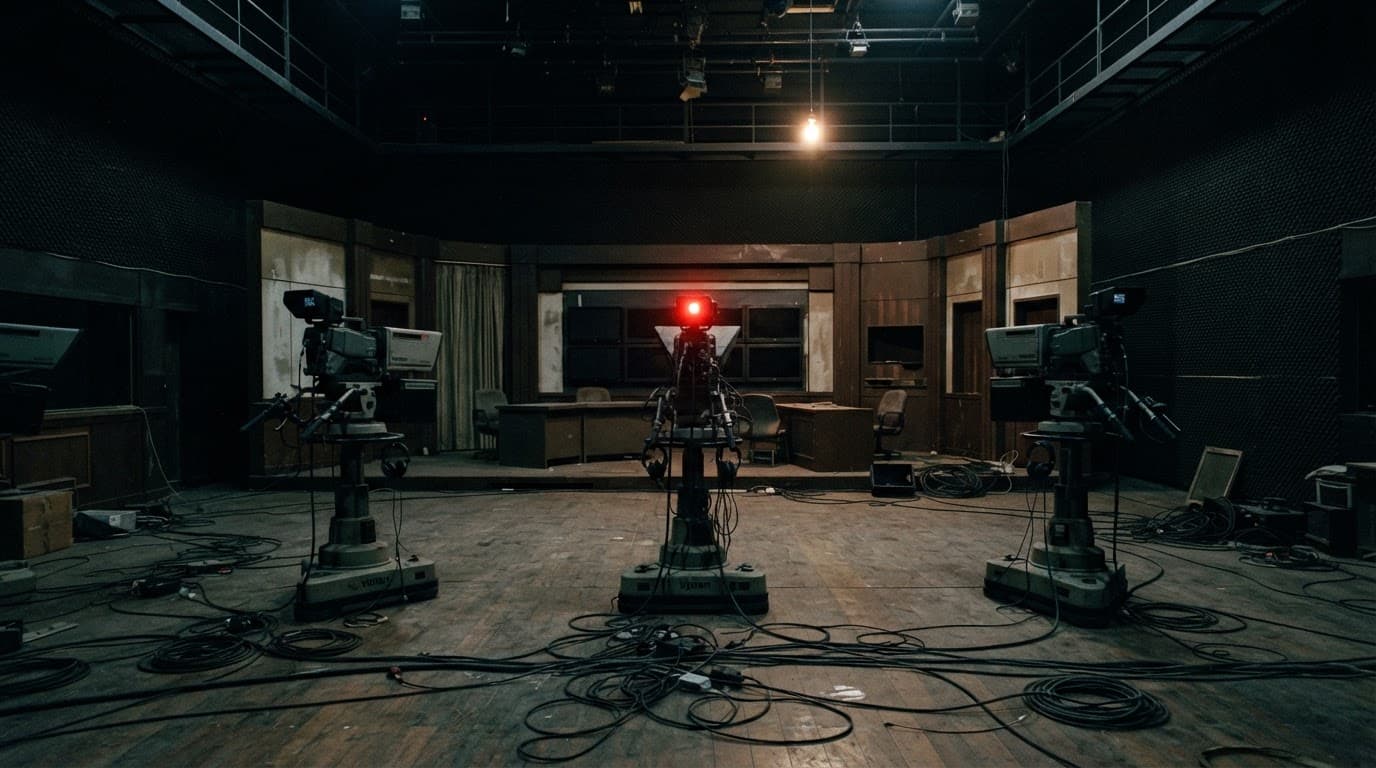
Think, for a moment, about a broadcast studio as a place.
An underground studio without a single window. A building whose lights never go out, all day and all night. Corridors tangled like a maze.
A space where, moments ago, hundreds were laughing and clapping, that empties all at once the instant the taping ends.
And a place where every one of those moments is caught on camera.
Korea's broadcast world has a lineage of ghost stories handed down for decades.
Tonight, we pull all of it out.
And at the end, the story of a certain woman the entire country believed was a ghost for twenty years.
This file was built almost entirely out of secondhand accounts, which is unusual for me and which I resisted for a long time. What changed my mind was noticing that the industry had given two of them names. Ttogagi. Kollogi. You do not name what you have heard once. You name what has been recurring long enough among enough people to need a shorthand, and a shorthand is a kind of record — the only kind this material has ever produced.
Nights in Yeouido
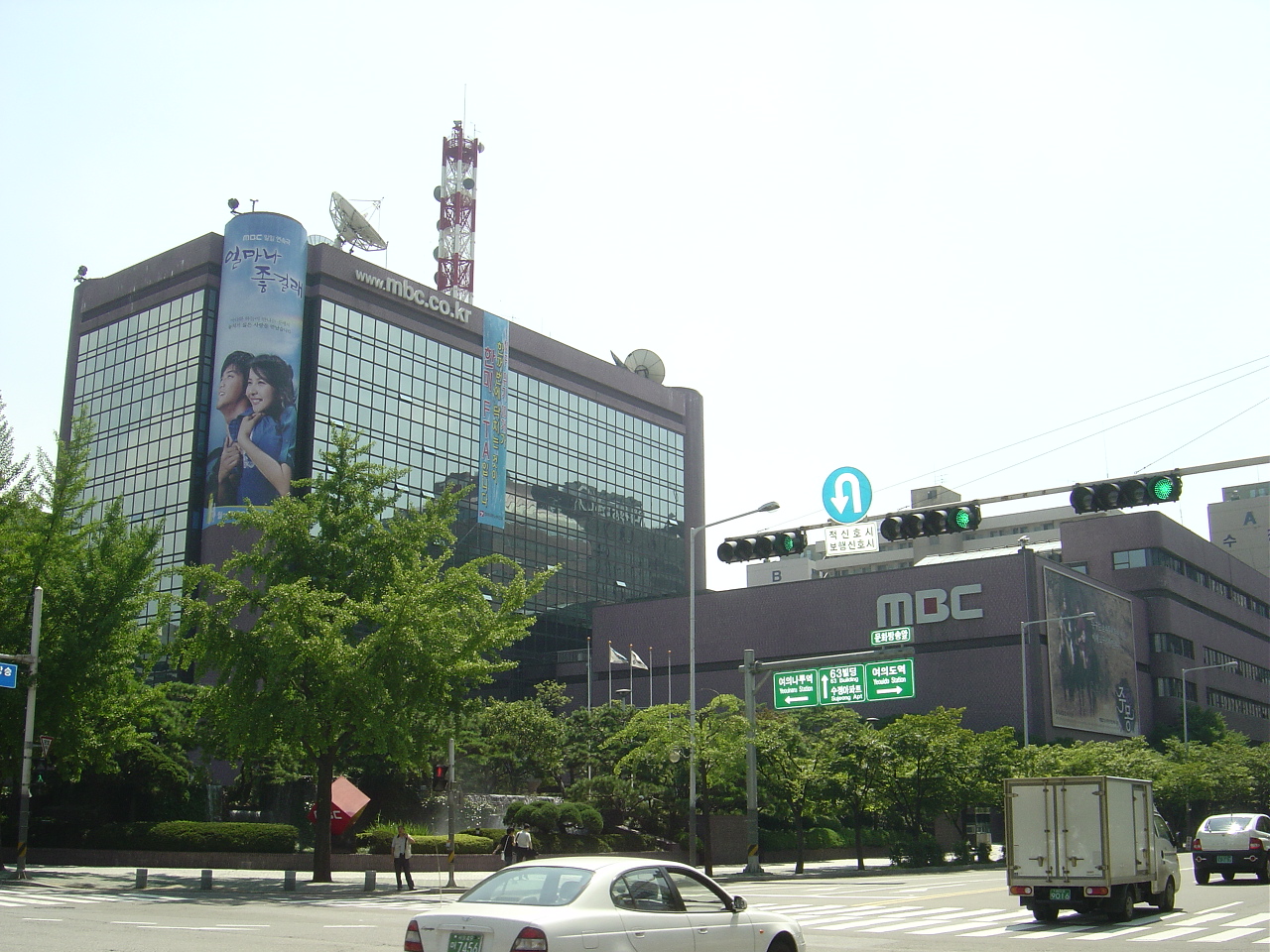
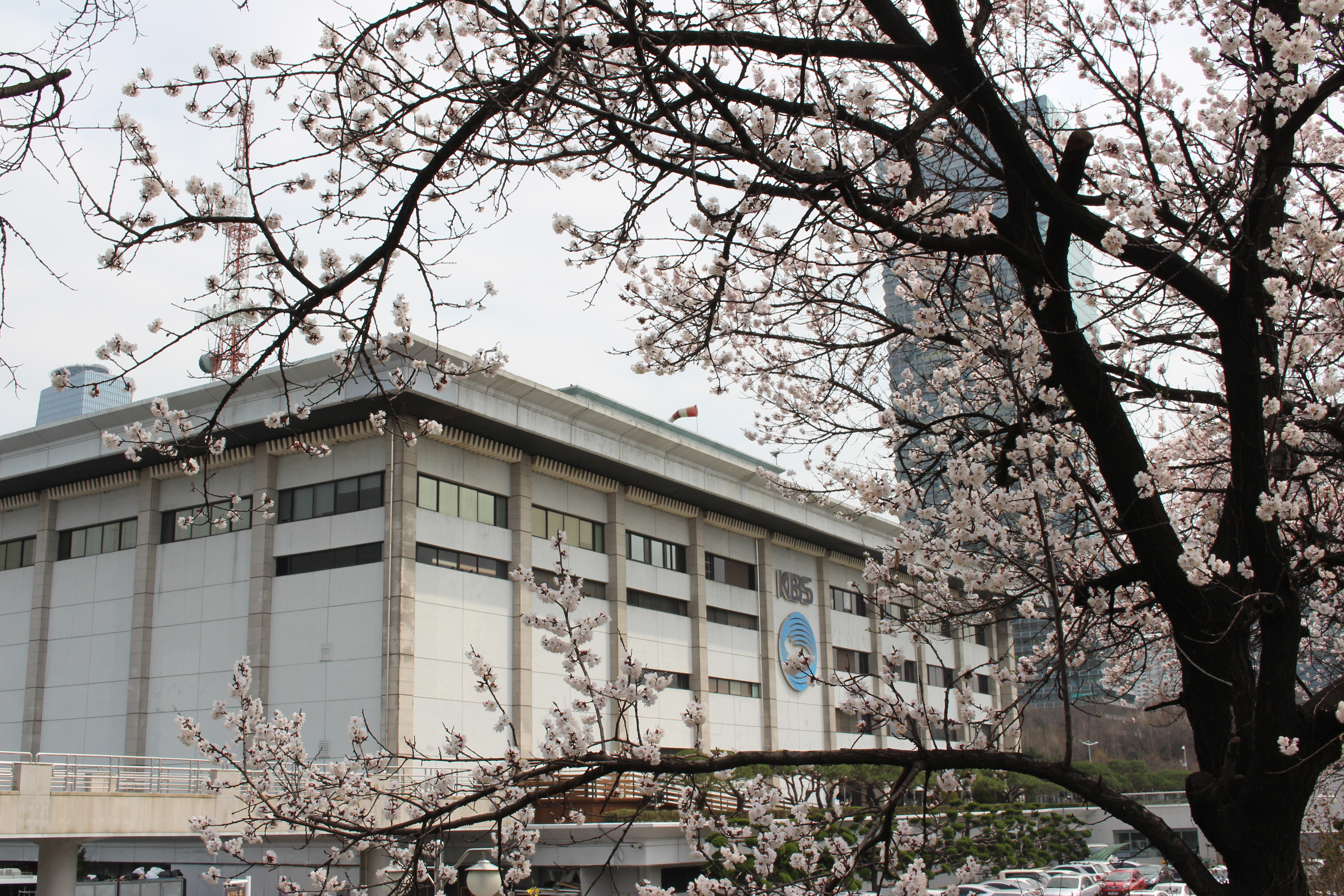
For nearly forty years, until 2014, Yeouido was the heart of Korean broadcasting — and the old station buildings stood there.
These buildings share one trait.
The deeper you go underground, the fewer windows there are.
The basement studios and control rooms, once the doors are shut, become complete darkness, complete silence.
It was only natural that stories began to circulate among the engineers working late.
In the dead of night, with no one around, the elevator at the end of the corridor opens and closes all by itself.
Pass the mirror in the dressing room, and something in the glass follows a beat behind.
There was no specific incident.
It is simply that the space itself generates the stories.
Sealed off, deep in the night, silent.
The station has every condition a ghost story needs to grow.
Ttogagi and Kollogi
What makes broadcast ghost stories fun is that the ghosts have even been given names.
Two presences are passed down among the staff.
Ttogagi — "the clicking heels."
In a studio corridor with no one in it, only the sound of high heels — clack, clack — approaches, then fades away.
Point a light toward the sound, and there is no one.
Kollogi — "the cougher."
From the dark seating area or behind the set, only a coughing sound — cough, cough — is heard.
And again, there is no one.
What these two share is that neither has ever once shown itself.
It is a tale so well known in the industry that performers have mentioned it directly on variety shows.
The staff, for whom all-nighters are routine, say that by now, even hearing these sounds, they just take it in stride.
"Ttogagi's here."
That is the more frightening part.
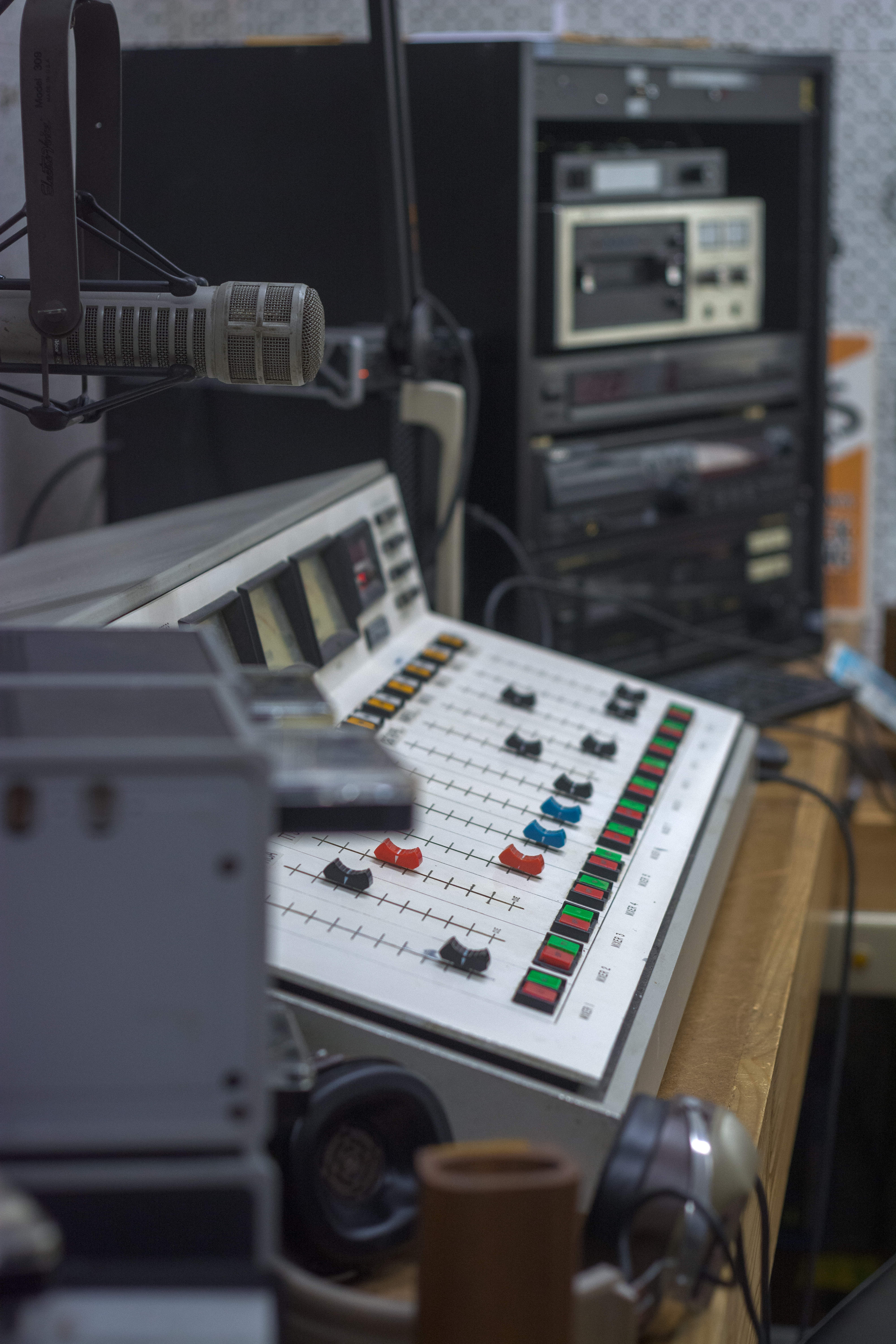
Ghosts Come to the Place Where Ghosts Were Made
The byword of Korean summer horror since 1977: Hometown of Legends.
The site that "produced" virgin ghosts and nine-tailed foxes for decades has accumulated a strange body of oral lore.
After a shoot wrapped, someone checked the footage and the shadows caught on camera were one more than the people on set.
A hemp mourning-robe prop had been moved to a different spot overnight.
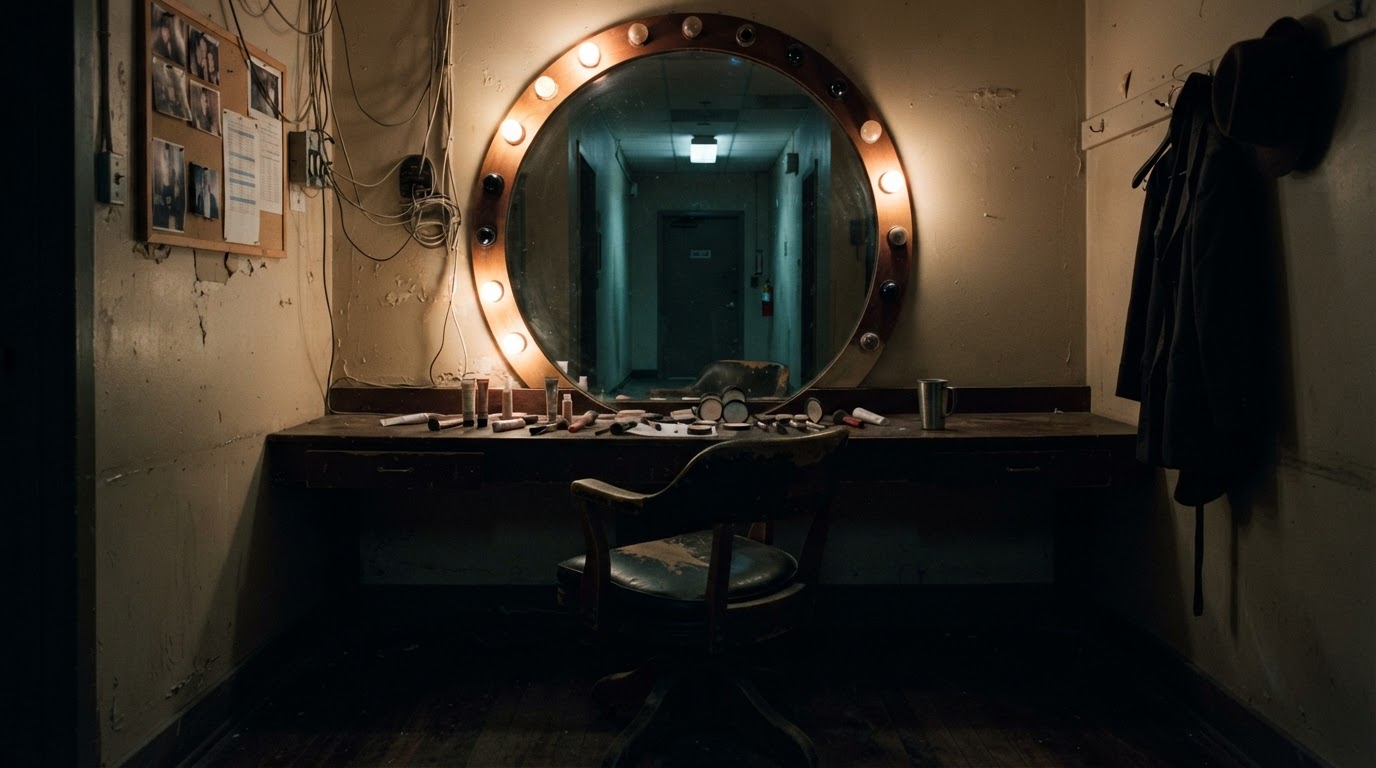
An actor who had wiped off all their makeup looked into a mirror, and the face in the glass moved a beat late.
In a place where people who imitate ghosts gather every single day,
stories about the boundary between real and fake grow on their own.
The Fake Village Where Time Stopped
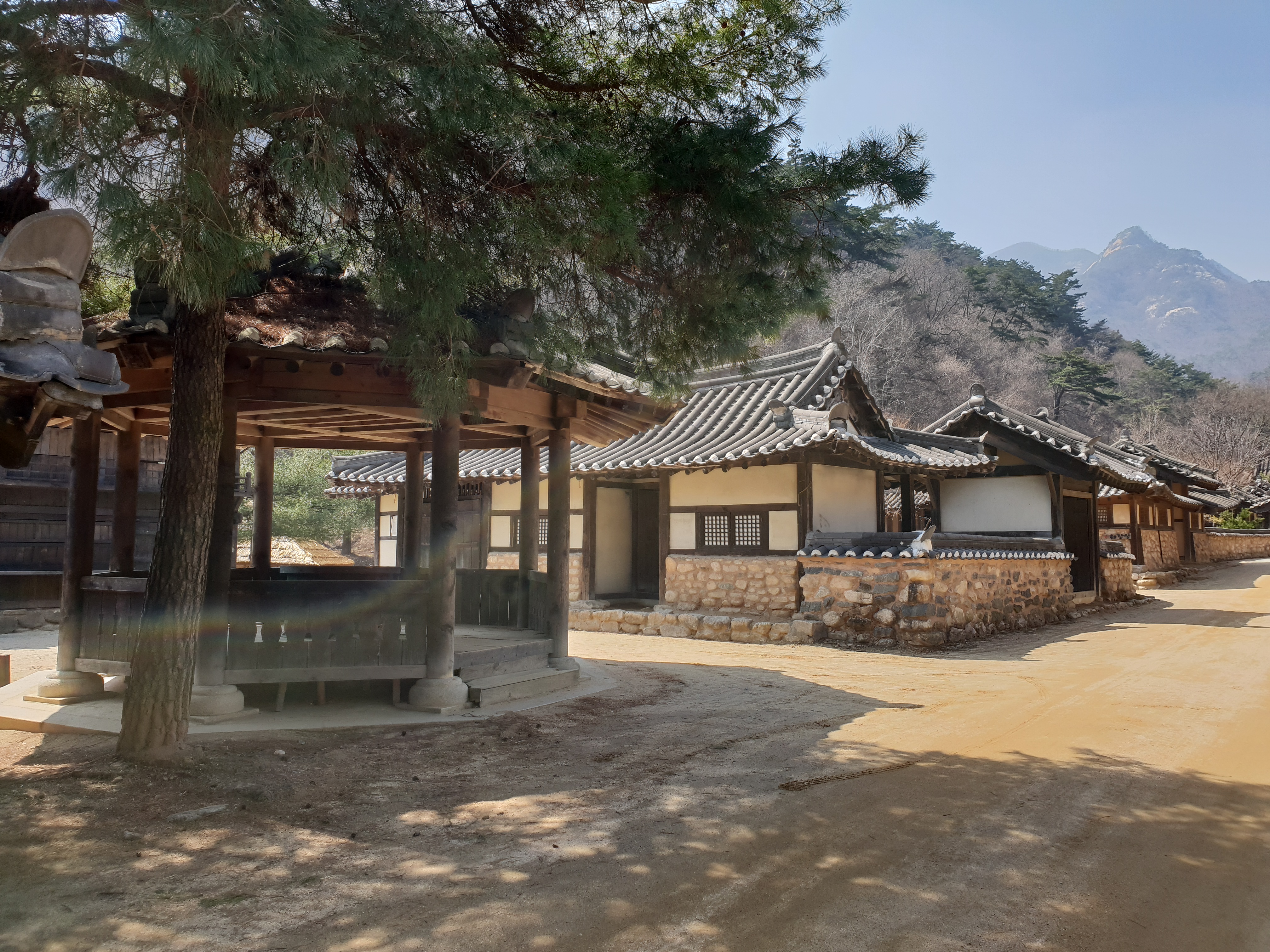
A period-drama open film set is a completely different place by day and by night.
By day, a Joseon-era theme park bustling with tourists.
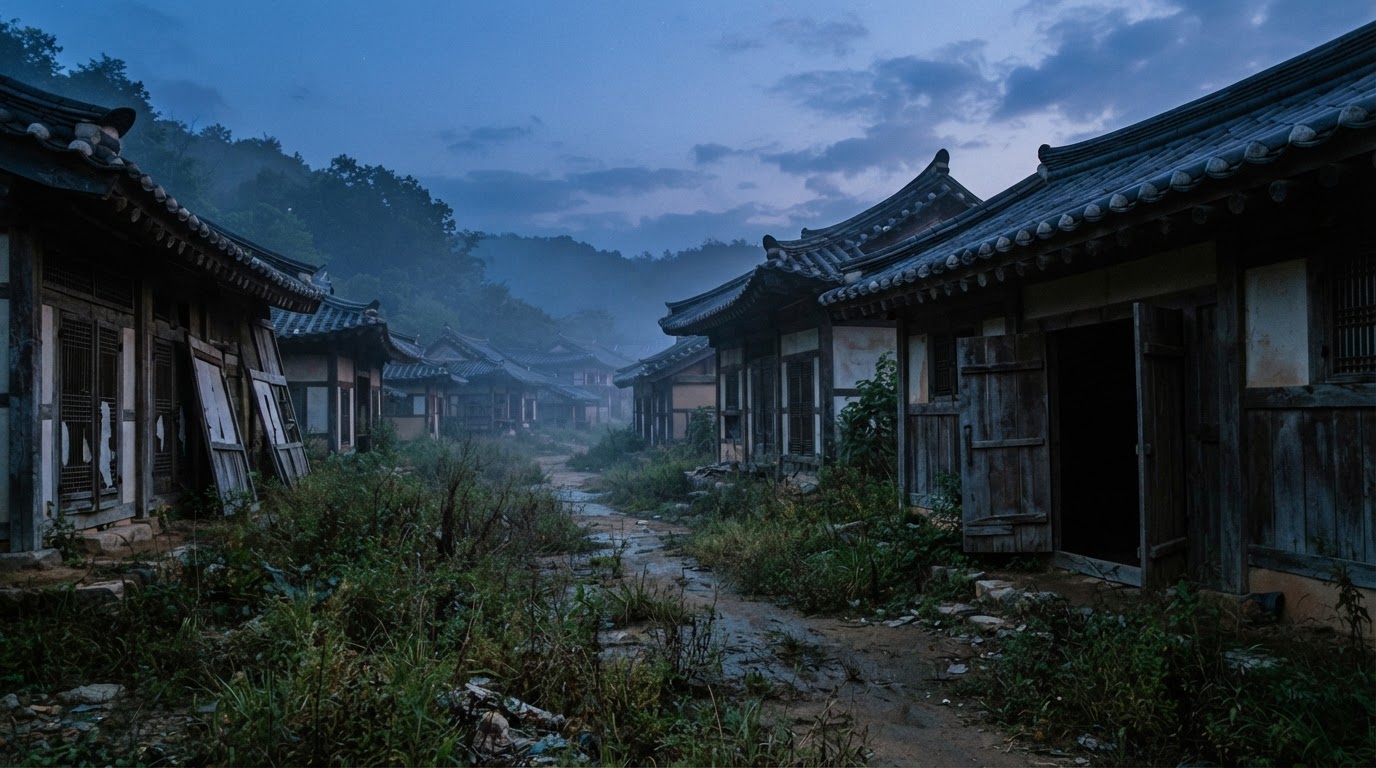
By night, a village full of houses where not a single person lives.
There are stories from staff who have pulled all-nighters shooting at the large set in Mungyeong Saejae or at the drama location in Yongin.
Someone was sitting on the veranda edge of a tiled house, and they assumed it was a background extra — but on a second look, no one was there.
A prop lantern swayed with no wind at all.
In the alleys of an old set left abandoned, waiting for demolition, there was the sense of a presence.
A space that was never built for people to live in — one that holds only "the shape of a village."
At night, the open set is a stage behind the stage, all on its own.
The Listener at Three in the Morning
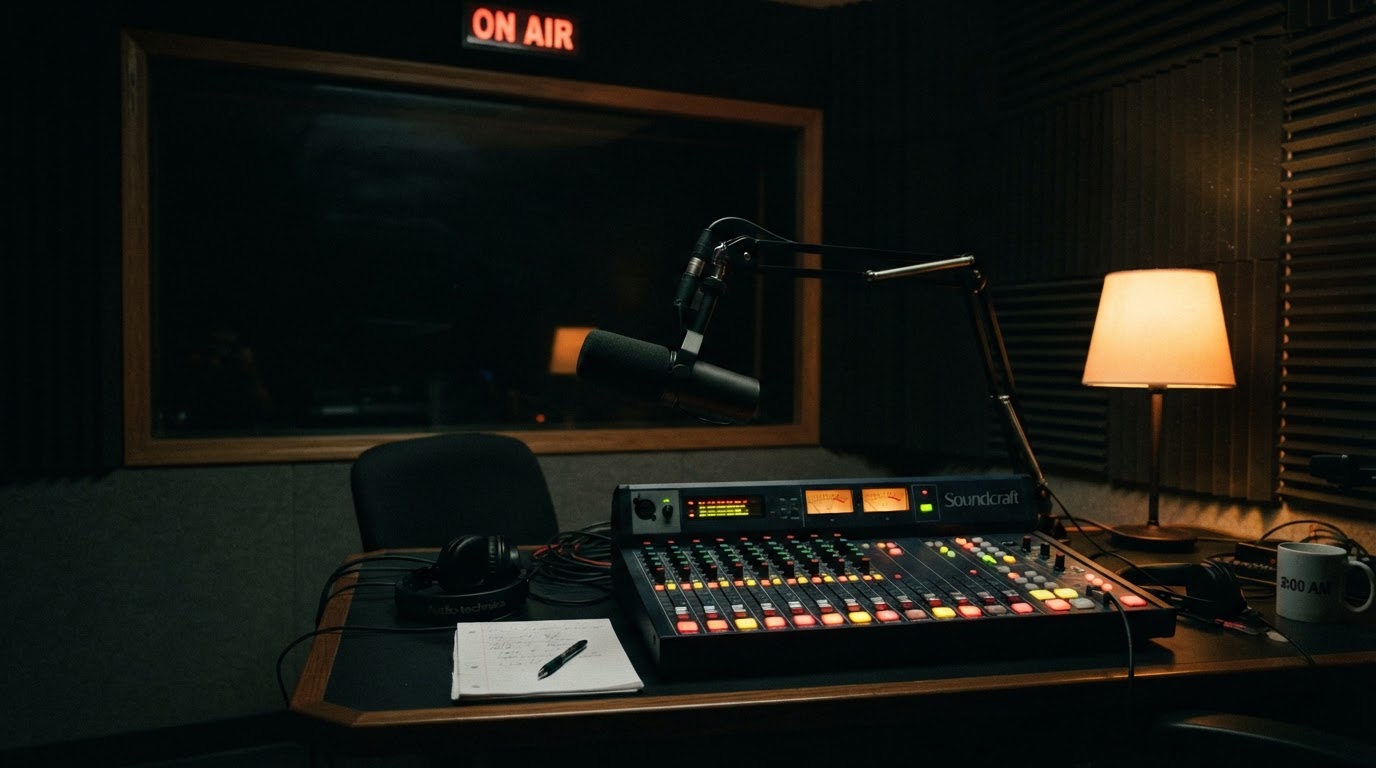
In broadcast ghost stories, radio holds a special place.
A live broadcast before dawn. A sealed booth. The DJ and the engineer, just the two of them.
And, somewhere, listening, the faceless listeners.
The stories that are passed down go like this.
Though no one has clearly called, the studio's internal phone rings.
On the message board, a message that was never submitted has appeared.
A listener who sent a song request before dawn, when contacted to confirm the next day, answers, "I was asleep at that hour."
For half a century, late-night radio has been a friend to those who cannot sleep.
The tale that on some nights, that friend may not be among the living.
Applause From the Empty Seats
Picture the studio right after a public taping ends.
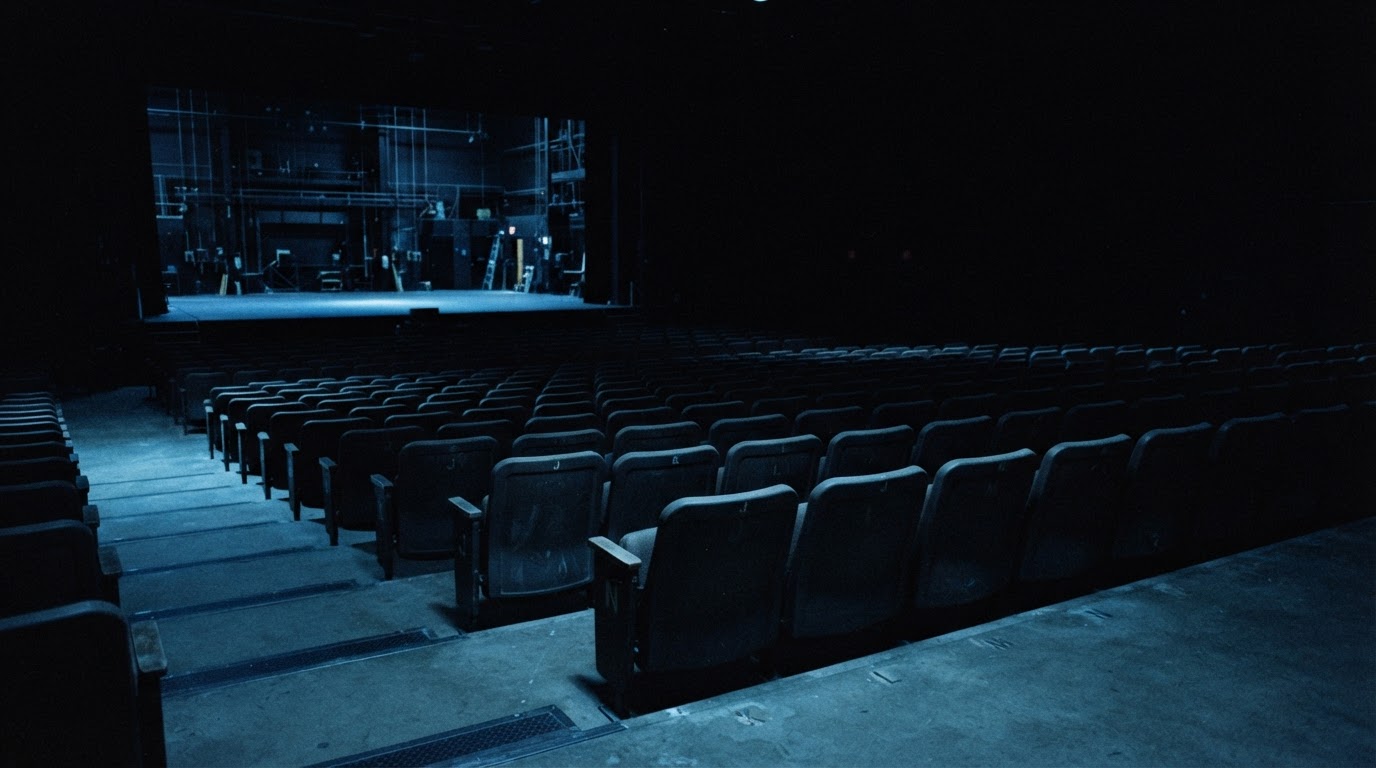
A space where, ten minutes ago, hundreds were laughing and clapping, empties in an instant.
There is a moment the staff clearing the set all describe in common.
From the direction of the empty seats, they hear the sound of applause.
A sparse clapping, as if one or two people are doing it.
Turn the lights on, and only the folding chairs sit neatly, empty.
There is a saying in the broadcast world.
The more a place was full of laughter, the coldest it is when it is empty.

And, the Things Caught on Screen
Up to here, these were stories of sound and oral lore.
From here, it is different.
These are stories of "the things caught on screen" that millions of people actually saw.
1997: The Woman in White Who Turned the Country Upside Down
In 1997, the music video for "Aewon (Plea)," a track from singer Lee Seung-hwan's fifth album, was released.
A scene with a subway train.
In the cab window of the moving train, you can see the driver.
But beside him, something stood that should not have been there.
A woman dressed in white.
The cab is a space for the driver alone. Under the rules at the time, outsiders were not allowed to ride there.
When the music video was released, the country was turned upside down.
The news covered the scene, and when a rumor even spread that it was "a self-staged noise-marketing stunt,"
Lee Seung-hwan's side released the original film and even held a press conference.
The verdict from a forensic-video expert poured fuel on the rumors.
"It is not a composite."
If it was not a composite, then who on earth was that woman?
The answer did not come out until a full twenty years later, in 2018.
On a broadcast, that subway train driver opened his mouth for the first time since retiring.
The woman was not a ghost, he said, but an acquaintance of his own.
He had broken the rules and let his acquaintance ride in the cab, which was why he had not been able to speak of it all this time.
The expert's analysis had been exactly right. Because it was not a composite.
Because she was a real person.
The identity of the most famous ghost in Korea was a twenty-year-old case of an unauthorized ride.
The Silhouette Standing in the Dark
July 2016, the horror special "Ghost Wail" on MBC's Infinite Challenge.
On a set built around the concept of a haunted house, after a scene in which a member finished a mission and came out,
in the dark, the silhouette of a female shape, feet together and standing bolt upright, was caught on camera.
As viewers froze the frame, the controversy exploded.
"There was no one there in the scene just before."
The end of this uproar was reached by viewers themselves.
The silhouette in question was on the left at the 11-second mark of the video, and on the right at the 44-second mark — that much was confirmed.
That it had moved meant it was a person.
The conclusion was a crew member who had been standing in the dark.
Cases like this repeat.
In one drama broadcast, a head that appeared to float in midair beside a school pillar was caught, and an uproar broke out —
but a viewer went to the filming location in person and revealed it was a student who had come to watch, made to look that way by a difference in the ground's elevation.
In one variety show, a pair of legs with no torso was caught among the performers —
it was the body of an audio staffer in black clothes swallowed by the dark.
Ghosts on broadcast screens mostly end this way.
Staff, onlookers, lighting, optical illusion.
Before We Close This File
Lay out all the broadcast ghost stories, and a pattern comes into view.
The things caught on screen mostly get explained, in the end.
Whether it takes twenty years or a viewer to reveal it, the truth eventually comes out.
Because the camera does not lie.
The trouble is what lies outside the camera.
No camera ever filmed Ttogagi's footsteps.
No microphone ever recorded the applause from the empty seats.
There is no way to confirm who the listener was that sent a song request at three in the morning.
The station is a place that records everything,
yet not a single one of the things the staff say they experienced exists in any record.
And so tonight, too, the junior writer at some studio, when a clack sounds in the empty corridor,
instead of turning around is said to mutter this:
"Go on home ahead of me."
The 1997 case is the only one in this entry I could close, and closing it did nothing for me. Twenty years of a nation certain it had a ghost, and the resolution is a driver who broke a rule and then had to watch the whole country build a legend on top of his silence rather than admit it. He carried that until retirement. What I find myself returning to, sorting the rest of this material, is a simple asymmetry in the paperwork. Every frame anyone ever argued about eventually got explained. Not one of the sounds did. The building recorded everything except the part the staff actually experienced, and there is no version of that file I can ever mark complete.
---
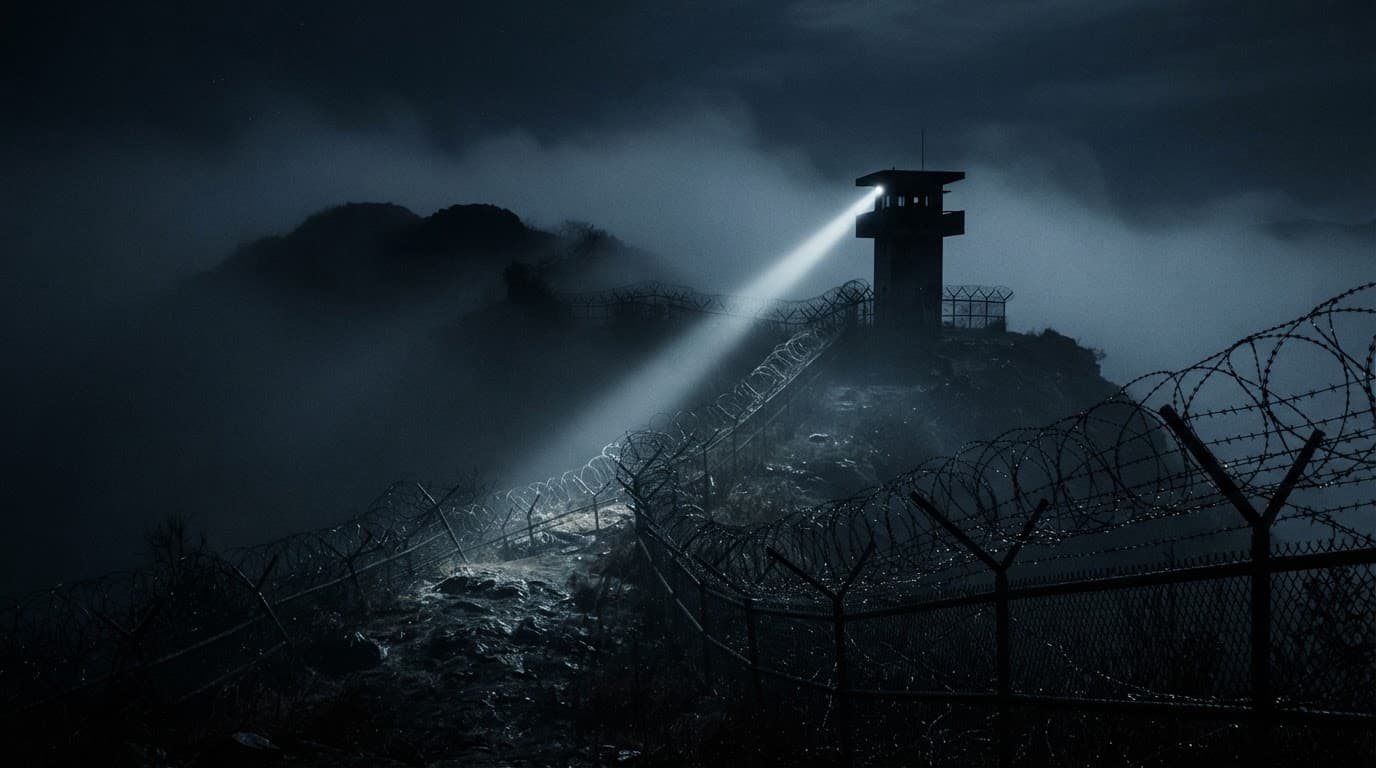
This article uses both genuine archival and on-site photographs and AI-generated images and video produced to convey the mood of the story.

Comments
No comments yet — leave the first one.