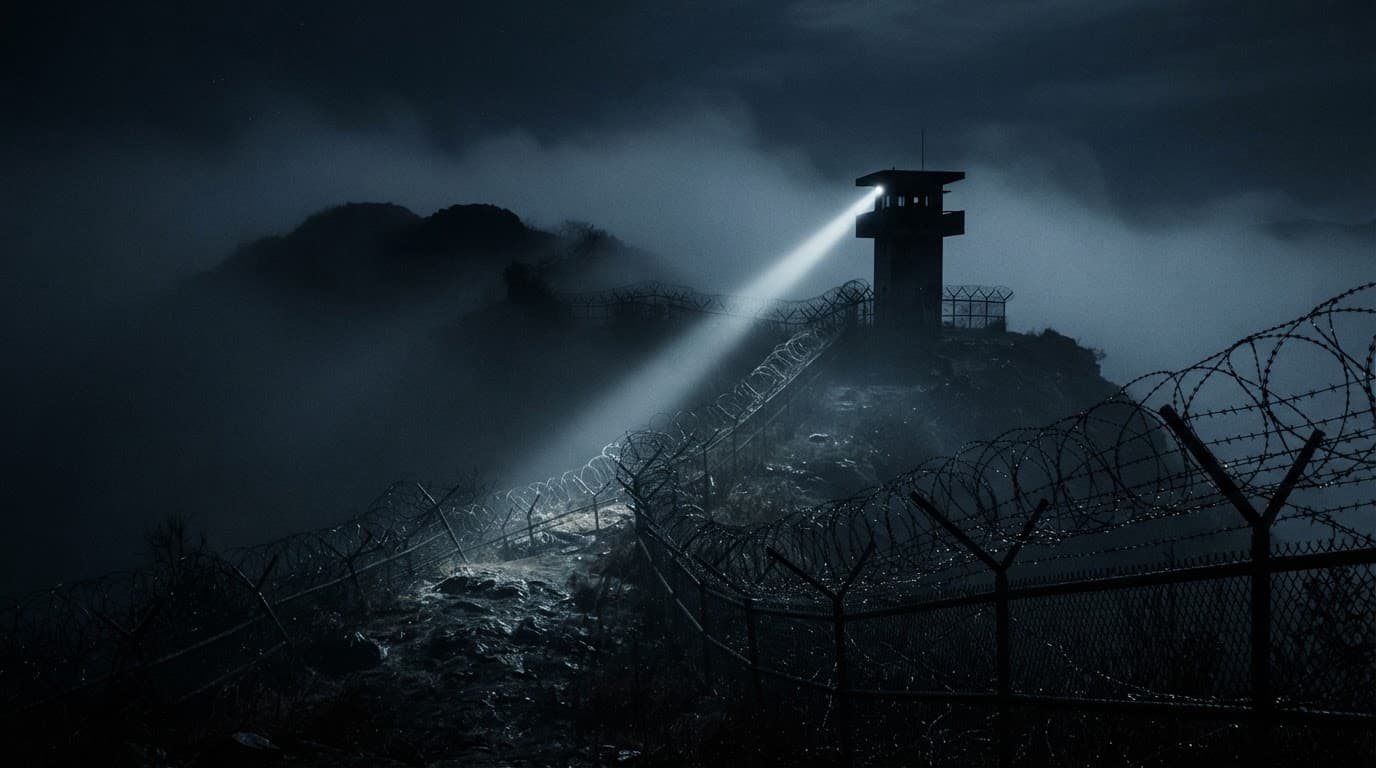
Across the waist of the Korean Peninsula runs a strip of land erased from the map.
Four kilometers wide. Two kilometers south of the military demarcation line, two kilometers north.
Two hundred and forty-eight kilometers long. From the mouth of the Imjin River on the west coast to Goseong on the east.
The Demilitarized Zone. The DMZ.
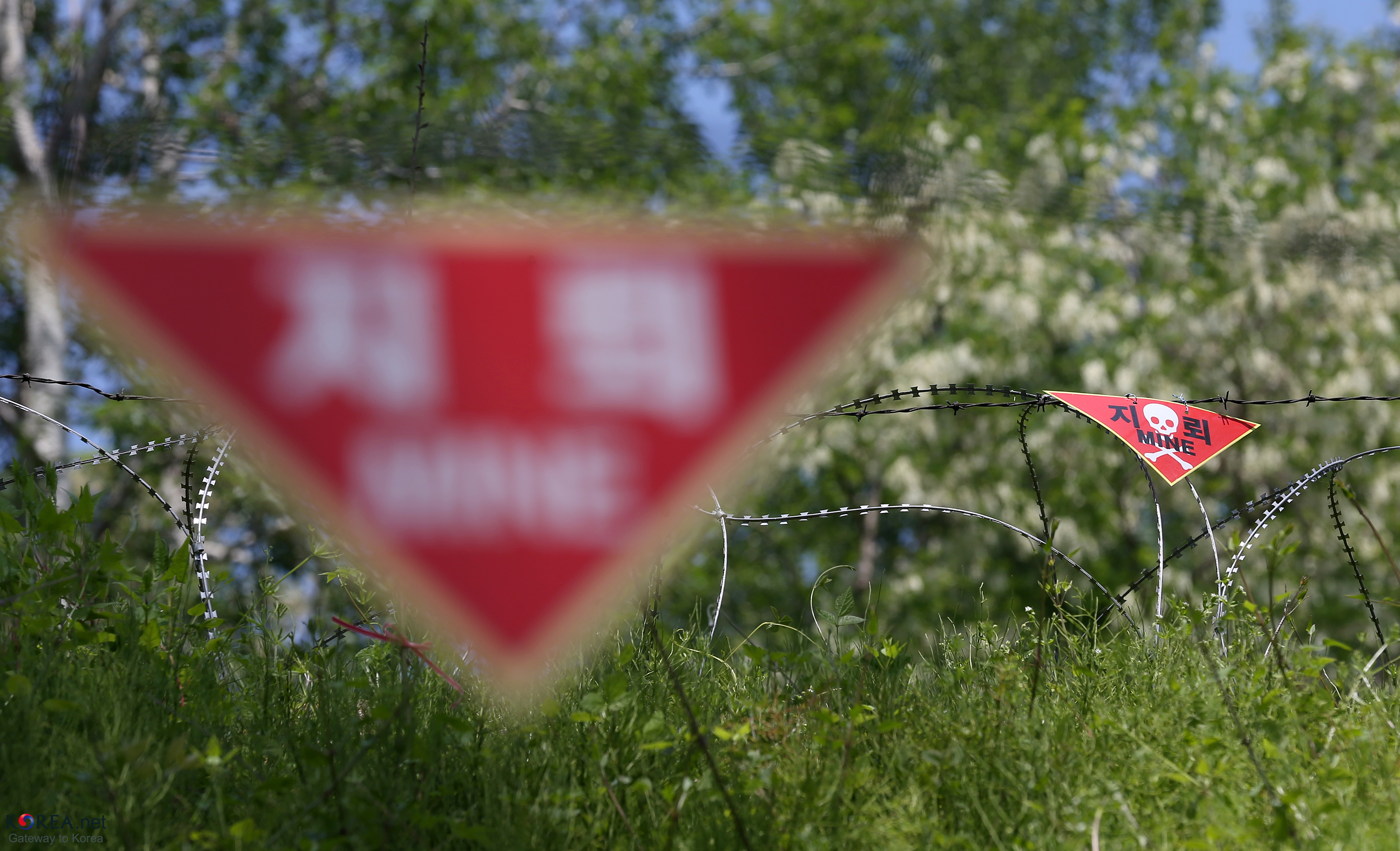
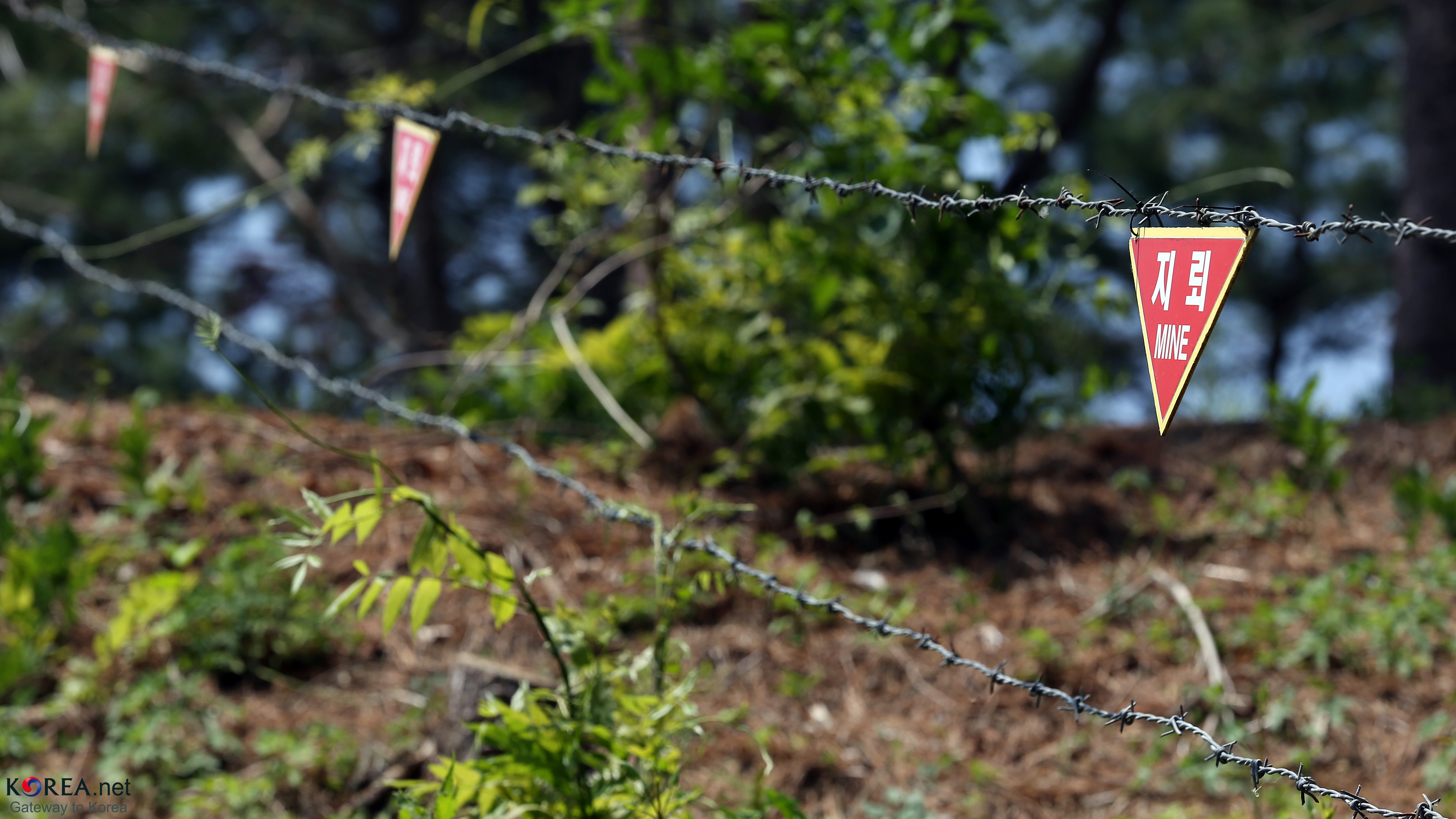
For more than seventy years no civilian has been allowed in. An estimated million-plus landmines lie buried in its soil, and tens of thousands of war dead still rest there, unrecovered, beneath the earth.
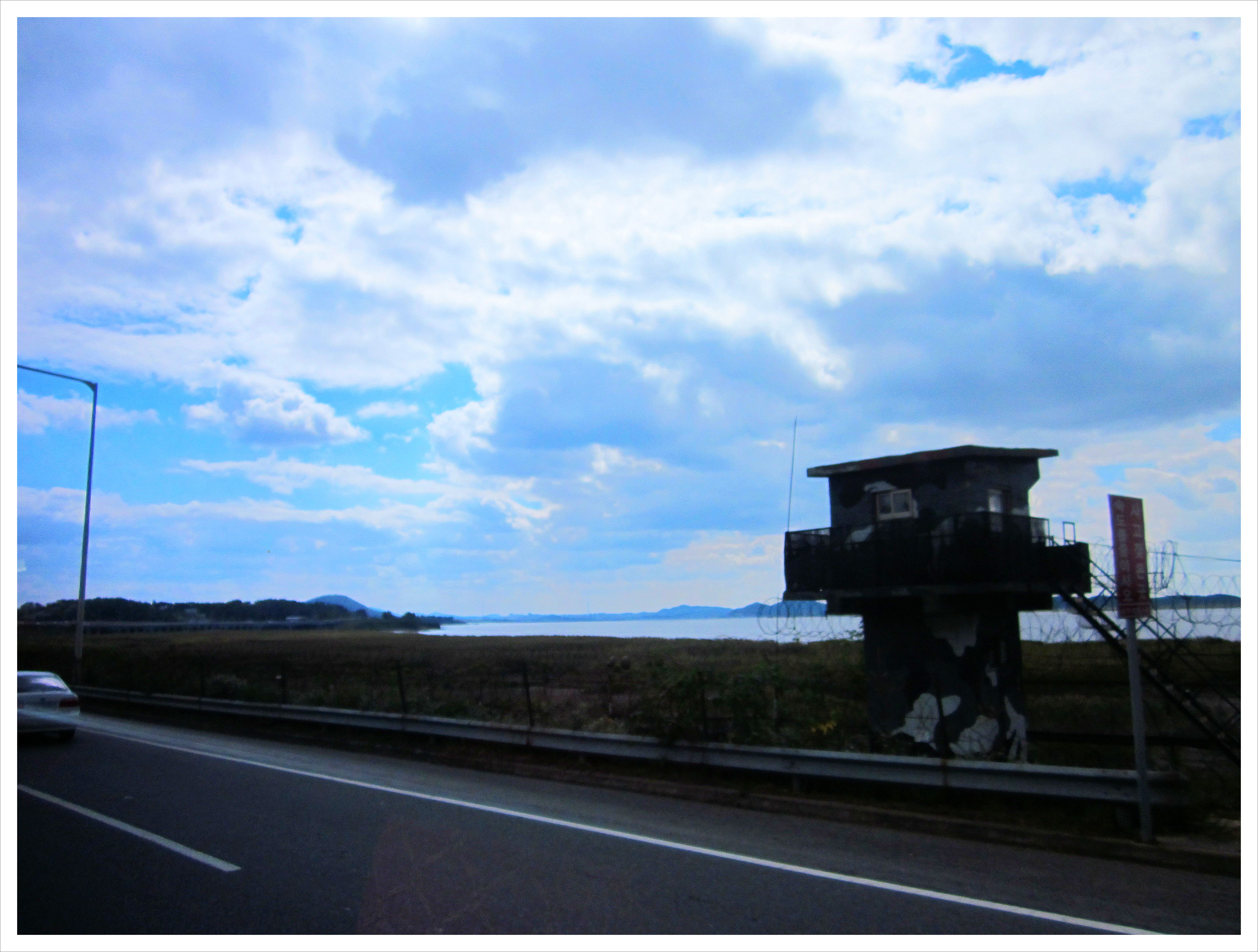
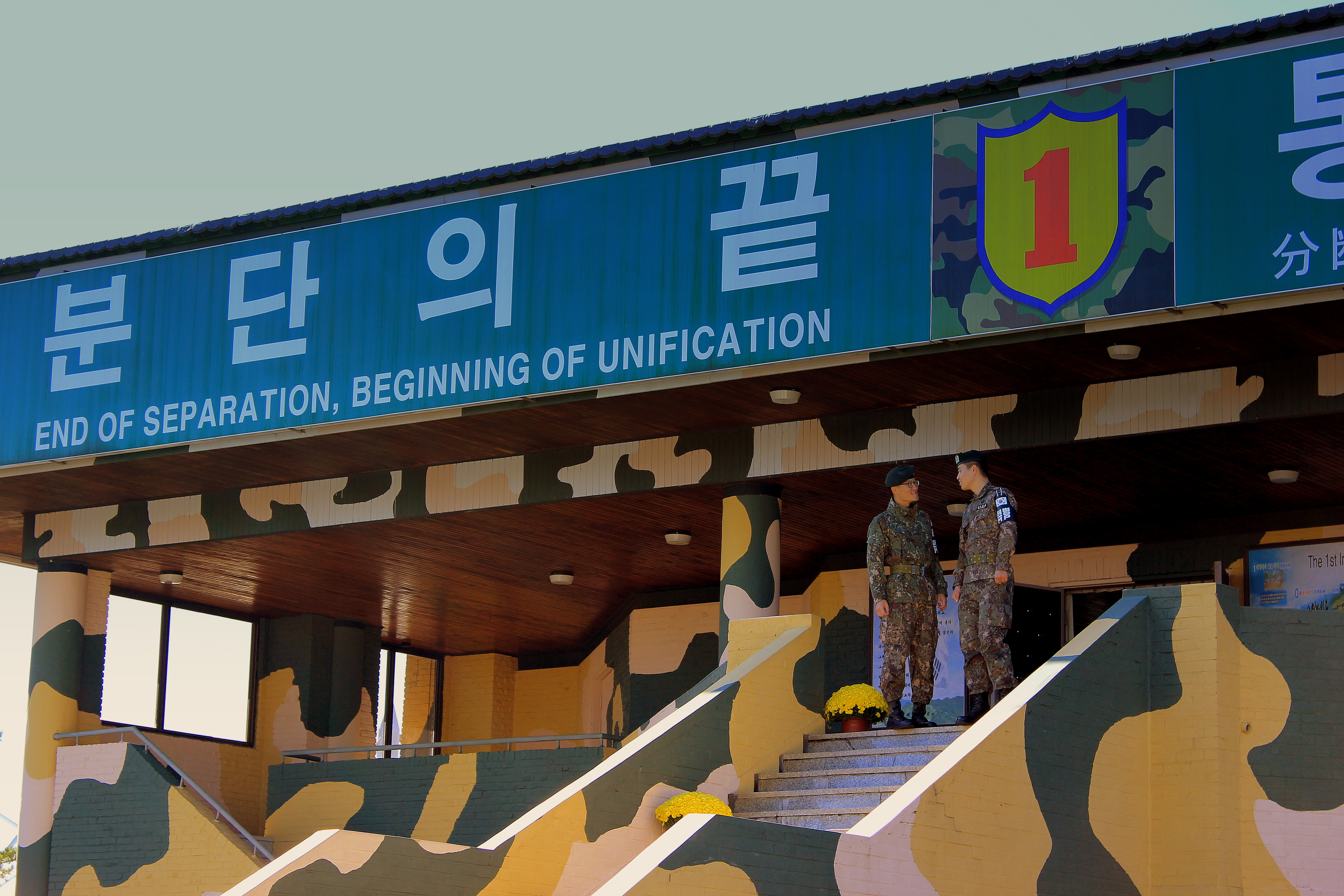
Along the southern edge of this forbidden ribbon of land, frontline watch posts called "GPs" sit lodged like islands.
Soldiers barely twenty years old stay awake through the night there, watching the dark.
And a good many of them come home from service carrying the very same story.
I did not go looking for these stories. They arrived the way they always do — in scattered accounts, from men who served in different decades at posts hundreds of kilometers apart.
Sorting them, I began keeping a column for the detail I did not expect to need.
The uniform.
Not that the shape was seen, but that in a certain number of the tellings it was wearing the wrong one.
The First Story — The Thing That Walks Out of the Fog
The most widespread of the GP ghost stories always opens on the same scene.
Winter. Before dawn. Thick fog.
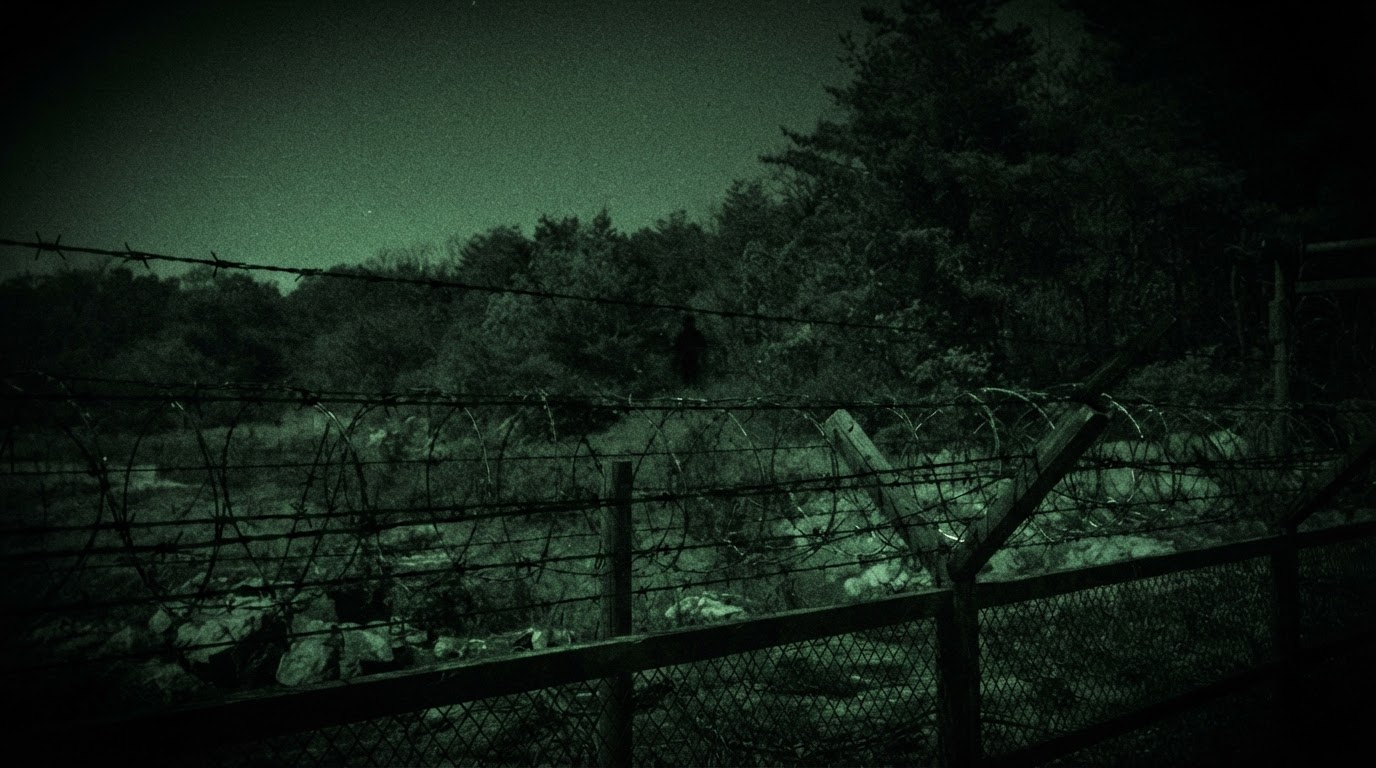
A sentry on night guard duty is staring out past the fence, into the DMZ,
when out of the fog a single black human shape comes walking toward him.
Three things about it are wrong.
First, that ground is a minefield. No one can walk across it.
Second, there are no footsteps.
Third, the shape moves fast. Faster than any walk.
The instant the sentry moves to sound the warning — or the instant he adjusts his night-vision goggles —
the shape is gone.
For decades, countless veterans who never once met each other have said they saw the same thing at their own posts.
In some accounts the shape was wearing not a modern uniform but one of an older style.
The Second Story — The Sergeant at the Range and the Five Shadows
This one is passed down at a single unit.
At 2 a.m. on a July night, movement was detected at the night firing range, and the ready reaction force was scrambled out.
In the middle of the range a sergeant from their own unit was crouched down, holding a sickle.
The assistant gunner studied him through the night scope — and stopped breathing.
Behind the sergeant, five or six human-shaped shadows, lined up in a row, were following him.
Something like the murmur of human voices was said to have drifted in on the wind.
From that day on, the sergeant had to be placed under psychiatric care.
The story does not end there.
Later, when construction and survey work were carried out across that stretch of ground,
soldiers' dog tags from the Korean War are said to have come up out of the earth in heaps.
The ground where young soldiers fired their rifles every day had been the place where, seventy years before, young soldiers died by the heap.
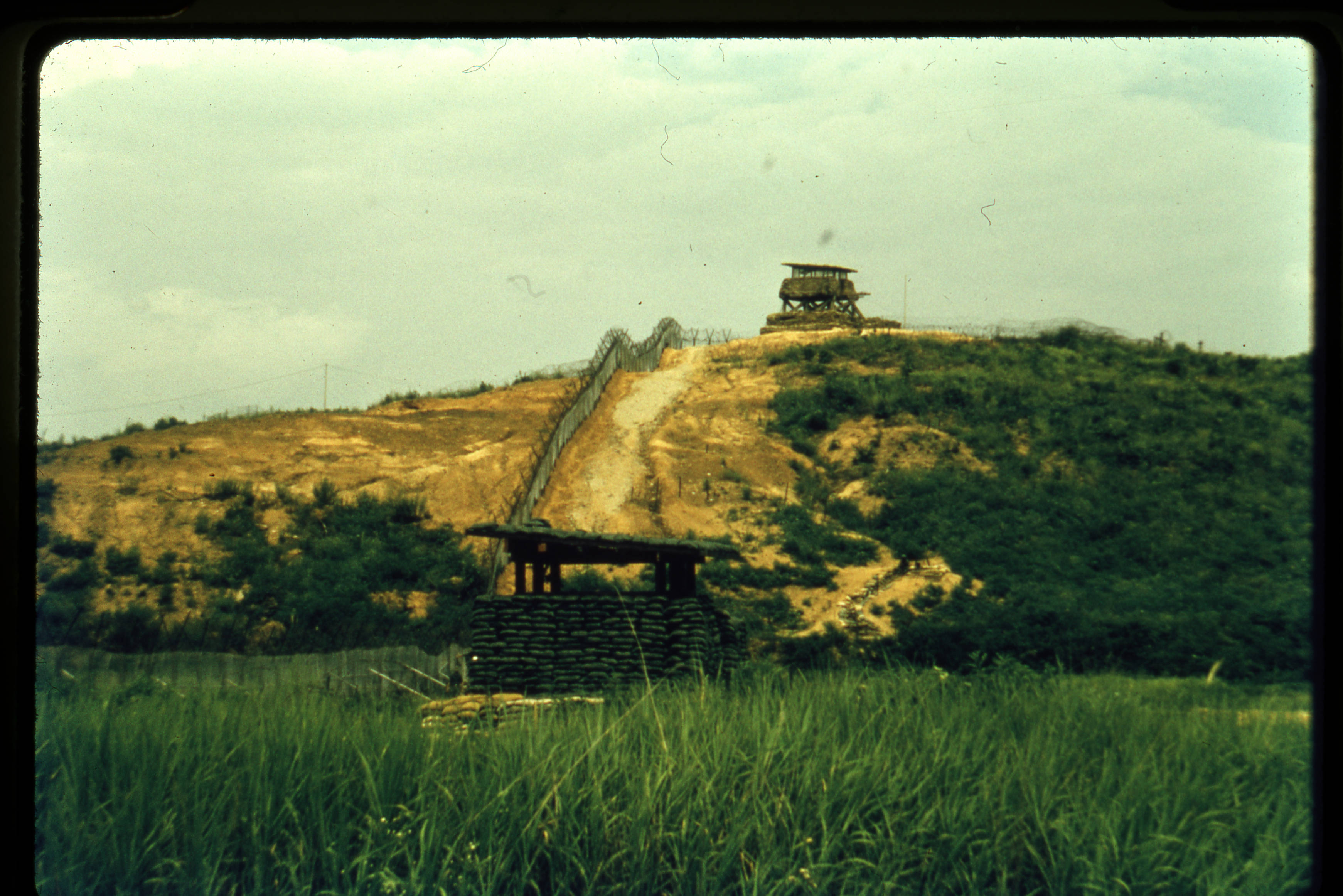
The Third Story — The "Bulgogi GP"
At frontline units there is a legend that always comes up when they teach why the fire-watch matters.
Long ago, at a certain GP, while the fire-watch dozed off for a moment, a North Korean special-forces unit slipped in.
The men at the post were killed to the last, without a sound, and the barracks room was set ablaze with a flamethrower.
The barracks found the next morning, they say, held bodies burned past all recognition, seared onto the walls and the floor.
And so the soldiers began to call that post by a single name.
The "Bulgogi GP." The barbecued post.
Whether this actually happened has never been confirmed.
Given how often the frontline saw combat in the 1960s and '70s it is the kind of thing that could have happened, but there is no record pinning down "that exact post."
What is interesting is that different units all across the country each believe that "the GP right next to ours is the one" —
pointing at an empty post left blackened by fire.
This legend became such a fixture of Korean military lore that the Netflix drama D.P. Season 2 built an episode around it.
The Fourth Story — The Light in the Post Where No One Is
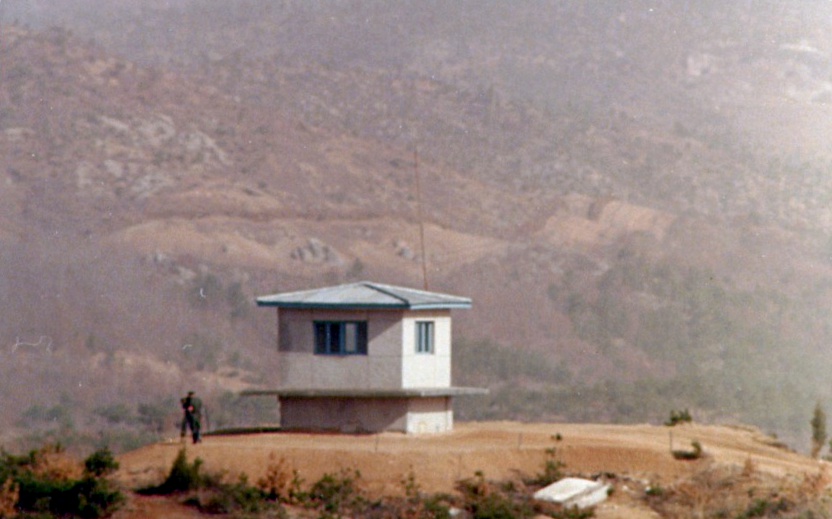
There are stories, too, about the "unmanned GPs" — posts where the troops have pulled out and no one remains.
Sightings of light at night in an abandoned post where no one should be.
Tales of a field telephone ringing on a line that should be dead.
A post where an accident once happened would sometimes have only that room sealed off and left with a wall painted a different color — and there are those who swear they heard someone stirring in that room.
There is a plausible explanation for all of it.
The strange signals and phone rings at unmanned posts, they say, are often caused by wild animals gnawing the comm lines and shorting them out.
The shadows in the dark, too, are usually water deer or wild boar.
The DMZ is land human beings have left empty for seventy years, so it has become a paradise for endangered animals.
It is a reasonable account.
But the frontline soldiers who hear that explanation tend to answer in much the same way:
"Come stand a watch yourself, and you won't talk like that."
The Fifth Story — This Land Is a Vast Grave
From here on, this is no ghost story. It is recorded fact.
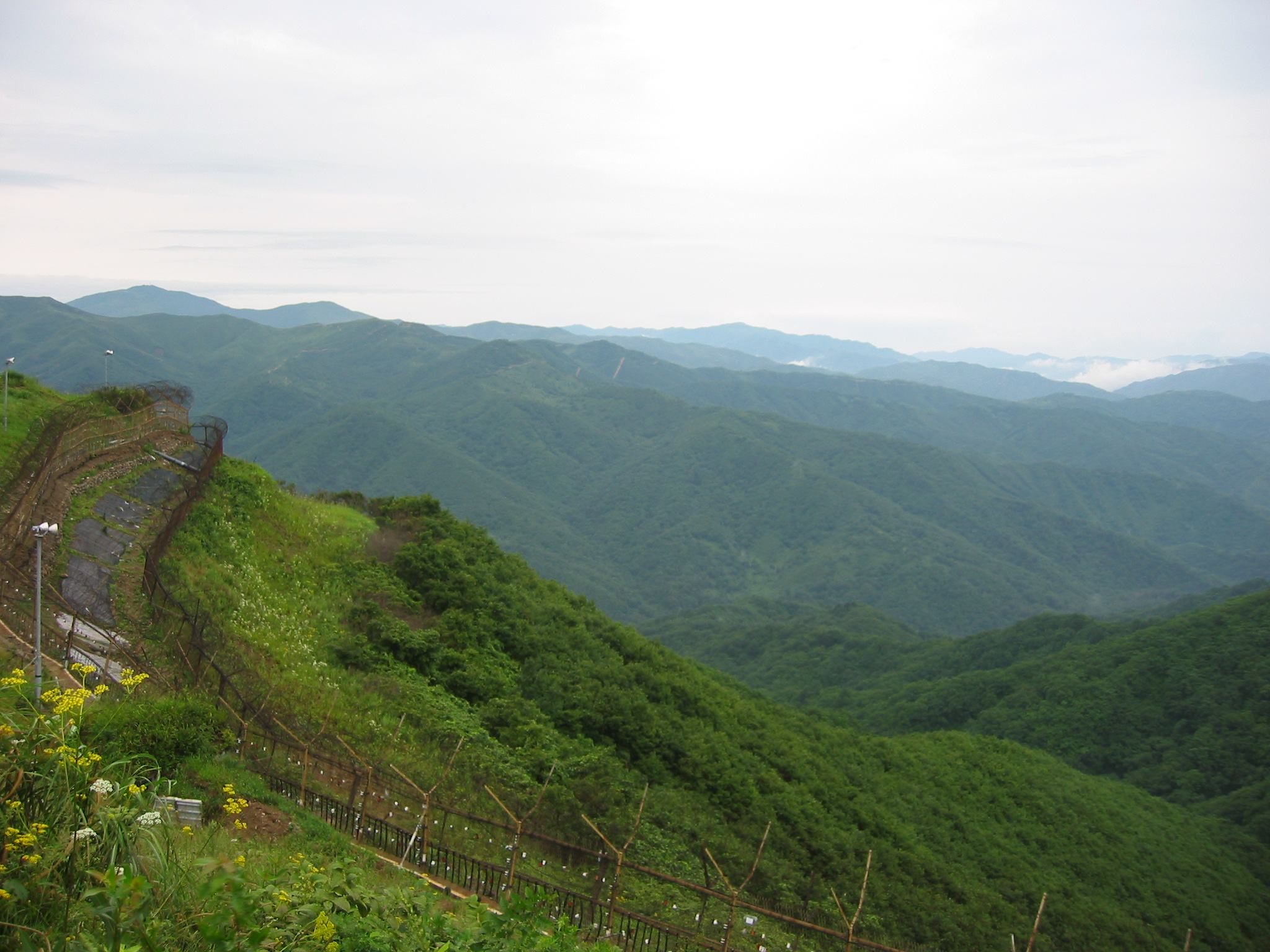
Arrowhead Ridge, in Cheorwon, Gangwon Province. It was the site of one of the last great battles of the Korean War, and today it lies inside the DMZ.
In 2019, the excavation of war remains began here.
Over three years, roughly 3,092 sets of remains were recovered. Tentatively, 424 individuals. Along with some 17,000 personal effects.
For seventy years, hundreds of young soldiers had lain in that soil, and no one had known.
The remains of one sergeant who fell on that ridge in 1953 were not recovered until 2019.
The son who had waited at home for his father was by then an old man of seventy, and met his father again through a DNA test.
A reunion of father and son, sixty-six years in coming.
This is precisely why the DMZ ghost stories sound so much like truth.
Beneath that ground, countless people who truly never came home lie sleeping.
The Sixth Story — The Kingdom the DMZ Swallowed
In the very heart of the Demilitarized Zone lies the site of a 1,100-year-old royal palace.
Cheorwonseong, capital of Taebong, the kingdom founded by a king named Gungye at the end of the Silla era.
It was a city built, once, in the dream of "an eternal world of peace."
Gungye was cast out as a tyrant, the kingdom vanished, and the capital was forgotten for a thousand years.
And then, in 1953, the military demarcation line was drawn — of all places — straight through this ruined citadel.
Half the fortress site lies to the north, half to the south. The whole of it inside a minefield.
No historian, no archaeologist, no one at all, can go in.
The king's city, abandoned a thousand years ago, has now been sealed a second time by landmines and barbed wire.
The capital of a king who fell while dreaming of peace, locked inside the least peaceful land on the whole Korean Peninsula.
As a ghost story written by history, it could hardly be more perfect.
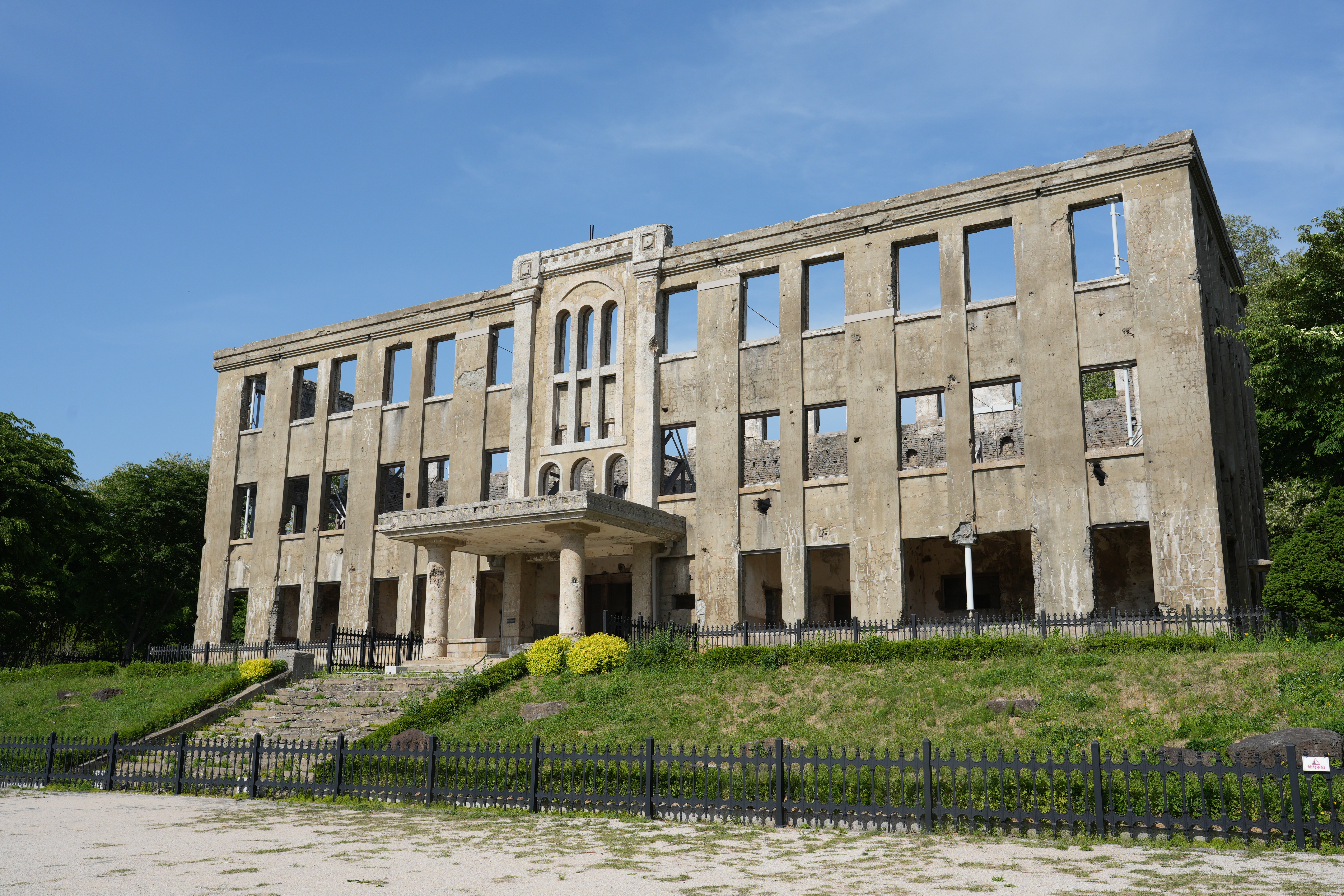
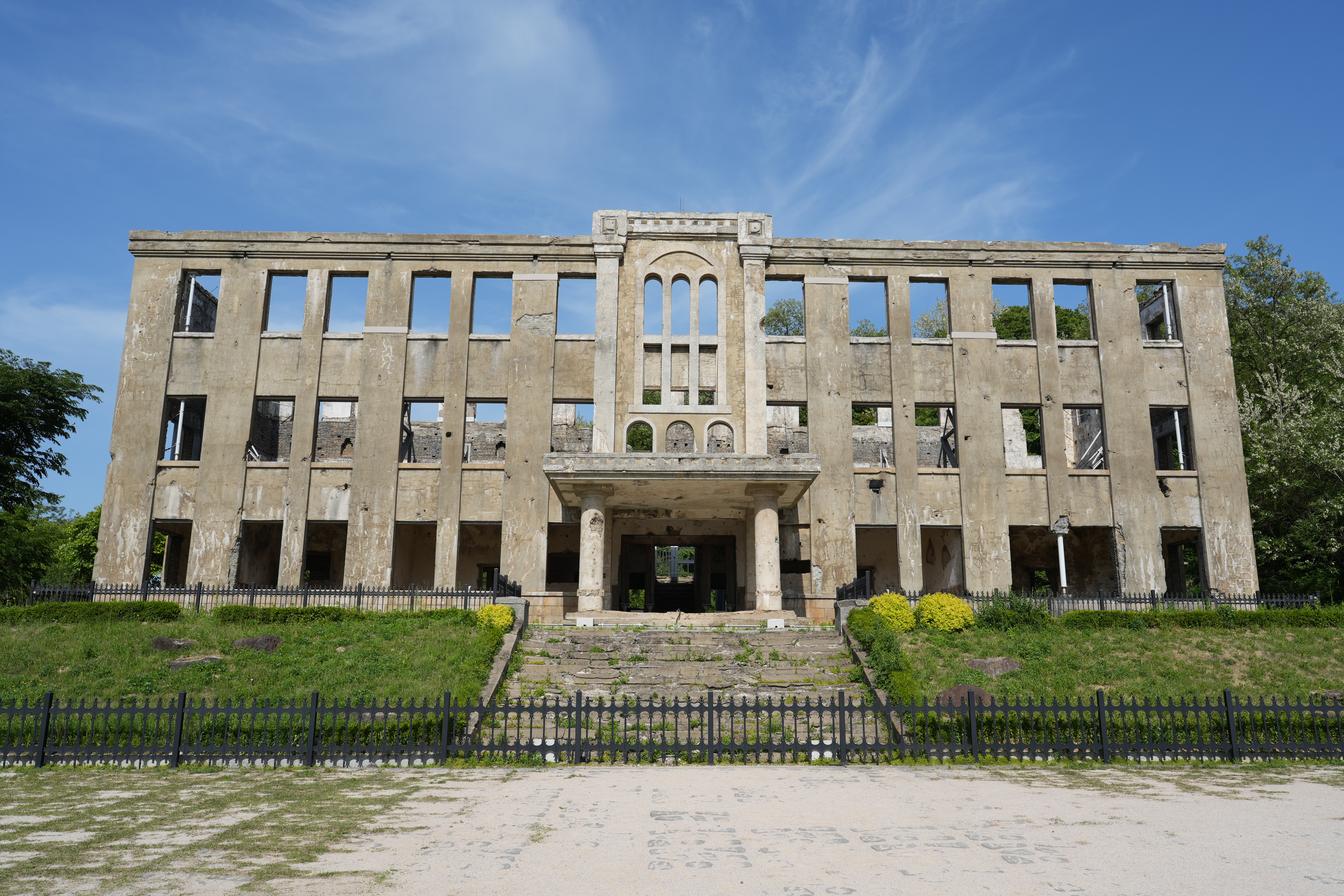
On that same Cheorwon ground stands the ruin of the Workers' Party Hall, its shell-marks still on it.
Across the DMZ, seventy years was all it took for a ruin to become an ancient relic.
The Seventh Story — The Bridge of No Return
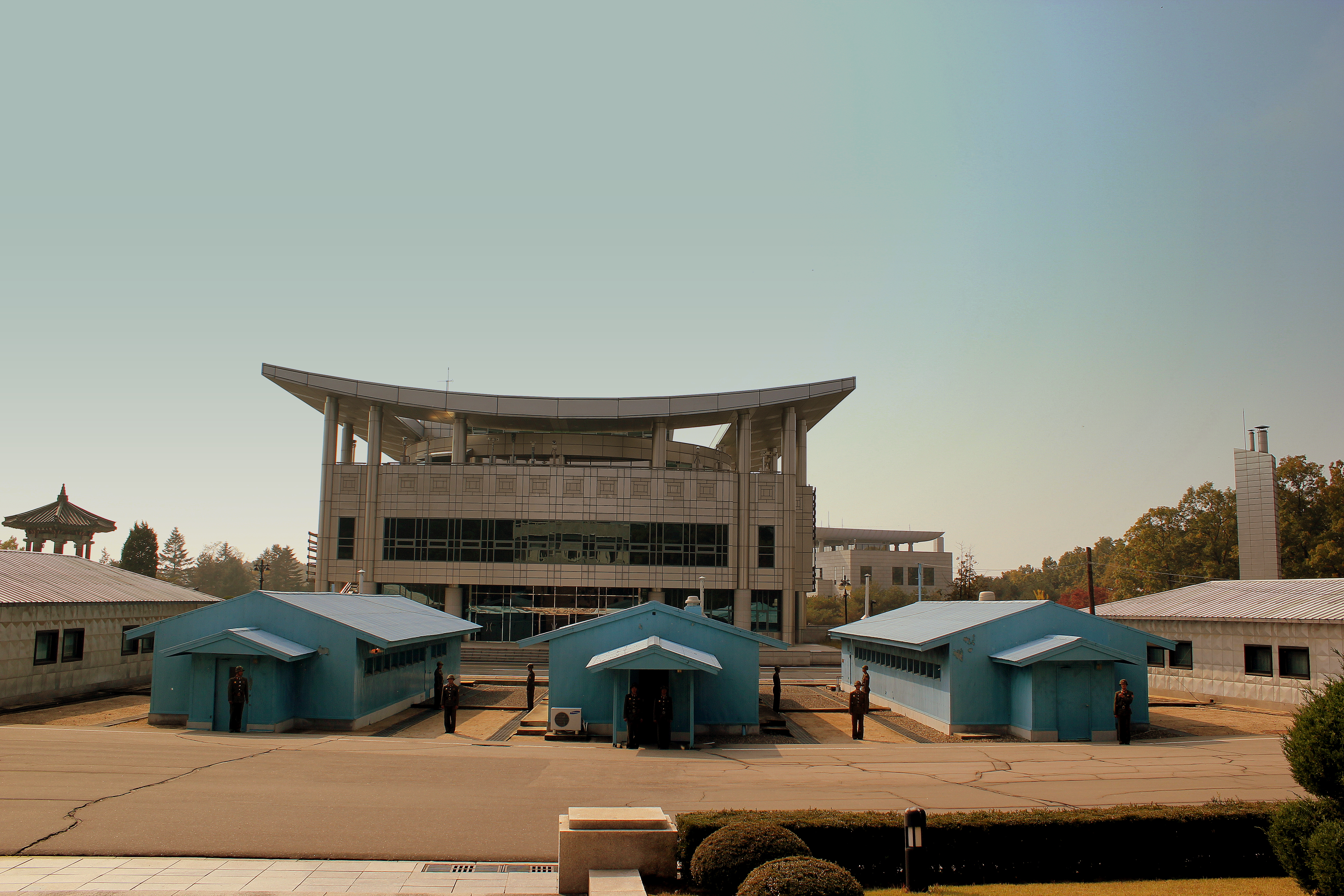
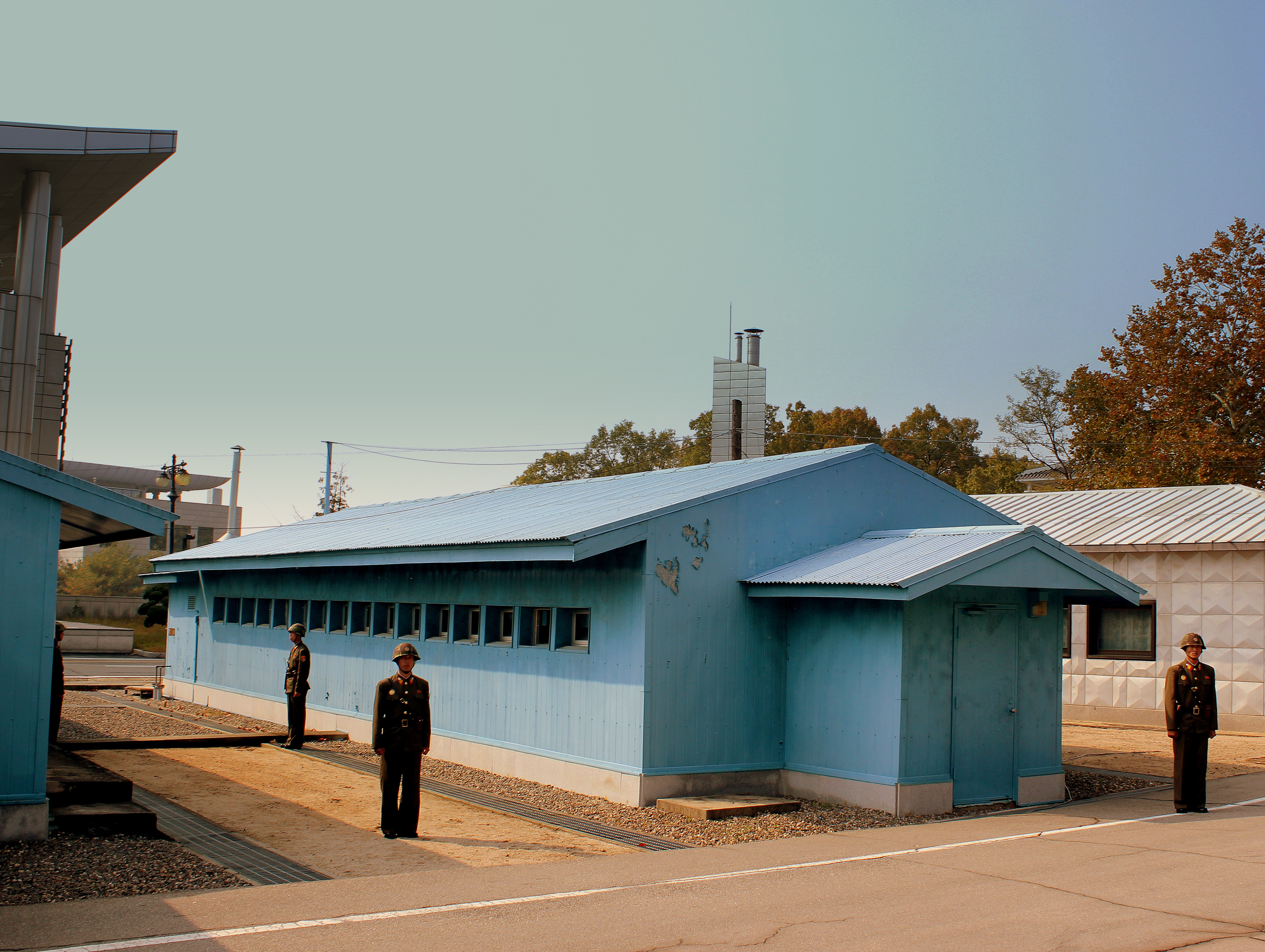
The Joint Security Area at Panmunjom, the JSA.
Here there is a bridge whose very name runs cold.
The Bridge of No Return.
It is the bridge where prisoners of war were exchanged. North or South, either way, once you crossed it you could never come back — which is how it got the name.
On August 18, 1976, a party of United Nations Command soldiers was trimming the branches of a poplar tree near this bridge — a tree that blocked the line of sight — when dozens of North Korean soldiers rushed them with axes.
Two American officers were killed.
Three days later, the U.S. cut that tree down amid a tension teetering on the brink of war, with fighter-bombers and B-52s circling the skies over the peninsula.
A place the world came to the edge of war over — because of a single tree.
Even now, here, soldiers of North and South stand facing one another just meters apart.
The Eighth Story — The Village Where the Lights Go Out on Schedule
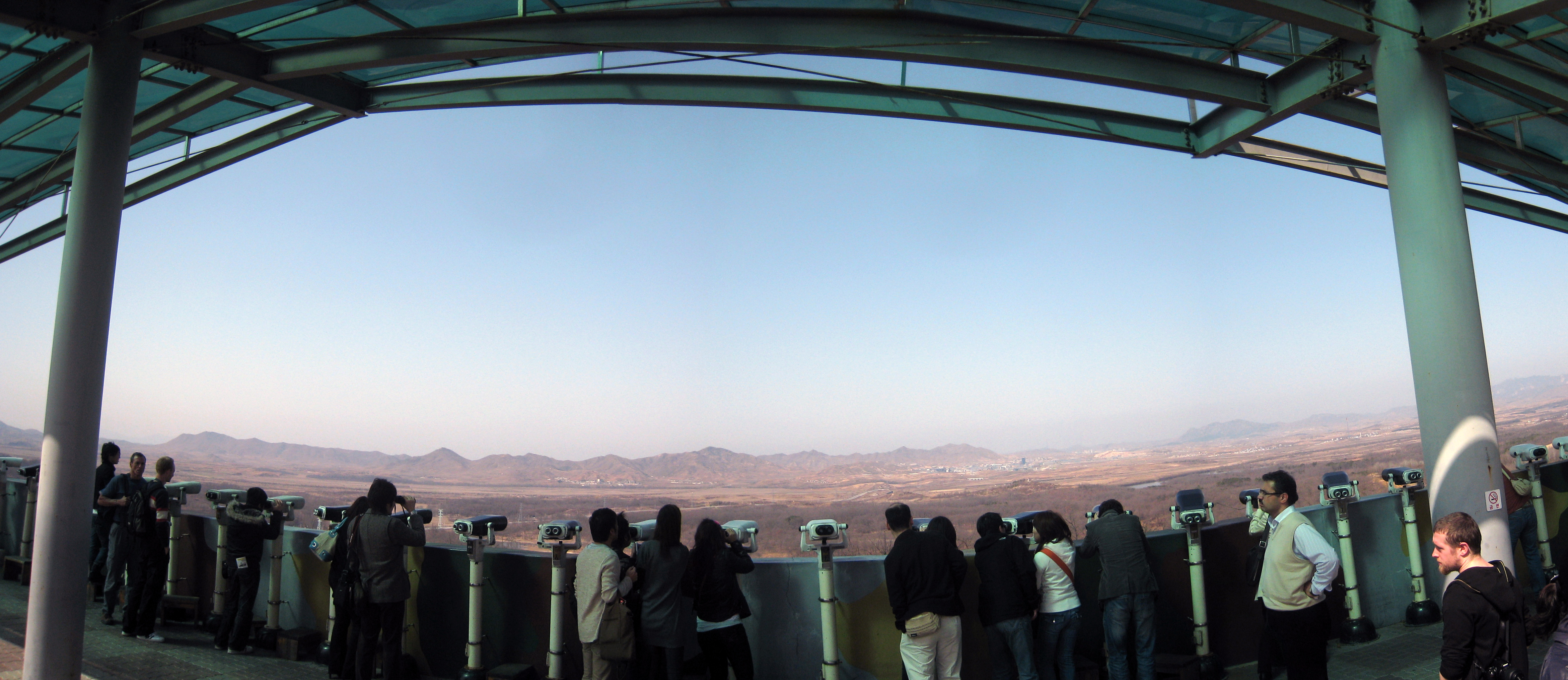
Inside the DMZ there are exactly two villages.
Daeseong-dong, to the south. The only DMZ village on the southern side that the 1953 armistice permitted. On a flagpole 99.8 meters tall flies an enormous South Korean flag.
And barely 800 meters from it lies Gijeong-dong, to the north.
Gijeong-dong's flagpole stands 165 meters. A height raised in competition, to top Daeseong-dong's. The North Korean flag alone weighs 275 kilograms.
The trouble is this village.
Gijeong-dong is widely believed to be, in effect, an uninhabited ghost town.
From a distance the buildings look proper enough, but observers have long maintained that many of them are hollow — propaganda shells with only their outer walls raised.
And when night falls, the lights of the village are said to come on all at once at a set hour and go out all at once.
A village where no one lives pretends, every single night, that people live there.
For seventy years.
The Ninth Story — Why the Ghost Stories Sound Like Truth
There is one more dark backdrop to the power the frontline ghost stories hold.
In June 2005, at a GP in Yeoncheon, Gyeonggi Province, a real tragedy took place.
A soldier threw a grenade into the barracks and opened fire, and eight of his comrades, asleep, lost their lives.
It was a catastrophe that unfolded in a single night at an isolated frontline post.
This is not a ghost story. There is a perpetrator, there are victims, and there are bereaved families who grieve to this day. It is a real event.
Afterward, it became the moment the entire Korean military set about overhauling barracks culture.
A few years later, when a horror film about "a squad wiped out overnight at an isolated GP" was released, it was part of why audiences struggled to tell where fiction ended. (The director stated it was a work of invention, unrelated to the actual event.)
A sealed post. Isolation. Darkness. A gun.
Before it is a ghost story, the DMZ tale is a story about the fear of the people who spend their youth inside it.
The Tenth Story — A Paradise Atop a Million Landmines
The last of them is the DMZ itself.
In this land, an estimated million-plus landmines lie buried.
For seventy years no one has cleared them, and no one knows exactly where they are.
Wild boar with a leg blown off by a mine, water deer that snag on the fence and starve — these are actually observed.
And yet, paradoxically, this land of death, emptied of human beings, has become the richest ecosystem on the Korean Peninsula.
Endangered cranes return each winter to the fields of Cheorwon, and goral, otters, and Asiatic black bears cross back and forth over the minefields.
Where villages of people once stood, the forest has swallowed the ground.
A train station stopped dead the moment the armistice fell, and a rusted iron horse, stand wrapped in vines.
Before We Close This File
Take the DMZ ghost stories apart one by one, and you arrive, in the end, at a single fact.
The black shape in the fog, the shadows at the firing range, the Bulgogi GP —
not one of them has been proven.
And yet the reason these stories have refused to fade for decades is simple.
It is because the land is real.
A place where tens of thousands of remains still lie in the soil, where a thousand-year-old palace is sealed inside a minefield, where a village that no one inhabits lights its lamps every night.
If a land like this exists nowhere else on earth,
then the story that something walks there is, if anything, only natural.
There is one figure in this file I have gone back to check more often than any ghost.
Three thousand and ninety-two sets of remains. Four hundred and twenty-four people.
That is one ridge.
I have never found a number for what is still down there, because no one has been able to count it, and the counting requires walking on ground no one is permitted to walk on.
Tonight too, twenty-year-old sentries are keeping watch over those 248 kilometers of darkness.
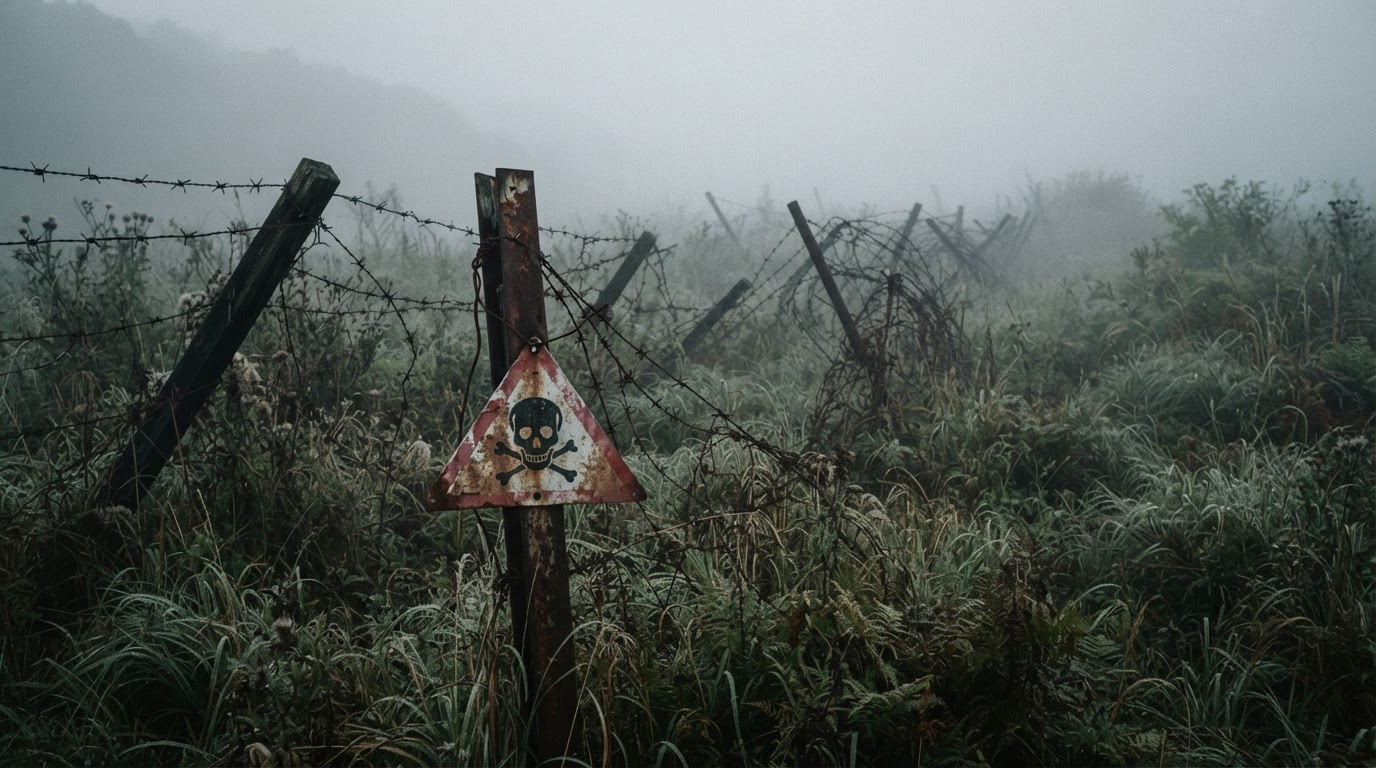
And when the fog rolls in, they stare a little longer out past the fence.
---
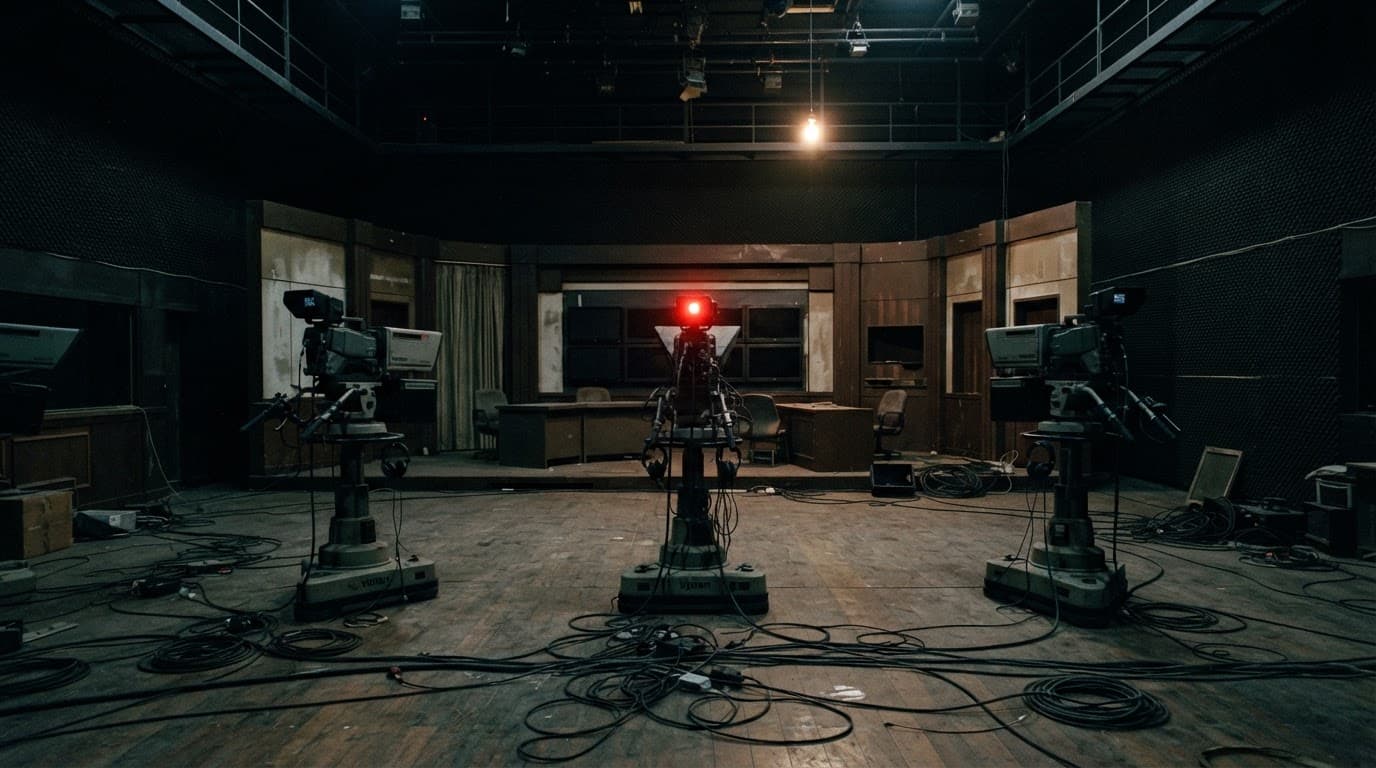
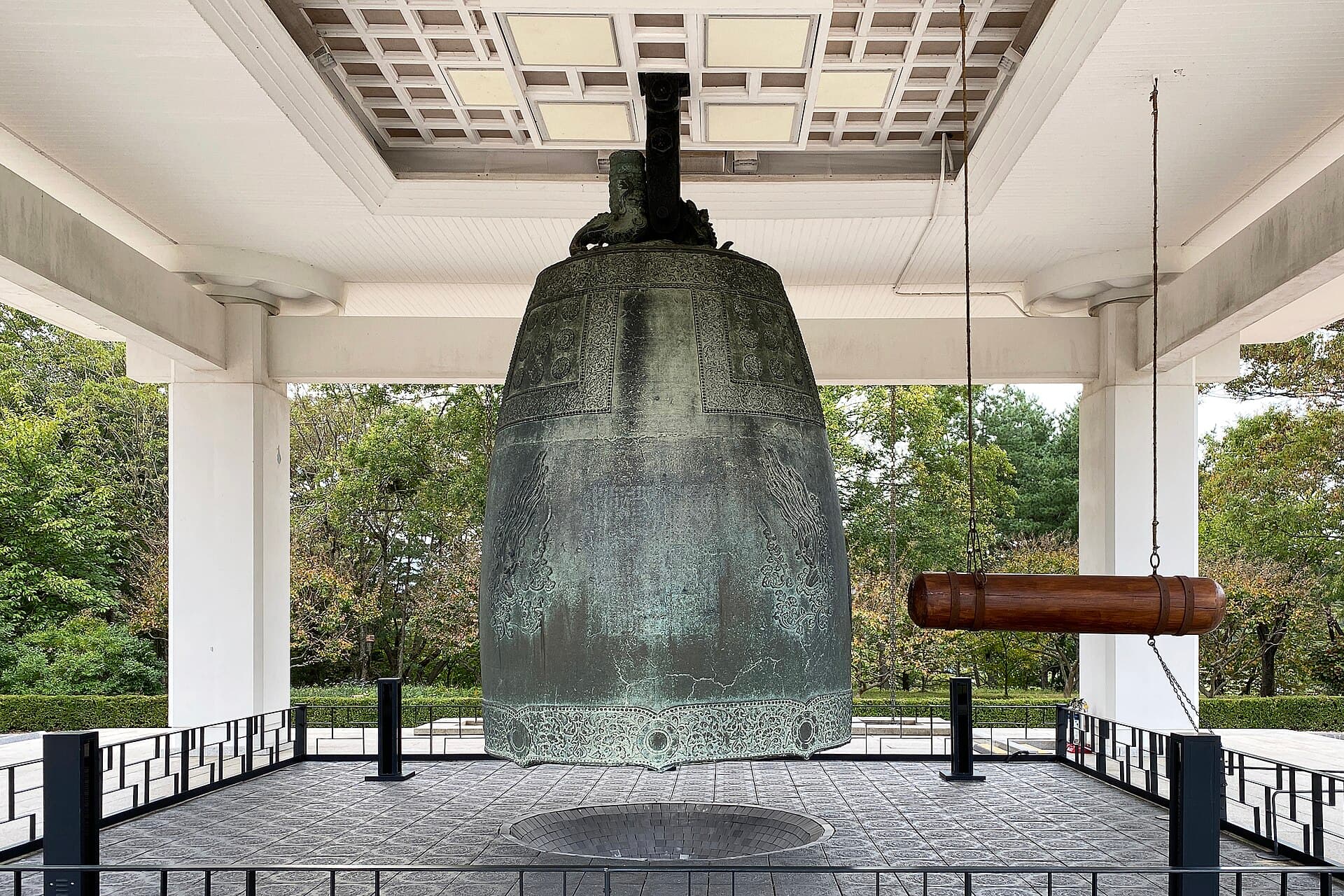
The images and video in this article are AI-generated works produced to convey the mood of the story, and are not photographs of any actual person or event.


Comments
No comments yet — leave the first one.