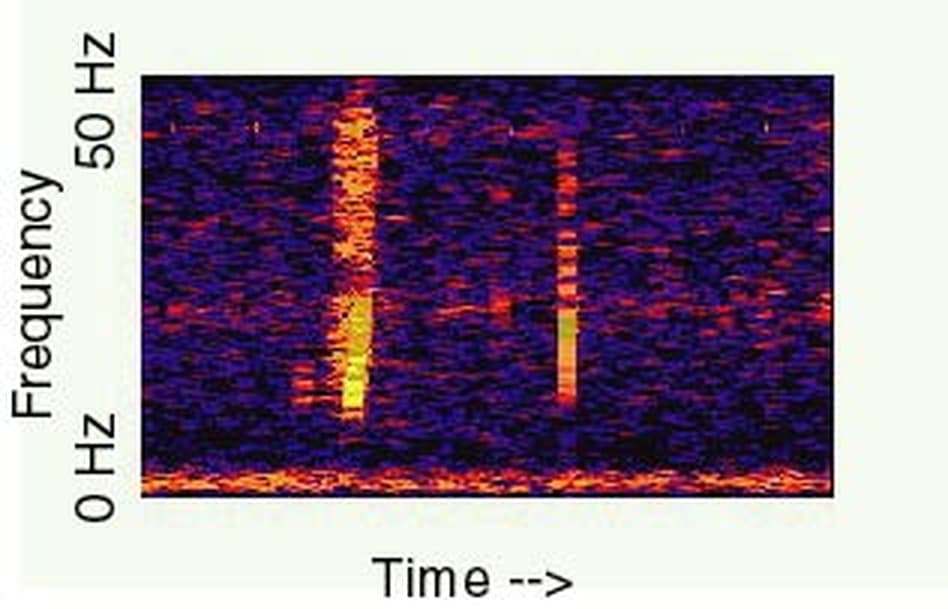
In the summer of 1997, scientists at the U.S. National Oceanic and Atmospheric Administration (NOAA) noticed a strange signal in the array of hydrophones they had placed in the deep Pacific. Over roughly a minute, the sound swelled upward from a low pitch to a higher one — something they had never heard before. What astonished them was its strength. The sound was powerful enough to be picked up at the same time by listening stations more than 4,800 kilometers apart. It was far louder than any sound made by any known animal on Earth. If a living thing had produced it, that would mean some unknown giant creature — dwarfing even the blue whale — was living somewhere in the deep. People named the sound "The Bloop," and from that moment the internet began to boil with speculation. An unknown monster asleep in the abyss; perhaps even the call of the fictional god Cthulhu. Yet after years of pursuit, the answer science delivered lay somewhere else entirely.
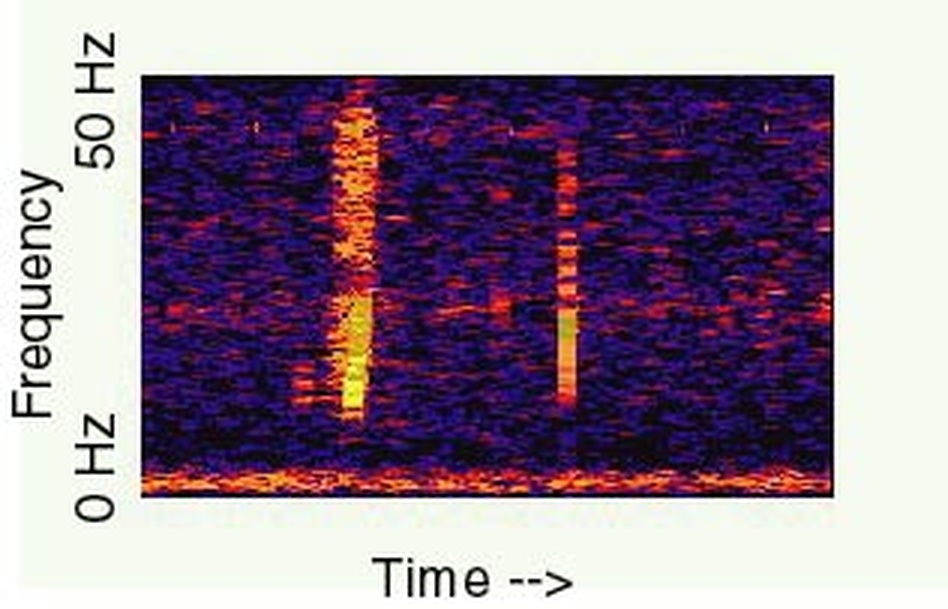
A solved case does not usually earn shelf space in a collection like mine, and I kept this one anyway. The reason is a single sentence in the material — Christopher Fox noting that the profile of the sound resembled something living, then adding immediately that it was far more powerful than any animal on Earth. I have gone back to that phrasing more than once. It is a careful scientist doing exactly what a careful scientist should, and it is also, read cold, a man saying that the shape was right and only the size was wrong.
1997: A Sound From the Deep
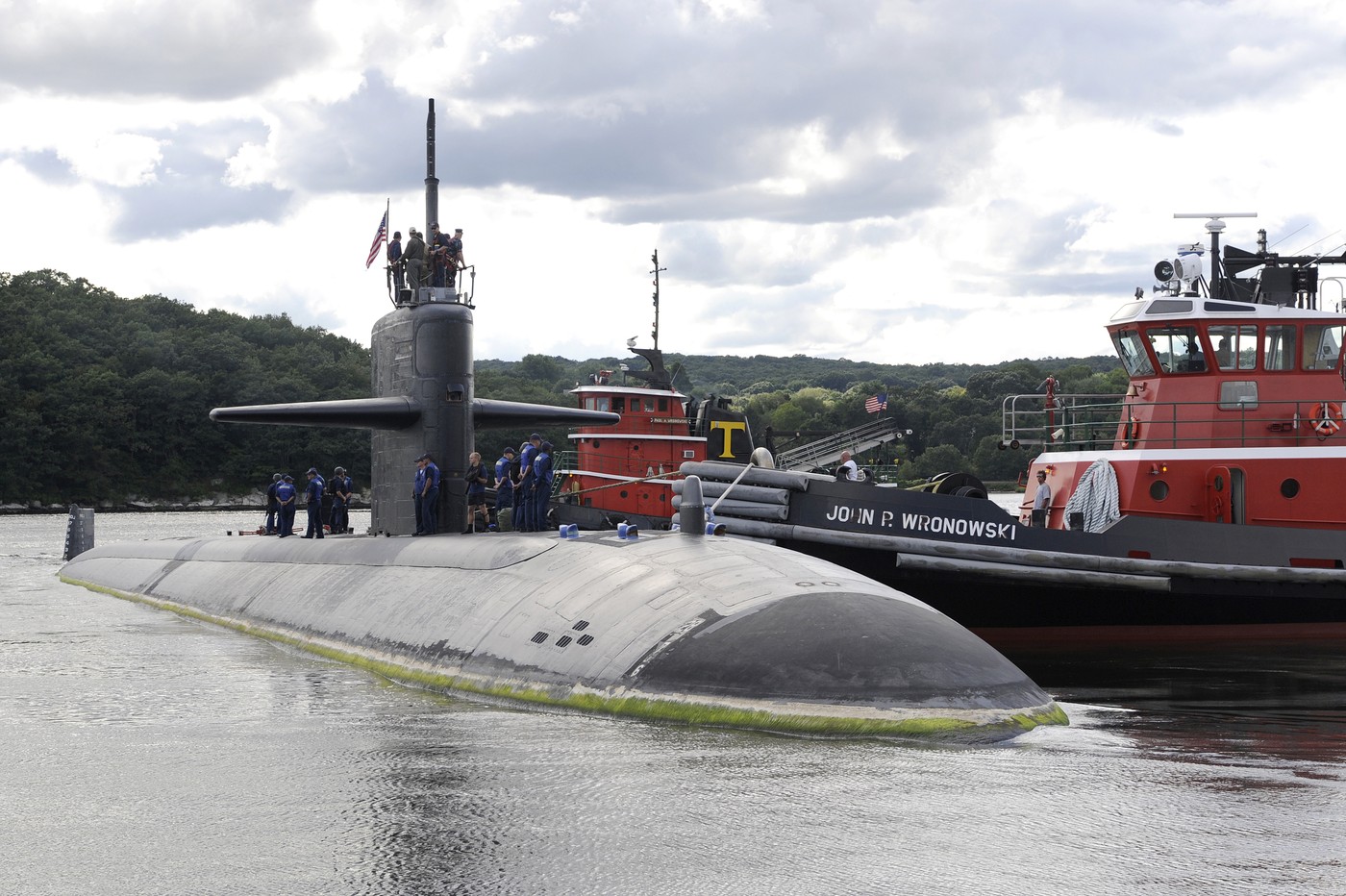
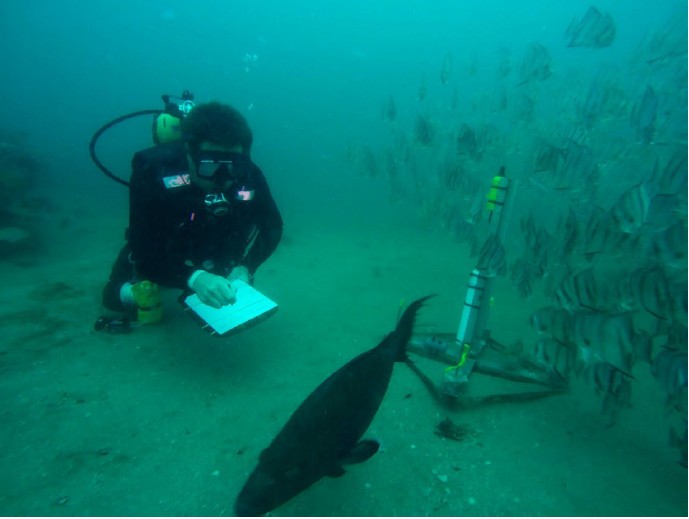
To understand the backdrop, you first have to know why NOAA was listening to the ocean at all. An array of autonomous hydrophones had been installed on the seafloor near the equatorial Pacific. These instruments traced their origin to a Cold War-era U.S. Navy underwater surveillance network (SOSUS), built to detect submarines, and repurposed for ocean science after the Cold War ended. With these hydrophones, scientists were recording every kind of ocean sound — undersea earthquakes, volcanic activity, and the calls of whales.
Then, in the summer of 1997, the array repeatedly caught a powerful signal of unknown origin. The sound was estimated to have come from a remote stretch of the South Pacific, far to the west of the southern tip of South America. It was an infrasound too low for human ears to hear directly, but when the recording was sped up sixteen times, it finally became audible. That short, thick, "swelling" sound — that was The Bloop.
Just How Colossal Was the Sound?
What made The Bloop extraordinary was its overwhelming intensity. How far a sound travels through water is a measure of how powerful it is. This sound was detected at once by hydrophones thousands of kilometers apart — over a range of roughly 5,000 kilometers. To grasp that distance, imagine a source loud enough to be heard clearly from a point as far away as one country is from another across an entire sea.
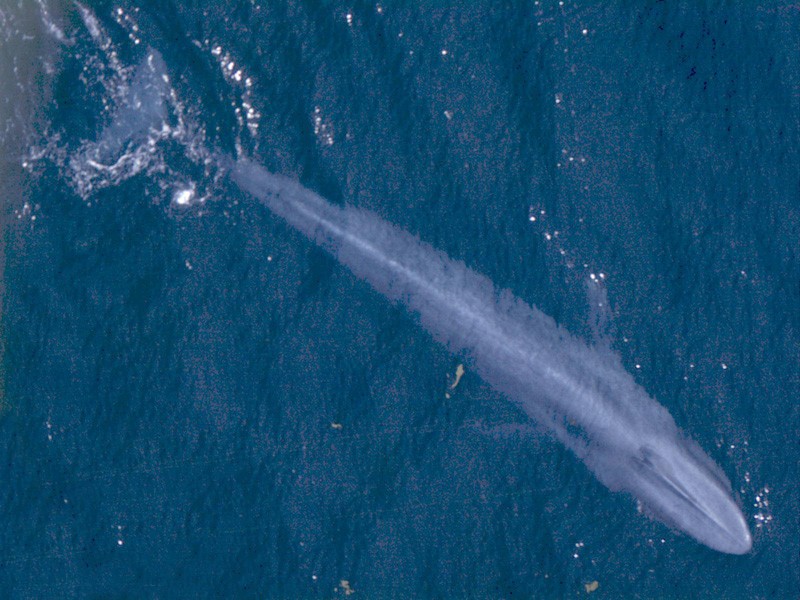
Here, let's pause on one idea about sound. The sounds we usually hear are vibrations in air, but water is far denser than air and carries sound more than four times faster — and much farther. That makes the ocean an entirely different world where sound is concerned. It's why the call of a blue whale can travel hundreds of kilometers. And yet The Bloop was far more powerful than a blue whale's call. No known animal on Earth could produce a sound this loud. This is exactly where the imagination took off. If no known creature could make such a sound, then perhaps it came from something we don't yet know.
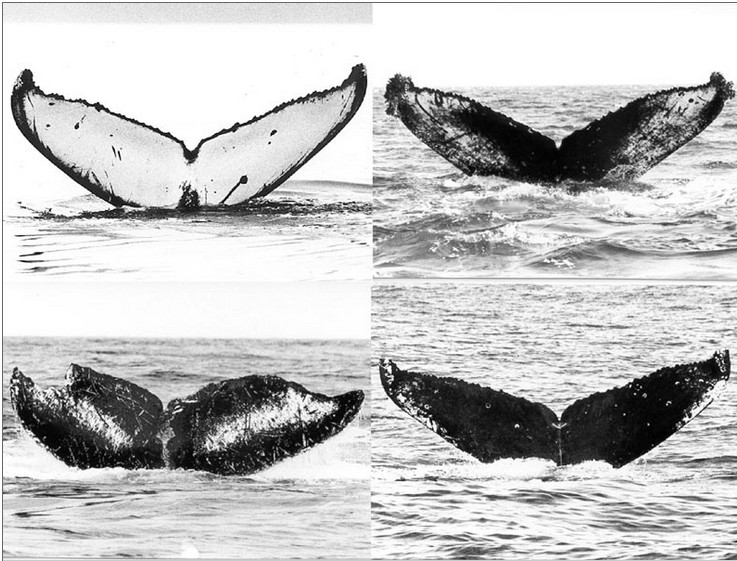
The Fantasy of an "Unknown Creature"
One acoustic feature of The Bloop fanned this fantasy. NOAA marine acoustics scientist Christopher Fox once remarked that the profile of the sound resembled, in some way, sounds made by living things — its frequency rose and fell in a shape reminiscent of animal calls. But he made a point of adding, in the same breath, that the sound was "far more powerful" than the calls of any animal on Earth. In other words, the "shape" of the sound was like that of a living thing, but its "size" lay far beyond the range of any known creature.
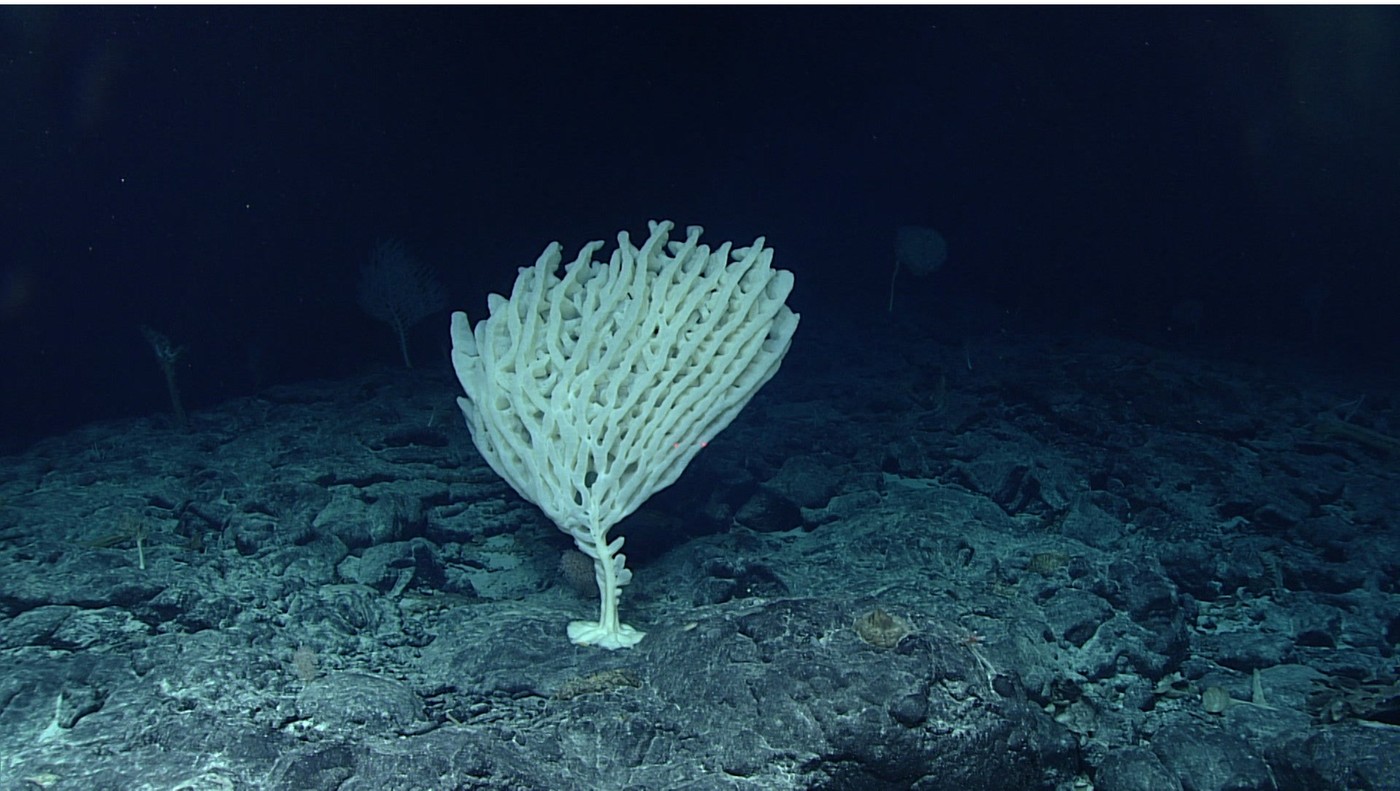
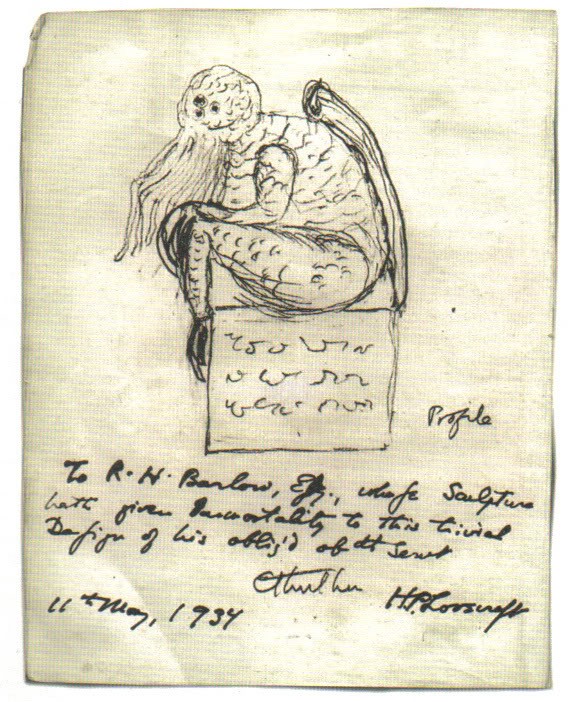
It was precisely this ambiguity that, colliding with the imagination of the internet age, exploded. People began to say that somewhere in the deep, an unknown giant many times the size of a blue whale might be hiding. When word spread that The Bloop's origin point was not far from the fictional undersea city "R'lyeh" — the coordinates where, in the tales of novelist H. P. Lovecraft, the sleeping god Cthulhu lies imprisoned — The Bloop became an internet legend almost overnight. But one thing must be made clear. The giant-cryptid theory and the Cthulhu theory are nothing more than popular imagination and memes, with no scientific basis whatsoever. These were not the conclusions of science, but stories people attached to a mystery that had not yet been solved.
Chasing Down the Sound's Identity
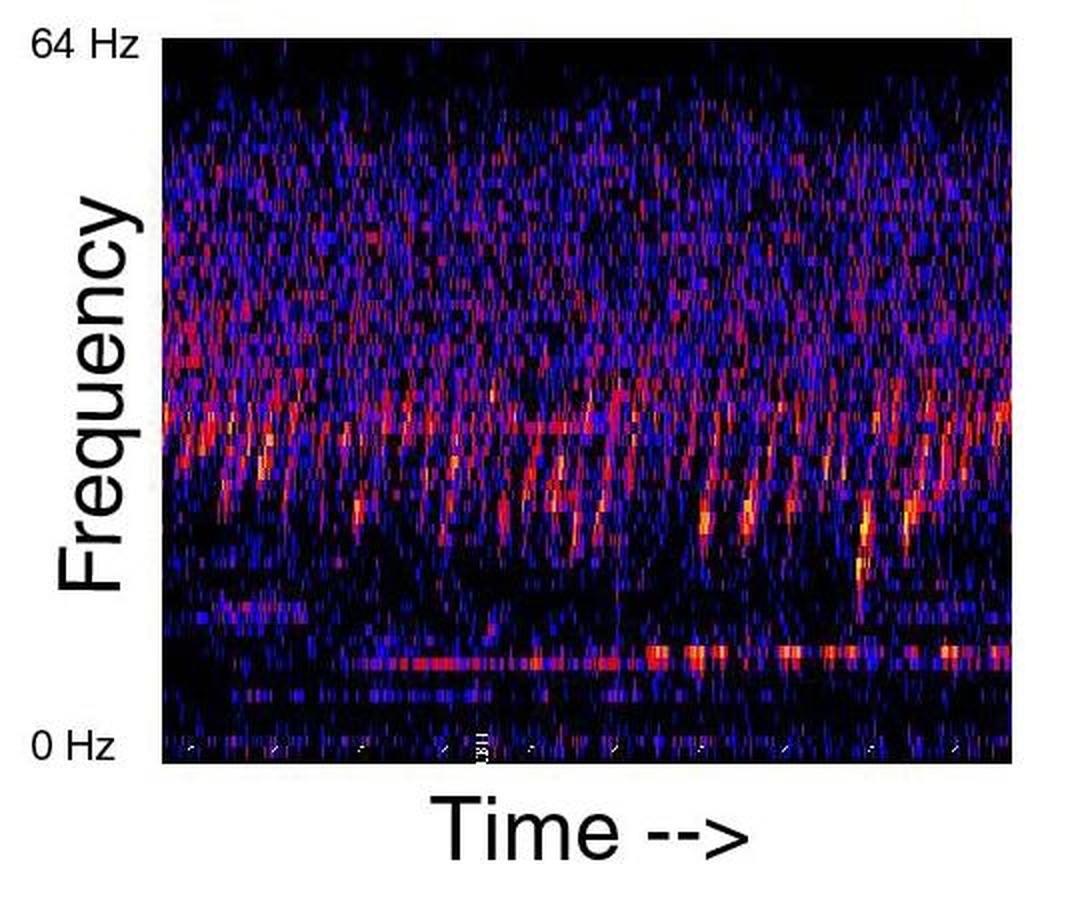
For scientists, The Bloop was not a romantic monster tale but a physics problem to be solved. The clue they had was the shape of the sound recorded by the hydrophones — a spectrogram showing how its frequency changed over time. By analyzing this fingerprint-like pattern, researchers narrowed down what kind of physical phenomenon could have produced the sound.
The key approach was comparison. NOAA had already been recording all manner of ocean sounds for years, and among them were sounds confirmed to have come from polar ice. Though they were not as powerful as The Bloop, the patterns of these sounds — ice cracking and breaking apart — bore a striking resemblance to it. The decisive test was to move the hydrophones closer to Antarctica and observe. When they did, low-frequency, high-amplitude acoustic events were caught again and again, and their shape overlapped exactly with the original Bloop. Slowly, the true nature of the sound began to reveal itself.
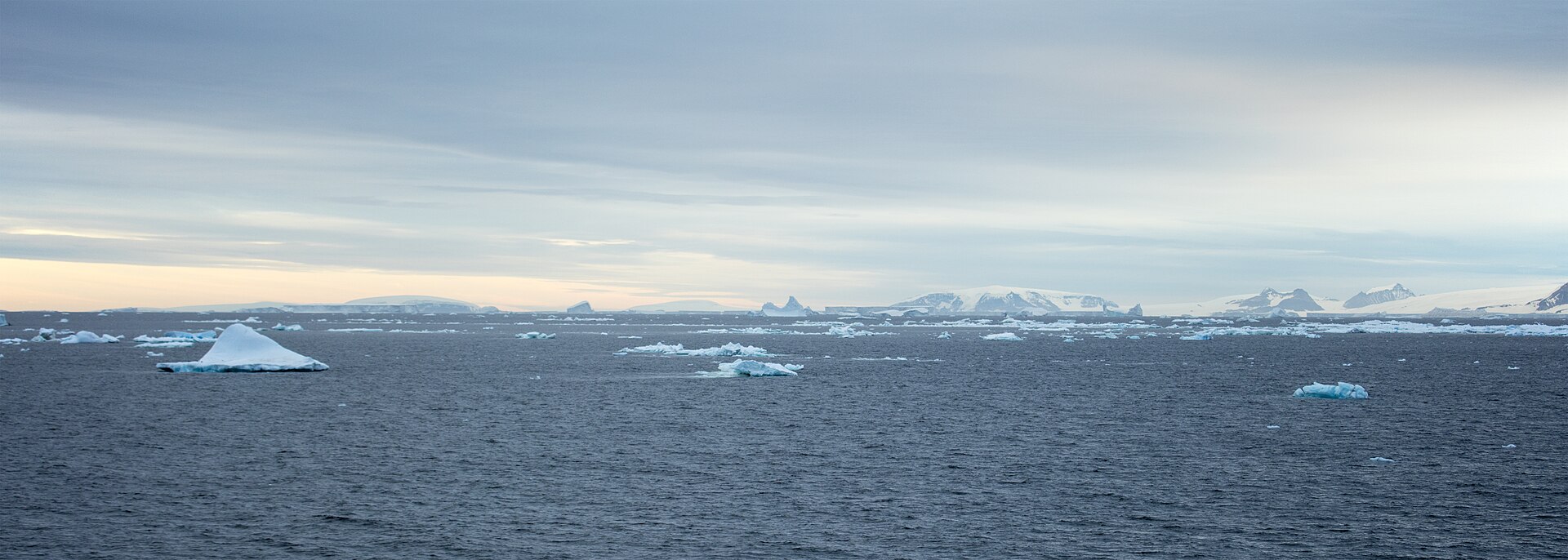
Photo: Wikimedia Commons, CC BY-SA
NOAA's Conclusion — An Icequake
After a long pursuit, NOAA reached this conclusion. The Bloop was an "icequake" — a cryoseism — the sound produced when an enormous iceberg cracks and breaks apart. The vast glaciers and icebergs of the Antarctic continent move far more violently than we tend to imagine. Masses of ice grind against the seafloor and against one another; huge chunks break away entirely in a process called calving; fissures split open and ice ridges pile up. In this process, an immense amount of energy is released in an instant, sending an earthquake-like acoustic burst rippling through the water.
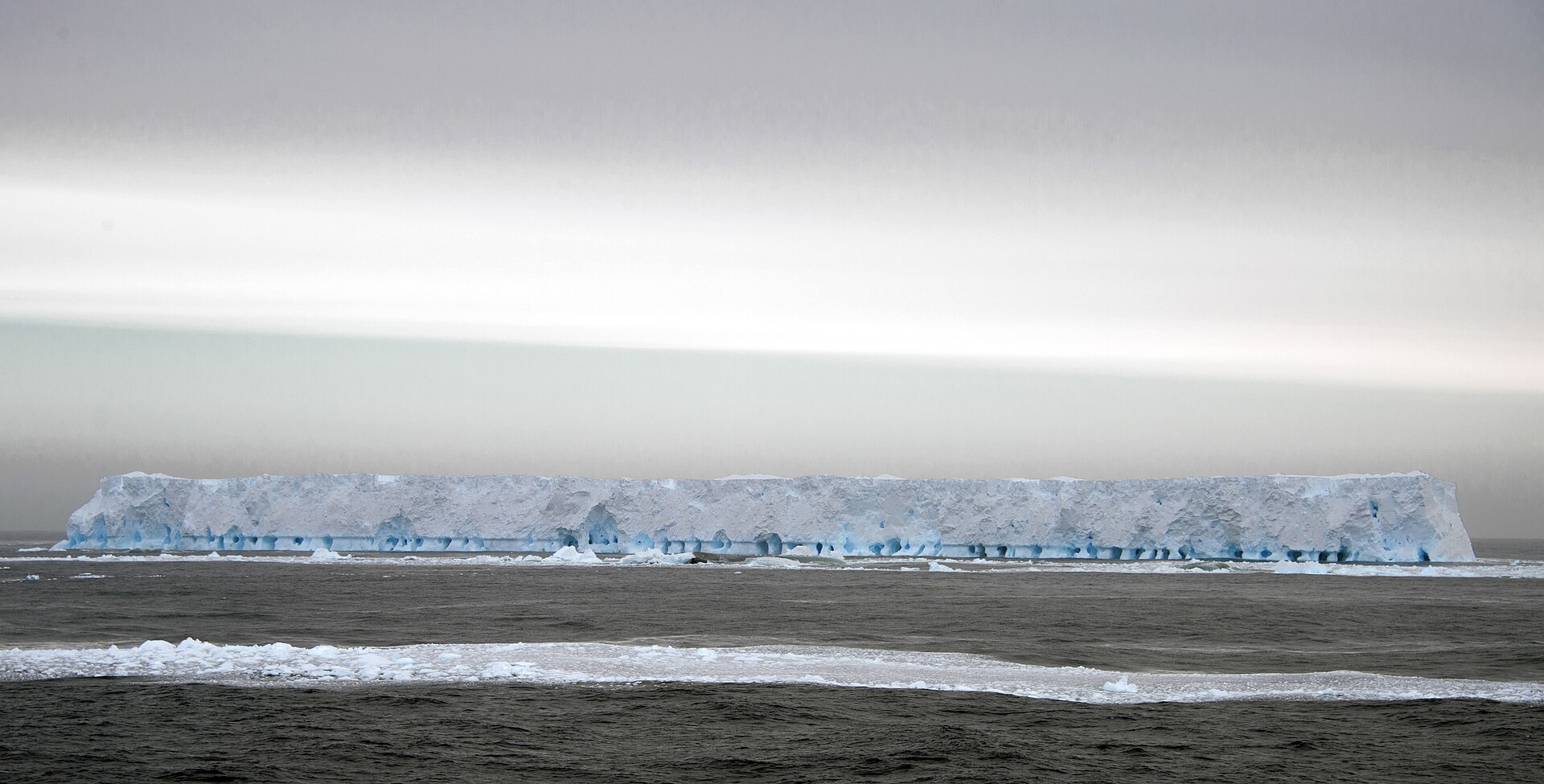
Photo: Wikimedia Commons, CC BY-SA
The official explanation from NOAA's Pacific Marine Environmental Laboratory (PMEL) is clear: "The broad spectrum sounds recorded in the summer of 1997 are consistent with icequakes generated by large icebergs as they crack and fracture." In fact, NOAA went on to record signals of exactly this kind of icequake many times in waters near Antarctica, and in 2008 it even tracked a single disintegrating iceberg using these acoustic signals alone. The suspected origin was pointed to the Bransfield Strait, the Ross Sea, or near Cape Adare on the Antarctic continent. There was no unknown monster surpassing the blue whale. Its true identity was the colossal groan of ice on the coldest, most remote continent on Earth, tearing itself apart.
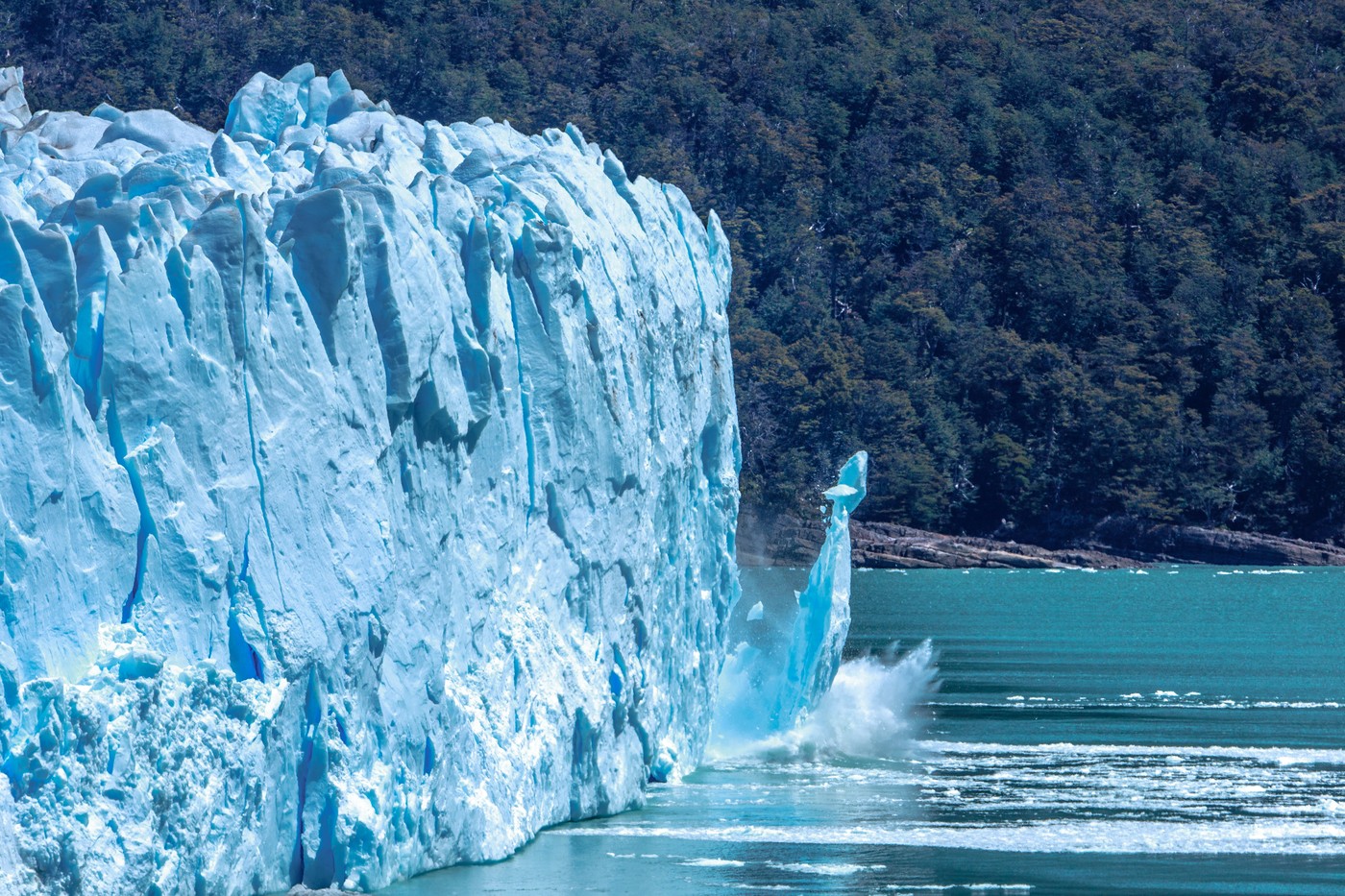
And Still, the Ocean Holds the Unknown
The fact that The Bloop turned out to be an icequake does not make the story dull. If anything, it captures exactly how science handles a mystery. The first observation, the comparison with what is known, the repeated verification by moving observation points, and finally the explanation in terms of a natural physical phenomenon. The monster story vanished, but what filled its place was an equally astonishing fact: that Antarctic ice moves violently enough to send a sound 5,000 kilometers away.
And there is one more thing we should not forget. The Bloop was solved, but the ocean is still full of sounds we do not fully understand. Over the years NOAA's hydrophones have recorded several named but not entirely explained sounds — like "Julia," "Slow Down," and "Upsweep." Many of these, too, are attributed to tectonic activity, ice, or other known natural phenomena, but in the vast and hard-to-reach world of the deep sea, not everything is explained at once. Though it covers most of the planet's surface, we have still peered into only the tiniest fraction of the ocean.
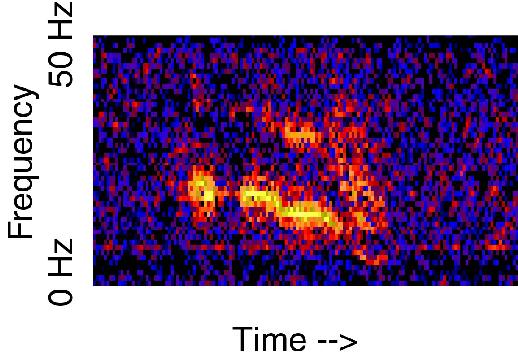
When I closed this file I did not move it to the solved shelf, and the reason is the other names. Julia. Slow Down. Upsweep. They sit in the same NOAA holdings, catalogued, spectrograms preserved, each one attributed to something plausible and none of them finished the way the Bloop was finished. I have looked at those spectrograms more times than the resolved case ever asked of me. The ice explained one sound. The hydrophones are still down there, still recording, and the list of names has never gotten shorter.
Closing
Here is what we can say for certain about The Bloop today. In the summer of 1997, NOAA's deep-sea hydrophones caught an ultra-low-frequency sound in the Pacific more powerful than any animal on Earth. The sound was so overwhelming it could be detected thousands of kilometers away, and so people imagined an unknown giant creature — even Cthulhu. But that was imagination and meme, with no scientific basis. After long comparison and repeated observation, NOAA established that the sound was an icequake, the sound of an enormous Antarctic iceberg splitting apart.
The reason The Bloop's story remains so captivating is, perhaps, that this sound touches two impulses within us at once. One is the ancient imagining that somewhere in the abyss there is something we do not know; the other is the attitude of science, which pursues that imagining relentlessly until it reaches the truth. In the end there was no monster in the deep. Yet the fact that ice can tear itself apart and send a sound across 5,000 kilometers reminds us, no less than any monster story, of how strange and vast this planet is. The ocean is making sounds today, too — and we have only just begun to listen to its voice.
---
The images in this article are real archival and on-location photographs.



Comments
No comments yet — leave the first one.