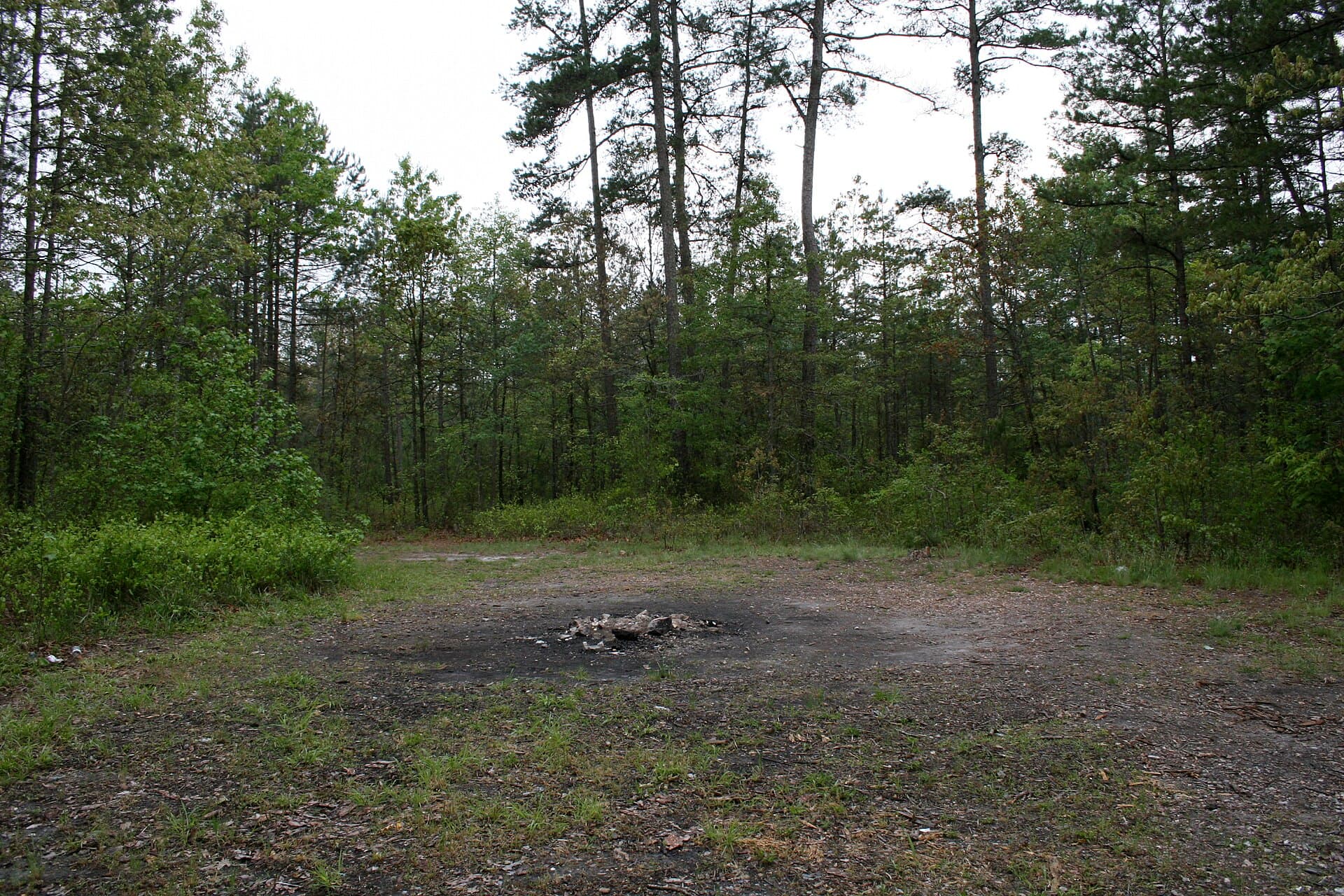
In the pine and hardwood woods of Chatham County, North Carolina, a few miles from the small community of Bear Creek, there is a place where the forest simply stops. A rough circle of packed, barren earth roughly forty feet across sits in the middle of otherwise ordinary woodland. Grass grows right up to its edge and then gives out. Inside the ring, the ground is bare and hard, and — so the story has gone for more than two hundred years — nothing will grow there at all. Local people have known it by one name for generations: the Devil's Tramping Ground. The folklore is vivid and old: the Devil paces this circle at night, treading the same worn path as he schemes against the world, and his footsteps have poisoned the soil so thoroughly that no living thing can take root. Objects left inside the ring overnight, the stories say, are found flung out into the trees by morning. This is a small, quiet, local mystery — not a famous crime or a national headline, but a bare patch of dirt in the woods that people have been trying to explain, and failing to, for longer than the United States has been a country.
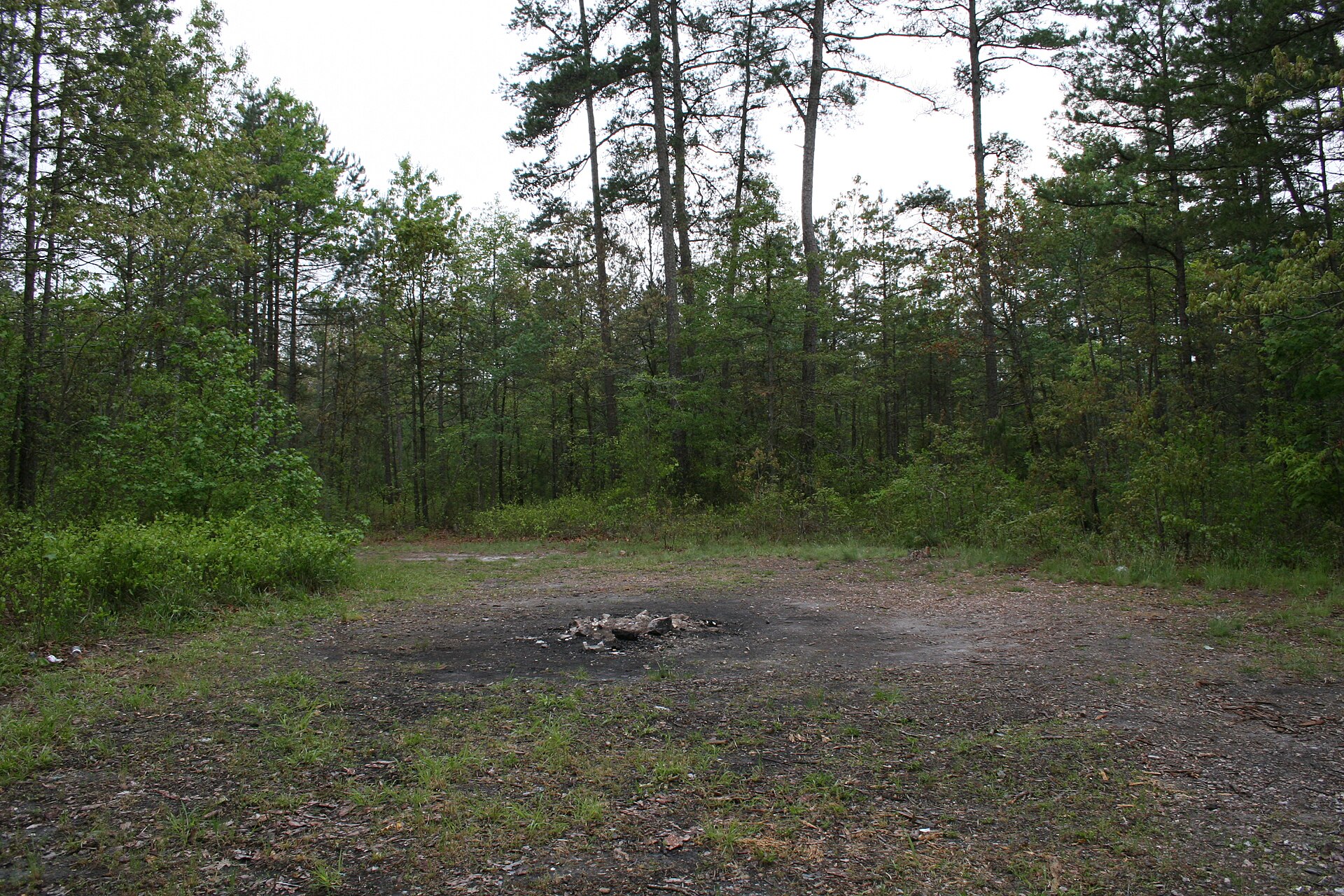
Photo: Wikimedia Commons, CC BY-SA 2.5
A Circle Where the Woods Give Out
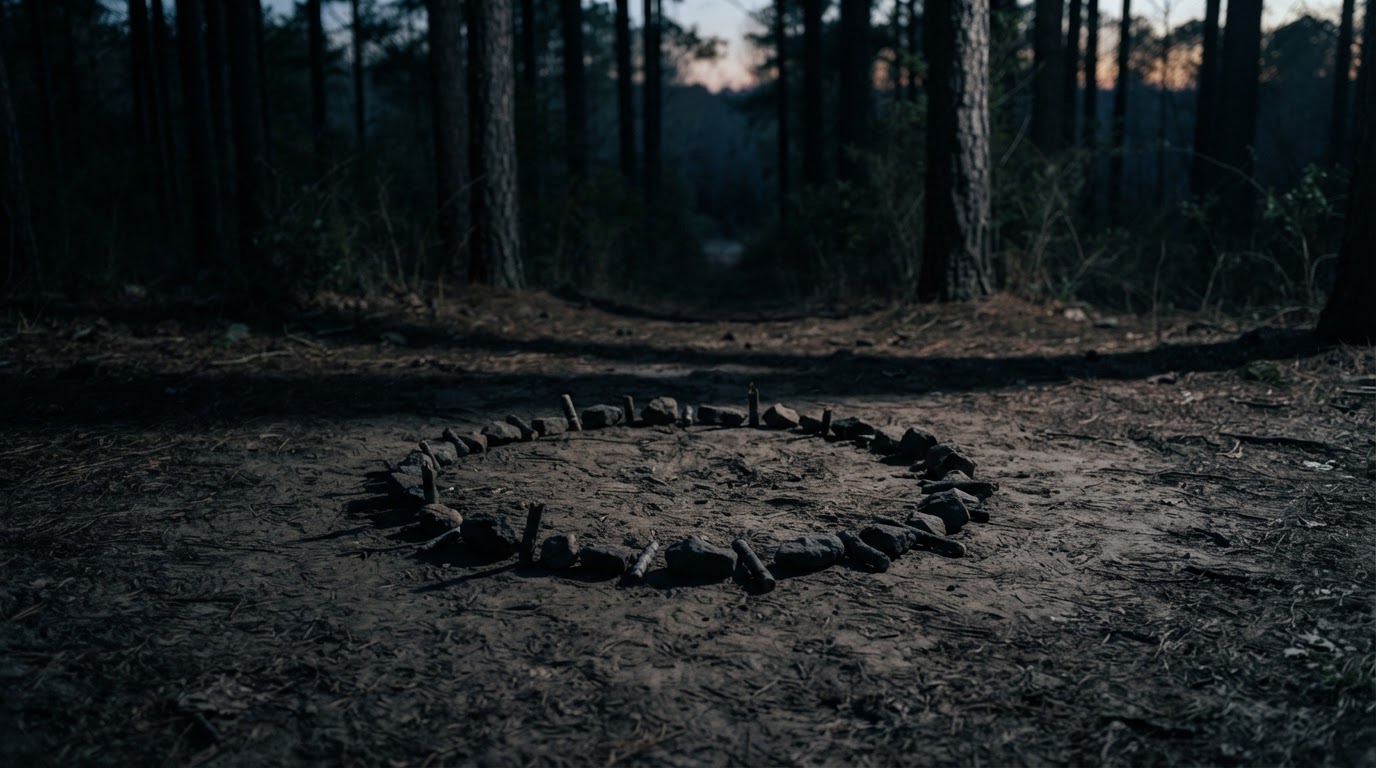
The site itself is unassuming, and that is part of what unsettles people who visit. There is no cave, no ruin, no monument — just a clearing off a rural road, reached by a short walk through the trees. And then, abruptly, the circle. The bare ground forms a rough ring, and the transition at its edge is startlingly sharp: green undergrowth and pine straw one moment, hard bald earth the next. Visitors have described standing with one foot on grass and one on the dead ground, as though a line had been drawn.
For as long as anyone in the area can remember, the ring has held its shape. Old accounts going back into the nineteenth century describe the same barren circle in the same place, and the earliest folklore attached to it is older still. Whatever keeps the ground bare has apparently been doing so, without interruption, for the better part of two centuries. In a forest that heals every scar — where a fallen tree is swallowed by seedlings within a few seasons — a patch of earth that refuses to green over for two hundred years is, at the very least, a genuine oddity. That plain fact, and not the Devil, is the true beginning of the mystery.
Bear Creek is one of the smallest entries I keep, and I nearly did not keep it. There is no body, no verdict, no missing person — only a ring of dirt about forty feet across in Chatham County. What held me was going through the nineteenth-century accounts and finding the circle described in the same place, at the same rough size, by people separated by decades who plainly had no reason to compare notes. Legends drift. This one has not.
The Folklore — The Devil Pacing at Night
The stories that grew up around the circle are among the richest in North Carolina folklore, and they are worth telling on their own terms, because they are the reason anyone remembers the place at all. The central legend is simple and stark. At night, it is said, the Devil comes to this spot to walk in a tight circle, round and round, brooding over the misery he intends to bring upon humankind. He has trodden the same path so many times, for so many years, that his feet have burned the life out of the earth and worn the ring into the ground. The barren circle, in this telling, is not a place where something happened once but a place that is used, over and over, night after night.
From that root, the folklore branches out. The most persistent variant holds that any object left inside the ring at nightfall will not be there in the morning — that the Devil, pacing his circuit, kicks or hurls it out into the surrounding trees, unwilling to share his ground. Campers over the years have claimed to test this, leaving stones or sticks arranged inside the circle before bed and finding them scattered outside at dawn. Others tell of dogs that will not enter the ring, of an unease that settles over people who linger too long, of a silence heavier than the ordinary hush of the woods. None of this is documented in any rigorous way; it is the living, shifting body of a genuine local legend, passed hand to hand for generations. And it is precisely because the ground really is barren that the legend has kept its grip so long.
What People Have Left Overnight
The overnight-object story deserves a closer look, because it is the part of the legend most often "tested," and the part where folklore and observation blur most easily. The claim is specific: place something inside the circle at dusk, and by sunrise it will have been moved — thrown clear of the ring, sometimes several feet into the brush. Generations of local teenagers, curious campers, and the occasional paranormal enthusiast have gone out to the site to try it for themselves, and a good number come back saying their objects had indeed shifted.
It is not hard to see how such results accumulate without anything supernatural at work. The site is well known and easy to reach, which means it draws a steady trickle of visitors, not all of them respectful; animals move through the clearing at night; wind funnels through the trees. An object found "flung out" by morning has any number of mundane explanations. But the honest thing to say is that no one has ever set up a controlled, monitored test to settle it, and so the claim floats in the same in-between space as the rest of the folklore — repeated, half-believed, never quite pinned down. The legend survives not because it has been proven but because it has never been decisively disproven to the people who tell it.
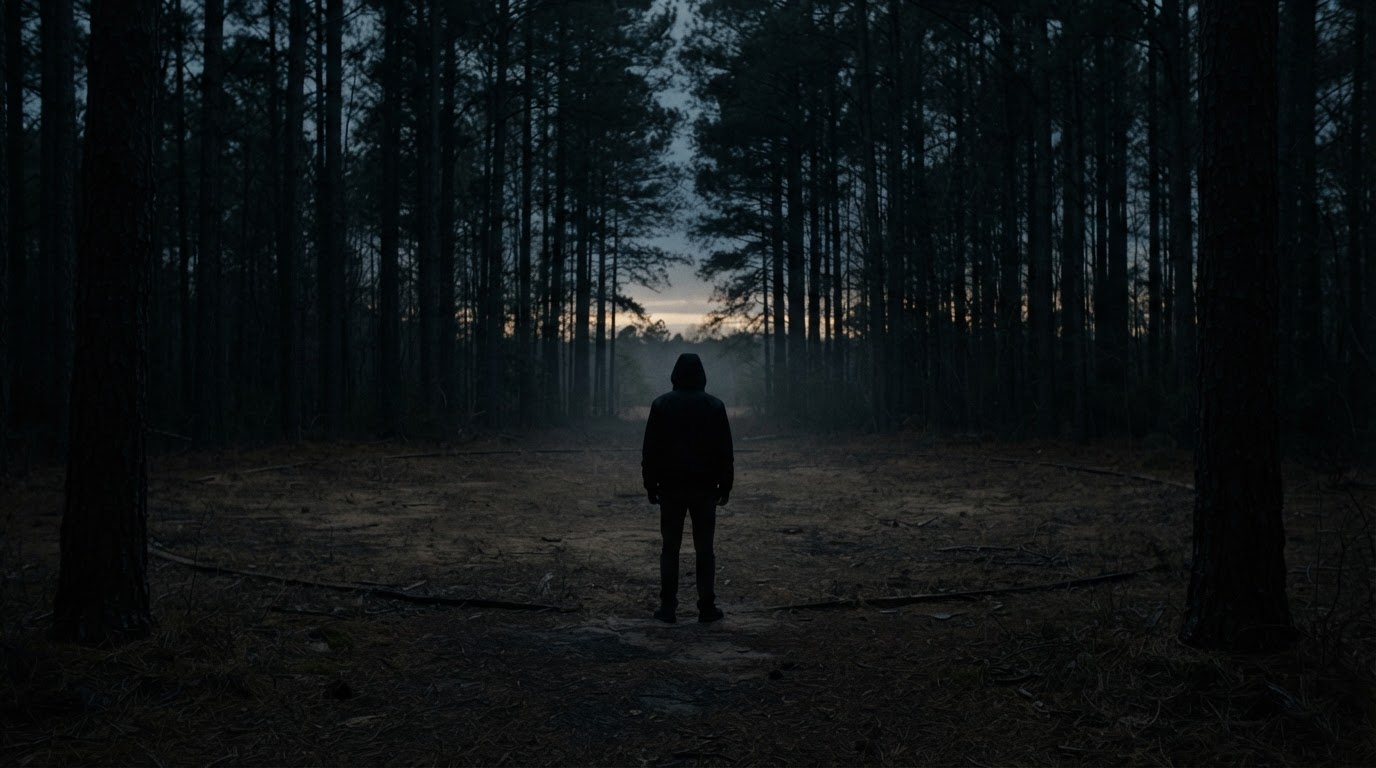
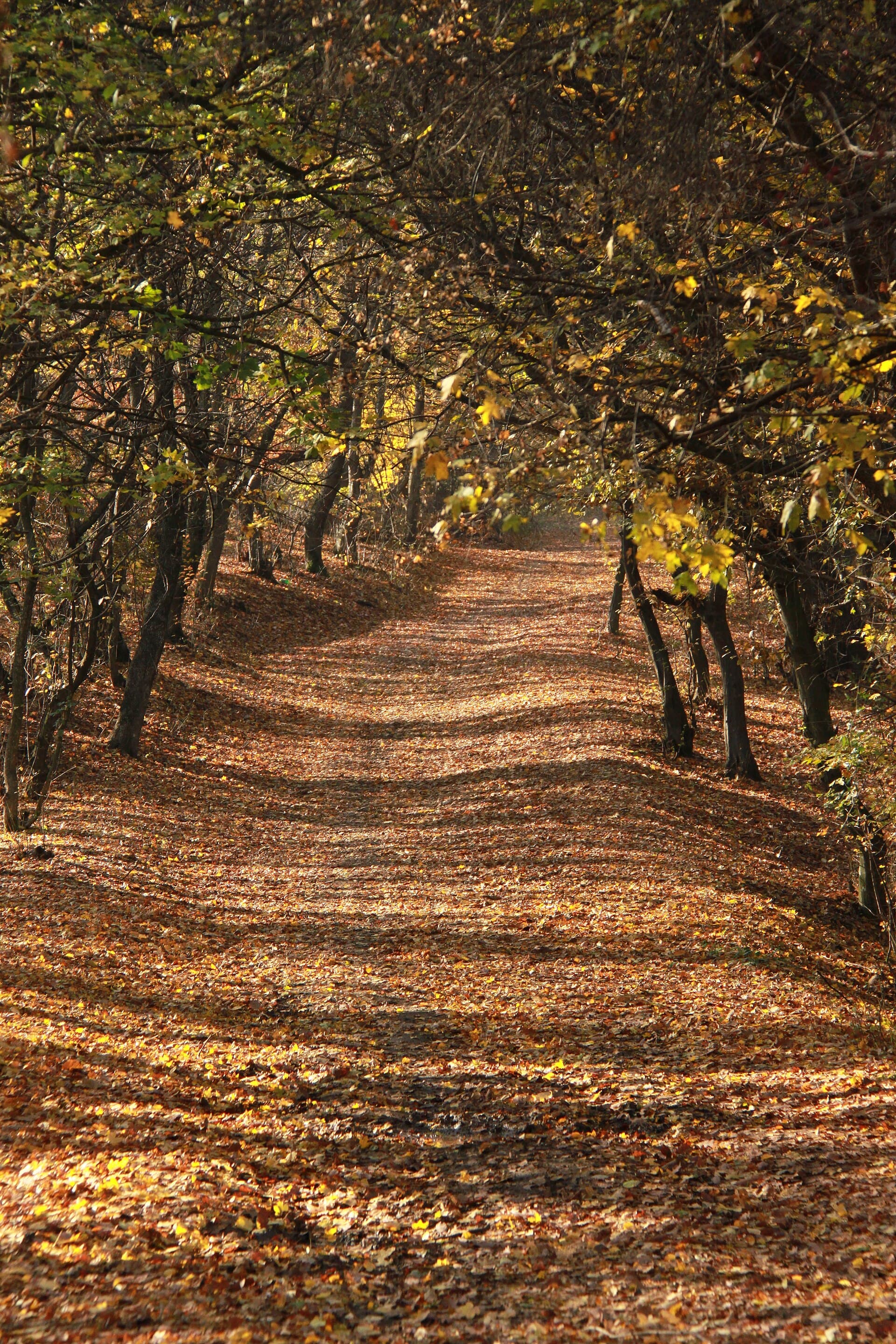
The barren circle at dusk, wind moving through the surrounding pines.
The Soil, and What the Tests Actually Showed
Here the story turns from folklore toward the one question that could, in principle, be answered: why won't anything grow? The popular explanations mirror the legend. Some say the soil is simply "sterile" or "cursed"; others, reaching for a scientific gloss, claim that tests revealed the earth to be saturated with so much salt that no plant could survive it, and then spin theories about how the salt got there — an old salt lick, a buried deposit, even a meteorite. These salt claims are repeated so often that they have hardened into a kind of accepted fact in the retellings.
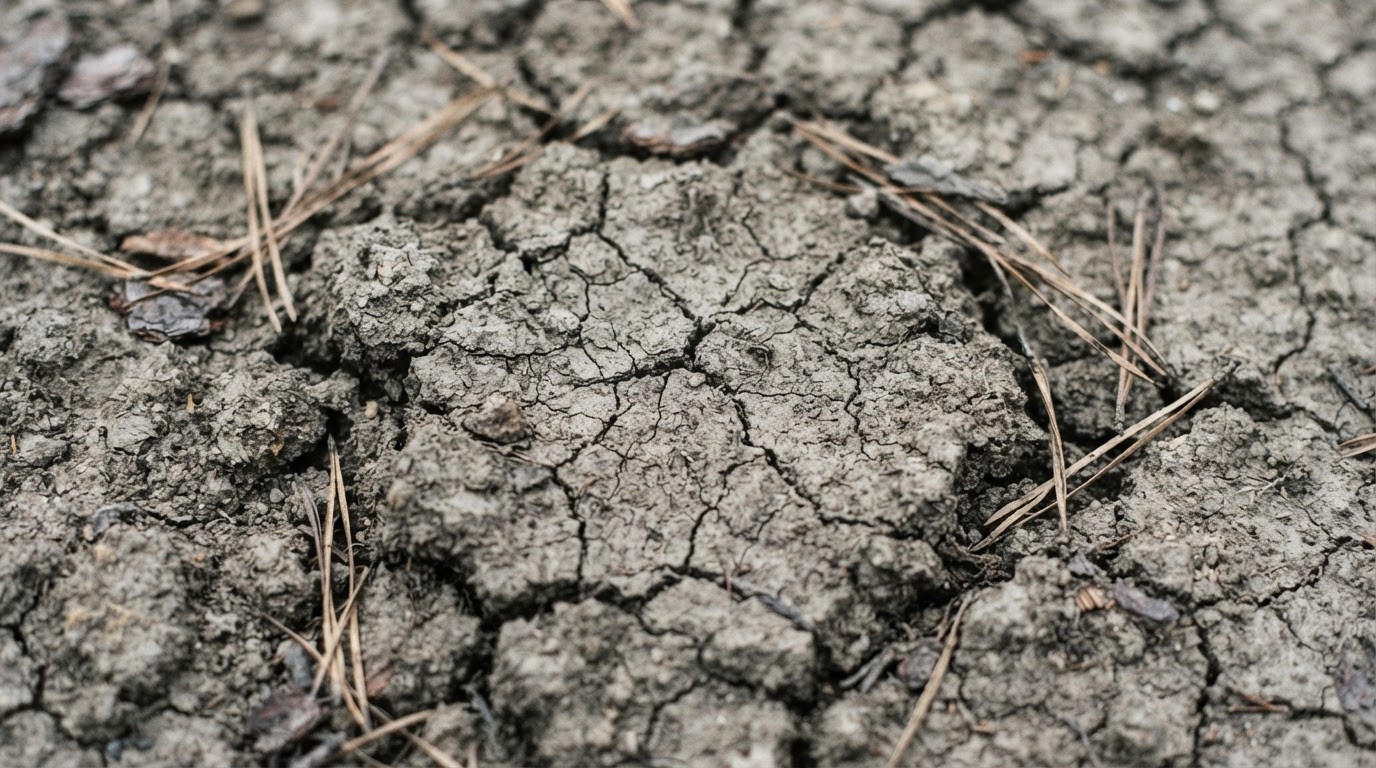
The trouble is that the actual testing record is thin and inconclusive, and far less dramatic than the folklore. Soil samples have been taken and analyzed at various points, and the results have not delivered the tidy, sensational answer the stories promise. There is no well-documented, agreed-upon finding of extraordinary, life-killing salinity or of some exotic contaminant unique to the circle. What appears far likelier, and what plain examination of the site supports, is something almost disappointingly ordinary: the ground is barren because it is hard-packed and heavily trodden. The site has been a well-known local landmark and gathering spot for generations. Feet, tires, campfires, and traffic compact the soil relentlessly, and heavily compacted earth resists new growth — the same reason a well-used footpath stays bare while the meadow on either side flourishes. In other words, the leading real explanation is that people keep the circle barren by visiting the circle. The very fame of the legend may be what sustains the phenomenon that feeds the legend.
The Honest Ending
So where does that leave us? It is tempting, once the salt-and-sterility claims fall away, to declare the whole thing solved and walk off — a compacted footpath dressed up in a devil costume. And the sober, likeliest reading really is close to that: a naturally poor, hard-packed patch of ground, kept bald by two centuries of foot traffic and campfires, wrapped in a legend so good that the visits which keep it bare are themselves drawn by the legend. That loop is elegant, and it is probably most of the answer.
The compaction reading satisfies me almost entirely, and I have written it down in my own notes as the answer. The word I keep having to add afterward is the edge. Trodden paths blur outward; they widen where people step around a puddle, they fray at the corners. Every description I have collected of this ring, from the oldest to the most recent, insists on the same thing — that you can stand with one foot on grass and one on dead ground. I have never found an account that describes it going soft.
But it is worth being honest that "most" is not "all." No rigorous, published study has ever fully closed the case on why the circle holds its shape so precisely, why the boundary is so sharp, why the barren ground has persisted in exactly this spot for so long. The overnight-object claims have never been properly tested. The soil analyses that do exist are scattered, informal, and inconclusive rather than a clean verdict. What remains is not a demon and not, quite, a neatly stamped "explained." It is a small bare circle in the Carolina pines, older than the country around it, where the ordinary explanation is very good and not quite complete — and where, on a still night with the trees closing overhead, it is easy to understand why people for two hundred years have preferred the other story. The Devil's Tramping Ground keeps its modest, stubborn mystery, and it is the honest gaps, not the salt or the smoke, that keep the circle worth standing at the edge of.
---
This article combines a photograph of the actual site with AI-generated images produced to convey the mood of the story.

Comments
No comments yet — leave the first one.