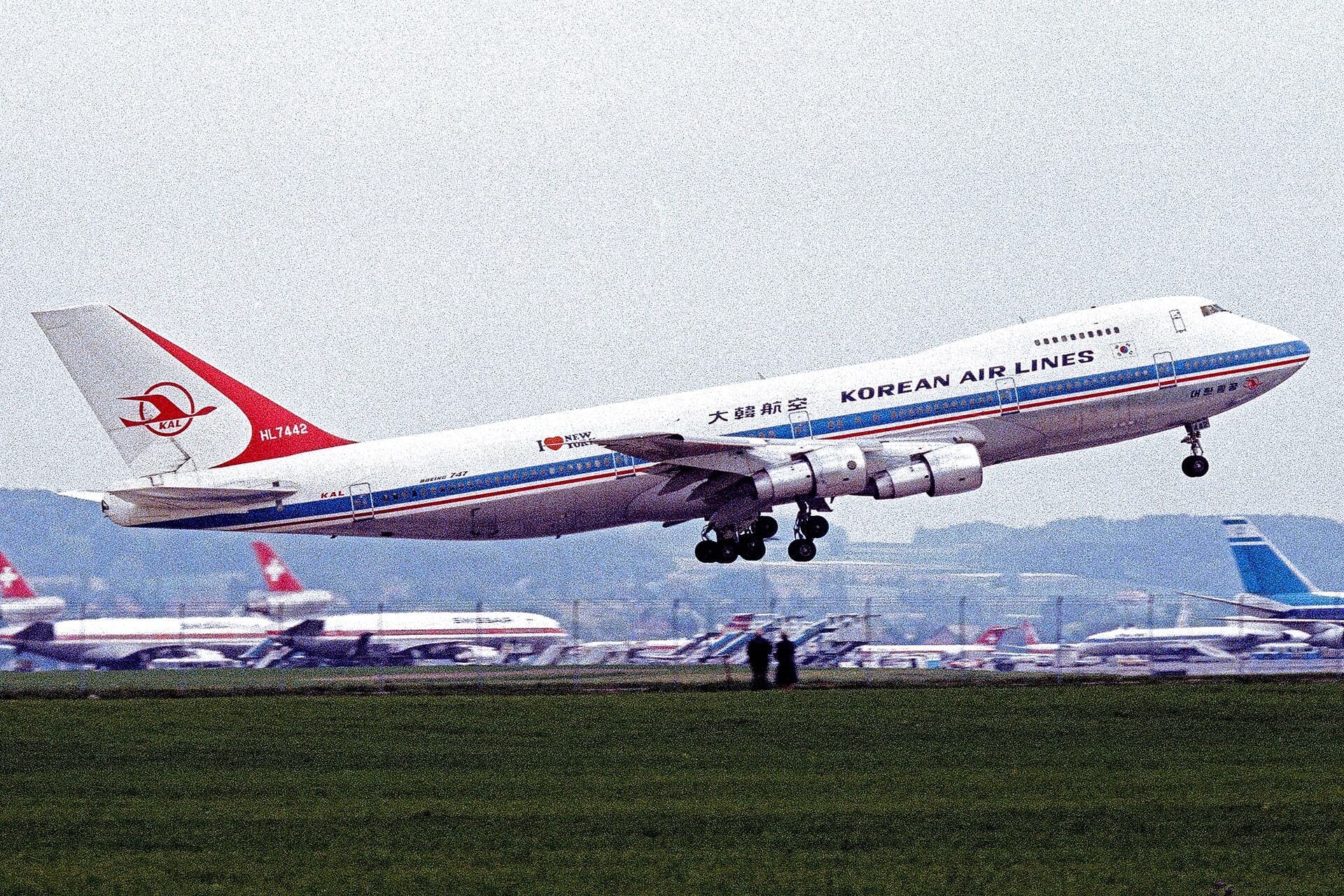
September 1, 1983. Before dawn.
The stratosphere above Sakhalin. Black water far below.
A jetliner was flying where it never should have been. Korean Air Lines Flight 007, out of New York, refueled at Anchorage, bound for Seoul. Two hundred sixty-nine people aboard. And the pilots in the cockpit — this is the heart of the whole story — did not know where they were.
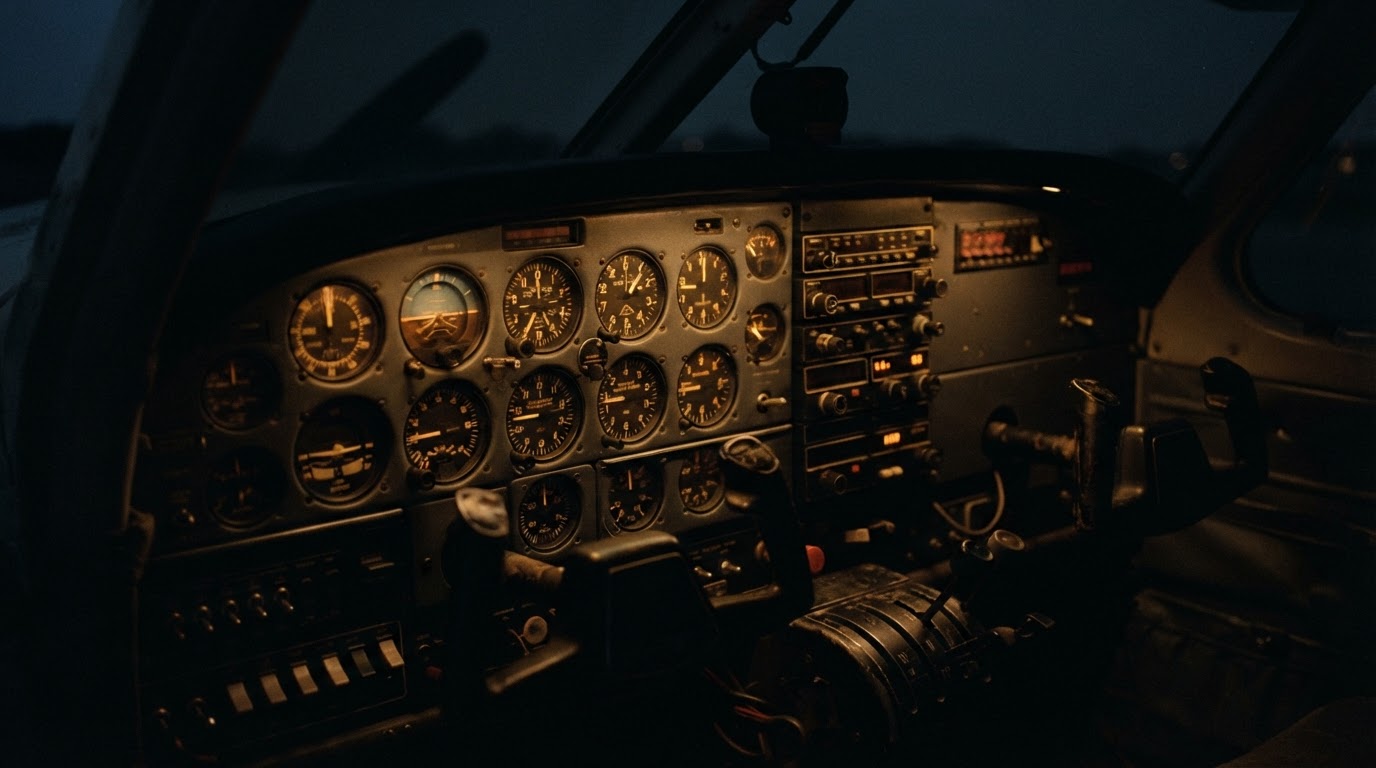
They believed they were somewhere over the Pacific, tracing the assigned oceanic route. In fact, they had drifted into the middle of some of the most sensitive military airspace on Earth. The dials in front of them were calm. Outside, the night was calm. And on the ground far below, a single unidentified blip had been crawling across Soviet air-defense radar for hours.
This is the story of how that flight ended. And it is also the story of what happened, for the ten years afterward, to the people who were waiting for an answer.
Most of the files I keep are unsolved. This one is not, which is exactly why I kept it. I came to it through the ICAO material, and I spent longer than I should have on a single technical line: the autopilot left in HEADING mode. Not sabotage, not a bomb, not a plot — a switch in the wrong position, and a straight line on a curved earth walking a Boeing five hundred kilometres into the wrong country over the course of several unremarkable hours. I have cross-referenced this case against a dozen others in the archive and found nothing else quite like it. The mechanism of the disaster is fully explained. The feeling it leaves is not.
The Facts First — In Memory of 269 Lives
Before we touch the conspiracy theories, the facts have to be nailed down. Every rumor in this story was built on top of 269 real deaths, and to keep those deaths from blurring, we start with what is confirmed.
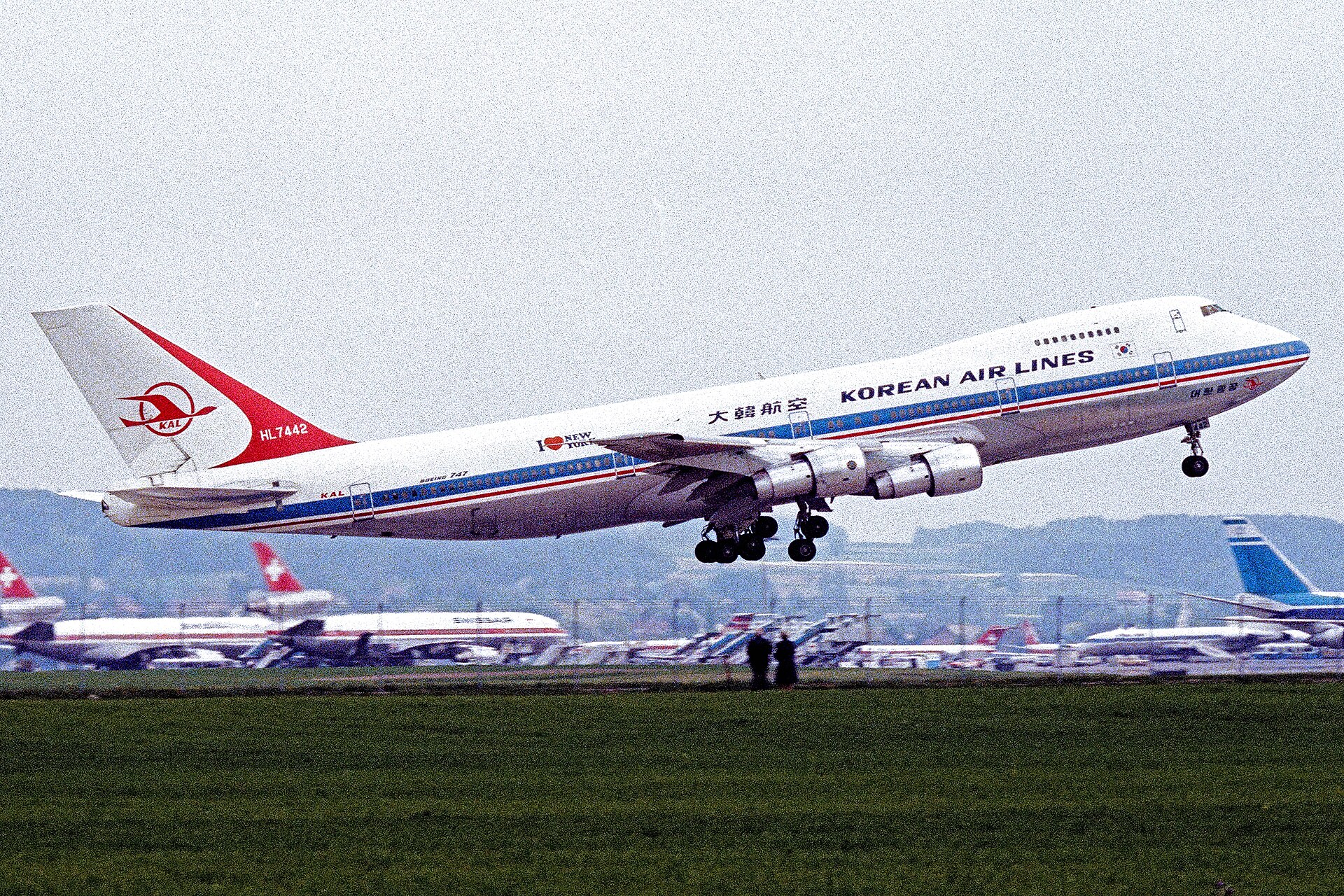
Korean Air Lines Flight 007 was a scheduled passenger flight from New York's John F. Kennedy Airport to Seoul's Gimpo Airport, with a refueling stop at Anchorage, Alaska. The aircraft was a Boeing 747-230B, one of the largest airliners then in the sky. When it lifted off again from Anchorage on the night of August 31, 1983, it carried 246 passengers and 23 crew — 269 souls in all. Among them was Larry McDonald, a sitting United States congressman.
And from the moment it left Anchorage, something began to go wrong.
The aircraft started, slowly, to drift to the right of its assigned track. First a few kilometers. Then, as the hours passed, tens of kilometers, then hundreds. The drift was not sudden. It was gentle and steady, too gradual to feel. And that gentleness was the cruelest part of the tragedy. Nothing in the cockpit warned the crew that anything was wrong.
Hours in, Flight 007 was more than five hundred kilometers off the Pacific route, passing over the Soviet Kamchatka Peninsula — some of the most militarily sensitive airspace on the planet, where the Soviet Union based strategic weapons. From there it flew on, into the airspace over Sakhalin.
The Fatal Navigation Error — How It Left the Route
The first question that has to be answered is this: how could a modern airliner drift five hundred kilometers off its assigned route and into the airspace of a hostile power?
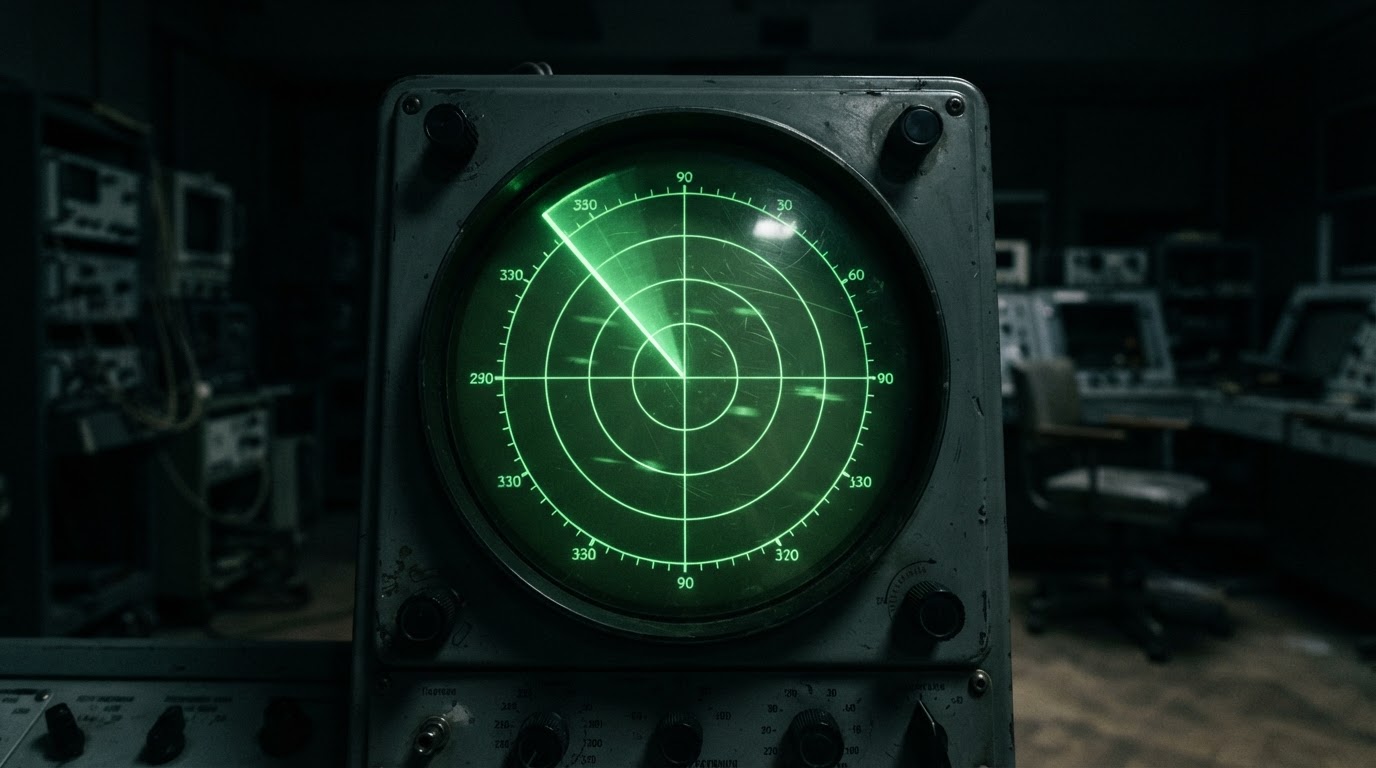
A large aircraft like Flight 007 flew by inertial navigation — the INS, or Inertial Navigation System. Before departure, the pilots load in the coordinates of the waypoints along the route, and the system calculates the aircraft's own motion to follow that route precisely. In an era before GPS, it was the most trusted way to cross an ocean.
The most widely accepted explanation runs like this. After takeoff from Anchorage, the autopilot was left in HEADING mode and never captured the programmed INS route. HEADING mode does not follow the route the INS computed. It simply holds a fixed compass heading. The heading set on leaving Anchorage — because the Earth is curved — diverged further and further from the intended route as the hours passed. The aircraft flew exactly as it was told, straight and true. It was only that the straight line pointed at the Soviet Union rather than at the route.
The pilots appear never to have noticed the drift. The cockpit recordings, released years later, show them believing they were on course until the very end. They were not negligent, and they were not reckless. There was simply nothing in the cockpit to tell them the truth. This is the first cruelty of the case. The mistake that carried 269 people to their deaths was not an explosion or a fire. It was a quiet misunderstanding about how a system was working.
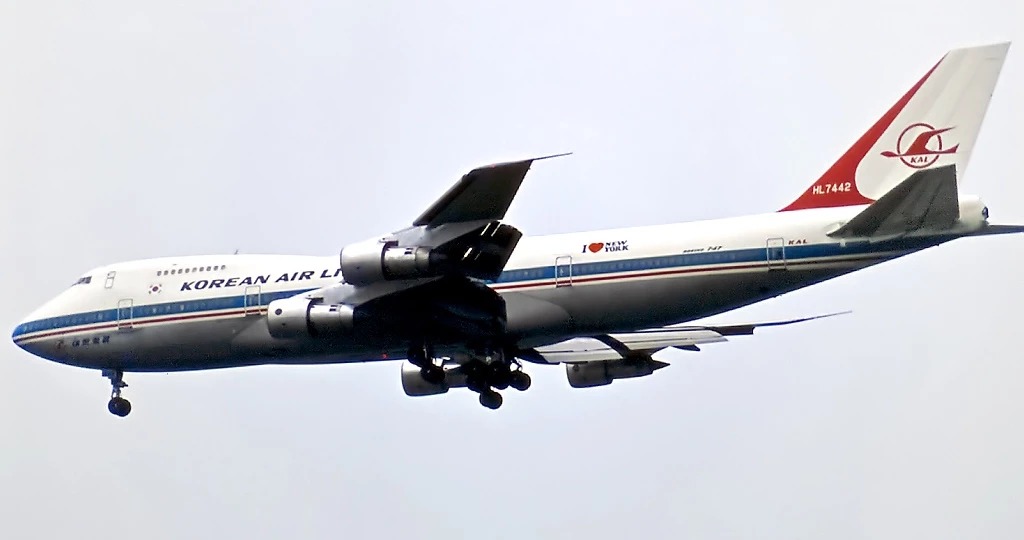
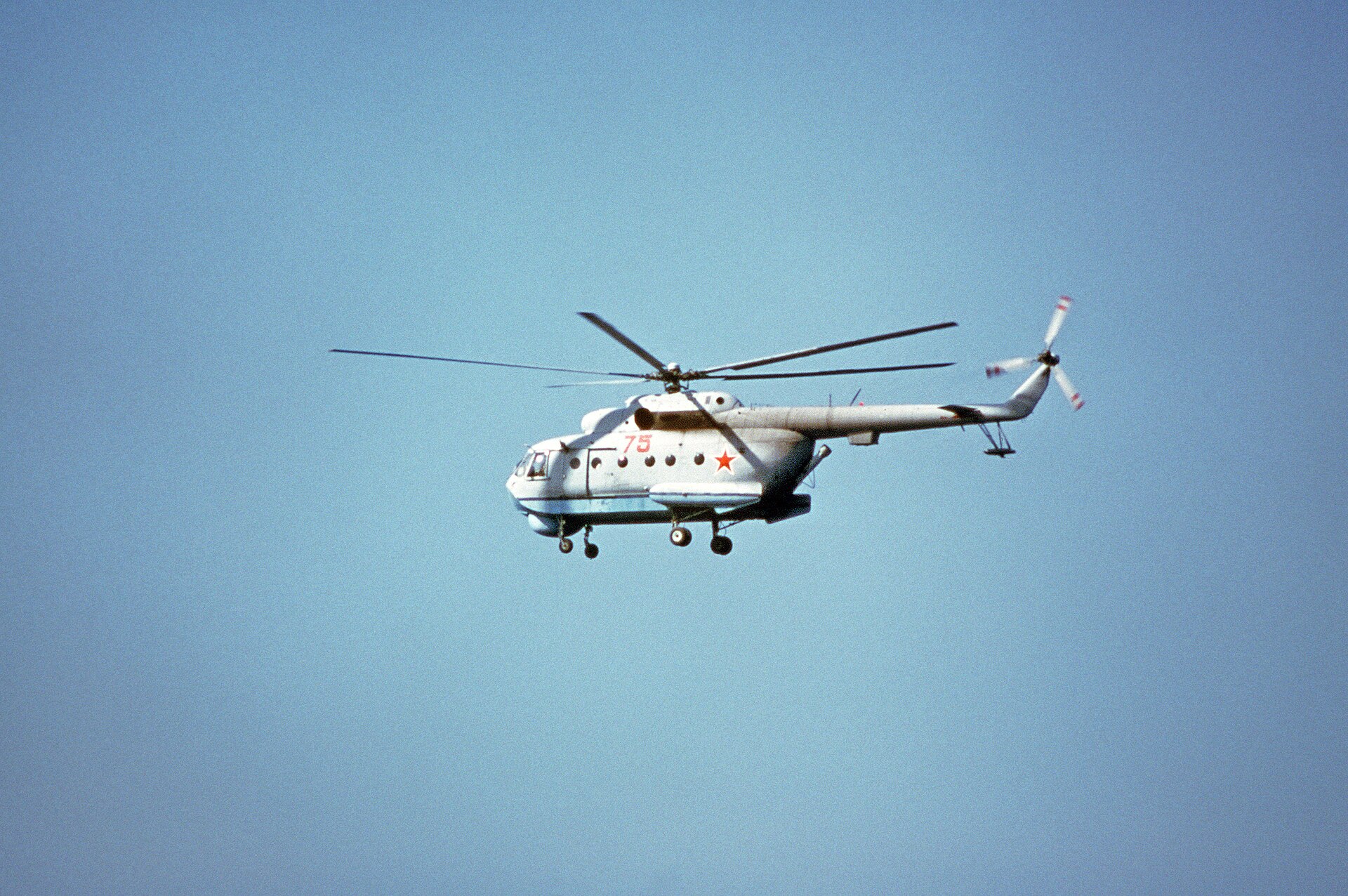
Photo: Wikimedia Commons, GFDL 1.2

The Interception — A Soviet Misjudgment
On the ground, Soviet air-defense forces had been tracking that blip for hours.
The Cold War was at its height. That year, the United States and the Soviet Union were more sharply set against each other than at almost any other time, and the Soviets were acutely sensitive to any unidentified aircraft in their airspace. Worse, American RC-135 reconnaissance planes genuinely did operate in this region. And on that very night, a real American reconnaissance aircraft is understood to have been aloft nearby for a time. On Soviet radar screens, the tracks of the strayed airliner and the spy plane mingled.
This is the second cruelty. The Soviets did not see Flight 007 as an airliner. They were convinced it was an American reconnaissance aircraft — a spy plane come to probe the heart of their territory.
A Sukhoi Su-15 interceptor was scrambled. Its pilot was Major Gennadiy Osipovich. He closed on the target in the dark. Exactly how the warning-fire procedure was carried out, whether the warnings were adequate, and whether they could even have been perceived from the airliner's cockpit remain matters of dispute to this day. In the darkness of the stratosphere, the distance and speed between the two aircraft, and the fact that the airliner's pilots still believed they were on an ordinary route — all of it converged so that the warnings either never reached them or, if they did, were never understood.
Then the order came from the ground. Major Osipovich fired two air-to-air missiles.
Flight 007 did not break apart at once. According to the record, the aircraft stayed aloft for some minutes after the hit. But it lost control and lost altitude in a slow spiral, and at last it went down into the sea near Moneron Island, west of Sakhalin. This article does not describe the details of the disaster. It records only this: across those twelve or so minutes, the cockpit still did not fully understand why any of it was happening.
All 269 aboard were killed.
The Cold War Explosion — Massacre or Reconnaissance?
When the news reached the world, the Cold War flared instantly to its peak.
U.S. President Ronald Reagan condemned the event as a "massacre" — the Soviets, he said, had knowingly shot down an airliner carrying 269 innocent civilians. The Western world was furious, and the Soviet Union stood at once before global condemnation.
The Soviet response set the direction of the entire story that followed. At first, the Soviets denied the incident altogether. They claimed to know nothing. But as the evidence mounted, they changed their posture. They admitted the shootdown — but insisted that Flight 007 had not been a civilian airliner at all, but a spy plane on an American reconnaissance mission. They had, they said, merely responded lawfully to an intruder that had violated their airspace.
Denial, then admission. And even in admitting it, the claim that "it was a spy plane." It was precisely here that the seed was planted for a conspiracy theory that would survive for decades. Because from this moment onward, the Soviets really were hiding something.
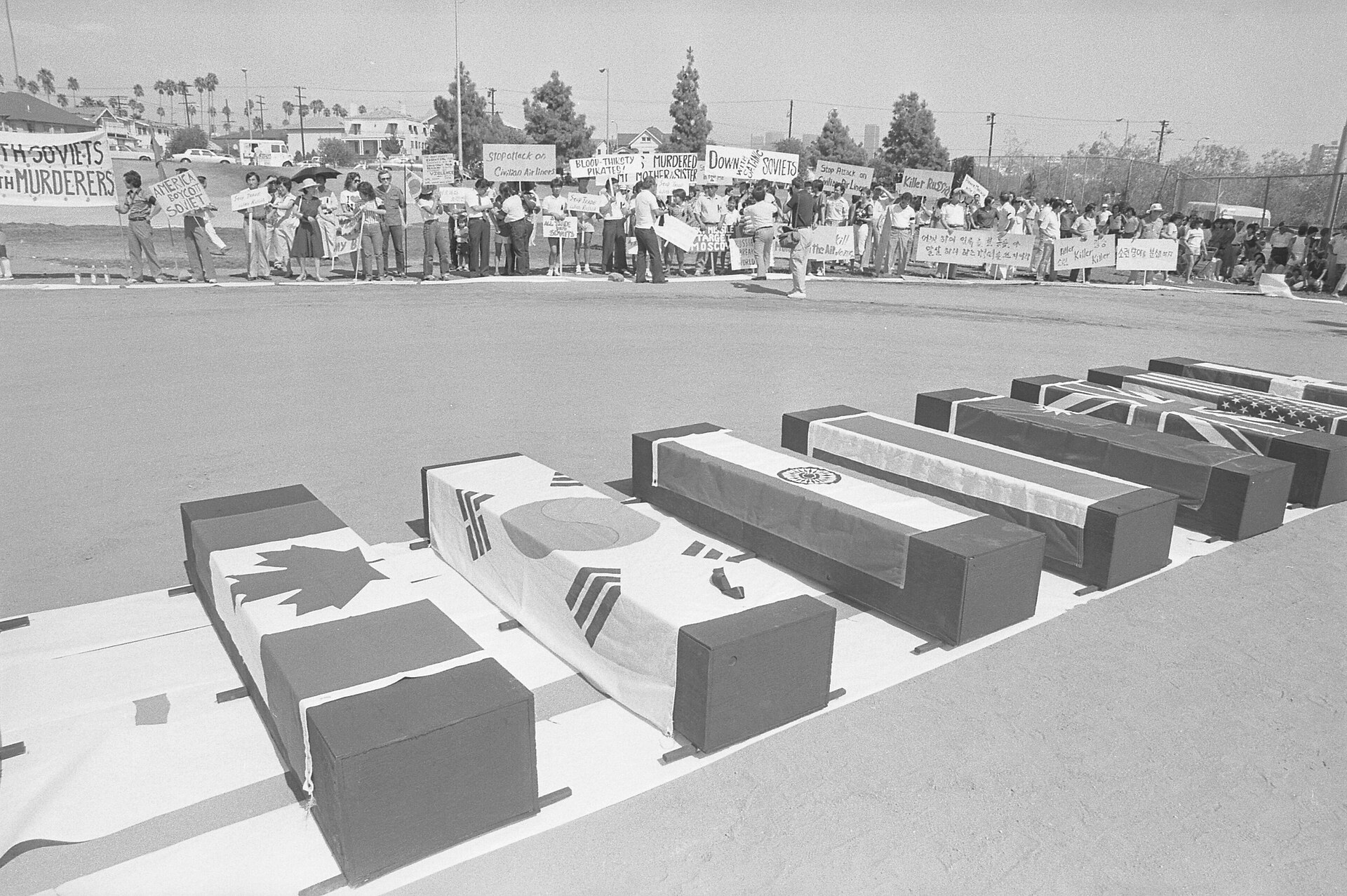
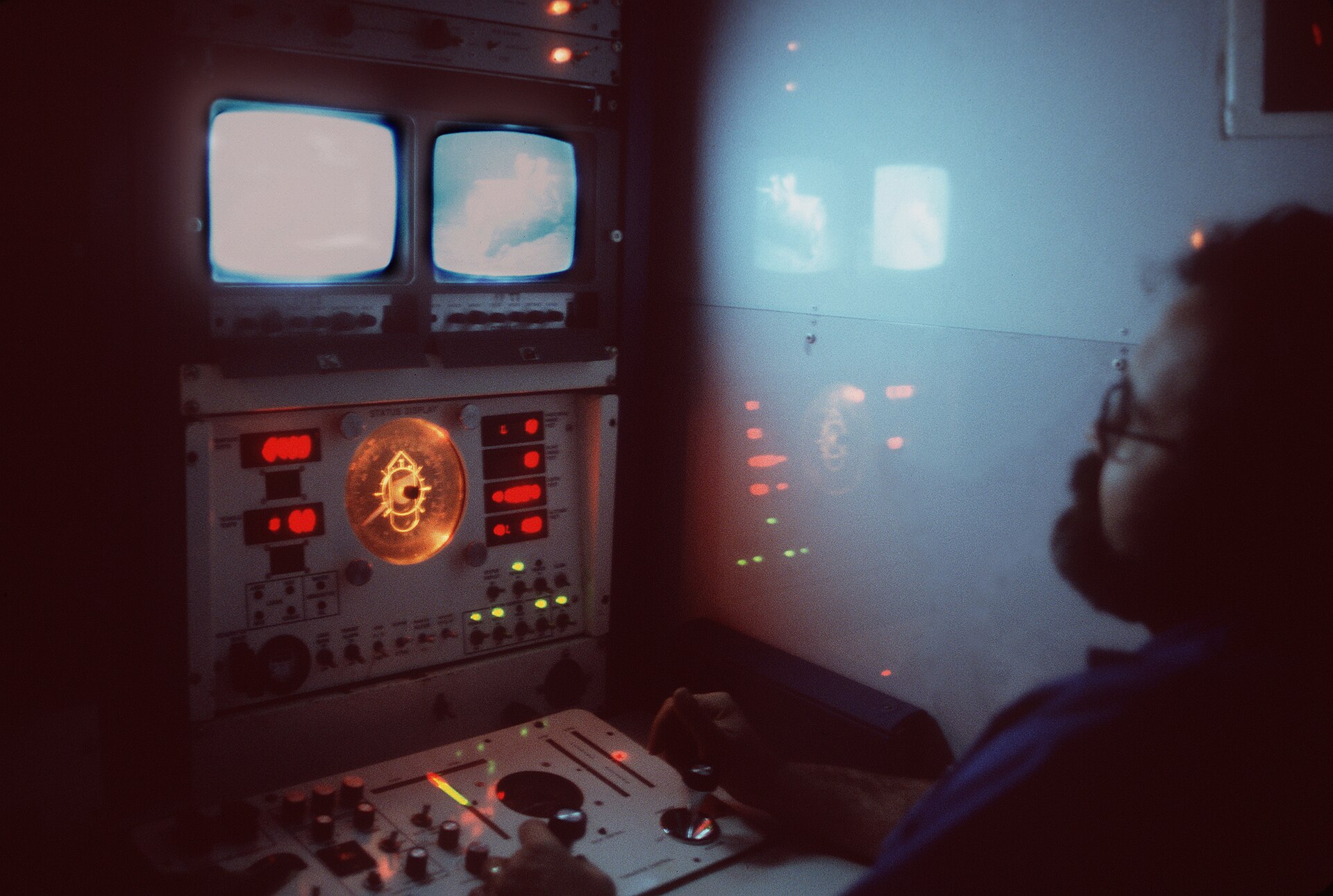
Photo: Wikimedia Commons, CC BY 4.0
Conspiracy Theory (1): The Survivors in the Camps
Two hundred sixty-nine people died. And yet a great many of their bodies were not recovered right away.
That gap lit the first conspiracy theory. Some American groups and some of the bereaved families raised, for a long time, a single claim: that the aircraft had come down gently on the water, ditched intact, and that many of the passengers had survived and been taken by the Soviets into camps.
The grounds offered ran as follows. That fewer intact bodies were recovered from the crash site than one might expect. That the Soviets had controlled information and denied the incident in the early days. And, above all, that there was strong circumstantial reason to think the Soviets really were hiding something (we come to this below). To this the Cold War imagination added its own weight: the Soviet Union had, in fact, held the crews of downed American reconnaissance aircraft before, so the notion that "the passengers of 007 might be alive somewhere" did not feel entirely absurd.
For the families especially, this story was easier to hold than the unbearable truth. Easier than the fact that a loved one had vanished into the sea in an instant was the hope that they might be alive somewhere. So the claim endured — not because its evidence was strong, but because the human heart needed it.
But the claim had a fatal problem. For a ditching to leave survivors, the aircraft has to settle gently onto the water. And the only evidence that could say whether that was true or not was sleeping inside the black boxes.
Conspiracy Theory (2): The Reconnaissance Mission
The second conspiracy theory took the Soviet claim and turned it inside out. Flight 007 really had been on a reconnaissance mission, it said — only for the West, not against it.
This theory runs so: the aircraft's drift off course was no accident but a deliberate act. The United States, wanting to test the response of Soviet air defenses, had steered a civilian airliner near — or into — Soviet airspace on purpose, to watch how Soviet radar and interception systems would react. The presence of a real American RC-135 nearby, and the fact that of all people, the hardline anti-communist Congressman McDonald happened to be aboard, became the raw material of this theory.
But it cannot bear the weight. Above all, to use an airliner as bait, the pilots would have to know it and cooperate. And the cockpit recordings released later say the exact opposite. The pilots believed to the end that they were on course, and did not even know they had entered Soviet airspace. Bait that does not know it is bait cannot function as bait. Beyond that, to probe an air-defense network by staking 269 lives is an idea that no Cold War logic can justify. This theory was a product of the suspicion the Cold War bred — not of evidence.

The Real Cover-Up — The Soviets Really Did Hide the Black Boxes
Now we reach the most important passage of the whole case. The single fact that explains why the theories above survived so long.
The Soviets really were hiding something.
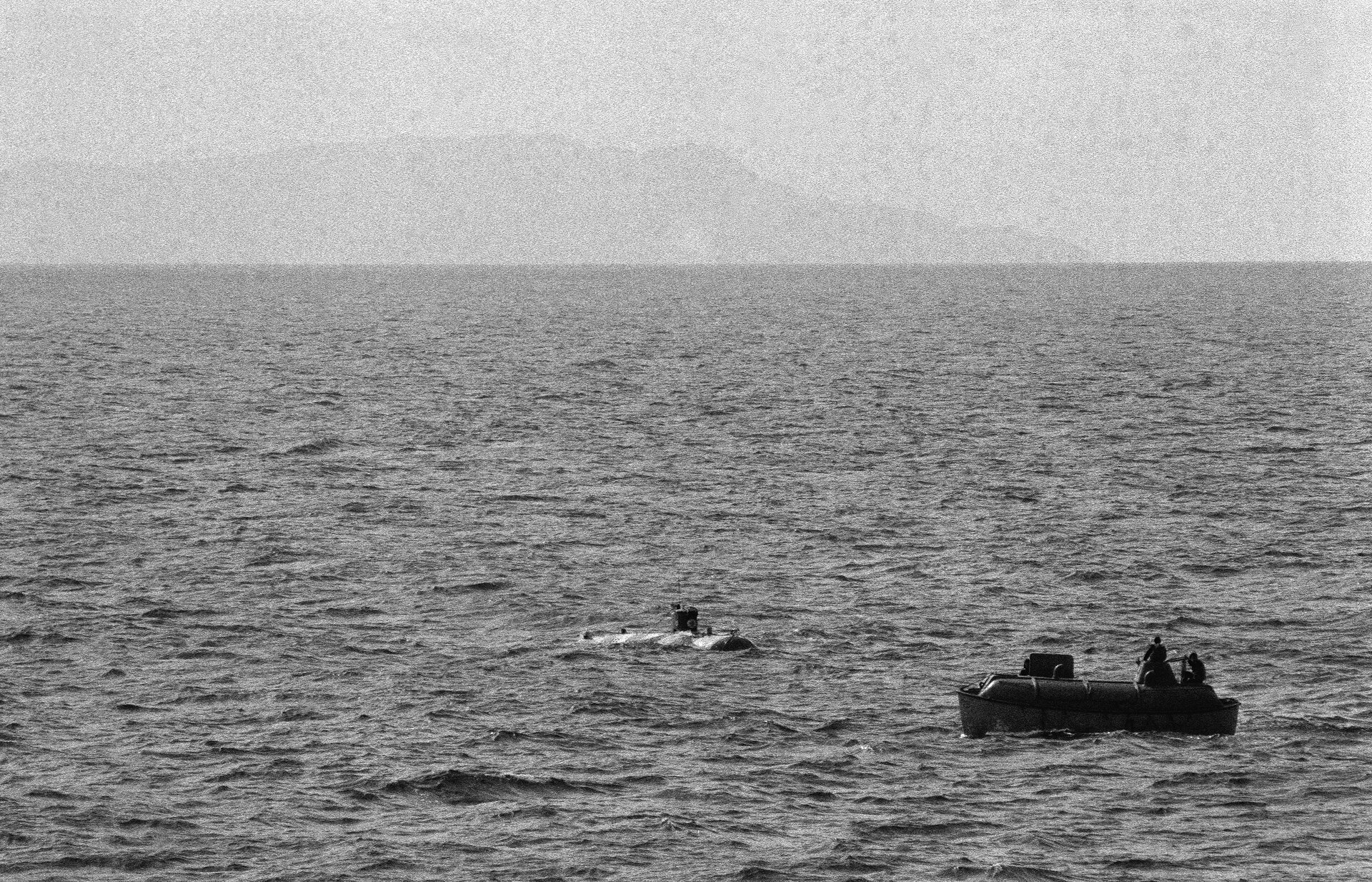
In the immediate aftermath, Soviet search ships pretended to hunt for the black boxes in the crash area. American and Japanese vessels searched the same water. The world came to believe the recorders had never been found. But the truth was otherwise. The Soviets had already recovered the black boxes. And then they mounted a phony search, as if they had not yet found them, to deceive the United States and Japan. The box that held the record of the aircraft's final minutes, the Soviets quietly carried home and hid.
And they hid it for nearly ten years.
This is the decisive twist of the case. When the conspiracy theorists insisted, for years, that "the Soviets are hiding something," they were right. The Soviets really were covering up. It was only that what they had hidden was not "living passengers," but the truth itself about how those passengers had died.
When Yeltsin Opened It — What the Black Boxes Finally Said
In 1991 the Soviet Union collapsed. And Boris Yeltsin, the president of the new Russia, began to bring the relics of the Cold War out into the world one by one.
In November 1992, Yeltsin visited Seoul and handed the government of South Korea the black boxes of Flight 007 — the flight data recorder and the cockpit voice recorder. The boxes that had lain nearly a decade in a Soviet vault were opened at last. The following January, in 1993, Yeltsin turned them over to the International Civil Aviation Organization (ICAO), which began a careful analysis. In May 1993, ICAO submitted its second and final report to the Secretary-General of the United Nations.
And the black boxes, at last, spoke.
The record made two things clear. First, the cockpit did not know it had left its route until the moment of the shootdown. Even in the instants before the missiles hit, there was nothing abnormal in the crew's conversation. They truly believed they were flying an ordinary night flight.
Second — and this closed the case on the survivors-in-camps theory — the aircraft did not ditch gently. The record showed that after the hit, the plane lost control, went into a steep descent, and fell in a spiral. There was no soft landing on the water in which passengers could have survived. The sea took them in an instant, and completely.
The "living passengers" that people had imagined for ten years vanished the moment the black boxes were opened. The answer had been inside that box from the beginning. It had only arrived ten years late.

ICAO's Final Conclusion
ICAO's investigation set the case down in cold facts.
The conclusion was navigation error. Flight 007 had not been on a reconnaissance mission. It had not been bait to probe the Soviets. It was simply an airliner that, through a misconfiguration of its autopilot, had wandered off its route, whose pilots did not know their own position to the last. The Soviets mistook it for a spy plane and shot it down. For both sides, this was a disaster built out of misunderstandings piled one on another.
There was no "hidden real reason" of the kind the conspiracy theories so craved. What there was were two misunderstandings, and one cover-up that buried them for ten years. The truth is always simpler than the conspiracy, and for that reason harder to bear. The 269 were not the victims of a vast plot. They were the victims of mistakes that overlapped in the tension of the Cold War.
Why the Conspiracy Theories Survived So Long
Now the real question remains. If the truth is this simple, why did the conspiracy theories survive for decades?
First, because one real lie was confirmed. This is the most singular thing about the conspiracy theories of this case. Most conspiracy theories claim, with no basis, that "the government is hiding something." But in the case of 007, the Soviets really did hide something. They secretly recovered the black boxes, mounted a phony search, and covered it up for ten years. That one confirmed lie made every official statement suspect. The word of someone who has lied once is hard to believe afterward, whatever truth they go on to speak. The Soviets' ten-year cover-up cast a shadow of distrust over every explanation that came after it. The conspiracy theories grew fed on that distrust.
Second, because there was perfect raw material for a conspiracy. The name of that material is Congressman Larry McDonald. He was a member of the U.S. House of Representatives, a hardline anti-communist, and the leader of an anti-communist organization. That the American the Soviets might most have wished to hate happened to be aboard that flight was, for the conspiracy theories, an irresistible lure. Stories grew up naturally — that the Soviets had targeted McDonald and downed the plane on purpose, or that McDonald was alive and held somewhere. But the confirmed fact is this: there is no credible evidence that the Soviets knew he was aboard or targeted him. He was not a target. He was one of the 269 victims. It was only that his presence made such perfect material for a story.
Third, because the Cold War itself was a hotbed of suspicion. Two blocs aimed at each other, controlled information, facts that could not be verified. In such a setting, any story looks plausible. Like the other Cold War conspiracy theories we have covered here — the moon landing hoax and MK-Ultra — the events of the Cold War always summoned the imagination that "the real thing is hidden behind the official statement." Flight 007 was perfect soil for that imagining to grow in.

Do Not Confuse It — KAL 858 Is a Different Case
One thing must be kept clearly apart.
Because the words "Korean Air" and "brought down" overlap, many people blur Flight 007 with the Korean Air Flight 858 case of 1987. But the two are entirely different events. Flight 007 (1983) was shot down by a Soviet interceptor with missiles. Flight 858 (1987) was destroyed in the air by a bomb that a North Korean agent left aboard and disembarked with. The cause, the perpetrator, and the background are all different. This article deals only with Flight 007; Flight 858 is a separate case with its own heavy history. The moment the two are lumped together, the truth of both is blurred.
The Families, and the Sea off Sakhalin
Even after the black boxes were opened and ICAO's conclusion was rendered, the families' time did not end.
Years later, the bereaved traveled to Sakhalin. Toward that sea where a loved one had last flown and vanished — the gray water near Moneron Island. There they held memorial rites. Even though the answer had arrived ten years late, the longing outlasted it by far more. If the conspiracy theories had once given them the hope that "they might be alive," what remained to them now was to live carrying the truth. A heavier truth, but a whole one.
The sea held the answer. The Soviets locked that answer in their national vault for ten years. And those ten years grew all manner of stories in the hearts of the people who were waiting for the answer to arrive. The cover-up bred the conspiracy, and the conspiracy fed on grief.

Closing the File — An Answer Ten Years Late
Before dawn on September 1, 1983, in the sky over Sakhalin, the people in the cockpit did not know where they were.
That one sentence is the whole of this case. They were not spies. They were not bait. They were simply 269 people carried into a hostile sky by one quiet failure of an autopilot. And the Soviet pilot who shot them down did not know exactly what he was firing at either. Misunderstanding met misunderstanding, and the Cold War put its finger on the trigger.
The truth had been under the sea from the beginning. More precisely, it had been lifted from that sea and locked in a Soviet vault. From the moment the Soviets hid that box for ten years, this case did not end as a simple tragedy. The cover-up summoned every kind of imagining into the space where an answer should have been. Living passengers, a reconnaissance mission, a targeted congressman — every one of these stories was what people poured into the emptiness left by one real cover-up.
Another story that shook Korea in a nearby era, the tale of the Seohae ferry captain, asked how grief manufactures a culprit who does not exist. The story of Flight 007 leaves a slightly different question: once even one real lie is confirmed, how is every truth that follows to escape suspicion?
The detail that has never let go of me is the phony search. Not the missiles — the ships. Soviet vessels moving in a grid across water where they already knew there was nothing left to find, performing a hunt for boxes sitting in a vault at home, while American and Japanese crews worked the same sea in earnest beside them. I have read that passage of the record more times than the writing of this file needed, and each time I come away with the same thought and no way to dispose of it. Somebody sat in an office for ten years knowing precisely what the cockpit had said in its last minutes, and watched the families build camps and survivors and living husbands out of the silence, and filed the day's paperwork.
The sea held the answer. And the answer arrived ten years late.
In memory of the 269. Not as conspiracy, but as fact.
---
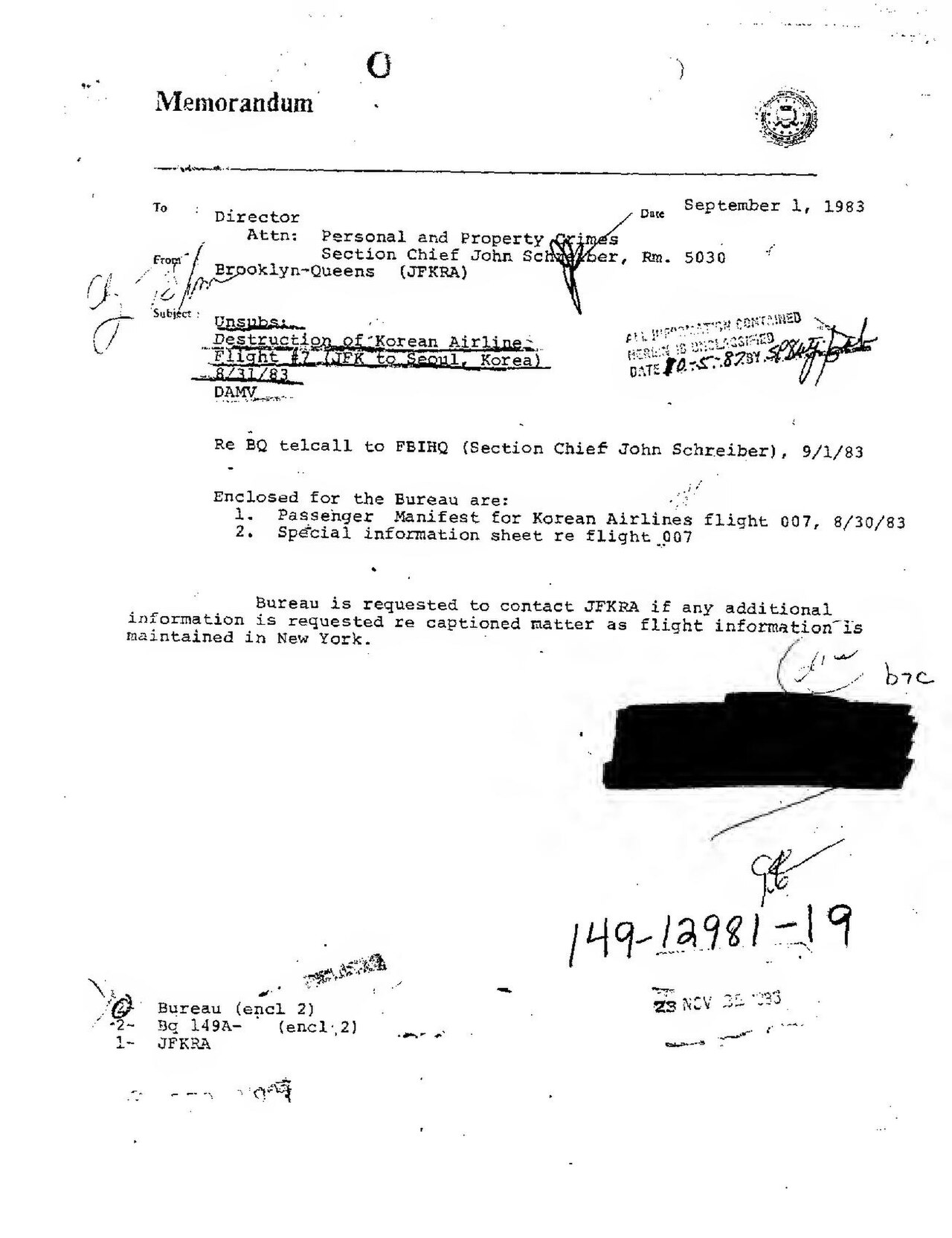
This article uses both real archival photographs — of the aircraft, the salvage operation, and declassified documents — and AI-generated images produced to convey the mood of the story.

Comments
No comments yet — leave the first one.