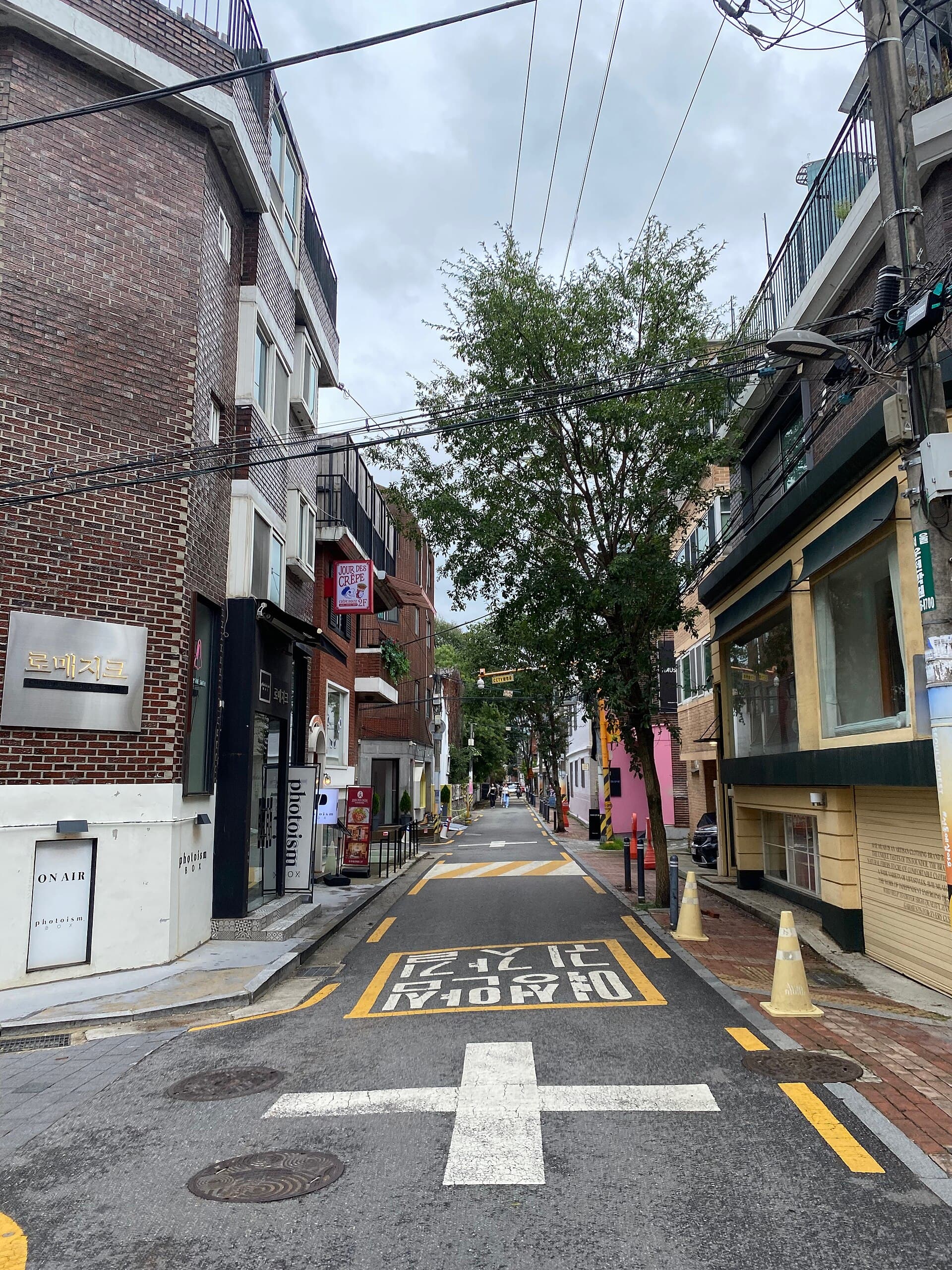
October 28, 1992. Eleven o'clock at night.
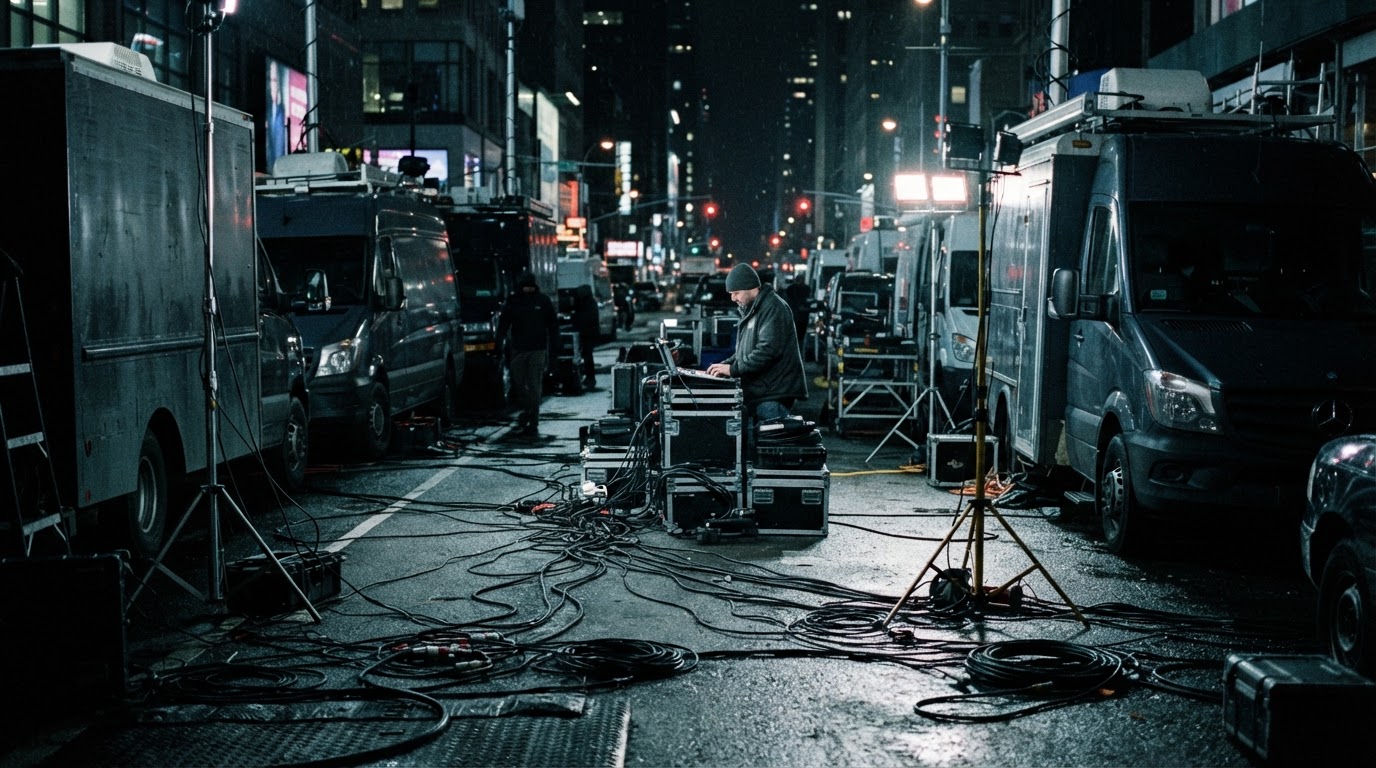
The street in front of a building in the Mapo district of Seoul was brighter than daytime. Broadcast vans washed the alley white with their floodlights, and cables snaked across the asphalt. It was not only Korean networks that had set up cameras in that narrow lane — foreign correspondents stood there too. What they had come to film was not an accident, not a fire, not a protest.
It was the end of the world.
Inside the building, people in white robes were singing hymns. Some stretched their hands toward the ceiling; others stood with their eyes shut, trembling. They believed that soon — at exactly midnight this night — their bodies would be lifted whole into the sky. The sick, the old, the small child in someone's arms — every one of them, spared nothing. They called it the Rapture.
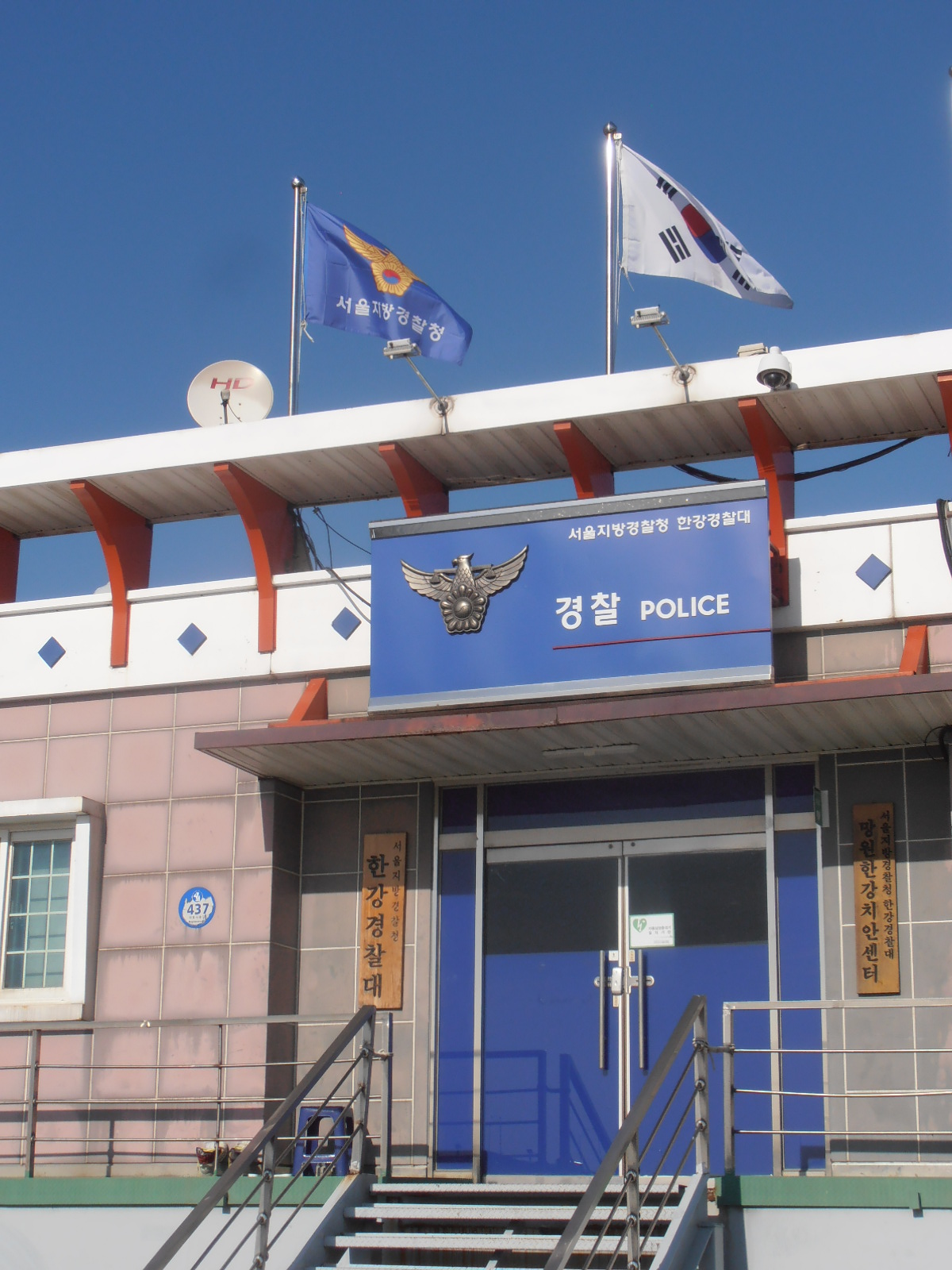
Police lined the perimeter of the building, there to prevent anything extreme. And the clock moved, very slowly, toward midnight.
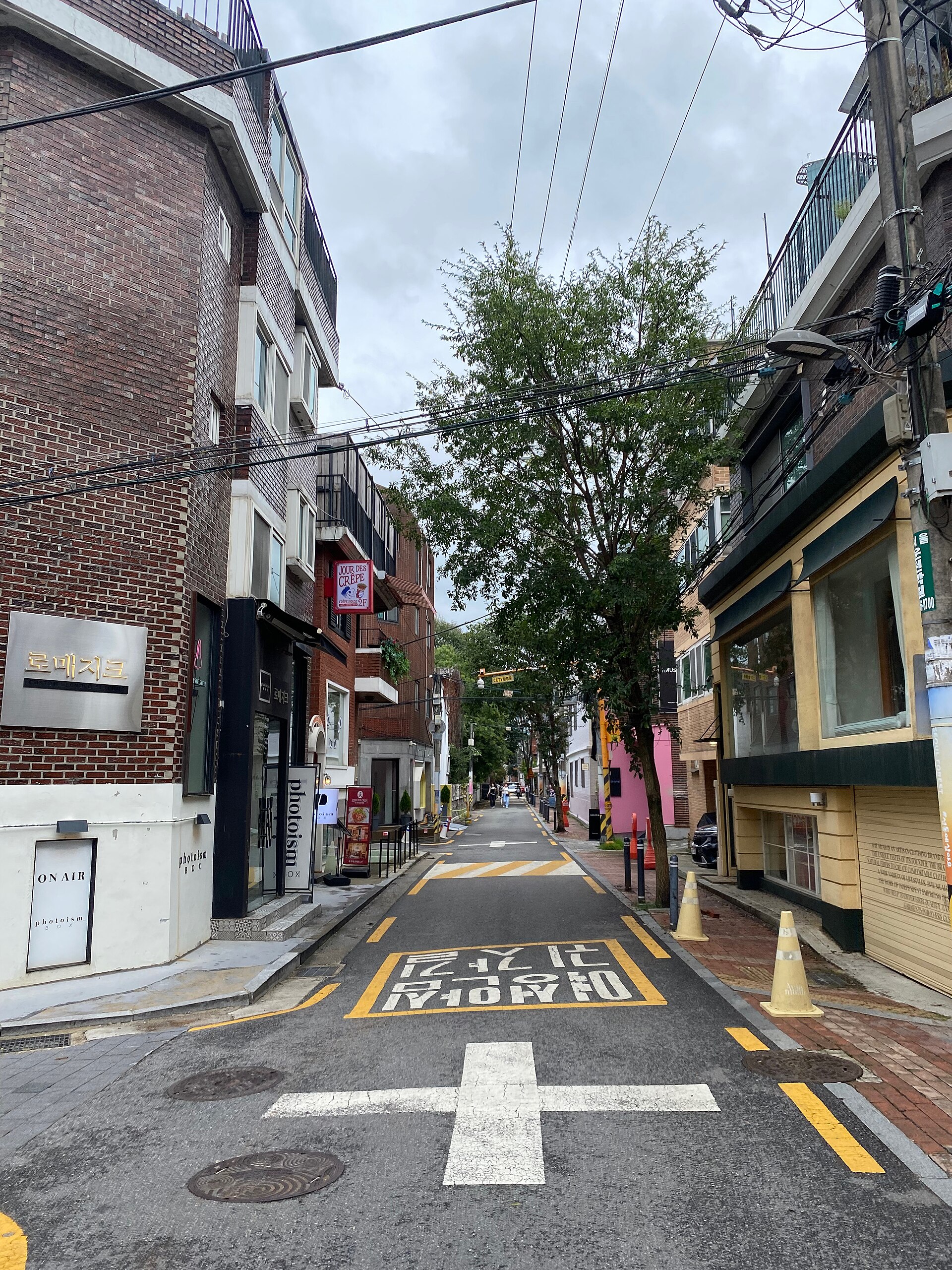
Photo: Wikimedia Commons, CC BY-SA 4.0
A Prophecy That Began With One Book
At the center of this story is a single man: Lee Jang-rim.
He was not, at first, a preacher so much as a translator. For years he rendered foreign Christian books into Korean, and in the process he steeped himself in the end-times literature then popular in the West. Then, in 1987, he wrote a book of prophecy himself — Prepare for the Coming Future. Inside it, for the first time, he named a specific date.
At midnight on October 28, 1992, Christ would return and lift the true believers into the heavens. And in 1999, the world would end completely.
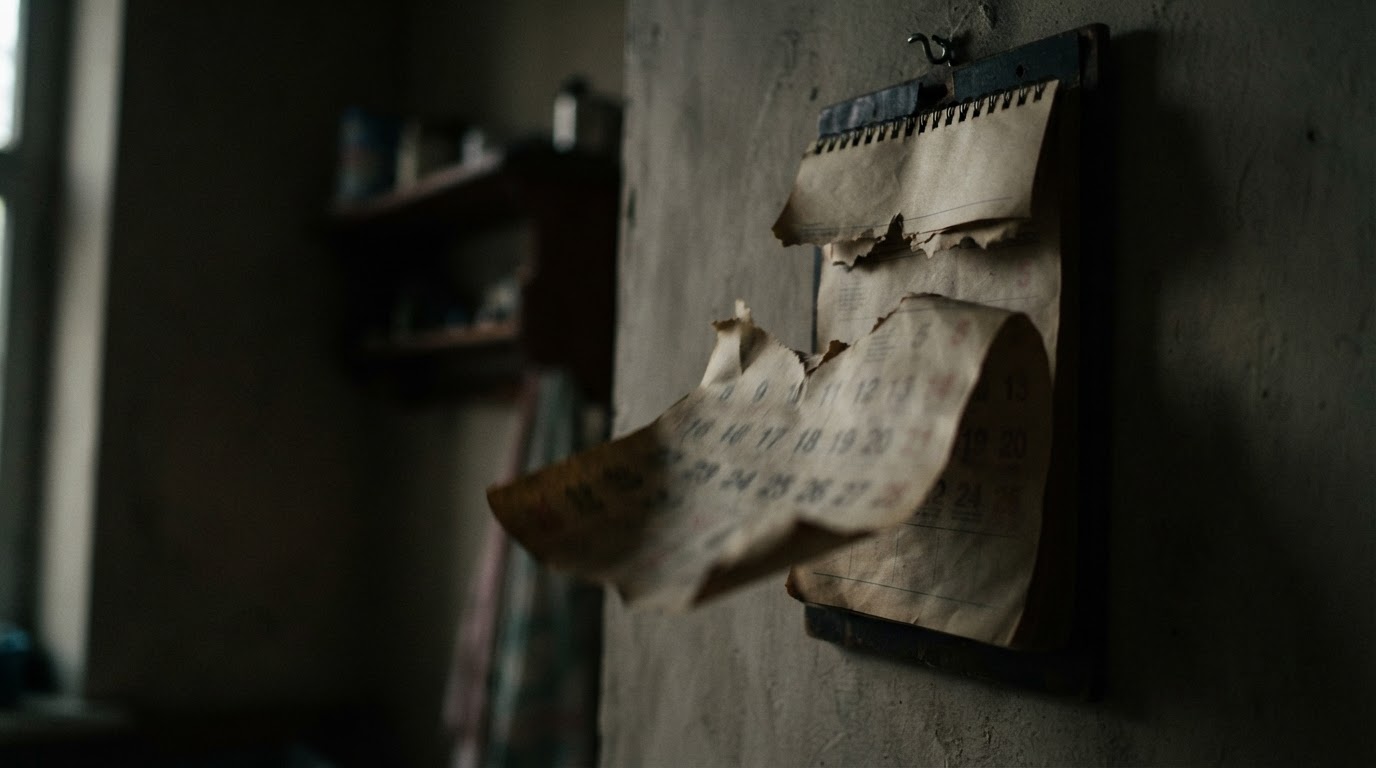
A prophecy with a date is dangerous. A vague "someday" can never be tested — but the moment a "when" is nailed down, it begins to rule people's calendars. Lee's prophecy had that "when." Combining scattered biblical verses and numbers in his own fashion, he presented the date as if it were the settled conclusion of a completed calculation. The group he founded was called the Dami Mission.
Theologians call this kind of belief "date-setting eschatology" — the habit of attaching an exact deadline to the end of the world. And one thing must be made clear: even at the time, this belief was strongly rejected by Korea's mainstream Protestant churches. Multiple denominations publicly declared Lee and the Dami Mission heretical and warned their own members against them. This is not the story of an entire religion. It is the story of one splinter movement and the people who followed it into ruin.
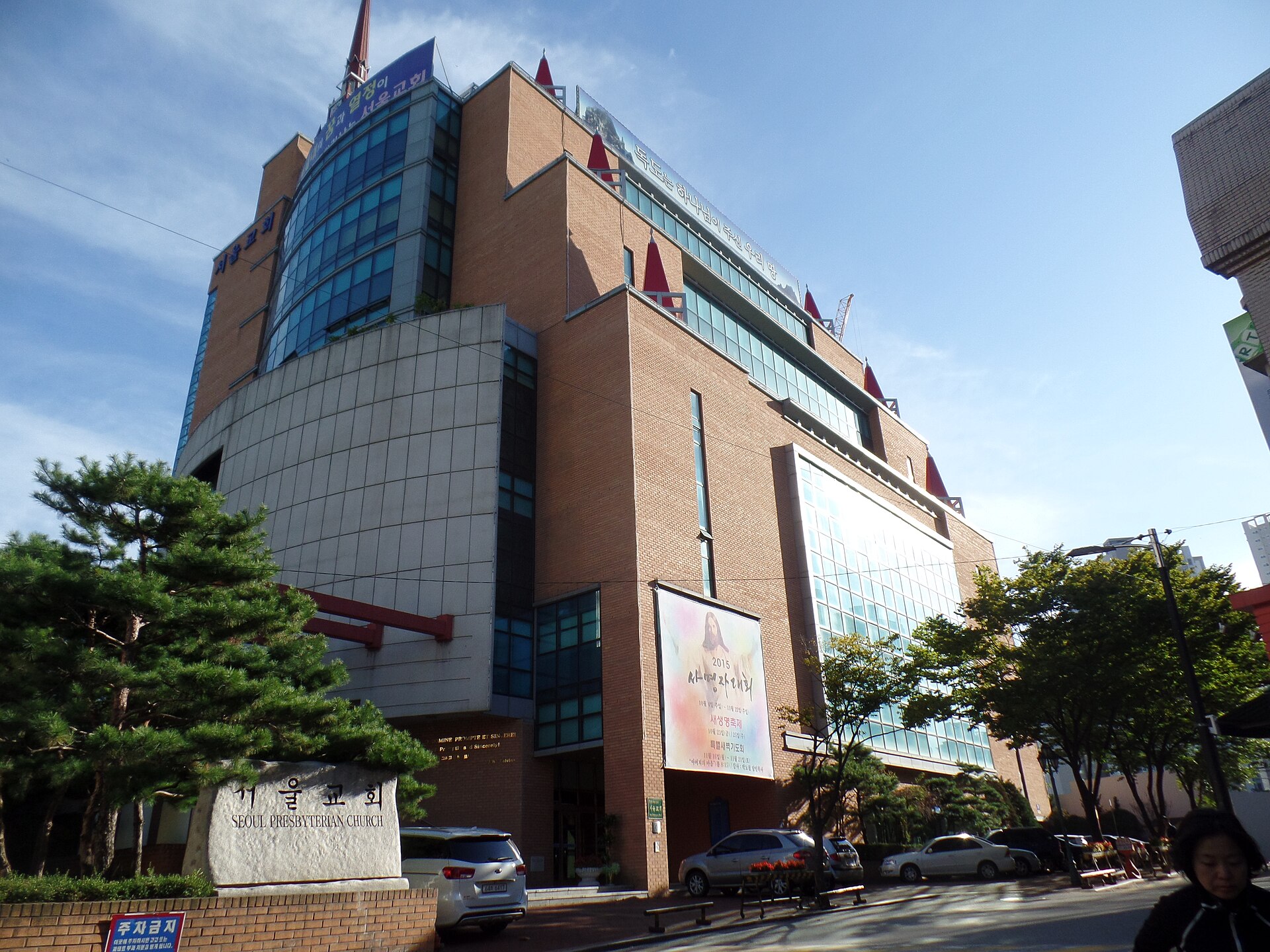
Photo: Wikimedia Commons, CC BY-SA 4.0
It was the 1987 book that pulled me in, and specifically the fact that Lee Jang-rim began as a translator. I have processed a good deal of end-times material, and translators are a recurring shape in it — people who spend years carrying someone else's certainty across a language and then, at some point, stop handing it on and start issuing it in their own name. Reading his prophecy against the Western texts he had been rendering into Korean, you can see the seams. What I cannot see is the moment he crossed from carrying the belief to owning it.
The Date Hardens
The prophecy began as a single book. But over a few short years, that date burrowed into people's lives.
It was not the Dami Mission alone. Dabera Mission, Daniel Mission, Seonghwa Mission — copycat groups preaching similar date-setting doctrines spread across the country, feeding off one another and sharing that same figure, "October 28, 1992." The exact scale is still debated, but by the time the Dami Mission dissolved, its membership alone was estimated at around eight thousand. Add the countless affiliated groups nationwide, and far more people believed in that single date.
The deeper the belief went, the more people began to settle their lives around it. If the world was going to end on October 28, and they themselves would be lifted into the sky, then there was no reason to keep anything in reserve for the life that came after.
This is precisely what turned the affair from a curiosity into a catastrophe.
What People Gave Up
The police confirmed more than a hundred cases of harm. And each one of them was a human life.
Students quit school. What was the point of studying, they reasoned, when the world was about to end? In families where whole households had converted, even young children stopped attending, and it was not uncommon for them to be formally expelled for truancy.
There were breadwinners who abandoned their jobs. One railroad worker was fired for playing apocalypse sermon tapes on the trains; he donated his entire severance and then vanished, taking his two children with him.
And there was property. More than thirty believers donated over ten million won each, and some of them gave away everything they owned, keeping back only enough to live on until October 28. One believer in Busan sold off a hundred million won's worth of real estate; another in Daegu handed over the deposit on his home. The offerings the Dami Mission was holding are said to have amounted to 2.5 billion won.
Families fell apart. One believer in Seoul's Hapjeong-dong abandoned his family in the name of "missionary work." In one Amsa-dong household, a father and his three grown sons all converted, and two of the sons disappeared, saying they were going to "become martyrs." News reports told of families that came to grief when parents fought their children over the abandonment of their schooling.
Even more extreme rumors circulated through society — of military desertion, of terminated pregnancies. Such stories are difficult to verify case by case, so this account restrains itself to what was confirmed by the press and by investigators at the time. But what was confirmed was heavy enough. A single sentence — the world is ending — erased the word "tomorrow" from the calendars of thousands of households.

The Prophecy Its Own Prophet Did Not Believe
And yet, a little over a month before the appointed end, a single fact came to light that collapsed the whole edifice.
In September 1992, prosecutors arrested Lee Jang-rim on charges of fraud and violating foreign-exchange law — for taking his believers' donated property and pocketing it. That alone was a shock. But what truly silenced people was a single document turned up while investigators examined his personal finances.
Lee had purchased and was holding a repurchase bond that matured on May 22, 1993.
Look at that date again. The world was to end on October 28, 1992. Yet the bond he held did not mature until May of 1993 — more than half a year later. If he had genuinely believed that the world would end on October 28, there was no reason on earth to buy a bond that returned money in 1993. There would be no world in which to spend it.
This is why prosecutors treated the document as the decisive proof of fraud. The man who sold the prophecy did not believe his own prophecy. He was quietly investing for a world after the end — in the very same season that he was preaching to his believers that they should hand over everything they owned.
That single sheet of paper was the coldest question that could be thrown up at the thousands of faces gazing at the sky that night. If even the prophet did not believe the prophecy you gave everything for — then what is left of that night?

The Night Itself
The leader was already in a detention cell. But the prophecy rolled on without its leader. People still gathered in their white robes — the so-called "ascension garments" — and sang toward midnight.
The whole country watched it live. That night's late news trained its cameras on that alley in Mapo in real time. An entire nation, and perhaps a watching world, counted down to midnight together.
11:58.
11:59.
Midnight.
…And nothing happened.
The sky did not open. No one was lifted up. The sick, the old, the small child — all of them remained exactly where they were, in their white robes. In the alley past midnight, only a traffic light kept indifferently changing its colors.
Inside the building, the reactions were not one thing. Some fell silent. Some wept aloud. Some rushed at the leaders, demanding to know whether the "calculation" had been wrong. At one branch in Busan, it is said, the arguments turned to scuffles. And most, in the end, went home — one by one, with exhausted faces.
Those who still had a home to return to were the fortunate ones.
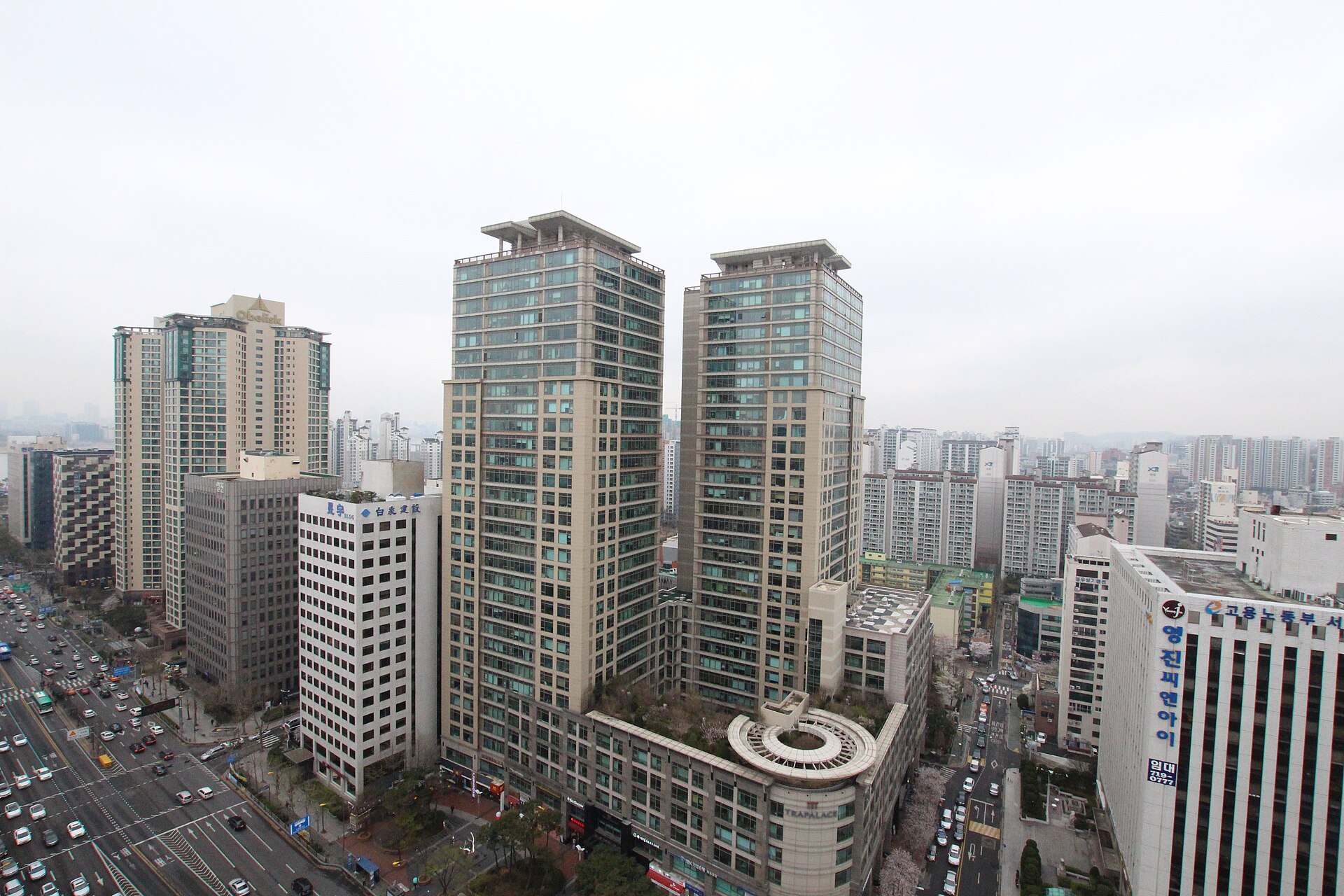
Photo: Wikimedia Commons, CC BY 3.0

Morning Came
The morning of October 29 broke.
The world had not ended, and the city moved as it always did, into its morning commute. The newsstands hung out their front pages telling of the previous night's uproar. But to the people who had worn the white robes, that ordinary morning was crueler than any morning on earth. For them, there was no school to return to, no job, no property — sometimes not even a family.
The Dami Mission soon closed its doors. It shut briefly in early November, and though some of the remaining faithful gathered again, the organization was effectively finished. The leadership took out a public apology in the press.
Lee Jang-rim went to trial. In December 1992, the Seoul Criminal District Court sentenced him to two years in prison for fraud. On appeal, the sentence was fixed at one year in prison, together with the confiscation of 26,000 US dollars. Prosecutors said they had obtained a ledger showing that he had extorted 650 million won from just four believers and had personally spent 3.4 billion won.
But a sentence cannot hold the true harm of this case. The student who never went back to school. The breadwinner who never recovered his job. The person who could not undo the sale of a home. The one whose family, having left, never returned. Their losses were not repaired by any verdict.
Paradoxically, the affair became a kind of vaccine for Korean society as a whole. To the generation that watched that night of 1992 unfold in vivid detail, the prophecy that "the world ends on such-and-such a date" rarely worked again. The very phrase "date-setting eschatology" became an alarm bell that called this night to mind.
Why Did They Believe — Even After the Prophecy Failed?
The hardest part to understand is this. When midnight passed and nothing happened, why did some people not immediately abandon their faith on the spot? Why did some, instead, insist that "only the calculation was wrong" and go looking for the next prophecy?
There is a classic answer to this. In the 1950s, the American social psychologist Leon Festinger infiltrated a small religious group that had prophesied the end of the world, and watched. What he wanted to know was precisely this: when nothing happens on the appointed day, how do people react?
Common sense says they should give up their belief. But what Festinger observed was the opposite. After the prophecy failed, the believers who had given the most became, if anything, more devout. They manufactured new explanations — "our prayers saved the world," or "God was testing us." He called the workings of this mind "cognitive dissonance," and later set it down in a book titled When Prophecy Fails.
The reason is cruelly simple. For a person who has quit school, abandoned a job, handed over an entire fortune, and turned their back on family, accepting that "the prophecy was wrong" is the same as admitting that their whole life was a foolish delusion. Rather than face that, it is easier to bear to hold on to the prophecy — even at the cost of revising it a little. The more you have given, the harder the truth is to face.
So this is not a story about foolish people. It is a story about how the human mind, trying to protect itself, can lock itself in more deeply still.

The Age Called 1992
It is no coincidence that this happened in 1992 in particular.
Korea in those years was changing fast. In the rush of industrialization and urbanization, many people had left their hometowns to live rootless in unfamiliar cities; the economy grew, but so did the anxiety of those the growth left behind. Abroad, the Cold War had just ended; at home, the end of the century was approaching. As the twentieth century waned, a mood of the apocalypse — what might be called "millennial anxiety" — drifted around the world.
A rapidly changing society gives a person two things: opportunity, and anxiety. And to a person who has lost their roots and is afraid, the words "you are chosen, and you will soon be lifted out of this painful world" are frighteningly sweet. One scholar at Seoul National University observed at the time that the established churches had grown too aristocratic and secularized, leaving the poor and marginalized without a place to be comforted — and that this was the soil into which such movements sank their roots.
Apocalyptic belief always feeds on the anxieties of its age. Korea in 1992 was a moment when that anxiety ran unusually thick.
Its Siblings Around the World
Setting a date for the end of the world, then watching that date simply pass, was not a Korean experience alone.
Its most distant ancestor lies in nineteenth-century America. In 1844, a preacher named William Miller prophesied that Christ would return that year, and tens of thousands believed him, settling their affairs and waiting for the day. When nothing happened, the collective despair they suffered went down in history as "the Great Disappointment." That alley in Mapo in 1992 and that single day in 1844 are, across a century and a half, remarkably alike.
There was a time a comet came, too. In 1997 in the United States, as the Hale-Bopp comet crossed the night sky, a group called Heaven's Gate believed the comet was a signal come to carry them away. That story ended in collective tragedy, and it seared into the world how dangerous an end date-setting apocalyptic faith could reach. As the century closed, a "1999 doomsday" borrowing the name of the seer Nostradamus circled the globe as well.
And in Korea, 1992 was not the last. As 1999 approached, similar prophecies raised their heads again, and in 2012 a "Mayan calendar doomsday" from the far side of the world briefly set people murmuring. Each date passed. But the hunger for the end does not easily fade. As long as humans fear death, the voice that speaks of the world's ending will always find a new audience.
Follow the darker lineage of Korea's religion-linked cases and you meet other nights — like the Odaeyang mass-death incident — that show how belief and community can turn toward catastrophe.

Before We Close This File
There was no rapture.
At midnight on October 28, 1992, the sky stayed as it was, and no one was lifted up. The prophecy of that day was wrong — completely, without the smallest margin.
But there were things that truly broke that night. A student's lost year, unrecovered. A breadwinner's livelihood, gone. A house, sold off. A family, scattered. And above all, the irreversible interior of the people who woke to morning in the place where they had believed I am chosen. These, unlike the prophecy, were not fiction in the least.
We should remember this affair not in order to laugh at them. Quite the opposite. It is so that we do not forget that in an age of lost roots and anxiety, the words "you are special and will soon be saved" can be dangerously tender to anyone at all — and that the door to that state of mind stands open to us, too.
In the alley past midnight, only a traffic light changed its colors. The sky promised nothing and carried nothing away. Morning simply came. And to people who had waited for the end of the world, nothing was harder to bear than a world that simply went on.
The item in this file I have re-read most is not the prophecy. It is the maturity date on the repurchase bond: 22 May 1993. Six months and change past the end of the world, in a man's own portfolio, in his own name. Every other document here records what people gave up. That one records what one man quietly kept, and it was drawn up in the same season he was telling households to keep back only enough to live on until October. I have never found a way to file it that makes it smaller.
There was no rapture. But the things lost that night are, even now, somewhere, still real.
---
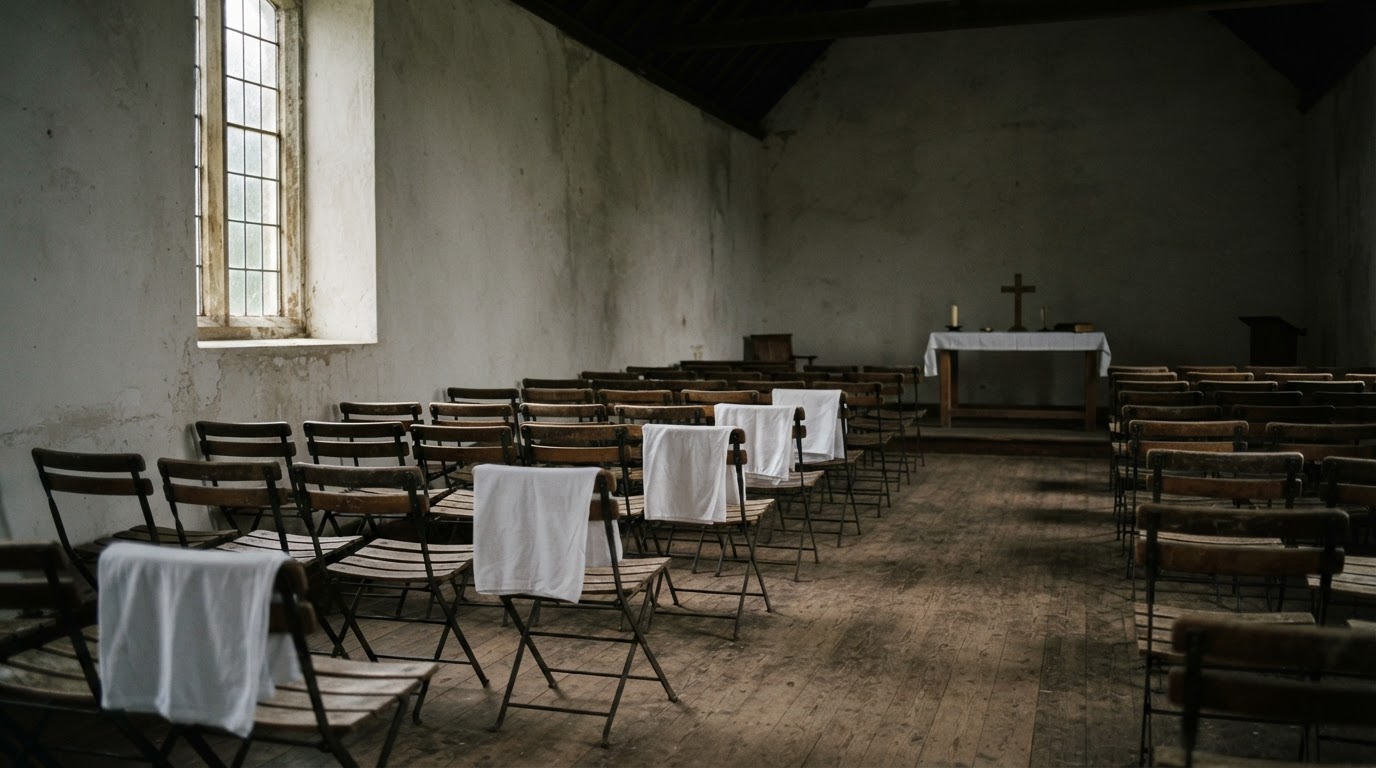
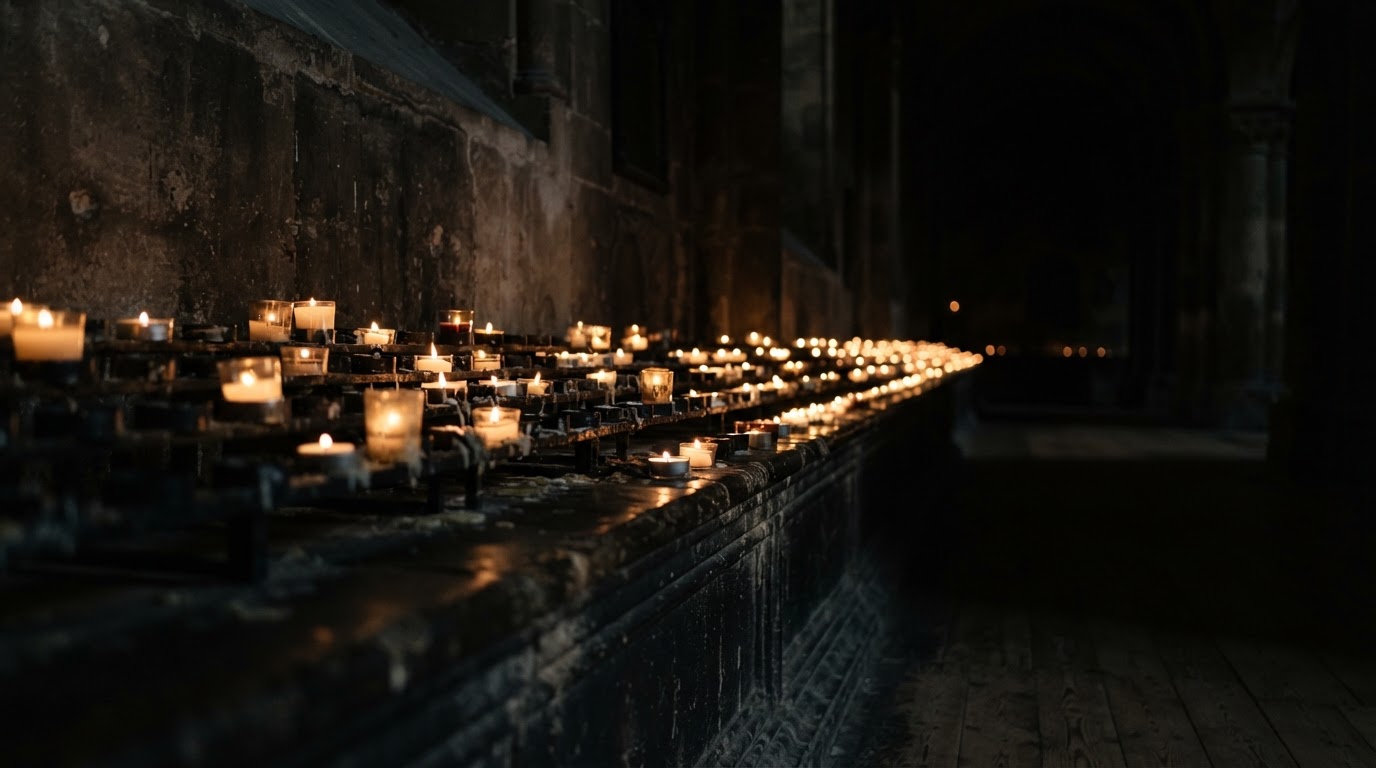
This article combines authentic photographs of the area near the site with AI-generated images produced to convey the mood of the story. The location photographs all show the area as it is today, not as it was in 1992.


Comments
No comments yet — leave the first one.