Sunday morning, October 10, 1993.
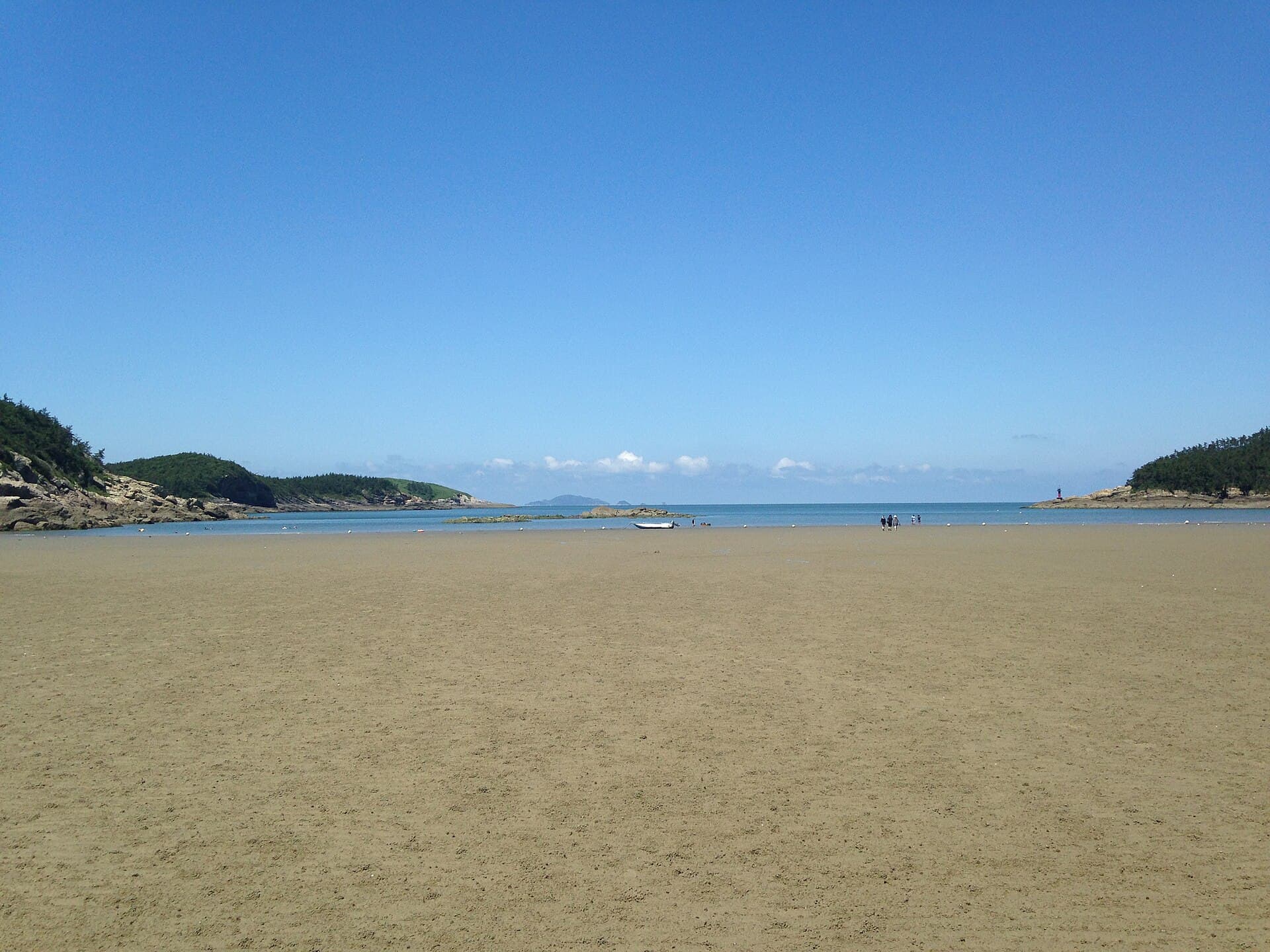
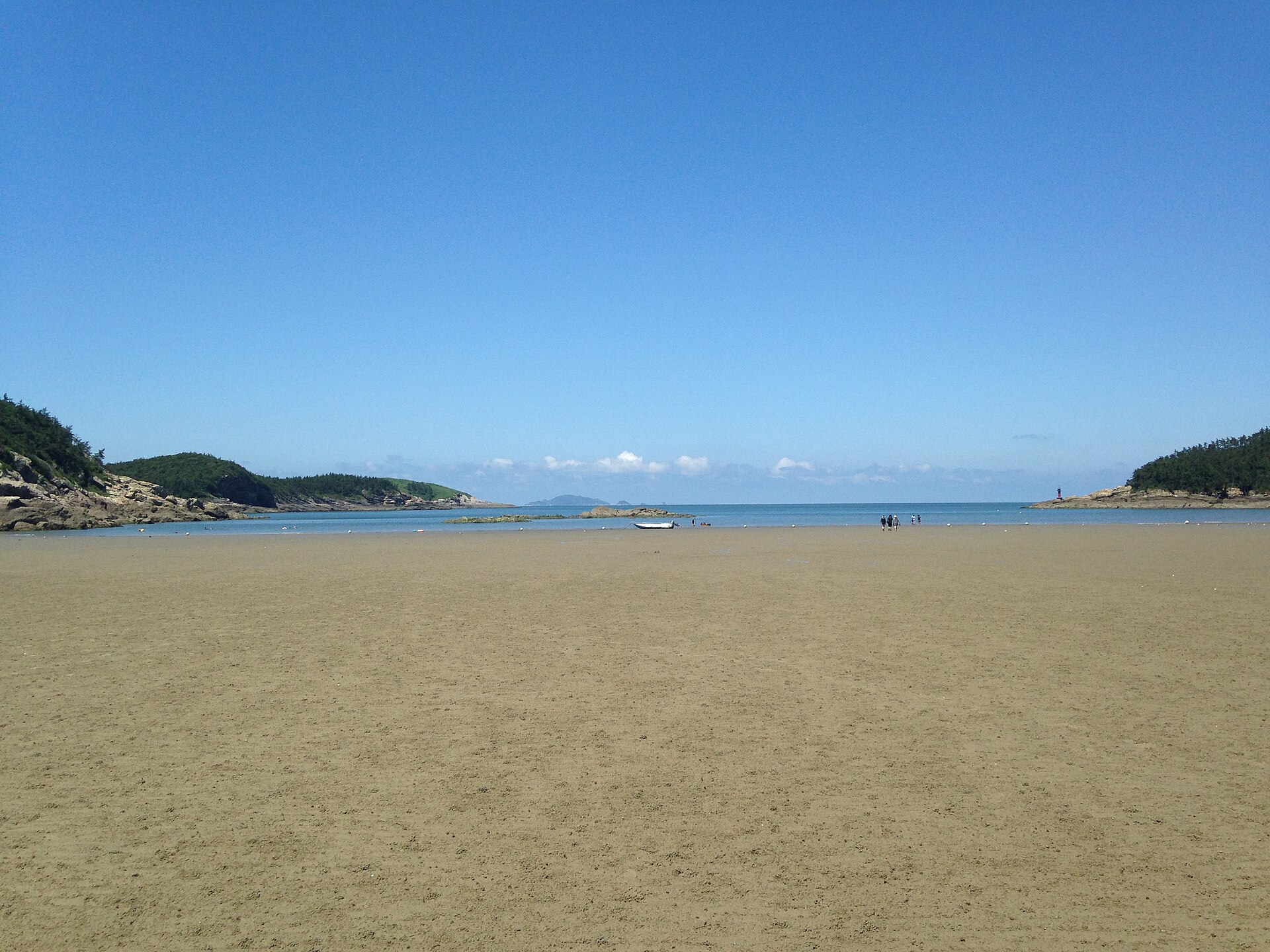
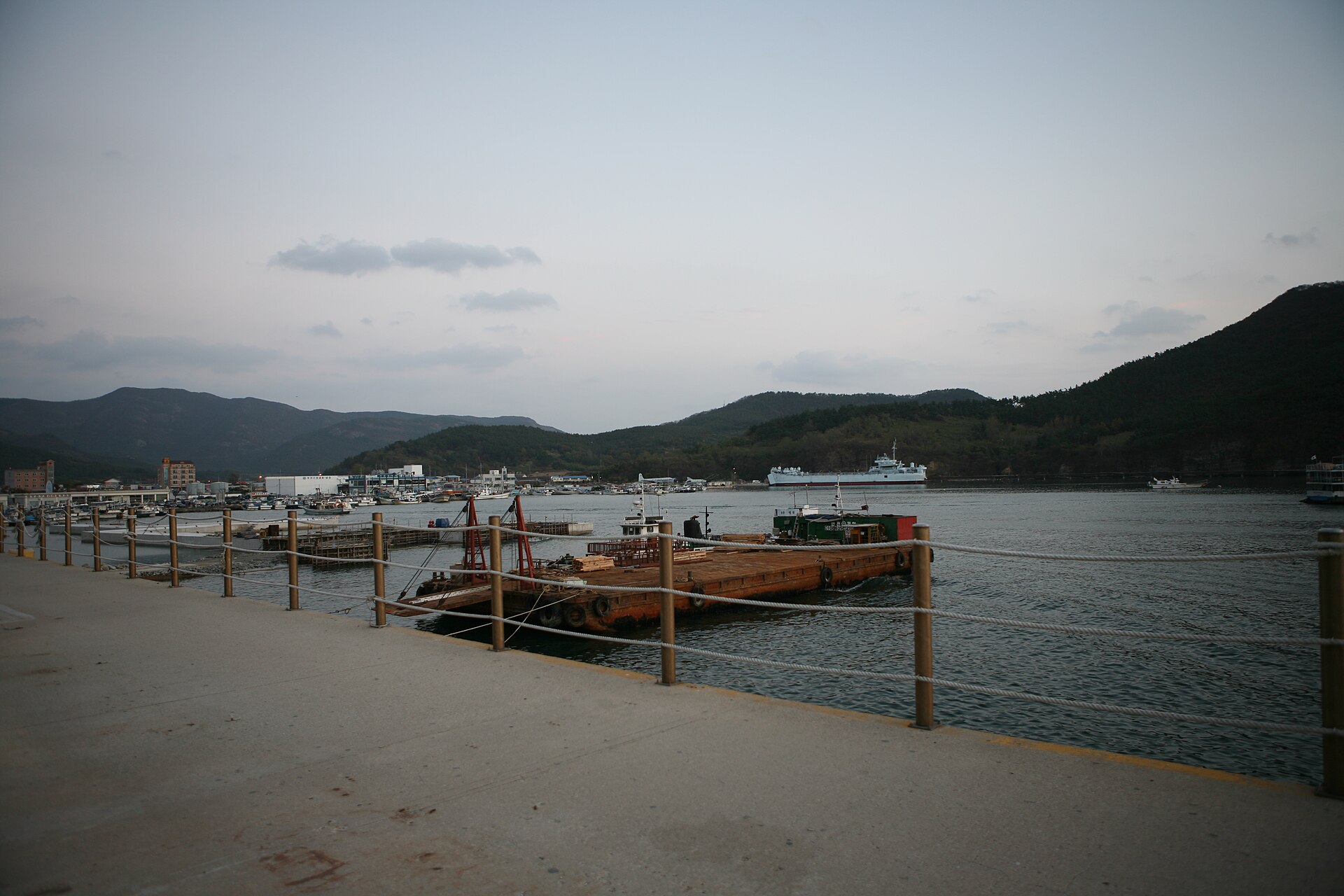
The waters off Wido Island, on Korea's west coast, near the town of Buan.
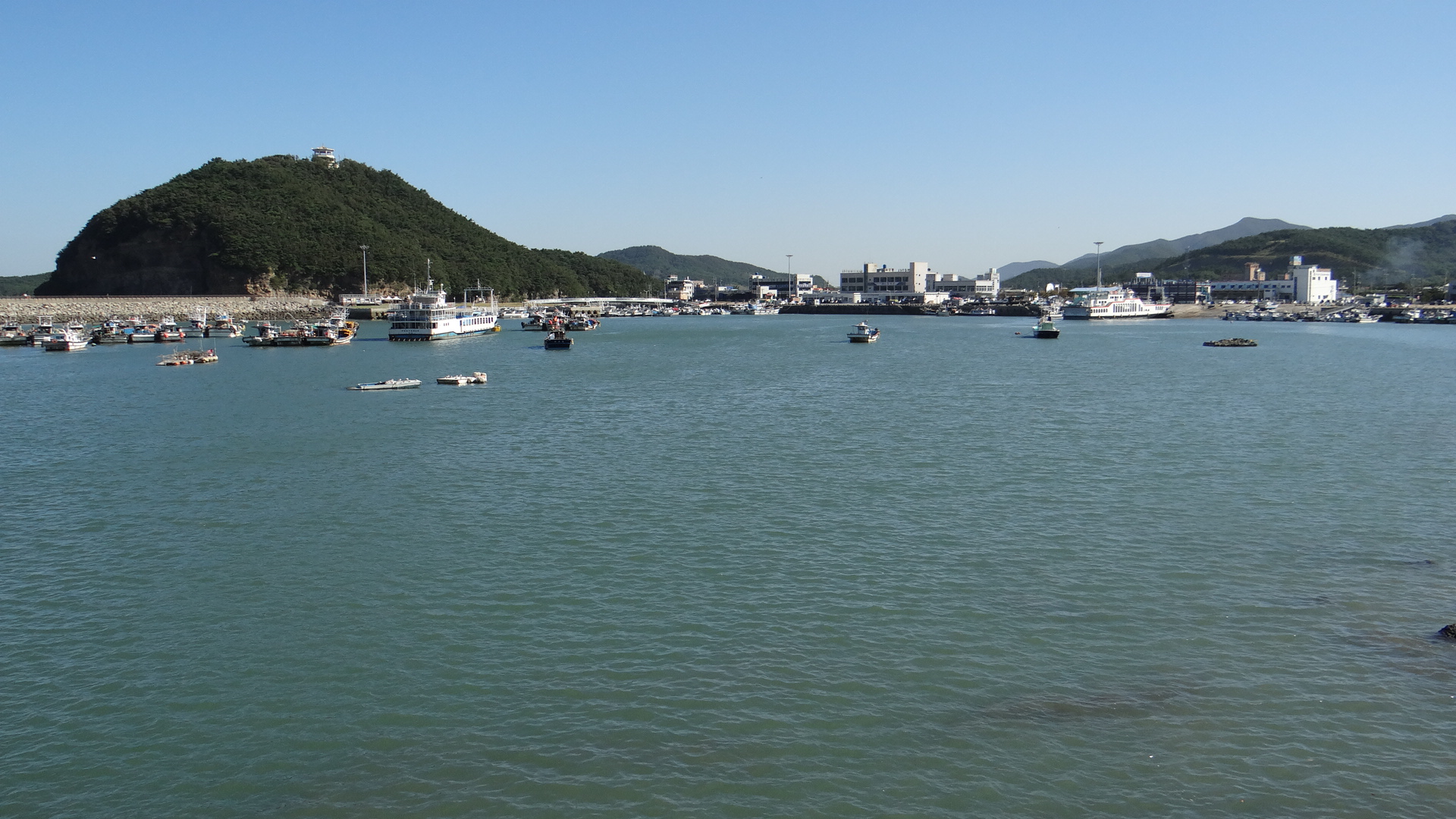
A small passenger ferry, packed far past its limit with island residents and weekend anglers, pulled away from Pajanggeum Harbor. Her name was the Seohae Ferry. Her destination was the mainland port of Gyeokpo, a little over an hour away by water.
The sea was bad that day. Gusts were rising and the swells were high. The ferry went anyway. Near a small islet called Imsudo she was hit by a sudden squall, and as she turned her bow to head back to port, a wave struck her broadside and she heeled hard over. What happened next took only moments.
Her legal capacity was 221 people. She was carrying 362. That day, 292 of them did not come home. It remains one of the worst names in the history of Korean maritime disaster.
This article is not about how the ferry sank. That was established long ago, painfully and completely. This article is about the ten days that followed — about how an entire nation hunted a single man. A fugitive who never existed.
Most of what I collect is unresolved, and this case is the opposite — it resolved completely, in five days, and I still cannot leave it alone. What holds me is the sequence of the clippings. I have them laid out by date, and you can watch a question turn into a description turn into a warrant, with nothing added at any step except more people repeating it. Somewhere in the middle of that stack, a man who was already dead acquires a route of escape, a destination, and a motive.
The disaster, and the one thing that seemed wrong immediately
The facts first. Not to dwell on the tragedy, but to understand the rumor that was built on top of it.
The Seohae Ferry was a small, 110-ton steel vessel that ran a single daily round trip between Wido and Gyeokpo. That morning, at the height of the fishing season, she was overrun with passengers. She carried more than one and a half times her legal capacity, plus cargo. The weather was poor. She sailed anyway. It was a reckless departure.
Caught by the squall on open water, she lost her balance while trying to turn back, capsized quickly, and went down. Only a handful of people were pulled alive from the water. The news reached the whole country by that afternoon. Television broadcast the rescue effort off Wido all day. The entire nation watched that stretch of sea.
And in that watching, one thing snagged on people's minds.
The captain was nowhere to be seen.
The list of the dead grew, but there was no trace of the man who had been steering the ship — Captain Baek Un-du. His body had not surfaced. He was not among the survivors. The crews of the private fishing boats who joined the rescue, the passengers who made it back alive — none of them said they had seen the captain, in the water or on the ship.
One body had simply not been recovered yet. That was all. And into that single empty space, an entire ten-day story came flooding in.
"The captain swam away and saved himself"
The rumor moved fast. By the day after the disaster, a single sentence was passing from mouth to mouth.
The captain abandoned ship and saved himself.
At first it must have been a question mark. Why can't anyone find the captain? But the question mark did not last. On a sea where 292 people had died, people needed an answer — and before an answer, they needed a name. A face to hold responsible. A target for their anger. Someone who could give this senseless death a reason.
The captain was placed in that role.
The question mark quickly hardened into certainty. He swam to a nearby island. He slipped away to the mainland. And the story reached further still. He stowed away to Japan. He gave no evacuation order — he abandoned the passengers and saved only himself. The larger the death toll, the larger the rumor grew. A man who would abandon 292 people would have to be exactly that kind of villain for the tragedy to make sense.
Then came the sightings. After the disaster, tips came in that "someone resembling Captain Baek" had been seen at nearby harbors. One person claimed to have seen him in an alley on the mainland; another, on a different island. The tips were specific, and the more specific they were, the more people believed them. The captain was no longer a "missing captain." He was a "captain on the run."
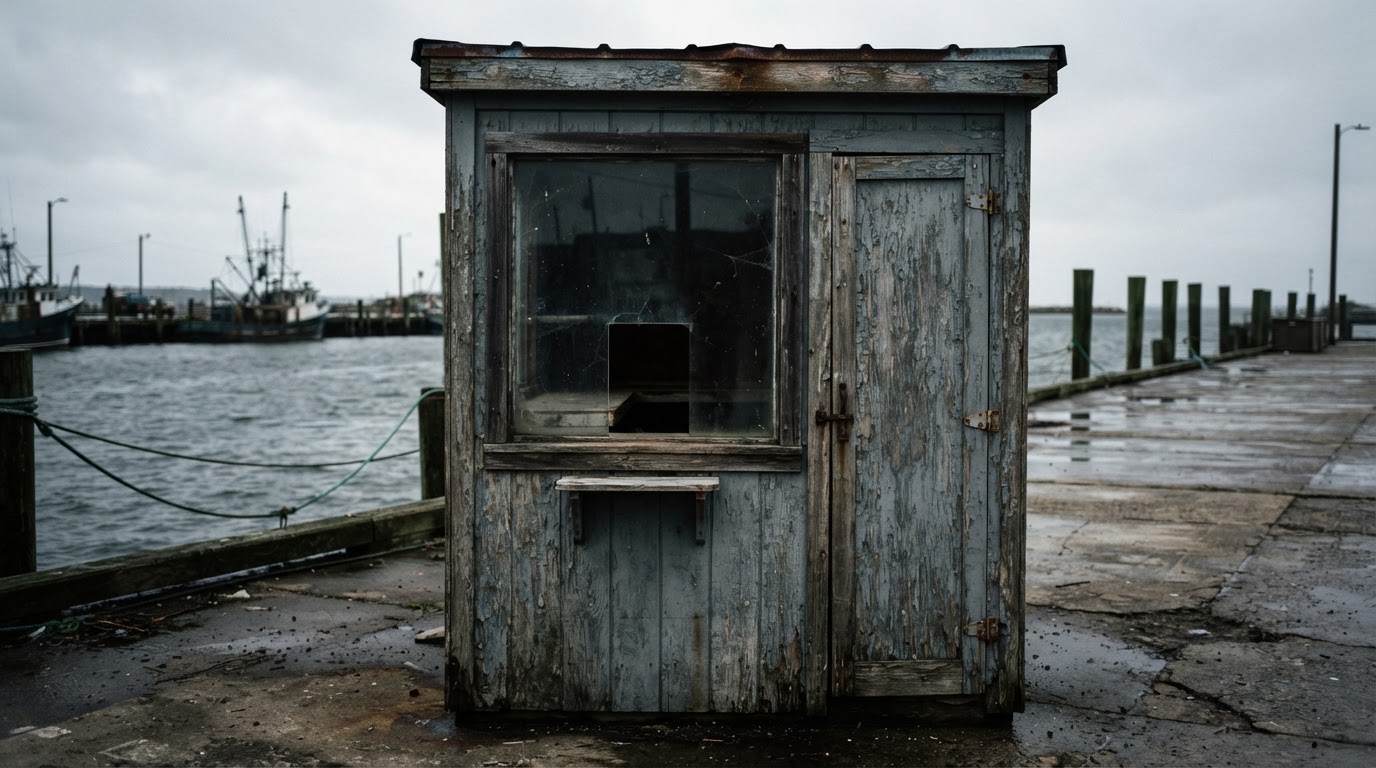
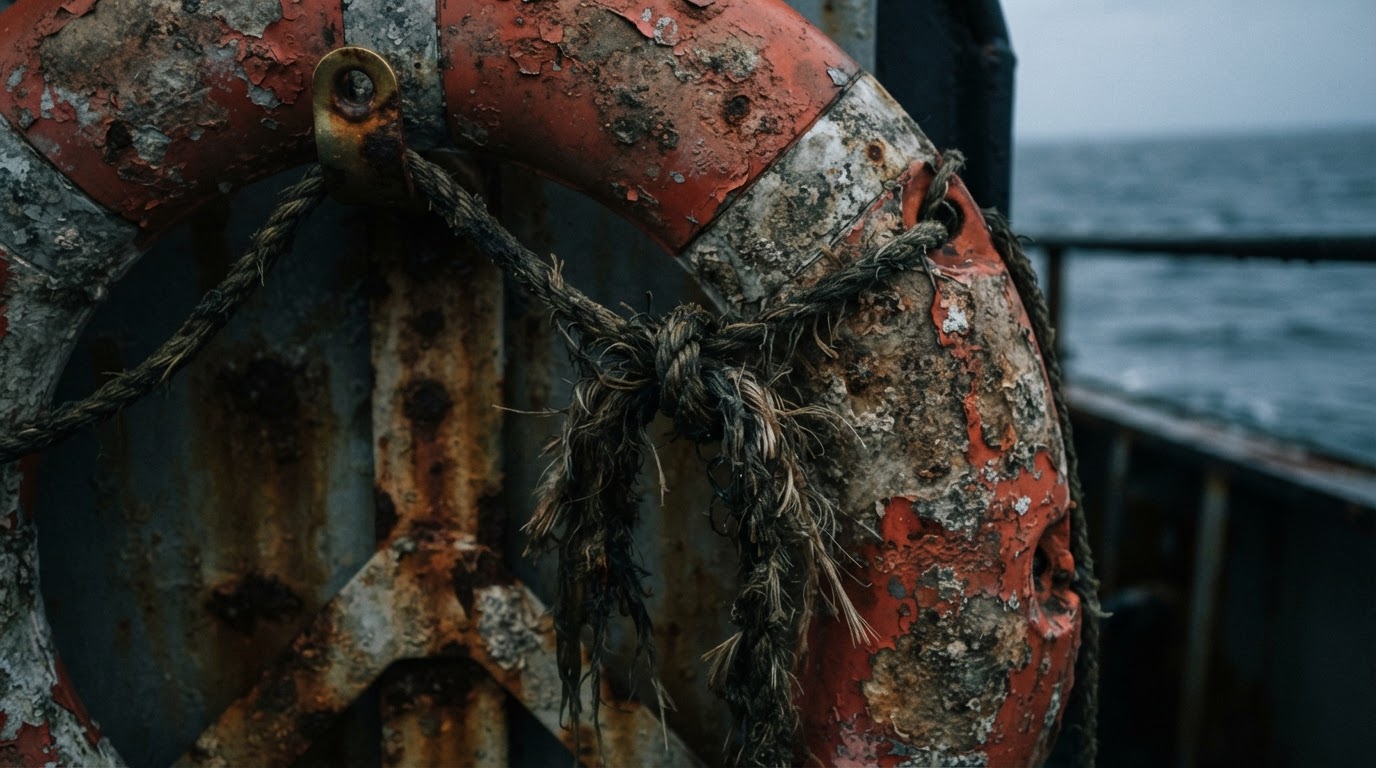
The press ran with it, and prosecutors issued a warrant
The dangerous thing about a rumor is that it cannot survive long on its own. A rumor feeds on authority. And in the autumn of 1993, the Seohae Ferry rumor was handed two kinds of authority.
The first was the press. When the sightings appeared, newspapers and broadcasters ran them. Unverified tips became articles. "The captain fled" traveled by print and airwave into living rooms across the country. Speed outran verification. Before a disaster the whole nation was watching, the press competed to be first with something new — and in that competition, the line between rumor and fact blurred.
The second was law enforcement. As the flight rumor grew beyond anyone's control, prosecutors and police actually acted. They issued a nationwide warrant for Captain Baek Un-du. The captain of a sunken ship was declared a suspect who had survived and run, and the hunt began. It was an unprecedented situation: the captain of a major maritime disaster branded a fugitive before his body had even been recovered.
Pause on this for a moment. A warrant is not a rumor. It is the state formally declaring, this person is a fleeing criminal suspect. Which means that at this point, the Republic of Korea had institutionally turned a man still lying at the bottom of the sea into a fugitive. The rumor had passed through the press and received the stamp of the state itself.
And behind all of it was one more force pushing the rumor upward.
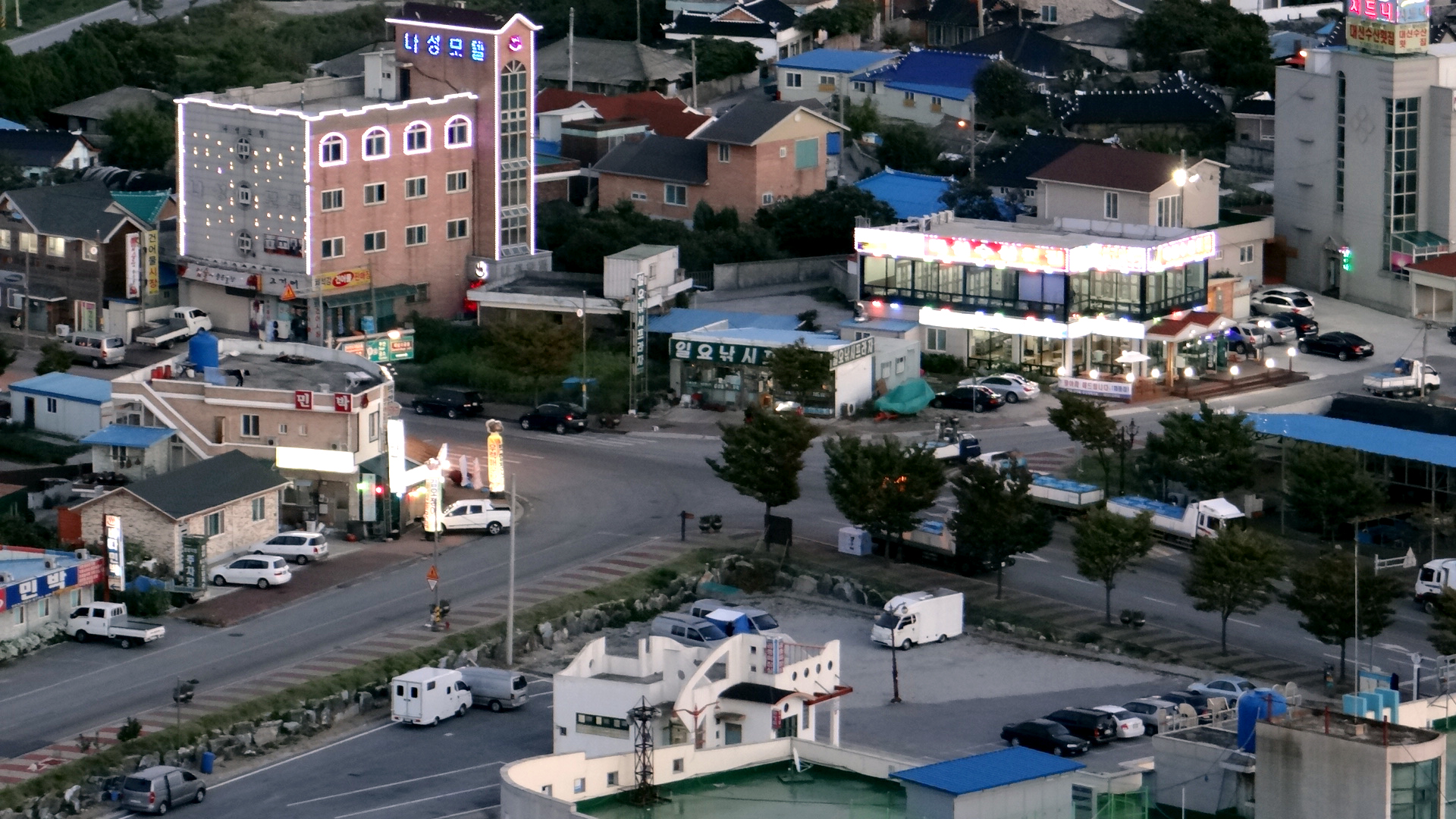
What fed the rumor was grief
On the docks of Wido, the families of the victims had gathered. These were people who had lost family to the sea. Some were still waiting for a body; some had already identified one. And their grief could not stay grief alone.
They needed anger. Because if this death was not just an accident but someone's fault, it became a weight that could be carried. If nature had swallowed the ship, there was no one to blame. But if someone had abandoned it — then someone could be blamed. Blame is easier to hold than sorrow. An arrow needs a target before it can fly.
The captain's empty place was a perfect target. He was the man in charge. No one knew whether he was alive or dead. And above all, he could not answer back. The dead cannot defend themselves. So the anger of the families, the suspicion of the public, and the breaking bulletins of the press all pointed the same direction. Everyone was aiming at the same man.
This is not a story about who to blame. The families' anger was another face of legitimate grief. The problem was that this grief would not wait for the facts — and that the adults standing beside it, the press and the authorities, pushed it forward instead of steadying it.
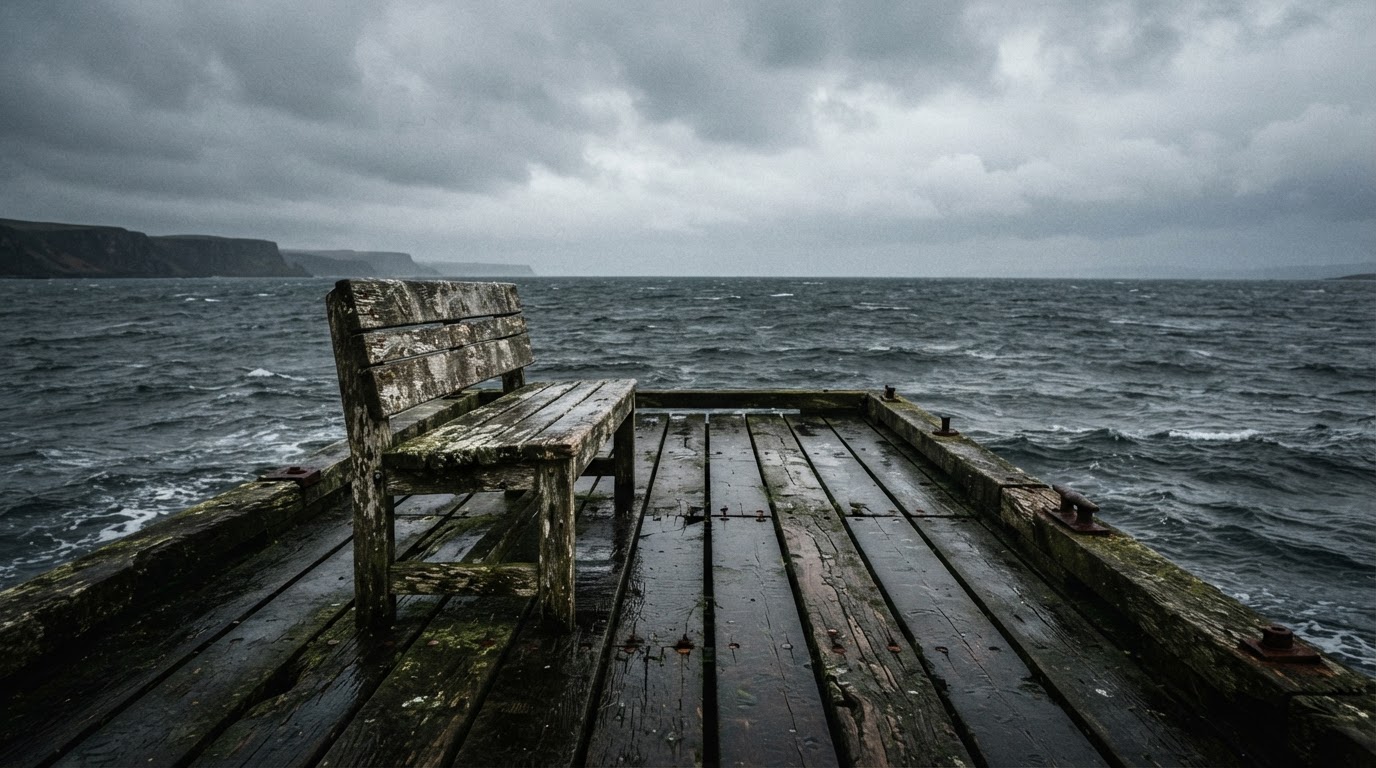
Five days later, they found him inside the ship
While the rumor was at its peak, salvage work was underway. And five days after the disaster, on October 15, the captain was found inside the hull.
He had not fled.
Captain Baek Un-du's body was in the ship's radio room, behind the wheelhouse — the station from which a distress call is sent. In the moment the ship heeled over, he had not run for land. He had run into the radio room. At the very place where he was trying to call for rescue to the end, the inrushing water sealed the door, and he could not get out. The bodies of the chief engineer and the boatswain were found with him. The men who ran the ship had not abandoned her. They had stayed with her.
The fugitive who had been hunted across the entire nation had been in that spot beneath the sea from the very beginning. He had not swum away, not stowed away, not abandoned anyone. He died at his post. While the rumor was making him the whole country's criminal, his body was waiting in the radio room to be found.
So what were those sightings of "someone resembling the captain" at nearby harbors? As it later emerged, one witness had mistaken the local Wido police station chief — who was present at the disaster site — for Captain Baek. A single tip from a single case of mistaken identity had turned a man into a fugitive and drawn a warrant from the state.

Why did an entire nation believe it?
Now the question that really has to be asked. A body inside the ship, if you think about it even for a moment, does not fit the flight rumor at all. So why did that rumor spread so fast and so wide, and take hold so firmly?
First, anger needed a target. The deaths of 292 people were deaths without reason. People cannot bear reasonless suffering for long. If you believe this happened because of someone's malice, then at least the world becomes a place that can be explained. The fleeing captain was the story that gave unbearable grief a reason.
Second, there was distrust of the authorities. People did not take the government's announcements at face value. Why was the ferry overloaded? Why was she allowed to sail in bad weather? The disaster itself was a failure of the system — so the words that same system produced could not be trusted either. When the official account fails to fill the gap, rumor takes the seat instead.
Third, the press competed to copy down the rumor. The moment a tip is turned into an article without verification, the rumor puts on the clothing of fact. A sentence like "there is a report that..." lands in the reader's memory as "he did." A rumor set in print stops being a rumor and becomes news.
Fourth, there was the mood of the era. In the early 1990s, Korea was living through a string of large-scale disasters — collapsed bridges, fallen buildings, sunken ships. Deep in people's minds ran a cynicism: in the end, the powerful, the ones responsible, only save themselves. Inside the grammar of that cynicism, "the captain ran to save his own skin" was entirely natural. People did not believe the story anew. They simply attached what they already believed to this event.
A rumor is not born in a vacuum. A rumor sits down in a seat that people have already prepared for it. The Seohae Ferry flight rumor landed precisely in the seat the era had dug for it in advance.


The false report, and the name it left behind
When the captain's body was found, the flight rumor collapsed in an instant. And on the press that had carried that rumor, the brand of a false report remained.
The Seohae Ferry captain-survival rumor is recorded as one of the definitive cases of collective misreporting in Korean journalism. By competing to copy down unverified sightings, the press turned a dead man into a living fugitive — and not one outlet but many, over several days. In the years since, the episode has been summoned again and again whenever the ethics of disaster reporting are discussed. A case study in what the press can destroy when it reports the unconfirmed as if it were confirmed.
The correction took only a few days. Once the body was found, the flight rumor was corrected as untrue. But a correction is always smaller and quieter than the false report it corrects. In the days a man was branded a fugitive, something was carved into the name Baek Un-du. Could a short correction ever fully erase it? He had died inside the ship without ever knowing what rumor he had become the subject of.
Rumors after disaster are everywhere
This is not an unfamiliar story. The impulse to search for a scapegoat after a great disaster belongs to no single country and no single era. It is closer to a universal human reaction.
Look through history and you will find that large accidents and catastrophes are almost always followed by a story — someone did it on purpose, the real cause is something else, the person responsible escaped and saved himself alone. When a plague spread, the rumor went out that someone had poisoned the wells. When a city burned, the story spread that someone had set the fire. In the face of suffering it cannot explain, the human mind always finds intent. Because, paradoxically, someone's malice is easier to bear than random misfortune.
At sea, this is even more true. The wide, silent ocean is a sponge that soaks up rumor. Witnesses are few, evidence sinks beneath the water, and confirmation comes slowly. Stories flow into that gap. As with the mystery of the Ourang Medan, which we've covered on this site, the sea has always kept rumor longer than fact.

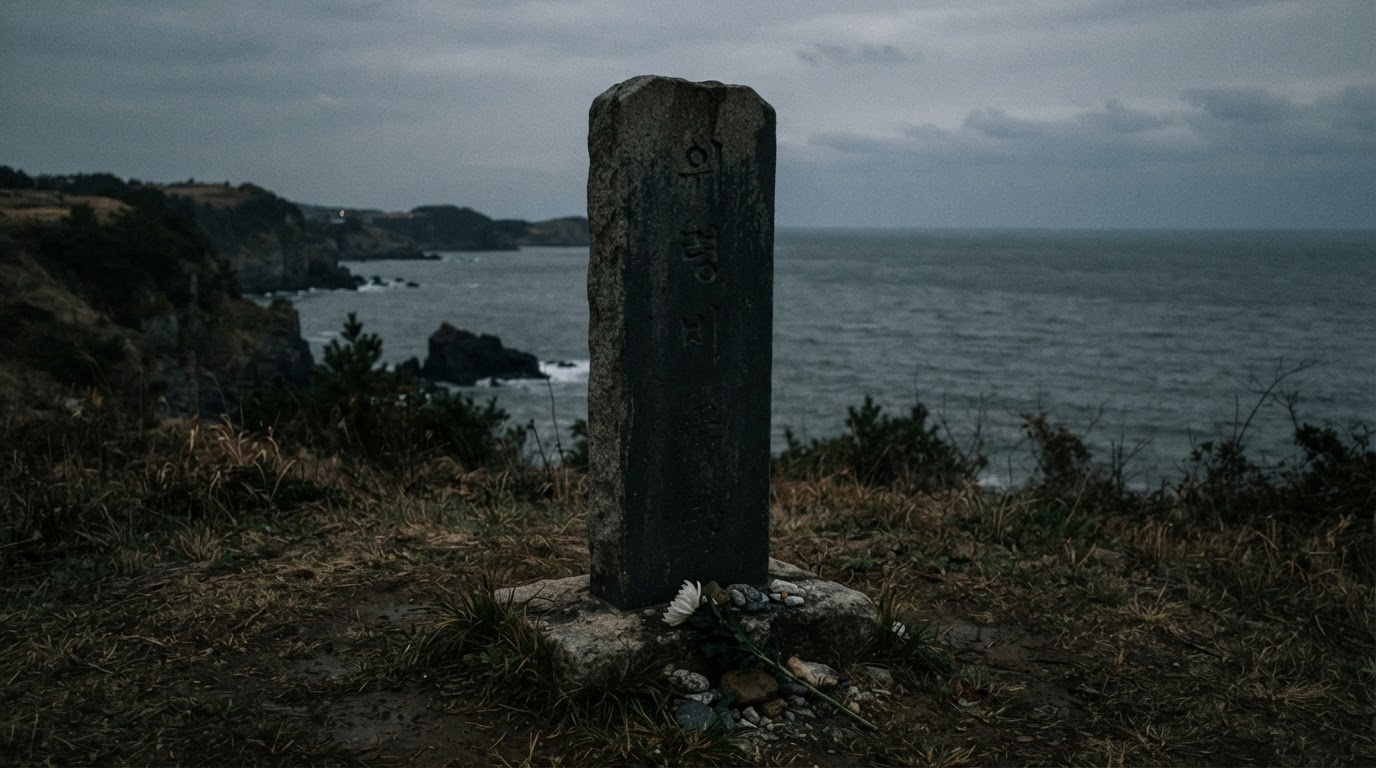
What the disaster left behind
The Seohae Ferry left a bitter lesson. Management that failed to stop overloading. Control that failed to screen out a departure in bad weather. Life-saving equipment that did not properly work. After this disaster, maritime safety regulations were revised, and oversight of ferry operation and passenger management was tightened. It was the least the deaths of 292 people could leave behind.
But the disaster left one more thing. Something no regulation can fix.
Even thirty years on, whenever a great disaster strikes, a similar pattern repeats. An unverified story spreads on the current of grief. Someone is named a culprit in an instant. When the truth later comes out, it is quietly corrected. The grammar of the rumor is astonishingly the same then and now. Grief looks for a target, distrust fills the gap, and speed outruns the truth.
The technology has changed. Rumor no longer spreads by newspaper and broadcast but along the screen in your hand — far faster than before, far further, and far harder to erase. The Seohae Ferry's ten days would compress into a few hours today. But the human mind working inside that time is no different from the minds of the people who stood on the docks of Wido thirty years ago. We still manufacture reasons in the face of reasonless pain.
If the Odaeyang mass-death case, another mystery that shook Korea in the same era, left behind the question what is true? — then the story of the Seohae Ferry captain left behind the question why did we believe what was not true?
Before we close this file
Captain Baek Un-du did not flee.
Let this one sentence be nailed down again, here at the end. He did not abandon his ship. He did not swim away, did not stow away to Japan. He died in the radio room calling for rescue, with the ship he commanded. The name "fugitive" was placed upon him; it was not something he did.
The rumor ended the day his body was found. But the distrust that made the rumor did not end. Grief still looks for a target. People still believe the story before the facts. The waters off Wido grew calm again, but the question that sea asked us is still waiting for an answer.
It took five days for one man's innocence to come to light. And in those five days, the nation had already made up its mind. When the truth arrived, most people were looking somewhere else.
In memory of the 292 who were lost, and of one captain who guarded his ship to the end. Not as rumor — as fact.
The detail I have never managed to file away is the misidentification: a witness who saw the Wido police chief at the disaster site and reported the captain. One glance, on a dock crowded with people who all looked like they belonged to that day. I have gone back through the sighting reports looking for the second independent one, the corroborating account that should exist if a nationwide warrant was issued. I have not found it. Which leaves me with the thing I did not want to conclude — that the whole machinery ran for ten days on a single wrong look, and that it would not have needed even that much.
---
This article uses both real archival and on-site photographs and AI-generated images and video produced to convey the mood of the story.
Comments
No comments yet — leave the first one.