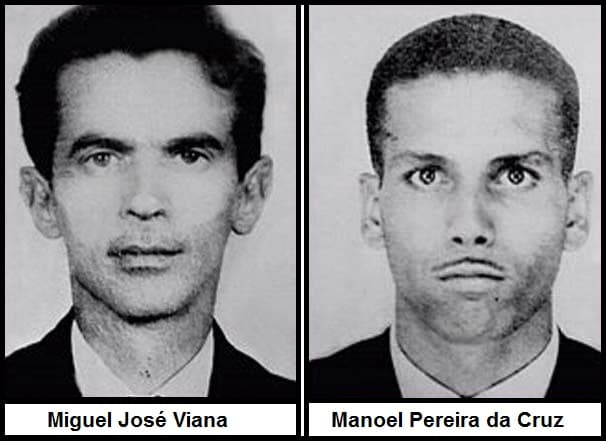
On August 20, 1966, on Morro do Vintém — Vintém Hill — in Niterói, near Rio de Janeiro, a boy flying a kite came upon two men lying in the grass. Both were dressed in neat formal suits, and over those suits they wore waterproof coats. Strangest of all were their faces. Each man had a mask made of lead resting over his eyes, crude objects that looked handmade rather than store-bought. Scattered around the bodies were a water bottle and several damp towels, and in one man's clothing investigators found a small note filled with numbers and phrases that read like coded instructions. There were no wounds. No signs of a struggle, no obvious cause of death. An autopsy was eventually carried out, but even that answered nothing. More than half a century later, we still do not know why these two men met their end on that hill. This is the story of the Lead Masks Case, one of the most enduring unsolved mysteries in Brazilian history.

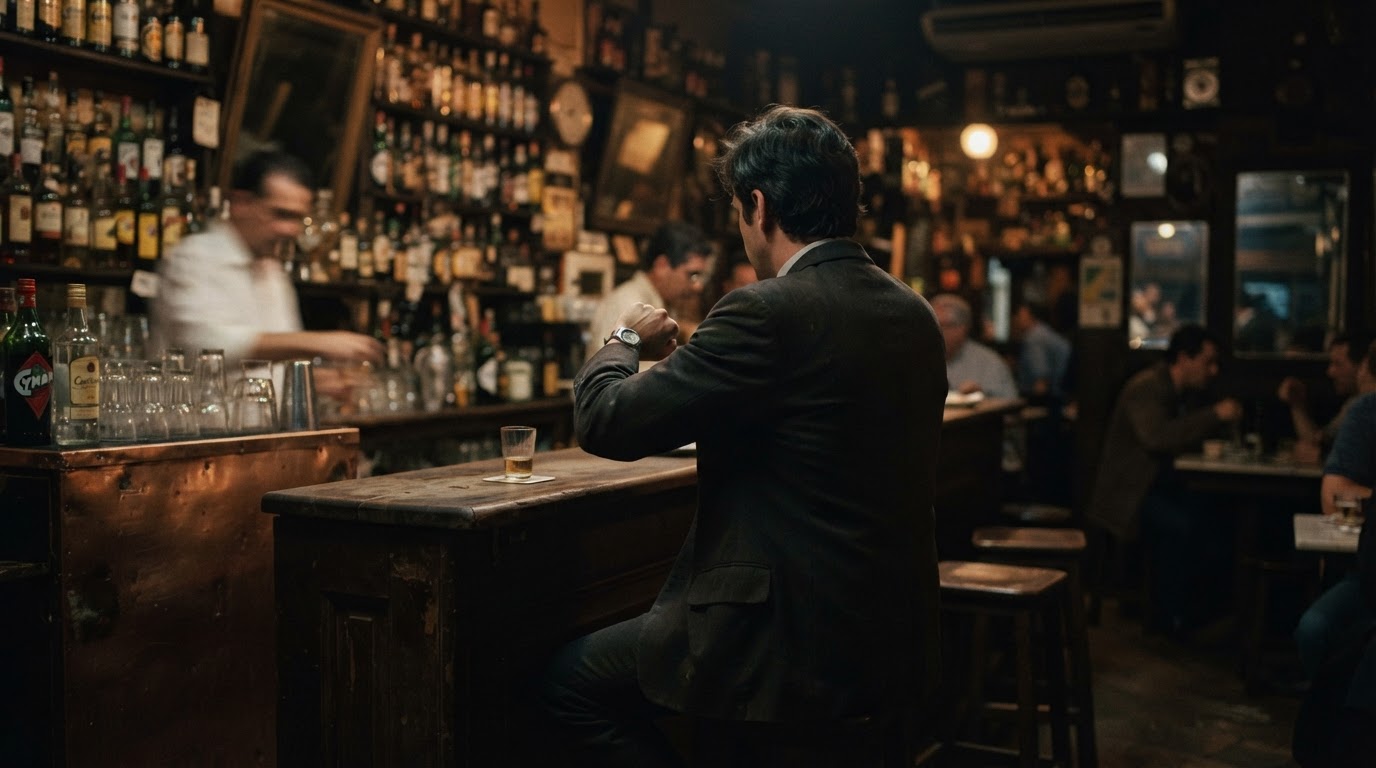
Cases reach me in pieces, and with this one it was the receipt. Somewhere in the surviving paperwork there is a record of two men buying a drink at a bar in Niterói, and the sheer domesticity of it is what made me start a folder. They bought raincoats in August, they bought something to drink, and then they walked up a hill to do a thing they had written out in advance as a numbered procedure. Every other detail here is strange. That receipt is not, and it is the one I keep coming back to.
The Discovery on the Hill
Morro do Vintém is a low hill overlooking the town of Niterói. Its grassy, scrub-covered slopes look like an ordinary walking path, but what was found there in the late summer of 1966 was anything but ordinary. A boy of around fourteen was climbing the hill to fly his kite when he came upon two men lying side by side in the grass. At first he thought they were sleeping, but when he realized neither man was breathing, he ran back down to raise the alarm.
When the police arrived, the scene that greeted them was almost impossible to explain. Both men wore proper formal suits, and over those suits they had layered what appeared to be brand-new waterproof coats. In the muggy August heat of Brazil, with no rain in sight, the coats made no sense at all. And over each man's eyes lay a mask made of lead — not a commercial product, but a crude form that looked as if someone had cut and shaped a sheet of metal by hand. Beside the bodies lay a water bottle, several damp towels, and a single folded sheet of paper. Nothing at the scene explained why the two men had climbed up there in the first place.
Who Were the Two Men
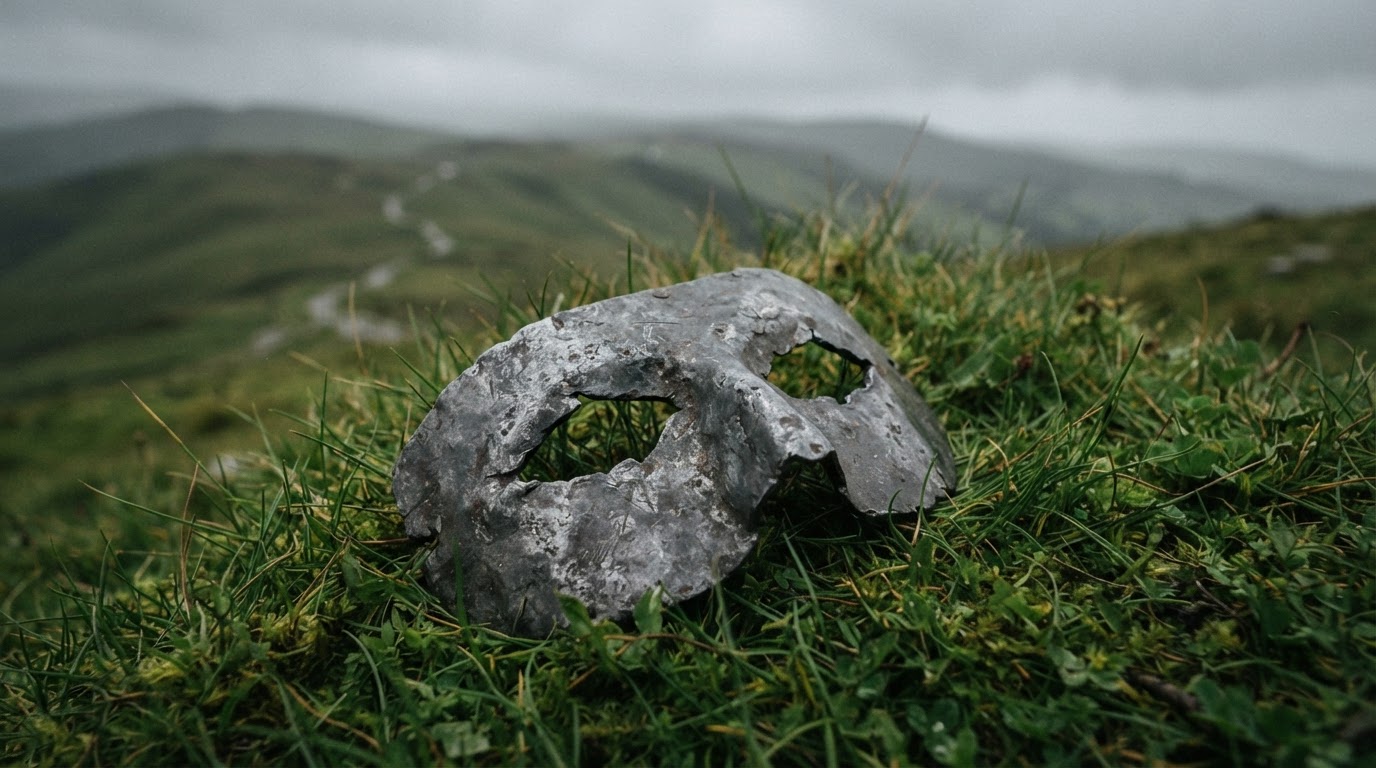
It did not take long to establish their identities. They were Manoel Pereira da Cruz and Miguel José Viana, electronics technicians from Campos dos Goytacazes in northeastern Brazil. Both worked with electronic goods and components and were close friends. A few days before the discovery, the two had told their families they were traveling to São Paulo to buy materials for their work, and had left home. The last time their families saw them, the men seemed perfectly ordinary.
But the two shared another interest that even their families knew little about. According to Pereira da Cruz's wife and others who knew them, both men were deeply immersed in what was called "scientific spiritism" — a movement with no small following in Brazil at the time, which sought to marry scientific experimentation with the study of psychic and spiritual phenomena. The men were said to believe they could make contact with spiritual beings or extraterrestrial intelligences, and to have been preparing some kind of experiment toward that end. When police later searched their homes, they found spiritist literature and notes, along with materials that appeared to have been used to make the masks. The men's private preoccupation seemed anything but unrelated to their strange deaths on the hill.
The Strange Belongings — Lead Masks and Raincoats
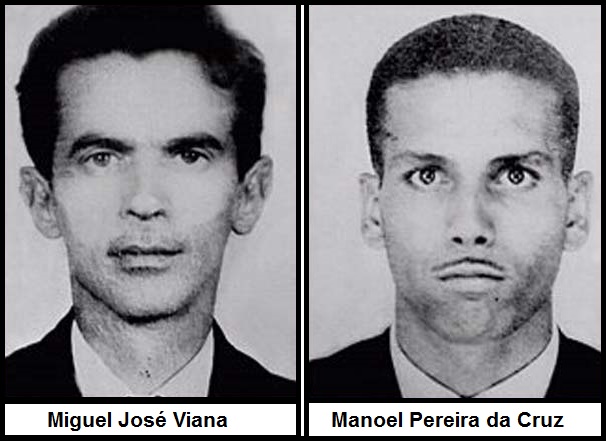
What set this case apart from any ordinary unexplained death was, above all, the belongings the men carried. Foremost among them were the lead masks over their eyes. Lead is a metal used to block radiation. That the men had fashioned such masks by hand and placed them over their eyes seemed to hint that they were expecting some intense light — or something like it — powerful enough to damage their sight. Indeed, many concluded that the masks, like a welder's shield or an eclipse-viewing filter, had been made to protect the eyes from a strong source of light.
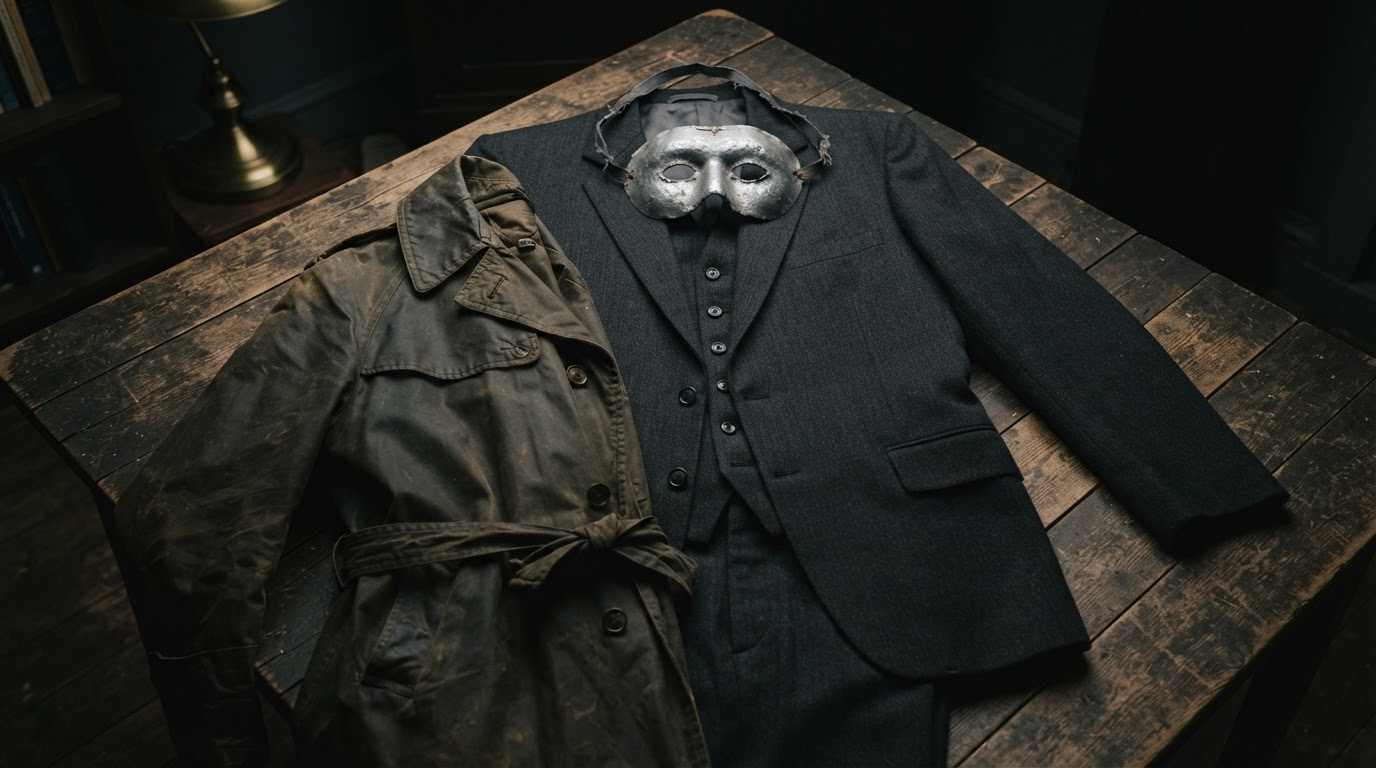
The waterproof coats told a similar story. On a sweltering summer day, on a hilltop with no rain, why would two men layer themselves in raincoats? The coats, moreover, had been bought new at a shop after the men arrived in Niterói. Piece by piece, the two had been assembling the things they needed, as if preparing for something. Formal suits, waterproof coats, handmade lead masks — this was not a random collection of objects but looked instead like "equipment," gathered according to some plan and intention. Yet exactly what that plan was for has never been discovered.
The Coded Note
Of all the men's belongings, the one that left the sharpest impression was a small note found near the bodies. On it, numbers and short phrases were jumbled together in what read like a set of instructions — a procedure written out step by step. Translated, it ran roughly as follows: "16:30 be at the agreed place. 18:30 swallow capsules. After the effect, protect metals. Await the mask signal." Terse and dry, these lines made it clear that the two men had gone to the hill that day intending to carry out something in a particular sequence.
The note seemed to thread together every strange fragment of the case. The phrase "protect metals" tied directly to the lead masks the men were wearing; the instruction to "swallow capsules" suggested they meant to take some kind of drug; and the final line, "await the mask signal," read as though the two were waiting for a signal from something — or someone. But the note said no more than that. What that "signal" was, what the "capsules" were, whom exactly the men were preparing to meet — the most important questions of all remained hidden behind those few short lines.

Their Last Movements
Police were able to reconstruct much of the men's final day. On August 17 they took a bus into Niterói, arriving around half past two in the afternoon. There they bought the waterproof coats at a shop and stopped at a nearby bar to buy something to drink. A receipt for that purchase was later found among their belongings, giving investigators a thread to trace their movements.
The testimony of the waitress who served them at the bar was especially striking. She remembered that one of the men, Miguel, seemed extremely nervous and kept glancing at his wristwatch — like someone who had to be somewhere at a fixed time. Laid alongside the note's instruction to "be at the agreed place at 16:30," her account carried an eerie charge. The men were racing against the clock, walking up the hill toward some appointment. That was the last time anyone recorded seeing them alive — as they headed toward Vintém Hill — until, three days later, the boy with the kite found them.
The Investigation and the Cold Case
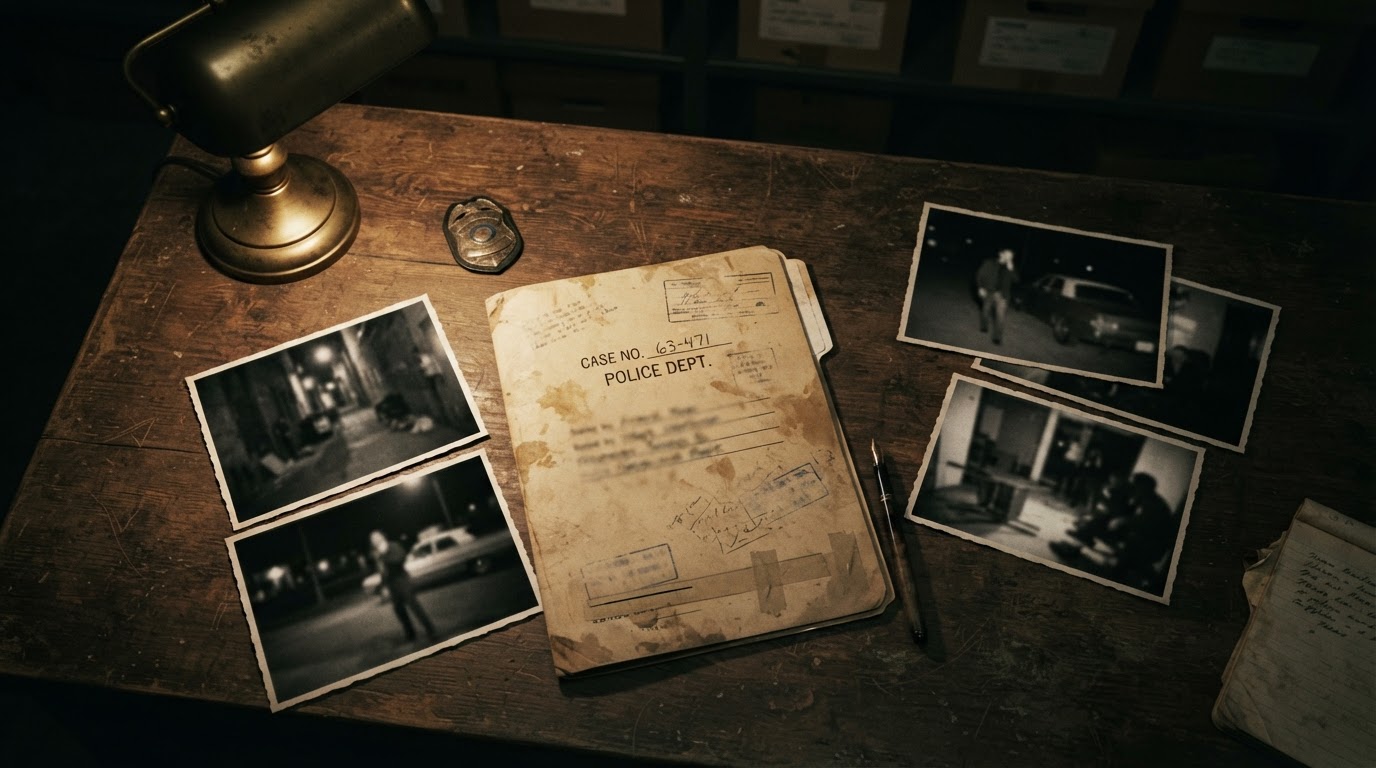
From the very start, establishing a cause of death ran into a wall. The bodies bore no wounds, no gunshot or stab injuries, no marks of strangulation. Outwardly the two men simply lay as if asleep. Determining what had killed them would require a toxicology examination — and here a decisive problem arose. At the time, the medical examiner's office in the state of Rio de Janeiro was badly short of staff and equipment, and the autopsy was not carried out until long after the bodies were found. In the interval the corpses had decomposed, making reliable toxicological testing of the internal organs impossible. In the end, the physical evidence that might have revealed what killed the men — whether they had actually swallowed the "capsules" from the note, and if so, what those capsules were — was lost for good.
The investigation branched off in several directions, but none reached a conclusion. It could not even be established whether someone had murdered the men and staged the scene, or whether an experiment the men had prepared themselves had gone wrong. There were no signs of robbery, and no one with an evident grudge against them ever came to light. And so the case petered out without any clear resolution. Against a triple barrier — the confusion of the early inquiry, the botched initial response, and the decomposed bodies — the truth stayed buried on the hill.
The Theories, and the Mystery That Remains
Where there is no firm answer, all manner of speculation rushes in to fill the space, and the Lead Masks Case was no exception. The most widely circulated is the UFO theory. On the night the men are thought to have died, a resident near the hill reported seeing a round, orange object hovering in the sky, and the account set the theory alight. Combined with the men's stated wish to make contact with extraterrestrial intelligence, the lead masks that seemed made to block a powerful light, and the note's instruction to "await the signal," a story took shape in which the two had died attempting contact with alien beings. This, however, is only a theory woven from circumstance — not a single part of it is confirmed fact.
Another line of speculation centers on a séance, or spiritual experiment. Given that the men were steeped in "scientific spiritism," with related books and materials found in their homes, some suppose they had prepared a ritual to commune with spiritual beings. On this reading, the note's "capsules" become a kind of hallucinogen, and the two men are imagined to have taken the drug for their ritual and died together after miscalculating the dose. But this, too, is impossible to prove now that the autopsy came to nothing. Beyond these, interpretations range as far as more down-to-earth guesses that the men were murdered after being caught up in some fraud or illicit dealing. Yet none of them can rise above the status of theory.
Reading the note again, what unsettles me is not the capsules or the signal. It is the word await. Whoever wrote those four lines expected there to be a period of waiting — a stretch of time after the capsules and before the thing they had come for, long enough to need instructions to fill it. The masks were already on. And so the last item in this file is not two deaths but an interval: two men lying side by side in the grass with lead over their eyes, in the dark of their own making, listening for something that was scheduled to arrive.
What we can say for certain today is only this. In August 1966, two electronics technicians were found dead side by side on a hill in Niterói, waterproof coats over their suits and handmade lead masks over their eyes. Beside them was a cryptic note speaking of capsules, a mask, and a signal. And because of a flawed investigation and decomposed bodies, their cause of death was never established. What were they waiting for, lying on that hill with their eyes covered? What signal, and from whom? Vintém Hill has kept its answer for more than half a century, and keeps it still.

---
This article combines the actual documentary photographs of the two victims with AI-generated images produced to convey the other scenes.




Comments
No comments yet — leave the first one.