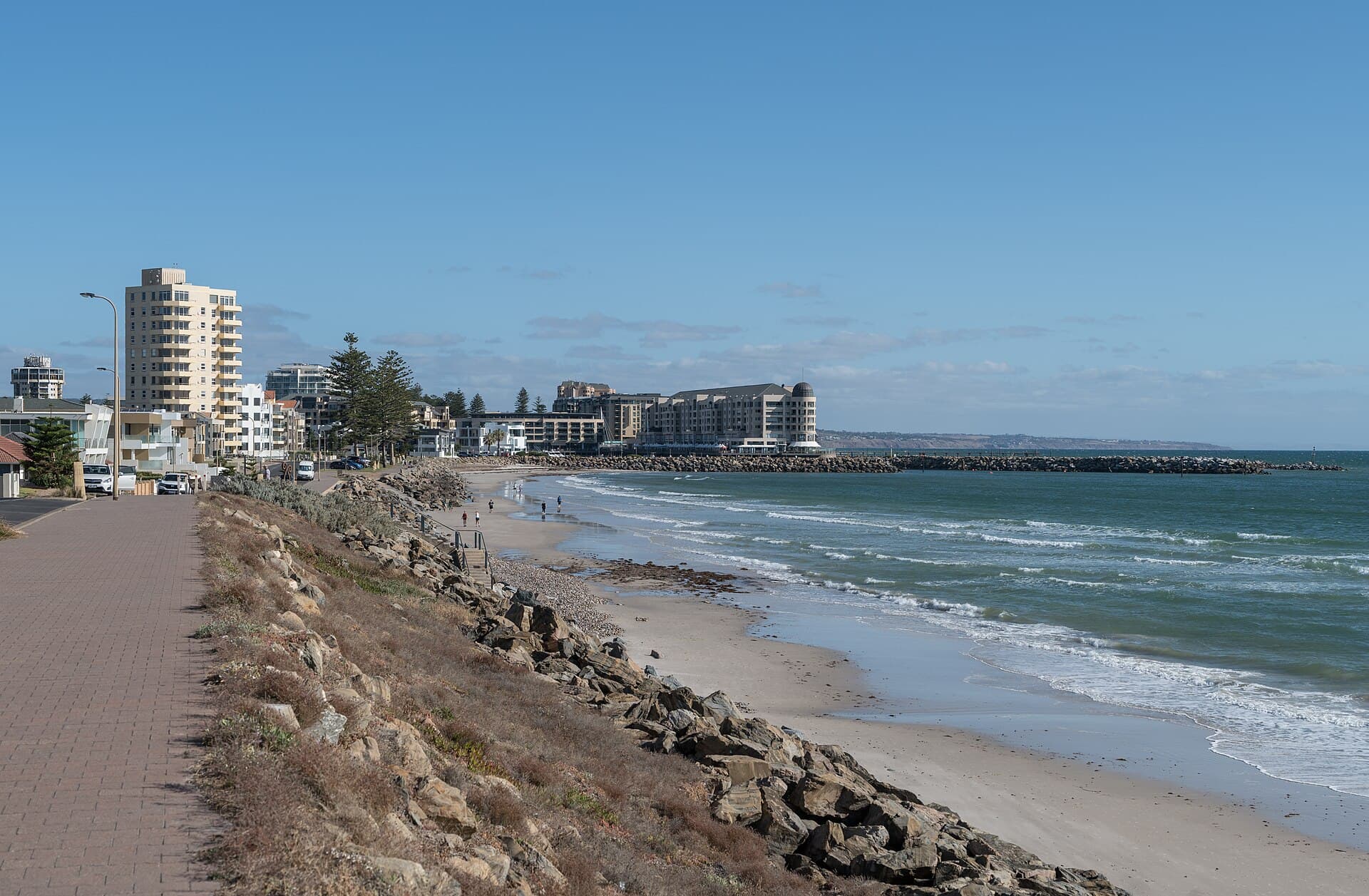
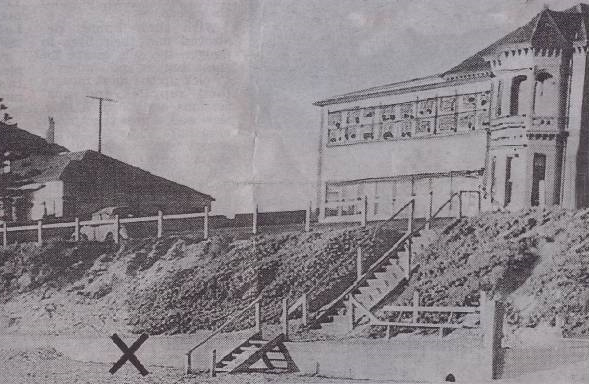
Early on the morning of December 1, 1948, a man was found dead, propped against a seawall on the beach at Somerton Park, just outside the city of Adelaide in South Australia. His legs were stretched out and his ankles neatly crossed, so that he looked less like a corpse than like a man who had fallen asleep. His suit was tidy, his shoes polished as though freshly cleaned, and a half-smoked cigarette rested on the collar of his coat. On the surface there was no sign of violence at all. And yet this man carried nothing that could identify him. There was no wallet, no papers, no identity card — and every label that should have been sewn into his clothing had been cut away. Then, months later, in a small pocket secretly stitched inside the waistband of his trousers, investigators found a tiny rolled scrap of paper. Printed on it were two words, the closing line of a book of Persian poetry: "Tamám Shud" — meaning "it is ended." More than seventy years later, we still do not fully know who this man was or how he died. This is the story of the Somerton Man, one of the most famous unsolved cases in the world — the Tamám Shud case.
I came to this case sideways, through a folder of unidentified-remains material I was sorting for something else entirely, and it has never gone back into that folder since. The detail that caught me was not the poem or the code. It was the half-smoked cigarette resting on his coat collar — a small, ordinary object left in a position that only makes sense if someone was there after he stopped moving, or if nothing was there at all. I have compared the early inventory lists against later transcriptions repeatedly, and the cigarette is always in the same place, and it has never once meant the same thing to me twice.
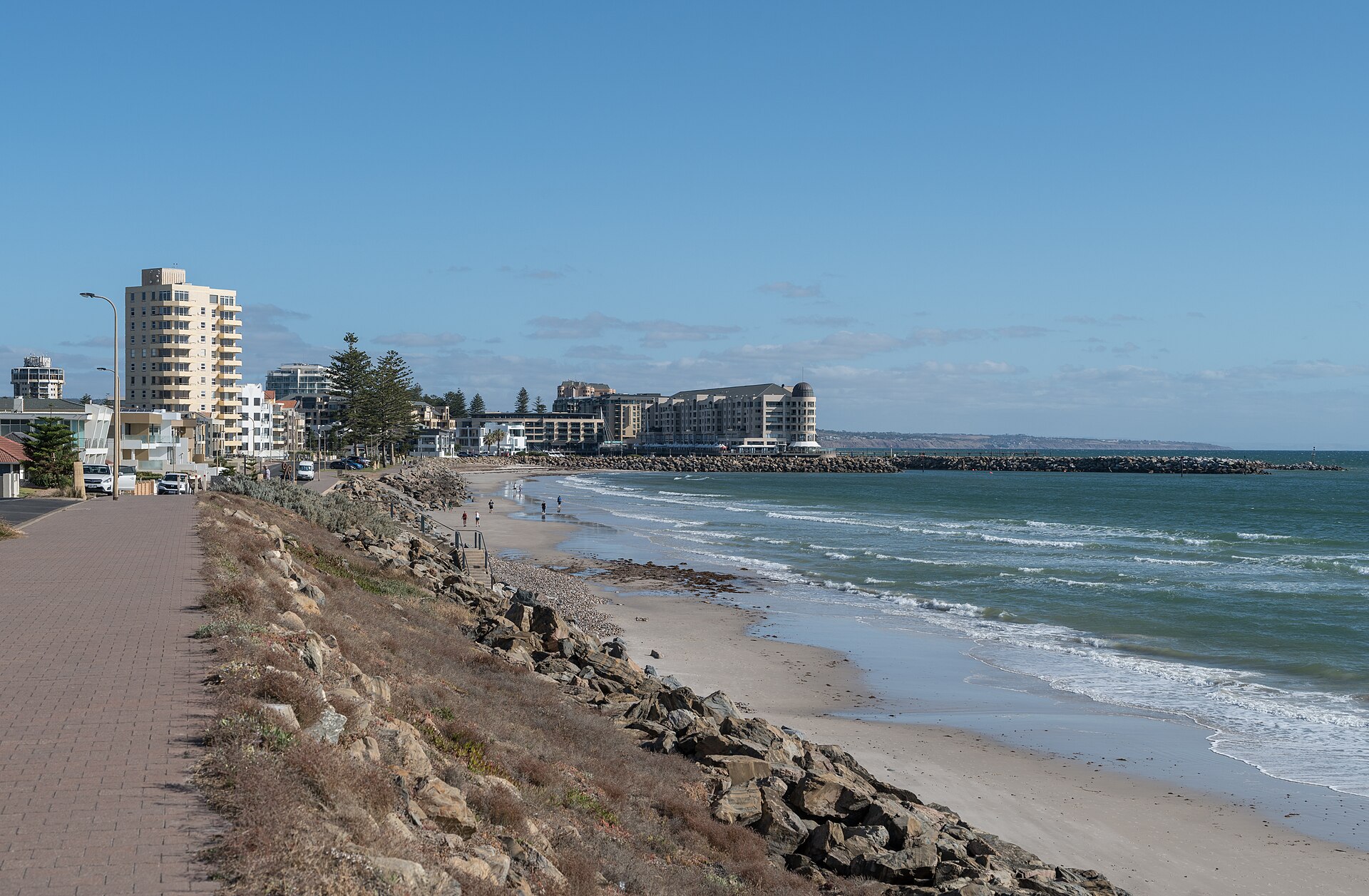
Photo: Wikimedia Commons, CC BY-SA
The Man on the Beach
To the people walking the beach that morning, the man looked less like a dead body than like someone who had drunk too much and dozed off. In fact, witnesses later reported having seen him in roughly the same position the previous evening. When police examined the body, they found a well-built man estimated to be between forty and forty-five years old. He stood about 180 centimeters tall, had grey eyes and a solid frame, and — most unusually — remarkably developed calf muscles, a feature some analysts associated with people who walk a great deal or habitually wear a certain kind of footwear. His clothing was a heavy suit, somewhat out of step with the season, but neat and fully assembled.
The strangeness began after that. When police went through his pockets, all they found were cigarettes, matches, chewing gum, a comb, and fragments of a train and bus ticket. There was no wallet to give a name, no documents, no letters. Stranger still were the clothes themselves: every maker's label and laundry mark had been cut out of every garment, without exception. It was as though someone had painstakingly worked over each item of clothing to hide his identity from the world. For an accident or a natural death, everything surrounding this man was at once too carefully arranged and too completely empty.
The Wall of the Cause of Death
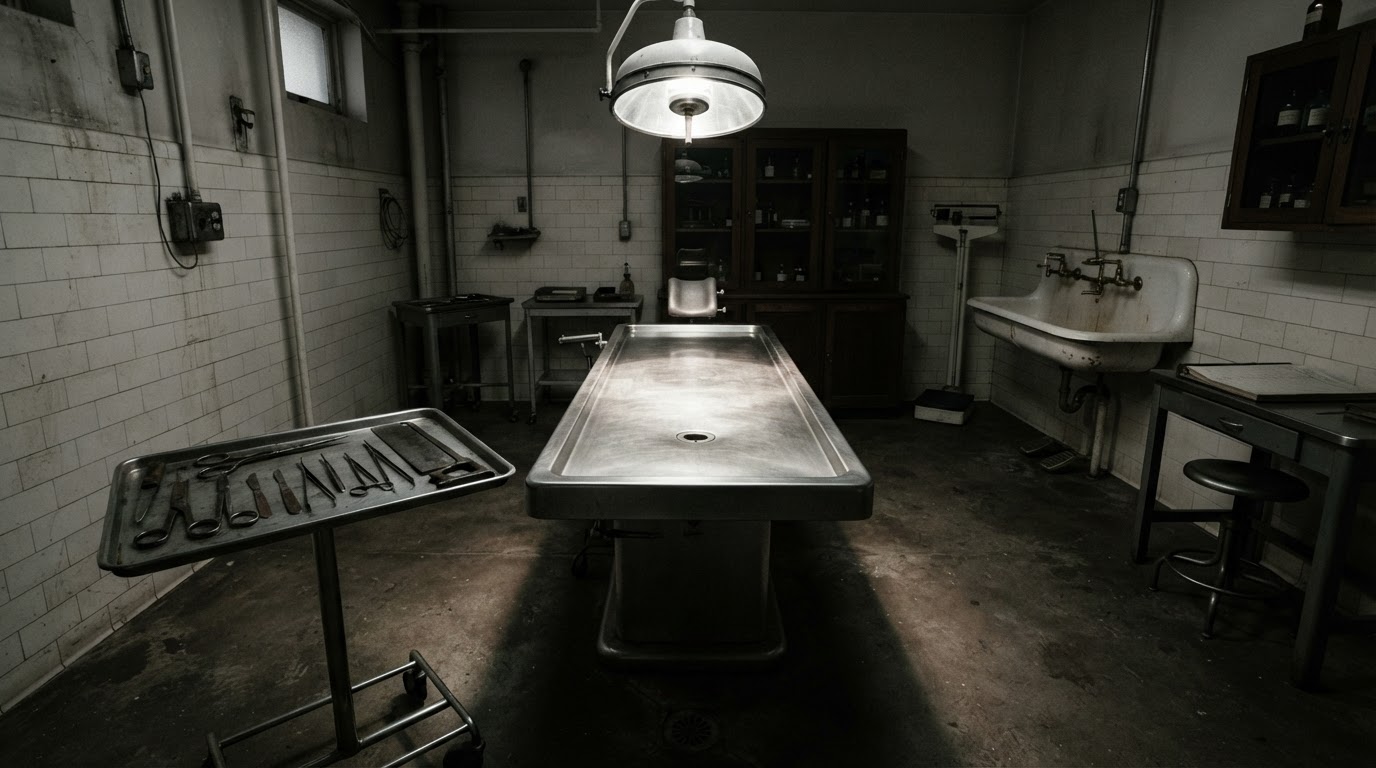
As the autopsy began, the case sank into deeper obscurity. The pathologist concluded that the man had not died of natural causes. His organs were severely congested, his spleen was swollen to several times its normal size, and there were signs of bleeding in his stomach. A pie-like food he had eaten some three or four hours before death still remained in his stomach. Everything clearly pointed toward poisoning. Experts raised the possibility that the agent had been a type of poison relatively easy to obtain from a chemist at the time, yet extremely difficult to detect in a body afterward — certain cardiac glycoside compounds, for instance.
But there was a decisive problem. However precisely the toxicology tests were carried out, no poison of any kind was ever detected in his body. The circumstances strongly suggested poisoning, whether by his own hand or another's, and yet the very substance that would have caused it was never found. This was the first wall of the case. Whether he had taken his own life or been killed by someone else — even that most basic question could not be settled, and the investigation was unsteady from the very start. A poison that left no trace; a death that left no mark. It was almost as if the man had concealed even the manner of his own death from the world.
The Erased Identity and the Suitcase in Left Luggage
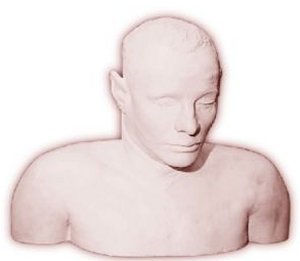
Above all, the police had to work out who this man was. But with every clothing label removed, finding a starting point was no easy task. They took his fingerprints and compared them against records in Australia and in several other countries, but no match came up. Comparison against missing-persons reports and international wanted lists turned up no one. They even made a plaster bust of his face and released it publicly, yet for more than half a century, no one came forward who could recognize that face with any certainty.
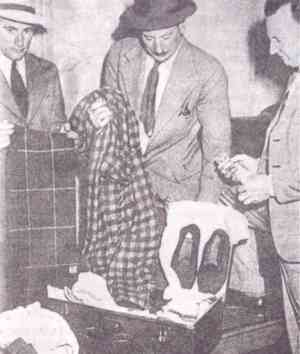
Not long after the discovery, a brown suitcase believed to be his was found in the left-luggage office at the Adelaide railway station. Inside were items of clothing, pyjamas, slippers, and several unusual objects: a screwdriver of the kind an electrician might use, a pair of scissors ground down to a sharp edge, a knife that had been reworked, and a stencilling brush. There was also an orange waxed thread later found to be of a type not sold in Australia at the time. Yet here too most of the labels had been cut away. A few items did carry the name "T. Keane," and police pursued that name, but they could find no missing person to match it. As it later emerged, that name most likely had nothing to do with his true identity. Whether leaving those name tags while removing the clothing labels had been an oversight, or a deliberate act of misdirection, remains without an answer.
The Rubáiyát and "Tamám Shud"
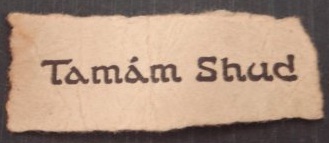
The clue that gave this case its name did not surface until months after the discovery. During the course of the examination, one of the examiners found a small pocket secretly sewn into the inside of the man's trouser waistband. Inside it was a tiny scrap of rolled paper. On the paper, in printed type, were two words: "Tamám Shud." In Persian these words mean "it is ended" or "it is finished," and they form the closing line of the Rubáiyát, the celebrated collection of verses attributed to the eleventh-century Persian poet Omar Khayyám.
To find out what book the scrap had been torn from, the police issued a public appeal through the press. A citizen came forward. He reported that around the time of the incident, he had found a copy of the Rubáiyát that someone appeared to have tossed into the back seat of his car. When the last page of that book was examined, the very portion that should have carried the words "Tamám Shud" had been torn away. Microscopic analysis confirmed that the scrap from the man's pocket had been torn from precisely that book. A dead man, a book of poems, and one final phrase — "it is ended." This strange connection stamped an indelible symbol onto the case, and from then on it came to be known as the Tamám Shud case.
The Code That Was Never Deciphered
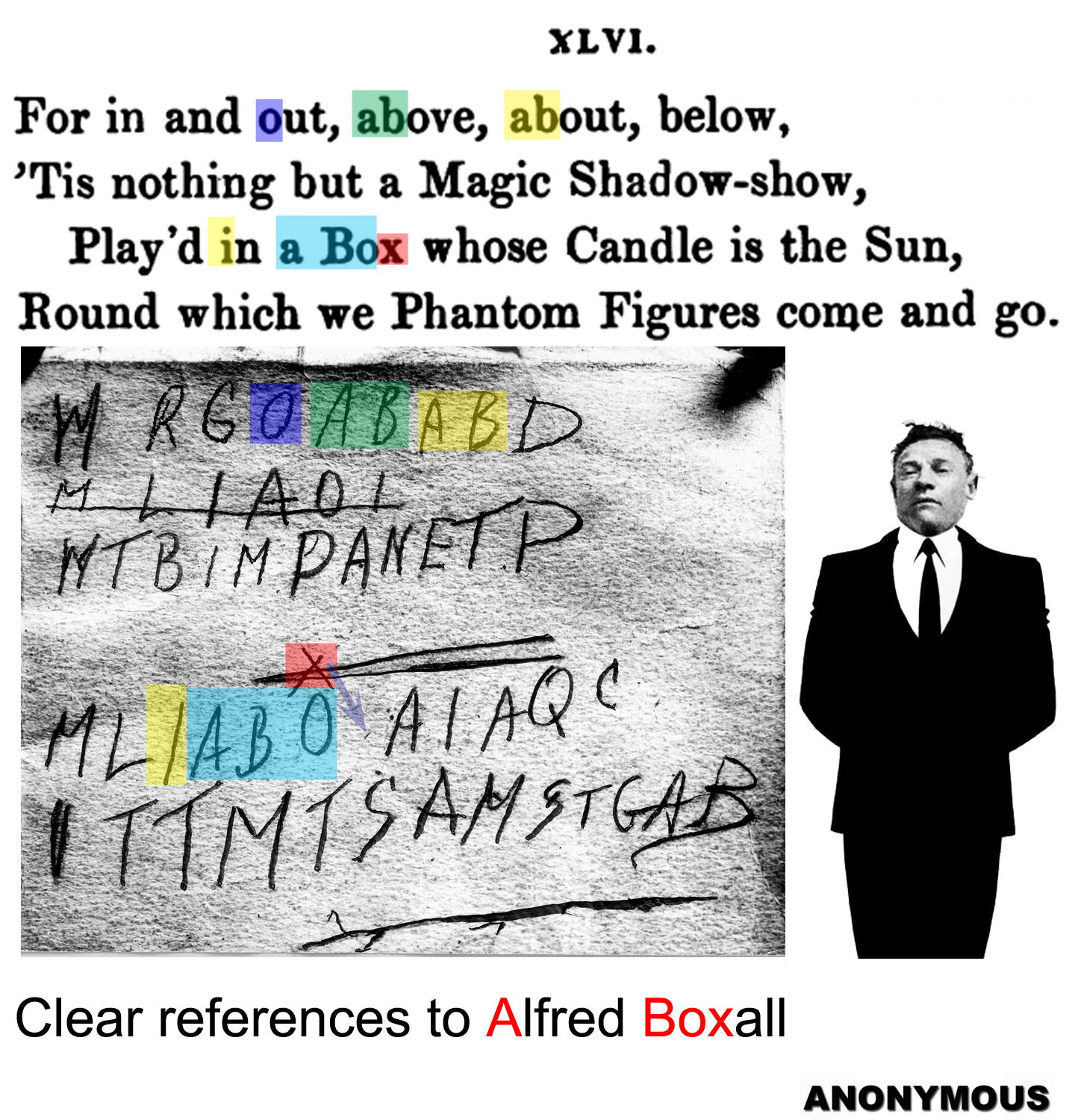
When the copy of the Rubáiyát in question was handed over, investigators discovered yet another riddle inside its cover. Examining the indentations — the marks pressed into the paper by earlier writing — they found five lines of capital letters. The strings looked, at first glance, entirely meaningless. The first line read something like "WRGOABABD," the second had been struck through, and below followed further combinations such as "WTBIMPANETP," "MLIABO AIAQC," and "ITTMTSAMSTGAB." They were not words in any language, nor any sentence — just letters that looked, for all the world, like a cipher.
Even cryptographers from the Australian Department of Defence studied the strings, but their conclusion was not a clear one. If the letters were an encoded message, then there were simply too few symbols to break it. Some suspected the letters were a kind of personal shorthand or memo, formed from the first letter of each word in some private phrase; others thought they might be meaningless scribbling written in a disturbed state of mind. Decades later, even computer-aided linguistic analysis was brought to bear, yet this short string of letters still refused to resolve into any definite meaning. A few lines of the alphabet, left behind by one man, continue to hold the attention of amateur codebreakers around the world to this day.
A Neighbouring Woman, and the Cold War Spy Theory
Along with the code-like letters, one more thing was found inside the book's cover: a faintly written telephone number. When police traced the number, it led to a woman who lived only a few minutes' walk from the scene. She had worked as a nurse during the war, and in the investigation records she was referred to by the pseudonym "Jestyn" to protect her privacy. When police showed her the plaster bust of the dead man, she was said to have been so shaken that she looked as if she might faint, and she turned her face away. Yet she stated that she did not know the man, and that she had no idea why her number should be written in that book. Years later her daughter said in a television interview that her mother had, in fact, seemed to know the man's identity — but this is a family member's speculation, not an established fact.
What was intriguing was that some years earlier, this woman had given an identical copy of the Rubáiyát to an army officer. For a time the police suspected that this officer might be the man from Somerton beach, but that theory was set aside once it was confirmed that he was alive and well and still had his own copy intact. All of these circumstances — a man who had thoroughly erased his identity, an undeciphered code, an undetectable poison, and an unexplained link to a nurse — combined with the backdrop of a Cold War just beginning to heat up to produce one compelling narrative: the theory that this man had, in some form, been connected to espionage. At the time, South Australia was home to a uranium mine and a secret military testing range, and the fact that an unidentified man had died nearby fanned such speculation. It must be stressed, however, that this is only a hypothesis born of circumstance; to this day no confirmed evidence supports it.
Half a Century Later, a Name
The case lay for a long time in the darkness of the unsolved. Then, from the 2000s onward, Professor Derek Abbott of the University of Adelaide began his long pursuit of it. He analysed the man's physical features and combed through vast quantities of material, gradually narrowing down the identity. The decisive turning point was genetics. It proved possible to extract DNA from a few strands of hair preserved on the plaster bust made back in the 1940s. Working with the American forensic genealogist Colleen Fitzpatrick, Abbott used this DNA as a thread to build an enormous family tree of some four thousand names and compared it against the DNA of distant relatives.
Then, in July 2022, Abbott announced that he believed the Somerton Man to be "Carl Webb," an electrical engineer and instrument maker born near Melbourne in 1905. According to the surviving records, he was a man fond of reciting poetry — especially verses about death. The announcement drew worldwide attention. But one point must be made clearly. This identification is only the "estimate" of Abbott's research team, and the South Australia Police and the state's forensic authorities have not officially confirmed the result. They stated only that they were cautiously optimistic; they have not accepted the name as the final conclusion of the case. After more than half a century without one, the nameless man was at last given a name — but that name still carries the qualifier "probably" hanging over it.
The Questions That Remain
If we gather together what we can say today with reasonable certainty, it comes to this. In December 1948, a man was found dead, neatly dressed, on Somerton beach near Adelaide. Every label had been removed from his clothes; his death was strongly suspected to be poisoning, yet no poison was ever detected. In a hidden pocket inside his trousers was a scrap torn from the final line of a book of Persian poetry — "Tamám Shud," it is ended — and within that book was a short code that has never been solved. And in 2022, a research team put forward the estimate that he was a man named Carl Webb.
Filing this one, I keep returning to the orange waxed thread in the suitcase — the type not sold in Australia at the time. Every label cut out, every laundry mark gone, and yet he carried with him the exact thread that would have been needed to sew a hidden pocket into a waistband. A man who erased himself that thoroughly did not forget the thread. He simply did not expect anyone to open the case. I have added the name Carl Webb to my index, in pencil, and I have not been able to bring myself to write over the older entry beneath it.
But the discovery of a single name does not mean the case has been fully solved. What we still do not know is far greater. Why did he strip away his clothing labels one by one, erasing his own traces? What was the undetectable poison that killed him, and was his death something he chose, or something brought about by another's hand? What was the code in the book trying to say? Was there truly no connection between him and the neighbouring nurse? What secret did he carry within the era of the Cold War? DNA has at last narrowed his birth down to a single name, yet before the questions that matter most, it falls silent. Why did he come to that beach, and what was he trying so completely to erase himself from? Like the closing line of that book of verse, his life remains an unfinished story, leaving behind only two words — "it is ended."
---
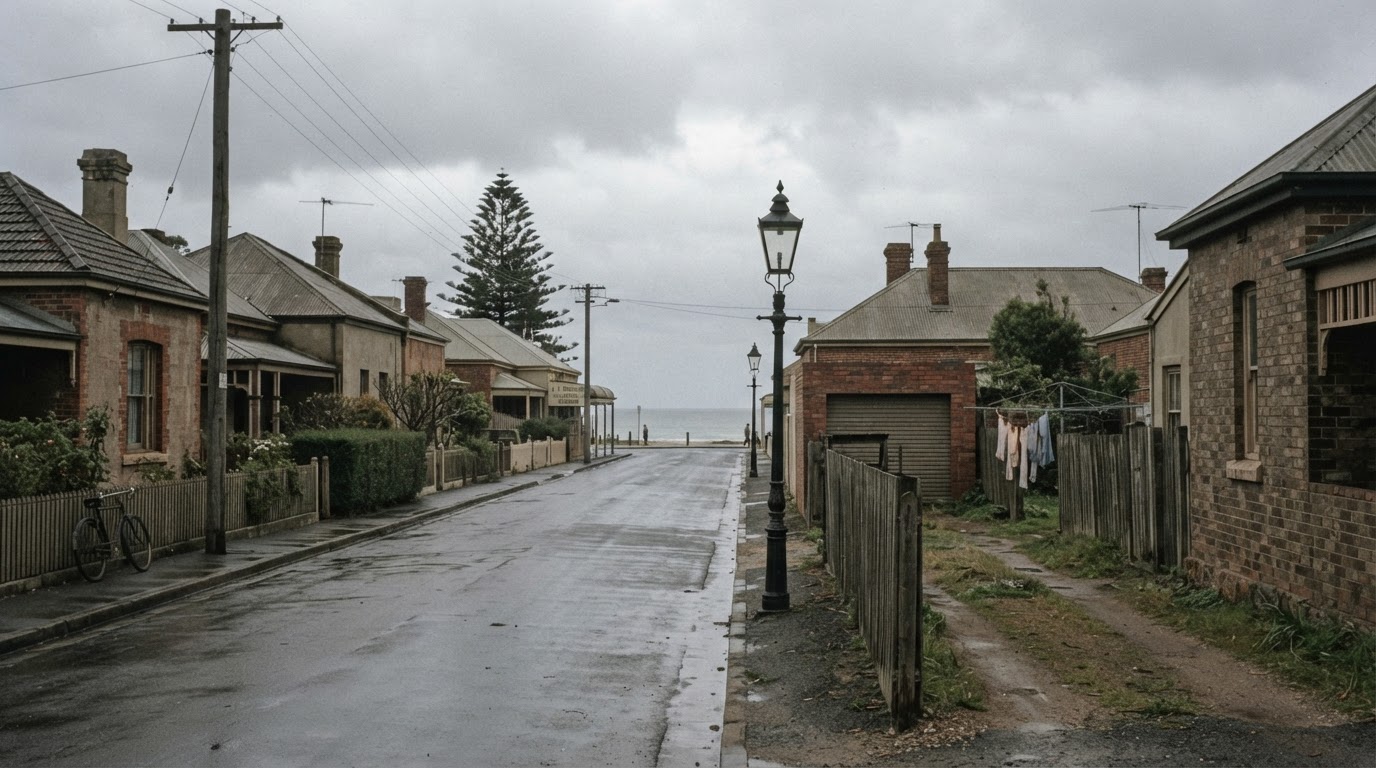
This article uses both real archival and on-location photographs and AI-generated images created to convey the mood of the story.

Comments
No comments yet — leave the first one.