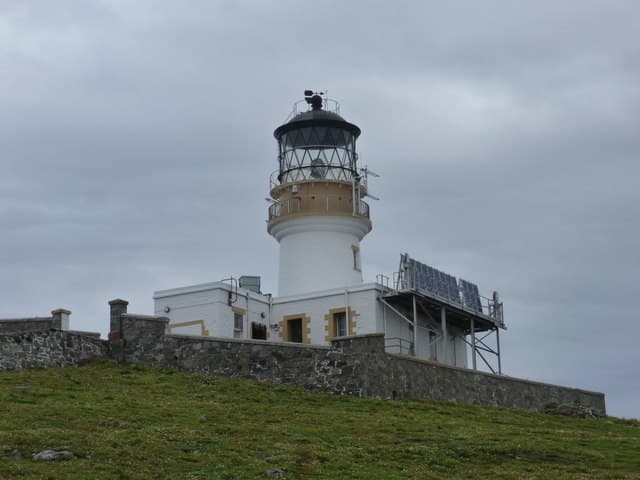
On 26 December 1900, the relief tender Hesperus edged toward Eilean Mòr, a lonely rock in the sea off the western edge of Scotland. The vessel should have arrived around Christmas, but savage weather had kept it pinned in port for nearly a week and a half. When it finally reached the island, there was no one waiting on the landing. No flag flew from the mast, and none of the supply boxes that should have been set out in advance were anywhere to be seen. The crew sounded the ship's horn and fired a flare, and still the lighthouse gave no answer. When relief keeper Joseph Moore climbed the steep steps alone and stepped inside, three keepers should have been there to greet him. Instead, the lighthouse was empty. James Ducat, Thomas Marshall, and Donald McArthur — all three men were gone, without a trace. To this day, no one knows for certain what happened to them. This is the Flannan Isles Lighthouse mystery, one of the most famous unsolved cases Scotland has ever produced.
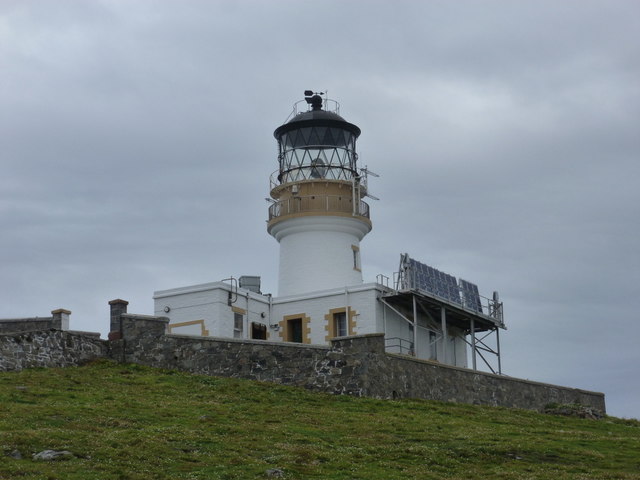
Photo: Wikimedia Commons / geograph.org.uk, CC BY-SA 2.0
I spent a long stretch on this one trying to work out where the overturned chair came from — the meal left half-eaten, the toppled seat, details I had read in a dozen retellings before I ever opened Moore's account and found none of them there. They enter the record in 1912, in a poem. Twelve years after the fact, a writer supplied the scene the public wanted, and it has outlived the testimony of the man who actually walked into that building. Stripping it back out took me longer than it should have, because by then I had half-memorised it myself.
A Lighthouse at the End of the World
The Flannan Isles are a small scattering of islands far to the west of the Scottish mainland, lying beyond the Outer Hebrides. The largest of them is Eilean Mòr — Gaelic for "big island," though in truth it is little more than a palm-sized lump of rock ringed on every side by cliffs. There was scarcely a good place to bring a boat ashore, and even a modest turn in the weather made it hard for anyone to climb up or down. The island had long carried an eerie reputation, along with the remains of Celtic monks who had once lived there. Shepherds who came to graze sheep were said to be reluctant to spend the night, and legend held that anyone setting foot on the island had to observe certain rituals first.
A lighthouse was raised on this remote outcrop in 1899 to guard the ships that passed its treacherous waters from the rocks. From the moment it was completed, it was reckoned one of the most isolated and demanding postings in all of Scotland. Keepers usually worked in teams of three, staying on the island for weeks at a time, and the supply tender from the mainland was their only link to the outside world. That winter, the men keeping the light were principal keeper James Ducat, second assistant Thomas Marshall, and Donald McArthur — an occasional keeper standing in for a regular crewman who was on sick leave. Ducat had left a wife and four children on the mainland; McArthur, a wife and two.
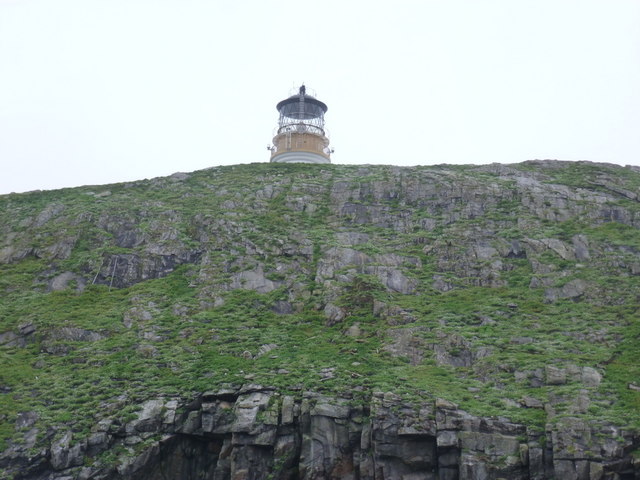
Photo: Wikimedia Commons / geograph.org.uk, CC BY-SA 2.0
The Night the Light Went Dark
The first sign that something was wrong came on the night of 15 December. A crewman aboard the passing steamer Archtor noticed that the Flannan light — which should have been blazing brightly in the darkness — had gone out. The ship had fought its way through heavy weather and tried to pass word ashore, but because the vessel itself arrived late in port, the report was not made right away. It was 18 December before news that the light had failed formally reached the authority in charge of the lighthouse, the Northern Lighthouse Board.
The trouble was that receiving the news did not mean anyone could go and check right away. The sea in those days was violent, and the relief tender Hesperus lay stuck in port for days, unable to sail. In the end, the ship did not reach Eilean Mòr until 26 December, the day after Christmas. In the meantime, the lighthouse had stood dark through many nights. While the light at the end of the world fell silent, no one on shore knew what had taken place within its walls.
What the Relief Crew Found
Once Captain James Harvie of the Hesperus confirmed that no one was on the landing, he sent Joseph Moore up to the island. When Moore climbed the steps and entered the lighthouse, what met him was not a scene of chaos or struggle but an interior that was almost unsettlingly ordinary and tidy. That very orderliness would prove to be the first thing that made the case so strange for so long.
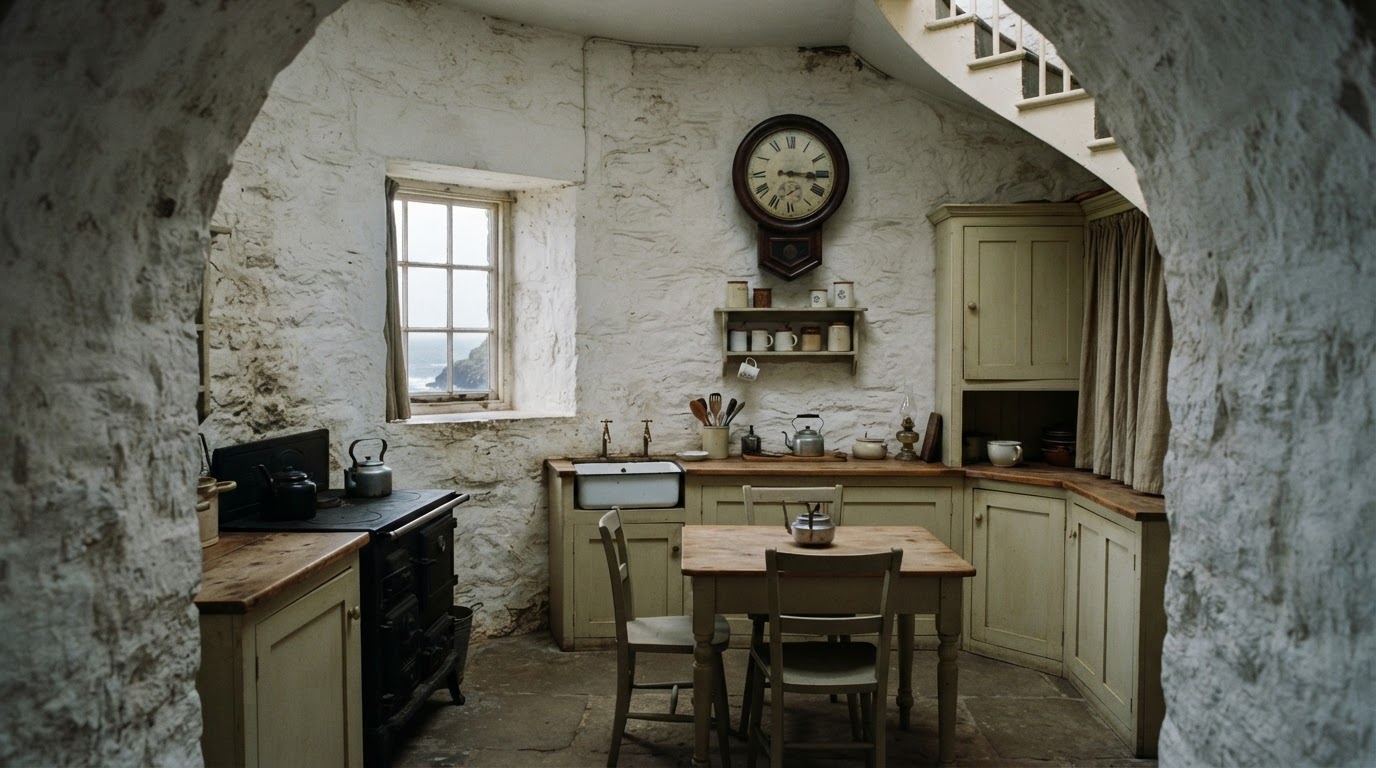
The outer gate and the inner door of the lighthouse were both shut. No fire had been lit for days, and the beds were empty. The kitchen was neatly put away, the pots and pans washed clean. The lamp in the light-room had been trimmed and refilled, ready to be lit at any moment, and the blinds on the windows were in their proper place. In other words, the keepers appeared to have finished their morning duties normally. Only the clock on the wall had stopped — because there had been no one to wind it for days. The three men had vanished as if they were people who had simply stepped outside for a moment and meant to be right back, leaving everything in its place.
One point is worth pausing on here. Nearly every retelling of this case includes a scene in which an untouched meal sits on the table and a chair lies overturned, as though the keepers had been startled away mid-supper. But this dramatic image does not appear in the official investigation of the time. It comes from "Flannan Isle," a 1912 ballad by the poet Wilfrid Wilson Gibson, and it spread afterward as though it were fact. What Joseph Moore's actual account emphasized was not a laid-out meal, but rather that everything had been left almost too properly in order.
The Riddle of the Missing Oilskins
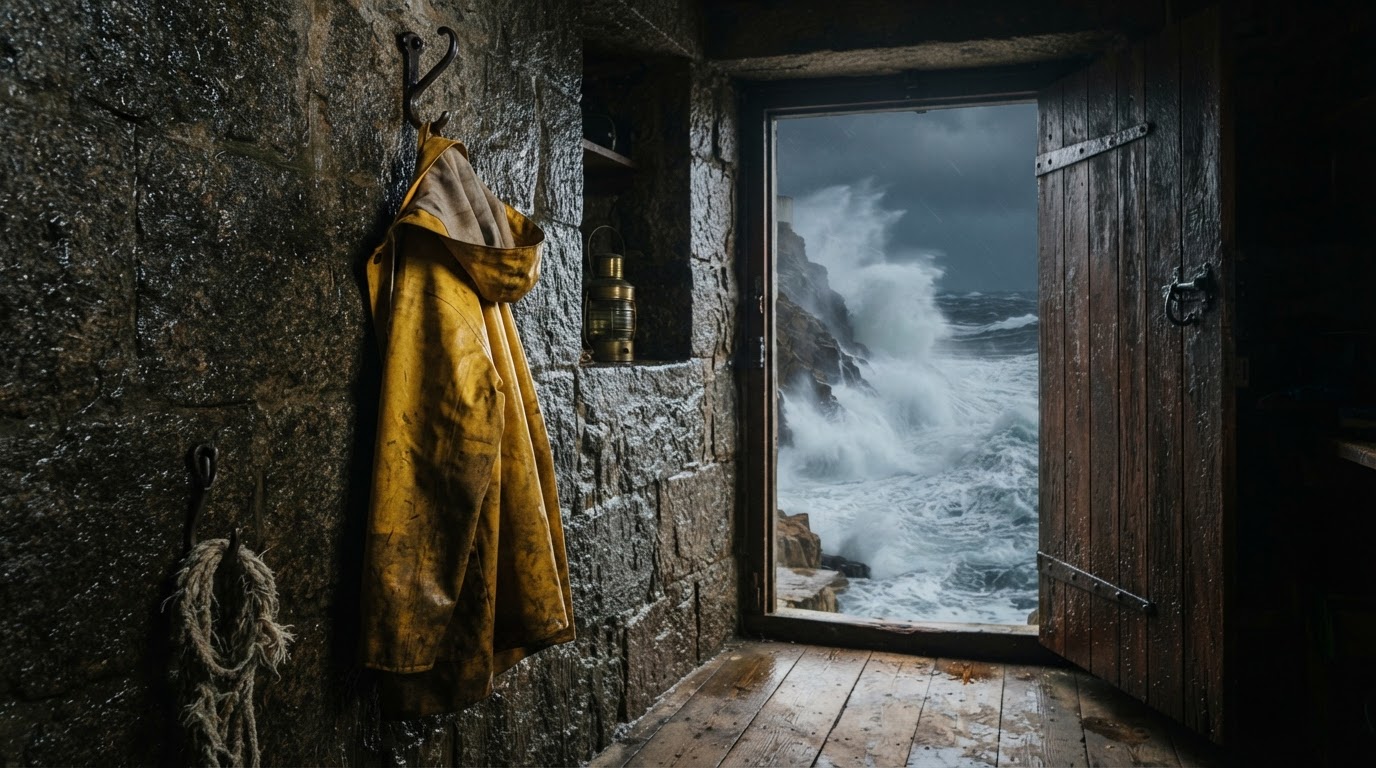
The one detail that broke the pattern of that tidy interior was the keepers' oilskins — their waterproof coats. According to what Moore found, the oilskins and sea-boots belonging to Marshall and Ducat were not in the lighthouse. That meant the two men had gone outside wearing them. Taking one's oilskins when heading out to work in rough sea weather was the most natural thing in the world.
The problem lay with the third man, Donald McArthur. His oilskins and outer coat were still hanging inside the lighthouse. In other words, McArthur had rushed outside in his shirtsleeves, without so much as a waterproof. This one small fact changes the whole character of the case. It suggests the three did not set out together as planned, but that something urgent happened — something that sent McArthur running after his two colleagues so suddenly he had no time to grab his coat. What that urgent moment was, the moment that drove a man to bolt from the lighthouse in his shirtsleeves into the December North Atlantic without a waterproof, remains the central riddle of this case.
The Verdict of a Giant Wave, and the Doubts That Remain
Robert Muirhead, the Northern Lighthouse Board superintendent who investigated, found signs of a ferocious storm all across the island. The damage at the west landing, where boats were brought ashore, was especially severe. A wooden box used to store the mooring ropes, sitting some 33 metres (110 feet) above sea level, had been smashed apart and its contents scattered. Iron railings were bent and twisted, and a rock weighing more than a ton had been shifted from its place. That water had struck at such a height was proof that a wave of almost unimaginable size had swept over the island.
On this basis, Muirhead drew his conclusion. On the afternoon of 15 December, the three keepers had most likely gone down to the west landing to secure the rope box against the coming storm. As they did, an unexpectedly large roller surged up the cliff face, engulfed them, and washed all three out to sea. Given the direction of the wind, he judged it more probable that they had been washed away by water than blown off by the gale. Marshall had once been fined for losing equipment to a storm, so it was suggested he may have pressed on to protect the gear at the landing. A later researcher offered the reading that one man was first swept away, and the others were lost trying to rescue him — an interpretation that fits neatly with McArthur bolting out in his shirtsleeves.
Yet this verdict did not erase every question. For all three men to go down to the dangerous landing at once ran against lighthouse duty rules; by regulation, at least one keeper should have remained at the light. Some have also pointed out that no significant storm was recorded in the area between 12 and 14 December, the presumed days of the disappearance. The giant-wave theory is the most reasonable and widely accepted explanation, but together with the fact that not a single body was ever recovered, it leaves a corner of the case that has never been fully closed.
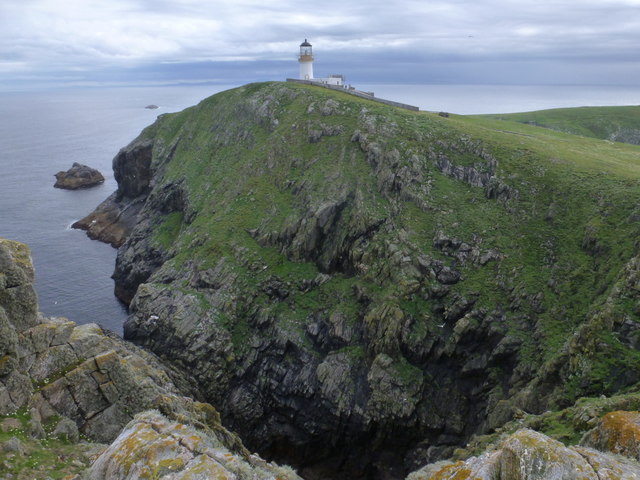
Photo: Wikimedia Commons / geograph.org.uk, CC BY-SA 2.0
The Truth About the 'Cursed Logbook'
What lifted the Flannan case beyond a simple maritime accident and into the realm of ghost story was, above all, the tale of the so-called "cursed logbook." According to the widely circulated story, chilling lines had supposedly been left in the lighthouse log. On 12 December, Marshall was said to have written of "a storm the likes of which he had never seen in twenty years," that the normally rugged Ducat had "gone very quiet," and that the occasional keeper McArthur "had been crying." On 13 December came an entry that "all three were praying," and finally, on 15 December, the words: "Storm ended, sea calm. God is over all."
The logbook story is intensely dramatic and eerie. A hardened, seen-it-all keeper trembling with fear, a strong man weeping quietly, three men praying together through their last four days — it paints a picture as if some supernatural presence had descended upon the island. But to put it plainly: these logbook entries are not real. They were invented and grafted onto the story years after the event, and no such lines appear in any official record of the time. When the writer Mike Dash, a researcher of unexplained phenomena, traced the case back to its primary sources, he confirmed that these dramatic logbook entries were a later fabrication.
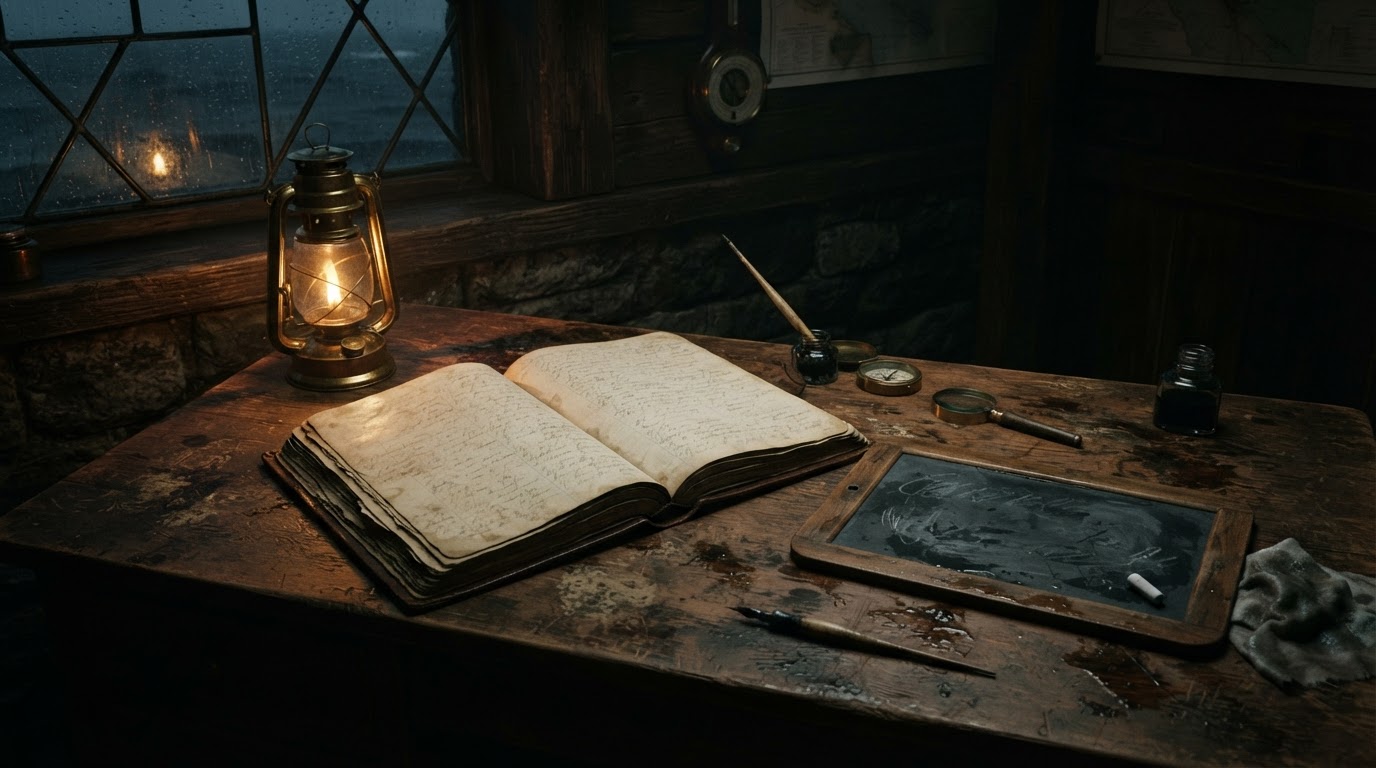
The actual record is far more sober. The last formal log was dated 13 December, and the observations for the 14th and 15th had been written down temporarily on a slate to be copied over later. The content of that slate shows that the morning duties of the 15th had been carried out normally. Above all, the "unprecedented storm" the logbook legend places on 12–14 December does not match the real weather record for the area at that time. In short, the tale that the keepers spent days trembling in fear and praying is nothing more than a story spun by later people who wanted the case to be more frightening. The last words the three men truly left behind were only an ordinary duty log.
What Remains a Mystery
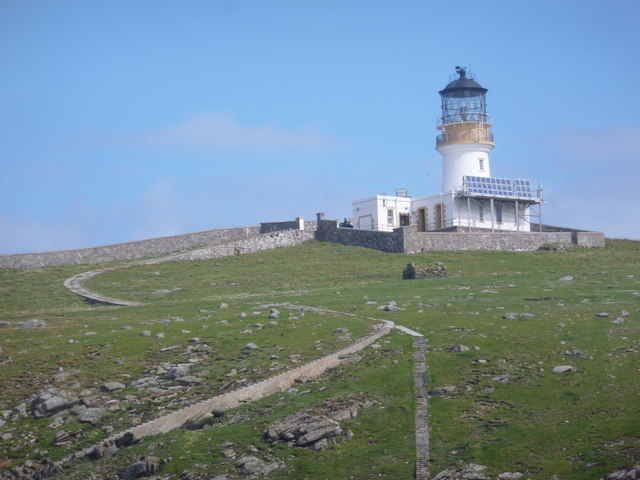
Photo: Wikimedia Commons / geograph.org.uk, CC BY-SA 2.0
If we gather only what we can say for certain, it comes to this. In December 1900, three lighthouse keepers vanished from the light on Eilean Mòr, a remote rock off Scotland. They left traces of having finished their morning duties normally; the doors were shut and the clock had stopped. Marshall and Ducat went out in their oilskins, and McArthur appears to have followed after them in haste, in his shirtsleeves. The west landing bore clear marks of a tremendous storm. The official investigation concluded that an unexpectedly large wave swept all three out to sea. And not one of their bodies was ever found.
When I set the inventory beside the investigation report, the same line keeps stopping me, and it is not a dramatic one. McArthur's coat was on its hook. Everything else in that lighthouse describes men working through a routine morning at their own pace — the trimmed lamp, the washed pans, the blinds set right — and then one garment stays behind where it belongs. The tidiness and the coat cannot both be describing the same afternoon, and I have never found a way to hold them together that does not require inventing something.
What we still do not know is greater still. Why did all three go down to the dangerous landing at once? Why did McArthur have to rush out so urgently that he could not even grab his oilskins? What exactly happened in that single moment, that afternoon, that called three men out of a tidy lighthouse all at the same time? The terror of the widely told "cursed logbook" is mostly later invention — but there is a reason that invention has survived so long. The real fact itself — that behind a shut door, with everything left in its place, three men vanished without a trace — is colder than any story anyone could make up. The lighthouse at the end of the world still stands in silence, the truth of that afternoon still buried in the sea.
---
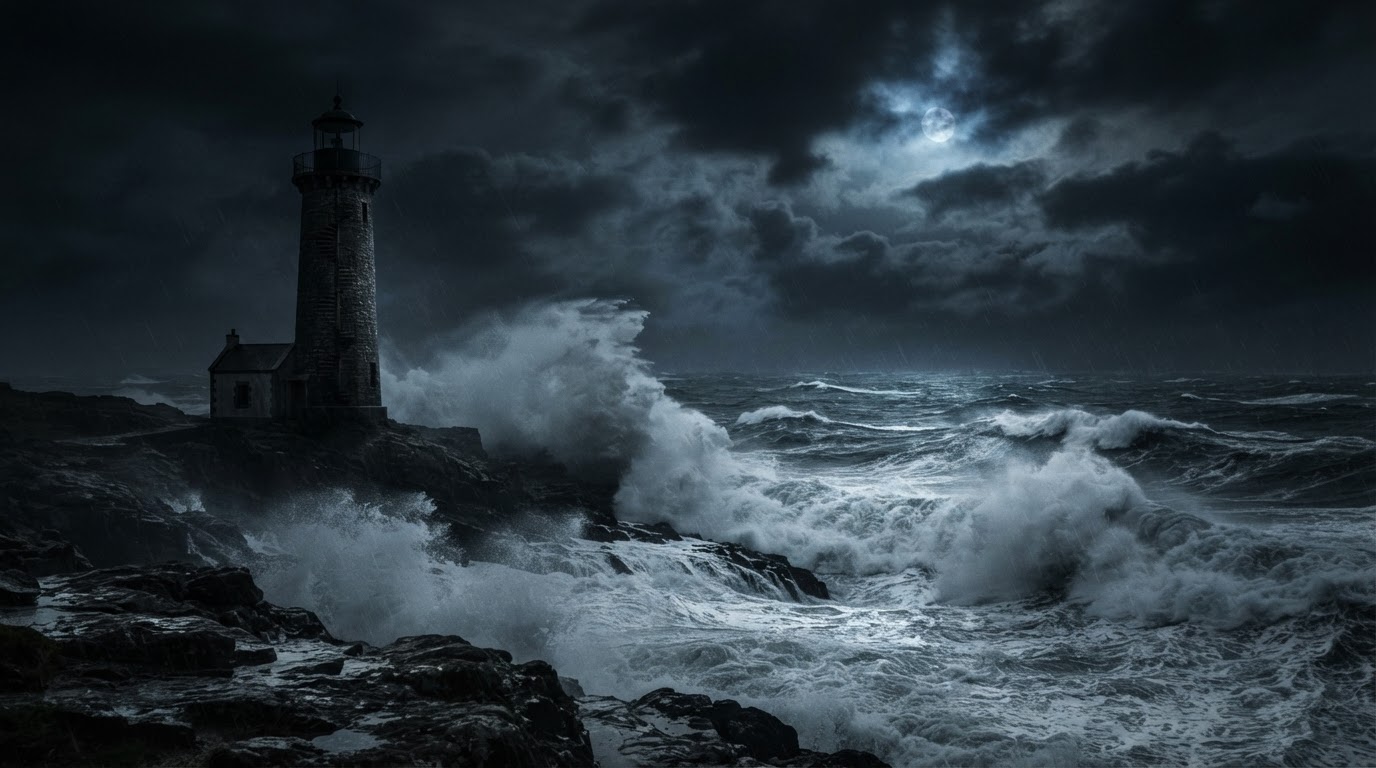
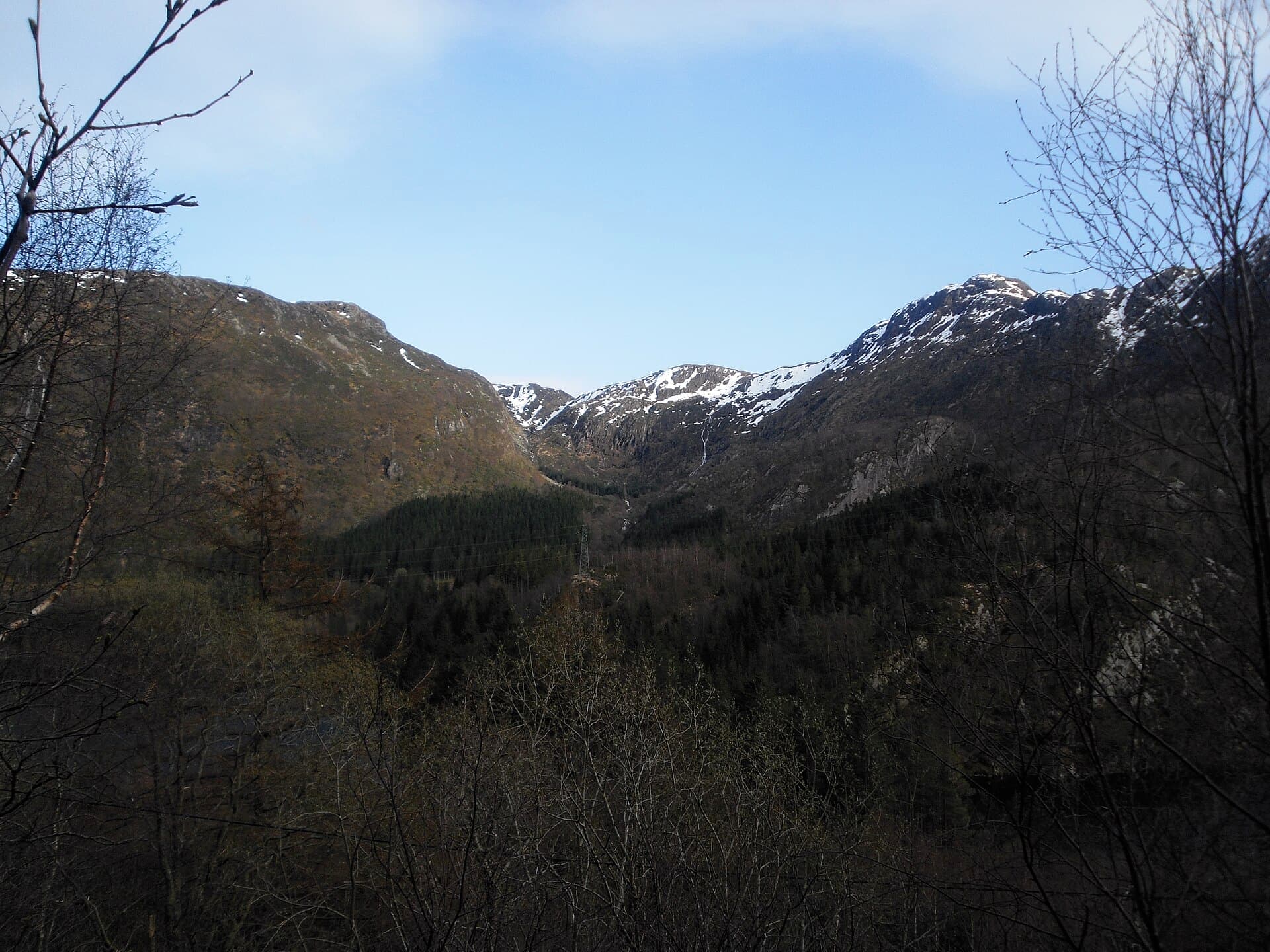
This article combines on-site photographs of the Flannan Isles lighthouse and Eilean Mor with AI-generated images and video made to picture the events of 1900. All the photographs show the lighthouse as it is today.



Comments
No comments yet — leave the first one.