On the banks of the Ohio River in West Virginia sits a small town called Point Pleasant. Low houses line the water, and at night a river mist settles low over the shore road — an ordinary, quiet country town, the kind you might find anywhere. But to the people who know its name, Point Pleasant is more than a place on a map. From the late autumn of 1966 through the following winter, its people told the same story: that on the night roads they had seen a grey figure the size of a man, with two glowing red eyes and great wings, a thing hard to put a name to. They called it the Mothman.
The reason this file has stayed open on my desk is not the wings. It is the date arithmetic. November 15, 1966 to December 15, 1967 — I wrote those two lines one above the other early on, and the thirteen months between them have bothered me ever since. Long enough that no honest person could call it a prophecy. Short enough that no one in that town was ever going to be able to hold the two apart. I have gone through the sighting reports several times looking for a way to break that adjacency, and there isn't one; the calendar simply put them beside each other and left them there.
Photo: Wikimedia Commons, CC BY 2.0
The Night of the Red Eyes
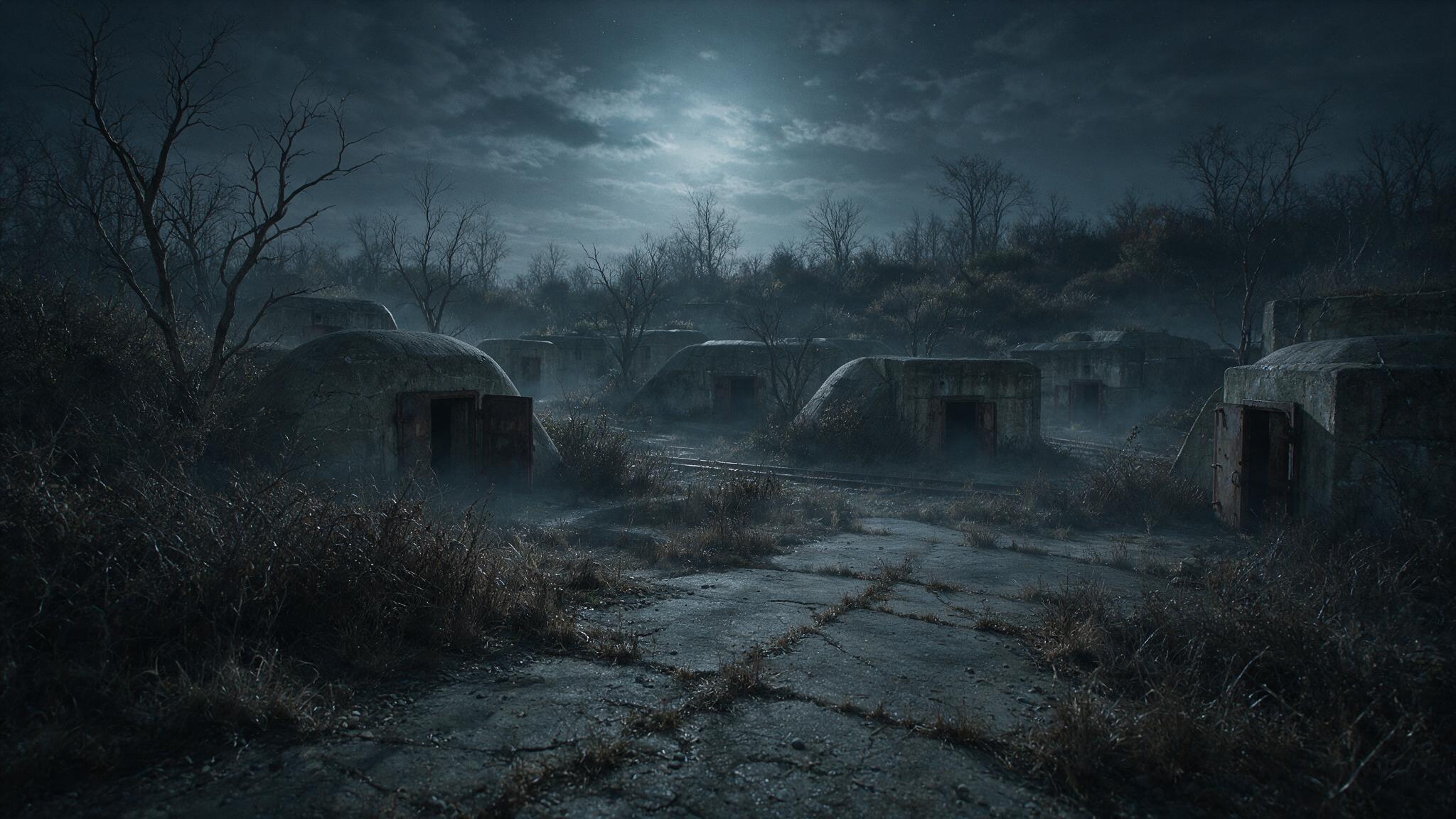
The story begins on the night of November 15, 1966. Two young couples from Point Pleasant — Roger and Linda Scarberry, and Steve and Mary Mallette — were driving through what locals called the "TNT area" on the town's edge. It was the site of a World War II munitions plant; after the war, nothing was left but abandoned concrete structures and scrub, a desolate place where all human presence drained away after dark. And there, in that darkness, the four of them saw something.
By their account, it was a man-shaped figure over two meters tall, with great whitish wings folded behind its shoulders. But what seized their eyes above all were the two red points glowing near its face. Caught in the car's headlights, those eyes threw the light back red, they said, like the reflectors on a bicycle. Terrified, the four sped away toward town — and the figure spread its wings, rose, and gave chase. In their telling it kept pace without effort with a car racing near a hundred miles an hour, letting out a high, screeching sound. The pursuit broke off only when they reached the town limits.
The next day the story ran in the local paper, the Point Pleasant Register. The town stirred. And, remarkably, others began to come forward one by one, saying they too had seen it.
The Sightings That Filled a Town
After the first account reached the paper, similar stories followed thick and fast across Point Pleasant and the country around it. One person said a great shadow had swept across the road as they drove at night; another said they had met two glowing red eyes in the darkness of their own yard. The details differed a little from telling to telling, but the core — a grey figure the size of a man, red eyes, and great wings — overlapped with uncanny consistency.
Among them was this story. A man shone a flashlight toward something stirring in a field near his house, and its eyes threw the beam back red. That night his television buzzed with a static he could not explain, and by the next morning his dog had vanished and never came home. People tied the dog's disappearance to the figure that had prowled the yard in the night. There was no way to confirm any of it — but with each such tale laid atop the last, the Mothman took on an ever deeper air of dread.
At the height of the sightings, the curious and the press alike flocked to the town. Some parked near the TNT area at night and waited for the figure to appear again. But whenever the red eyes came, they only glared out of the dark for a moment before vanishing, leaving nothing certain behind. It was that very fact — that no one could say what it was — that made this town's nights coldest of all.
Was It a Large Bird — The Skeptics' Voice
As the Mothman uproar grew, so too did the voices that sought to explain it not as something supernatural but as a natural thing. The most widely accepted explanation was that what people had seen was in fact a large bird. The sandhill crane was singled out in particular. Its wingspan can reach two meters when spread, and it carries a patch of bare red skin around the eyes — so that, caught in a light in the dark, its eyes might seem to glow red. As it was not a bird commonly seen in the area, the reasoning went, people who met it suddenly on a night road failed to recognize it and took it for some strange monster.
Other large birds, such as the great blue heron or the barn owl, were also raised as candidates. Many nocturnal birds have eyes that throw back the light, so that under a flashlight or headlamp in the dark, their eyes gleam strangely. To this, skeptics added the phenomenon of mass hysteria — rumor breeding rumor, people swayed by one another's accounts. Once the story of a single person's sighting reached the paper, they argued, every ordinary shadow on the night road began to look like "it."
These explanations do not account for every sighting cleanly. Some counter that the testimony of a thing that chased a car at a hundred miles an hour, or the descriptions of something the size of a man, cannot be fully explained by a single large bird. But what is certain is this: in over half a century, no one has ever pinned down and proven the true nature of the figure. What the red eyes were, we still cannot say for sure.
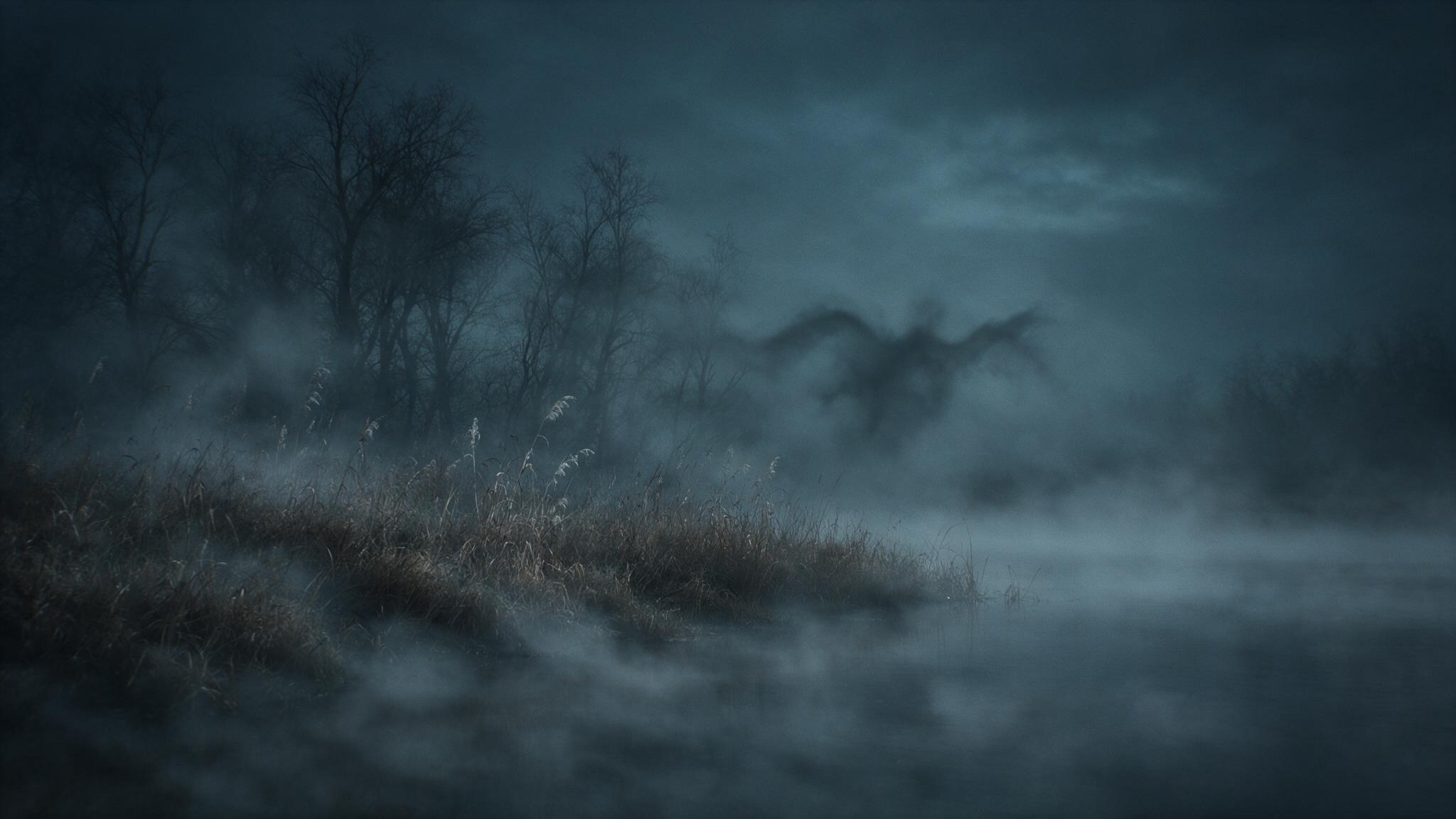
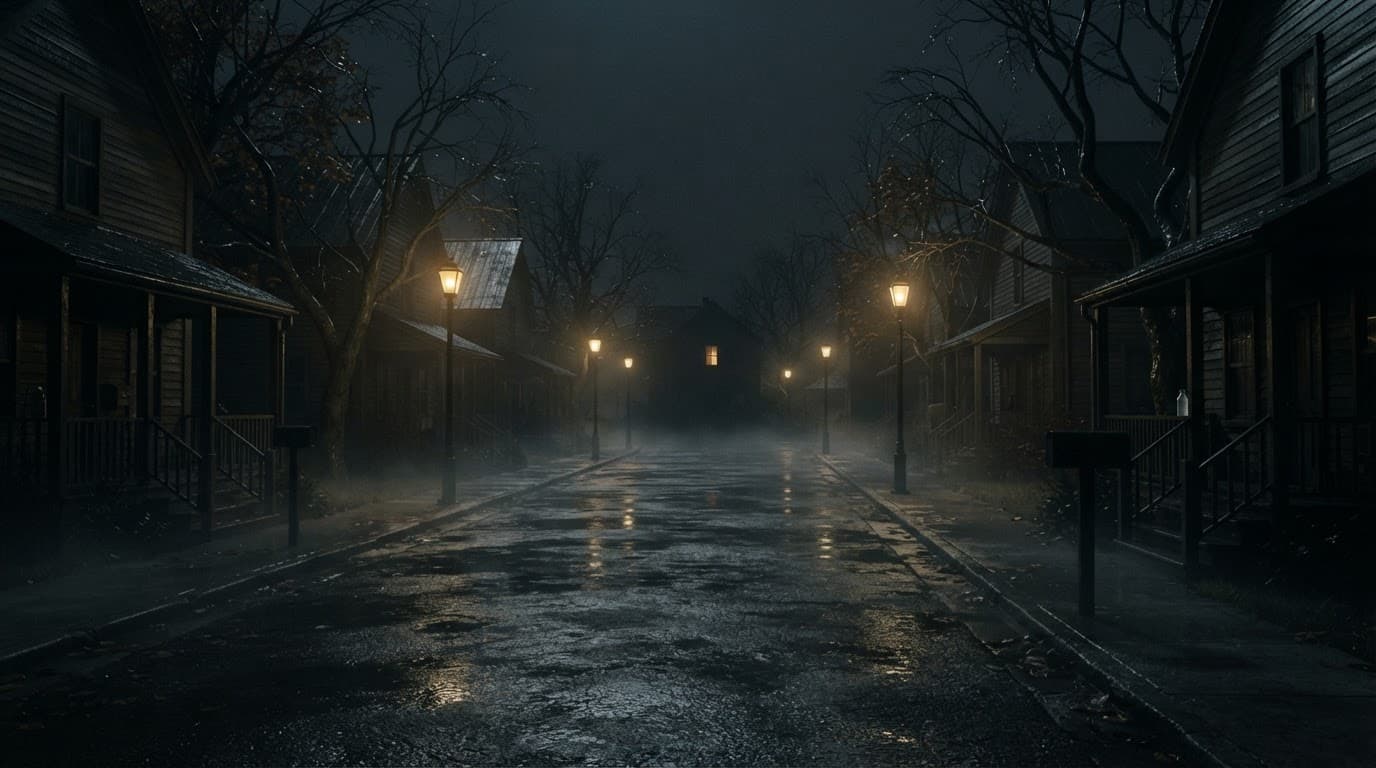
A country riverside road on a foggy night, two glowing red points of light lingering a moment in the darkness before fading — a mood recreation, not real footage.
The Name of an Omen
What carried the Mothman's story past mere campfire tale and cut it deep into memory was a disaster that came afterward. On the evening of December 15, 1967, the Silver Bridge — which linked Point Pleasant to Ohio across the river — collapsed. The bridge, crowded with evening rush-hour traffic, dropped into the river in an instant, and forty-six people lost their lives. A lifeline joining two shores across a single river had fallen in the dusk: the most terrible tragedy in the town's history.
Later investigation traced the collapse to a tiny crack in a single bridge component, and to an aging structure that could no longer bear the years and the load. In other words, it was a plain structural disaster, with no causal link whatsoever to anything supernatural. Yet in people's memory the two events wove into one. The red eyes had begun to appear in the town in the autumn of 1966, and the bridge had fallen a little over a year later, in the winter of 1967. Disaster came after something was seen — that simple, ominous sequence lodged deep in the mind.
And so the Mothman earned the name of an omen. The story that the two red eyes had come as a dark messenger to foretell the coming disaster spread, laid over the shock and grief of the tragedy. It was, of course, only an interpretation that joined the two events after the fact; there is no evidence anywhere of a real causal tie between the sightings and the collapse. Even so, the reason this omen-tale refuses to fade is surely the weight of the disaster itself — that forty-six people truly vanished into the river.
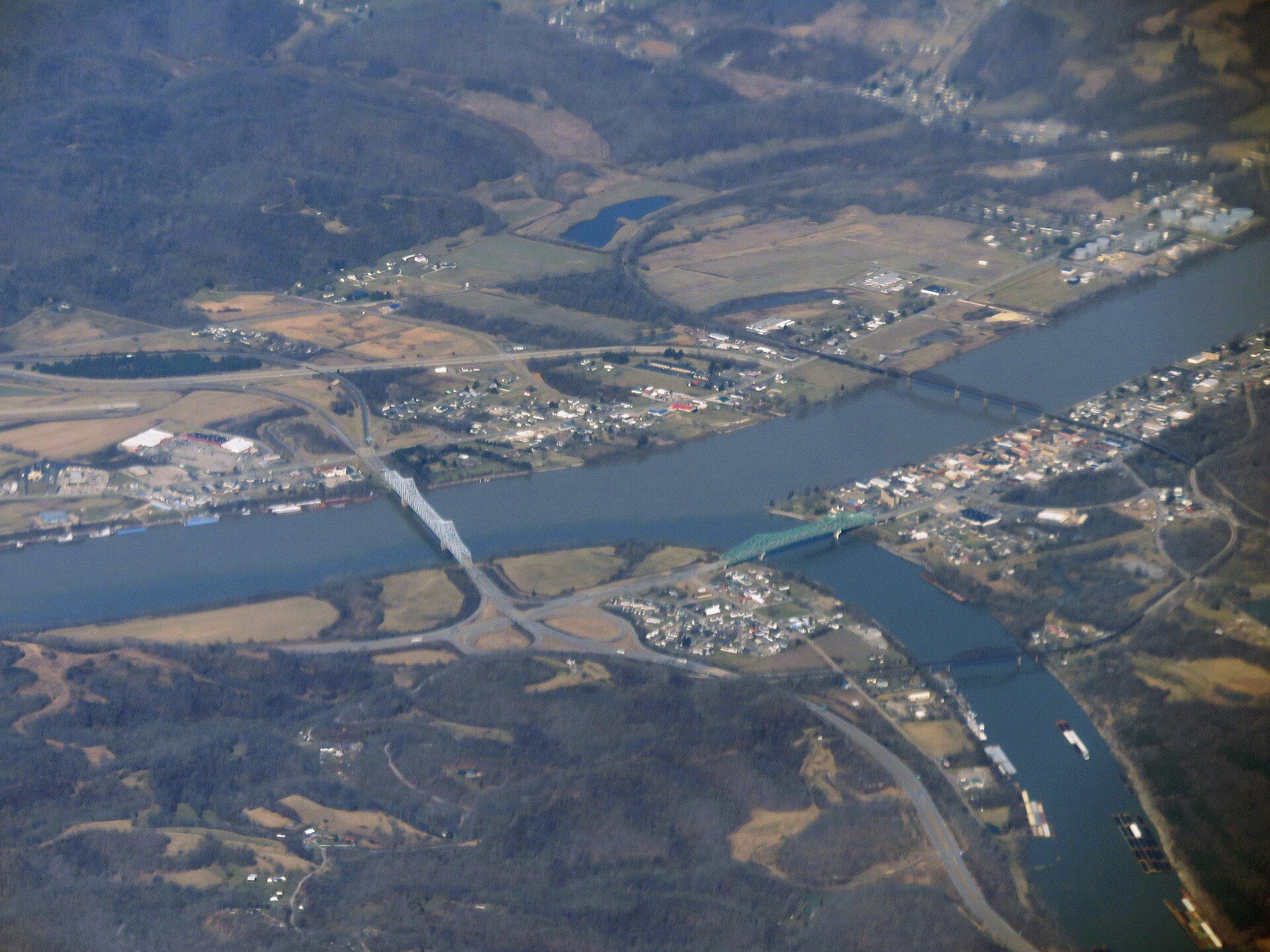
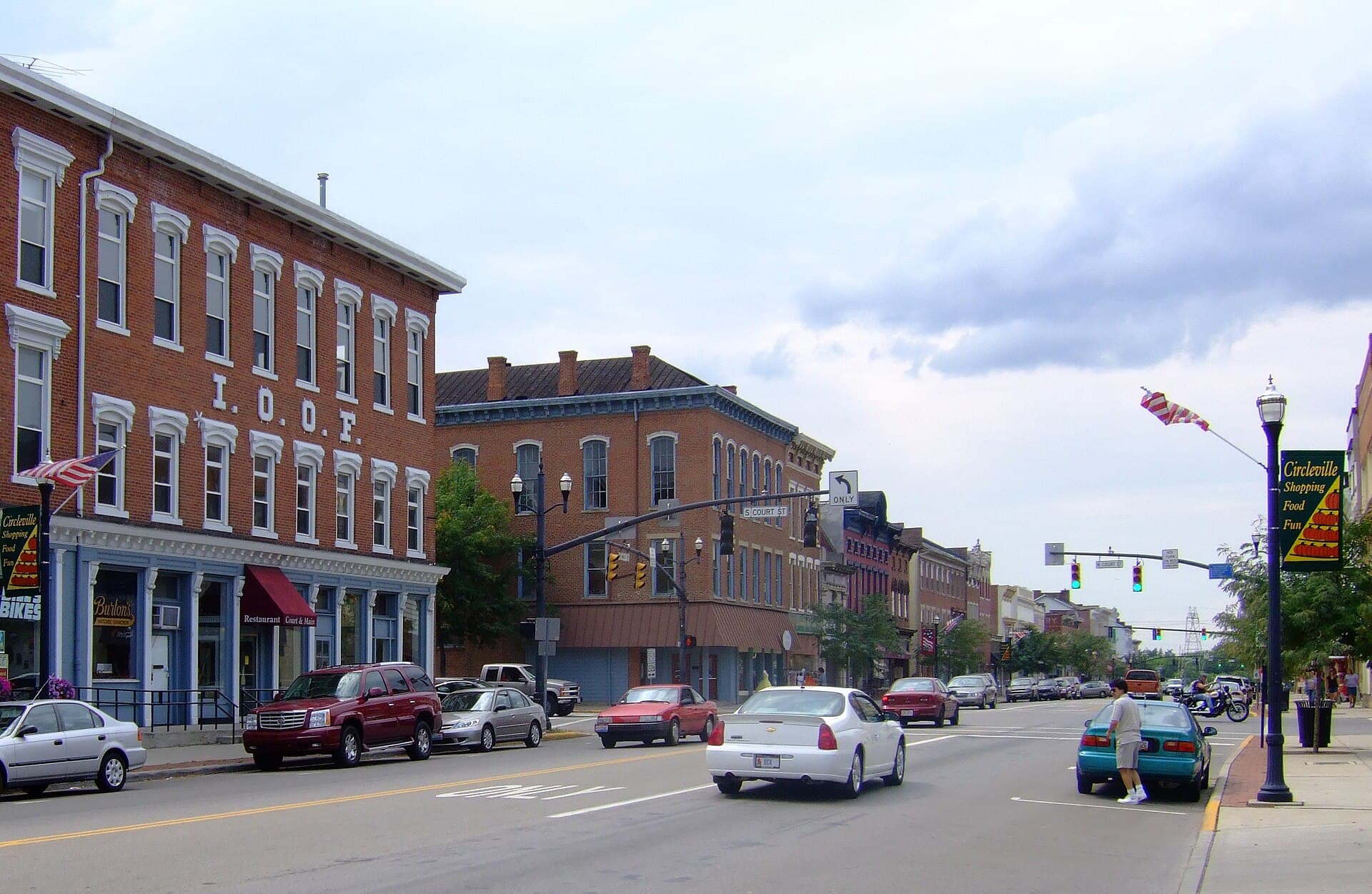
Photo: Wikimedia Commons, CC BY-SA 4.0
John Keel's Book, and the Story That Remains
Several years after the Silver Bridge disaster, in 1975, the writer John Keel published a book titled The Mothman Prophecies. Keel filled it with the stories he had gathered while reporting on the sightings at Point Pleasant firsthand, and he drew the Mothman's appearance as a supernatural phenomenon tied to the coming disaster. Through this book, the rumors that had drifted through the nights of Point Pleasant spread across the United States, and on into the wider world. In 2002 a film of the same name, based on the book, brought the Mothman's name to a still wider audience.
The world Keel's book drew is not, of course, simply fact. His narrative — binding the sightings and the disaster into a supernatural prophecy — is one interpretation and no more, and much of it stands on unverified tales. And yet the book lifted a story that might have remained a single local legend into one still spoken of today.
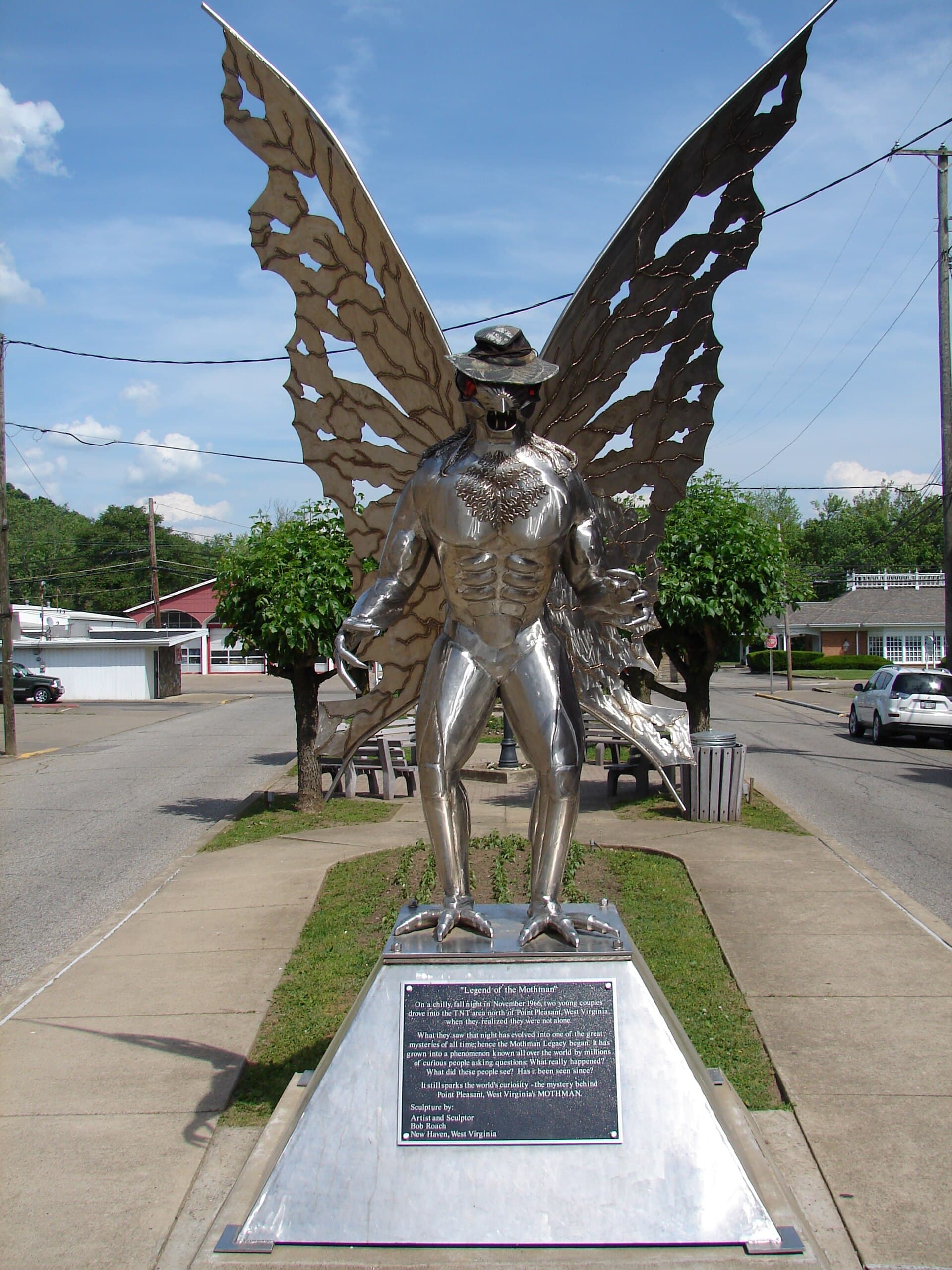
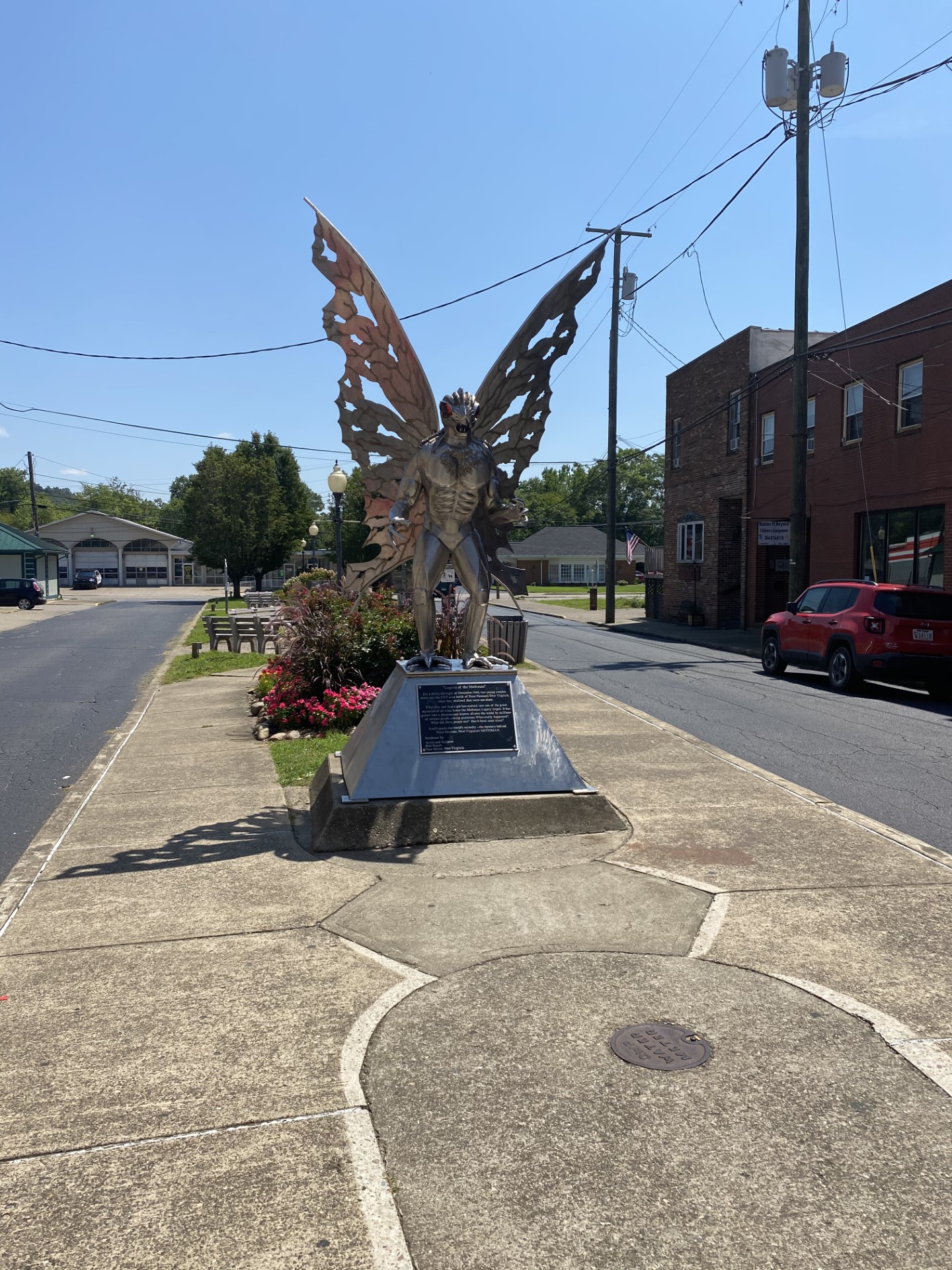
Today Point Pleasant has, if anything, embraced the story as the town's own symbol. In the town center stands a metal statue of the Mothman with its wings spread, and each autumn a festival honoring the legend draws people from around the world. The ominous shadow that once made the town tremble has become the name that now draws people to it. But on the nights when the festival lights go dark and the visitors have gone, when the fog settles low again among the abandoned concrete of the TNT area, people still half wonder. Those two red eyes that glared at four people on a night road long ago — what, after all, were they?
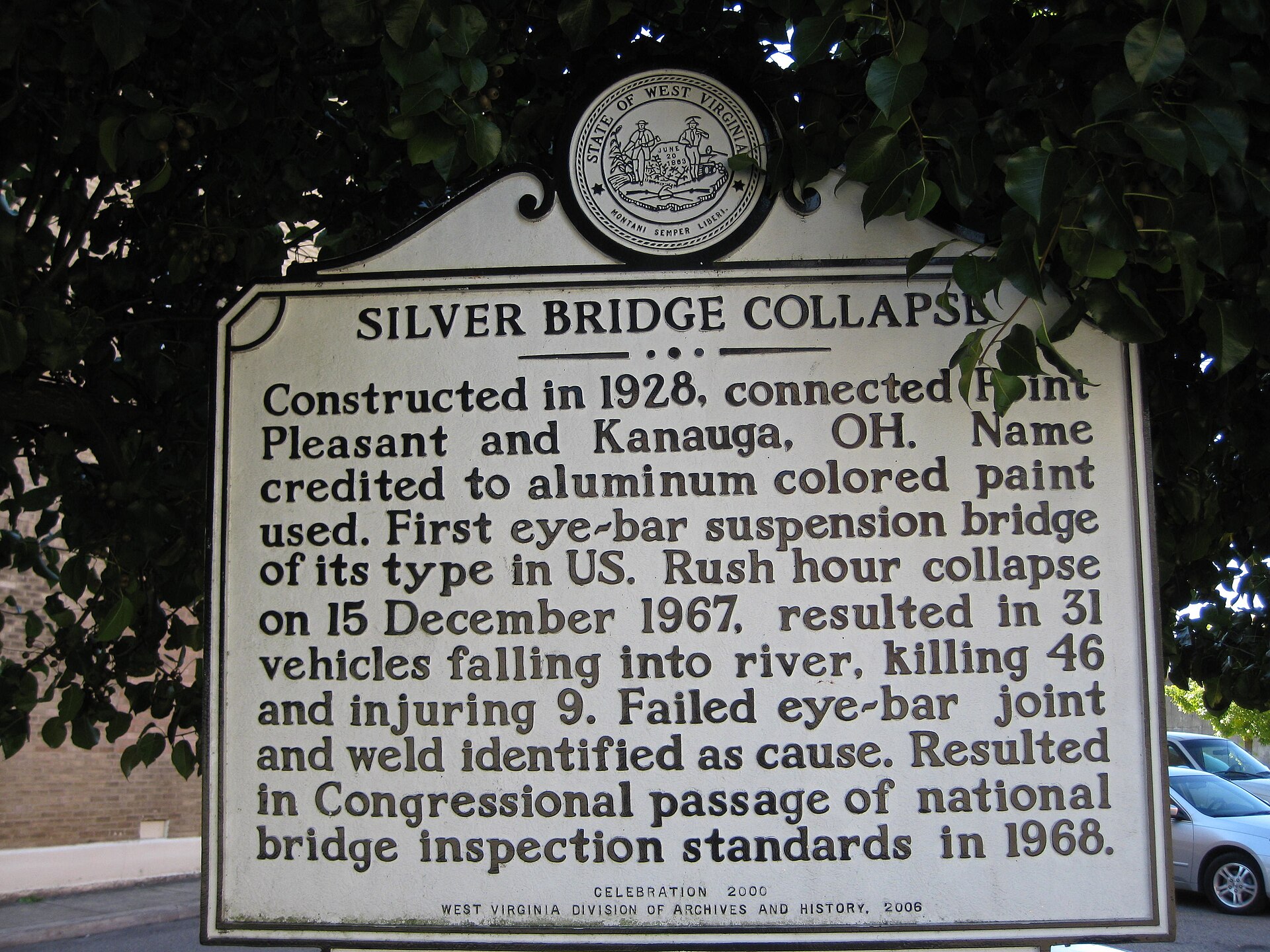
Photo: Wikimedia Commons, CC BY 2.0
The Two Red Points Left in the Fog
In the end, the Mothman's story remains a single question. That on those late-autumn nights of 1966 the people of Point Pleasant truly saw something, at least, is clear. Several people, on different nights and in different places, spoke of a grey figure the size of a man and two glowing red eyes. Whether it was an unfamiliar large bird, an illusion born of rumor, or truly some thing we have failed to name — even now, more than half a century on, no one can say for certain.
One thing must be stated plainly. The collapse of the Silver Bridge was a real disaster that took forty-six lives, a tragedy wrought by an aging structure and not by supernatural prophecy. The tale that binds the Mothman to it as an omen is only an interpretation people joined together after the fact. The power this story holds over people for so long lies not in any supernatural curse. It lies in two things: the weight of the fact that forty-six people vanished into the river, and the human heart that, facing that disaster, could not help but recall an ominous portent in the shape of two red eyes.
Today, still, night fog drifts over the banks of the Ohio. A new bridge spans the water, and the town goes quietly on with its life. But on the nights when the mist lies especially thick, those driving the shore road alone find themselves glancing once more into the dark. Somewhere among those bare trees — might two red points of light be watching, quietly, this way? That old question, tonight too, remains just as it was, there in the fog.
The sandhill crane answer satisfies me on paper and not at all in the folder. It accounts for the height, the wingspan, the red around the eye — it is a good, sober explanation, and I have written it into my notes twice. What it does not account for is the dog. One man put a light on something in his field, his television filled with static that night, and by morning the animal was gone and never came back. That is the sort of detail a rumor does not usually bother to invent, because it proves nothing and explains less. It has stayed in my file for exactly that reason.
---
This article uses actual archival and on-site photographs alongside AI-generated images and video produced to convey the mood of the story.
Comments
No comments yet — leave the first one.