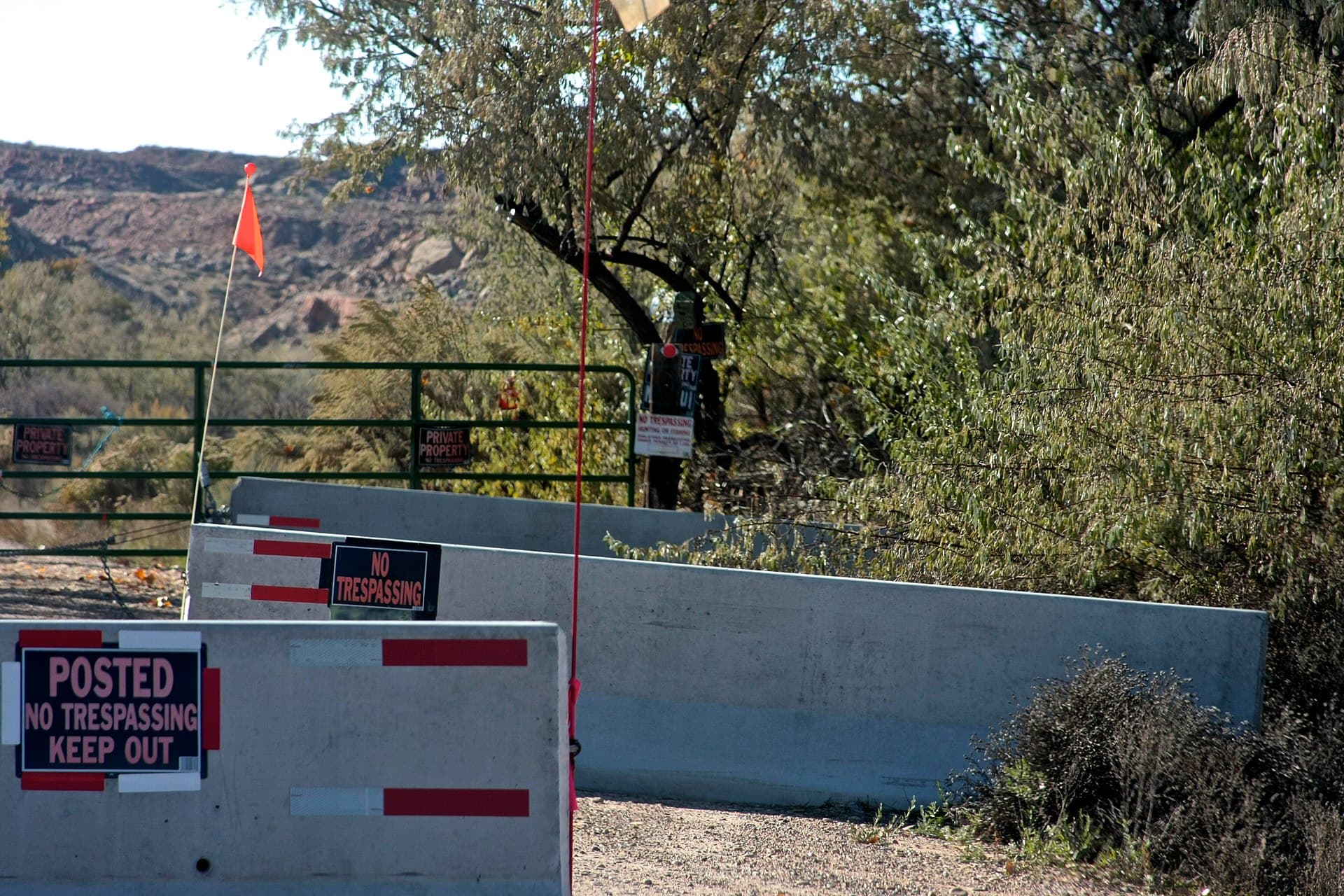
Imagine buying a quiet stretch of ranch land in the high desert and, on your very first day there, noticing that the previous owners had bolted every door — not just the outside doors, but the inner ones too, with heavy deadbolts on both faces, and even locks on the kitchen cupboards, as if they had been trying to keep something out, or in. That is the detail the Sherman family said greeted them when they moved onto 512 acres in the Uintah Basin of northeastern Utah in 1994. Over the next two years they would report a bloodless slaughter of their cattle, a wolf that ate three rifle rounds at point-blank range and simply walked into the trees, and lights that hung over their fields at night. Then they sold the land and left. What happened next is stranger still: an aerospace billionaire bought the property to study it, and, years after that, a program funded by the Pentagon quietly did the same. And to this day, after decades of watching, no one has produced hard proof of anything. This is the story of Skinwalker Ranch — and of how a piece of ordinary-looking dirt became the most investigated haunted property in America.
I have a rule about material like this — the more instruments a story has been pointed at, the less I expect to find in the file — and Skinwalker is the case that made the rule. What I keep circling back to is not the wolf or the lights but the deadbolts. Locks on the inside doors, locks on the kitchen cupboards, fitted by people who left before the Shermans arrived and who have never, in anything I have been able to trace, explained themselves. Everything else in this story is an account of something seen. That detail is a piece of carpentry, and somebody paid for it.
The Family Who Moved In
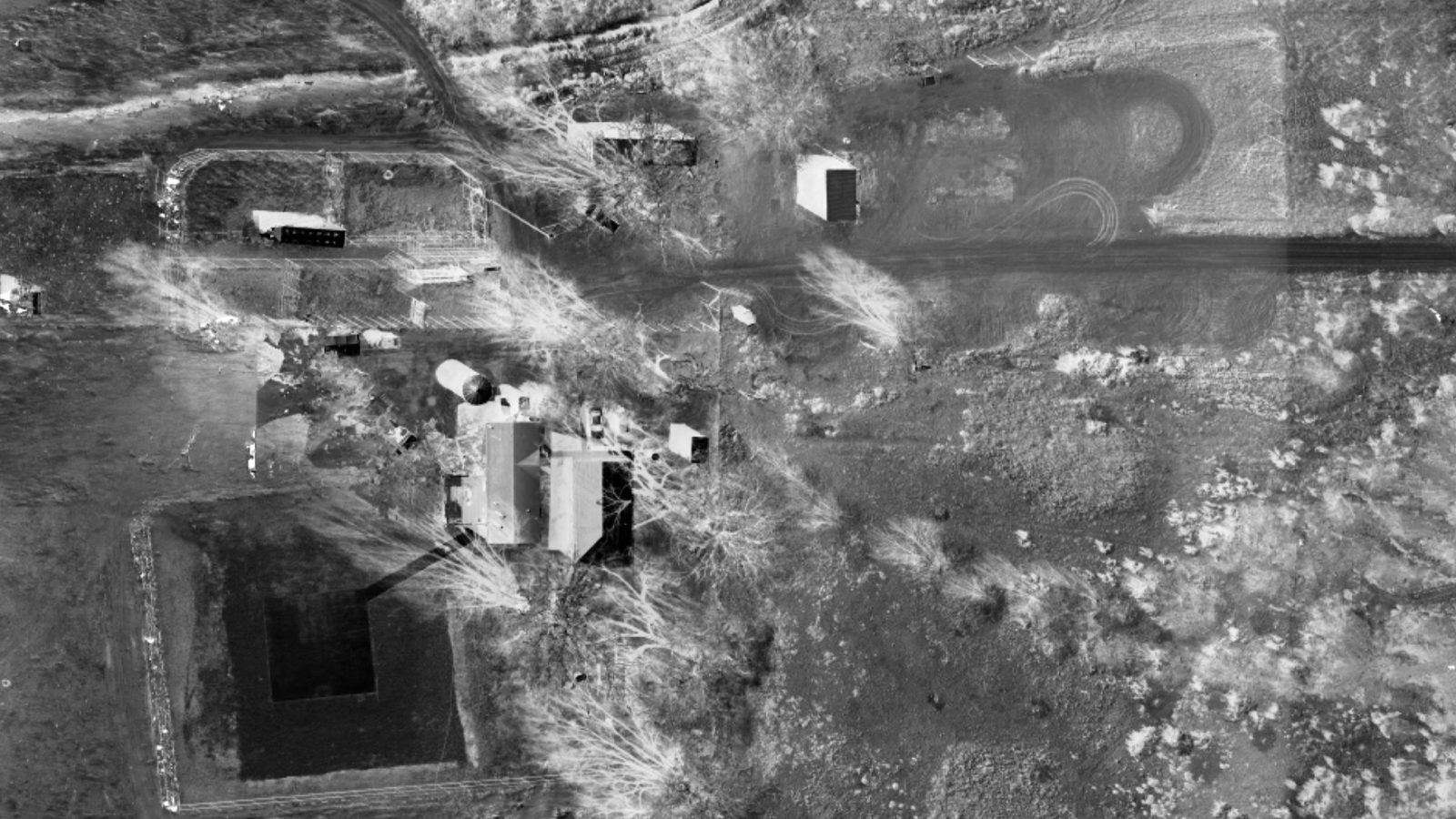
In 1994, Terry and Gwen Sherman bought the ranch in the Uintah Basin and moved in with their children and their livestock. The Sherman family's account — first reported at length by Las Vegas journalist George Knapp in 1996, and later expanded in the 2005 book Hunt for the Skinwalker — is the origin of nearly everything the world now associates with the place.
According to that account, the strangeness began at once. The Shermans said they found the house fitted with unusually heavy locks, and that the land itself sat within territory the neighbouring Ute people spoke of with dread. In Ute oral tradition, it is said, this stretch of country lay along "the path of the skinwalker" — a reference to the yee naaldlooshii, the malevolent shape-shifting witch of Navajo legend, from which the ranch would eventually take its name. The Ute were said to warn outsiders away from the land as cursed ground. It is important to be clear about the status of this: it is reported lore, passed down and retold, not a documented event. But it set the tone for everything the family would later describe.
The Wolf That Would Not Fall
The first encounter the Shermans described has become the ranch's defining image. On one of their earliest days on the property, they said, an enormous wolf-like animal walked calmly out of the open country and up to a pen where a calf stood. It was far larger than any coyote, unafraid, and it seized the calf through the fence.
Terry Sherman, by his account, fired on the animal at close to point-blank range with a hunting rifle — and it did not react. He said he shot it multiple times, the rounds seeming to have no effect at all, before the creature simply turned and padded off into a stand of trees, unhurt. There was, the family said, no blood, no body, nothing. Whatever the truth of it, one piece of context is real: wolves are extraordinarily rare in Utah. In the mid-1990s the state had essentially no confirmed resident wolf population at all, which is part of why the story landed the way it did. An ordinary large predator would have been strange enough. An animal that ate rifle fire and vanished was something else.
Fourteen Cattle, and No Blood
The following spring brought the events that would ultimately convince a wealthy stranger to buy the ranch. The Shermans said their cattle began to die — and to die in a way that made no sense.
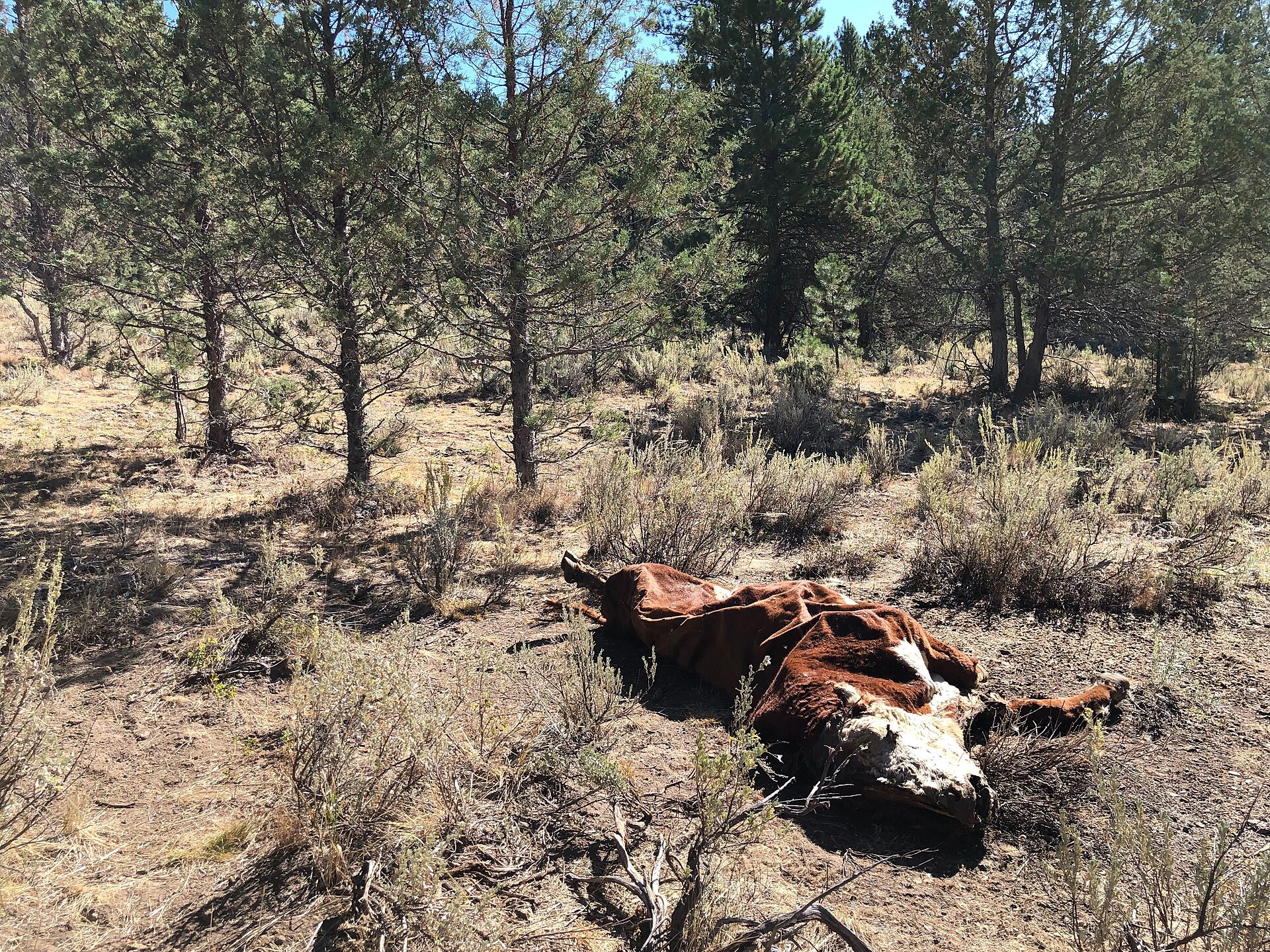
Over roughly two years, by the family's telling, they lost about fourteen animals. Several of the carcasses, Terry Sherman said, bore clean, precise cuts, as though specific parts had been removed with surgical instruments — an ear, an eye, sometimes the sexual organs or the rectum, excised in a smooth circular cut. And in the cases that disturbed him most, there was no blood: none on the animal, none soaked into the ground beneath it, as if the body had been drained and set down whole. He described a faint chemical smell near the remains, and, crucially, no tracks — no predator prints, no footprints, no tyre marks approaching or leaving the kill. Cattle mutilation reports of this kind are a long-running rural phenomenon across the American West, and mainstream investigations have generally attributed them to ordinary scavengers and natural decomposition. But to the family standing over their own dead animals, in the silence and the cold, no such explanation ever felt sufficient.
The Billionaire Buys the Ranch
In 1996, worn down and unwilling to raise their family on the land any longer, the Shermans sold. The buyer was not a rancher. He was Robert Bigelow, the Las Vegas aerospace entrepreneur and real-estate magnate, who paid around 200,000 dollars for the property — and who had bought it, openly, not to farm it but to study what the family said had happened there.
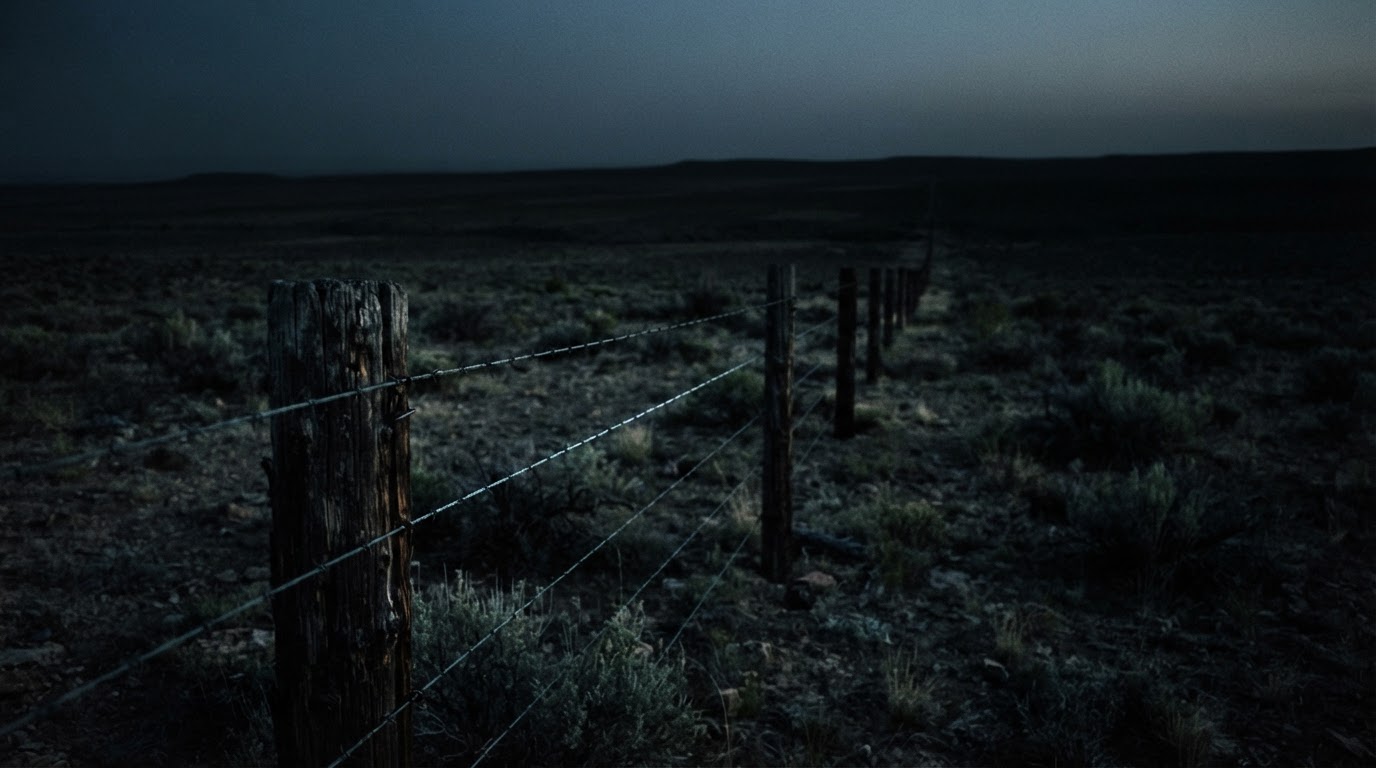
Bigelow founded the National Institute for Discovery Science (NIDS) and put a team of scientists and investigators on the ranch, sometimes living on site, cameras and instruments trained on the fields around the clock. This was the ranch's second life: no longer a family's private nightmare, but a formal scientific vigil. Out of that work came the 2005 book Hunt for the Skinwalker, written by NIDS biochemist Colm Kelleher together with George Knapp, which catalogued the incidents the investigators said they witnessed or documented — close to a hundred of them, ranging from vanishing and mutilated cattle to unexplained lights and orbs, large animals with piercing eyes, and reported physical effects on people and equipment. And yet — this is the recurring truth of Skinwalker Ranch — the years of watching produced very little that could be laid on a table as hard, reproducible evidence.
When the Pentagon Came Quietly
Here the story takes the turn that separates it from every other roadside haunting. In 2008, the U.S. Defense Intelligence Agency funded a classified study called the Advanced Aerospace Weapon System Applications Program (AAWSAP), awarding a contract worth around 22 million dollars to Bigelow's own company, BAASS, to investigate unidentified aerial phenomena. Some of that federally funded fieldwork was carried out at Skinwalker Ranch. For roughly two years, in other words, a program paid for out of the United States defence budget was studying a Utah cattle ranch.
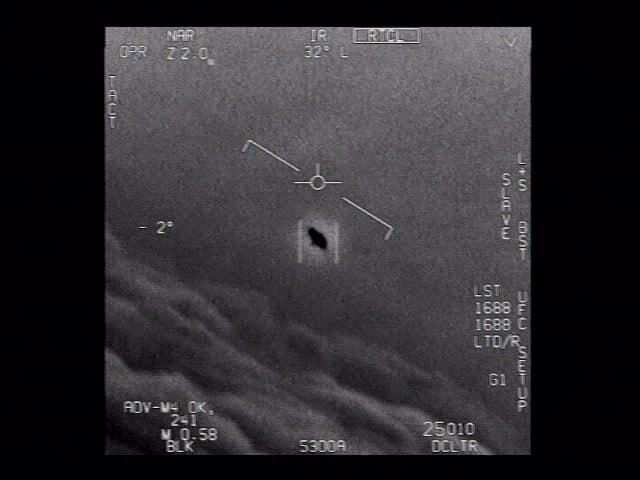
AAWSAP was closely tied to a program that became far more famous years later. In 2017, reporting by The New York Times and others revealed the existence of the Advanced Aerospace Threat Identification Program (AATIP), the Pentagon's now-notorious UFO study — and AAWSAP is widely understood to be its lineage and its larger, earlier body of work. That a haunted ranch sat inside the story of the Pentagon's UFO research is not internet rumour; it is a matter of the public record. What that involvement proved about the ranch, however, is another question entirely — and the honest answer is: nothing that has ever been shown to the public.
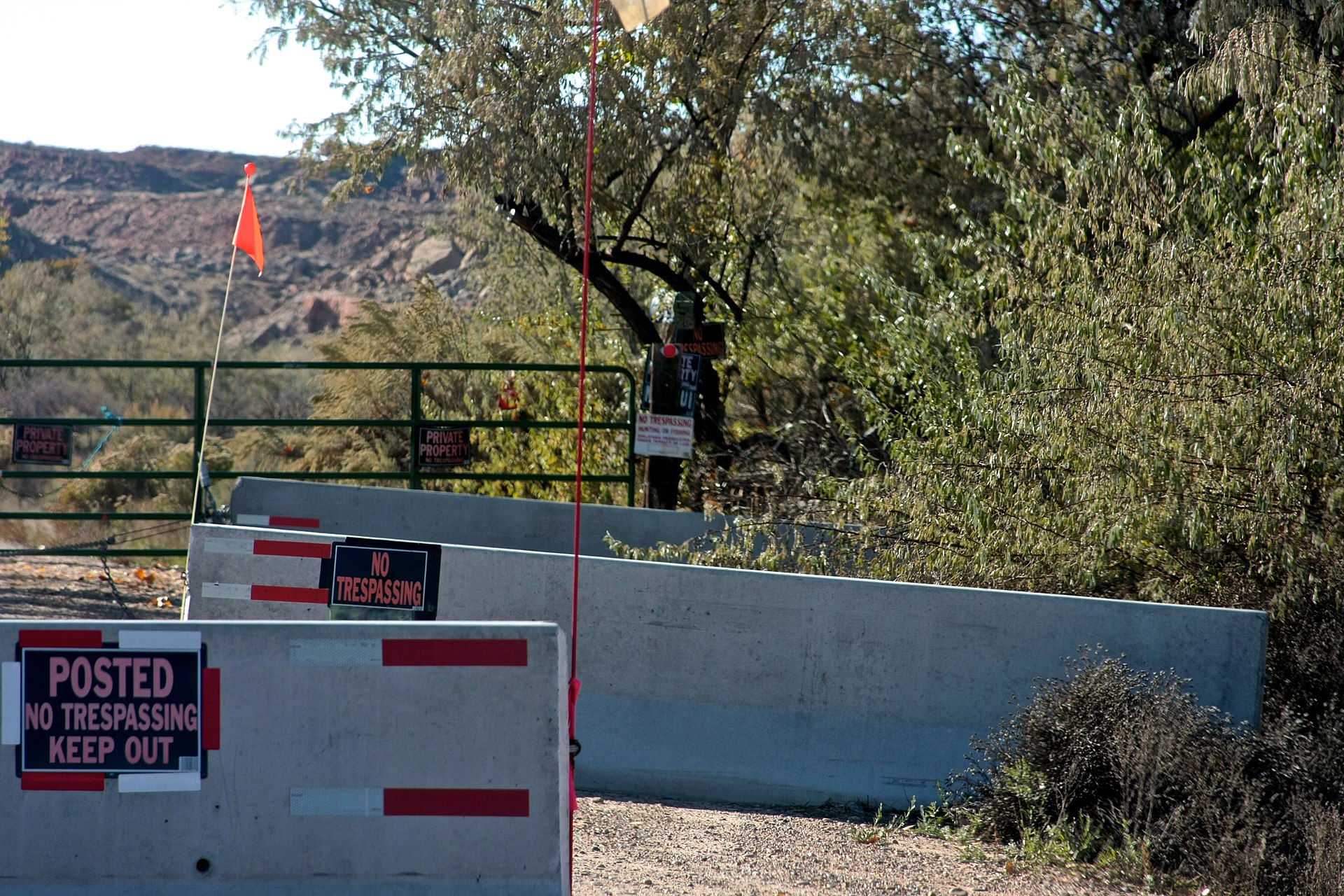
Photo: Wikimedia Commons, CC BY-SA 2.0
The Television Years — and the Skeptics
In 2016, the ranch changed hands again. Utah commercial-real-estate figure Brandon Fugal bought it, through a company called Adamantium Real Estate, for a reported figure of around half a million dollars. In 2020 he made his ownership public, and soon after launched the History Channel series The Secret of Skinwalker Ranch, which has run for multiple seasons and turned the property into a television phenomenon — a place where teams point instruments at the sky and the ground and react, week after week, to spikes and anomalies.
Against all of this stands a plain skeptical case, and it is a strong one. Skeptics point out that the Uintah Basin is normal, workable ranch land, and that decades of exploration — by NIDS, by a federal program, by television crews with substantial budgets — have produced no unambiguous, verifiable proof of anything supernatural. It has been noted that owners who held the land for many years before the Shermans reported no strange events at all, which invites the uncomfortable possibility that the story took its dramatic shape only around the moment of sale. Ufologists themselves have remarked on the striking absence of durable documentary evidence after all this time. Cattle mutilations have ordinary explanations; rare wolves and desert lights and instrument glitches all have prosaic ones. To a skeptic, Skinwalker Ranch is a monument not to the paranormal but to how a compelling story, once told, refuses to be un-told.
What Remains on the Path of the Skinwalker
Strip the ranch down to what can actually be stood behind, and a curious shape is left. It is true that in 1994 a family bought this land and, within two years, gave up on it and sold. It is true that they described bloodless, surgically mutilated cattle and a wolf that would not fall. It is true that an aerospace billionaire found their account convincing enough to buy the property and mount a scientific study of it. And it is true — verifiably, on the public record — that a Pentagon-funded program later conducted some of its work on that same patch of Utah dirt. Everything past those facts, though — the orbs, the portals, the creatures with burning eyes, the curse the Ute are said to have carried down the generations — remains claim, lore, and unrepeated experience, unsupported by a single piece of evidence anyone can hold.
So the land keeps its posture. Skeptics look at it and see ordinary ground onto which frightened, then fascinated, people have projected decades of meaning. Believers look at the same fences and the same night sky and see something the instruments keep almost catching and never quite holding. And the Uintah Basin, sitting where the Ute long ago said the path of the skinwalker runs, gives neither side the answer it wants — the way it never has.
Sorting the paperwork on this one is a peculiar exercise, because the documents that are unquestionably real say nothing about the ranch and everything about us. A 22-million-dollar defence contract exists. The award is a matter of record, the field work in the Uintah Basin is a matter of record. What is not on record — anywhere, after thirty years of cameras, scientists, and a television budget — is one photograph, one carcass, one sample that settles the smallest of the claims. I have gone looking for it more than once. The file grows thicker every year and the centre of it stays empty, and I no longer know whether that emptiness is the answer or the thing hiding in it.
---
This article combines real documentary and location photographs with AI-generated images produced to convey the mood of the story.
Comments
No comments yet — leave the first one.