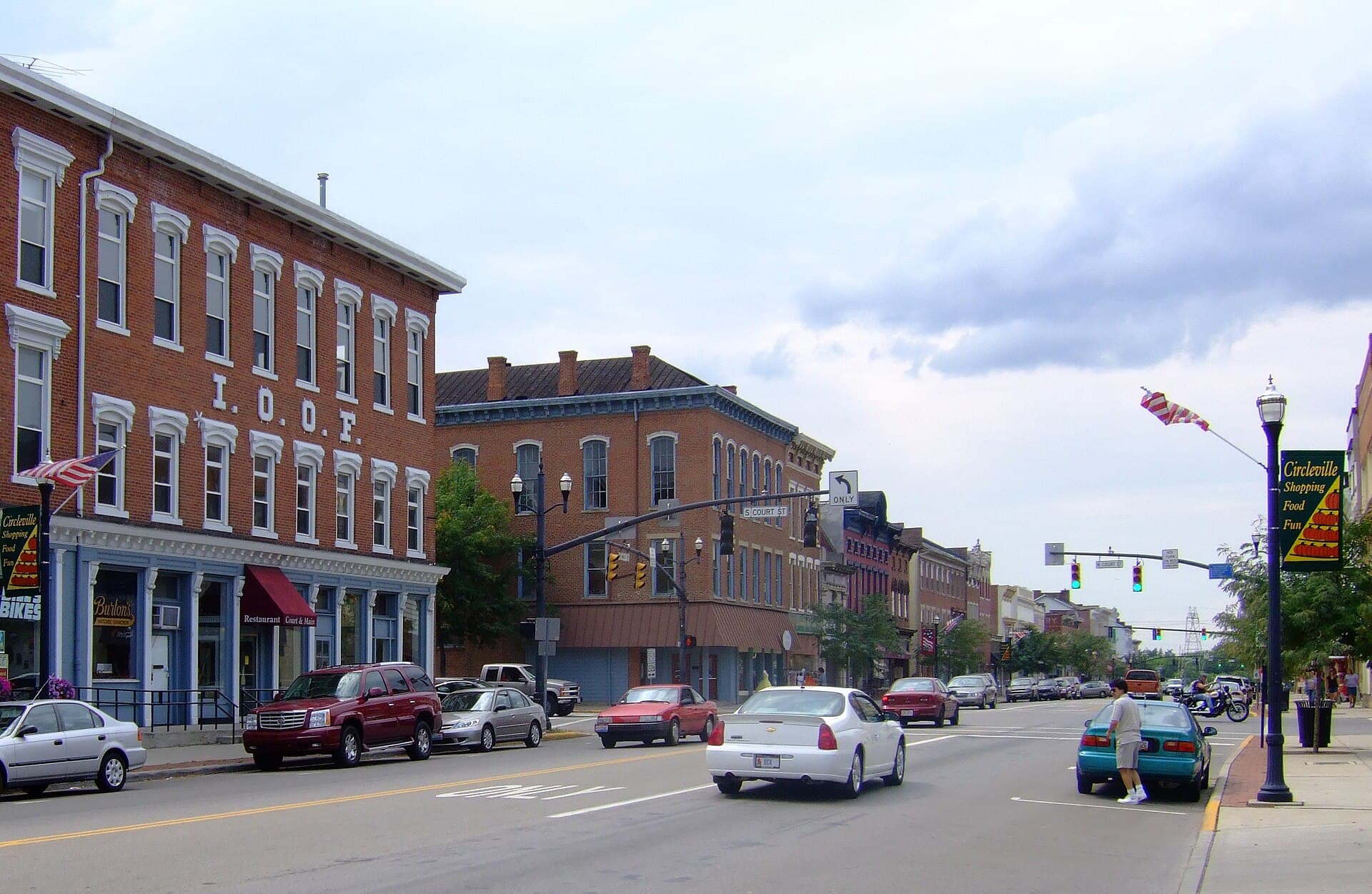
In 1976, in the small town of Circleville, Ohio, letters began to arrive. They were written in blocky capital letters, postmarked from nearby Columbus, and they carried no signature. What made them terrifying was not the crude handwriting but what the writer knew. The letters named names, laid out private affairs, and threatened the people they were addressed to. Over the years that followed, thousands of these letters spread through the town, and one by one they tore ordinary lives apart. A husband died on a dark country road. A gun was rigged to fire at a passing car. A man was tried and sent to prison — and still the letters kept coming, even while he sat in a cell with no pen and no paper. For nearly twenty years a small Ohio town lived under the gaze of an unseen writer who seemed to know everything, and to this day no one knows who held the pen. This is the story of the Circleville Letters.
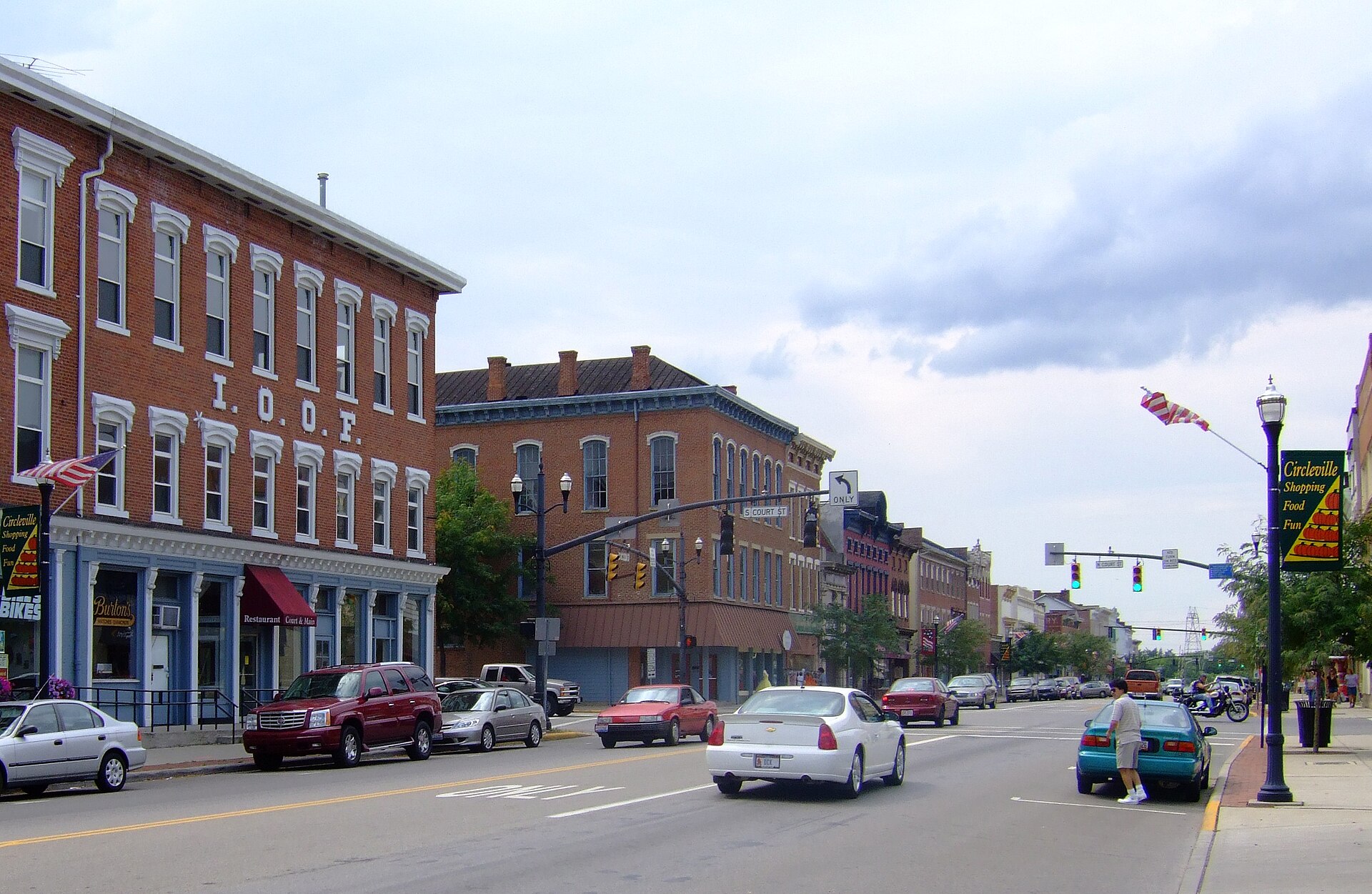
Photo: Wikimedia Commons, CC BY-SA
This is K. Woo. I assemble and cross-check the files behind these pieces, and Circleville is the one where the sheer volume defeats the method. Thousands of letters over roughly twenty years — an archivist's instinct is to build a chronology, and I did try. What emerged was not a pattern of escalation but a pattern of attention: the writer knew when a marriage was strained, when someone had been somewhere they should not have been. Not the content of the threats. The timing of them. That is what I could not stop noticing.
The First Letters
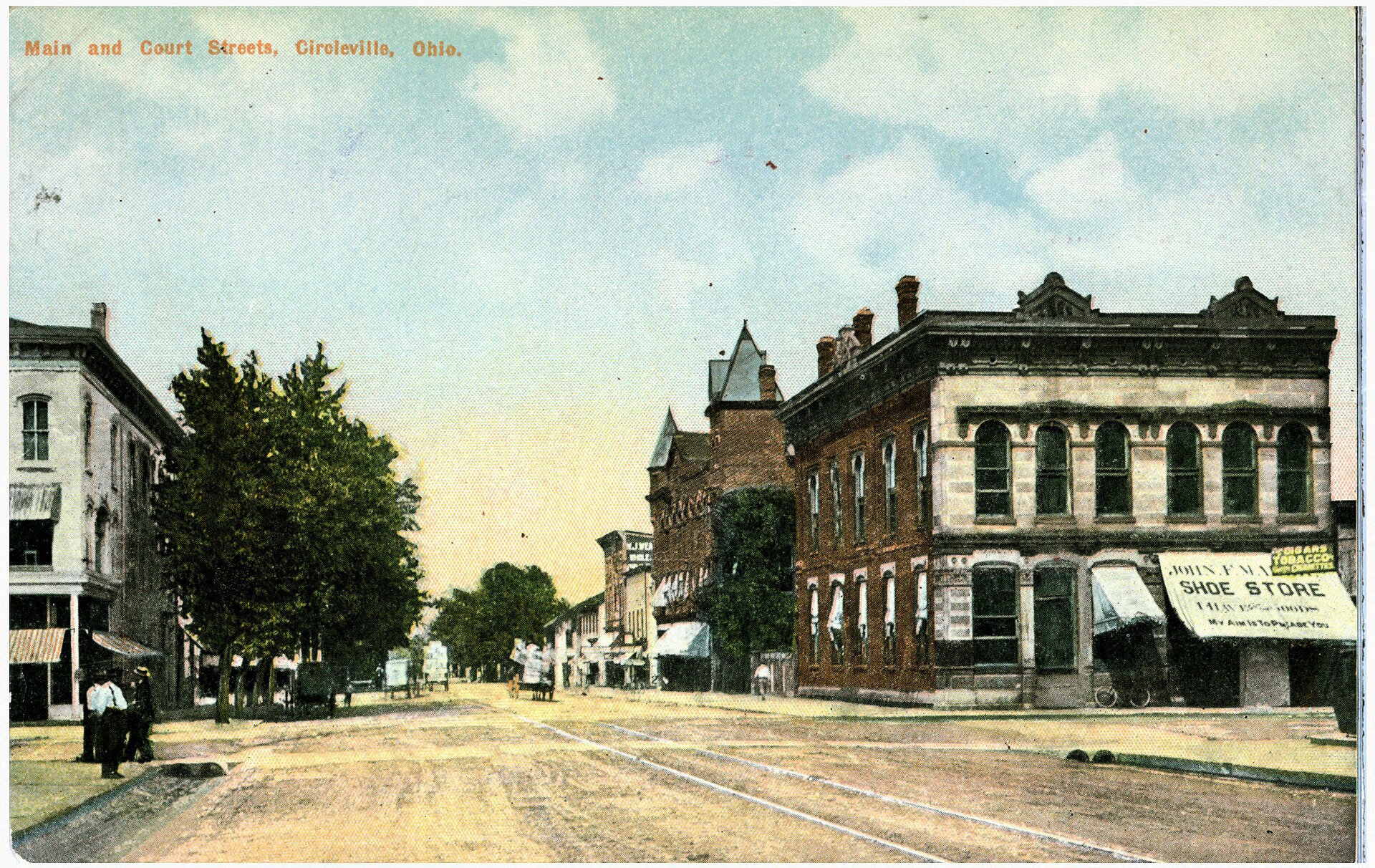
Circleville is a quiet town in Pickaway County, Ohio, the kind of place where people know their neighbors and little goes unnoticed. In 1976 that closeness curdled into something menacing. A school bus driver named Mary Gillispie began receiving anonymous letters, and their content was as specific as it was cruel. The writer accused her of carrying on an affair with Gordon Massie, the local superintendent of schools, and warned her in blunt terms to end it — or face the consequences. Mary denied the affair, but the letters did not stop. They kept coming, each one seeming to know a little more than it should.
The letters were unmistakable. They were printed in heavy block capitals, as if the writer were deliberately disguising a natural hand, and they were mailed from Columbus, some twenty-five miles away, so that the postmark gave nothing away. Whoever was writing them was careful. And whoever was writing them was watching, because the accusations were not vague slanders but pointed, informed, and personal. From the very first letter, the sense that settled over the household was not merely of insult but of surveillance — that someone nearby was keeping a close and hostile record of other people's lives.
The Death of Ron Gillispie
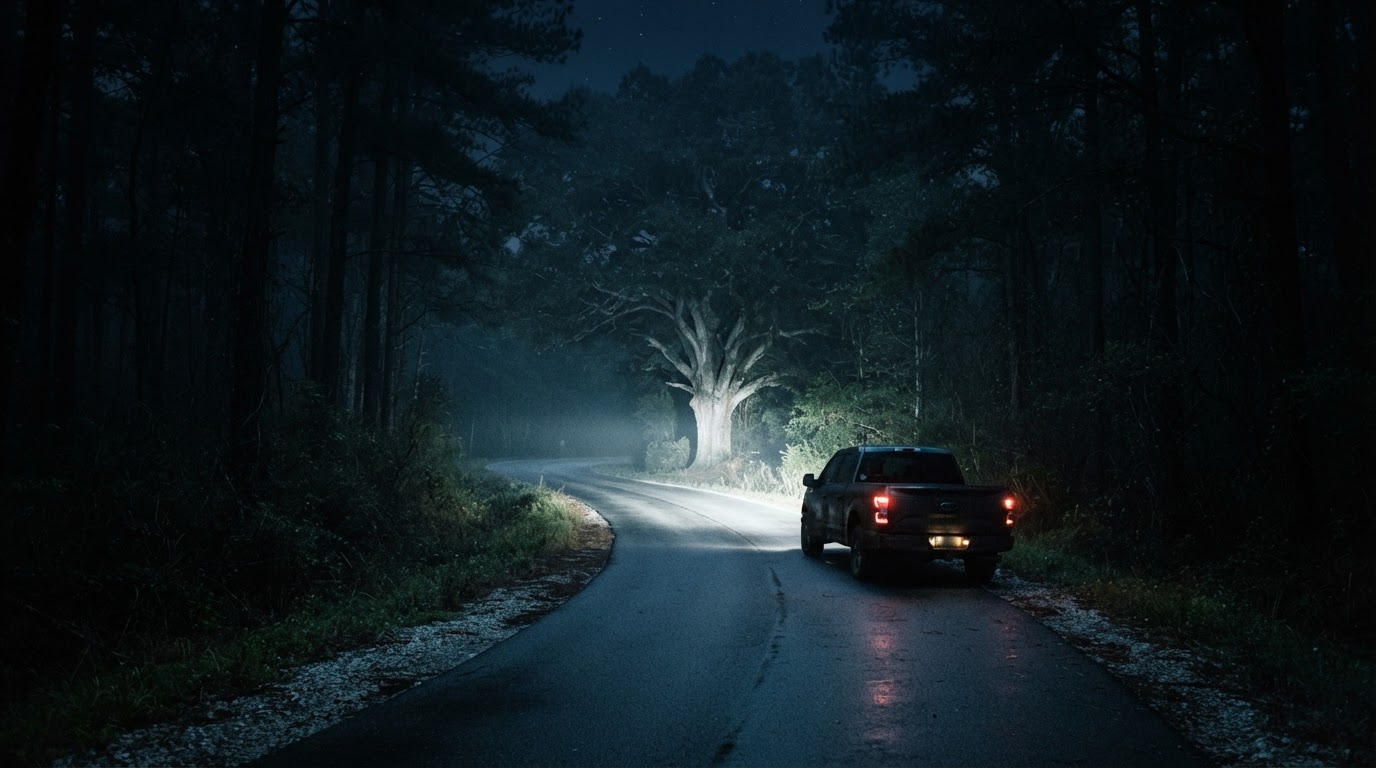
The letters did not stay confined to Mary. Her husband, Ronald Gillispie, began receiving them too. They accused her of the same affair and taunted him for doing nothing about it, and Ron grew convinced that he could find out who was behind them. He suspected he knew. Then, on an August night in 1977, while Mary was away traveling, Ron received a phone call at home. Whatever was said on that call, it sent him out the door in a hurry. He took a pistol, climbed into his pickup truck, and drove off into the dark.
He never came back. Ron's truck ran off a country road and struck a tree, and he was killed in the crash. When investigators examined the scene, they found that his gun had been fired once — a detail that has never been fully explained. Officially, his death was ruled a traffic accident, with alcohol cited as a factor. But to many who knew the case, the circumstances were far too convenient: a threatening phone call, a man rushing out armed into the night, a fatal crash, a single fired round. Whether Ron Gillispie died by accident or was lured to his death has never been settled, and it remains one of the darkest questions the letters left behind.
The Whole Town Under the Pen
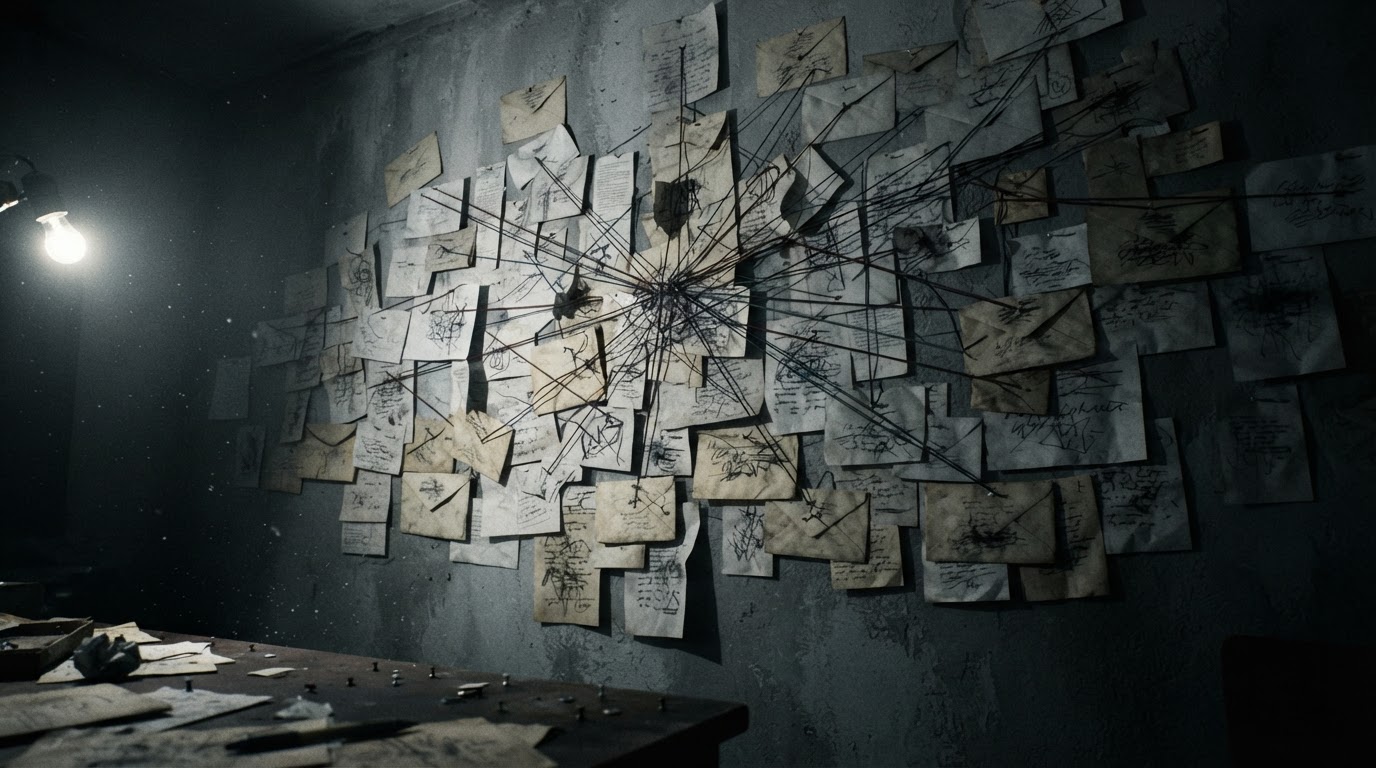
After Ron's death, the writer did not fall silent. If anything, the campaign widened. Letters began to arrive not only at the Gillispie home but at addresses all across Circleville. Neighbors, officials, and ordinary families opened their mailboxes to find the same blocky capitals accusing them of infidelities, hidden misdeeds, and secrets they had thought no one knew. Some estimates put the total number of letters, over the full span of the campaign, in the thousands. An entire town, it seemed, had come under the surveillance of a single anonymous pen.
The effect on Circleville was corrosive. When anyone might be the next target, and when the letters proved they knew things they should not, trust between neighbors began to rot. People wondered who among them was watching, taking notes, mailing off poison from a post office one town over. The writer seemed to be everywhere and nowhere — invisible, informed, and untouchable. And the more letters that arrived, the harder it became to imagine that any outsider could know so much. Whoever it was, the town began to suspect, had to be one of their own.
The Booby Trap and Paul Freshour
For years Mary Gillispie kept receiving letters, many of them fixated on the alleged affair, and by the early 1980s the writer began targeting her more directly. She started noticing signs posted along her school bus route — crude, insulting messages aimed at her and at Massie. In February 1983, as she was driving her route, she stopped to tear one of these signs down. What she found was not just a sign. Attached to it, hidden and rigged, was a device built to kill: a box holding a loaded handgun, wired so that pulling the sign would fire the gun at whoever stopped to remove it. The trap failed to go off as intended, and Mary survived.
When investigators recovered the weapon, they were able to trace it. The gun's serial number led them to Paul Freshour — Mary's former brother-in-law, married to Ron Gillispie's sister. Freshour was arrested and, in 1984, put on trial. Prosecutors argued that a handwriting comparison tied him to the letters, and the jury convicted him of the attempted murder of Mary Gillispie. He was sent to prison, and to many it seemed the long nightmare had finally been pinned to a name. Freshour, for his part, insisted from the beginning that he was innocent, and he would maintain that insistence for the rest of his life.
The Letters That Would Not Stop
Then came the detail that turned a solved case back into a mystery. Paul Freshour was in prison. For a stretch of that time he was held in solitary confinement, his access to writing materials and outgoing mail strictly controlled — by some accounts denied pen and paper altogether. And yet the letters kept coming. Postmarked as before, printed in the same menacing block capitals, they continued to arrive in Circleville while the one man convicted of the campaign sat locked in a cell, unable to have sent them. One of these letters was even reported to have been sent to Freshour himself, mocking him.
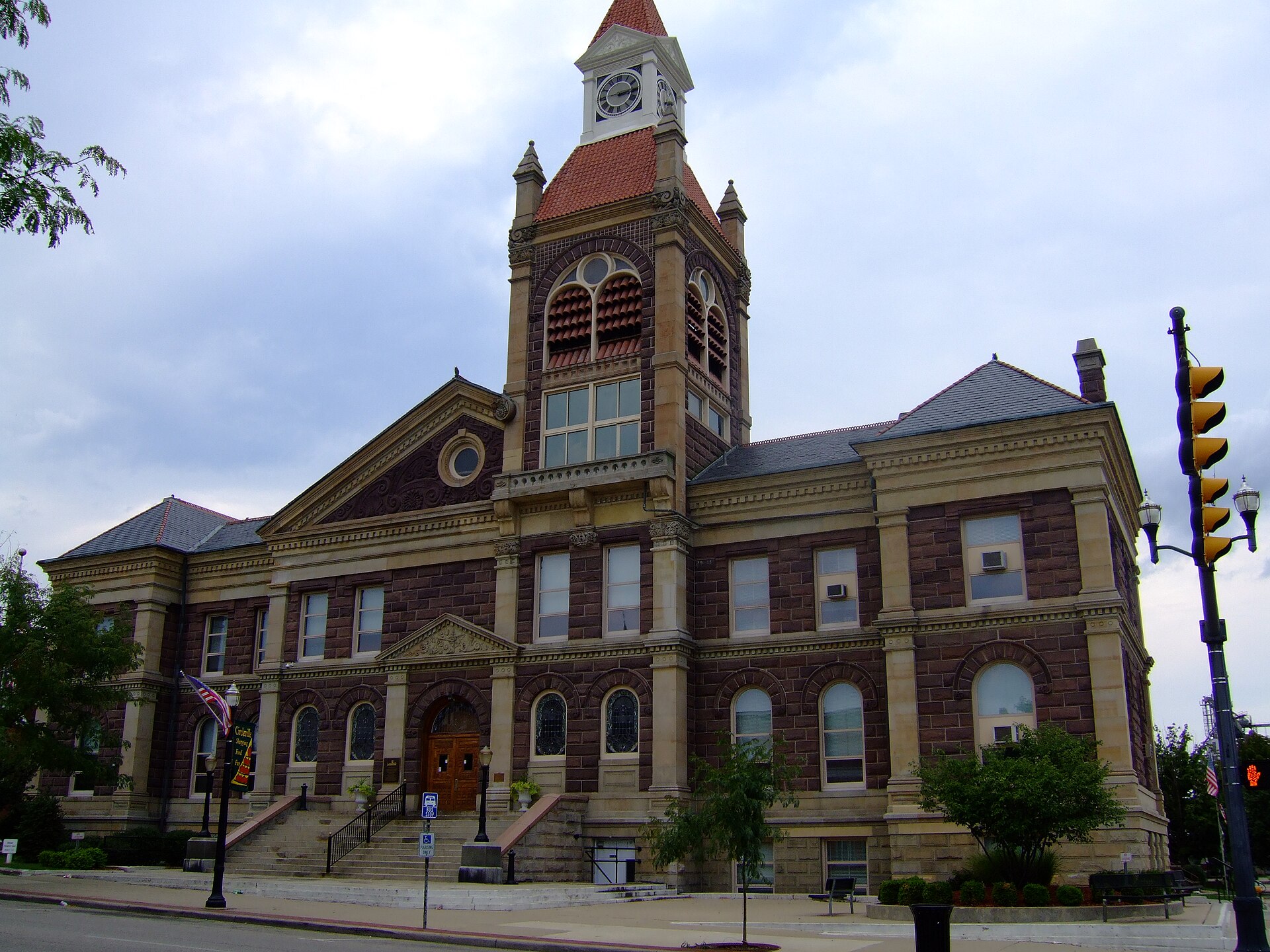
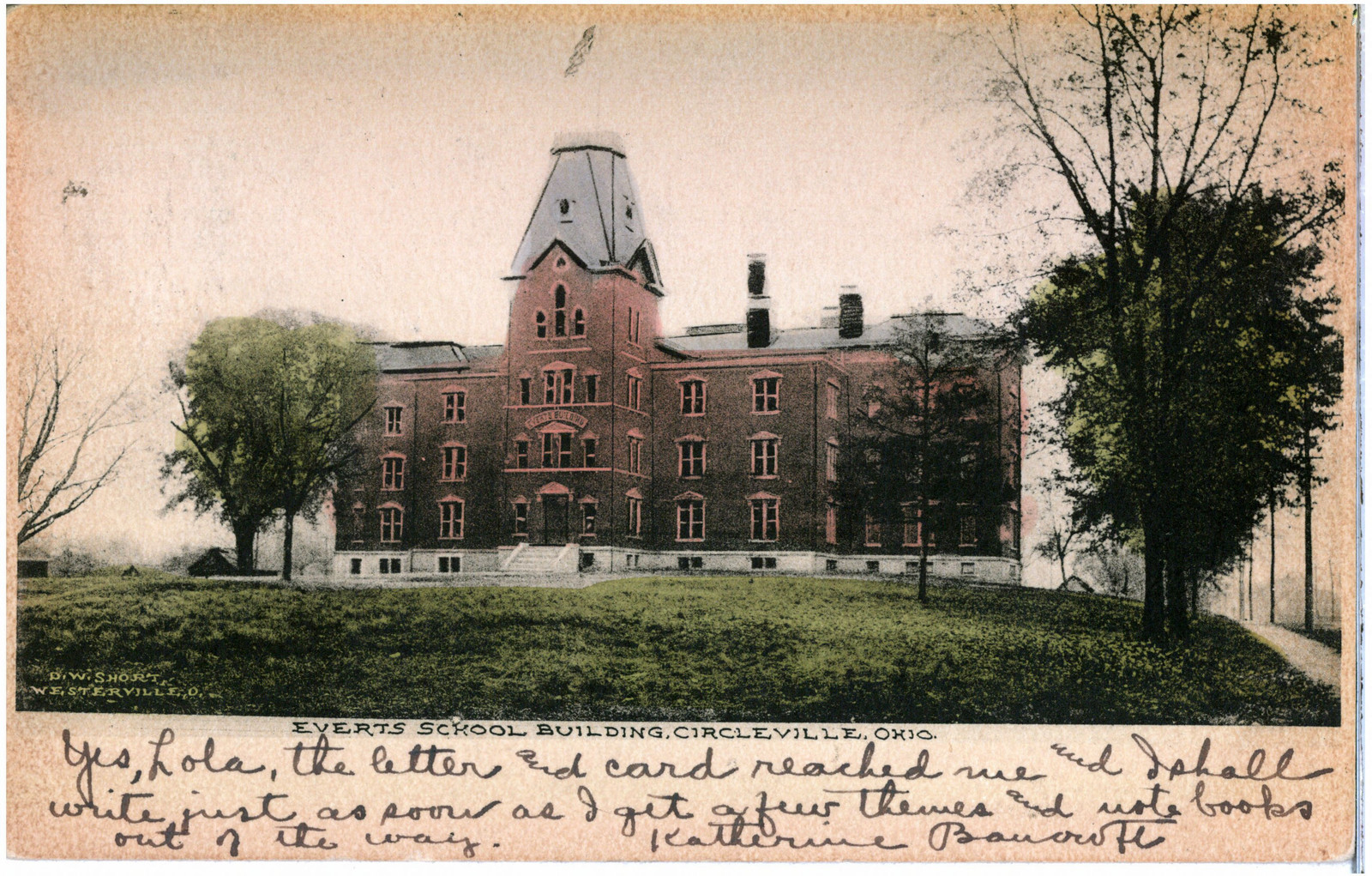
Photo: Wikimedia Commons, CC BY-SA
The implication was staggering. If Freshour could not have written the letters that arrived during his imprisonment, then either he had never been the writer at all, or the true writer was still free and still watching — and content to let another man take the fall. The letters that continued from behind his prison walls did not clear his name in the eyes of the court, but they cracked open the certainty that had sent him there. The unseen pen had not been caught. It had simply gone on writing.
Paul Freshour served years in prison before his release in 1994 — and it was around that time, after nearly two decades, that the letters finally stopped. He died in 2012, maintaining to the end that he had never written a single one of them. Whether that was the protest of a wronged man or the last denial of a guilty one, the timing has never stopped troubling the case.
The Silence That Remains
A country road at dusk, and a lone mailbox at its edge — the silence in which the letters once arrived.
To this day, no one knows for certain who wrote the Circleville letters. The case was examined again over the years — it drew national attention when it was featured on the television program Unsolved Mysteries, and after the broadcast the writer reportedly sent yet another letter, taunting the show and denying that Freshour was responsible. Handwriting was compared, suspects were weighed, theories were argued back and forth. Some remain convinced Freshour was guilty and the continuing letters were a trick or a copycat; others are just as convinced he was framed by the real writer, someone close to the family who knew the town's secrets from the inside. No theory has ever closed the gap.
There is one date in my file I keep circling back to, and it is not the trap on the bus route or the crash on the country road. It is 1994. Freshour walks out of prison, and within roughly that same span the mailings cease and never resume. Both readings of the case have to swallow that coincidence whole — the guilty man freed and no longer needing to write, or the real writer deciding, at the precise moment their scapegoat was released, that the work was complete. I have laid the timeline out both ways on paper. Neither arrangement lets me put the folder back on the shelf.
What can be said with certainty is only this. For nearly twenty years, an anonymous writer held a small Ohio town in a grip of fear, exposing private lives, issuing threats, and — very possibly — engineering a death and rigging a gun meant to kill. One man was convicted, yet the letters outlasted his conviction, arriving while he was locked away and unable to write them. The postmarks stopped in the mid-1990s and never resumed. The pen fell silent on its own, its work apparently finished, its owner never named. Somewhere in Circleville, for two decades, someone read their neighbors' lives like an open book and mailed the pages back stained with threats. Who it was, the town never learned — and the silence that followed has kept the answer to itself ever since.
---
This article combines genuine archival and on-site photographs with AI-generated images and video produced to convey the mood of the story.
Comments
No comments yet — leave the first one.