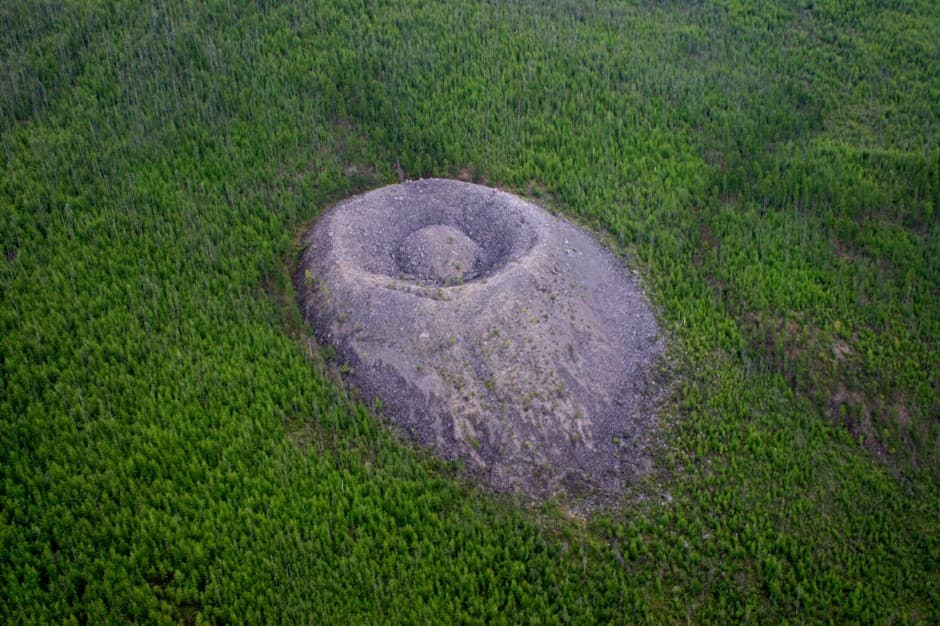
In 1949, a young Soviet geologist named Vadim Kolpakov was surveying the remote taiga of the northern Irkutsk region when he came upon an enormous grey mound thrusting up out of the forest. It was a vast cone built from countless fragments of crushed limestone, heaped on a mountain slope. It stood more than forty metres high, ringed at its summit by a raised circular ridge, and at the very centre of that ring rose a second, rounded hill. It looked as if someone had driven a giant ring into the forest. The Yakut and Evenki people who lived in the region had long called the place the "Fiery Eagle's Nest," and, regarding it as a "place of death," were reluctant to go near it. More than half a century after Kolpakov made it known to the world, geologists still cannot agree on how this immense scar came to be. This is the story of a nameless wound lying deep in the Siberian taiga — the Patomskiy crater.
What put this in my archive was not the crater. It was a gap in the paperwork. I am K. Woo, and I collect cases that refuse to be classified; when I went through the geological literature looking for where the Patomskiy structure had finally been assigned, I could not find the entry. Not a disputed entry — no entry. Seventy years of survey reports, sample analyses and radiation readings, and the thing still has no line on the classification chart. Ordinary science does not leave objects unfiled that long. It files them wrongly and moves on.
A Grey Mound Rising Out of the Forest
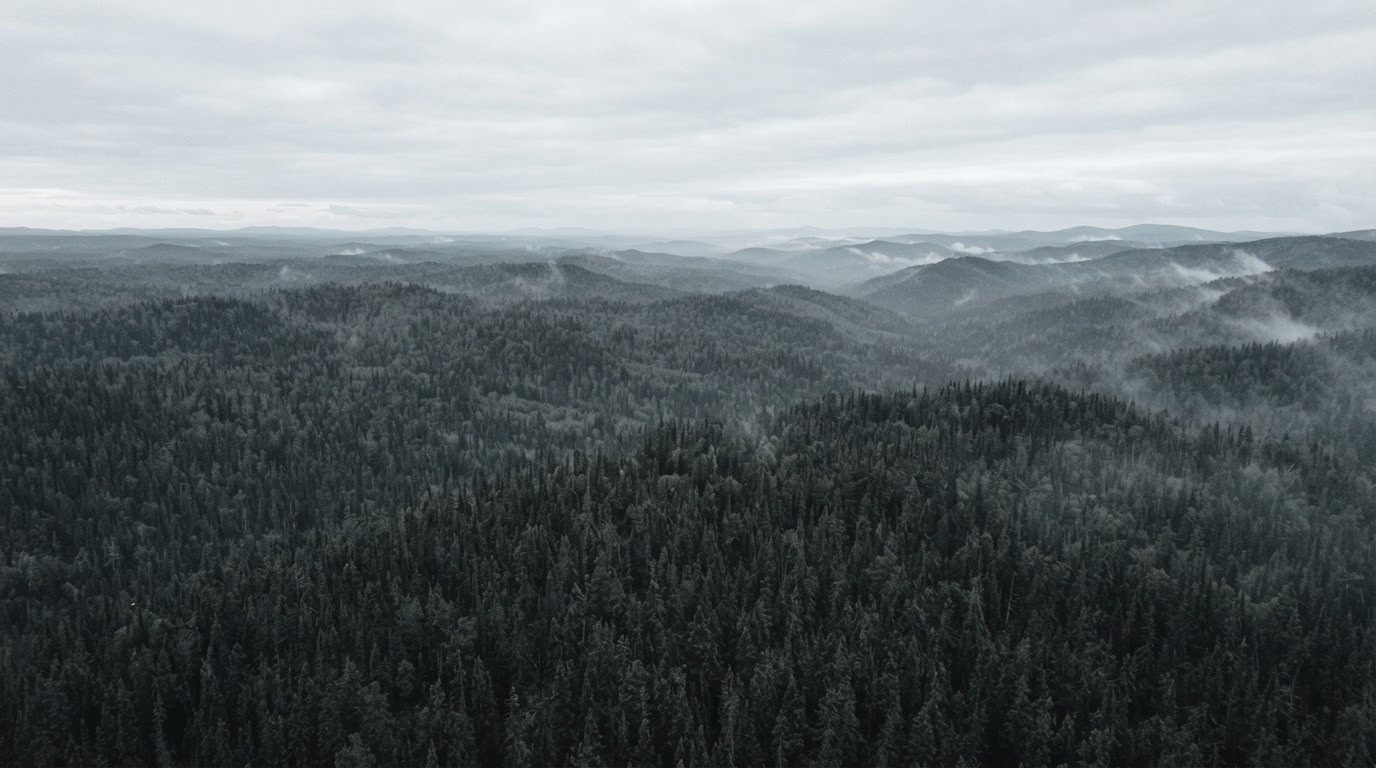
The Patomskiy crater lies deep in the mountains of the Patom Highlands, in the Bodaybo District of Irkutsk Oblast. It sits hundreds of kilometres from the nearest village, with no roads, reachable only by helicopter or by several days of walking — a wilderness within the wilderness. And there, in the middle of that forest, a huge grey cone rises alone, utterly out of keeping with the dense conifers all around it.
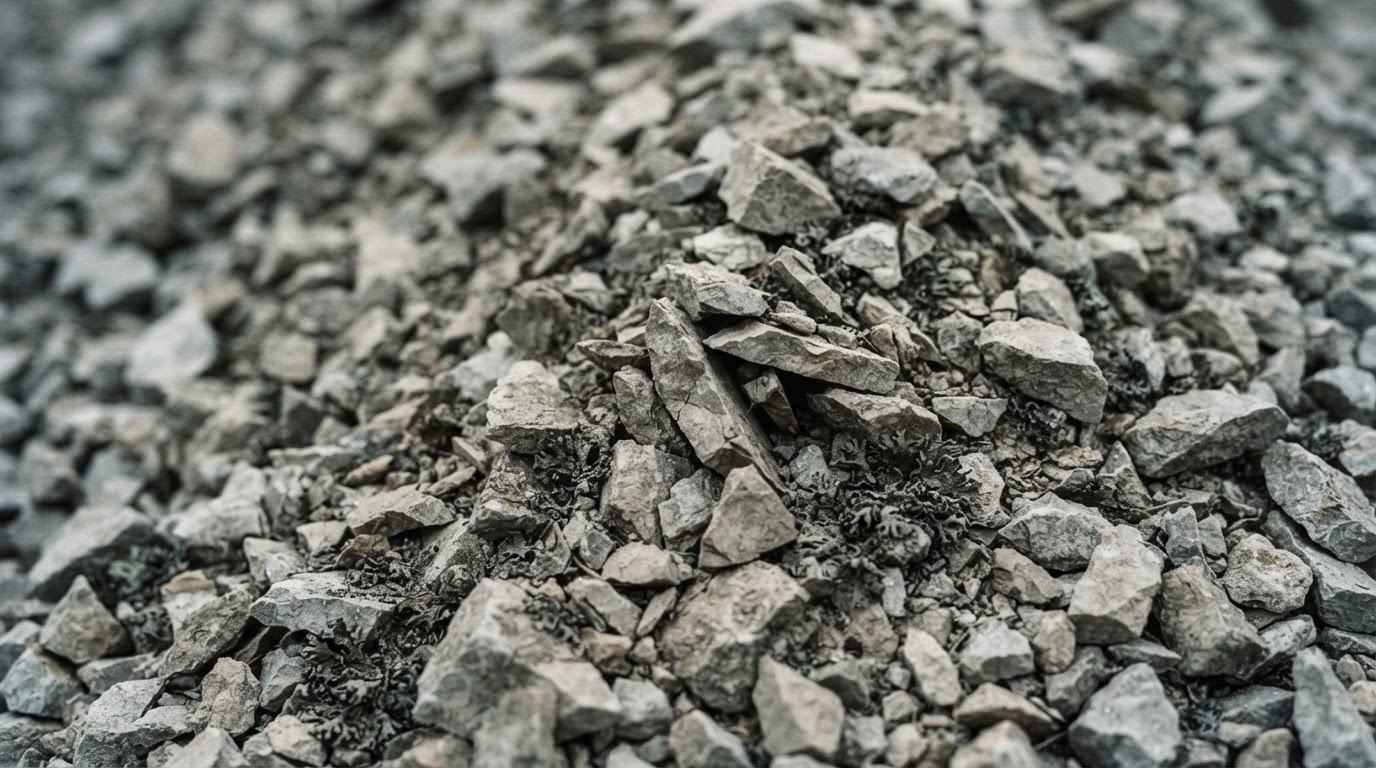
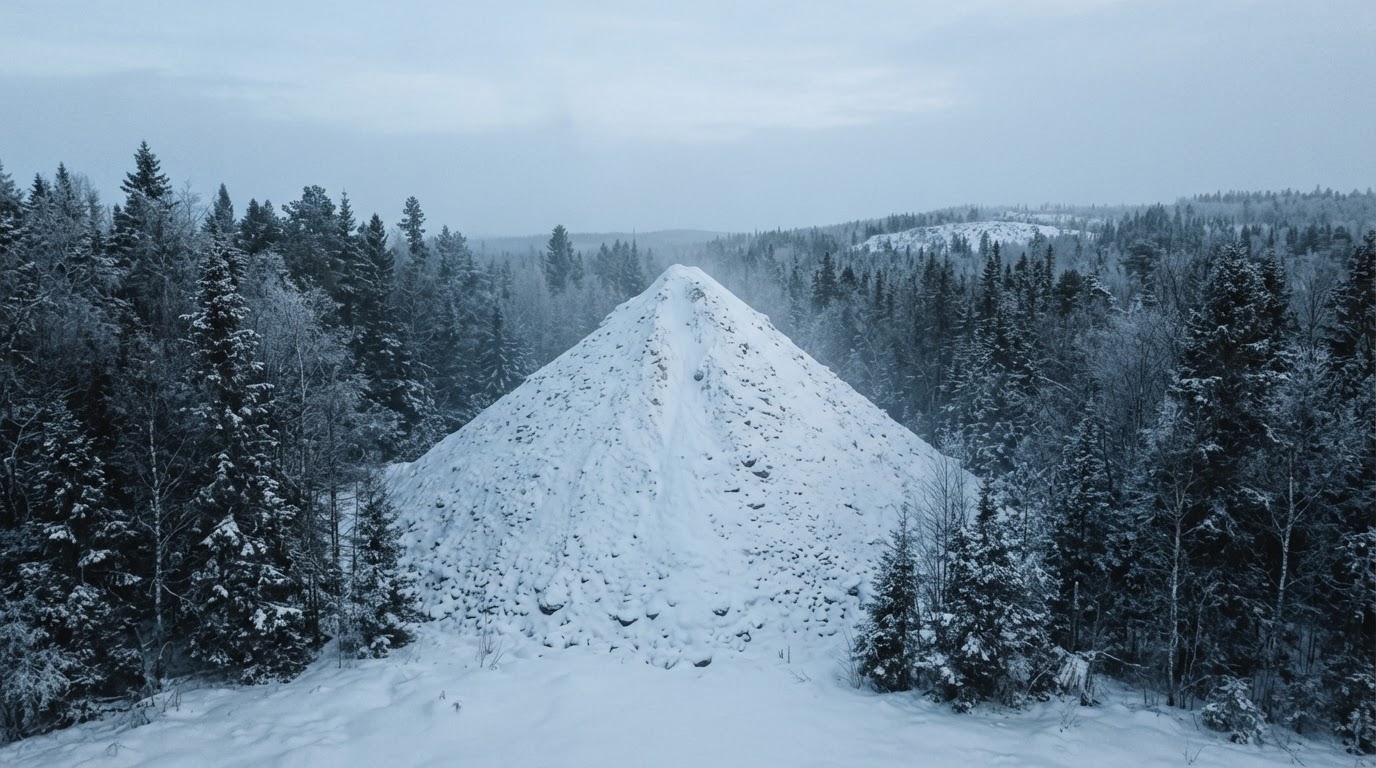
The mound is not a single solid rock but a heap of hundreds of thousands of tonnes of crushed limestone fragments. Its overall diameter is around 160 metres, and it stands some forty metres tall. Seen from above, an outer ridge runs around the rim like a doughnut; inside it lies a sunken, ring-shaped trench; and at the very centre a rounded hill rises again. This threefold structure — outer ring, inner trench, central mound — looks far too orderly to have been thrown up by chance, and it is exactly that quality that has gripped everyone who has laid eyes on it.
The People Who Called It a "Place of Death"
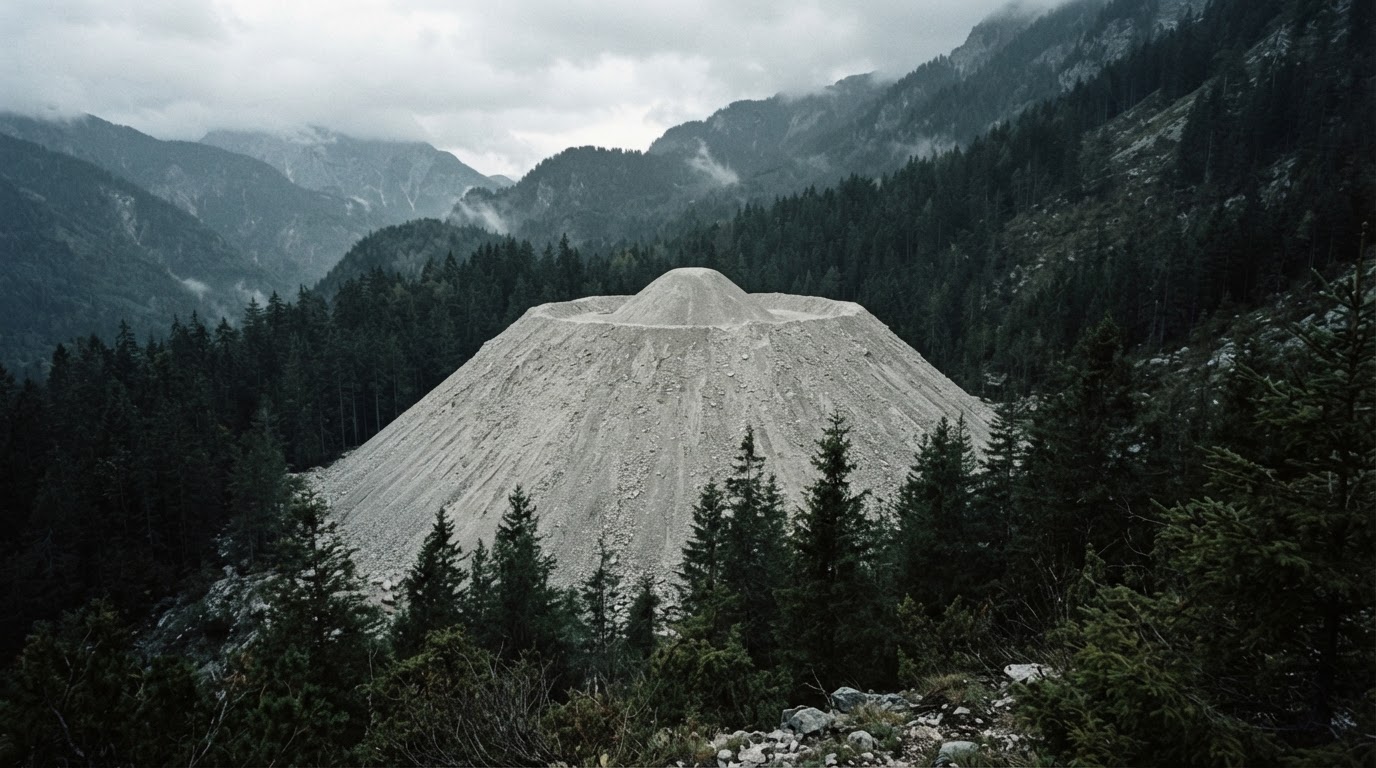
Long before Kolpakov reported the crater to science, the native Yakut and Evenki peoples of this land already knew it was there. They called it the "Fiery Eagle's Nest," and hunters were unwilling to venture anywhere near the mound. Stories had been passed down for generations that animals avoided its surroundings, and that those who went there fell ill or vanished. To them the place was, quite simply, a "place of death."
Kolpakov himself is said to have received such warnings from the region's elders. One old hunter told him not to go up to that hill, that anyone who did would sicken or fail to return. These are stories, of course — folklore, not science. But if a giant cone as orderly as something man-made rises in the middle of a roadless, villageless wilderness, it is hardly surprising that the first people to see it would reach for tales of dread and taboo to explain it.
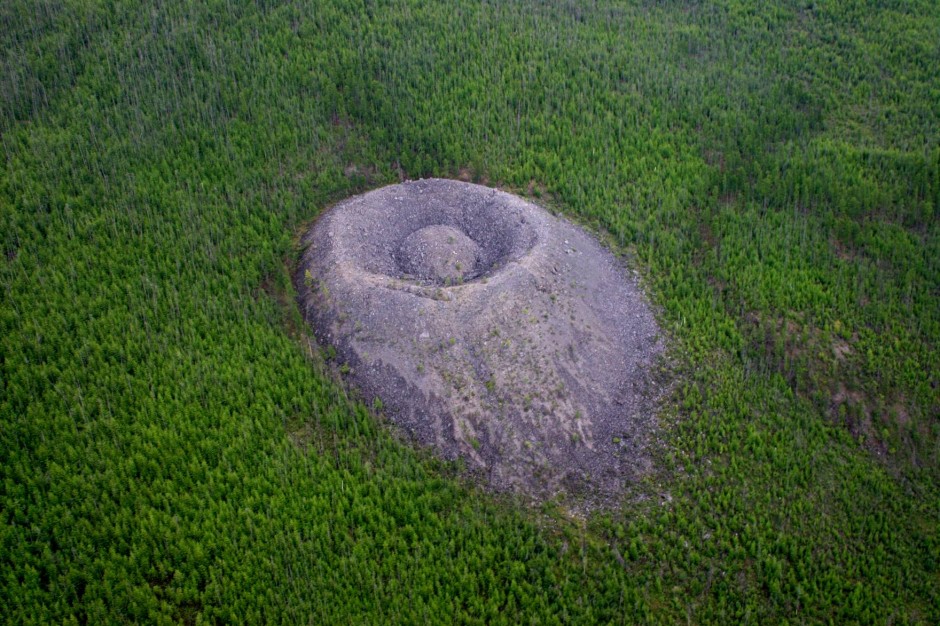
Photo: Wikimedia Commons, CC BY 4.0
What Made This Wound — The Competing Theories
The great riddle of the Patomskiy crater comes down to a single question: what made this enormous mound? Since its discovery, several hypotheses have been advanced, but none is backed by decisive evidence, and so they continue to compete with one another.
The best known is the meteorite theory. The crater's rounded form and central peak, it is argued, look like the trace of a meteorite impact buried underground. Yet surveys turned up none of the melted rock or shock-metamorphosed minerals characteristic of impact craters, and no large metallic body was ever confirmed beneath the ground. The second is the gas-volcano theory: that gas or steam deep below burst up explosively through the limestone strata, heaving the shattered rock upward. The third is the uranium theory, which holds that a radioactive vein underground, or its decay, produced the structure — though the radiation levels measured on site were not in fact unusually high. Beyond these, more prosaic guesses have been floated, such as the collapse of an underground mine. But not one of them fully accounts for this mound in the deep wilderness.
2005: The Expedition Leader Who Died on the Road
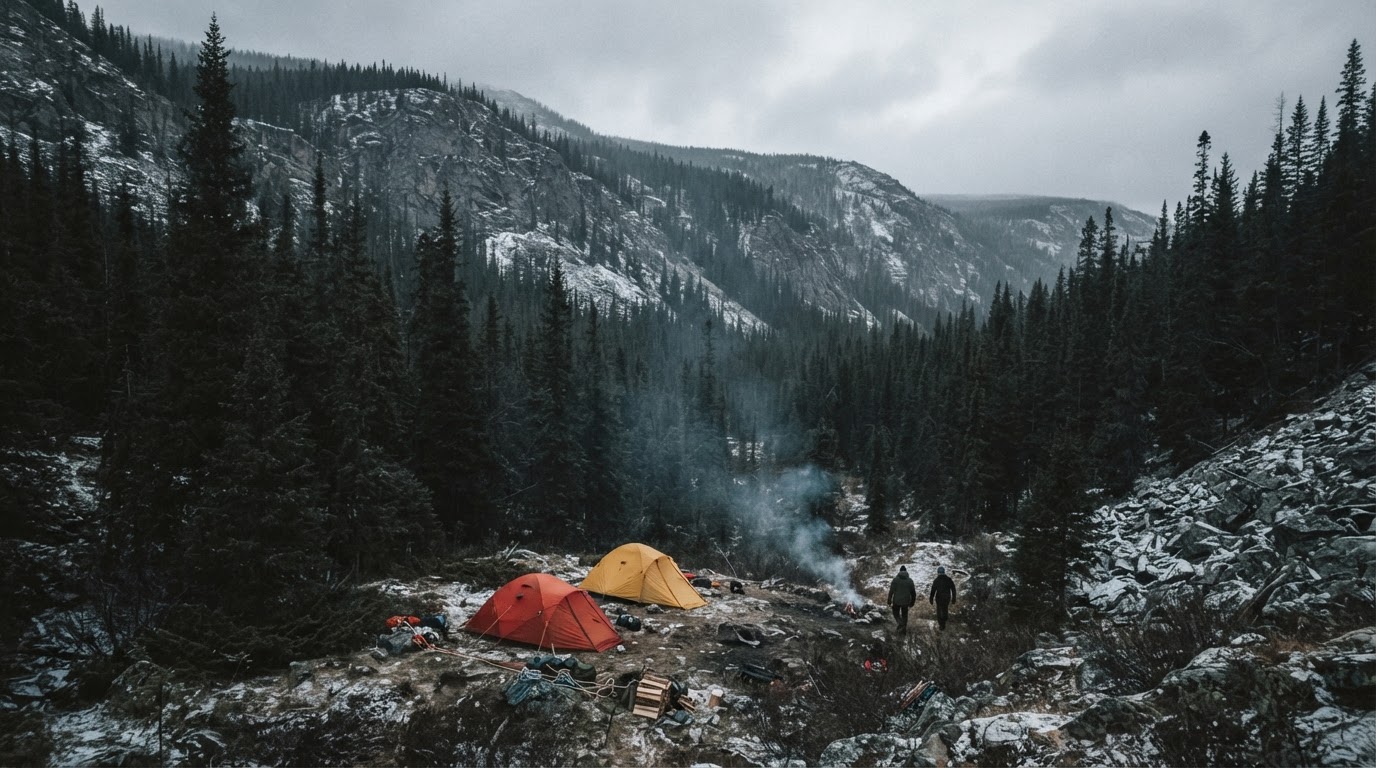
One event cast an eerie shadow over the story of the Patomskiy crater. In 2005, a Russian research team organised a full scientific expedition to solve the riddle. But the leader of that expedition died suddenly, on the road toward the crater, before he could even reach the site. It was an ominous coincidence, one that called to mind the "place of death" the native people had named for generations.
Seen soberly, of course, this can be explained as a tragic accident in which advanced age and a punishing wilderness journey came together. Fighting through the roadless Siberian taiga for days on end is brutal even for the young. And yet the fact that a man travelling to investigate that very "place of death" should die on the road before ever reaching it was more than enough to add a fresh chapter to the old legend of taboo. It was a moment where science and folklore eerily overlapped.
The Riddle of the Fast-Growing Tree Rings
The investigations continued after 2005, and in the course of them another curious phenomenon was reported. When researchers analysed the growth rings of the trees around the crater, they found that from a certain period onward the trees showed signs of growing abnormally fast. It was as though, from around the time the mound was formed, the growth of the surrounding trees had suddenly accelerated.
On the basis of this ring record, some researchers estimated that the crater had been formed relatively recently — roughly a hundred or so years ago, perhaps a little earlier. Some supposed that this accelerated growth might be connected to something seeping up from below, such as trace radiation or a particular mineral content. But the exact cause was never established. The trees simply went on, in silence, recording in their rings that something strange had happened in this ground.
A Wound Still Without a Name
More than seventy years after its discovery, the Patomskiy crater has been visited by expedition after expedition. Geologists have taken samples of its rock, measured its radiation, probed its underground structure, and counted the rings of the surrounding trees. And yet, on the question of what exactly this vast grey mound is and how it came to be, the scientific community has still not converged on a single answer.
The tree rings are the part of this file I keep returning to, and the reason is a matter of dates. The ring record puts the formation at roughly a century ago, give or take — which means the mound went up not in some unwitnessed geological past but within the span of people whose grandchildren are alive. Hunters were working that region. The Yakut and Evenki were already calling it a place of death when Kolpakov arrived in 1949, a bare few decades after the rings say it appeared. Somebody's grandparents were in the taiga when this happened. Whatever they saw did not reach a report. It reached a warning instead, passed to a young geologist by an old man who told him not to go up the hill.
Meteorite, gas volcano, uranium, mine collapse — each explains some part of the structure, but none explains the whole. Its position in the deepest of wildernesses, the sheer difficulty of reaching it, and the absence of decisive evidence have combined to leave the Patomskiy crater fitting nowhere neatly on geology's official classification chart. A place the native people called the "Fiery Eagle's Nest" and shunned; a place an expedition leader died trying to reach; a place where the surrounding trees grew fast for no clear reason — this wound, deep in the Siberian taiga, still rises above the forest today, unnamed by geology. What it means, no one yet knows.
---
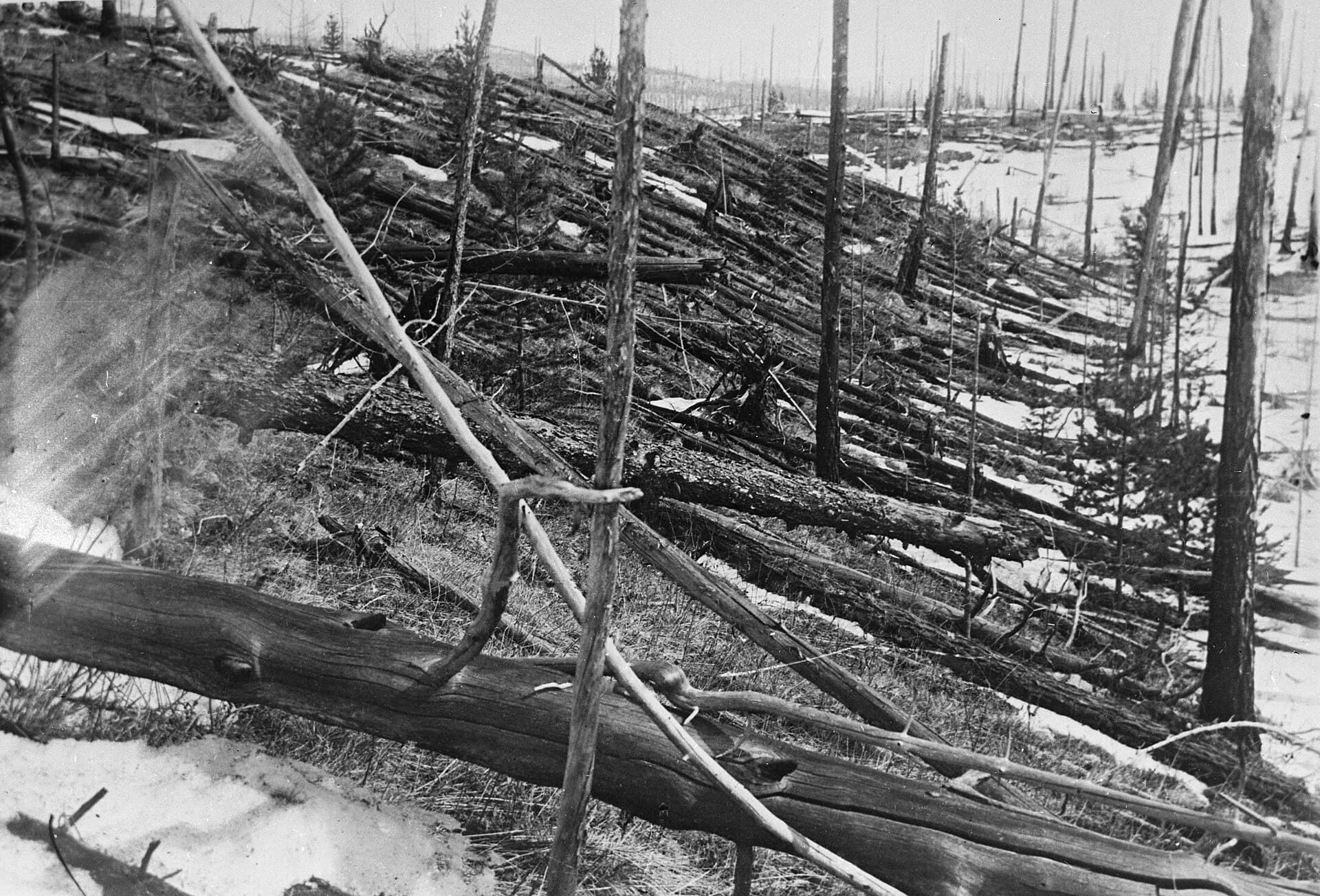
This article combines a real aerial photograph of the Patomskiy crater with AI-generated images and video produced to convey the mood of the story.
Comments
No comments yet — leave the first one.