On the evening of October 12, 1969, a caller phoned in to a Detroit radio station and told the disc jockey something impossible: Paul McCartney was dead. He had died three years earlier, the caller said, and the man the world had been watching ever since was an impostor — a lookalike, quietly slotted into place. And if you wanted proof, you only had to look. The Beatles had been hiding it in plain sight all along, in their album covers and in their songs, some of which — if you played them backwards — supposedly said so out loud. Within days, millions of people were bent over their record players, spinning vinyl the wrong way with a fingertip, listening for a dead man's voice. The rumour was false. Paul McCartney was, and is, very much alive. But "Paul Is Dead" would outlive nearly every fact assembled to disprove it — and become the template for the modern celebrity conspiracy. This is the file on how it happened.
The Night the Rumour Went National
It began, as these things often do, with a phone call and a slow news night.
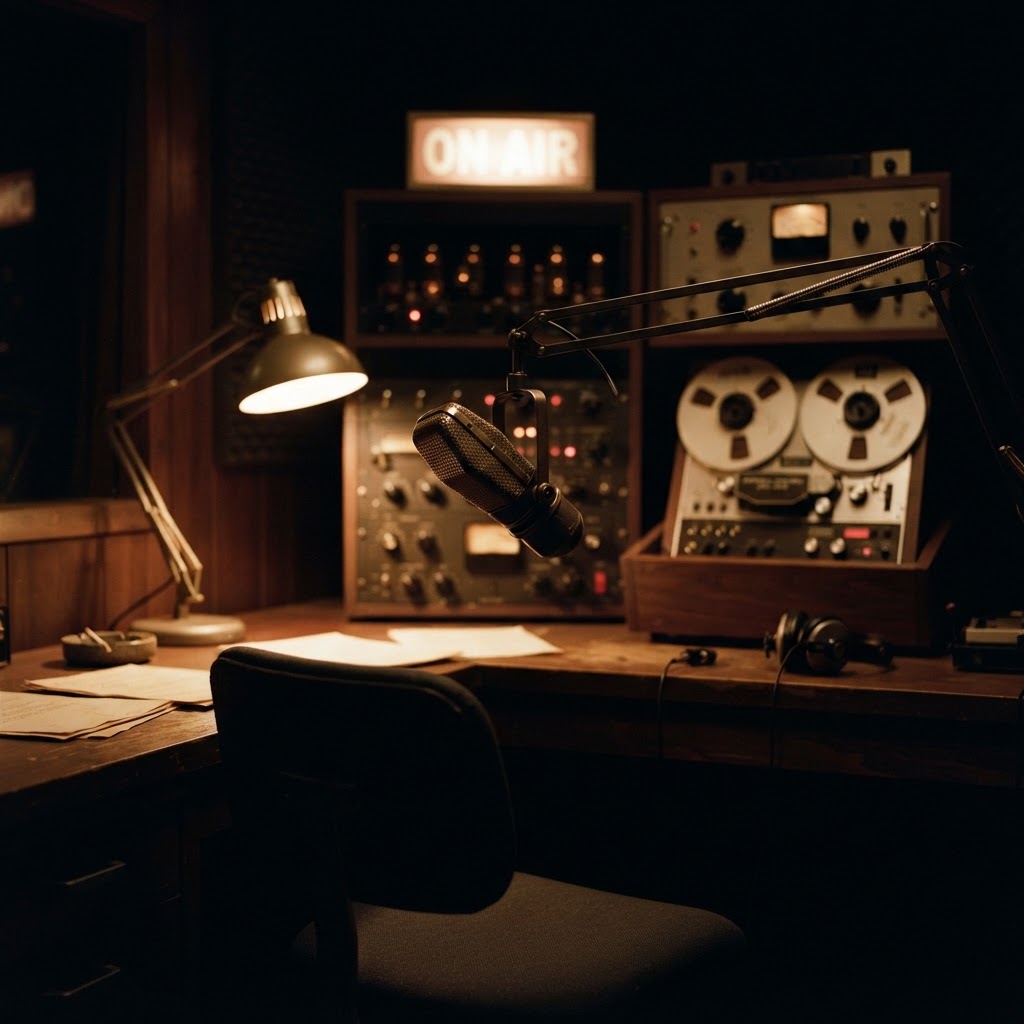
On October 12, 1969, a listener rang the Detroit station WKNR-FM and reached the DJ Russ Gibb. The caller — identifying himself only as "Tom" — laid out a strange claim: that Paul McCartney was dead, and that clues to his death were buried throughout the Beatles' recent records. As evidence, he told Gibb to play the end of Revolution 9, from the White Album, backwards. Gibb did it live on the air. For the next hour, he and a stream of callers talked the rumour over on the broadcast, and by the time the show ended, something had caught fire.
Two days later, on October 14, the student newspaper The Michigan Daily poured petrol on it. A University of Michigan writer named Fred LaBour published what was meant to be a satirical review of the new album Abbey Road, under a headline built to detonate: "McCartney Dead; New Evidence Brought to Light." In it, LaBour laid out an elaborate, cross-referenced case — a death, a cover-up, a replacement, and a trail of clues hidden across the album covers. It was a joke. LaBour had invented most of the clues himself, sitting at a typewriter, delighted with his own cleverness. What he had not anticipated was that anyone would believe him. Newspapers across the United States picked up the story within days, and the hoax slipped its leash entirely.
I came to this file sideways, chasing something else entirely. I was pulling scans of student papers for an unrelated entry when LaBour's headline surfaced in the October 14 run of The Michigan Daily, and I stopped there for most of an afternoon. I have catalogued a great many hoax documents, and nearly all of them work hard to look official. This one does not even try. It reads exactly like what it was — a twenty-one-year-old delighted with himself. That is the part I keep returning to: the thing that convinced millions was never disguised as truth in the first place.
The Story the Believers Told
Strip away the noise and the rumour told a single, tidy tale.
The date, they said, was November 9, 1966. Late at night, in the middle of a recording session, Paul McCartney had a bitter argument with the other Beatles and stormed out of the studio. He got into his car and drove off into the dark, furious and distracted — and somewhere on the road he missed a signal, or lost control, and crashed. Paul died at the scene.
Here the theory reached for its motive. The Beatles in 1966 were not merely a band; they were one of the largest cultural and commercial forces on Earth. To announce that Paul was dead, the believers reasoned, would have detonated an empire and broken the hearts of a generation. So — the story went — the survivors, their management, perhaps even the authorities, chose to hide it. They found a lookalike, a man variously named in the lore as "William Campbell" or "Billy Shears," gave him plastic surgery and singing lessons, and installed him in Paul's place. The public never noticed. But the other Beatles, guilt-ridden and unable to say it aloud, began leaving clues — a private confession encoded for anyone who cared to look.
That last idea is the engine of the whole thing. It transforms a rumour into a game. Once you accept that the clues are there, every album cover becomes a puzzle and every lyric a potential message, and the believer is no longer a passive listener but a detective closing in on a hidden truth.
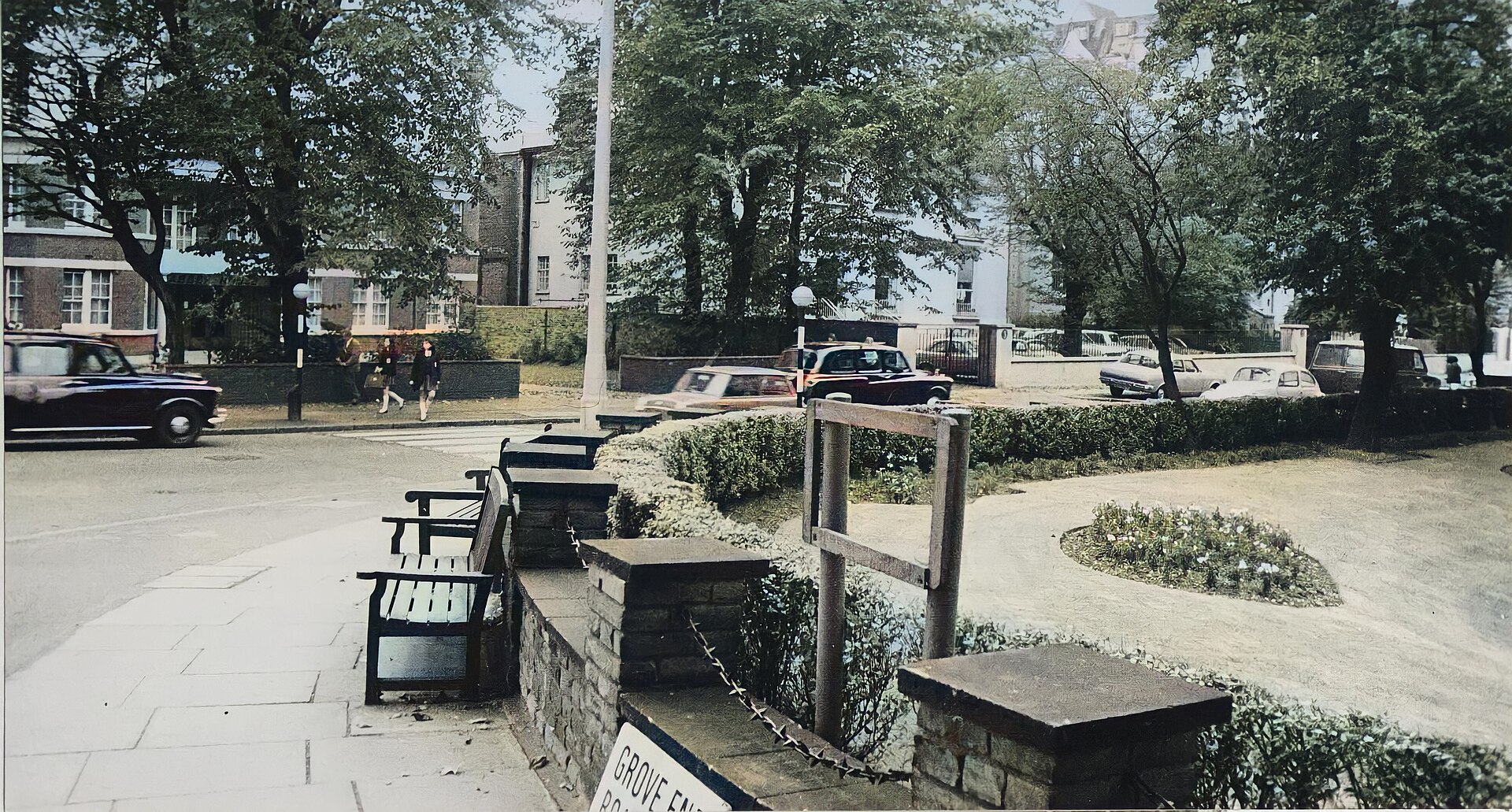
Photo: Wikimedia Commons, CC BY-SA 3.0
The Clues — and What They Actually Were
This is the heart of the file, so let us do it the honest way: lay out each famous "clue" as the believers presented it, then set beside it what it actually was.
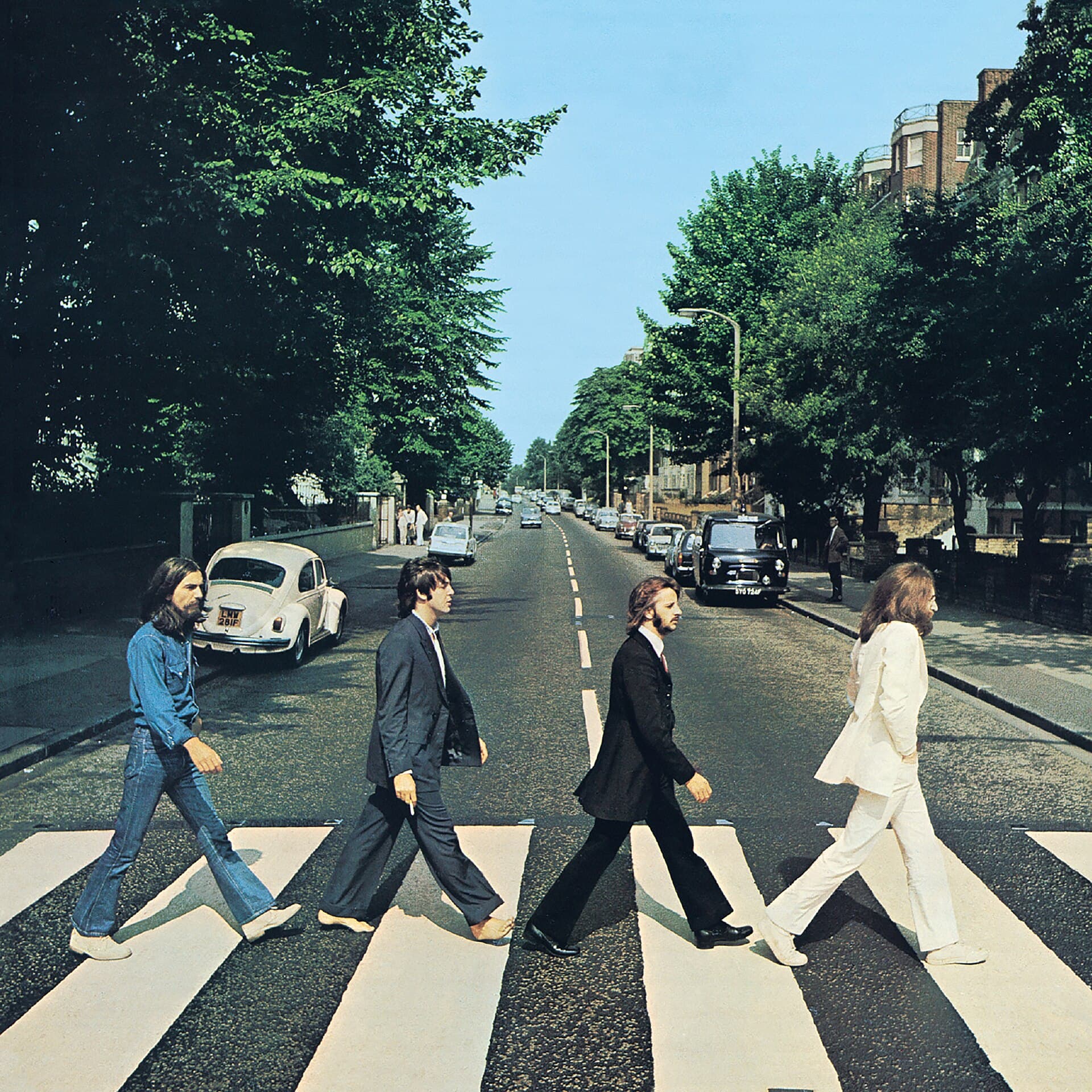
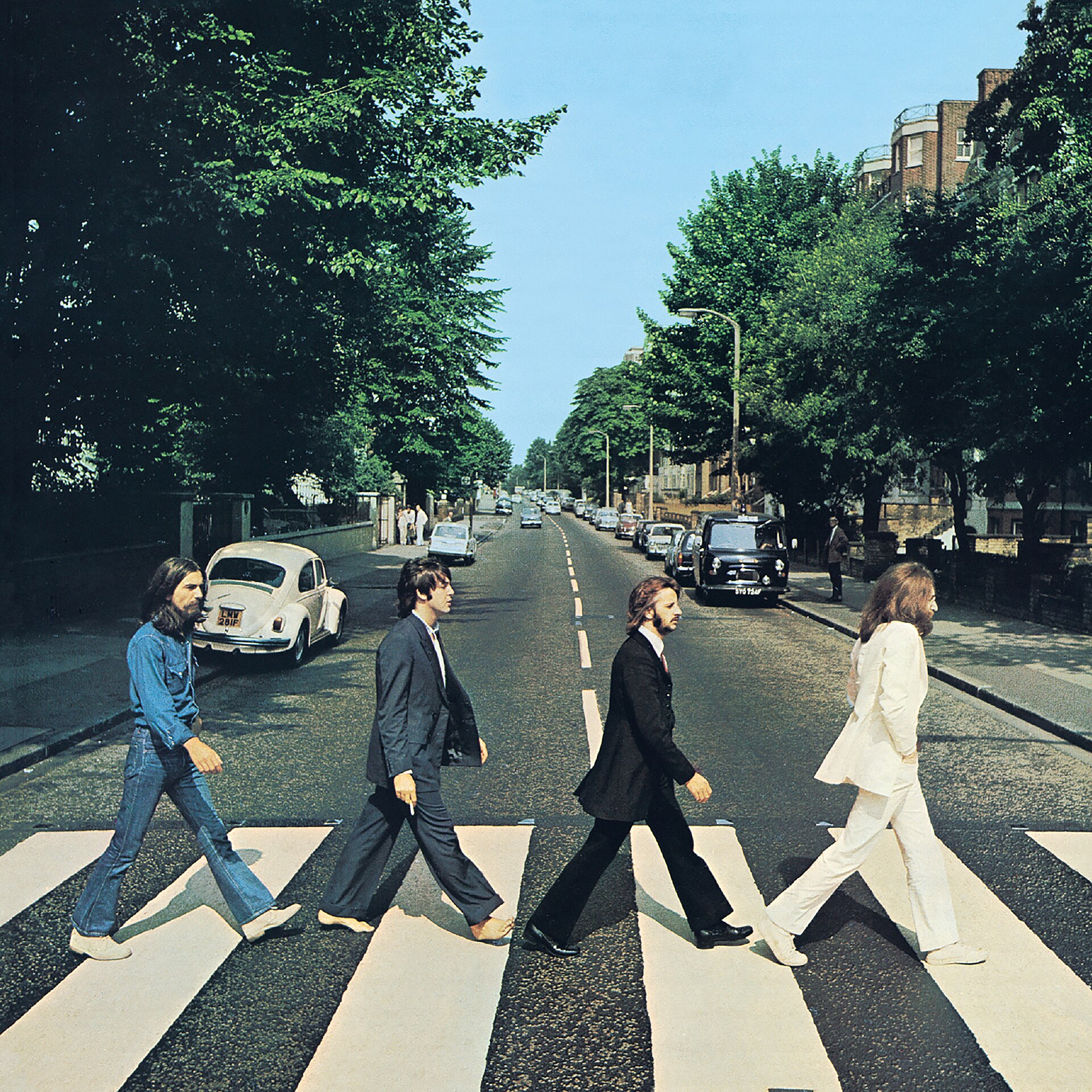
**The Abbey Road cover. The most famous image in the whole affair. The four Beatles cross a zebra crossing in single file, and to a believer the photograph is a funeral procession: one dressed in white like a priest, one in a dark suit like an undertaker, one in denim like a gravedigger — and Paul, barefoot, out of step with the others, walking like a corpse laid out for burial. Parked at the roadside is a white Volkswagen Beetle whose number plate reads LMW 281F. Read it right, the believers said, and it becomes 28 IF** — Paul would have been 28 if he had lived. (The detail was never quite tidy: McCartney was in fact 27 when the album came out, a discrepancy believers waved away with improvised numerology.) The plainer truth is that Abbey Road was shot on a real street on a hot August day, the barefoot Paul had simply kicked off his sandals in the heat, and the car with the fateful plate belonged to someone who happened to live across the road.
**The Sgt. Pepper patch. On that album's cover, Paul wears an arm patch that believers read as "OPD" — "Officially Pronounced Dead." In fact the patch reads "OPP,"** the badge of the Ontario Provincial Police, confirmed beyond argument in 2016. The theory also treated the entire Sgt. Pepper tableau — a crowd gathered around what looks like a floral grave — as a staged funeral for Paul.
"I buried Paul." At the fading end of Strawberry Fields Forever, a voice mutters something under the music. Believers heard "I buried Paul." John Lennon said, plainly and repeatedly, that the words were "cranberry sauce."
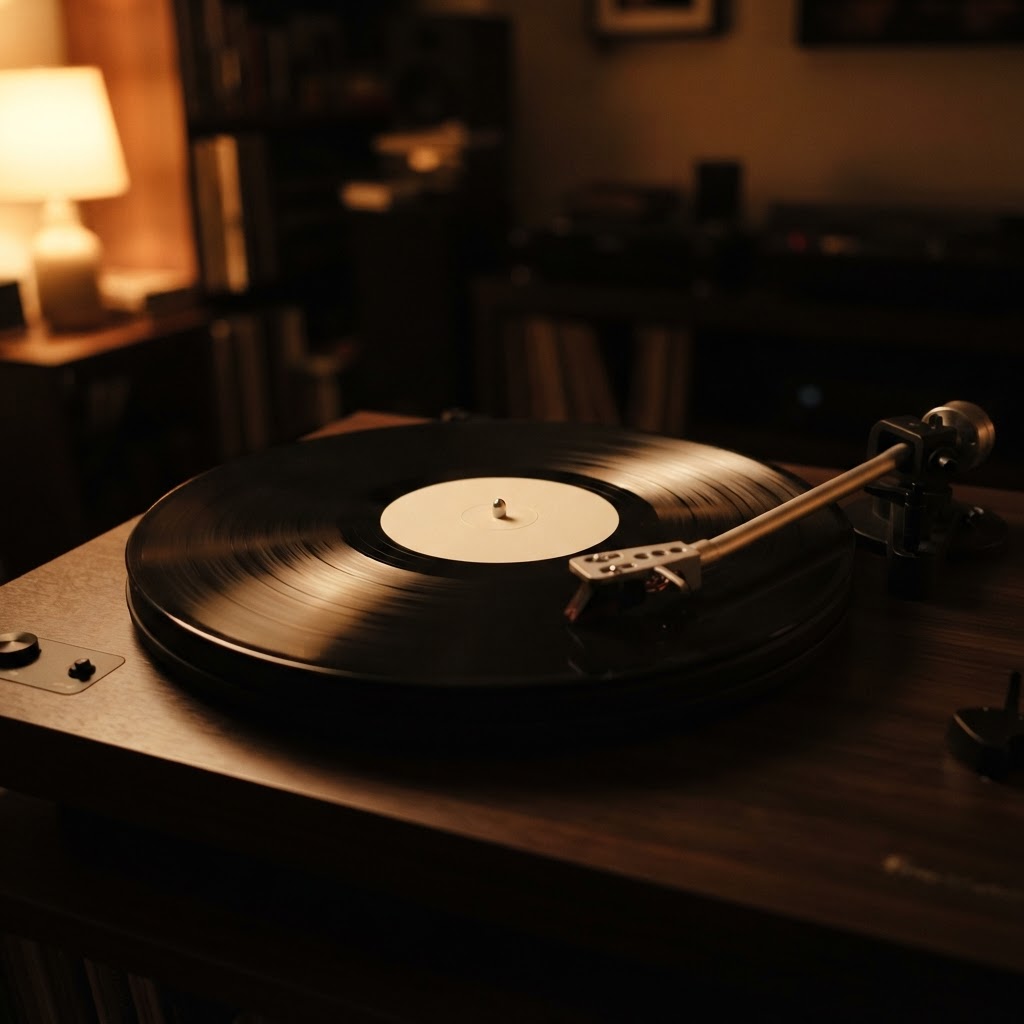
"Turn me on, dead man." The clue that started the phone call. Played backwards, a passage of the sound-collage Revolution 9 was said to say "turn me on, dead man." This is the classic mechanism of backmasking — and, just as reliably, the classic mechanism of the human brain, which is exquisitely, almost helplessly good at hearing words in noise the moment it is told which words to expect. Tell a room of people that a garbled backwards tape says "turn me on, dead man," and a great many of them will hear exactly that. Tell them it says something else, and they will hear that instead.
Set out plainly, none of the clues survives contact with its own explanation. But that has never been the point.
The Man Who Made It Up
The most revealing fact in the entire file is that we know, by name, who invented much of it — and that he told us, decades later, exactly how little he meant by it.
Fred LaBour was a 21-year-old student writing album reviews for The Michigan Daily. Riding the WKNR broadcast, he sat down to write his Abbey Road piece and, rather than review the music, spun out the death-and-replacement story as a lark, dreaming up clues as he went. He assumed his readers would recognise it for the satire it was. Instead the wire services ran with it and the thing became a national event. LaBour later recounted that when he was invited onto a television special about the rumour — sharing a stage with the celebrity lawyer F. Lee Bailey, brought in to "try the case" — he confessed to Bailey beforehand that he had simply made the whole thing up. Bailey, LaBour recalled, looked at him and said something to the effect of: we have an hour of television to fill, so please don't say that too loudly.
That is the quiet horror at the centre of "Paul Is Dead." Not that a rumour spread, but that its own author, present and confessing, could not stop it. The story had by then outgrown any single teller. It belonged to everyone who wanted it to be true.
The Denial That Could Not Win
The Beatles' camp did try to answer it. And in trying, they ran into the trap that every conspiracy sets for the people it targets.
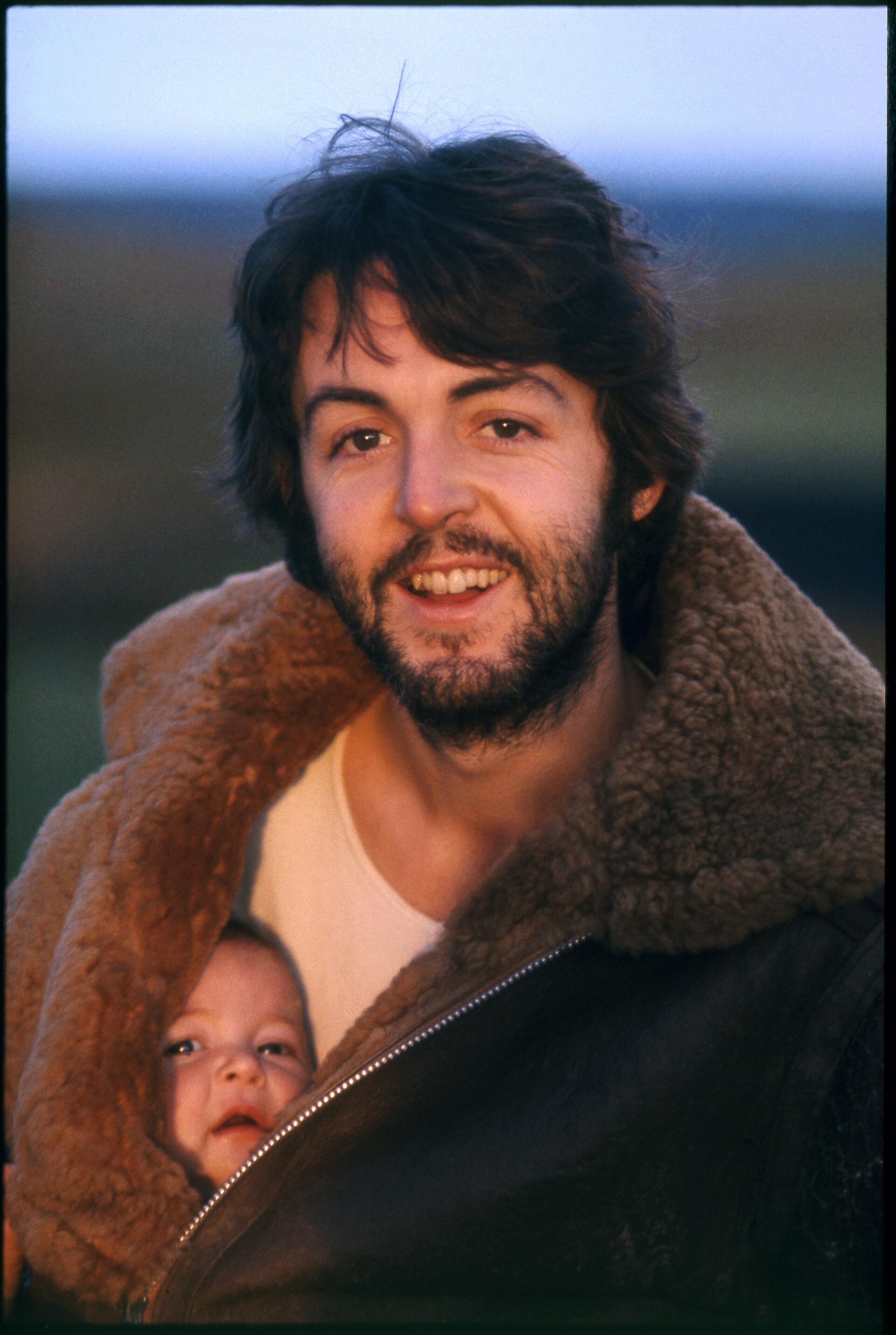
The definitive rebuttal came from Life magazine, whose issue dated November 7, 1969 put Paul McCartney on the cover with his wife and children at their farm in Scotland, under the flat headline "Paul is still with us." In the interview McCartney gave the only answer a living man can give: he was, self-evidently, not dead. As for why the rumour had taken hold at all, he offered a mild, almost rueful theory — that perhaps it had started because he'd kept out of the press lately, and that he would, frankly, rather be a little less famous these days.
But here is the problem the believers had already solved in advance. If the man in Paul's place is an impostor, then a photograph of him proves nothing, and an interview with him proves nothing — it is exactly what the impostor would say. A conspiracy that begins by declaring the evidence faked has built itself a fortress that no evidence can enter. Ringo Starr put the absurdity best, years later, on the subject of the whole clue-hunting mania: there was no way we could prove he was alive. The denial, by the theory's own rules, becomes just another clue.
Why It Never Dies — and What It Started
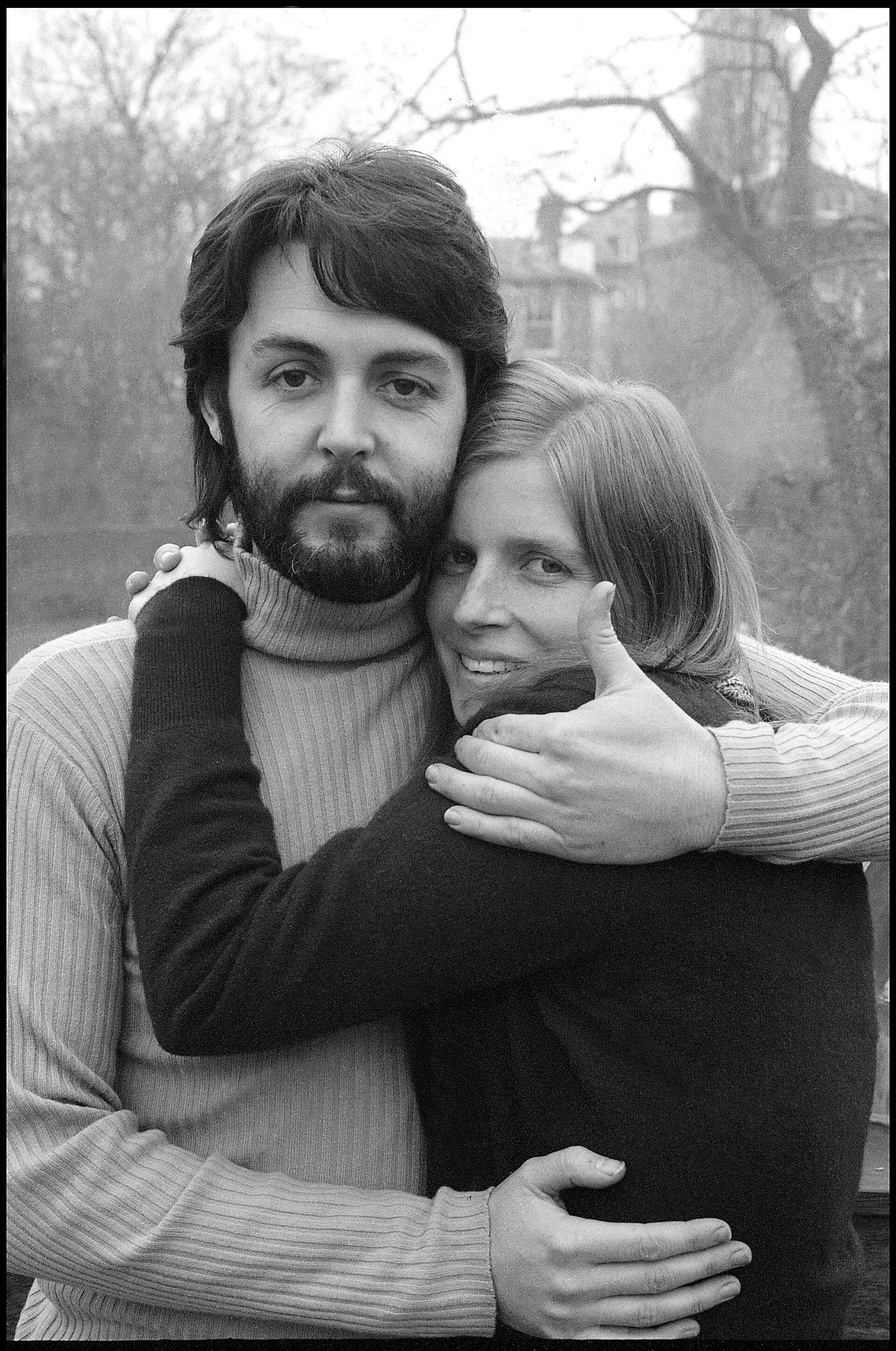
By its own terms, "Paul Is Dead" is closed. The clues have explanations; the author confessed; the man himself has lived on for more than half a century, playing stadiums, releasing records, growing visibly and unmistakably older. In 1993 McCartney did the most disarming thing possible: he titled a live album Paul Is Live, and dressed its cover as a wink at the whole affair — himself on the Abbey Road crossing, leash in hand, the old "clues" laid out as a joke he was finally in on. It is hard to imagine a more complete refutation than a dead man cheerfully mocking his own funeral.
And still it persists, because "Paul Is Dead" was never really about Paul. It was about the pleasure of the hunt — the intoxicating sense that the surface of the world is a code, that the famous and powerful are hiding something, and that you, with enough patience and a record player, can crack it. That pleasure did not die in 1969. It is the exact machinery that would later power every "secret message," every celebrity-replacement theory, every frame-by-frame reading of a photograph for proof that the official story is a lie. "Paul Is Dead" was the prototype: the first mass conspiracy built entirely out of clues, spread by a new media landscape, immune to correction because correction was folded into the theory as further proof.
Filing this one, I found I could not settle the Paul Is Live cover. On paper it should close the case — a man in on his own joke, standing on the crossing again with a dog's leash in his hand. But I have watched what this archive does to refutations. Every denial I have ever indexed under a conspiracy heading eventually got re-filed by someone as evidence. I keep the 1993 album cover in the folder anyway, and I am no longer certain which side of the file it belongs on.
What we can say for certain is only this. In October 1969, a prank phone call and a satirical student review convinced a large part of the world that a living man was secretly dead. The evidence was invented; its inventor admitted it; the "dead" man went on living in full public view for decades. And the rumour survived all of it — not despite being disproven, but because it had discovered something more durable than any fact: that people would rather chase a hidden truth than accept an obvious one. Somewhere, tonight, a record is still spinning backwards.
---
This article combines authentic archival and location photographs with AI-generated images produced to convey the mood of the story.

Comments
No comments yet — leave the first one.