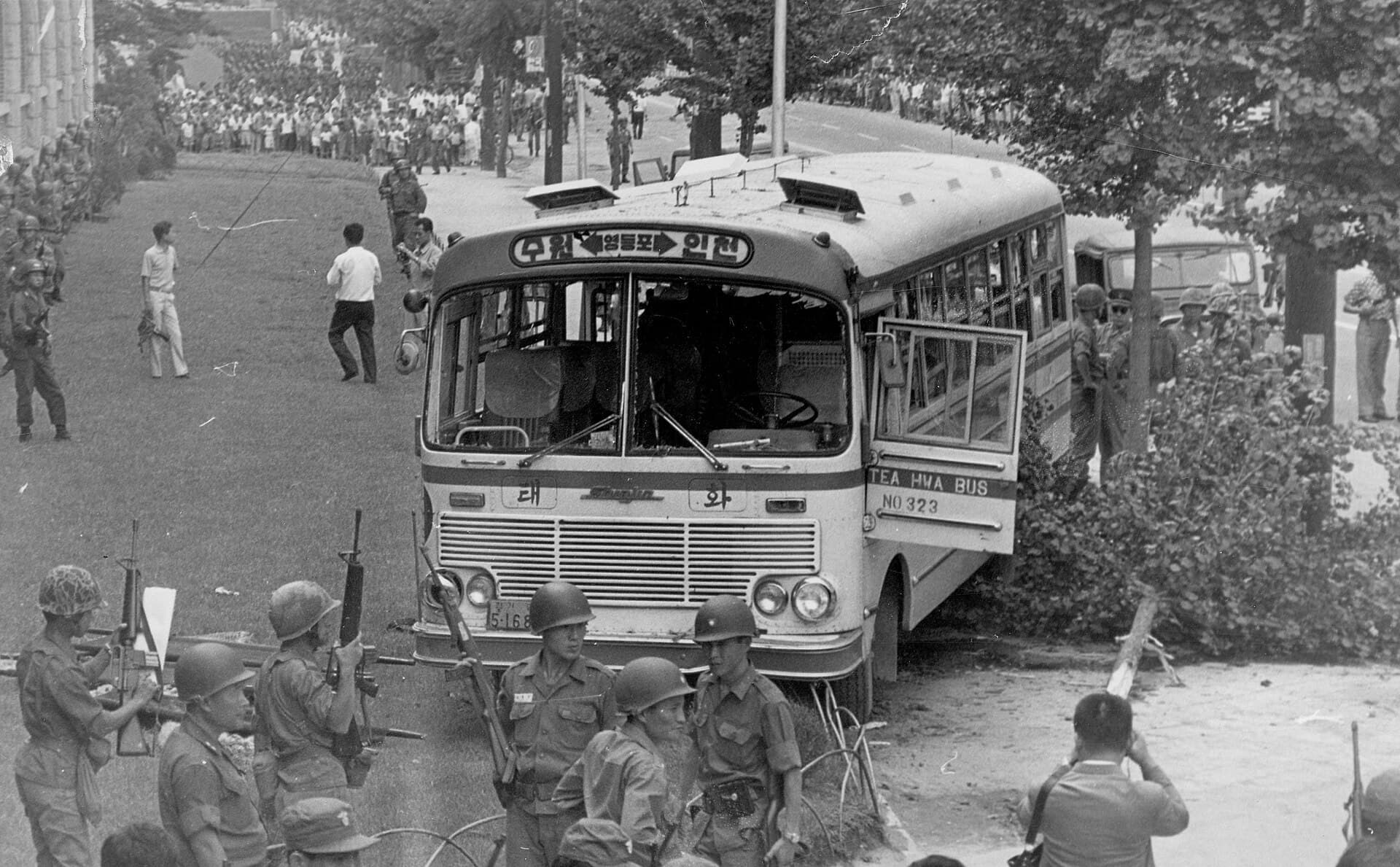
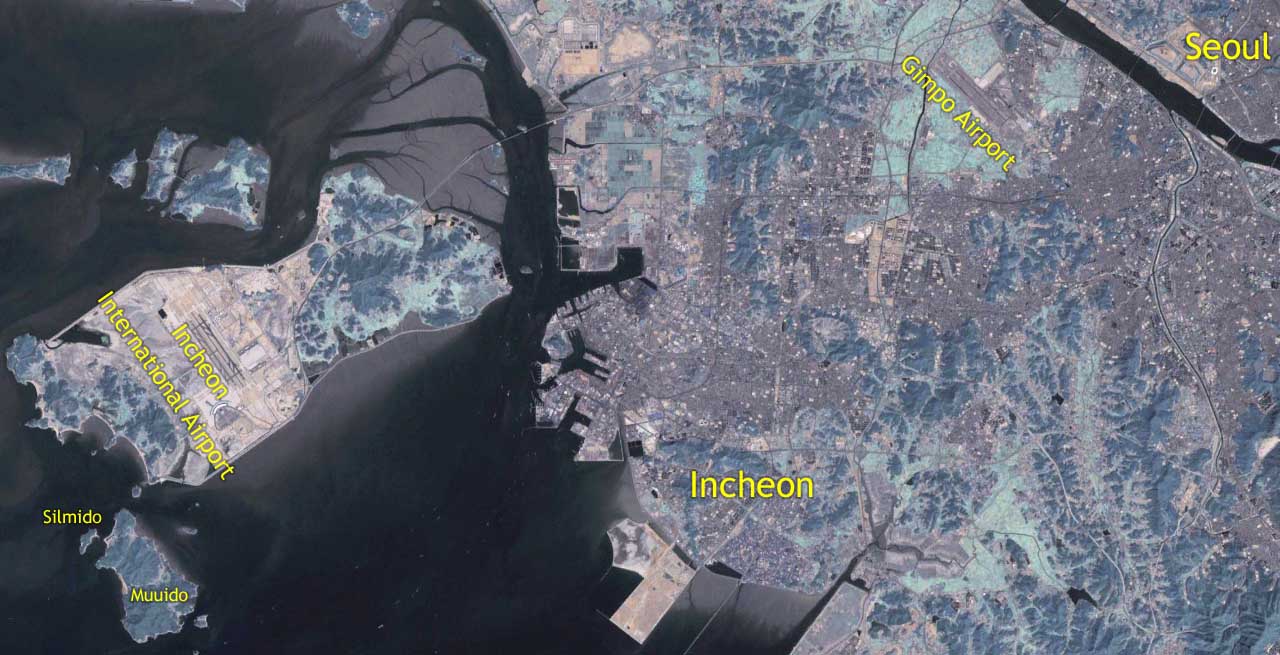
There is an island off the western coast of Korea, small and flat and unremarkable, that appears on old maps as little more than a smear of rock in the mudflats. For most of its history no one lived there. Then, one spring in 1968, thirty-one men were brought to it in secret. They were told they were being made into the sharpest weapon their country possessed. For three years the sea kept their existence hidden. When they finally came off that island, they came shooting — killing their own instructors, seizing a city bus, and driving toward the heart of the capital before dying, almost all of them, in a single afternoon. And then the government that had created them did the strangest thing of all. It said nothing. For decades it insisted the unit had never existed, that the men had never been recruited, that the island had held no secret at all. This is the story of Silmido Unit 684 — the squad South Korea built to kill a foreign leader, then abandoned, then tried to erase. Much of it is now confirmed fact. Some of it a nation spent fifty years trying not to remember.
This case came into my archive through an absence rather than a document. I had been reading around the January 1968 raid, and the figure thirty-one kept appearing on both sides of the ledger — thirty-one commandos coming south, thirty-one men recruited a few months later to go north. Symmetry that neat is usually a sign someone chose it. What I could not find, and still cannot, is a single official paper from the period that admits the second thirty-one existed at all. In the record as it stood for decades, they are a number without a file.
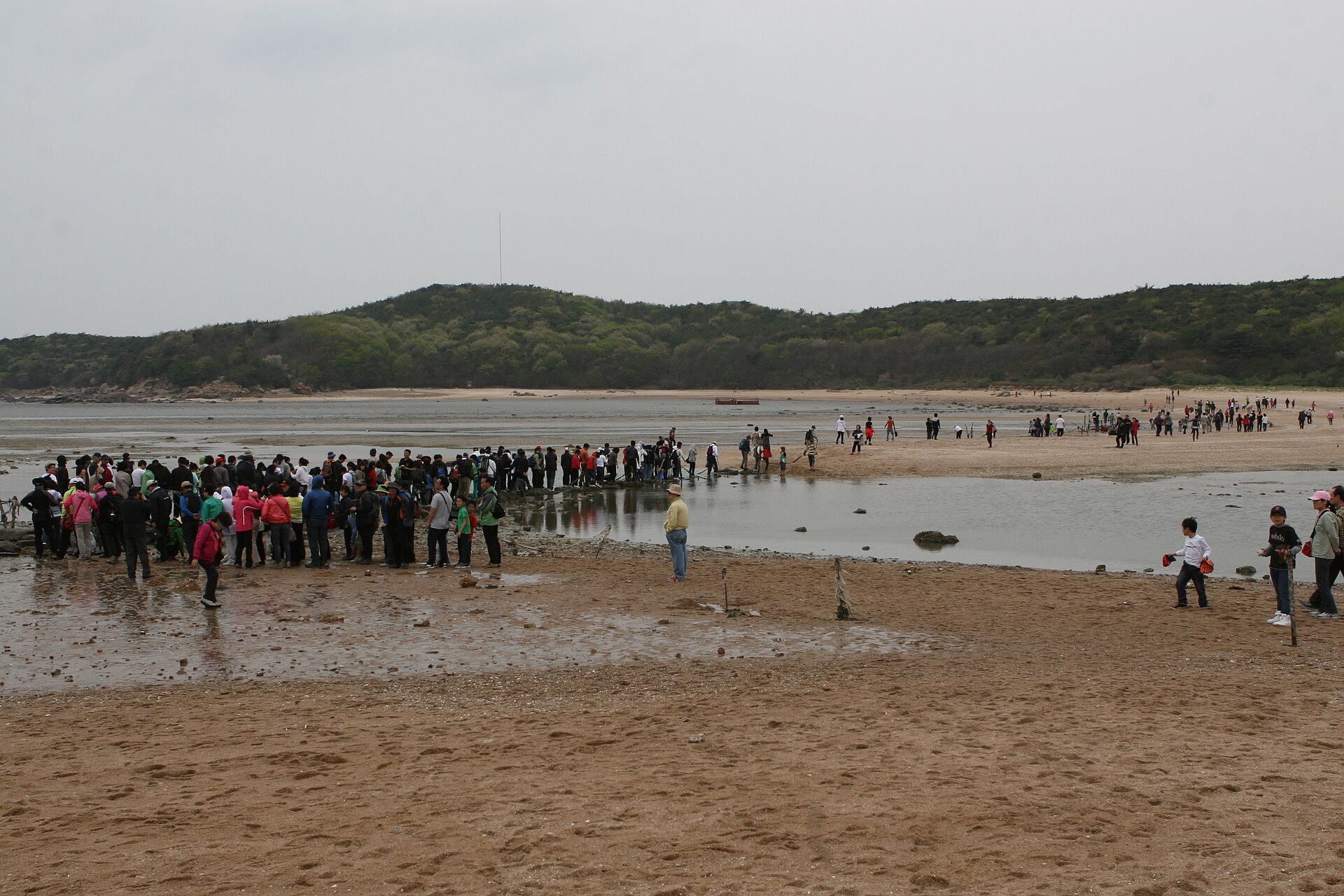
Photo: Wikimedia Commons, CC BY-SA 4.0
A Raid on the Palace, and a Desire for Revenge
To understand why the island filled with men in 1968, you have to begin with a night in January of that year. On January 21, 1968, a team of thirty-one North Korean commandos slipped across the border and made their way, disguised, almost to the gates of the presidential residence in Seoul — the Blue House. Their mission was to assassinate the South Korean president. They were stopped only a few hundred meters short, and a running gun battle spread through the northern edge of the capital before the infiltrators were killed or driven back. The country was shaken to its core. That a foreign strike team had come so close to the president, in the heart of his own city, was a humiliation as much as a threat.
Out of that humiliation grew a desire for symmetry. If the North could send thirty-one men to kill the South's leader, then the South would build thirty-one men of its own — and send them the other way. In April 1968, an intelligence directive set in motion the creation of a special unit with a single, extraordinary purpose: to infiltrate the North Korean capital and assassinate its leader in return. The number of recruits was chosen deliberately. Thirty-one, to answer thirty-one. The unit would carry a numeric designation and no name that anyone was ever meant to speak aloud. History would come to know it by the island it was hidden on.
The Men Nobody Would Miss
The unit needed operatives who could be trained brutally and, if the mission demanded it, disappear without a ripple. The men recruited were, for the most part, drawn from the margins of society — young, poor, without steady work or powerful families, the kind of men whose absence a bureaucracy could quietly absorb. Accounts differ on exactly what each was promised, but the recruits understood they were being offered a way out of hard lives: money, a clean record, a future, in exchange for service on a mission whose details they were not fully told. They were given code numbers instead of using their names freely, and they were taken to the island.
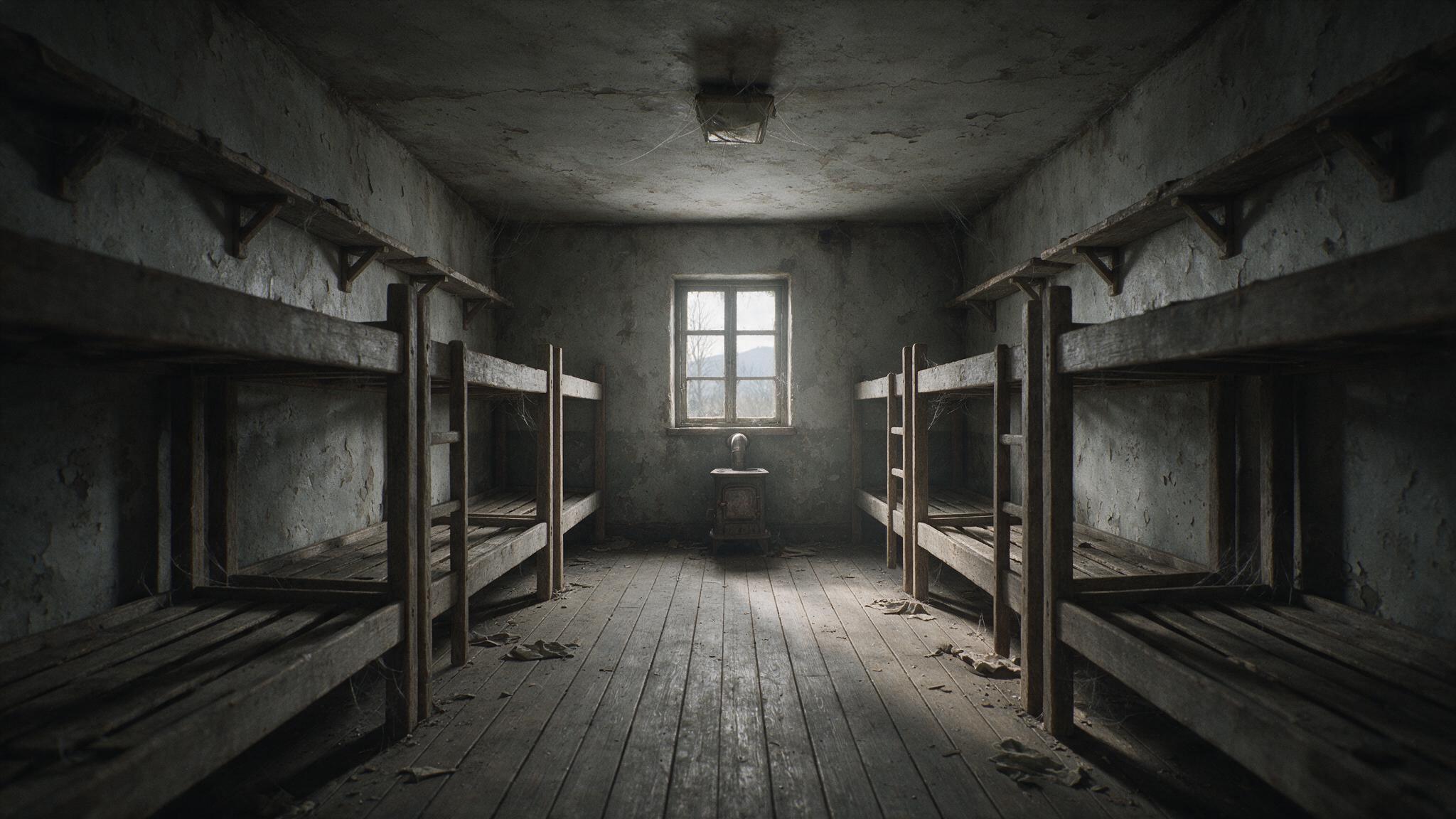
What waited for them there was not a normal military posting but something closer to an ordeal. The training was punishing by design, meant to forge ordinary men into operatives who could cross into the most heavily guarded country on earth and come back. The days were long, the discipline savage, the isolation total. The sea that hid them from the outside world also sealed them in. And as the months stretched into years, the mission they had been broken and rebuilt for kept receding — postponed, then postponed again, until the men on the island began to suspect that the thing they had suffered for might never come at all.
The Mission That Was Called Off
The world outside the island did not stand still. By the early 1970s the frozen hostility between North and South Korea had begun, cautiously, to thaw. Back channels opened. The two governments edged toward a first fragile dialogue, and in that new climate the idea of sending an assassination squad across the border became not a weapon but a liability. A mission conceived in the fury of 1968 no longer fit the calculations of 1971. And so the order that had given the men on the island their entire reason for being was, in effect, withdrawn. The squad that had been built to strike was now a squad with nothing to strike at.
For the men on Silmido, this was a catastrophe with no name. They had endured three years of brutal training for a mission that was quietly being shelved above their heads. The promises that had drawn them in — the money, the future, the recognition — grew hollow. They were still on the island, still under a discipline that had lost its purpose, and word reached them, or fear told them, that men who knew too much and were no longer needed did not always get to simply go home. Whatever exactly they were told, the mood on the island curdled from exhaustion into something far more dangerous. They had been made into weapons, and then set down and forgotten. And a forgotten weapon is still a weapon.
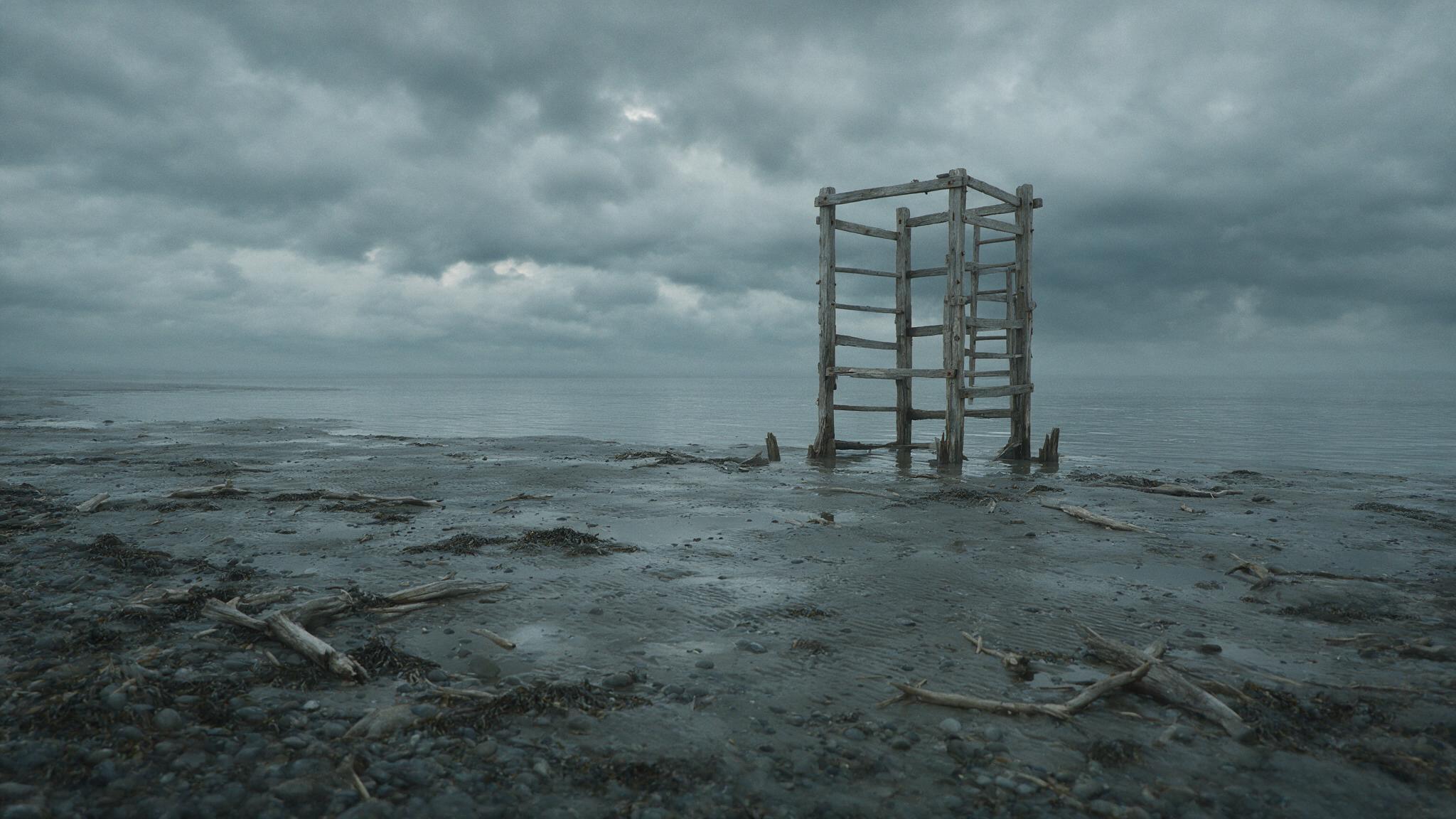
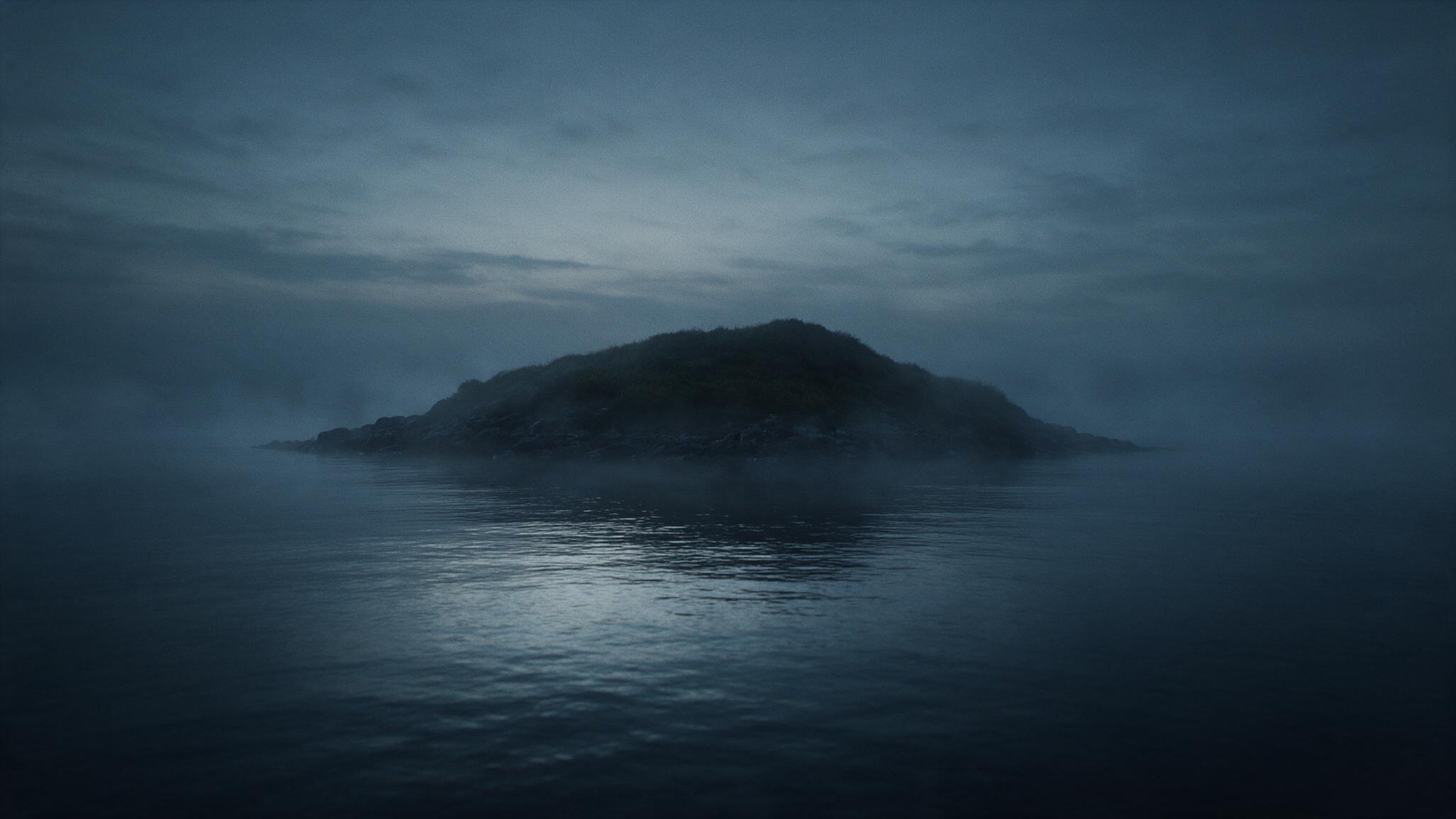
A slow, silent drift across the misty mudflats toward the distant island where the unit was hidden — a mood recreation, not real footage.
August 23, 1971
On the morning of August 23, 1971, the island erupted. The members of Unit 684 turned on the instructors and guards who had trained and confined them. In the fighting that followed, a large number of the trainers were killed, and the surviving members of the unit — around two dozen — broke free of the island for the first time in three years and made their way to the mainland by boat, coming ashore on the coast near Incheon.
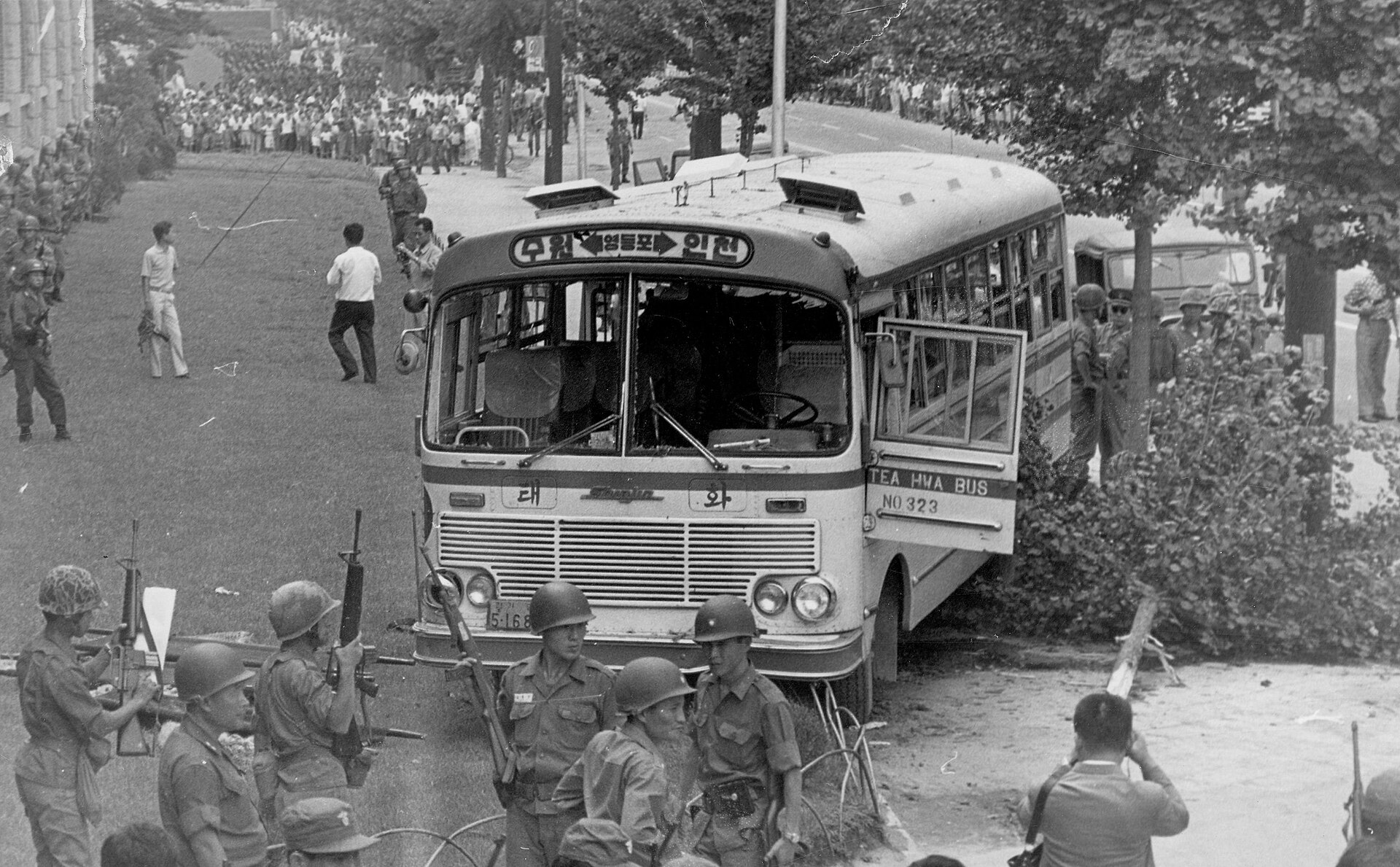
What they did next turned a military tragedy into a public one. Reaching a road, the men commandeered a city bus and forced it toward Seoul, toward the same presidential palace that a North Korean team had marched on three years before — only now it was the state's own abandoned soldiers bearing down on it. Security forces scrambled to intercept them, and the bus was finally halted in a district of Seoul, where a fierce exchange of gunfire broke out with police and troops. It was there, cornered and with no way forward, that the confrontation reached its terrible end: an explosion tore through the bus, and most of the men died where they sat. Only four survived. In the crossfire that afternoon, bystanders and officers were caught up in the violence as well — ordinary people who had no idea what the men on the bus had been, or what had driven them there. The men had been made in silence and had died in the open, in the middle of a city that never knew their names.
The Silence That Followed
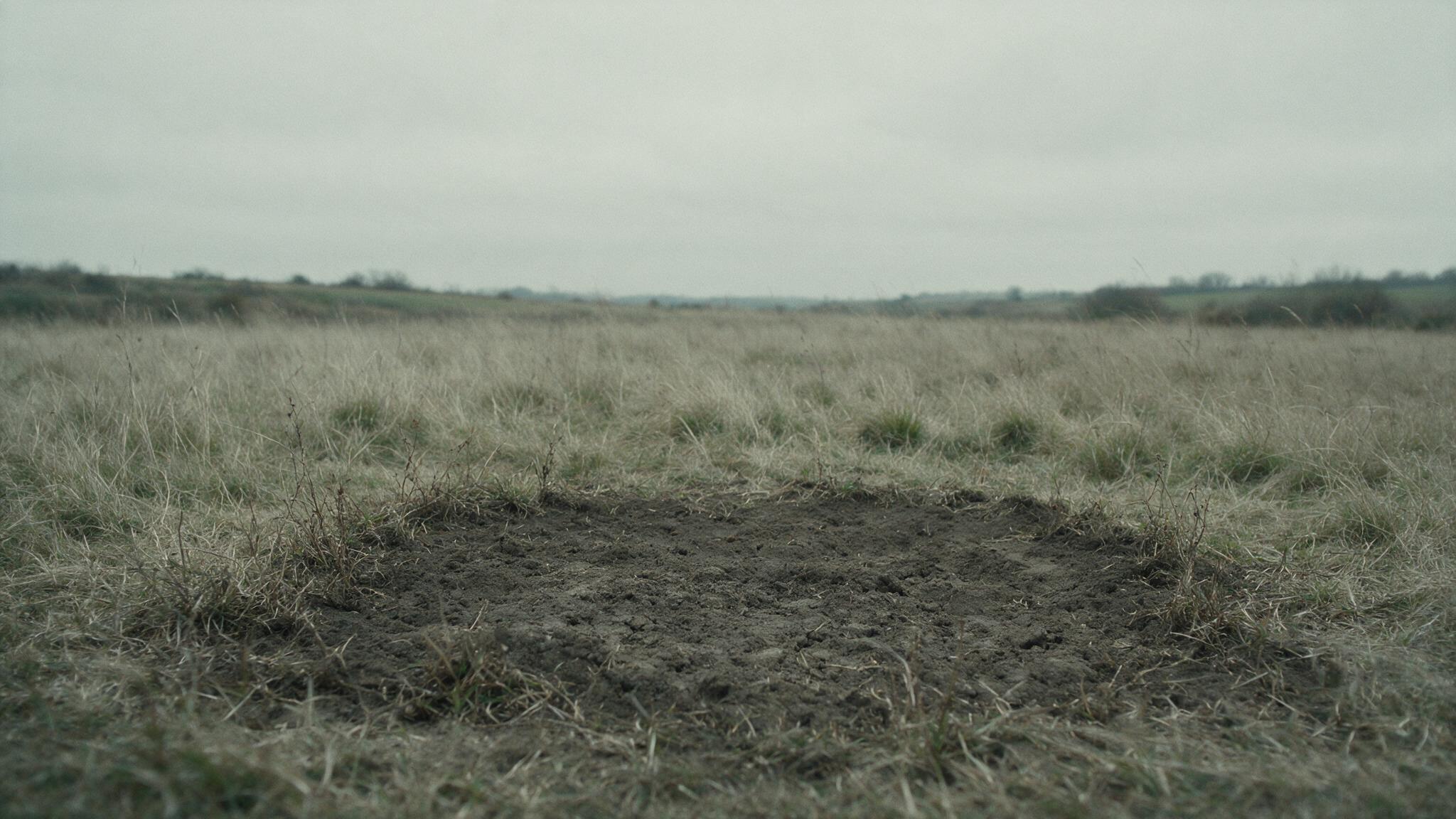
Here the story takes the turn that makes it not just a tragedy but a mystery of the state. In the immediate aftermath, the government did not tell the public what had actually happened. The truth — that these were the state's own men, recruited and trained in secret for an assassination mission and then abandoned — was buried along with them. The four who had survived the bus were taken into military custody, tried in secret, and executed the following spring, in 1972. Their bodies were not returned to their families for proper burial; they were disposed of quietly, in unmarked ground, so that even in death the men left no trace the public could follow.
And then, for a very long time, the official position was something close to denial. The existence of the unit, the nature of the mission, the fate of the men who died on the bus and the four who were executed after — all of it sat behind a wall of state secrecy. Families who had lost sons and brothers were left without answers, without bodies, without even an acknowledgment that their men had served the country that had consumed them. For decades the truth of Silmido survived only in fragments — rumor, whispered accounts, the persistence of relatives who refused to stop asking. The men had been erased so thoroughly that for many years the greatest mystery was not how they died, but whether the state would ever admit they had lived at all.
What Was Confirmed, and What Was Owed
The wall did not hold forever. Over the years the outline of what had happened forced its way into the open — through the persistence of bereaved families, the work of investigators and journalists, and, eventually, official inquiry. The broad facts came to be established and acknowledged: that the unit had been real, that the men had been recruited from society's margins and trained in secret, that the mission had been called off, that the survivors had been tried and executed and buried without ceremony. A national truth-finding body examined the case and concluded that grave wrongs had been done — in how the men were recruited, in how the survivors were secretly buried, in the pressures placed on them at the end. It recommended that the state formally apologize and that the remains of the executed men be recovered and returned.
For a long time even that recommendation went unanswered. Then, in October 2024 — more than half a century after the men died — a South Korean defense minister issued, for the first time, an official apology in the name of the state for what had been done to the unit: the inhumane training, the way the mutiny was put down, the secret executions and burials. And the state moved, at last, to find the bodies of the four who had been executed and hidden away, so that their families might finally be able to bury them properly. It was, by any measure, a reckoning that had come impossibly late — an apology delivered to graves, to elderly relatives who had waited their whole lives, to men who could no longer hear it.
The Questions the Island Still Keeps
So much has now been confirmed. And yet, as with every secret a state keeps too long, the full picture never entirely resolves. We know the unit existed, but the finer texture of what the men were promised, and by whom, remains contested at the edges. We know the mission was called off, but the exact chain of decisions in those final months on the island — what the men were told, what they feared, what tipped exhaustion into revolt on that August morning — can now only be reconstructed from partial records and the memories of those who were not there to see the end. Documents were lost or never kept; the men who could have explained their own last days died in the streets of Seoul or on a gallows the following spring. The people best placed to tell the truth were the ones the secrecy was designed to silence.
What can be said with certainty is this. In 1968, a country humiliated by a raid on its palace built thirty-one men into a weapon, hid them on an island in the sea, and trained them for a mission it would never send them on. When that mission was quietly abandoned, the men rose, broke free, and died — most on a hijacked bus in the capital, the last four on a secret gallows — and the state that had made them spent the next fifty years pretending they had never been. Only in the end, long after it could matter to the dead, did that state say the word it had withheld for half a century. The island is quiet now, its barracks long empty, the mudflats closing over whatever footprints remain. Whatever the men on Silmido truly knew, and truly hoped, and truly feared in their last years there, the sea has kept — and keeps still.
The four are what keep me coming back. Everything else in the file has a witness of some kind — the bus, the gunfire in the street, the people who happened to be standing there. But the four who survived that afternoon were tried behind a closed door in the spring of 1972, and the transcript of what they said in that room is not something I have ever been able to lay hands on. They were the last men alive who could have explained the island from the inside, and the state spent one season listening to them and fifty years making sure no one else did. The 2024 apology reads well. It is addressed to men whose graves the state had to go looking for first.
---
This article combines real documentary and location photographs with AI-generated images produced to convey the mood of the story.

Comments
No comments yet — leave the first one.