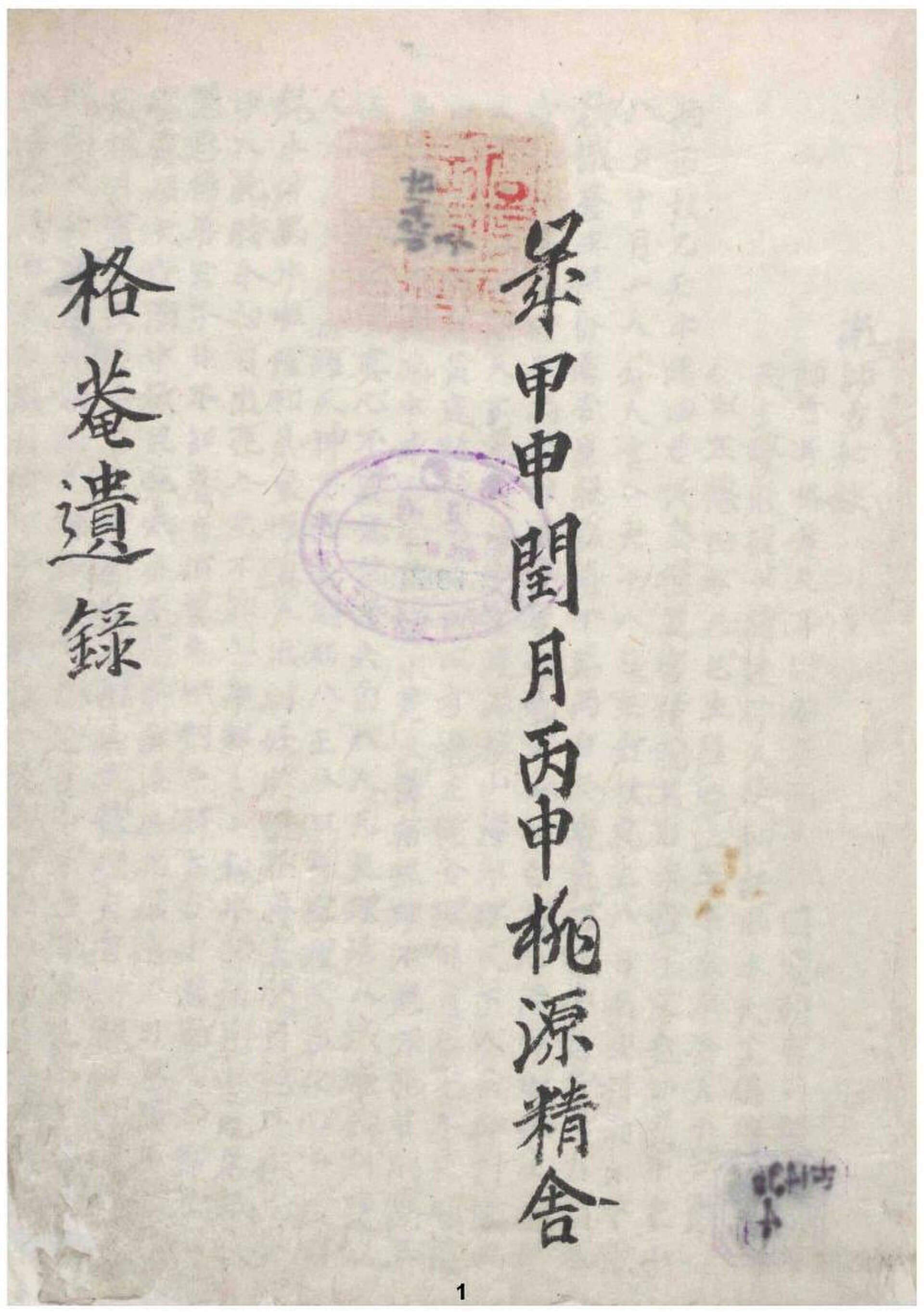
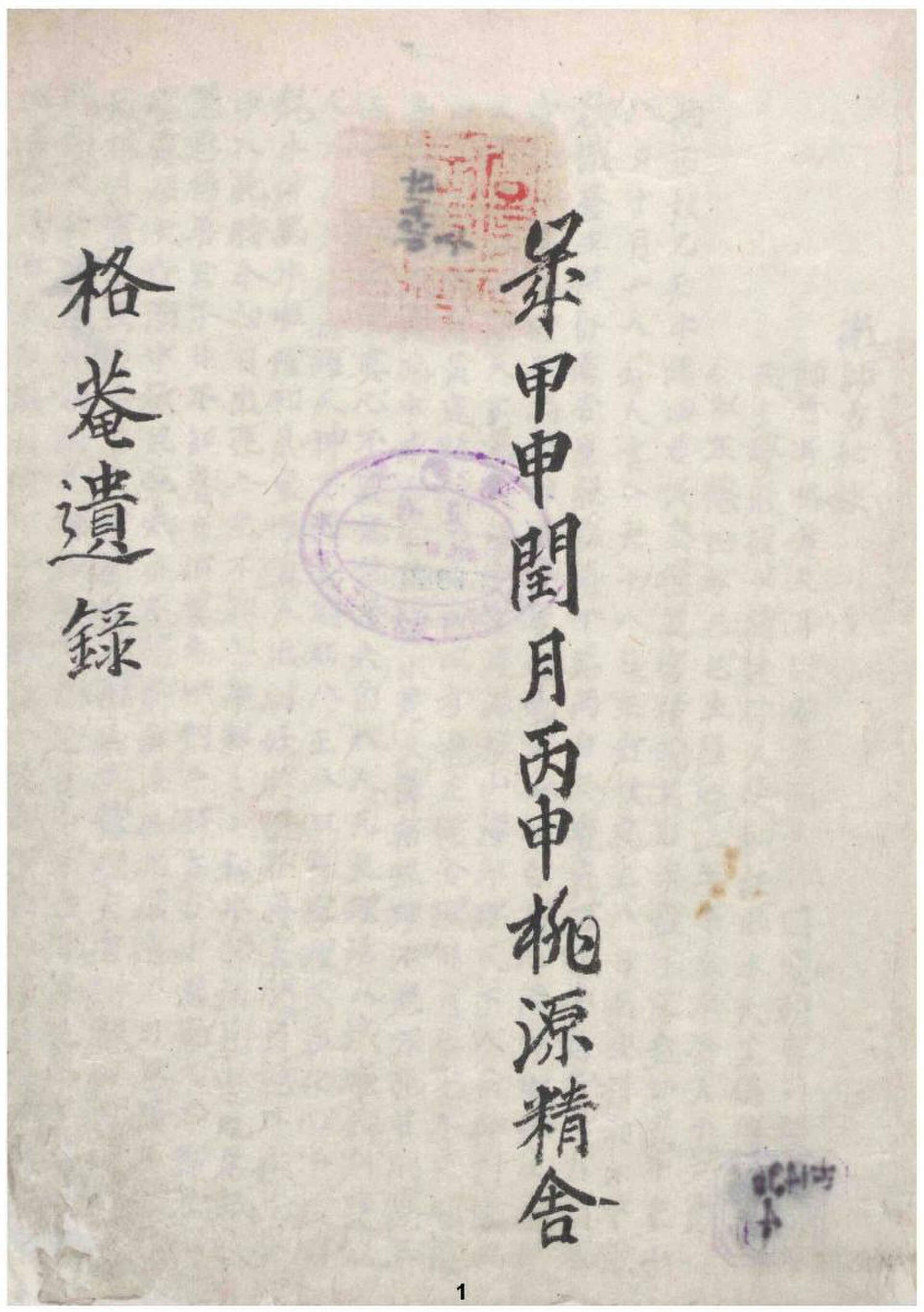
Some books divide people the moment they enter the world, and the Gyeokam Yurok is one of them. To some, it is an astonishing prophecy — the work of a Korean seer who, more than four centuries ago, set down in writing the fate of his nation and the coming of the last days. To others, it is nothing more than a forgery, something written in the twentieth century and slipped under the name of a long-dead man. The strange thing is that this supposedly ancient book did not actually appear in the world all that long ago. The manuscript of the Gyeokam Yurok first became known in 1977, when one man donated a hand-copied version to Korea's National Library — more than four hundred years after the seer named as its author had died. And in text said to have been brushed onto Korean paper sat words that did not exist in old Korea at all. Is this a prophecy that crossed the centuries, or a forgery born in our own age? This is the story of a single bundle of paper, and the argument that will not settle around it.
Forgeries interest me more than genuine documents, and I have spent a fair amount of time with this one for a reason that has nothing to do with prophecy. The word for "atom" is sitting in that text. Whoever brushed those characters onto the paper knew exactly what they were doing everywhere else — the geomantic vocabulary is competent, the register is careful — and then left that in. I have read the objections and the defenses back and forth, and I still cannot tell whether it is carelessness or something closer to a signature.
The Name Called Nam Sa-go
Begin with the man named as the author. Nam Sa-go was a real person who lived in sixteenth-century Korea, during the reign of King Myeongjong of the Joseon dynasty. He is generally said to have been born around 1509 and to have died in 1571. In his own time he was known as a scholar, a geomancer, and a man versed in astronomy and the divination arts, and a legend followed his name: that as a boy he had met a divine being and received secret knowledge from it. To the people of Joseon, Nam Sa-go was remembered as a seer who could look into what was coming. Fragments of the short prophecies attributed to him — the so-called "secret records of Nam Sa-go" — had circulated among ordinary people for a very long time.
But this is exactly where the two paths split. It is true that a man named Nam Sa-go lived, and true that scraps of prophecy bearing his name were passed down. Whether the thick, sixty-chapter prophetic book we now call the Gyeokam Yurok actually came from his hand is an entirely different question. The name may be old while the book is not. And it is in precisely that gap that a four-hundred-year doubt has grown.
1977: The Manuscript That Appeared at the Library
The way the Gyeokam Yurok entered the world is itself peculiar. A genuine prophecy from the Joseon era ought, naturally, to survive as an old original handed down somewhere. This book did not. The Gyeokam Yurok as we know it comes from a hand-copied manuscript that a man named Yi Do-eun — his real name Yi Yong-se — donated to Korea's National Library in 1977, saying he had transcribed it from secret records passed down to him. Yi Yong-se was a figure of the twentieth century, born in 1907 and dead in 1998. In other words, a book supposedly written by a seer four hundred years earlier only took physical form in the world in the late twentieth century, and the paper that carried it had passed not through the hand of Nam Sa-go but through the hand of a man who lived in the modern age.
And the book only reached a wide readership later still. In 1987, Shin Yu-seung published the first Korean translation, in three volumes, and only then did the contents of the Gyeokam Yurok begin to spread widely. A book that presents itself as a prophecy of the Joseon dynasty did not actually reach readers' hands in translated form until the late 1980s. No original in Nam Sa-go's own brush ever surfaced. Only the belatedly appearing copy remained — the single piece of evidence that the book existed at all.
When the Paper's Sense of Time Slips
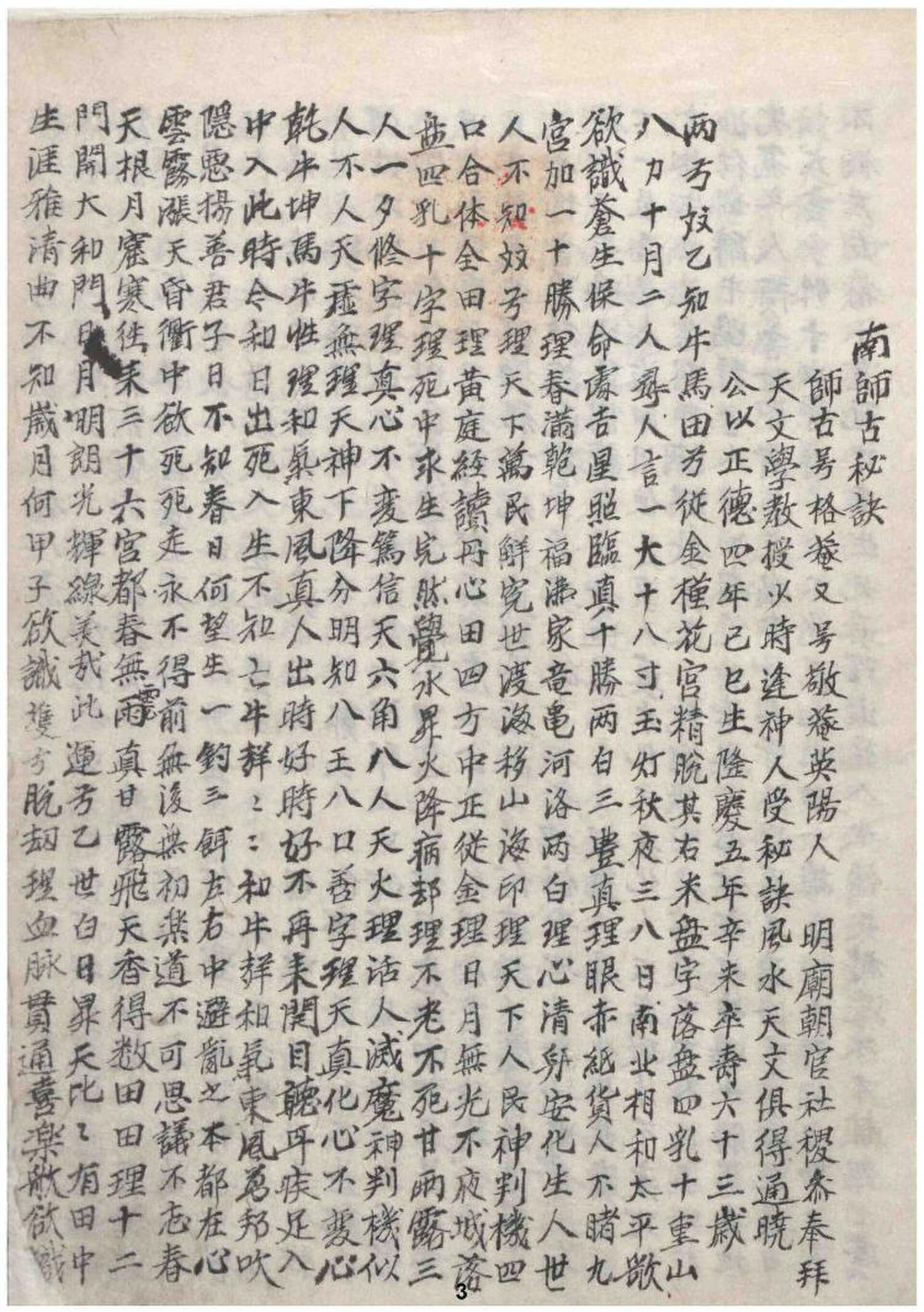
Go straight to the heart of the forgery question. One of the surest clues to whether a document was truly written in the era it claims is a simple thing: the words. A person cannot use language that does not yet exist. A scholar in sixteenth-century Korea had no way of knowing words that would only be coined in the twentieth. And yet the text of the Gyeokam Yurok, scholars have long pointed out, is threaded with modern words that did not exist in Nam Sa-go's time.
Among those most often cited are terms whose Korean equivalents translate as "philosophy," "communism," and "atom." These are not the vocabulary of the mid-Joseon period. Many of them are what linguists call modern Sino-Korean coinages — words forged in the modern era, and in many cases in Japan, to render Western concepts into Chinese characters. However far a seer may see into the future, writing into his sentences words that would not be born for another four hundred years is not the domain of prophecy but of anachronism. Beyond this, critics note Japanese-style Chinese phrasings scattered through the text as well. For a document that claims to be a mid-Joseon work, the grain of time running across the paper simply does not match.
The Shadow of the Bible
It is not only the words that fall out of their proper time. The point scholars weigh even more heavily is that the Gyeokam Yurok shows unmistakable traces of the Christian Bible. Parts of its writing on the last days, on salvation, on a chosen remnant and a world made new, resemble biblical eschatology to a startling degree.
The problem, again, is time. The contents of the Bible did not begin to reach Korea in earnest until roughly the nineteenth century. Nam Sa-go died in the sixteenth — around 1571. In other words, more than two centuries would still have to pass after his death before the Bible became known on Korean soil. For a sixteenth-century Nam Sa-go to have woven biblical end-times theology into his sentences is therefore very hard to sustain as a matter of simple logic. If a prophetic book carries the shadow of the Bible, it is far more natural to conclude that the book was written after the Bible arrived in the country — not before. It is for reasons like these that, in Korean historical scholarship today, the dominant view holds the Gyeokam Yurok to be a forgery attached to Nam Sa-go's name: a later creation not worth taking seriously as a genuine sixteenth-century text.
And Still, Those Who Believe
So does the story end there? It does not. Even with the scholarly consensus leaning toward forgery, there are still many today who believe the Gyeokam Yurok to be a real prophecy. Their reasoning tends to run like this: the book is steeped in the principles of divination, geomancy, and astronomy, and many of its passages, they say, line up with historical events that actually came to pass. Read its vague and symbolic phrases against a particular event, and it can leave the impression of having foreseen the future with precision.
But here lies a trap that anyone who reads prophecy should be wary of. The vaguer a prophetic sentence, the easier it becomes to fit onto an event that has already happened. To say, after the fact, "now that I look, this passage was about exactly that" is not the same as having predicted the future; it is closer to reaching back into the past and assigning it meaning. So the mere fact that some line seems to match some event cannot, on its own, prove that a prophecy came true. There is no firm basis for declaring that the Gyeokam Yurok genuinely foretold what was to come, and most of its apparent "hits" are likely the product of interpretation after the fact. That is the cool-eyed way the book is read today.
The Place of a Prophecy, and the Question That Remains
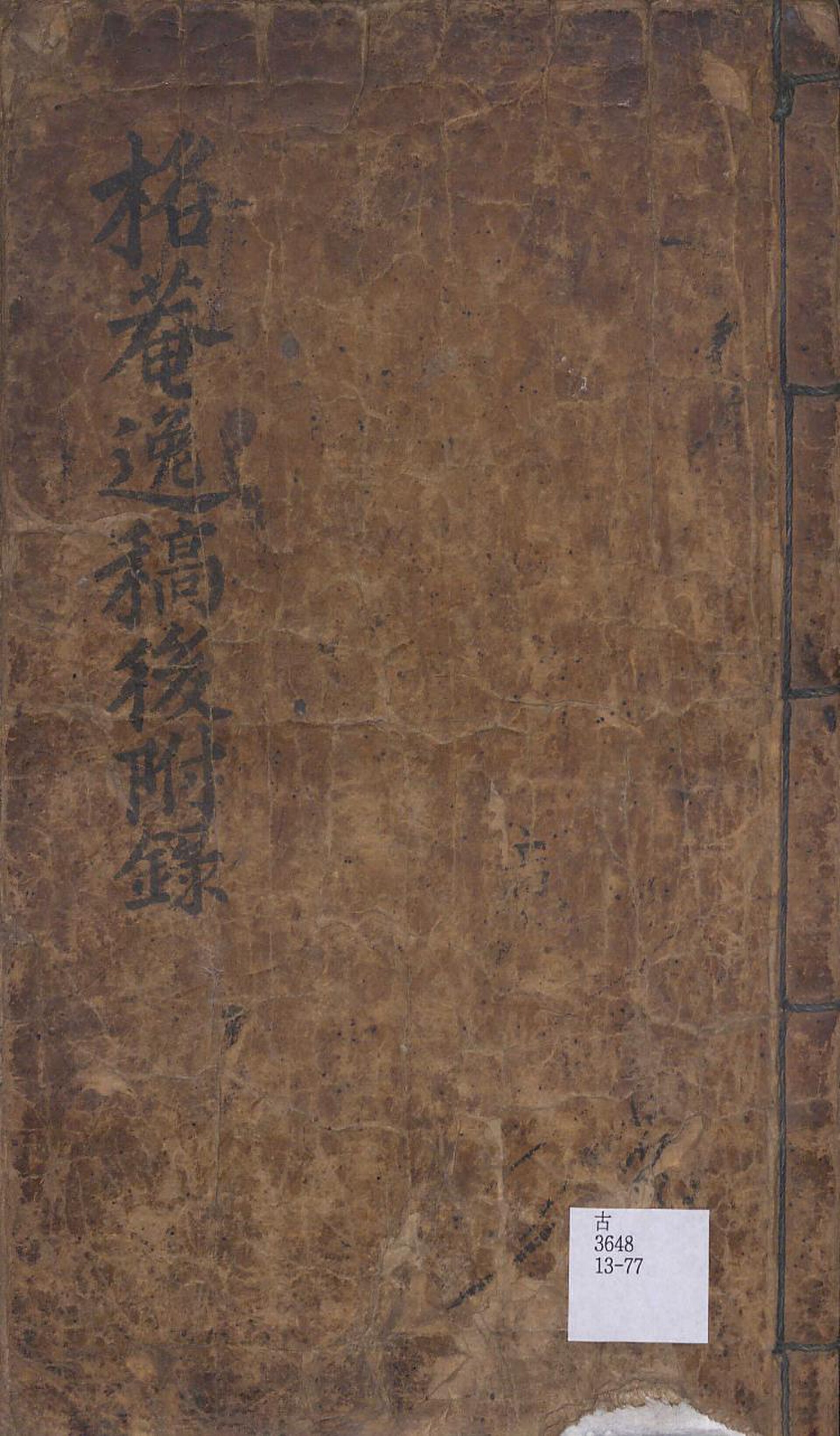
To understand the Gyeokam Yurok, you have to see the long tradition standing behind it. Joseon Korea carried an unbroken current of prophetic and geomantic texts that read the rise and fall of nations and the fate of the people. The Jeonggamnok, the Songha Bigyeol, and the Gyeokam Yurok are often named together as the three great prophecy books of the Joseon dynasty. Tangled together out of geomantic thought and divinatory belief, such books drew their power from the anxieties and hopes of every troubled age. The more disordered the world, the more a book claiming to have written the future down in advance became both comfort and weapon. The Gyeokam Yurok, too, stands upon that long lineage. What sets it decisively apart, though, is that where the Jeonggamnok genuinely spread among the people from the mid-Joseon period onward, the Gyeokam Yurok appeared out of nowhere, in the form of a hand-copied manuscript, only in the late twentieth century.
The detail I cannot get past is the shape of the gap. Yi Yong-se was born in 1907 and died in 1998, and in 1977 he walked into the National Library and handed over a copy, saying it came from records passed down to him. He lived another twenty-one years after that. No original was ever produced, and as far as I have been able to establish, nobody ever pressed him hard on where the thing came from while he was still alive to answer. Two decades of a door standing open, and the record shows no one going through it.
So the picture that remains is this. A real Joseon seer named Nam Sa-go; a thick prophetic book bearing his name; and the fact that this book broke four centuries of silence to appear, as a copy, only in 1977. On its pages sat words that did not exist in Joseon, laid alongside the shadow of a Bible that would not reach the country until two hundred years after Nam Sa-go's death. Everything these circumstances point to is what scholarship calls a forgery. And yet there are still those who try to read a map of the future off that paper. A prophecy that crossed four hundred years, or a forgery born in our own age? One thing, at least, is certain: the belief and the doubt circling this question have outlived any prophecy the paper could ever contain.
---
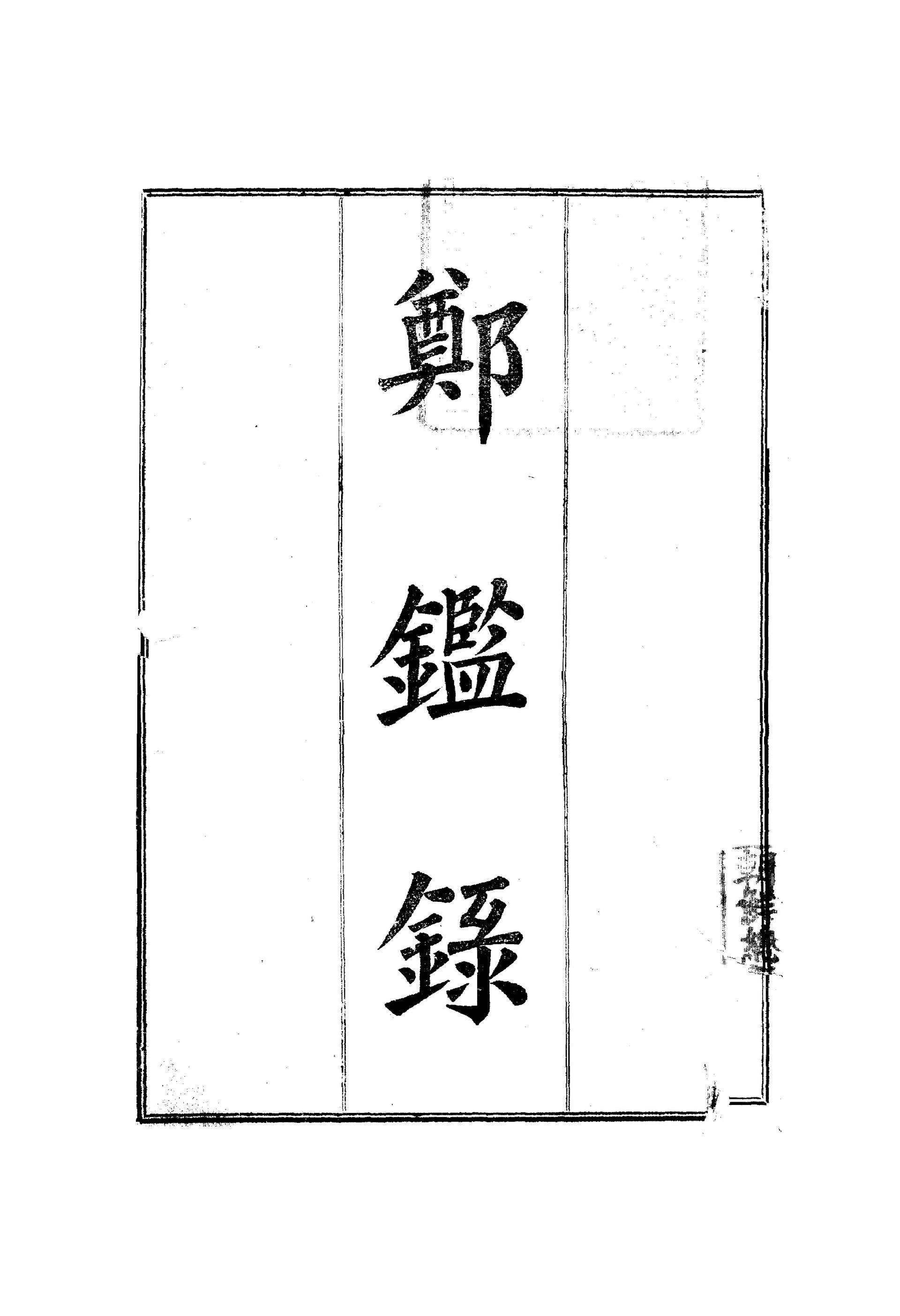
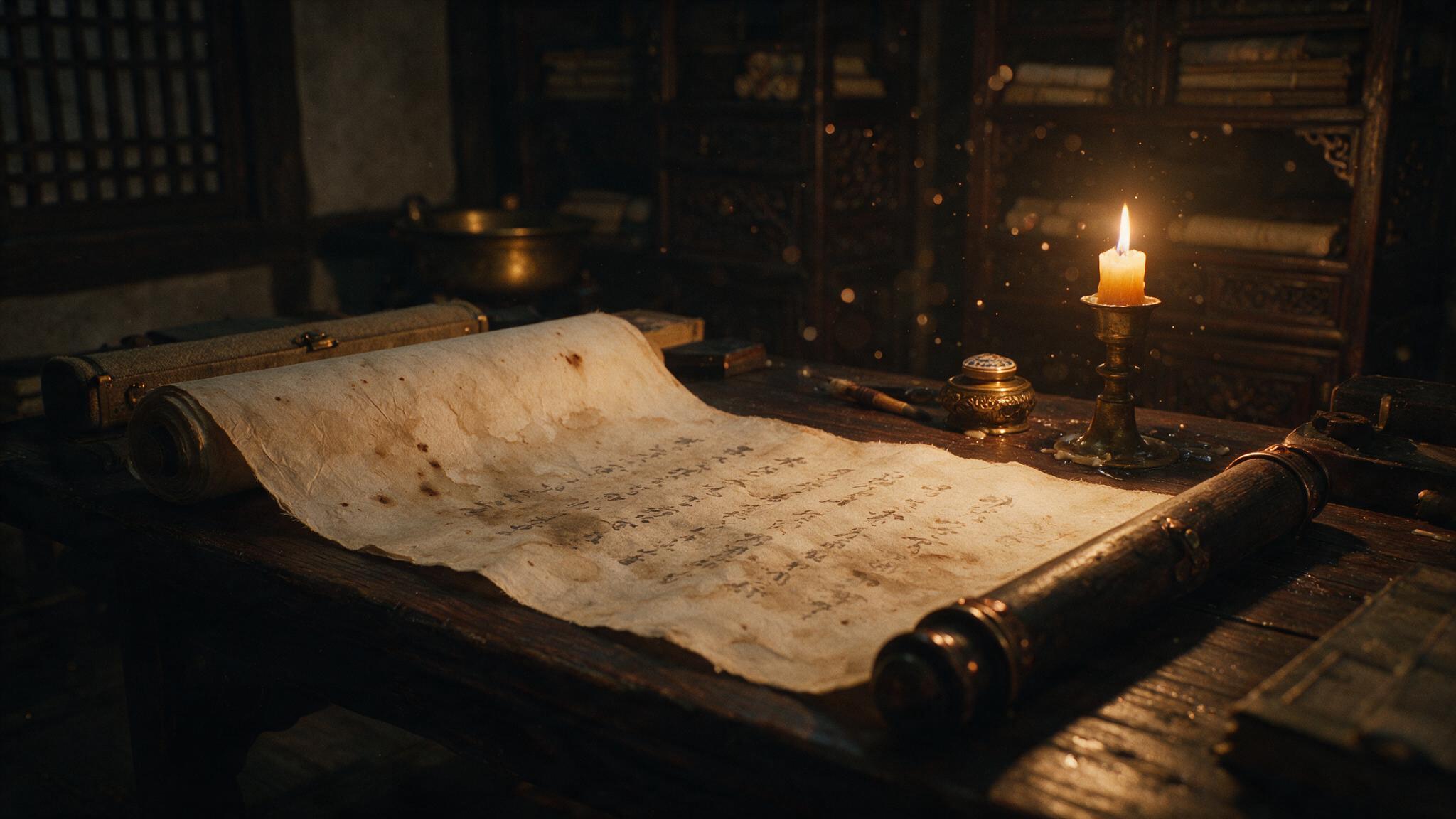
This article combines photographs of the actual manuscripts, including the Gyeokam Yurok itself, with AI-generated images and video produced to convey the mood of the story.


Comments
No comments yet — leave the first one.