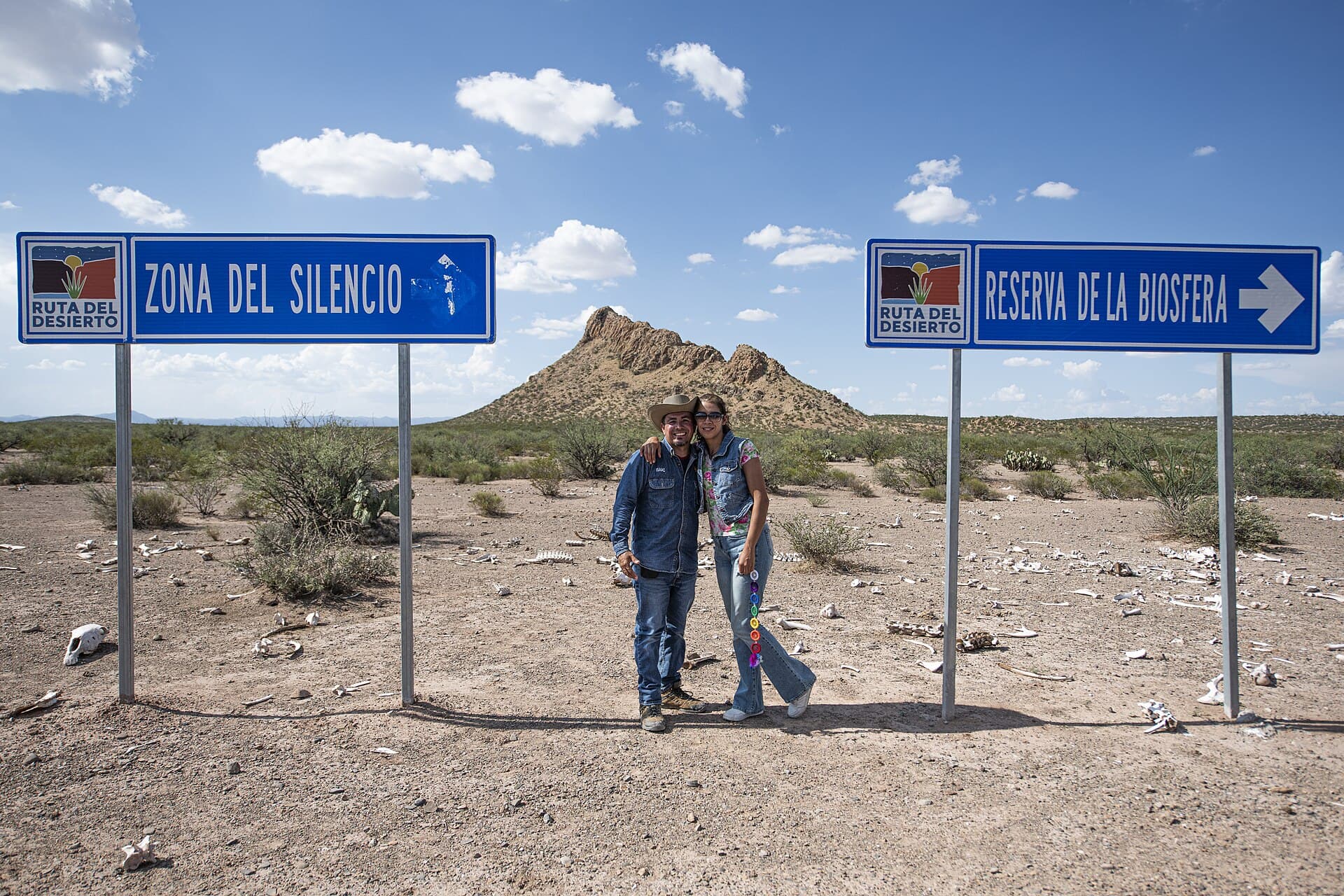
In northern Mexico, near the point where the states of Durango, Chihuahua, and Coahuila meet, lies a vast desert called Mapimí. It is a land of cactus and dry scrub running unbroken to the horizon, where human traces are hard to find. And yet, at some point, a strange rumor began to circulate about one particular stretch of this parched desert: that radios stop working there. Transistor sets, two-way radios, even compasses were said to lose their function on this ground. People gave the place a name — the Zone of Silence, or Zona del Silencio — and soon a nickname followed: the "Mexican Bermuda Triangle." Meteorites falling from the sky, ore that swallows signals like a magnet, mutant animals roaming the sands, and unidentified visitors said to appear by night — all manner of stories accumulated under a single name. But if you trace this whole legend back to where it began, you arrive, unexpectedly, at a single lost rocket that flew in from across the border in the United States.
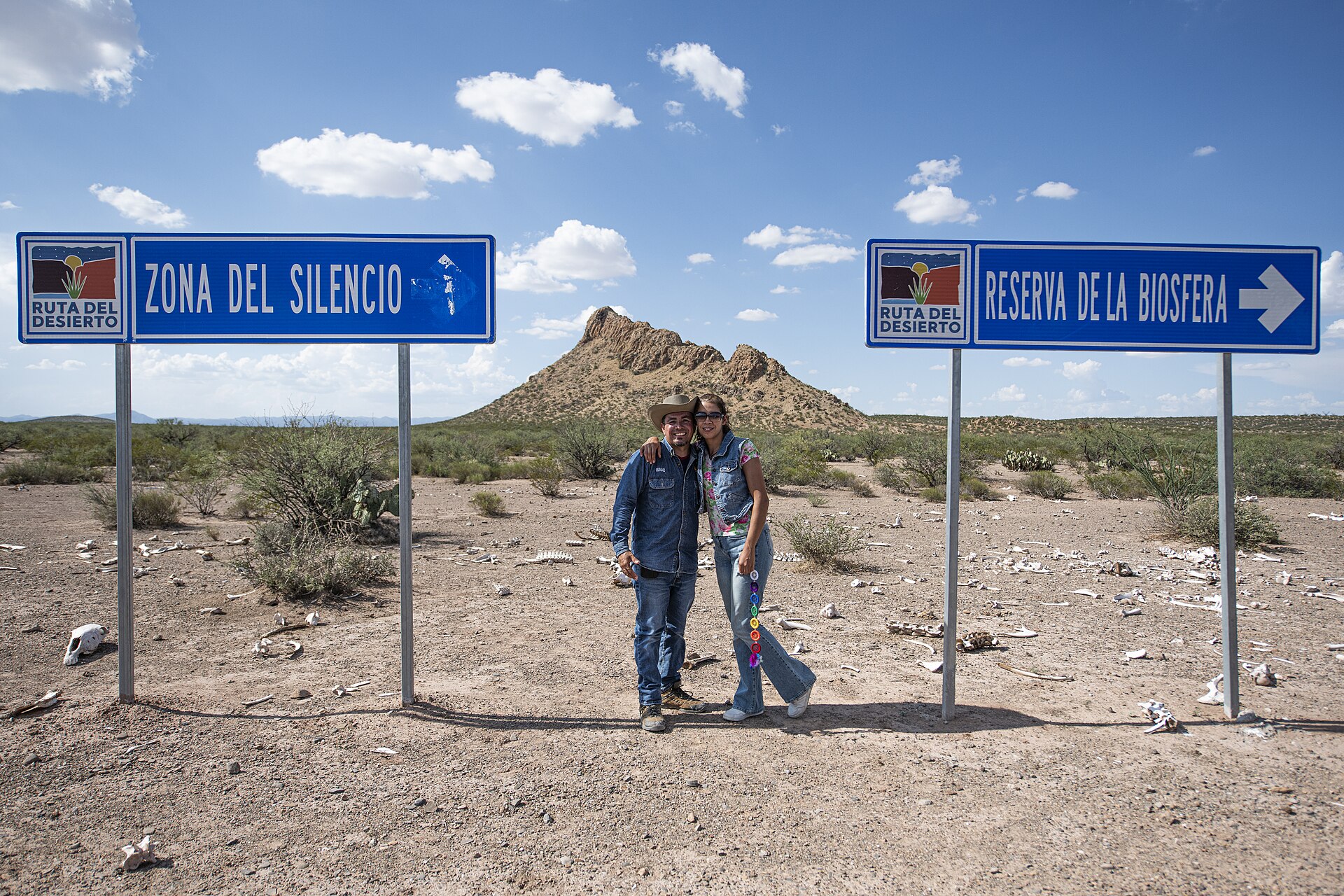
What made me open a file on Mapimí was not the radios. It was the cobalt-57. I had been reading unrelated material on the White Sands range when the 1970 Athena recovery came up, and the operational detail stayed with me: soldiers crossing an international border to spend weeks digging out contaminated soil from an empty desert and hauling it away. Everything in that account is documented and mundane. It also happens to be indistinguishable, from a distance, from exactly the thing the legend claims. I set the two versions side by side and could not find the seam.
The American Rocket That Fell in the Desert
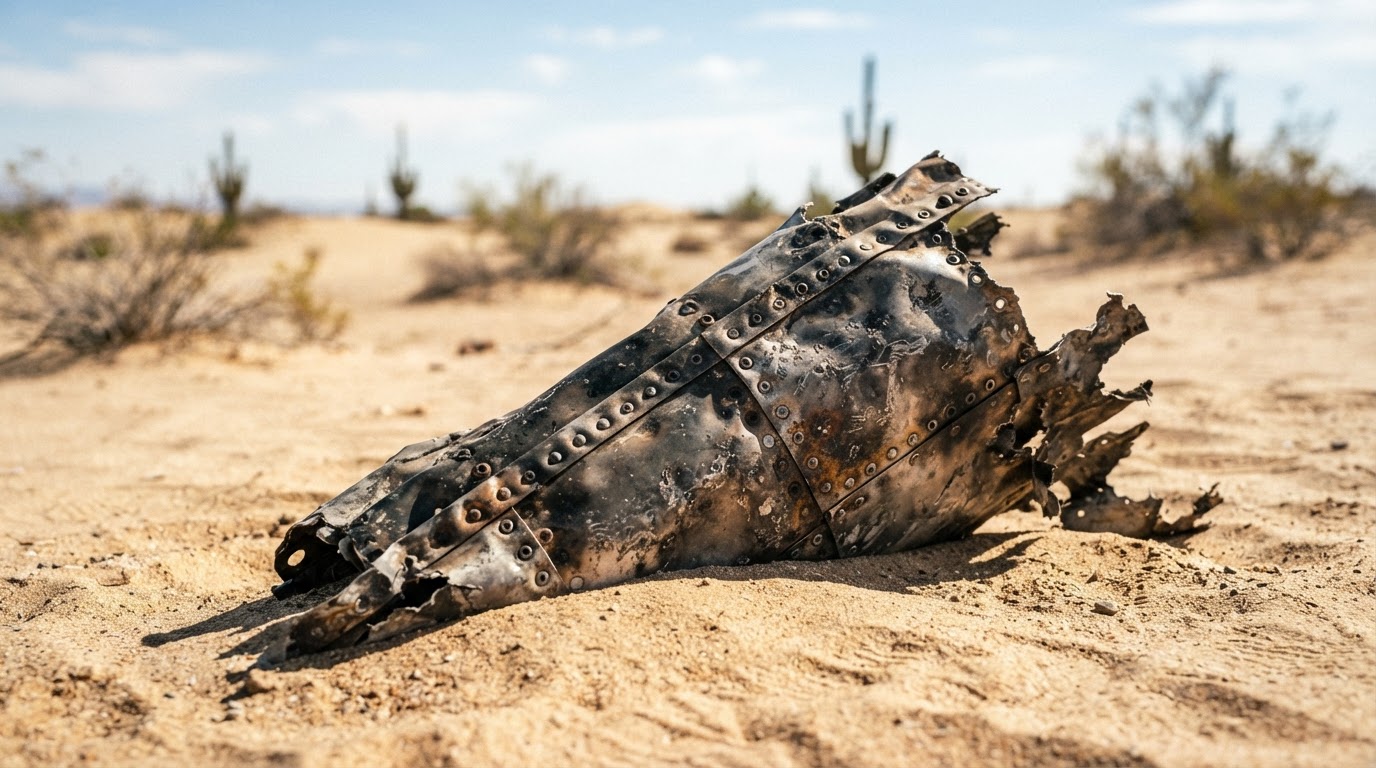
The true starting point of the story is 1970. In July of that year, an experimental rocket named Athena was launched from the White Sands Missile Range in New Mexico. According to plan, it was to follow a set trajectory and come down at a designated landing point. But something went wrong. The rocket strayed from its course, flew much farther south than intended, crossed the border, and crashed in the middle of the Mapimí desert in the Mexican state of Durango.
The trouble was that this rocket was not merely a lump of metal. The Athena carried a small quantity of radioactive material (cobalt-57) for experimental purposes. The United States launched a recovery operation at once, and a large crew combed the remote desert for weeks, going so far as to remove contaminated soil. To local residents, the sight of soldiers pouring in from across the border to search a patch of seemingly empty land and cart away tainted earth by the truckload was, in itself, strange and unsettling. This is how the notion took root that "something special had fallen into this desert." The seed of the Zone of Silence legend was sown, of all things, by a single American rocket that had lost its way.
The Rumor That "Radios Die Here"
On top of the impression left by the recovery operation, the region's central legend soon took hold: the story that "radio signals die here." According to the legend, a vehicle's radio would crackle and then fall silent upon entering this zone, two-way radios would go dead, and compass needles would lose their bearings and spin at will. Some accounts went further still, claiming that the watches of those who set foot on this ground would stop and that electronic devices would fail for no discernible reason.
A plausible-sounding backstory accompanied the rumor. It was said that a special magnetic ore lay buried in great quantity beneath this area, drawing in every radio wave and signal like a magnet. Others went a step further, offering the mystical interpretation that the zone sat on a particular band of the earth's latitude where some cosmic energy converged — a "geomagnetic window." A simple rumor that radios die had grown into a fully formed myth, gathering flesh from buried ore, latitude, and cosmic energy along the way. And what lent this myth its decisive weight was the very real stones that had actually fallen from the sky onto this desert.
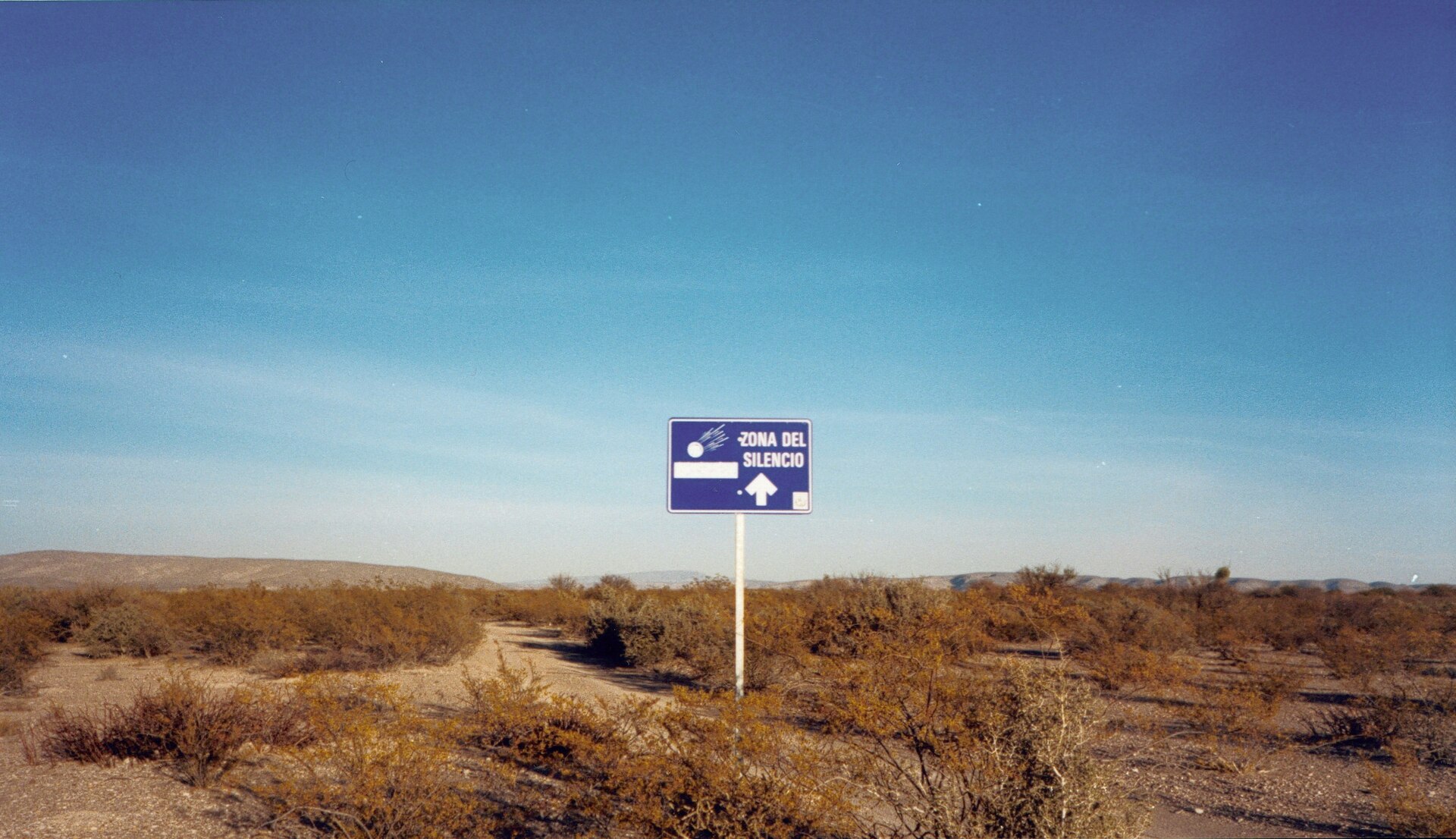
Photo: Wikimedia Commons, CC BY-SA 3.0
Stones Falling from the Sky — The Meteorite Legend
Part of why the Zone of Silence legend has clung on so stubbornly is that meteorites really do fall in this region with some frequency. The Mapimí desert is in fact known as a place where meteorites are found relatively often. A broad, flat desert with sparse vegetation makes a stone fallen from the sky easy to spot, and the dry climate keeps it from weathering away for a long time. In other words, science explains, meteorites are not specially "drawn" to this place; it is simply an environment well suited to finding them.
But the legend turned this fact on its head. The story arose that the magnetic ore below ground pulled even the meteorites of the sky down like a magnet. And then a decisive coincidence overlapped with it. In 1969, a huge meteorite fell near the town of Allende in the state of Chihuahua, not far from this desert. The so-called Allende meteorite was an extraordinarily valuable specimen preserving material from the early solar system, and its fall was scientifically important enough that researchers from around the world flocked to study it. Over time, the Zone of Silence legend quietly absorbed even this famous meteorite fall into its own narrative. Although it was in truth a separate event in a separate place, it made ideal evidence for the myth that "this desert draws down the stones of the sky."
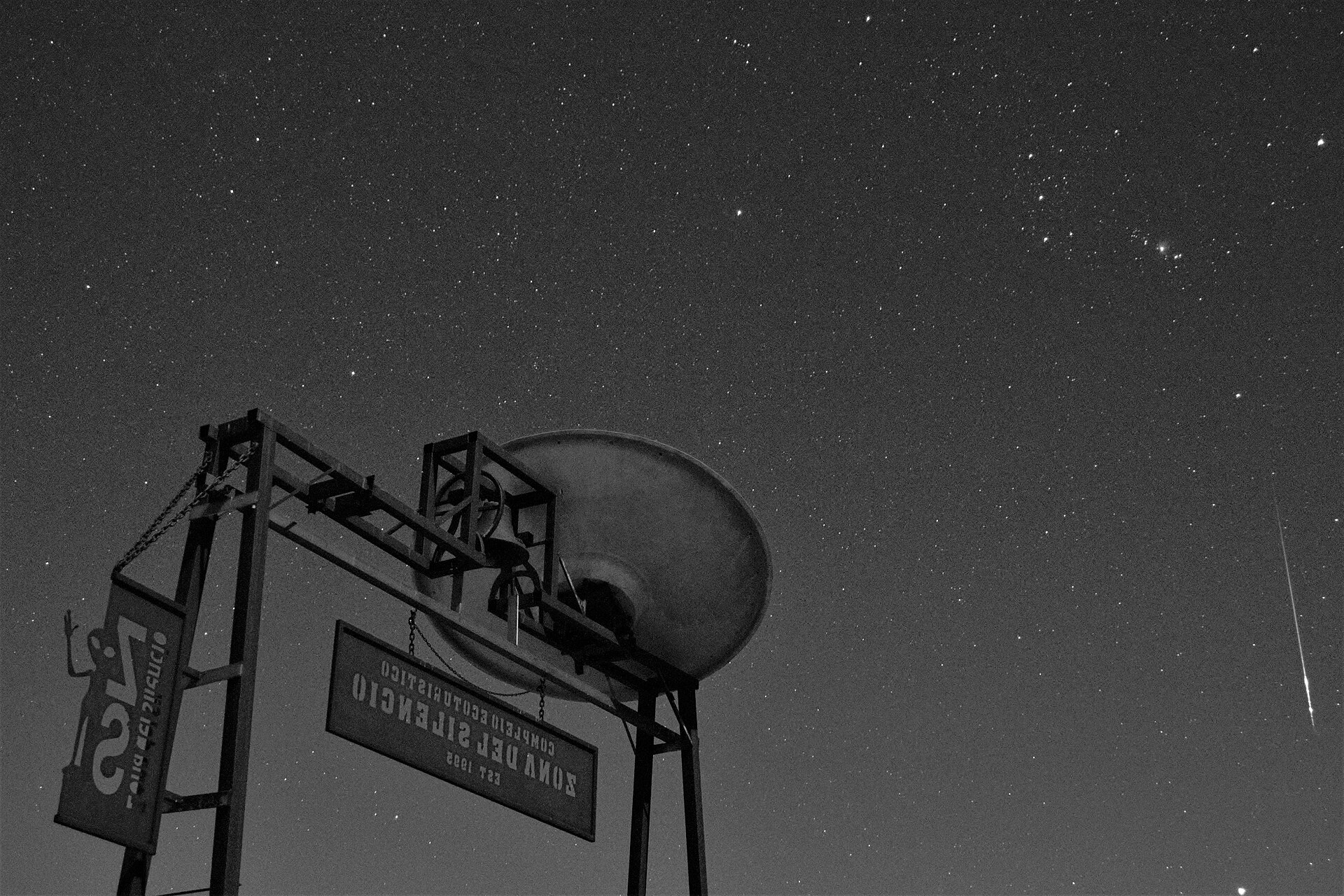
Above a desert asleep in silence beneath the starlight, a single meteor traces a long, soundless streak across the sky
Mutant Animals and the Visitors of the Night
The legend reached beyond the sky and the underground to the life that lives in this desert and the people who come to it. The Mapimí desert really is home to unusual flora and fauna rarely seen elsewhere. A prime example is the Bolson tortoise, a large land tortoise endemic to the region and an endangered species. Yet in the legend, such rare creatures were transformed into "mutants produced by the Zone of Silence's radiation and magnetic anomalies." Unusually large tortoises, insects of strange color, oddly overgrown cactus — the desert's distinctive ecosystem was all recast as "weird life spawned by a strange land."
With UFO and alien stories added to this, the legend reached its peak. It was said that by night, unidentified lights would rise over the desert, and that tall, blond strangers would appear, ask for water, and then vanish without a trace. Some believed the zone was a special place watched over by civilizations beyond Earth, and that alien craft frequently landed here. A lost rocket, dying radios, falling meteorites, mutant creatures, and visitors from the stars — unrelated fragments stacked up, one atop another, under the single name of the "Zone of Silence," until the place had become, almost unnoticed, Mexico's foremost shrine of mystery.
The Rebuttal of Science, and a Name That Won't Fade
As the legend grew famous, science took it apart claim by claim. First, the central assertion that "radios die here" collapsed under actual measurement. Several survey teams went into the zone and operated radios, two-way sets, compasses, and GPS units — the signals came through fine, and the compasses read normally. That radios pick up poorly in a remote desert is no Mapimí-specific supernatural phenomenon; it is a perfectly ordinary thing that happens in any backcountry far from a broadcast tower. As for the signal-swallowing "magnetic ore," surveys of the area's geology confirmed no such large-scale magnetic anomaly.
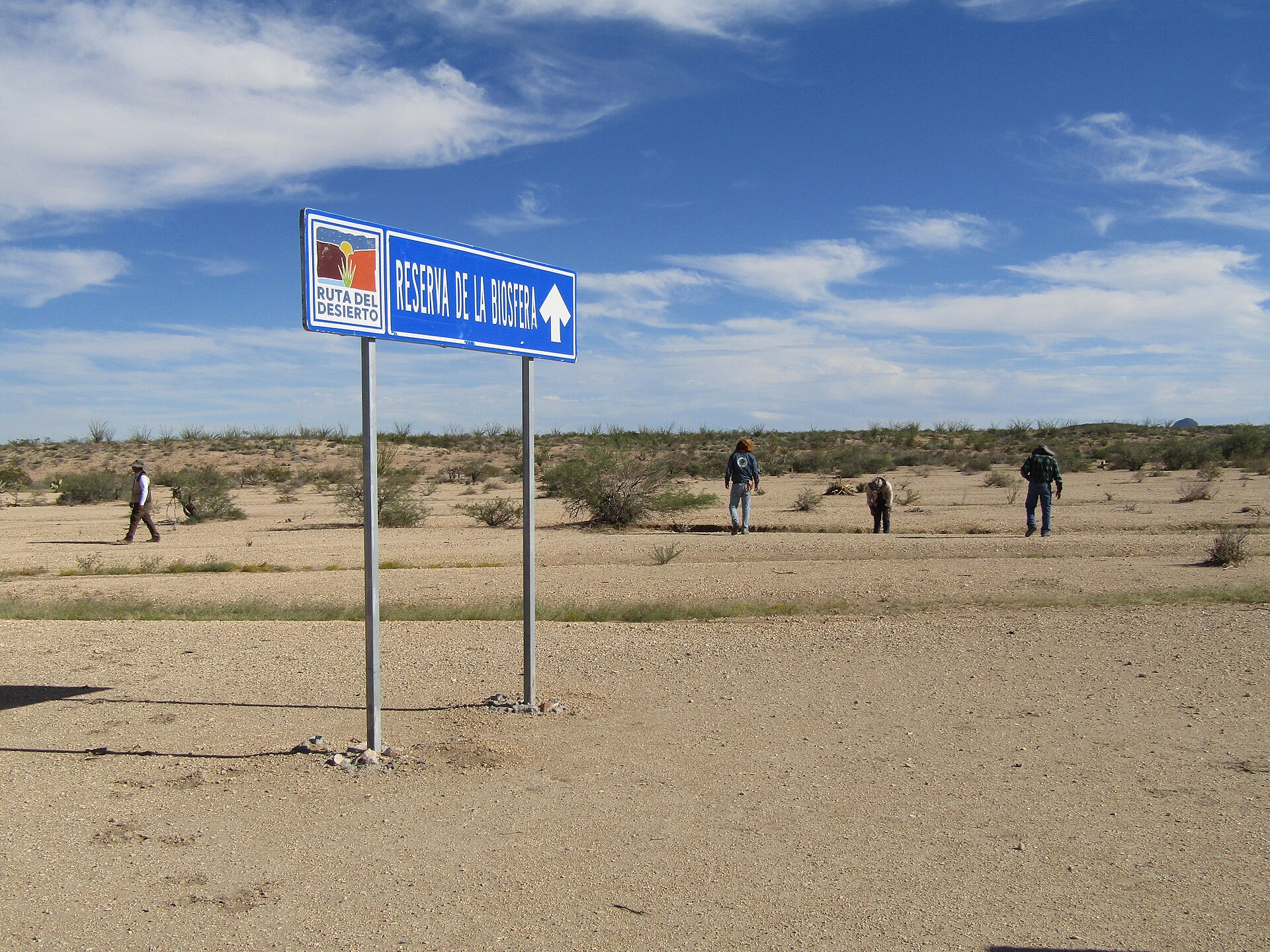
The meteorite legend fared no better. Meteorites are found here often not because they are drawn down like magnets, but, as noted, because a broad, dry desert is favorable for spotting and preserving them. The supposed mutant creatures were not products of radiation, but normal endemic species shaped over long ages by an isolated desert ecosystem. Today the region is a UNESCO-designated protected area, the Mapimí Biosphere Reserve — a site of serious science studying and conserving the desert ecosystem, including the Bolson tortoise. It is a true identity quite different from the supernatural fame of the Zone of Silence, yet precious in its own right.
Sorting the rebuttals into my file was easy work, and finishing it left me less settled than when I started. Each claim comes apart cleanly on its own — the ore that is not there, the meteorites found because dry flat ground preserves them, the Bolson tortoise that is simply an old endemic species. What no survey addresses is the assembly. Somebody, at some point, joined a stray rocket to a meteorite that fell in another state in another year to a tortoise, and the joins held so well that they are still holding after fifty years of measurement. The desert is not the anomaly in this file. Whatever performed that joining is, and it left no record of itself at all.
And still, the name "Zone of Silence" refuses to fade. Tourists cross the border to this day in search of the desert where radios die, and the region overflows with souvenirs and stories drawn from the legend. Few places illustrate so well how tenacious a myth can be. The seed planted by a single lost rocket, watered by meteorites and ore and aliens, grew into a legend that no amount of scientific rebuttal can pull up by the roots. The radios of the Mapimí desert still work perfectly well today. It is only the silence draped over them that has yet to leave the desert.
---
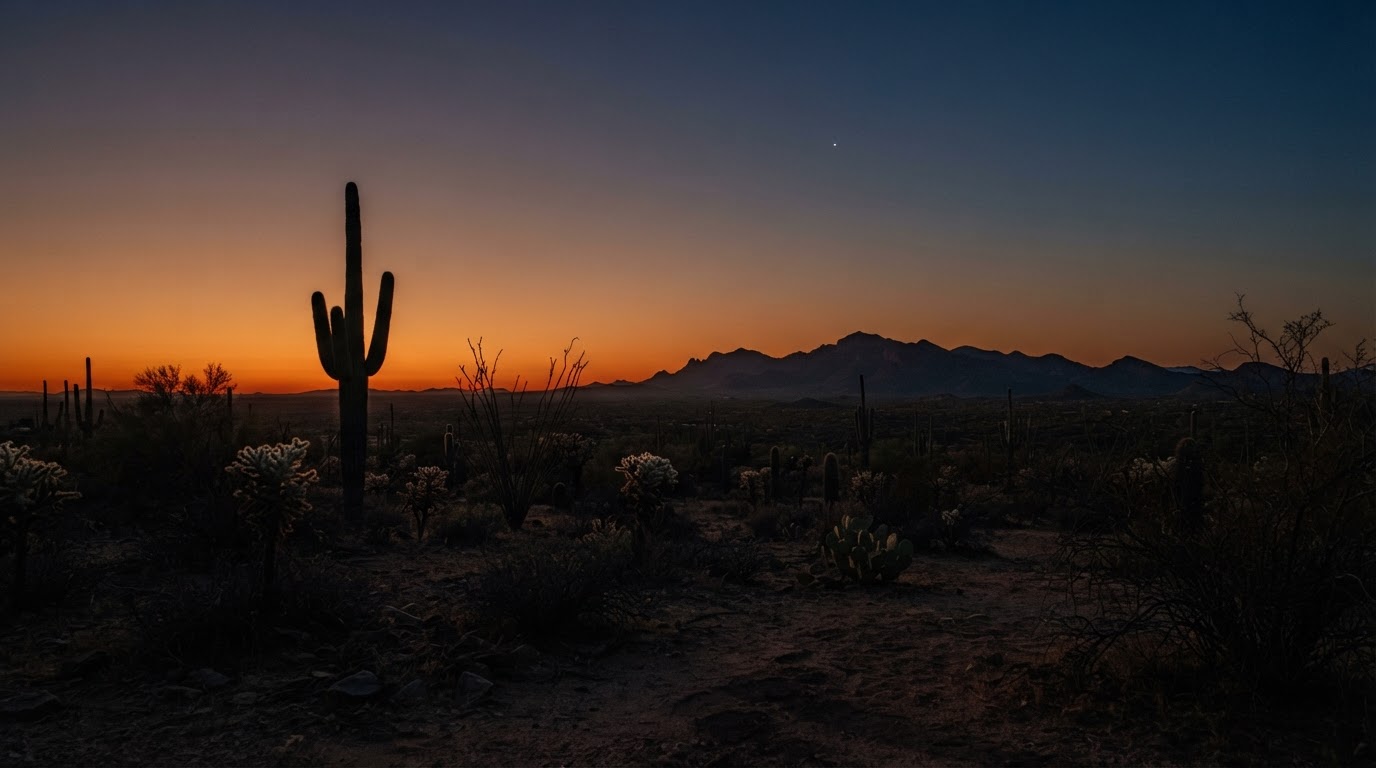
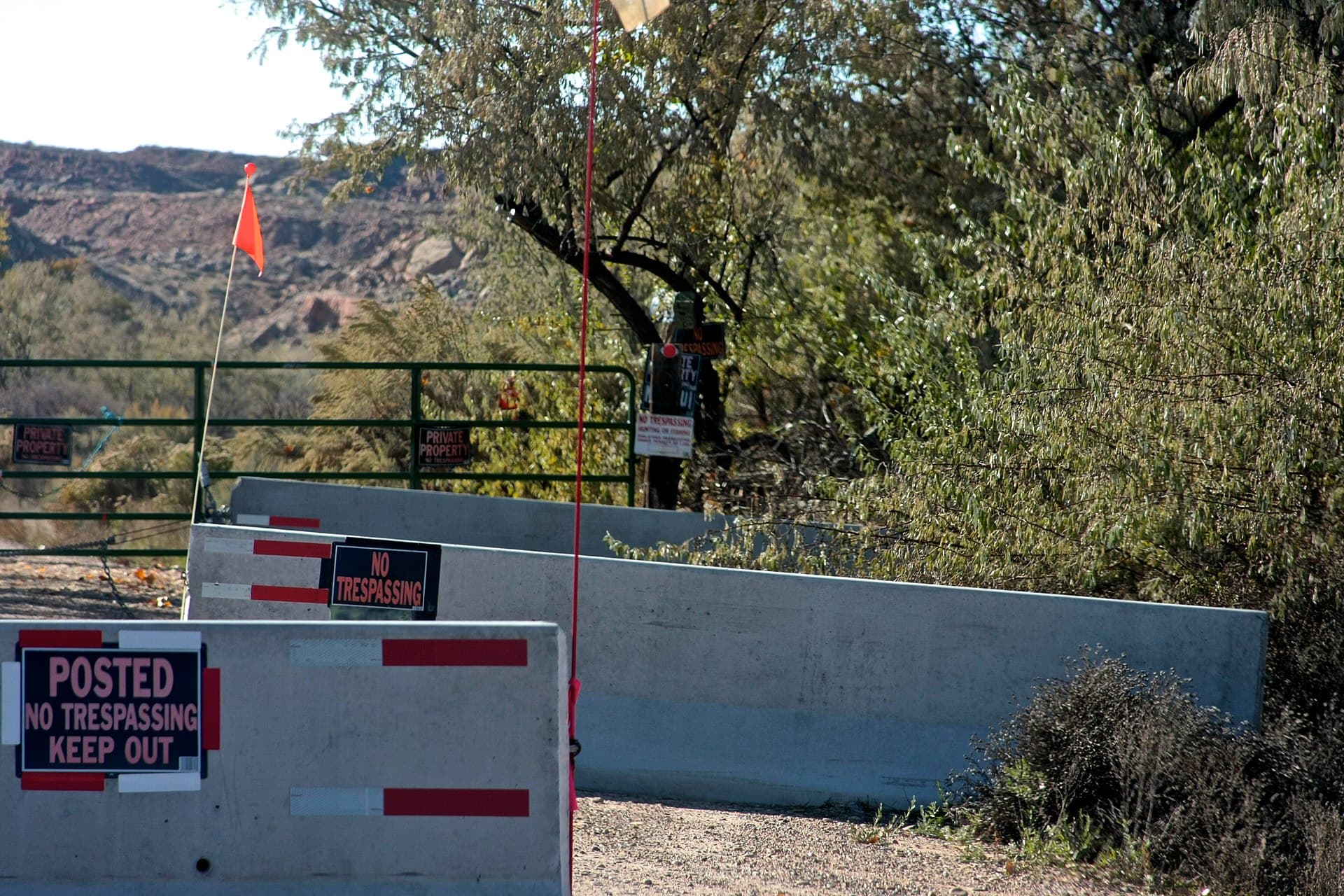
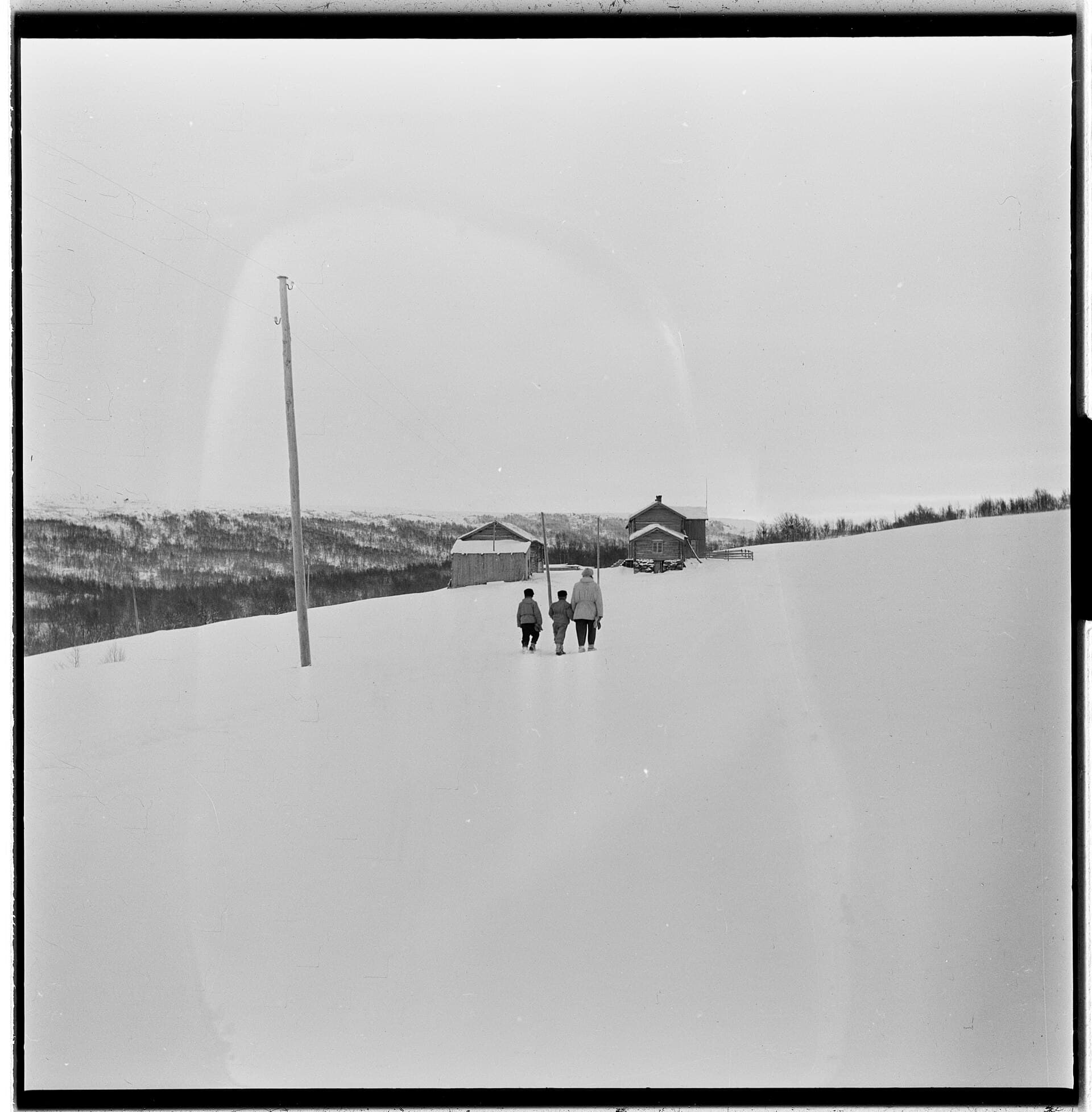
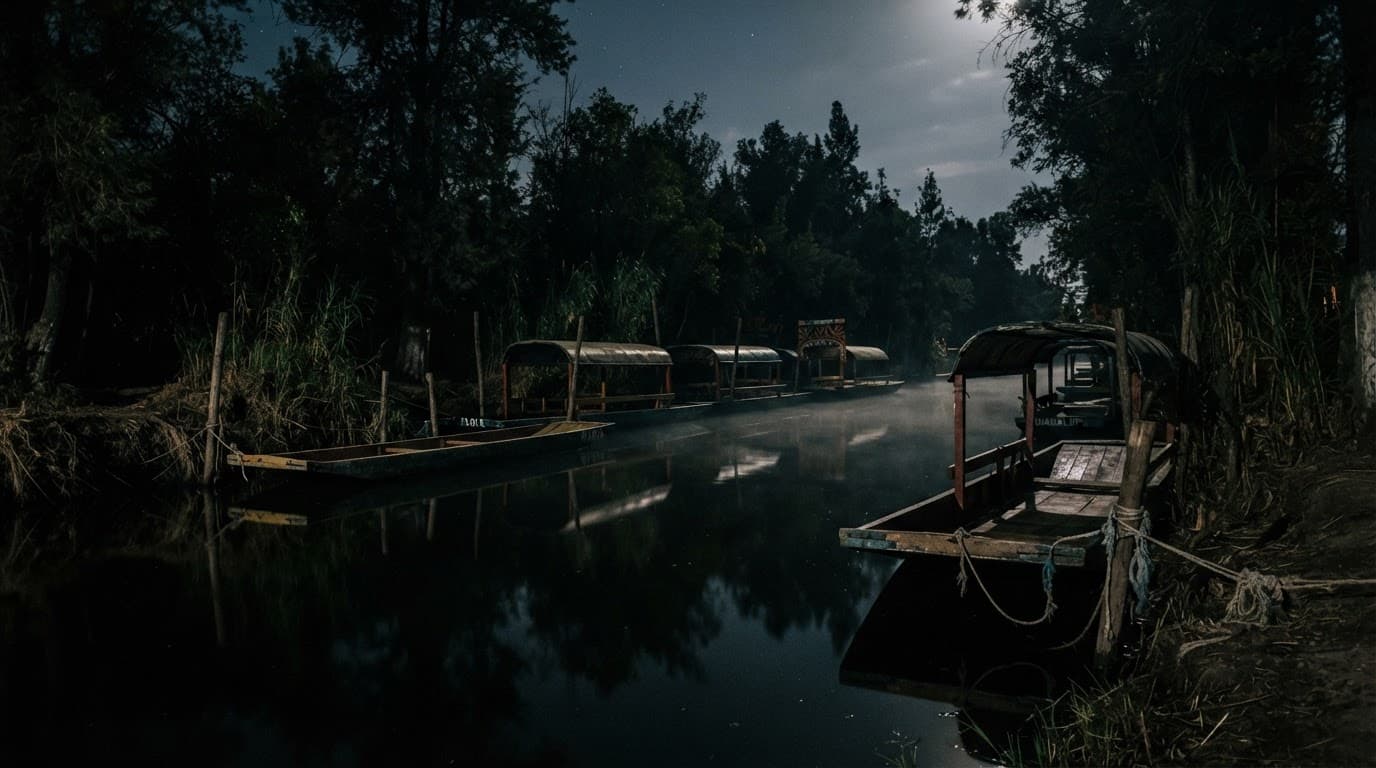
This article combines real photographs taken on location in the Zone of Silence with AI-generated images and video produced to convey the mood of the story.
Comments
No comments yet — leave the first one.