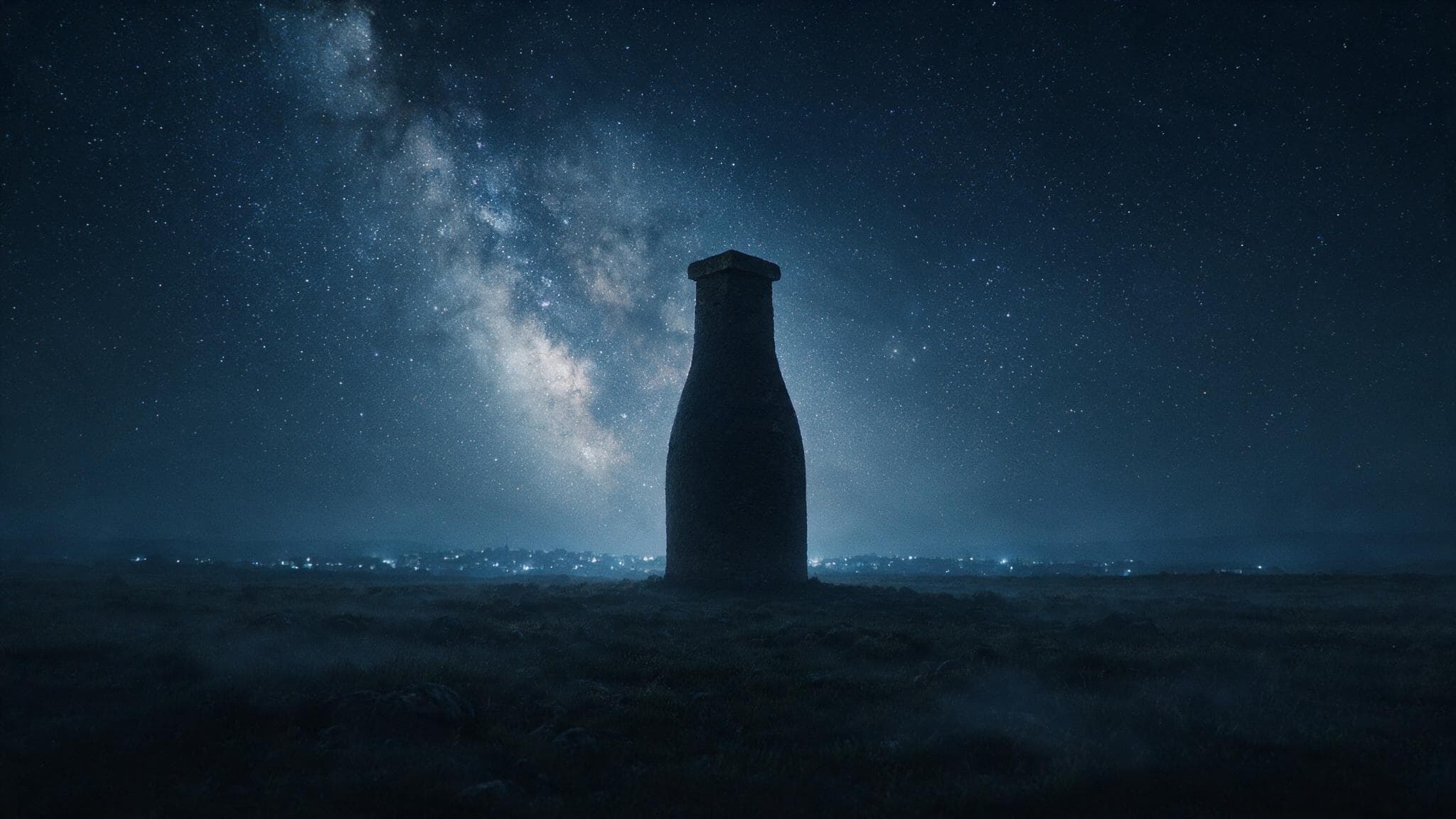
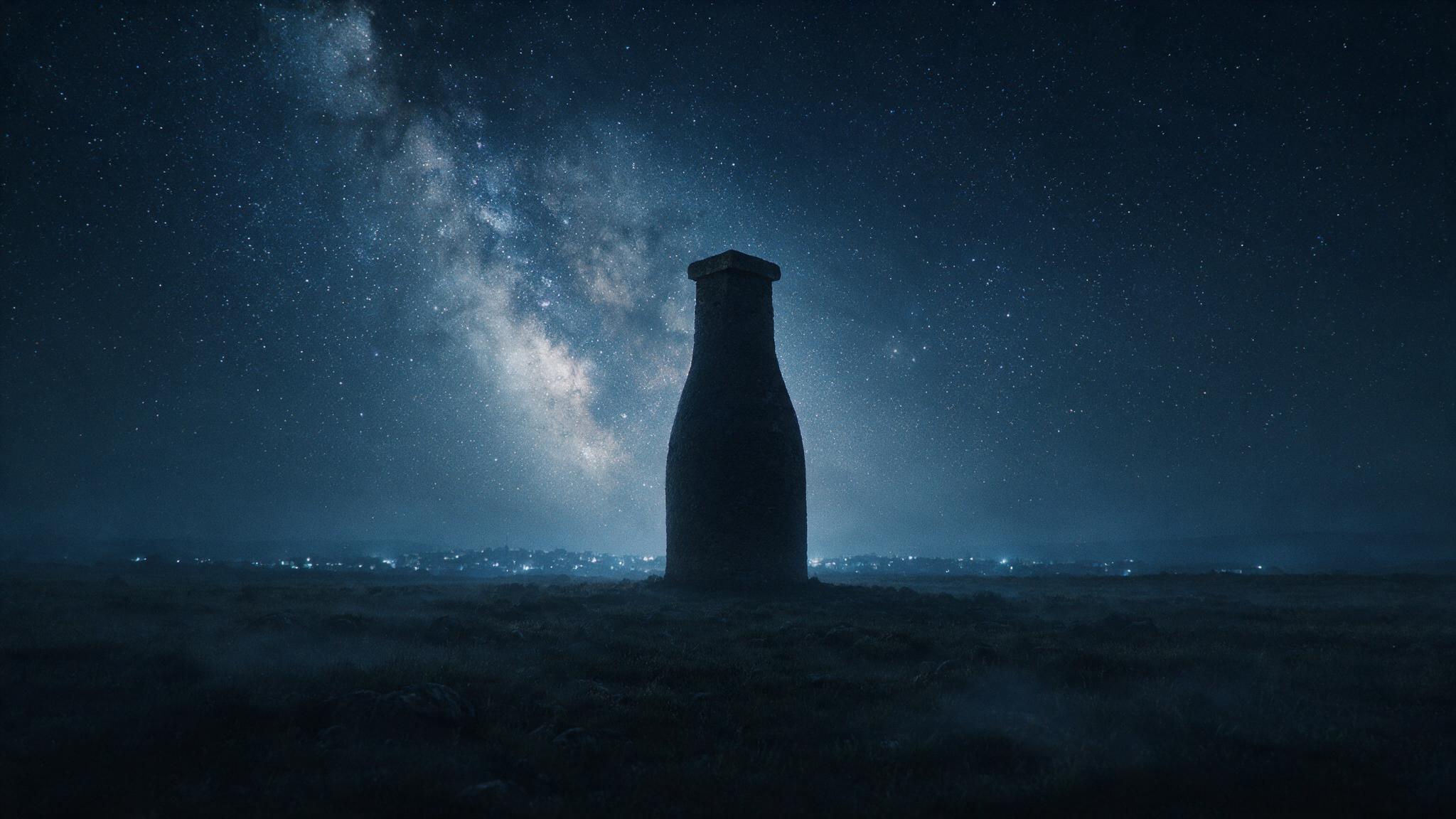
In the middle of the broad plain of Gyeongju stands a single stone tower with a gracefully narrowed waist. Wide at the base, tapering as it rises, then crowned again with a square of dressed stone — its curving body looks almost like an inverted bottle. When night falls and the lights come up, the silhouette of this tower grows only more uncanny against a sky pricked with stars. Cheomseongdae. Rendered literally, the name means "the platform for gazing up at the stars." For as long as anyone can remember, we have called this tower the oldest surviving astronomical observatory in East Asia, and schoolbooks have taught that the people of Silla climbed up onto it to watch the heavens. And yet, from some point in the middle of the twentieth century, a quiet but stubborn question began to rise among scholars. Was Cheomseongdae really an observatory? What, exactly, was this tower built for?
Stone That Endured 1,400 Years
Cheomseongdae was raised during the reign of Queen Seondeok of Silla. Weighing the old records together, most place its completion around the early years of her reign, somewhere near 633 to 634 CE. The thirteenth-century chronicle Samguk yusa notes tersely that in Queen Seondeok's time "they built the star-gazing platform," and later histories do not stray far from that date. So this tower was raised nearly fourteen centuries ago, just as Silla was moving toward the height of its power, on the eve of the unification of the peninsula's three kingdoms.
It stands roughly nine meters tall. By modern measure that is hardly imposing, yet what astonishes is that the tower has weathered all those centuries almost in its original form. Through earthquakes, wars, and the fall of dynasties, Cheomseongdae did not collapse; it kept its place. It has not escaped the weight of time entirely — today its body leans, ever so slightly, to one side. Some, on account of that tilt, have taken to calling it "the Leaning Tower of Gyeongju." A single stone structure that has stood for more than a thousand years is, in itself, already a kind of wonder.
Numbers Carved Into Every Stone
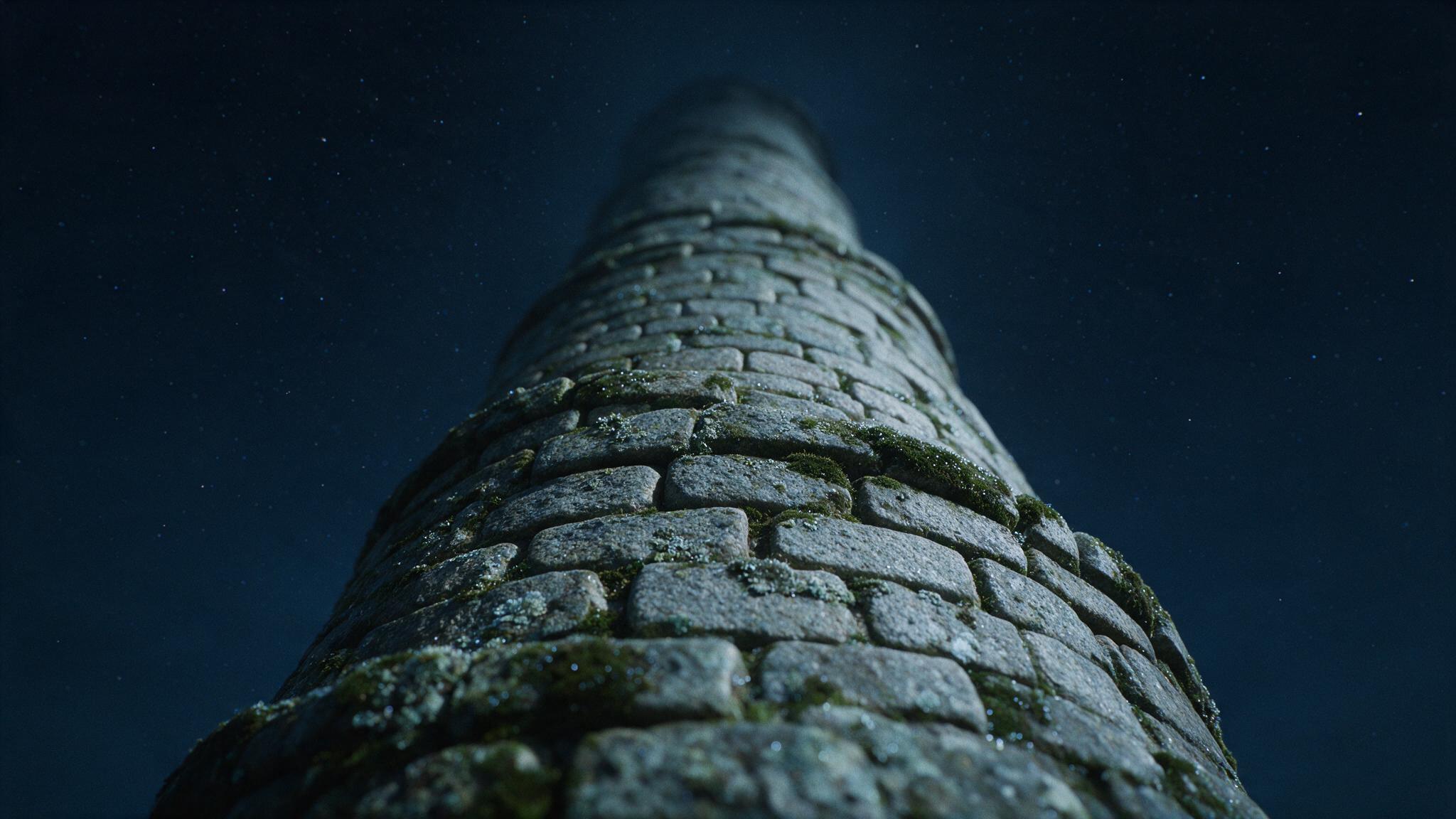
Look closely at Cheomseongdae and you begin to see that it was not stacked for beauty alone. Numbers are hidden throughout it. The stones that make up the body are counted at somewhere around 362 to 365 — a figure long read as a symbol of the days in a year. The courses, or tiers, that form the trunk number twenty-seven, which aligns almost too neatly with the fact that Queen Seondeok, who built it, was the twenty-seventh monarch of Silla.
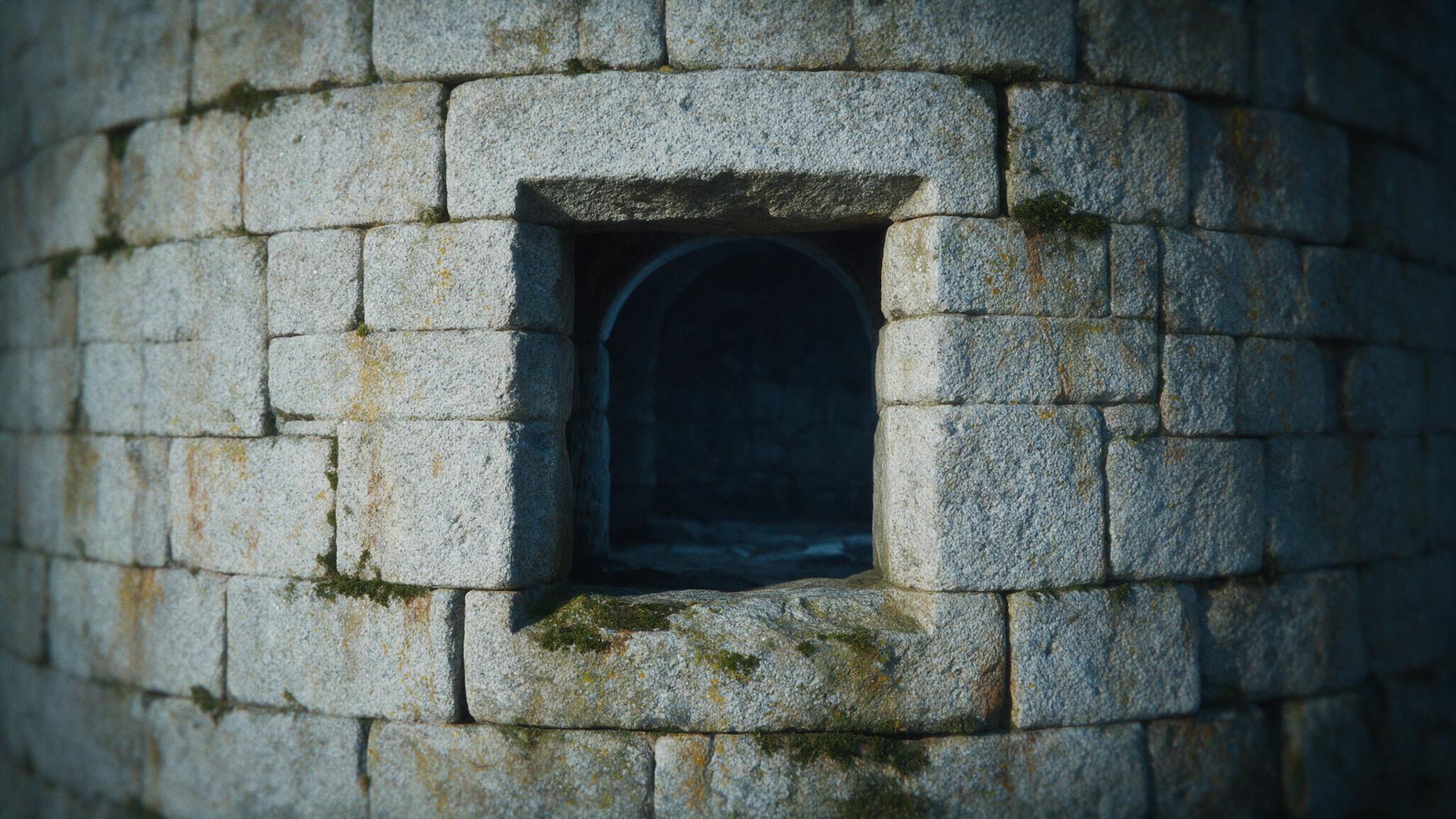
There is more. About midway up the tower, a little above head height, a single square window opening is cut into the wall. Count the tiers above and below that window and you get twelve each — twenty-four in all — and in these many have read the twelve months of the year and the twenty-four seasonal divisions of the traditional calendar. At the summit rests a square of stone set in the shape of a well; the lowest platform is square, while the body is round. Round for heaven, square for earth — the ancient East Asian conception of the cosmos, in which the sky is round and the ground is square, is set whole into this one small tower. Cheomseongdae was not merely a structure of stacked stone but an entire symbolic system, transposing what the people of Silla believed about heaven, earth, and time into rock.
The Observatory Theory — A Place for Gazing at the Stars
The oldest and most widely accepted reading is, just as the name says, that Cheomseongdae was a platform for observing the heavens. The most intriguing support for this view lies in the records of the sky left in the old histories. Across the roughly thousand years that the kingdom of Silla endured, its surviving records of astronomical observation number something over 140 — and, remarkably, the overwhelming majority of them come after Cheomseongdae was built. By one study, close to two-thirds of all such records cluster in the roughly three centuries that followed the tower's construction. In other words, once the tower went up, the people of Silla appear to have begun watching the sky far more often, and far more carefully.
The circumstance draws its own picture almost on its own. On some clear night, an official charged with the heavens climbs Cheomseongdae, reads the positions of stars and moon, and sets down a record of any anomaly in the sky — a comet, a falling star. In ancient East Asia, to read the heavens was to read the fate of the state. The king was the one who received heaven's will on the people's behalf; the movements of the stars and the omens of the sky were grounds for judging the fortunes of politics. So for Queen Seondeok, who sought to bind her royal authority to heaven, the raising of a platform to observe the sky makes for the most natural of stories. The very name — "gazing at the stars" — is itself the oldest surviving record of what the tower was for.
The Objection — A Strange Tower for Watching Stars
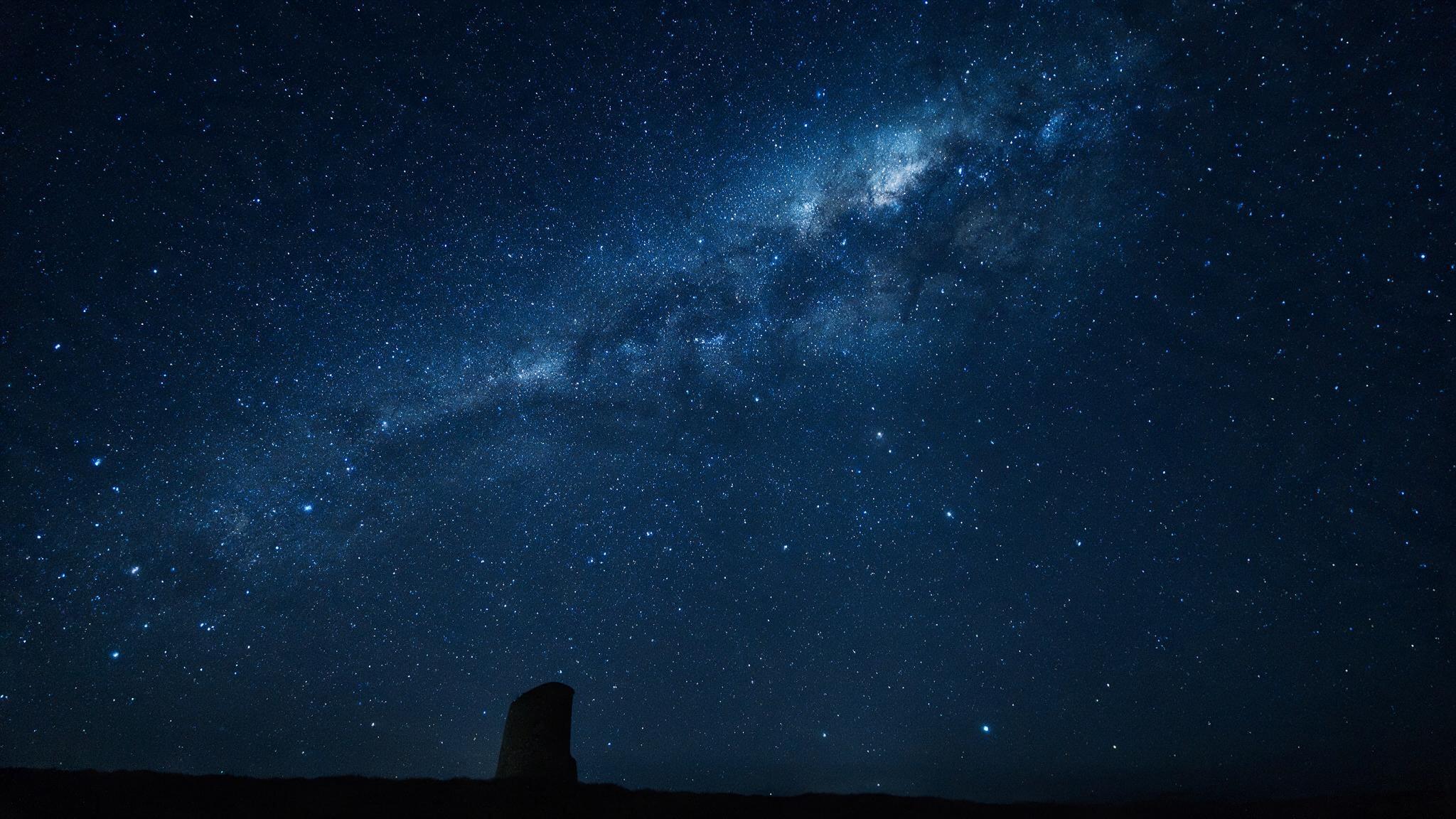
And yet, by the middle of the twentieth century, voices began to rise that questioned this old consensus head-on. The heart of the doubt was simple and sharp: Cheomseongdae is shaped far too awkwardly for observing the stars.
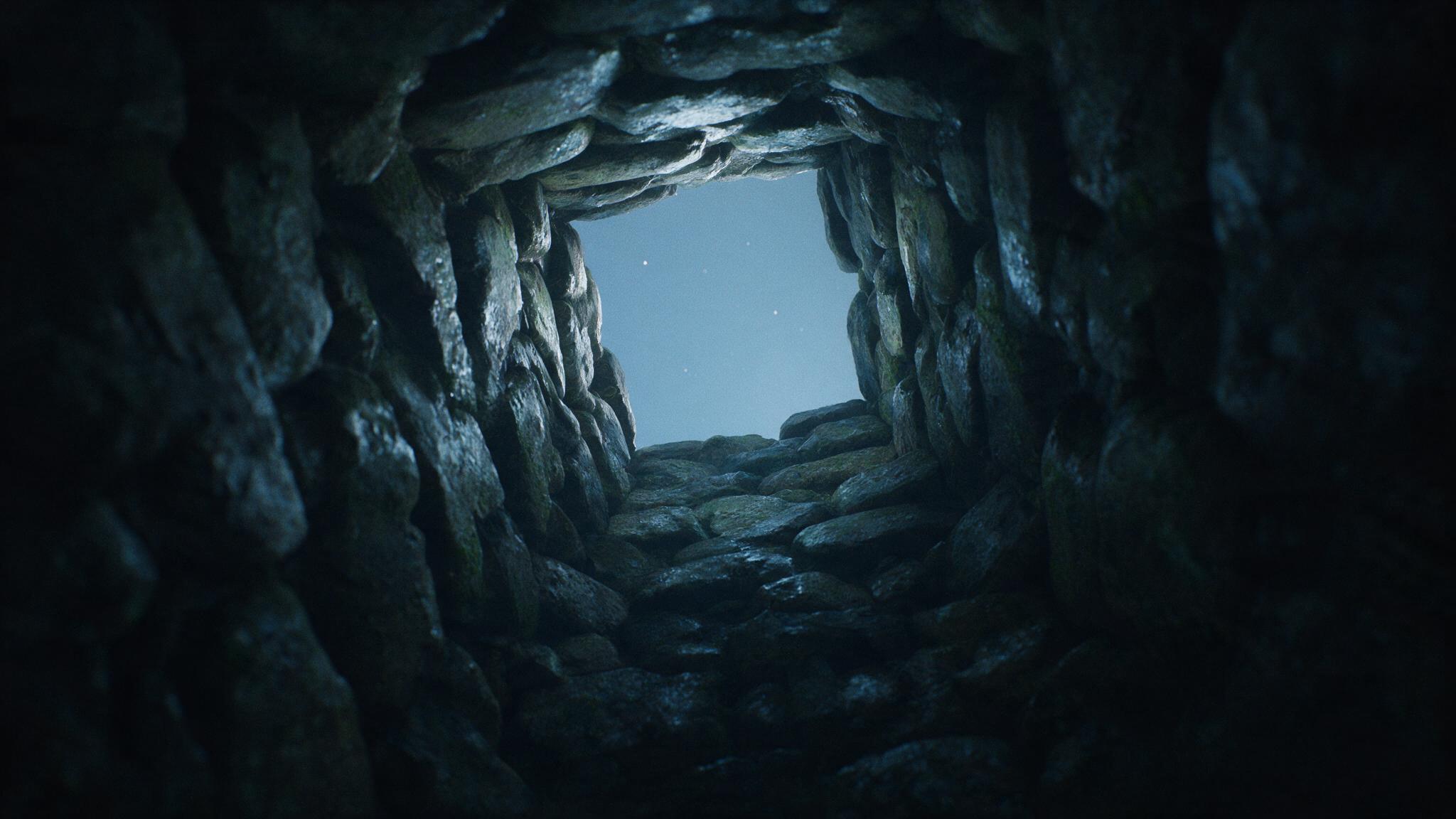
The very act of reaching the summit was the first problem. The square window cut into the middle of the body is barely large enough for one person to pass through, and even after propping a ladder up to it, one would still have to climb up through a narrow shaft to reach the top. It strained belief, critics argued, that an observer would haul himself up and down this cramped, inconvenient passage night after night. Besides, the tower stands a mere nine meters or so. On flat ground with nothing to block the view, it would surely have been easier to look up at the sky from the ground than to bother climbing this tower at all. Debate ran on, too, over whether there was room enough at the summit to set instruments, and whether observation was truly possible from up there. Before such questions, the old common sense of a "tower for watching the stars" began, little by little, to waver. And into the space it left, entirely different readings came rushing in.
Other Faces — Altar, Gnomon, and Monument
As the observatory theory shook, several new lines of interpretation rose to fill its place. One of them is the altar theory: that Cheomseongdae was not a place for watching the stars but a religious altar where rites were offered to heaven and the stars. This reading, intriguingly, sets it side by side with Chamseongdan, an altar atop Mount Mani on Ganghwa Island. Chamseongdan is said to have been a place where offerings were made to heaven in the earliest ages, and its structure — a square platform set upon a round base — bears a curious resemblance to Cheomseongdae's own "round body and square summit." Cheomseongdae, this view holds, was likewise a sacred altar where rites were raised to the sky. Branching from it came further readings still: that it was an altar modeled on Mount Sumeru, the axis of the Buddhist cosmos, or that it was a site of indigenous folk worship.
Another line is the gnomon theory. Advanced from around 1964, this reading takes Cheomseongdae as the pillar of an enormous sundial — a gnomon. By measuring on the ground the length and direction of the shadow the tower cast, one could gauge the seasons, the hour, and the cardinal directions. Some pressed a step further, seeing Cheomseongdae not as a working instrument at all but as a monument embodying mathematical and astronomical knowledge in stone. And the boldest reading holds that the tower had scarcely any practical function to begin with. On this view, Cheomseongdae is a political monument raised to commemorate the queen's accession and to display her authority to all the realm by tying it to the heavens. For Queen Seondeok, who had ascended the throne as a woman, this tower that gazed up at the sky would have been the most powerful of declarations, binding her rule to the will of heaven itself.
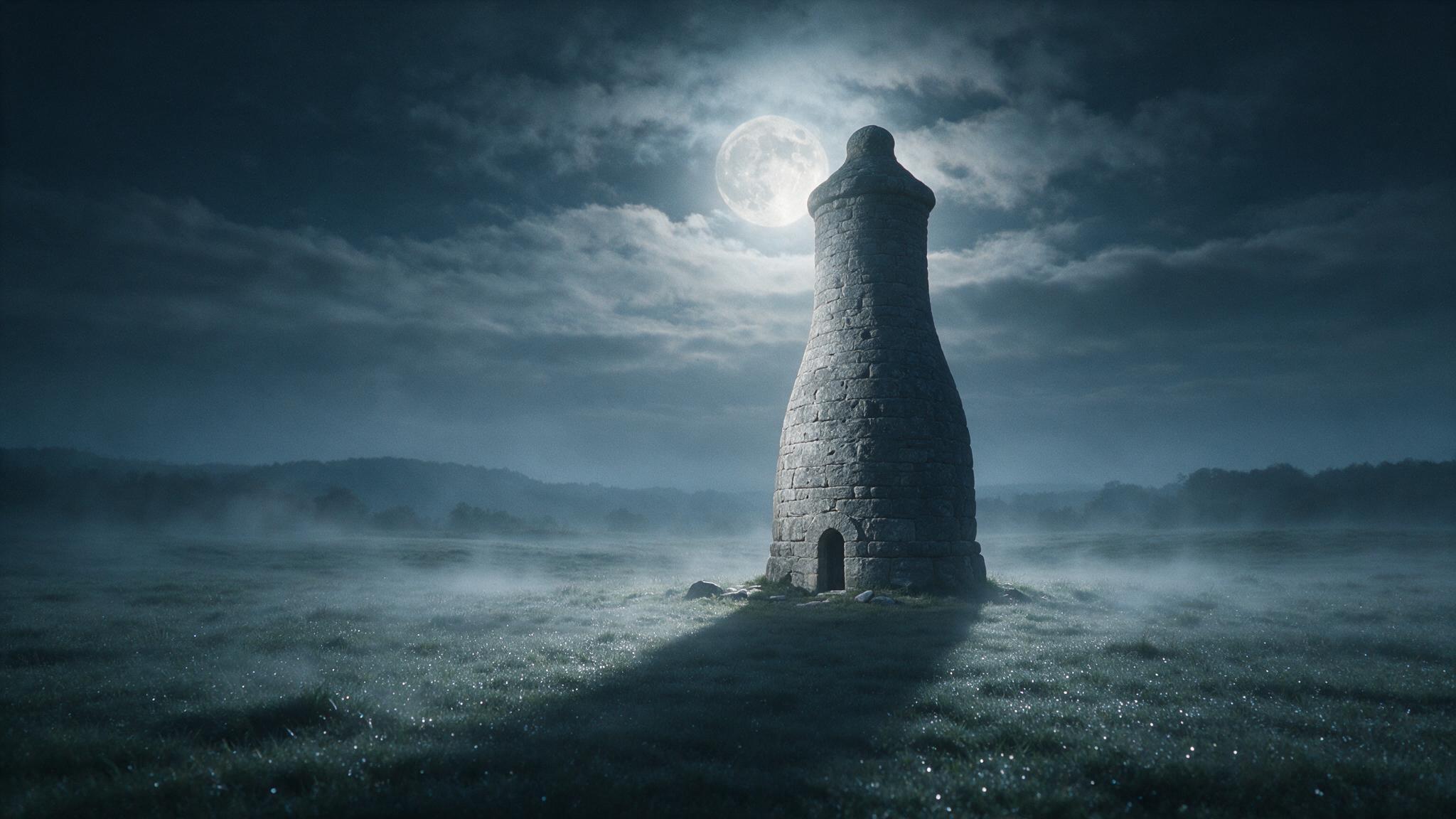
Which of these theories is the right one, we today cannot say for certain. The mainstream of scholarship still holds the observatory theory to be the most likely consensus, pointing to the pattern of observation records in the histories and to the weight of that name, "star-gazing." But the altar theory, the gnomon theory, and the monument theory each carry their own grounds and remain very much alive. Perhaps these readings are not, after all, mutually exclusive. It may be that a single tower wore several faces at once — a practical place for watching the heavens and, at the same time, a sacred altar for offering rites to them, and also a monument that raised up a queen's authority.
This much alone is certain. Fourteen centuries ago, the people of Silla carefully stacked up this curving tower and gave it the name of the stars. Into each stone they set the days of the year, the twelve months, the twenty-four seasons, and their whole conception of heaven and earth. Yet about why they raised the tower, and what they did upon it, they left no detailed record at all. On the plain of Gyeongju, Cheomseongdae stands alone again tonight beneath the starlight, keeping its ancient silence still, before all of us who gaze up at it.
<video controls poster="/media/cheomseongdae-1.jpg" style="width:100%;border-radius:12px;"> <source src="/media/cheomseongdae-clip.mp4" type="video/mp4"> </video>
A slow tilt up toward Cheomseongdae beneath a star-strewn night sky — not real footage, but a mood recreation.



Comments
No comments yet — leave the first one.