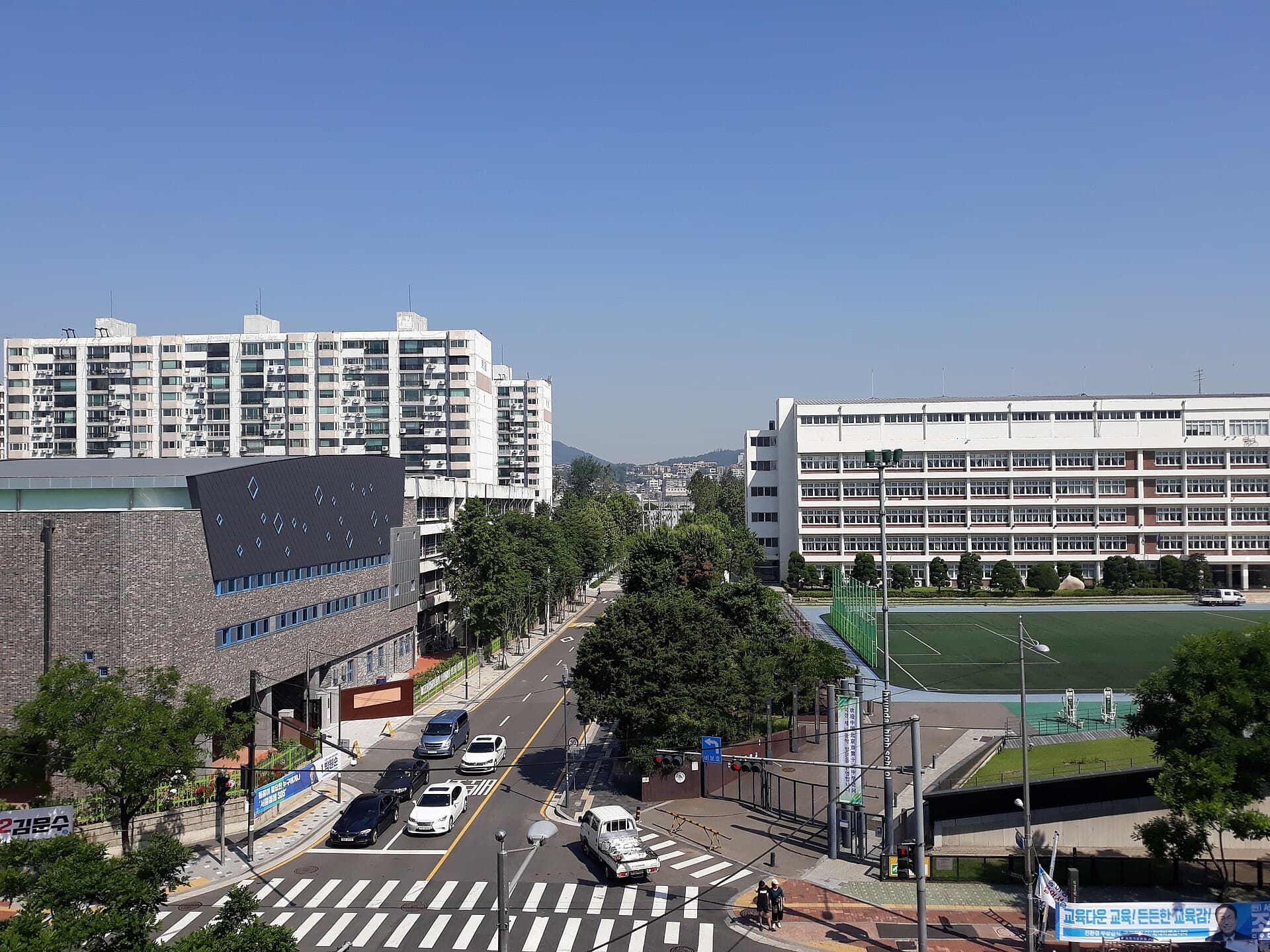
On the evening of January 29, 1991, a nine-year-old boy disappeared from an apartment complex in Apgujeong-dong, in Seoul's affluent Gangnam district. That very night, a stranger's voice began calling the boy's home. The man said he was holding the child, and he demanded a large sum of money. Over the next 44 days he called again and again — dozens of times — pressing the parents relentlessly while somehow eluding every attempt by police to trace him. The mother and father did exactly as the caller instructed, desperate to bring their son home, yet the man never appeared. And on the 44th day of the boy's disappearance, he was found dead in a drainage ditch by the Han River. The perpetrator was never caught. In 2006 the statute of limitations expired, and the case became permanently unsolved. All that was left behind was a recording of the criminal's voice, captured across those endless phone calls. This is the story of the Lee Hyung-ho kidnapping and murder — later the inspiration for the film "Voice of a Murderer."
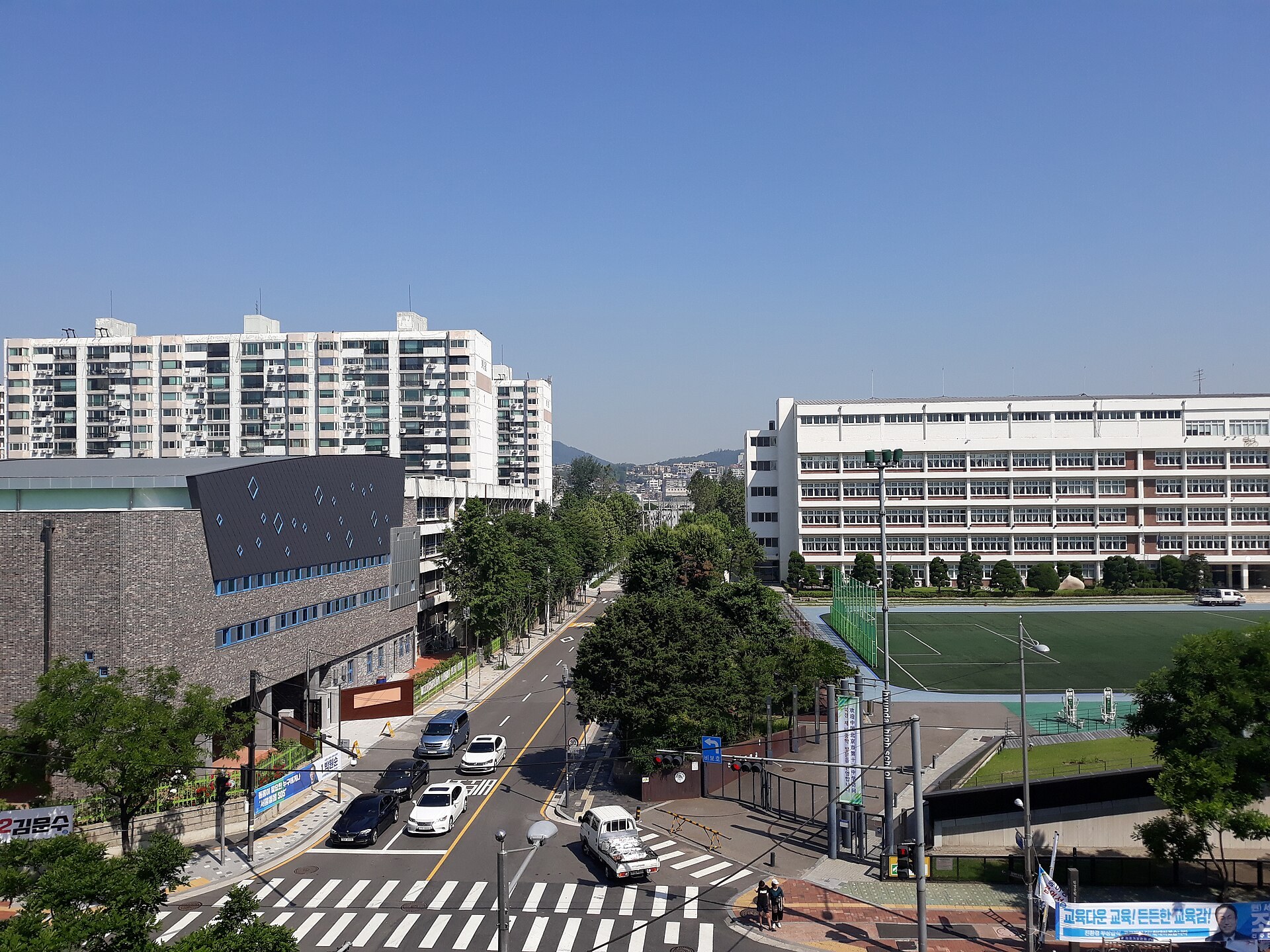

There is a rhythm to the files I keep on unsolved cases: a person is lost, a search is mounted, and the record thins out until it stops. This one does not thin out. It thickens. Working through the chronology, I had to keep re-checking the count of calls, because the sources disagree — sixty in some accounts, hundreds in others — and I could not settle it. What I could establish is that the disagreement is only about the number. Nobody disputes that they kept coming, night after night, for forty-four days, into a house where the phone had become the only thing left to hope from.
1991, Apgujeong — A Child Vanishes
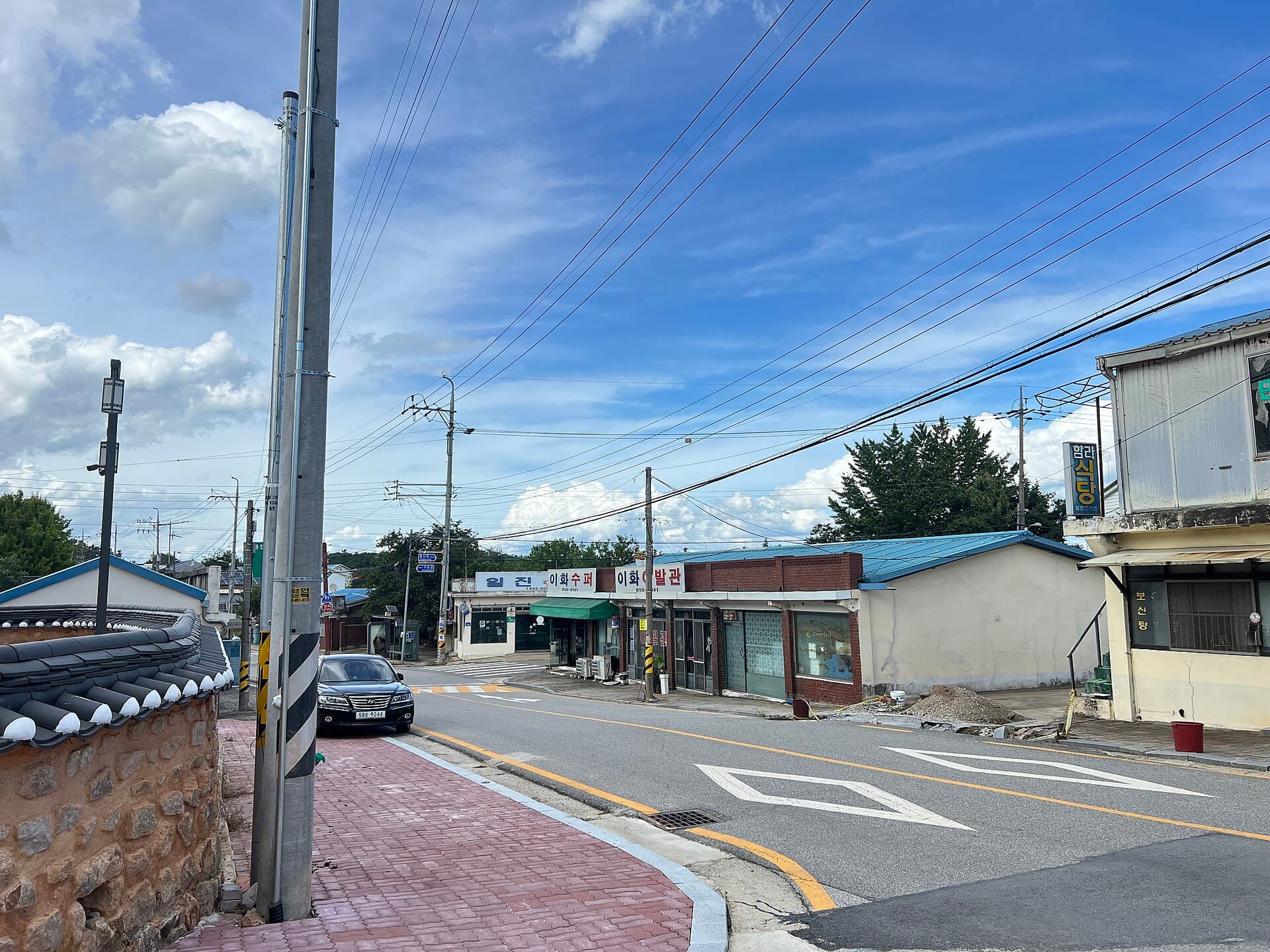
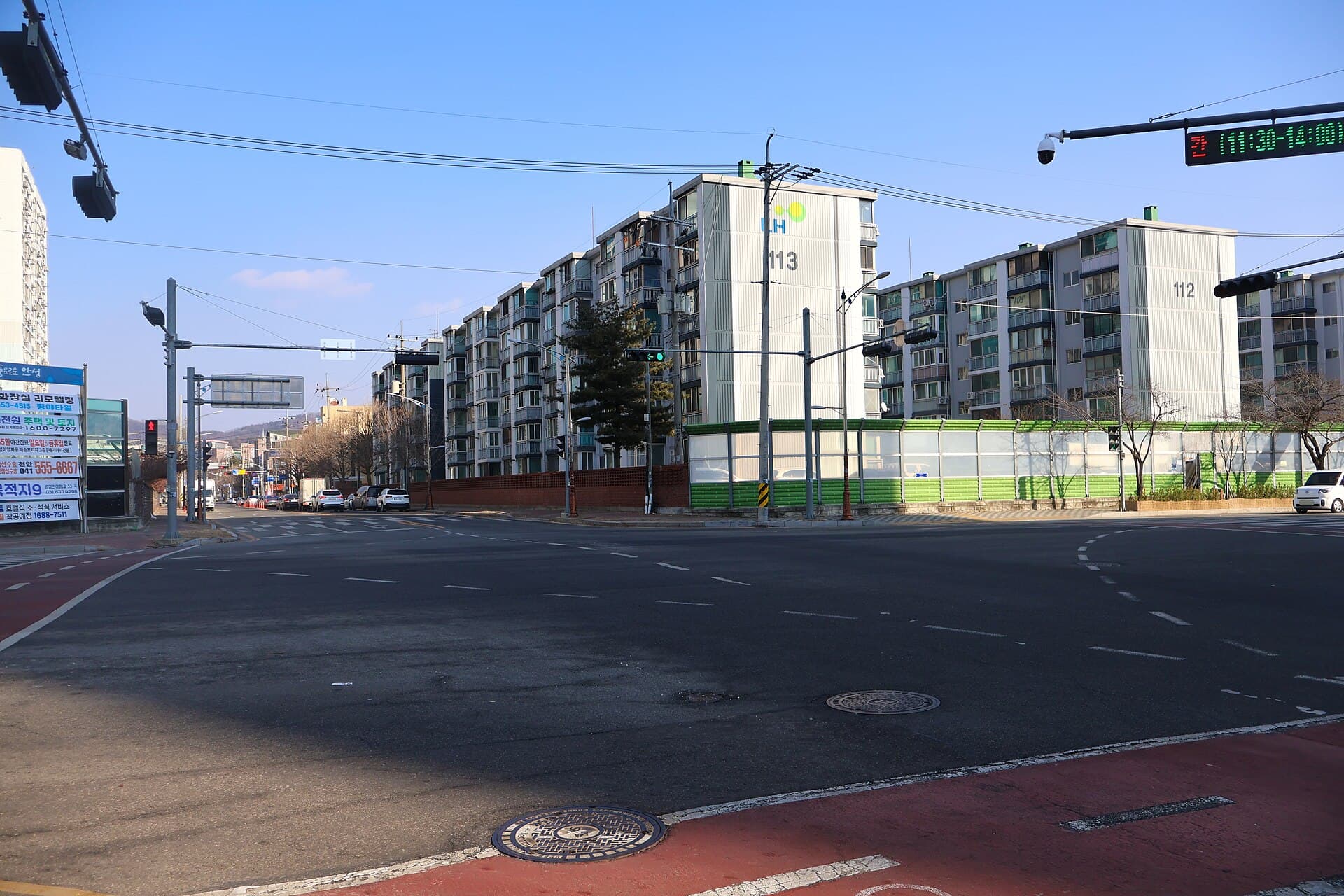
The Seoul of 1991 was a city changing at breakneck speed. Having introduced itself to the world with the 1988 Olympics, South Korea was in the midst of rapid economic growth, and Gangnam sat at its heart. Apgujeong-dong in particular was one of the most modern residential areas of its time, lined with newly built large-scale apartment complexes — wide roads, orderly blocks, cars coming and going. On the surface it was a calm and safe neighborhood. And it was into exactly that kind of ordinary daily life that the case erupted.
On the evening of January 29, 1991, Lee Hyung-ho, a nine-year-old third-grader, disappeared from near an apartment complex in Apgujeong-dong. The boy had simply been spending time close to home, as on any other day. But as evening came, Hyung-ho did not return. At first the family assumed he was out playing somewhere and running late, but as the hours passed their unease grew. Then, that night, a single phone call revealed that this was no accident. The unfamiliar man on the other end of the line said he was holding the child. It was a kidnapping.


44 Days of Threatening Calls
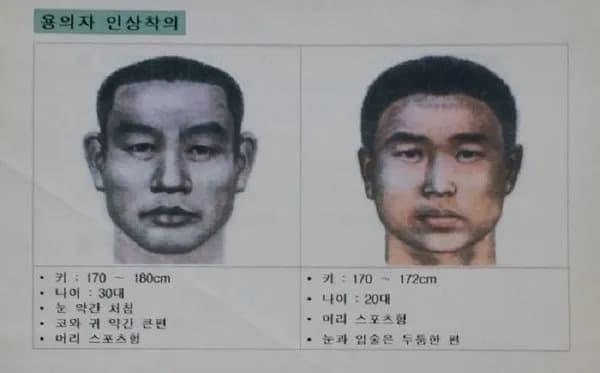
Around eleven o'clock on the night of the disappearance, the first threatening call reached Hyung-ho's home. The voice was believed to belong to a man in his thirties who spoke with a Seoul or Gyeonggi-region accent. He said he had the boy, and told the parents to prepare a large sum of cash and a car, promising to call again within days. The amount he demanded was enormous for the time. For the parents, a desperate negotiation over their son's life had just begun.
From that point on, the calls did not stop. They continued for a staggering 44 days, until the case reached its end. Records differ on exactly how many there were: some accounts put the figure at around sixty, while others describe hundreds of calls. What is clear is that the perpetrator pressured the parents repeatedly and relentlessly over a long period. He changed the place and method of the money handover many times, and the parents followed his instructions with the single hope of getting their child back. But whenever they arrived at the appointed spot, the man either failed to appear or had already left. The psychological toll on the family over these nearly two months is difficult to imagine.
The police, for their part, were not idle. They tried to trace the incoming calls and staged stakeouts at each designated location. But at that time, South Korea's communication-tracing technology and investigative resources were far poorer than they are today. Pinpointing the origin of a landline call in real time was no easy task, and the caller exploited that weakness precisely. Calling each time from a different place and keeping each conversation short, he stayed one step ahead of the investigation at every turn.


The Voice of the Criminal, and His Cold Precision
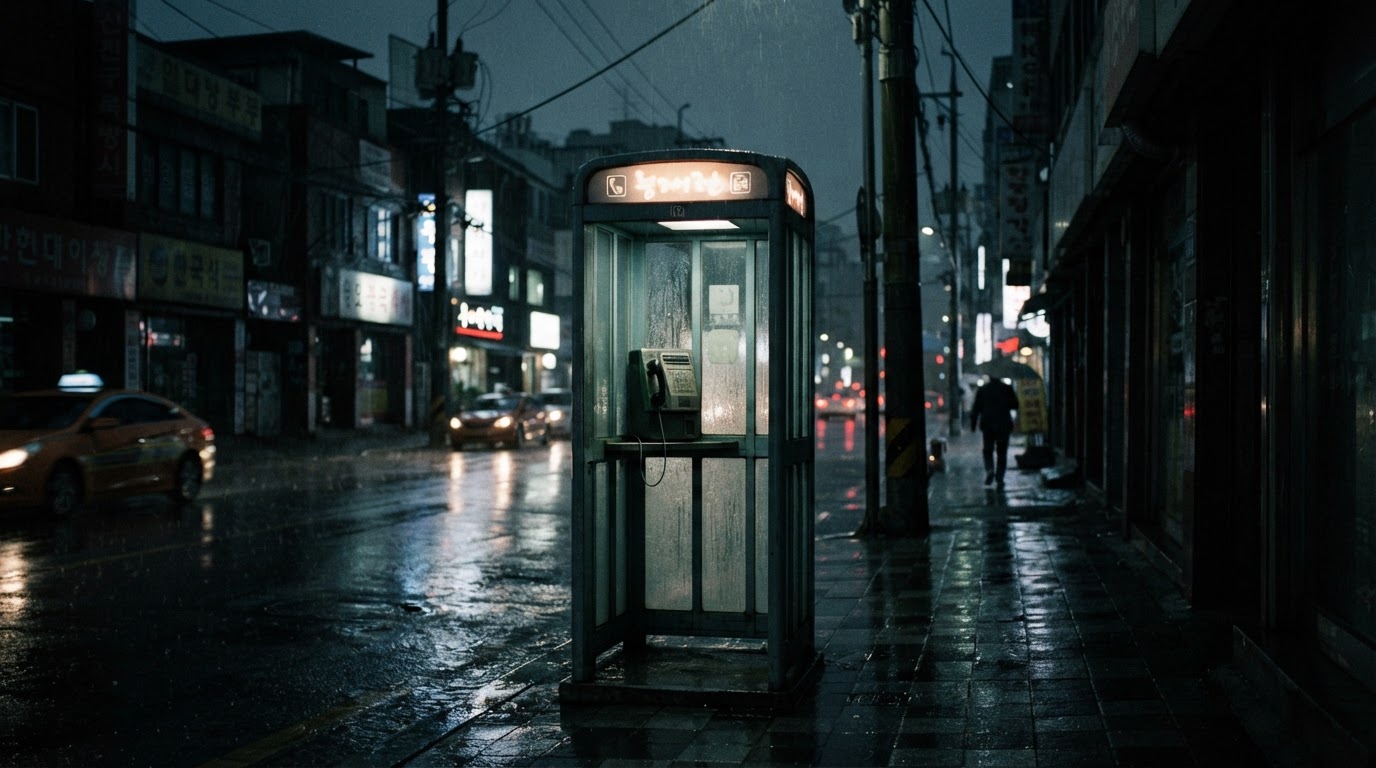
There is a particular reason this case lodged itself so deeply in public memory: the criminal's own voice survived. As the threatening calls went on, police and the family recorded the conversations, and so the perpetrator's actual voice was preserved. That low, composed voice was later released to the public several times during the investigation and appeals for help. It was an unusual case in which the entire nation could hear the voice of the criminal himself.
Yet the existence of that voice never led to an arrest. If anything, it was evidence of the perpetrator's precision. The man on the calls rarely lost his temper or made a mistake; rather than betraying emotion, he calmly repeated his instructions. The calls seemed deliberately made so as to leave no clue that might reveal his location. Investigators analyzed the recording for the distinctive features of the voice — its speech patterns, its intonation — but pinpointing a single person out of a vast population on that basis alone was all but impossible. A criminal with no face and no name, existing only as a voice. It is why this case came to be known as the archetypal "faceless crime."


A Tragic End
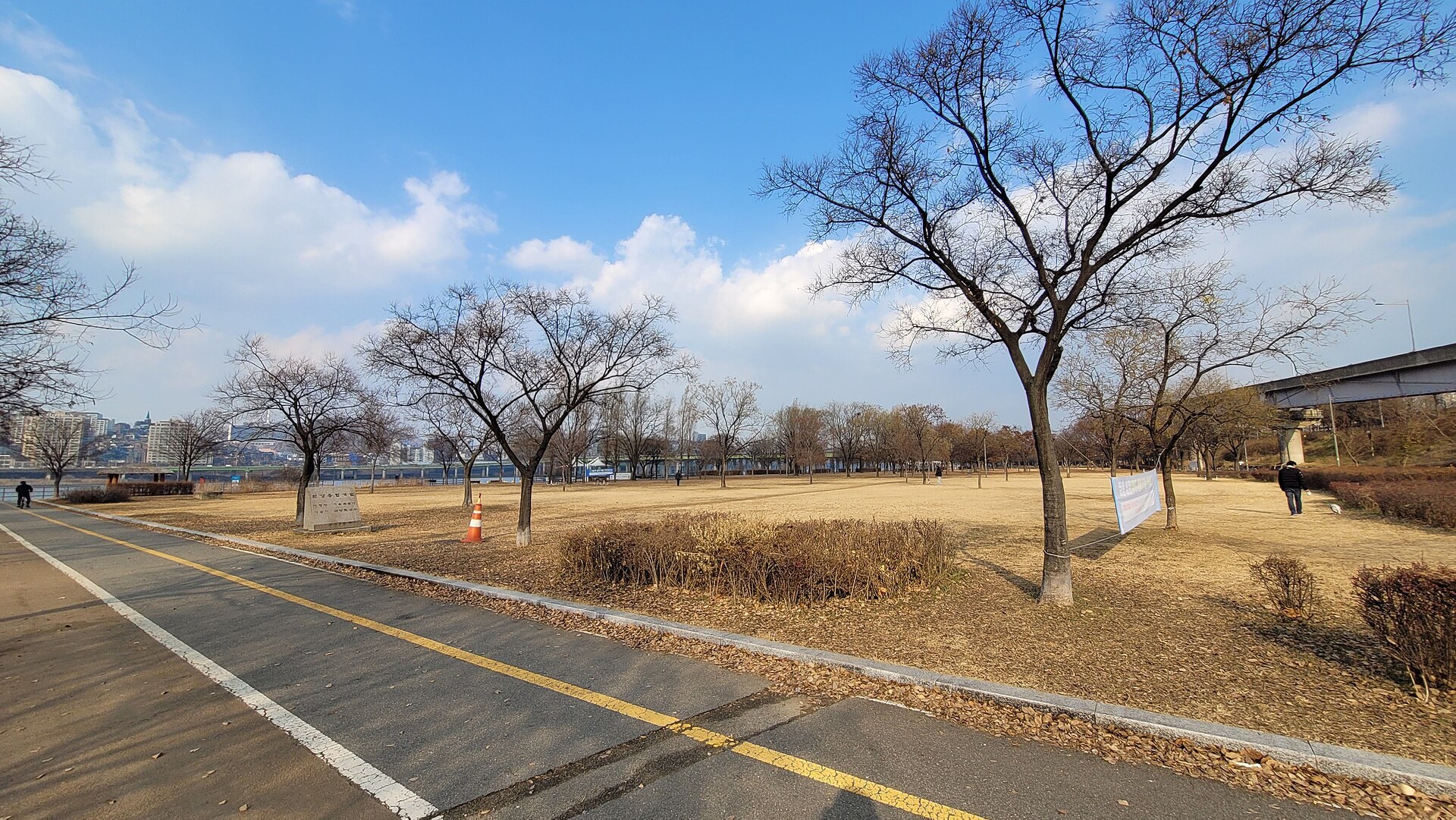
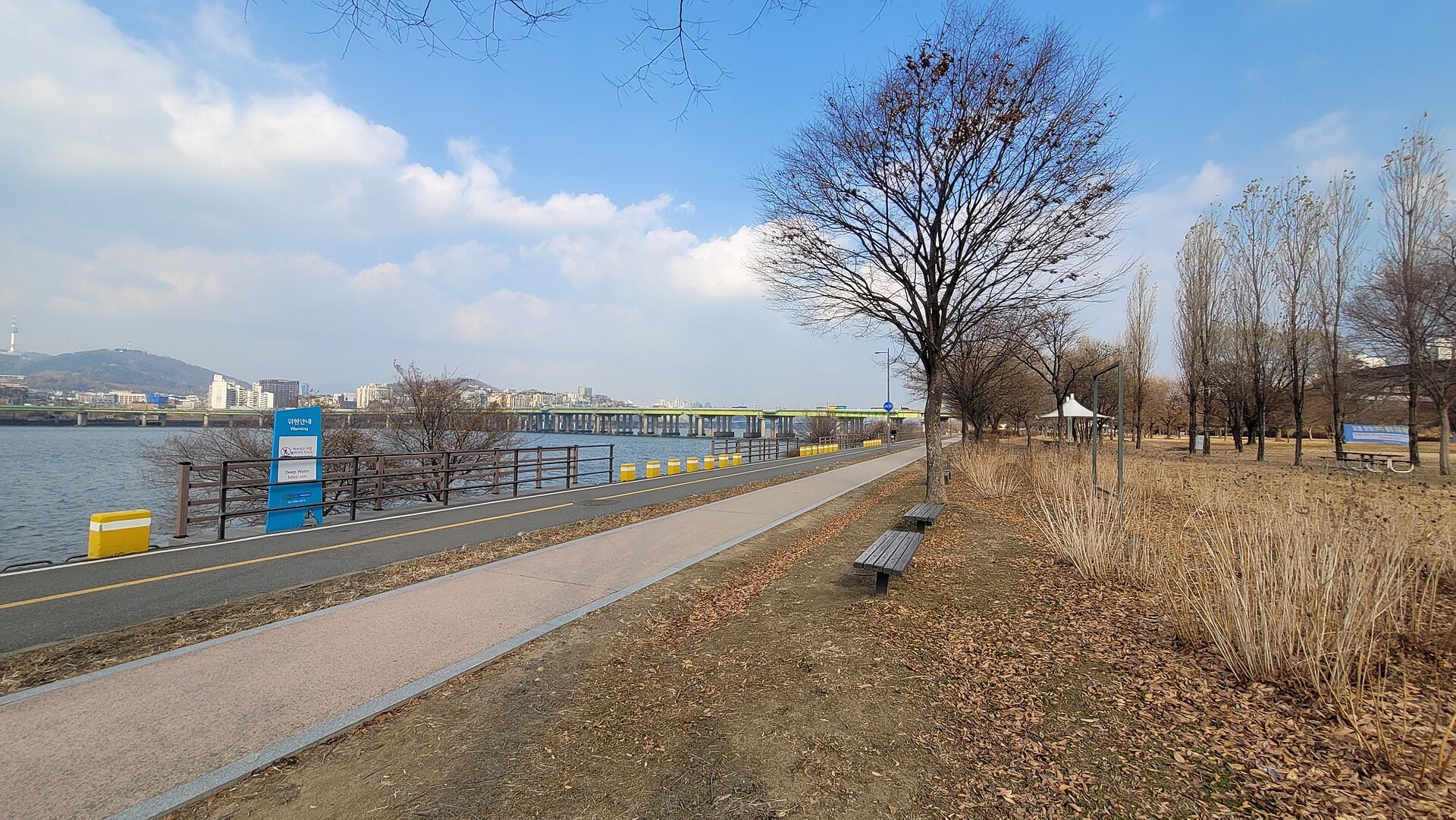
Despite the parents' desperate efforts and the police pursuit, the case moved toward the worst possible outcome. On March 13, 1991 — the 44th day of the boy's disappearance — Hyung-ho was found dead in a drainage ditch by the Han River. The site was reported to be a short distance west of Jamsil Bridge. Nearly two months of threats and waiting ended in the saddest way imaginable.
An autopsy suggested that Hyung-ho had died not long after being abducted. In other words, the perpetrator had continued making ransom calls and demanding money for 44 days even though the child was already gone. The realization that all those long days the parents had clung to — believing they might still get their son back — had in fact been beyond saving from the very beginning made the tragedy of this case run even deeper. The whole of society was shaken, and before such a cruel crime targeting a young child, people could not hide their anger and grief.

When the Case Became a Film — 'Voice of a Murderer'
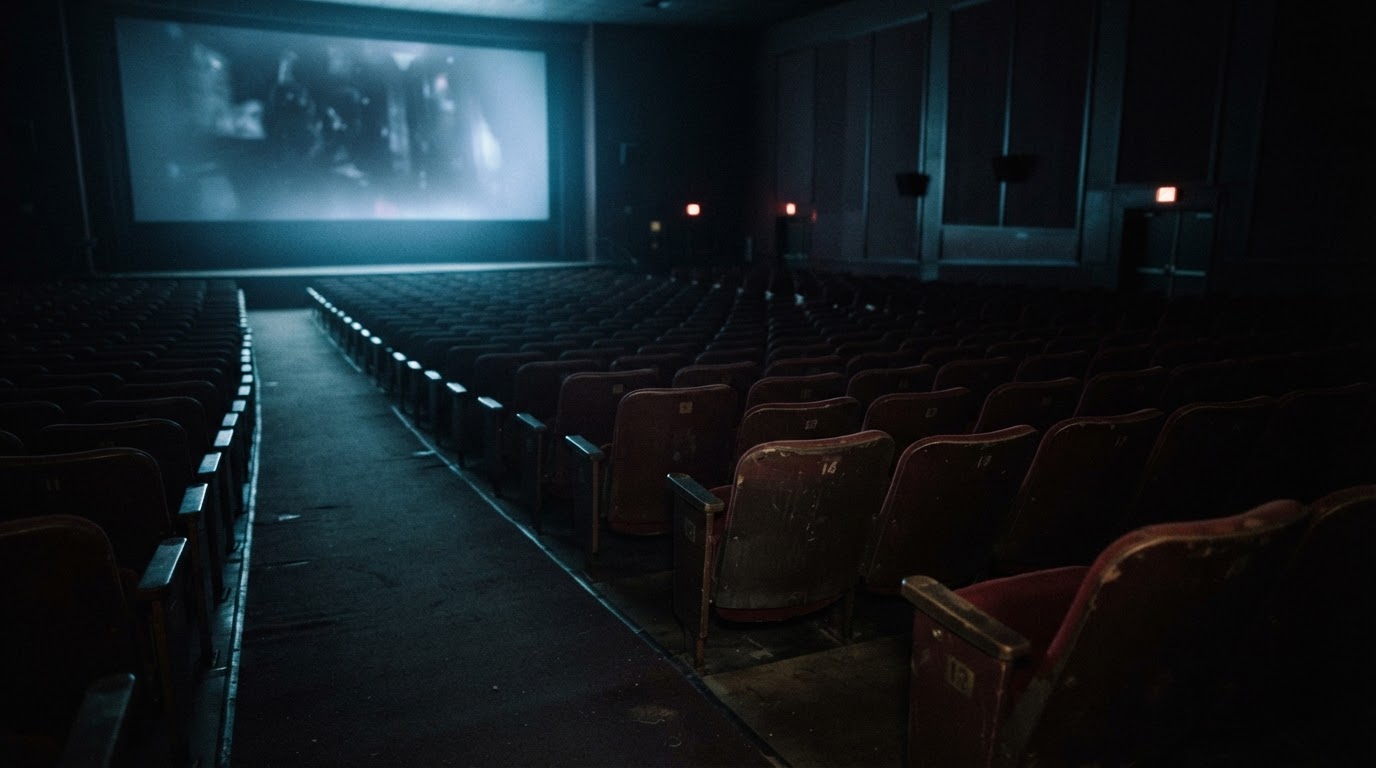
As the years passed, the Lee Hyung-ho case seemed to fade slowly from public memory. Then, in 2007, a film inspired by the case — "Voice of a Murderer" — was released, and the story once again drew nationwide attention. Directed by Park Jin-pyo and featuring actors including Sol Kyung-gu and Kang Dong-won, the film centered on the parents of a kidnapped child and the criminal's voice that toyed with them. Just as in the real case, the criminal in the film exists only as a voice and is never caught to the very end.
The film drew particular attention because, in its closing, it appealed to the audience for the criminal's capture in a way that evoked the real recorded ransom calls. Because it dealt with a case that remained unsolved, the film became more than mere entertainment — it impressed upon viewers the chilling reality that a criminal who has never been caught may still be alive somewhere. That said, the film is ultimately an adapted work of fiction, and its details may differ from the facts of the actual case. Even so, by pulling a fading unsolved case back into public discussion, it left a mark of no small significance.

The Statute of Limitations, and an Unsolved Case
Even though the criminal's voice survived and the circumstances of the extortion were recorded in detail, the investigation ultimately bore no fruit. As the years went by, no decisive lead emerged, and the case sank into obscurity. Then, in January 2006, the statute of limitations for murder expired. At the time, South Korea's statute of limitations for murder was fifteen years, and once that period passed, even if the criminal were identified he could no longer be prosecuted by law. And so the Lee Hyung-ho case hardened into a permanently unsolved one.
This case has long been counted, alongside the Hwaseong serial murders and the Frog Boys case, among the "three great unsolved cases" of South Korea. Because it was a premeditated crime targeting a young child, it left both a deep wound and an enduring question for society — a heightened awareness of crimes against children, and a fundamental reckoning with the statute-of-limitations system itself. In the wake of the questions raised by such unsolved cases, South Korea abolished the statute of limitations for murder in 2015 through what is known as "Taewan's Law." However, that law was not applied retroactively to cases whose limitations had already expired, and so it could not reach the Lee Hyung-ho case. The institutional door to the truth had already closed.


The Voice That Remains
The Lee Hyung-ho case leaves us with layered questions. In the winter of 1991, a nine-year-old boy vanished, and for 44 days the criminal kept up his ransom calls to the parents. All that was left behind was that cold, precise voice — and yet the voice never resolved into a single face. In 2006 the statute of limitations expired and the case became permanently unsolved, and years later it was summoned back into public memory as the inspiration for a film.
What we can say for certain about this case today is that the suffering endured by one child and his family must never be forgotten. The criminal was never caught, and the path to punishing him has been institutionally sealed. Yet the lessons this case left behind — the cruelty of crimes that target children, and the conviction that the time to uncover the truth should not be finite — have gradually changed Korean society. That voice, once flowing from the other end of a telephone line, still remains somewhere. Like a question left unanswered for far too long, and like a shared resolve among us all that the same tragedy should never be repeated.
I have listened to the released recording. It is the only case in my files where the archive holds the offender's actual voice and nothing else — no name, no face, no charge that can now be brought. What stays with me is not how cold it sounds but how unhurried. A man in his thirties in 1991 would be in his sixties or seventies now, and the tape is still playable, and the law has closed. Somewhere there is a person who can hear that recording and recognise it.
---
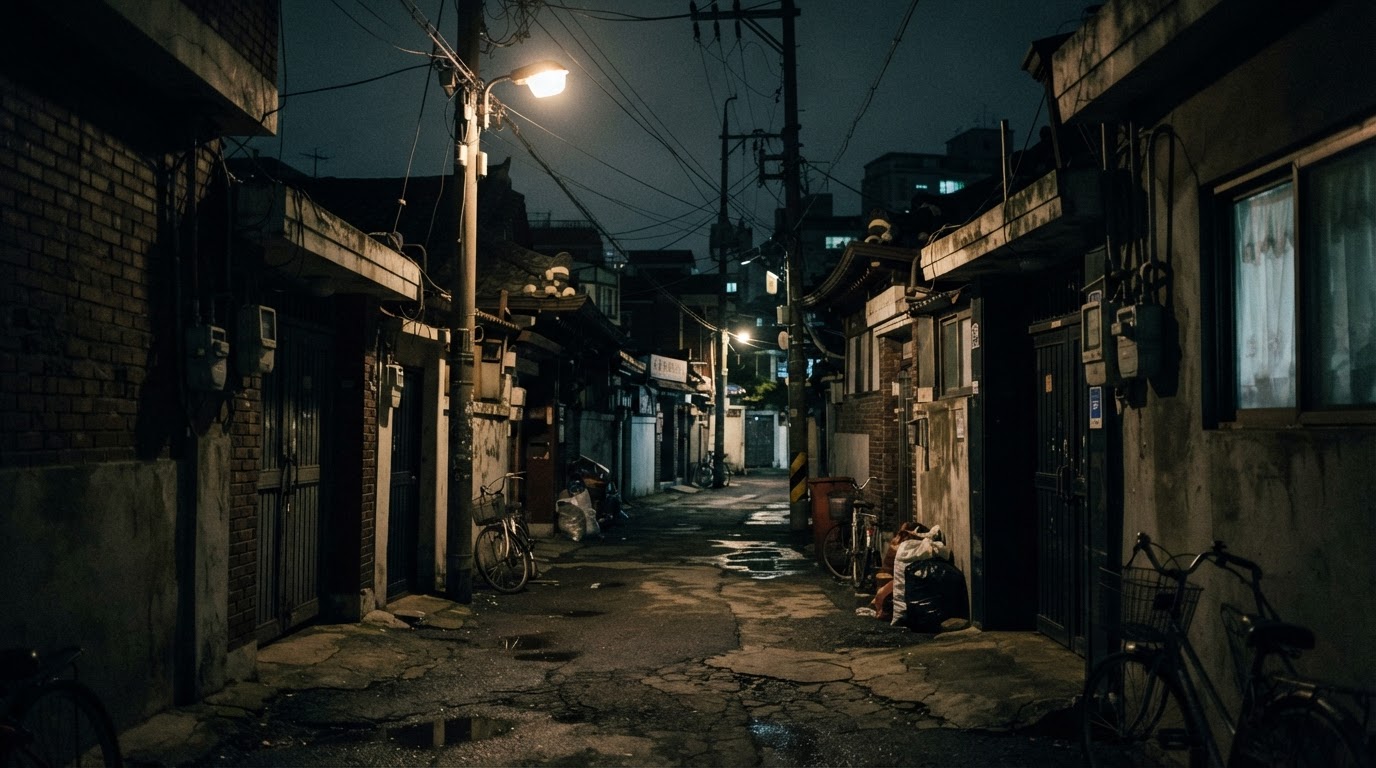
This article combines present-day photographs of the areas connected to the case and period documentary photographs with AI-generated images produced to convey the mood of the story. The location photographs all show these places as they look today, not at the time of the case, and none of them identifies a specific crime scene.

Comments
No comments yet — leave the first one.