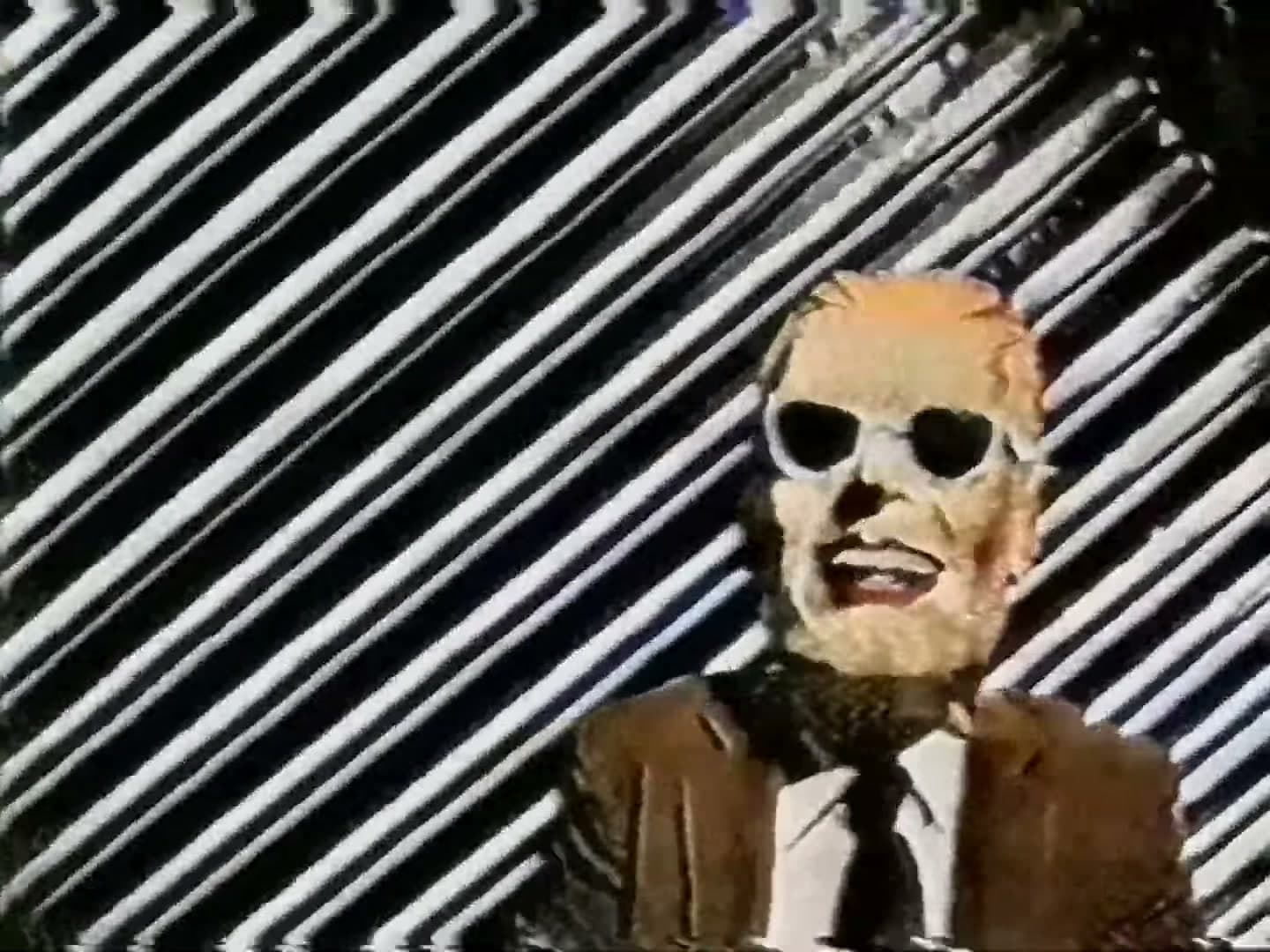
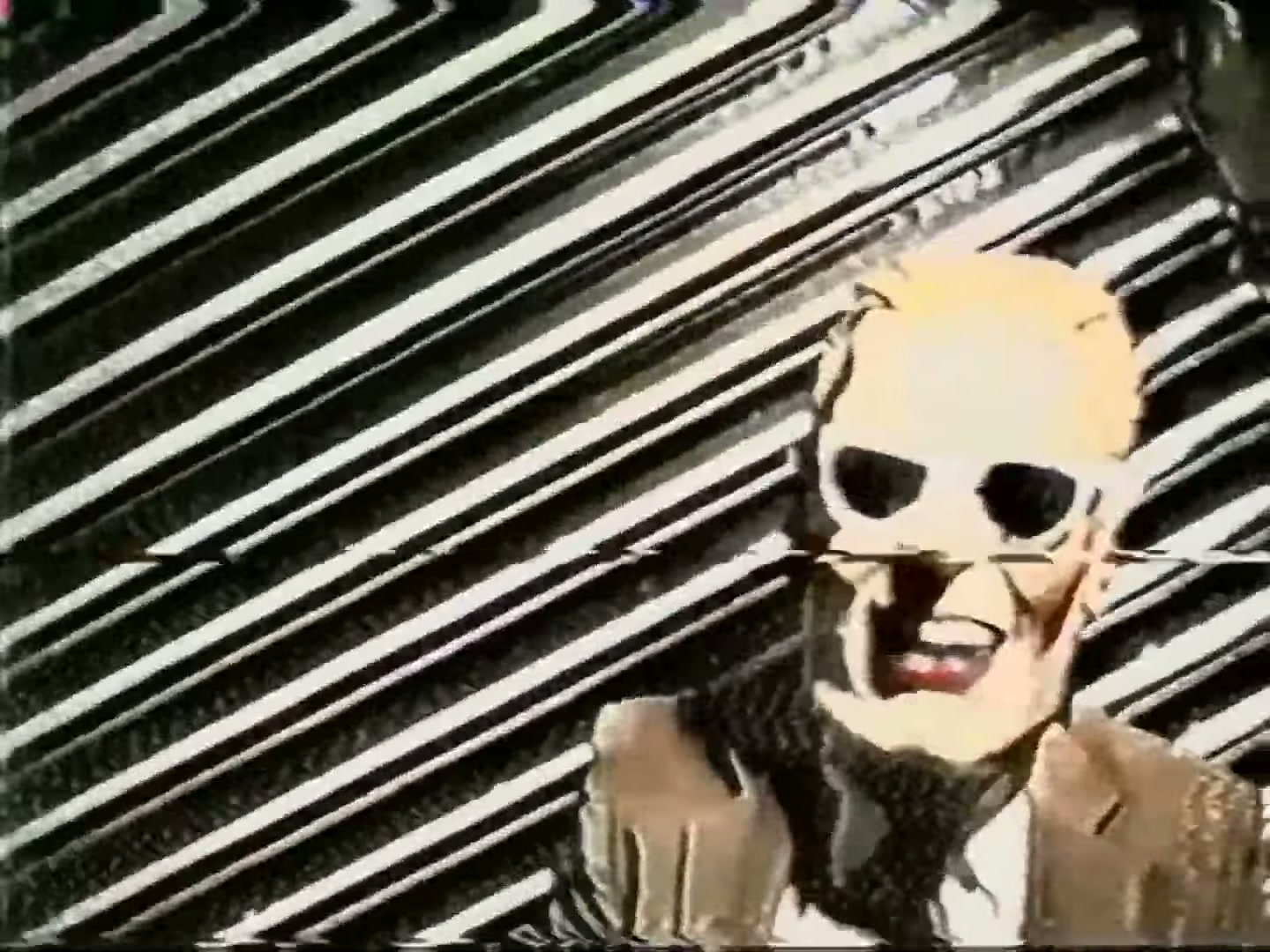
On the night of Sunday, November 22, 1987, people across Chicago were watching an ordinary evening of television. At 9:14 p.m., during the sports segment of the newscast on the independent station WGN-TV, the picture abruptly went black. What appeared a few seconds later was neither the sports anchor nor a commercial. A figure wearing a Max Headroom mask and sunglasses was rocking its body eerily from side to side in front of a rippling metal panel. The only sound was an ear-scraping burst of static. It took WGN's engineers about thirty seconds to wrestle control of their transmission back. Then, roughly two hours later that same night, the screen of the public station WTTW was seized by the very same mask all over again. This was no simple prank: it required hijacking an entire broadcast tower, a feat far beyond the reach of an ordinary person. The FBI and the FCC launched investigations, yet thirty-nine years later, not one perpetrator has ever been identified. This is the story of the "Max Headroom broadcast signal intrusion," the strangest unsolved case in the history of American television.
Most of the files I keep are about people who vanished. This one is about a person who appeared, which turns out to be harder to sit with. I came to it sideways, through an old FCC enforcement summary that mentioned the intrusion in a single dry clause, and it took me weeks of cross-referencing station logs and contemporary press to establish something as basic as the two-hour gap between the WGN hit and the WTTW hit. That gap is what I keep circling. Whoever it was did not run after the first thirty seconds. They waited, somewhere in Chicago, and then did it again.
The Mask That Suddenly Filled the Screen
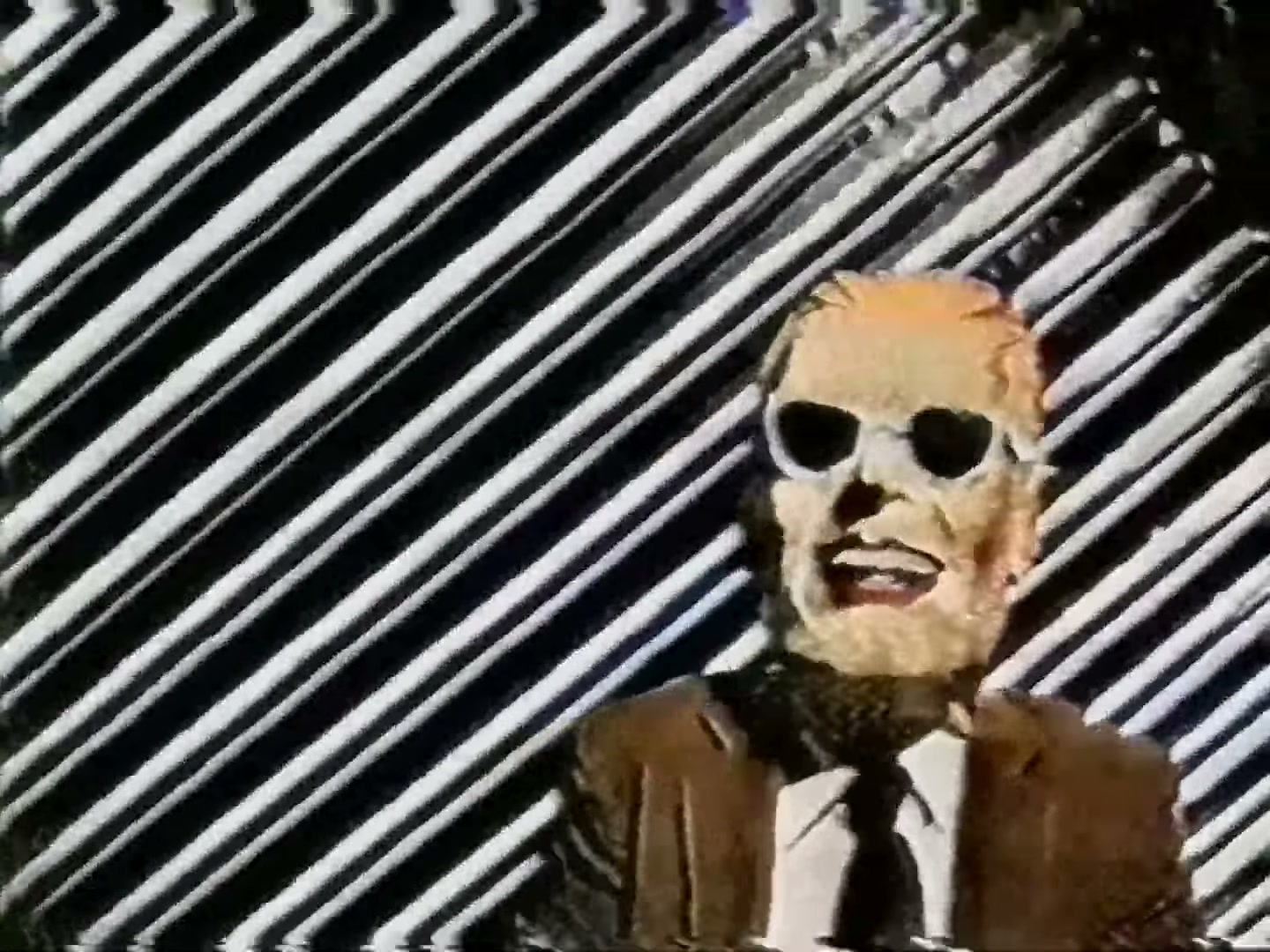
That night, WGN-TV was airing The Nine O'Clock News. Just as sports anchor Dan Roan was introducing the highlights, viewers' screens went dark without warning. After a brief silence, what filled the picture was nothing the station had intended to broadcast. Someone wearing a plastic mask molded in the likeness of Max Headroom, along with oversized sunglasses, was swaying strangely in front of a panel of corrugated, wave-shaped metal, a crude imitation of the geometric background that was the real Max Headroom's trademark. This first intrusion had no dialogue. There was only a loud, grating burst of noise, and it went on for close to thirty seconds.
WGN's engineers hurriedly rerouted their transmission path and drove the intruding signal out. When the picture returned to normal, Dan Roan, who had been left to carry on without any idea what had happened, turned to the camera and said: "Well, if you're wondering what happened, so am I." Even the people in the studio had no idea what had just taken place. Viewers may well have shrugged it off as a momentary technical glitch. But the night's events were far from over.
The Second Intrusion — The 90 Seconds That Swallowed WTTW
Around 11:20 p.m., roughly two hours later, the target this time was Chicago's public broadcaster, the PBS member station WTTW. At that moment WTTW was airing an episode of the British series Doctor Who, "Horror of Fang Rock." Suddenly the screen was covered once more by that same mask. Unlike the first intrusion, this one had sound. It was distorted and hard to make out, but it was unmistakably a voice.
WGN's tower had staff on hand who could respond quickly, but WTTW's transmission tower was running unmanned. Because of that, this intrusion lasted far longer. For about ninety seconds, the masked figure poured out a stream of disjointed remarks. It mocked a WGN sportscaster by name, held up a cola can while twisting Coca-Cola's advertising slogan, and even hummed the theme from the old cartoon Clutch Cargo. The broadcast then ended with a deeply crude and bizarre scene. Some of the content was explicit and unpleasant in nature; here we note only the plain facts. After ninety seconds, the picture returned to Doctor Who as if nothing had happened. The intruder had vanished without leaving a single trace.
Who Was Max Headroom?
To understand this incident, you first have to know what "Max Headroom" was in the 1980s. Max Headroom was a fictional character who first appeared in the 1985 British cyberpunk TV movie Max Headroom: 20 Minutes into the Future, broadcast on Channel 4. Created by three British video directors, George Stone, Annabel Jankel, and Rocky Morton, the character was a satire of the 1980s American TV hosts who strained to pander to youth culture. Within the story, he was billed as the world's first "computer-generated TV presenter."
Curiously, Max Headroom was not actually computer graphics at all. The Canadian-American actor Matt Frewer wore prosthetic makeup, contact lenses, and a molded plastic suit and performed in front of a blue screen, and the footage was then treated to look computer-generated. His signature stammering, pitch-shifting delivery became a hallmark of the character. Max Headroom soon crossed the Atlantic and became wildly popular in the United States. In 1985 he became the host of a show introducing music videos, and in 1986-87 he was chosen as the spokesperson for Coca-Cola's newly launched "New Coke," popularizing the slogan "Catch the wave!" In 1987 he was even adapted into a dramatic series on the American network ABC. In other words, it was no accident that the intruder chose this particular face. Max Headroom was an icon that stood for American television and consumer culture itself in that era, and hijacking a broadcast under the cover of that icon may well have been a message in its own right.
How Was It Even Possible?
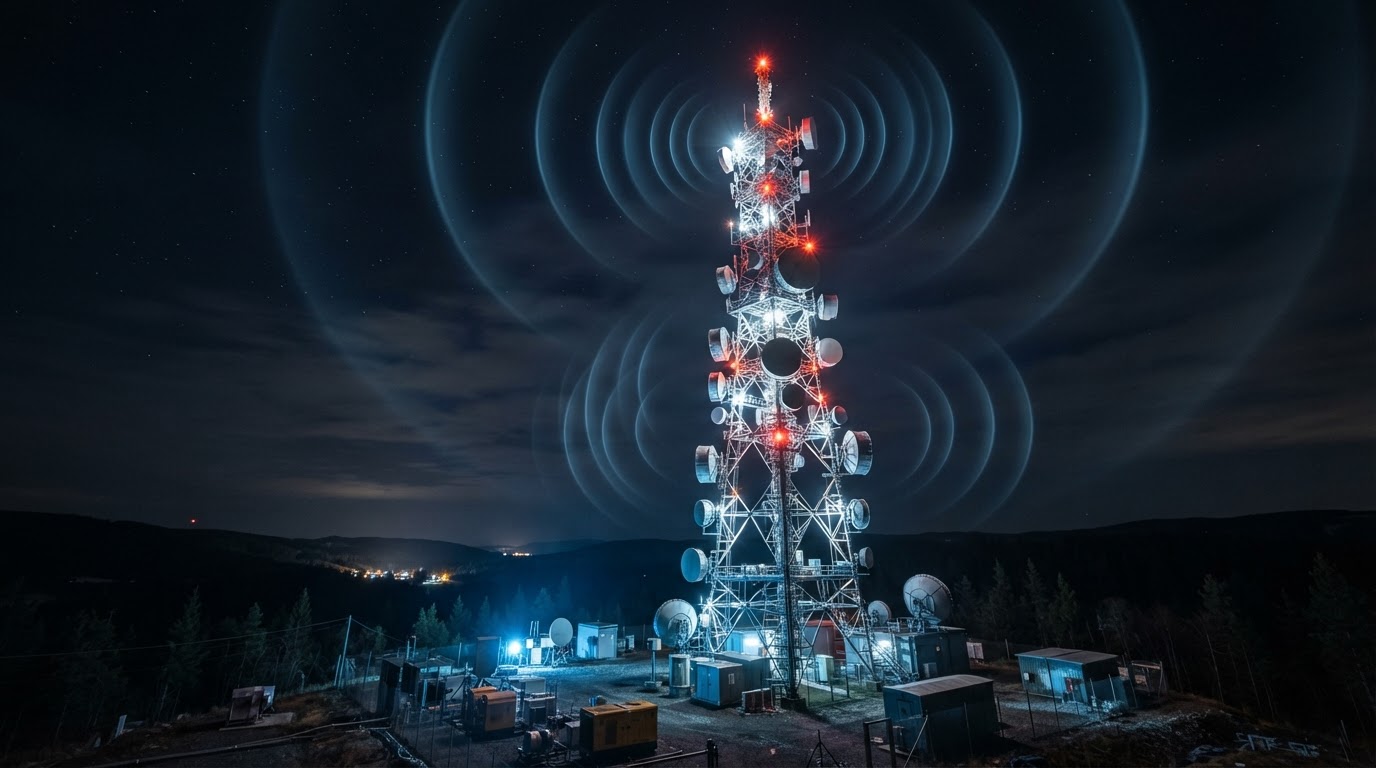
The biggest reason this incident is not dismissed as a mere prank is that it was something almost no one could have done. What carries a station's signal all the way to a home TV is a powerful microwave transmission link connecting the studio to the broadcast tower. The intruders aimed a microwave signal stronger than the one the station was beaming to its own tower at that very same tower. The receiving equipment then locked onto the stronger signal as if it were the "real" one. In radio engineering this is called the "capture effect," the phenomenon in which a radio or TV receiver latches onto whichever of two signals is stronger. The intruders understood this principle precisely and, in effect, momentarily "kidnapped" the tower with a signal more powerful than the station's own.
Experts assessed that pulling this off would have required considerable technical expertise and equipment. Nor could it be done from just anywhere. To inject a powerful microwave signal into a tower with precision, the transmission most likely had to originate from a spot with a clear line of sight to downtown Chicago's towers. It had to be someone who understood the inner workings of broadcast equipment and who could get their hands on the gear to carry it out. This seemed to narrow the direction of the investigation, yet at the same time it made the case all the more unsettling, because it meant that someone with this level of skill and equipment had chosen to spend that ability on a bizarre prank.
The FBI and FCC Investigation, and the Cold Case
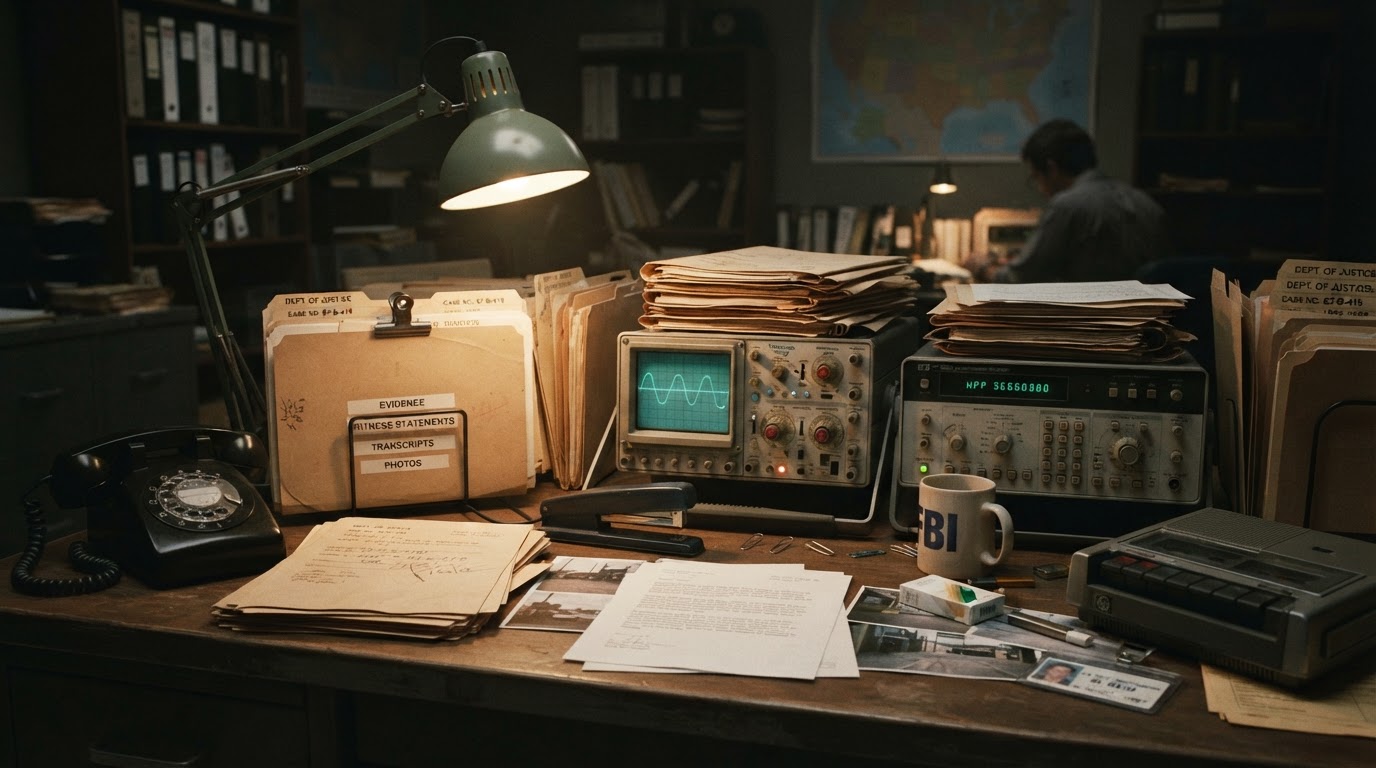
In the immediate aftermath, the U.S. Federal Communications Commission (FCC) launched an investigation at once. Hijacking a broadcast signal without authorization was a clear violation of federal law. At the time, one official stated that a conviction could carry a fine of up to $100,000 and up to a year in prison. The stations and investigators analyzed the characteristics of the intruding signal and worked to narrow the pool of technical personnel capable of such a feat as they pursued the culprits.
But the investigation hit a wall. Both intrusions were extremely brief, and the intruder left no physical trace whatsoever. The voice was distorted, and the mask concealed the face entirely. They could not even determine where the signal had been transmitted from. In the end, the FCC's official investigation closed without ever finding those responsible. The statute of limitations that could have applied to the crime was five years, and it expired in 1992. In other words, even if someone were to step forward today and say "I did it," there is no longer any legal way to prosecute them. The case thus hardened into a permanent cold case.
Who Could the Culprit Have Been? — The Lingering Theories
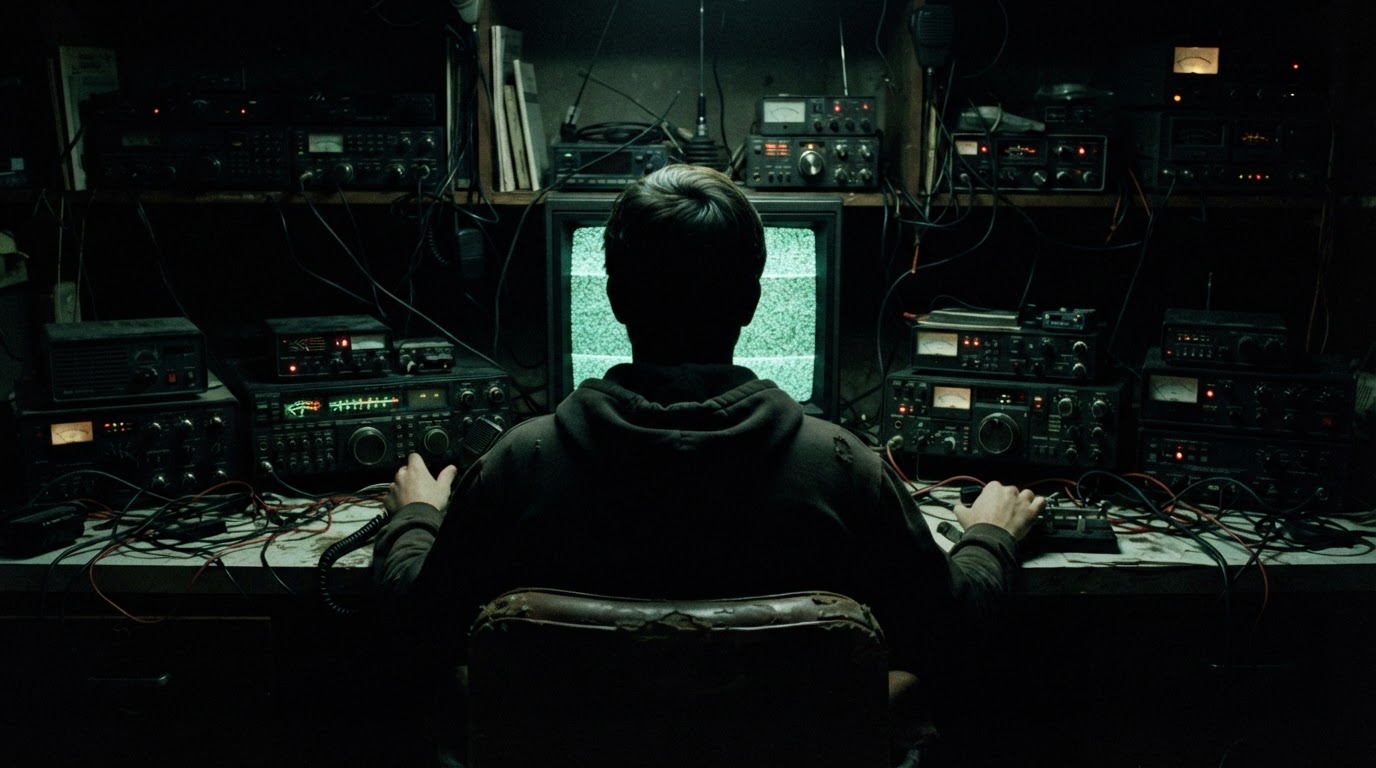
Because the perpetrator was never identified, numerous theories have been floated over the decades. The two most widely discussed fall into two broad camps. One holds that it was an insider familiar with the broadcast system, a current or former employee of WGN or a similar station harboring a grievance. The logic is that only someone who knew the ins and outs of broadcast equipment and transmission architecture could have pulled it off. The other holds that it was the work of the underground hacker and amateur radio community that existed in Chicago at the time, people well versed in radio and broadcast technology who did it as a kind of challenge or prank.
Around 2010, the case resurfaced on the internet community Reddit. One user drew considerable attention by writing out, in detail, the circumstances suggesting that a pair of brothers he had known might be the culprits. The figure he described was someone skilled in radio technology and given to eccentric behavior, and some felt the details lined up with elements of the case. But this too was ultimately a claim based on circumstance, never confirmed as fact by police or any official body. No theory ever led to decisive evidence, and the true identity of the intruder remains a question mark.
The Mystery That Remains
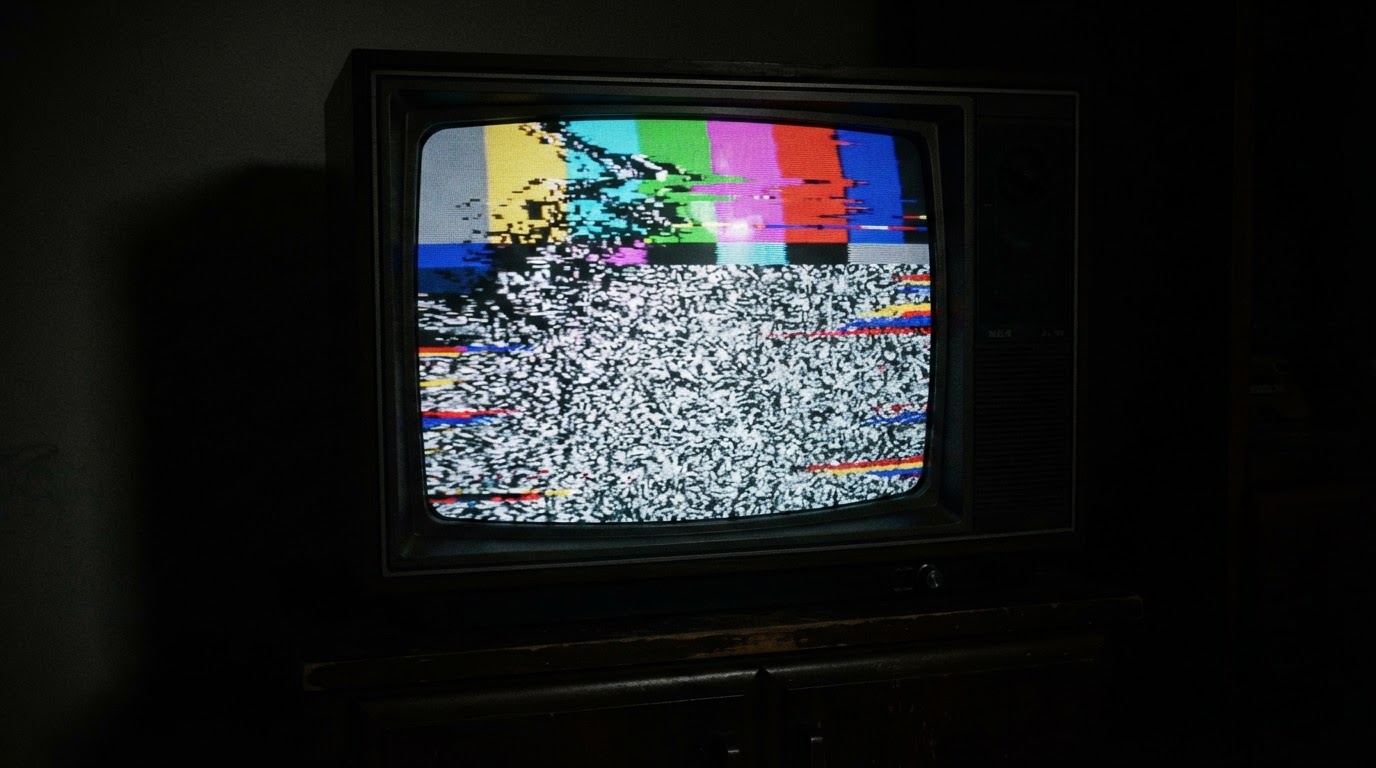
Here is what we can say for certain today. On the night of November 22, 1987, two Chicago television stations had their signals hijacked on two separate occasions. What covered the screen was an unidentified person in a Max Headroom mask. The feat involved advanced radio technique, using the capture effect to seize control of a broadcast tower. The FCC and investigators pursued the culprits but identified no one, and the statute of limitations expired in 1992. The case remains completely unsolved.
There is far more that we still do not know. Who was the figure behind the mask? How many accomplices were there? Why Max Headroom, of all things? Why would someone with skills like these spend them on a prank this bizarre and this crude? Was it simple exhibitionism, a grudge against the broadcasters, or mockery aimed at the consumer culture and media of that era? No one was ever caught, no one ever confessed, and now even the law that might have punished them is gone. The mask that occupied thousands of living rooms for ninety seconds that night vanished back into the screen as if it had never existed, and never appeared again. Where the signal that streaked across Chicago's night sky came from, we still do not know.
The statute of limitations ran out in 1992, and I have never quite worked out what that does to a case in my files. There is no longer anything to solve, legally speaking — only something to know. Somewhere there may be a man in his sixties or seventies who once hummed the Clutch Cargo theme into a microphone through a plastic mask and has spent thirty-nine years not telling anyone, protected now by nothing more than his own silence. He could say it out loud tomorrow at no cost at all. He hasn't.
---
This article uses both actual broadcast captures and AI-generated images produced to convey the mood of the story.

Comments
No comments yet — leave the first one.