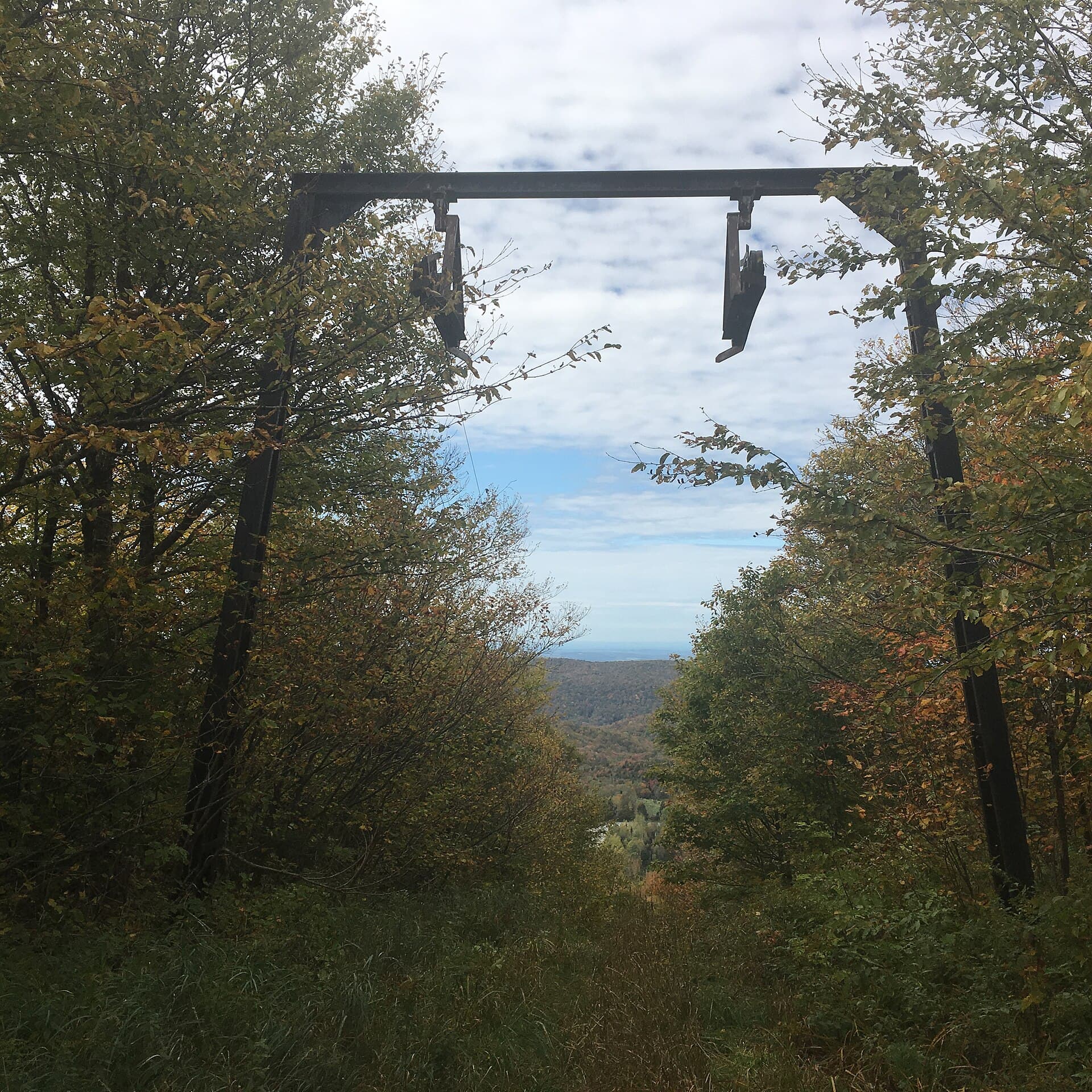
There is a mountain in the southwestern corner of Vermont called Glastenbury. It is not especially high or dramatic. Its slopes are covered in dense forest that turns gold and red in the autumn, and around its feet lie the remains of towns that people abandoned long ago. It looks, in short, like any number of quiet New England mountains. And yet, over the span of just five years — from 1945 to 1950 — five people walked into the woods and hills around this mountain and were never seen alive again. A hunting guide who knew the forest better than almost anyone. A college student out for an afternoon walk. An old soldier who vanished from a moving bus. A little boy of eight. A woman of fifty-three, the only one of the five whose body was ever recovered — found six months later in a place the searchers had already been. None of the five cases was ever solved. This is the story of what would come to be called the Bennington Triangle.
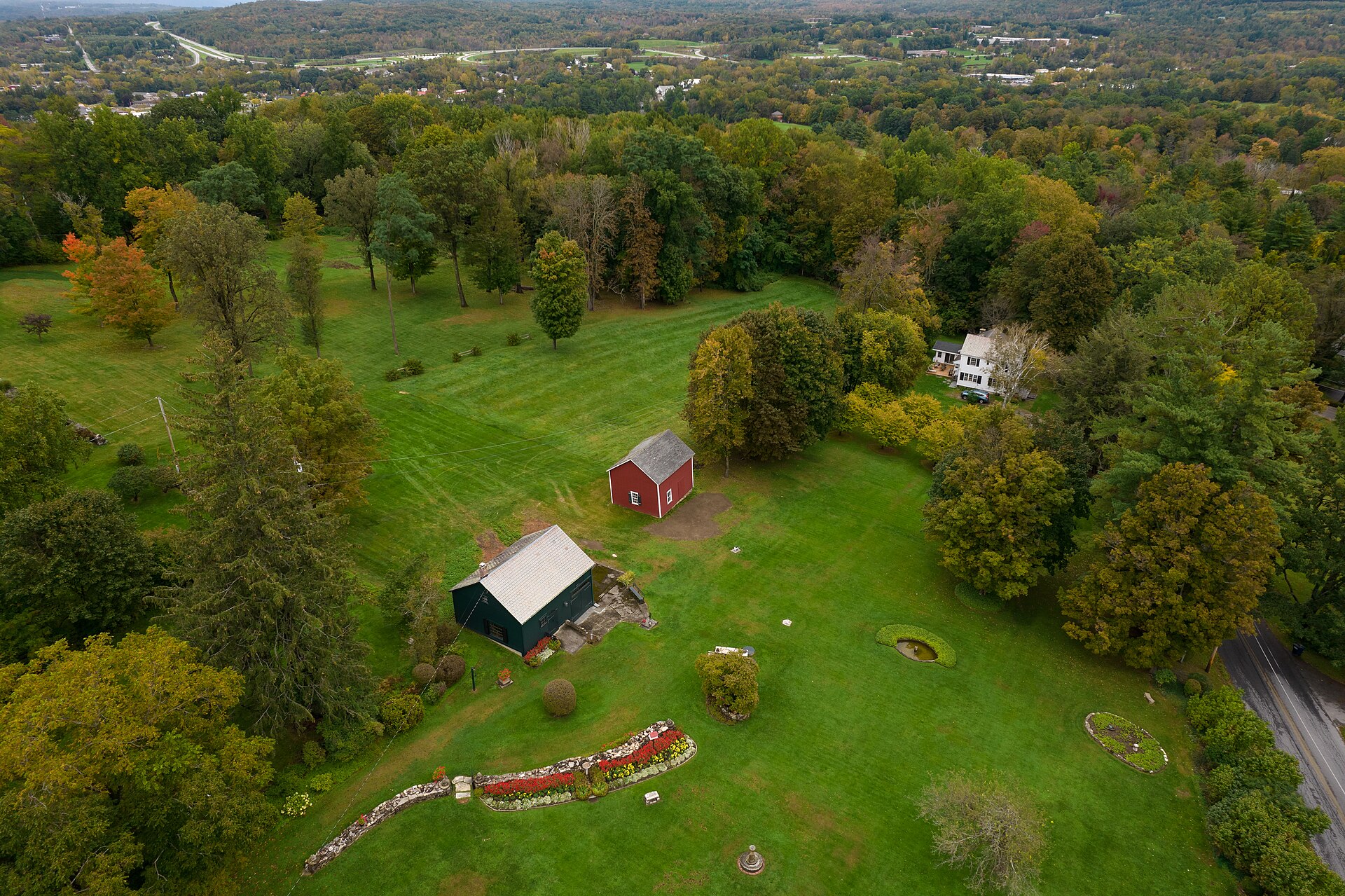
Photo: Wikimedia Commons, CC BY-SA 4.0
Grouped disappearances usually fall apart when you check the dates, and I opened this file fully expecting it to. Instead I found the two Decembers. Paula Welden went missing on the first of December 1946; James Tedford left a moving bus on the first of December 1949. I sat with those two lines for a long while, because a coincidence is what that is, and I know it is, and knowing has never once made the second date look ordinary to me.
The Mountain and Its Reputation
Glastenbury sits near the town of Bennington, in a stretch of Vermont where the forest closes in quickly and the old logging towns of Glastenbury and Somerset dwindled until they were formally dissolved in 1937 — ghost towns in all but name. It is beautiful country, but lonely, and it has carried an uneasy reputation for a very long time.
Long before any of the disappearances, according to accounts passed down as local lore, the native peoples of the region were wary of these mountains and are said to have avoided them, using the land for hunting but not settling on it. The writer Joseph Citro, who did more than anyone to gather these stories, has recounted an old legend of a "man-eating stone" somewhere on the mountain — a rock, the tale goes, that looks solid enough to stand upon, but that swallows anyone unlucky enough to step onto it. It should be said plainly that this is folklore, not documented history: no such stone has ever been found, and the legend belongs to the realm of story rather than fact. But it is part of the atmosphere that has always clung to Glastenbury, and it is worth knowing before the true events begin — because what actually happened here needs no legend to be frightening.
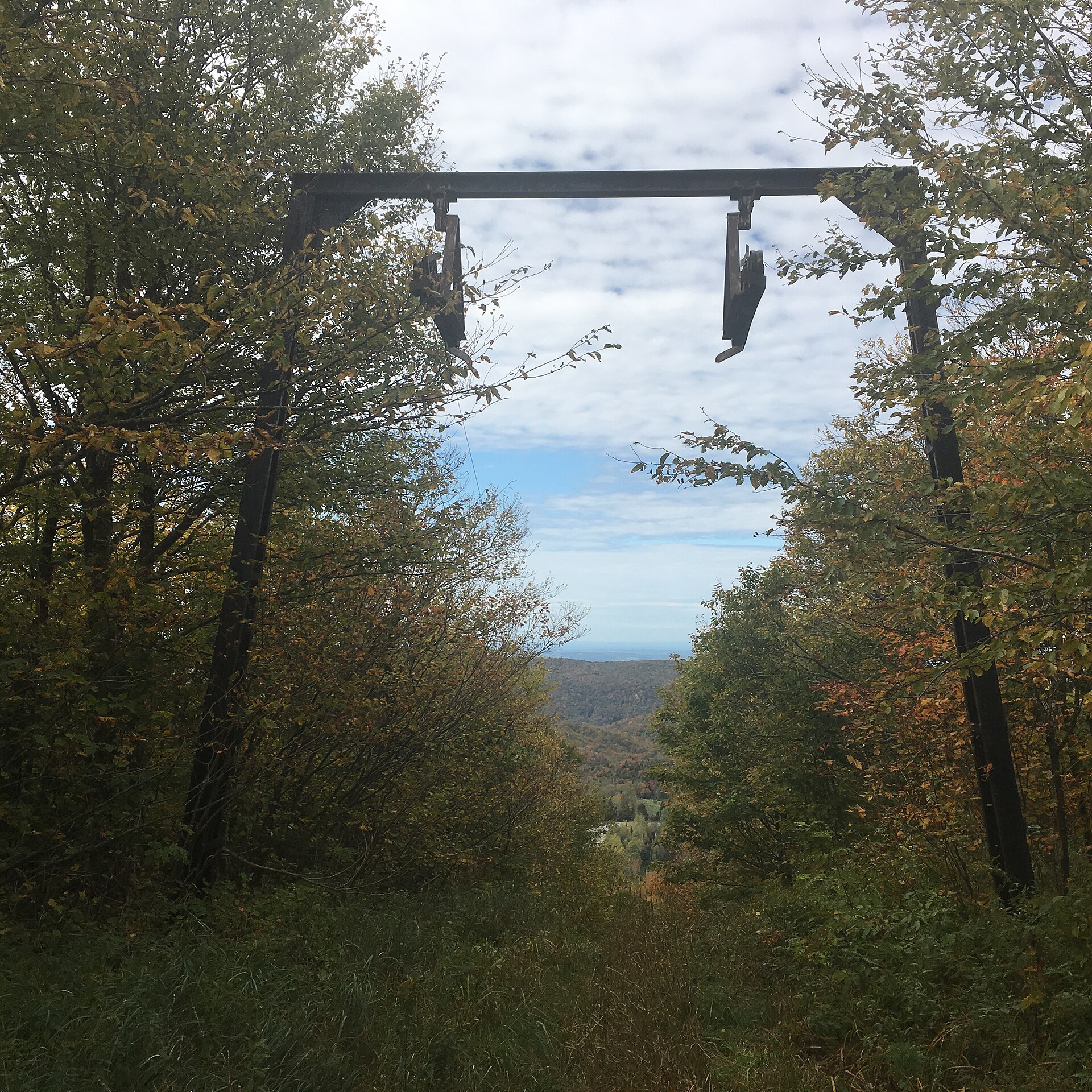
Photo: Wikimedia Commons, CC BY-SA 4.0
1945 — Middie Rivers
The first to vanish was the man least likely to. Middie Rivers was seventy-four years old, an experienced hunter and guide who knew the country around Glastenbury intimately. On November 12, 1945, he was leading a small group of hunters through the woods of Bickford Hollow, a few miles from Bennington. Walking ahead of the others on the way back to camp, he rounded a bend — and was simply gone.
A large search followed, drawing in volunteers and guardsmen, combing the hills where a lifelong woodsman had somehow lost himself. Nothing was found that autumn. The only trace of Middie Rivers ever recovered was a single rifle cartridge, discovered in a stream the following spring — as if he had passed that way and left the faintest possible mark before the forest closed over him for good. That a man of his experience could disappear so completely, in country he knew by heart, unsettled everyone who knew the story. It would not be the last time the phrase "but he knew these woods" was spoken over an empty search.
Photo: Wikimedia Commons, CC BY-SA 4.0
1946 — Paula Welden
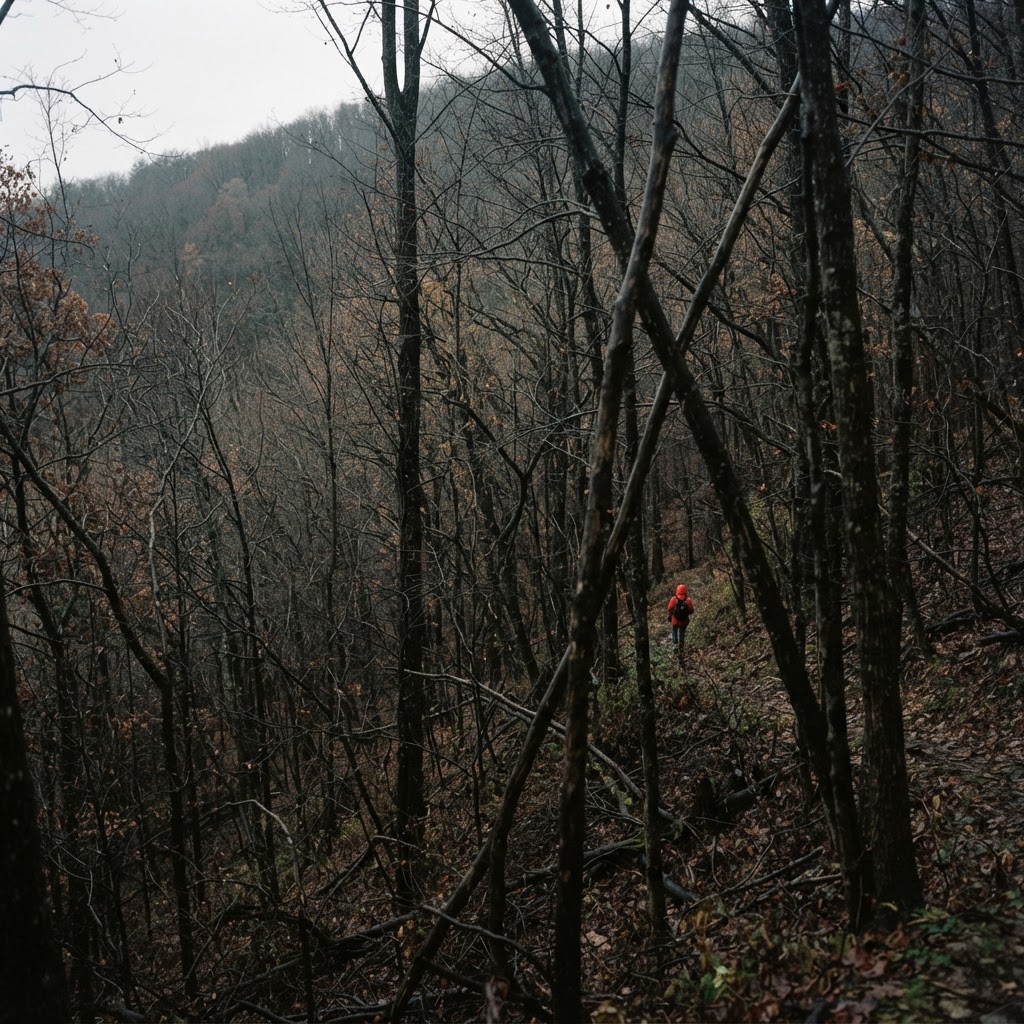
A little over a year later, on December 1, 1946, the disappearance that would make the region famous took place. Paula Welden was eighteen, a sophomore at Bennington College, and on that grey afternoon she decided to go for a walk along the Long Trail — the famous footpath that runs the length of Vermont's mountains, passing near Glastenbury. She set out in a bright red jacket, jeans, and light sneakers, carrying no camping gear, dressed for an afternoon's stroll and nothing more.
Several people saw her on the trail that day. A couple hiking behind her reported that she rounded a bend ahead of them — and when they came around it moments later, she was no longer there. That red jacket, so easy to spot against bare December trees, was never seen again. The search that followed was enormous: the FBI became involved, a substantial reward was offered, and the hills were scoured for weeks. Not a thread, not a footprint, not a single confirmed trace of Paula Welden was ever found.
Her case did more than break her family's heart. Vermont at the time had no statewide police force, and the local handling of the search was so heavily criticized — not least by her grieving father — that in 1947 the state passed a law creating the Vermont State Police. In a grim irony, one of the region's most famous unsolved disappearances directly gave rise to the very institution meant to solve such cases. It could not solve hers.
1949 — James Tedford
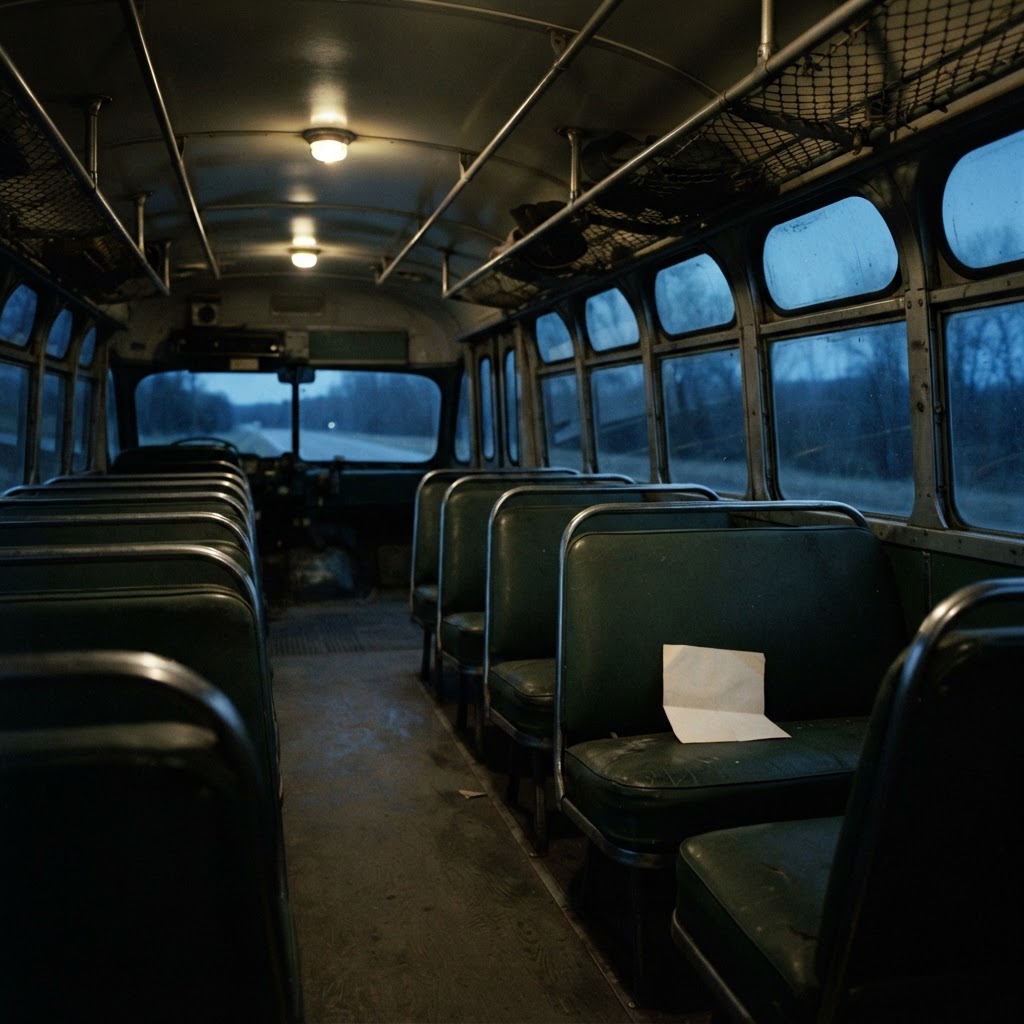
Three years passed. Then, on December 1, 1949 — by a coincidence that has never stopped unnerving people, the exact anniversary of Paula Welden's disappearance — a man named James Tedford vanished under circumstances stranger than any of the others. Tedford was sixty-eight, a veteran living at the Vermont Soldiers' Home, and he was travelling home to Bennington by bus after visiting relatives.
According to the accounts that survive, fellow passengers saw him aboard the bus. He was there when the bus made its stops, present and accounted for, his luggage still on the rack and an open bus timetable reportedly on his seat. And then, somewhere on that ordinary route between one stop and Bennington, he was no longer aboard. The passengers around him had noticed nothing. A man had been sitting on a moving bus, and then he had not — with no stop that explained it, no exit that anyone saw. His disappearance was not even reported for about a week. Of all five cases, Tedford's is the one that most resists any ordinary explanation, because there was no lonely trail for him to wander off, no forest to swallow him — only the inside of a bus, and the space where he had been.
1950 — Paul Jepson
The following year the woods took someone very small. On October 12, 1950, Paul Jepson, a boy of eight, was with his mother at the Bennington town dump, where she had work to do. She left him waiting for a short while — by some accounts around half an hour — and when she returned, the boy in his bright jacket was gone.
Bloodhounds were brought in, and they picked up Paul's scent and followed it for a distance — until, at a particular crossroads, the trail simply stopped, as though the child had reached that spot and gone no further on foot. The searchers could make nothing of it. A small boy does not vanish from a dump in broad daylight, and yet he had. That the dogs lost the trail at a road raised as many questions as it answered, and none of them were ever resolved. Paul Jepson was never found.
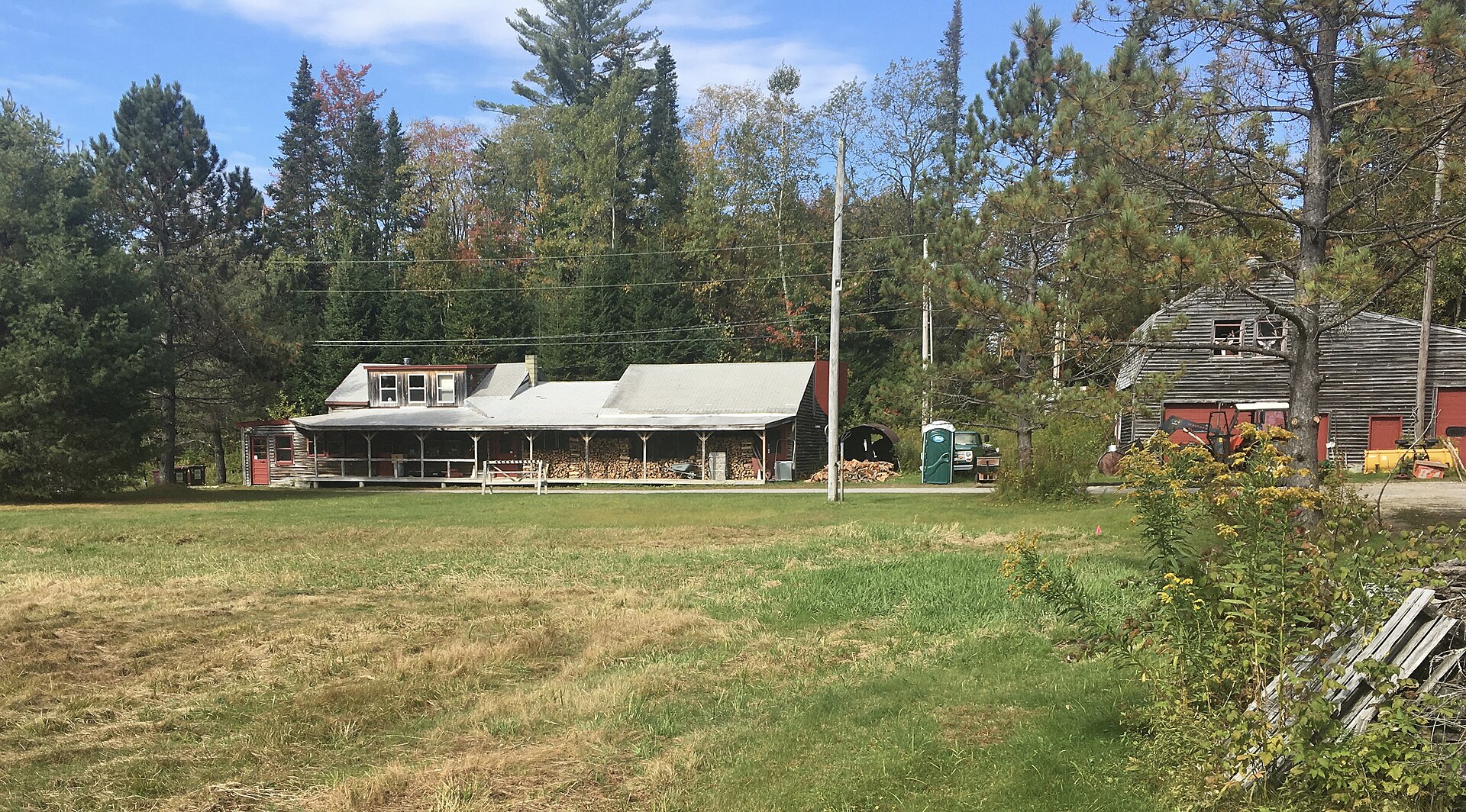
Photo: Wikimedia Commons, CC BY-SA 4.0
1950 — Frieda Langer, and the Body That Came Back
Just sixteen days after Paul Jepson, on October 28, 1950, the fifth and final disappearance occurred — and it is the strangest of them all, because it is the only one that did not end in complete silence. Frieda Langer was fifty-three, an experienced and capable hiker, and she had gone out into the Somerset woods with her cousin. At some point she slipped and fell into a stream, getting herself wet, and told her cousin she would go back to their nearby camp to change into dry clothes. It was a short, familiar walk. She never arrived.
When her cousin reached the camp and found that Frieda had never made it there, the alarm went up, and one of the largest searches the region had ever seen began. Aircraft and helicopters flew over the hills; hundreds of searchers walked the woods. The area was gone over again and again. And nothing was found — no trace of a woman who had vanished on a walk of a few hundred yards between a stream and a campsite.
Then, on May 12, 1951 — some six and a half months later — her body was found. That, in itself, set her apart: hers was the only body ever recovered of the five. But the place where it was found is what has troubled people ever since. Frieda Langer was lying in open ground, in an area that the searchers had combed thoroughly during the frantic weeks after she disappeared. By the time she was found, the condition of her remains meant that no cause of death could ever be established. How a body could lie undiscovered for months in a place that had already been searched — whether she had died elsewhere and been carried there by spring floodwater, or simply been missed, or something no one has ever satisfactorily explained — remains an open question. She was the one who came back, and even her return answered nothing.
The Name, and the Silence
For decades these five vanishings were remembered locally but not tied together in the public imagination. Then, in 1992, the New England writer Joseph Citro drew them into a single story and gave the region a name: the Bennington Triangle, an echo of the better-known Bridgewater Triangle in nearby Massachusetts. The name stuck, and with it came the whole apparatus of legend — the man-eating stone, tales of strange lights and sounds, of a hairy monster in the woods, of a place where people go in and do not come out. It is important to keep the line clear here. The name is modern, coined half a century after the events. The monsters and the swallowing stone are folklore. What is documented, and what does not need embellishing, is simply this: five real people, between 1945 and 1950, disappeared around one mountain, and only one of them ever came back — dead, in a place already searched, with no cause of death that could be read.
Each case, taken alone, might be explained. An old man loses his way; a young woman meets with foul play on a lonely trail; a confused veteran wanders off unseen; a child comes to harm at a dump; a hiker drowns and is carried downstream. These are the ordinary, terrible things that happen in wild country. What resists explanation is the pattern — five, in five years, in one small place, all unsolved — and the specific, needling details that each case left behind: the cartridge in the spring stream, the red jacket that never reappeared, the empty bus seat, the trail that ended at a crossroads, the body in the searched field. Glastenbury Mountain does not need a curse to be unsettling. It has kept five people, given back one, and answered for none of them — and more than seventy years later, it is keeping its silence still.
When I close this file it is never the mountain I am thinking about. It is Frieda Langer lying in open ground in May 1951, in a field that hundreds of people had walked across the previous autumn with aircraft overhead. Every explanation offered for that requires either the searchers to have failed at something simple or the body to have arrived afterward, and the record will not choose between them. She is the one who came back. I have read the search accounts through more than once hoping she would tell me something, and she is the quietest of the five.
---
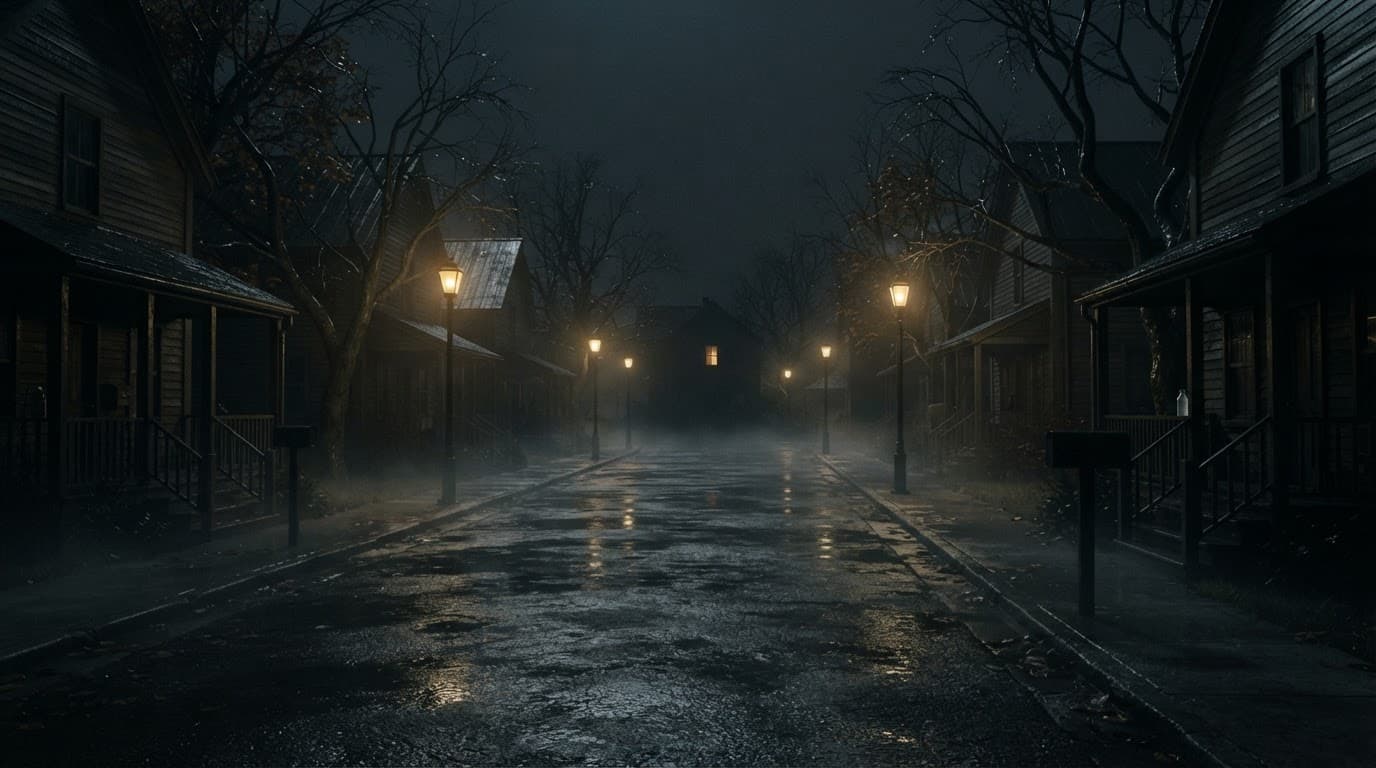
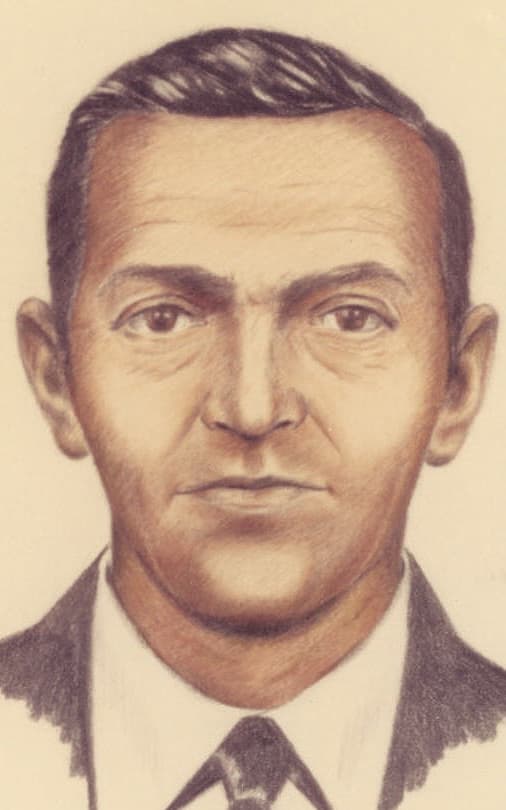
This article uses both genuine archival and on-site photographs and AI-generated images and video produced to convey the mood of the story.

Comments
No comments yet — leave the first one.