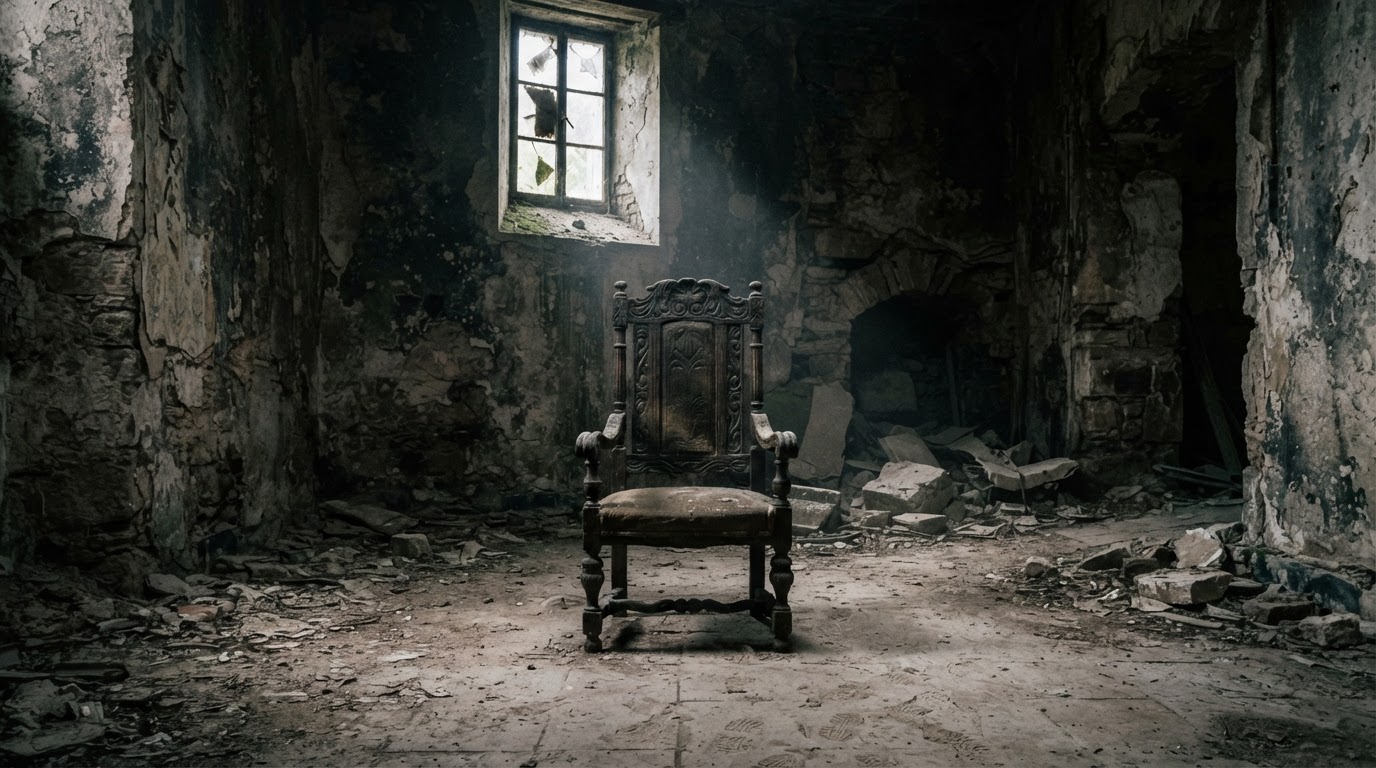
There is a chair in an empty house, and you are not supposed to sit in it.
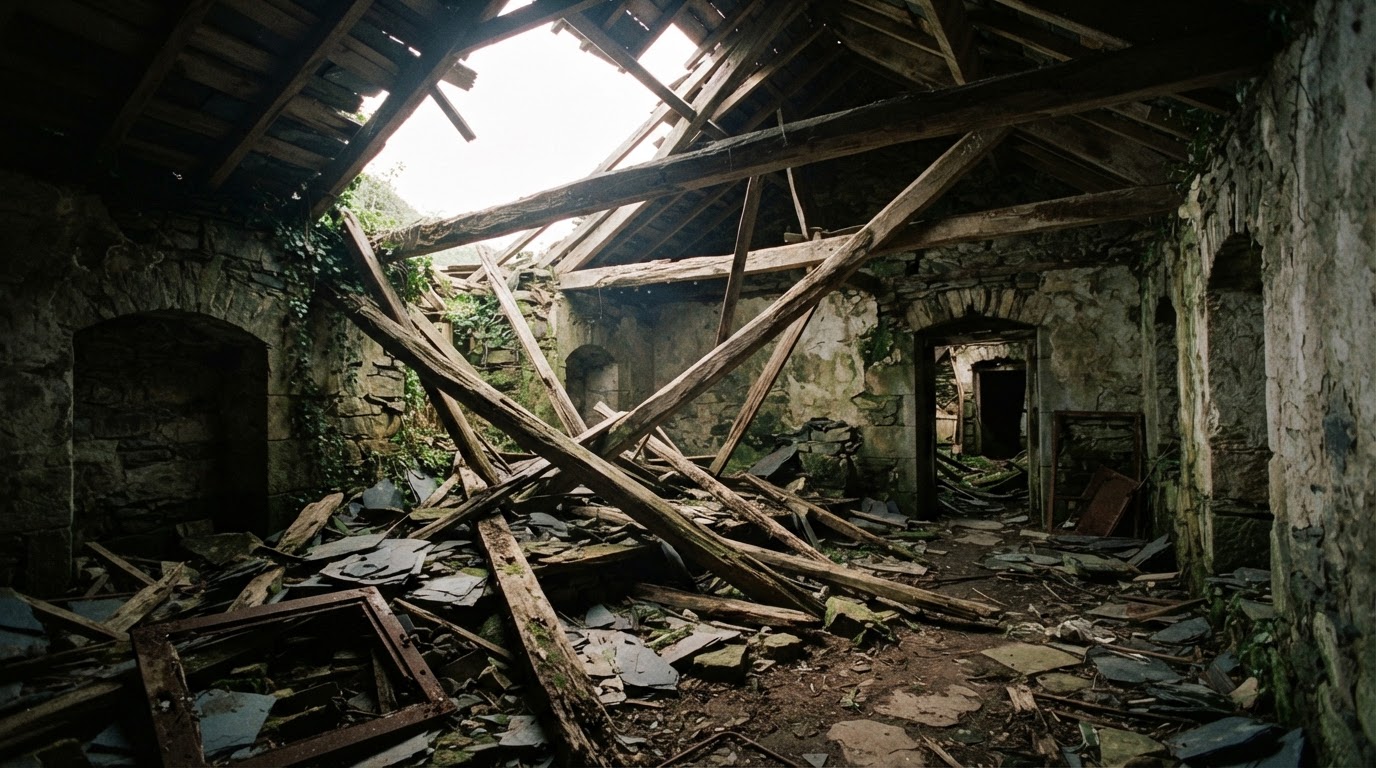
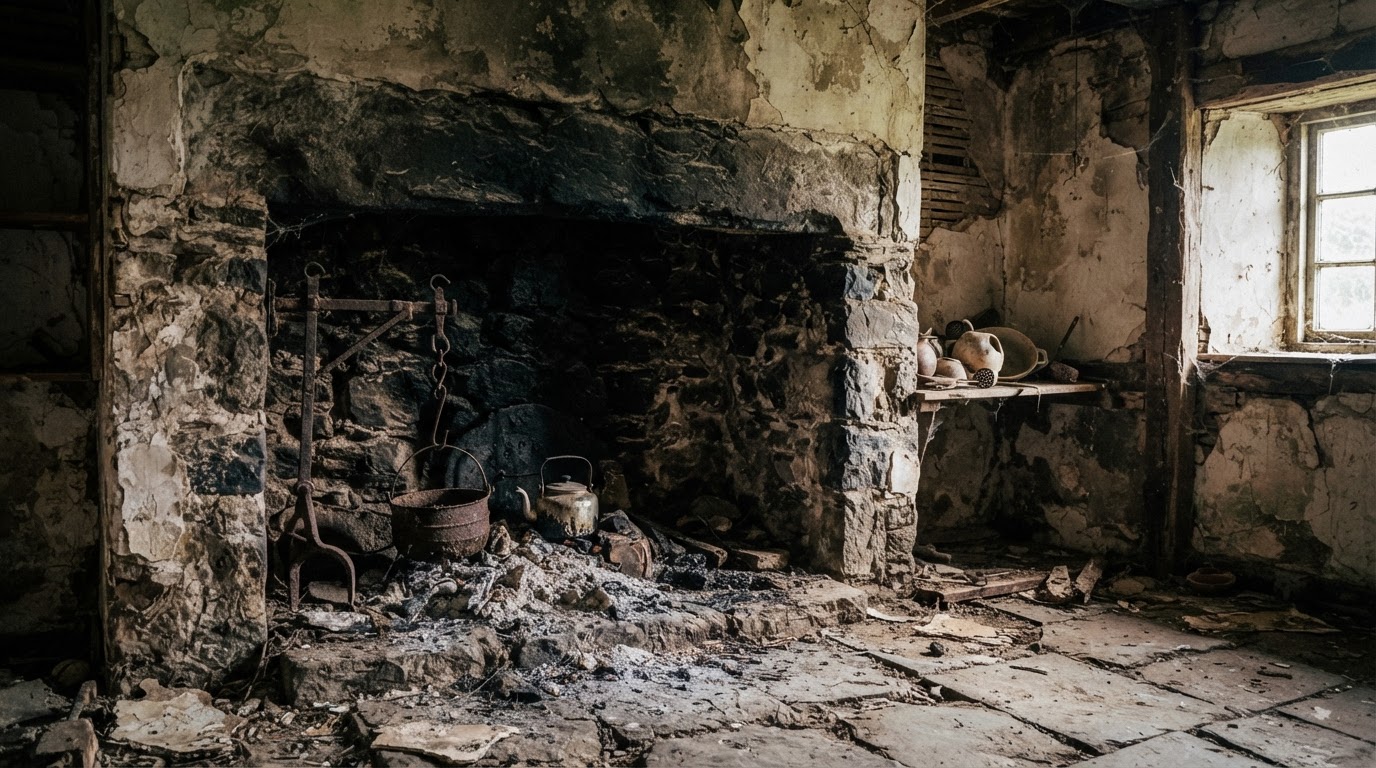
That is where nearly every account of Fengmen Village begins. Deep in a fold of the Taihang Mountains, in a stone house that has stood empty for decades, there is said to be an old wooden armchair — a heavy, high-backed 太师椅, the kind of formal seat once reserved for the head of a household. Explorers who climbed the valley in the 2000s and 2010s photographed it again and again, always in the same warning tone: whatever you do, do not sit down. Those who did, the story goes, felt a sudden chill, or fell ill within days, or woke that night with the sensation of a weight pressing on their chest. No one can say who first sat in the chair, or what became of them. But by the time the photographs reached the Chinese internet, the rule had already hardened into fact. You do not sit in the chair.
What first held my attention here was not the chair but the character. 风 to 封 — wind gate to sealed door, one stroke apart in sound and nothing alike in meaning. I have traced a good many legends back to a mistranslation or a misheard word, and they usually deflate the moment you find the error. This one did the opposite. Someone, at some point, heard "wind gate" and wrote down "sealed door," and every account since has been describing a place that only exists because of that slip.
The Sealed-Door Village
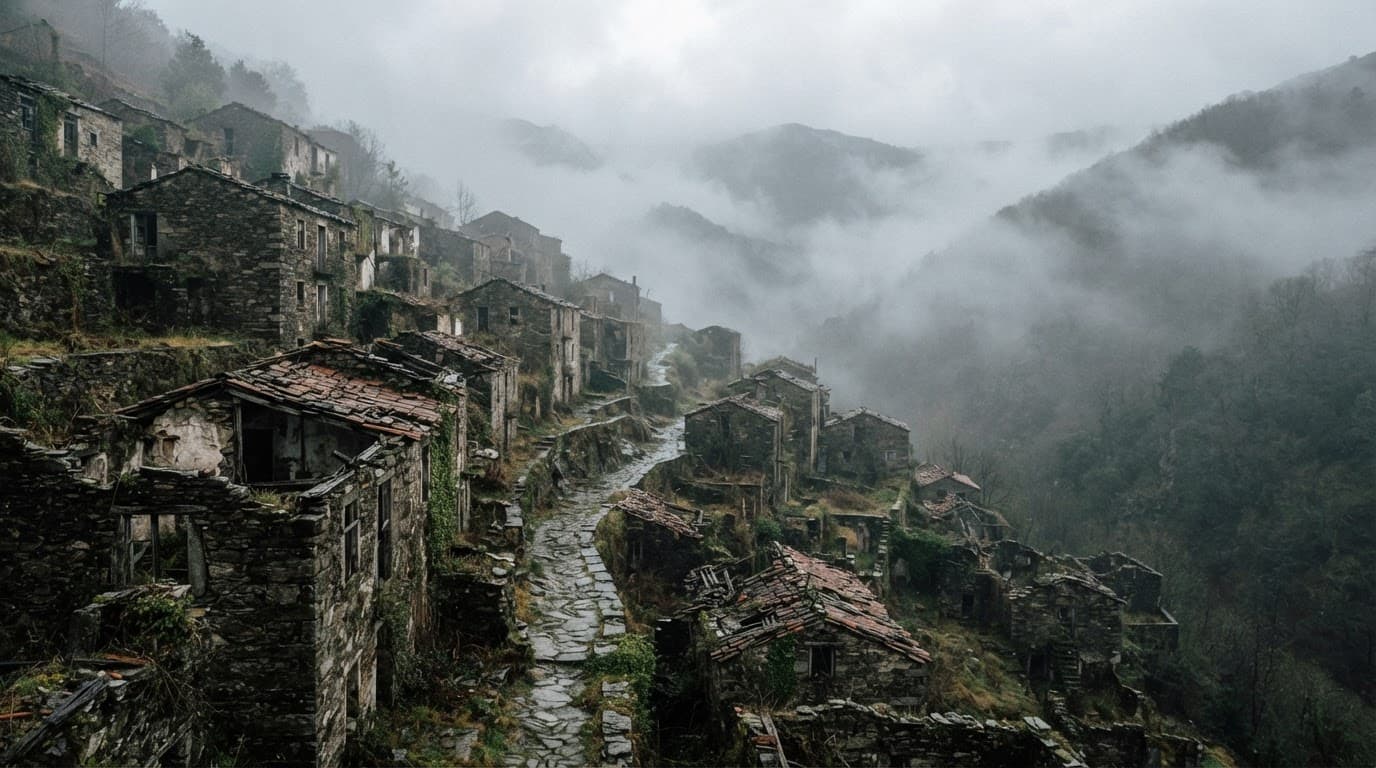
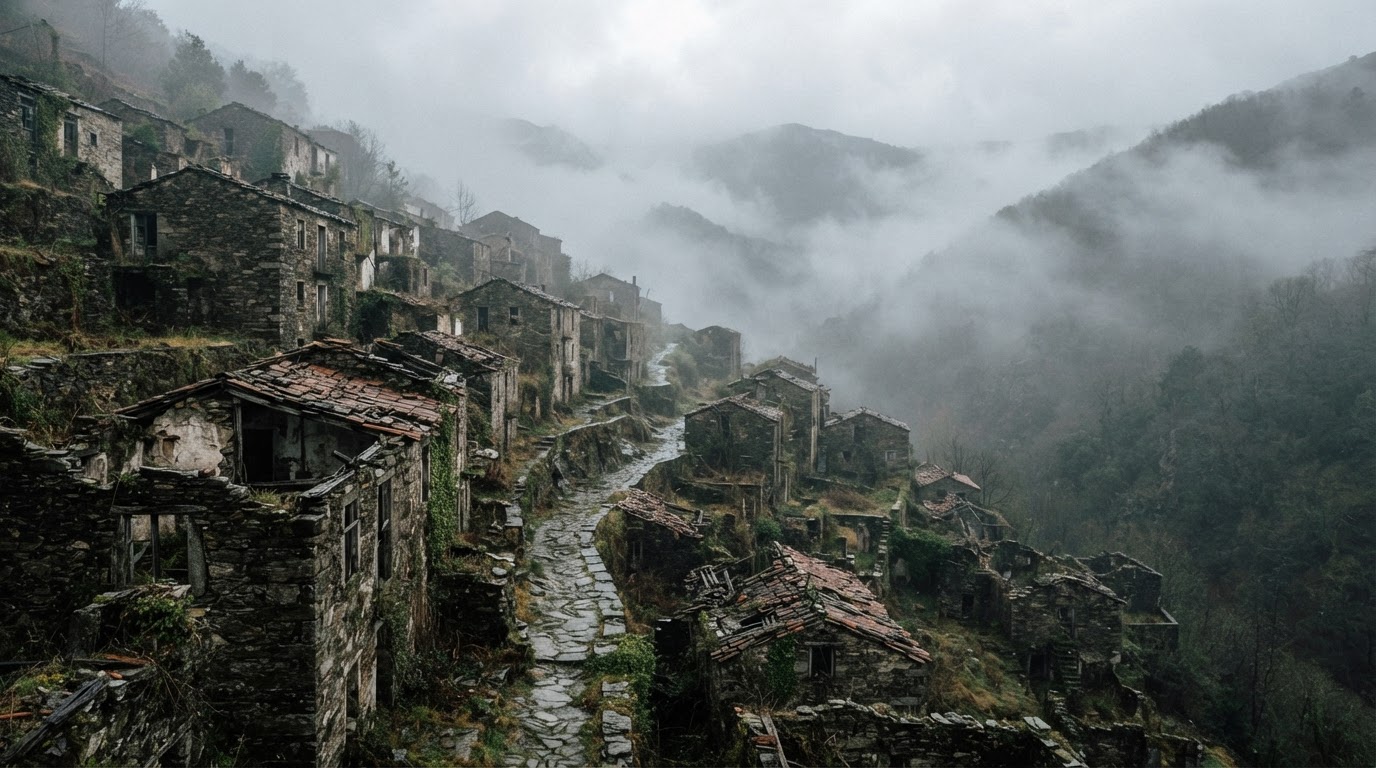
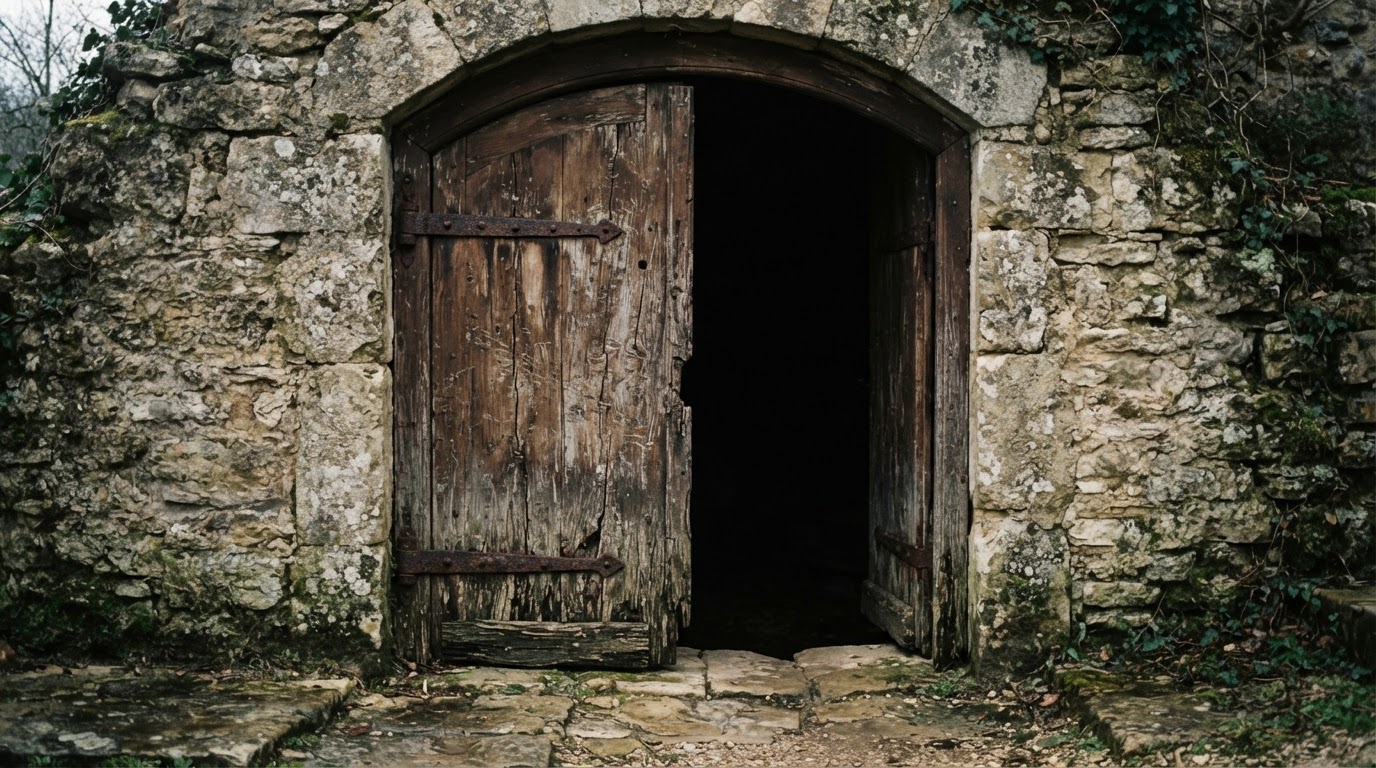
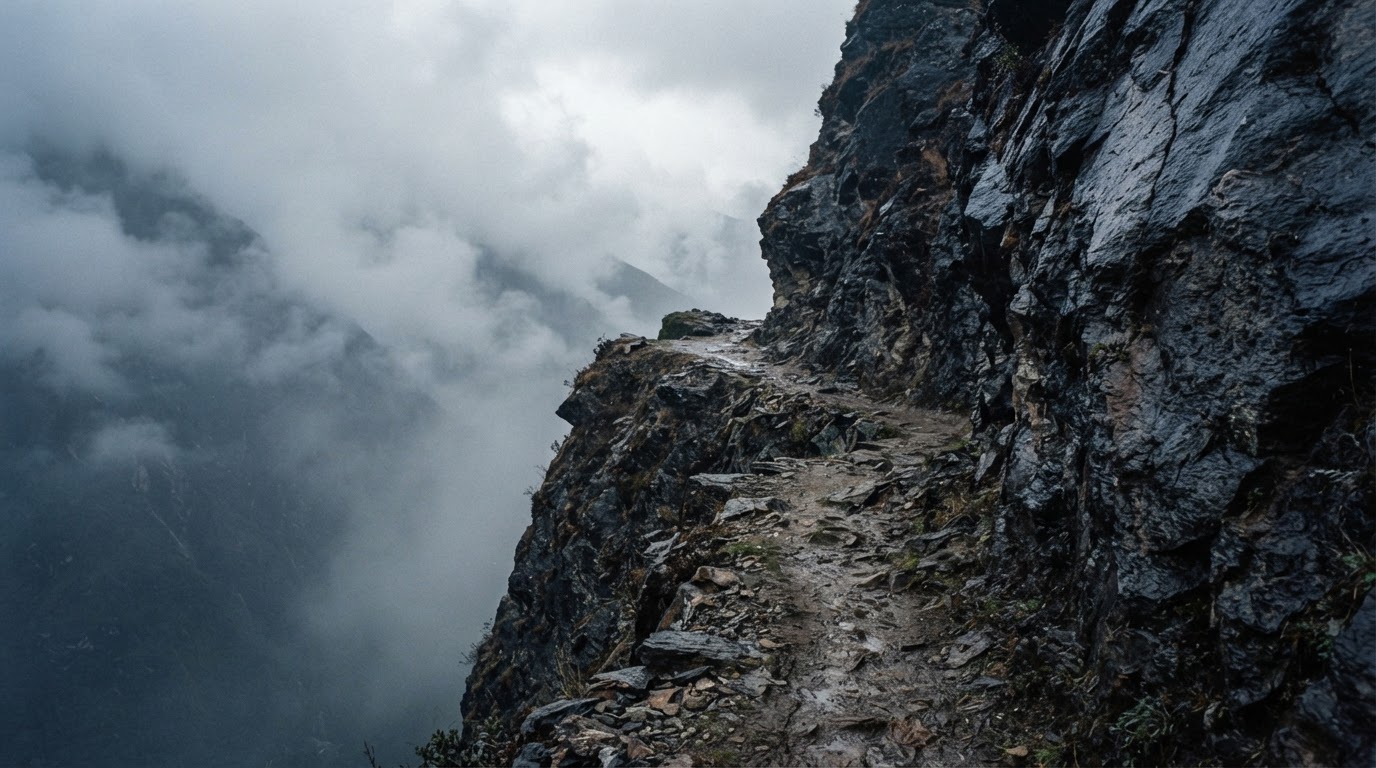
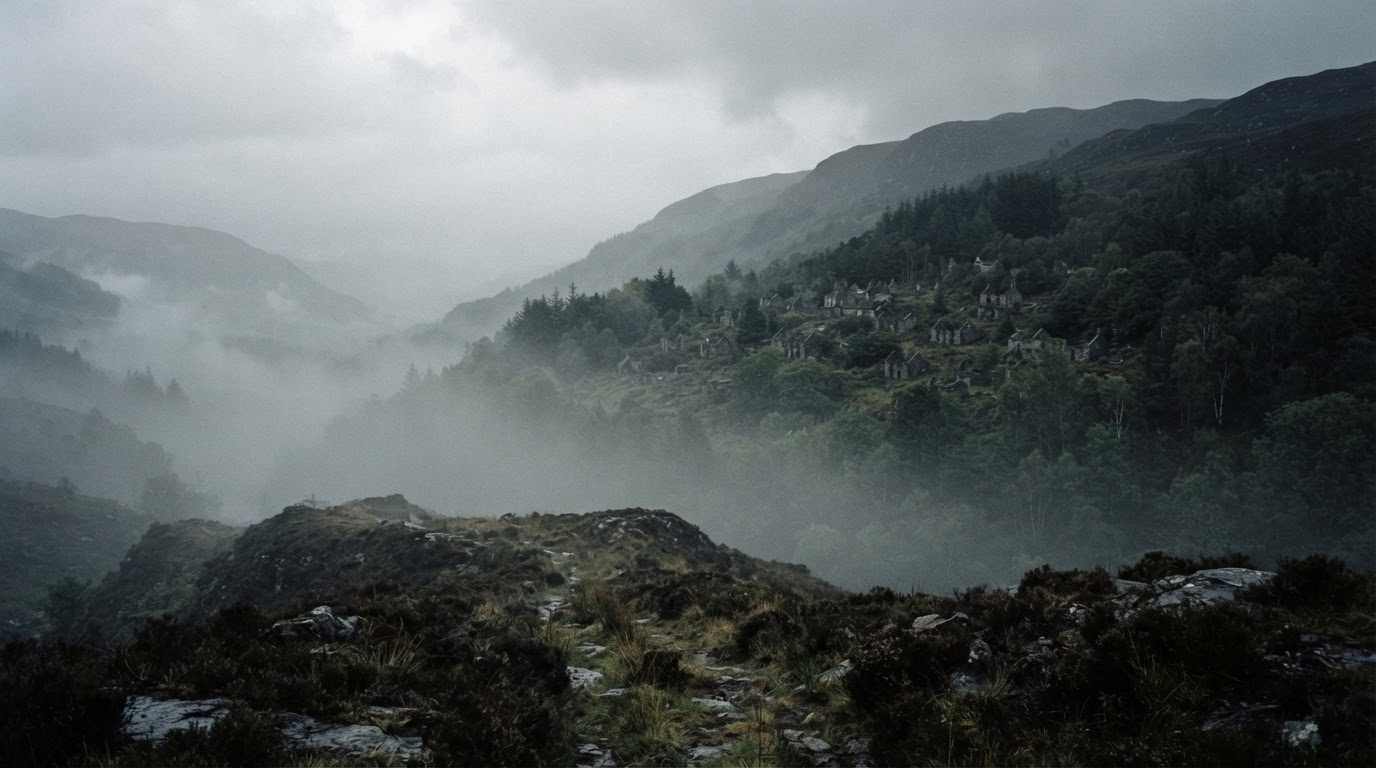
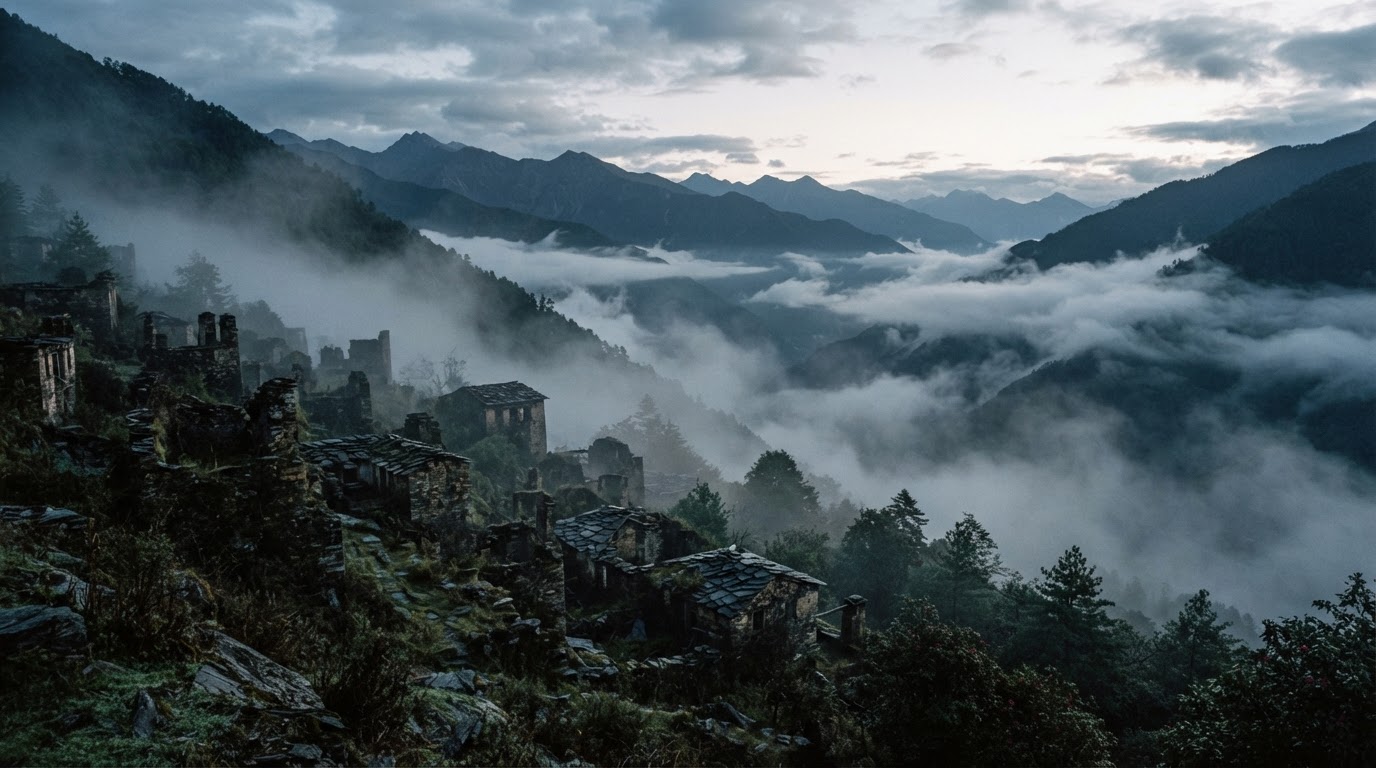
Fengmen Village — 封门村 in Chinese — sits in the mountains of Henan Province, in the administrative area of Jiaozuo, near where Henan borders Shanxi. To reach it you leave the last paved road and climb a long dirt track up a narrow valley, until the trees close over your head and the mountains fold you in on every side. It is not, by any measure, an easy place to get to. That inaccessibility is the first and most important fact about the village, and it explains far more than any ghost story.
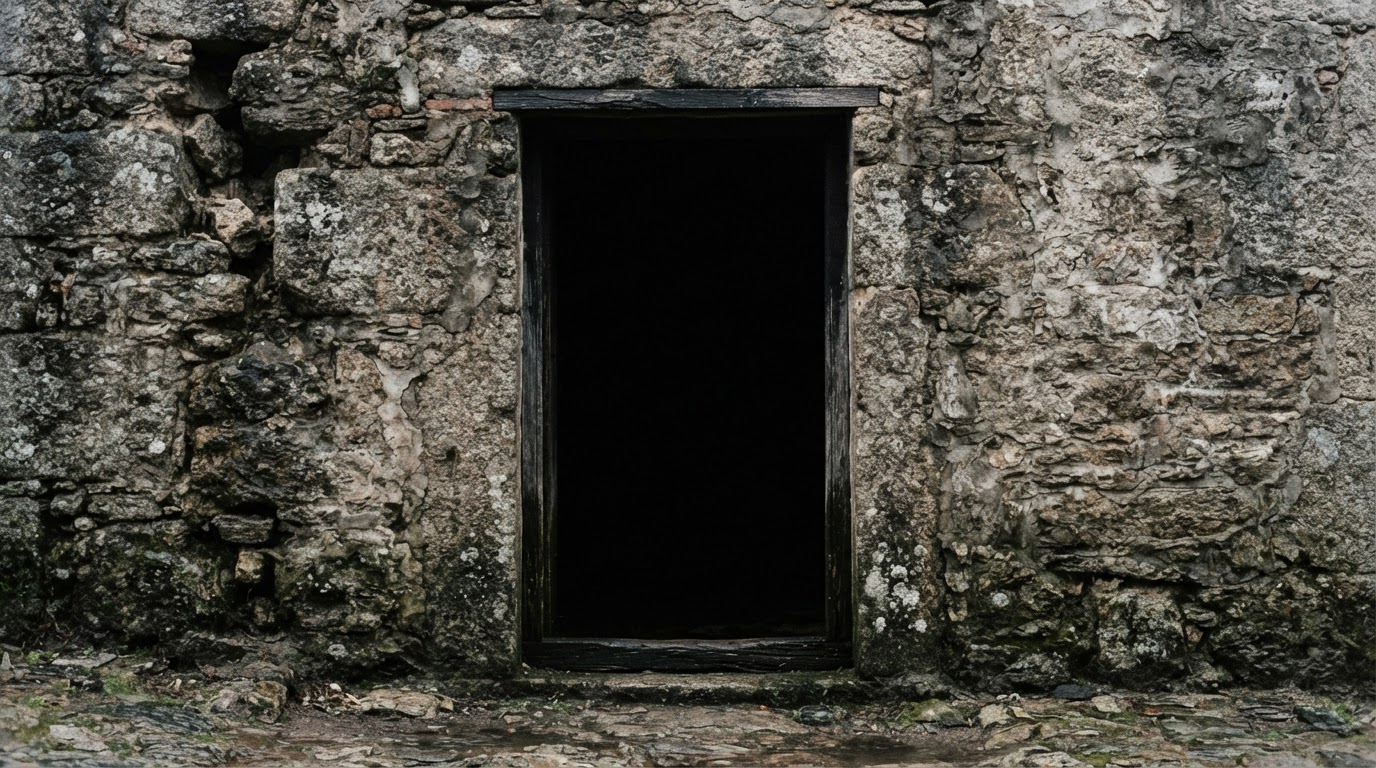
The name itself is part of the legend. 封门 (fēngmén) means, roughly, "sealed door" or "closed gate" — an ominous name for an abandoned place, as though the village had shut its own door on the living. But local historians and folklore writers point out that the name may have originally been 风门 (fēngmén), "wind gate," a common and entirely ordinary name for a mountain pass where the wind funnels through. The two are homophones in Mandarin, identical in sound, and the shift from "wind gate" to "sealed door" is exactly the kind of small mutation a story acquires as it travels. A pass named for the wind became, in the retelling, a village that had sealed itself against the world. That single character change may be the most honest illustration of how the entire legend was built.

Why the People Really Left
Here is where the ghost story and the truth part ways, and it is worth staying with the truth for a while, because it is quietly sadder than any haunting.
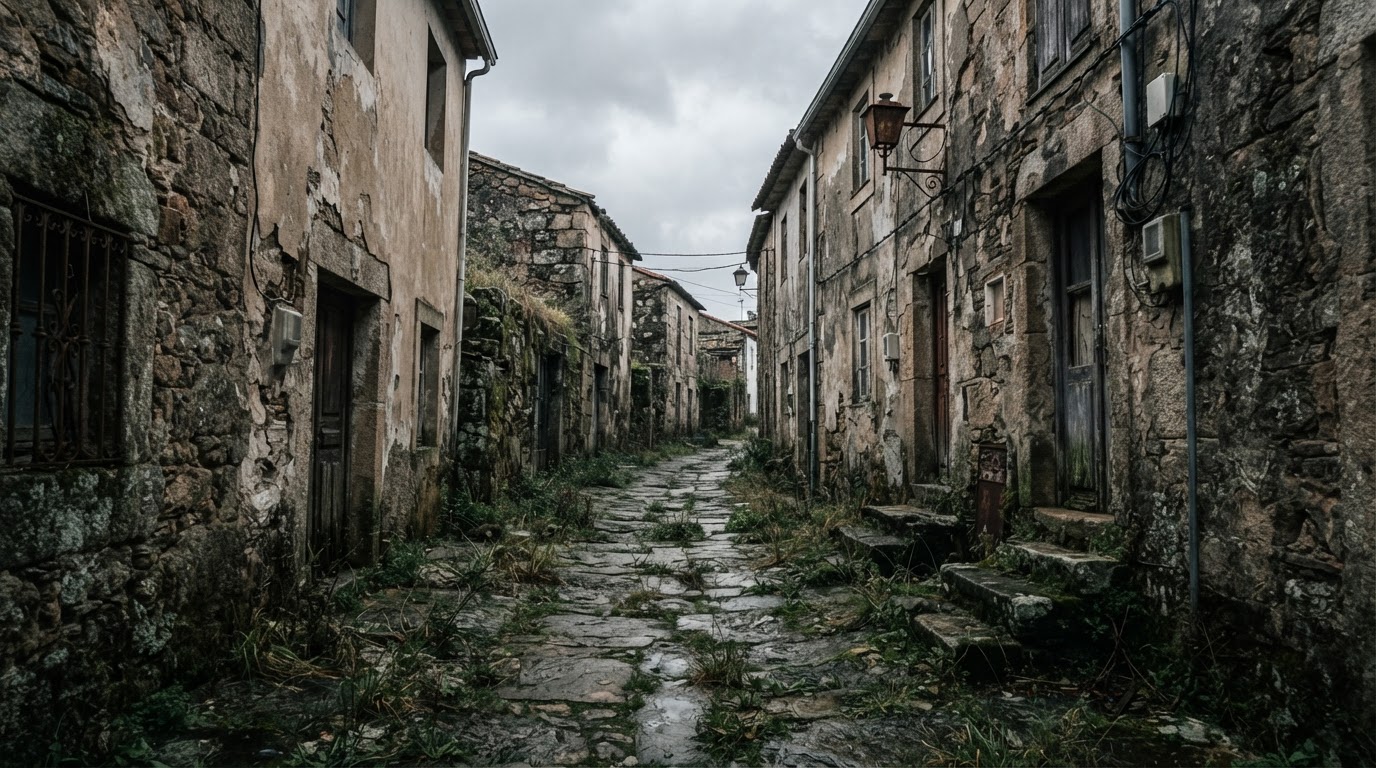
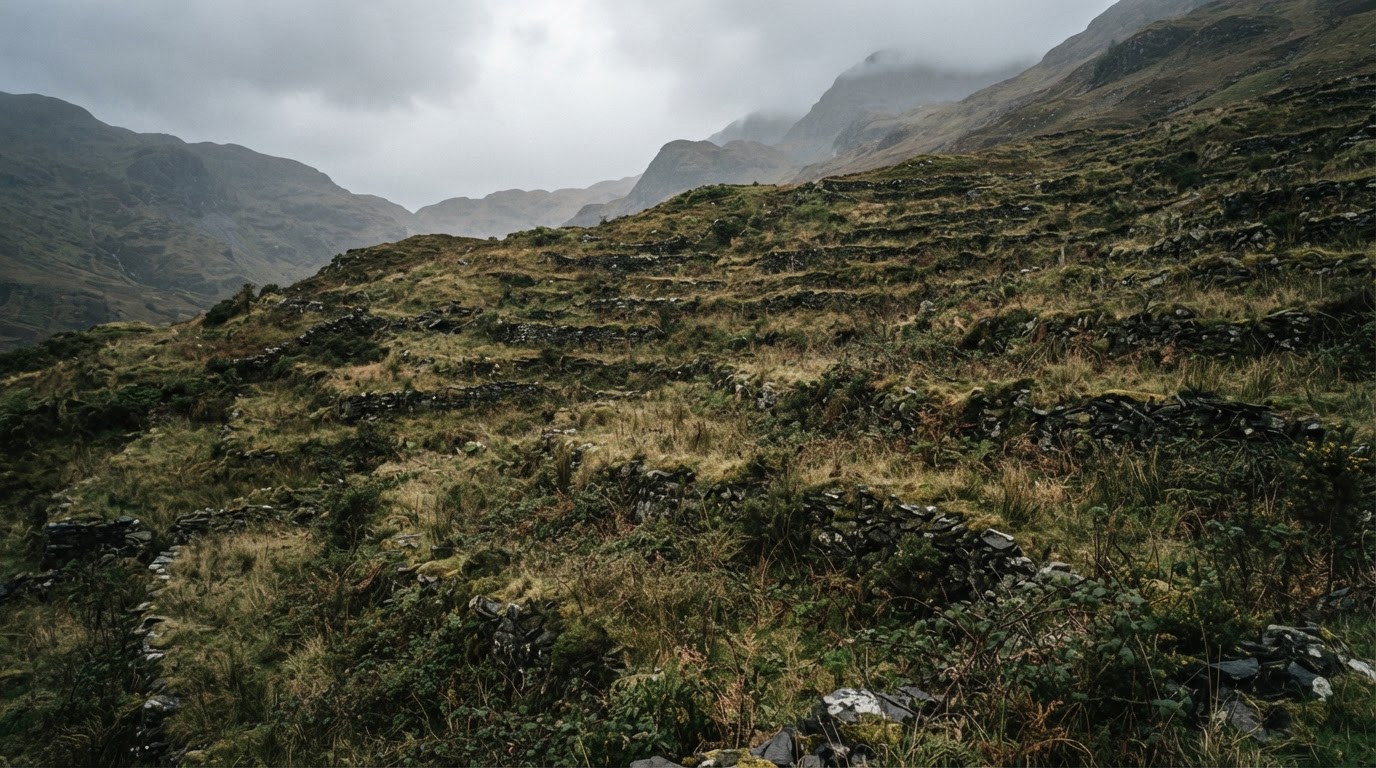
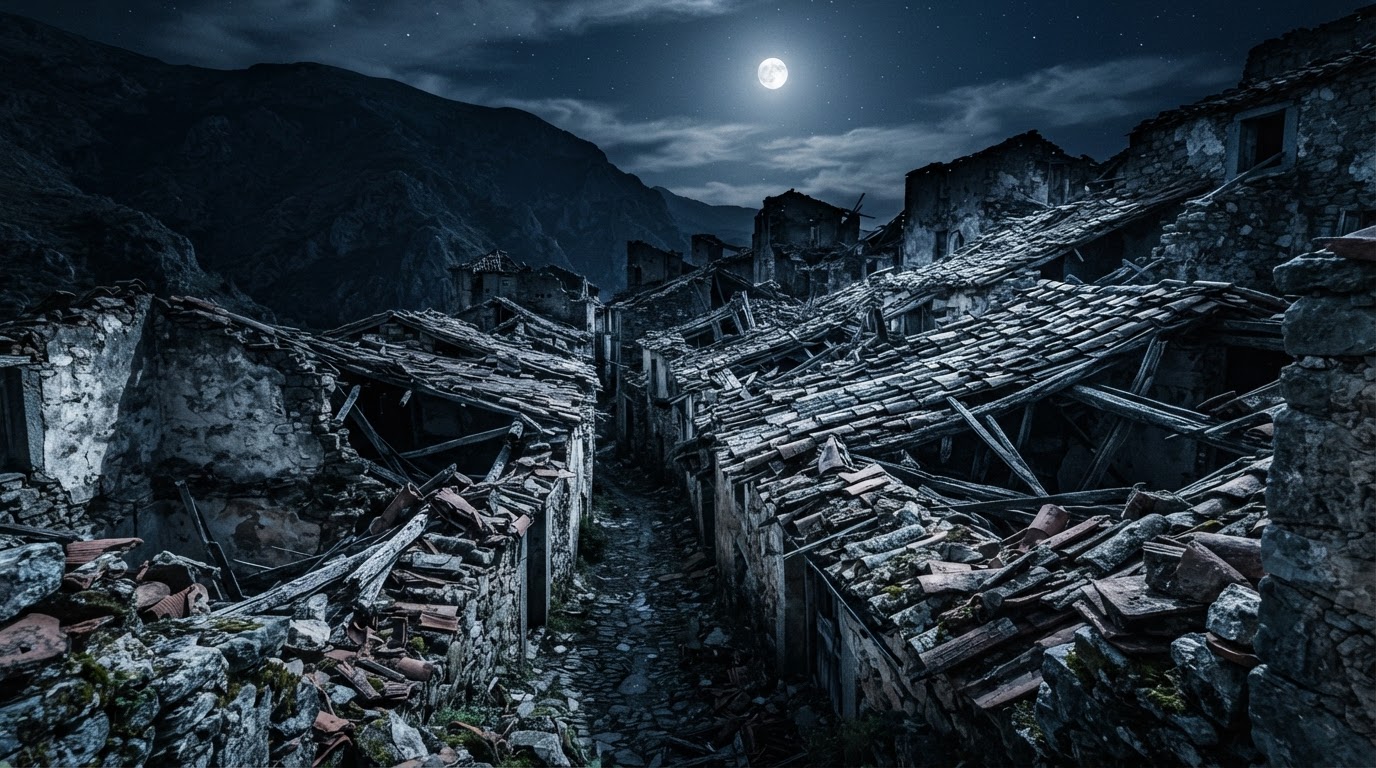
Fengmen was never a large place — a scattering of stone houses, a few dozen families at its height, farming terraced plots cut into the mountainside. Accounts of when it emptied out vary; the abandonment seems to have happened gradually across the second half of the twentieth century, somewhere between the 1960s and the 1980s, rather than in a single dramatic exodus. And the reasons, when you gather them up, are almost aggressively mundane.
Water was the great problem. A mountain village that high and that isolated depends on springs and rainfall, and the sources were never reliable. When the water is scarce, everything downstream of it — crops, livestock, daily life — becomes a struggle. Then there was the road, or the lack of one: no vehicle could reach the village, so everything had to be carried in and out on human backs up a punishing trail. In an era when the rest of China was beginning to move, to build roads and open factories and offer wages in the towns below, a thirsty stone hamlet at the top of a footpath had little to hold anyone. The young left first, as the young always do. The old followed, or were brought down by their children, or simply died where the houses stood. Eventually the last door closed behind the last resident, and the mountain began, patiently, to take the village back.
That is the real story of Fengmen: not a curse, but the same slow economic gravity that has hollowed out mountain villages all over the world. No water, no road, no work, no reason to stay. The tragedy is ordinary, which is precisely why the legend had to make it extraordinary.
The Legends, One by One
An empty village is a blank page, and the explorers who found Fengmen filled it. Through the 2000s and into the 2010s, as digital cameras and online forums put adventure within reach of ordinary city-dwellers, Fengmen became a pilgrimage site for a particular kind of Chinese explorer — the kind who went looking for a scare and came back with a story. Here are the stories they told. Read each of them, please, as internet lore: repeated, embellished, and unverified.
The chair. We began with it, and it remains the centerpiece. The 太师椅 in the empty house is the single most photographed object in the village, and the rule attached to it — never sit down — is the one every visitor is warned about first. Explorers claim that those who ignored the warning suffered for it: sudden nausea, a plunge in body temperature, bad luck that followed them home. Some accounts add a detail that is either eerie or entirely explicable, depending on your temperament — that in photographs, a faint figure sometimes appears seated in the chair when no one was there. No original, verifiable version of this photo has ever been established; like all such images, it exists mostly as a description of an image someone else claims to have seen.
The spinning compass. Visitors reported that compasses behaved strangely near the village — needles drifting, spinning, refusing to settle on north. To an explorer standing in a fog-bound ruin, a compass that will not point the way is a genuinely unnerving thing, and it became one of the legend's most durable proofs that "something is wrong here."
The failing cameras. Alongside the compasses came the cameras. Batteries drained in minutes. Devices froze or died. Photographs came out fogged, blurred, or streaked with light that no one remembered seeing. In the age when every explorer carried a digital camera, a dead battery in a haunted place was less a technical annoyance than a message.
The illness afterward. The most personal of the legends, and the most quietly effective: people said that after visiting Fengmen, they got sick. Fevers, headaches, a heavy exhaustion, strange dreams. The story goes that the village does not let you leave entirely — that it follows you down the mountain and into your body. Because almost anyone can find a headache or a bad night's sleep to attribute to a cause after the fact, this legend was, in a way, unfalsifiable, and therefore unstoppable.
The 1963 explorers. The darkest thread in the whole tapestry is an internet story, widely circulated and never substantiated, about a group of people who ventured into the area in 1963 and met some terrible fate — a party that went in and did not all come out, told with the specific-sounding year that folklore loves because a date feels like evidence. It should be treated as exactly what it is: unverified internet lore, a rumor wearing the costume of history. No credible record of such an event has ever surfaced.

How a Village Went Viral
None of these stories would have traveled far in an earlier age. What made Fengmen was timing.
The village's rise to fame maps almost perfectly onto the growth of the Chinese internet. In the 2000s and 2010s, forums, blogs, and photo-sharing sites gave a generation of amateur explorers — 驴友, the Chinese term for backpackers and outdoor adventurers — both a reason to go somewhere strange and a place to post about it afterward. Fengmen was ideal source material: genuinely remote, genuinely abandoned, genuinely atmospheric, and close enough to a major city that a determined weekend party could reach it. Each expedition produced photographs. Each set of photographs came with a caption, and each caption raised the stakes a little on the one before. The chair acquired its rule. The compass acquired its spin. The whole thing acquired a mood.
Crucially, the accounts fed on each other. A visitor who had read that cameras fail near Fengmen would notice — and post about — a drained battery that on any other trip he would have shrugged off. A visitor who had been warned about the chair would feel a chill in that room and understand it as confirmation. This is the engine of every viral haunted place: expectation shapes experience, experience becomes testimony, and testimony deepens the expectation of the next visitor. Fengmen did not need a ghost. It needed an internet, and it got one at exactly the right moment.
The Films It Inspired
Fame of this kind does not stay online. By the 2010s, Fengmen had become a recognizable brand of Chinese horror, and the film industry did what film industries do — it reached for a name audiences already knew. The village lent its name and its reputation to Chinese horror movies built around the "ghost village" premise, including a 2014 feature that took Fengmen itself as its title and setting: a group of young people venture into the notorious abandoned village and, one by one, confront what waits there.
These films were not documentaries and never pretended to be. They took the raw legend — the sealed village, the chair, the things that go wrong for those who intrude — and shaped it into conventional horror. But their real significance is the loop they closed. A poor mountain hamlet emptied by drought and isolation had become internet lore; internet lore became a movie; and the movie sent new visitors up the trail, cameras in hand, expecting the very things the legend had promised. Fiction and folklore fed each other, and the village at the center of it all just sat there in the fog, being photographed.
What Skeptics Say
Set the stories side by side and ask the plain question — is any of it real? — and the answers arrive quickly, and they are not mysterious.
Start with the compasses. The Taihang range, like many mountain systems, contains magnetite and other iron-bearing rock, and local magnetic anomalies from mineral deposits are a well-documented, entirely natural phenomenon. A compass needle that drifts or spins near an outcrop of iron-rich stone is not detecting a ghost; it is doing exactly what a compass does in the presence of magnetized rock. The very thing that reads as supernatural is textbook geology.
The failing cameras have a duller explanation still. Cold mountain air drains batteries fast; humidity and fog condense on lenses and sensors and produce exactly the blurring, fogging, and light-streaking that explorers described as uncanny. A device carried for hours up a damp, chilly valley will misbehave in perfectly boring ways.
The illnesses belong to confirmation bias and the ordinary hazards of the trip. A long, strenuous hike into an unsanitary ruin — bad water, dust, mold, exhaustion, insect bites — is a fine recipe for feeling unwell afterward, ghost or no ghost. And because the visitor arrived expecting the village to harm them, any subsequent headache or fever had a ready-made cause. We are pattern-finding animals; give us a scary place and a later ailment, and we will draw the line between them ourselves.
As for the chair and the 1963 explorers — these are the parts with no verifiable core at all. There is no established record of anyone harmed by the chair, and no credible documentation of a doomed 1963 expedition. They are, as far as anyone can show, stories about stories.
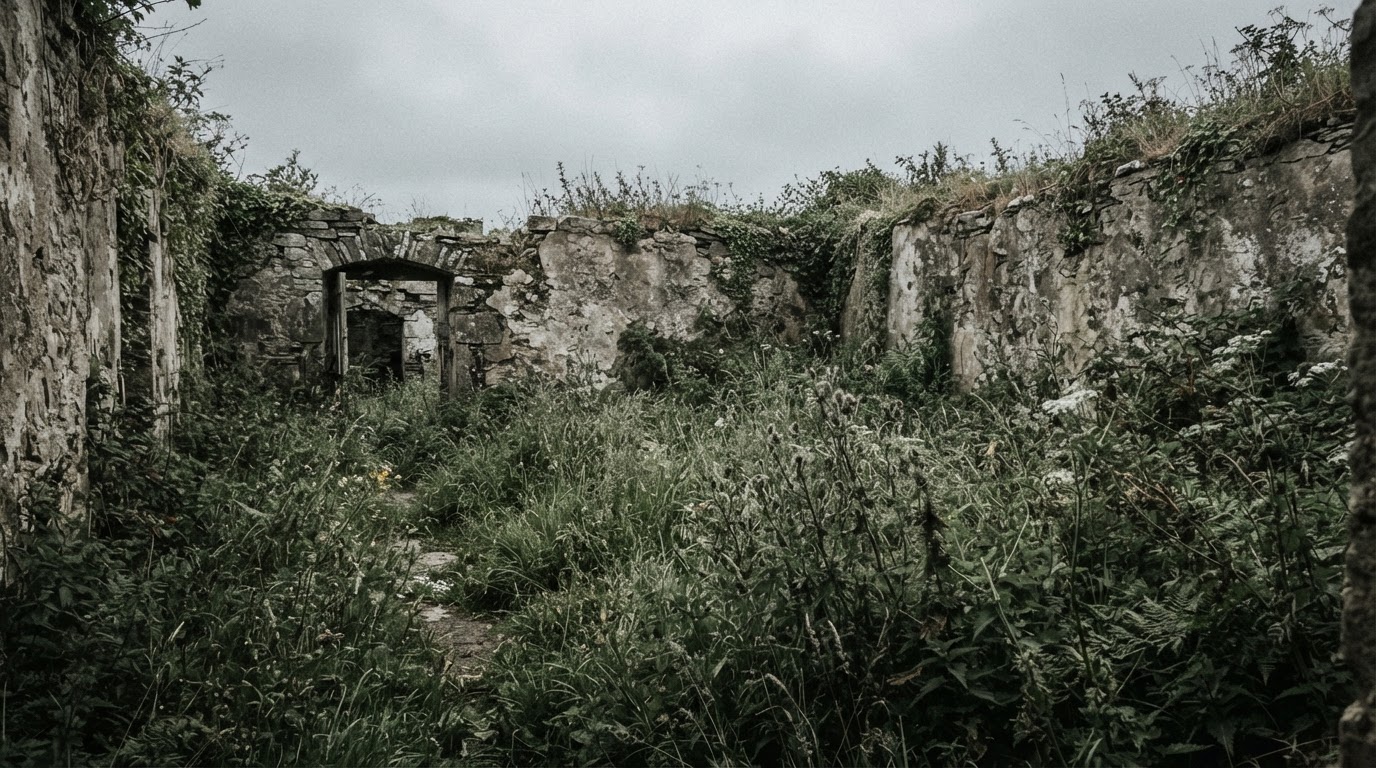
Underneath all of it runs a deeper truth that psychologists of the uncanny understand well: abandoned places disturb us on their own, without any help from the supernatural. A house built to hold a family and now holding nothing, a chair set for someone who will never return, a table where the last meal was eaten and never cleared — these are images of absence, and absence is frightening in a way that has nothing to do with ghosts. Fengmen is unsettling because it is a place where human life stopped mid-sentence. The legends are just the words we reach for to describe a feeling the empty rooms produce all by themselves.
The Village Today
Fengmen never fully returned to silence. The legend that emptied it of residents refilled it with visitors, and for years the village existed in an odd twilight — officially abandoned, unofficially a destination. Curiosity-seekers, ghost hunters, film crews, and ordinary tourists made their way up the valley to stand in the famous rooms and, sometimes, to test the famous rule about the chair.
That traffic brought its own problems. An unmaintained ruin is a genuinely dangerous place: collapsing roofs, rotten beams, unstable walls, sudden drops, and a mountain trail that turns treacherous in rain or fog. Over time, warnings and access restrictions followed, as authorities weighed the real hazards of a decaying site against its magnetic pull on the curious. The irony sits heavily over the whole place. A village that people once left because there was no way to live there is now a place people are warned not to enter because they might not leave safely — and the danger, this time, is entirely real. Not a spirit in a chair. Falling stone and a long way down.
Why Abandoned Villages Haunt China
Step back from the chair and the compass and the unverified year, and Fengmen becomes a story about something much larger than one valley in Henan.
China spent the last half-century in the largest migration in human history — hundreds of millions of people moving from the countryside to the cities, from mountain and field to factory and tower. That great movement left something behind: tens of thousands of villages, all over the country, that quietly emptied out as the young walked down to the future and the old stayed behind or followed them. Most of these places have no legend attached. They simply faded, their fields going to weed, their houses to rubble, their names to lists in local records. Fengmen is unusual only in that it got a ghost story. Its fate — drought, isolation, the slow leak of everyone who could leave — is the fate of countless villages that were never photographed and never went viral.
Going through the expedition posts in order, I noticed something the accounts never comment on. The chair is always upright. Decades of collapsed roofs, rain coming through, weeds in the courtyards, doors rotted off their hinges — and in photograph after photograph, across years and different visitors, that heavy 太师椅 is standing square on its four legs, facing the room. Ruins do not usually keep their furniture arranged. I have not found a good explanation, and I notice the explorers never went looking for one either.
Perhaps that is why the legend caught. A country moving that fast, that far, in a single generation carries a quiet unease about everything it is leaving behind — the ancestral house no one lives in, the grandmother's village that exists now only as a place you visited as a child. The ghost stories that gather around a place like Fengmen are, in part, a way of speaking about that loss without naming it directly. It is easier to say the village is haunted than to say the village is simply gone, and that we are the ones who left.
So do not sit in the chair, if you ever find yourself in that dim stone room in the Taihang fog. Not because a spirit waits in it — but because the chair is old, the floor is rotten, the roof above it could come down, and the village around it is a monument to something sadder and more ordinary than any haunting: a place where people once lived, and where the water ran out, and where the last door was finally, quietly, sealed.
---
The images and video in this article are AI-generated works produced to convey the mood of the story, and are not photographs of any actual person or event.


Comments
No comments yet — leave the first one.