"Let me see your fingernails."
In the late 1980s, these few words were a signal of terror outside Korean elementary schools. If a strange old woman approached and asked to see your nails, the children told one another, you had to run. If there was dirt beneath your fingernails, she would take you away. That grandmother was not human. She was half woman, half cat — a creature who had died in a plane crash and come back to life. She was the Hong Kong Grandmother Ghost.
A Rumor on the Way Home
Foreign readers encountering this story for the first time may find it strange. But say the name "Hong Kong Grandmother Ghost" to a Korean in their forties today, and most will recognize it at once. It was one of the defining ghost stories of their childhood, the kind that raised goosebumps across the whole body.
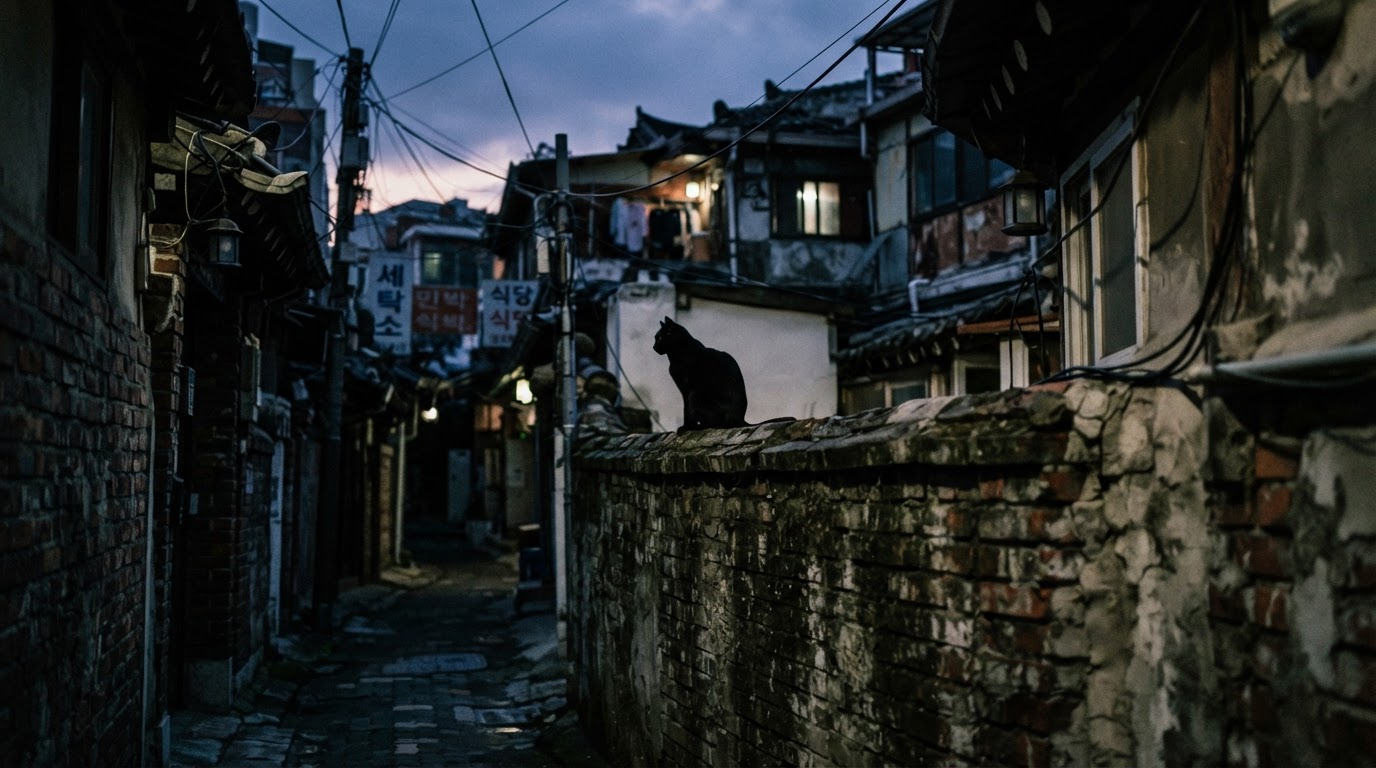
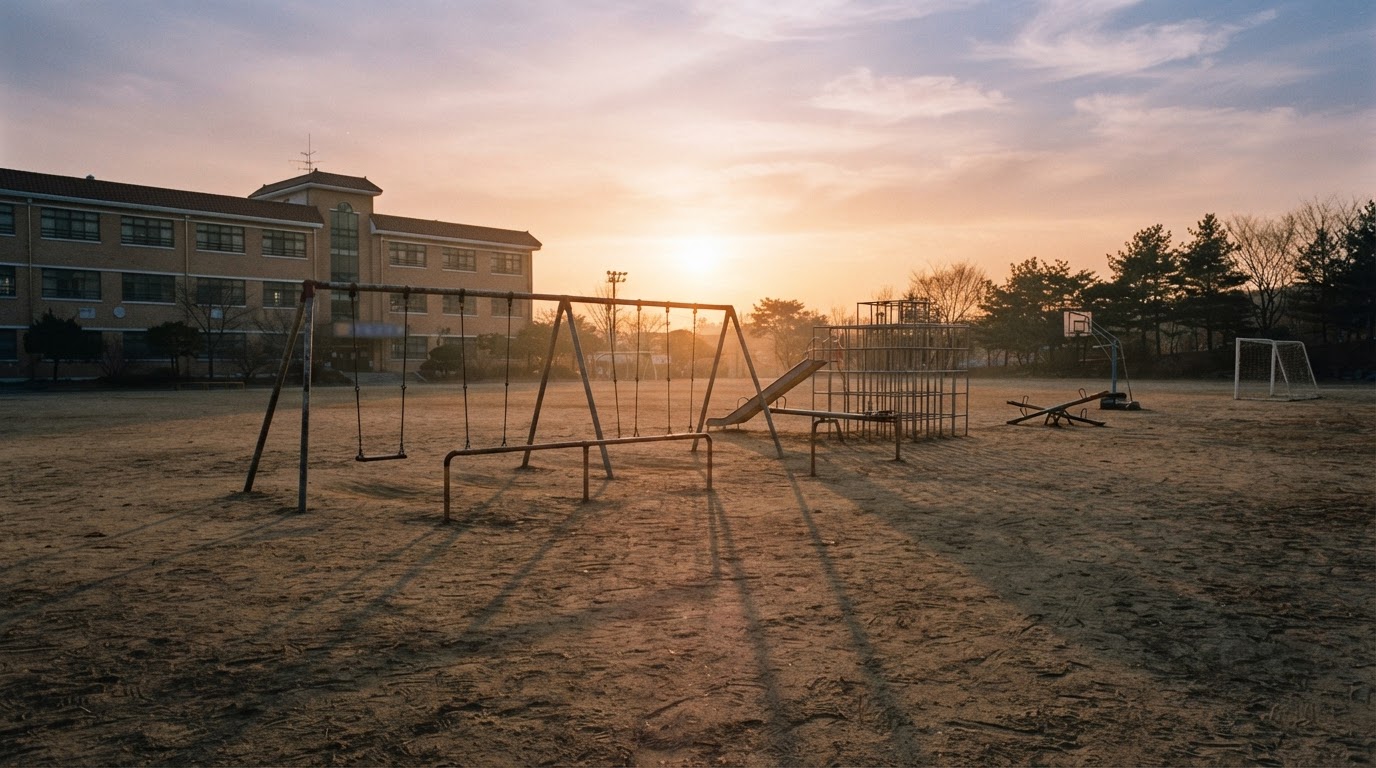
The rumor began spreading around the late 1980s. Its stage was the front gate of schools, the back alleys, the road home. It did not come from adult broadcasts or newspapers. It spread from child to child, mouth to mouth.
"A plane going to Hong Kong crashed. There was a grandmother on it who died, and her body fused with the cat she was holding. So she became a ghost — half grandmother, half cat — and she came back to Korea."
The story did not stop there. That ghost, it was said, hunted children on their way home from school. Adults were too strong to catch, so she picked only elementary schoolers, who could barely resist.
This one came into my archive sideways. I was collecting variants of the rules — the color question, the hour, the day — expecting the usual drift you get when a story travels by mouth. What I found instead was that the fingernail clause held almost perfectly across every region I could document. Everything else mutated; the nails did not. A story with no author kept one rule intact across an entire country, and I still cannot account for that. It is the sort of consistency you normally only see when someone is enforcing it.
Half Human, Half Cat
The heart of the legend lay in her appearance.
According to the story, a plane bound for Hong Kong had an accident, and a grandmother aboard died fused with the cat she cradled in her arms. In the moment of death, human and animal flesh mixed together, and she became a bizarre half-human, half-cat being.
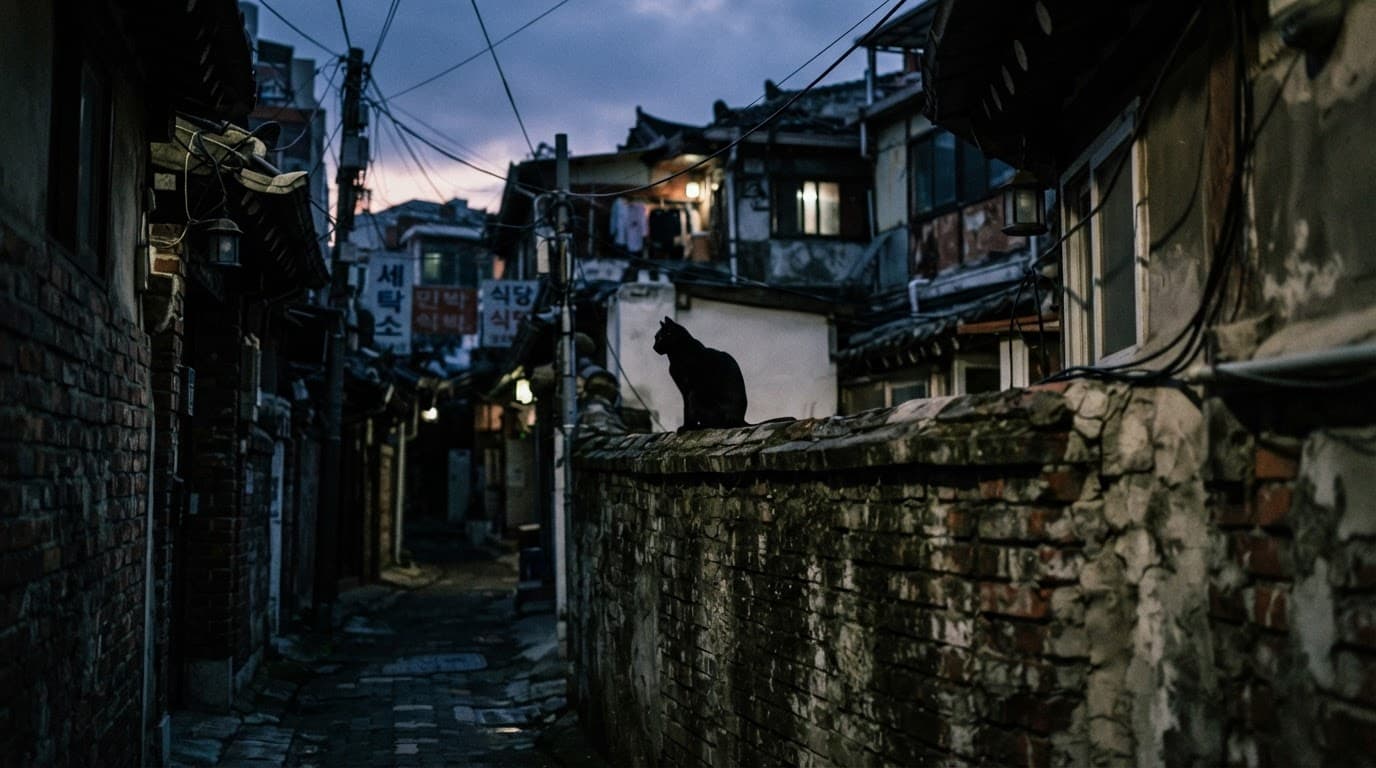
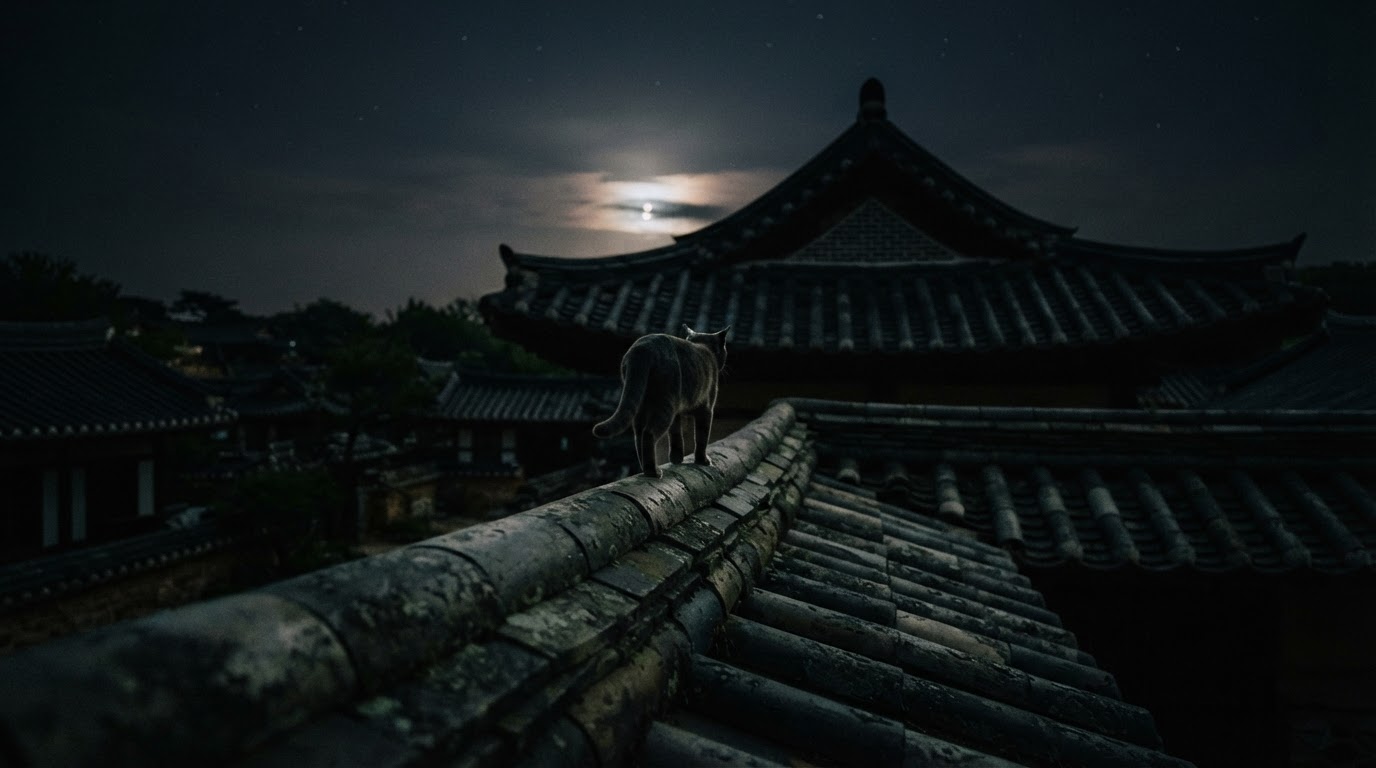
Her face was that of an old woman, but her eyes were slit vertically like a cat's, and animal claws sprouted from her fingertips. At night, they said, she climbed over walls and walked soundlessly across rooftops. Some children said she could run terrifyingly fast; others said she scaled walls.
Here is one fascinating point. Many of the ghost stories popular in Korea at the time had trickled in through Japanese publications. Yet no story exactly like the Hong Kong Grandmother Ghost exists in Japan, or anywhere else. It is regarded as a purely homegrown Korean urban legend, born and spread entirely within Korea.
The Dirt Beneath the Nails
What made this legend especially chilling were the strange "rules" that traveled with it, differing from region to region.
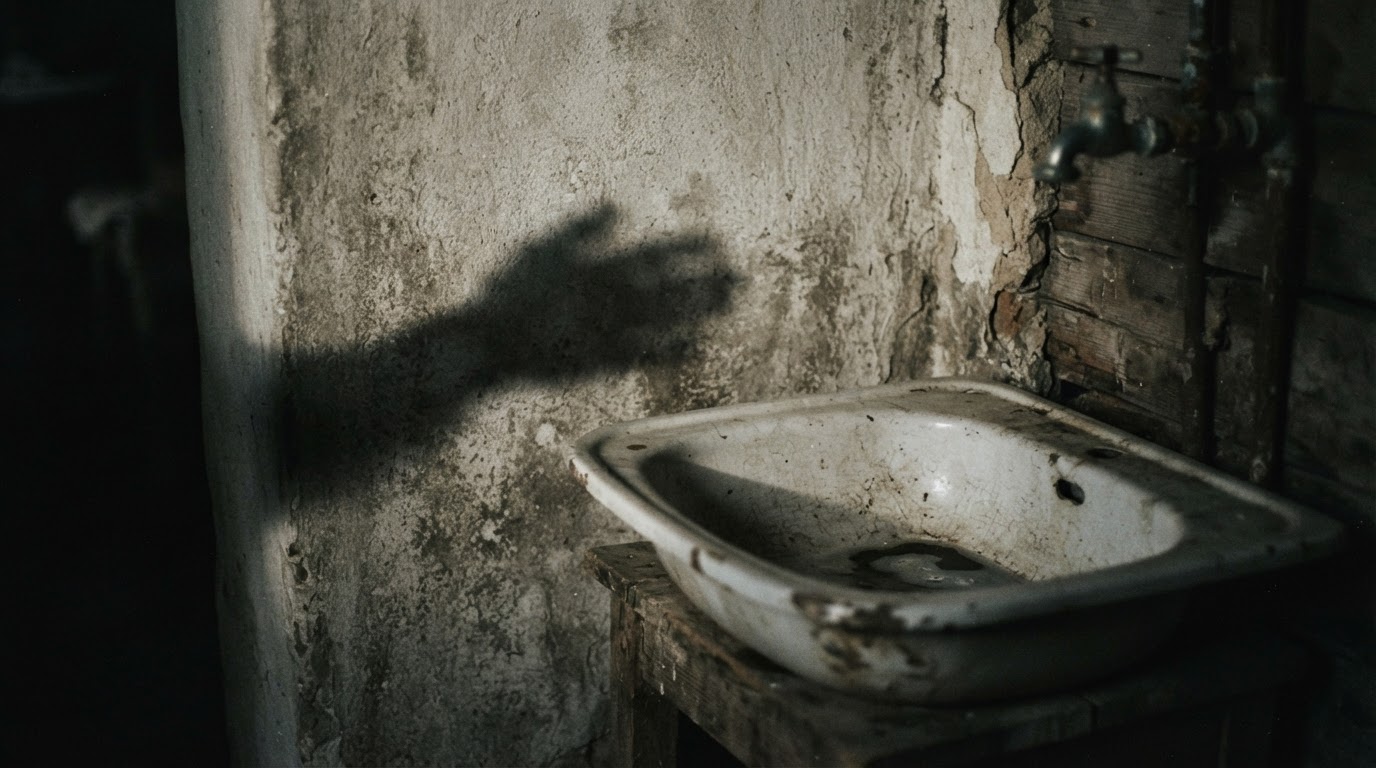
The most widespread was the fingernail story. The grandmother ghost would approach a child and say, "Let me see your fingernails." If there was dirt beneath them, she would take the child away. If the nails were clean, she would let the child go.
The conditions varied by area. In some places she targeted children wearing a certain color; in others she appeared only on a certain day or at a certain hour. In some versions she asked a question — "Do you like red, or blue?" — and no matter how you answered, she took you.
With such rules attached, children invented their own methods of "survival." They cut their nails short, scrubbed their hands clean, traveled in groups, and got home before dark. Some carried salt in their pockets; some simply looked away and ran the moment they saw an unfamiliar elderly person. At the stationery shops in front of schools, paper charms said to ward off the Hong Kong Grandmother even changed hands.
The frightening thing about these rules was that no matter how careful you were, you could never be completely safe. Even with clean nails, the wrong-colored clothes would get you caught; avoid the colors, and the wrong answer to her question would get you caught anyway. This "ruleless rule," with a loophole no matter what you did, was exactly what made the Hong Kong Grandmother an inescapable presence in children's imaginations.
Looking back now, many read a hidden adult intention into this "dirt beneath the nails" clause. No story could have been more effective at teaching children to keep their hands clean and to come home early.
The Children Who Refused to Go to School
The legend did not end as mere child's play.
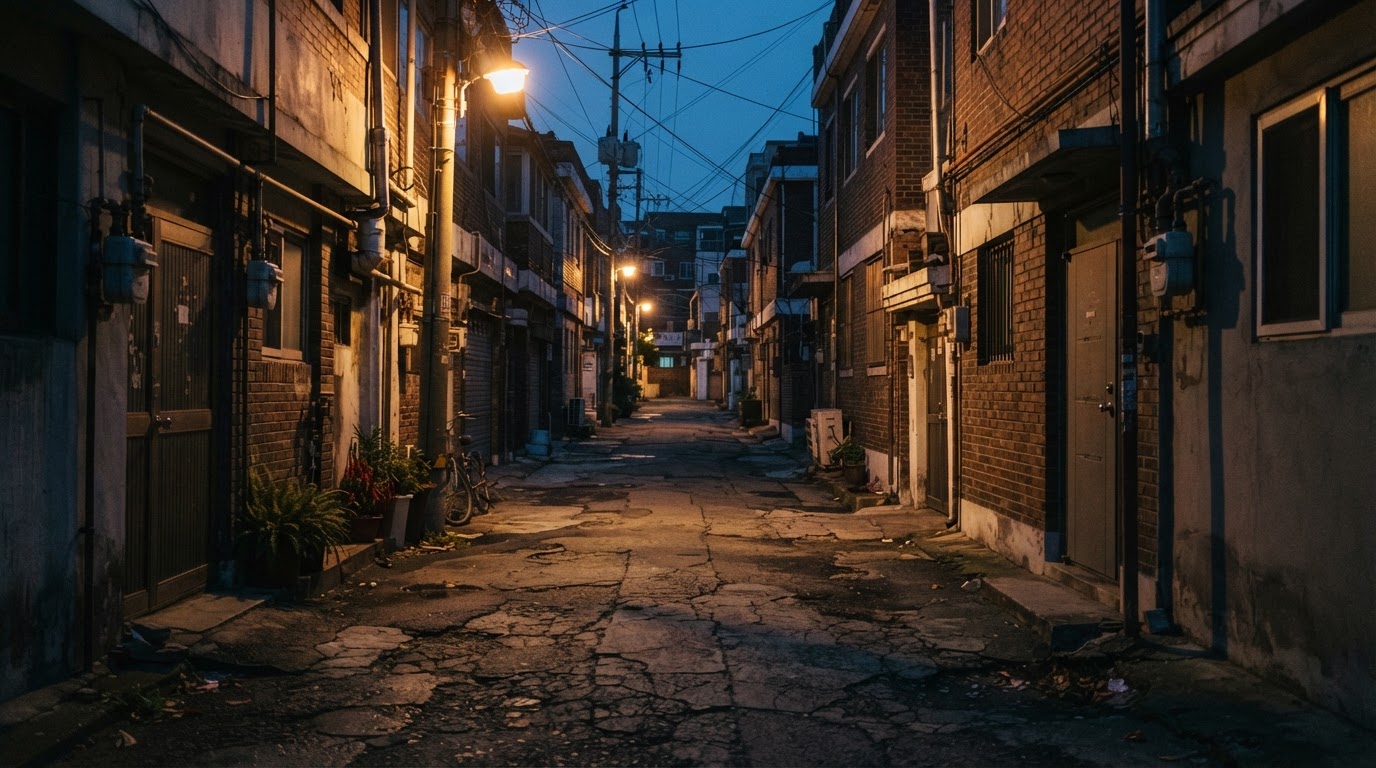
As the rumor spread across the country, genuinely frightened children began refusing to go to school. They said they could not walk to and from school for fear of meeting the Hong Kong Grandmother on the way. Some children would not step outside unless a parent came to fetch them.
When a small rumor caused this level of social disruption, the story eventually rose all the way into the adult world. In 1989, MBC's flagship evening news program, Newsdesk, covered the commotion. The report described how a baseless rumor spreading among children had escalated into cases of school refusal.
That a nation's evening news formally reported on an elementary schoolers' ghost story shows just how powerful the rumor had become. By appearing on television news, the Hong Kong Grandmother Ghost became a "legend among legends."
In hindsight, the fact that it appeared on the news may have actually amplified the rumor. Being covered on broadcast gave children the impression that this was "a real story even the grown-ups know about." A report meant to quell the rumor, paradoxically, lent it authority. It stands as an early example of how urban legends are amplified through media.
What Actually Happened
Here is something that must be stated clearly. The "Hong Kong-bound plane crash" that supposedly began this whole story never happened.
There is no record of a Korean airliner crashing on the way to Hong Kong and killing a grandmother. A ghost fused with a cat, of course, cannot be real either. There were countless accounts of sightings, but no confirmed incident of anyone actually being harmed by such a being.
So where did this story come from? No one knows the exact origin. That is the nature of urban legends. With no identifiable first author and no identifiable first teller, they grow on their own from child to child.
Still, if we look at the era in which this legend spread, we can dimly guess why it took the shape it did.
The Era That Grew the Fear
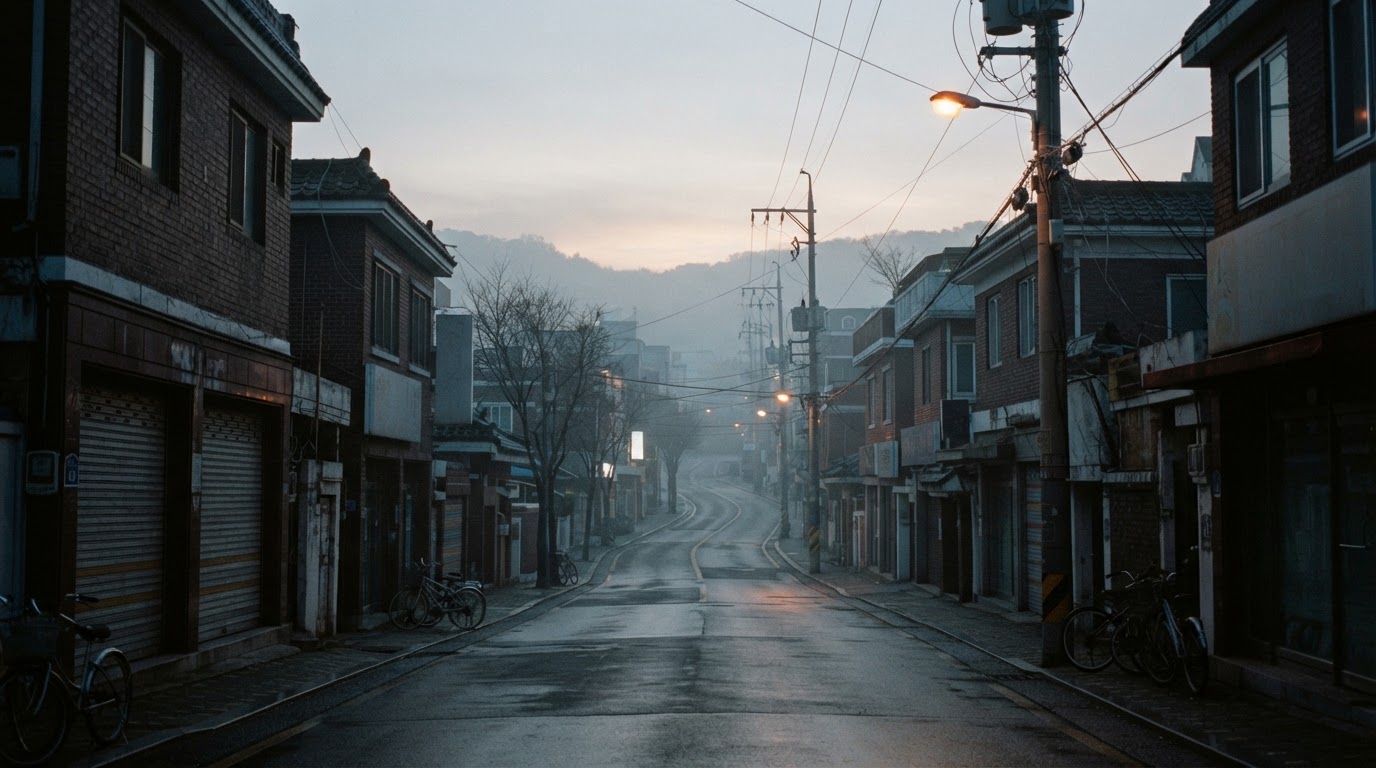
Korea in the late 1980s and early 1990s was an anxious time.
Violent crime was such a social problem that the government declared a "war on crime." Organized crime, human trafficking, and child abduction filled the newspapers. Tragic cases of children being kidnapped and losing their lives genuinely shocked the entire nation.
In such an era, a parent's greatest fear was a child's safety. Where did the child wander after school? Who did they meet? Were they slipping into arcades or comic-book rental shops? Parents wanted their children home early, and home directly.
And so a certain interpretation emerged. The adults' wish to send children home early and make them wary of strangers was planted in the children's world in the form of a terrifying story — the Hong Kong Grandmother Ghost. A scolding of "don't follow strangers" would land far less powerfully on a child than the tale that "the Hong Kong Grandmother will take you away."
Of course, this is only one interpretation, not a proven fact. Why and how an urban legend is born usually remains unknown in the end.

Why "Hong Kong," and Why a "Cat"?
Take the legend apart, and you find fragments of the Korean mind of that era.
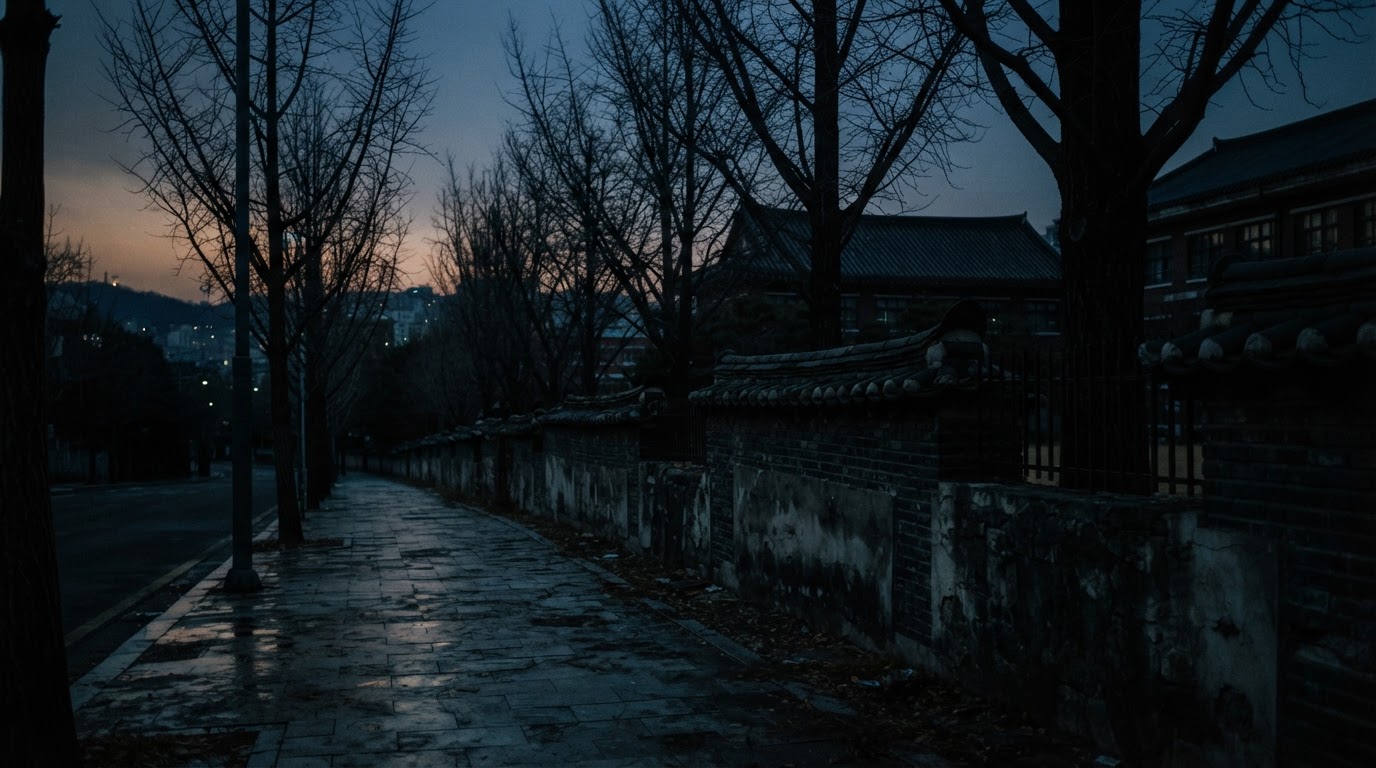
"Hong Kong" was one of the most familiar overseas destinations to Koreans at the time. Distant yet exotic, a place you could reach only by plane. In an age when air travel was still uncommon, a vague fear of plane crashes lay just beneath the surface of society. That fear became the story's starting point.
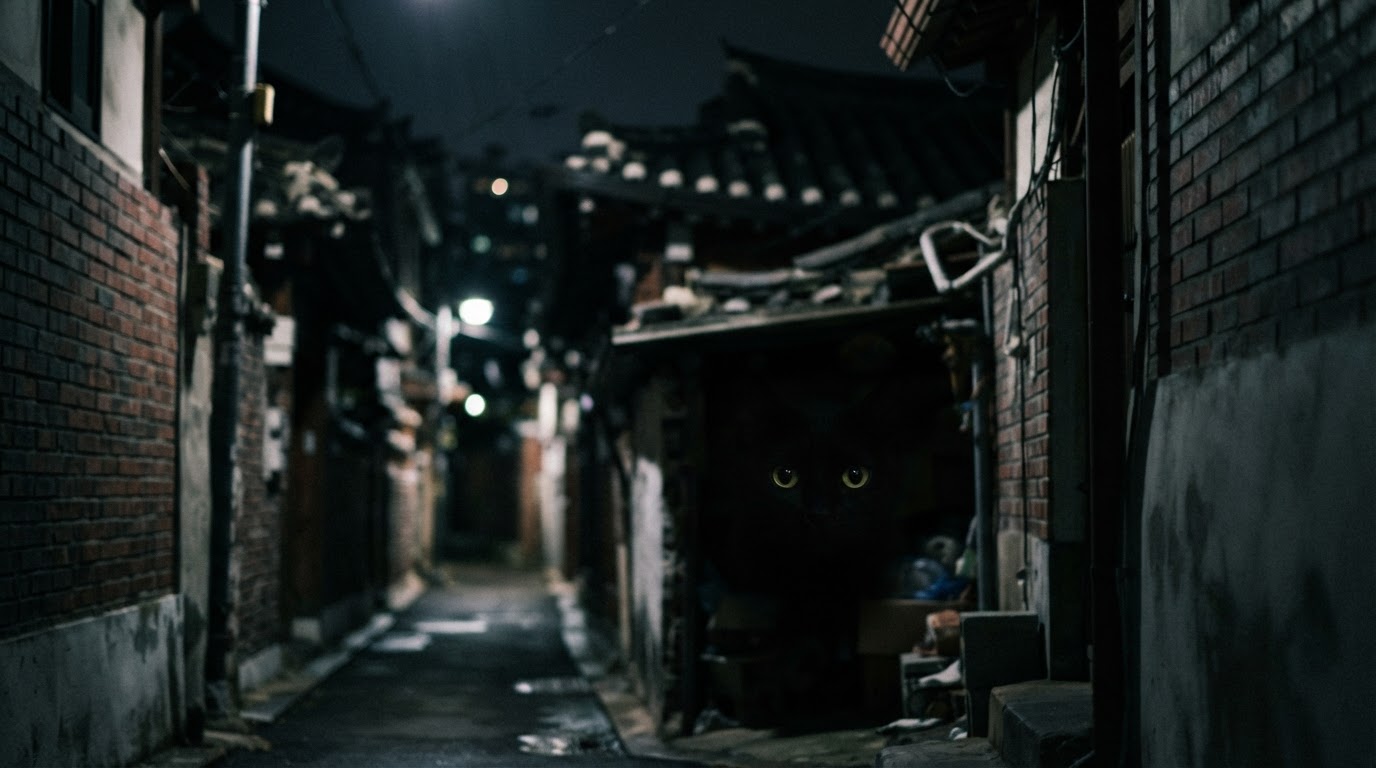
The "cat" has long been regarded across many cultures as a mysterious and ominous creature. Its eyes glow at night, it moves without sound, and its expression is hard to read. Japan even has its own legend of a cat yokai called the nekomata — in East Asia, cats have long been beings that readily transform into monsters. Yet, as noted, no story identical to the Hong Kong Grandmother exists in Japan. Only the motif of the cat overlaps.
The "grandmother" setting is strange, too. An elderly person is usually someone a child would approach without wariness. The twist — that this seemingly safe figure is in fact the most dangerous — doubled the legend's terror.
Fear of flying, the ancient ill omen of the cat, and the betrayal of a seemingly safe old woman. These three woven together became a story that shook an era.

How the Rumor Faded
As with every urban legend, the Hong Kong Grandmother eventually died down.
The rumor that had swept the country for a time gradually lost its force through the 1990s. New ghost stories took its place. Tales of the school bathroom ghost, Red Mask, and Bunshinsaba (a Korean version of the Ouija board) passed among children in turn.
As time went by and those children grew up, the Hong Kong Grandmother transformed from a "terrifying reality" into a "hazy memory." Today the name evokes nostalgia more than fear. On internet communities, Koreans in their forties trade old stories, laughing — "Do you remember the Hong Kong Grandmother?"
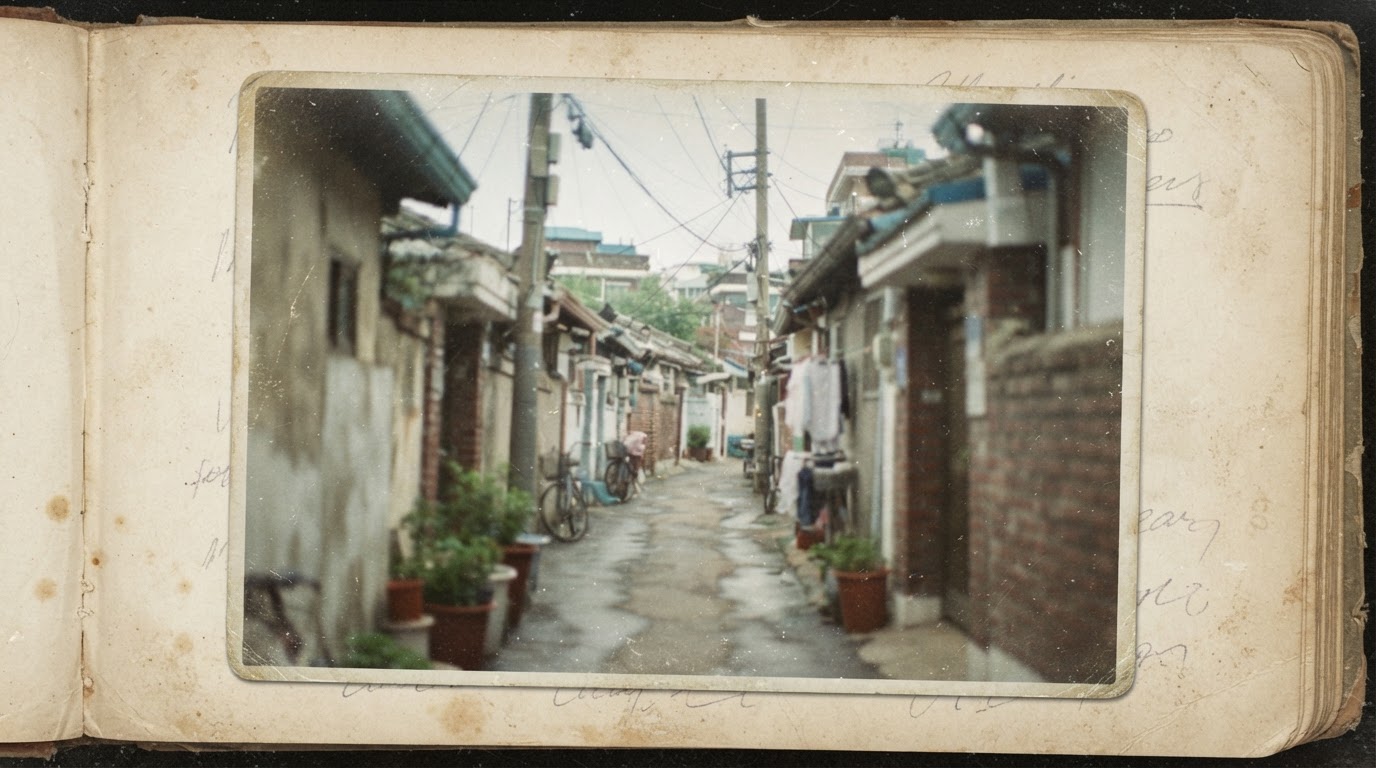
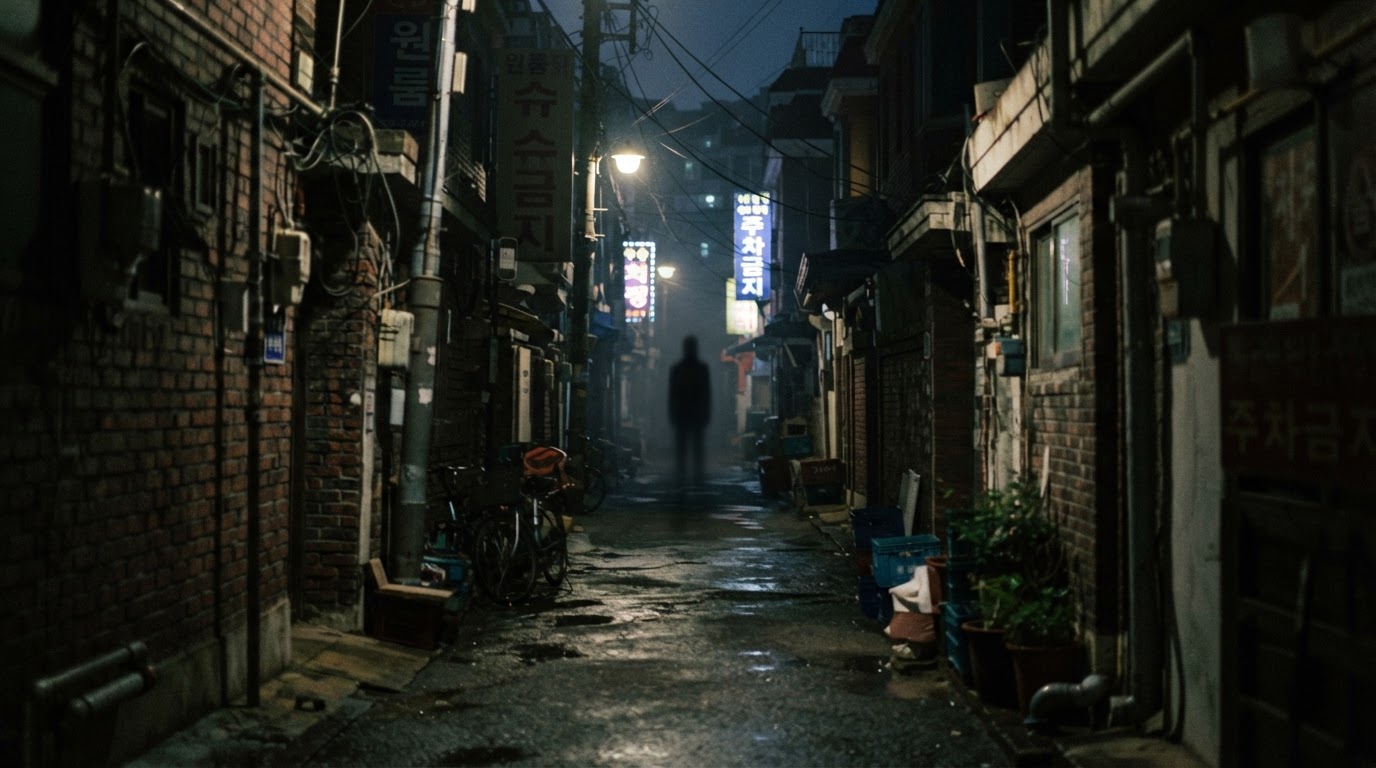
Yet recall the heart of a child who once truly believed that story, and the fear was anything but light. The shadows lurking in every alley on the way home, the dread of having your nails inspected, the anxious rush to reach home before dark. An entire generation of children genuinely spent a stretch of their childhood inside that fear.

What the Urban Legend Tells Us
There is no ghost in the Hong Kong Grandmother story. No real crash, no real victim. And yet it was powerful enough to reach a nation's evening news.
This is the power of an urban legend. Though untrue, it spreads as if real; though no one authored it, it grows on its own; and it captures a whole era's fears intact. The Hong Kong Grandmother Ghost condensed the anxieties of late-1980s Korean society — violent crime, the safety of children, fear of an unfamiliar wider world — into the form of a being half human, half cat.
For foreign readers, this context may be the fascinating part. In every country, children carry ghost stories fed by the fears of their time. America has Bloody Mary; Japan has Hanako of the toilet. Korea had the Hong Kong Grandmother Ghost. They wear different faces, but at their root lies the same thing — children's imagination and adults' anxiety.
As They Clip Their Nails
Even now, some Korean in their forties says that clipping their nails suddenly brings that era back.
"Let me see your fingernails." The walk home that made your heart drop at those few words. The evenings when a being half grandmother, half cat seemed to be watching you from beyond the wall. It was a fear without substance, but for a generation it was a feeling that undeniably existed.
The Hong Kong Grandmother never came, in the end. No one was ever taken by that being. The plane never crashed; the grandmother never existed in the first place. Yet the chill the story left behind remains somewhere, even now that all the children who heard it have become adults.
What I keep returning to, filing this away, is the 1989 broadcast. I have read the accounts of that Newsdesk segment enough times to notice what it actually did: a report assembled to end a rumor became the rumor's proof. Somewhere in the chain of retelling, the correction was absorbed as confirmation. I do not know what to call a story that eats the thing sent to kill it, and I have not found a better name for whatever the children were describing.
Perhaps that is what an urban legend truly does — to lodge something that never existed more vividly in memory than something that did. And so the Hong Kong Grandmother Ghost lives on, still, somewhere in the childhood of a generation.

---
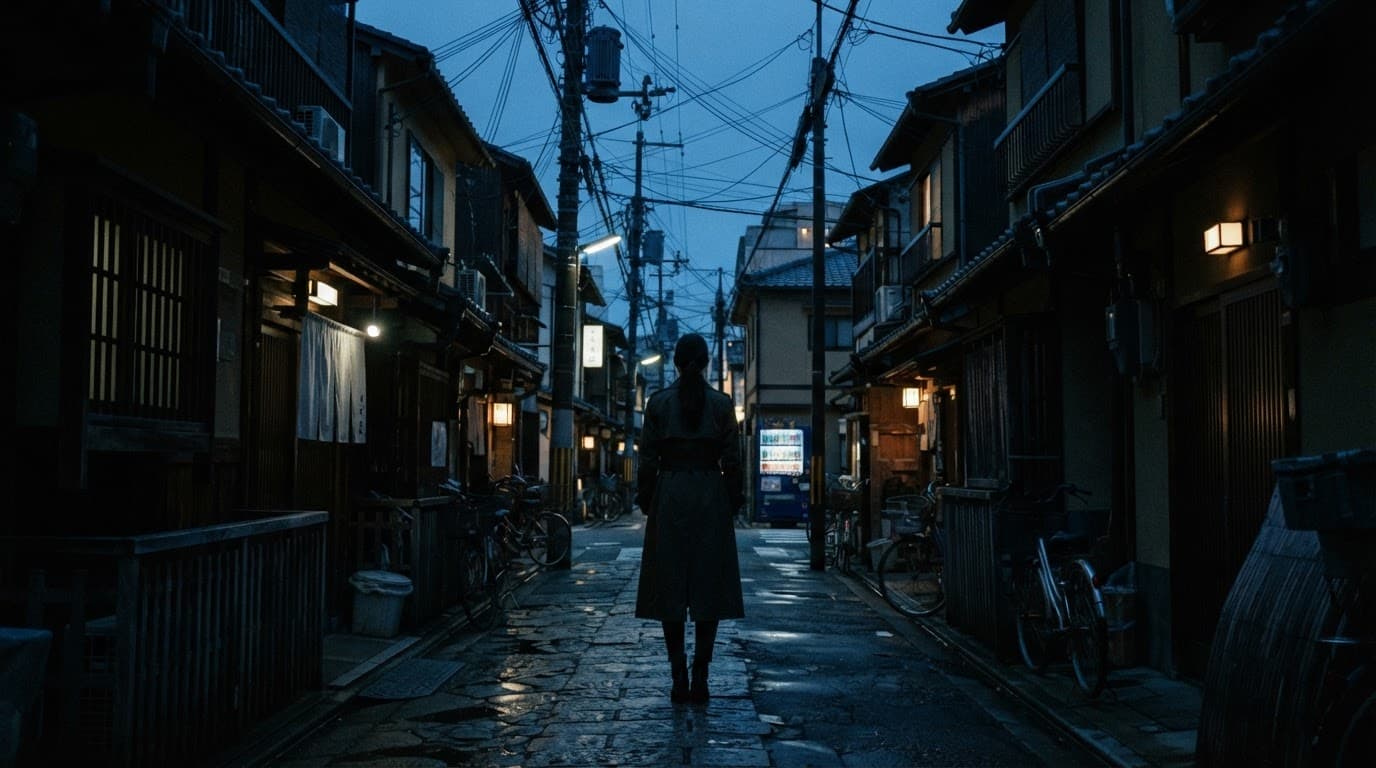
The images and video in this article are AI-generated works produced to convey the mood of the story, and are not photographs of any actual person or event.


Comments
No comments yet — leave the first one.