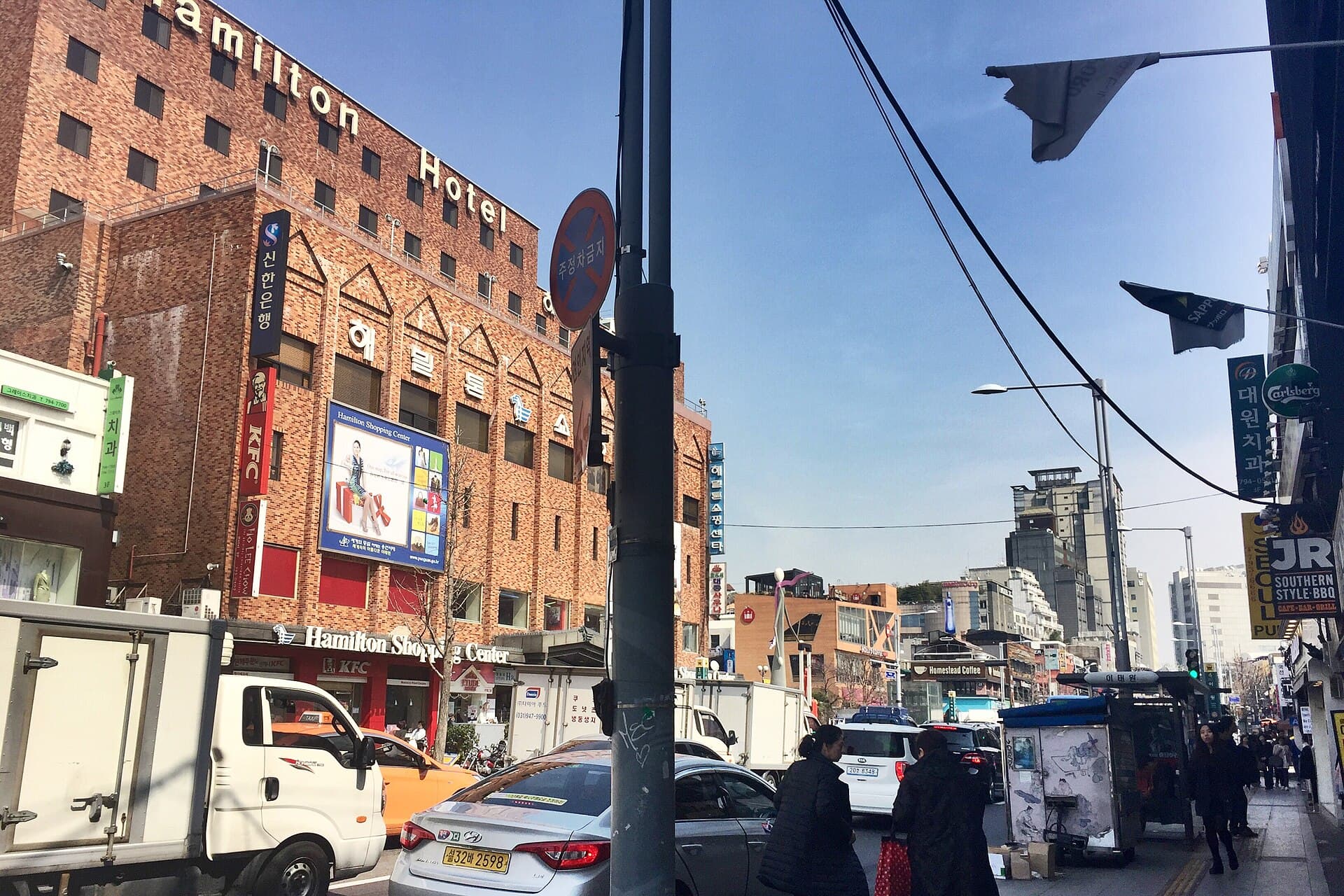
One man was killed. And the killer was one of the two people standing in that room.
But the two men pointed at each other. "He did it." There were no witnesses; only three people had been in that space, and one of them could no longer speak. For a long time, no one was punished for the murder. It took 19 years for the truth to cross a border and come home.
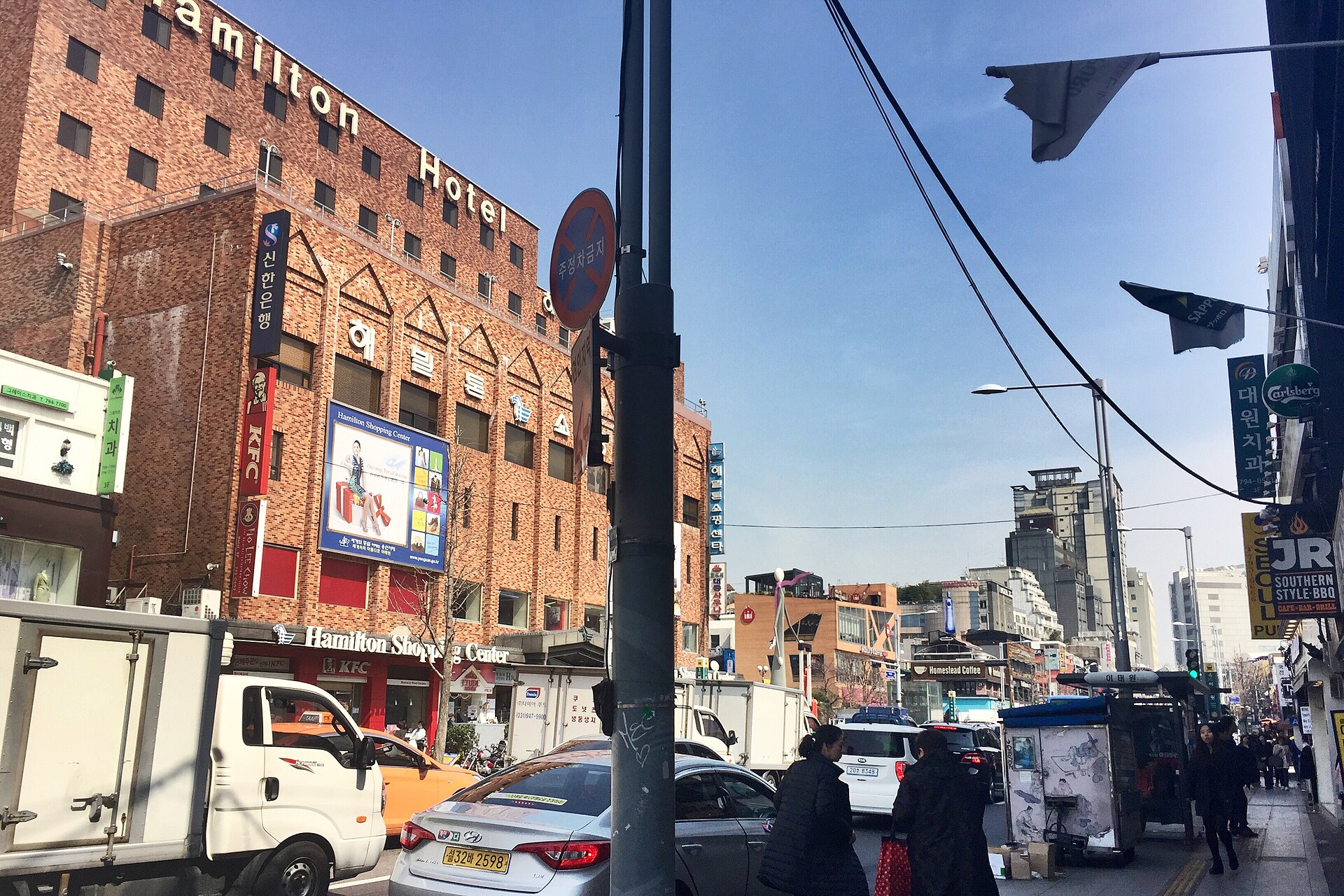
Photo: Wikimedia Commons, CC BY-SA 2.0

The Night of April 3, 1997
On the night of April 3, 1997, in the restroom of a hamburger restaurant in the Itaewon area of Seoul's Yongsan District, a 22-year-old university student named Cho Jung-pil was stabbed to death.
That night, Itaewon was crowded, as it usually was. In the 1990s, Itaewon was a district unlike any other in Seoul. A U.S. military base sat nearby, and the streets stayed lit late into the night, filled with foreigners and Koreans, tourists and shopkeepers all mixed together. English flowed as naturally as Korean, and different nationalities and cultures brushed against one another in the narrow alleys. It was in the middle of that energy that the crime took place.
Cho had come to Itaewon with a friend and stepped into the restroom of that hamburger restaurant. He never walked back out. Inside the small restroom, he was stabbed several times and died soon after.
It had been an ordinary night. For a 22-year-old student, it was simply a night out with a friend and a brief stop at the restroom.

The Two Men in the Room
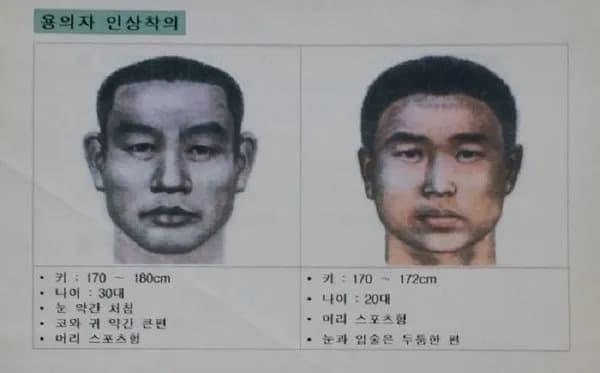
In and around the restroom were two other young men: Arthur John Patterson and Edward Lee. Both were around 18 years old at the time, and both held American citizenship.
Patterson was a U.S. citizen who had grown up in a household connected to the American military presence in Korea, and Edward Lee was a Korean American — a Korean by heritage holding U.S. citizenship. The two had been hanging out together in Itaewon that night. Just before the crime, they were both in and around the same restroom as Cho.
This is where the problem began. A restroom is an enclosed space, and there was no third party who directly witnessed what happened. The person who stabbed Cho was clearly one of these two. But there was no eyewitness to say clearly which one.
And from beginning to end, the two men pointed at each other.
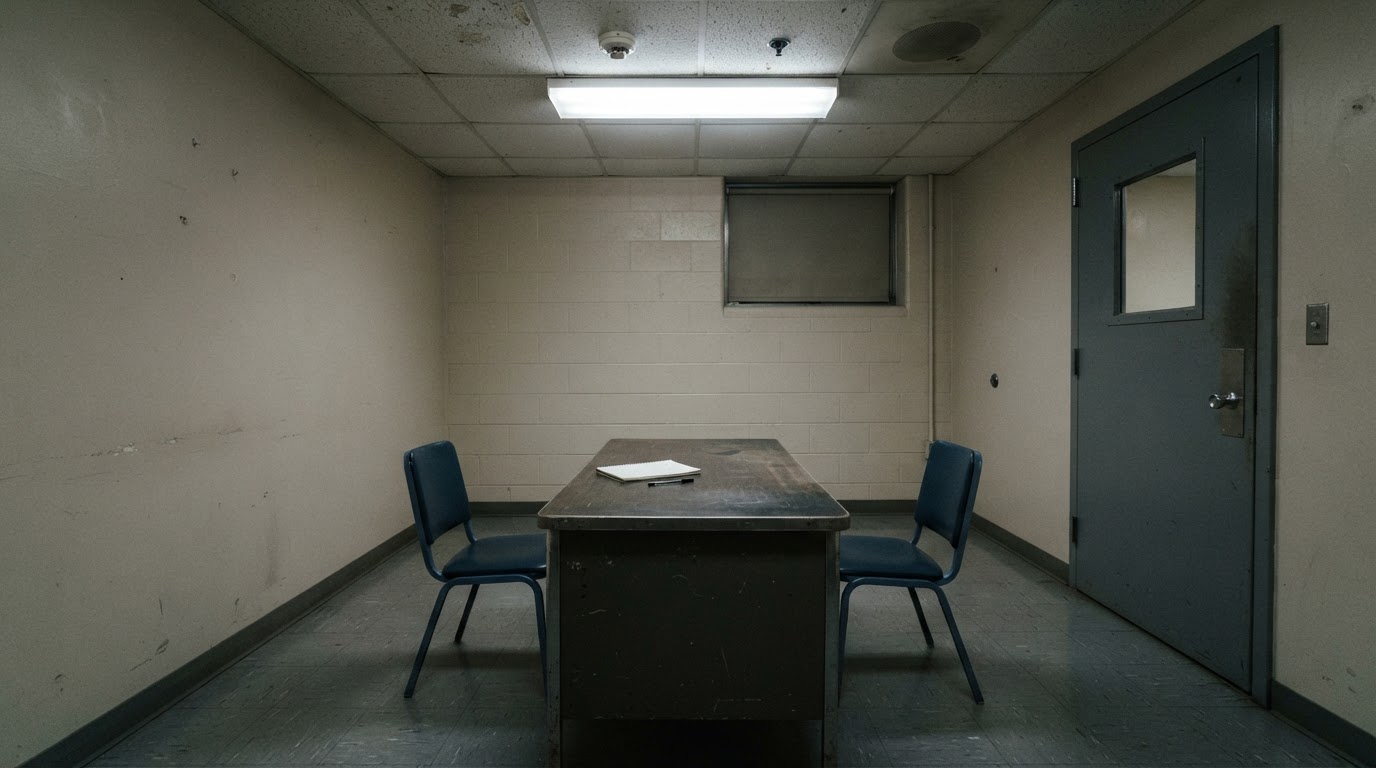
Most of what I archive concerns things that cannot be known. This one is different, and that is why it has stayed with me. The answer was never missing. It was in that restroom on April 3, 1997, held by two people who were both alive and both talking. I have laid the two statements beside each other in my files, and the arrangement is almost geometric — each man's account is the other's with the names exchanged. One of them was describing exactly what happened. The record simply could not tell me which.
"It Wasn't Me — He Did It"
As soon as the investigation began, the two accounts collided head-on.
Patterson said, "Edward Lee stabbed him." Edward Lee said, "Patterson stabbed him." Each claimed the other had held the weapon, that the other had attacked Cho. If one was telling the truth, the other was lying — but there was not enough physical evidence to draw a clear line between them.
Mutual accusation like this is one of the hardest situations for any investigation or trial to untangle. When two people were at the same scene and each names the other as the killer, prosecutors and courts must weigh, piece by piece, whose account is more credible and where the physical evidence points. And when that judgment wavers, even the real killer can find a gap to slip through.
The first reason the night in Itaewon became a long-standing mystery lay precisely in this mutual accusation.


The First Man to Stand Trial — Edward Lee
Of the two men, prosecutors charged Edward Lee with murder. Patterson was charged with comparatively lighter offenses — carrying a weapon and destroying evidence.
The trial court found Edward Lee guilty and sentenced him to life imprisonment. The appellate court upheld the guilty verdict, adjusting the sentence to 20 years in prison. Up to that point, it seemed the case had found its killer in Edward Lee and was coming to a close.
But in 1998, the Supreme Court saw it differently.
The Supreme Court ruled that the evidence was not sufficient to find Edward Lee guilty, and sent the case back for retrial. In the reopened trial, the Seoul High Court acquitted Edward Lee in 1998. Prosecutors appealed again, but in 1999 the Supreme Court rejected that appeal. Edward Lee's acquittal became final.
This point must be stated clearly. Edward Lee is a man whose acquittal was confirmed by the Supreme Court. The conclusion that he was the killer never held up in law. This article does not treat him as guilty, and there is no basis to do so. The law reached one conclusion: there was not enough evidence to consider him the murderer.
The question that remained was this — then who stabbed Cho Jung-pil? There had clearly been two people in that room. If one was innocent, the other was what remained.
A Prosecutorial Blunder, and a Flight Across the Pacific
While Edward Lee was being released as innocent, the other man — Patterson — was already leaving Korea.
Patterson had been convicted not of murder but of destroying evidence and carrying a weapon, and served a comparatively short sentence. He was then released through a special pardon, after which he was placed under a travel ban so that he could not leave Korea.
Here an irreversible blunder occurred. Prosecutors failed to renew Patterson's travel ban in time. Slipping through that administrative gap, Patterson left for the United States in 1999. The only remaining suspect had vanished across the Pacific, beyond the reach of Korean justice.
One man had been released as innocent; the other had fled the country. It was certain that one of the two had stabbed Cho — yet neither was punished for the murder, and the case froze in place.
This travel-ban blunder drew criticism for years afterward. A single administrative error had forced more than a decade of waiting on the bereaved family.


The Frozen Years
After Patterson left, the case sat still for a long time.
For the bereaved family, it was an unbearable stretch of time. Their son had lost his life in a restroom in Itaewon, and yet neither of the two men who had been in that room was punished for the murder. One had been acquitted; the other had vanished abroad through a prosecutorial mistake. The truth was clearly somewhere, but the path to reach it was blocked.
Cho Jung-pil's parents could not simply bury their son's death. For many long years they fought, demanding a reinvestigation and Patterson's extradition. It was a fight against the state, against a case slipping into obscurity, and against the passage of time itself.

A Film Brings the Case Back
What pulled this fading case back into public view was, unexpectedly, a film.
In 2009, a film based on the case was released. A murder in the enclosed space of a restroom, two men accusing each other, and the helplessness of a justice system unable to identify the true killer. The film placed the questions the real case had raised back in front of the public. What on earth had happened in that room? Why had no one been punished?
The attention the film stirred became public sentiment, and that sentiment in turn became pressure that moved the investigating authorities. A case that had nearly been forgotten rose to the surface again. To the family's long fight, the public's attention lent its weight.

A Pursuit Across Borders — Extradition
Amid the renewed attention, Korean authorities reopened the investigation. And they entered a long, complicated procedure to bring Patterson back from across the Pacific.
That procedure is called extradition. When a person who has committed a crime in one country flees to another, extradition is the formal international process of requesting that the country where they now are hand them over. There must be an extradition treaty between the two countries; the receiving country's courts must review and grant the request against legal requirements; and the individual may fight the request in court along the way. Enforcing justice across a border takes incomparably longer than catching a criminal within a single country.
Korea filed an extradition request with the United States for Patterson. He was taken into custody in the U.S. in 2011, after which proceedings unfolded in the American courts over whether he would be handed over. After several years of legal battles, a conclusion was finally reached.
In September 2015, Patterson was extradited to South Korea. It had been 16 years since he fled to the United States, and 18 years since the crime.

The Courtroom Reopens
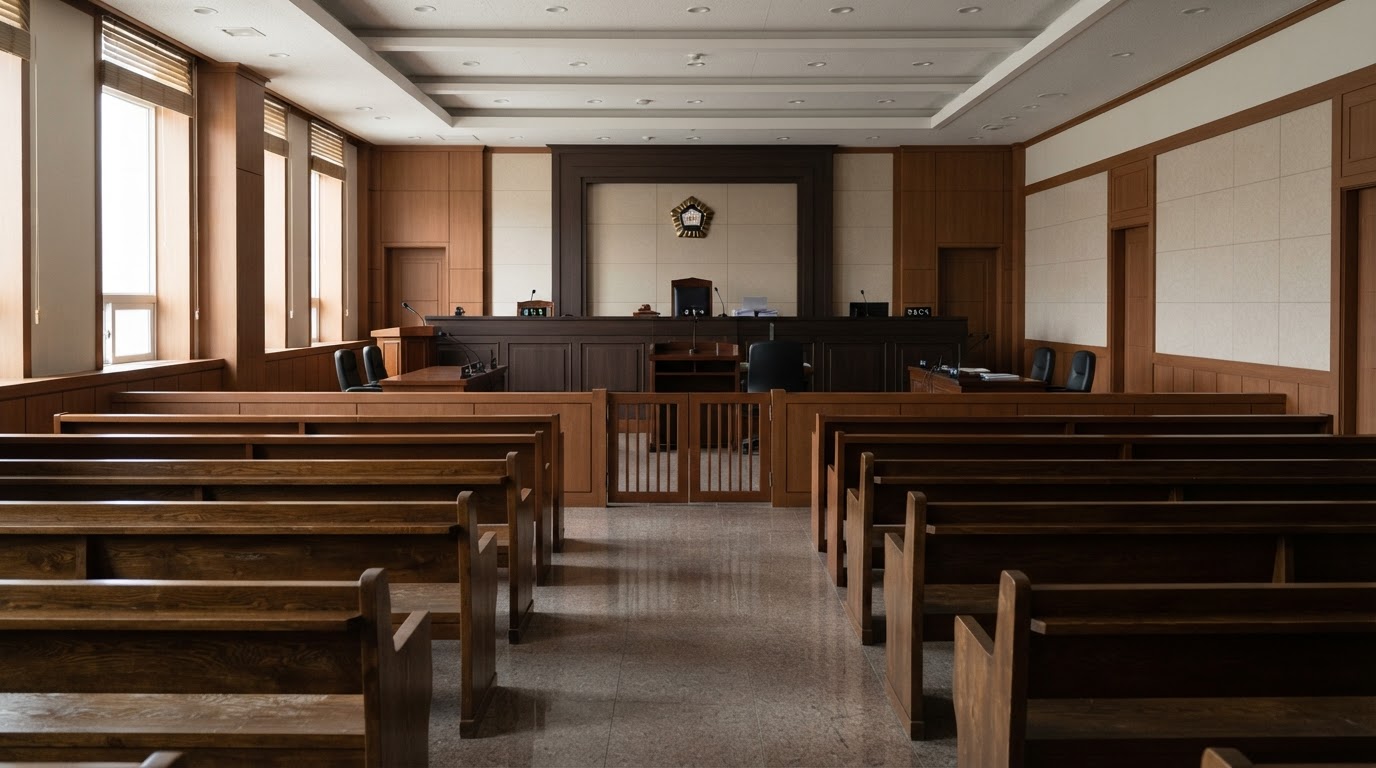
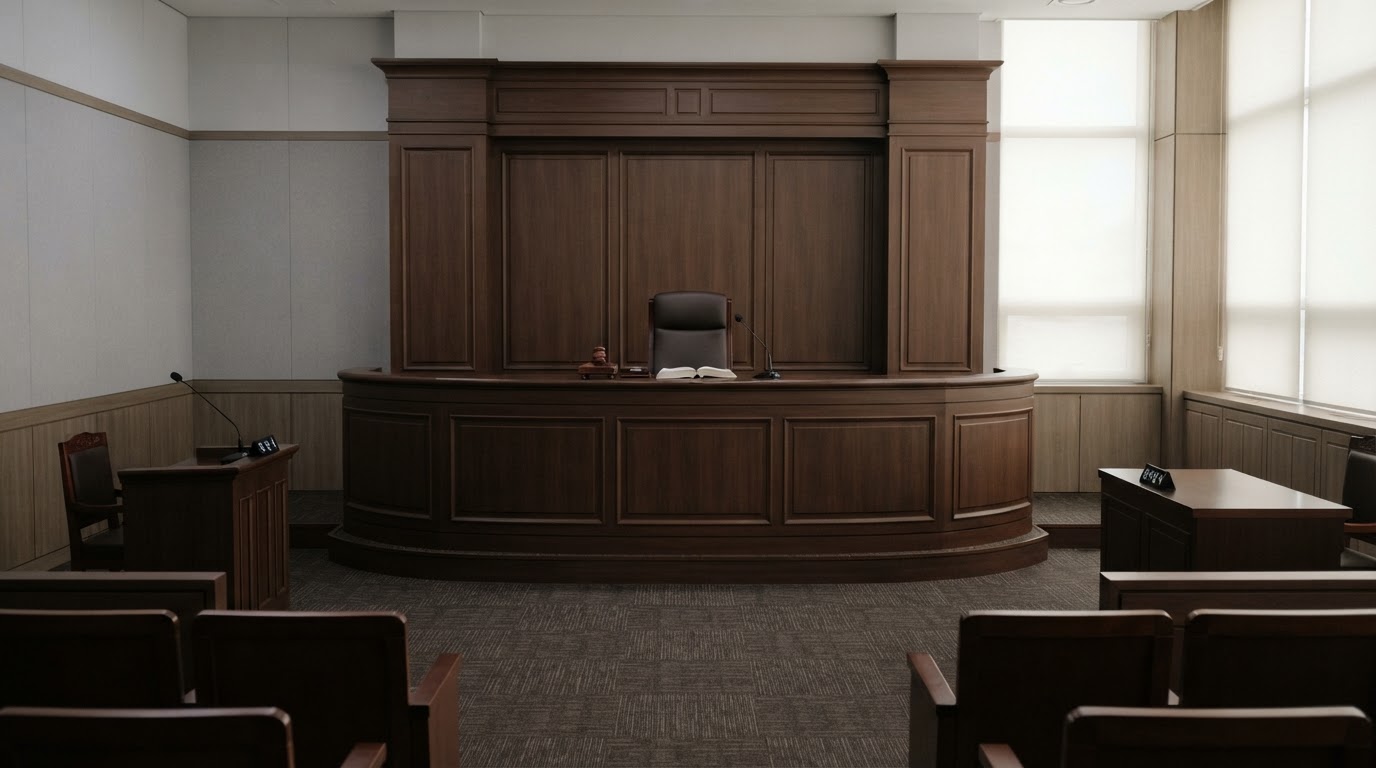
Once extradited, Patterson this time stood before a Korean court on a murder charge. A trial began again over what had happened that night, more than a decade earlier, in that restroom in Itaewon.
The trial dealt with the material that had accumulated over the years and the evidence that was newly reviewed. The circumstances at the scene, the two men's conflicting accounts, and the facts pieced together over a long span of time were all examined again in court.
In January 2016, the trial court found Patterson guilty and sentenced him to 20 years in prison. The court judged that the gravity of the case warranted a heavy sentence, while taking into account that Patterson had been a minor, not yet 18, at the time of the crime.
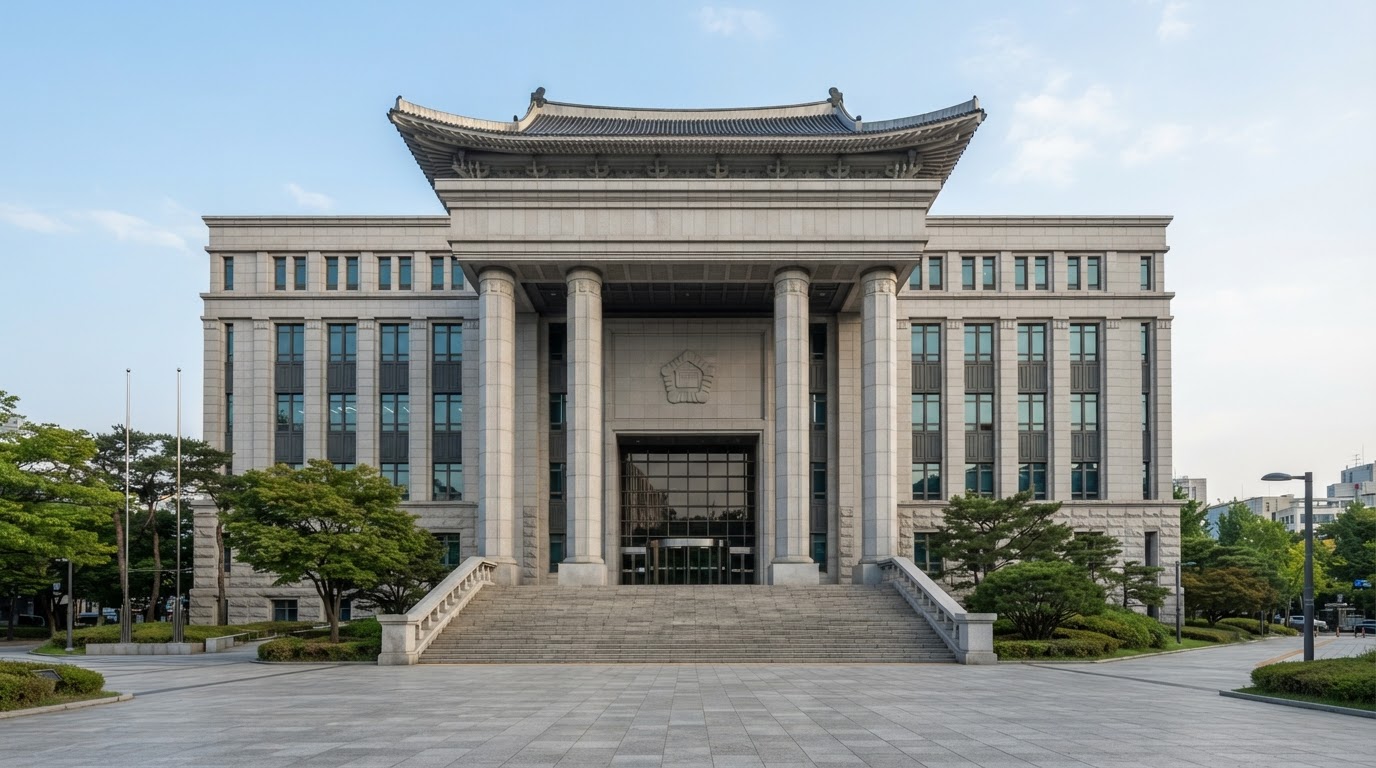
Patterson's side appealed, but the appellate court upheld the guilty verdict. And in January 2017, the Supreme Court confirmed the lower court's sentence of 20 years in prison.
It was a reckoning 20 years in the making — measured from that night in 1997, and from the long years the bereaved family had spent fighting.
Why Did Justice Arrive So Late?
With Patterson's guilty verdict confirmed by the Supreme Court, a case that had long been a mystery reached its legal conclusion. But the years it took to reach that conclusion left behind several heavy questions.
Why did it take so long? There had been two people in the room, and one of them was clearly the killer — so why was no one punished for the murder for so long?
The first reason was the trap of mutual accusation. When two people point at each other and there is not enough physical evidence to tell them apart, the truth easily blurs. The second was the prosecutorial blunder over the travel ban. The last door that could have kept the only remaining suspect in the country was swung open by a single administrative error. That one mistake swallowed more than a decade.
And this case shows how difficult it is to punish a crime once it crosses a border. The moment a criminal flees to another country, justice must pass through a maze of two nations' laws, treaties, and diplomacy. The force that carried this case all the way through that maze was, above all, the bereaved family's refusal to give up.


The Name Left Behind — Cho Jung-pil
At the center of this whole story is one person whose life was taken at the age of 22.
Cho Jung-pil had simply been out with a friend and stepped into a restroom in Itaewon. To ask what he did wrong is meaningless. He did nothing wrong. He was merely there, that night, in that place.
It took the law 19 years to hand down a guilty verdict against the killer. But no ruling, no length of sentence, can give back a life that stopped at 22. That the truth was finally revealed and the killer punished, even so late, was the result of the family enduring and fighting through all those years. Yet that fight was itself another punishment that parents who had lost their son were forced to bear.
The reason we should remember this case lies not only in the fact that justice finally arrived. It lies also in the fact that this justice arrived so late, and so hard.

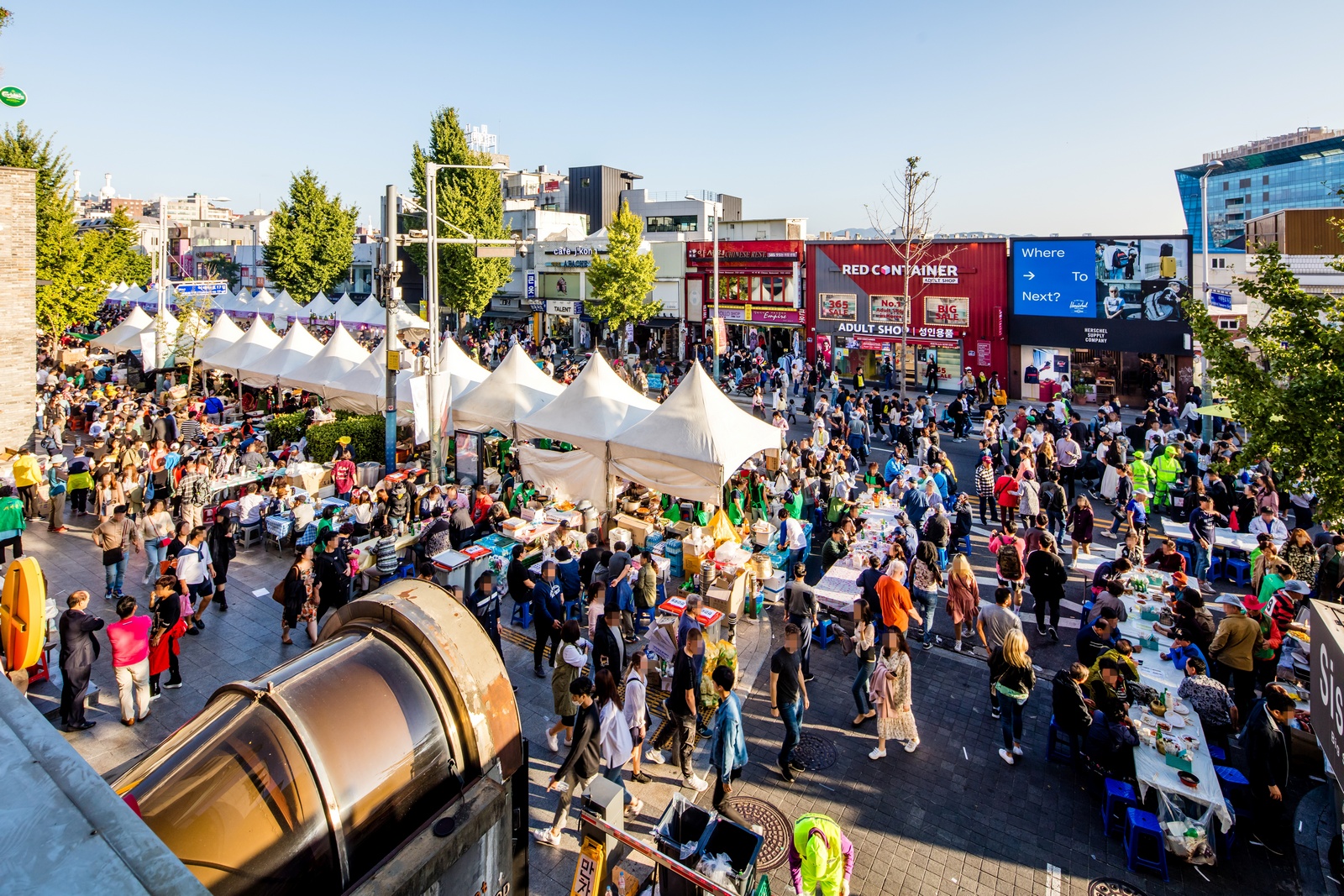
Photo: Wikimedia Commons, CC BY 4.0
When I pull this file now, the page I look at is not the verdict. It is the travel-ban renewal — a deadline, a form, an office that did not process it in 1999. Nothing about that document is dramatic; it is the most ordinary paper in the whole case. Sixteen years of a family's life turned on it. I have handled a great deal of evidence in this archive, and I have come to distrust the assumption that the decisive item will look decisive.
In Closing
There were two people in one room. One was killed, and the two who remained pointed at each other. One was acquitted for lack of evidence; the other fled the country through a prosecutorial mistake. And for a long time, no one was punished for the murder.
It took 19 years for the truth to cross the border and come home. A film summoned the case back; the international cooperation of extradition brought back the fugitive suspect; and above all, the bereaved family's tireless fight pushed the whole process to its end.
The Itaewon murder asked Korean society many things — the difficulty of finding truth in the face of mutual accusation, the irreversible consequence a single administrative blunder can bring, and how long and hard the road of justice becomes once it crosses a border. Those questions remain valid today.
---
This article uses both real present-day photographs of the area around the site and AI-generated images produced to convey the mood of the story. The location photographs were not taken at the time of the case.



Comments
No comments yet — leave the first one.