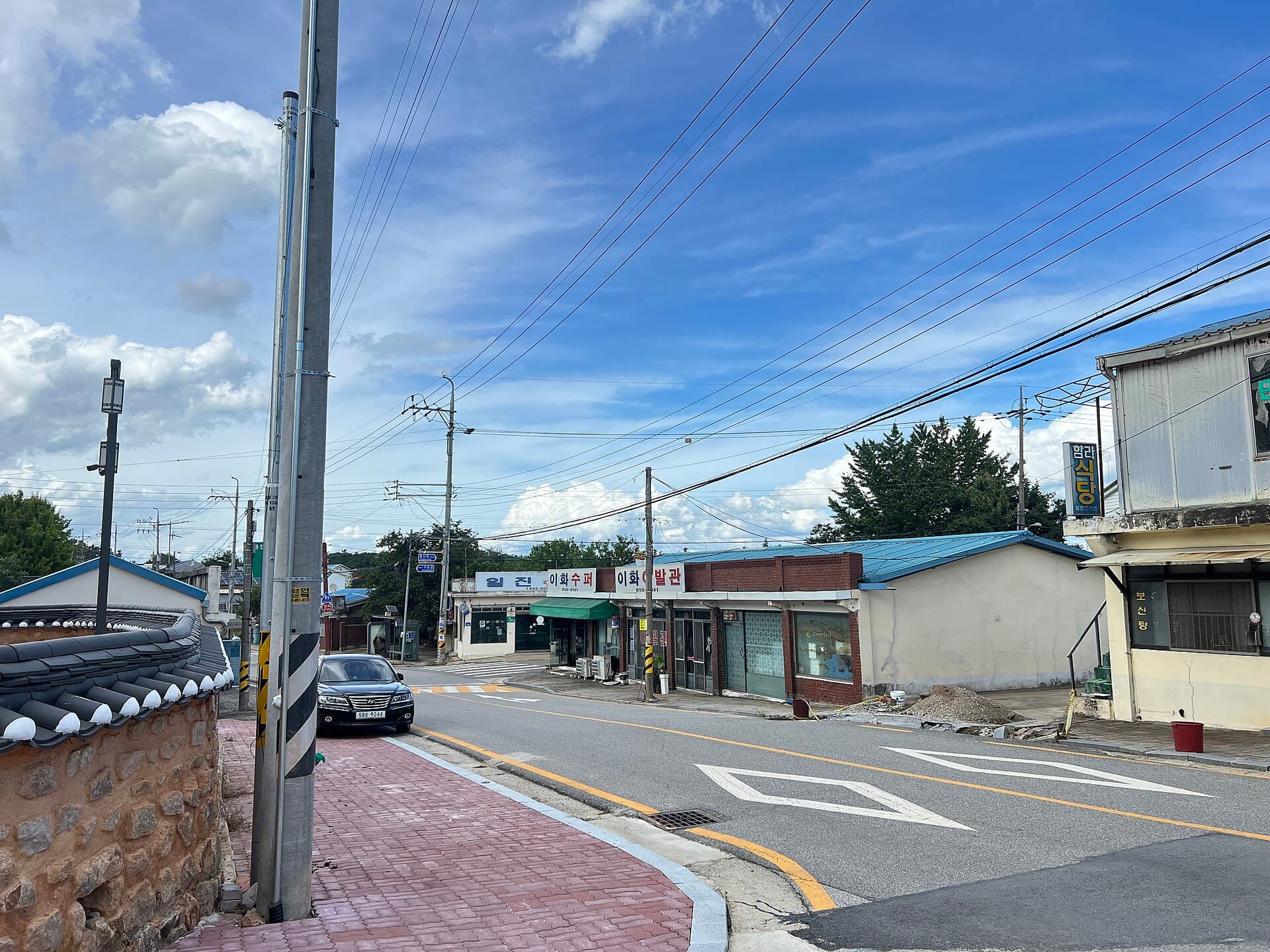
The witness became the killer.
A fifteen-year-old boy served ten years in prison for a murder he did not commit — and all that time, the real killer was walking free. It stands as one of the most devastating miscarriages of justice in Korean legal history. And it took sixteen years for the truth to surface.
In the summer of 2000, a taxi driver was stabbed to death at a five-way intersection in the small city of Iksan, South Korea. Police arrested a boy who happened to be near the scene. There was not a single drop of blood on his clothes or shoes, yet he confessed, and he was convicted. This is a story about the years one man lost. And about how, in the end, the state was forced to bow its head and apologize.
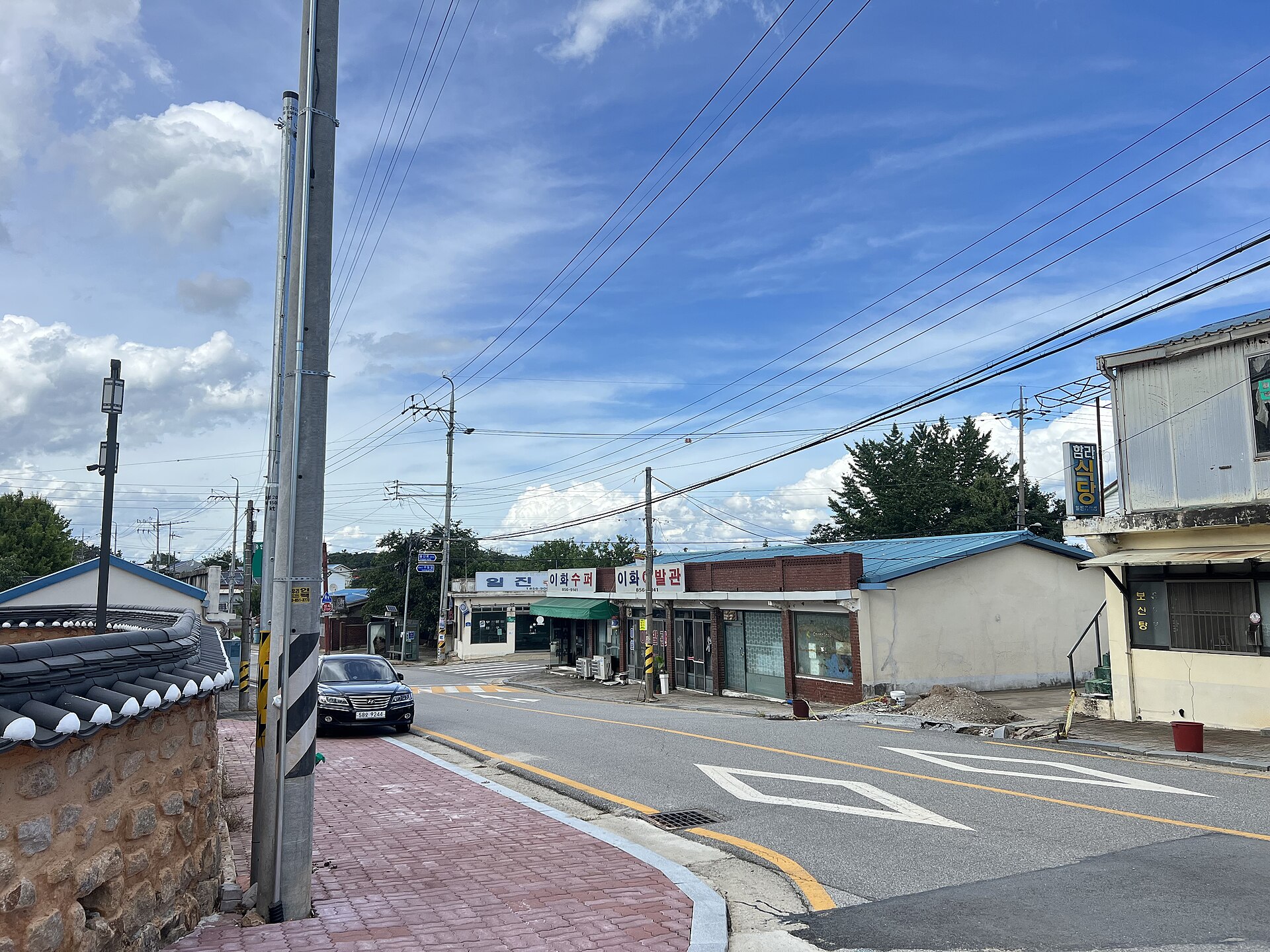
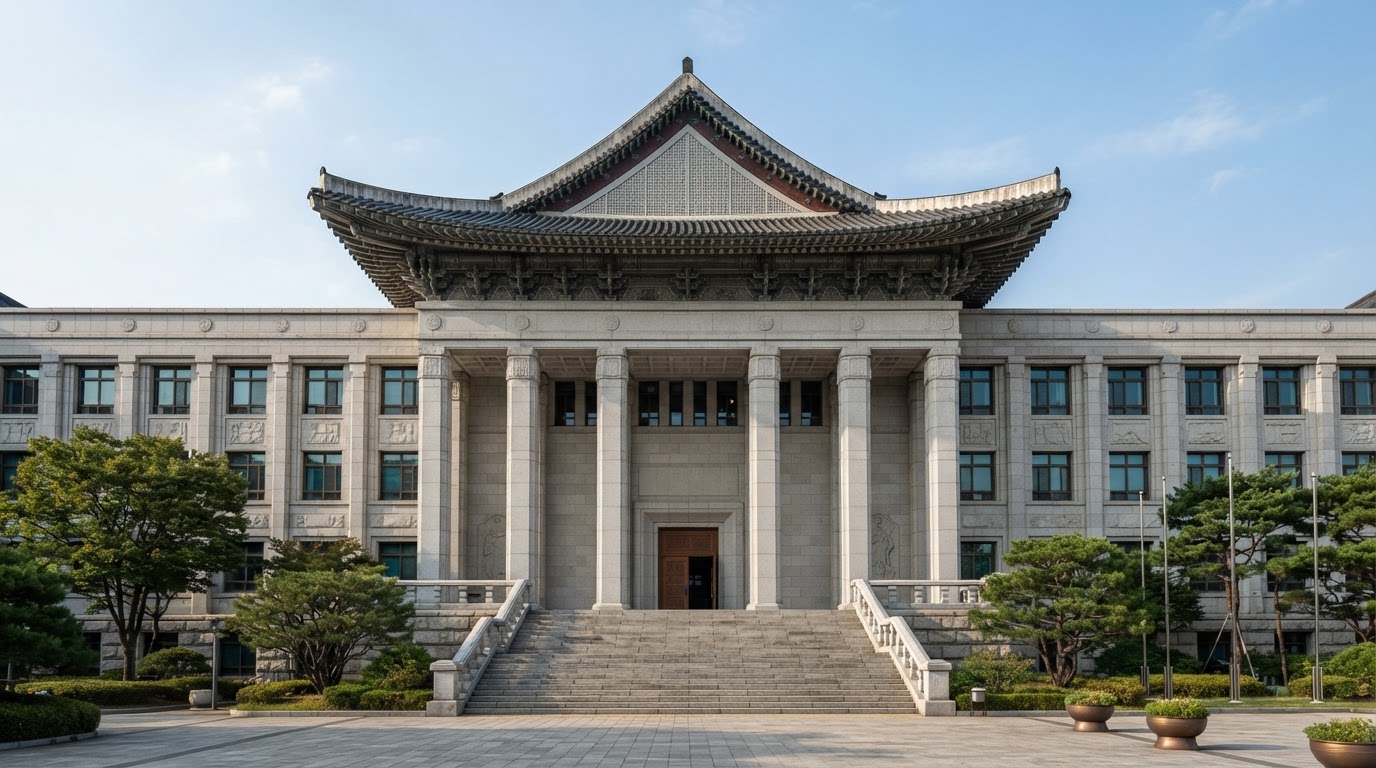
Photo: Wikimedia Commons, CC BY 4.0
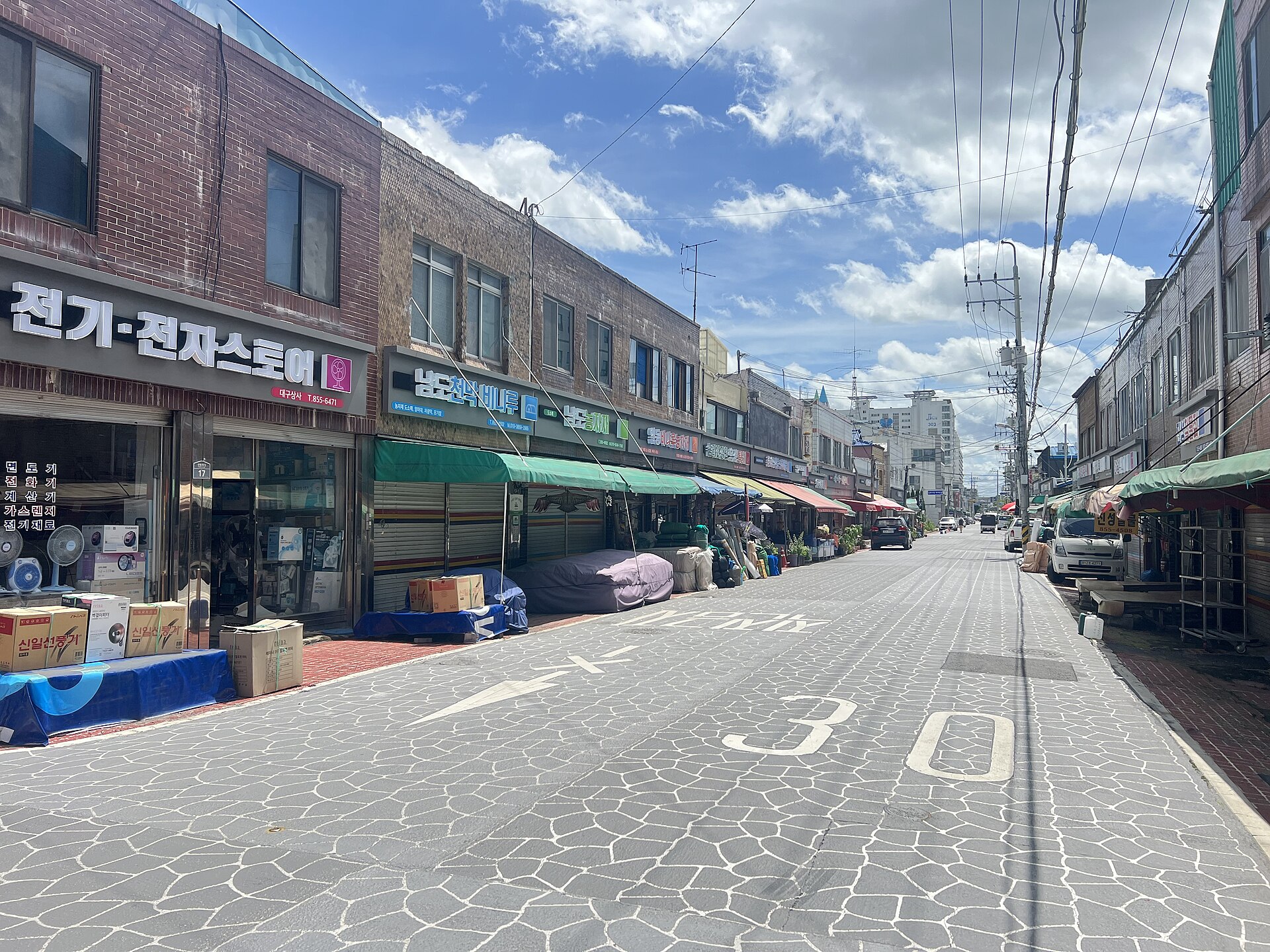
Photo: Wikimedia Commons, CC BY 4.0
Most of what I keep in this archive has no ending. This one does, which is why I nearly left it out — and then I read the forensic summary. No blood on the clothes. No blood on the shoes. A man stabbed repeatedly inside the close interior of a taxi, and the boy they charged came away clean. I have gone through the sequence of documents in order, several times, looking for the point at which someone should have stopped, and the unnerving thing is that the paperwork never wavers. It proceeds, page after page, in a perfectly steady administrative voice.
August 2000, That Night
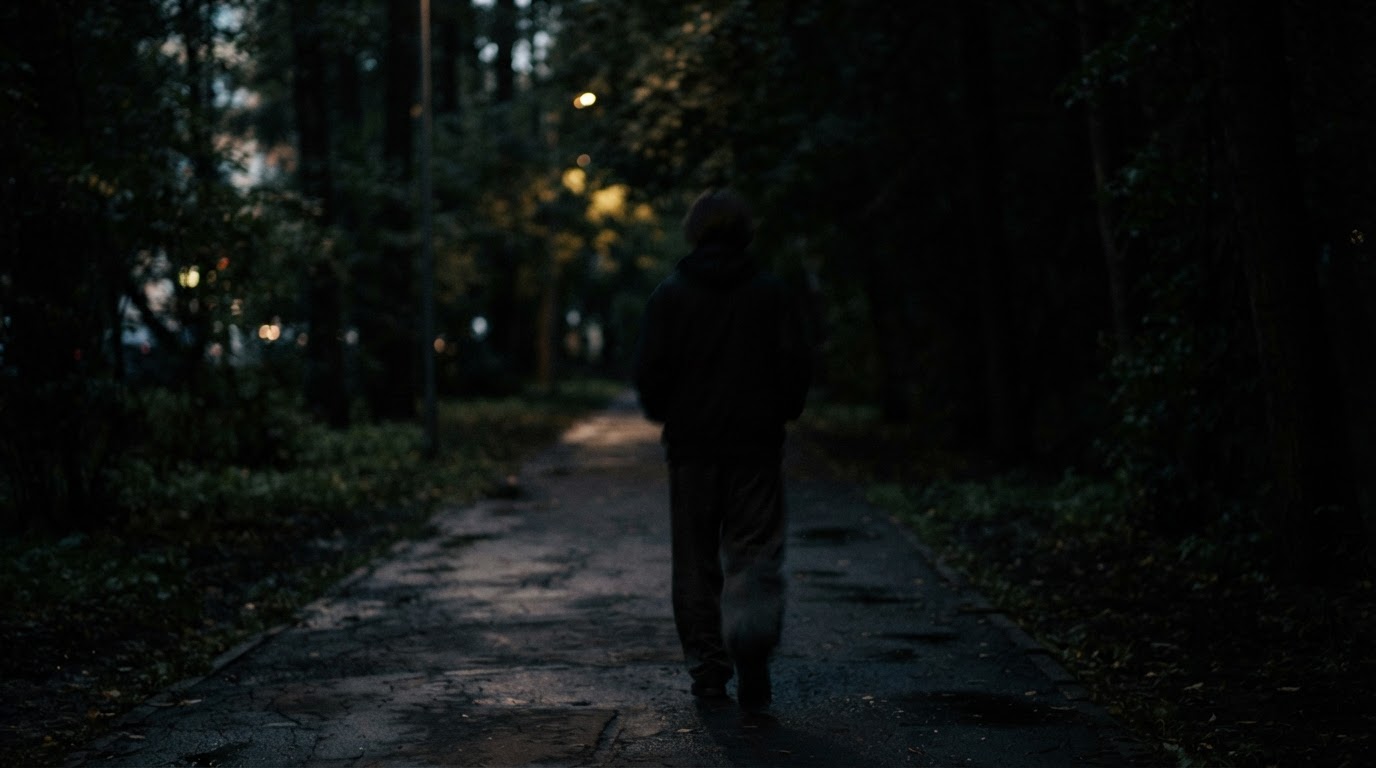
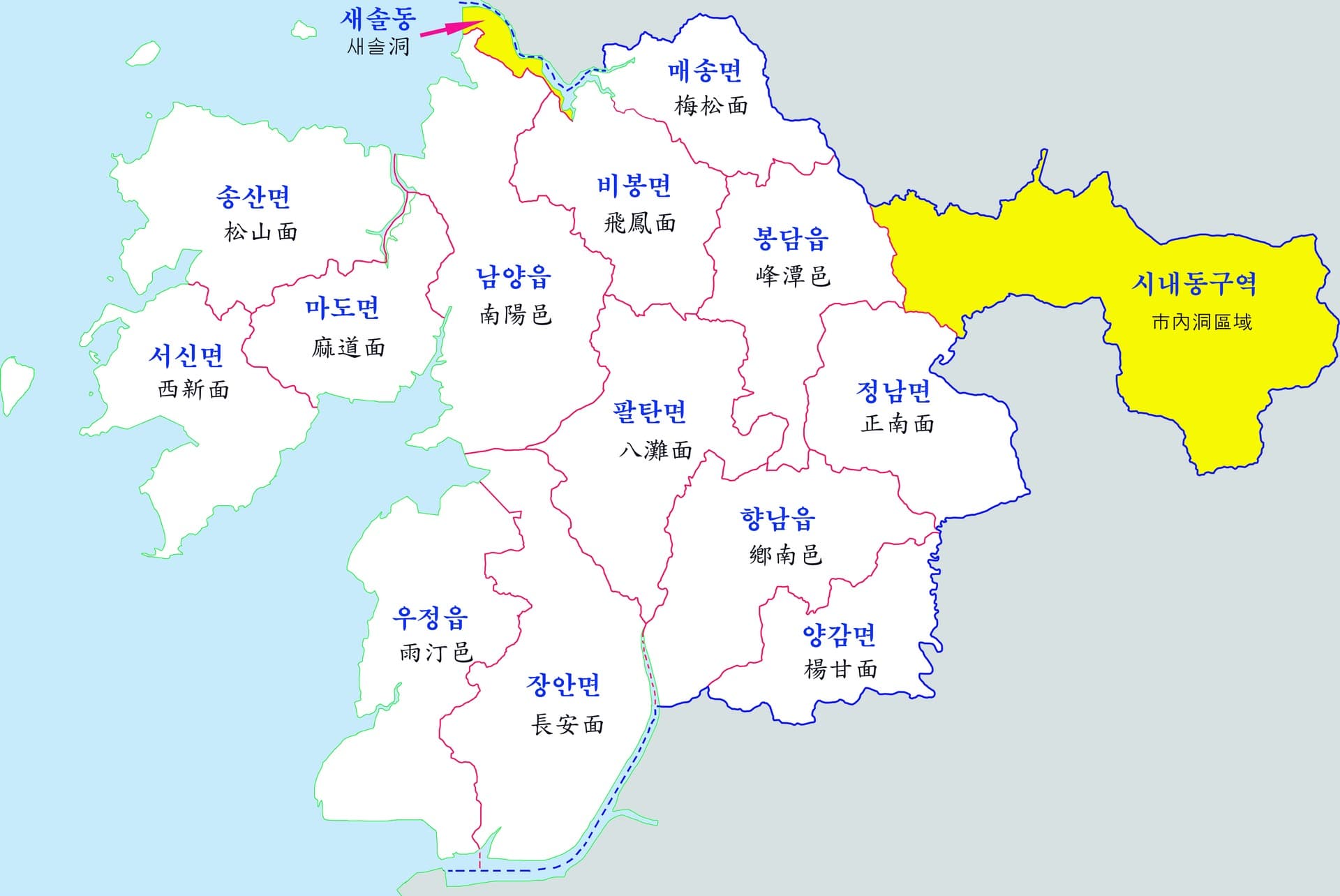
Around 2 a.m. on August 10, 2000, the Yakchon intersection — where five roads meet in the Yeongdeung neighborhood of Iksan, North Jeolla Province — was all but deserted. Inside a taxi parked there, the driver was found stabbed several times. He was rushed to a hospital, but he did not survive.
Late at night, a crossroads in a provincial city with no customers in sight. There were no eyewitnesses and no surveillance cameras. In the Korea of 2000, rural roads were not yet blanketed with the dense CCTV networks of today. All the police had was a body, a taxi, and the dark.
The investigation hit a wall from the start. It was hard even to say whether this was a robbery, a grudge, or a spur-of-the-moment killing. But as news of the case spread, pressure mounted on the police to solve it quickly. And that pressure sent the investigation down the wrong road.
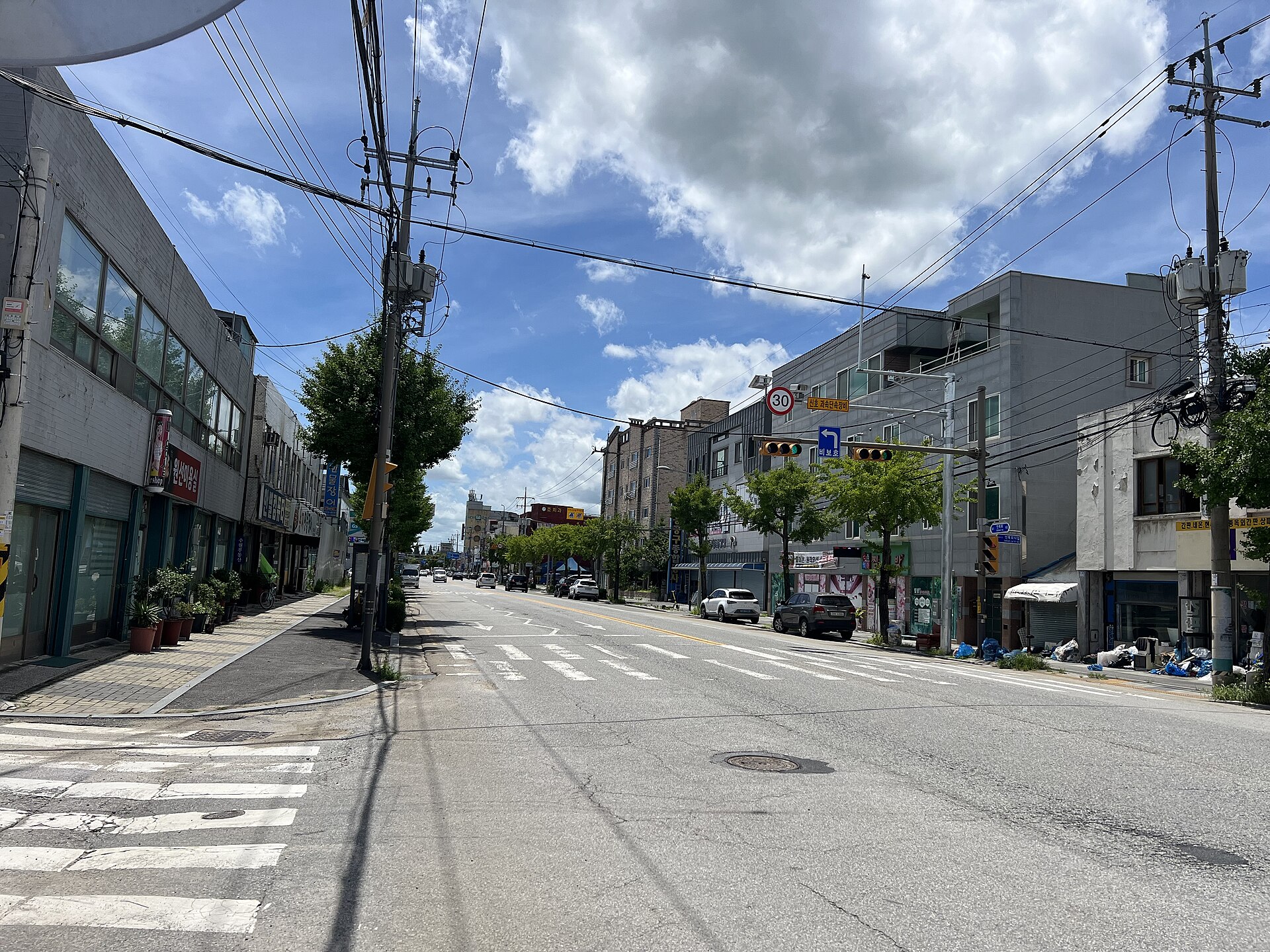
Photo: Wikimedia Commons, CC BY 4.0
Guilty of Being Nearby
Near the scene there had been a boy on a motorcycle — fifteen years old at the time, delivering coffee for a local teahouse. He had ridden through the area that night, and he might have witnessed something. That, in essence, was the entire reason his name entered the investigation.
A boy who may have been a witness became, at some point, a suspect.
He would later testify to what happened next: that under coercive interrogation, he confessed to a crime he had not committed. It is not easy for a fifteen-year-old to endure an all-night interrogation and hold his ground before a room of adult investigators.
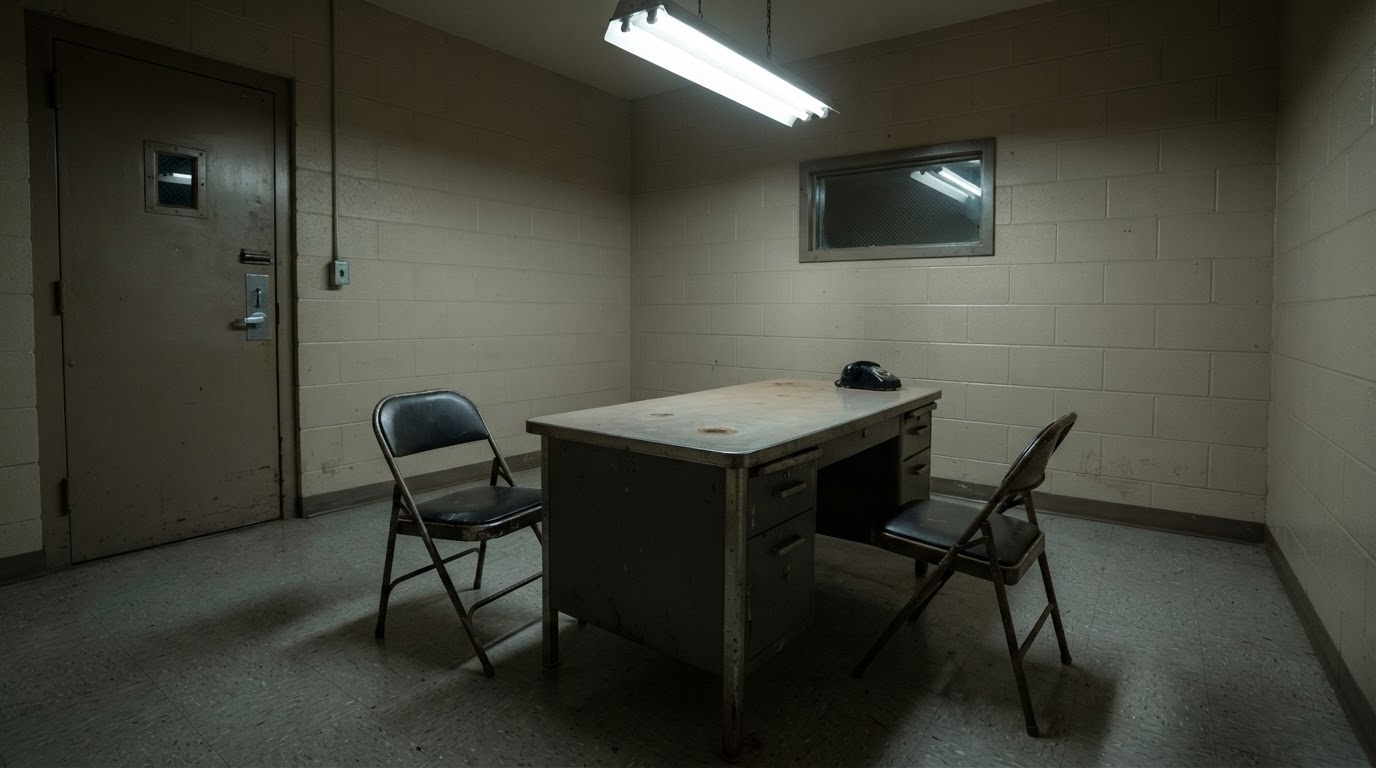
One detail must be underscored here. Not a single trace of blood was found on his clothes or shoes. For someone who had stabbed a man to death, this was impossible. It made no sense — not by common sense, and not by forensic science. Yet this glaring contradiction did nothing to turn the investigation around.

Evidence Called "Confession"
Across the legal history of many countries, the single most dangerous piece of evidence — the one most likely to produce a wrongful conviction — is, surprisingly, the confession.
A confession is powerful. Nothing looks more conclusive than a person saying, in their own words, "I did it." But that very power is what makes it dangerous. When an investigation lacking physical evidence leans entirely on a confession, extracting that confession becomes the goal in itself. Instead of searching for the truth, investigators start fitting a person to a conclusion already decided.
This is where coercive interrogation comes in. In an all-night questioning full of intimidation, mixed threats and inducements, a person may admit to something they never did simply to escape the pain in front of them. When the subject is a minor, the danger multiplies. That the boy's confession in the Yakchon case was of exactly this kind was later recognized in court.
When physical evidence contradicts a confession, investigators stand at a fork: doubt the confession, or ignore the evidence. In this case, they chose the latter.
Ten Years, Served in Full
When the trial began, the boy denied the crime in court. He pleaded that his confession had been forced. But the trial court found him guilty and sentenced him to fifteen years in prison.
On appeal, the weight only pressed down harder. The boy eventually shifted to admitting the crime, and the appellate court sentenced him to ten years. With no further appeal filed, the sentence became final. Why he changed his stance on appeal, and what pressures lay behind that shift, would only be reexamined years later during the retrial.
And so a fifteen-year-old boy became a murderer.
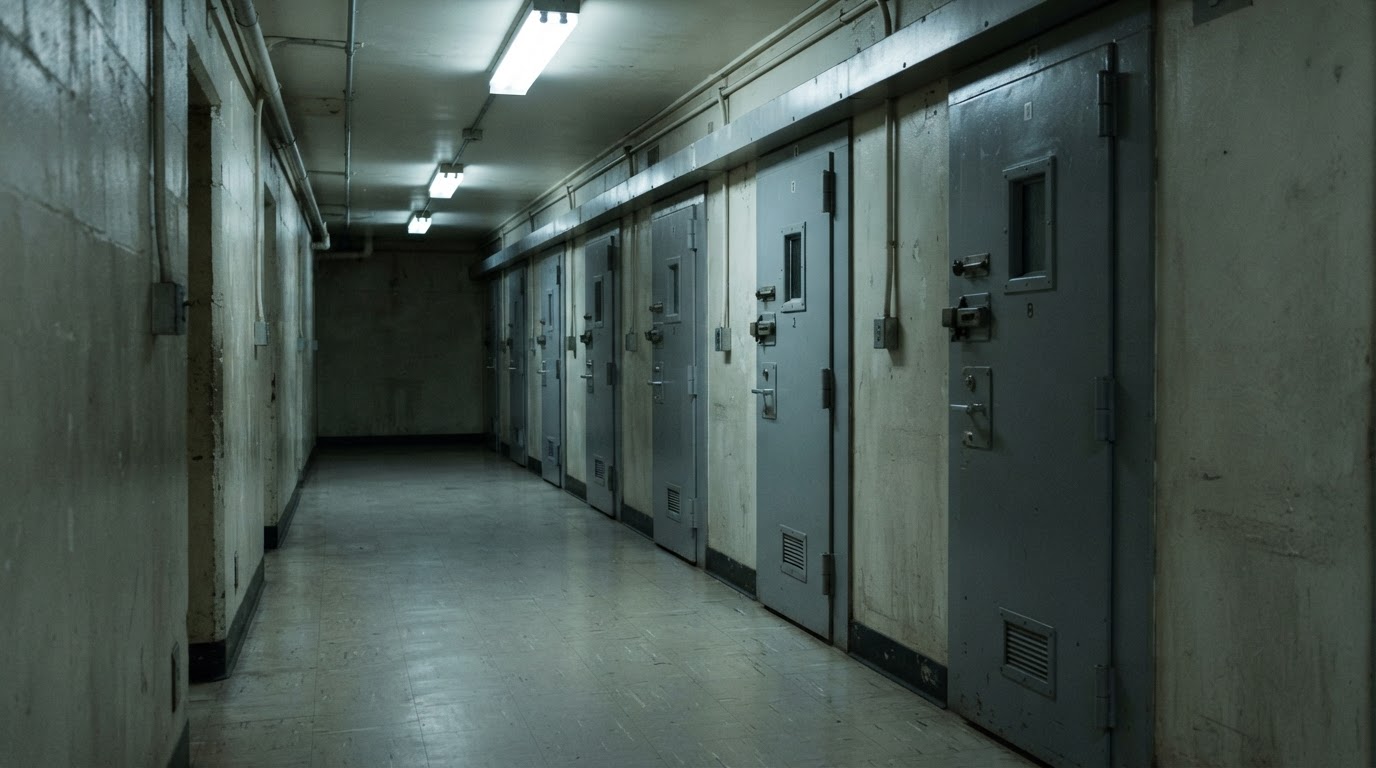
He served all ten years. The time to grow from boy to young man — to go to school, make friends, learn about the world — he spent behind bars, as punishment for a killing he had not committed. When he walked out at the end of his term, all he had left was a murder conviction on his record and a decade gone.

The Real Killer Was Free
There is a reason this case is remembered not merely as a wrongful conviction but as a devastating one. The real killer was walking free.
Around 2003, while the boy was still serving his sentence, a tip pointed to another person as the true culprit — a man who had been an adult at the time of the crime. Circumstantial evidence surrounding him drew investigative attention. While an innocent boy sat in prison, someone who might have been the real killer was being named on the outside.
But at this decisive moment, the investigation went astray once more. The suspected real culprit was never properly pursued, and he was ultimately released without charge. Having already fixed guilt on a boy and sent him to prison, admitting the existence of another true killer would have meant the investigators admitting their own error. Critics have argued that the weight of that admission is what blocked the truth.
We will not declare any individual guilty here. Stating only the facts later established through judicial process: at this juncture, the door to pursuing the real killer was closed once — and the price for that closure continued to be paid by an innocent boy behind bars.

Retrial — Knocking on a Door That Had Closed
After his release, he did not stop. He could not simply swallow the ten years he had lost. To prove his innocence again, he decided to knock on one last door: a retrial.
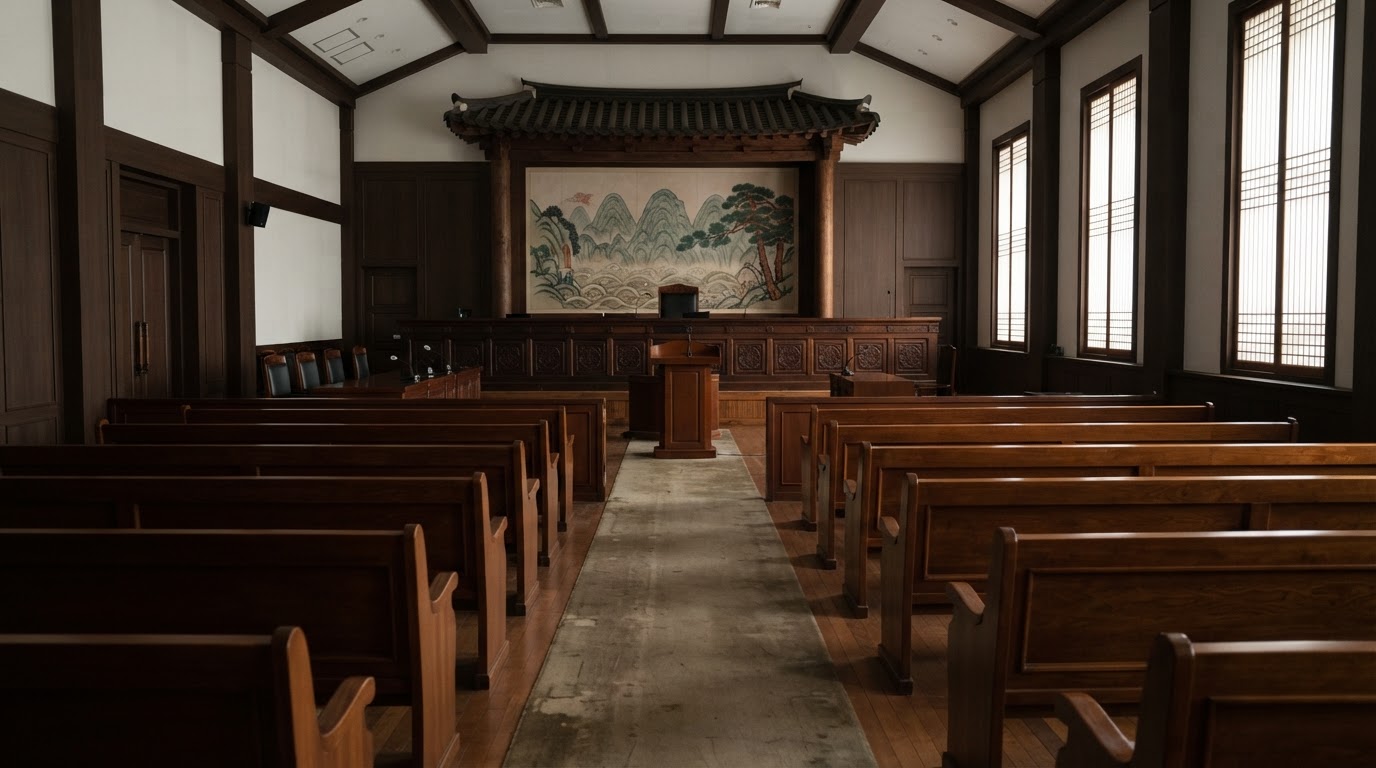
A retrial, in the Korean system, reopens a case whose verdict has already become final, when it is judged that a serious error occurred. Because it overturns a finalized judgment, the threshold for a retrial is extraordinarily high. New evidence is required, and the error in the original verdict must be plain. It is often said that opening a retrial is harder than winning an acquittal once it is open.
In 2013, he petitioned for a retrial. Its core claim: that he had given a false confession under police coercion. He was joined in this grueling fight by an attorney — surnamed Park — known for taking on retrial cases. It was a long process of rebuilding, piece by piece, the contradiction between the physical evidence and the confession, and the signs of coercive interrogation.
The courtroom battle was not easy. Prosecutors were reluctant, and the proceedings moved slowly. But once the crack in the truth had opened, it would not close again.


Acquittal, Sixteen Years Later
In November 2016, the Gwangju High Court acquitted him in the retrial. The verdict was later confirmed by the Supreme Court.
Sixteen years had passed since the crime in 2000 — the ten years he spent in prison, plus all the years he spent fighting to prove his innocence after his release. The court found that his confession lacked credibility and that there was no evidence to convict him. The boy who had become a murderer at fifteen finally held the two words "not guilty" in his hands, now a man past thirty.
At the very moment his acquittal became final, another event fell into place. The man long suspected of being the real killer, who had for so long escaped punishment, was finally caught in the net of the law.

The Real Killer's Punishment — and the Statute of Limitations That Nearly Ran Out
On the day the acquittal was handed down, prosecutors arrested the suspected real culprit, a man surnamed Kim. That December, he was indicted on a charge of robbery-murder.
A precarious detail was tangled up in this. It concerns the statute of limitations — the rule that, after a set period following a crime, a person can no longer be prosecuted for it. Under the old rules, the limitations period for this long-ago case might already have expired.
But in July 2015, South Korea enacted a law abolishing the statute of limitations for murder — popularly known as the "Tae-wan Law," named after a child victim of an earlier unsolved case. The law applied to murder cases whose limitations period had not yet run out as of the day it took effect, with that cutoff falling on crimes committed after early August 2000. The Yakchon case took place on August 10, 2000. By a margin of just days, the path to punishing the real killer was still barely open.
Kim was tried and convicted, and in March 2018 the Supreme Court upheld his fifteen-year prison sentence. It was eighteen years after the crime — after an innocent boy had served ten years in prison, and then eight more years had passed.

The State's Apology, and the Price of Lost Time
After his acquittal was finalized, he filed a damages suit against the state, arguing that the unlawful investigation and the wrongful conviction had caused him harm that could never be undone.
In January 2021, the court recognized the state's liability. It ordered the state to pay him roughly 1.3 billion won, his mother 250 million won, and his younger sibling 50 million won. The court assessed the harm he had suffered at around 2 billion won in the first place, but is reported to have set the final award after accounting for criminal compensation already paid to him.
The investigative authorities eventually bowed their heads over this case: the prosecution and police expressed their apologies sixteen years later. Yet no sum of money, and no apology, can return the ten years lost by a boy imprisoned at fifteen. The brightest years of his youth vanished as the price of a murder he never committed.
The award measured in money is only proof that the state acknowledged its wrong. Lost time was never something that could be priced at all.

Why We Should Remember This Case
The Yakchon case became more widely known when it inspired a 2017 film. But what it left behind is more than a story.
A man became a murderer for the sole reason that he had been nearby. The physical evidence pointed to his innocence, yet the investigation put a confession first and sent him to prison. Even when the real killer was named on the outside, the unbearable weight of admitting an error stood in the way of the truth. And the entire price was paid by a powerless boy.
This case shows how fragile a justice system can be. An investigation that puts confession above physical evidence, coercion aimed at a minor, an institutional reluctance to reverse a conclusion once reached — when all these overlap, an innocent person can become a murderer. And correcting that error took a full sixteen years.
There is one line in my notes on this case that I have never managed to cross out. The Tae-wan Law reached back only to crimes committed after the first days of August 2000. The killing at the Yakchon intersection happened on the tenth. Everything that followed — the arrest of the man surnamed Kim, the indictment, the fifteen-year sentence upheld in 2018 — rests on a margin of a few days that nobody involved in 2000 could have known would matter. I have compared enough case files to know how ordinary that kind of margin is. What I cannot get past is how many cases sit on the wrong side of it, and how those files look exactly the same as this one right up until the point where they simply stop.
Even so, one thing remains at the end of this story. Because there was a man who, even carrying his lost ten years, refused to give up and knocked on the door of a retrial, the state was in the end made to acknowledge its wrong and bow its head. The truth came late, but it did come.

Photo: Wikimedia Commons, CC BY-SA 3.0
---
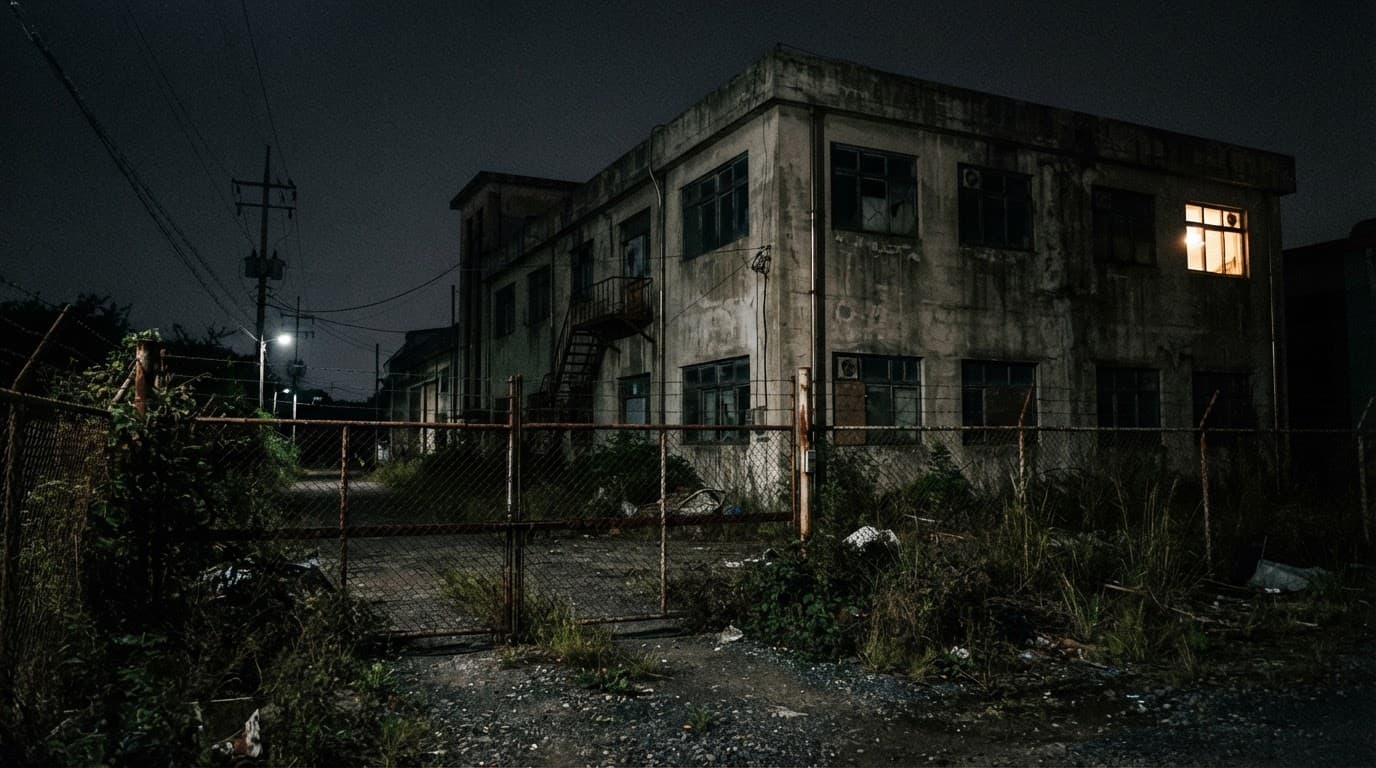
This article uses both actual documentary and on-location photographs and AI-generated images and video produced to convey the mood of the story.


Comments
No comments yet — leave the first one.