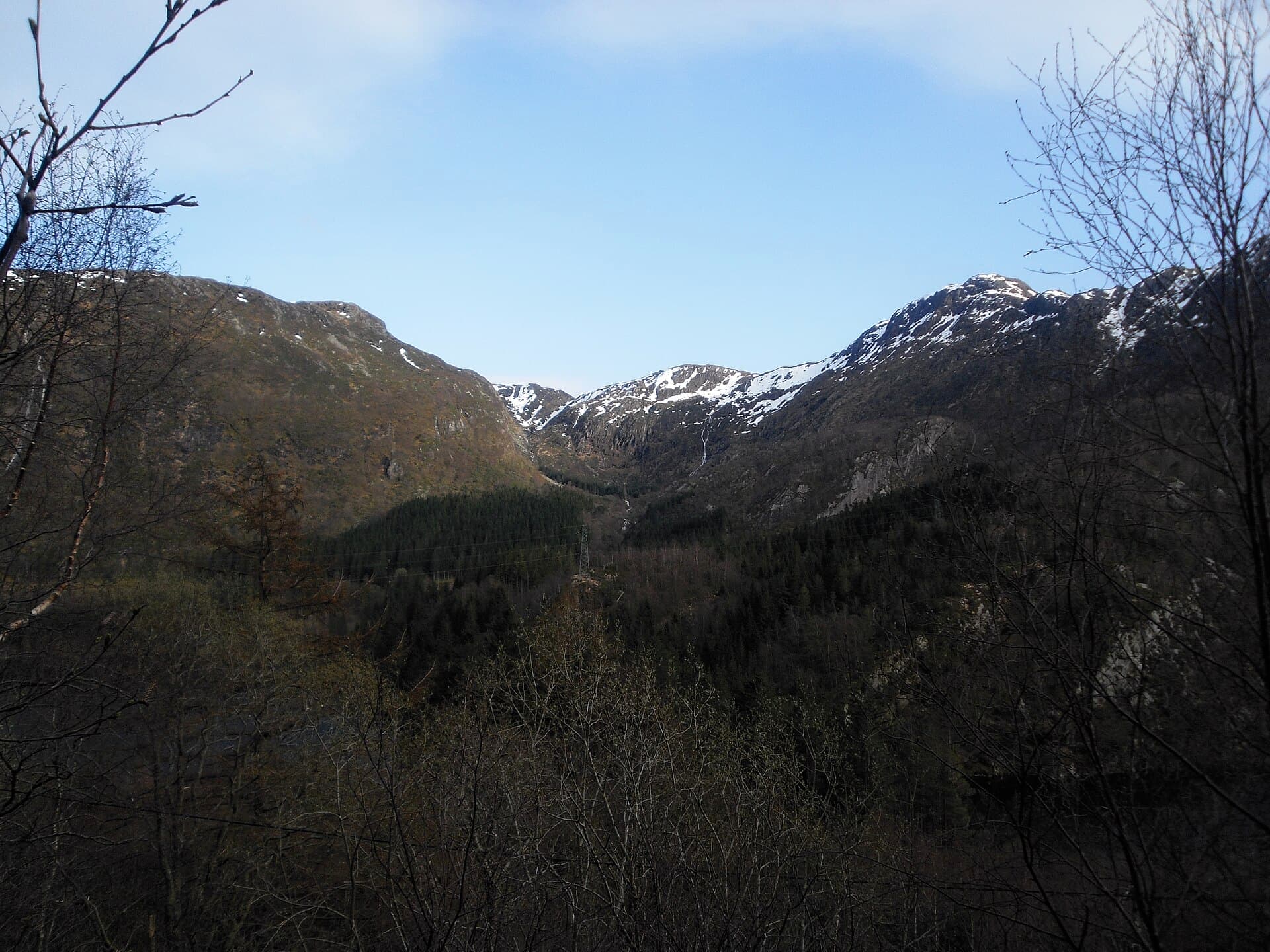
On November 29, 1970, a man hiking with his two young daughters on the slopes outside Bergen, Norway, came upon the charred body of a woman lying among the scree of a steep valley the locals call Isdalen — the "Ice Valley." The body was badly burned. But it was what surrounded it that made the case so strange. Scattered nearby were a liquor bottle, two water bottles, an umbrella, rubber boots, a watch, a ring, and a handful of other personal items — and on every single one of those objects, every identifying mark and label had been rubbed off or removed. Days later, when police recovered her suitcases from a railway station luggage locker, they found the same thing: brand labels, prescriptions, any tag that might say who she was — all of it gone. She had moved between hotels under eight different false names, spoken several languages, and changed rooms after checking in. Fifty-six years later, we still do not know who she was. This is the story of the Isdal Woman, Scandinavia's most enduring unsolved mystery.
The Discovery in the Ice Valley
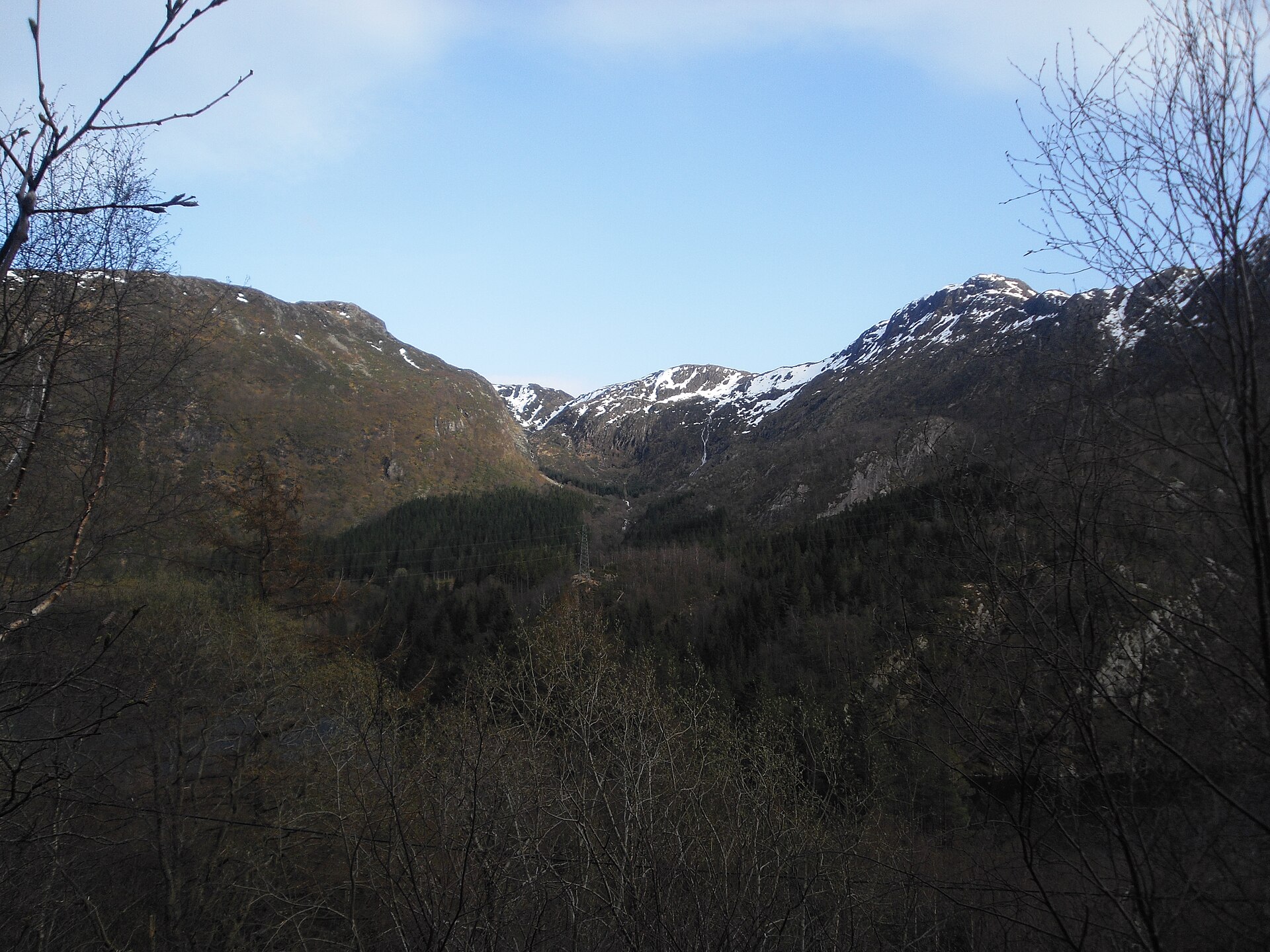
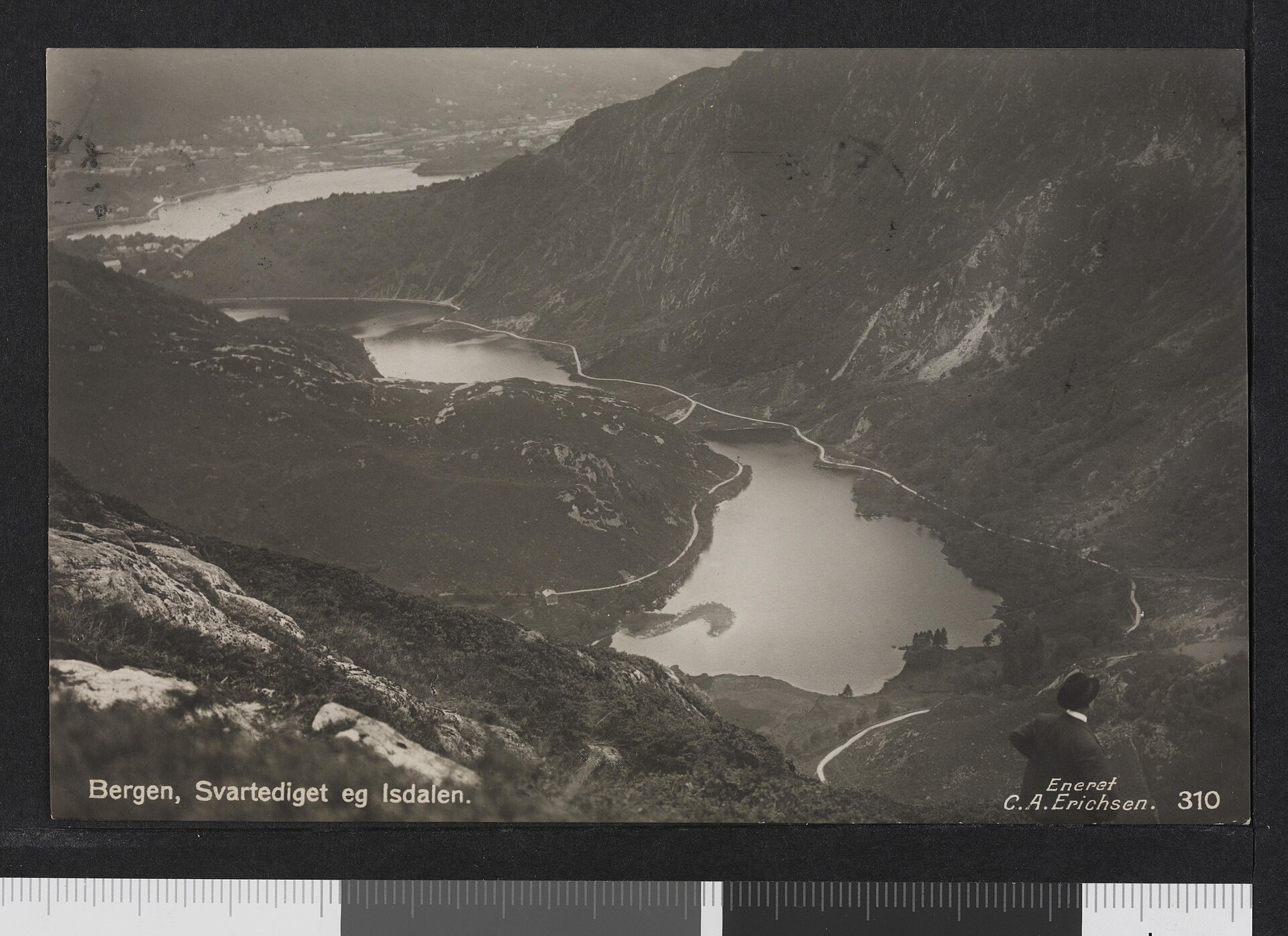
Isdalen is a narrow, steep-sided valley set among the mountains that ring Bergen. Sunlight rarely reaches its floor, and it has carried a grim reputation among locals for a very long time. Stories going back centuries told of people who had died in the valley, and residents tended to give the place a wide berth. On that late-autumn day in 1970, what a university professor and his two daughters encountered on its rocky slope was the body of a woman, so badly burned it was almost impossible to identify.
When police reached the scene and looked around, this did not appear to be a simple accident or a case of a hiker lost in the cold. Beside the body lay a nearly emptied liquor bottle and two plastic water bottles, along with an umbrella, rubber boots, stockings, a wristwatch, earrings, and a ring. There were traces of burned paper, and some items carried the smell of petrol. But what caught the investigators' attention was not the objects themselves — it was the fact that every mark that should have been on them was gone. Brand names, manufacturer stamps, serial numbers — anything that could have traced an object back to its source had been deliberately scraped or rubbed away.
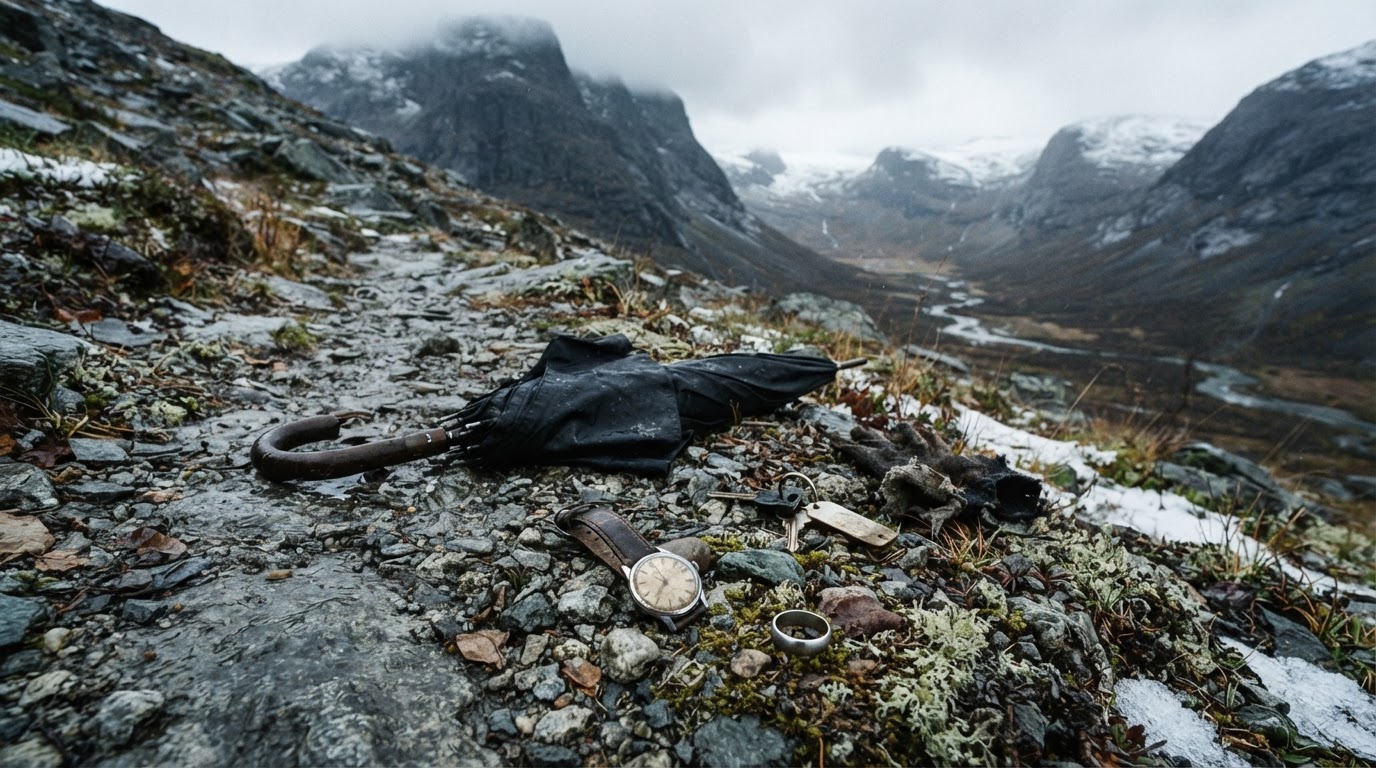
There is a particular kind of file that resists the work I do, and this is the clearest example I have. An archivist works by matching an object to its origin — a maker's stamp, a serial number, a prescription label. Someone went through this woman's possessions and removed exactly those things, one at a time, by hand. She stripped the umbrella. She scraped the watch. Reading the property inventory, I recognized my own method being run in reverse, item by item, by someone who understood it well.
The Puzzle of Her Identity
The autopsy only deepened the strangeness. Medical examiners found a large quantity of sleeping-pill compounds (in the phenobarbital family) in her body, and soot in her lungs. Soot in the lungs meant she had still been breathing when the fire took hold. The cause of death was officially recorded as a combination of incapacitation by the sleeping drug and carbon monoxide poisoning. There was bruising on her neck, though whether it came from a fall or a blow was never settled. Had she taken her own life, or had someone arranged the scene to look that way? That most basic question went unanswered from the start.
Before anything else, police needed to establish who she was — and here they hit a wall. This woman had nothing on her, or near her, that pointed to an identity. Fingerprint comparisons turned up nothing. Cross-checks against missing-person reports, against records at home and abroad, matched no one. Not in Norway, not anywhere in Europe, did a single person come forward to report her missing. A human being had vanished from the world entirely, and it seemed no one had noticed the vanishing. That was the first wall in the case. It would not fall for more than half a century.
Eight Names
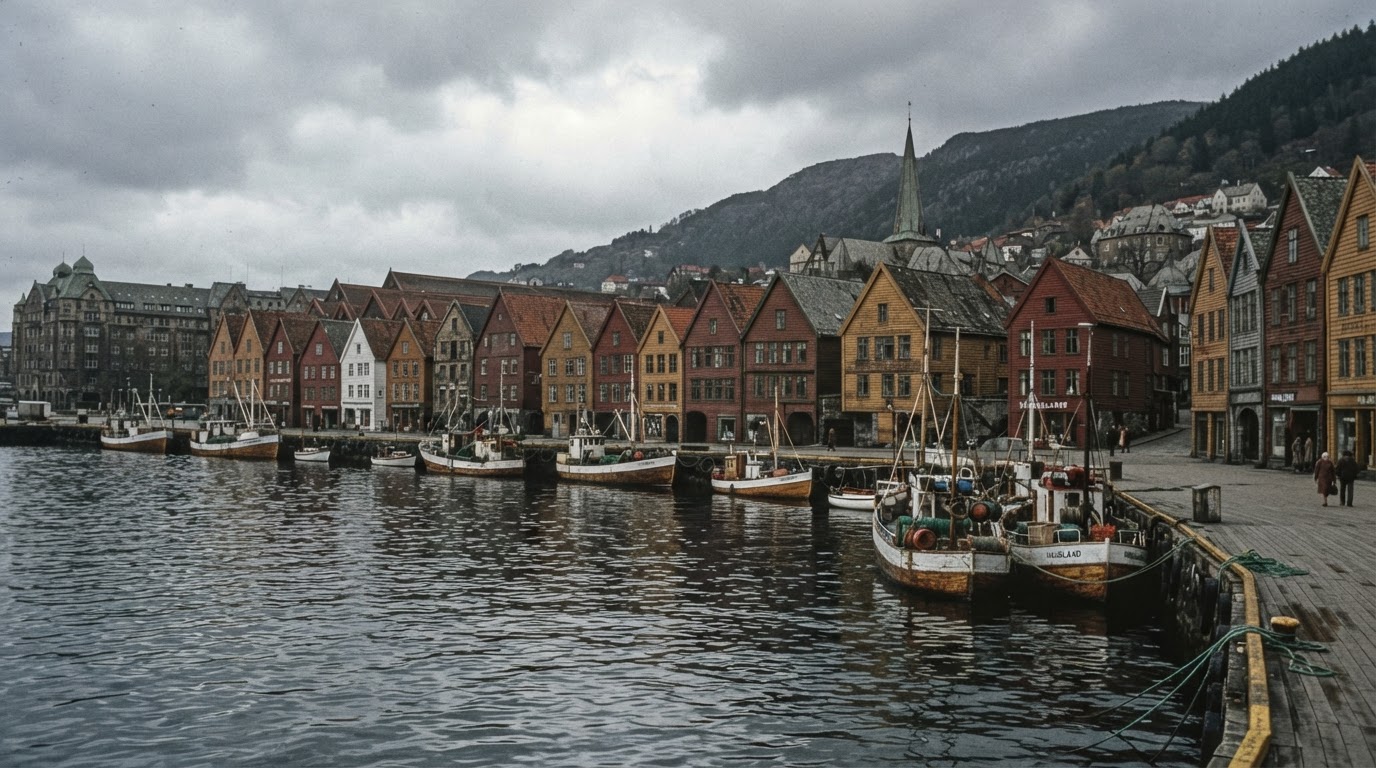
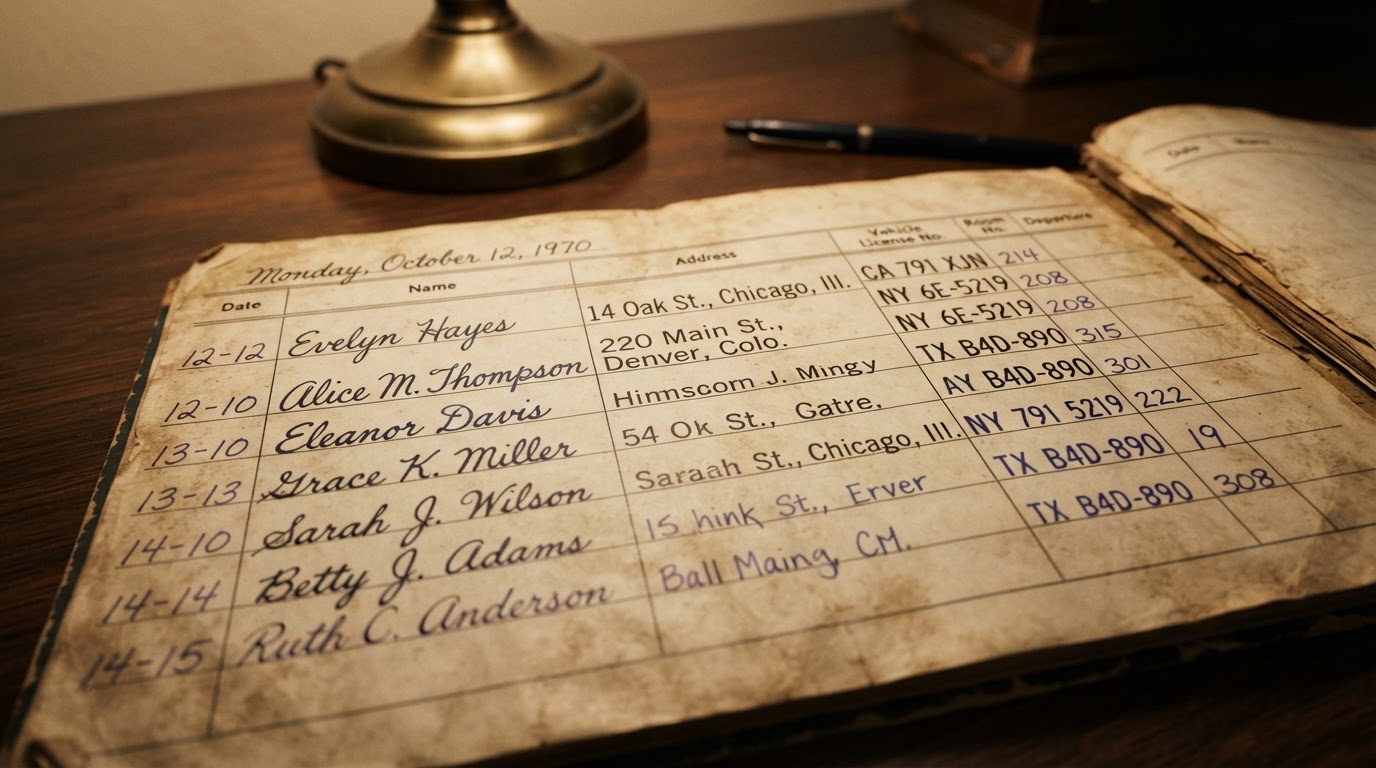
The trail she left behind, once investigators pieced it together, was nothing like an ordinary traveler's. Police established that in the weeks before her death she had stayed in hotels across several Norwegian towns — but she had used a different name almost every time. Investigators confirmed eight separate false identities: Geneviève Lancier, Claudia Tielt, Claudia Nielsen, Alexia Zarna-Merchez, Vera Jarle, Fenella Lorck, Elisabeth Leenhouwer, and others — a jumble of names whose nationalities were impossible to pin down. She had a habit of asking to change rooms after checking in, and she left staff with the impression of someone perpetually on her guard.
The impressions she left were fragmentary and contradictory. Hotel staff at several places remembered her as good-looking; one said she smelled of garlic; others recalled that she wore wigs. Her command of languages was unusual too. She spoke German and Flemish (the Dutch of Belgium), and her English was said to be broken. Analysis of her handwriting suggested she had been educated in France. The languages and traces of several countries mingled inside this one person — yet none of them pointed to where she truly came from.
The Clues — Suitcases, Banknotes, and a Coded Note
Three days after the discovery, police recovered two suitcases believed to be hers from a luggage locker at Bergen railway station. Inside were the kinds of things that might have let them reconstruct her life: clothing and shoes, several wigs, cosmetics, an eczema cream, tinted glasses, maps and timetables, and coins and banknotes from several countries. There were five 100-Deutsche-Mark notes, Norwegian kroner, and Belgian, British, and Swiss coins. But here, too, everything that could have revealed her identity was gone. The labels sewn into her clothing had been cut out; the prescription labels on her medicine had been scraped off. Someone — whether the woman herself or another person — had painstakingly erased, item by item, anything that could tell the world who she was.
One notepad among her belongings drew particular attention. It held entries of mixed numbers and letters that looked, at first glance, like a code. After lengthy analysis, police concluded that the entries corresponded to dates and places the woman had visited — a kind of private travel record or itinerary. But that coded note did not explain why she had moved the way she did, or what she was trying to do. If anything, it raised a new question of its own: why would a woman feel the need to record her own journey as if she were hiding it?

The Investigation and an Inconclusive Close
Norwegian police devoted considerable resources to the case. Sketches of her face were circulated across Europe, and international cooperation ran through Interpol. Witnesses came forward, and accounts accumulated of how she had appeared on a train, in a café, in a hotel lobby. But none of it connected her to a single real name. Missing-person reports matched no one; international wanted-persons records matched no one.
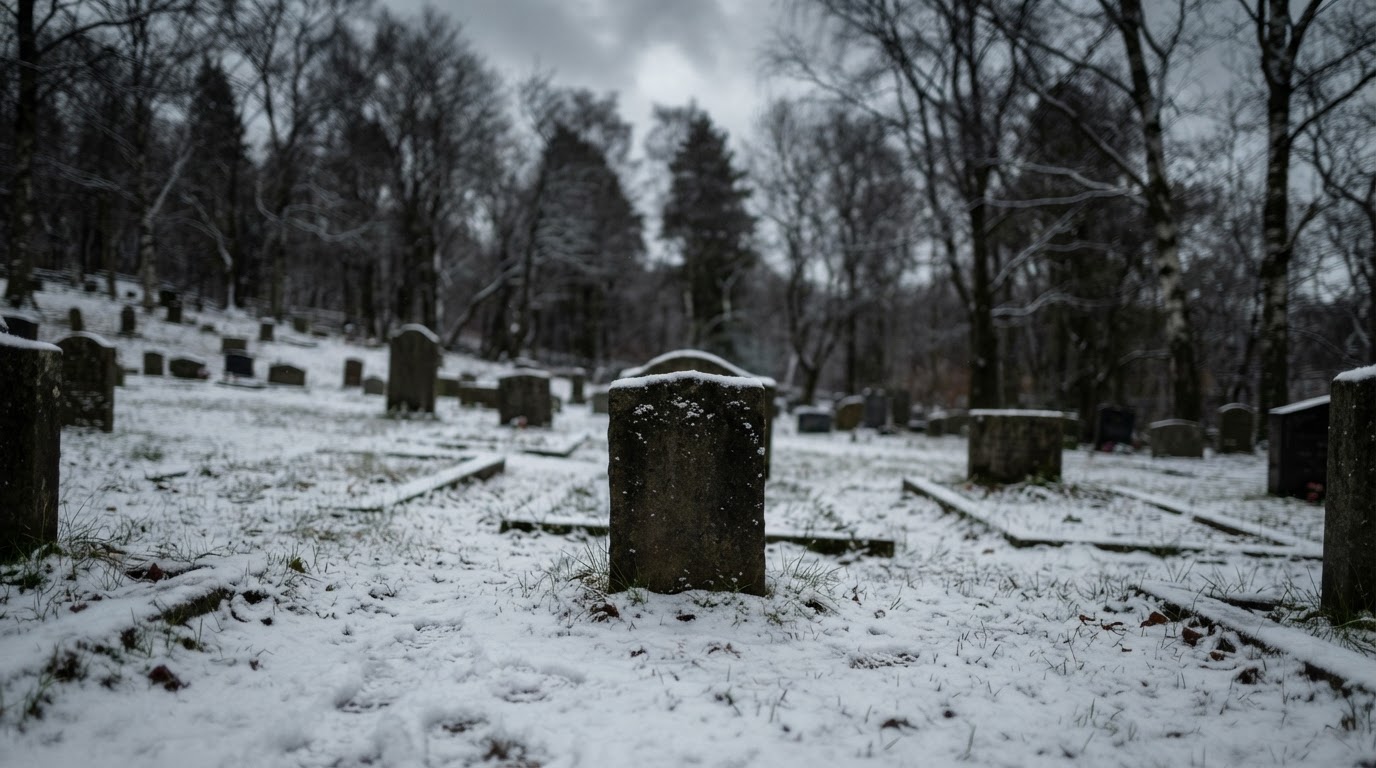
In early 1971, Norwegian authorities effectively closed the case, concluding that her death was a suicide. Almost no one was fully satisfied with that verdict. The labels stripped from every piece of clothing and belonging, the eight false identities, the several languages, the habit of moving between rooms, and above all the fact that not a single soul had reported her missing — none of it fit neatly with a simple suicide. So a different kind of interpretation attached itself to the case early on. In a period at the height of the Cold War, the figure of a woman crossing Europe while thoroughly concealing her identity led some to suggest she may in some way have been connected to espionage. This, however, is a hypothesis born of circumstance; nothing about it has been confirmed. When she was buried, unnamed, in a Bergen cemetery in February 1971, police used a zinc coffin — a precaution in case a day ever came when her identity could be confirmed.
Reanalysis Half a Century Later
The case lay in the dark of the unsolved for decades, but in the 2010s it drew the world's attention again. Norway's public broadcaster NRK investigated it in depth, and in 2016 the case was formally reopened, with a forensic artist producing several reconstructions of how she may have looked in life. Then, in 2018, a podcast series co-produced by NRK and the BBC World Service — Death in Ice Valley — turned the case into an international preoccupation. Drawing on the testimony of witnesses and forensic scientists, it re-examined clues buried half a century earlier through the lens of modern science.
The most striking progress came from her teeth. Because her jaw and teeth had been preserved at the time of the autopsy, modern isotope-analysis techniques could be applied to them. In 2017, stable-isotope analysis of her dental enamel concluded that she had been born around 1930 (give or take about four years) in or near Nuremberg, Germany, and that she had likely moved to France, or to the German-French border region, as a child. The traces of dental work she carried — unusually extensive treatment, including a great deal of gold — resembled methods then common in parts of Eastern Europe, raising the possibility that she had been treated there. After half a century, the origins of a nameless woman had finally been narrowed to a point on the map of Europe. But that did not give her back her name.

The Questions That Remain
Strip the case down to what can be said with confidence, and it comes to this. In November 1970, a woman was found burned in the Ice Valley outside Bergen. She had used eight false names, spoken several languages, and had every identifying mark erased from her belongings. A large quantity of sleeping drugs was found in her body. She is believed to have been born around 1930 near Nuremberg, Germany. And despite all of it, not one person ever reported her missing.
The detail I return to is the zinc coffin. In February 1971 someone in Bergen made a quiet administrative decision to bury her in metal, against the possibility of a future exhumation — a bureaucratic gesture of hope, filed and forgotten. Fifty-six years on, that decision has outlasted every investigator who signed off on it. I keep a note of it near the front of the file, because it is the only thing in this case where a person was trying to preserve an identity rather than destroy one, and it has not worked yet either.
What we still do not know is far greater. What was her real name? Why did she wander Europe under eight identities? Why did she erase her own traces down to the labels in her clothes? Was her death in the Ice Valley something she chose, or something someone else arranged to look that way? What secret, if any, she carried through the Cold War era — these questions all remain unanswered. The isotope analysis narrowed her origins, but before the most human question of all, it falls silent. Who was she, and what was she so desperately trying to erase herself away from? The Ice Valley has not yet given up its answer.
---
This article combines real photographs of the Isdalen valley with AI-generated images produced to convey the mood of the story.
Comments
No comments yet — leave the first one.