In July 1971, on a low wooded hill in Gongju, in the central-western part of South Korea, a laborer's shovel struck something hard as he dug a drainage ditch. What emerged from beneath the soil was an arch of neatly stacked grey brick. It was a Baekje king's tomb — sealed, untouched, its very existence unknown for close to fifteen hundred years. Among the countless royal graves of Korea's Three Kingdoms era, most had been emptied by tomb robbers or left with no way to name who lay inside. This one alone declared its own occupant. He was King Muryeong, the twenty-fifth ruler of Baekje. It was a moment worthy of being called the greatest archaeological discovery in Korea since liberation. And yet that magnificent find would go down in history as the worst excavation Korean archaeology has ever carried out — a tomb torn open in a single night. And the downpour said to have burst from the sky the instant the entrance was breached, and the run of misfortune said to have shadowed those involved afterward, survive to this day as the legend of "the curse of the Muryeong tomb." This is the story of what happened on that summer night.
The thing that pulled this into my files was an equipment list. A generator, a few incandescent bulbs, one camera. I found that inventory while looking for something else entirely, and I could not get past it — because everything anyone will ever know about the inside of that chamber was recorded by those three items in one night. There are objects in Korean museums today whose original position in that tomb no living person can state. I have looked for a plan drawing. There is nothing to look for.
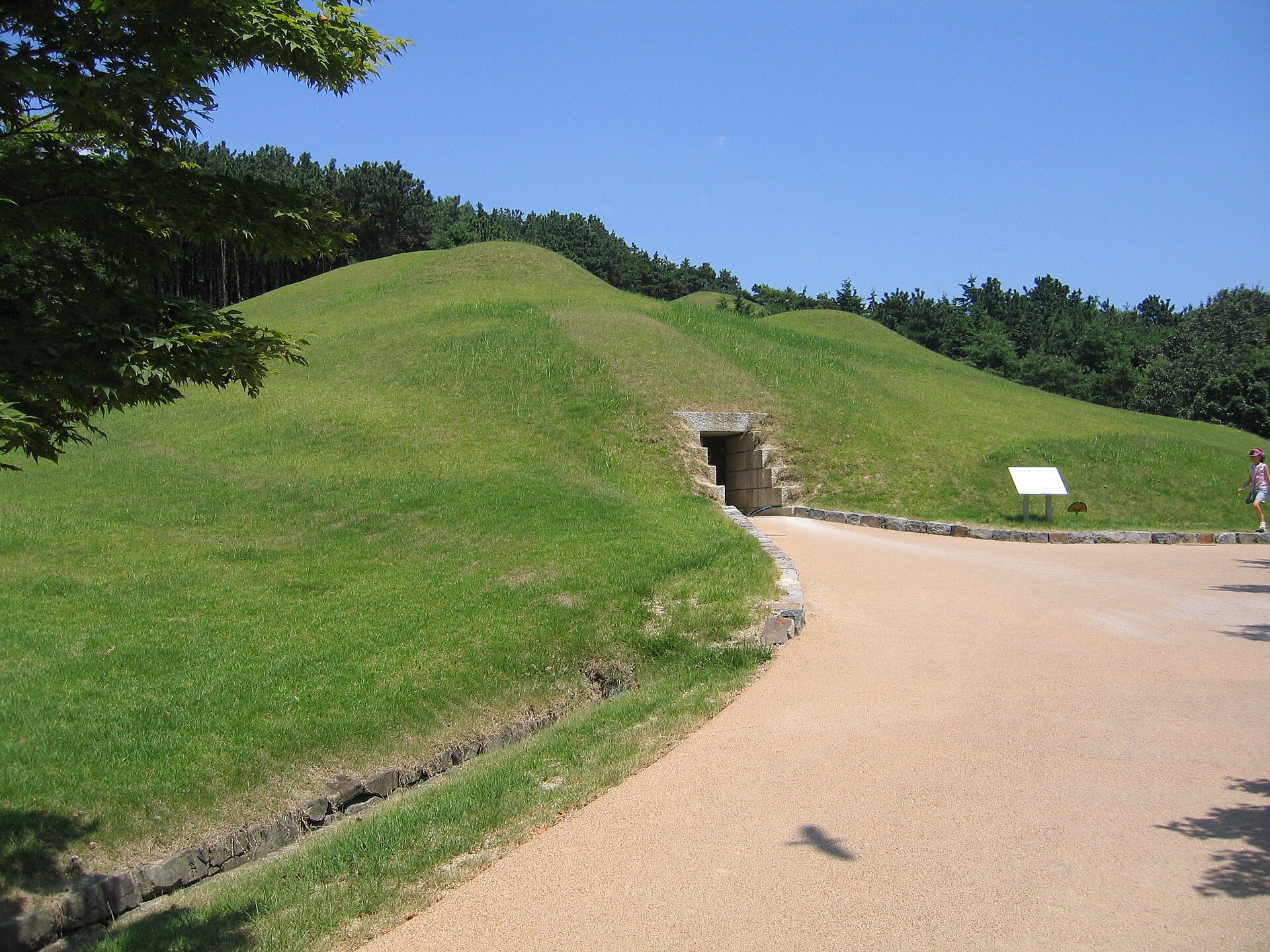
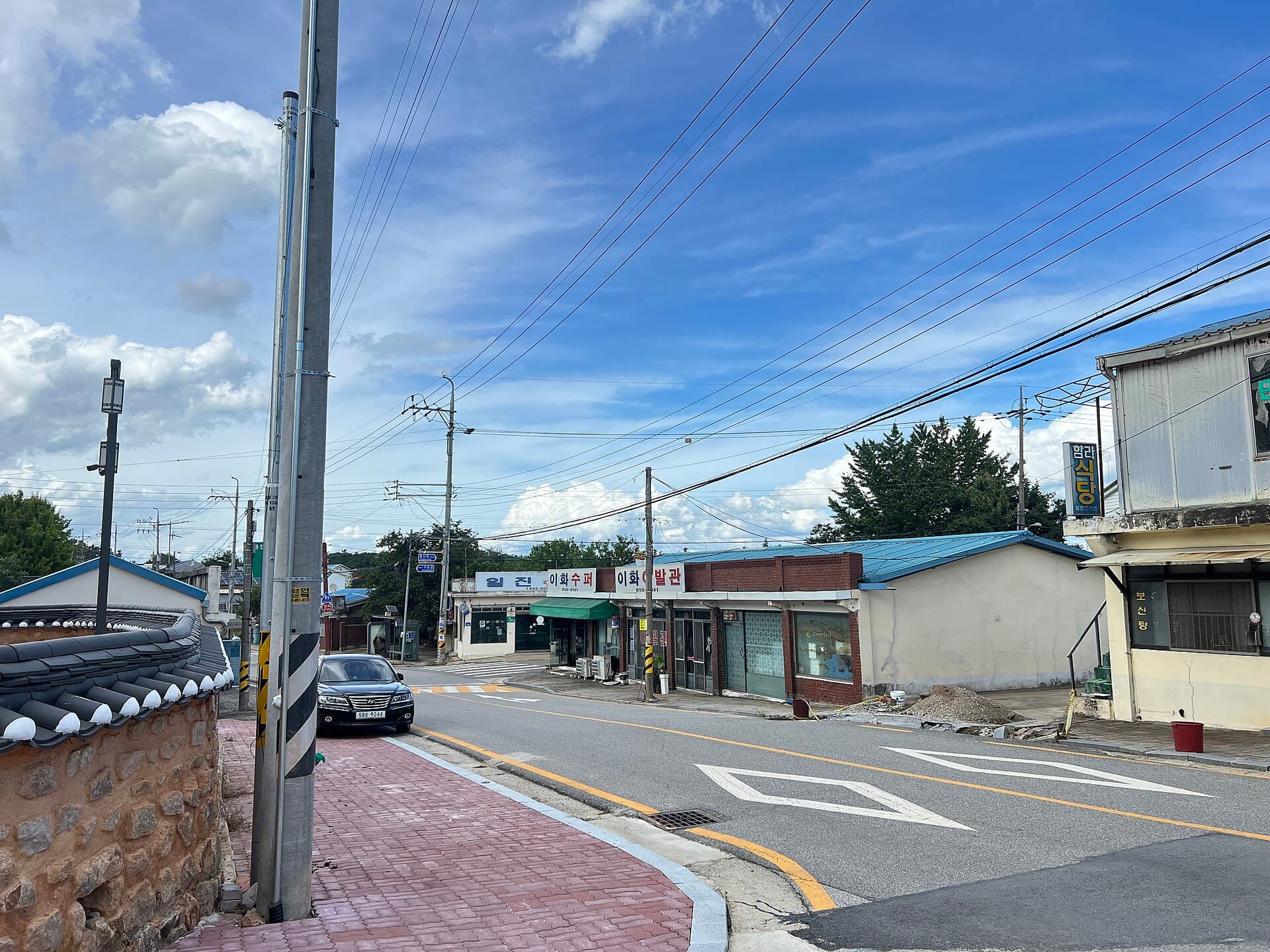
Photo: Wikimedia Commons, CC BY-SA 3.0
Fifteen Centuries Caught on a Shovel's Edge
The Songsan-ri tomb cluster in Gongju is a hillside where the kings and royals of Baekje were laid to rest during the era when Ungjin — today's Gongju — was the kingdom's capital. Several tombs here had long been known, but most had already been broken into and emptied. In the summer of 1971, work was under way to dig a drainage channel behind Tombs 5 and 6, meant to keep the monsoon rains from seeping into the graves. It was ordinary earthwork, nothing more than cutting a path for water.
Then, in early July, the shovel of a digging laborer met a texture entirely unlike soil. As he cleared the earth away, a wall of neatly laid brick came into view. In a spot no one had expected, another tomb — unknown until that moment — had appeared. This grave had endured almost no damage, neither from robbers nor from the passing centuries. It stood perfectly sealed, never once opened in nearly fifteen hundred years. That fact alone made it a discovery without equal in the archaeology of the Korean peninsula.
A Tomb That Named Its Own Master
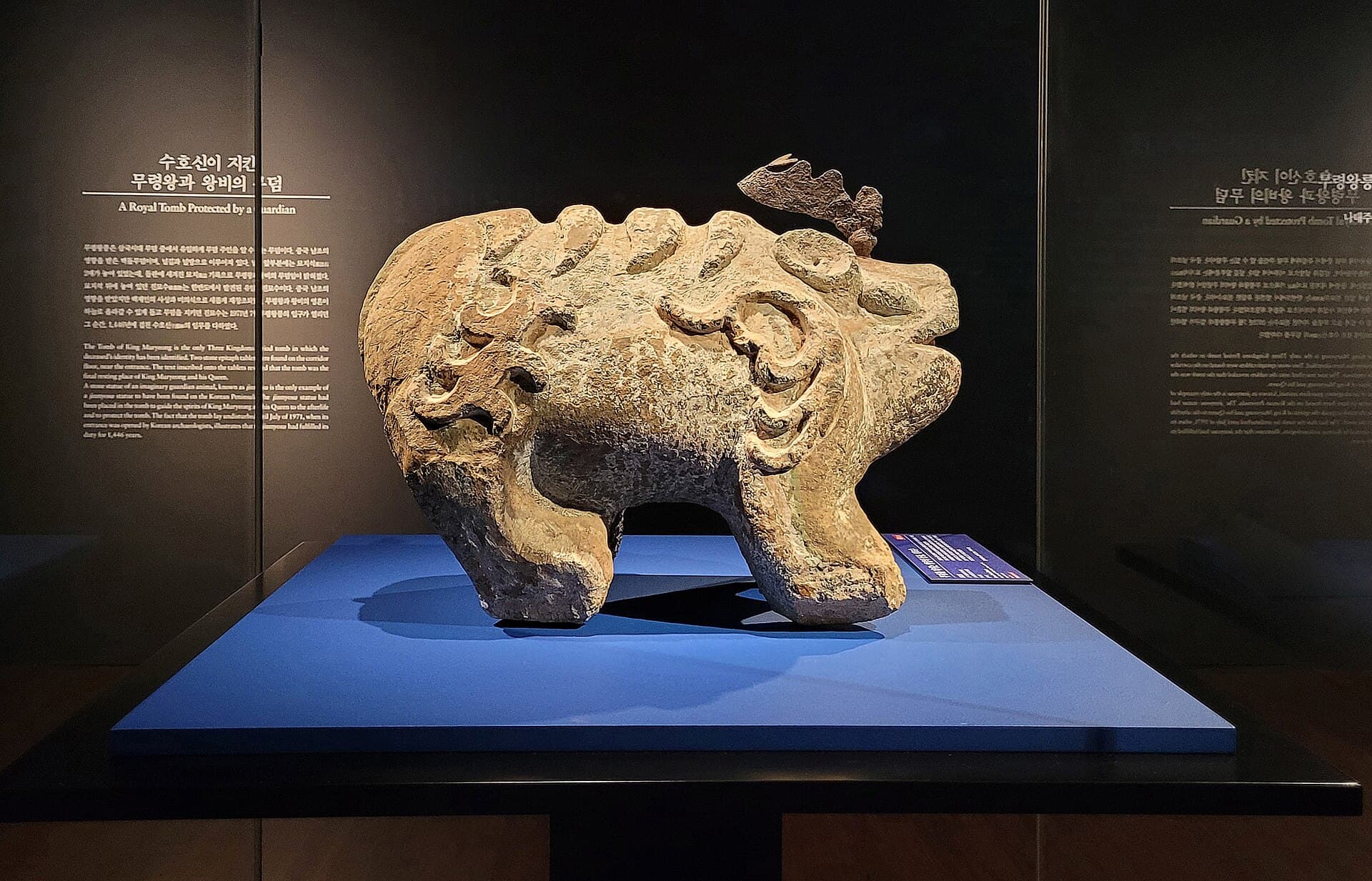
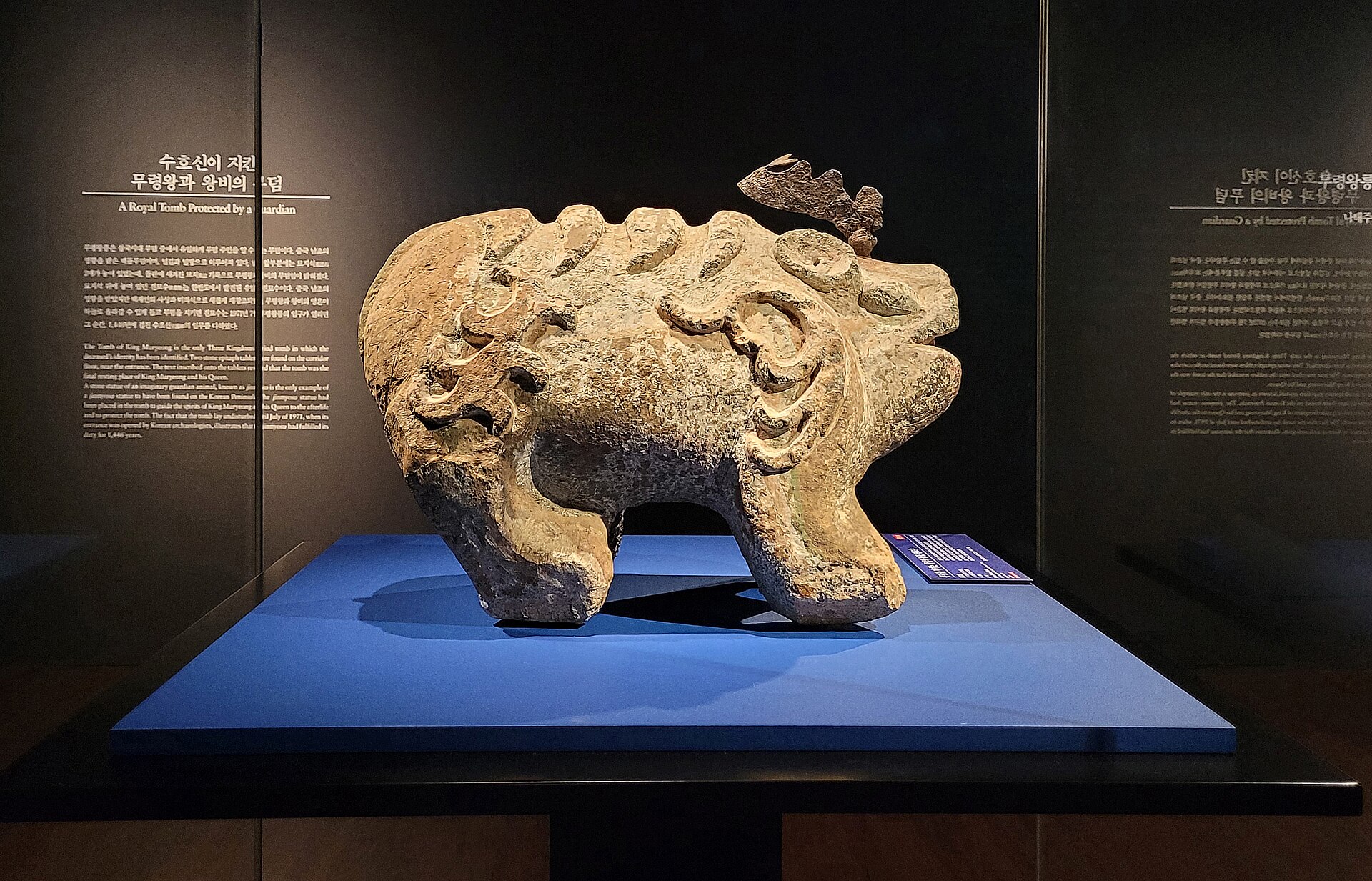
Word of the find soon reached the scholarly world, and a survey team was hastily assembled. Passing through the arched brick corridor into the tomb, they found, set in the middle of the passage and facing outward, a strange crouching stone beast. This imaginary creature — a horn rising from its head, flame-like wings carved along its flanks — was a tomb guardian, a jinmyosu, placed before the grave to drive off the malign forces that might disturb the dead. It was the first such stone guardian ever unearthed on the Korean peninsula.
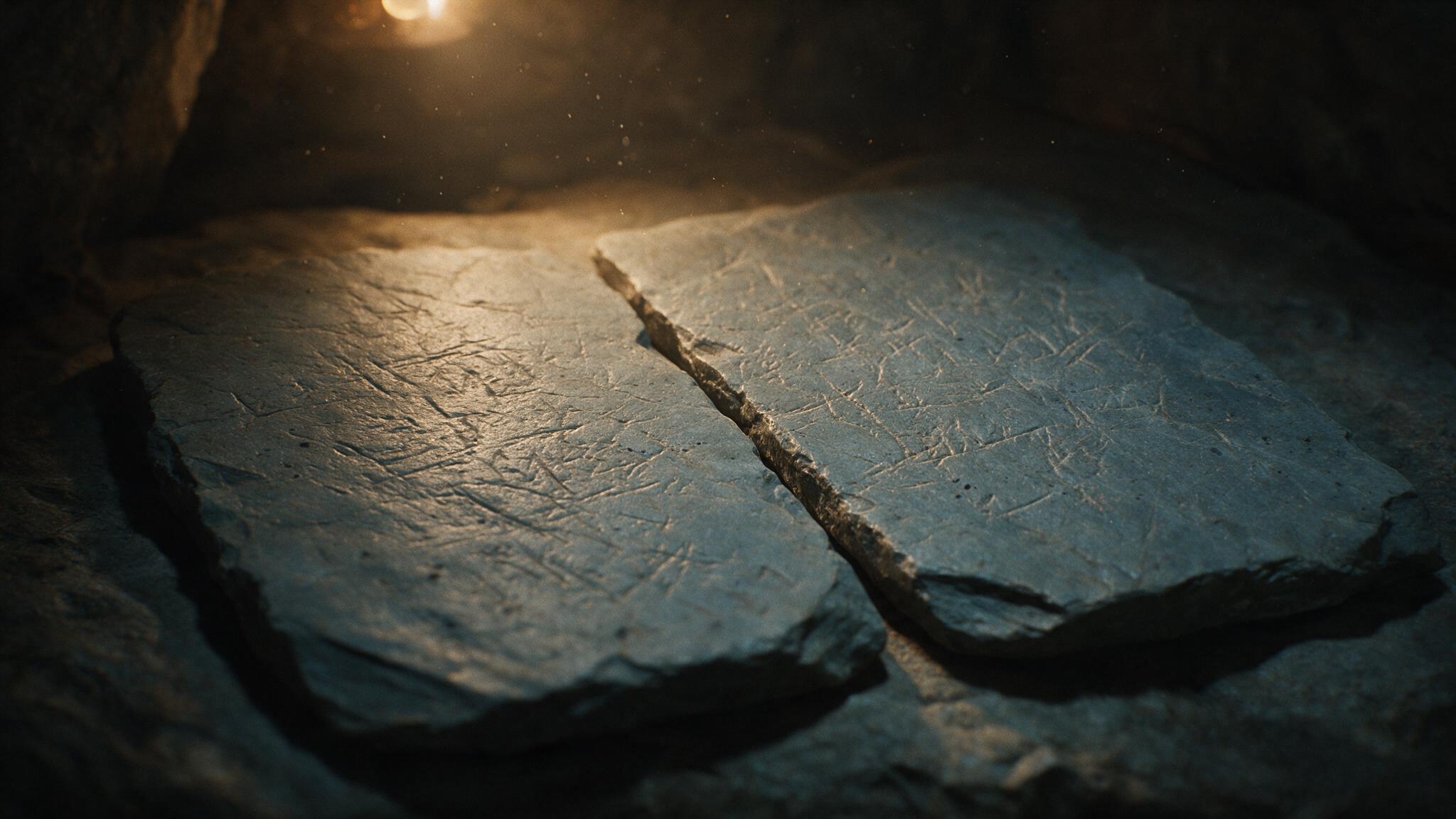
But what truly made the team catch its breath lay elsewhere. Beside the stone beast rested two thin stone slabs — the epitaph plaques. Carved into them, in clear characters, was the identity of the one who slept in this tomb: "the Great General Who Pacifies the East, King Sama of Baekje." Sama was another name for King Muryeong. Of all the royal tombs of the Three Kingdoms era, this was the only one that declared its own occupant. When the king had died and when he had been laid in this place were set down in writing as well — a living history book had, in effect, walked out of the earth. It is not hard to picture the scholars standing before it, scarcely daring to breathe.
What the Epitaph Told of a Baekje Funeral
The plaques did more than give the king's name. Held within them was the very way the people of Baekje faced death. According to the record, King Muryeong was not laid in this tomb immediately after he died at the end of his reign. His body was first kept elsewhere for a time, and only after several years had passed was he formally interred in this royal grave — entering as the tomb's master only once the long rites of a three-year mourning had been completed.
The queen's story was the same. Dying some years after the king, she too passed through a period of temporary burial, and was moved to rest beside her husband only after her own three-year mourning was done. On one face of the slab the king's record had been carved; later, when the time came to lay the queen to rest, that same slab was turned over and her record inscribed on the back. This custom — of not committing the dead straight to the ground, but moving them to their eternal place only after a long observance of rites — became an incomparably precious record of Baekje royal funerary practice. The tomb had sealed away not only a dead king's name, but the hearts of those who had sent him on his way.
A Tomb Torn Open in a Single Night
Had it ended here, this story would remain a record of a dazzling discovery. But the true reason the Muryeong tomb is still spoken of with a bitter aftertaste lies in what came next.
Word that the tomb had been opened spread in an instant. As news of the find got out, reporters and onlookers poured onto the hill, and the site descended into an uncontrollable commotion. An excavation that should have proceeded slowly and carefully, recording each object one at a time, lost its bearings before the crowds and the public glare. Fearing the artifacts might be damaged or stolen, the survey team made a fateful decision: to bring everything inside the tomb out in a rush. A few dim incandescent bulbs run off a generator, and a single camera, were the whole of their equipment. Through the night the scholars swept the artifacts into boxes.
And so the Muryeong tomb was completely emptied within a single night of its opening — in little more than half a day. The time it took to tear open a grave that had slept for close to fifteen hundred years came to less than one day. The task of carefully recording where each object lay and how the objects related to one another — information that, in archaeology, matters as much as the artifacts themselves — was mostly lost in the confusion of that night. In time this excavation would be recorded as the event that ruined the greatest discovery since liberation in the worst possible way, a dark chapter that Korean archaeology has regretted ever since.
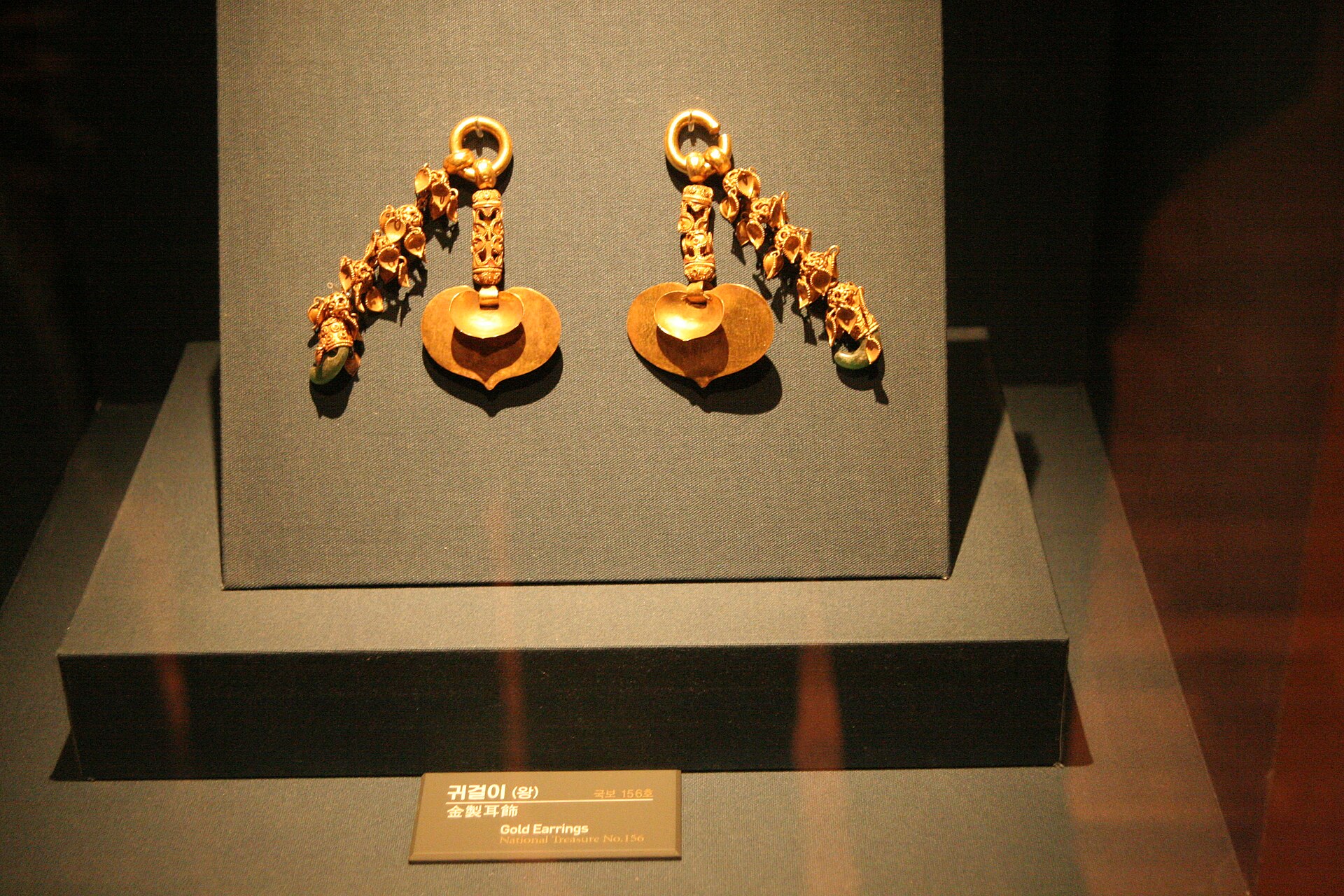
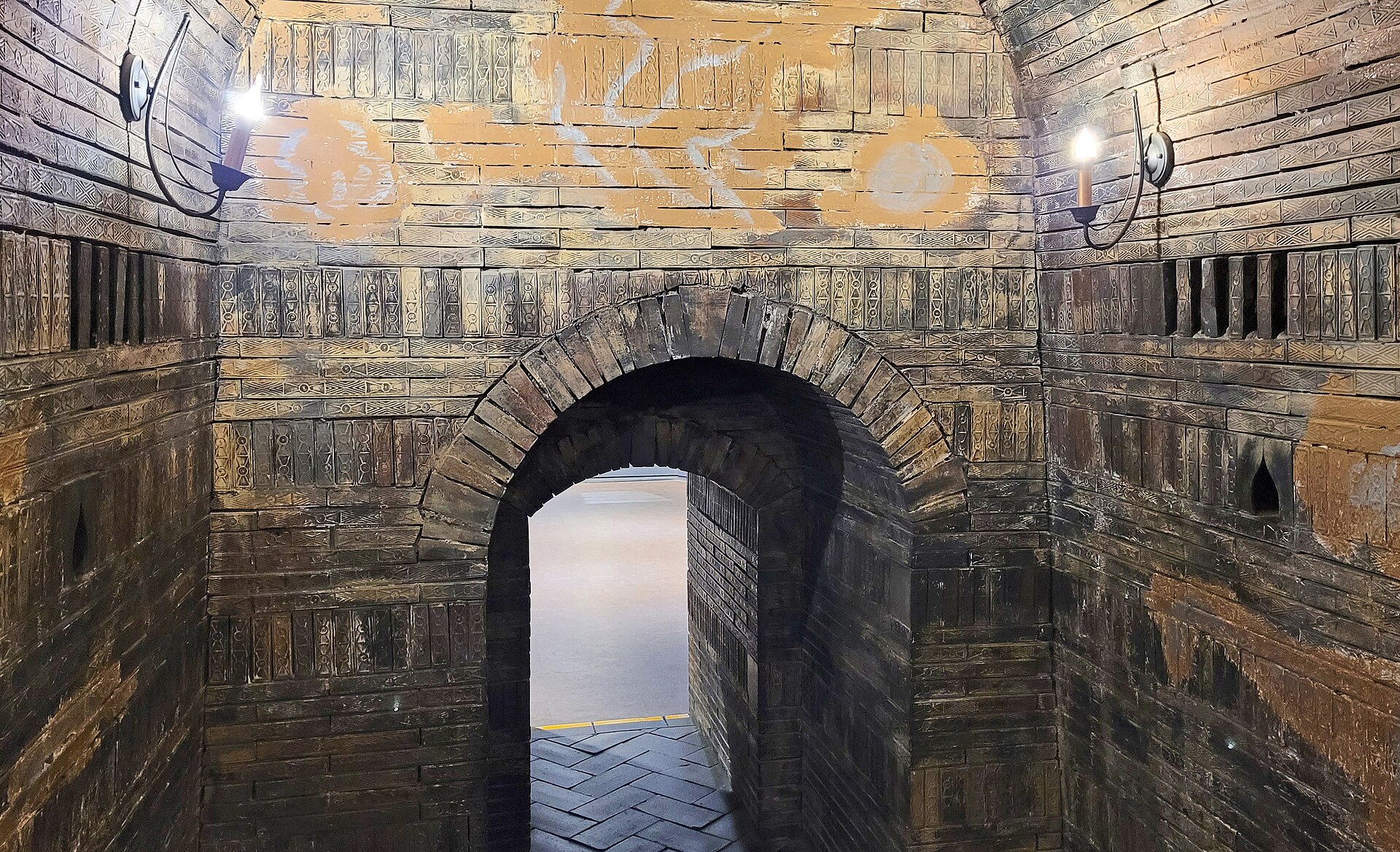
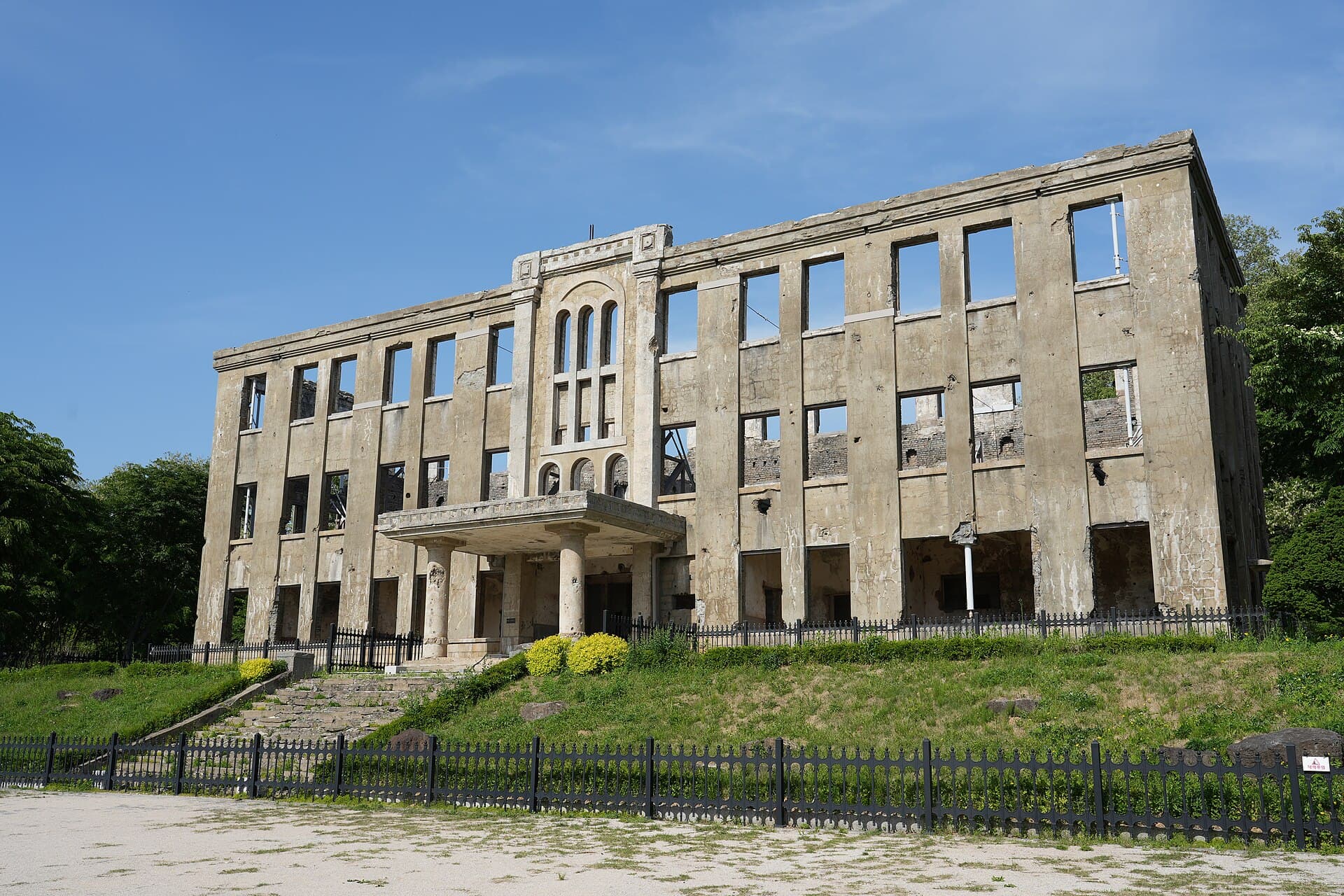
Photo: Wikimedia Commons, CC BY-SA 2.0
A slow push into the dark burial chamber of a Baekje brick tomb — a mood recreation, not real excavation footage.
The Rain That Fell That Night, and the Story Called a Curse
While the haste of the excavation passed from mouth to mouth, another story grew up beside it: the so-called curse of the Muryeong tomb.
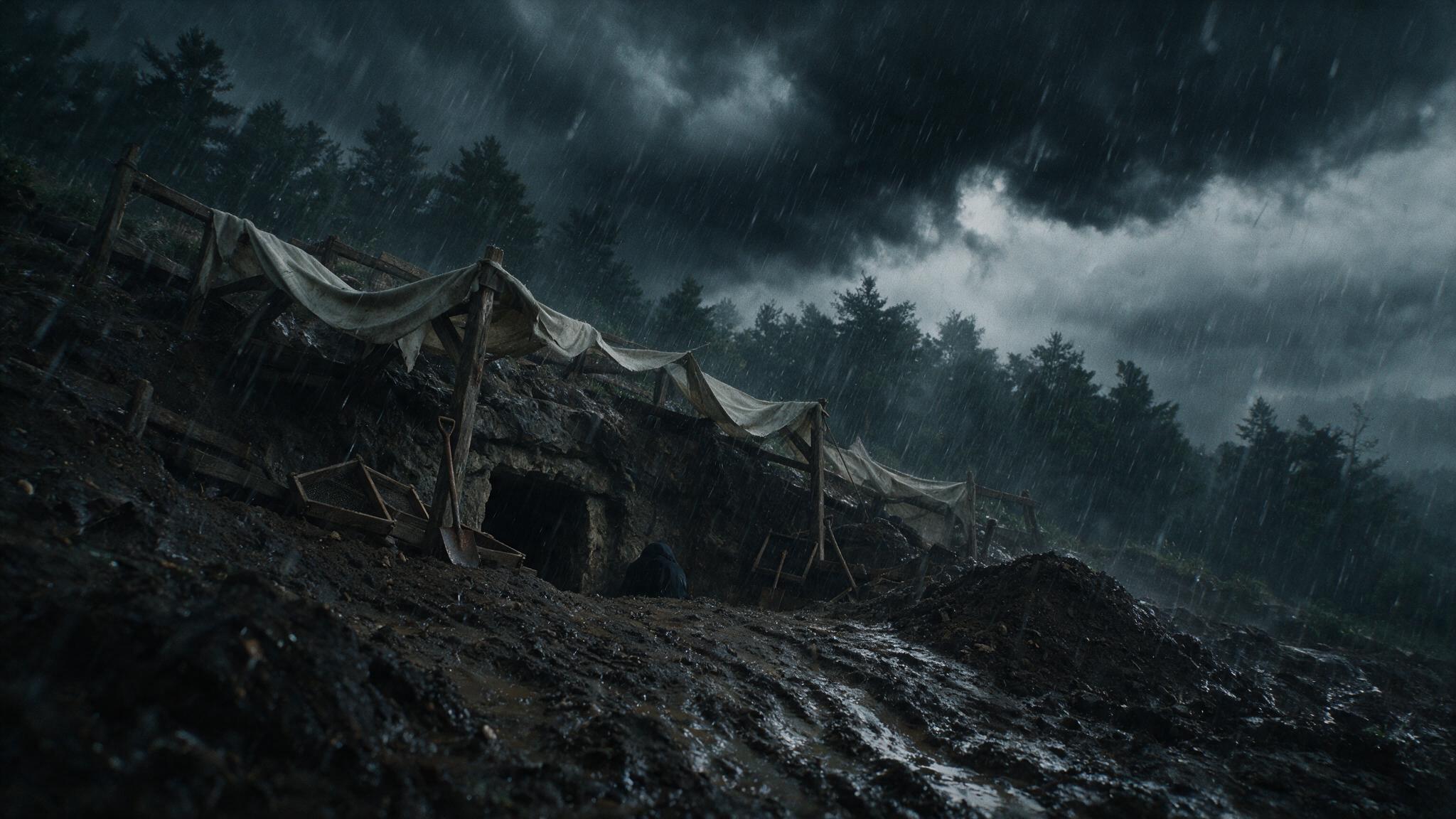
As the tale is told, at the very moment the excavation team was breaking open the tomb's entrance, a torrential downpour burst without warning from a clear sky. It was a moment taken as a warning against having disturbed something sealed in darkness for fifteen hundred years. And even after the excavation was over, rumors began to circulate that a string of accidents and misfortunes had befallen those who had taken part. Stories spread among people of debts closing in, of unexpected accidents, of minds worn down by illness. Just as the tale of the "pharaoh's curse" had gathered around the tomb of Tutankhamun in Egypt, a similar shadow of a curse settled over the Muryeong tomb.
Here one thing must be made plain. This "curse" is nothing more than a piece of folklore and legend passed among people; there is not a shred of evidence that anything supernatural was ever at work. A sudden summer cloudburst was hardly a rare thing over Gongju during the monsoon season, and to bind together misfortunes that struck various people across many years and lay them all at one tomb's door is simply the way our minds make stories. There is, however, one point worth dwelling on. Those who took part in the excavation are said to have bitterly regretted the haste of that night, carrying a heavy weight in their hearts for the rest of their lives. If there was a curse, perhaps it was not one the tomb laid down, but a shadow that guilt — the sense that they should never have dug so hastily — cast across their own minds. What draped a whisper of dread over even a small accident was, perhaps, not King Muryeong, but the human conscience.
What the Tomb Left Behind
From the Muryeong tomb poured thousands of artifacts — the gold crown ornaments of the king and queen, gold earrings and necklaces, bronze mirrors, and the stone guardian beast spoken of earlier among them. So many of these would later be designated National Treasures that the tomb can be said to have held the very essence of Baekje culture whole. The standing of Baekje, long treated almost as a "lost kingdom," was rewritten entirely by this single grave. The lavish metalwork, and artifacts bearing the traces of exchange with China and Japan, spoke eloquently of a Baekje that was no small nation on the margins, but a refined cultural power that played its part across the stage of East Asia.
And so the story of the Muryeong tomb wears two faces. On one hand it is a great discovery beyond any price, one that filled in a blank page of Baekje history whole. On the other it is an irreversible wound — a grave torn open in a single night by the hands of an age not ready to receive its greatness. Today scholars mourn the records lost back then, and, leaning on the artifacts that remain and the power of science, slowly retrace the information that vanished that night.
Whether the "curse" of the Muryeong tomb ever truly existed, no one can say. What is certain is only this: what a king's tomb, having waited fifteen hundred years, left us, and what it took away. Perhaps the story of that summer night has been handed down all this while under the borrowed name of a curse in order to remind us how humble and how careful we must be when we stand before the old. That wooded hill in Gongju keeps its place quietly still, holding the story of that night in silence.
I do not keep a heading in my archive for curses, and this one has never asked for it. What I have instead is the detail of the slab — carved on one face for the king, then turned over years later and carved on the back for the queen. People who did that were unhurried in a way it is difficult now to imagine. They waited three years, twice, before either of them was allowed to stay. Whatever was arranged in that chamber was arranged by hands that took a decade over it, and it was undone between one evening and the following morning, and nobody wrote down what it had looked like.
---
This article uses actual archival and on-site photographs alongside AI-generated images and video produced to convey the mood of the story.

Comments
No comments yet — leave the first one.