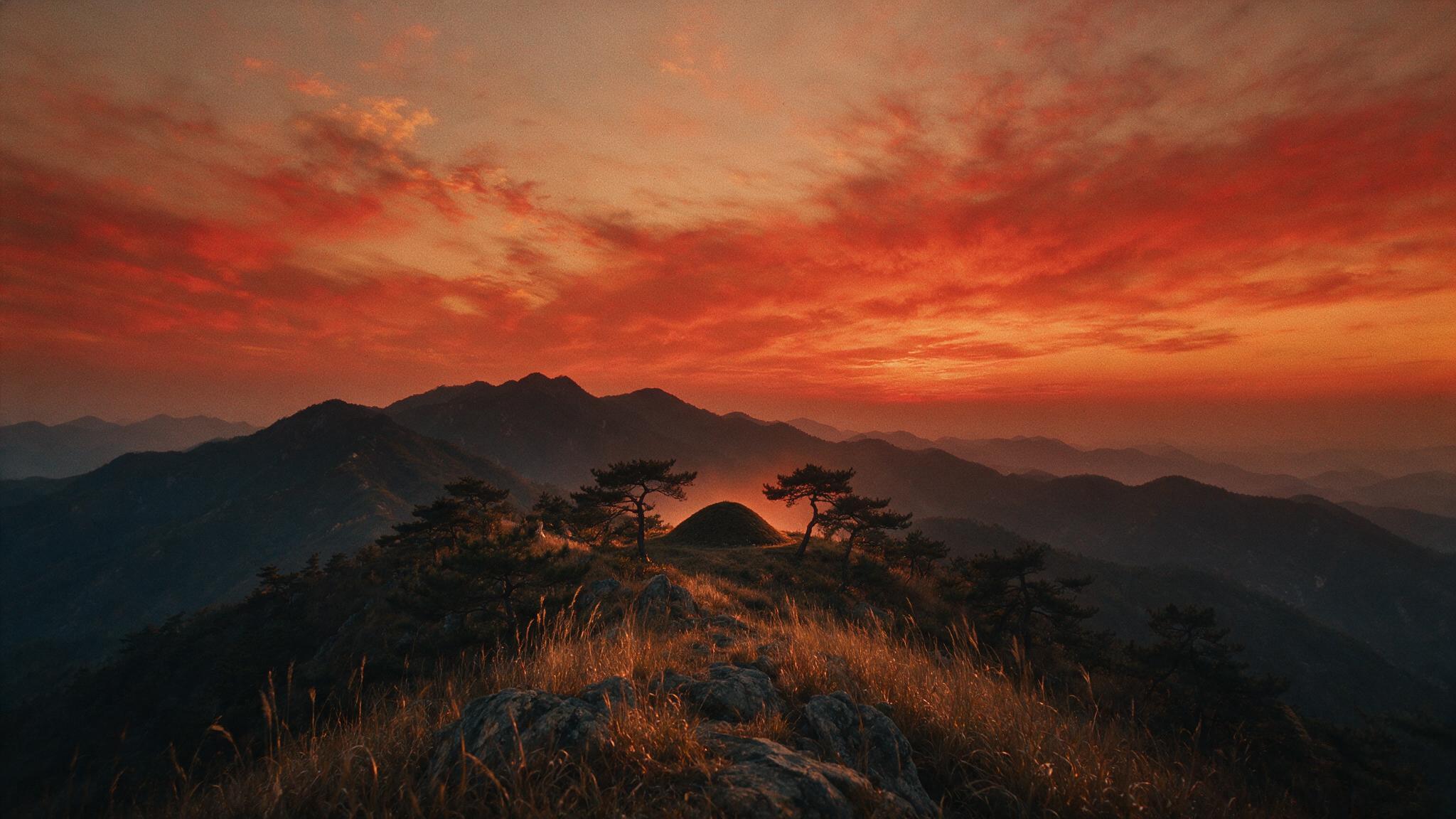
Turn onto the southern slope of Gayasan, in Yesan, South Chungcheong Province, and among the pines you come upon a single mound rising softly from the earth. On the surface it looks like any old grave — a burial mound, a stone offering table and a civil-official statue standing before it, the mountain folding around it like a screen. Yet this quiet mound holds one of the strangest and most violent episodes of the late Joseon dynasty. This is the tomb of Namyeongun, the father of Heungseon Daewongun — the regent who would one day seat his young son on the throne and grip the real power of Joseon in his hands. It is the grave wrapped in a legend that "rulers will come from this ground across two generations," and it is the grave that, one spring night in 1868, a merchant from across the sea led a torch-and-shovel band up the mountain determined to dig open. What he came for was not the gold and treasure buried within. What he wanted was the prince's coffin itself, sleeping deep beneath the earth.
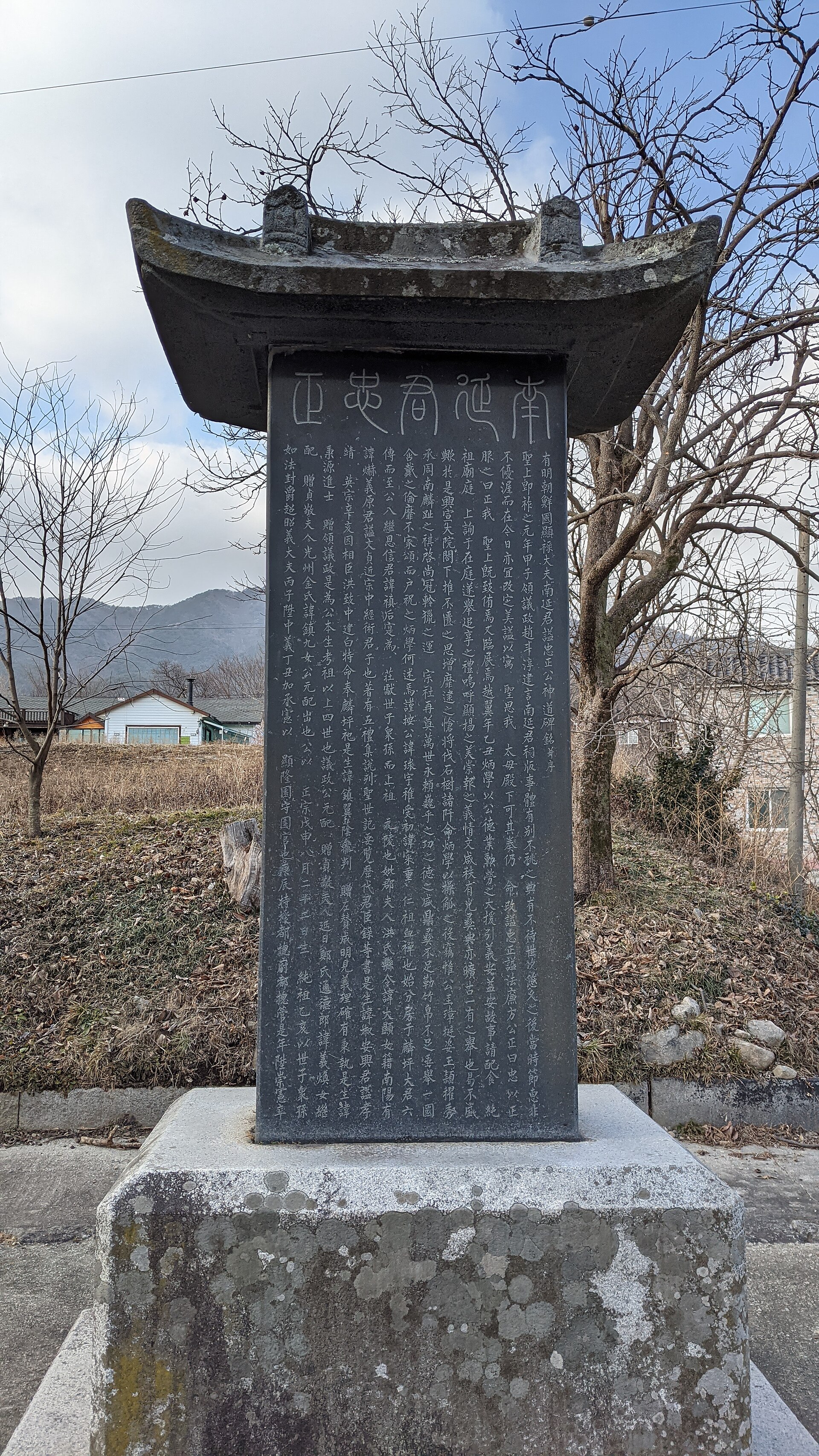
Photo: Wikimedia Commons, CC BY-SA 4.0
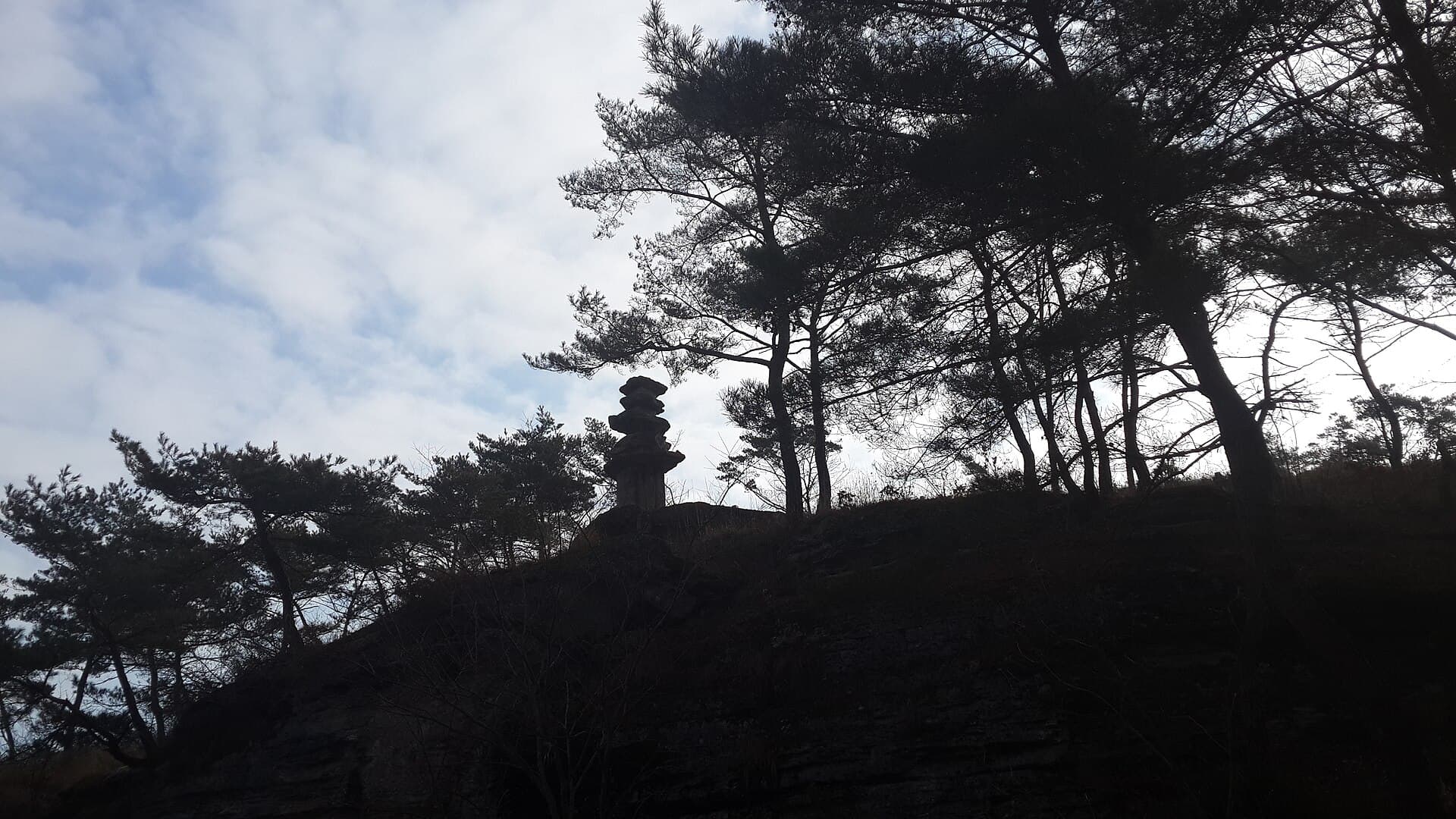
The reason this one sits in my archive rather than in a history shelf is a single sentence in the excavation reports: that the dig at the Gayasa site turned up traces of a temple brought down and a pagoda dismantled. I am K. Woo, and I collect the cases where a story people had agreed to call legend quietly turns out to have left physical residue in the ground. I went looking through those survey findings expecting to close the file on the burning as folklore. Instead the soil corroborated it, and the rest of the account — the geomancer, the two generations, the coffin — stopped being safely fictional in the same moment.
A Prized Site Won by Burning a Temple
The story begins long before the robbery, in the ambition of one man: Yi Ha-eung, the future Heungseon Daewongun. In his younger years, before he had come anywhere near power, he lived out unlucky days as the descendant of a fallen royal line. And into his ear, a geomancer is said to have whispered a story. On Gayasan, in Chungcheong Province, there was a plot of ground from which sons of heaven — emperors — would come across two generations. This legendary site of auspicious geomancy, known in Korean as the "ground of two-generation emperors," would come to shake one man's fate and the fate of Joseon together.
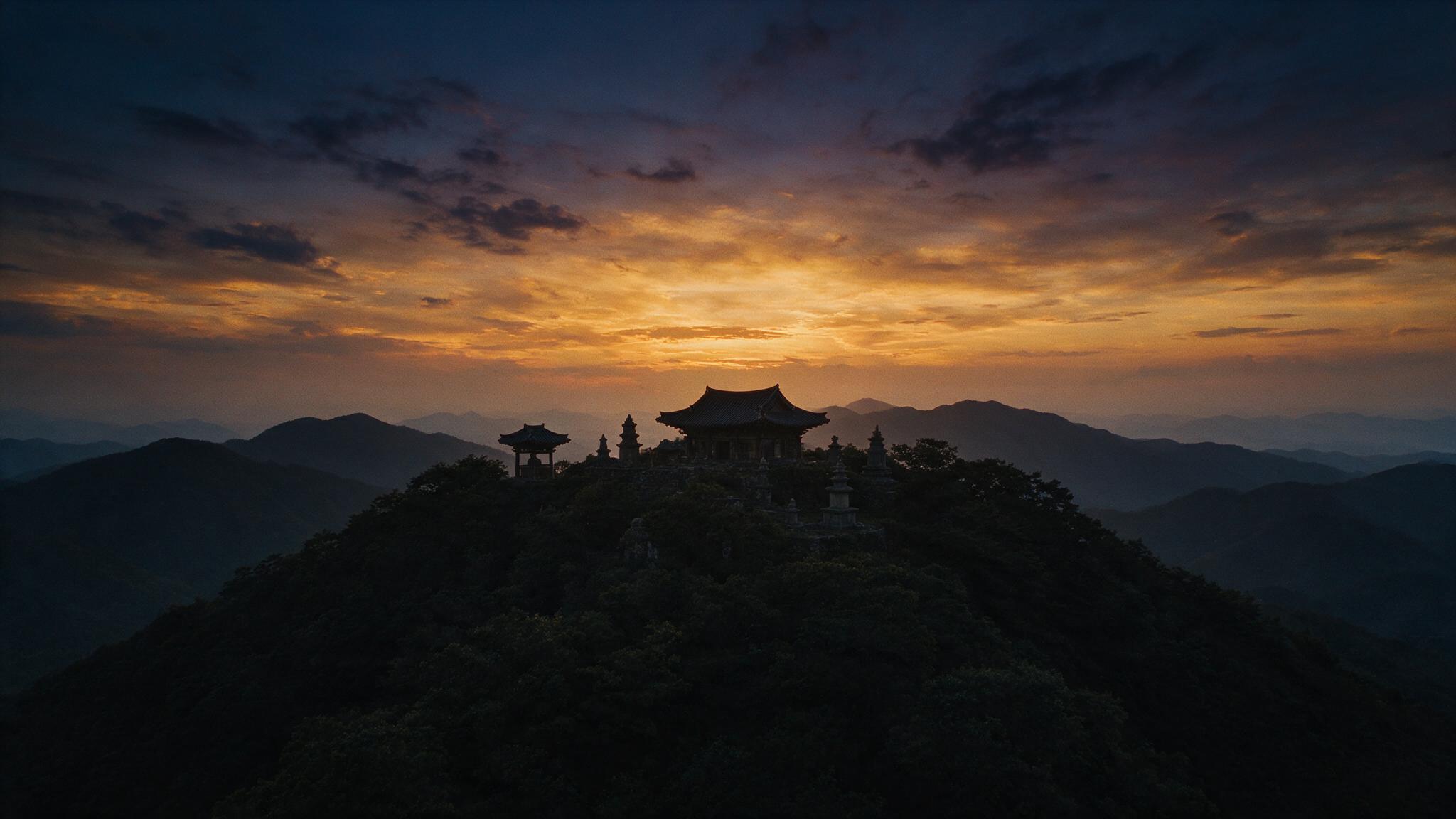
The trouble was that something already stood at the heart of that prized ground: an old temple called Gayasa, and its golden pagoda. According to the unofficial histories, Heungseon Daewongun emptied his purse to move the temple's monks, and in the end had Gayasa set ablaze and reduced to ruin. Recent archaeological excavation at the site has turned up traces of a temple brought down and a pagoda dismantled — evidence that what had long been dismissed as mere legend may be close to fact. The remains of his father, Namyeongun, then lying in Yeoncheon in Gyeonggi Province, were carried to that scorched temple ground, to the very spot where the golden pagoda had stood. To claim the prized site, people erased a place of faith, and a single grave rose anew above it.
The Legend Truly Came to Pass
Here comes the detail that keeps this story from being brushed aside as mere superstition. After the tomb of Namyeongun was moved to this spot, rulers did in fact come from Heungseon Daewongun's house. His second son, born only a few years after the reburial, took the throne at the age of twelve — and that boy was Gojong, the twenty-sixth ruler of Joseon and, in time, the first emperor of the Korean Empire. And through Gojong's own son Sunjong, who succeeded him, rulers came from that line across two generations. The geomancer's words, that "sons of heaven would come across two generations," had been fulfilled with something close to eerie precision.
Seen coldly, of course, this may be a legend fitted to the facts after the outcome was already known — geomancy that did not so much breed kings as get exalted into prophecy once the kings had come. But to the people of that age, this grave was no ordinary mound. It was a living site of fortune that had produced two of the nation's highest rulers, the root and the symbol of Heungseon Daewongun's power. The grave became a sanctuary in itself, and the question of what lay beneath that mound was bound up directly with the pride of the Joseon royal house. And precisely for that reason, the tomb became a target.
The Idea of Holding a Coffin Hostage
Let us turn our eyes for a moment beyond Joseon. In these years there were Westerners trying to force open Joseon's tightly shut door. One of them was Ernst Oppert, a merchant of German origin. Trading out of Shanghai, he had already demanded trade relations with Joseon twice, only to be turned away each time by the wall of its isolation. Realizing that no ordinary means would open Joseon's door, he arrived at a notion that defies common sense. To drag Heungseon Daewongun — the most powerful man in Joseon — to the negotiating table, one had to hold in one's hand something he could never refuse. And that something, Oppert reasoned, was the coffin in which the regent's own father lay.
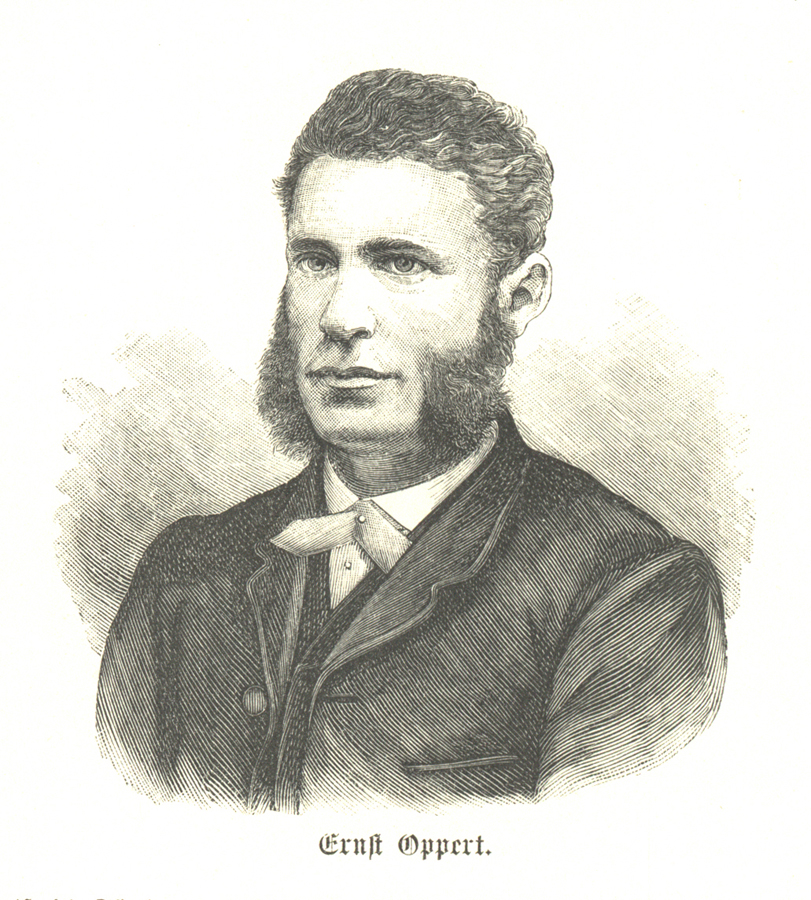
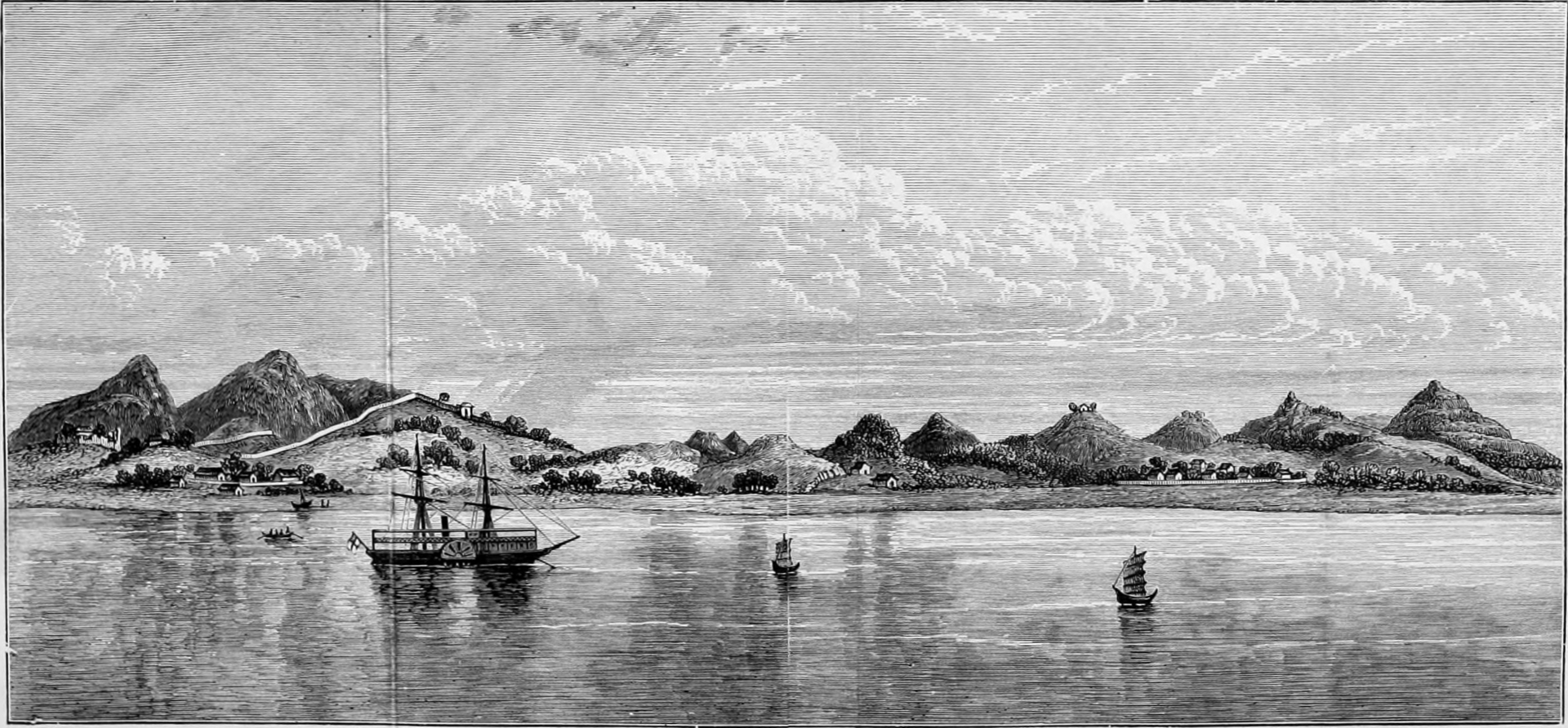
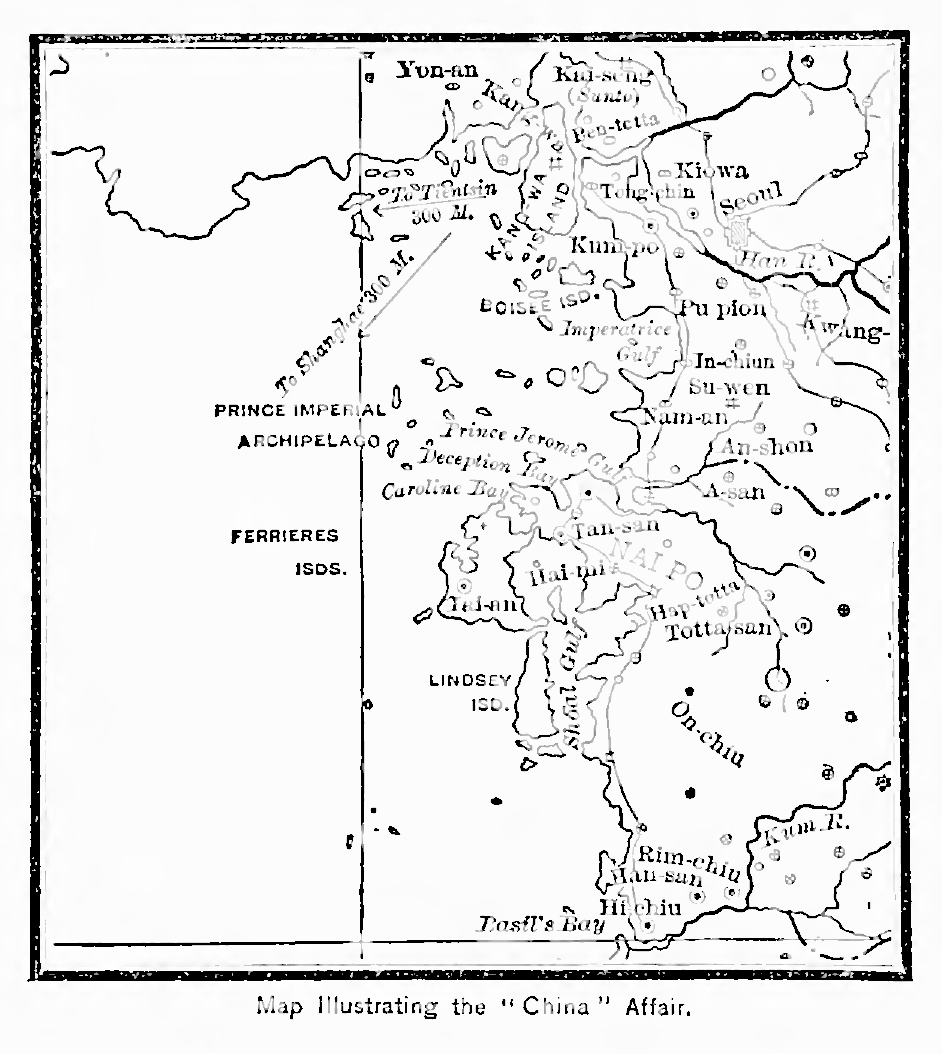
The idea was calculated to a chilling degree. In a Joseon that placed filial piety above all else, to seize the remains and the coffin of the most powerful man's father would surely force the regent, if only to recover them, to yield to the demand for trade. He would hold the dead as hostage to unbar a nation's gate. Oppert drew in a French priest named Feron and a number of Korean Catholics, took funding from an American named Jenkins, and assembled a band that ran to over a hundred men. And so, in the spring of 1868, a ship carrying them cut across the Yellow Sea toward the coast of Chungcheong.
A Spring Night on Gayasan, Shovels and Torches
In the spring of 1868, the ship carrying Oppert and his band reached Gumanpo, off Deoksan. The men who came ashore struck at once at the Deoksan county office, seizing weapons, and ransacked the houses for picks, shovels, and other digging tools. Then, under cover of darkness, they climbed straight up Gayasan toward the tomb of Namyeongun. As the night deepened, torches lit the ground around the grave, and the digging began. The mound of a prized site that the Joseon royal house held as sacred was being torn open by the hands of strangers from across the sea.
The scene is chilling even to imagine. A silent ridge ringed with pines; beneath it the grave said to have bred rulers across two generations; and, encircling that mound, black silhouettes digging down into the earth by the light of guttering torches. But what unfolded on Gayasan that night did not go as the grave-robbers had planned. They dug the mound and dug it again — and never once laid a hand on the coffin.
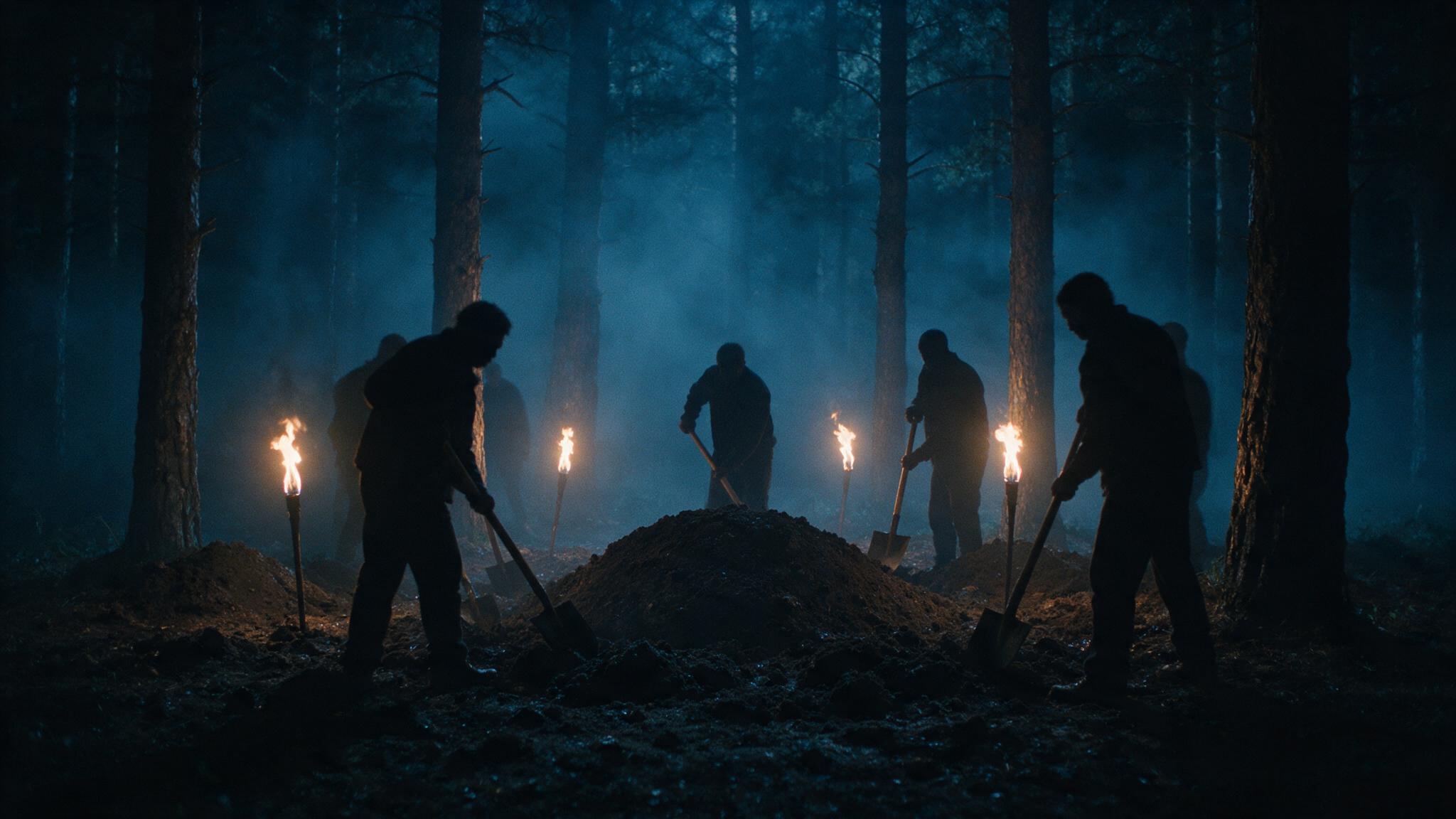
A misty night on Gayasan, the wavering glow of torches at the edge of the grave — a mood recreation, not real footage.
Those Who Could Not Reach the Coffin
What stopped the robbers' shovels was not a person but the sheer solidity of the grave itself. A Joseon royal tomb did not simply lay a coffin in the soil; it wrapped it in a hard casing of lime, earth, and sand kneaded and rammed together — a shell known as the hoegwak. With the passing of years this casing hardens like a boulder, becoming a wall that ordinary force cannot break. Namyeongun's tomb, too, held its coffin sealed within just such an iron-hard casing. All night the robbers' picks and shovels struck this solid wall and glanced off it again and again. The old records tell this part briefly: the grave chamber being solid, they could not achieve their aim.
Time was not on their side. As the night ended and dawn began to break, the band — fearing discovery — abandoned the earth they had turned, having never reached the coffin, and hurried down the mountain to flee back to the ship. The mound said to have bred two rulers had been torn open, but the prince's coffin sleeping within never yielded to a stranger's hand. Oppert's plan to unbar a nation's gate by holding the dead hostage collapsed before a single layer of stone-hard casing.
What the Torn-Open Grave Left Behind
The robbery failed, but its aftermath did not end in failure. When Heungseon Daewongun heard that his father's grave had been torn open by a foreigner's shovel, his fury went beyond imagining. That Westerners had dug into a grave that was both the symbol of the filial piety Joseon strove so hard to uphold and the very root of his power convinced the regent, once and for all, that the West meant barbarians who would even dig up a father's tomb. An act undertaken for the sake of trade instead shut the door on trade completely.
After this episode, the regent's policy of isolation grew firmer still, and the persecution of Catholics that had begun earlier grew fiercer. Whatever room there had been to join hands with the West collapsed of its own accord, and Joseon barred its door all the more tightly. A single night's attempt to dig open one grave had, in the end, changed the very direction in which a nation opened or shut itself to the world. The coffin that had been the target survived, untouched beneath a single layer of earth — yet the tremors around that grave shook the whole course of Joseon's history that followed.
The Question That Remains Above the Grave
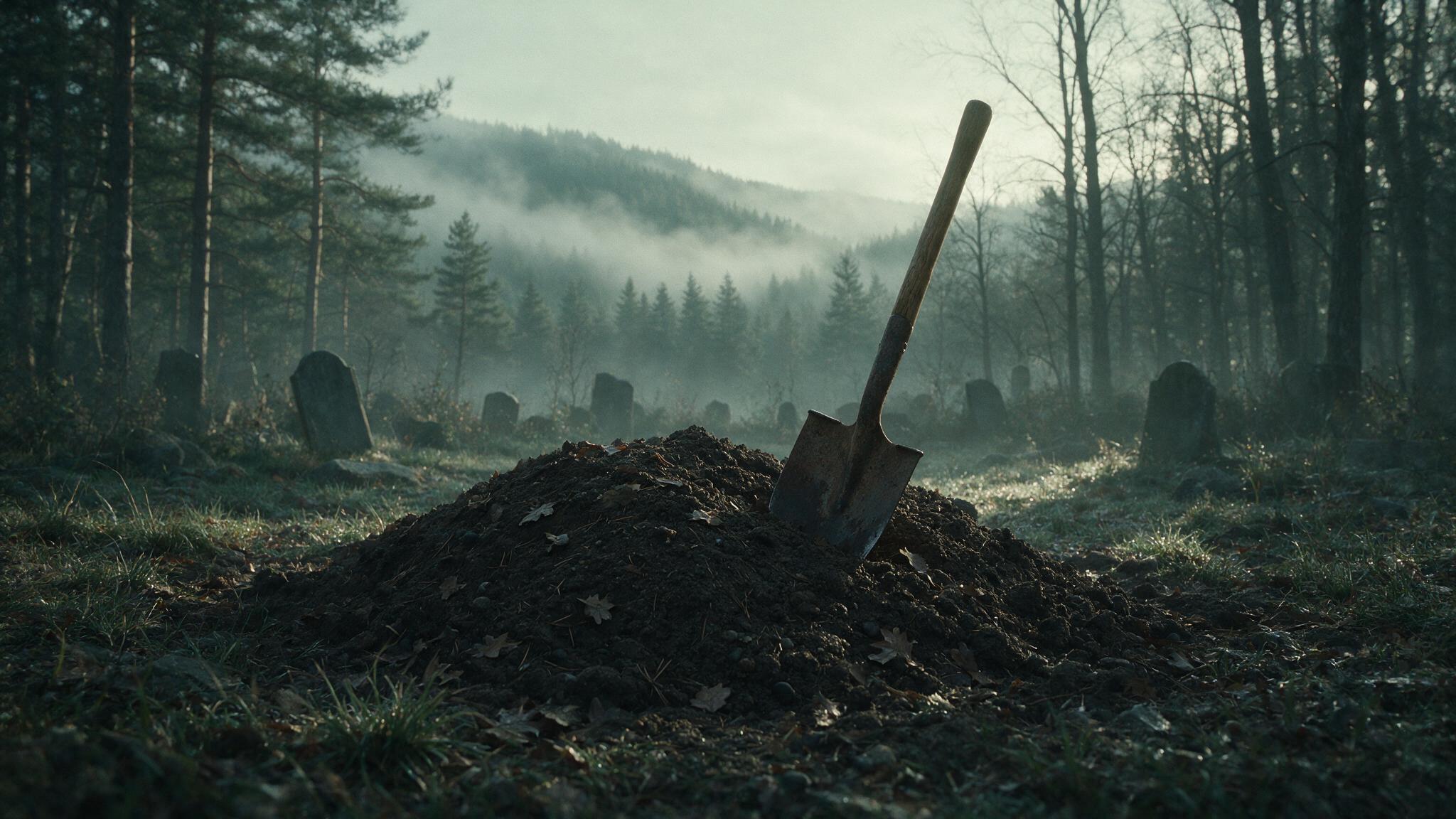
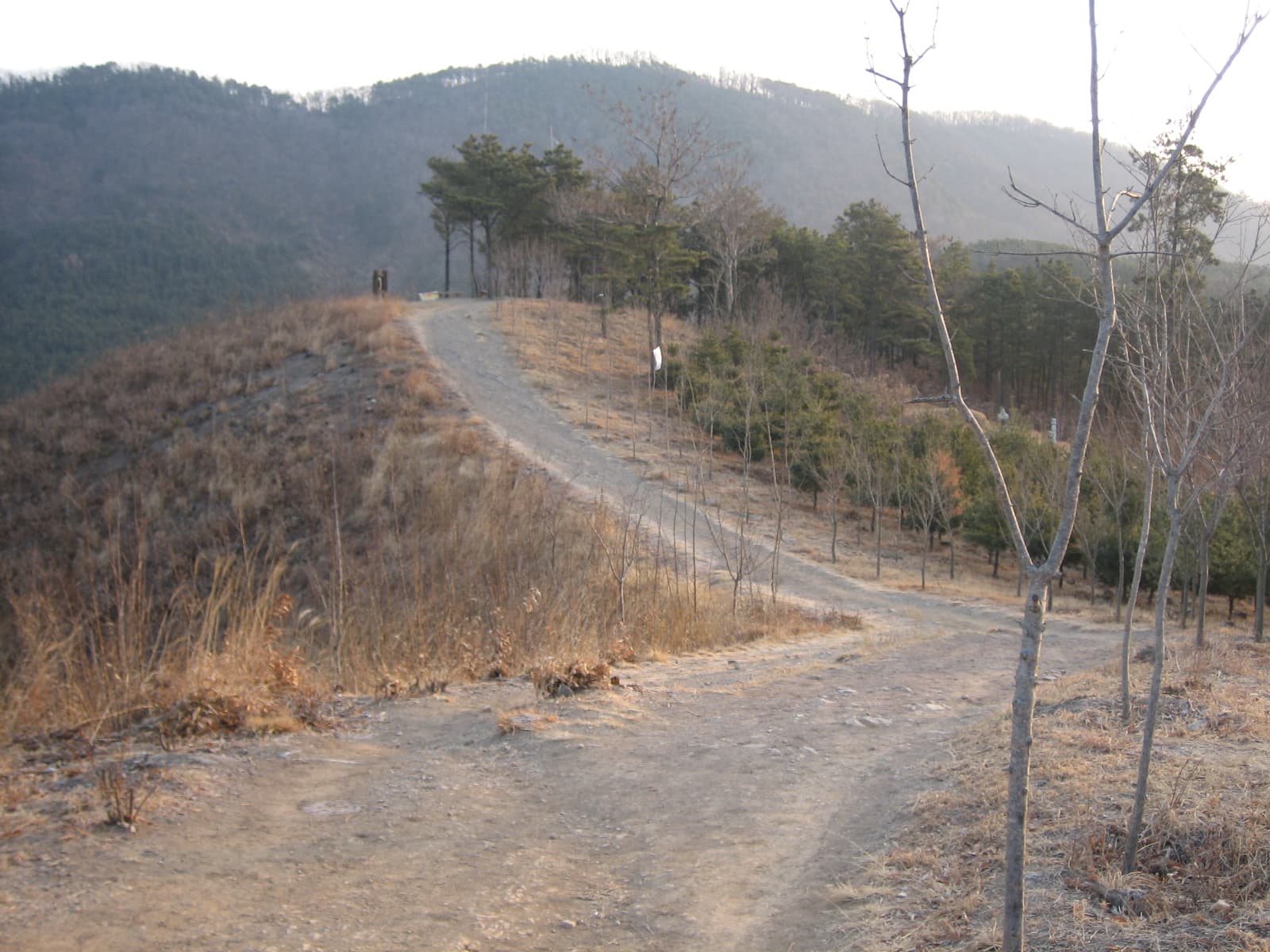
Today the tomb of Namyeongun on the slopes of Gayasan is quiet once more. The turned earth was filled back in long ago, and the mound rests silently among the pines like any other grave. Yet above this quiet mound, unerasable questions still linger.
A prized site said to have been won by burning a temple; the fact that from that very ground rulers truly came across two generations. Whether this was the work of a geomantic prophecy, or a chance outcome onto which a legend was later grafted — no one can say for certain. The fact that a merchant from across the sea arrived at the strange notion of holding a coffin hostage to unbar a nation's gate; and the fact that the notion collapsed before a single layer of stone-hard casing. Had the casing been only a little softer that night, and had dawn come only a little later, Joseon's history might well have turned down an entirely different road. This episode, in which the legend of a prized grave and the ambition of a robbery collided over a single mound, needs no supernatural curse to smother it. If anything, what holds people for so long is that two facts sit side by side: "the grave said to have bred kings," and "the foreigner who came to dig it open."
What I have never been able to put down is the hoegwak — that the whole thing turned on a shell of lime and sand and earth, rammed hard by workmen who had no idea what they were rehearsing for. When I read the old accounts of that night I find myself measuring the margin rather than the meaning: how many more hours of darkness the band would have needed, how much softer the casing would have had to be. The margin is thin enough that I have stopped calling the outcome inevitable. A layer of lime decided which way a country would face for the next forty years, and nothing in any record explains why it held.
Even now the wind blows across Gayasan. The pines sway, and light falls across the mound and gives way to shadow in turn. Whether this ground that bred two rulers is truly a site ordained by heaven, or a story fashioned by human hands — Gayasan, well over a hundred years on, has offered no answer, and looks down quietly on that grave still.
---
This article combines real documentary photographs, engravings and maps with AI-generated images and video produced to convey the mood of the story.
Comments
No comments yet — leave the first one.