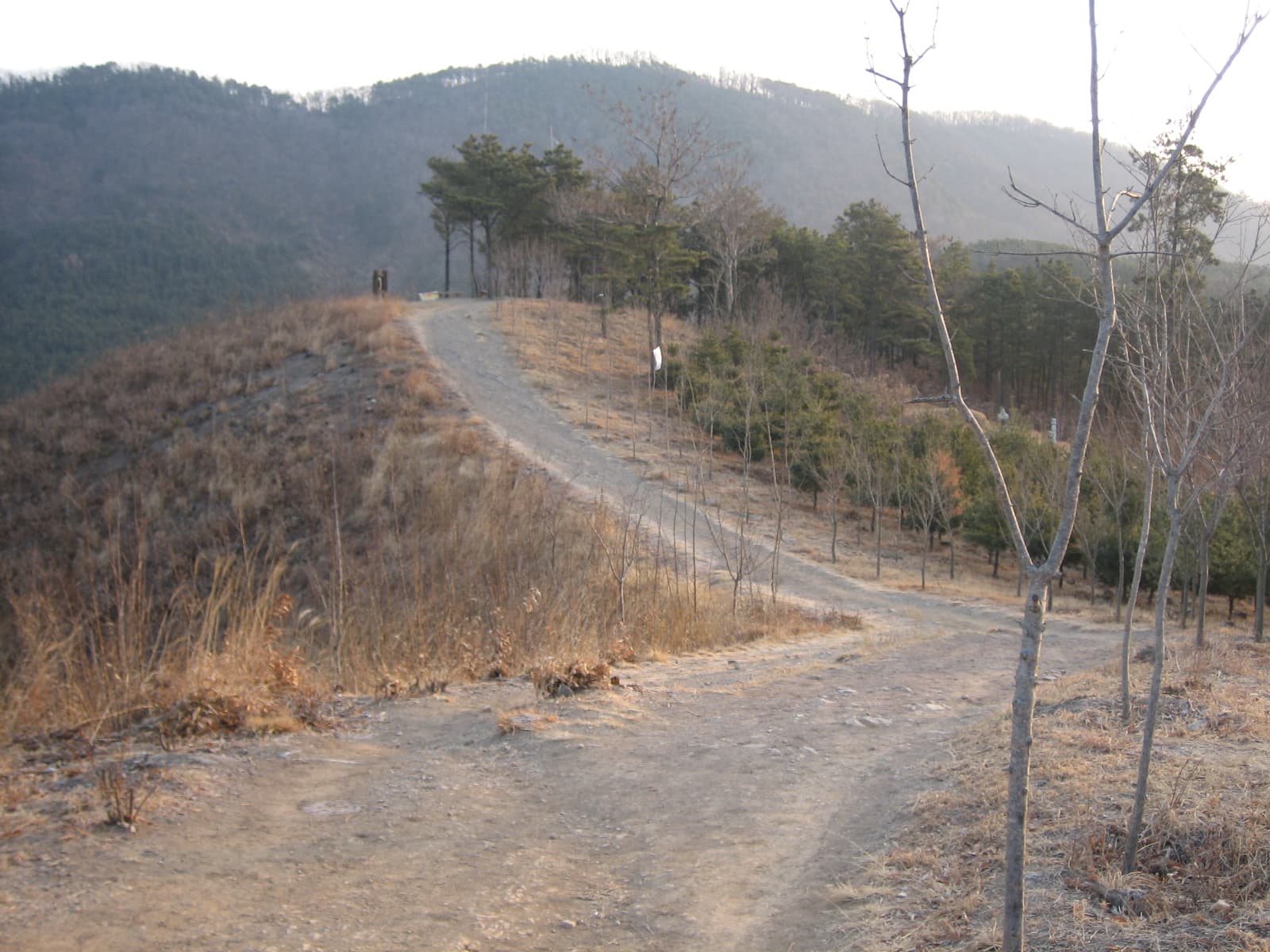
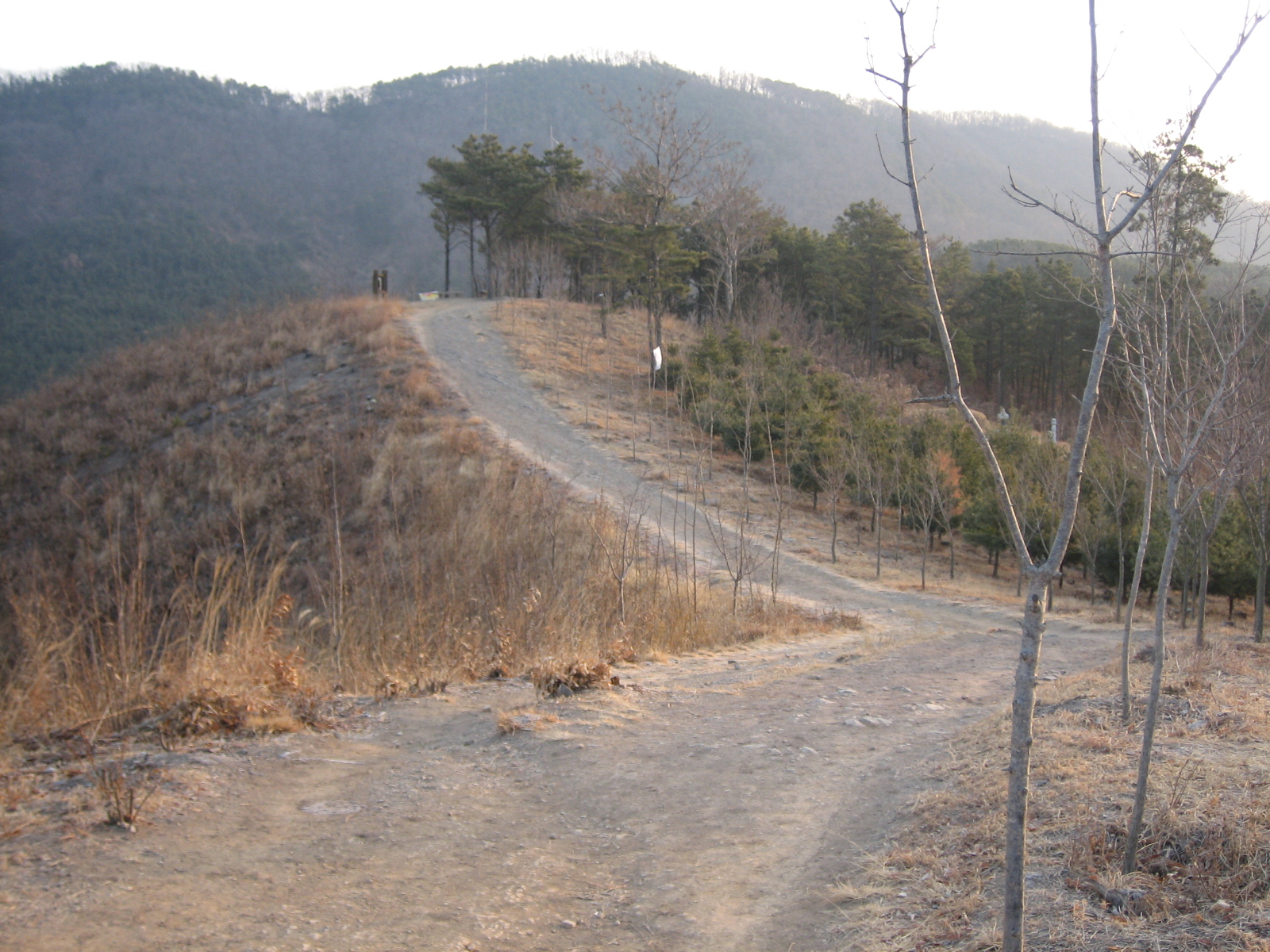
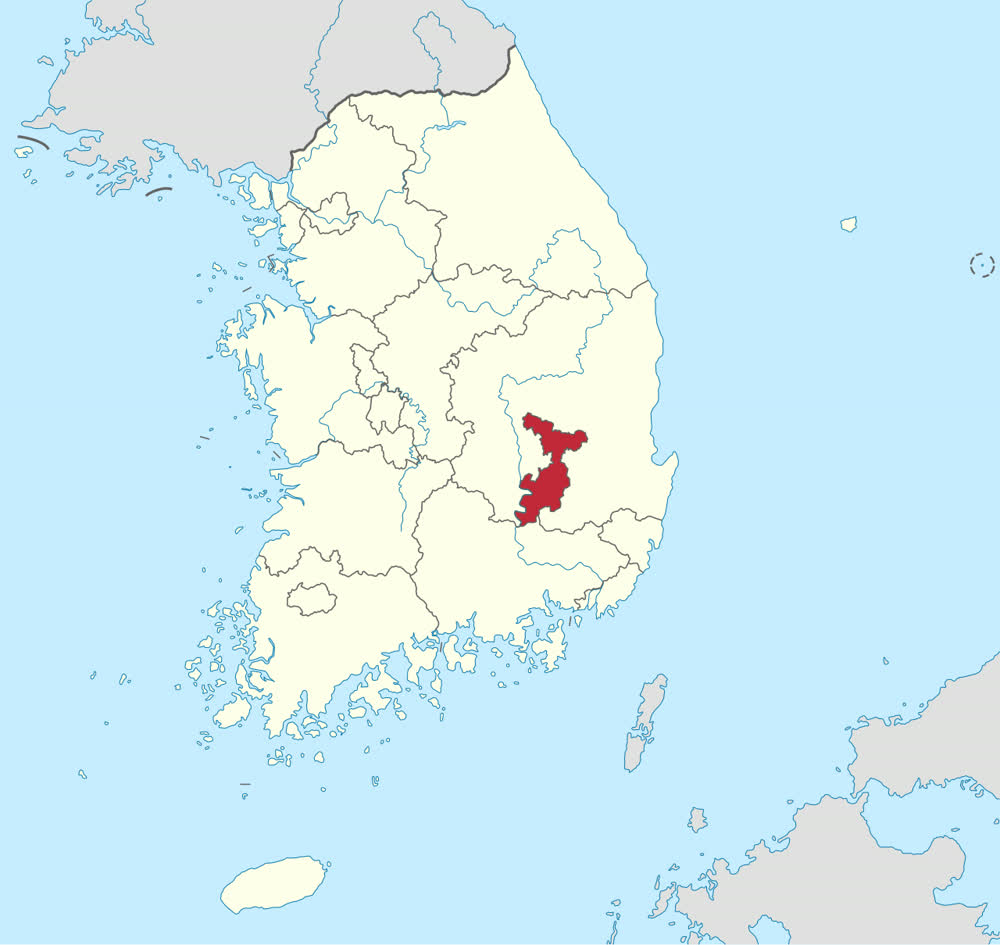
On March 26, 1991, five elementary-school boys from the Seongseo area of Dalseo District, in the city of Daegu, South Korea, left their homes together. Their names were Woo Cheol-won, Jo Ho-yeon, Kim Yeong-gyu, Park Chan-in, and Kim Jong-sik — neighborhood friends ranging in age from about nine to thirteen. That day happened to be a temporary public holiday for local elections, so there was no school, and the boys set off for Mount Waryong, a low hill right beside their village. Their goal was to gather salamander eggs. The case would later become known nationwide as the "Frog Boys," but in truth the children had gone looking not for frogs but for the eggs of salamanders — a common springtime pastime for kids of that era, scooping egg clusters from the streams that ran down the mountainside. The five boys told their families they would be back soon, went up the mountain, and never came home again. The largest search in South Korean history, drawing on the cumulative effort of hundreds of thousands of people, found not a trace of them. And then, one autumn day eleven and a half years later, all five were discovered as skeletons on the middle slope of that same mountain, not far from home. This is the story of the Frog Boys, one of the three great unsolved cases of South Korea.
I handle this file more carefully than most, because five families are still living with it and none of them asked for their sons to become a mystery. What made me keep it was a small clerical thing: the name is wrong. They were not looking for frogs. They went out for salamander eggs, and the country that searched hardest for them has spent thirty-five years calling them by an animal they never mentioned. When even the name of a case drifts that far from the record, it tells you something about how much else has been reshaped in the retelling.
That Day in 1991, Five Children Went Up the Mountain
South Korea in the early 1990s was a very different country from the one we know today. The Seoul Olympics had only just passed, cities were expanding at breakneck speed, but outer neighborhoods like Seongseo in Daegu were still wrapped in rice paddies and low hills. For children, the mountain was a playground. Instead of after-school academies, it was natural for kids to run through the alleys and hillsides of their neighborhood, and when spring came they would gather at the streams to scoop up tadpoles and salamander eggs — the game of the season. Mount Waryong, rising just over 300 meters above the Seongseo village it overlooked, was a familiar backyard hill that adults and children alike wandered up and down without a second thought.
On the morning of March 26, the five boys left their separate homes and set off for the mountain together. Neighbors who saw the children heading up the slope later gave their accounts, but where the boys went and what they did after that, no one knows. Lunchtime passed, evening came, and the children did not return. Five families had lost their children all at once. That it was not one or two but five who vanished at the same moment was, from the very beginning, extraordinary. The parents searched the mountain through the night, and when a missing-persons report was filed with police the next day, the case quickly spread beyond the village and across the entire country.
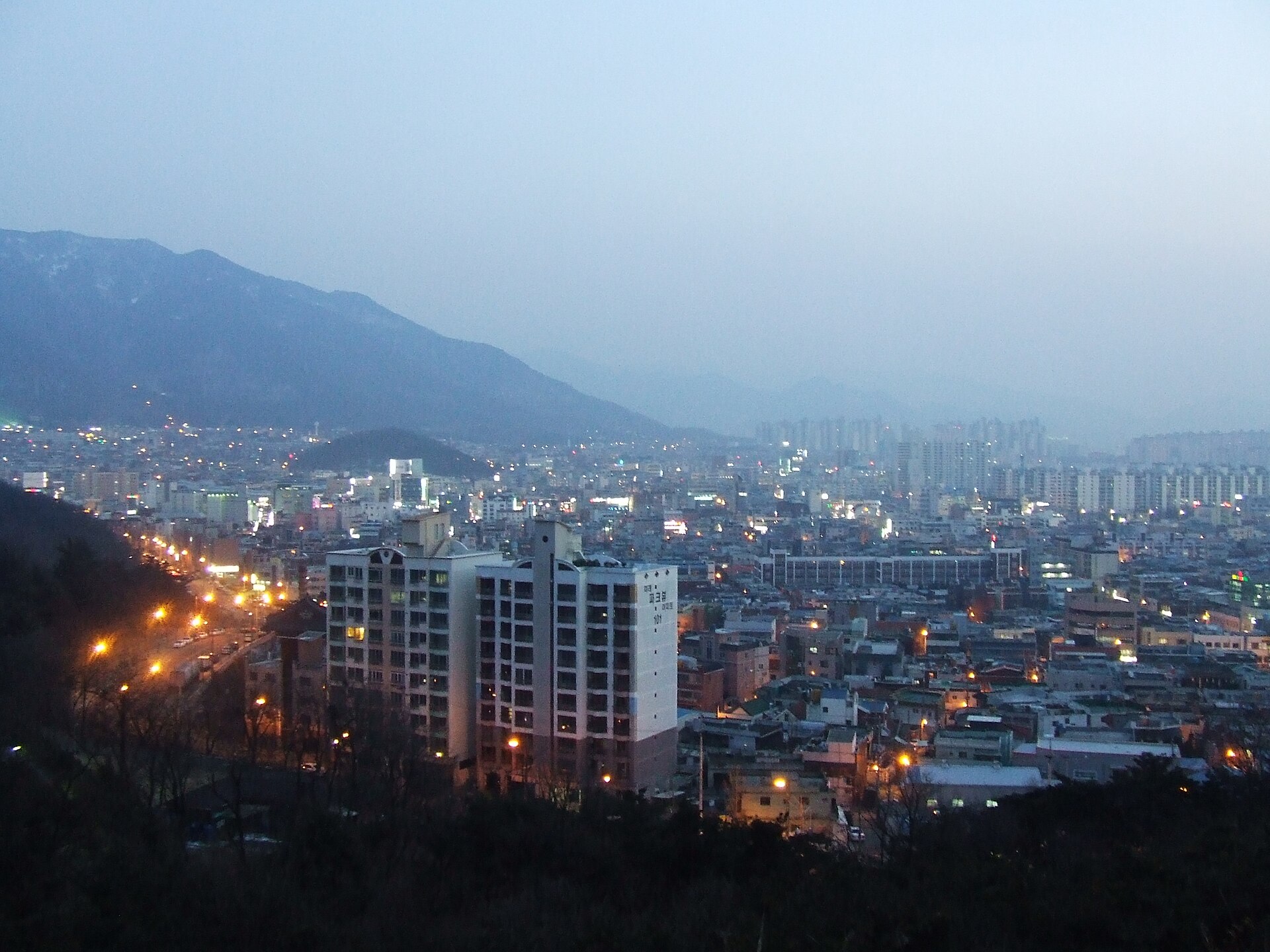
Photo: Wikimedia Commons, CC BY-SA 3.0

The Largest Search Ever — and Its Failure
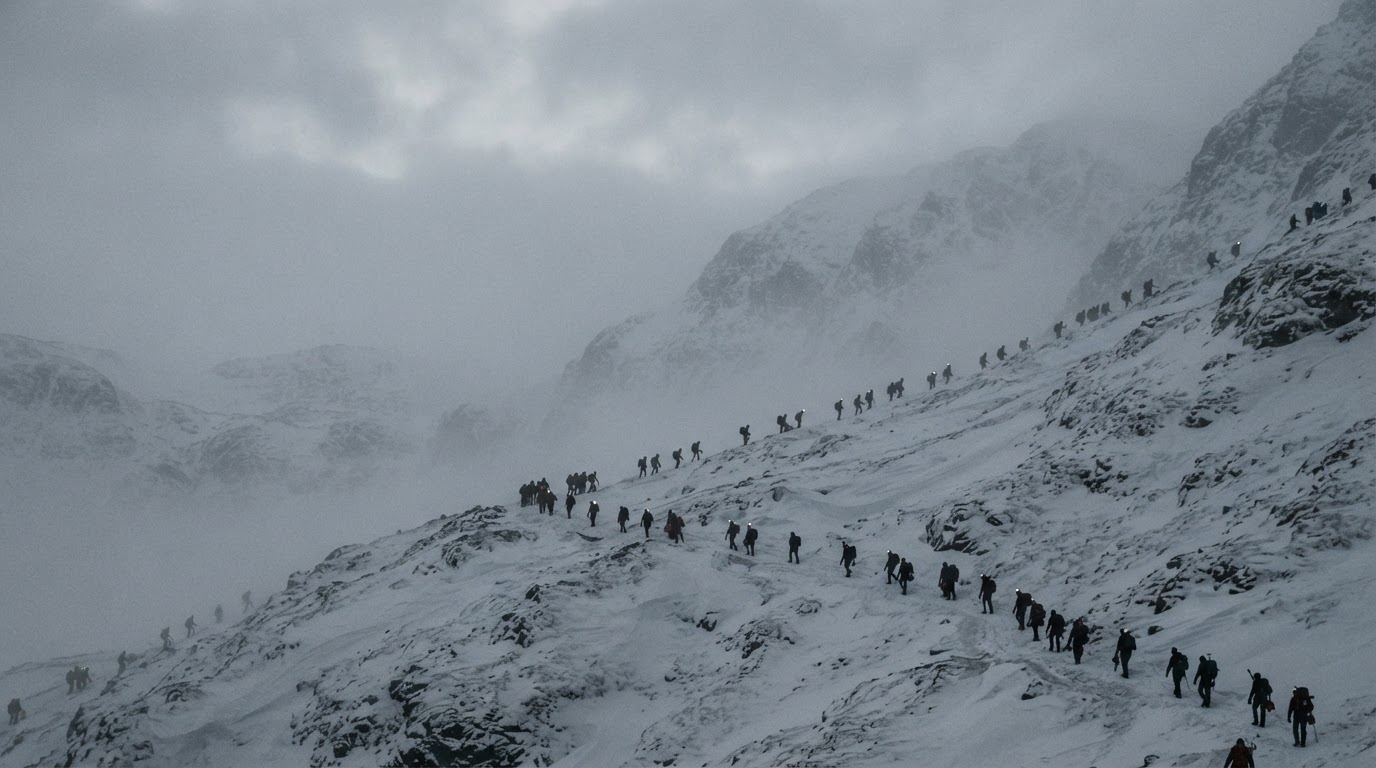
The news that five children had vanished on the same day at the same hour shook the whole nation. President Roh Tae-woo personally ordered the search, and police and military forces were mobilized on a massive scale. The cumulative number of people involved in the search is said to have reached into the hundreds of thousands. Helicopters circled above Mount Waryong while search dogs combed the gullies, and the mountain was scoured again and again — by some records, it was searched more than 500 times. Television broadcast the search live, day after day, and missing-person flyers bearing the boys' faces were pasted on walls and utility poles across the country. Their photographs were even printed on milk cartons and matchboxes. It was the largest search for a single missing-persons case in Korean history.
And still the children did not turn up. Tips and theories poured in from every direction. There was talk of abduction, of the boys losing their way and dying of exposure in the mountains, even rumors that they had been caught in an accidental firing or accident at a nearby military base. One university professor went so far as to accuse one of the boys' own parents and dig up the family's yard, only to apologize later. But none of it led anywhere near the five children. As time passed, public interest slowly faded, and only the parents kept traveling the country tirelessly, searching for their sons. And so the years went by.

Eleven and a Half Years Later, the Children Come Down from the Mountain
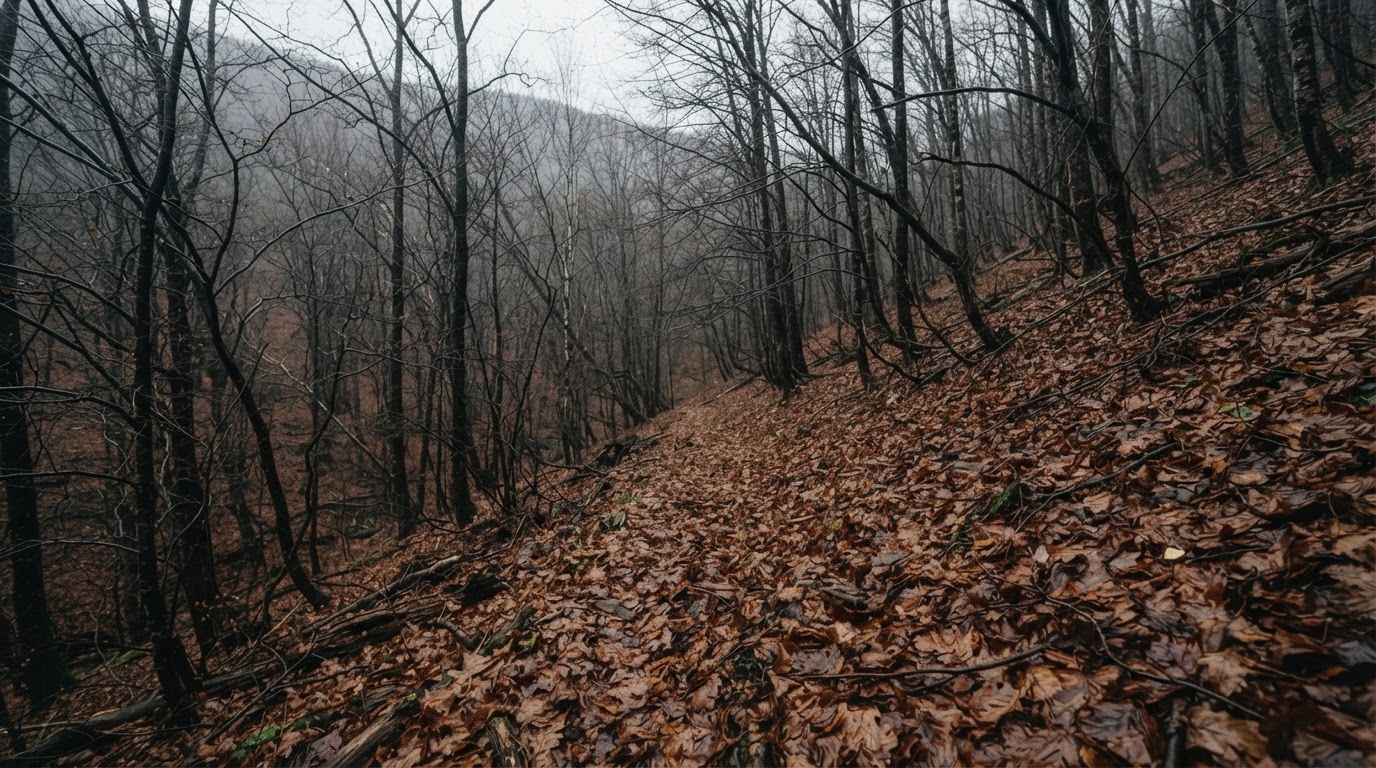
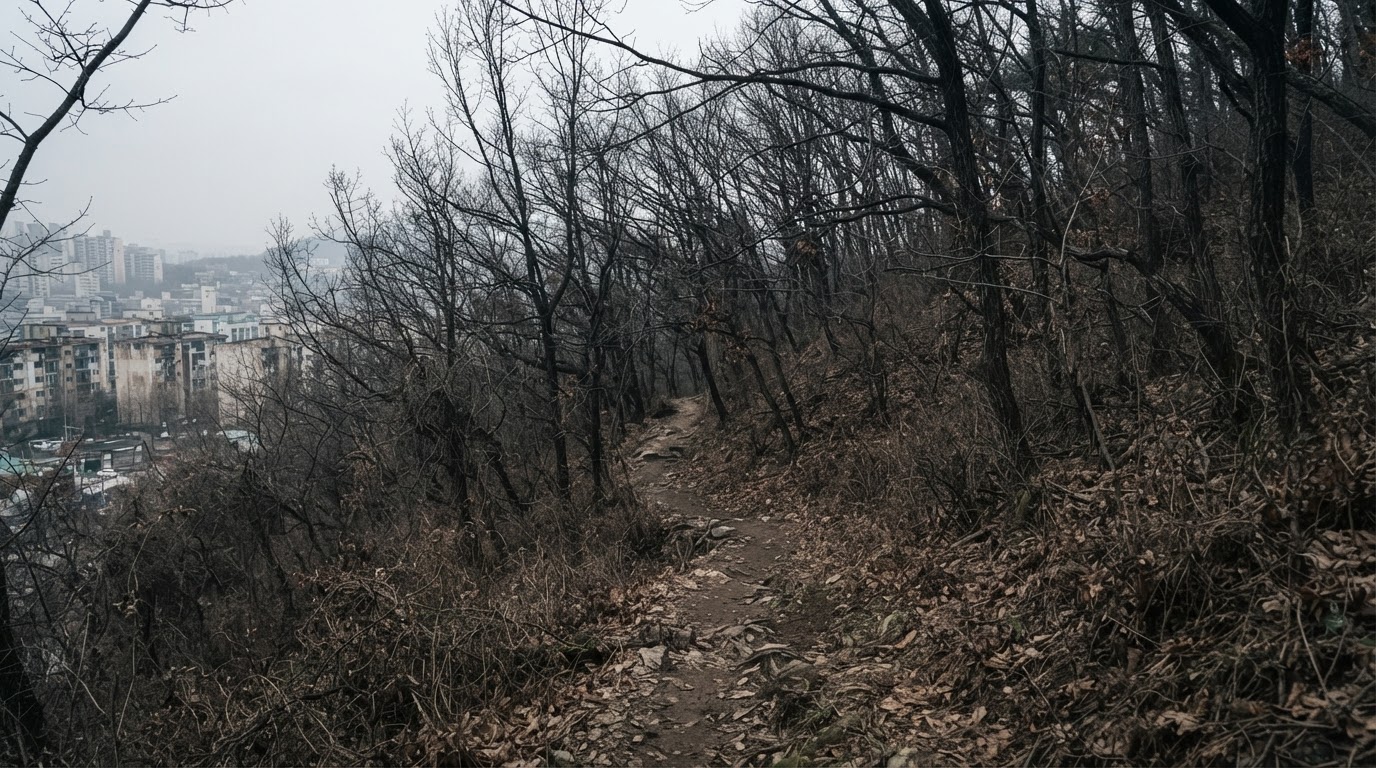
On September 26, 2002, just as the case was fading into memory, unexpected news arrived. Villagers who had gone up Mount Waryong to gather acorns found human bones and scraps of clothing on the middle slope of the mountain. Police who responded to the report confirmed the remains of all five boys at the site. It had been eleven and a half years since they disappeared. Even more shocking was where they were found. The children were discovered on a mountainside somewhere between a few hundred meters and roughly two kilometers from the village — from their own homes. This was the very mountain that had reportedly been searched more than 500 times, the very mountain that helicopters and search dogs had swept.
How could the children have gone unfound for so long, so close to home, when so many people had searched for so long? That question itself became another of the case's mysteries. Sadly, the recovery process immediately after the discovery was not handled well. Because excavation went ahead before a professional forensic team could fully preserve the scene, it was later argued that trace evidence that might have identified the killer — foreign matter, fibers, and the like — had been destroyed. In a sense, the first chance to approach the truth of the case largely scattered in the very moment of discovery.
Evidence of Murder — The Marks Left on the Skulls
The forensic examination was handled by the forensic medicine team at Kyungpook National University. Early on, some had suggested the possibility that the children had lost their way in the mountains and died of hypothermia in the cold — for the mountains at the end of March could turn freezing after dark. But the conclusion of the forensic team, after a detailed examination of the remains, directly contradicted this idea of a "lost-and-frozen" death. Three of the five children's skulls showed clear signs of damage.
What the forensic team focused on was the nature of that damage. These were not marks left by a simple fall or by natural fracturing, but regular, deliberate-looking marks of the kind produced when something strikes repeatedly. This was a finding that strongly suggested the children had not died of misadventure but had been killed by someone. On the basis of the examination, the forensic team tentatively concluded that the case was a homicide. The grim fact — that five children who had climbed the mountain to gather salamander eggs had lost their lives on that mountain at someone's hands — was confirmed eleven years later.

The Riddle of the Weapon
Even after reaching the conclusion of murder, exactly what tool had been used to kill the children was never identified — and this is one of the central labyrinths of the case. Various guesses were offered based on the shape and spacing of the marks left on the skulls. Some imagined a sharp metal tool; others pointed to a blunt instrument or a farming implement. Because the marks had a particular, defined form, there was a rough consensus that the weapon was probably not something as simple as a stone or a wooden stick. Yet neither the National Forensic Service nor anyone in the field of forensic medicine could pin it down and declare with certainty, "This is the weapon."
The failure to identify the weapon became a major wall for the investigation. The identity of the weapon could be a clue pointing to what kind of person the killer was and what kind of environment they came from. If investigators could know what tool the killer handled and where they had obtained it, the scope of the inquiry would have narrowed dramatically. But with the weapon left in the fog, the outline of the killer remained blurred as well. And it is at exactly this point that, long after the fact, an unexpected figure enters the story: an anonymous internet user who reasoned out the weapon that investigators themselves had been unable to identify — and set off a wave of discussion.
One Netizen's "Caliper" Analysis — A Chilling Irony
On June 1, 2022, a post titled "I know the murder weapon in the Frog Boys case" appeared on the Korean internet community Nate Pann. The author wrote that the moment they saw the damage to the children's skulls in a 2011 television program revisiting the case, they had intuited what the weapon was. The tool they pointed to was a "vernier caliper." A vernier caliper is an industrial measuring tool used to gauge the length or thickness of an object with precision, distinguished by two pointed metal jaws set parallel to each other.
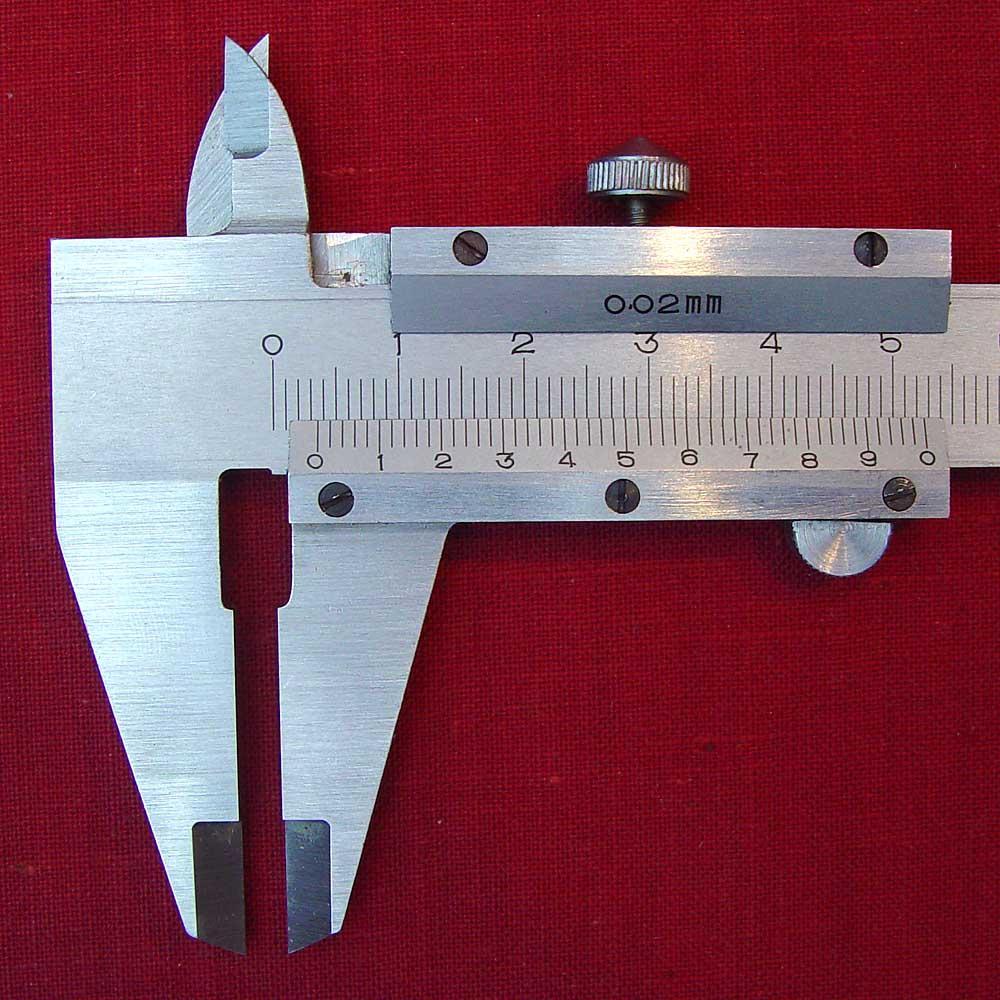
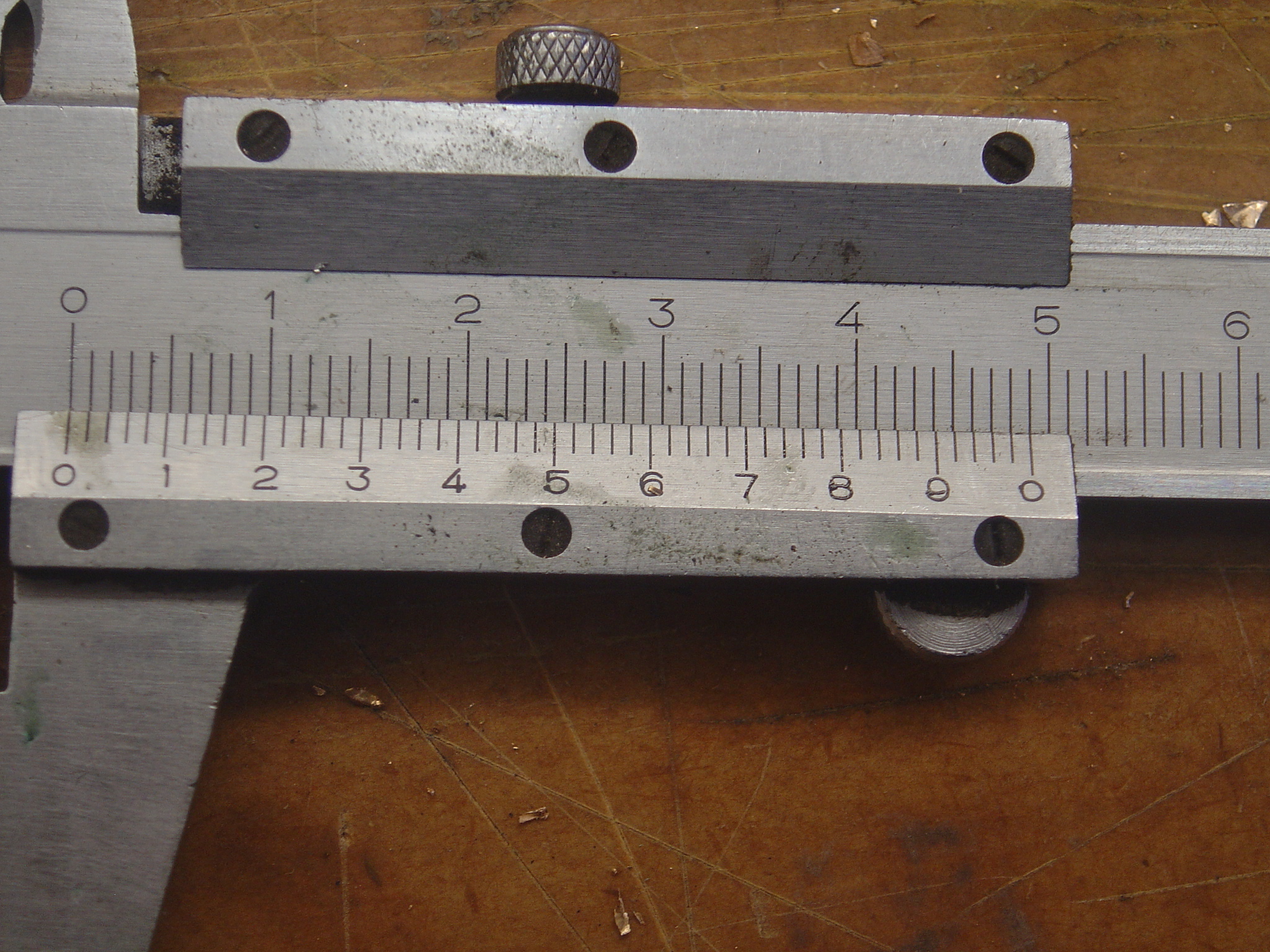
The writer argued that the shape and spacing of the marks gouged into the skulls closely resembled the traces that would be left by striking with the caliper's two pointed jaws. A blunt object like a hammer, they claimed, could hardly produce such regular marks.
The author added a circumstantial angle. Near Mount Waryong, where the children had vanished, there was a technical/vocational high school, and it was highly likely that students there carried vernier calipers for their practical classes. In other words, the reasoning went, the killer might have been someone in the vicinity who was familiar with the tool. The post rocked the internet almost instantly, and many people felt a chill at the idea that an ordinary person had precisely identified a weapon that even investigators had been unable to name. The criminal psychologist Professor Lee Soo-jung remarked on a broadcast that the claim was "quite persuasive," noting that the sharp tip of a caliper could plausibly cause that degree of damage. Another expert said the author appeared to have encountered some specific information or to have relevant experience, and that verification was needed.
There is, however, something that must absolutely be underlined. This "caliper weapon theory" is, in the end, no more than one netizen's reasoning and hypothesis — nothing has ever been confirmed as the weapon in the official investigation. In fact, Daegu police stated that even at the time of the case there had been a tip suggesting a vernier caliper was the weapon, and that they had reviewed it, but that there was a record indicating it did not match the marks on the skulls. When the post went viral, police did say they would attempt to contact the author and that there might be room to look again — but that is a far cry from confirming a caliper as the killer's weapon. The situation itself — that an anonymous person plausibly reasoned out a weapon neither experts nor police could identify — is simply another eerie facet of the case; the truth remains unrevealed.
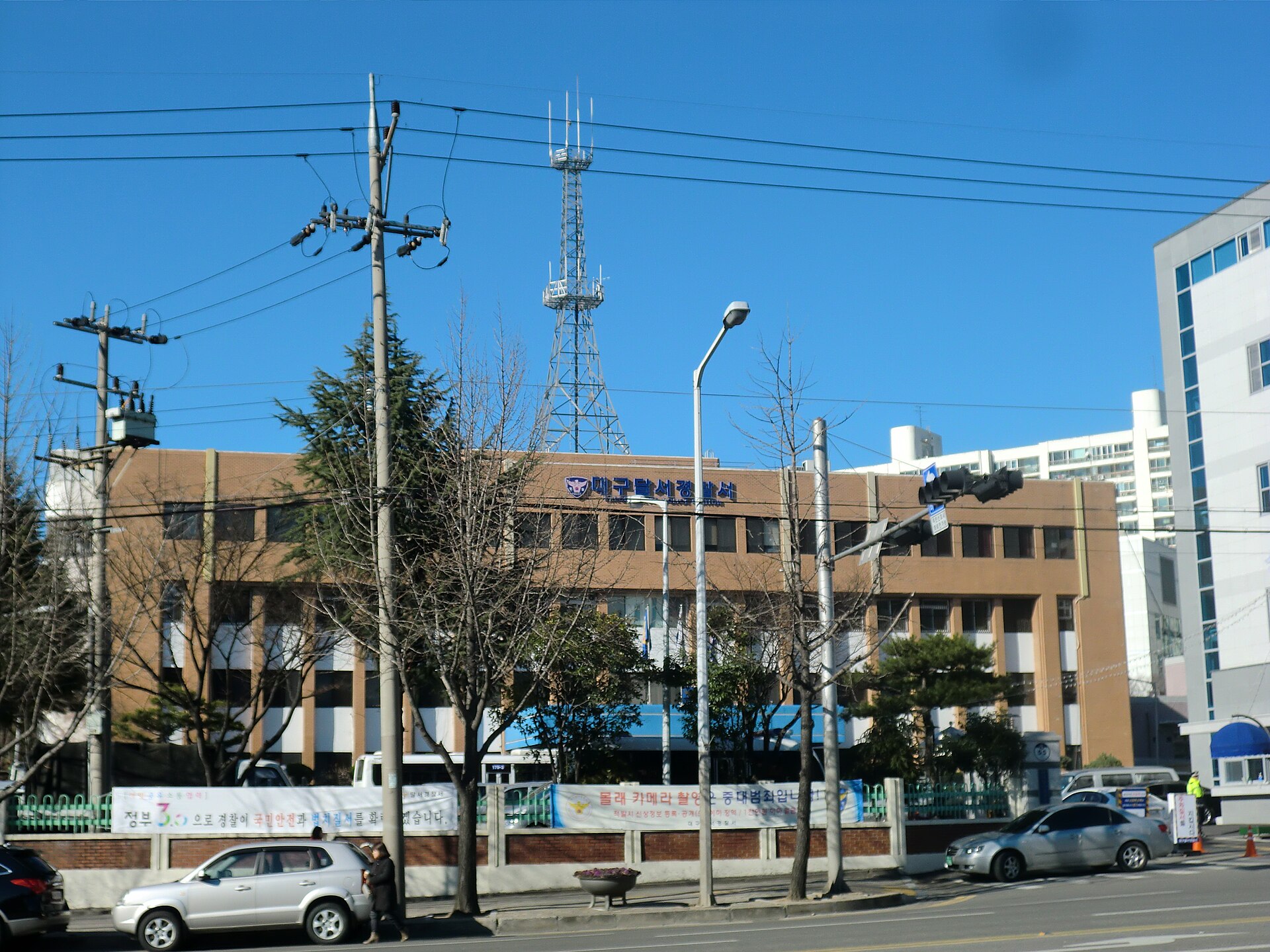
Photo: Wikimedia Commons, CC BY-SA 3.0
The Statute of Limitations Runs Out, and a Permanent Cold Case
The children's remains had been found and murder confirmed, but there was little time left for the investigation. Under South Korea's criminal statute of limitations at the time, the limitation period for murder was fifteen years, and counting from the date of the crime in 1991, the statute of limitations on this case expired in March 2006. Even if the killer were found now, they could no longer be prosecuted under the law. And so the Frog Boys case became a permanent cold case. Years later, in 2015, South Korea abolished the statute of limitations for murder through what became known as the "Taewan Law," but it did not apply retroactively to a case for which the clock had already run out.

The Frog Boys case is counted, alongside the Hwaseong serial murders and the Lee Hyung-ho kidnapping-murder, as one of South Korea's three great unsolved cases. Of these, the Hwaseong case belatedly saw its true culprit identified in 2019 — but the Frog Boys case remains with nothing resolved at all. The parents of the five children spent long years searching for their sons, and some of them passed away without ever learning the truth. The five children who had said they would just pop up the mountain to gather salamander eggs became, in this way, one of the most painful mysteries in modern Korean history.
The Questions That Remain
There is not much we can say for certain today. On March 26, 1991, five children climbed Mount Waryong to gather salamander eggs. They went unfound despite the largest search ever, until eleven and a half years later all five were discovered as skeletons on a mountainside not far from home. Marks on their skulls indicated they had been murdered. And when the statute of limitations expired in 2006, the case became a permanent cold case. That is as far as certainty goes.
The figure I cannot get past is five hundred. That is roughly how many times the record says Mount Waryong was searched — helicopters, dogs, soldiers, volunteers, the same slope gone over again and again for years. And the acorn gatherers found them on a middle slope, within walking distance of the houses the boys had left that morning. Every explanation I have read for that gap requires either the searchers or the ground to have been something other than what the record says they were. I have gone back through the search accounts several times and I still cannot make the two facts sit in the same file.
The questions beyond that still have no answers. Who killed the five children on the mountain, and why, and how? What was that tool, really? How could the boys have gone unfound for eleven years, so close to home, on a mountain that had been searched so many times? One netizen's caliper reasoning conjured a chilling image, but even that remains a single, unverified hypothesis. What happened that day to five boys who had gone up the mountain for a little while to scoop salamander eggs — Mount Waryong has not given up that answer in over thirty years.
---
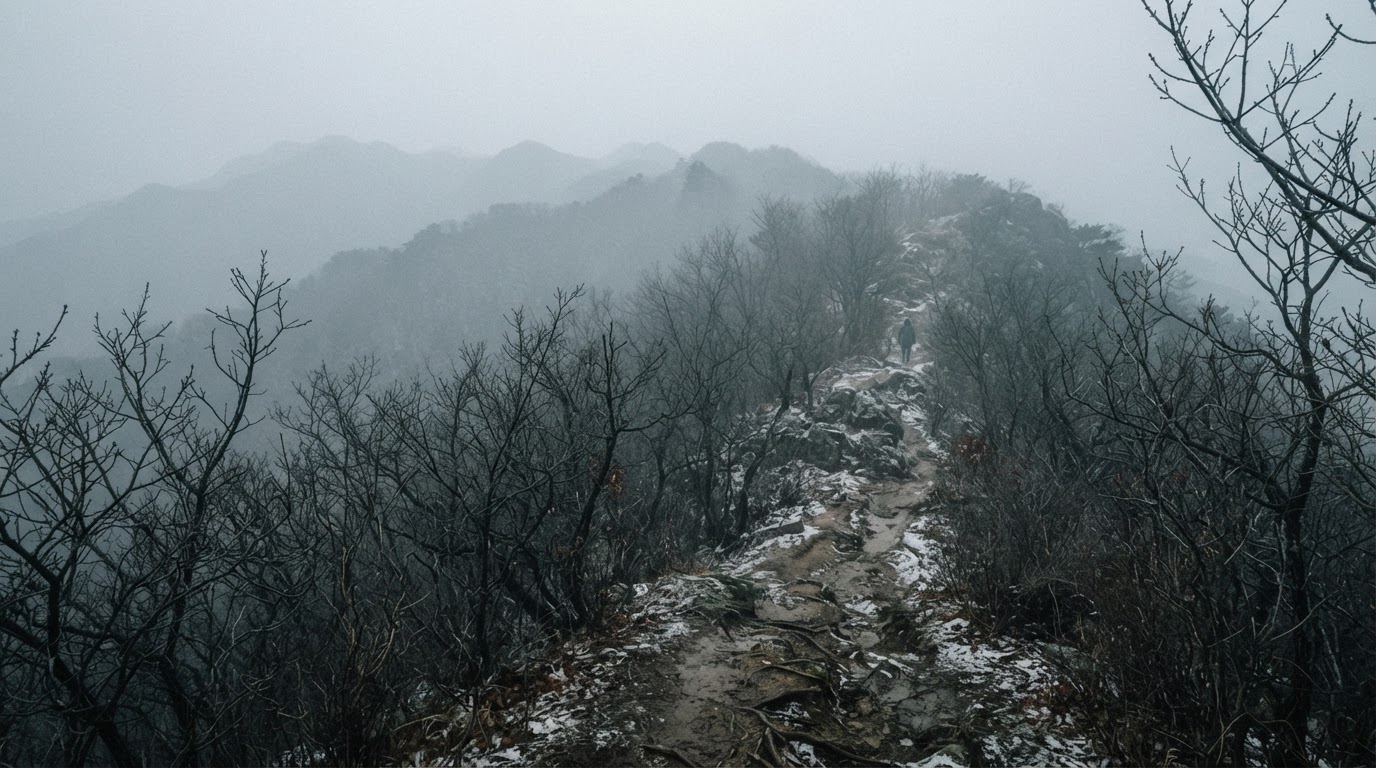
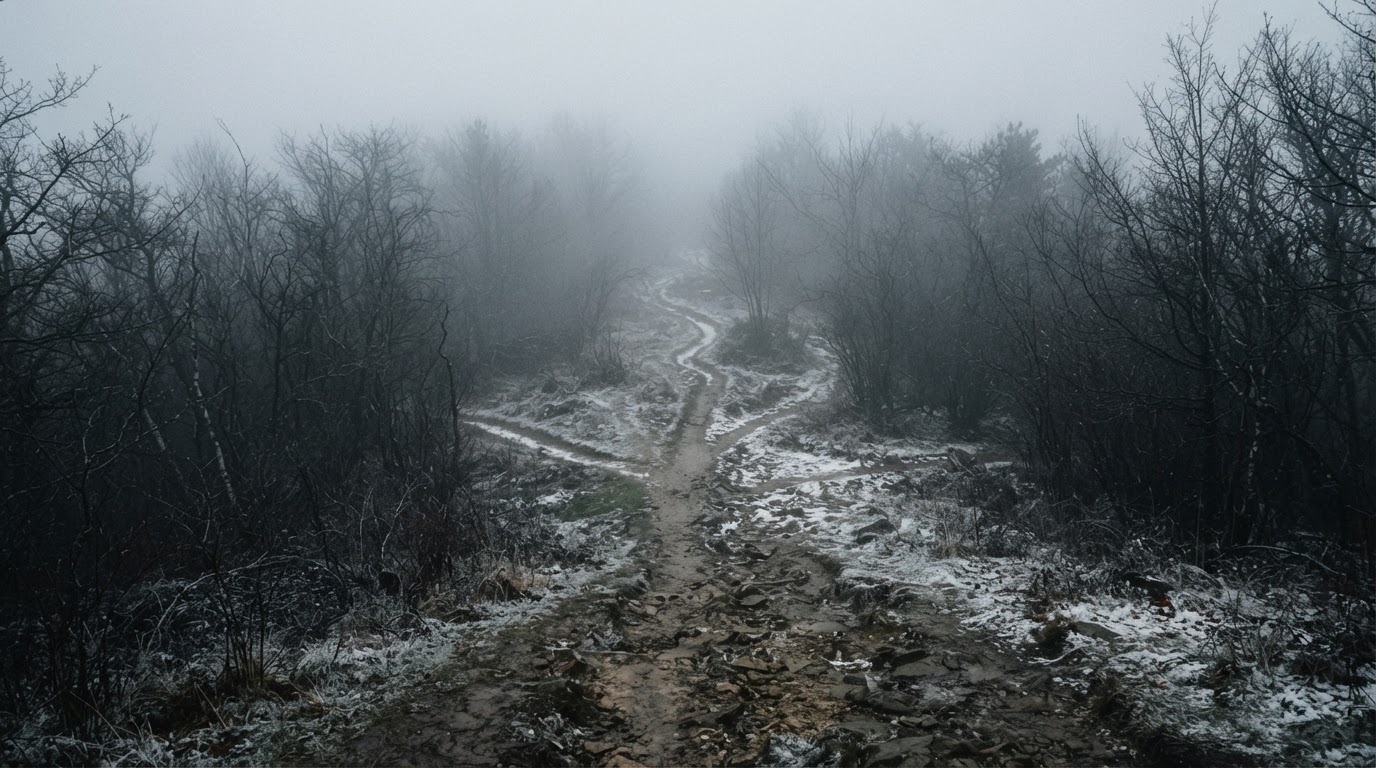
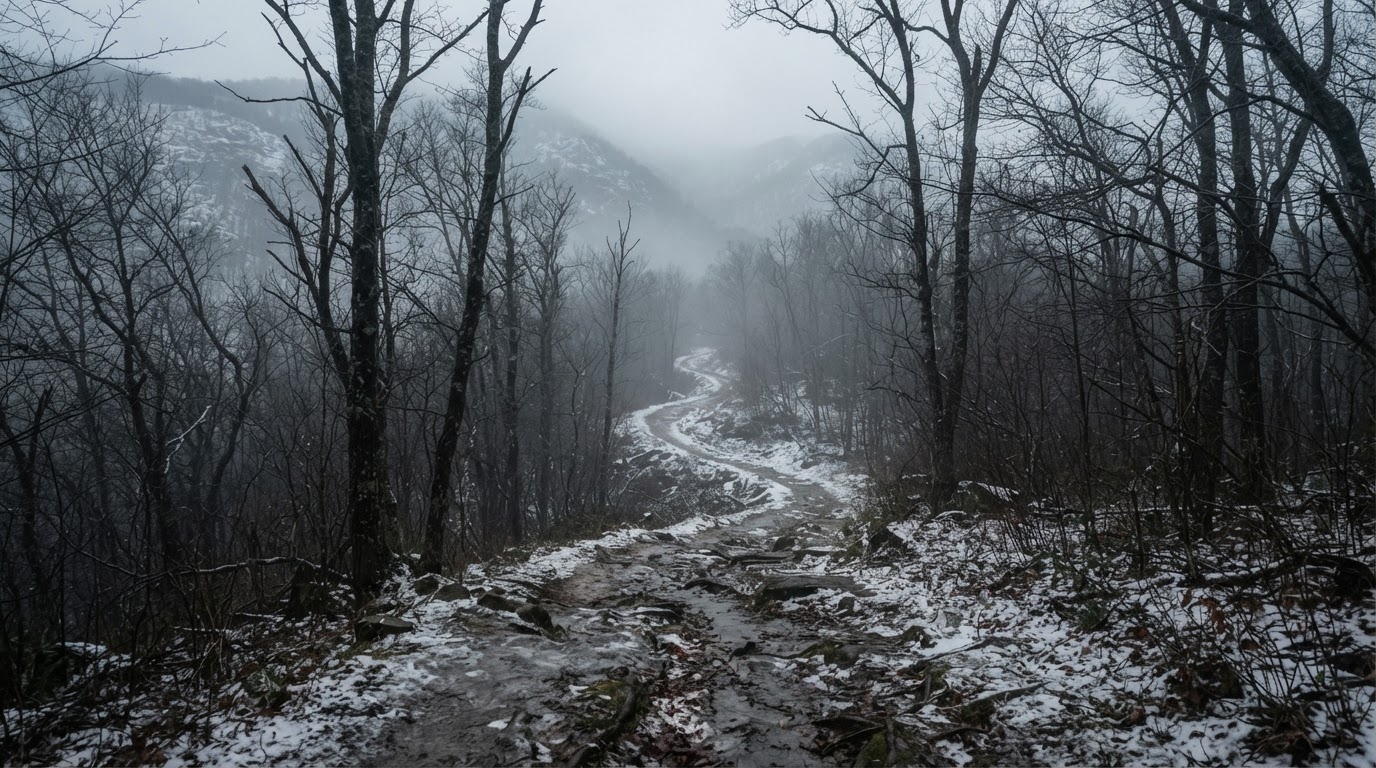
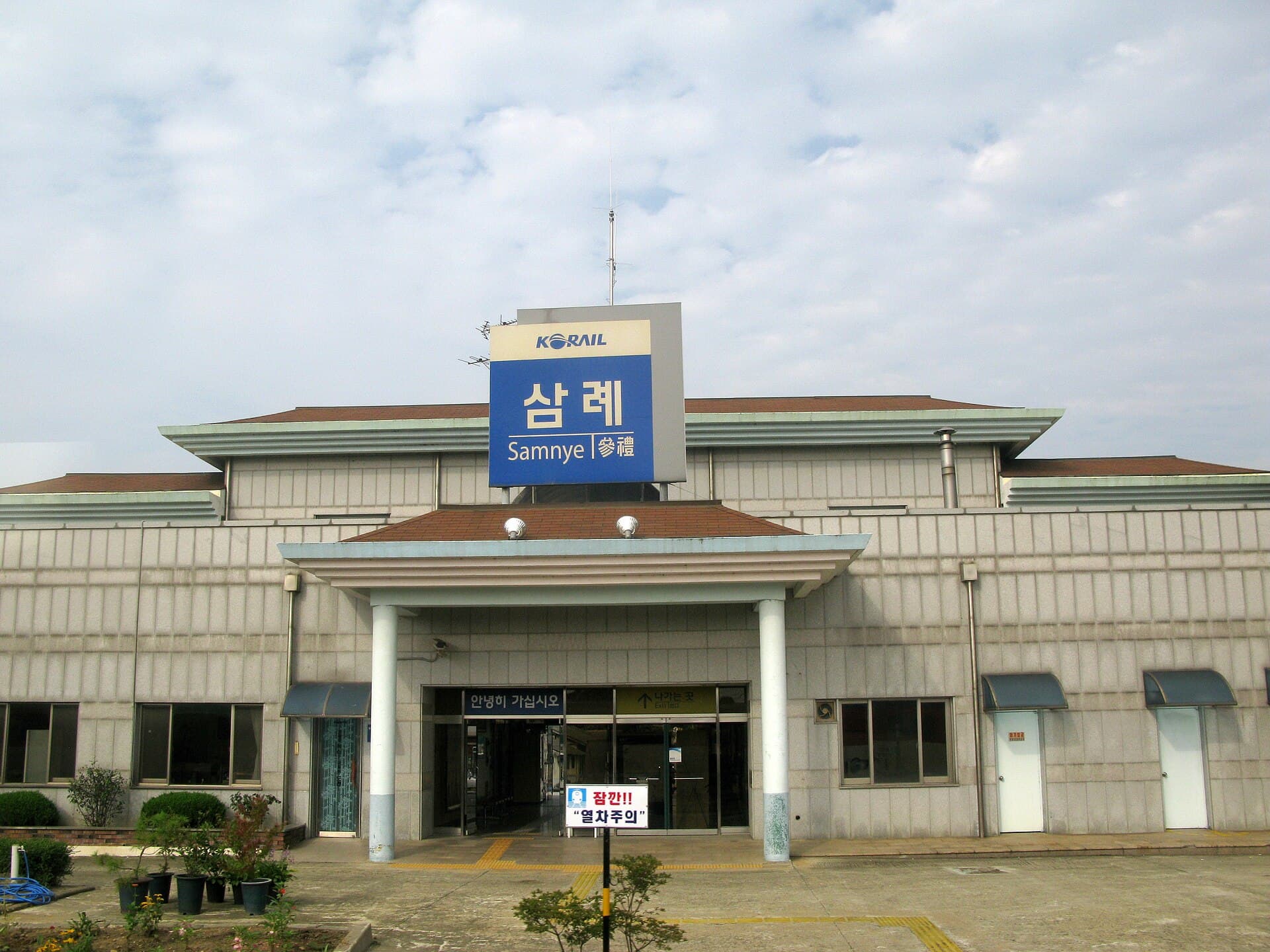
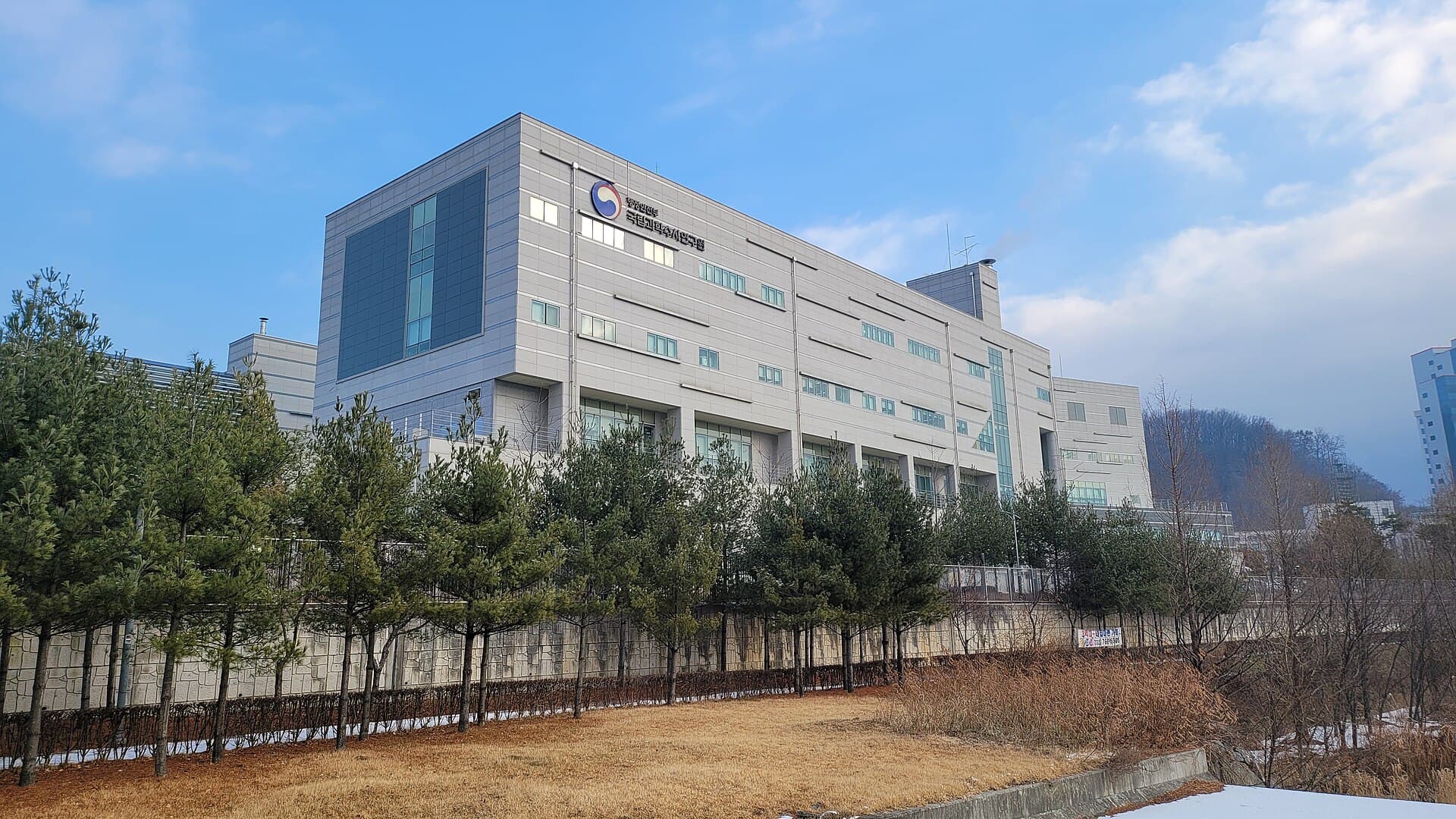
This article combines on-site photographs of Mount Waryong and the Dalseo-gu district with AI-generated images made to convey the mood of the story. All the photographs show these places as they are today, not as they were at the time of the case.


Comments
No comments yet — leave the first one.