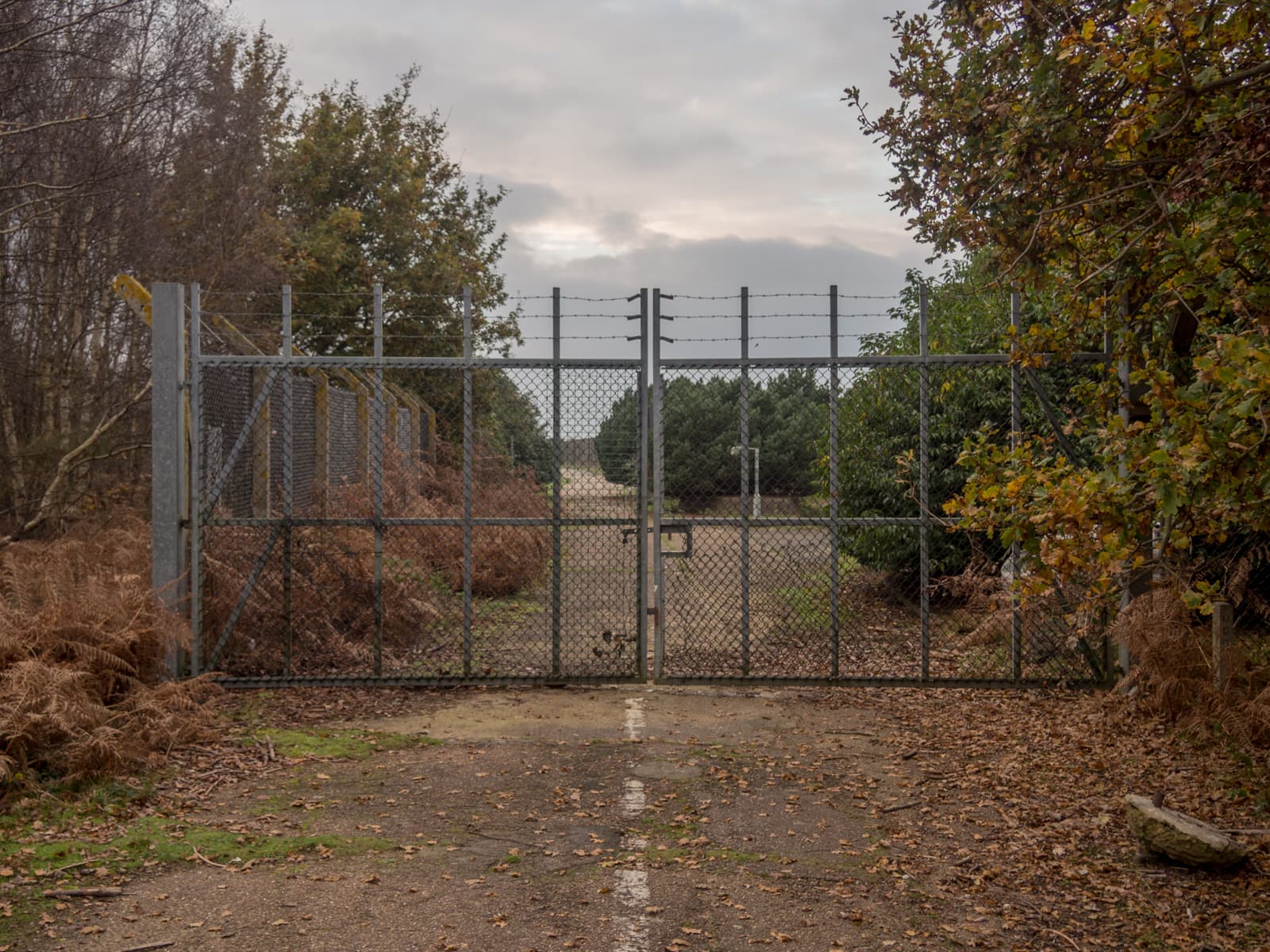
In the small hours after Christmas 1980, on the edge of a forest in Suffolk, a handful of United States security policemen saw a light moving through the trees. They were not superstitious men. They were trained personnel guarding two of the most sensitive air bases in Cold War Europe, and their first assumption was the sober one — a downed aircraft, a crash, something with a rational cause waiting in the dark. So they went in after it. What they came back with was a report that has never been closed: a glowing, metallic shape that seemed to move against the will of the men approaching it, three shallow depressions pressed into the frozen forest floor, and a background radiation reading where there should have been none. Two nights later the deputy commander of the base walked into the same forest with a micro-cassette recorder in his hand and narrated, in a voice that grows tighter as the tape runs, the lights he could not explain. Skeptics have an answer — a lighthouse on the coast, a meteor over southern England, tired eyes in the dark. The officers who stood among the pines have spent more than forty years refusing to accept it. This is the Rendlesham Forest Incident, the case they call Britain's Roswell, and after four decades it is still open.
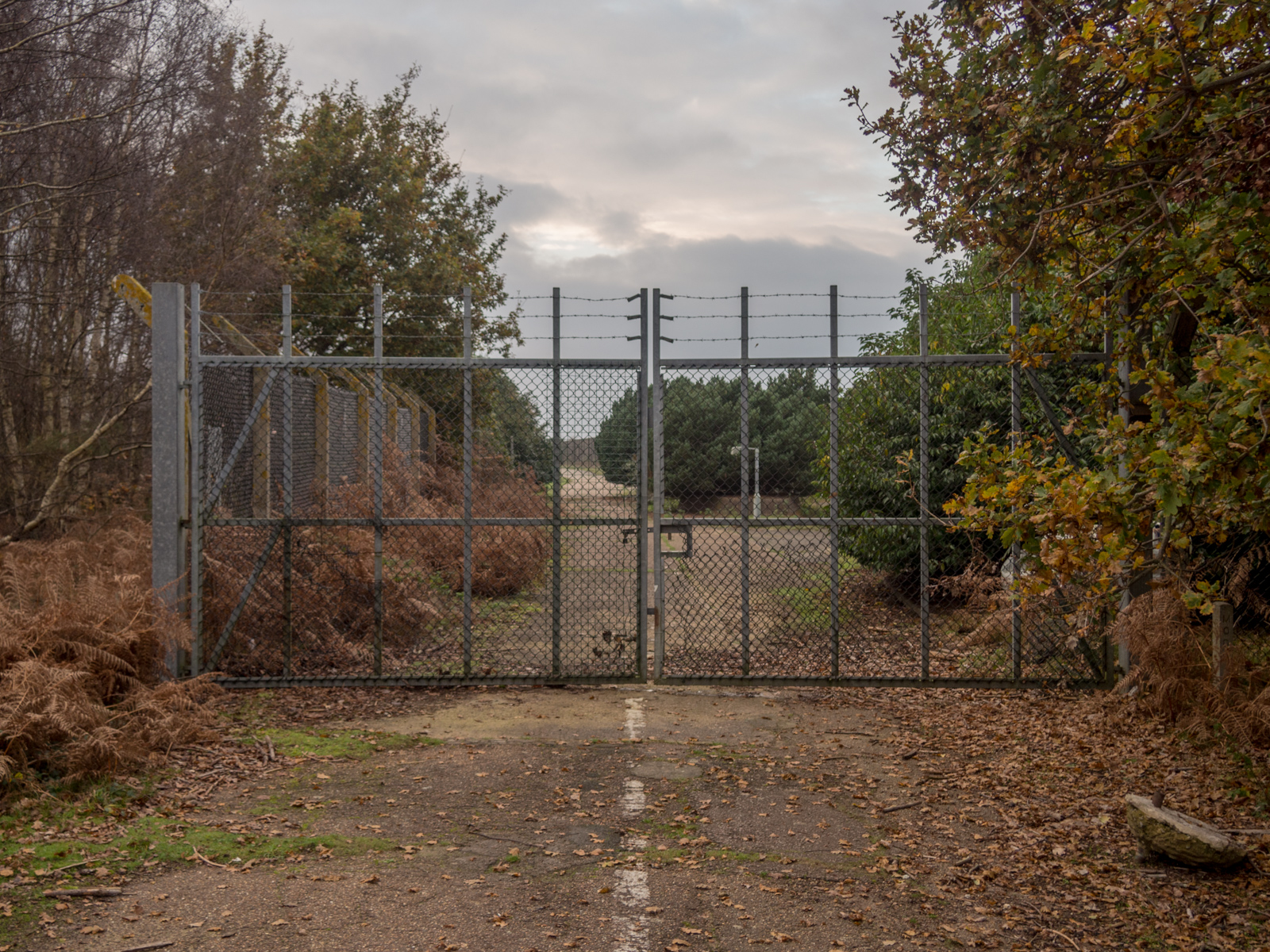
Photo: Wikimedia Commons, CC BY-SA 4.0
Two Bases in the Suffolk Dark
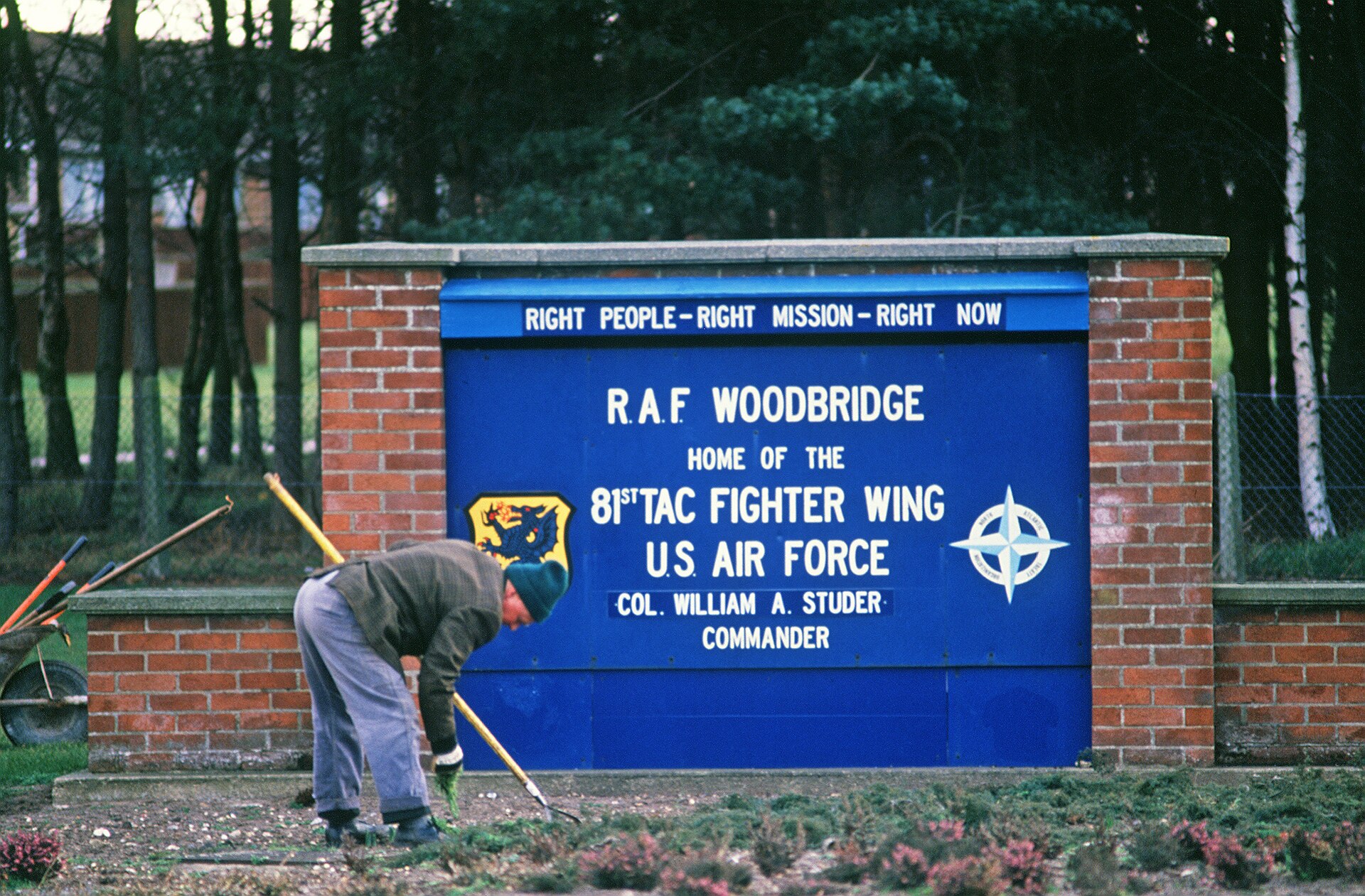
To understand why anyone took this seriously, you have to understand where it happened. Rendlesham Forest sits on the Suffolk coast of eastern England, a dense plantation of pines threaded with fire-break lanes and forestry tracks. In 1980 it lay between two military airfields, RAF Woodbridge and RAF Bentwaters, and although the RAF name stayed on the gate, both were operated by the United States Air Force. This was the front edge of NATO's air power, a place that in that decade was widely believed to store nuclear weapons. The men on duty there were not campfire storytellers looking for a scare. They were security police whose entire job was to notice what did not belong, and to react to it without drama.
That is what makes the first report so hard to wave away. It did not come from a member of the public gazing up at the sky. It came from armed servicemen at the east gate of an operational American air base, in the dead centre of the Cold War, who saw lights come down into the trees just beyond their perimeter and assumed — reasonably, professionally — that an aircraft had gone down. Everything that followed began with that ordinary, disciplined instinct: go and check.
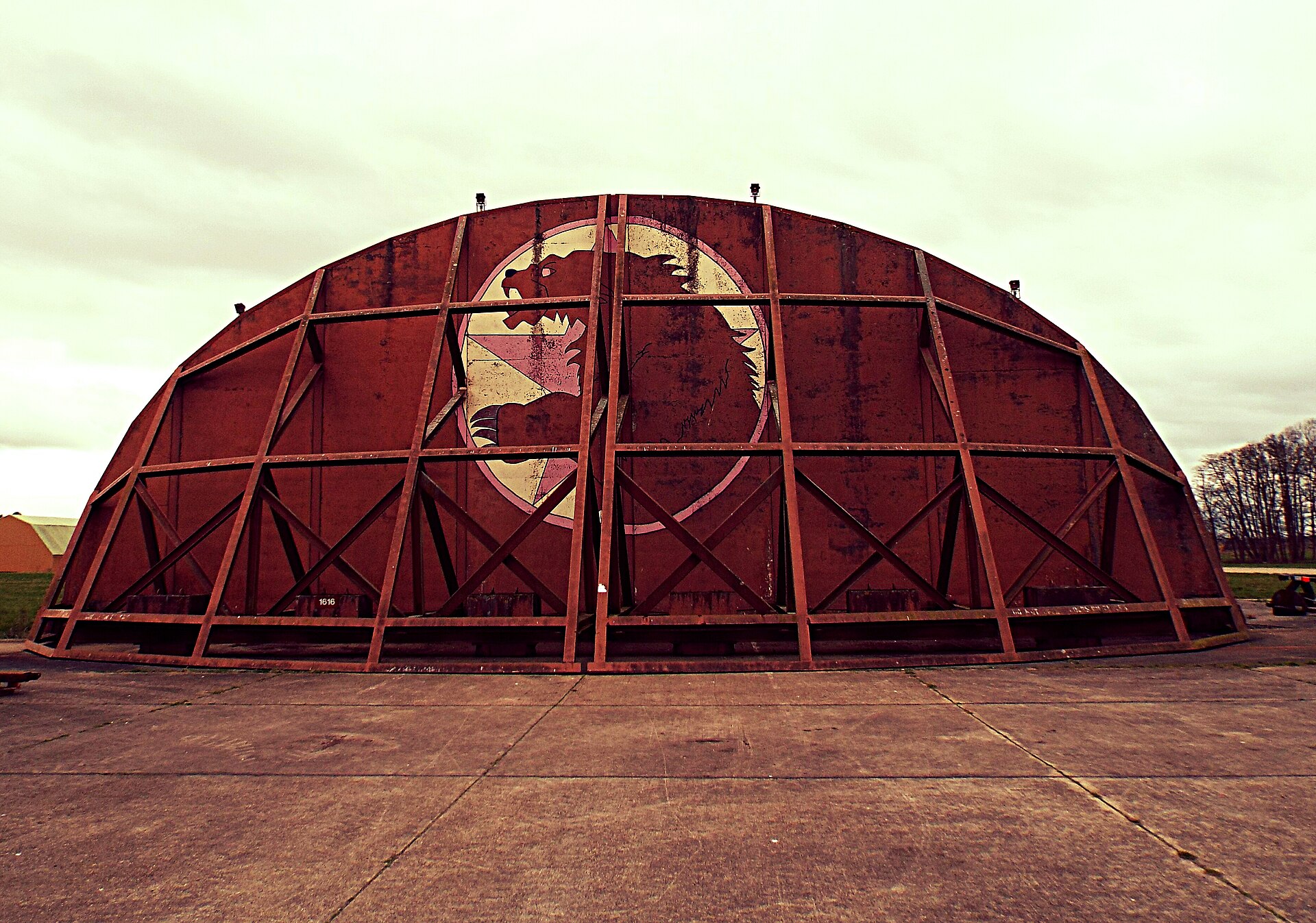
Photo: Wikimedia Commons, CC BY-SA 2.0
The Halt tape is the reason this file exists on my shelf at all. I have listened to it more times than is useful, and what holds me is not the content but the delivery — the way a senior officer narrating into a micro-cassette keeps reaching for procedure, giving bearings, correcting himself, and the way the procedure slowly stops fitting what he is describing. Most testimony in the UFO drawer was composed after the fact, by people who had time to decide what they saw. This one was recorded by a man who plainly had not decided yet.
The First Night — Boxing Day, 1980
In the early hours of 26 December 1980, sometime around three in the morning, security personnel at the east gate of RAF Woodbridge saw lights descending into Rendlesham Forest. Airman John Burroughs and Sergeant Jim Penniston were among those sent to investigate, on the working assumption that they were about to find the wreckage of a crashed plane. What they described finding was nothing of the kind.
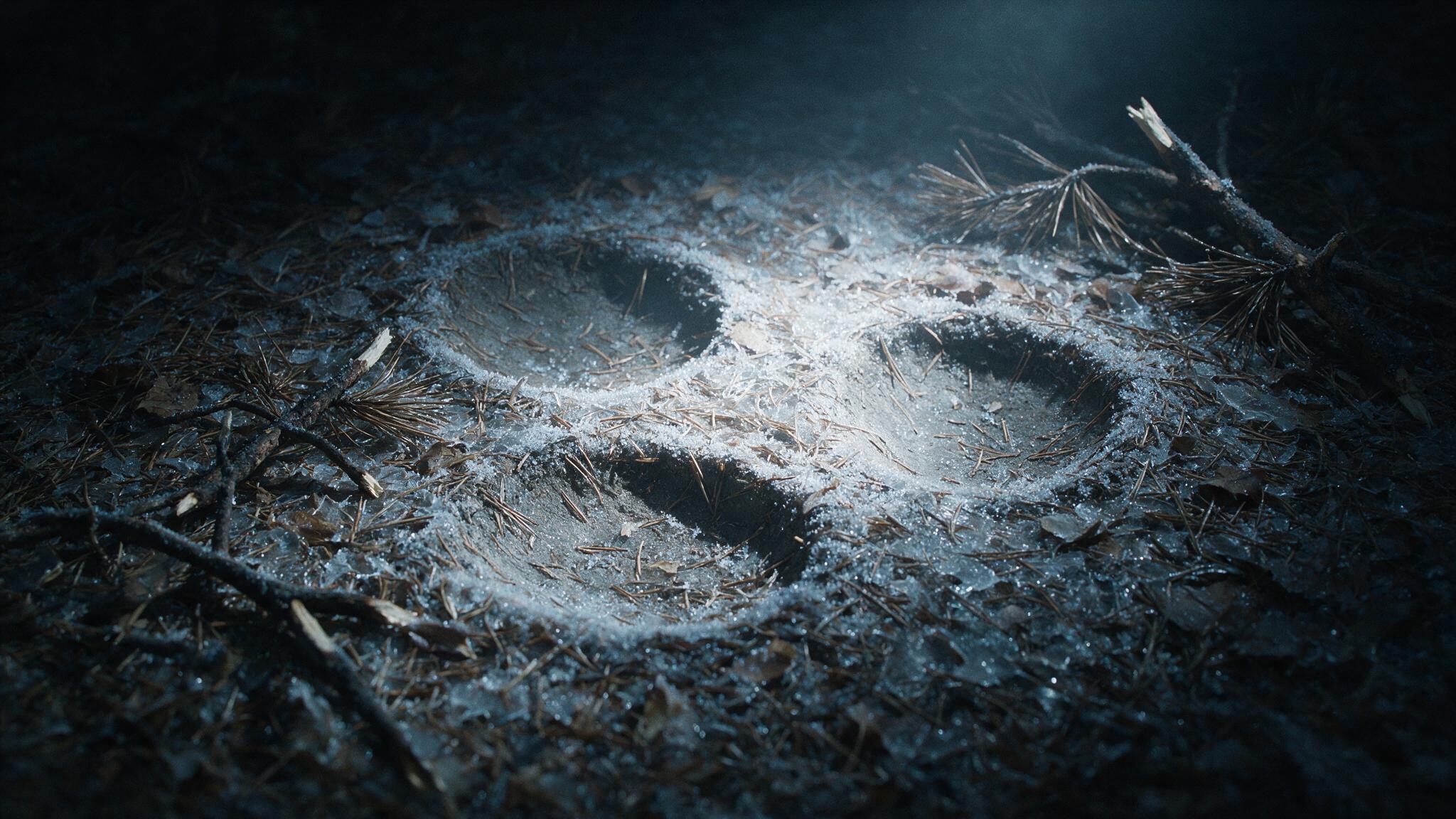
According to the accounts the men later gave, they came upon a glowing object among the trees — metallic in appearance, small, standing or hovering just above the forest floor, marked with coloured lights. As they moved toward it, they said, it seemed to move away from them, retreating deeper into the pines, never letting them close the distance. Penniston would eventually claim he got near enough to touch a cold, smooth surface covered in strange symbols, though that vivid detail belongs to accounts he gave much later, not to the sparse first reports. Then, whatever it was, it was gone — lifting away through the trees or simply vanishing, depending on whose telling you follow. When daylight came, investigators returned to the spot and found three small depressions pressed into the ground in a rough triangle, along with broken branches. A patrol later measured a faint level of radiation at the site, recorded at around 0.07 milliroentgens per hour. It was not a dangerous reading. But it was there, in a cold forest clearing where nothing obvious accounted for it, and it went into the file.
The Colonel With the Tape Recorder
The story might have stayed a strange one-night rumour among the airmen if the lights had not come back. Two nights later, in the early hours of 28 December, they returned — and this time the man who went out to meet them was Lieutenant Colonel Charles Halt, the deputy base commander. Halt was not a young airman easily fooled by the dark. He was a senior officer, and he went into the forest partly, by his own account, to put a stop to the growing talk by proving there was nothing to it.
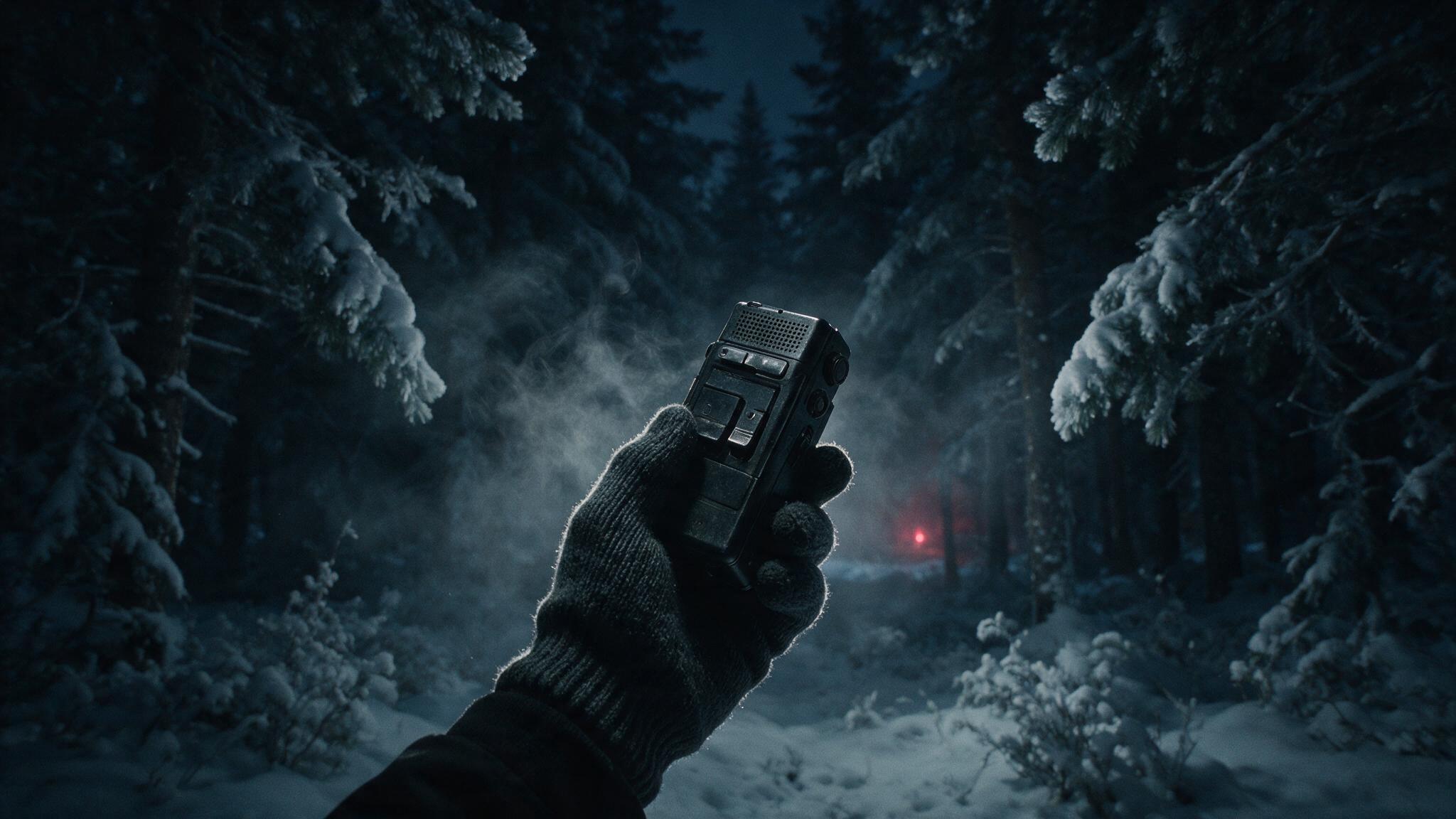
He took a micro-cassette recorder with him, and what he captured is the strangest surviving artefact of the whole affair. Over roughly the next hour, Halt narrates aloud to the tape what he and his men are seeing — a red light moving through the trees, "dripping" something like molten metal, star-like objects to the north and one to the south that appear to move, one of which he describes sending down a beam toward the ground near a weapons storage area. His voice on the recording is the opposite of a hoaxer's. It is the flat, careful narration of an officer trying to document an event as it happens, and as the minutes pass you can hear the professional detachment fray at the edges. That tape — the "Halt tape" — is real, its authenticity has never seriously been in dispute, and it remains the single most compelling piece of the case, because whatever the men were looking at, a senior American officer clearly believed at that moment it was worth recording.
The Memo That Reached the Ministry
For nearly three years the outside world knew almost nothing. Then the paper trail surfaced. On 13 January 1981, some two weeks after the second night, Halt wrote a one-page memorandum on United States Air Force letterhead and sent it to Britain's Ministry of Defence. Its title was as dry as a weather report: "Unexplained Lights." In three short paragraphs it laid out the essentials — the descending lights of the first night, the object glowing among the trees, the ground indentations, the radiation readings, and the moving lights of the second night, including the beam that came down near the base. It was not marked secret. It was simply an American colonel telling the British government, in plain official language, that something had happened in the forest that his people could not explain.
At the Ministry the memo landed on the desk of the branch that handled UFO reports. Staff there circulated it, asked radar stations and intelligence officers whether anything on their equipment might account for it, and — this is the part the believers hold onto — could not produce an ordinary explanation that satisfied everyone. The official line, then and since, is that the sightings were of "no defence significance," a phrase that quietly sidesteps the harder question of what they actually were. The memo itself stayed buried until June 1983, when it was released not in Britain but in the United States, under the Freedom of Information Act, to a campaigner pushing against UFO secrecy. Once it was public, the Rendlesham story stopped being a rumour and became, permanently, a documented case with a colonel's signature on it.
The Lighthouse on the Coast — and What It Can't Close
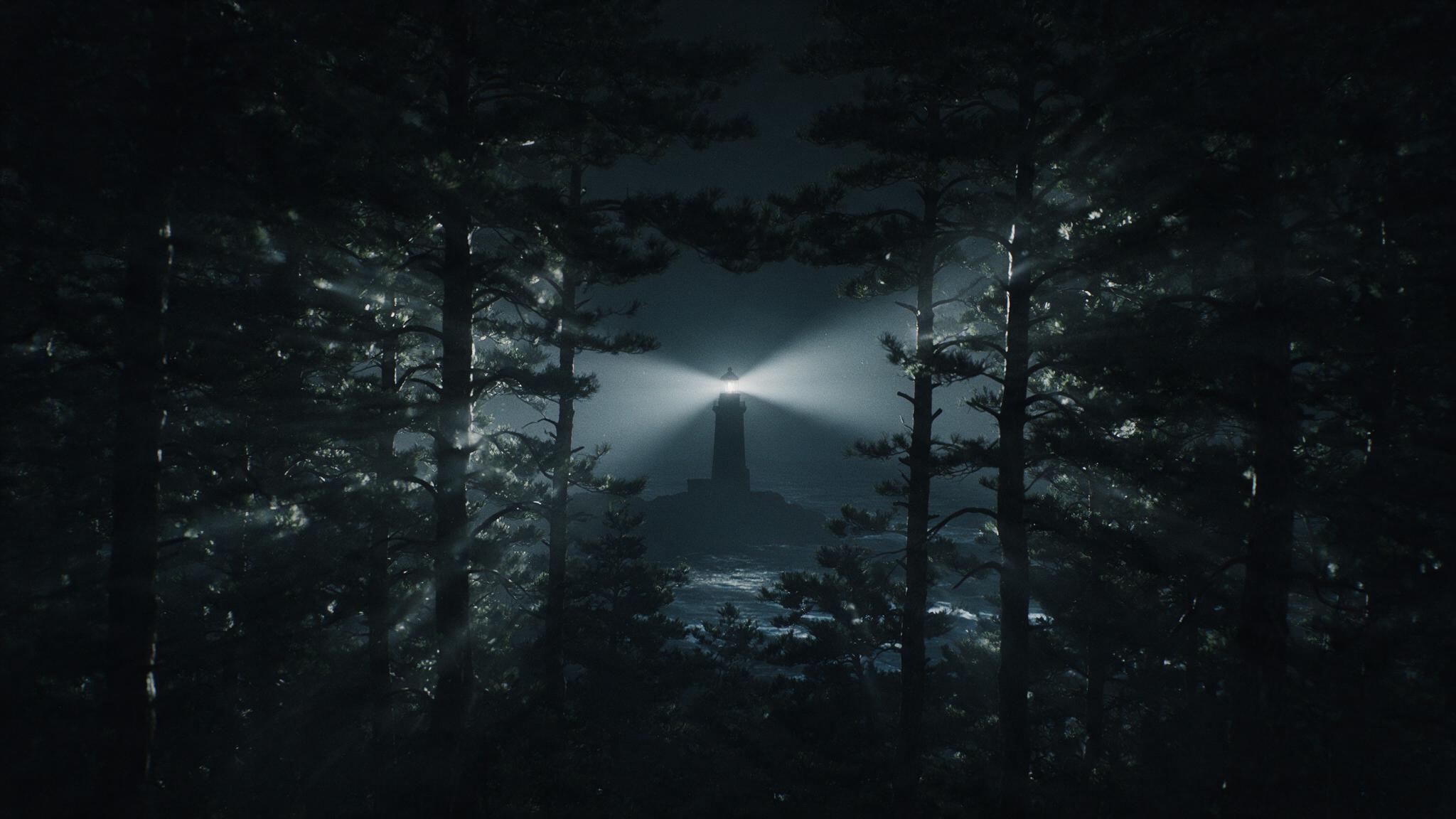
Against all of this stands a stubbornly ordinary explanation, and it deserves to be taken as seriously as the mystery. Its most persistent champion is the astronomy writer Ian Ridpath, who argued that almost every element of the Rendlesham reports could be built out of things that were genuinely in the Suffolk sky and on the Suffolk coast that week. The centrepiece of the skeptical case is the Orford Ness lighthouse, standing a few miles from the forest on the coast, one of the brightest lighthouses in the country. Seen through gaps in a dense plantation of pines, its rotating beam flashes and appears to hover and move — exactly, the argument runs, like a light that retreats through the trees as you walk toward it, because a beam on the horizon never gets any closer no matter how far you follow it. For the descending "crash" of the first night, Ridpath points to an unusually bright fireball, a meteor recorded over southern England at almost the same minute. And the star-like lights that Halt watched drift and glitter for an hour? Bright stars, and above all Sirius, low and shimmering on the horizon in the exact direction the men were looking. Take the lighthouse, the meteor, and the stars together, the skeptics say, and you have every ingredient of the legend, no craft required.
It is a genuinely powerful argument. And yet the trouble with the lighthouse — the reason the case has never fully died — is the men themselves. Some of those present, John Burroughs among them, have said they knew perfectly well where the Orford Ness lighthouse was; they could see it that night, steady and familiar in its place, at the same time as the thing they could not explain. A rotating beacon does not descend into a forest, leave three dents in the ground, and set off a radiation meter. It does not, on Halt's own tape, drip fragments like molten metal or send a focused beam straight down toward a weapons store. The skeptical explanation is elegant, but it asks a group of trained security professionals to have mistaken a landmark they saw every night of their working lives for a landed craft — and to have gone on insisting, for four decades and at some cost to their own credibility, that they did no such thing. There are stranger claims, too, that sit awkwardly even for sympathisers: years later Penniston said he had copied symbols from the object's surface that decoded into a binary message of coordinates and a cryptic phrase — to skeptics, the tell of a memory grown in the retelling; to believers, one more thread the official story ignores. Either way, the case behaves the same way: the closer you look, the more it splits into a hard documentary core that is difficult to dismiss, and a growing outer shell of claims that are difficult to trust.
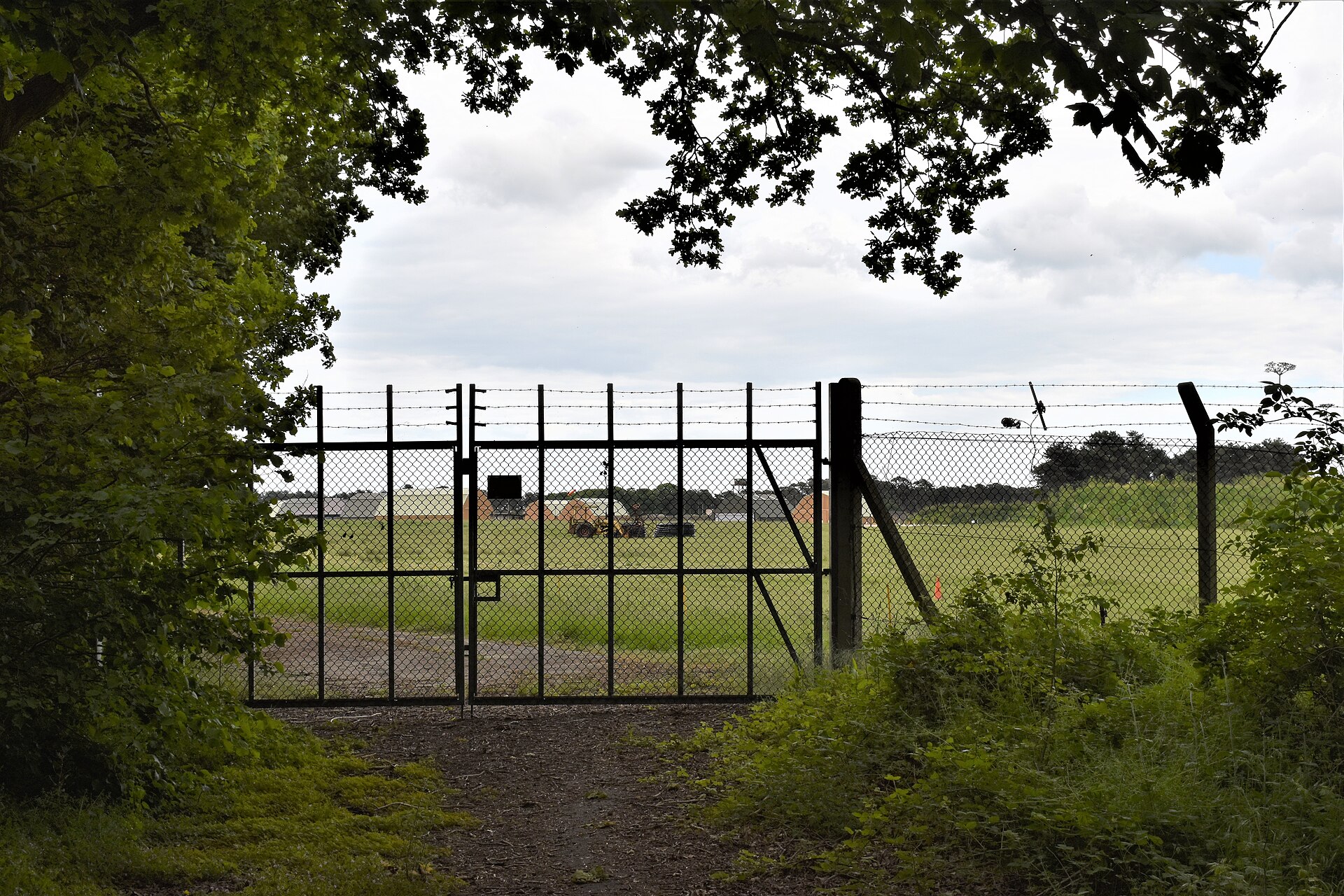
Photo: Wikimedia Commons, CC BY-SA 2.0
What Remains in the Forest
Strip the Rendlesham Forest Incident back to only what can be documented, and a remarkable amount survives. Real security personnel at a real American air base reported lights in the trees on two nights after Christmas in 1980. A real deputy base commander walked into the forest and made a real audio recording of himself describing lights he could not account for. A real one-page memo went to the British Ministry of Defence under the flat title "Unexplained Lights," and the government has never offered a confident explanation of what its own officer described. There were marks on the ground and a reading on a radiation meter. None of that is folklore. It is a paper trail, a tape, and the sworn recollections of men who were on duty and awake.
Filing Rendlesham is an exercise in watching a case get heavier and lighter at the same time. The memo, the tape, the depressions, the meter reading — that part has only grown more solid the longer I have kept it. But the outer layers keep accruing: the symbols, the binary, the coordinates, arriving years and then decades after the nights themselves. I have learned to distrust any account that improves with age. What I have not worked out is how to hold that distrust and Halt's voice on the cassette in the same folder.
And around that hard core, the mist never fully clears. Perhaps it really was the lighthouse and a lucky meteor and a bright, shimmering star, and a chain of trained men talked themselves into something extraordinary in the cold and the dark. Perhaps it was something else, something that came down into the Suffolk pines for two winter nights and left three faint dents and a colonel's careful voice on a cassette. What we can say for certain is only this: on the edge of a forest in England, professionals whose job was to stay calm and see clearly saw something they could not name, wrote it down, recorded it, and never took it back. The lights over Rendlesham have been switched off for more than forty years. The question of what they were has not.
---
This article combines authentic location and archival photographs of the bases where the events took place with AI-generated images produced to convey the mood of the story.


Comments
No comments yet — leave the first one.