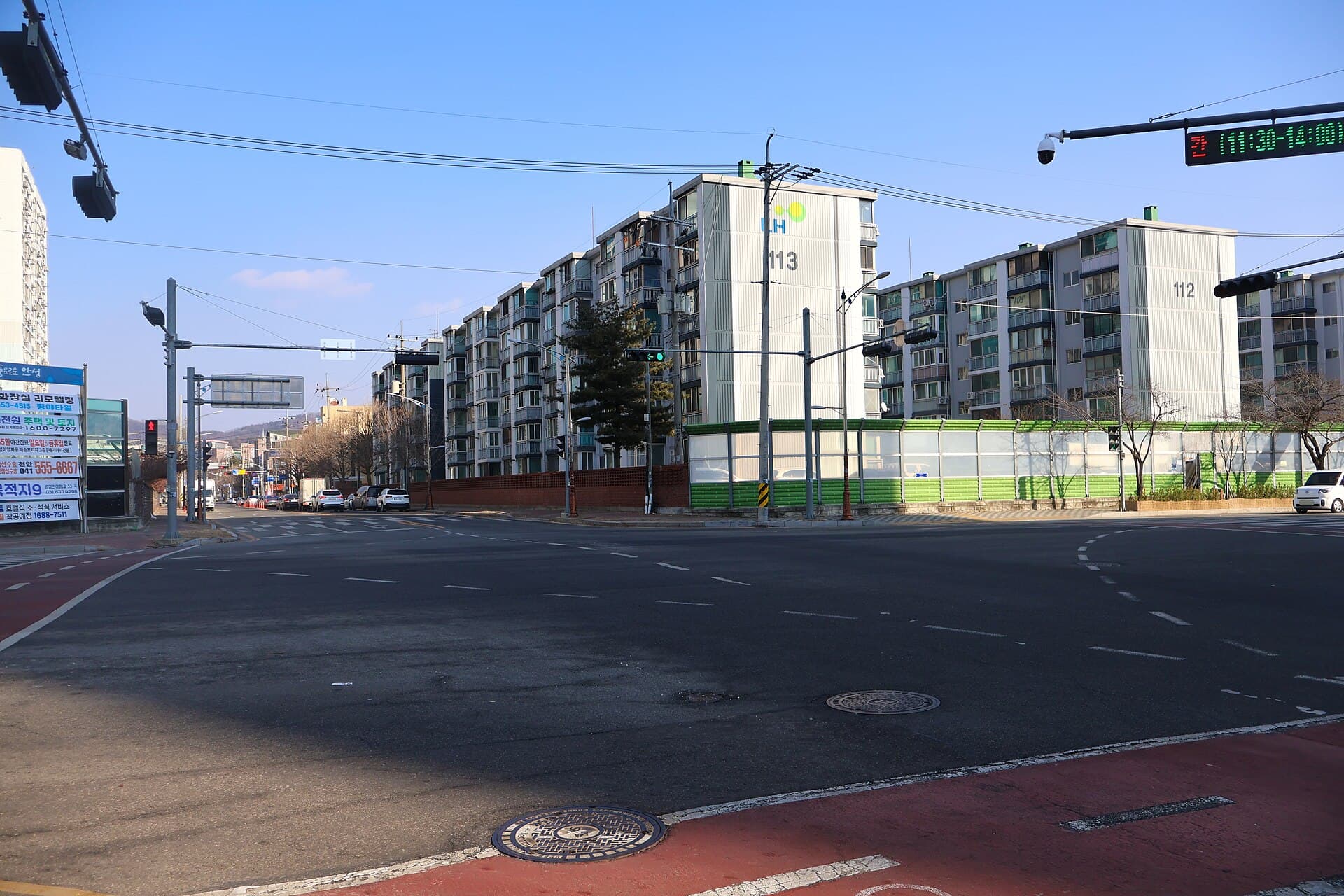
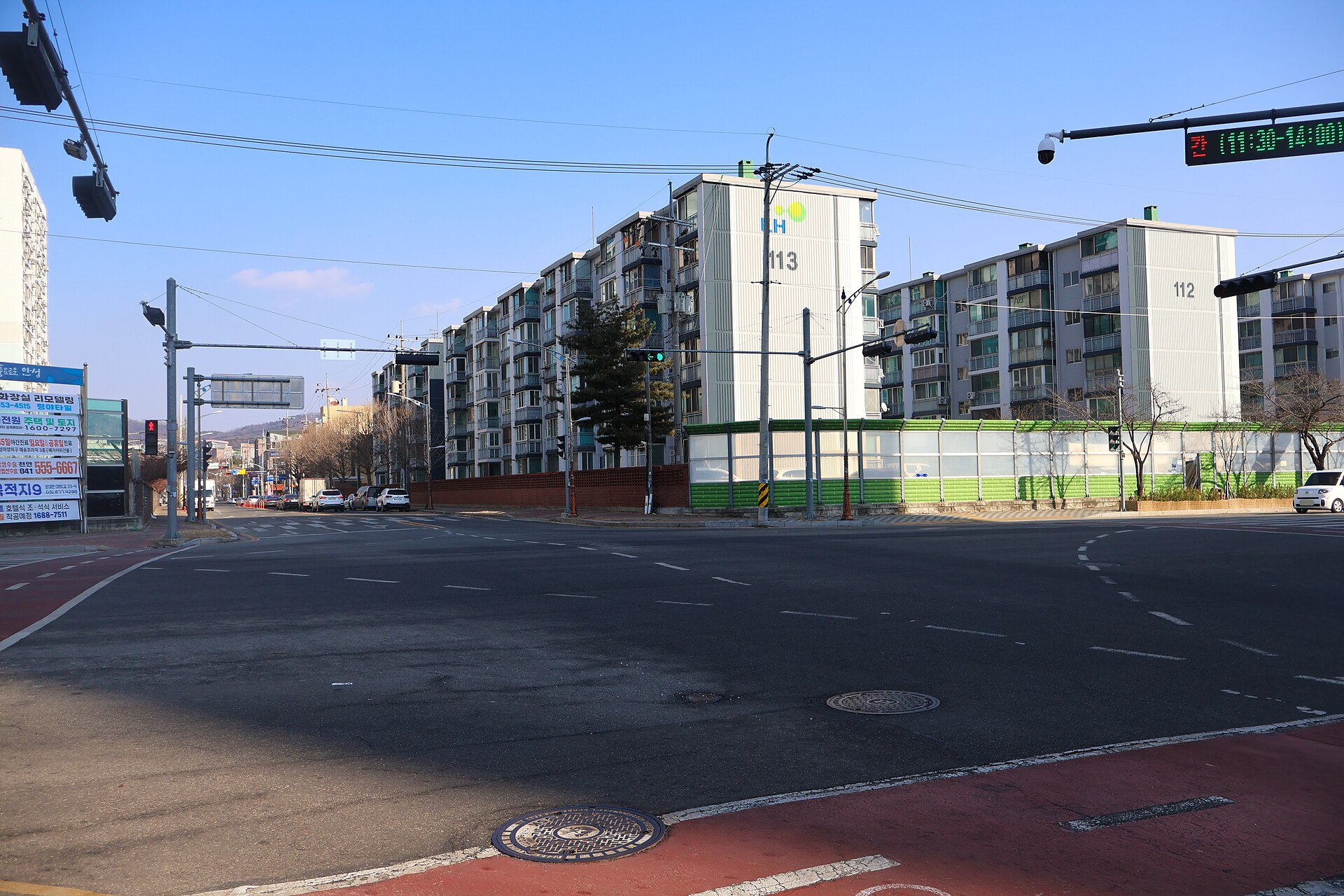
The bus stop was less than a kilometer from her house.
A ten-minute walk down a road she knew by heart. Somewhere in that short distance, a seventeen-year-old girl vanished — together with a stranger who had stepped off the same bus, leaving no trace at all. And her father would spend the next 25 years calling her name.
Most of the disappearances I keep records on have a gap in them measured in hours, or days, or the width of a country. This one has a gap of about nine hundred meters. I have gone through what exists on the case looking for the part I must be missing — the detour, the second stop, the reason the distance is longer than it appears. There is no such part. The road runs from the gas station to her door, and it is short enough that a person walking it slowly is home before the bus has finished its route.
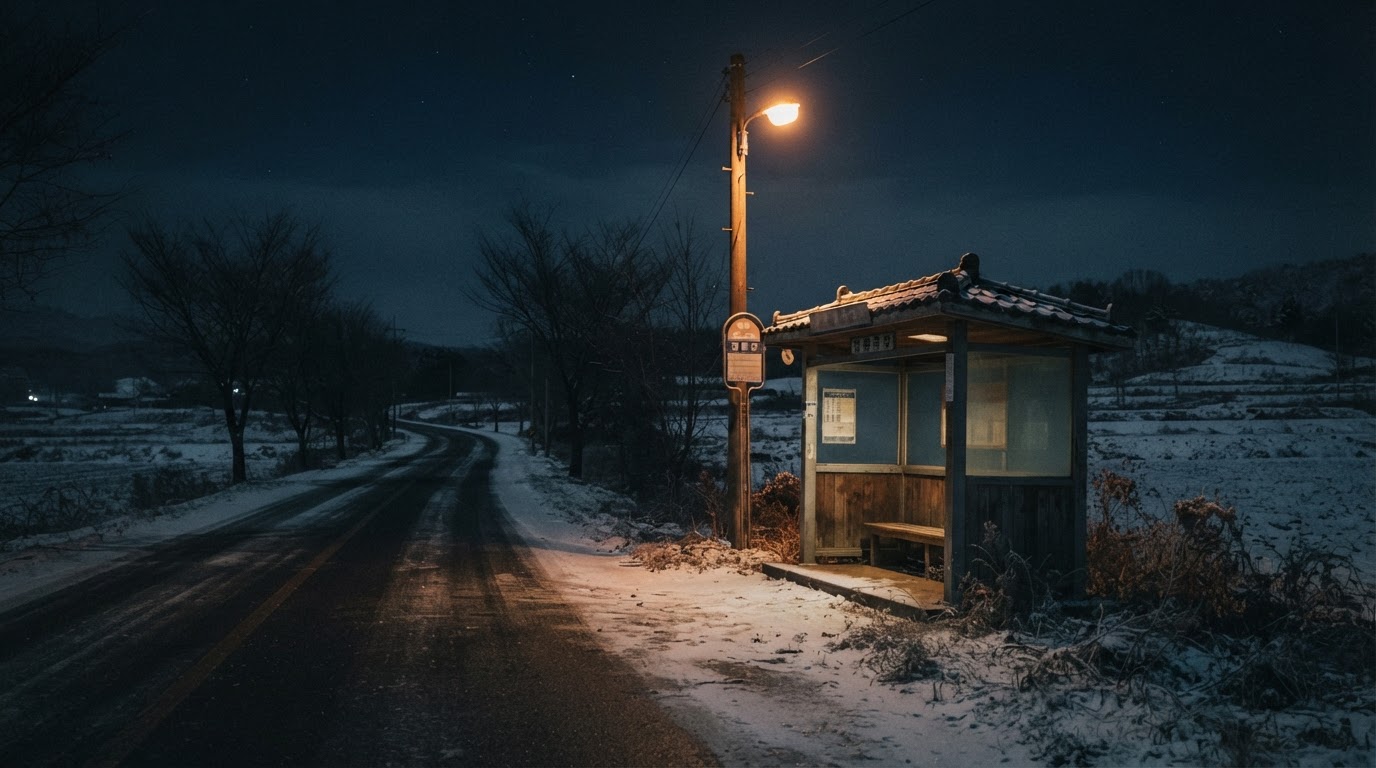

February 13, 1999 — the last bus of that winter
February 13, 1999. Hari village, Doil-dong, in the city of Pyeongtaek, Gyeonggi Province.
It was a Saturday. Song Hye-hui, a student at a girls' high school in the area, had gone to school in the morning for the new term's class assignments. Afterward she went to meet friends her age in the Seojeong-dong district of Pyeongtaek. It was the tail end of winter break, an ordinary day for a seventeen-year-old about to enter her final year.
Time slipped away with her friends, and before long it was almost ten at night — the hour of the last bus home. Her friends saw her onto it. From Seojeong-dong to Doil-dong was only about five kilometers, ten or twenty minutes by bus. No one worried about that night.
They didn't know it then: that goodbye would be the last time her friends ever saw Song Hye-hui.
There were only two people on the bus
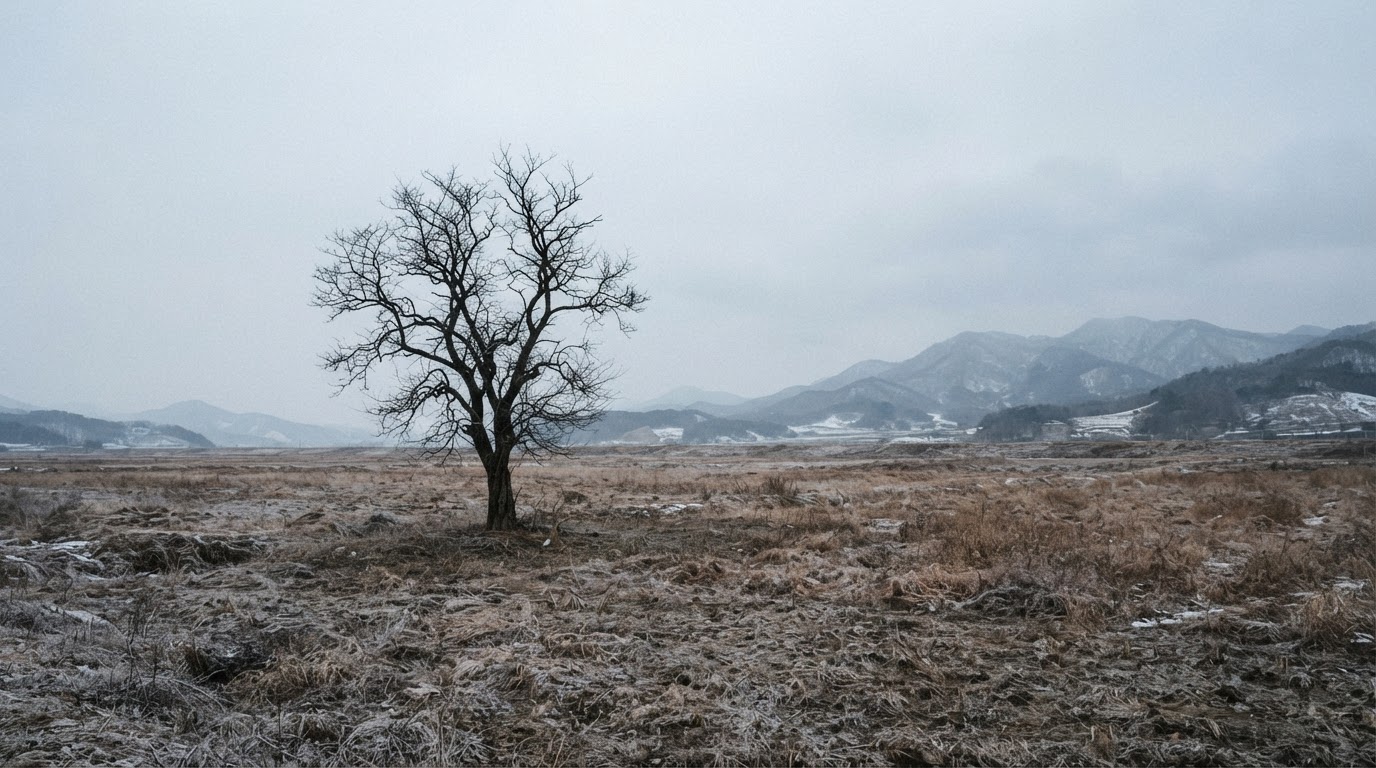
Hari, in Doil-dong, was a quiet place with few houses to begin with. And this was the last bus. Late at night, almost no one rode in that direction.
According to what the bus driver later recalled, only two passengers were aboard that night: Song Hye-hui and one unfamiliar man. He looked to be in his early thirties, wearing a padded down parka with a cap pulled low over his face, and hiking boots. His face couldn't be seen clearly. The driver did remember one thing — the smell of alcohol on him.
As the bus neared its destination, the driver asked the man how far he was going. The man answered curtly: "Hari, in Doil-dong." The very place where Song Hye-hui was getting off.
Around 10:15 p.m., Song Hye-hui stepped off at the stop by the entrance to Hari, in front of the Doil gas station. And the man stepped off right behind her.
The bus pulled away into the darkness. The two figures left standing at that stop are the last confirmed scene in this case.
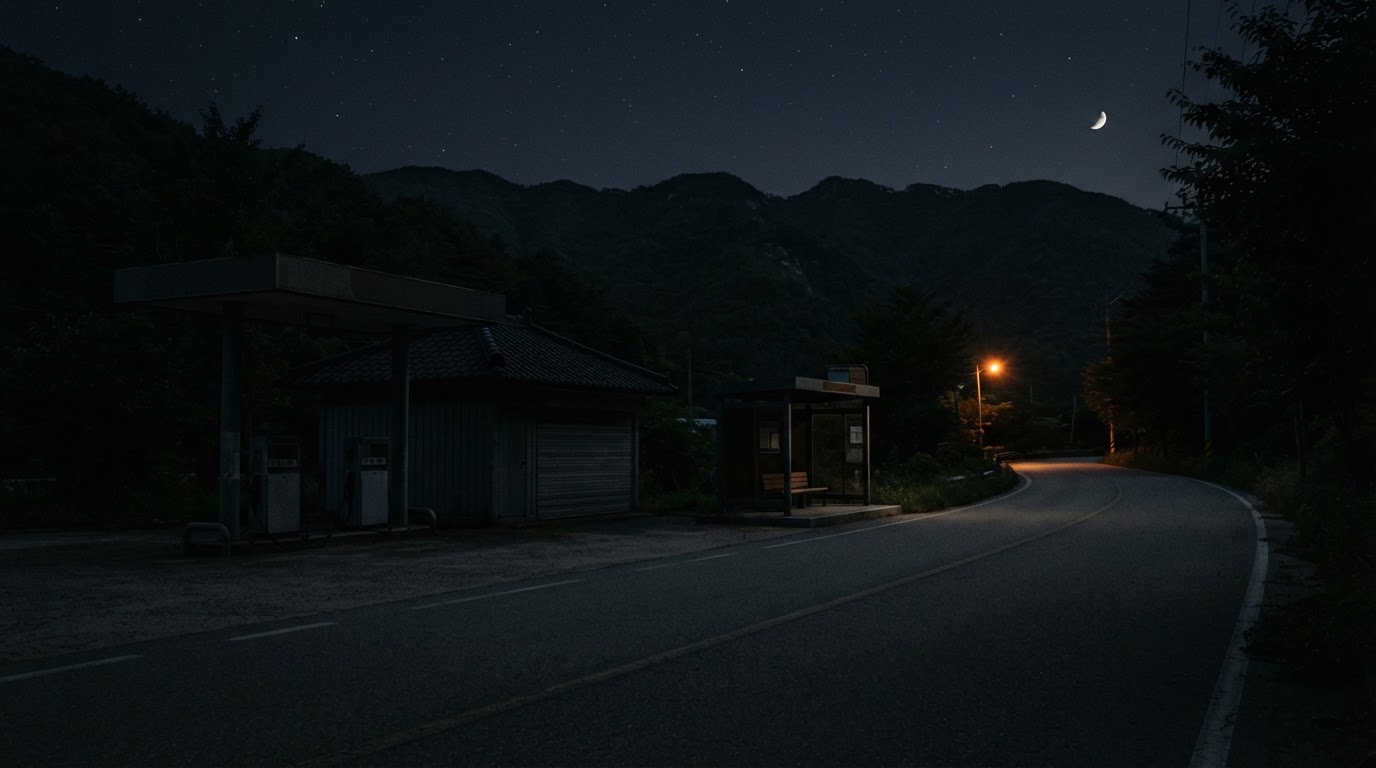

The ten minutes she never finished
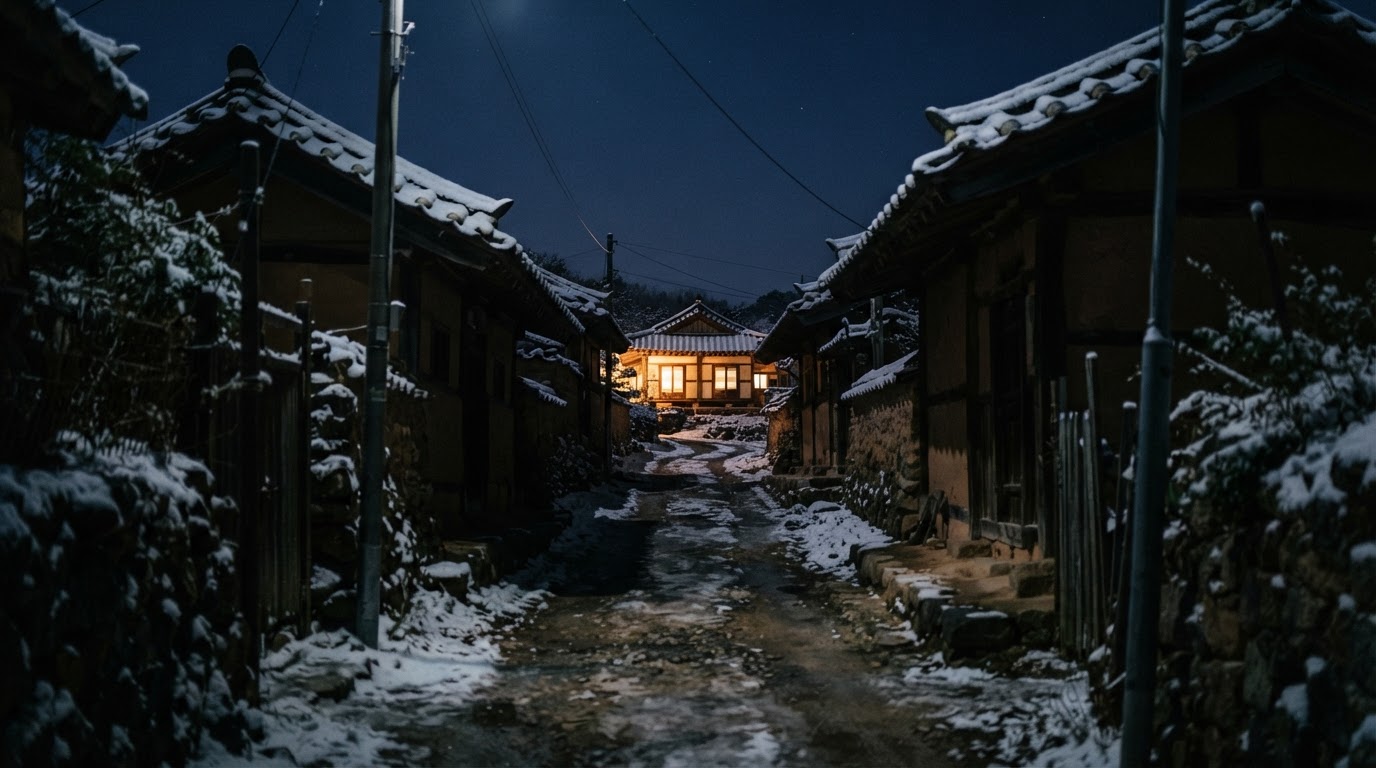
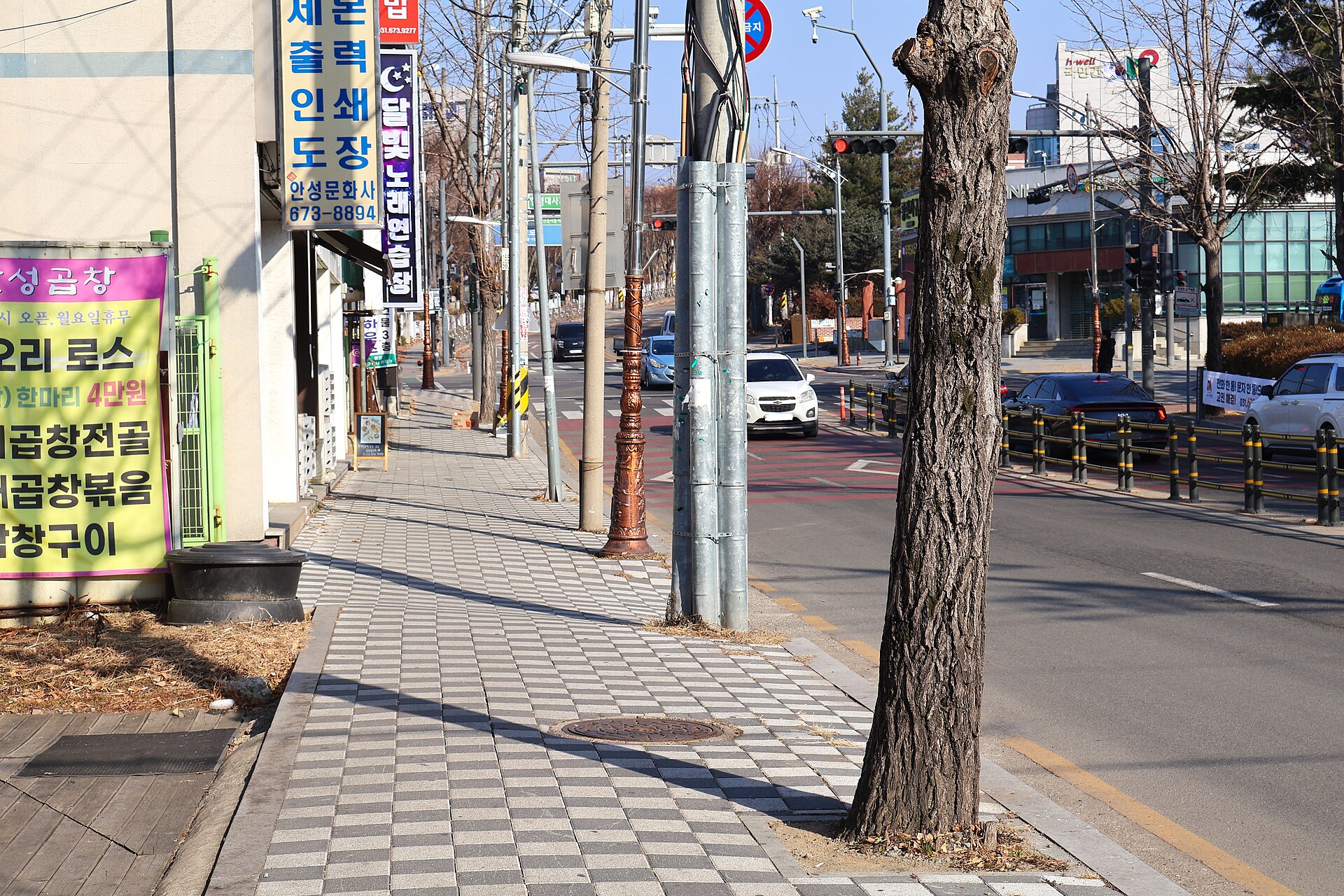
From the bus stop to Song Hye-hui's home was barely a ten-minute walk — less than a kilometer.
It was a road she must have walked countless times. Dark, yes, for a winter night, but within a neighborhood she knew well. And yet she never reached home.
When their daughter still hadn't returned late into the night, her family grew frantic. They waited, thinking she'd stayed out with friends, but dawn came with no word. The next day they filed a missing-persons report. That a person could vanish so completely over such a short distance was something no one could believe at the time.
Those ten minutes between the stop and the house. Somewhere in there, something happened. But what that "something" was, no one knows to this day.
Not a single clue turned up
The police launched an investigation. The last-seen location was clear, so they combed the entire area.
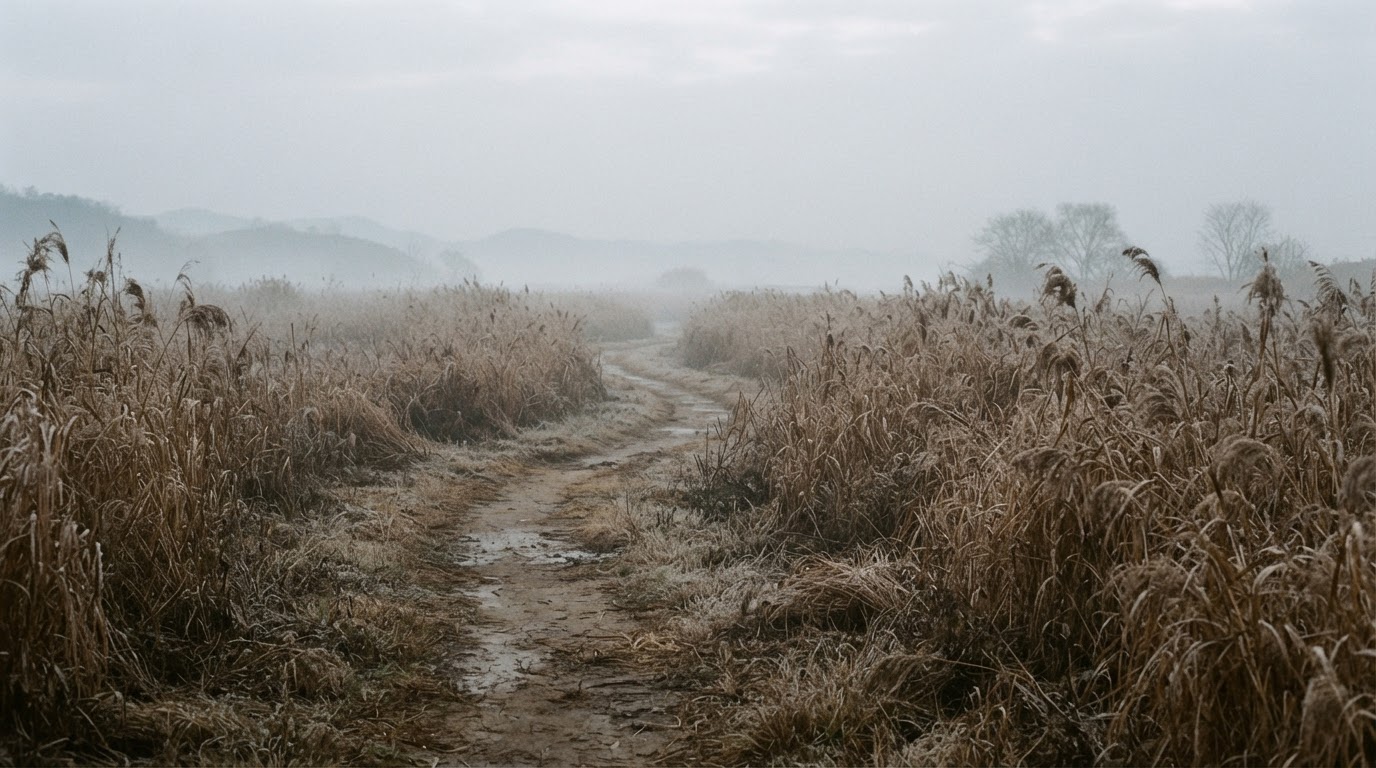
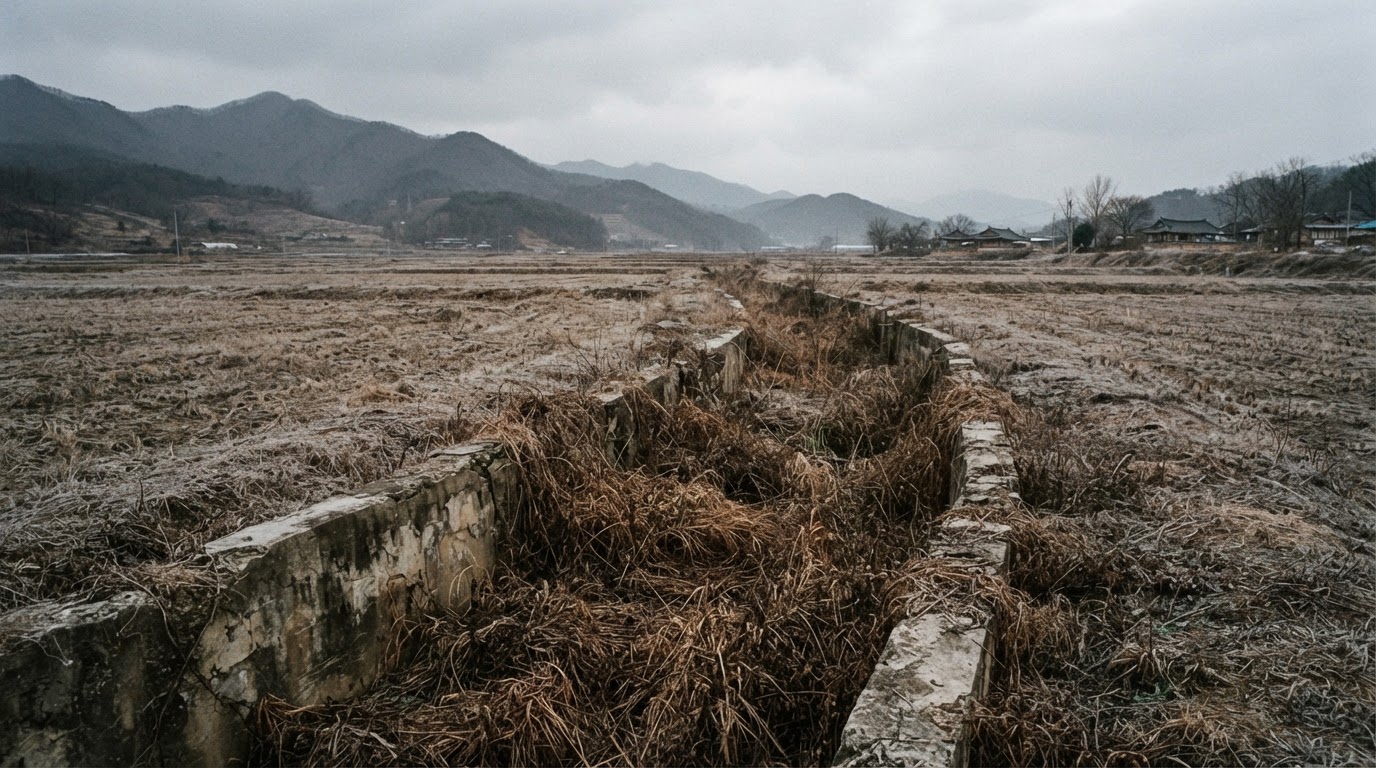
They searched rice paddies and reed thickets, checked drainage ditches and culverts, scoured the nearby hills. They went door to door through the village, and extended the search to the night streets and establishments around it. Working from the description, they tried to trace the mysterious man who had stepped off with her.
But nothing came of it. No trace of Song Hye-hui, no identity for the man who had gotten off with her. Not a scrap of clothing, not a single belonging. It was as if the darkness of that winter night had swallowed both of them whole.
There was, in effect, only one witness: the bus driver. All he could recall was the parka, the cap, the hiking boots, and the smell of alcohol. No one had seen the man's face. There was no way to make a composite sketch, no way to establish an identity.
Rural roads in 1999 Korea had none of the dense surveillance cameras of today. There were no eyes at the stop, the gas station, or the mouth of the village to capture that night. The investigation hung on a single witness's memory, and that memory went no further than a blurred silhouette with its face erased.
A mother, broken
After her daughter vanished, the first to break was her mother.
A seventeen-year-old daughter, who should have been laughing and chattering, had disappeared one night without a trace. There was no proof she was dead, and no word that she was alive. No ending of any kind was confirmed — only time passed. That unbearable uncertainty slowly ate away at her mother.
Depression and sleeplessness deepened. The illness of the mind spread into the body. Torn between the hope of finding her daughter and the despair of never finding her, the mother came apart little by little.
And a few years after her daughter's disappearance, it is said, the mother took her own life, clutching to her chest the flyers bearing her daughter's face. What the disappearance took was not one person alone. It carried away the lives of those left behind, too.

Twenty-five years, a father searching
After losing his wife, Song Gil-yong, the father, had only one thing left: the will to find his missing daughter.
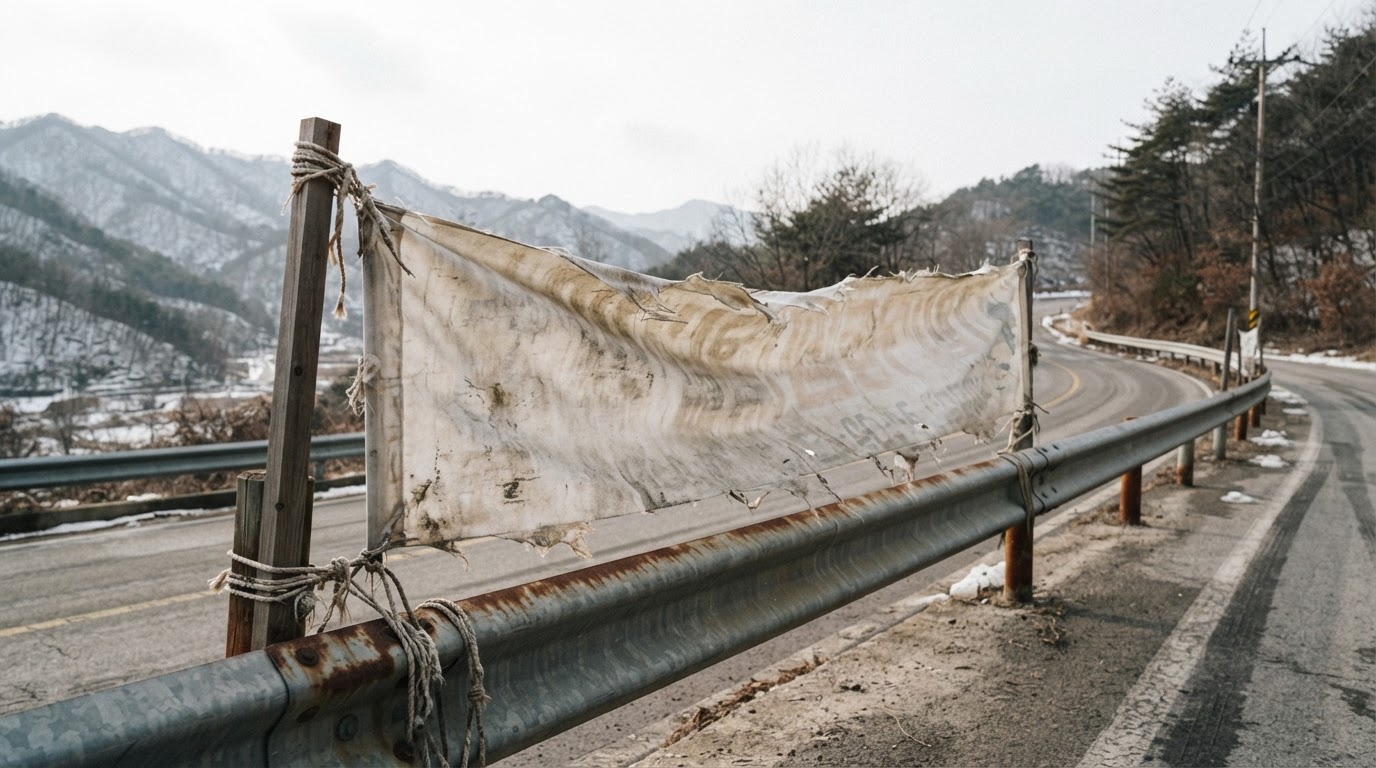
He gave up his livelihood. He made banners and flyers with his daughter's photo, her description, and the words "Please help me find Song Hye-hui." And he set out, wandering the whole country with them. He went wherever people gathered — bus terminals, train stations, markets, plazas. He plastered a cargo truck with his daughter's photos and drove it to every corner of the land.
In case his daughter might one day call, he kept the same old mobile number — one beginning with the outdated "016" prefix — unchanged for 25 years. He was afraid that if the number changed, his daughter would never be able to find him again.
The small sum he received as a recipient of basic livelihood support went mostly to flyers and banners. Debts piled up until he was declared insolvent. Still he did not stop. He kept his daughter's room exactly as it had been the day she vanished — for the daughter who would one day return.
"Please find Song Hye-hui." For years, his banners along the roadsides caught the eyes of people all across the country. They were the endless letter a father sent out into the world.


The statute of limitations that swallowed time
As the investigation stalled again and again, the hands of the police gradually fell still.
Abduction and human trafficking were raised as possibilities, but there was no clue to prove any of them. With no body found, it could not even be declared a killing. Only one fact was certain: she was gone.
As the years passed, the statute of limitations relevant to the case is reported to have expired in February 2014. A statute of limitations is a rule under which, once a set period passes after a crime, that crime can no longer be brought to trial. It means that even if someone were identified now, the portion covered by the expired limitation under the old law would be effectively impossible to prosecute.
Even so, the police have said they would continue investigating long-term missing-persons and cold cases — a promise not to forget. But promise aside, no decisive clue ever emerged.

A father who died without ever finding her
In August 2024, Song Gil-yong's 25 years came to an end in an unexpected way.
Around that time he had been hospitalized after contracting COVID-19, then discharged following heart surgery for a myocardial infarction. Even in poor health, he had not let go of the search for his daughter.
On August 26, 2024, while driving his truck, he was in a collision with a cargo vehicle coming from the opposite direction. He was taken to a hospital but did not survive. He was in his seventies.
From 1999, when his daughter vanished, to 2024, when he closed his eyes — a full 25 years. He never held his daughter again. He never even learned whether she was alive or dead. He left this world carrying only that one wish: to find her.
The banner that had moistened so many eyes across the country for so long — "Please find Song Hye-hui." The man who made it is now gone.
A little context for readers abroad
If you're encountering this case for the first time from outside Korea, a question may come to mind: "How does someone vanish over less than a kilometer? Weren't there cameras?"
You have to picture a rural Korean village in 1999. This was not a big city but a country neighborhood, and it was not an era when surveillance cameras lined every street as they do now. Mobile phones were only just spreading, and the technology to track a location was nothing like today's. A quiet rural bus stop late at night was a blind spot no one was watching.
And one more thing. Korea has several stories of parents who devote their entire lives to finding a missing family member. Song Hye-hui's father became something of a symbol of them. The roadside banners, the photos plastered on a truck, the phone number kept unchanged for 25 years — all of it stayed with Koreans for a long time, and so this case is remembered not merely as a disappearance but as "a father's waiting."
The questions that still remain
This case leaves behind several questions no one has answered.
Who was the man who got off the last bus with her? A neighbor who happened to get off at the same stop, or someone connected to that night? Why did he never come forward, and why did no one ever recognize him? The only confirmed facts are the parka, the cap, the hiking boots, and the smell of alcohol. What lay behind that blurred silhouette, no one knows.
What did Song Hye-hui go through on that short road from the stop to her home? Was it an accident, or something done by another's hand? Even that we do not know. With no body, no belongings, and no eyewitness, she simply vanished.
We will not fill this empty space carelessly. Nor will we point to any particular person with unverified guesses. Only one thing is clear: a seventeen-year-old girl disappeared less than a kilometer from her home, and after that night no one ever saw her again.
No one knows what happened
The disappearance of Song Hye-hui remains unsolved to this day.
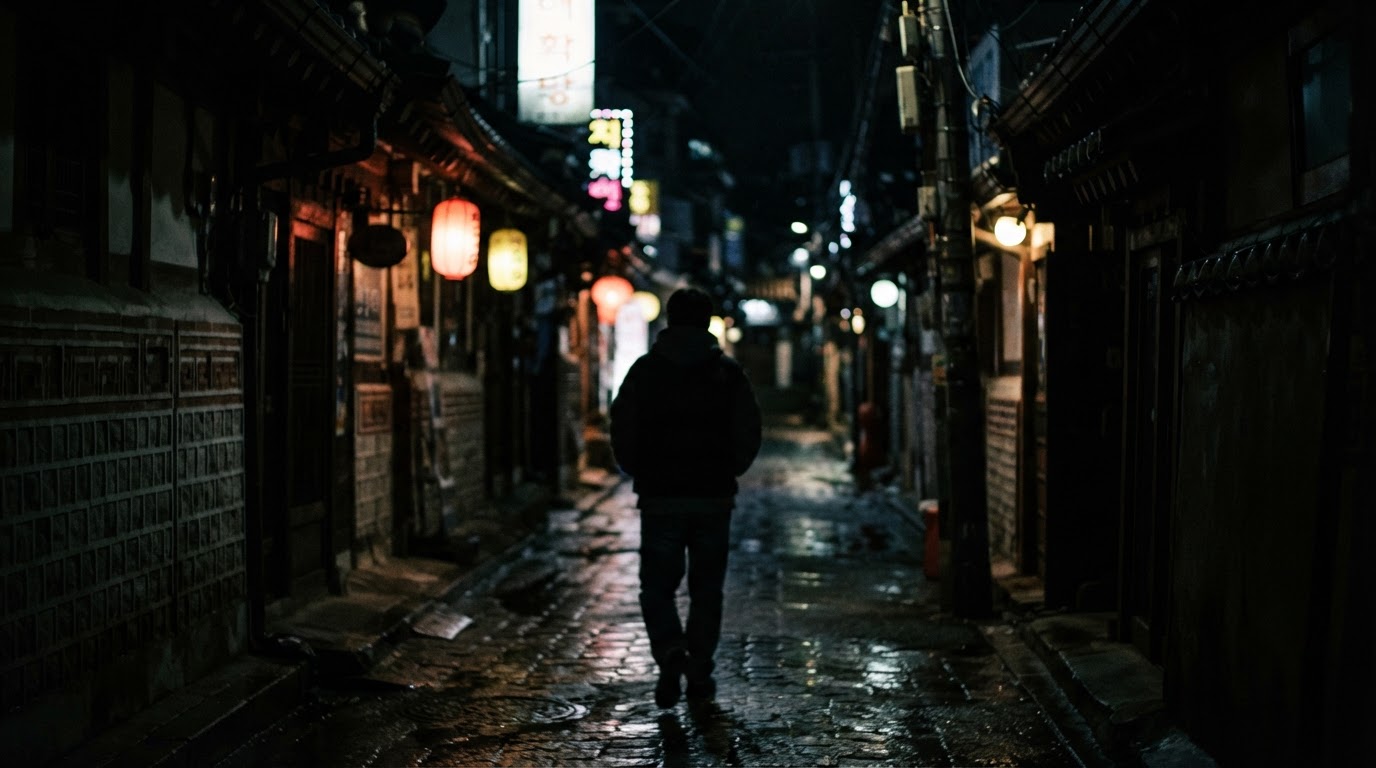
The ten minutes after she stepped off the last bus, the road that ran less than a kilometer. No one knows what happened in between. The girl, and the man who got off with her, both vanished into the dark of that night and never returned.
The father who wandered for 25 years searching for his daughter is now gone too. Her room remains just as it was that day, and the words on a banner hanging somewhere along a roadside still wait for an answer: "Please find Song Hye-hui."
If she is alive, she would be in her mid-forties now. That face, aged somewhere far away, we can only imagine.
A girl got off the last bus on a winter night and vanished on the road home. And what happened after that — to this day, no one knows.
The detail I have never been able to file properly is the phone number. Twenty-five years on an 016 prefix, kept live through every carrier migration that made such numbers obsolete, because changing it would close the one door he could still hold open. I have handled a great many records of people waiting. Almost all of them are waiting for information. He was maintaining a piece of infrastructure — paying a bill every month so a line would still be there to ring. It never did, and the man who was answering it is gone now, and the number is somebody else's.

---
This article combines real documentary and location photographs with AI-generated images produced to convey the mood of the story.

Comments
No comments yet — leave the first one.