Listen for a moment.
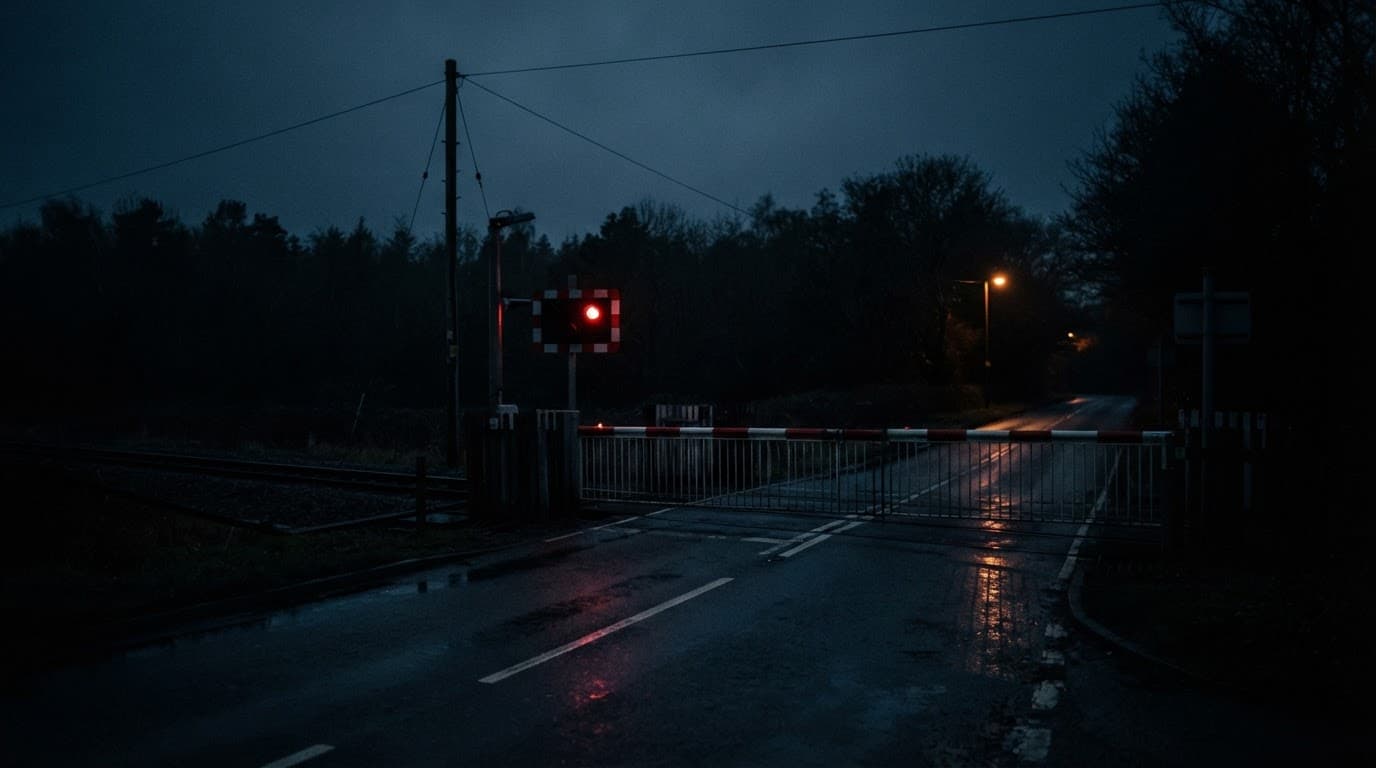
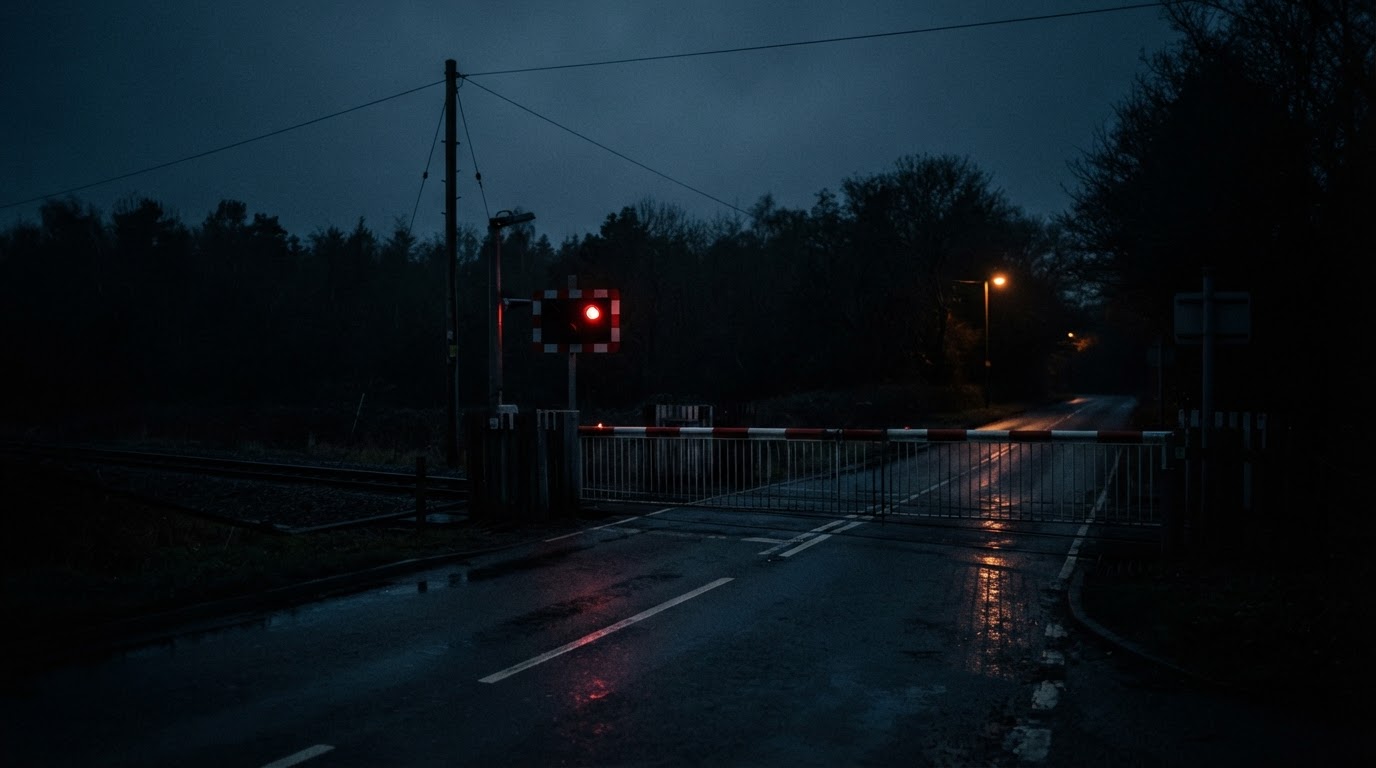
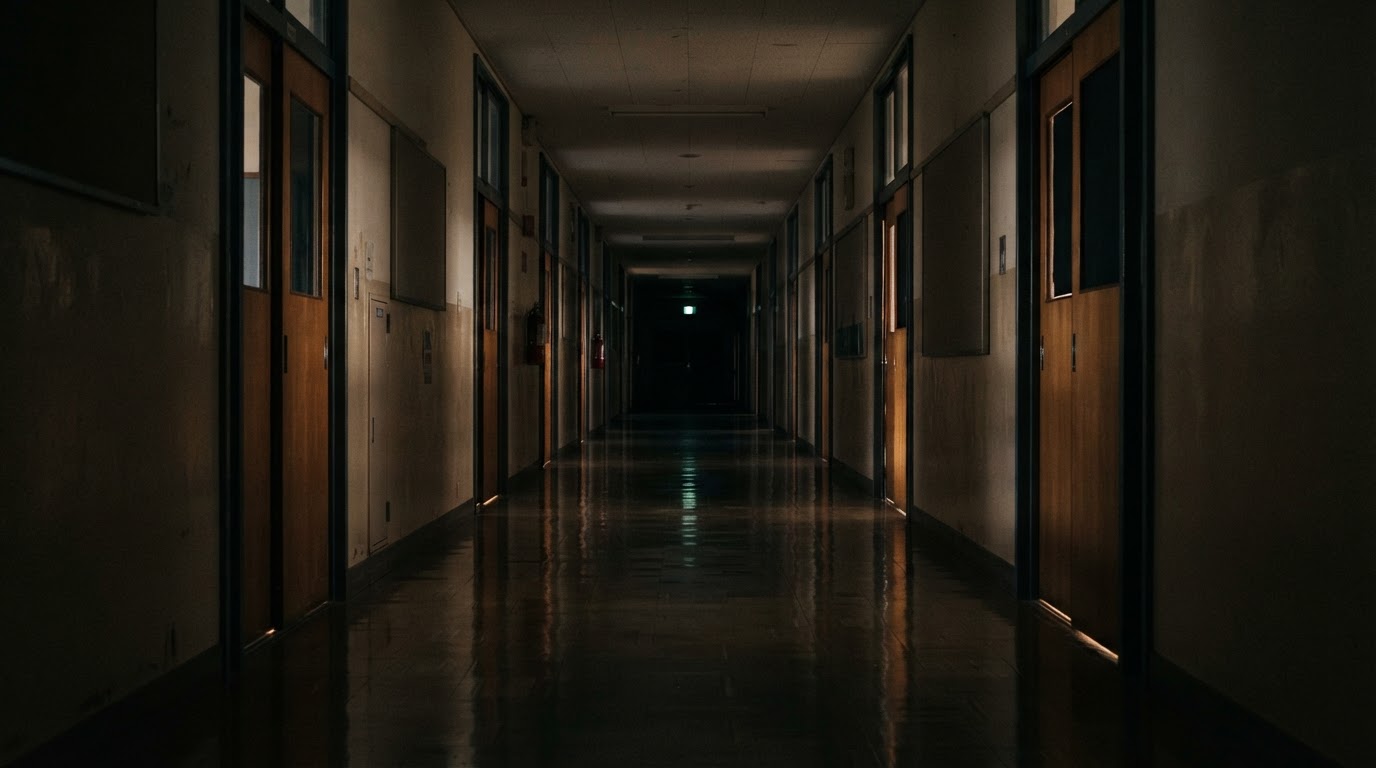
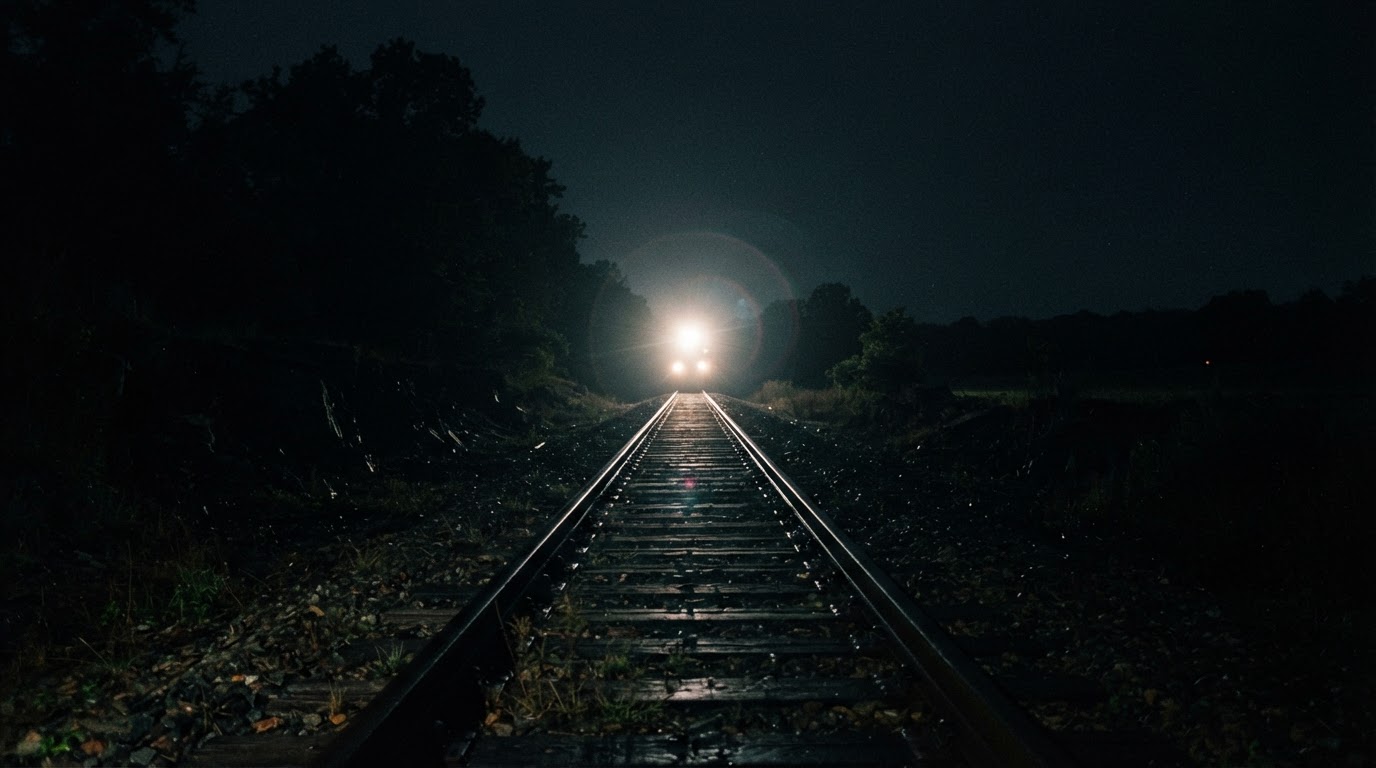
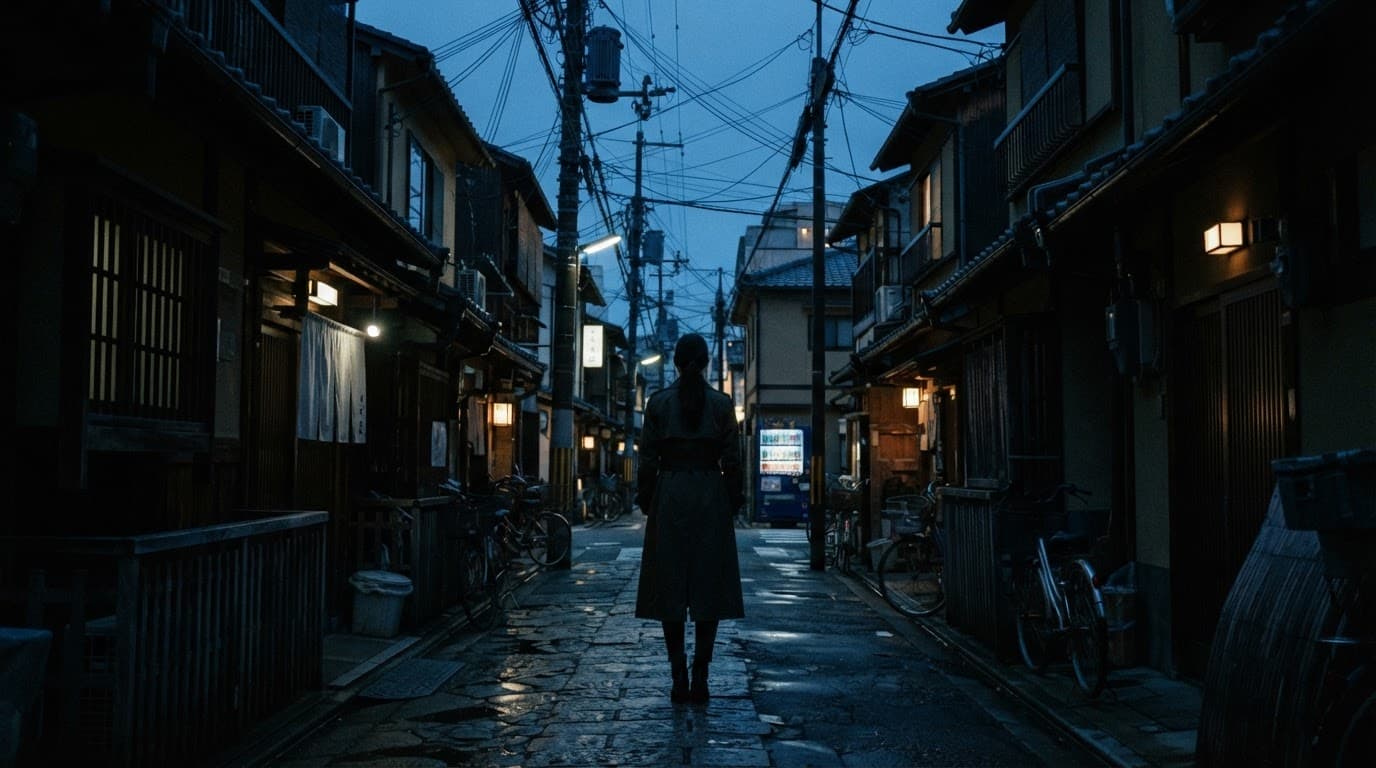
Somewhere out in the dark — past a railway crossing where the warning lights blink red over an empty road, or at the far end of a school corridor after everyone has gone home — there is a sound. It is low and dry and rhythmic, and it does not stop. Teke. Teke. Teke. It is the sound of something dragging itself across hard ground, hand over hand, faster than anything without legs has any right to move. In the schoolyards of Japan, children have known for decades what that sound means. It means she has already found you. And it means you cannot outrun her.
This is Teke Teke — テケテケ — and she is named not for her face but for the noise she makes as she comes.
I have a folder of schoolyard legends that I sort by what the story asks the listener to do, and Teke Teke sits in it under a heading I made for her alone: stories that work through the ear. Comparing dozens of retellings from Japanese children's paperbacks and forum transcriptions, I found the descriptions of her appearance drift wildly — hair, clothing, face, all negotiable — while the three syllables never move. Every version, across every decade I could pull, spells the sound the same way. A monster whose face is optional and whose noise is fixed is not a monster anyone invented on purpose.
The Sound Before the Shape
Most ghost stories begin with an image — a white figure, a pale face, a shadow at the foot of the bed. Teke Teke begins with a sound, and that is precisely what makes her different.
The name is onomatopoeia. In Japanese, teke teke imitates the clipped, scraping rhythm of hands and elbows striking the ground in quick succession. It is the sound of a body pulling itself forward with only its upper half — because, the legend says, that is all this woman has left. She was severed at the waist, and yet she did not stop. She learned to move without her legs, propelling herself along on her hands and forearms, and the friction of that movement against pavement, against floorboards, against the gravel beside a railway track, produces the dry percussive rhythm that gave her a name.
The horror is deliberately withheld from your eyes and placed in your ears instead. You do not see her first. You hear her — that rhythm somewhere behind you, or below you, or around a corner you cannot see past — and your mind fills in the rest before she ever appears. It is one of the oldest tricks in frightening a person, and Teke Teke uses it with brutal economy. The sound is the monster. The shape is only the confirmation.
The Speed Paradox
Here is the detail that makes children go quiet when they tell it.
A being with no lower body should be slow. She should be helpless — dragging, struggling, easy to leave behind. That is what your instincts tell you, and that is exactly the expectation the legend exists to break. Teke Teke is not slow. She is faster than you. Some versions of the story give a number, and the number is always absurd: she can cross a distance in seconds, they say, faster than a person can sprint, faster than a moving vehicle at close range. She catches anyone she chooses to catch.
This is the beating heart of the legend, and folklorists have a name for the mechanism behind it: the violation of expectation. A slow monster you can escape, and a story about a slow monster is not frightening for very long. But a monster whose very appearance promises she should be slow, and who then turns out to be impossibly, unfairly fast — that story refuses to let you feel safe. There is no strategy against her. You cannot run, because she is faster. You cannot hide, because she has already heard you. The moment you register the sound, the outcome is decided.
Children understood this intuitively, even if they could not have explained it. The genius of Teke Teke is that she removes hope at the level of the premise. She is the nightmare in which your legs will not work — except she is the one without legs, and she moves just fine.

Where She Came From: The Line and the Cold
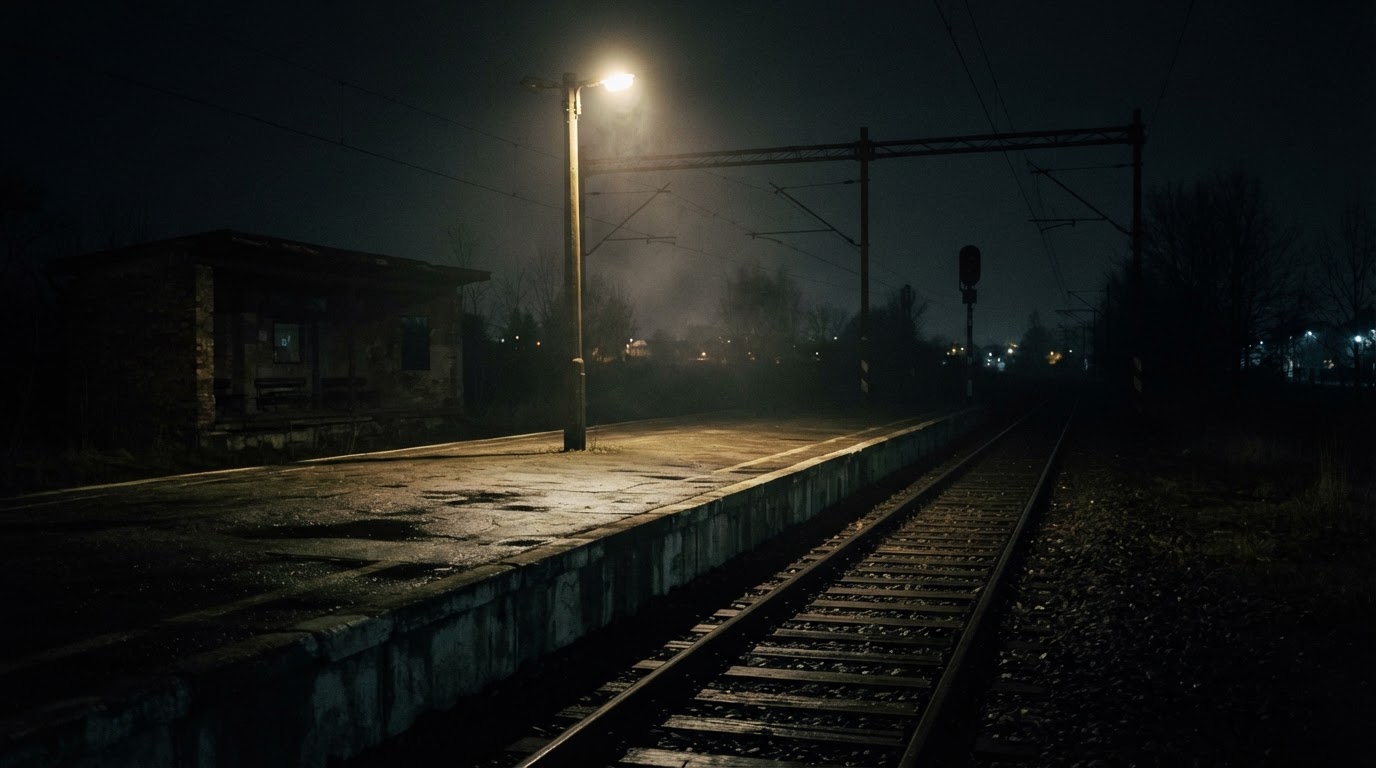
Every version of Teke Teke traces back to the same place — the railway.
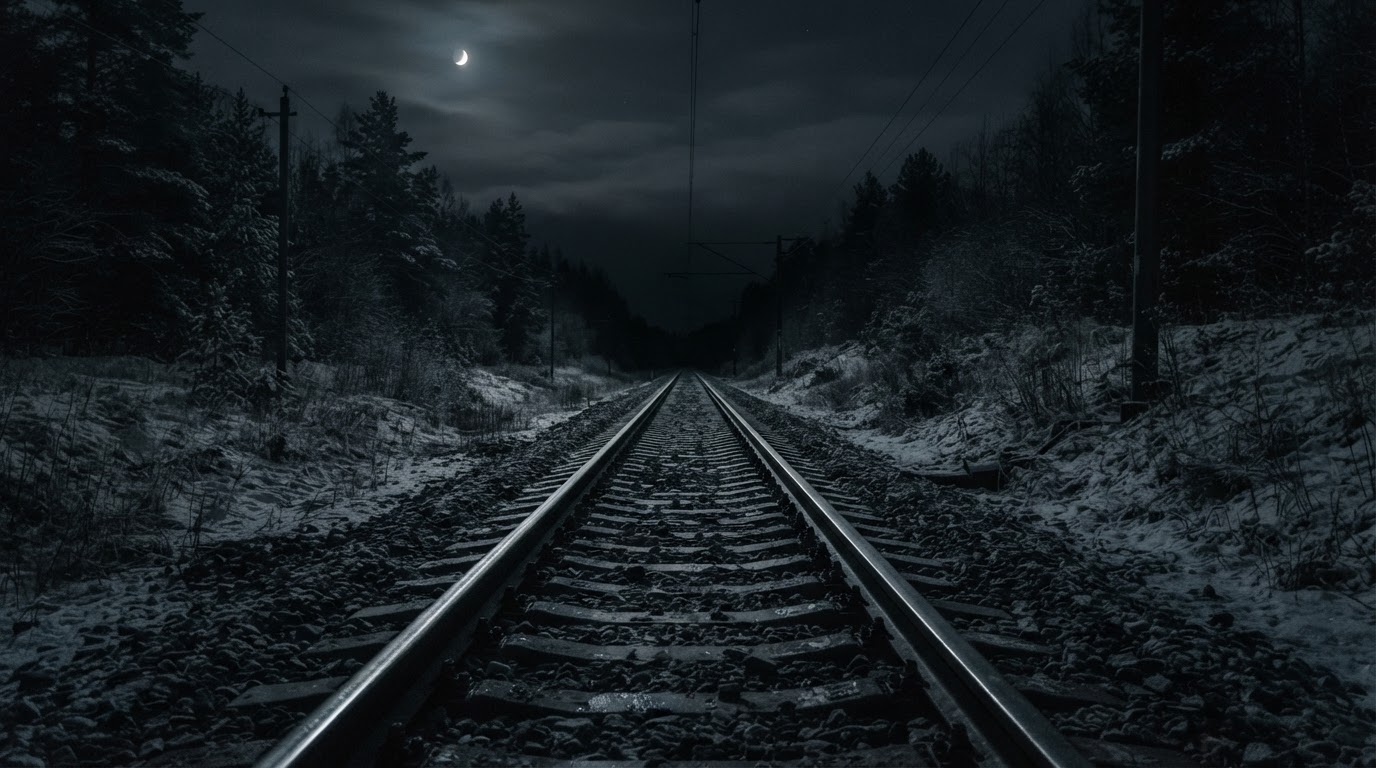
The most widely told origin holds that she was once an ordinary woman, often described as a young student, who came to grief on the tracks. In some tellings she fell; in others she was pushed, or slipped in a moment of distraction, onto the line as a train approached. What the rails did to her, the story renders only obliquely — it does not need to be described, and out of respect it should not be. She was divided at the waist, and she did not survive as a living person. But she did not leave, either. Something of her stayed on the line, and rose again as the thing that drags itself through the dark.
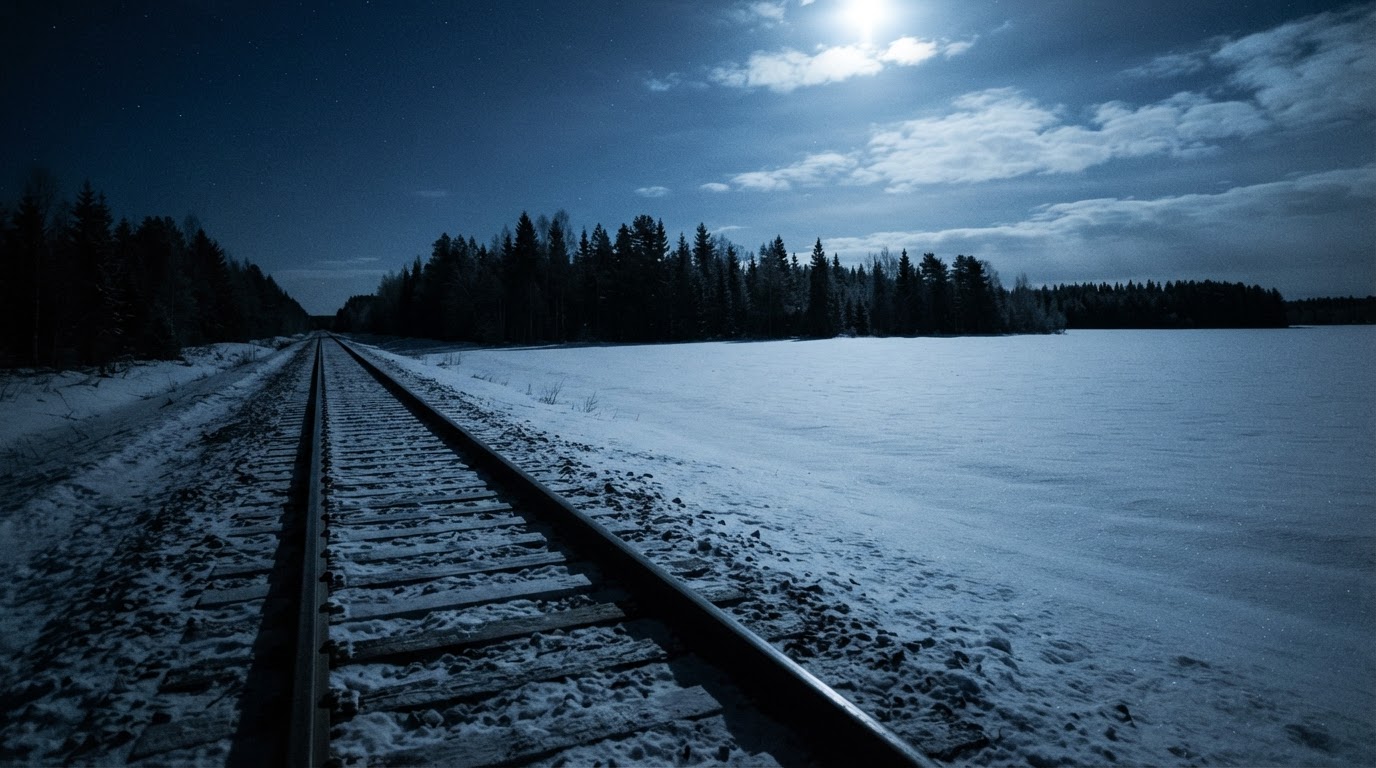
There is a colder, quieter variant that has always struck listeners as the most unsettling of all. It is set in Hokkaido, in the deep of a northern winter, and it turns on a single dreadful mercy: the cold. In that version, the severe winter chill is said to have sealed the wound, so that the woman did not die at once in the moment of the accident. For a short, unbearable stretch she remained aware, cut off from the lower half of herself by the very frost of the air — conscious in a way no one should ever be. It is a detail told in a hush, and it is the part of the legend that lingers longest, because it trades spectacle for something far worse: a moment of clarity that should not have been possible.
Whether she fell or was pushed, whether in a mild season or the killing cold of the north, the constant is always the rail. Teke Teke is a creature of the railway line, and she was made by it.


Kashima Reiko and the Riddle That Traps You
Teke Teke rarely travels alone. She has a close cousin in the Japanese schoolyard canon — a related legend named Kashima Reiko (カシマレイコ) — and the two stories bleed into each other so often that many tellers treat them as versions of the same woman.
Kashima Reiko is likewise a figure severed at the waist, a spirit of the same wound and the same rails. But her legend adds a mechanism that turns terror into a game with rules, which is exactly the kind of structure a schoolyard loves. The story goes that if you hear of Kashima Reiko, she will come to you — often in a bathroom stall, that most private and inescapable of places — and she will ask you a question. She asks where her legs are.
And there is a correct answer.
The riddle works on a pun, the way so much Japanese wordplay does. When she asks where her legs are, the answer you must give is that they are "on the Meishin Expressway." The trick is buried in the sounds: the name Meishin can be unpacked into words meaning something like watch out for them or right here near you depending on the telling, so the answer is at once a place name and a coded acknowledgment. Give the wrong reply — or fail to answer at all — and the legend promises she will take your own legs in place of the ones she lost. Some versions add further questions, further correct answers, a whole small catechism you must recite perfectly to be released.
This is what folklorists call a "rule legend," and it is a distinctly powerful form. It does not merely frighten; it hands the listener a task. Learn the answer. Remember the answer. Because the story insists that simply having heard it means she may now come for you — and so the only protection is knowledge, passed from one child to the next like a charm. That transmission mechanism, built directly into the tale, is part of why these legends spread so fast and lodged so deep. To be safe, you had to tell someone else.
The Schoolyard as Engine
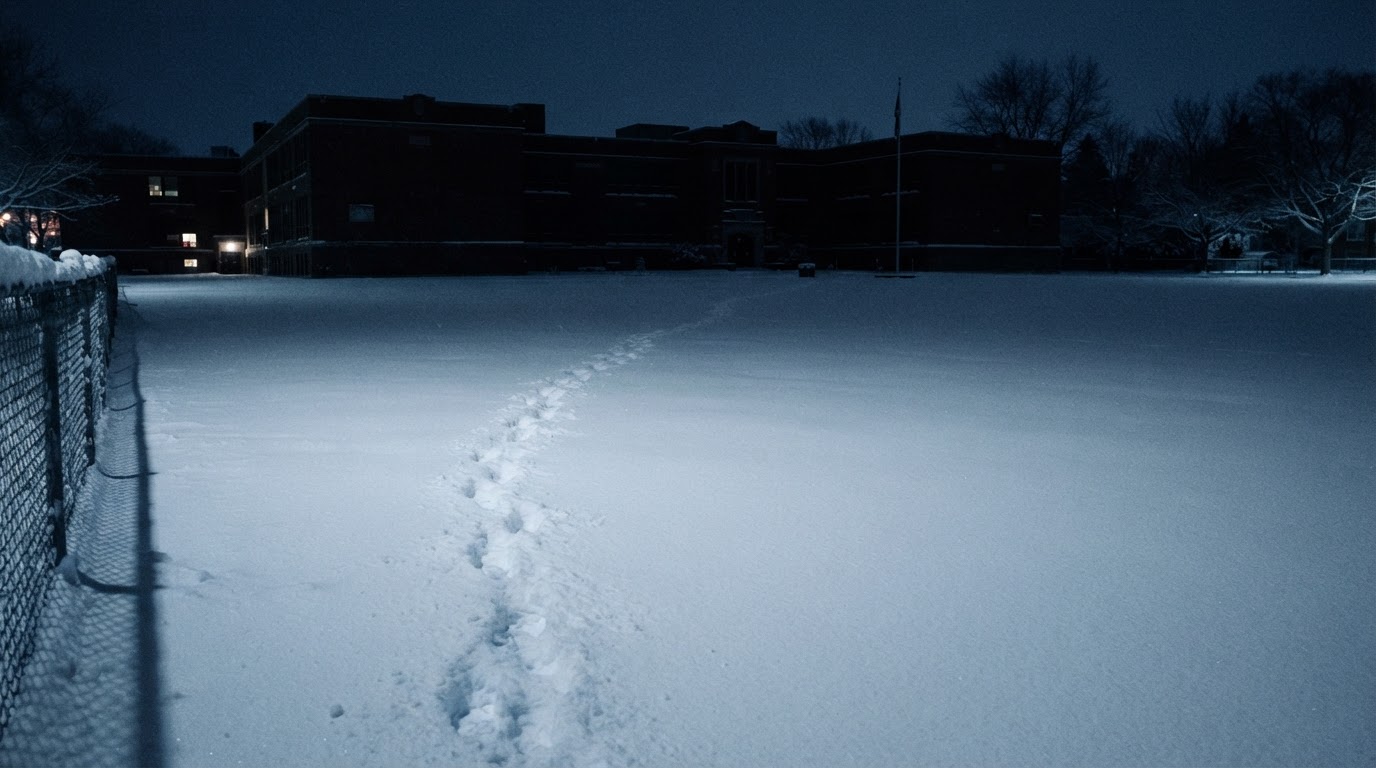
To understand why Teke Teke and Kashima Reiko took hold the way they did, you have to picture where they lived: the Japanese school of the 1980s, 1990s, and early 2000s, and the particular ecosystem of children's rumor that thrived there.
The school is a nearly perfect incubator for this kind of legend. It has a fixed population of children who see each other every day, an endless supply of unsupervised moments — the walk home, the after-hours corridor, the bathroom at the far end of the building — and a social economy in which a good scary story is currency. A child who knows a frightening tale, and knows the rules that go with it, holds something the others want. And so the stories were traded, embellished, localized. Every school had its own version. The station on the way home became this station. The corridor became your corridor. The bathroom stall became the one everyone was suddenly afraid to use alone.
This is also the era of the great wave of Japanese school ghost stories — gakkō no kaidan — that filled children's paperbacks, television specials, and playground conversation. Hanako-san of the toilet, the anatomical model that walks at night, the portrait whose eyes follow you: Teke Teke belongs to this family, and she was among its most feared members precisely because she could not be reasoned with, bargained with, or outrun. Where Hanako-san might simply be avoided, Teke Teke was said to seek you out.
The rumor did not need adults to carry it. Like all the most durable schoolyard legends, it moved entirely on the currents of children's own storytelling, mutating a little with each retelling, growing more specific and more local and, somehow, more true.
To the Screen: The 2009 Films
By the late 2000s, Teke Teke had lived in oral tradition long enough to become a fixture, and Japanese horror cinema — then at the height of its global influence — came calling.
In 2009 she reached the screen in a pair of connected live-action films, released close together and built around her legend. The timing was no accident. This was the era when Japanese horror had conquered the world through the vengeful-spirit archetype — the long-haired woman who moves wrong, made famous internationally by the wave of J-horror that swept the 2000s. Teke Teke fit that mold and sharpened it: a female spirit born of trauma, moving in a way the human body should not, closing distance faster than the eye can follow. The films leaned on her defining assets — the sound, the impossible speed, the dread of the approach — and introduced her to audiences who had never stood in a Japanese schoolyard but understood, instantly, why she frightened the children who had.
The adaptations did what adaptations do: they fixed certain details, dramatized others, and carried the legend outward from the playground into popular culture at large. But the core survived the translation intact, because the core was never really about what she looked like. It was about the sound coming closer, and the certainty that you could not get away.
What the Legend Is Really About
Strip Teke Teke back to her bones, and what remains is not a ghost. It is a set of anxieties, old and specific, wearing the shape of a story.
The most obvious is the railway itself. Japan is a nation bound together by rail to a degree few other countries can match — the train is the daily artery of ordinary life, ridden by nearly everyone, nearly every day. And precisely because the railway is so woven into daily existence, the dread of what can happen on the line runs quietly beneath the surface of the culture. The level crossing where the barriers come down, the platform edge, the gap between the train and the tracks: these are ordinary places that everyone passes through and that everyone, on some barely acknowledged level, understands to be dangerous. Teke Teke gathers that low, constant, unspoken unease and gives it a face. She is what the railway's danger looks like when it stops being a statistic and becomes a person who remembers.
The second is the body-horror archetype of the divided self — a body that has been split and yet persists. This is one of the oldest shapes fear takes, appearing in the folklore of many cultures: the being that should not be able to move, and moves; the form that has lost half of what makes it whole, and refuses to lie still. It disturbs at a level below reasoning, because it violates our most basic sense of what a living body is and can do.
And the third is the machinery of the schoolyard rumor itself — the way a story like this reproduces. Kashima Reiko's riddle is the clearest evidence: a legend that literally cannot spread unless you tell it, that punishes silence and rewards transmission, that turns every frightened child into a carrier. Folklorists study these tales not because they believe in the ghost but because the ghost is a near-perfect specimen of how fear travels between people. Teke Teke and her cousin are, in this reading, less supernatural than epidemiological — stories engineered, by nothing but the pressure of countless retellings, to survive.
None of this makes the sound in the dark any quieter. That is the strange thing about understanding a legend. You can name every mechanism, trace every anxiety, explain exactly why the story works — and still, walking past an empty crossing at night with the red lights blinking, you will find yourself listening.

Crossing the Water
A legend this efficient was never going to stay in one country.
As the Japanese internet met the Korean and Chinese webs through the 2000s and 2010s, Teke Teke crossed over. In Korea she is known by the transliterated name 테케테케, catalogued and retold on the country's large user-built wikis and traded on horror forums and video channels. In the Chinese-speaking web she spread under her own onomatopoeic name and through subtitled clips and reposts. The story translated almost without friction, and it is worth asking why, because not every legend survives a border.
Part of the answer is that her core needs no cultural footnote. The Hong Kong Grandmother Ghost needs 1980s Korea to make full sense; Kisaragi Station needs the specific texture of the anonymous Japanese message board. But Teke Teke needs only a railway, a dark place, and the universal instinct that says something is coming and I cannot get away. Every country that has trains has crossings that make people uneasy. Every child everywhere knows the specific terror of being chased by something faster than they are. She arrived in new languages already understood.
And so she joined that small, strange class of legends that outgrow their homeland — the ones that stop belonging to a single culture and become something closer to a shared human nightmare, retold in whatever language happens to be nearest.
The Sound That Stays
Teke Teke is not real. There is no woman on the tracks, no impossible speed, no riddle that will cost you your legs if you answer wrong. The origin accident that supposedly began it all cannot be pinned to any single documented event; like all the deepest urban legends, she has no first author and no first victim, only an endless chain of retellings that made her feel, to generations of children, entirely real.
But notice what the legend actually asks of you. It does not ask you to look. It asks you to listen. And that is the quietest and most lasting thing about her — she lives in a sense you cannot close. You can shut your eyes against a ghost. You cannot shut your ears against a sound, and the sound is the whole of her: that dry, rhythmic scrape somewhere behind you in the dark, coming closer at a speed that shouldn't be possible.
Perhaps that is why she has lasted, and why she crossed so easily into other languages and other schoolyards far from the railways of Japan. She is not tied to a face or a place. She is tied to a feeling everyone already carries — the certainty, half-buried since childhood, that the worst things announce themselves before they arrive, and that hearing them is not the same as being able to escape.
So the next time you pass an empty crossing at night, with the red lights blinking over the quiet rails, you may catch yourself doing the one thing the legend was built to make you do. You will stop, for just a second, and you will listen. And in the silence, if you are honest, part of you will be waiting to hear it. Teke. Teke. Teke.
What I have never managed to shelve is the Hokkaido variant — the one where the winter cold seals the wound and she stays conscious. It appears in the material far less often than the rest, always told briefly, always in the same lowered register, as though the tellers themselves would rather move past it. In an archive, the details that get repeated are the ones people enjoy. That one gets repeated by people who clearly do not, and I have stopped trying to work out what that means about who first said it.
---
The images and video in this article are AI-generated works produced to convey the mood of the story, and are not photographs of any actual person or event.
Comments
No comments yet — leave the first one.