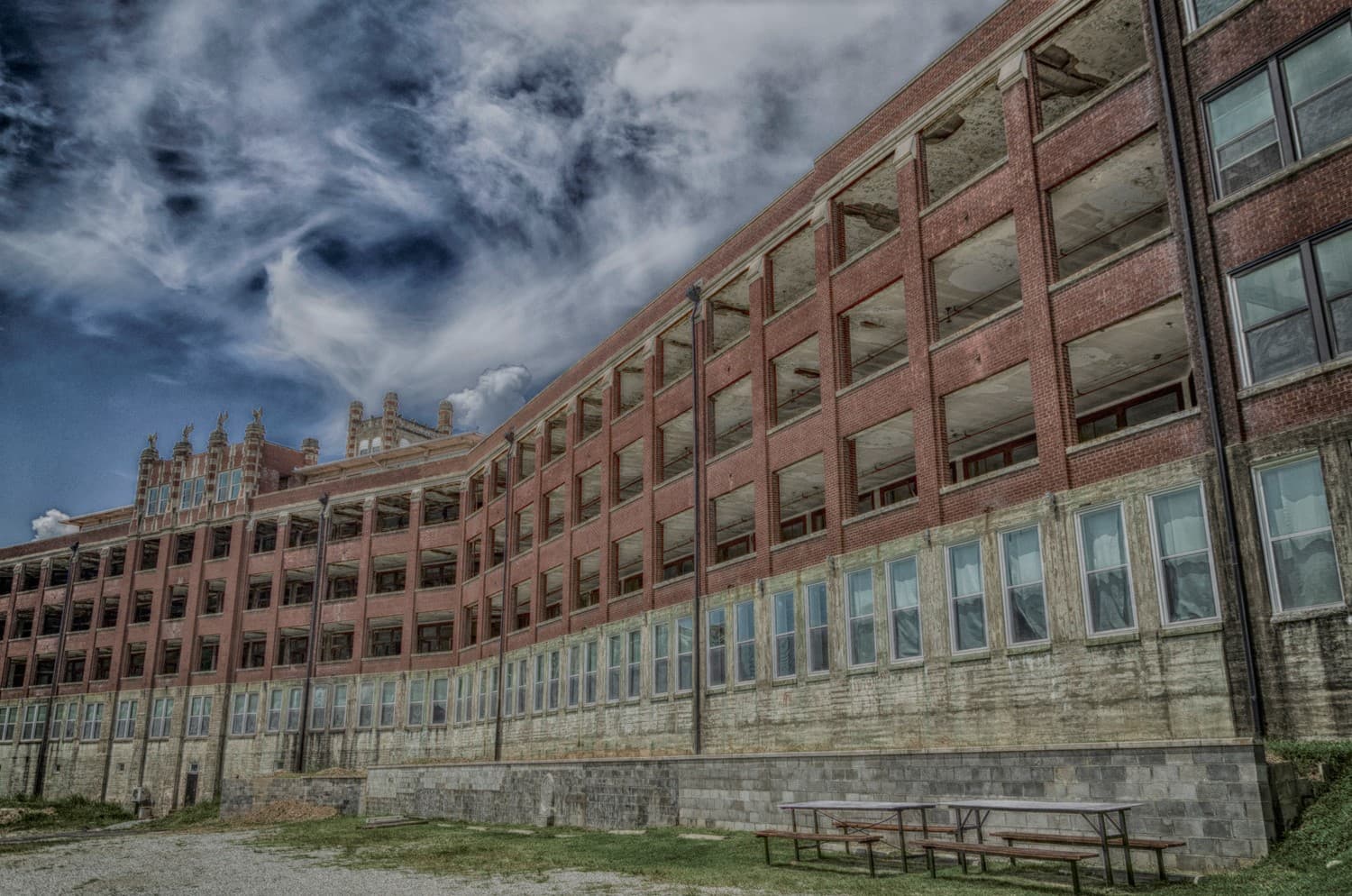
Southwest of Louisville, Kentucky, when the fog settles low over a wooded hill, a huge brick building slowly emerges through it. Five stories tall, its arched windows marching in long rows, the imposing structure could almost be mistaken at a glance for an old college or a grand hotel. But the people who lived near this hill never called it those things. They remembered it as a place you rarely came out of alive once you went in. This is Waverly Hills Sanatorium. From the year it opened in 1926 and for nearly half a century after, people struck down by a disease that medicine could not yet cure were carried up to this hill — and most of them never walked back down on their own feet.
Photo: Wikimedia Commons, CC BY-SA 4.0
I came to this file the long way round, through building plans rather than ghost stories. I had been reading old sanatorium architecture — ventilation schemes, solarium orientations, the practical geometry of keeping the tubercular alive — and in the Waverly Hills material there was a service passage, 525 feet, marked with a stairway on one side and a cable-hauled ramp on the other. It is described in the language of logistics: coal, supplies, winter access. It took me a second reading to understand what else it was for, and I have not been able to look at the drawing the same way since.
The People the White Plague Carried Up
At the beginning of this story stands a single disease: tuberculosis. Today it is treated with medicine, but in early twentieth-century America, tuberculosis was a fearsome, incurable illness that slowly consumed a person and finally killed them. People called it the White Plague. It drained the color from a face, brought up blood at the end of a cough, and wasted the body away to nothing. Worse still, it spread through the air. When one person fell ill, the family and neighbors at their side went down one after another.
At the time, almost the only remedy against tuberculosis was isolation and rest. Separate the patient from other people; wait, amid clean air, sunlight, and stillness, for the body to fight off the disease on its own. Louisville sat on damp, swampy lowland where tuberculosis raged especially hard, and the city built a large sanatorium on a high hill away from town. Up on that windswept summit, clean-aired and cut off from the world, Waverly Hills rose. It began as a small wooden building, but it could not keep pace with the flood of patients, and in 1926 the huge five-story brick structure that stands there now opened its doors — a state-of-the-art tuberculosis sanatorium that could hold hundreds of patients at once.
The White Rooms on the Hill
The treatment offered here looks strange to modern eyes for how simple it was. Under the belief that fresh air healed the disease, patients were made to lie in beds set by wide-open windows or out on roofless rooftop balconies, even in the dead of winter. On days when the snow fell, patients took the outside air wrapped under thick blankets. The cold was hard to bear, but it was the whole of the treatment they were given. Beyond that, surgeons sometimes deliberately collapsed part of a lung to rest it, or performed major operations to remove ribs. In an age of poor anesthesia and no antibiotics, more than a few patients did not survive such surgery.
Patients stayed here for months, and some for years. A few slowly regained their strength and walked back down the hill — but far more never did. At night, the sound of coughing carried down the corridors without pause, and by morning a bed that had been full the evening before would stand empty. Death was not a rare event on this hill; it was a daily fact of life. And it was precisely that everyday dying that would leave the sanatorium with its coldest mark.
The Tunnel That Hid the Dead
In a tuberculosis sanatorium, the most dreaded thing was not the disease alone. For patients who had climbed the hill hoping to be cured, nothing crushed the spirit like the sight of people dying, ceaselessly, all around them. To watch, day after day, as the person who had lain in the next bed yesterday was carried out today as a corpse — that sickened even the minds of those still living. Despair slowed recovery, and a body that had given up on recovering wasted faster. The hospital needed, somehow, to lift this psychological weight.
And so that tunnel was built. Running from the main building down to the foot of the hill, a passage cut underground for roughly 525 feet — about 160 meters. It had first been made as a practical route, so that staff and supplies could move up and down the hill in winter without facing the snow and cold. Inside ran a stairway for people on foot, and beside it a graded ramp on which heavy loads could be hauled up and lowered by cable. But as time went on, the tunnel came to be used far more often for something else entirely: carrying the bodies of patients who had died in the night quietly downhill, through this underground passage, out of sight of the patients still living.
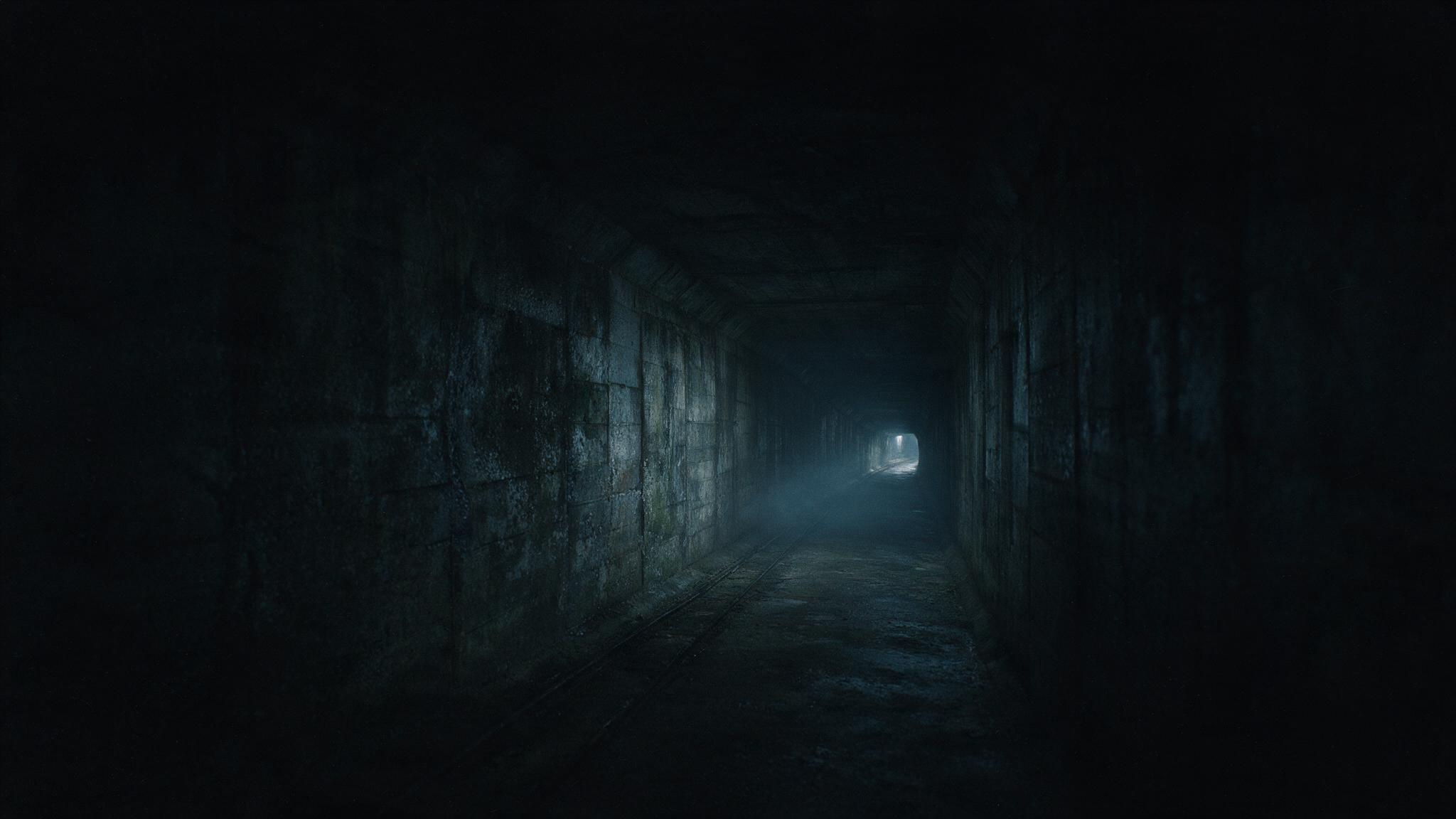
The bodies were laid on the ramp and, slung on the cable, slid down through the dark tunnel to the base of the hill. At the lower exit, a cart or a vehicle waited to carry them away. Up in the wards above, the surviving patients passed the day without even knowing that another of them had died. Death left the hill like that — quietly, unseen by anyone. People called this dark passage the body chute, the slide down which the dead were sent, and those who came here in later years gave it a colder name still: the Death Tunnel.
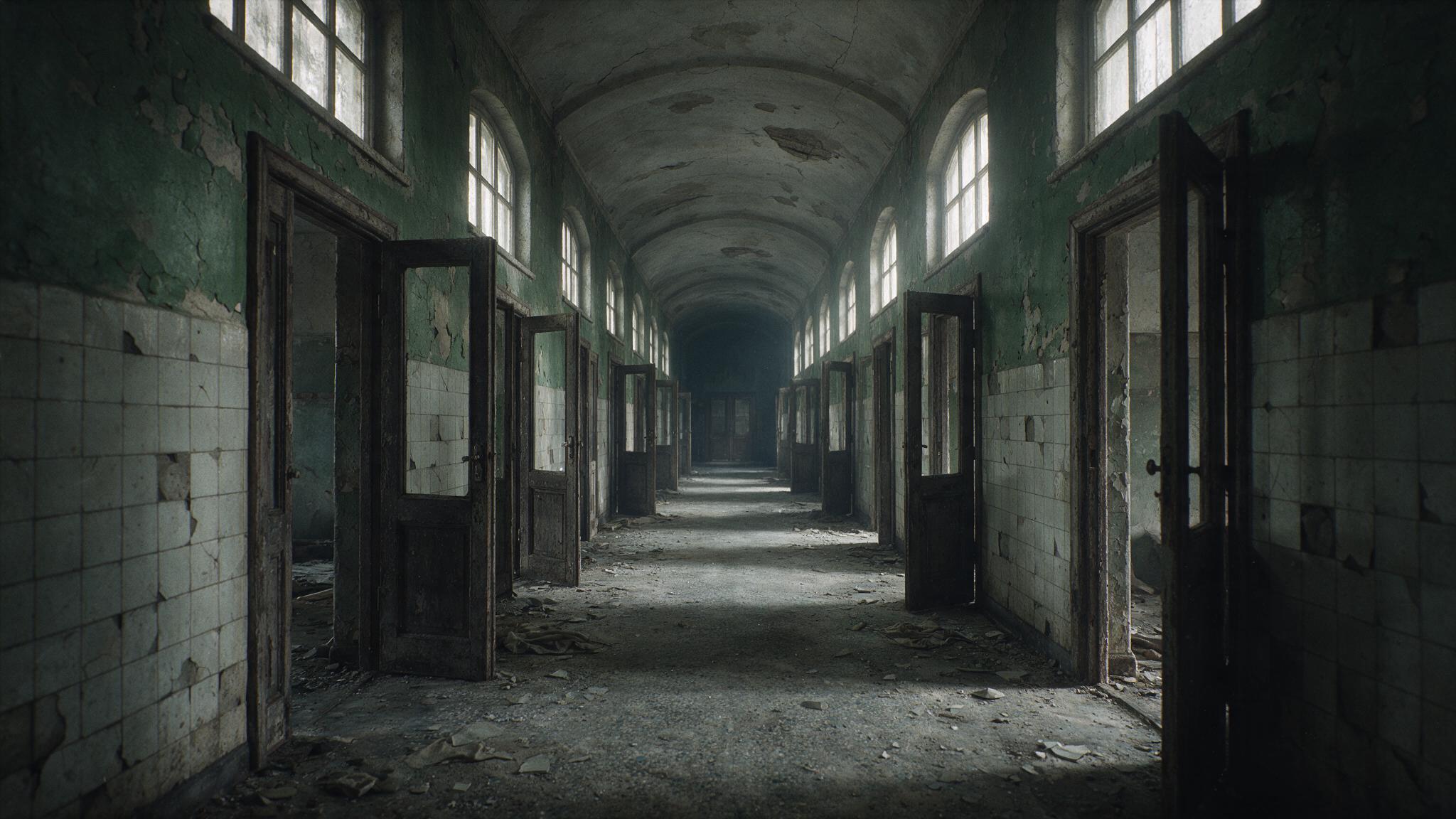
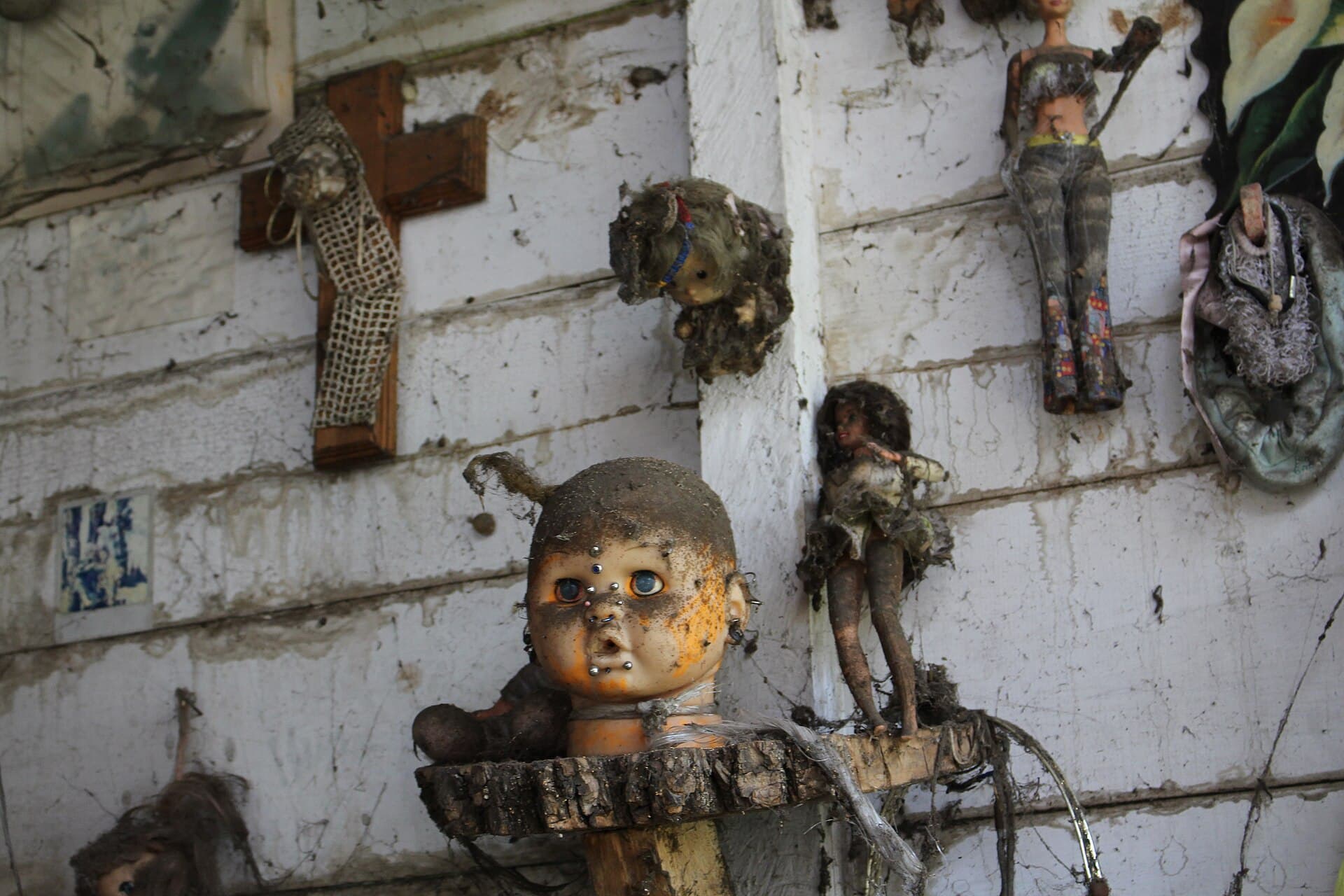
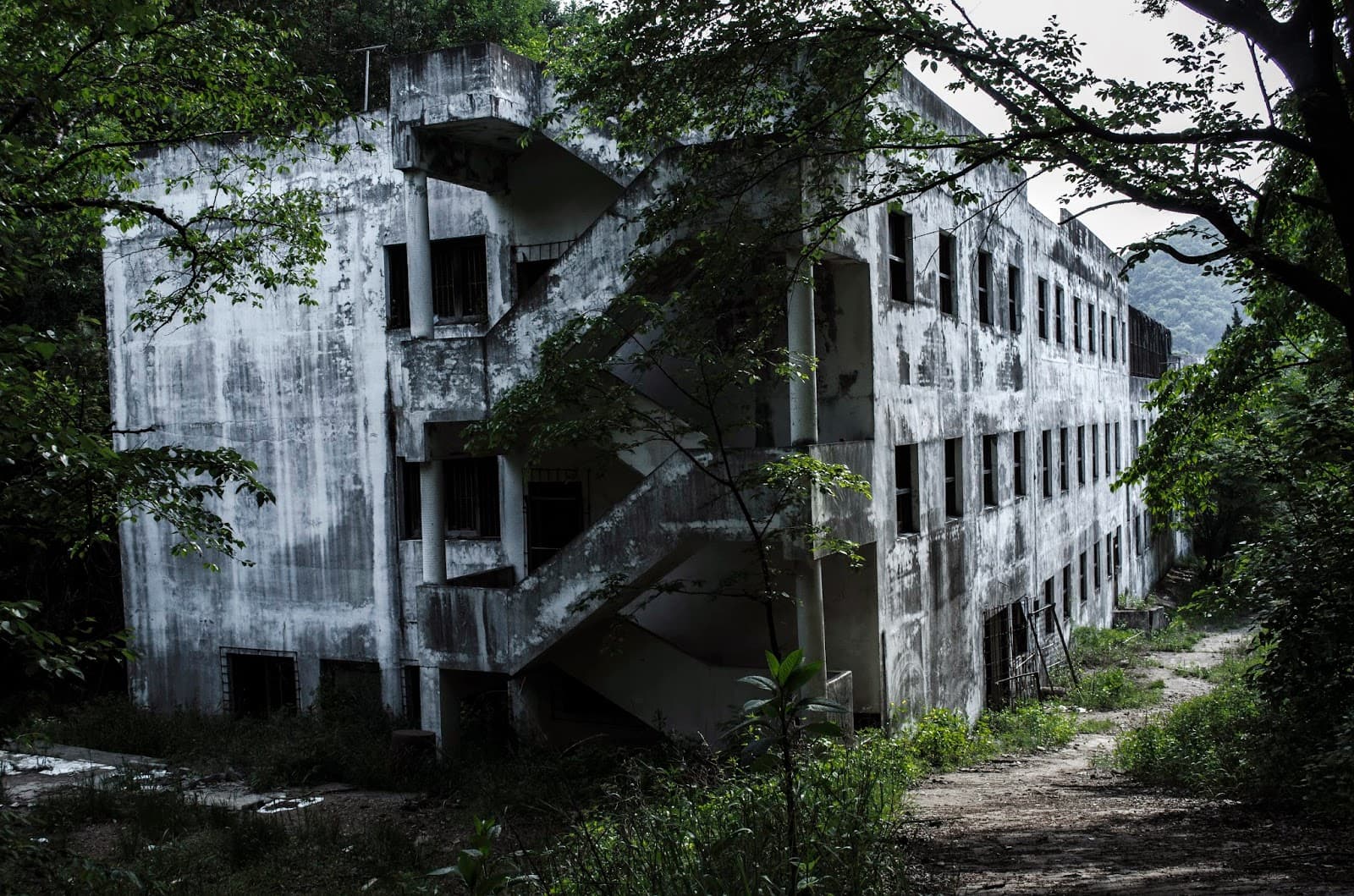
The abandoned hospital on the fog-shrouded hill and the dark underground tunnel — a mood recreation, not real footage.
The Number Eight Thousand
How many bodies left the hill through this tunnel? The figure most often repeated is around eight thousand. Across the half-century or so from the 1920s, when the sanatorium opened, to the day it closed as tuberculosis drugs came into use, that many people are said to have died on this hill. The number is disputed, of course. Some researchers believe the true toll was far lower — in the thousands rather than the tens of thousands, and lower even than eight thousand. Because complete records do not survive, the figure of eight thousand is less an established fact than an estimate that gives a sense of this place's weight.
But whether the number is eight thousand or a few thousand, the essence does not change. In a single building on this hill, over half a century, countless people were carried off by disease. And a great many of those deaths were slipped quietly down a dark underground tunnel, out of the eyes of the living. A passage built to hide death; an underground road down which bodies slid, day after day. That Waverly Hills would one day be counted among the most sinister ruins in America rests on this dark history, layered thick over the years.
The Nurse in Room 502
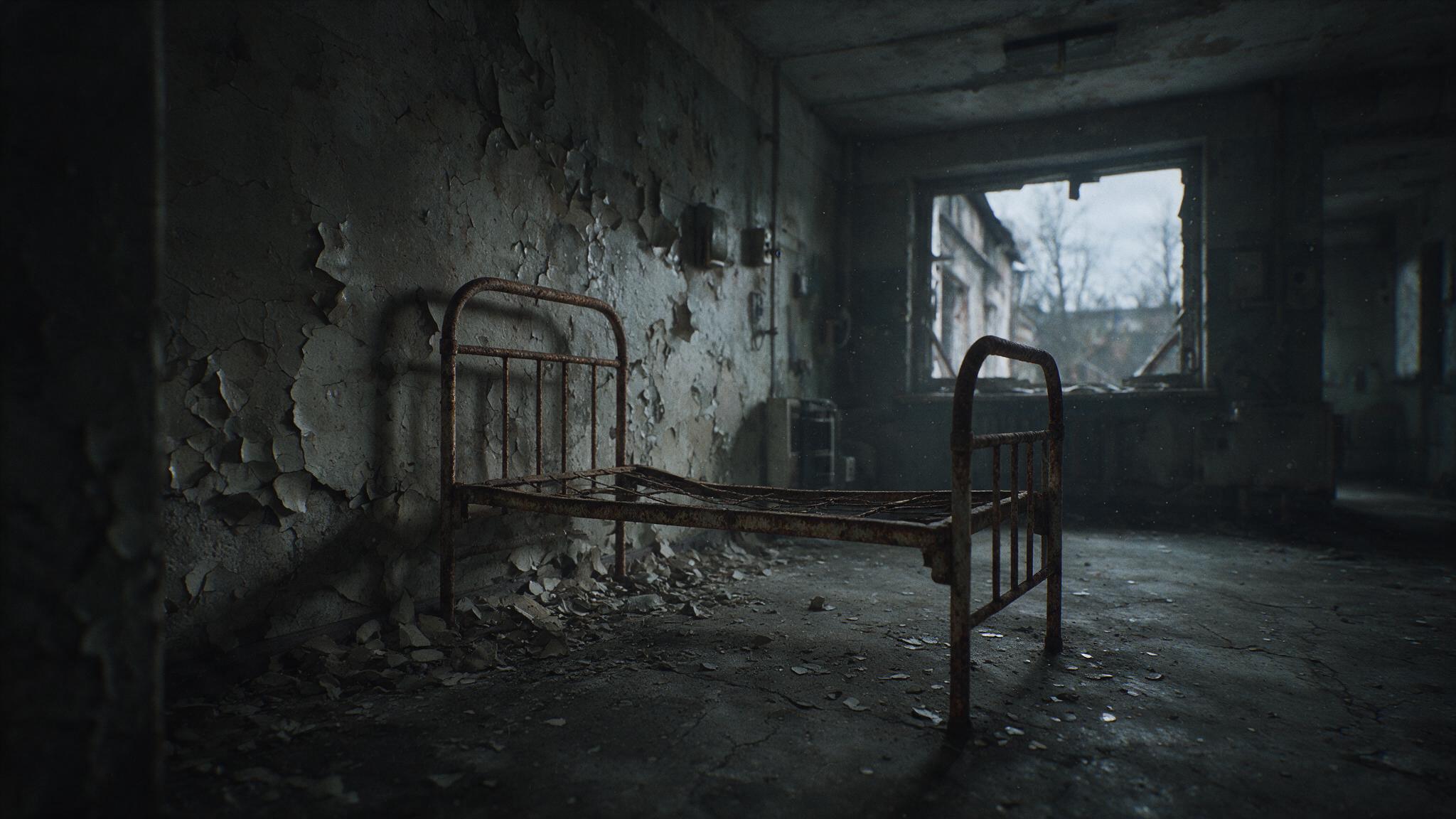
As tuberculosis drugs spread widely, the sanatorium that had once been full of people lost its reason to exist. As the number of the sick fell, the huge building on the hill emptied out, and in 1961 it finally closed as a tuberculosis sanatorium. For a time afterward it served as a nursing home for the elderly, but even that did not last, and the building was left abandoned for long years, alone on its hill. Wind moved in and out through the broken glass, and dust gathered in the empty corridors. And inside that empty building, one by one, stories began to grow among people.
The best known of them is the story of Room 502, on the fifth floor. According to the legend, a young nurse who worked in this room took her own life while carrying a child. In some versions she throws herself from the window; in others she hangs herself inside the room. No firm record survives to confirm that any of it actually happened. But true or not, Room 502 became the room that visitors to this abandoned hospital fear most. Stories of a strange presence felt in this room, or of something glimpsed at its window, have never stopped coming.
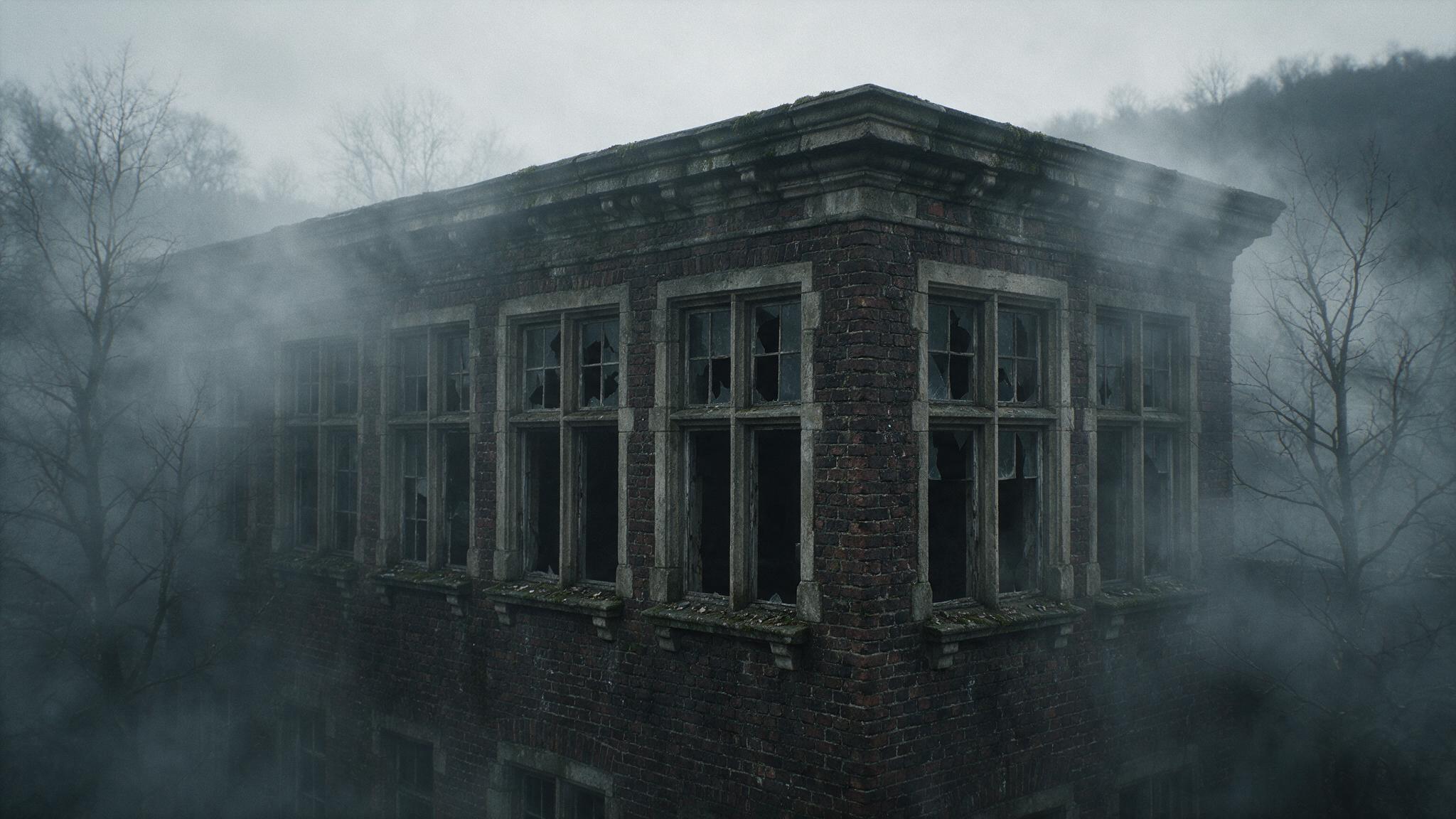
Room 502 was not the only one. Walk the empty corridors, people said, and a human shadow would slip past far ahead; a child's voice would carry from a ward where no one stood; and inside that dark death tunnel, someone would feel a presence they could not explain. Such stories came to cover the whole building. Before long it had become the place said to be the most haunted in America — a ruin counted among the country's most notorious "haunted houses." Most of these tales, of course, are closer to rumor, swollen by a vast abandoned ruin working on the human imagination over long years. Yet the reason the rumors have held on so stubbornly is the real weight of death this building has carried.
The Hill Is Still There
Today Waverly Hills stands on its hill neither wholly abandoned nor wholly revived. A couple bought the building and have been repairing it, little by little, over many years, and on set dates tours are held that guide the people who come here. People come to this dark hospital for their own reasons. Some come hoping to meet a ghost, some to see the history of an old building, and some simply to face the sorrow this hill holds.
Whether this building is truly a place where ghosts wander, no one can prove. Whether a nurse really died in Room 502, whether anything remains in the death tunnel — that too is unknown. But one thing is certain: this building on the hill watched over the end of countless lives across long years. The people carried up hoping to be cured; the people who lay by the windows taking the snow; and the people who slipped quietly down the underground tunnel and off the hill in the night. Strip away the ghost stories, and what remains in their place is disease and death — and the cold truth of an age that had to hide even that death away.
I have spent a fair amount of time trying to settle the number, and I want to say plainly that I cannot. The eight thousand figure repeats itself across sources that turn out, when you follow them back, to be quoting each other rather than any ledger; the lower estimates rest on partial admission records that stop and start with the decades. The room I keep returning to is not 502, which has no documentation behind it at all. It is the accounting itself — a place that kept careful notes on lung surgeries and window angles, and did not keep, or did not preserve, a reliable count of how many people left through the tunnel.
When the fog lifts, Waverly Hills becomes an old brick building again. Its arched windows look down empty over the foot of the hill, and the dark tunnel below still lies there with its mouth open. Whether the number eight thousand is exact or not, the many deaths that left this hill can no longer be undone. And still, today, Waverly Hills stands in the fog, on its quiet hill, just so.
---
This article uses a mix of real documentary and location photographs and AI-generated images made to convey the mood of the story.

Comments
No comments yet — leave the first one.