
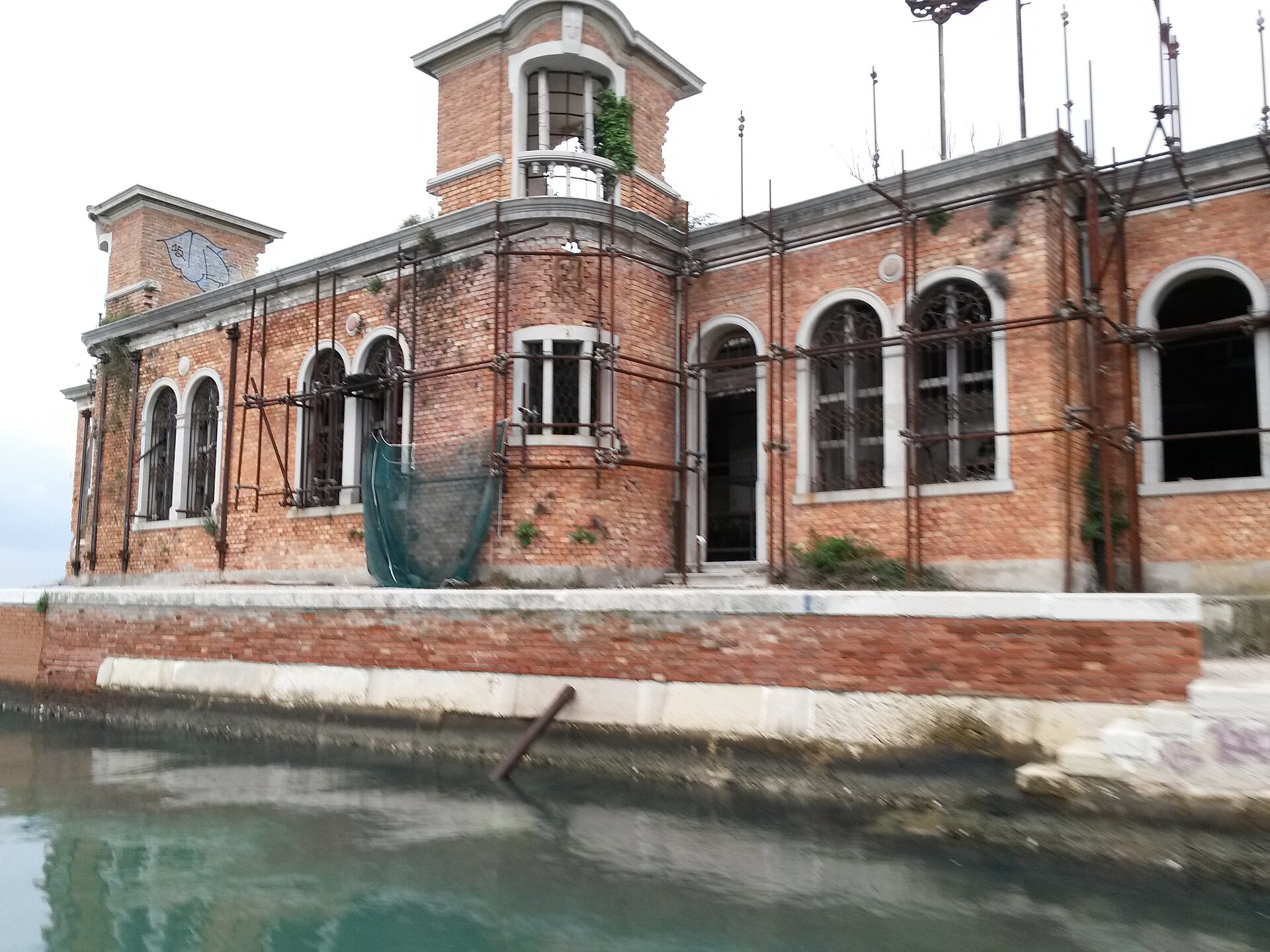
Say Venice and most people picture calm canals, gondolas, a beautiful city floating on water. Yet in the lagoon that cradles that city, a small island lies half-swallowed in mist — one no tourist boat ever heads toward. From the mainland it looks ordinary enough: wooded, with red-brick buildings standing among the trees. But the Venetians who know its name look away when they pass it. Boatmen carrying passengers will loop wide around that one island. This is Poveglia — for centuries the last shore the plague-stricken were carried to, and today an island the Italian state keeps ordinary people off. The isle of no return.

Photo: Wikimedia Commons, CC BY-SA 3.0
The Island of Forty Days
To understand Poveglia, you first have to know where the word "quarantine" comes from. It grows from quaranta giorni — "forty days" in the Venetian dialect. In the age when the Black Death swept across Europe, the Republic of Venice would not let arriving ships and travelers straight into the city. For fear they carried the sickness, incoming vessels and their crews were held on outlying islands in the lagoon for forty days and watched before anyone was allowed to set foot on the mainland. The stations where sickness was sifted out this way were called lazarettos, and the Venetian lagoon held several such islands of quarantine. Poveglia is the one that left the grimmest name of all.
Records trace Poveglia's role in plague quarantine back centuries. Between 1793 and 1814 in particular, the island served in earnest as a plague station. The sick — or those merely suspected of carrying the sickness — were rowed across to it. Once you had set foot on that island, nothing guaranteed you would ever walk off it whole again. The island was a wall built to keep sickness away from the city, and for those who passed through that wall, the sense that things would end here hung heavier than any hope of coming home alive.
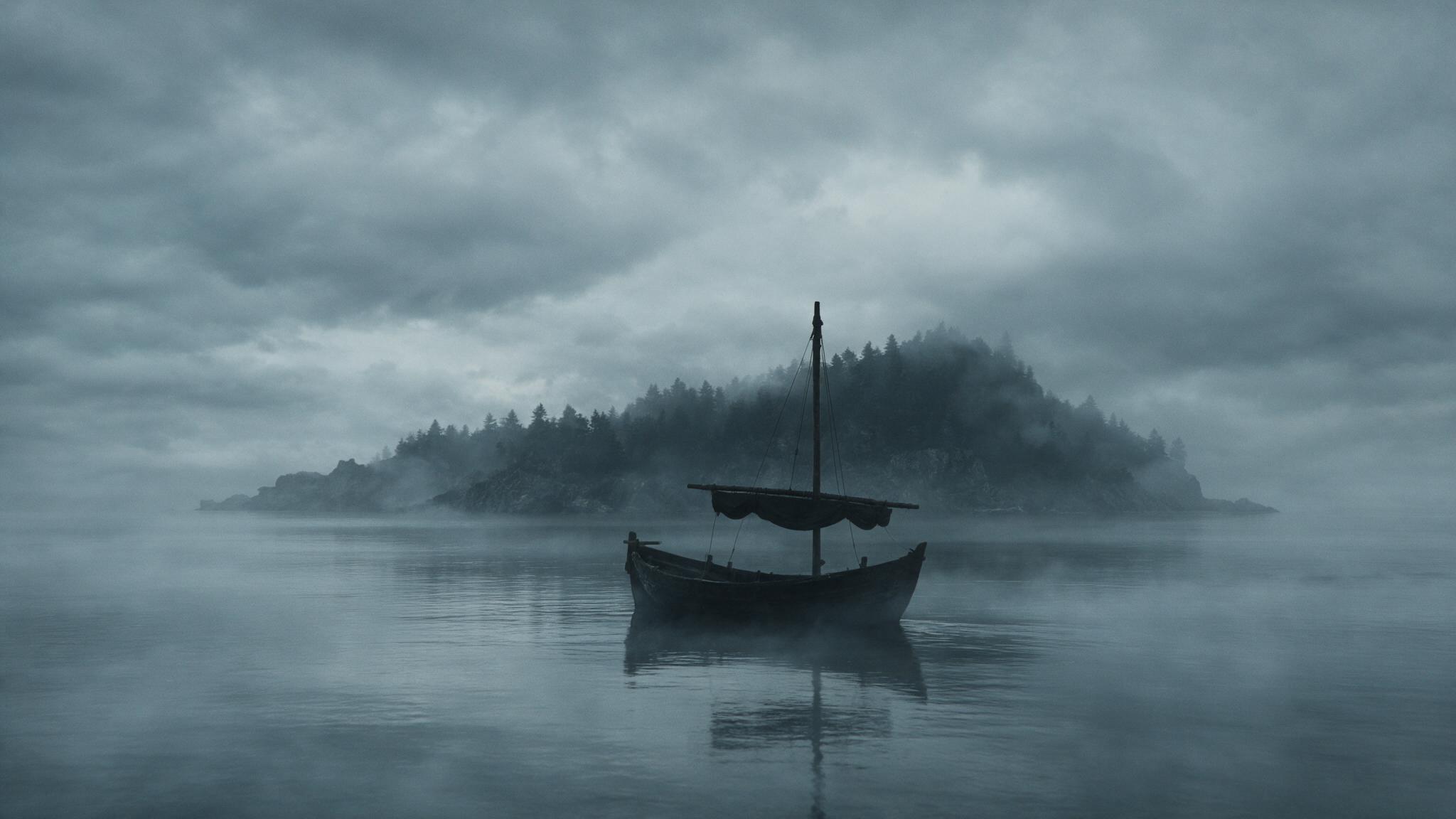
The word is what caught me first. Quaranta giorni — forty days. I had been sorting quarantine records for a different entry when it occurred to me that a term we now use for a fortnight indoors was originally a measurement of how long Venice would wait to see whether you died. Forty days is not a medical interval. It is a sentence with an appeal attached. Once I had read it that way I could not read it any other, and Poveglia went into the files that afternoon.
The Story That Half the Soil Is People
What makes Poveglia grimmer than any ordinary ruin is the story bound to the very ground of the place. As many as 160,000 souls are said to have passed through this tiny island — those carried here with the plague and never carried back, those who drew their last breath in this mist and closed their eyes for good. All those remains had to be buried somewhere on a cramped island, and so great pits, where the plague dead were laid to rest all at once, opened across the ground.
From this grows the island's coldest rumor. Over so many years, as so many remains piled up and dissolved into this little island, a great deal of Poveglia's soil today is said to be made, in truth, of human remains. The thought that the earth beneath your feet is death layered and packed hard over centuries chills the spine more than any ghost story. No one, of course, has scientifically measured exactly how much of the soil is remains. But the single fact that 160,000 people passed through an island barely bigger than a palm is enough to make its ground no different from one vast grave.
The dread of people long ago was no different. To the Venetians, Poveglia was for ages the "island of death." Boatmen held their tongues passing near it; fishermen were loath to cast nets in its waters. Even the mist blanketing the island looked like no ordinary mist. For when that grey haze lifted, no one could say what might be watching them, quietly, from beneath it.
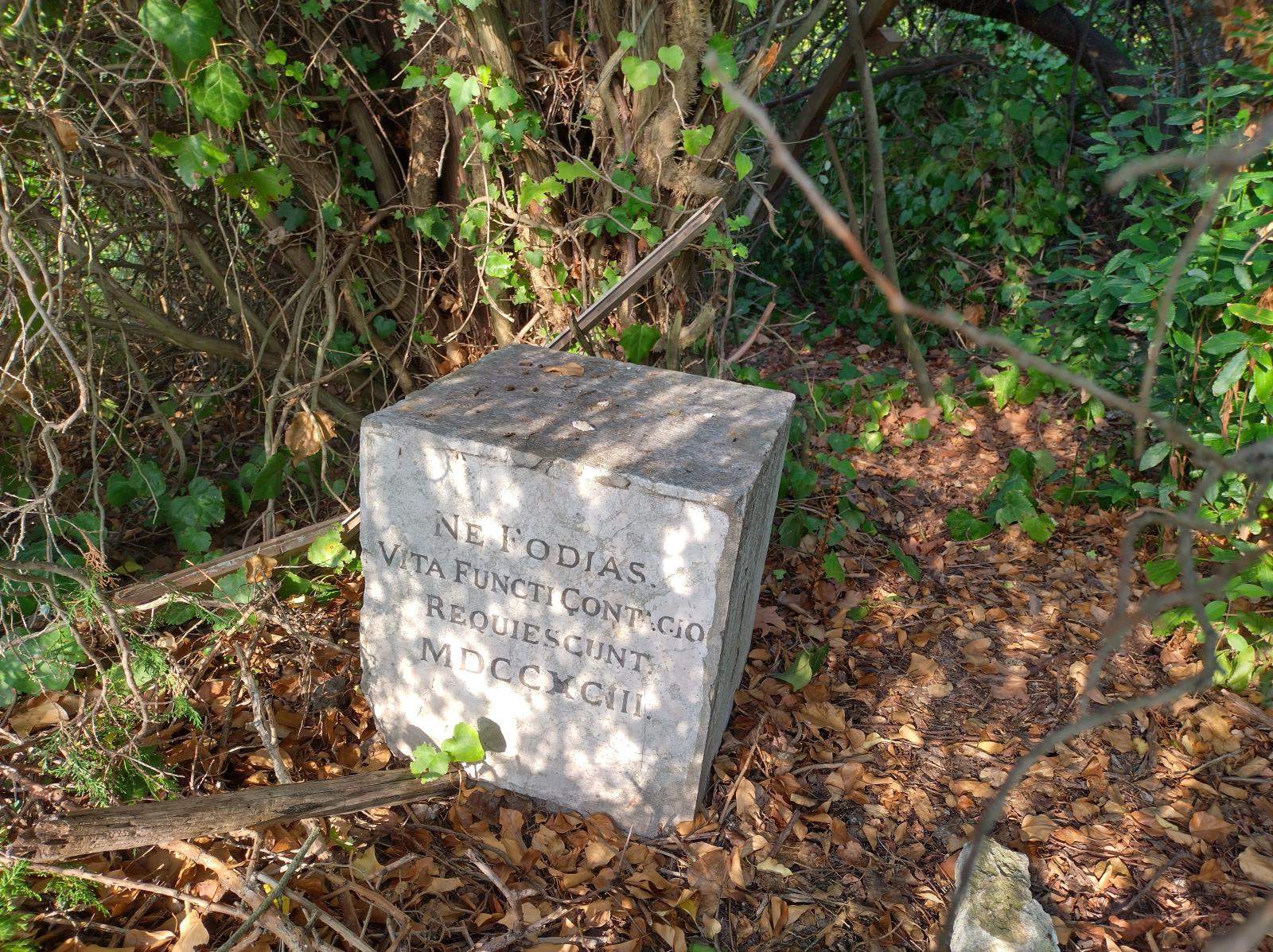
Photo: Wikimedia Commons, CC BY-SA 4.0
1922: An Asylum Rises
The age of plague waned, and Poveglia's use as a quarantine station seemed to have run its course. The lazaretto closed around 1814, and for a time the island lay quietly abandoned, holding nothing but memories of death. Yet the island's dark history did not end there. In 1922, people raised a new building on this island of death: a hospital for those with mental illness — an asylum.
That an asylum, of all things, should be built on an island where tens of thousands of remains lay buried became fertile ground for every grim rumor that followed. According to tales passed from mouth to mouth, the hospital housed a doctor who carried out strange and cruel experiments on his patients — primitive procedures done in the name of "treatment," acts that to today's eyes come closer to torture. Beyond the hospital's windows lay the misty lagoon and the earth of the plague pits, and what nights those confined within endured we can only leave to the imagination.
One thing must be stated plainly. The cruel tales bound to this asylum and its doctor are not backed by firm historical record. Many hold that they are closer to legend — swollen and embroidered over the passing years. And yet the reason the story refuses to die is that the stage itself — an asylum built atop an island of death — is already grim enough.
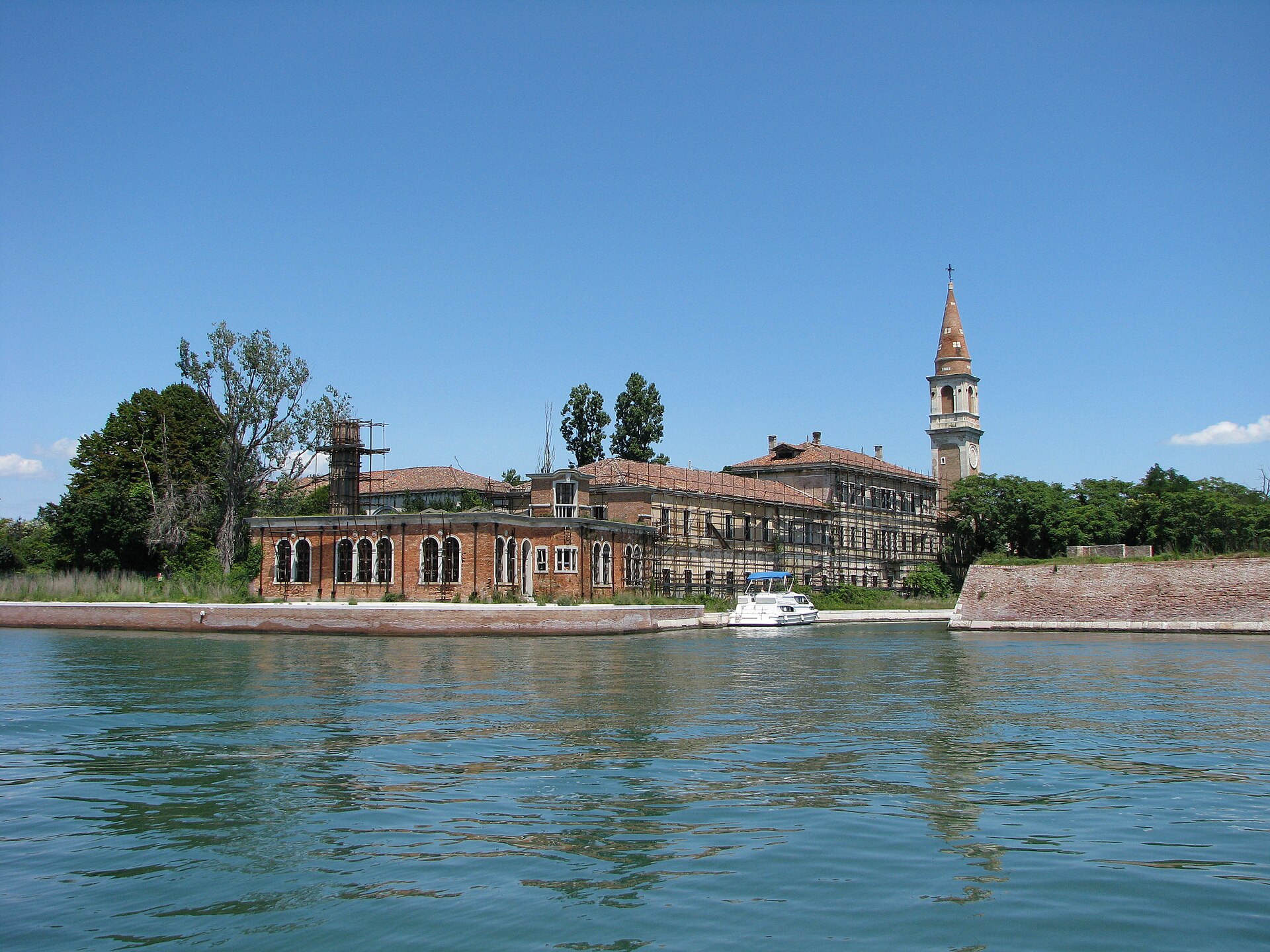
Photo: Wikimedia Commons, CC BY-SA 3.0
Poveglia drowned in mist, a low haze drifting over the crumbling bell tower and the ruins — a mood recreation, not real footage.
The Doctor Who Fell From the Bell Tower
The most widely spread of Poveglia's legends is the one bound to this asylum's bell tower. Beside the hospital buildings stands a bell tower, apparently that of an old church, and to this day it remains the island's most conspicuous structure, standing alone above the ruins. The legend takes this tower for its stage.
As the story goes, the doctor who made a habit of experimenting on his patients began, at some point, to be tormented by apparitions of those who had perished on this island. In the mist, in the empty corridors, in the sleepless nights, what came for him were the shadows of the countless dead who had long ago vanished into the island's soil. Unable to bear it, the doctor is said to have finally lost his mind, climbed the hospital's bell tower one day, and thrown himself off. Some versions of the tale add a further layer: that as he lay still alive after the fall, a mist rising from the ground closed over him and choked the last breath out of him.
This too, it must not be forgotten, is not firm record but a legend long handed down. Yet the setting — a mist-wrapped island, a hospital fallen to ruin, and the bell tower left standing alone above it — has carved this story deep into people's minds, true or not. That travelers still whisper of a bell ringing from the tower is nothing less than the power of this legend — even though, they say, no bell remains in the tower at all.
1968: The Doors Close
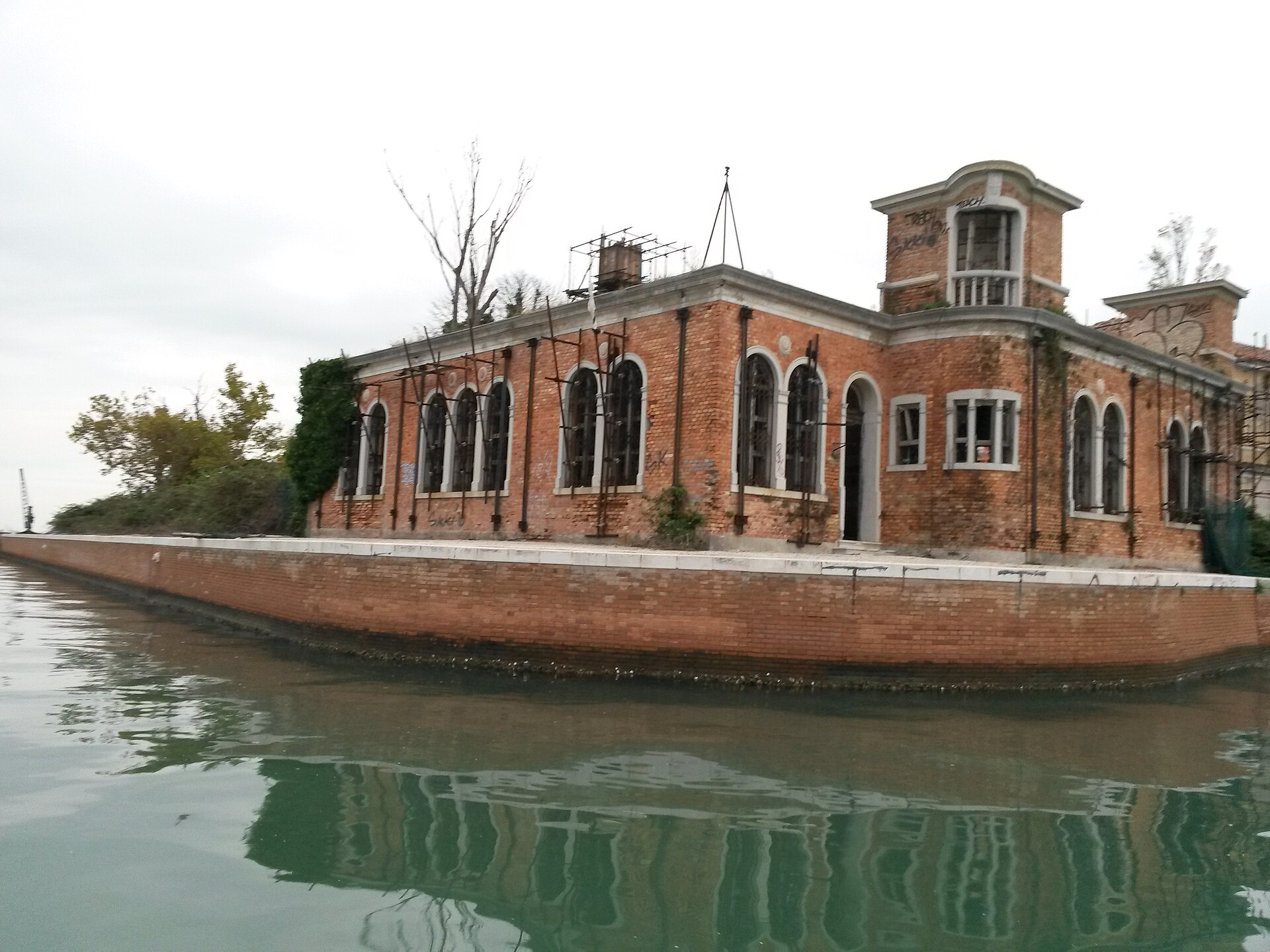
Poveglia's buildings — used as an asylum and afterward as a home for the elderly — finally closed their doors in 1968. After that the island was abandoned once more, left without a human hand. Roofs sank in, windows shattered, plaster peeled away and fell. Every chapter of the island's history — plague station, asylum, care home — sank into the silence of ruin.
Today Poveglia is Italian state land, and public access is, in principle, forbidden. No scheduled ferry carrying tourists puts in at the island, and setting foot on it carelessly is not permitted. There is the practical reason that the crumbling buildings are dangerous — but the island's grim reputation, too, has long stood as an unseen wall barring the way. An island the government has sealed off, an island that plainly exists on the map yet no one sets foot upon. So Poveglia has remained, alone amid Venice's dazzling scenery, time halted, wrapped in mist.
It is not that no one has ever tried to bring the island back to life. Various proposals for its use have gone back and forth, but the weight of the name "island of death" does not wipe away easily. In the end Poveglia floats on the lagoon still today, untouched by the tread of tourists, holding its ruined hospital, its solitary bell tower, and the soil steeped in the story of 160,000.
What Sleeps Beneath the Mist
Poveglia's story is chilling enough without dragging in the existence of any ghost. The fact that 160,000 souls passed through this tiny island, and that so much death soaked into its soil. The fact that an asylum was raised again atop an island of death, and that what nights flowed by within it can no longer be fully known. And the fact that the legend of the doctor who threw himself from the tower, and the tale of a mist that swallowed a man, hold people fast for so long on the border between truth and fiction.
What is real history and what is swollen legend, this mist-wrapped island rarely gives up its answer. Whether the doctor truly threw himself from the tower, what happened within the hospital, exactly how much of the soil is really human remains — no one can say for certain. Rather, what holds this island fast for so long is not any supernatural curse but the fact itself: that so much death really was buried in this earth. There is no need to invent a curse; the single number of 160,000 is enough to make this island grim.
I have tried, more than once, to trace the figure of 160,000 back to whatever count first produced it, and the trail thins out into repetition long before it reaches a ledger. That failure is instructive. The number has been recopied so many times that it now belongs to the island rather than to any archive, and it will outlast any correction I could file against it. What I am left holding is smaller and harder: that the number does not have to be right for the ground to be what it is.
Today, still, mist drifts over the Venetian lagoon. Gondolas slide down its dazzling canals, and tourists marvel at the beauty the water city flaunts. But turn the boat just a little away from that splendor, and one mist-wrapped island toward which no one steers still floats where it always has. A ruined bell tower rises alone toward the grey sky, and the soil beneath it, hiding for well over a century the story it holds, sleeps still today beneath the mist.
---
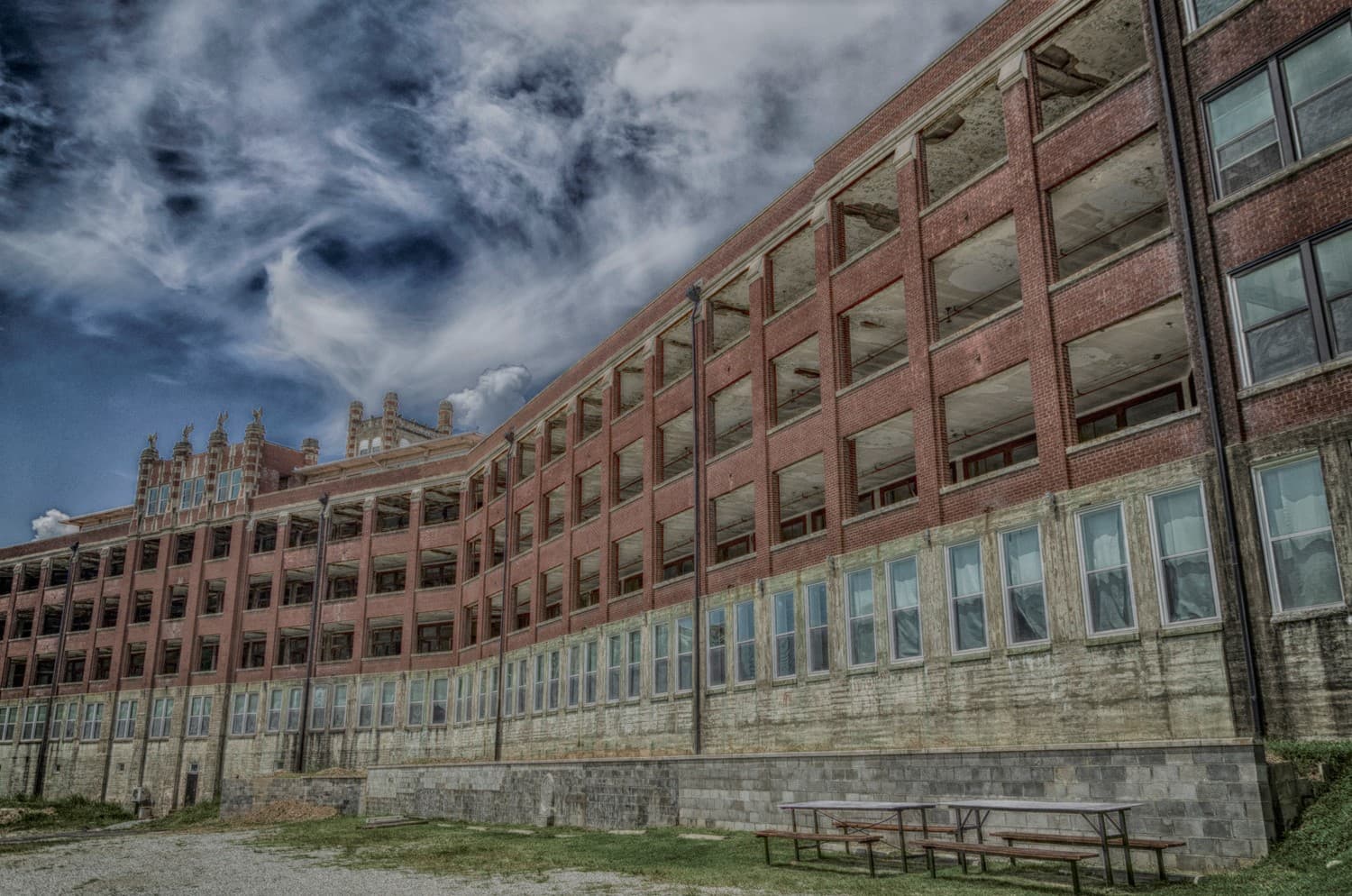
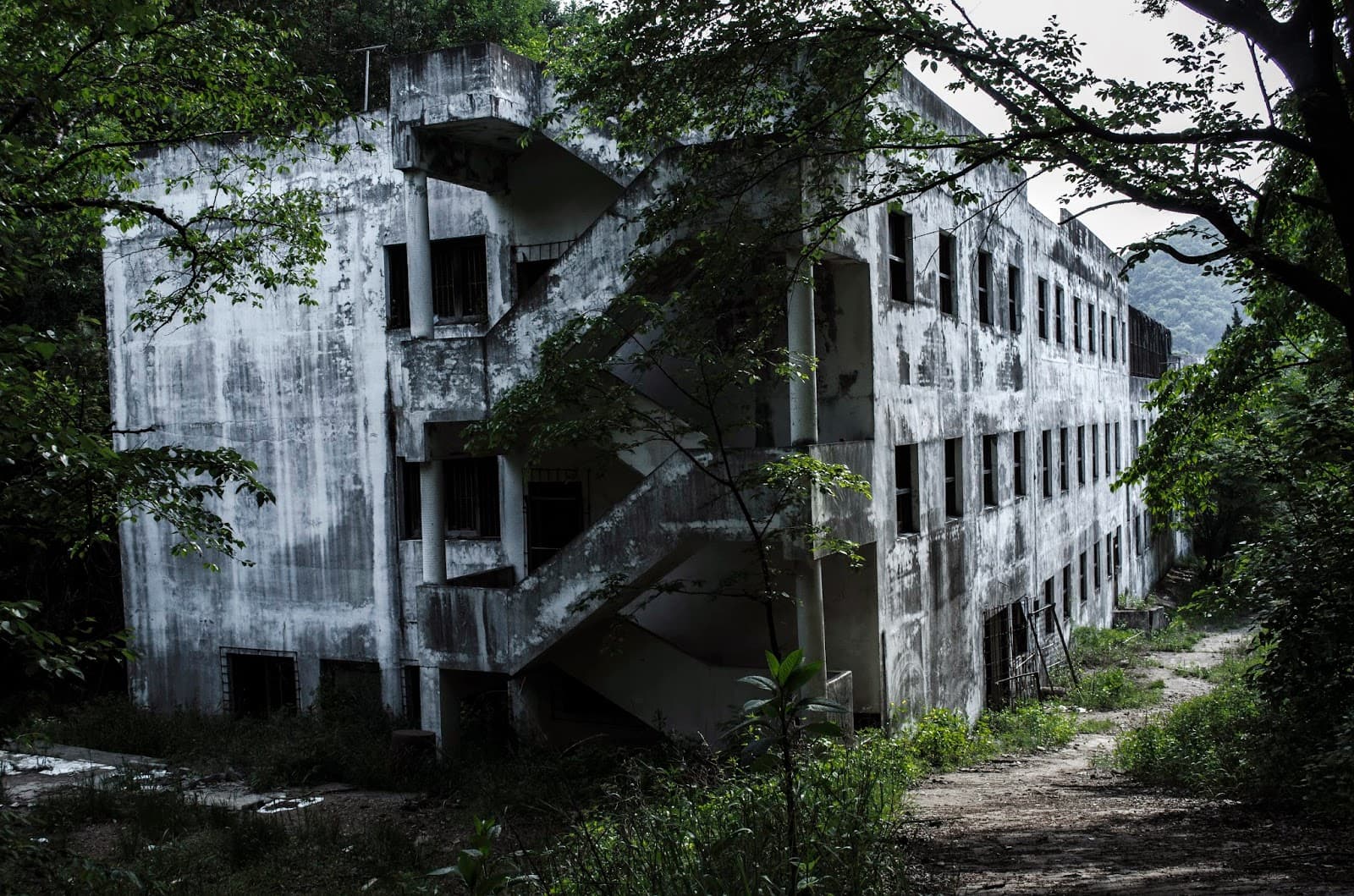
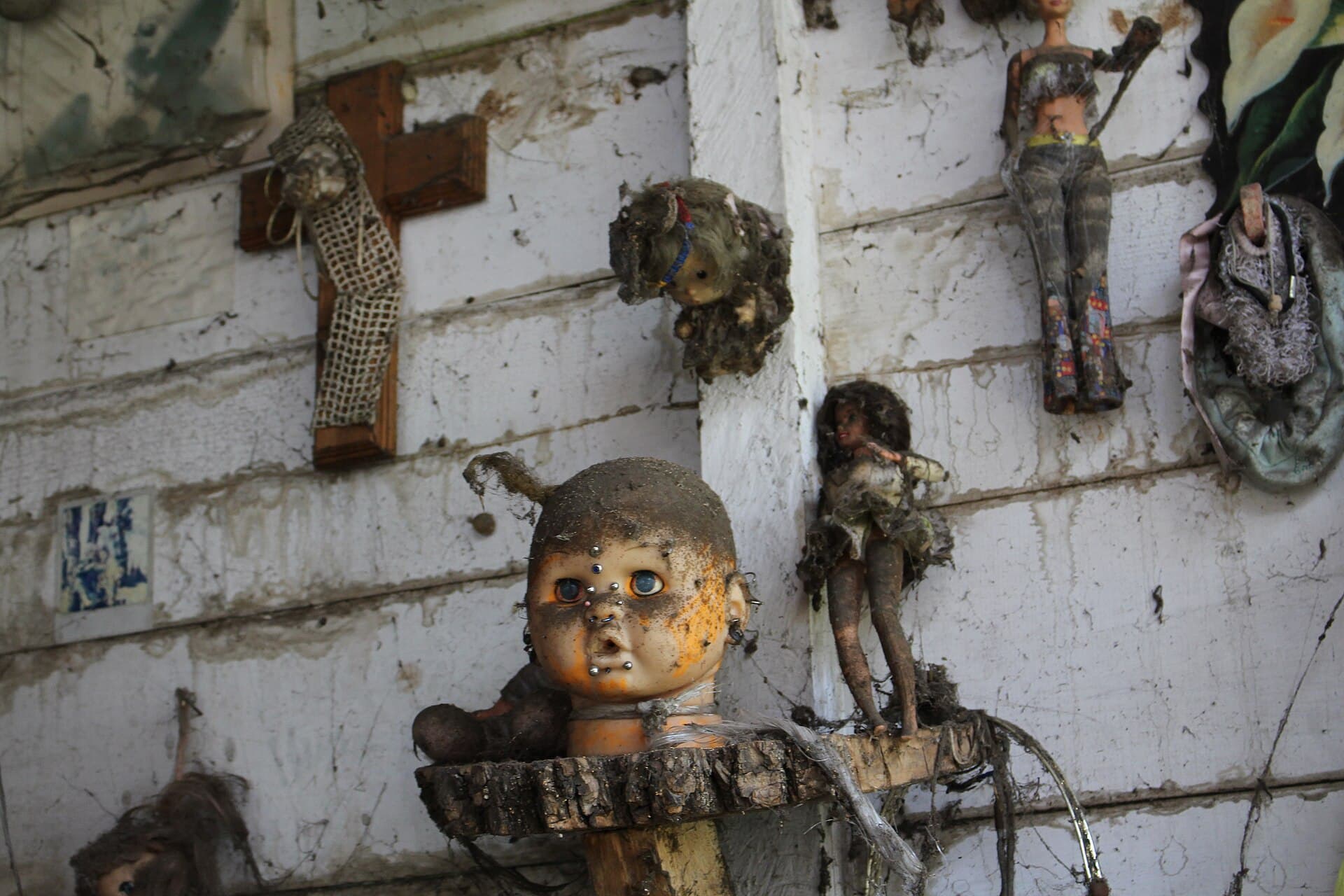
This article combines authentic location and archival photographs with AI-generated images produced to convey the mood of the story.
Comments
No comments yet — leave the first one.