
I, K. Woo, who collects these files, have held onto this one for a long time — and not because of the murder itself. It's the motive. Not money. Not an affair. Not some old grudge. It was views. Over the years I've written down a lot of words in the column labeled "why one person kills another," but this was the first time I ever wrote down a number. A four-digit number, at that.
Let me be clear from the start. This is not a rumor; it is a record. Everything here follows what was confirmed in a Texas courtroom, in police investigation files, and in reporting by American outlets. There were no minors among the victims of this crime — but for the sake of the five children left behind, I will not touch their identities.

The Call Before Dawn
On a night in February 2015, a call came in to a Texas police station. "I think my sister's in danger right now." The house the officers arrived at was silent, but far from intact. The front door had been smashed to pieces. Inside was chaos. Blood was spreading across the floor.
A woman was slumped weakly against the stair railing. Ligature marks on her wrists. Tears at the corners of her mouth. In a high, cracking voice she told them: her husband had been taken. Men dressed in black had broken in, tied her up, pistol-whipped her husband downstairs, and dragged him out into the night.
Her name was Samantha Wohlford. Mother of five. And a woman who made YouTube videos.

An Almost Perfect Statement
Her story made sense. Almost perfectly. Even the detail about pressing her phone with her nose while bound, to call her mother — it seemed airtight. Her husband's name was Ernest Ibarra. A tattoo artist who worked two jobs, morning and night, to feed five kids. A steady, dependable man of the house.
At 3:20 that morning, the signal from Ernie's phone — the phone police were tracing — went dead. Not long after, his body was found.
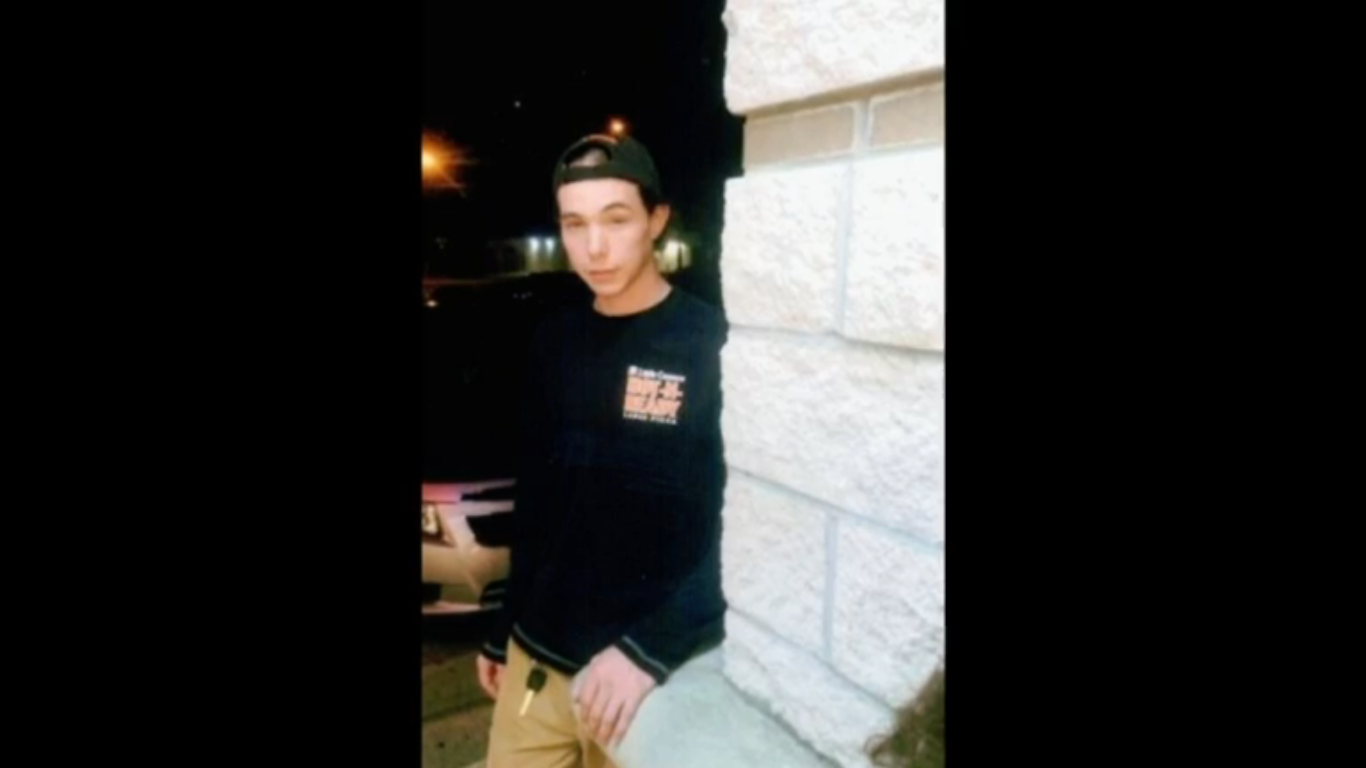
Up to this point, it looked like a kidnapping and murder driven by a grudge. Too tidy for a robbery: not a single valuable was missing from the house, none of the five children were harmed, and only the husband had vanished. Which meant someone had come for Ernie, and Ernie alone.
The Line That Didn't Add Up
A detective working the scene caught something wrong. Samantha said her husband had been shot. But there was too little blood on the floor for that. Her words and the scene were drifting apart, inch by inch.
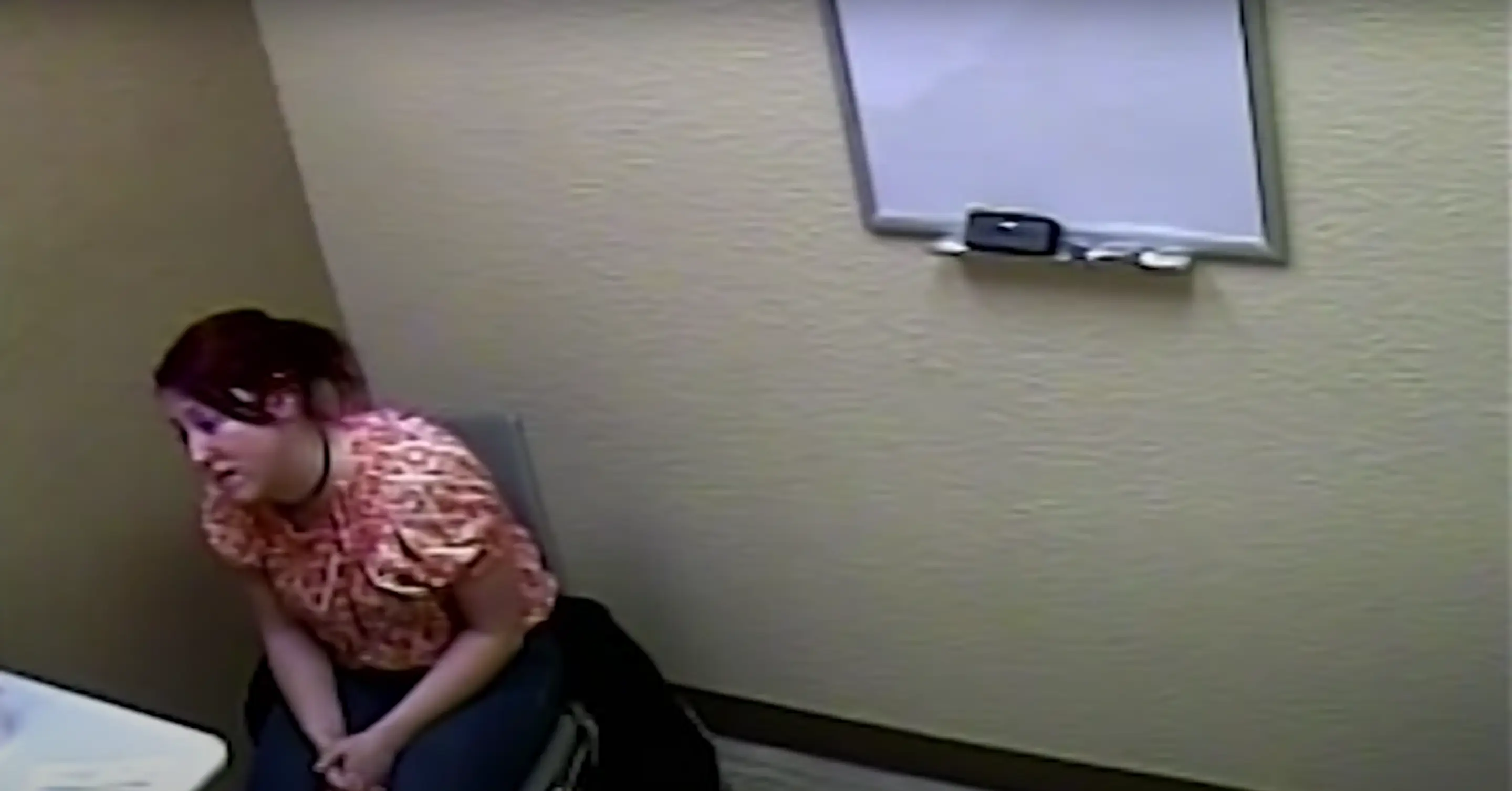
One sentence stayed in my notebook and would not wipe clean: how does a woman who's been tied up manage to call her mother, but never call 911? When the detective asked her about it, Samantha began to change her story. At first she'd said she never saw the intruders' faces at all. Then, as if something had suddenly come back to her, she said, "Actually — I think I might know who did it."
The Order
The men she named were arrested. Johnathan Sanford, Jose Ponse, and Octavious Rhymes. All three admitted to the crime without resistance. But what they said turned the police's theory upside down. This was not about a grudge. It was a job. Someone had paid to have Ernie erased. And that someone was the wife who had wept against the stair railing that night.

Samantha denied it to the very end. "On my children's lives, I did not do this." And for a while, there really was no hard evidence tying her to it — only the accomplices' words and the circumstances. Then police found two things.
One: CCTV footage of the killers buying snacks for Samantha's children the day before the murder. Two: a text message Samantha had sent to one of them. At the very hour police were tracing her husband's phone, she wrote: "Turn Ernie's phone off. Kill it. Get rid of it and move."
The woman who swore she was innocent on her children's lives had taken those same children along to meet a contract killer — and while her husband lay dying, she was texting orders to destroy the evidence.

Why
What people could least understand was the motive. It wasn't money. It wasn't another man. The beginning was ordinary. Samantha had a child in high school and was already a mother of two when she met Ernie at a local tattoo shop, fell in love, married him, and had twins. To ease her husband's burden, she started a YouTube channel. She called it Simply Manic.

At first it was something she did out of love for her family. But the attention — strangers noticing her for the first time in her life — turned out to be a sweetness she couldn't put down. One day she realized something: videos with the kids in them got the most views.

From then on, the videos grew more and more provocative. The children's private lives, even the fights between her and her husband — all of it became content. Ernie asked her not to post their private moments, but her hunger for views would not stop. Even when their fifth child came, she didn't change. Worn down at last, Ernie decided on divorce. And he said he would take custody of the children.
In that exact moment, the children became the most precious thing in Samantha's world. But the reason was monstrous. She needed the kids, because the kids brought the views. If her husband took them, the channel was finished. So she chose to have him erased instead. A man who had chosen to raise, to the very end, children who weren't even his own blood — erased, for views.
The Verdict, and What Remained
In September 2017, Samantha Wohlford was found guilty. Ninety-nine years for murder. Fifty for kidnapping. To be served one after the other — which, in plain terms, means she will not walk out alive. Octavious Rhymes, the one who did the killing with his own hands, got 93 years. The two remaining accomplices got 50 years each.
On the day it happened, five children lost both parents at once. Their father, murdered on their mother's order. Their mother, never to leave prison. The children were taken in by Samantha's own mother, who said she would spend the rest of her life for her grandchildren.
Four Thousand
Here is one fact that still runs cold. The YouTube channel Samantha sold her husband to protect is still out there on the internet, exactly as it was. Its subscriber count was somewhere around four thousand.
The number she was willing to kill a man to keep — was only that.
I cross-checked this case against the verdict and the reporting three times, and three times I arrived at the same fact. And still, every time I go to close the file, my hand stops for a moment. What is she thinking about, right now, in that cell? Does she repent, all the way to the marrow, for what she did? Or is she still waiting for someone's attention? That feeling — of believing four thousand people were watching over her — if she still misses it, even now, then that, to me, is the most frightening thing of all.
---
This article uses both real documentary/scene photographs and AI-generated images created to convey the atmosphere of the story.



Comments
No comments yet — leave the first one.