A gunshot rang out. And 300 million won in cash vanished.
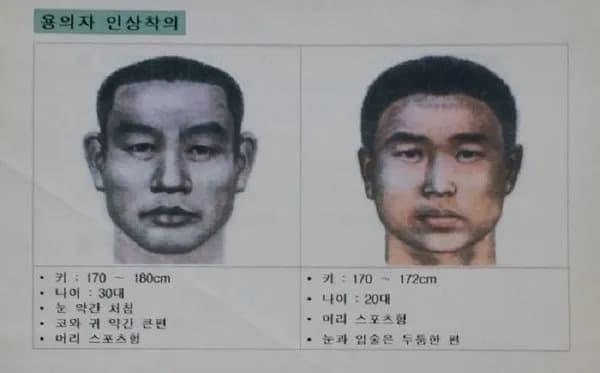
All the witnesses could recall were black masks and a blurred glimpse of a face. From that impression, a single composite sketch was drawn and distributed across the whole country — more than 135,000 copies. But the culprits remained only on that sheet of paper, uncaught, for 21 years.

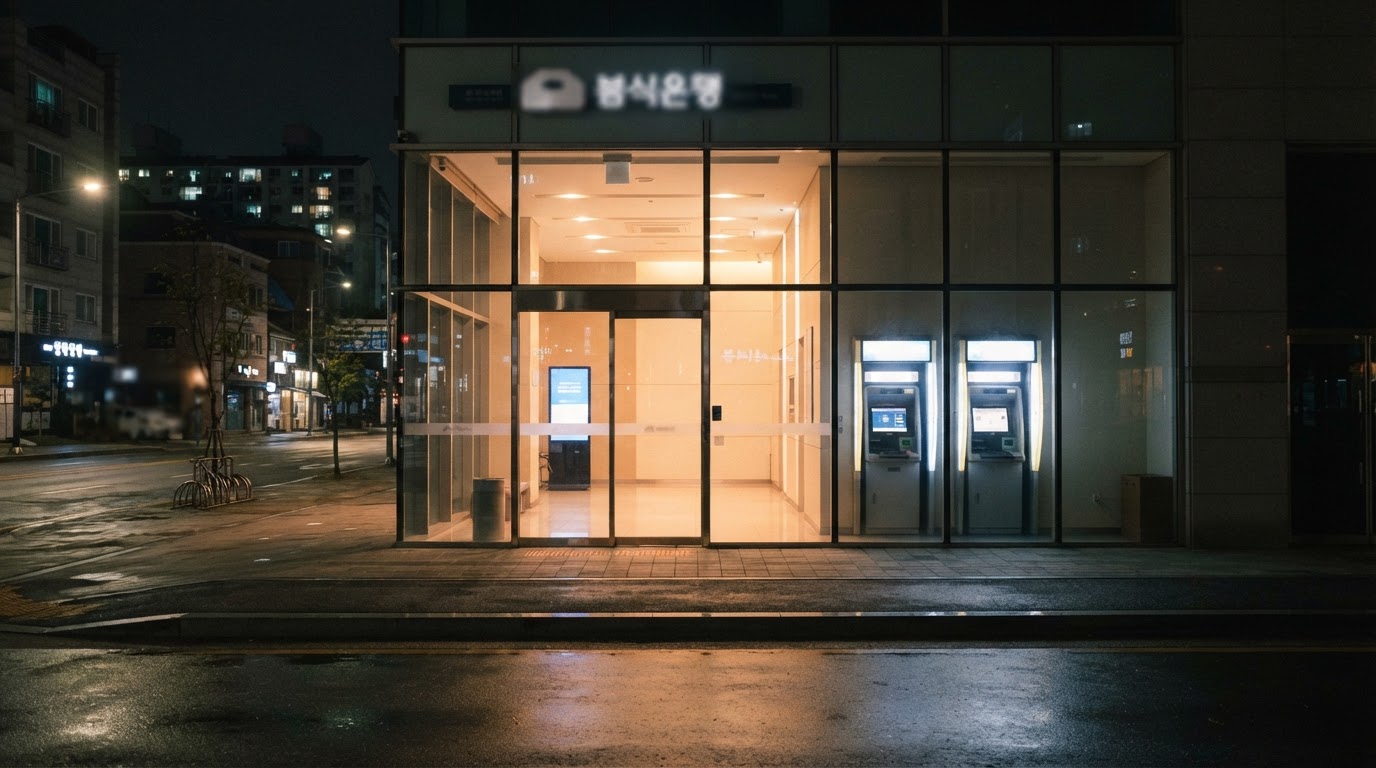
December 21, 2001 — a morning in Dunsan-dong
Around 10 a.m. on December 21, 2001. It was the underground parking garage of a Kookmin Bank branch in Dunsan-dong, Seo-gu, Daejeon.
That morning, the bank's cash-transport routine was under way, as on any other day. Just as a bag of cash was being moved, two men in black masks appeared. They blocked the way with a car, and in their hands were pistols.
There was resistance. Then a gunshot. A bank cashier surnamed Kim, 45 at the time, was struck by the pistol and killed. He was the father of two children.
The robbers fled with the bag holding 300 million won. It had happened in broad daylight, at a bank in the middle of the city.
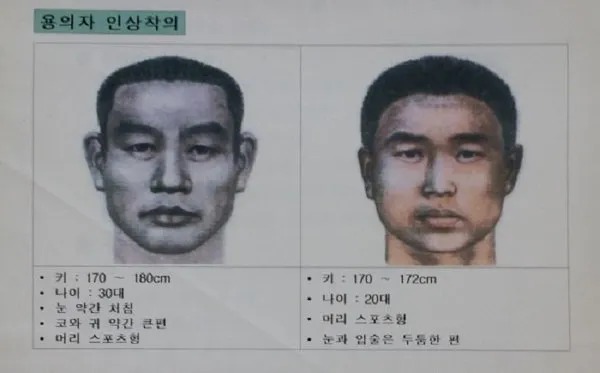
K. Woo — I gather and sort the material these pieces are drawn from. Solved cases do not usually stay in my collection, and this one has, because of what the resolution did to the earlier documents. I still hold copies of the composite sketch, and I have set them beside the 2022 arrest photographs more than once. They are not the same faces. A hundred and thirty-five thousand copies of a drawing went up in subway stations and government offices for twenty-one years, and the country spent two decades looking for two men who did not look like that.
What it means for a gunshot to ring out in Korea
One reason this case was so extraordinary is that it was a robbery committed with a gun.
South Korea is a country where private gun ownership is strictly forbidden. Even hunting rifles must be kept at the local police station and checked out only with permission; for a civilian, there is essentially no legal way to own a weapon like a handgun. As a result, violent crimes involving firearms are exceedingly rare in Korea. Most serious crimes involve knives or blunt objects — the sound of a gunshot is something the country almost never hears.
In such a country, in broad daylight, a pistol was fired outside a bank and a man died. The shock to society was immense. So where on earth had the culprits gotten that pistol?
What the investigation uncovered was even more chilling. The weapon they used is believed to have been a .38-caliber revolver they had seized from a police officer about two months earlier, in October 2001. Even the tool of the crime was, in itself, another crime.
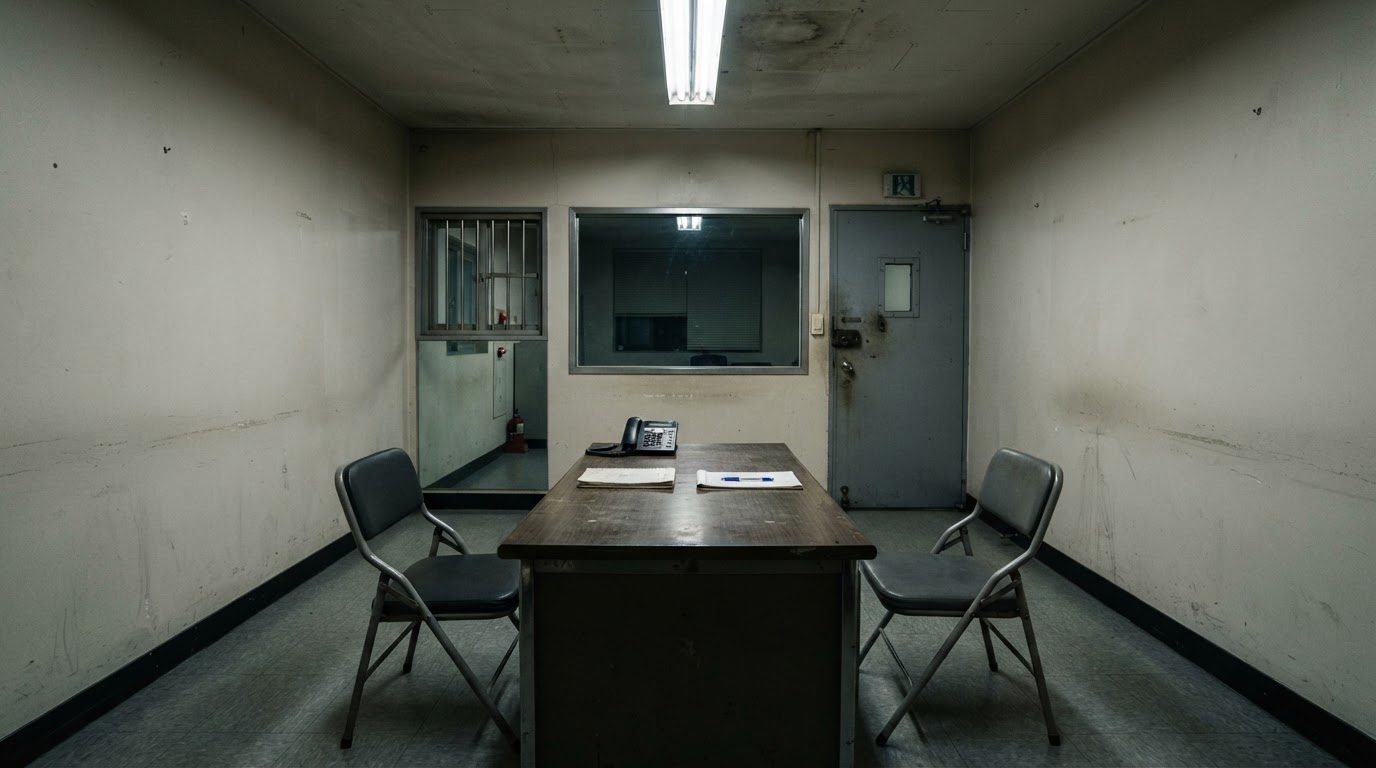
Only a composite sketch remained
Immediately after the crime, police set up a large investigation headquarters and launched a public inquiry.
But they had far too little to work with. The culprits had worn masks and had appeared and vanished in an instant. Piecing together witness statements, all police could manage was a vague description — "men in their 20s or 30s" — and a single composite sketch drawn from it.
Police printed more than 135,000 copies of that sketch and posted them across the country. The suspects' faces went up in subway stations, government offices, and streets everywhere. More than 300 tips came in. Yet not one of them reached the culprits.
A composite sketch is only a drawing, a witness's hazy memory transferred by hand. How closely it resembled the real faces, no one could be sure. In the end, the case came to a halt on that single sheet of paper.
The investigation headquarters closes its doors
As time passed, the leads began to dry up.
In the summer of 2002, investigators did detain men flagged as suspects. But there was no decisive physical evidence to tie them to the crime. In the end, they had to be released. A lead that had seemed within reach slipped away once more.
Then, in March 2003, the investigation headquarters was disbanded. Despite pouring in vast manpower and budget, they had failed to catch the culprits, and the case officially slid into the drawer of long-unsolved cases.
The culprits were surely living, unbothered, somewhere out in the world — carrying 300 million won and the secret of a man they had killed. For the bereaved family, a new kind of ordeal began: having lost a father, and not even knowing who had killed him.

The years slipping by — and a deadline drawing near
Over the unsolved case hung yet another shadow: the statute of limitations.
A statute of limitations is a rule under which, once a certain period has passed after a crime, the offense can no longer be prosecuted or punished. The reasoning, long established, is that as too much time passes evidence and memory fade, and it is not right to leave someone under the threat of prosecution forever.
The problem was that this limitation applied even to a crime as grave as murder. Under the law at the time, the statute of limitations for this case was set to expire around 2016. Once that point passed, even if the culprits were later identified, they could no longer be punished.
The culprits didn't even need to do anything. They only had to hide and wait for time to pass. The moment the door of the statute closed, they would be free forever.
A law that began with a child's name
That door, about to close, was caught and held open by a single law.
In 2015, South Korea's National Assembly amended the Criminal Procedure Act to abolish the statute of limitations for the crime of murder. For the taking of a human life, at least, no passage of time would ever again let a killer escape punishment. The law was given a nickname: "Taewan's Law."
Taewan was the name of a six-year-old boy in Daegu who, in 1999, was gravely burned over his face and body by acid that someone had thrown, and who eventually died. The culprit was never identified, and that case, too, remained unsolved against the wall of the statute of limitations. The boy's death, and society's anger at watching justice be defeated by the clock, became the force that finally changed the law.
With this amendment, the statute of limitations on murder cases that had not yet expired was revived. The door for the Daejeon bank case, set to close in 2016, was thus held open. The path by which the culprits could go free simply by waiting out the clock had been sealed off.
(The story of Taewan's Law itself is covered in more detail in a separate article. Here, it is enough to remember one thing: without that law, this case, too, would very nearly have been buried forever.)

The trace left behind on old evidence
While the law held time in place, science was quietly moving forward.
From the crime scene and the vehicle used in the robbery, police had secured a few items the culprits had left behind — things like a mask and a handkerchief. With the technology of the time, they could not extract anything from that evidence to identify the culprits. But the evidence was not discarded; it was preserved.
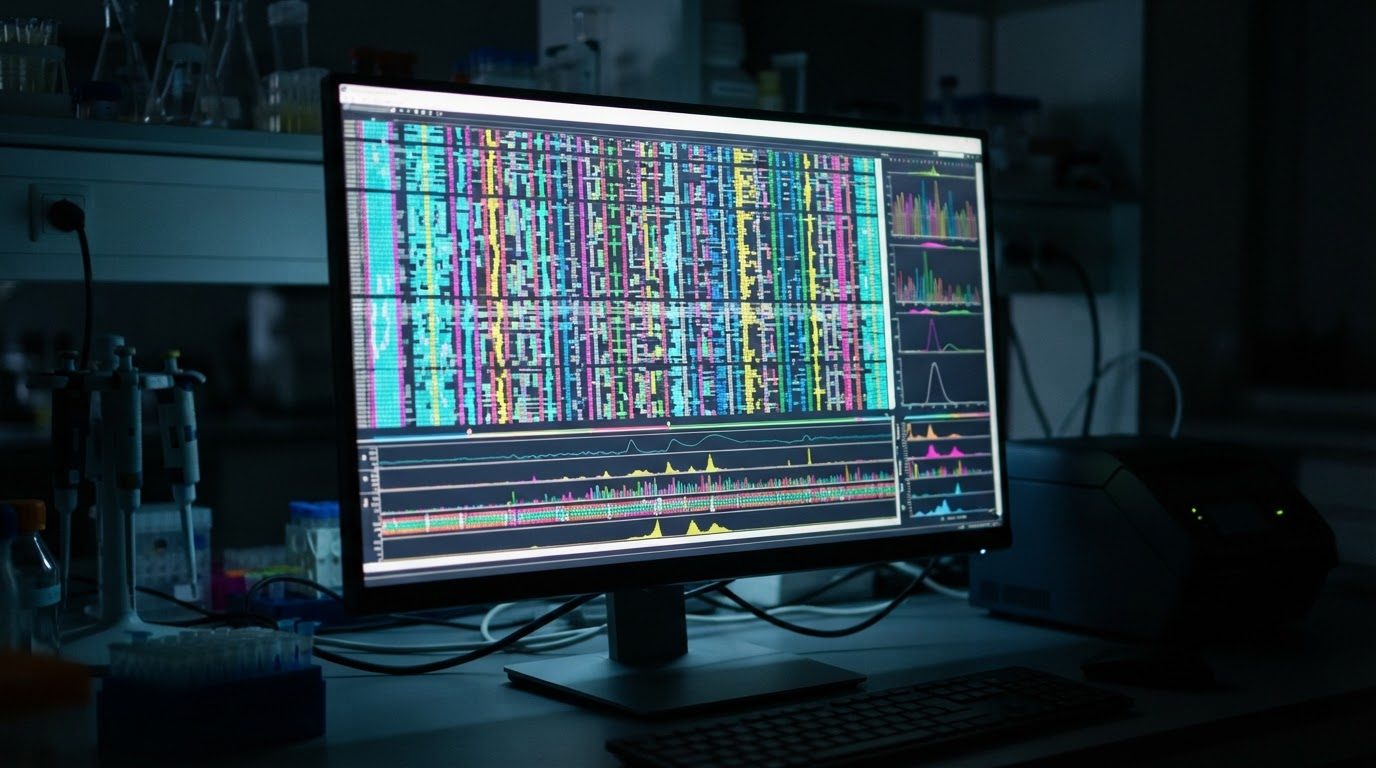
DNA forensic technology grew more refined with each passing year. It became possible to read genetic information even from tiny amounts of a sample, and results began to emerge from minute traces that would once have been overlooked.
In 2022, police retrieved that old mask and handkerchief and re-examined them. And at last, they detected the DNA of an unidentified man. A tiny trace left behind by the culprit on that morning 21 years earlier had finally begun to speak.

The last piece, matched by a single cigarette butt
They had the DNA in hand, but that alone could not tell them a name. Genetic information points to a person only when there is a match to compare it against.
The breakthrough came from an unexpected place. In 2015, during a crackdown on an illegal gambling den in the Chungbuk region, police had collected a cigarette butt. The DNA on it matched the DNA from the evidence in the Daejeon bank case.
Two fragments from entirely different times and places clicked together through a single key: DNA. The man thus identified was Lee Jeong-hak. And following his statements, his accomplice, Lee Seung-man, was also taken into custody. The two were high-school classmates who, investigators found, had committed a string of thefts before setting their sights on the bank's cash-transport vehicle.
August 25, 2022. Twenty-one years after the crime, the faces that had existed only on a composite sketch finally took on real form before the world.

The courtroom reopens
The two men, once arrested, stood trial on charges of robbery-murder.
One of the central issues at trial was which of the two had pulled the trigger. The weight of responsibility can differ between the man who fired the shot and the one who did not, and on this point their claims diverged.
The court, based on various circumstances, is understood to have found that Lee Seung-man fired the gun. Nonetheless, as accomplices who had planned and carried out the grave crime of robbery-murder together, both were held heavily responsible.
The trial and appellate courts both handed down severe sentences. And on December 14, 2023, the Supreme Court confirmed the lower ruling sentencing Lee Seung-man and Lee Jeong-hak each to life imprisonment. Electronic ankle monitors were ordered as well.
It had been 22 years since the crime.

What broke the 21 years of silence
Several forces, none of which alone can explain it, overlapped to solve this case at last.
The first was the law. Without Taewan's Law, the statute of limitations would have ended in 2016. In that case, even if the DNA had matched in 2022, the path to putting the two men on trial would already have been closed. One changed law bought the time for justice to arrive.
The second was science. An old mask and handkerchief that could say nothing 21 years earlier finally spoke before advanced DNA technology. And a single cigarette butt, preserved by chance, gave a name to that trace.
The third was the people who did not give up. There was the hand that preserved the evidence instead of throwing it away, the investigators who looked again at a cold case, and above all the bereaved family who endured the long years. Without that patience, no matter how ready the law and the science may have been, the case would have stayed in the drawer.
What I cannot file away is the cigarette butt. It was collected in 2015, at a gambling raid in Chungbuk, by officers who had no reason to connect it to anything. Had that particular raid not happened, or had the butt been swept up with the rest of the room, the mask and the handkerchief would still be sitting in storage with a profile and no name attached. I have gone through enough cold-case files to know how rare that kind of accident is. The two men were not caught by twenty-one years of investigation. They were caught by a night they had already forgotten.
In closing
In the winter of 2001, a gunshot rang out in the underground parking garage of a bank in Dunsan-dong, Daejeon. A man lost his life, 300 million won vanished, and the culprits disappeared into the dark, leaving behind only a single composite sketch.
Neither the more than 135,000 sketches nor the more than 300 tips could catch them. The investigation headquarters closed its doors, and a deadline — the statute of limitations — was quietly drawing near. The case very nearly stayed buried forever.
But one changed law held time in place, advanced science read a tiny trace from old evidence, and a single cigarette butt that happened to survive matched the final piece. The gunshot, the 300 million won, and the 21 years of silence were broken that way.
This case tells us something. Some truths arrive very late — but that does not mean they never arrive at all. Not if the law holds time in place, if science reads the trace, and if people refuse, to the very end, to give up.
---
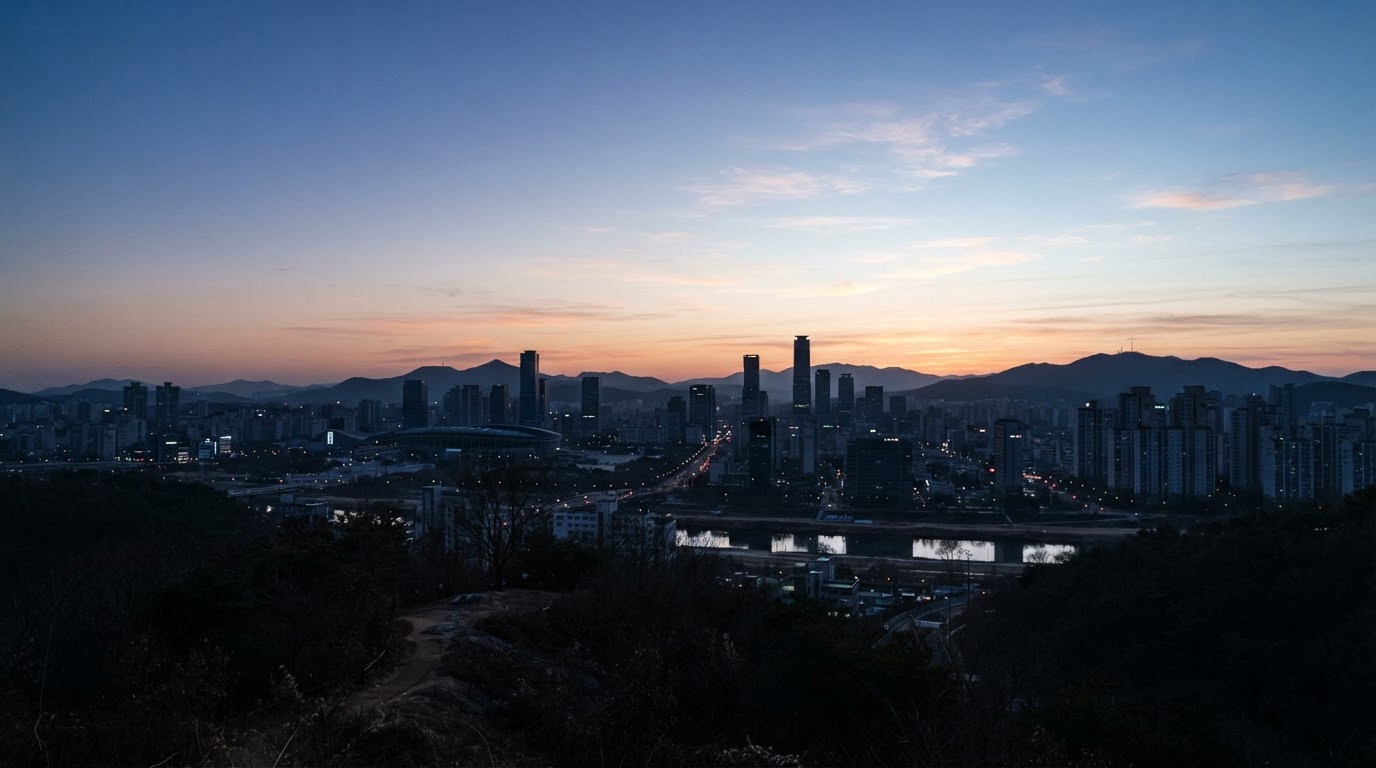
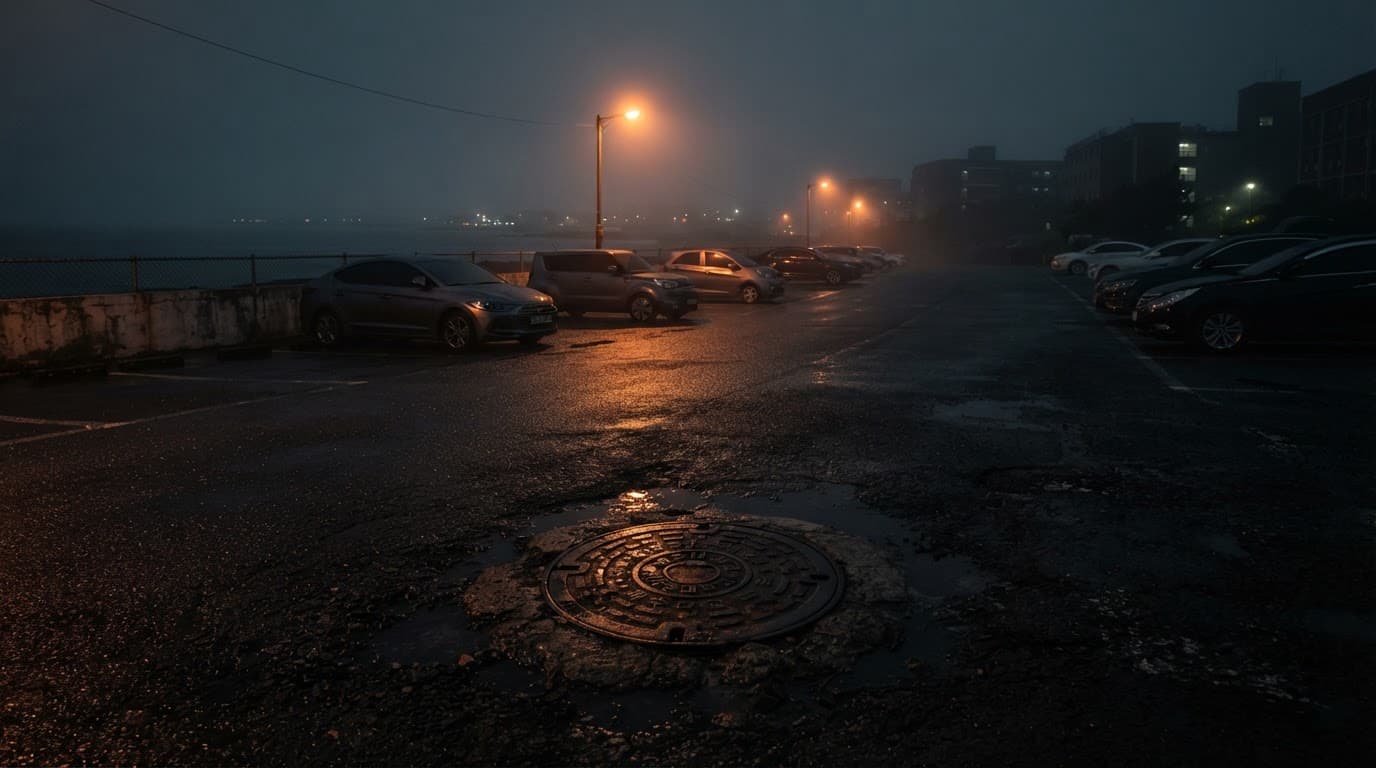
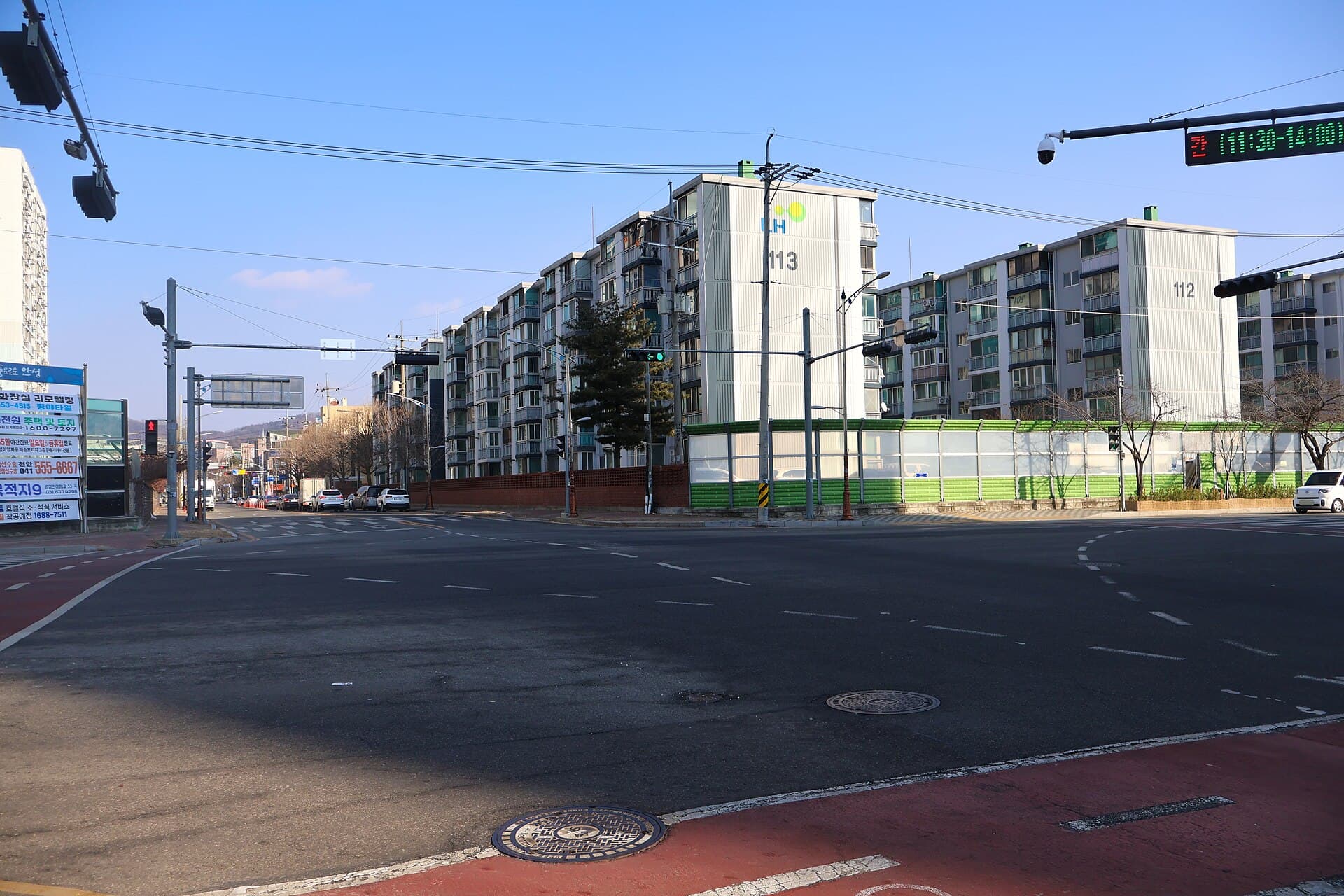
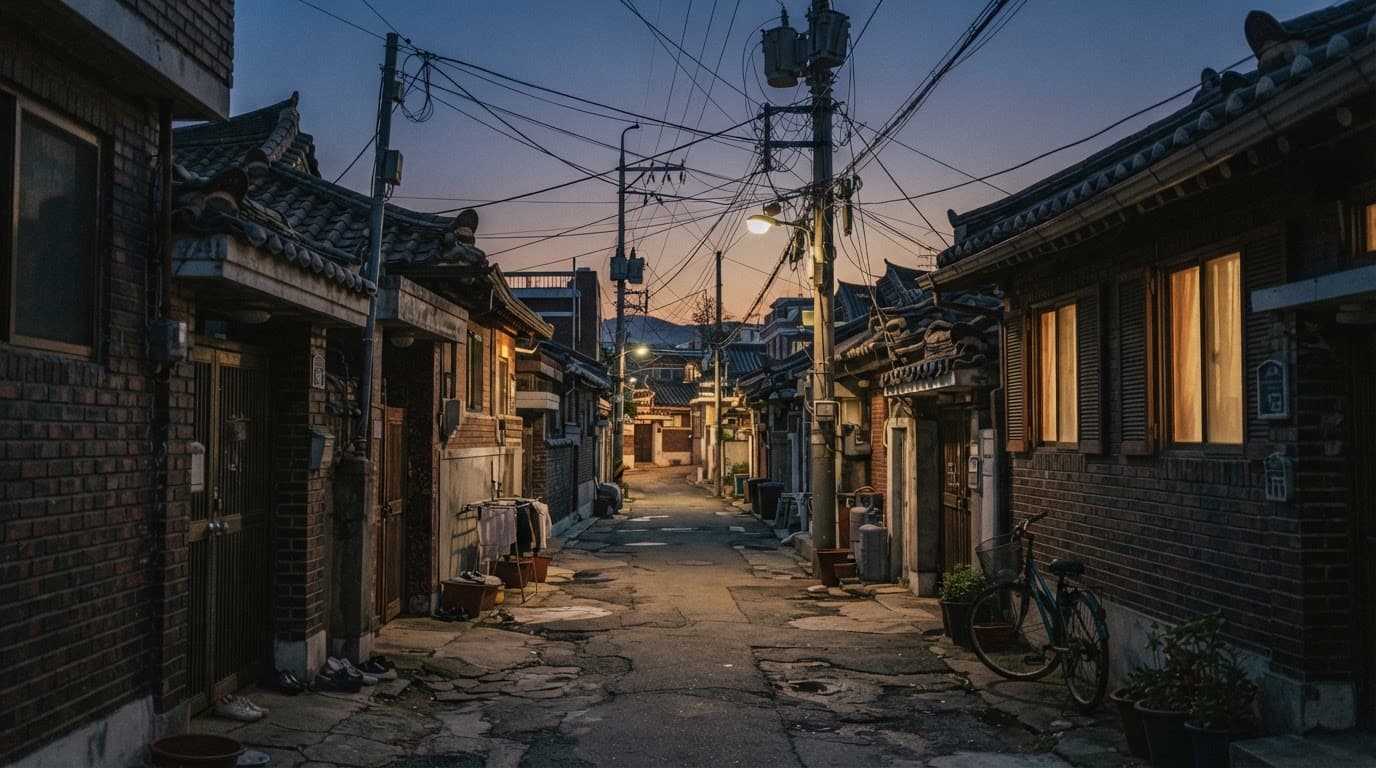
This article combines genuine police wanted material with AI-generated images produced to convey the mood of the story.

Comments
No comments yet — leave the first one.