
The real killer was never them. Not from the start.
There was no physical evidence. All that existed was a confession squeezed out by torture. Two men spent 21 years in prison for a murder they did not commit, and by the time they walked free, their youth was already gone. And the real killer vanished into time.
This is the story of a murder that took place along the Nakdong River in Busan, South Korea, in 1990. But more precisely, it is the story of what came after — how the state turned two innocent men into murderers, and how it took 31 years to admit the mistake.

Photo: Wikimedia Commons, CC BY-SA 3.0

Photo: Wikimedia Commons, CC BY-SA 3.0
Most of what I collect for this archive resists being pinned down. This case is the rare one that was pinned down early, hard, and to the wrong men — which is why I filed it here at all. My name is K. Woo, and I spent a long stretch cross-referencing the 2021 retrial findings against the original 1990 record, looking for the piece of physical evidence that must surely be in there somewhere. There isn't one. The whole thirty-one-year structure stands on a confession and nothing else, and reading the two documents side by side is like watching a building hold its shape with the foundation already removed.
Early 1990, a Winter on the Riverbank
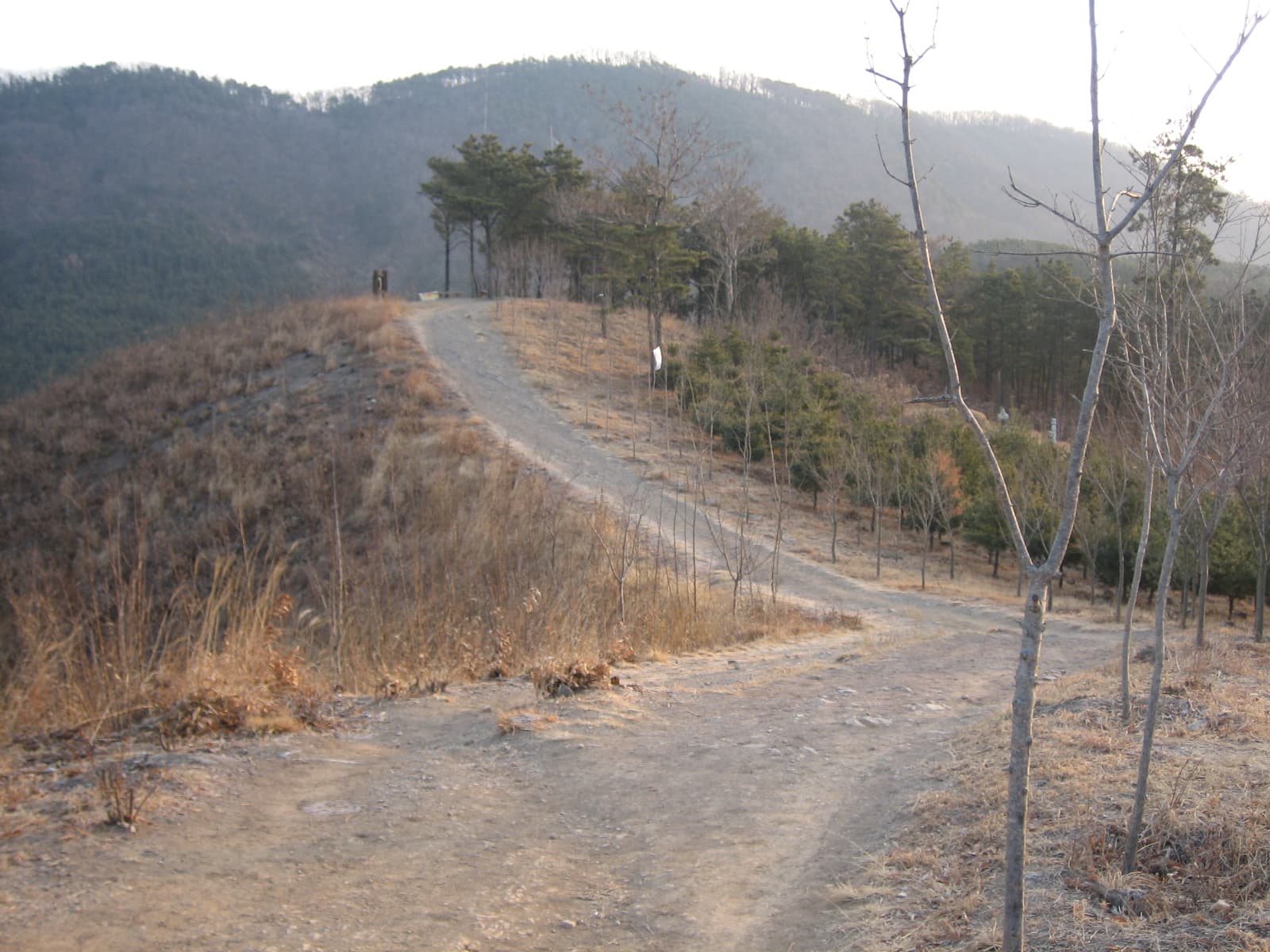
In early 1990, on the Nakdong River bank in Eomgung-dong, Sasang-gu, Busan. Beyond the edge of the city, this reed-covered riverside was deserted even in daylight. On a winter dawn that year, two masked men fell upon a couple sitting in a parked car on a date.
The woman was sexually assaulted and then killed; the man with her was gravely wounded. It was a robbery-murder committed in darkness on a lonely riverbank, with no witnesses. Who the victim was, and how much terror and pain she suffered in that place — we will not put on display. But one fact must be remembered clearly: a human life was ended unjustly that night.
A provincial riverside in 1990 had none of the dense surveillance cameras of today. There were no witnesses, no decisive physical evidence. All the police had was a body, a wounded survivor, and darkness. The case would not come apart, and as time passed it seemed destined to go cold.
But the pressure to solve it did not fade. And that pressure turned toward two men who had nothing to do with the crime at all.

Two Men Caught in the Wrong Net
A long time after the crime, two men were taken into police custody. Choi, who had been a taxi driver, and his friend Jang. The two were not named as suspects in the Nakdong River murder from the outset. As reported, they were being investigated over an entirely separate matter, unrelated to the killing, when they were transformed into suspects in this case.
Why investigators singled them out, and what the connecting thread was supposed to be, is difficult to accept even in hindsight. There was no physical evidence tying the two men to that winter dawn on the riverbank. And yet, in short order, Choi and Jang had become the "Nakdong River two-man killers."
One man was arrested first, and under pressure to name an accomplice, his friend's name came out. That is how the two were bound together in the noose of a murder charge. It was less that they implicated each other than that, under inescapable pressure, each man's name was pulled out of the other.

A Confession Squeezed Out by Torture
From the moment they were arrested until the day their acquittal became final, the two men said the same thing without wavering: the confession had been forced out of them by torture.
According to the circumstances later brought to light in the retrial, the two were unlawfully detained and subjected to brutal interrogation. There were beatings; there was torture using water; there was being hung upside down and interrogation designed to keep them from sleeping, they said. To ask someone who has gone days without sleep, standing before violence and threats, to defend his own innocence is, in practice, to ask the impossible.
We will not put the cruelty of torture on display here. But one thing must be made plain. When a person, facing extreme pain and fear, admits to something he did not do, it is not because he is weak — it is because he is human. To escape the pain in front of him, thinking "if I can just get past this moment," a person will tell a lie that stakes his own life.
Look at wrongful convictions uncovered around the world, and false confessions by innocent people turn out to be more common than one might think. And when that confession is drawn out under torture, it is no longer evidence at all — only the product of violence.
The Evidence Called "Confession"
In the judicial history of many nations, Korea included, the most dangerous evidence of all — surprisingly — is the confession.
A confession is powerful. No evidence seems more certain than a person saying, of his own accord, "I did it." But it is precisely that power that makes it dangerous. When an investigation short on physical evidence clings to the confession alone, extracting a confession becomes the very goal of the investigation. Instead of seeking the truth, investigators bend a person to fit a conclusion already decided.
In the Nakdong River case, there was no decisive physical evidence to mark the two as the killers. Nothing recovered from the scene pointed to them. What held the case together was the confession alone — and a confession born of torture at that. Violence filled the space where evidence should have been.
Some of the coercive interrogations of 1980s and '90s Korea worked this way. First decide who the culprit is, then push until the words "I did it" come out of his mouth. A confession assembled that way became a powerful weapon in court, and however loudly the truth was shouted afterward, it was rarely reversed.
Life in Prison, and 21 Years
When the trial began, the two men denied the crime in court. They pleaded that the confession had been forced out of them by torture. But in a trial built on the confession alone, without physical evidence, that plea was not accepted.
The sentence handed down to the two was life imprisonment — the heaviest punishment short of death, a sentence under which a person may end his life behind bars. And that sentence was confirmed.
Among those who defended the two men at the appellate stage, it is reported, was a human-rights lawyer of the time who would one day become the president of South Korea. He fought for acquittal, pointing to the signs of coercive interrogation and torture. But the courts of that era could not scale the wall of the confession. For truth to win, the times were still too early.
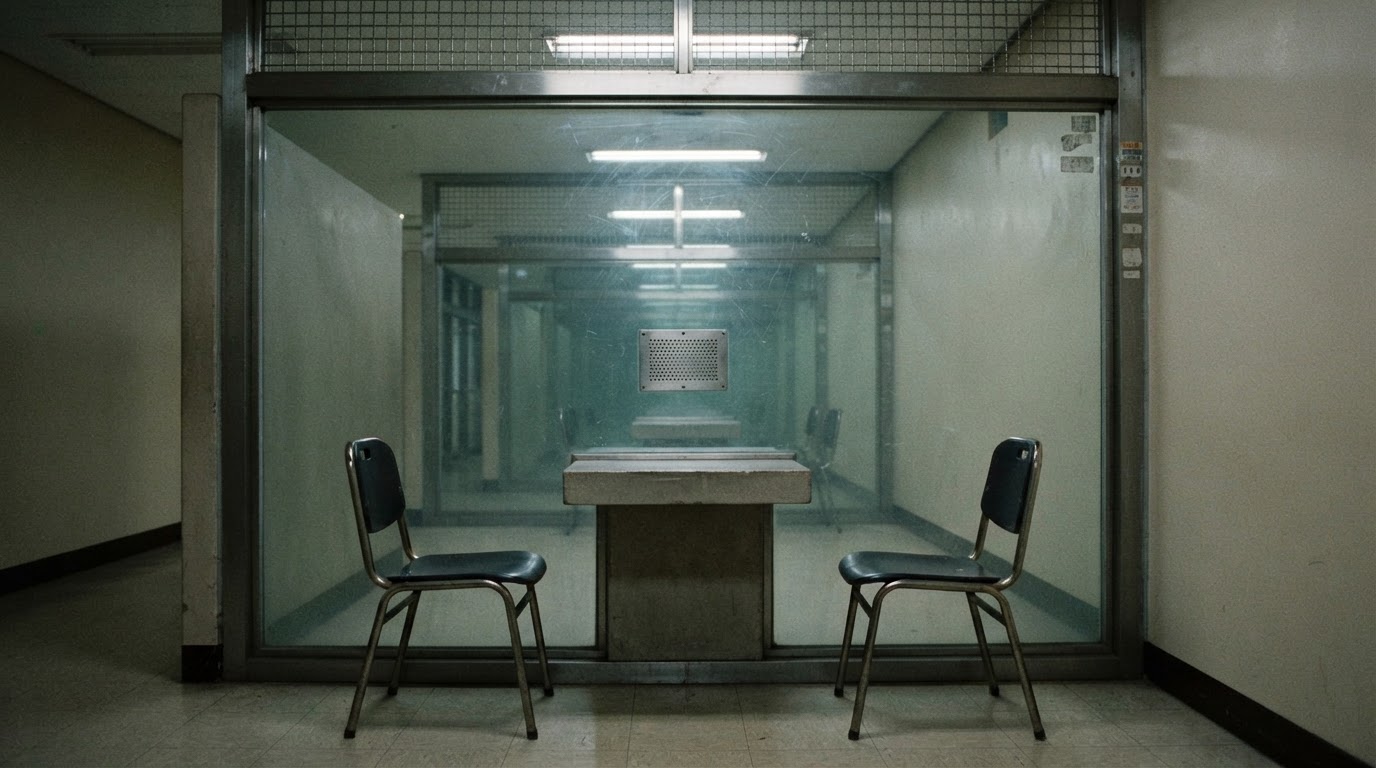
And so the two men were locked away for a murder they did not commit. Turned into lifers around the age of thirty, they spent 21 long years behind bars. When they were released on parole around 2013, their youth was already gone. The two who had entered prison as young men came out well past middle age.
The 21 Lost Years
Consider what 21 years means.
While they were locked away, the world changed completely. Pagers vanished and mobile phones came into people's hands; the look of the streets and the way people spoke both changed. Outside of all that change, the two men were shut inside a room where time had stopped.
A life sentence has no end date. One must endure day after day with no promise of when — or whether — release will ever come. What it is to endure that time for a murder one did not commit, we on the outside cannot fully grasp.
Their families' lives collapsed alongside them. The stigma of being a murderer's family cast its shadow over parents and siblings too. One person's wrongful conviction does not stop with that one person. It spreads into the lives of everyone who loves him.
And through those 21 years, the real killer was surely living free somewhere. This is the coldest part of the whole case. While two innocent men sat locked away in his place, the person who actually committed the crime on that winter riverbank was slipping away, unpunished, into time.

Retrial — Knocking Again on a Closed Door
Even after their release on parole, the two men did not stop. They could not simply swallow the 21 years they had lost and live on. To prove their innocence once more, they resolved to knock on the last door available to them: the retrial.
A retrial is a mechanism for trying a case again when a final, confirmed judgment is deemed to contain a grave error. Because it means overturning a judgment already settled, the threshold for a retrial is extraordinarily high. There must be new evidence, and the error in the existing verdict must be plain. It is often said that opening a retrial at all is harder than winning an acquittal.
A defense team specializing in retrial cases joined this grueling fight. It was a long process of rebuilding, piece by piece, the fact of a conviction resting on confession without evidence, and the circumstances of a confession forced out by torture.
The turning point came from the state itself. Amid a broader effort by a prosecutorial "past-history" review committee and others to re-examine old coercive-interrogation cases, findings emerged around 2019 to the effect that this case had been "fabricated through torture." The state that had built the case was beginning to admit the case had been a fabrication. Those findings became the decisive force that opened the door to a retrial.
Acquitted 31 Years Later
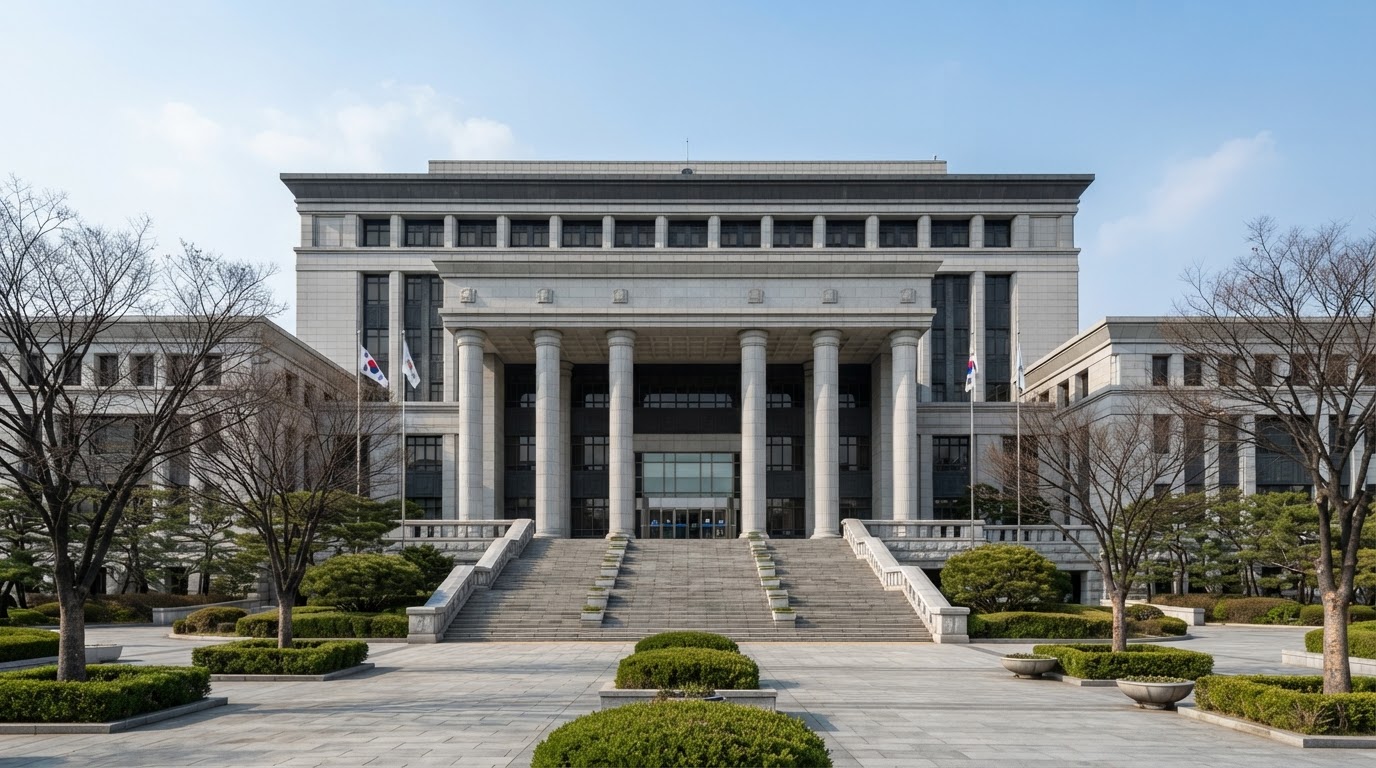
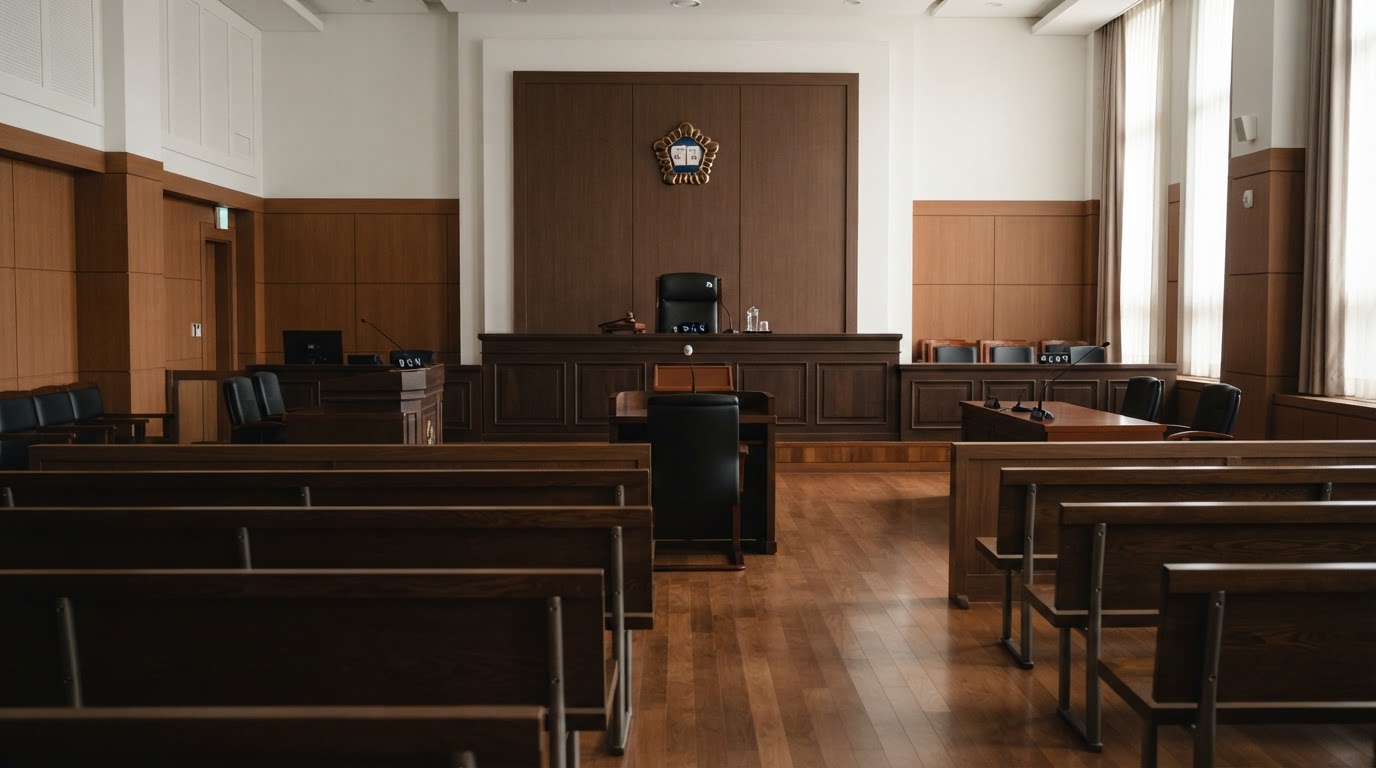
On February 4, 2021, the Busan High Court found the two men not guilty in their retrial.
The court held that the two had been unlawfully detained during the investigation, that torture and cruel treatment had taken place, and that a confession produced that way lacked voluntariness and could not serve as evidence. The 31-year-old verdict, which had found them guilty on confession alone without physical evidence, was at last overturned. Prosecutors, too, are reported to have sought acquittal for the two during the retrial, and by declining to appeal afterward, they let the acquittal stand as final.
Thirty-one years since the crime of 1990. It was the sum of the 21 years the two spent in prison and the years they fought after release to prove their innocence. The two men who had become lifers around the age of thirty finally held the two words "not guilty" in their hands only as they approached sixty.
On the day the acquittal was pronounced, tears fell in the courtroom. But there was nothing those tears could give back. Not the 21 years that had flowed away, not the youth that had vanished, not the family lives that had been broken.


The State's Apology, and the Price of Lost Time
After the acquittal became final, the police belatedly bowed their heads. An official apology for the police investigation was issued, with an expression of "deep reflection." It was an apology 31 years in the making.
The two men and their families filed suit against the state for damages, arguing that the unlawful investigation, the torture, and the wrongful conviction had inflicted harm beyond repair. The court recognized the state's liability to compensate and ordered substantial sums paid to the men and their families. The related compensation is reported to have reached into the billions of won, and in 2022 the Ministry of Justice decided to drop its appeal in this state-compensation suit — the state stepping back, choosing to contest its wrongdoing no further.
But no amount of compensation and no apology can give back the 21 years lost to a murder they did not commit. A sum measured in money is merely a token that the state has admitted its fault. Lost time can never be given a price at all.
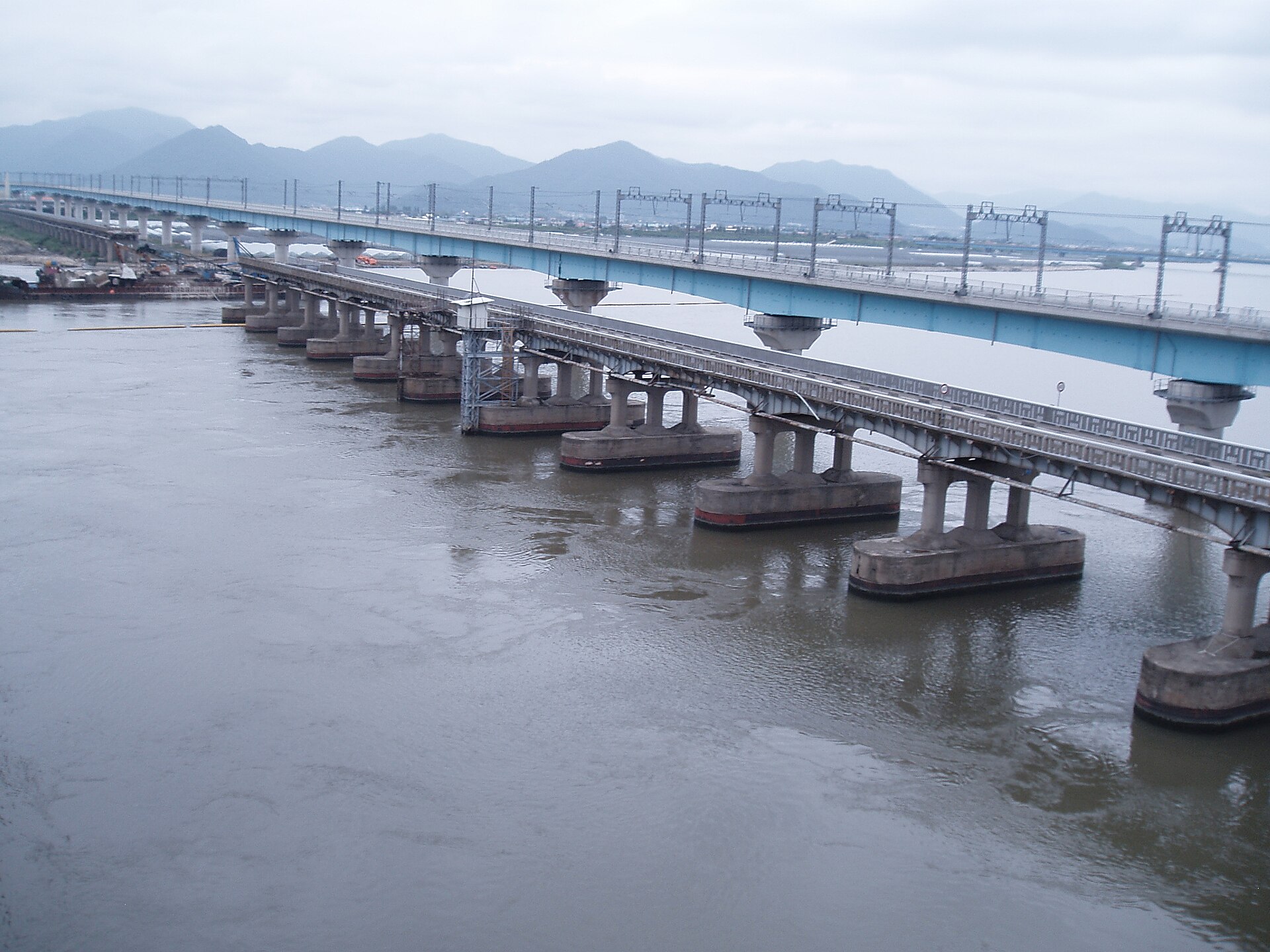
Photo: Wikimedia Commons, CC BY-SA 3.0

The Real Killer Hid Behind Time
The case has one empty space that was never filled: the real killer.
That the two men were finally acquitted means someone else actually committed the crime on that winter riverbank. But that true culprit was never identified. So many years had passed since the crime that the statute of limitations for robbery-murder had already run out.
A statute of limitations is a mechanism under which, once a set period has passed after a crime, a person can no longer be brought to trial for it. Even if the real killer were identified now, in a case where the limitation period has expired, the path to putting him before a court is, in practice, closed. While two innocent men sat locked away for 21 years in his place, the real killer slipped calmly outside the timetable of punishment.
This is the cruelest consequence torture-driven investigation leaves behind. The moment the wrong person is made into the culprit, the time and the chance to pursue the real one vanish along with him. The 21 lost years of the two men and the never-punished freedom of the true killer are two faces of the very same case.
Why We Must Remember This Case
The Nakdong River murder case is cited, alongside the Hwaseong eighth case, the Samrye Nara Supermarket case, and the Iksan Yakchon intersection case, as one of the most notorious chapters of torture-driven, fabricated investigation in South Korean history. These cases share a single grammar: decide on the culprit first, put the confession forward in place of physical evidence, and squeeze that confession out through violence.
The result was always the same. An innocent person was locked away, the real killer enjoyed freedom on the outside, and it took decades for the truth to come to light. In the Nakdong River case, that stretch of time was 31 years.
This case shows how fragile a justice system can be. An investigation that puts confession ahead of evidence, torture inflicted on a human being, and the inertia that makes a conclusion once reached so hard to reverse — when all of these overlap, an entirely innocent person can become a lifer.
And yet something remains at the end of this story. Because two men refused to give up, carrying their 21 lost years and still knocking on the door of a retrial, the state at last admitted its wrong and bowed its head. The truth came 31 years late, but it did come.
Only, on the far side of that truth, the shadow of a killer who was never caught still remains. He hid behind time, for good. And what hid him was none other than that confession, squeezed out by torture.
There is a line I could not stop rereading in the material: that the statute of limitations for robbery-murder had already expired. I keep a folder of cases where the culprit is unknown, and I have had to accept that this one belongs in a different folder — the cases where the culprit may well be known to himself, and to no one else, and where that is now the permanent arrangement. Somewhere a man in his sixties or seventies has spent three decades reading about a riverbank in Eomgung-dong in the newspapers, watching two strangers serve his sentence and then walk out of it. The archive can record that he exists. It cannot get any closer than that.
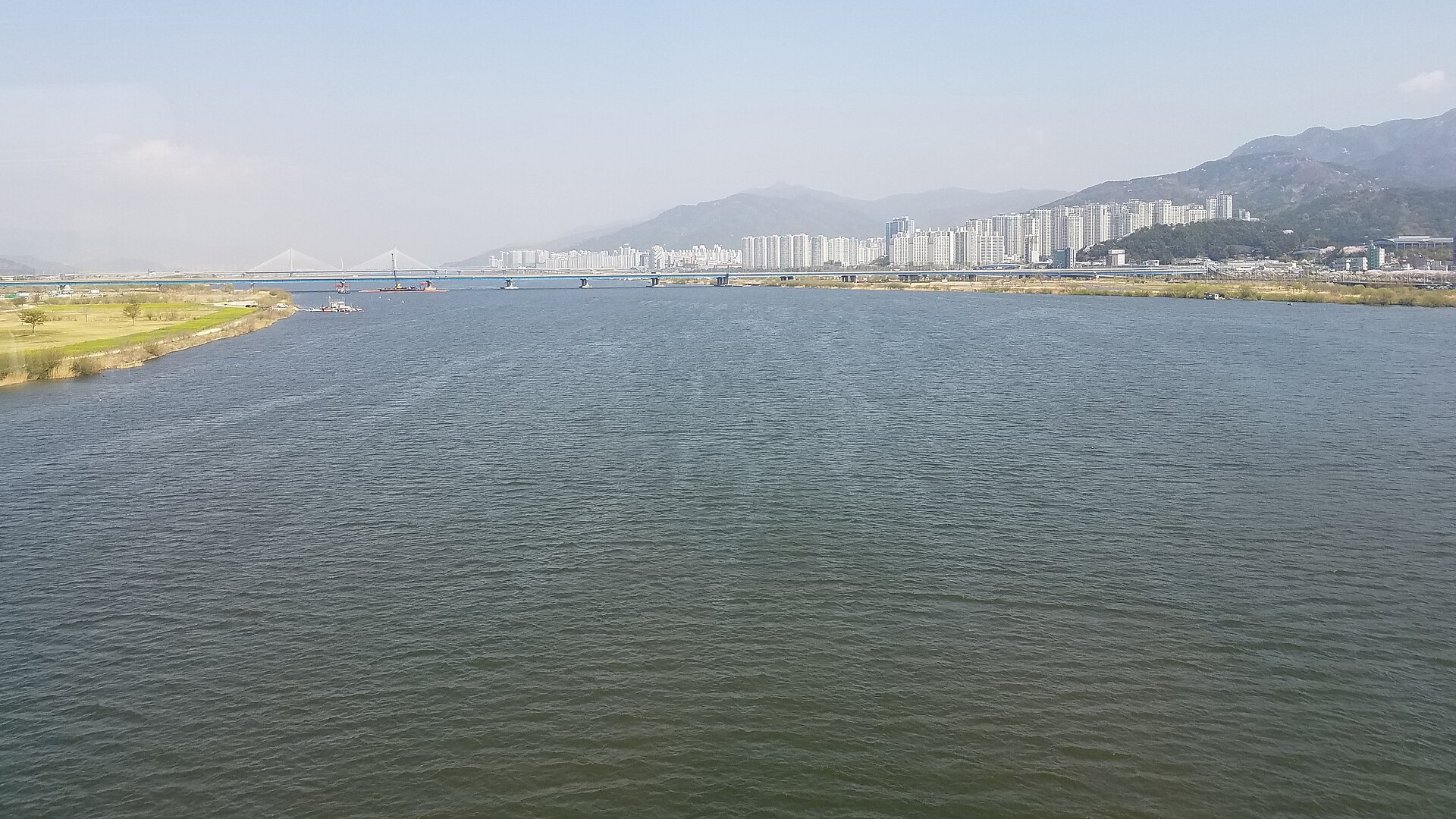
Photo: Wikimedia Commons, CC BY-SA 4.0
---
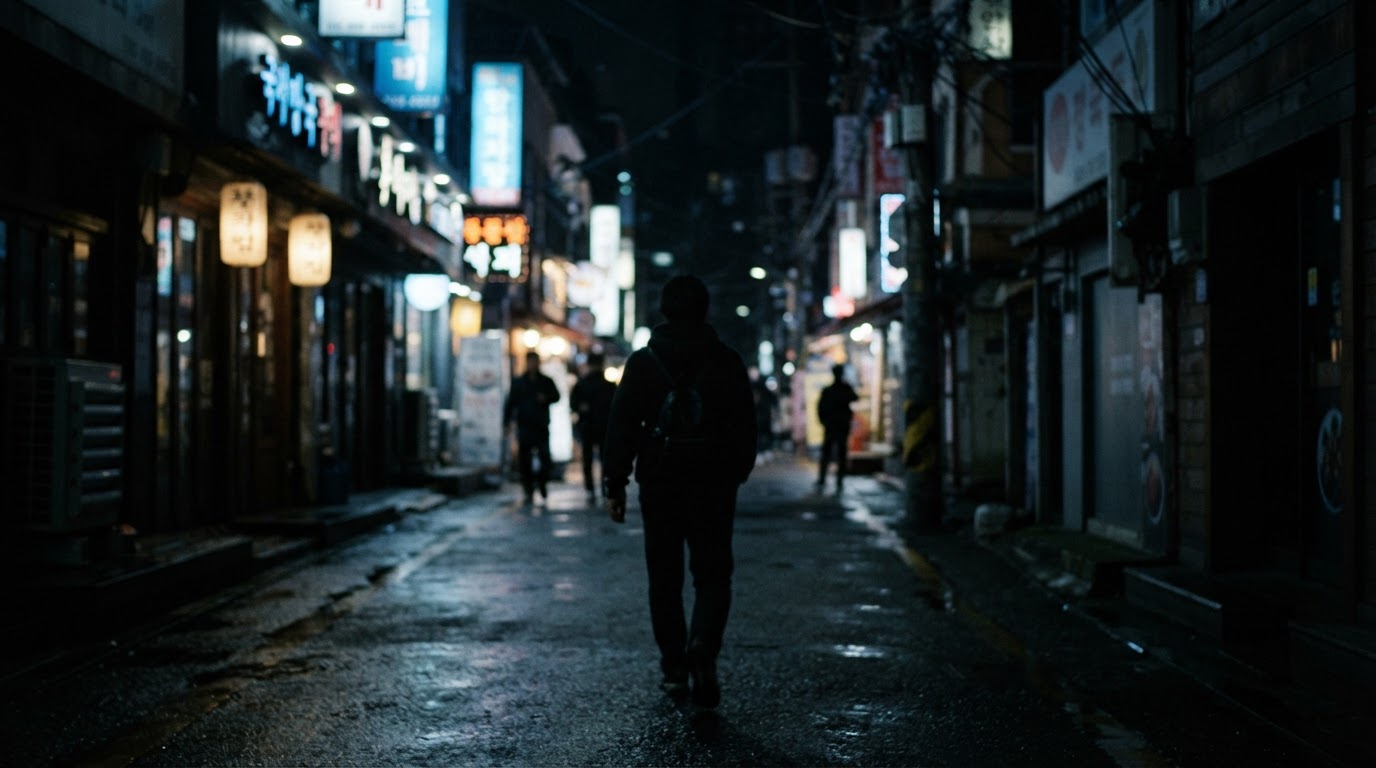
This article uses actual archival and on-site photographs alongside AI-generated images produced to convey the mood of the story.
Comments
No comments yet — leave the first one.