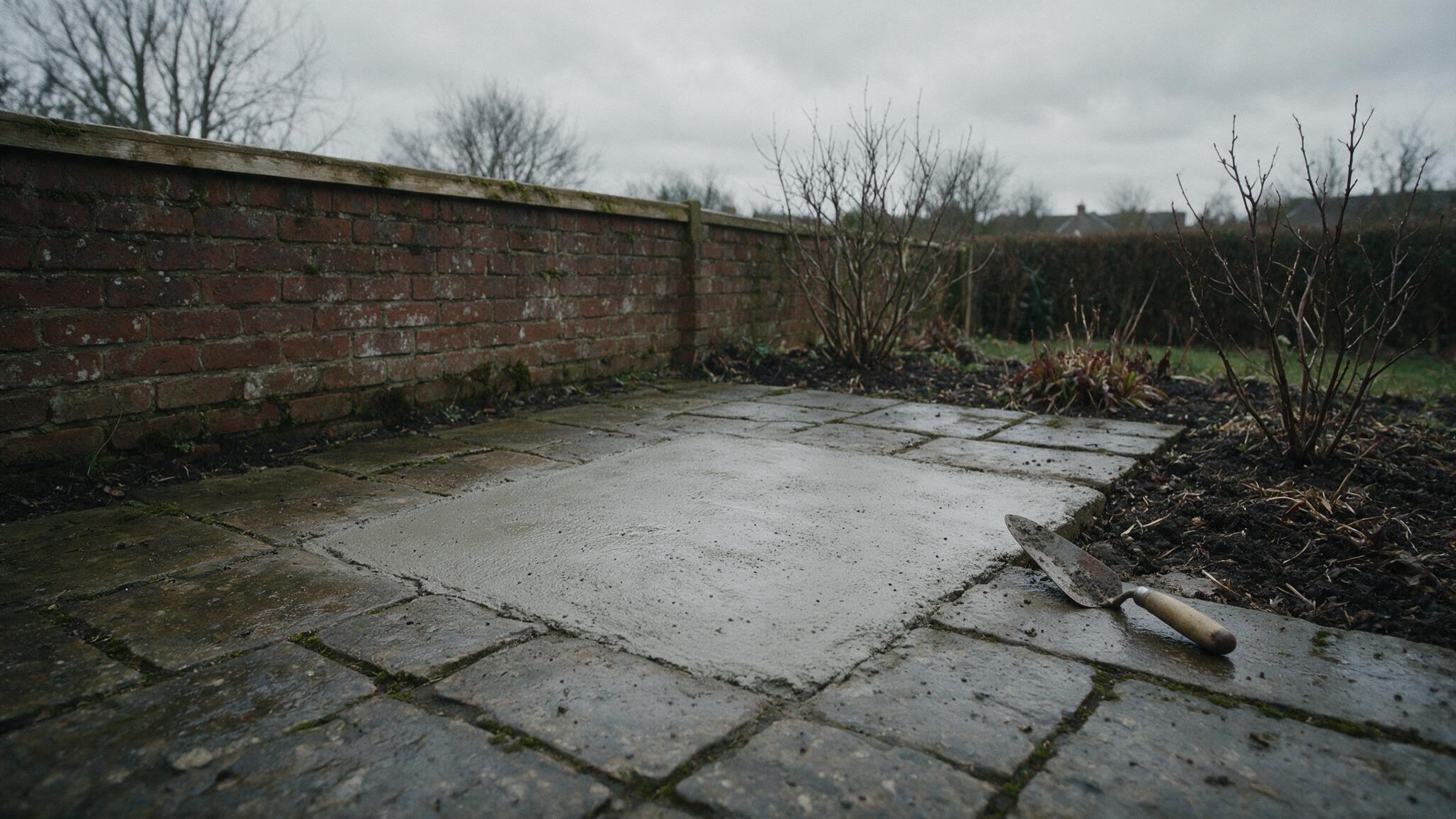
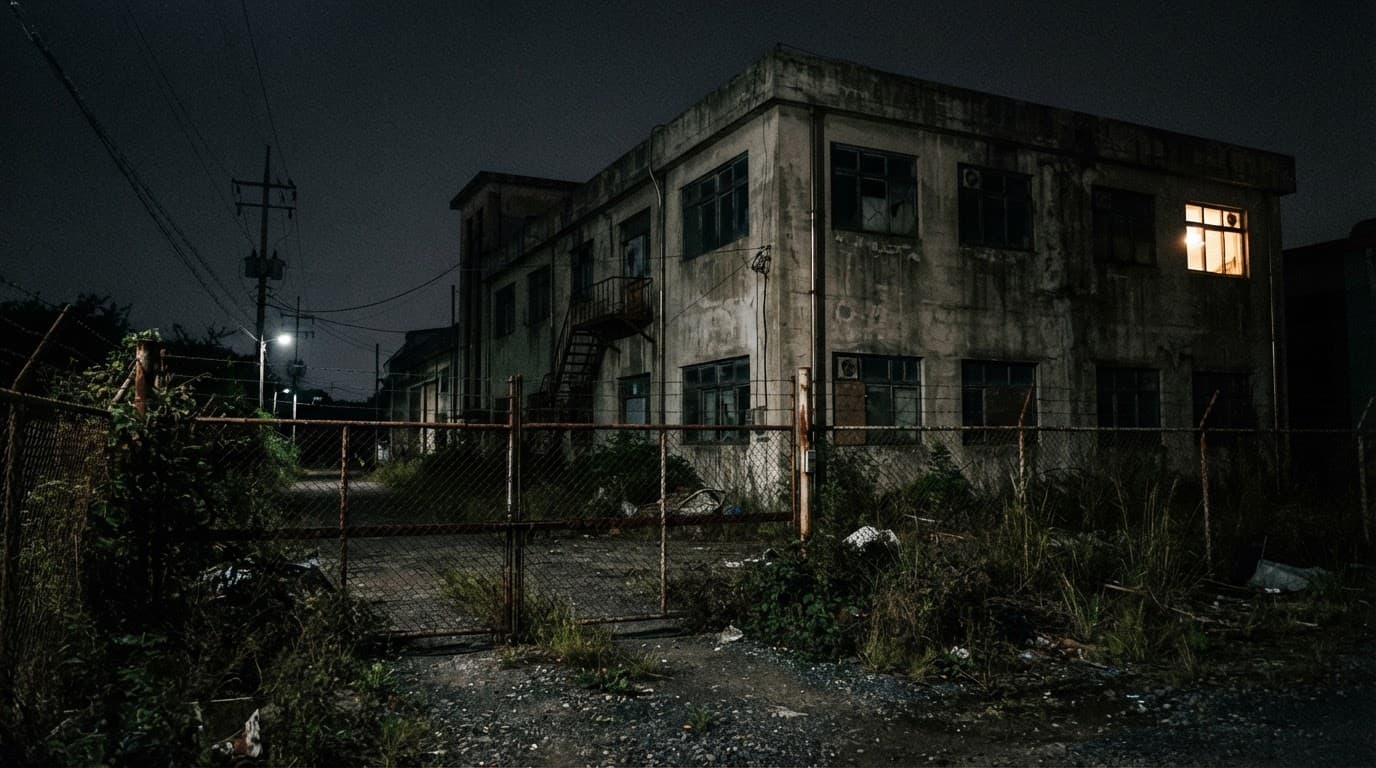
For most of April 2011, nothing seemed wrong on the quiet street in Nantes where the family lived. The shutters of the narrow townhouse were closed, which was not unusual. A handwritten card had been taped to the front door: Return all mail to sender. The lawn was untended, but spring lawns often are. Neighbours assumed the family had simply gone away — to the sun, to relatives, somewhere warm. They were, in a sense, right. It was only when the mother's relatives kept pressing the police, and officers returned to the house for the sixth time, that someone thought to look under the freshly poured concrete of the terrace. Beneath a clean new slab, wrapped in sacking and covered in quicklime, lay the mother and all four children. The father was not among them. He had been captured on camera days earlier, hundreds of kilometres to the south, walking calmly through towns he had no reason to visit — and then he was simply gone. This is the story of a man who was, to everyone who knew him, entirely ordinary, and of the appalling silence he left behind.
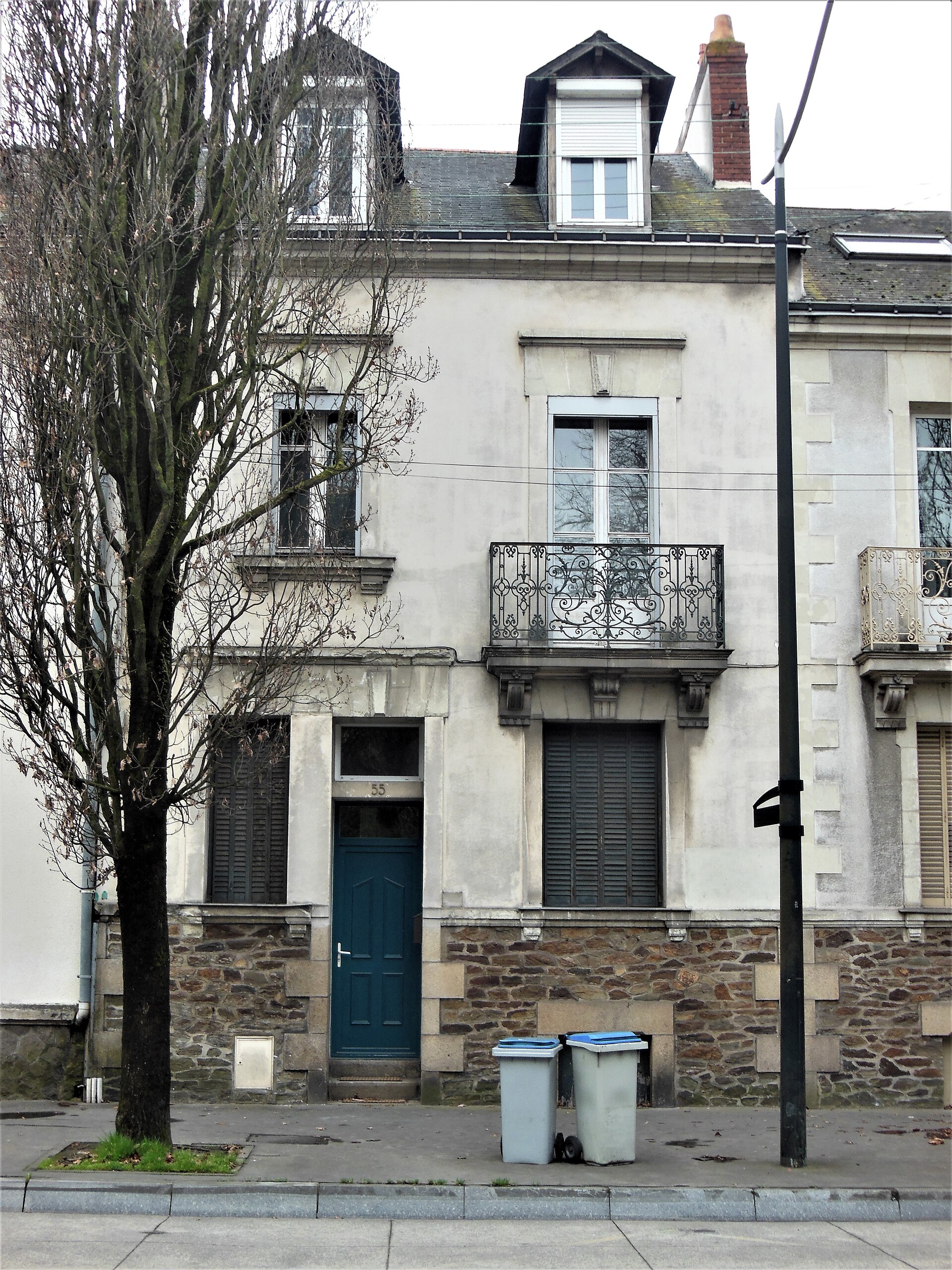
Photo: Wikimedia Commons, CC BY-SA 4.0
The Family Everyone Envied
To their neighbours, their parish, and their children's schoolmates, they looked like a family with nothing to hide. The father carried an old aristocratic name and the bearing that came with it — courteous, well-spoken, devout, the sort of man who volunteered and remembered your birthday. The mother was warm and much loved. There were four children, ranging from a son already at university down to two teenagers still at home, all of them bright, polite, and busy with the ordinary business of growing up. The eldest worked shifts at a local pizzeria. The younger ones had music lessons and friends and plans for the summer.
What almost no one outside the household understood was how thin the ground beneath them had become. Behind the good name and the steady manners, the family's finances had quietly collapsed. There had been failed ventures, mounting debts, and a lifestyle propped up on money that no longer existed. In one email written the year before, the father had described himself as ruined, at rock bottom, and warned that his life would be over within months if a large sum did not appear at once. It never did. When his own father died early in 2011, he inherited the family title — and discovered the old man had died with almost nothing to pass on but a name and a hunting rifle. To a man who had spent his life performing prosperity, that inheritance may have felt less like relief than like a final door closing.
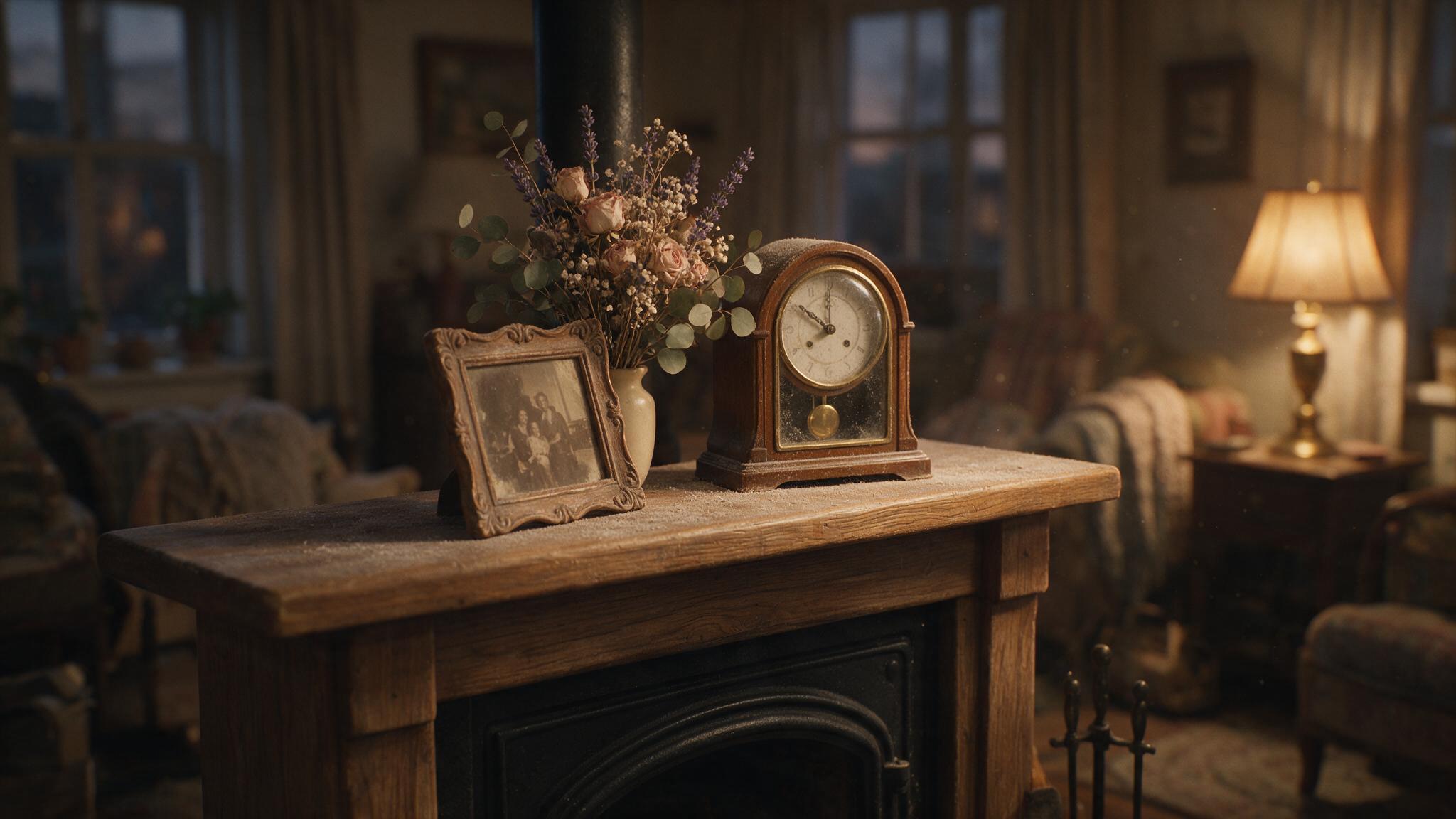
Nantes came into my archive through a note about the card taped to the front door — Return all mail to sender — which I had copied down years before I knew what the rest of the case was. It is such a small piece of housekeeping. Somebody stood at that door with a pen and thought ahead to the post, to the weeks of envelopes that would otherwise pile up and be noticed. I have handled a great many documents from this case since. That card is still the one I cannot read calmly.
The Week the House Went Silent
Investigators would later piece together a chillingly domestic timeline. In the first days of April, the family carried on as normal — school, work, errands — right up until they didn't. The eldest son left his classes one day at the start of the month and never turned up for his pizzeria shift to collect his pay, which was unlike him. Around the same time, the children stopped appearing at school. Text messages sent from some of their phones reassured relatives that everyone was fine, that the family was travelling. The messages read a little oddly, a little too smooth, but there was no reason yet to doubt them.
Then came the card on the door and the shuttered windows. Neighbours noticed the stillness but explained it away. It was the mother's family, growing uneasy at the strange silence and the strangely worded reassurances, who finally forced the issue and pushed the police to take a closer look. By the time officers walked through the house and out into the small garden behind it, weeks had passed. The terrace at the back had been recently, and carefully, re-laid.
What the Letter Claimed
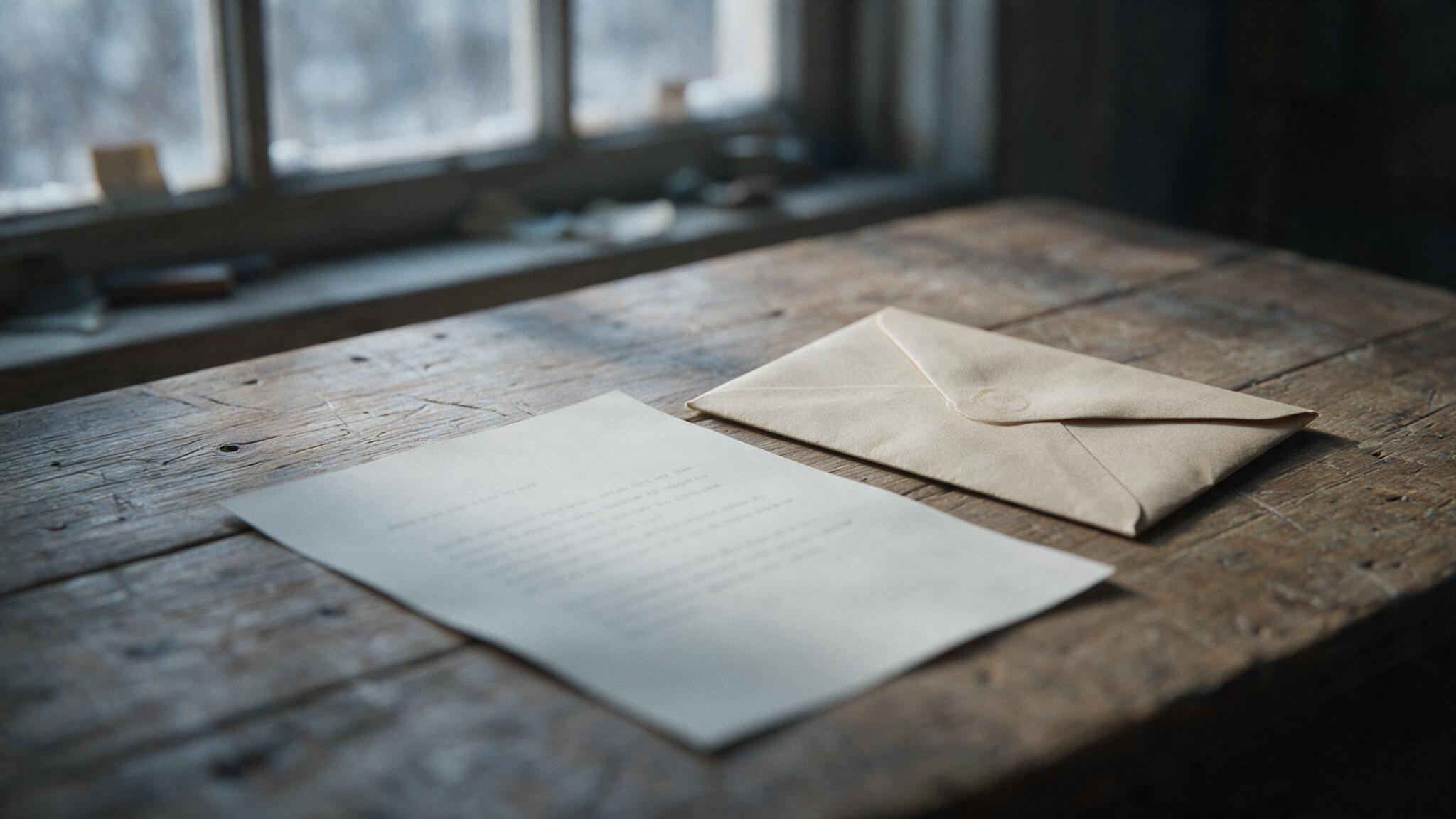
Before any of this unravelled, a letter had gone out to several of the father's relatives and acquaintances. It was extraordinary. In it, he explained — calmly, at length — that he had secretly been working for years as an undercover agent for an American drug-enforcement agency, that his cover had been blown, and that for their own safety the entire family had been relocated abroad under new identities, somewhere warm and far away. Do not look for us, the letter said in effect. Do not worry. We are protected. Tell anyone who asks that we have moved to the other side of the world.
To some who received it, the story was so absurd it was almost reassuring — the sort of thing that could only be a strange misunderstanding. But others noticed something that turned their stomachs. The letter was typed, and it was clean: no misspellings, no slips, none of the errors that peppered the man's ordinary correspondence. It read less like a message dashed off in a crisis than like a document composed with care, in advance, to buy the writer time. Investigators would come to see it the same way — not as a confession, and not as truth, but as a cover story written by someone who already knew what was under the terrace.
South, Town by Town
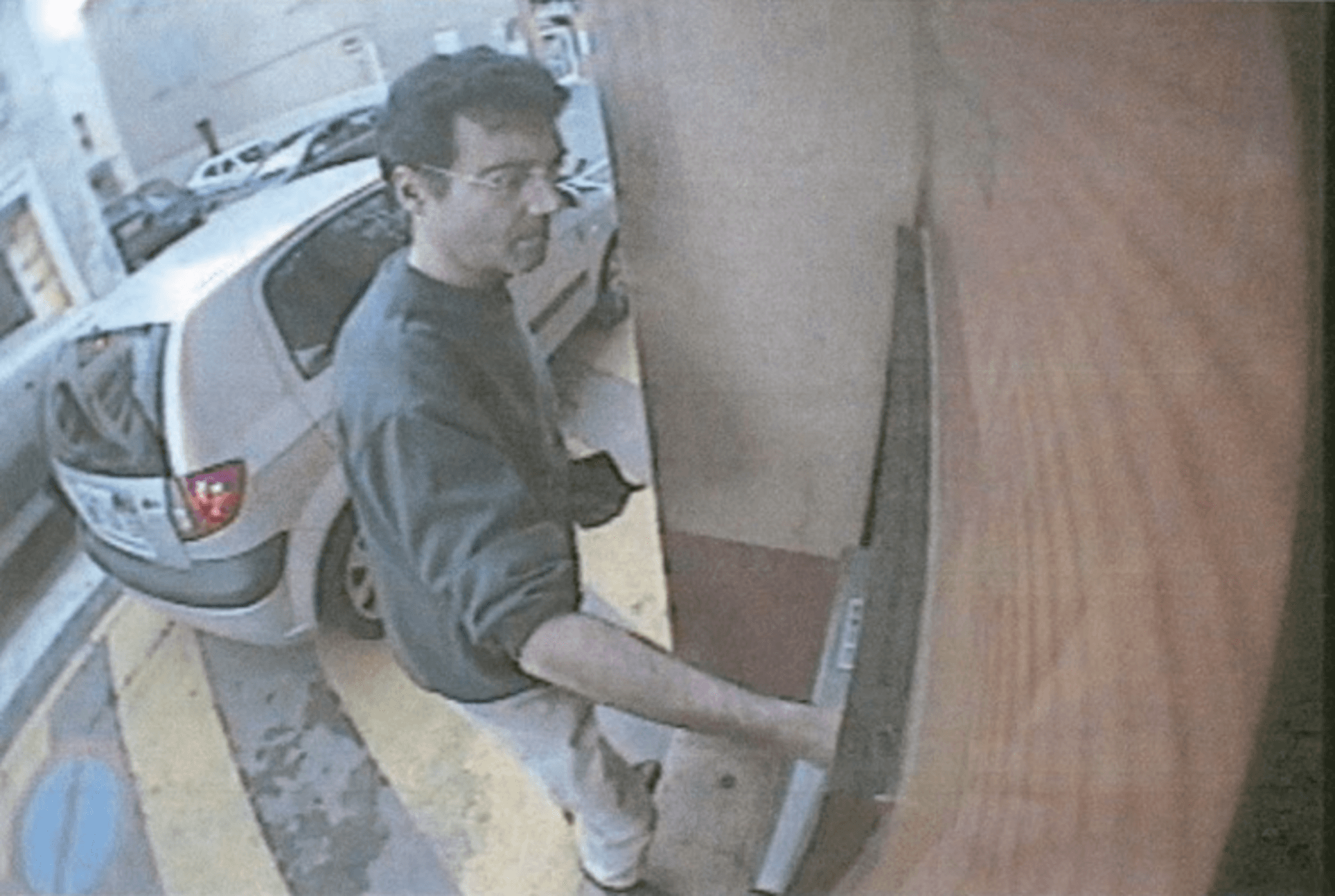
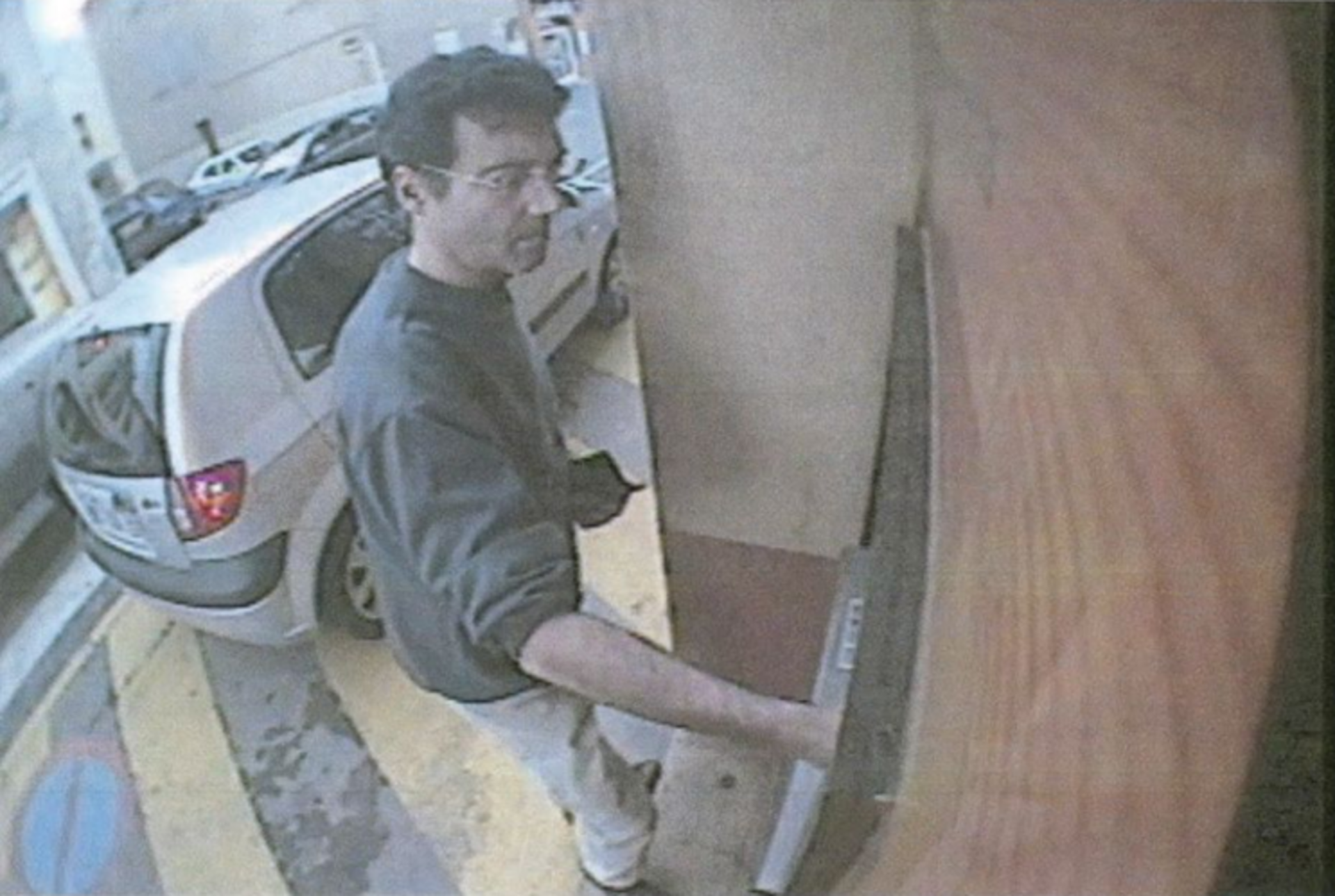
While the house in Nantes sat silent, the father was moving. In the days that followed, cameras and receipts traced him steadily south, across the length of France, toward the warmth of the Mediterranean coast. He stopped at hotels. He ate in restaurants. He is said to have visited churches along the way, unhurried, as though on some private pilgrimage or farewell. On surveillance footage he appears composed, ordinary, a middle-aged man with a bag on his shoulder — nothing in his face or step to mark him as the most hunted man in the country. In his luggage, according to investigators, was the rifle he had inherited from his father. In his hands at one point, a paperback thriller.
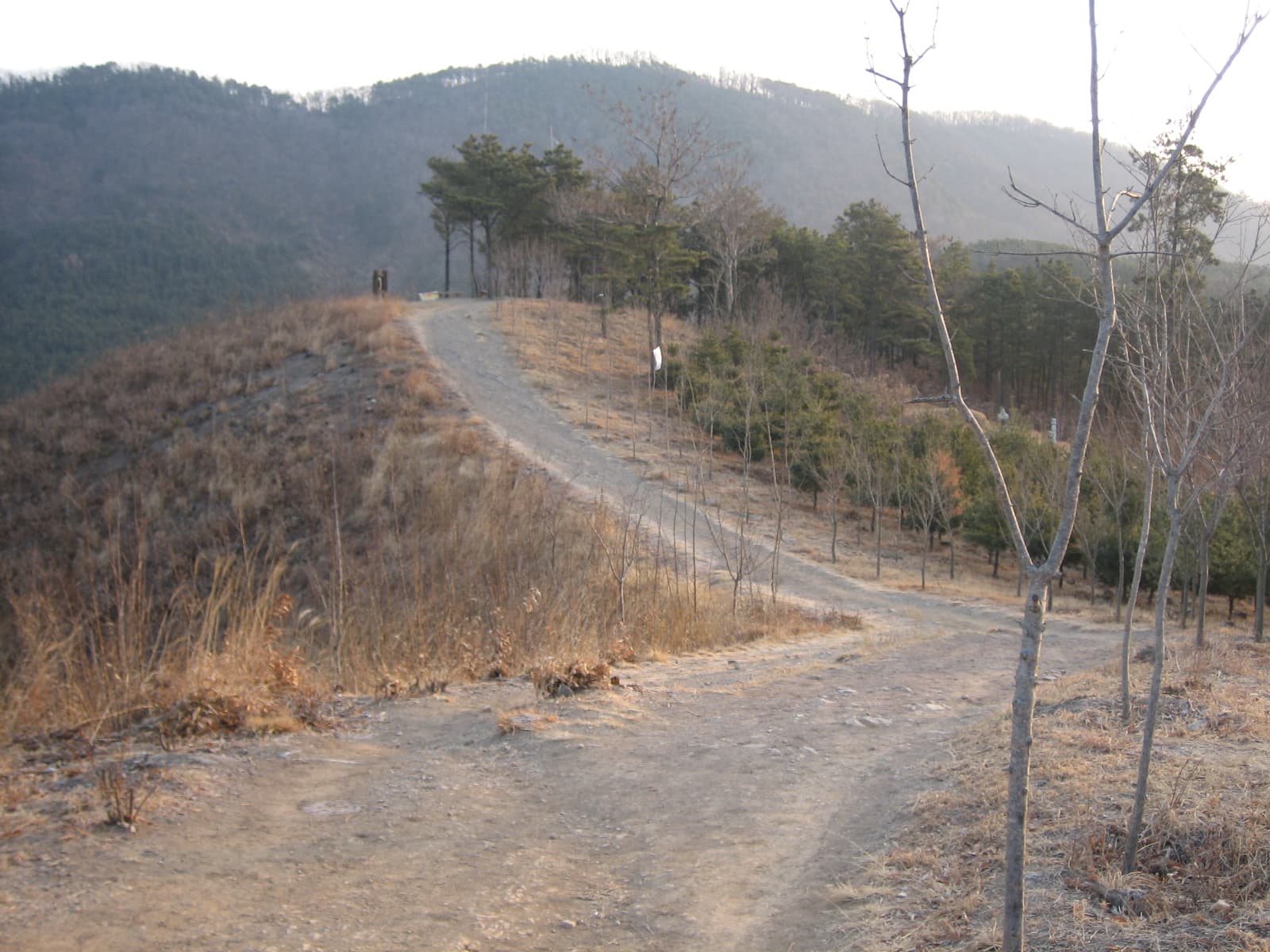
The trail tightened to a small town in the Var, near the southern coast, in the middle of April. A cash machine recorded him withdrawing money. A budget hotel logged his stay. And a camera in the hotel car park caught the last confirmed image of him: a man walking out of the lot, on foot, leaving his car behind. After that — nothing. No further sighting, no arrest, no body, no closure. He is thought to have walked out toward the wooded hills of the region and simply kept going, past the reach of every lens, into a silence that has never broken.
Below is a short mood clip made for this story — a slow drift along an empty southern road toward the hills where the trail runs cold. It is an atmospheric recreation, not real footage of the case.
The Manhunt, and the Man in Glasgow
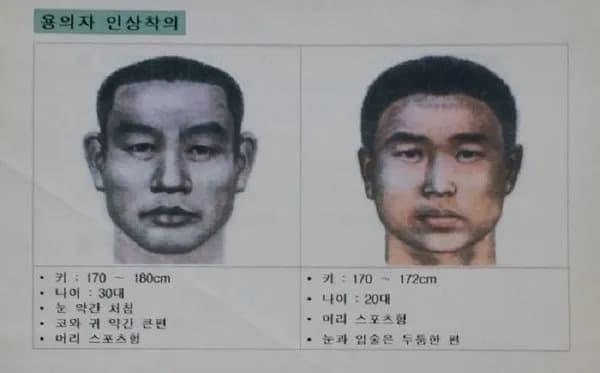
What followed was one of the largest and most enduring manhunts in modern European history. His face went out across the continent and beyond. Investigators dug through the finances, the failed schemes, the debts, the wounded pride of a man who could not bear to be seen falling. They chased the theory that he had planned everything — the rifle license obtained weeks earlier, the quicklime, the concrete, the pre-written cover letter — and then chosen to disappear rather than face what he had done. They chased, too, the quieter possibility that his farewell tour through southern France ended not in escape but in his own death, somewhere in the hills where no body was ever found. Caves were searched. Nothing was recovered.
And then, in 2019, the story convulsed. Acting on a tip, police at Glasgow Airport arrested a man arriving from Paris who fit the description — right age, right look, a Frenchman travelling under scrutiny. For a few electric hours it seemed the ghost had finally been caught, and the news raced around the world. Then the fingerprints came back only a partial match, the DNA test came back negative, and the man was released: an innocent retiree whose passport had once been stolen, dragged into a nightmare by a resemblance and a rumour. The suspect was no closer than before. If anything, the episode only deepened the strange power of the case — proof that half of Europe was still, years later, seeing his face in strangers.
What Remains
The authorities are clear about one thing: the father remains the sole suspect, wanted across Europe for the deaths of his wife and four children. But wanted is not the same as convicted. No court has tried him, because no one has found him. He is a name on an arrest warrant and a face on a poster — the presumed answer to a question no trial has ever been allowed to settle. Everything beyond that, however plausible, is inference: the ruined finances, the calm letter, the unhurried journey south all point in one direction, but the man himself has never spoken, never surrendered, never been laid to rest.
What I have never resolved, going through the southern leg over and over, is the churches. The cash withdrawals I understand; the hotels I understand; a man moving toward a border does all of that. But the stops along the way do not belong to a plan of escape, and they do not quite belong to a man going into the hills to die either. He was unhurried. Fifteen years of reading that itinerary and I still cannot tell whether I am looking at a route or at a farewell.
So the case sits open, fifteen years on, one of the wounds France cannot seem to close. Somewhere behind a townhouse in Nantes, a terrace was lifted and a family was found. Somewhere on a road heading south, a composed man in late middle age walked out of a car park and out of the record of the living. Between those two facts lies everything we do not know — whether he is hiding under a new name in some warm and distant place, exactly as his letter promised, or whether he lay down long ago in the hills of the Var and let the country hunt a shadow. France has looked for fifteen years. It is still looking. And the man who was, to everyone who knew him, entirely ordinary, has not been seen since he stepped out of the light.
---
This article combines genuine documentary and location photographs with AI-generated images produced to convey the mood of the story.
Comments
No comments yet — leave the first one.