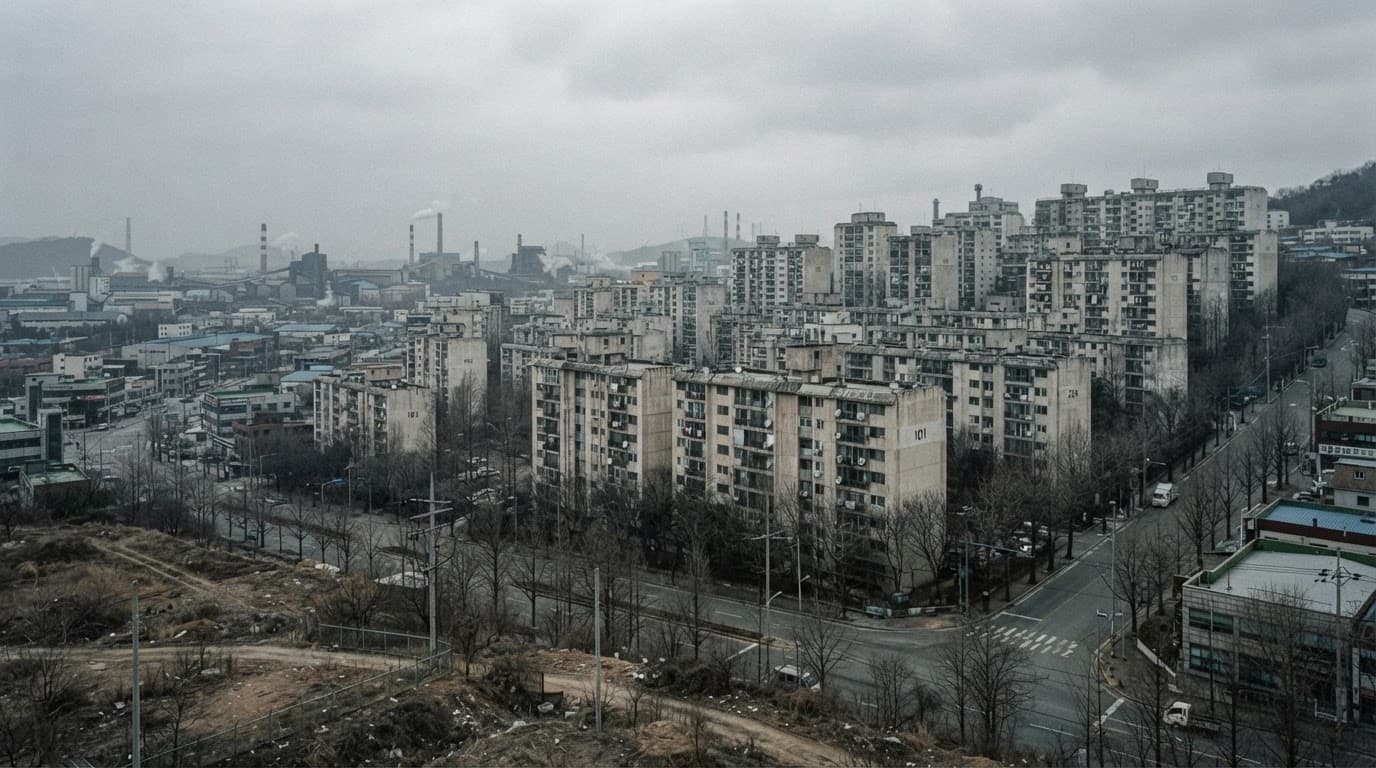
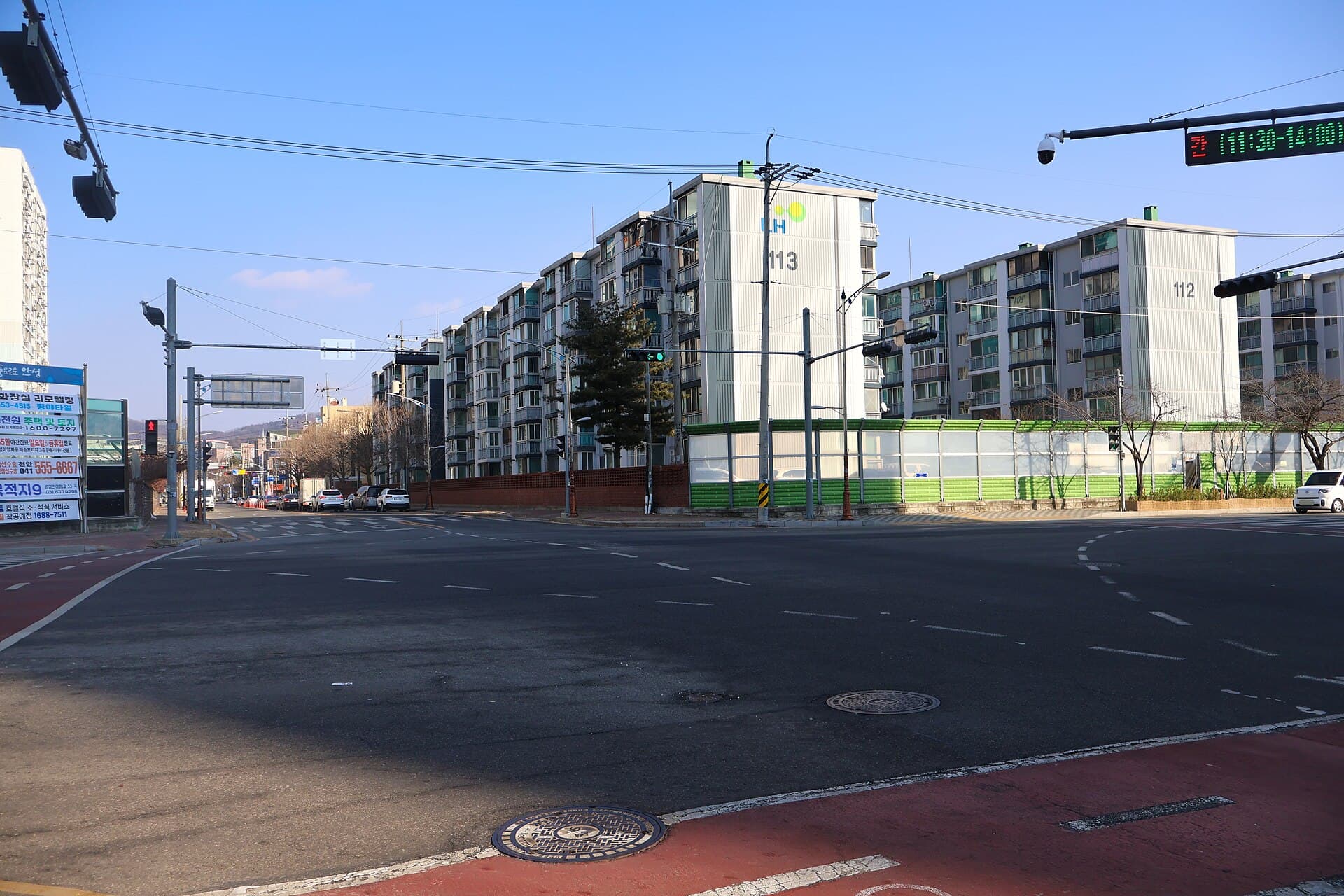
February 2021. An apartment in Gumi, a mid-sized industrial city in North Gyeongsang Province, South Korea.
In a room that looked as though no one had lived there for a while, a three-year-old girl was found dead.
At first, it looked like a kind of tragedy we hear about far too often. A child left alone. Neglect. Death.
That is how the police opened the file.
And then, a few weeks later, a DNA result arrived from the National Forensic Service.
That single line of data carried the case into a mystery that, to this day, no one has been able to solve.
Most of what ends up in this archive arrives with too little evidence. This one arrived with the wrong kind. I have handled the court documents and the reporting on this case repeatedly over the past years, and every pass leaves me in the same place: the National Forensic Service ran the test again, at more than one institution, and it came back identical every time. Investigators do not repeat a test because they doubt the machine. They repeat it because they cannot make the answer fit inside a sentence.
First, only what has been confirmed
This is a real case, and the people involved are still alive. So this article follows only the facts confirmed in court, from beginning to end. In place of real names, I use "Ms. Seok" and "Ms. Kim." The child's death itself is described only through the settled verdict, without any depiction of suffering. And I will make one thing clear at every turn: the central charge in this case was found not guilty and confirmed as such by the Supreme Court.
Not guilty is not guilty. Guilty is guilty. The moment those two are blurred together, the real question this case leaves us disappears.
And that real question is simple. The science is certain — so why is the case unsolved?
The discovery — and the first picture
It began wearing the face of an ordinary child-neglect case.
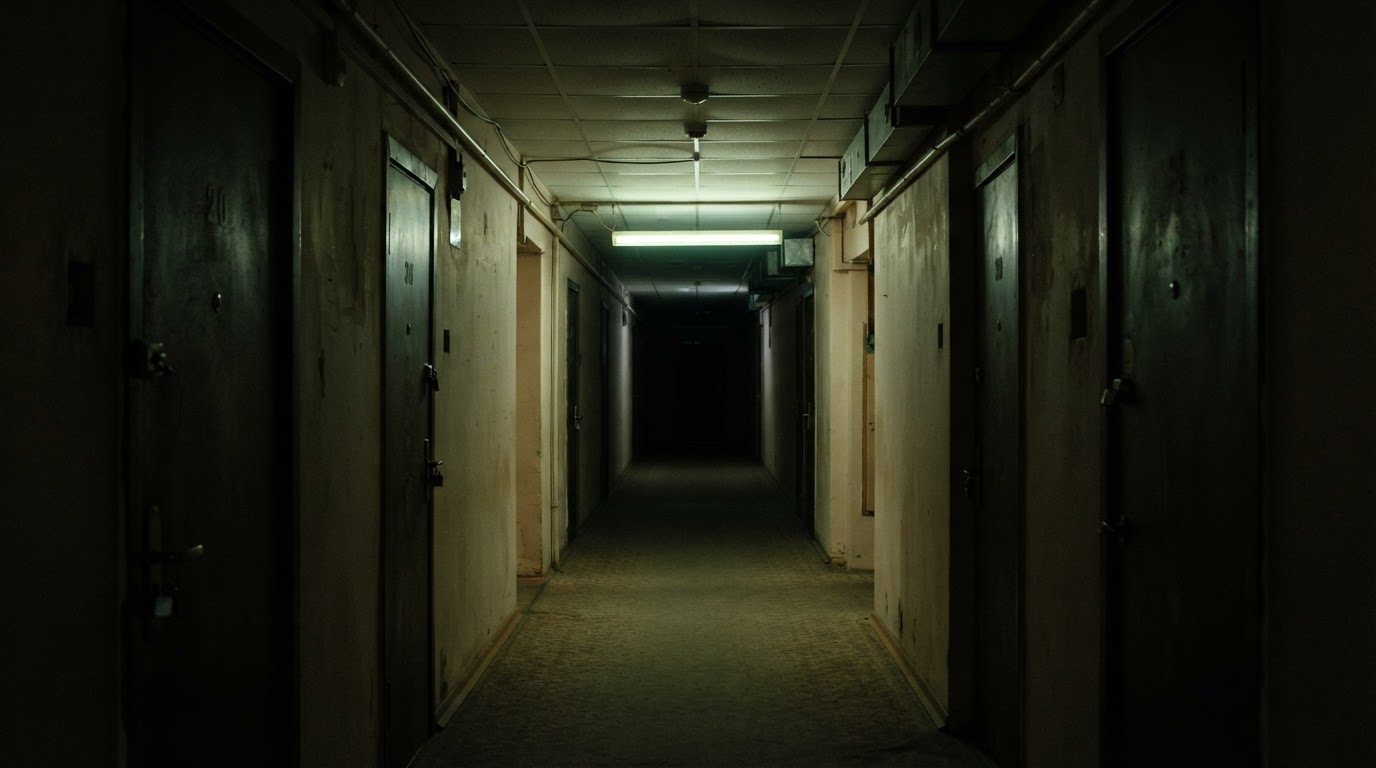
A three-year-old girl had been living in the apartment. The adult who should have been caring for her was not there. Investigators found that Ms. Kim had, in the summer of 2020, moved away and left the child behind in that home. The following year, the girl was found in the empty apartment.
Ms. Kim was known to be the child's biological mother. On paper, and in the understanding of everyone around them, the girl was Ms. Kim's daughter. The case moved toward holding Ms. Kim responsible.
Up to this point, the investigation was sorrowful but clear.
Then the police did what is routine: they checked the DNA of the people involved. And that ordinary step pushed the entire case into a different world.
The DNA — one line that flipped the whole case
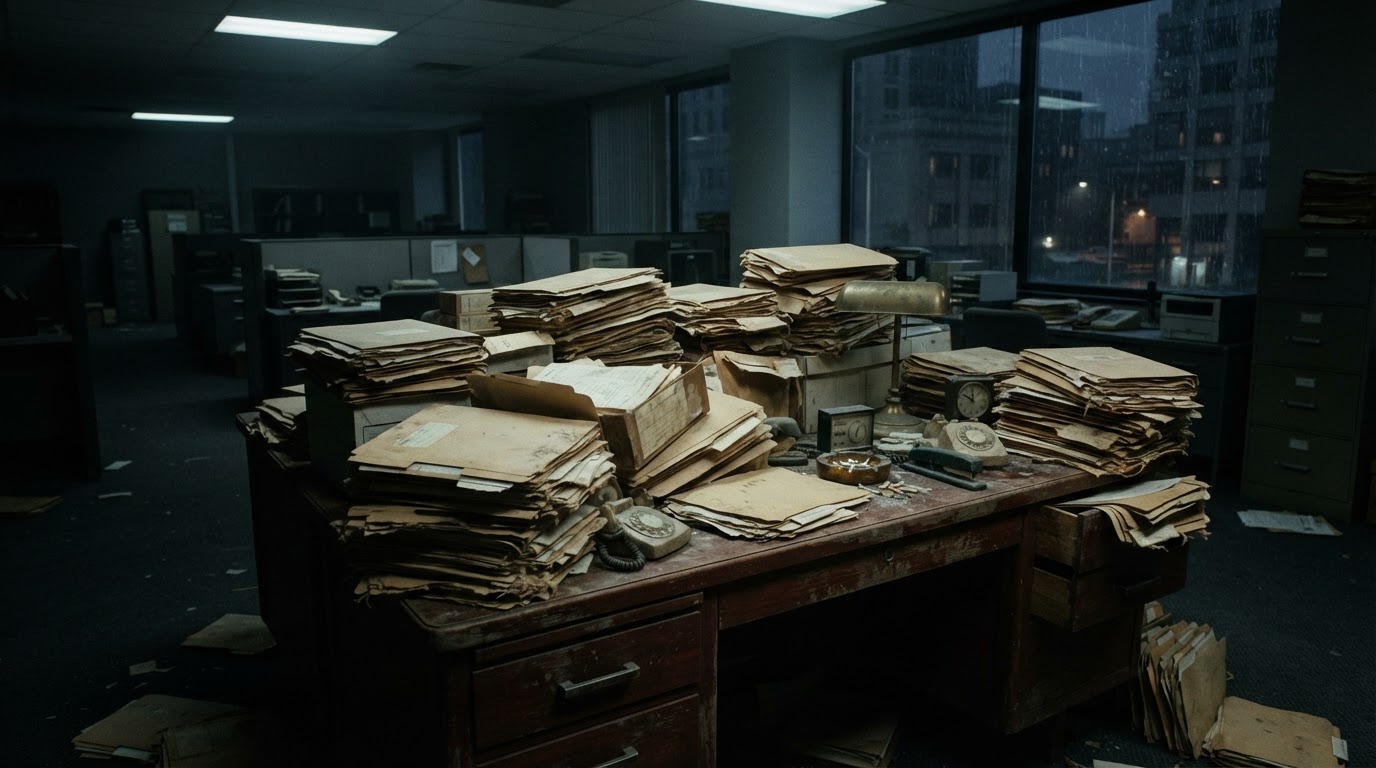
The finding from the National Forensic Service was something no one had anticipated.
The dead girl's biological mother was not Ms. Kim.
By DNA, the child's biological mother was the person who, until then, had been known as the grandmother — Ms. Kim's mother, Ms. Seok.
In other words, the woman recorded as the "mother," Ms. Kim, had not given birth to this child. The one who had was Ms. Kim's mother, Ms. Seok — which would make the dead child and Ms. Kim not mother and daughter, but sisters.
The result was so strange that prosecutors and the forensic service ran the genetic testing again. Multiple times, across more than one institution. It came back the same every time. Ms. Seok was the biological mother of the dead girl. This did not waver.
DNA does not lie. Parentage today can be established with effectively 100% certainty. And it was precisely that 100% that dragged an impossible question into the center of the world.
Then where is the baby that Ms. Kim supposedly gave birth to?
So — a "baby switch"?
The theory the investigation arrived at was this.
Around the same time, two women were pregnant: the daughter, Ms. Kim, and the mother, Ms. Seok. Investigators determined that around the spring of 2018, each of them was approaching the birth of a child.
Yet the child who grew up beside Ms. Kim — the three-year-old later found dead — had Ms. Seok as her biological mother. From this, prosecutors drew a picture: at some point, the two children had been swapped. And the child Ms. Kim had actually given birth to had been spirited away somewhere.
Prosecutors tried to pin down even the time and place of that switch. According to the indictment, sometime between late March and early April of 2018, at an obstetrics clinic in Gumi, Ms. Seok had switched the child born to her daughter with the child she herself had borne, and had made Ms. Kim's child disappear.
The legal name for this charge is abduction of a minor. And it became the heart of the case.
The wall the investigation hit
If a switch really happened, when, where, and how was it possible?
This is where the investigation ran into a wall.
There were birth records at the obstetrics clinic. But records can tell you "this person gave birth to this child" — they cannot tell you "and afterward, the children were swapped." It had been years. Most of the intervening time had already flowed away.
If the switch happened at the hospital, it would have required someone's hands. If it happened at home or elsewhere, there was scarcely a way to confirm that the birth had even taken place. Either way, prosecutors were never able to secure the direct evidence that would show this is the moment, and this is the manner, in which the children were exchanged.
And at the center of it all, Ms. Seok consistently denied everything, from start to finish.
I did not give birth to that child. I never switched anyone. Ms. Seok's position never moved.
The DNA says Ms. Seok is the biological mother of the dead child. Ms. Seok says she did not give birth to her. These two sentences collide head-on. And the story that would bridge them — when and how the children were switched — was something no one possessed.
The trial — from guilty to not guilty
The verdict in this case did not come in a single stroke. Because the outcome reversed so dramatically, it matters to follow the sequence precisely.
At the first and second trials, the court found Ms. Seok guilty of the charges — abduction of a minor and attempted concealment of a corpse — and sentenced her to eight years in prison. From that far alone, the case seemed to be settling as a conviction.
But in June 2022, the Supreme Court did not let that verdict stand. It quashed the lower ruling and sent the case back down (remand). The genetic result was powerful circumstantial evidence, the court reasoned — but whether that alone could establish the specific criminal act of a "switch" had to be examined again.
The remand trial (Daegu District Court) in February 2023 was unambiguous. The bench found that "apart from the genetic-analysis result, there was insufficient evidence to establish the charged facts." It had not been sufficiently proven that a child was switched at the obstetrics clinic. As a result —
- Abduction of a minor (the baby switch) → not guilty
- Attempted concealment of a corpse → guilty
The sentence was reduced sharply, to two years in prison, suspended for three years.
Then, on May 18, 2023, the Supreme Court dismissed the further appeal and finalized this ruling (Criminal Division 3).
To put it plainly: the charge that was the very core of this case — the "baby switch" — was confirmed not guilty by the Supreme Court. What remained as a conviction was the attempted-concealment portion. The reason for the acquittal was singular: prosecutors could not present the specific time, method, or direct evidence of the switch.
The daughter's case is a separate matter
Here is something that must be kept distinct. What was confirmed not guilty is Ms. Seok's "switch" charge. Responsibility for the child's death was decided in a separate trial, involving a different person, with a different conclusion.
Ms. Kim, who had left the child alone, was tried separately for responsibility over the girl's death. On appeal she was sentenced to twenty years in prison, and when she abandoned her further appeal, that sentence was finalized. Ms. Kim is currently serving her term.
In other words, on the child's death itself, guilt was confirmed. But there is no conviction anywhere that explains the enormous riddle the DNA revealed — when, where, by whom, and why a child was exchanged. That part remained not guilty, and so the case remained a mystery.
The mystery that remains — the science exists, the story does not
This is what makes the case so hard to find a precedent for.
Ordinarily, an unsolved case is unsolved because there is no evidence. You can guess what happened, but there's no physical proof or witness to establish it. This case is the exact opposite.
The scientific fact is, if anything, too certain. DNA confirmed, again and again, that Ms. Seok is the biological mother of the dead child. An unshakable, 100% fact.
What is missing is not proof. It is narrative. When the child was switched, where she was switched, why such a thing happened, how it was even possible — every one of these boxes is blank. A single certain result sits there alone, and the entire path leading to it has been erased.
You could call it the paradox of the DNA age. Humanity can now prove a blood relationship between two people almost perfectly. And yet that very perfect proof has produced a question no one can answer. The relationship is proven 100%. The case is solved 0%.
The reported theories — and the line not to cross
Several theories circulated around this blank. Here I present only the theories within what was reported, and only as theories. Declaring a specific person guilty in a case that ended in acquittal is not this article's place.
The hospital-switch theory. This is the picture prosecutors laid out in the indictment: that the two children were exchanged at the obstetrics clinic. But the court found no direct evidence to support it, and an acquittal followed. It was raised as a theory but not accepted in court — a point worth stating clearly once more.
The home-birth theory. The possibility that the birth itself took place outside a hospital. In that case, the very official record of which child was born is blurred from the start, making it even harder to confirm whether any switch occurred.
Both theories stop before the same wall: neither answers the question where is that child now?
A theory is a theory. What is confirmed is only the DNA result and the line the Supreme Court drew between guilt and innocence. The moment we cross that line to declare someone guilty, we are no longer understanding the case — we are distorting it.
Where is the "other child" now?
The question that lingers longest in this case is probably this one.
The child Ms. Kim supposedly gave birth to — the child who ought to exist somewhere, on paper — where is that child now?
Police did trace the whereabouts of that child: where the daughter Ms. Kim actually bore had gone, whether there was an accomplice to any switch. But the investigation stopped at the point where it "could find no particular evidence."
Whether that child is growing up somewhere under another name, or whether there was never such a child to begin with — to this day it has not been confirmed. DNA can tell you "this child's mother is that person," but it cannot tell you where a child who should exist has gone.
A single blank space, shaped like a human being.

The question this case left for the system
This case did not end as a private mystery alone.
The dead girl had been born into the world, yet she lived out her short life without ever being properly registered anywhere. The fact that her existence never caught in the net of official records exposed, head-on, a hole in South Korea's birth-registration system.
Around the same time, one tragedy after another involving unregistered children came to light, and society belatedly asked: if a system allows a child who was born to vanish unseen by the state, what is that system failing to catch? This case sat at the very center of the movement that led toward a birth-notification system — one requiring hospitals to report a child's birth directly to the state.
One child's death became a question about the system, for the children who would come after. That is one of the few clear things this case left the world, even from within its mystery.
Within the lineage of Korea's unsolved cases
Korea has its cases where something clearly happened, yet the account of what happened was never completed.
The Busan newlywed disappearance, where the CCTV showed the couple entering their home but never a single frame of them leaving; the Song Hye-hui disappearance, where a young woman vanished without a trace on an ordinary afternoon; the Daegu Frog Boys case, where children who climbed a mountain with their lunches never came back — each wears a different face, but they share one thing. One certain fact, and a vast void around it.
The Gumi case is uncanny even within that lineage. Where the others do not know what happened, this one has already been handed half the answer by science — the fact of blood. To hold half the answer in your hand and still never reach the other half. That is the particular chill of this case.
Before we close this file
Time has passed since that winter of 2021.
The courts did what they could. Responsibility for the child's death was confirmed as Ms. Kim's guilt; the switch charge, for lack of evidence, was confirmed as Ms. Seok's innocence. The law can speak only of what is proven, and in this case, too much went unproven.
What remains is a single, unshakable fact called DNA — and the empty room that fact threw open. Inside that room there may still be a child whose name and face have never been confirmed: a blank on a form, or perhaps a life somewhere.
Science says that child ought to exist. The world cannot say where.
There is a thing I do with case files that I cannot recommend, which is to read the dates in order and think about the ordinary days between them. Spring of 2018, when two women were both close to giving birth. The summer of 2020, when one of them moved out of that apartment. The winter of 2021. Somewhere inside that stretch of unremarkable calendar, a child either stopped existing or started existing under a different name — and by now that child, if there is a child, is old enough to have been to school. I keep the file open longer than I need to. It has never told me anything more.
Somewhere, someone may know the answer to that day. If you know anything about this case, however small it may seem — to the one person for whom it matters, it will never be small.
May the child who remained a blank someday recover a name. That is as far as this file can go.

---
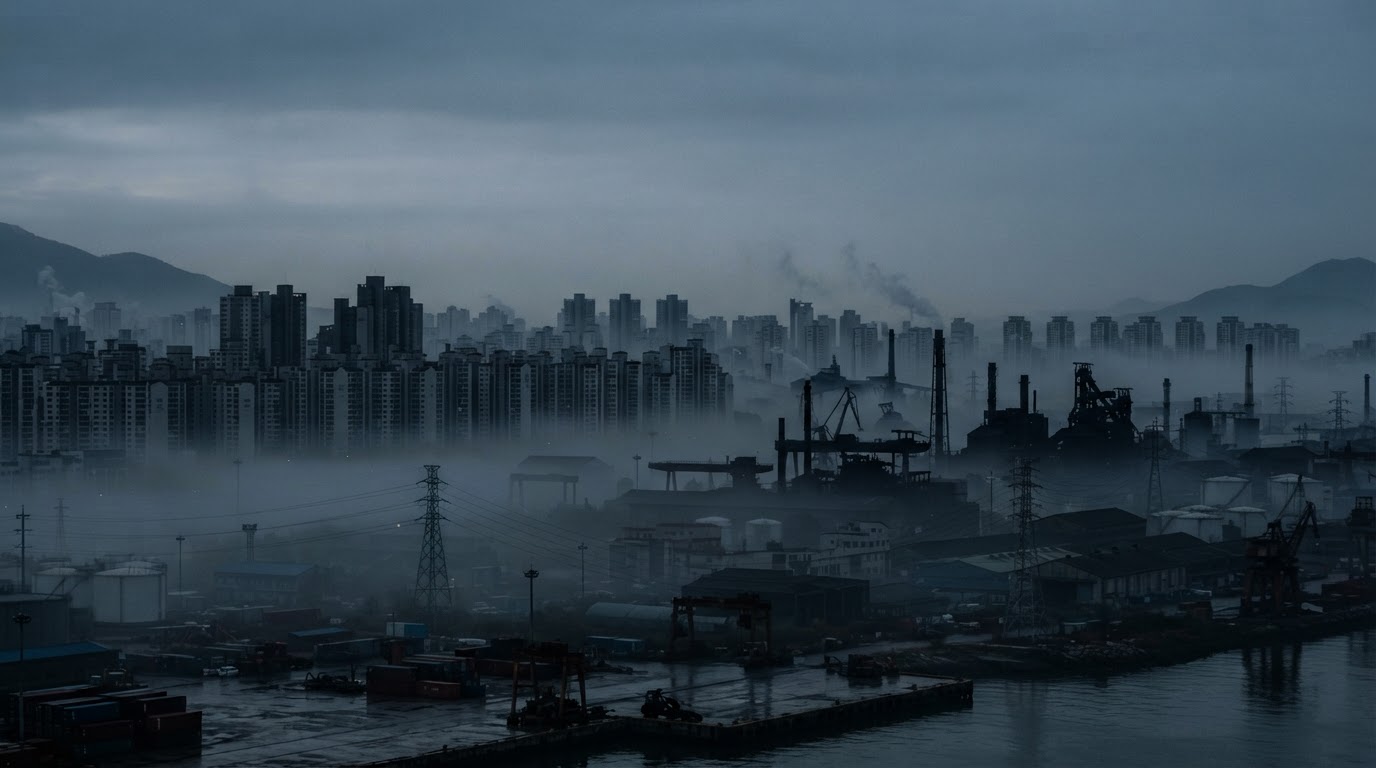
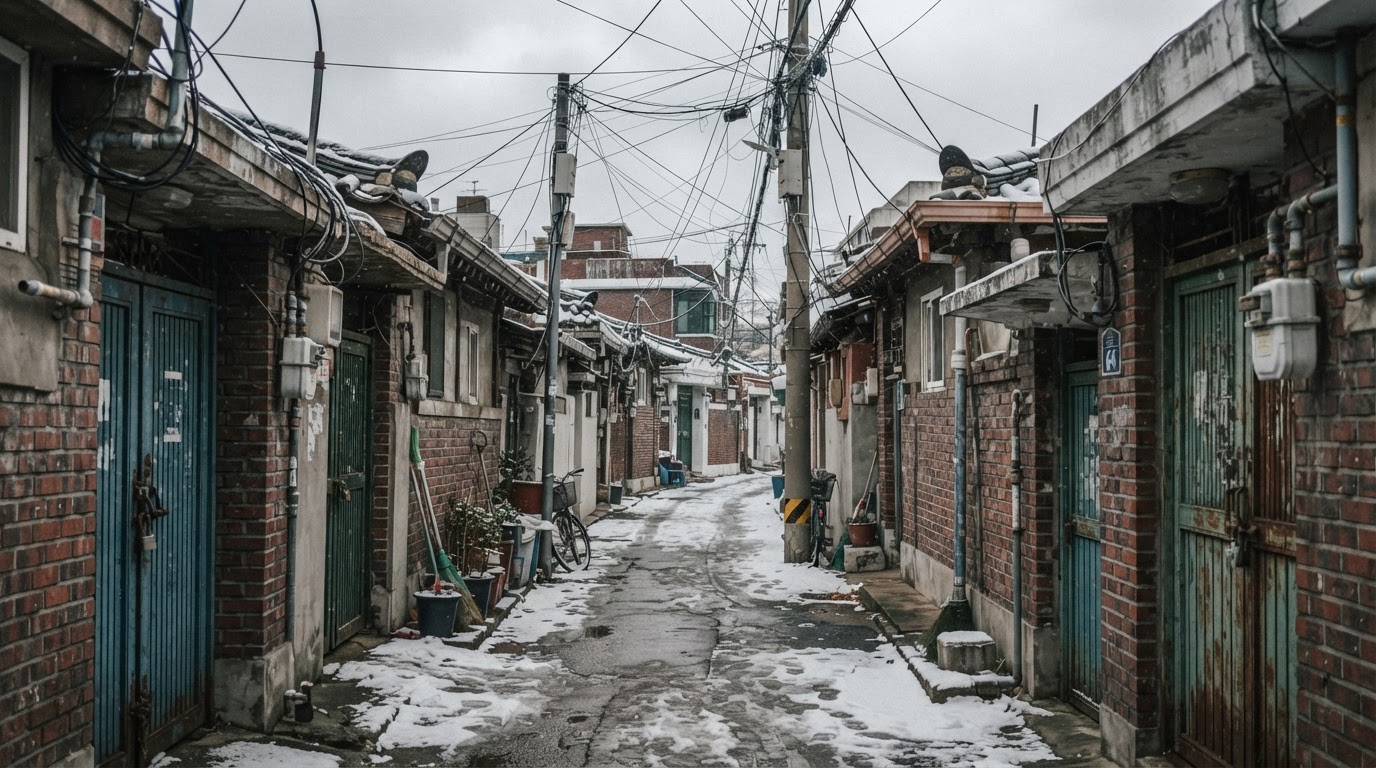
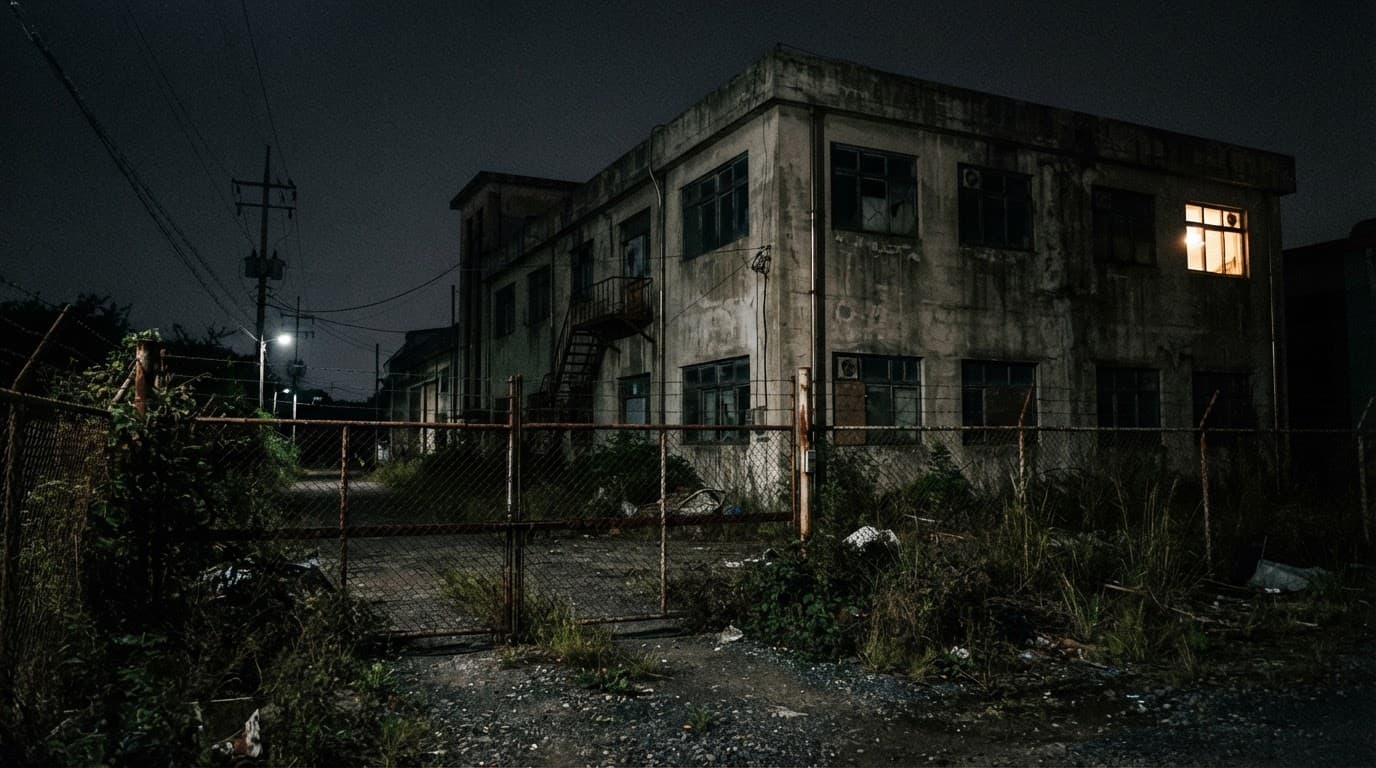
The images and video in this article are AI-generated works produced to convey the mood of the story, and are not photographs of any actual person or event.
Comments
No comments yet — leave the first one.