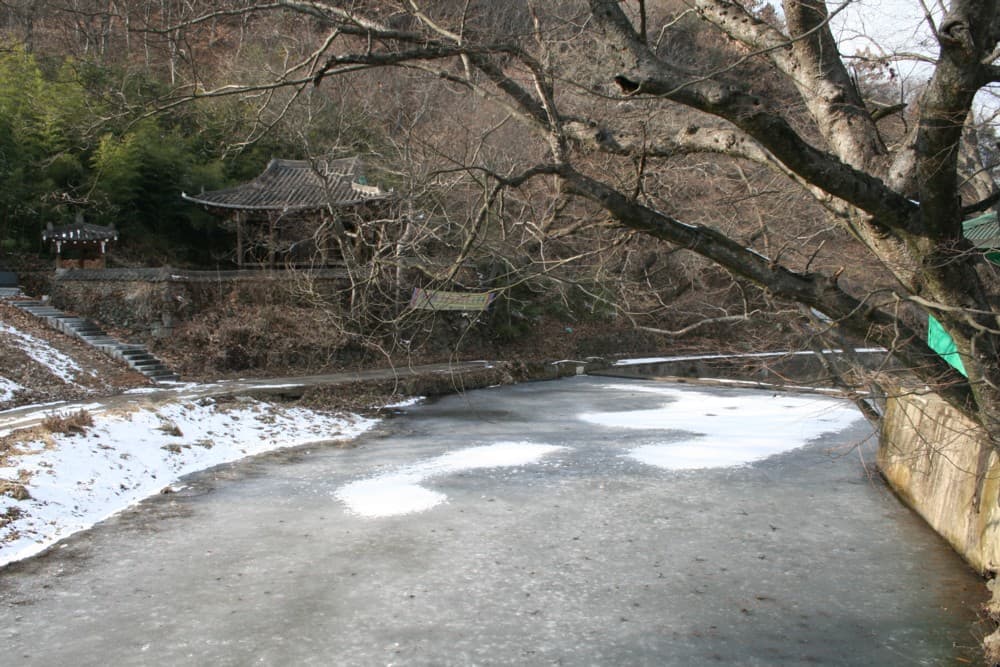
In April 1977, in a valley on the flanks of Mudeung Mountain in Gwangju, a handful of unauthorized shanties burned to the ground. Before the flames had died down, four demolition workers had lost their lives. When the story reached the newspapers, readers found themselves reading about a martial-arts master who had lived hidden away in the mountains — a "Mudeungsan Tarzan" who scaled cliffs, wielded a sword, and overpowered men with superhuman strength. The name spread across the country in a matter of days, and the case was consumed like a chapter out of a martial-arts novel.
But the "Mudeungsan Tarzan" existed nowhere in reality. That name was created after the fact, in a newspaper's editorial room. The real person behind it was a poor 23-year-old who was studying for the bar exam; the shanty he lived in was forcibly demolished and set alight in a single morning; and in those flames, his mother's entire life savings turned to ash. This is a story about how one man's tragedy was repackaged as the legend of a monster. And when you peel that packaging away, layer by layer, what you meet is not a killer — but a human being pushed to the edge of a cliff by his times.
This case entered my archive under the wrong name, and it stayed that way for a long time. When I first indexed it, I filed it under the nickname, because the nickname is what every account I could find was built around. It was only when I began comparing the 1977 coverage against later re-examinations that I noticed how little the newspapers ever said about the man himself — no schooling, no exam, no mother, and above all no mention of what was in the ceiling of that house. I have since retitled the folder. The old label is still visible underneath.
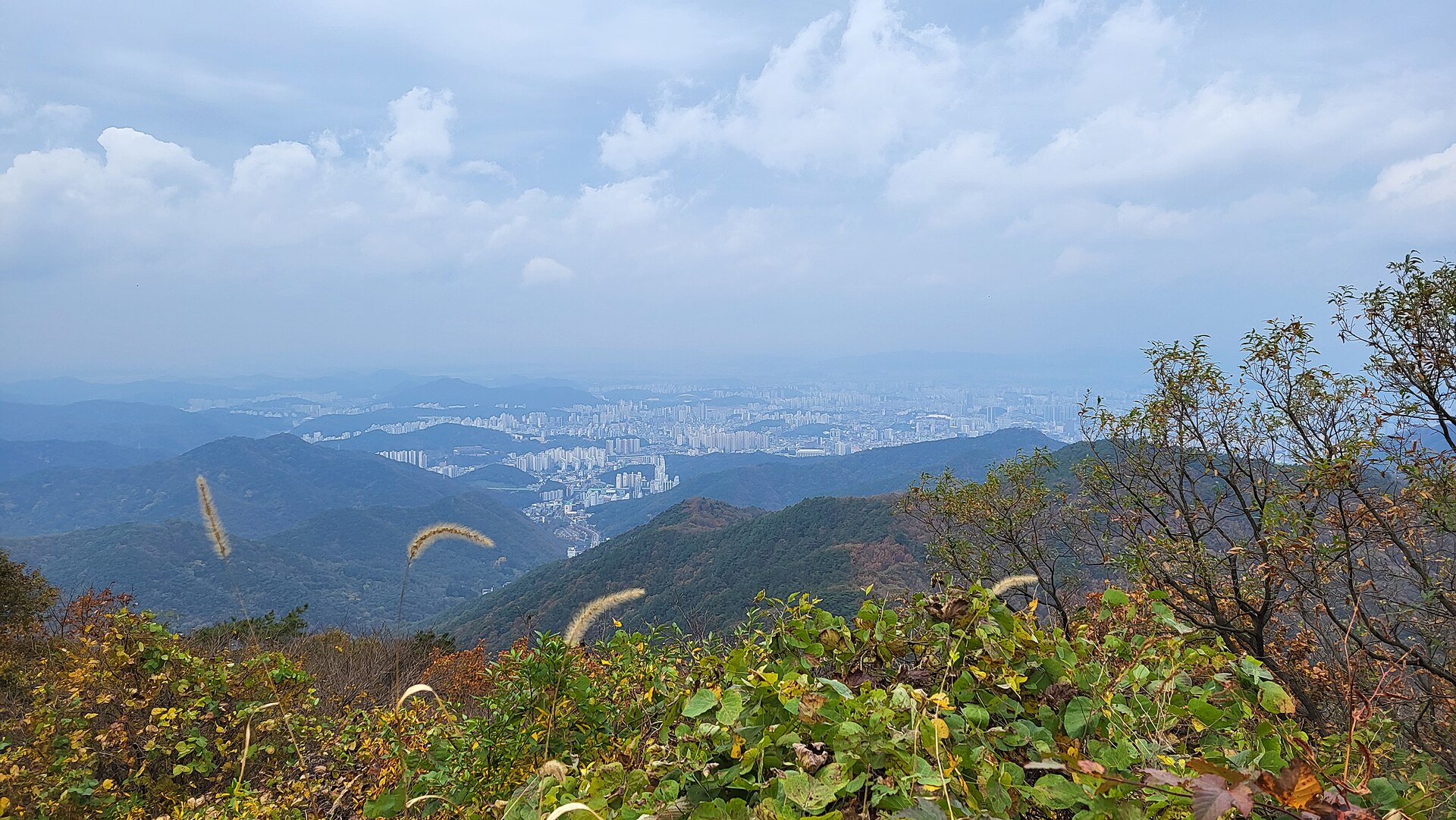
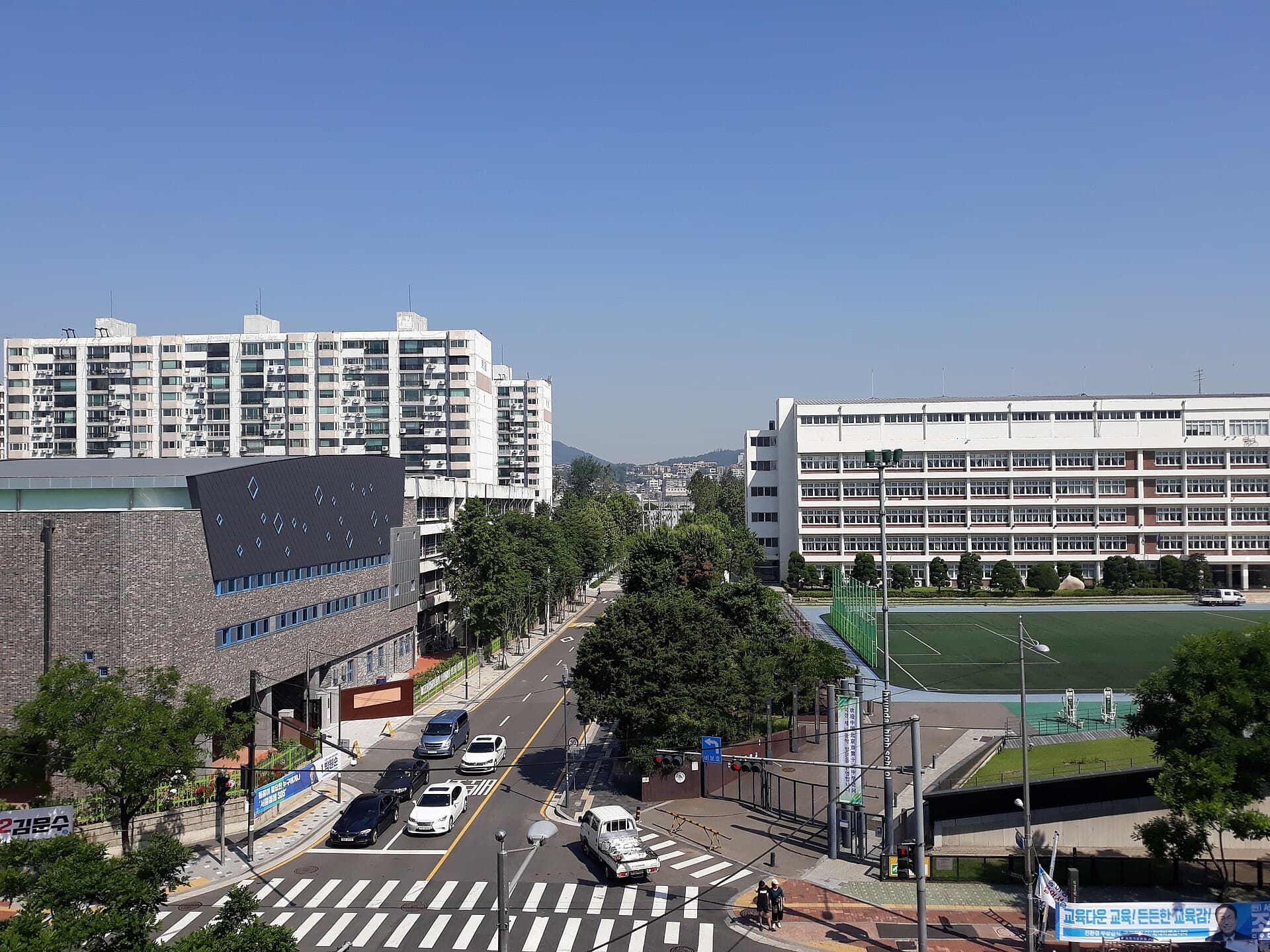
Photo: Wikimedia Commons, CC BY-SA 4.0
Deoksan Valley, the Ravine of People the City Pushed Out
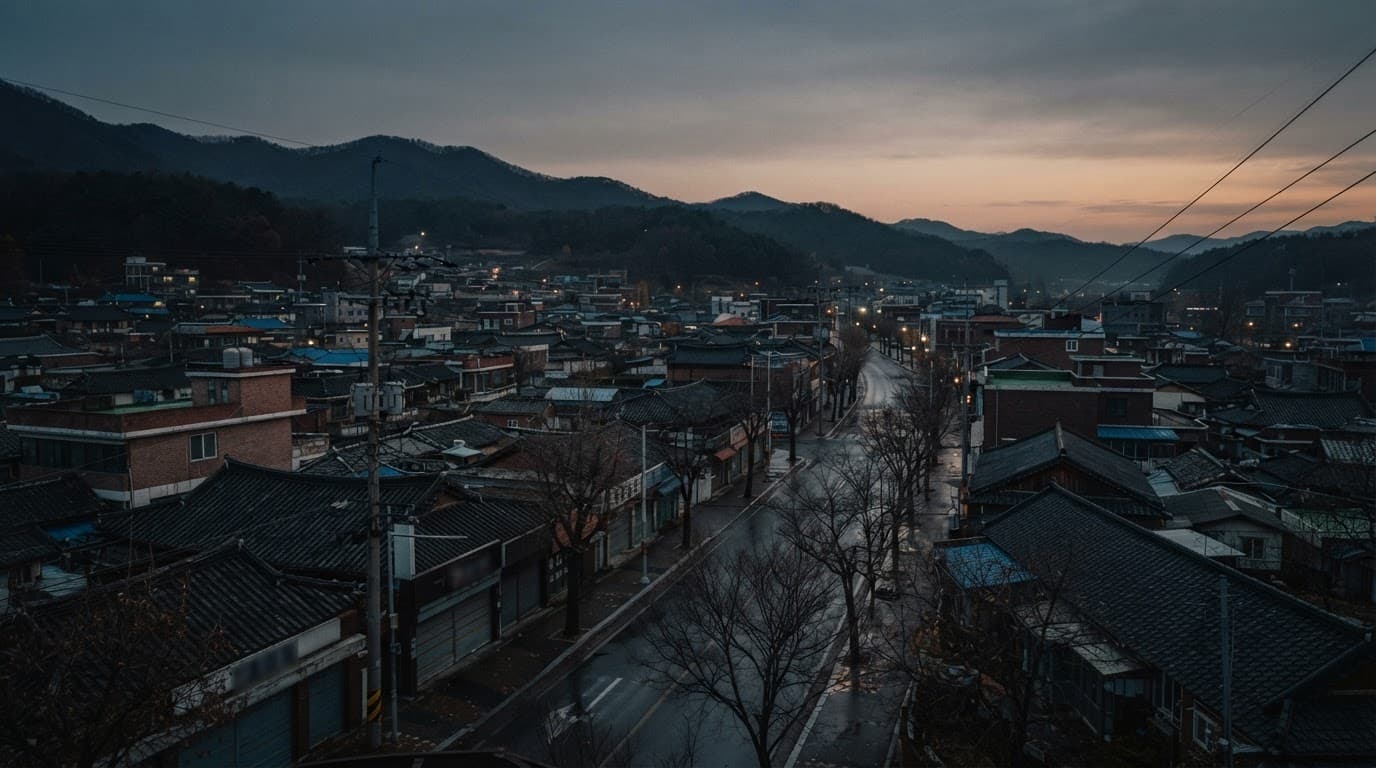
The Deoksan Valley on Mudeung Mountain was a remote ravine, a long walk up from the town of Gwangju. Some people called the place "the shamans' village." In the 1970s, as the city swelled in the name of development, the poor with nowhere else to go were pushed to its margins, and then further, onto the mountain slopes. Those who could not even find a place in the riverside shanty towns finally arrived in ravines like this one. There was no electricity, and barely any running water — yet simply being able to live together under one roof made it a land worth being grateful for.
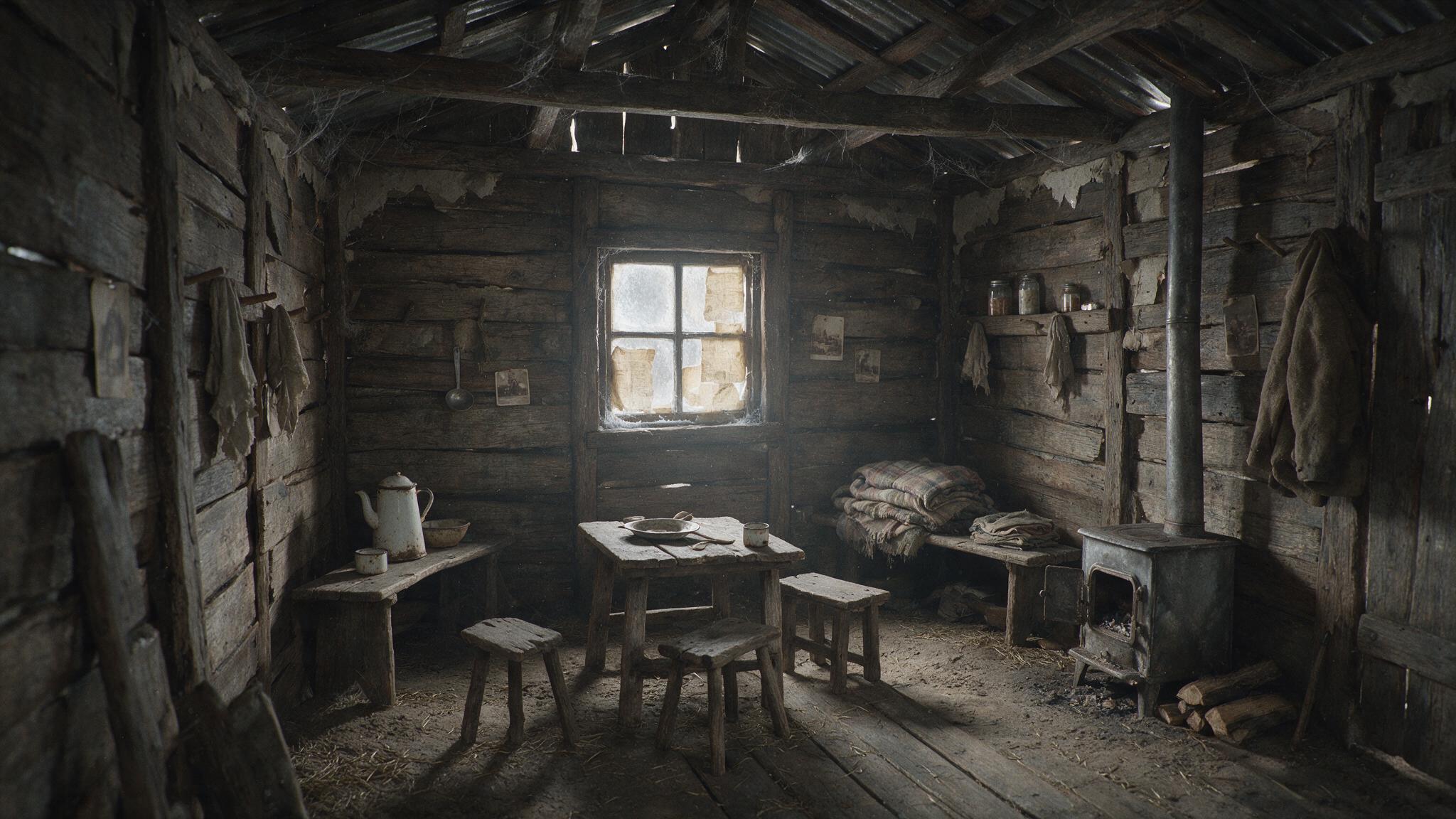
In that ravine, a young man lived with his mother and younger siblings in a hut of a house. He was from Yeonggwang in South Jeolla Province. He had finished elementary school and been admitted to middle school at the top of his class, but poverty kept him from ever passing through its gates, and he had come to Gwangju instead. He scraped a living from work such as fixing locks, and one by one he gathered back the family that had scattered into other people's households as hired help. It was he who had built the shanty on the slope with his own hands. To him, that house was not merely a shelter but the root of a life — the thing that had bound his scattered family back into one.
A Young Man Studying for the Bar
The young man was not simply someone hiding away in the hills. His hunger for learning was unusually deep. Denied a formal education, he completed high school on his own through the national qualification exam, and went straight on to prepare for the bar. The image of a young man with a law book open in a corner of a shanty could hardly be further from the "beast of the mountains" the newspapers would later draw. His dream, it is said, was to become a prosecutor. That a man who had felt in his own body how poverty grinds a person down should have wanted to stand in the place of the law is one of the most quietly painful notes in this whole story.
At the same time, he threw himself into training his body. Like many young men of the era, he idolized Bruce Lee. Unable to afford a proper gym, he climbed up and down the mountain slopes and disciplined his body alone, teaching himself a kind of martial art. This would later become the pretext for dressing him up under the nicknames "Mudeungsan Tarzan" and "Mudeungsan Bruce Lee." Yet what those who knew him then remember is not a superhuman fighter but simply an earnest young man who, even in poverty, refused to let go of learning and self-discipline.

April 1977, the House That Burned
The tragedy began one day in April 1977. That day, a demolition crew from the Dong-gu district office in Gwangju climbed into the valley to clear away the unauthorized houses on Mudeung Mountain's flanks. Notices of demolition had already been served on the shanty settlement. But the problem lay in the way the demolition was carried out. Without even giving the residents proper time to empty their homes and move their belongings, the workers set the shanties on fire. Houses where people lived, with their possessions still inside, burned before their owners' eyes.
Hidden in that house's ceiling was the family's last hope: 300,000 won in moving money, saved a coin at a time over long years of piecework by the young man's mother. It was the one bit of capital the family clung to, meant to carry them out of this ravine to somewhere a little more fit for human beings. That money vanished into the flames along with the ceiling. The young man watched the house he had built with his own hands, his mother's whole life, and his family's tomorrow turn to ash all at once. In that moment, something inside him gave way.
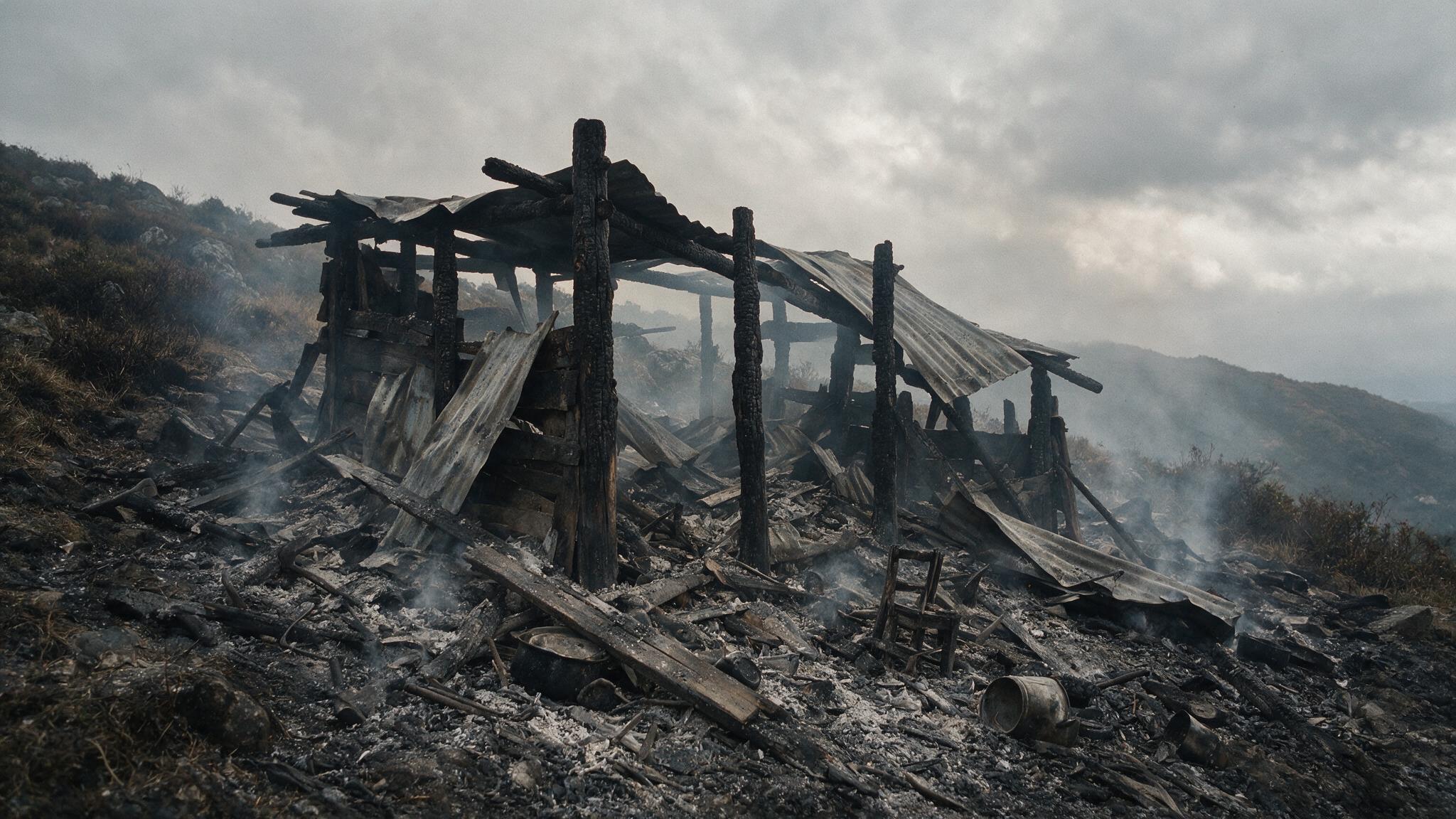
A slow push toward a fog-wrapped mountain slope — a mood recreation, not real footage of the event.
The Horror in the Ravine
What happened next in that ravine pushed the case into a place from which there could be no return. In a state of extreme agitation, the young man overpowered the demolition workers, and in the course of it four of them lost their lives and one was gravely injured. This account will not retrace those terrible moments in detail. But one thing must be stated plainly: nothing can justify the taking of human lives. The four demolition workers, too, were for the most part poor day laborers who had come out for a day's wage. They as well were victims of a structure that set the poor against one another. The moment we sort this case into "villains" and "heroes," we drift away from the truth.
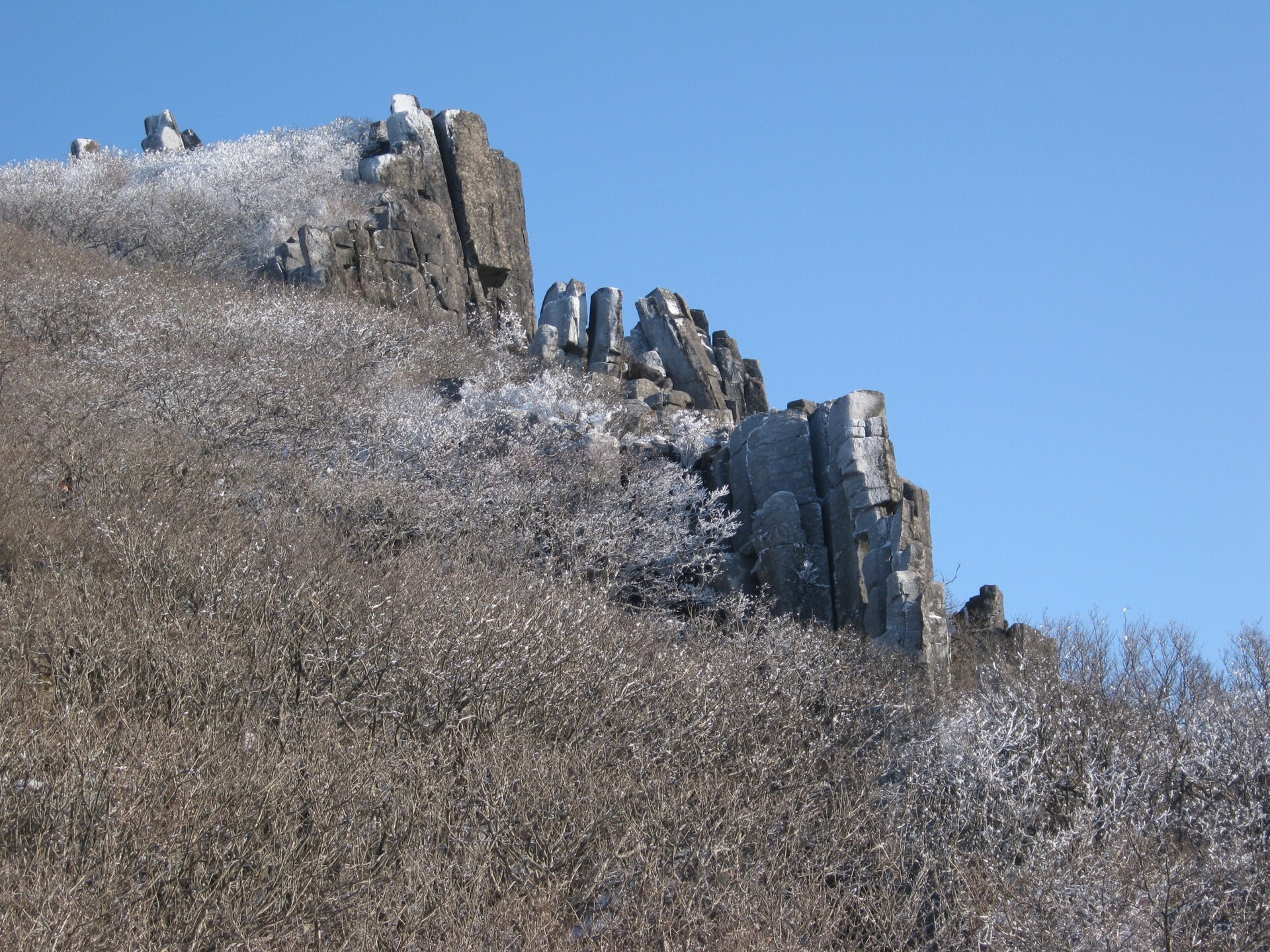
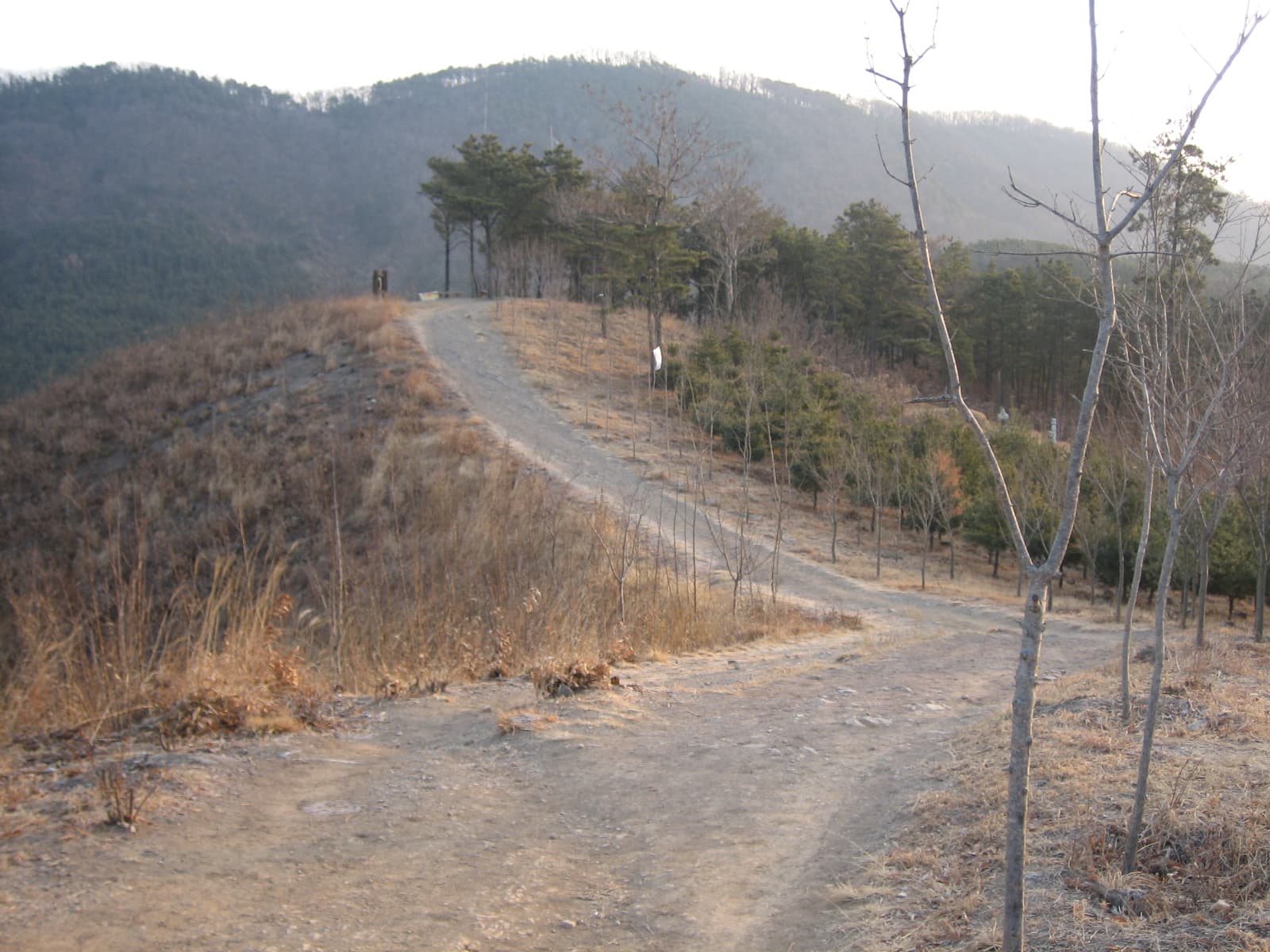
Photo: Wikimedia Commons, CC BY 3.0
Contrary to the popular telling, later re-examinations note the possibility that the horror of that day was not the work of one young man's superhuman strength alone. The collective rage and despair of a whole ravine of people who had lost their homes may well have been present there too. But when the case reached the world, all of that context was erased. What remained was a single man — and the name of "monster" laid over him.
The 'Mudeungsan Tarzan' the Newspapers Made
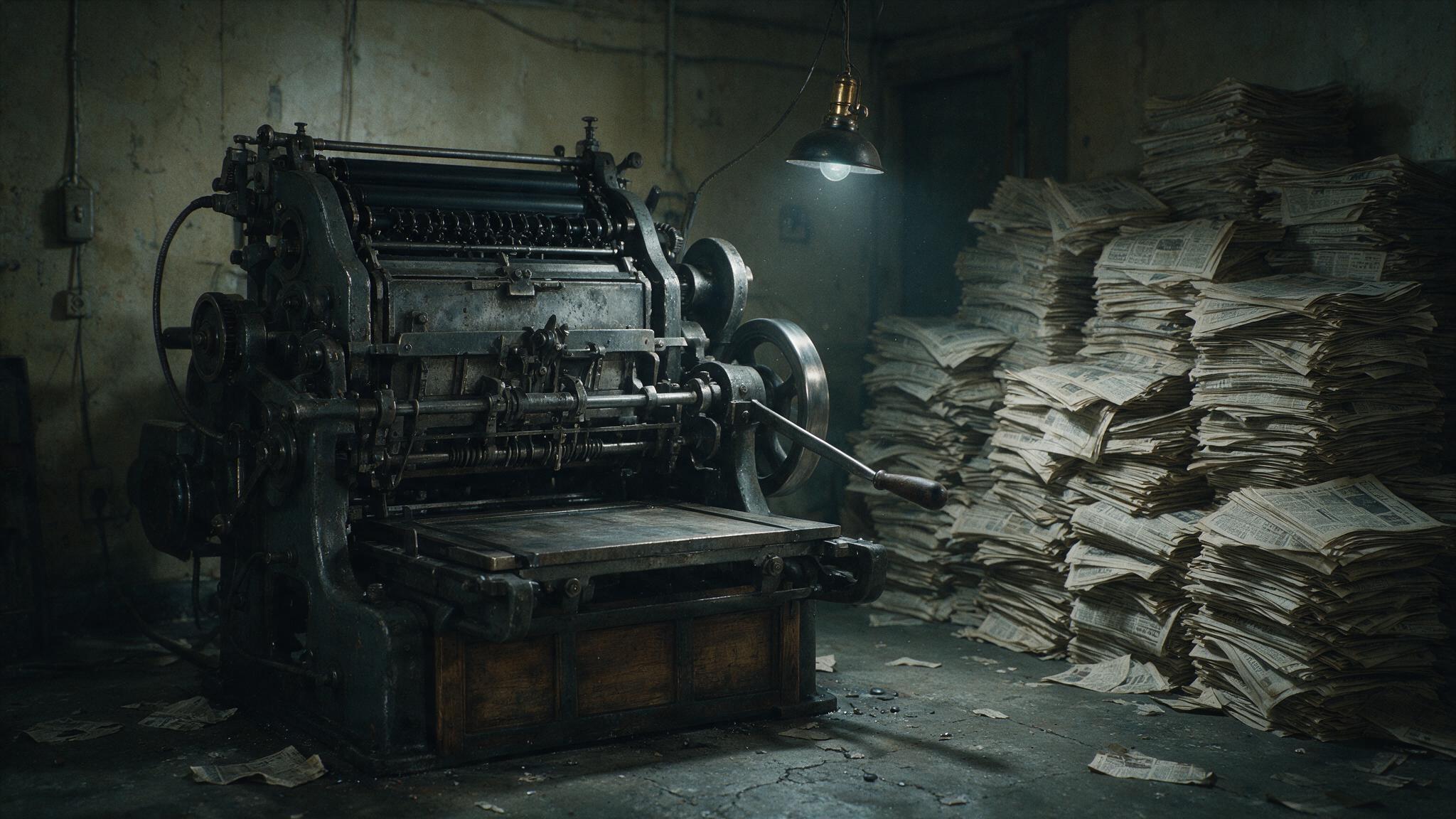
The way this case was reported may be a matter worth chewing over even longer than the case itself. The newspapers called the young man "Mudeungsan Tarzan" and "Mudeungsan Bruce Lee." A master of martial arts who scaled mountains, wielded a blade, and overpowered men with superhuman force — the figure on the page was closer to a character stepping out of pulp fiction than to a living person. The face of a poor young man who had taken the qualification exam and was studying for the bar appeared nowhere. The story of the day his mother's entire savings burned, and the plight of people driven onto the mountain slope with nowhere to go, were erased.
Why was such a name made? Those who have looked long at the case say the authorities feared what would happen if the true background — the forced demolition, the arson, the despair they caused — became widely known as it was. The logic of development that was bulldozing the unauthorized settlements, and the rage of people driven to the edge of a cliff before it, could become an ember hard to control the moment they won public sympathy. And so the case had to be rewritten — not as "the tragedy of a poor evicted man" but as "the grotesque crime of a martial-arts killer lurking in the mountains." The instant a human being is inflated into a superhuman monster, his death becomes "the slaying of a monster," and the structural violence behind him vanishes from view. The nickname "Mudeungsan Tarzan" was precisely the instrument of that erasure.
The Gallows, and the Questions Left Behind
The young man was arrested, tried, and sentenced to death. During his imprisonment he left behind writings from his cell. In them he did not look away from the weight of what he had done, and above all he wrote again and again of his remorse and longing for his mother. Nowhere in those pages is there any trace of the "Mudeungsan Tarzan" the world had drawn. What is there is the voice of a poor son, and of a human being full of regret.
Then, in December 1980, his death sentence was carried out. In the turbulent period when the new military regime had seized power, in that winter when many executions were carried out at once, the young man — twenty-six years old — ended his life on the gallows. It had been a little over three years since the incident. His death was quiet, and unlike the days when the lurid name "Mudeungsan Tarzan" had covered the newspapers, it drew little notice at all.
That he took human lives is a fact that cannot be erased. Four people lost their lives, and the grief of the families left behind carries a weight no one may speak of lightly. Yet if we remember this case only in the single sentence "the grotesque crime of a martial-arts killer," we lose sight of what matters most. Why did an earnest young man have to be pushed all the way to that cliff's edge? Why was a house where people lived burned down with their belongings still inside? And why did his tragedy have to be rewritten as "the legend of a monster"? The "Mudeungsan Tarzan" never lived in the mountains. That name was a mask, invented by an era to hide the tragedy of its own making. And the face behind that mask may be the very one we are still putting off looking at, squarely, even now.
Four men went up that slope for a day's wage and did not come home, and there are families who have carried that for nearly fifty years. I have no way to weigh their loss against anything else in this file, and I do not try to. What I keep returning to instead is the number 300,000 — a figure I had to hunt for, buried in the later re-examinations, absent from the coverage that made him famous. A woman put it away one coin at a time to get her children off that mountain. Nobody thought it was worth printing.
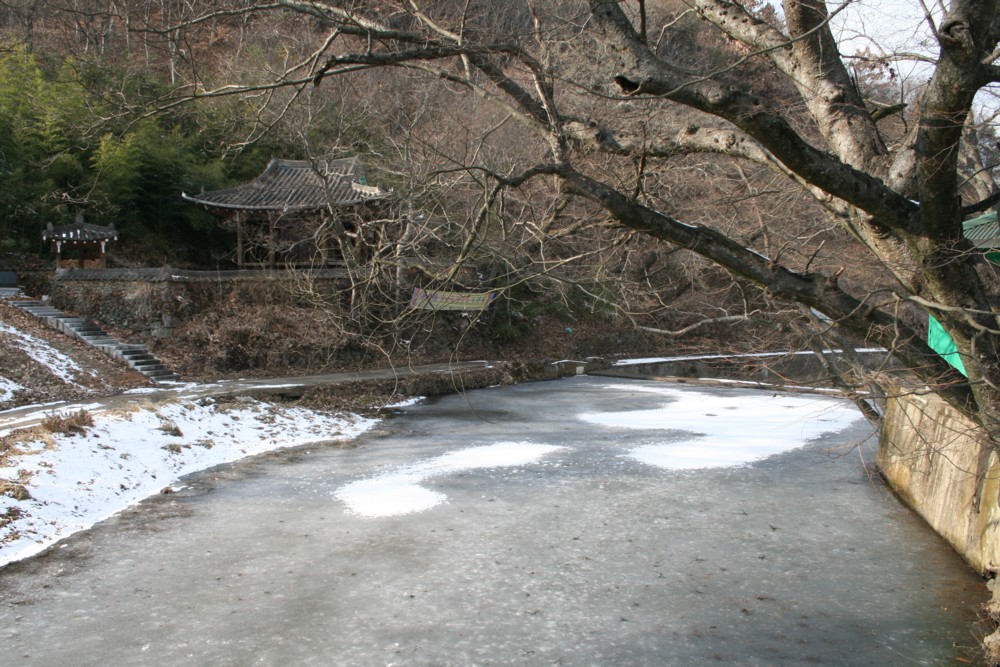
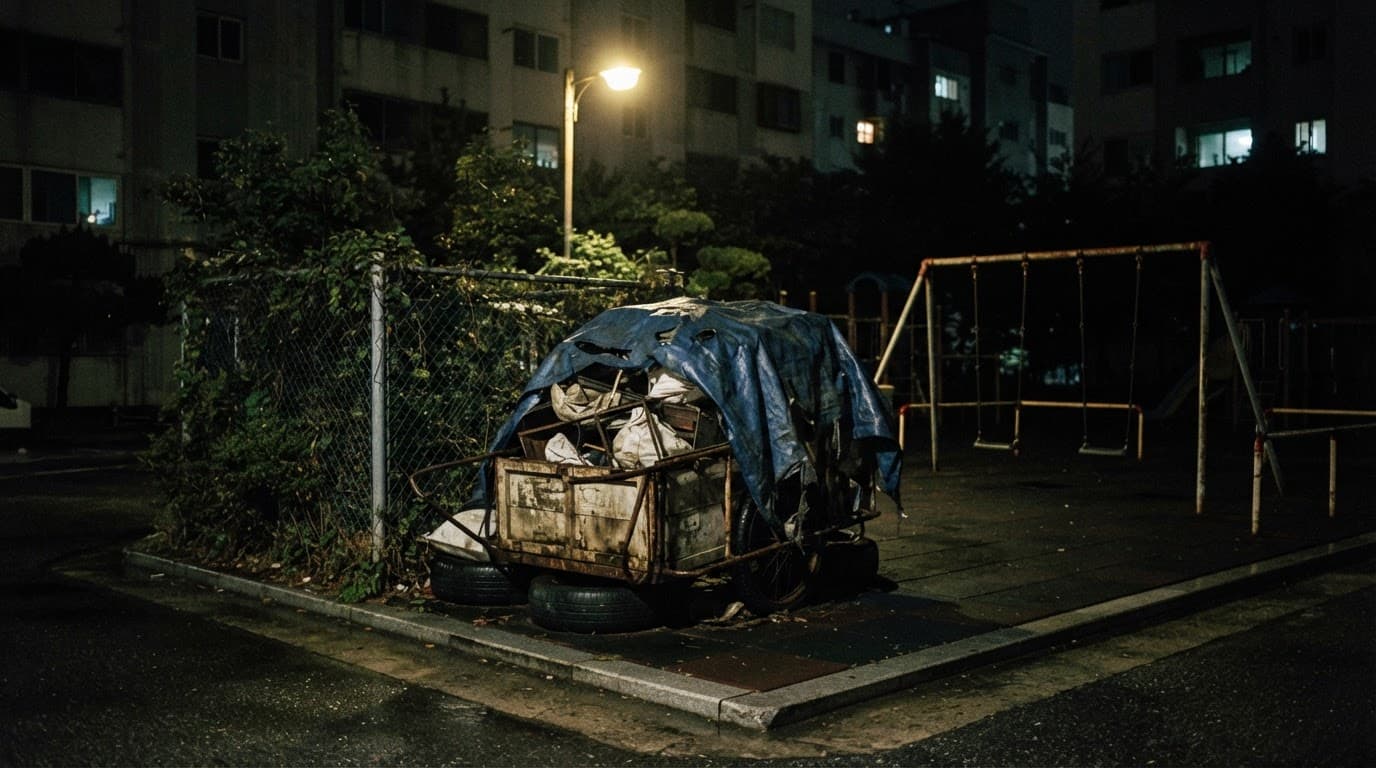
Photo: Wikimedia Commons, CC BY-SA 3.0
---
This article uses actual archival and on-site photographs alongside AI-generated images and video produced to convey the mood of the story.
Comments
No comments yet — leave the first one.